Subscribe
Share
Share
Embed
Uptown Voices tells the stories of unsung heroes who are transforming New York City's Uptown neighborhoods from Washington Heights to Inwood to Harlem to the South Bronx. Each episode profiles an individual or organization making a positive difference. These social entrepreneurs, artists, and community leaders are navigating critical issues of affordability, public safety, and mental health. Through conversations rooted in journalistic integrity and genuine community ties, this podcast challenges negative narratives and celebrates the true spirit of the vibrant neighborhoods thriving north of Central Park.
Each episode features extended interviews in which subjects tell their stories in their own words. The series examines the interconnected challenges facing Uptown communities—gentrification pressures, resource scarcity, systemic inequities—while simultaneously showcasing the creativity and collective power emerging in response. While uplifting the people shaping Uptown’s future, the podcast holds local elected officials accountable for the promises they make. During this pivotal time, Uptown Voices is creating a unique audiovisual archive.
Uptown Voices is a fiscally sponsored project of the Maysles Documentary Center. Make a tax-deductible contribution to our program here: https://bit.ly/4eddiWT
Amanda Septimo (00:00)
I think what the very tragic out,
outcome of Renee Good's death, that woman who was murdered by ICE the other day, is that people have seen like, look, you are fair game, period. If you believe in resisting this administration's violence, you are fair game. And that is bone chilling. It is scary to think that that's the country we live in,
Octavio Blanco (00:53)
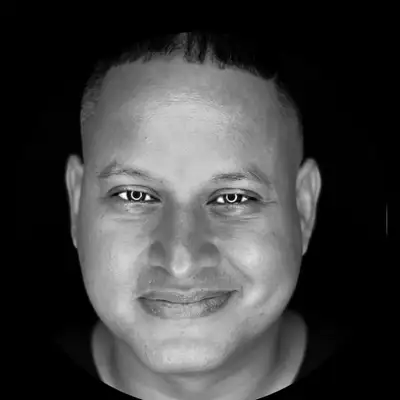
I'm here with my brother from another mother led
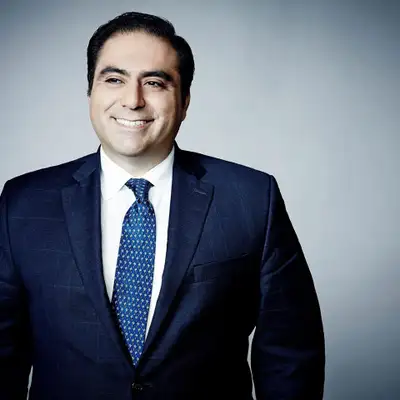
and this is another episode of Uptown Voices. we've got an amazing guest Amanda Septimo. She is a state assembly member representing district 84 South Bronx and she is also a candidate running for Congress against Congressman Richie Torres.
Led Black (00:56)
Yeah.
Amanda Septimo (01:16)
you
Octavio Blanco (01:18)
This episode was recorded on Wednesday, January 14th. On Friday, January 16th, Amanda Septimo announced that she was suspending her campaign for Congress due to health issues. She, however, will continue to serve out her term.
Octavio Blanco (01:37)
Torres.
So we're really glad to have you here, Led Black. I want to just before we toss it to Amanda, how you doing, Led? What's new with you?
Led Black (01:47)
I'm doing good, my brother. I'm super excited about today. And I wanted to remind everyone to make sure to subscribe,
Amanda Septimo (01:52)
you
Led Black (01:53)
you know, shows that uptown love that we show you every day, day in, day out. So. But, you know, let's get to it. ⁓ I want to say I don't think it's very hard to find someone more vile than Richie Tel Aviv Torres. I think this is a disrespect to New York City, disrespect to the BX. Like we there's I.
Amanda Septimo (01:57)
Mm hmm. Yeah.
Led Black (02:16)
We have to get rid of him, right? He has to be, I don't wanna see Richie Torres. I don't even know if Richie Torres is a real person. I think he's like some new form of like human AI that, you know, is just put in, just Israel. Israel, I must do for Israel. Like, I hate Richie Torres so much, so much. And I think defeating him is just of the utmost importance. Why are you the person to do that? Tell us, what about your origin story makes you the person to do that?
Amanda Septimo (02:21)
You
Well, honestly, it's really because it's not about Richie Torres for me at all, actually.
I'm born and raised in the Bronx. The Bronx is my heart. There's many places around the world, but there is one place I'm always willing to throw down for and that's the Bronx. And you know, being from the Bronx, you have like an experience growing up where people are always trying to play us, right? Like people are always saying like, the Bronx is this, the Bronx is that. But really the Bronx is a land of like incredible community. We have community, I swear, like no other place. Everybody thinks their hometown is the best, but really the Bronx actually is.
The reason that I'm running is because we deserve federal representation that recognizes that and that fights for it and that defends it. And right now we have a Congressman Enrique Torres who fights way more for people across the world than he does for people here. And that is at the core of why I'm stepping up to run.
And so I tell people often like, yeah, I'm running against Richie Torres by happenstance because he's the congressman. But what I'm actually running for is the Bronx. I'm running for the Bronx to have the representation that we deserve, especially in this moment where everything in our country is so dark. And we really are like, it's not an exaggeration, even though there's a lot of exaggeration in politics. It's not an exaggeration in this moment to say we're fighting for the heart and soul and the future of our country. And...
Communities like ours are the ones that suffer when we're not putting up enough of a fight. And that's what's happening right now with our federal representation.
Led Black (04:06)
I think that's 100 % correct. And I also feel like, you know, I know what you're saying is not about Richie Torres, but I think Richie Torres is emblematic of something that's wrong with our party, right? And I think he's a big example, I think, that he has to be defeated. But you're right, the answer is go on transcending Richie Torres, but really being a fighter for the people. And I think what you said was just on point and, you know.
Thank you so much.
Amanda Septimo (04:34)
No, but you're right. I also agree with you that there is a really big issue with our party and recognizing that we also need representatives who feel the pressure to be responsive to the people that put them in office. And for whatever reason, the way it's happening for Richie Torres, that's not how it's adding up. He is feeling pressure and is responsive to all kinds of other people, but not to the people that elected him. And that is something that I see across the party and that I think is an issue across the country.
Octavio Blanco (04:35)
Yeah.
Yeah, I think it's so important that our...
our politicians represent the people in their districts and where they live. And I think we've gotten a little bit away from that or a lot away from that in the party. I think ⁓ it's so important that the people who we elect are actually the people that are representing our interests. And of course, that's gonna drive the electorate away even more. Already we have an electorate that feels confused by all the different
people who are in leadership positions, they're already feeling disenchanted. So I wanna get a little nerdy here right off the top because I want us to sort of talk about...
Amanda Septimo (05:38)
Peace.
Octavio Blanco (05:43)
your jurisdiction right now as an assembly member. New York especially is a complex puzzle. So I just wanna understand like right now as an assembly member, where does your office fit into that puzzle? What are your limitations there? And what are the places where you can actually make a change and where have you made the changes?
Amanda Septimo (06:07)
Yeah, that's a great question. So I serve on the state level, right? And I, you know, in like the plainest of terms, I tell people we're like essentially Congress for the state where the governor's our president and we sort of act as a co-equal branch and have to set policy accordingly. We on the state level get to focus on what I think are more of like the meat and potatoes. Whereas when you're thinking about like the city council, that is where you see representation around direct services. So like how often your trash gets picked up.
how much money is going to be in a particular school in the district, whether that school will have a soccer program or not, those kinds of ins and outs, ⁓ NYPD, right? Governing the police. But the state level is really where you get to set policy. So when I say policy, mean education policy on how many kids can be in a classroom. So to say across the state, this is the maximum. The localities decide how much money will go to each school, but we will give
We spend billions of dollars on schools and then they sort of decide how to divvy it out on the local level. We also get to set tax policy, which is something that's really important right now. Housing policy. There's any number of ways that the different layers of government interact. We get to sort of, I frame it as like set the big picture goals and the local government, the city government goes out and sort of achieves those goals. So example ⁓ that you hear a lot about in the news right now is childcare.
universal childcare is something that we want to see happen in New York. The governor has just said she's going to get behind it. That will be on the state level. That just means we're going to fund the program and we will give the money to localities to work on the details of how to bring it to life. And so what we've been able, what I've been able to accomplish over these five years serving on the state level, I've been really proud of because the single handedly most important piece of legislation that we pass every year is our budget.
which was $252 billion last year, bigger than many countries in the world, right? And so resources can make or break a community, right? And what's happened to the Bronx over the last few decades is that we haven't had the resources we need and we've been shortchanged and we bear the costs of that. So I've been able to lead hundreds of millions of dollars in direct investment into the borough. So like through the Hunts Point meat markets, which are like...
thousands of jobs and the produce markets, which are thousands of jobs and now will expand to create a few thousand more and they're unionized and they're mostly Bronx people and like that kind of direct investment. But also on a complete other side, this year for the first time ever, which I'm really proud of, we were able to, I started a coalition called Latinos United for Change, which is a statewide coalition of Latino led and serving institutions.
that came together to fight for the first time ever direct funding for Latino community in New York's budget. That was a huge, huge, huge fight and a huge effort, but desperately needed. And so some of the things we can't do that sort of are pulling me to run on the federal level are connected to things like immigration, issues that are like bona fide national issues, right? Like immigration is one. One contrast that we'll see
is like we were able to decriminalize marijuana on the state level. We legalized, we didn't just decriminalize, we legalized it. On the federal level, on a national scale, it really, that's something that has to really happen nationally because there are all kinds of issues that still exist with banking, et cetera, because it's still considered illegal on the federal level. Immigration is probably the biggest one that I think is at the center of our focus right now. But there's all kinds of policy that
particularly banking that is directly connected to economic opportunity that is governed by the federal government and that I think makes enough of a difference where you need meaningful representation to move the ball forward.
Led Black (09:50)
You know, I want to thank you for that answer because I didn't really, you know, the way you explained between the city council and the assembly, like I had never really understood it so clearly, right? And thank you for that. My question is like, what led you to this life of public service? Because like I can see the dedication, I can see the intellect, right? You could have been somewhere else making tons of money. Why public service?
Amanda Septimo (09:59)
Thanks.
Thanks. Yeah.
You know, that's a good question that I get asked. And I think I always wish, you know how, I don't know if you guys remember like back in 2016 when there was like that wave, the blue wave, people always had these really incredible stories like, saw my rep do this and I got up to run and I saw this and I threw my name in the ring. And I just don't have a story like that. The truth is that I grew up in Hunts Point.
and growing up in a community that is so under-resourced. And I went to school in Westchester. So literally every day I would leave Hunts Point, go to Westchester, see how the other half lives. I'm really like, damn, this is kind of crazy, right? Like this doesn't make any sense. The school that I went to, if you guys ever been to Rype Playland, it's in the same town. And so just a completely different experience on a daily basis.
Octavio Blanco (10:51)
Mmm.
Amanda Septimo (11:01)
And as I got older, I started kind of volunteering and stuff when I was like 11 at my local little community center. Then I started working with a local organization on like social justice, environmental justice issues. And then I really came to appreciate that like the difference maker is policy. Like the intersection of your everyday life and how you experience it as a person in this world, the link in between is policy. And so I always think it's funny when people say like they're not so political.
because it's like you're political whether you like it or not. The only difference is whether you participate or not, right? But politics is happening to you, whether you choose it or not, you don't have a choice, you know? And like, you just look around and you are living a political life, period. And so for me, it was just really appreciating that.
Led Black (11:38)
Facts. Facts.
Octavio Blanco (11:40)
Yes.
Amanda Septimo (11:48)
I guess some people will buy into the idea that like some people have to win, have to lose. The reason our communities are always losing is because of the representation that we get and the fight that you're willing to put up and the difference that you get and what those fights look like and who values who and all of those things are connected to like, who's willing to stand up and make noise? Who's willing to stand up and put it on the line? And that slow drip, watching that slow drip of neglect for our community is what for me, I was like, we're getting in.
Led Black (11:59)
Mm-hmm.
Love it. So what was your first time? What was your first public office?
Amanda Septimo (12:19)
Assembly. This is my first, I've been an Assembly member for the last five years and it's been quite a ride. No, no, no, no, no. This is my first time being in office, but I actually ran in 2016 for the first first time ever, but I didn't get all the way through to the election. My lawyer made a mistake and we got thrown off the ballot. So that was heartbreaking. I was 25. And then in 2018, I ran against a woman.
Led Black (12:20)
Wow.
So that's your first campaign and you won your first campaign. Okay. Gotcha.
Amanda Septimo (12:48)
who had been in office almost as long as I had been alive at that point. And I had spent some years working for the congressman of the area and Jose Serrano at the time. And I just knew that like, okay, I wanna get into this. And I think, you know, there could be stronger representation. So I jumped in and I lost and it was devastating. But two years later, we went up for a rematch and we got it done.
Octavio Blanco (12:51)
Wow.
Amanda Septimo (13:12)
And for the last five years, it's been like the privilege of my life to be able to represent my home, the community that I grew up in on the state level. I've got to tell you, not that you can, Rome wasn't built in a day, right? Really politics can't solve all your problems. And for the problems that we can solve, it doesn't happen overnight. These institutions are like built to move slow.
But I am really proud of the progress we've been able to make and I do look forward to what's to come in the years to come. And I'm excited to kind of take those talents to Miami, but really just take them to DC.
Led Black (13:42)
I
Octavio Blanco (13:44)
Well, ⁓ look, mean, I think what you're you talked about the slow drift of poor representation, but what we're undergoing right now is a fire hose of an attack from our the highest levels of our government. And Trump has focused his his crosshairs on our communities. Bronx included.
And we heard the governor talk about some of the protections and some of the ways that she wants the state to help protect vulnerable communities, talking about being protected in schools and at the hospital. So is she doing enough to protect these vulnerable communities? Is there more that needs to be done? Can your district residents feel safe?
if they have to, when they go to church or when they go to school or when they go to the hospital.
Amanda Septimo (14:39)
Look, I mean, I think, you know, we can have a whole conversation about like the different shades of Democrat.
And I think that it's certainly a place to start. I think giving people the right to be able to sue ICE officers when they have their rights violated is important. And I think marking sensitive locations as places that are off limits will be important and help people feel safer doing these things. But I think there's also some other really great policy that we want to still keep pushing for.
One of them is the New York for All Act, which is something that I've been a really big advocate of. And that would make it so that local police departments cannot coordinate with ICE at all. And what does that mean? Because right now it's in practice. So like when you go upstate, there's a 287G program, which is a program that local police departments opt into, and they get to work with ICE and they get money from ICE. And they basically act as like an extension for ICE.
And what does that mean? You get pulled over by a police department that's working with ICE, they can call ICE and be like, hey, we got him, come get him. And they can hold you until ICE comes and gets you. That is horrible. And most importantly, we shouldn't be using our tax dollars like that. ICE has all the money in the world that they need. We don't have to be using New York dollars, New York time, New York resources, especially when I think about police and their actual job to keep us safe. Yet we have a record high of
murders that go unsolved. We have all of these other issues related to crime and policing that we need to solve. We don't need our police distracted doing the federal government's work. The federal government wants to run a cruelty machine focused on ripping families apart. That's on them. We certainly don't need to be using our resources to help them. And so that's one example of a bill that I think goes far and needs to.
Because another sort of way, it's not even just like that example of, you you get stopped by the cop. It could be the case that, and I've heard this before actually, that, you know, when police do checkpoints on a Saturday night, you know, on drunk drivers out, et cetera, those checkpoints have also turned into immigration checkpoints. What is that? What is that? What are we doing? Right? Why are we allowing our police to do that? We have every, we have the power to say, you can't do that here. And so we should be.
Led Black (16:45)
Wow.
Amanda Septimo (16:55)
So New York for all is certainly one. And I think, you know, New York has always been a leader. We do a lot, we pass a lot of first in the nation legislation that other ⁓ states then follow. I think a really important one is, I can't remember the exact name of it, but it's the right to representation and supporting immigrants who go into federal court with legal representation, recognizing the fact that
every time you go into court without a lawyer. It's why we have the fundamental, right, that everyone has a right to representation. When you go into court without a lawyer, you are significantly more vulnerable. And we even see it, for example, where kids, right, we've seen the federal government say a four-year-old can go into court without a lawyer and they can defend themselves. And of course, what happens? They get deported every time. And so also New York using its resources.
to support our immigrant communities that by the way pays taxes and contributes to this economy and is just as part of New York as we are, those of us who have citizenship. That I think is also another, a really important program in this moment to say, here's how we're gonna show up when we know the federal government, like you said, is hell bent on attacking our communities directly with all of the force that they have.
Octavio Blanco (18:04)
Yeah, thank you for that answer because I'm personally speaking here, I'm just so fed up with and heartbroken from what I'm seeing from our federal government and from ICE. I think it's a complete insult to Americans, like not even just.
undocumented immigrants and immigrants and docu-, but to Americans, we're just like seeing our rights being eroded before our eyes. And, you know, it's, if we don't stand up to what's going on now, it's going to be very, very ugly. So thank you. Thank you for that, for that answer.
Amanda Septimo (18:28)
Thank you.
No, of course. Thank you.
Led Black (18:41)
Yeah,
and going back to what you said, and it feels like it's a second end of reconstruction, right? It feels like we've been making this progress from the 60s to now, and then we're being pushed back, like going decades back. It really does feel like it's a second nadir, like we're going back. How do you challenge that at this, at the level you're at now, and hopefully as a congressman, how do you challenge this, it's much bigger.
than just like, are being, we're going back. How do you challenge that and what is your take on it?
Amanda Septimo (20:12)
Yeah.
Well, you know, I think it's, my take is that I 100 % agree. I think people are trying to turn the clock back on us. And I think a couple of things have happened. One, the opposition has been very, very, very skilled at dividing us and making people feel like, ⁓ well, I'm not an immigrant. I don't have a problem. nobody, everybody in my family has papers. I don't have a problem. And I think what the very tragic sort of out,
Octavio Blanco (20:19)
You
Amanda Septimo (20:40)
outcome of Renee Good's death, that woman who was murdered by ICE the other day, is that people have seen like, look, you are fair game, period. If you believe in resisting this administration's violence, you are fair game. And that is bone chilling. It is scary to think that that's the country we live in, right? Because that's the kind of thing that happens in governments that feel very far away, right? Like certainly could never happen here, but that's our reality now. And I think people are starting to wake up.
and appreciate that. But the opposition has been very good at making it feel like ICE's terrorism is somebody else's problem, some other community's issue, some criminal's problem, and demonizing the people that they go after, and making it so that by the time it's your turn, it's too late. You don't even realize that they've come for you. I think that fighting against that and reminding everyone that we are
in this fight together and not in some like, altruistic cliche kind of way. We are in this fight together because we will be in the meat grinder together, period. And that's, I think, certainly true for like communities of color, but it's also true as New Yorkers, right? Like New York is, New York and California are the two states that we are the resistance, right? We fund out of state abortions when the federal government says you can't get them. We support.
Led Black (21:45)
Hmm.
⁓
Amanda Septimo (22:03)
voter registration efforts in other places, we make sure that we're fighting for democracy at every turn. And so what does that mean? We're public enemy number one, number one. And so there was recently just something in the news about how the federal government would be cutting $10 billion worth of childcare assistance to New York. that doesn't mean, that doesn't exempt anyone, right? That's all of us that are gonna feel that pain. And so I think they've been really great at dividing us.
and we have to hold onto unity as much as possible. But I think the other thing is that as a party and as people, we also have to start playing offense. There is like, I don't understand how it is, you know, about 10 years ago, 10 years ago, I was working for still the congressman at the time. And maybe 12 years ago, immigration reform felt this close to happening with a pathway to citizenship.
Led Black (22:42)
Well, so true.
Octavio Blanco (22:44)
Yeah, yeah, yeah.
Amanda Septimo (22:59)
and getting people off, out of the shadows, getting them onto a path where everything would be resolved. Now we don't even talk about a pathway to citizenship. Now we're just begging for people to not be ripped out of their families and thrown on a plane to God knows where. That's unacceptable. And as the party that is meant to represent these communities and represent immigrants, I think we have to start playing offense and saying, hey, I'm not gonna let you do that, and here's the vision for what I think should happen.
And I think that is also something that will inspire people to want to support people who are standing for something. Because it's just not inspiring to say, vote for me, I'm better than that guy. Vote for me, at least I'm not terrible. It's not really inspiring to anybody, right? Like, that doesn't really make anybody want to vote for you. And I get it, right? And so I'm also hopeful that we will have more people stepping up to say.
Led Black (23:40)
Yep.
Amanda Septimo (23:56)
Here's the affirmative vision that we have and here's the future that we should be charting for our community.
Octavio Blanco (24:01)
Yeah, yeah, I thank you. just to follow up on that, you know, we talk a lot about MAGA Latinos on this show. I remember when Led and I started doing this in May, I was very upset with MAGA Latinos, but I would always push back on the idea that we should sort of like excommunicate.
Led Black (24:01)
Thank you.
Octavio Blanco (24:22)
MAGA Latinos from the Latino family. And little by little in our arguments, me and Led are arguing, I've been feeling more and more and more upset and also more and more reluctant to...
engage with a ⁓ MAGA person and particularly a MAGA Latino person. do you have thoughts on that? how do we handle this awful thing that's happened where so many Latinos seem to have found solace in the messaging from the MAGA party?
Amanda Septimo (25:00)
Yeah, no wait, but I want to make sure I have it straight so you're saying doughnuts communicate lead you're saying get rid
Led Black (25:06)
I'm just saying, like close ranks. I don't wanna talk to you. If you wanna come back, you come back, but I'm no longer trying to win you over because I think you're part of the cult. And to me, it's even more disgusting that you're a person of color, a Latino, and you're shitting on other Latinos. So I'm just like, forget them. I don't wanna do it.
Amanda Septimo (25:15)
Interesting.
Yeah.
Interesting. Okay. Yeah, that's fascinating. ⁓ That's fascinating because I feel like also to be Latino means like I got a couple of family members that I'm like, what are you, what are you doing? Right? Like we just don't, we just make sure we never even go near politics because I'm just like, we ain't, we're not doing it. You know, so I actually, I'm of the mind of like, it's my responsibility to win you back. And maybe that's because I'm an elected official, right? And I can recognize the ways in which our party has not.
done for Latinos. Now, here I agree with you that like it's crazy that just because you're upset you went there. You know, it's like, oh, te pasaste, right? Like you could, there's a million other things you could have done that te pasaste, yeah, that was, that's, you didn't have to go all the way there. But I think that the mayoral election that we just saw was the proof that I needed to know that when we meaningfully,
Led Black (26:01)
for real. Yeah.
Octavio Blanco (26:02)
You
Amanda Septimo (26:18)
invest in the Latino community in terms of communication, in terms of outreach, we will get our people to where they need to go. So I was the person who, Zoran is a friend and Zoran Mamdani is a friend and I was like, yo, you gotta do a video in Spanish. Like, and he was like, but I don't speak Spanish. I'm like, don't worry, I will work with you. I'm gonna spend five hours there. Like, okay. Yeah, yeah. So, but the first one we did, thank you. But the first one we did, ⁓ I was like just kind of behind the scenes in that one.
Led Black (26:36)
I saw that video, that was really cool. That video was really cool, I liked it, yeah.
Octavio Blanco (26:38)
That was very good. Yeah, me
too. I liked it.
Amanda Septimo (26:47)
That was his first video and he, you know, now he's like a fucking mega celeb. Excuse my cursing. He's a mega celeb. My bad. He's a mega celeb and like, thanks. But he, so like all of his videos get millions of views, but his first video to get more than a million views was that first Spanish video we did. And right, like what a fun fact, right? And.
Led Black (26:54)
It's my fault, it's my fault.
Octavio Blanco (26:54)
You
Amanda Septimo (27:14)
to me that is fascinating because it showed the thirst for engagement that our community feels, right? and it's not just, it was speaking to his agenda, right? Which is certainly an agenda for Latinos because those are all issues that Latinos are facing in New York City. But it was in a way that spoke directly to Latinos and that was impactful. So then the second video, again, we like, that one we had a little fun with it and I sort of came from behind the camera, but.
there was again that overwhelming excitement about his meaningful engagement. And then what happens? He wins Latinos. He wins the majority of Latinos. That matters, right? And to me, that was the proof in the pudding. And he started his campaign by talking to voters who voted for Trump, Democrats who voted for Trump. And now what do we have? We have a whole band of Latinos, especially, but voters who went from Trump to Mamdani, right?
It's something about, there's something to be said there about direct engagement, about authenticity. And I'm not saying that Trump has authenticity, but I'm saying he plays it very well. And if we can actually show up genuinely authentic, genuinely talking to the people, to people about the things that they care about, then I think that's how you win the back. And so I'm not quite ready to wash my hands yet, because look, if I wasn't, if you also never spoke about anything I care about,
and you never did for me and every time you were in power you never delivered, I might be over you too. I might be like, you know what, you guys are all full of crap and I am gonna give the other guy another chance. And I think that's sort of what our community is caught in right now or at least that's what I hope.
Led Black (28:49)
Yeah, and I mean, like, I want to say that what I mean is, those are the casual voters, right? I'm talking about the die-hard Latino maga, right? Like, you just spit venom and all your talking points, those people I'm done with because they're so far gone. And you're right, we need to make ⁓ that argument. And Zoran made it well, you know, like, I know I my mom, you know I'm saying? ⁓
Amanda Septimo (28:58)
See next
Yeah.
Yeah.
Led Black (29:16)
But again, he made it palatable, right? And so those are not the people I'm talking about. I'm talking about the Die Hard, MAGA, know, those people I'm done with. But I wanna go back to policy. And one of my biggest issues for me, right? Cause I grew up in Washington Heights, I came of age in the late eighties with crack, right? I saw how my neighborhood went from like, a tough neighborhood, but then a war zone would crack, right?
Octavio Blanco (29:16)
Hahaha!
Amanda Septimo (29:21)
Mm-hmm.
Yeah. Yeah. Yeah.
Led Black (29:43)
And I feel like with heroin, we're back there again. And while I do believe in some harm reduction, think safe injection sites are a real problem. There's only two in the country and the two are in Washington Heights and El Barrio. Two are the only places in my hand where people of have anything. De Blasio passed it on the last day of his administration at midnight.
without any public accountability, no community input, to me, that feels like it's a Trojan horse for gentrification, right? And I feel like I've seen, like for a time, it feel like uptime was just going up. And then since like 2018, since like the, it's just been going down and I'm seeing things that I've never seen before in my neighborhood. And I know there's the same way in the Bronx. I wanna know what your take is and your ideas.
Amanda Septimo (30:13)
you
Hmm.
Yeah.
Led Black (30:35)
on harm reduction and how you can make some things better on that end.
Amanda Septimo (30:35)
Yeah. Yeah.
Wait, I, yeah, but I know, I know I'm the interview here, but I want to, I want to understand the Trojan horse for gentrification. How do you think it leads to gentrification?
Led Black (30:47)
Well, basically what it does is, first of all, there's heroin everywhere around the New York City, right? But you only put these places here. So it becomes a magnet, right, for drug addicts to come here, right? And basically the problem is my mom. My mom has been living in the same apartment since 1979. She pays about 600, right? So the point is to get rid of her. And once I get rid of her and her people, then they get rid of the harm reduction sites and then they bring other new people. That's my theory.
Amanda Septimo (31:10)
Gotcha. I got you,
I got you, I got you. That's interesting, I've never heard that take before, but it's a very interesting one. Okay, so I represent the hub, right? The other spot in the city that deals with this. And this is an issue that is really tricky. So I've fought against overdose prevention centers in our community because I think we're just not ready for them. And I think...
Led Black (31:20)
Yeah.
Amanda Septimo (31:33)
Look, if you wanna tell me you're gonna put an overdose prevention center somewhere in Utica, great, love that. Fantastic, go ahead and try it out. We are not ready for it because of everything else we're dealing with, right? So the reason that the hub and that East Harlem look the way that they do, it's because we have a super, super, super high concentration of the clinics where people can come and get their daily help. And what happens?
When there's such a high concentration, you have many people who are suffering with substance abuse in the area, and then you have drug dealers who know they're gonna be there, who prey on them, right? Who know they're gonna go there for like a daily hit. And so instead of that, you going to that place to get your medication to wean you off, it actually just acts like a daily hit that you're able to get. And then you go outside and you get high again, and then it's just this vicious cycle that repeats itself. And you never get better. And that is something that...
at its purest is really just an equity issue and one of the most difficult kinds because I think this is an issue that brings out like the knee-jerk worst reactions in people, right? That like sort of bring you to that place where you wanna be like, just get these people out of here. I don't wanna see this. don't want it, you know? And really makes you like lose sight of people's humanity in a way that is heartbreaking to me because at the end of the day, like, especially in my district, like these are people's family members.
Like I have constituents who have a brother who's out in the street who they worry about because they haven't seen him around in the last week and they worry that he might overdose somewhere, right? Or somebody who was like, yeah, my cousin is out there and like, we're just hoping he's gonna get better one day, right? So like, these are very, these are our people. These are our people, right? Whose names we know, whose stories we know, who like, you know the trauma that led them to that substance abuse and like that is...
So, so, so important for us to keep close. But it's also an equity issue that the city needs to solve. You cannot have, to your point, this issue exists all over New York. You cannot have such a concentration in a neighborhood because of what it does. Now, the fight is that other neighborhoods say, we don't want it because we don't want to turn into that. And it's like, well, nobody will turn into that. If we don't put 20, there's 24 with a half mile radius in my district. If you don't put 24 in one place, you won't have that issue.
If you space them out according to population or according to need, you won't have that issue. And so, but that is politically tricky, right? You have to have the courage to do that politically. Albany has told us that it has to be the city because it's a zoning matter and we don't intercede so locally on zoning issues. And I'm hopeful that this administration that I know is genuinely committed to equity and to doing things the right way will take this on and have the hard conversations.
in those other communities and say, you're gonna get one overdose prevention, not one overdose prevention center, you're gonna get one clinic and we're all gonna share the burden. And then I think we can start to maybe move into conversations about overdose prevention centers because I think the overdose prevention centers as a concept are powerful and I know that they can be helpful to people. I know it. They're proven to be, right? But the problem is the sighting, right? When you put them in the same area where people are struggling,
where drug dealers are preying on them, where community is fed up, then what you have is an issue where people are just like, you know what? I don't want any of this, get it all out. And so it's something that I believe in in concept. It's something that I've resisted in policy right now in practice. And I think it's something that down the line we can entertain, but right now we do need to sort of ring the bell on the equity issue that it is.
Led Black (35:07)
Yeah, and just to go back a little what you said, Octavio lives like right down the block from me, right? So we live in the one of these, we're in the zone of the safe injection site. So it's like, you know, it's turned this into a corridor now, right? Like you said, all these dudes are, they say, hey yo, I got a market, let me sell heroin. You know what I mean? And so up and down this block from all the way from Amsterdam, all the way to Pinehurst.
Amanda Septimo (35:13)
Mm-hmm.
Yep. Yep.
Led Black (35:35)
It's just nothing but drugs. A lot of times, know, white folks come from other places, right? And they feel safer west of Broadway. So they hang out here. And again, it's blight, right? And the stuff that even though we never, so I'll see every morning on my corner, there's a drug addict that goes like this to the garbage, right? And every day, and it's like, I get it, but it feels like those approaches are,
Amanda Septimo (35:47)
Mm-hmm.
Yeah.
Led Black (36:01)
Addict-centric approaches instead of community-centric approaches. So it's like, my children have to see this. My children have to do with this. And I just feel it's super unfair.
Amanda Septimo (36:04)
Sure. Yeah. No, I agree with you 100%. And that's a that's really great phrasing, like community centric approach, I think is certainly something that needs to be prioritized more. And I really I believe like the way I believe my name is Amanda, I believe that if we had a more equitable distribution, we would not have these issues.
But yeah, it's an equity issue at its core.
Led Black (36:28)
Thank you.
Octavio Blanco (36:31)
Yeah, I tend to agree with you on that. think me and Led have, we diverge a little bit on the issue sometimes, but I've also found myself moving closer to Led's point of view. I certainly do believe that this needs to be much more of a community centric focus. I mean,
It could be something as, you know, I don't know. I mean, I know I think that some of these places get state funding. Like, for example, the one that's close closest to us, you know, it's it's funded only for nine to five at five o'clock. It shuts down and all the people who need the services are then basically left to their own devices and they end up in the subways or they end up on the sidewalks. And that's not appropriate either. So like
There really needs to be some more focus, some more, the issue that we've had a little bit, not a little bit, the issue that we've had here, which Led alluded to is that this was done in the middle of the night without community input. And it was an experiment, but now the experiment has run for a few years and we've seen that maybe on the addict-centric approach that it's working to prevent ⁓ overdoses, but on the community.
Amanda Septimo (37:31)
Yeah.
Octavio Blanco (37:47)
centric approach. It's a complete failure because these are not these are not the equity issue is being ignored and our communities are paying the price and feeling the brunt and you know, know, heroin and drugs and all that it's it all intersects with
Amanda Septimo (37:49)
Any.
Octavio Blanco (38:04)
things like homelessness and people, you know, unable to afford their housing. I know that in the Bronx, housing is a tremendously huge issue and that there's been a lot of housing that has been built in the Bronx. You can see it from the cross Bronx.
Amanda Septimo (38:05)
Yeah.
Octavio Blanco (38:24)
you know, a lot of big buildings. And I wonder though, you know, that the right kind of housing? Has there been enough housing? What's the situation on housing and what's the way forward there?
Amanda Septimo (38:36)
Yeah, no is the answer. Not enough, not the right kind, not enough of the right kind. The, you know, I think people say the phrase affordable housing and then right after like affordable for who and that's a really fair question. And we see here and there glimmers of hope.
I don't know if you guys remember Spofford. I grew up, okay, yeah, I grew up literally, you're muted, Led. But I grew up literally around the block from Spofford, around the corner. I grew up, I'm a night in between Randall and Spofford and Spofford, like the jail was right down the block. And so, Spofford, obviously, a place of like a history of pain and horrors for our community.
Led Black (39:05)
Yeah, I remember Spofford, yeah.
Amanda Septimo (39:20)
When they closed it, they decommissioned it, et cetera, et Today, when you go to where Spofford was, it's a site of incredibly beautiful housing that was developed by a community organization in collaboration with a local developer. And you should go, it's beautiful. And they have apartments there that are actually affordable. Apartments cost, some of them cost five, $600.
Led Black (39:37)
Did not know that, it's amazing.
Amanda Septimo (39:48)
so made for people who live in our community right now and like at price points that people in our community can afford right now. And that is like, obviously I'm biased as a HunsPoint girl, I'm gonna love HunsPoint all day, but it is one of, I tell people all the time openly, it is one of my favorite projects and my favorite examples of like what success can look like when we decide to invest in a nonprofit developer and a nonprofit partner who are not in it for the money, but are in it to solve the problem. And so.
That, I think, is the model that we need to focus on. We treat housing like a commodity where people can make money. And fine, great. But we have to regulate it accordingly. And I think just like we regulate anything else, we regulate alcohol to death and cigarettes and all these things. But housing is the place where we get a little more nervous. And really it's because there's so much money involved. And that's another place where the federal government has tremendous power.
Octavio Blanco (40:40)
Mm-hmm.
Amanda Septimo (40:40)
the
affordability rates. So you know when you see those apartments, like affordable apartments being built and they have like the range of like, you gotta make between this much and this much. And you're like, who the hell makes that much here? Those rates, those are set by the federal government. ⁓ That's an AMI formula, area median income. And that formula basically takes into account the entire New York City and Metro area. So we get lumped in.
Octavio Blanco (40:50)
Yeah.
Led Black (40:51)
Hahaha!
Amanda Septimo (41:08)
with places like Westchester that have a high concentration of wealth and Manhattan, believe it or not, huge concentration of wealth that kind of throws off our balance. So on paper, it looks like the average is higher than it is. And it doesn't account for the fact that in communities like the Bronx, there people who are very, very poor. And I tell people that this is the classic example of like averages hiding inequities, right? Like because it says like, yeah, here's the average. But that's, it's, yo, it's so true. And you see it, you see it here in housing.
Octavio Blanco (41:17)
Mmm.
Mm-hmm. Yeah.
Led Black (41:31)
Mm, deep.
Amanda Septimo (41:37)
Because it's like, yeah, everybody makes about this much and you're like, where the hell is that? And you see it also in crime, right? Where you hear crime is going down, but you're like, there's a shooting every day on my block. What do you mean? Averages hiding those inequities and communities like ours lose when you use those as a standard, right? And so area median income is one where the federal government has, and this was more than a decade ago, they experimented with very local AMI, as local as a zip code.
They were doing it out in Texas. Nothing ever happened here in New York because there just wasn't the advocacy for it. And so that's another place where the federal government, there's tremendous power to really solve some of these bigger issues. And one of the reasons I hope to get to Congress.
Octavio Blanco (42:21)
Wow, yeah.
Led Black (42:23)
Average Hiding Inequity should be the name of this episode, right? It is so brilliant. I mean, this has been such an illuminating conversation. Seriously, like, you just, you're brilliant. no, I'm serious, because it's the way you explain things, right? Like, you could tell you thought them through, and I really, really do appreciate that. ⁓ And you're so right, right? Like, the averages really do hide a lot of stuff, right? Because I've seen it, like, you need to make $180,000.
Octavio Blanco (42:27)
Yeah.
Amanda Septimo (42:29)
Thank you.
Thank you.
⁓ thank you.
Octavio Blanco (42:39)
Yeah.
Amanda Septimo (42:44)
Thank you.
Led Black (42:51)
Who has, who makes 180,000? Like that's not an average here, right? And that's, that's, that's fascinating. So Octavio is the producer. So you need to make that the, that needs to be the title. This is amazing. But going back to, to, yeah, going back to, you know, working with mom, Donnie, you know what I mean? The fact that, that, that, you you guys have, know him very well. How do you foresee, you know, you, while you're still in the assembly working with him and the mayor.
Amanda Septimo (42:54)
Right, right, right.
Octavio Blanco (43:03)
⁓ I'll take it into consideration.
Led Black (43:21)
You know, I mean, the governor working with him. think I've heard that this is like a golden age for the city council. So I think we really can do a lot of things in New York government. think we could be a beacon and ⁓ an alternative to what's happening federally. And I just want to hear what your take is on that.
Amanda Septimo (43:38)
Yeah, you know, I'm actually so excited. Not just because he's a friend, but because I know him as a colleague and how he works and how he shows up for people. And I think it's so refreshing. think also like coming off of Eric Adams, Mayoralty, like a mayor who was just like, there were so many times where it's like, putting all your BS aside.
Octavio Blanco (43:54)
Alright.
Amanda Septimo (44:01)
I already cursed once so I'm not gonna curse again, but like putting all your BS aside, like forget all of that. There were just so many moments where it's like, wow, I just wish you would show up as the mayor in this moment, right? Like forget all the other stuff, forget the indictments, forget all those things. I just wish you would show up as the mayor right now and say the correct thing and do the correct thing and lead in the correct way. And it is so refreshing to have Zoran not only be someone who is an immigrant and identifies directly with the immigrant experience, but who is
Octavio Blanco (44:02)
I don't know.
Led Black (44:03)
Hehehehehe
Octavio Blanco (44:05)
haha
Yeah.
Yeah.
Amanda Septimo (44:29)
unabashed, unapologetic about being like, no, we ain't doing that here. No, we ain't doing that here. And just even the other day, being unequivocal about the fact he was like, NYPD will not be collaborating with ICE, period. No fumbling, no like, well, we got to see, no, no. It was like, we won't be doing that, period. And I think that kind of leadership has been invigorating for the whole party. And some people don't like it, right? Because again, we could have a whole conversation about the different shades of Democrat. ⁓ Some people don't like that.
Octavio Blanco (44:56)
We should.
You should come back and we'll talk about that.
Amanda Septimo (44:59)
Yeah, I would love that because that's whole
other conversation, right? So there are some people who don't like that, but I think that that is the energy that our party has been missing and that inspires the average person to show up. That's why you saw record-setting voter numbers in that election, right? And so I think coming off of that, it's been energizing for the party, energizing for people, and I think energizing for us as colleagues to say, okay, great.
We have a partner, somebody who's willing to push as hard as we do. I think his relationship with the governor is great right now and it's showing to be great and it'll be a great working relationship. Though I do anticipate that there will be times where like nobody ever agrees a thousand percent of the time, right? Nobody. And that I think will be the true test of how we can come together as Democrats to push forward for the better of the community. But it'll also be a true test of like who's willing to fight for what.
We are just in a time where you gotta be willing to fight for your people. And how you define who your people are is up to you. Whether those people are big donors or whether those are people who vote for you is up to you. But how you fight and who your people are, I think is gonna be a really important question in these coming years.
Led Black (46:08)
Are you willing to make an endorsement for a governor yet or no? Are you planning to make one?
Amanda Septimo (46:13)
You know, this is the first time I got asked that question. I don't know, actually. No one's asked me. I don't know. I haven't thought about it. I'm like laser focused on my race right now. But we'll see. We'll see. It'll be a long six months for sure.
Octavio Blanco (46:23)
Yeah.
Led Black (46:25)
And wanna say Amanda, like, you know, just from this conversation, I'm blown away. You have my vote already, right? But make the pitch. Why should the average person vote for you? Tell the average person how they find out more, how they can get involved. Give them the socials. Let us know.
Amanda Septimo (46:32)
⁓ thank you.
Yeah. Yeah.
Yeah. So look, like I said, I was born and raised in the Bronx. I am so proud of the community that I come from, but I also can recognize that in this time we need more. And to get more, we're going to have to fight for it. Now more than ever, it is clear that standing up to fight is the only thing that's going to get us through these dark times.
And the Bronx that I know is a community that's made up of neighbors who fight for each other, who support each other in every way they can, who find ways to give and be supportive, even when they don't have enough themselves. That is the Bronx that I love. That's the Bronx that I'm proud of. And that's the Bronx that I want to keep fighting for to make sure that when we're talking about the Bronx in 50 years, it's a story of how we turn this community around, how we made sure that people here got the opportunities that they needed, how they were not displaced.
how this is a community that was able to stay firm and stay rooted and still grow. That is the Bronx' future that I'm fighting for. And if that's a message that resonates with a voter, then I hope that they will join our campaign. A way to get involved is to check out amandaseptimo.com, where you can sign up to donate, to volunteer, come to call neighbors, to knock doors, to do anything that you feel comfortable with so that we can get this message out as far as we can. I'm also amandaseptimo on all platforms, on Instagram, on Facebook.
⁓ on Twitter and I look forward to having as many conversations as I can in these six months because the only thing that has ever moved the Bronx forward is Bronx people who care about it and we need to do the same now.
Led Black (48:14)
What is the social media again?
Amanda Septimo (48:16)
Amanda Septimo ⁓ on Twitter, Instagram, on Facebook. You can find me at Amanda Septimo and we're at amandaseptimo.com. It's a great thing about having a unique name.
Led Black (48:26)
That's
right. I love it. And again, like the Bronx, New York, this country needs more fighters and I really appreciate that fighting spirit. But also you'll be making history as the first Dominican women to be a congressperson, right? That's a big deal. So I think that's another thing to aspire to. So I wish you the best. know, Octavio and here are here for the discussion. We do a little lives every Sunday. You ever want to jump on the live? You let us know. We'll make it happen.
Octavio Blanco (48:26)
I love it.
Amanda Septimo (48:38)
I Right, right. Yeah. No, 100%. Thank you.
Awesome. I will. Yeah.
Led Black (48:53)
because it's
Amanda Septimo (48:53)
I'll check you out this Sunday.
Led Black (48:55)
about pushing us forward. And I really feel like you have our best interests in mind. So thank you so much for being on the show. We really appreciate it. Thank you.
Amanda Septimo (49:00)
Thank you. Thank
Octavio Blanco (49:02)
Yeah,
yeah, yeah. Thank you. Thank you. Thank you so much. I also wanted to just say, you know, I'm very impressed by your resiliency and your tenaciousness, your ability to bounce back from your early days when you had a you know, had had issues, you had a loss and you bounce back and you continue to push forward. I think that that's the fighting spirit that you're talking about. I really I can see that. And your intelligence certainly comes through. And I'm really appreciative that you that you came here.
Amanda Septimo (49:03)
you.
Thank you.
All right.
.
Octavio Blanco (49:29)
and we wish you the best of luck and we hope that you'll come back at some point. So thank you, thank you, thank you. ⁓ I want, wait, wait, and I wanted to say this. This is one of the things that I wanted to say. We're Uptown Voices, right? But Uptown Voices includes the South Bronx. That's like, that's also Uptown. In our view, like that's Uptown.
Led Black (49:36)
Thank you so much. Good luck.
Amanda Septimo (49:36)
No, thank you. Thank you for having me.
Mm-hmm.
Led Black (49:48)
That's right. Yep. It's part of greater uptown.
Amanda Septimo (49:50)
Amen.
Led Black (49:51)
It's part of greater uptown. That's right. Yep.
Amanda Septimo (49:51)
Yeah.
Octavio Blanco (49:52)
It's greater uptown. so
and so like, that's why it's so important to have folks like you. And also, like, I want to make sure that we're uptown voices. So people sometimes might wonder like, well, OK, well, because we talk about a lot of stuff. We talk about Israel. We talk about Venezuela. We talk about these international issues. We're bringing it from our perspective as uptowners, as New Yorkers. They're well within our our realm to talk about. So, you know,
Amanda Septimo (50:12)
Yeah.
Octavio Blanco (50:18)
We certainly do focus on the local issues, ⁓ but we're not afraid of discussing the greater issues. So thank you again, and we look forward to talking to you again.
Amanda Septimo (50:22)
Yeah. Thank you.
Led Black (50:28)
Thank you.
Amanda Septimo (50:30)
Thank you for having me and thank you for the work you do to platform our communities and the issues. We need more of this and I'm really grateful to be here. So thank you.