Subscribe
Share
Share
Embed
The Dad Manual is a fatherhood podcast hosted by Tony Cooper, featuring honest conversations with dads about the real, unfiltered journey of parenthood. This parenting podcast for dads explores everything from the excitement of being a first time dad to navigating the teenage years. As one of the best podcasts for expecting dads and experienced fathers alike, we dive deep into what it actually means to be a modern dad—the struggles, the growth, the mistakes, and the moments that change you forever. Whether you're looking for a new dad podcast or seasoned parenting wisdom, this family podcast delivers the honest guidance you won't find in books.
Tony Cooper (00:00): My immediate reaction was like, this is awesome. Like, I'm about to have two mini me's. I just cried for 12 straight years going to school for the first day. How in the world do you think I'm gonna go, like, study abroad somewhere? Funny enough, the very first day in Italy, I met my wife. What if anybody asked me in the future, like, tell me a time that you experienced resilience. It's like, I mean, how much time do you...
Tony Cooper (00:25): Hi, I'm Tony Cooper, host of The Dad Manual podcast, and I'm here today with an amazing dad who just so happens to be Max and Luca's dad. Will you please introduce yourself?
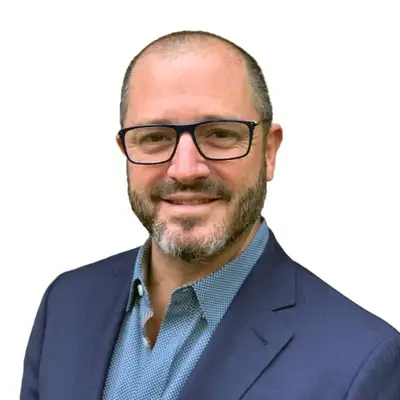
Nick DeMarinis (00:35): Yes. Good to see you. My name is Nick DeMarinis. I am a great dad and I have some wisdom to share.
Tony Cooper (00:42): Thanks for being here, Nick.
Nick DeMarinis (00:43): Thanks for having me.
Tony Cooper (00:44): You know, it's interesting because you're one of the people who, when you found out I was doing this, you instantly expressed interest. You're like, that's one of my favorite things. And we talked about it. I was like, definitely, let's get you on as a guest. What struck you about this? Like, how did this land with you?
Nick DeMarinis (01:00): When I started to see some of your content around this podcast and the conversations you were having with dads — about being a dad and the lessons and the manual — I thought, I mean, I love that. I love the topic. I've also had to try to figure that out myself. I think I've done a pretty good job of it, and I would love to share some of that wisdom. I used to be a person that was like, I'll see if he'll ask me. And I've turned into this person who was like, no, I'm going to go pursue it. I think it's interesting. I think I have stuff to share. I know, Tony. I'm just going to say, hey, man, I want to be on. I think we'd have a great chat, and that's kind of how we got here.
Tony Cooper (01:40): That's who I want on here. I want people who really give a damn about being a dad, have taken it seriously, and this is a great outlet to be able to explore that and discuss that. It's so interesting — friends of mine who are on here are like, man, I don't know that I've ever shared what I'm sharing. Like, it all kind of feels brand new. So that just tells me that what we're doing here is creating an opportunity to share things that don't normally get shared — and creating opportunities for people to hear things that aren't normally delivered in that way. I've been thinking about it — this is kind of like a virtual mentorship in a sense, because who this is really for is people who are at the early part of their fathering journey. And I know you had a very interesting beginning to yours. You're in Florida right now?
Nick DeMarinis (02:25): In Florida right now, yep.
Tony Cooper (02:27): Take me back to having kids. Like, where were you? What was going on? What was on your mind?
Nick DeMarinis (02:34): So going back to your previous point for a second — I feel like I've had so much to share, and it's hard. You don't actually have the chance to articulate it. And who am I going to share that with? Just random strangers? And it can be selfish too — it's therapeutic to think about these things and structure them and share them. There's as much benefit to the dad that gets to share these stories as to the audience. And you're in an interesting part of your fathering journey — being eight years into it is not the totality of it. You're just kind of at the beginning.
Tony Cooper (03:10): Take me back to the beginning.
Nick DeMarinis (03:13): Going back even further — my parents really set the blueprint for what it meant to me to be a parent. My mom was from Washington Heights, my dad was from Flushing, Queens. They met when they were 15, married when they were 19, started having kids at 20. And I'm one of six children — a very traditional Irish Italian Catholic family from New York. My mom always taught me a lot about compassion and adventure. My dad was about discipline and relationships. Between the two of them, it was like — holy crap, that's literally who I am. I got all of those great things from them, and I don't think it was by accident. So I was very fortunate to grow up with incredible parents. I know that's not the case for everybody, but I didn't take that for granted. And I've always told myself I'm not going to waste that. I'm going to use that and try to be the best father I can be.
Nick DeMarinis (04:10): Fast forward to eight years ago. I'm working at LinkedIn at the time and I'm living in Hong Kong with my wife. Year number six of us living there. I had moved out there because when I first joined LinkedIn, I was like, this is going to be a global platform, I want to be a part of it as it scales globally. They said, we have a strategic opportunity in China, we want you to help us build in Hong Kong. I was thinking more like Dublin or Sydney, but this was a pretty cool opportunity. So we were out there for six years — learned a ton professionally, traveled everywhere personally. And then my wife and I found out we were having twin boys. Identical twin boys.
Nick DeMarinis (04:55): We're living in Hong Kong, family's 8,000 miles away, and we were just — my wife's freaking out. I was kind of pumped. My immediate reaction was like, this is awesome. Like, I'm about to have two mini me's. But then it was shortly countered by: holy crap, what the hell are we going to do? But then back to excitement. I think that was validation for myself of like — I knew I wanted to be a father. This is going to be awesome. I'm going to have two at the same time, which is going to be wild. And me and my wife, we always had this adventurous lifestyle. We moved across countries, we'd done crazy things. This is very on brand for us to have twins while we're living in Asia.
Tony Cooper (05:40): So you were talking about what a great upbringing you had. Is that what set you up for always wanting to be a dad? How did you know you were so wired for it?
Nick DeMarinis (05:50): Seeing how active and present my parents were, and how much joy they got out of raising their kids — I was able to see that firsthand. My mom was a teacher at our school. She drove us to all the school programs and sports teams. They just loved being parents. My dad was always very involved, even though he traveled a lot for work. He was the coach of my baseball team. He'd go out and shoot hoops with me. That's what I knew. As I got older, I started to appreciate what they did for me, how much they enjoyed it. And I knew that I would too.
Nick DeMarinis (06:25): And then something professionally clicked for me when I went from being an individual contributor to a manager. As a salesperson, I'd give myself a solid B — I was pretty good, but never amazing. But I really cared about the team winning and how others did. When I got into management, that was my secret unlock. I just thrive on other people finding success, finding their true potential. I got enough self-awareness to know I'm a better people leader than I was an individual salesperson. And I thought — I'm going to be a good dad. I know I am. I'm going to have to figure stuff out — I have enough humility to know it's not just going to click. But I have the confidence. I'm going to be great at it.
Tony Cooper (07:15): Sounds like your parents made parenting look good to you. You're like, I want some of that.
Nick DeMarinis (07:20): Totally. With six kids, that's not easy to do. But it puts it in perspective. Like, I have a tough time with two kids, and my mom did it with six. You can figure it out. And it was hard, but it showed me what was possible. There's a part of me that always wants to make them proud — how I raise my kids, the values I instill in them, the person I'm becoming. I can't mess this up. They did it with six kids on a bread man's salary and a teacher's salary. I have a pretty good job and I have two kids. I need to nail this.
Tony Cooper (08:05): All right — what was it like growing up with five other siblings, and how does that project into parenting now?
Nick DeMarinis (08:12): It was chaos. Though it was a little different because there's a 20-year gap between the youngest and the oldest, so some of the oldest had already left the nest. The challenging part in hindsight — my parents didn't have much patience left. And I totally get why. You raised six kids. You've got these two that you're trying to raise 20 years later, you might lose a little patience. I somehow realized that at the time — just how to manage that with them, what I could get and what I couldn't. I wasn't able to get the brand new Jordan shoes, but that was okay. I just cared that my parents were there and present.
Nick DeMarinis (08:55): Me and my little brother became really, really close — we kind of grew up together, package deal number five and six. We got through it. Now all six of us are very, very close.
Nick DeMarinis (09:10): Unfortunately, my mom passed away a couple of years ago, and that was tough. But you have to live with all the memories and all the teachings from your mother, and it makes you stronger. You come together tighter than you've ever been, because you've lost the heart of the family. My dad lost his best friend — all he'd known since he was 15. It teaches you to remember all the great things mom set up for us and to help each other through it, and to pass on those principles and values through our kids. That's what we owe to her.
Tony Cooper (09:55): She was an incredible parent. All that got instilled in you, and you're bringing it forth. You mentioned your mom was compassion and adventure, your dad was discipline and relationships. Those feel like the yin and yang — and the yin and yang inside of each other.
Nick DeMarinis (10:10): Totally. I'll give you a great example. I was a very shy kid growing up — cried every day going to school. Get into high school, still kind of the same. My parents tricked me into going to an all-boys Jesuit high school. Then I go to college close by, and my mom said, you should study abroad. You should get out into the world. And I said, I just cried for 12 straight years on the first day of school. How in the world do you think I'm going to go study abroad somewhere? She said, you're going to love it. And she was right.
Nick DeMarinis (10:50): I studied abroad in Italy. And funny enough, the very first day in Italy, I met my wife. There was another girl from my school. I called her after I settled in — I'm terrified, probably just done crying. She said, I'm living with five girls. I said, I'll be there in five minutes. I made my way over, met all the girls, and I met one girl who was beautiful and tall. Diana. We met, hung out, and she ended up being my future wife.
Nick DeMarinis (11:20): My mom was, go out, explore the world. She had friends who were Black and white, she loved all animals, she had so much compassion and curiosity and no judgment for anything. My dad was more, hey, go the safe path, get into finance, stay close to home, build relationships. He was a bread man — it was tough raising six kids, and he wanted me to be able to provide differently than they did. I don't hold any of that against him. We lived a good life. But it was totally this yin and yang — discipline versus compassion, climb the corporate ladder versus go live in Italy for a while. And the way you put it, the yin and yang, was beautiful, because all of those things can come together and work in harmony.
Tony Cooper (12:10): When you say bread man, you don't mean, like, money — you mean he sold physical bread.
Nick DeMarinis (12:15): Yeah, the breadwinner. Not like, let's get this bread. Like, he sold physical bread. Bakery guy.
Tony Cooper (12:22): Oh my God. So many incredible life lessons. Are your siblings parents as well? Did you get to see them become parents and learn from them?
Nick DeMarinis (12:32): I did. My oldest brother has a son who he adopted — I got to see that journey for him. And I have a sister who has twin boys as well, so she was great. I was calling her every day. What's it like? She told me everything. She also had a third son. But she has one son who has severe cerebral palsy, so she's a superhero. I admire her to the death. She's an amazing mom — how she's raised her kids, how she's navigated everything with a son who has severe disabilities. She never feels bad for herself. She's like: these are the cards I was dealt, and I'm going to make the most of them. I'm going to win. And that's her mentality.
Nick DeMarinis (13:15): Then I have a brother who has two boys, and he was always the most present one — let's go to the arcade, let's have fun, let's wrestle, I'll be your coach. He was like the ultimate dad. He taught me: you can have a corporate job and also be incredibly present with your kids. I picked parts of all of them. You pick the parts that are true to you.
Tony Cooper (13:50): So you distill all these incredible relationships and experiences — when you stepped into being a dad, were you clear about the kind of dad you wanted to become?
Nick DeMarinis (14:00): I really was. I was clear in the sense that I want to be really present and really active and really caring with my kids, and I'm never going to let anything else sacrifice that. I'll make job decisions based on that. I'll be vetting out my managers and being really clear about expectations.
Nick DeMarinis (14:20): Funny enough, I saw an old post on LinkedIn that I'd posted eight years ago. I wrote that I was very fortunate to never have missed a single pregnancy appointment with my wife. I had a lot of pride in that. I was there with her, supporting her every single one. And there was a message in it too — there are companies out there that can allow you to do that, and you can do it too.
Nick DeMarinis (14:55): There were people who were like, you're taking paternity leave? Do you play video games for three months? And I was like, no. I'm going to be there with my kids, but more so I'm going to be there for my wife. That's what I thought paternity leave was — being there to help my wife as much as possible.
Tony Cooper (15:20): So much of what gets imparted to our kids comes through our actions, not our words. Being an example of the kind of person you hope your children grow into is the greatest direction you can give them. Take me back — you're a million miles away from family, you're pregnant, twins on the way. What happened after that?
Nick DeMarinis (15:40): We had the twins in Hong Kong. The medical system was good, the benefits were good. We were like, we're here, let's do it. Which was kind of wild culturally, because in Chinese culture, when elder Chinese women or men saw that we had two boys, it was like — oh my gosh, you hit the jackpot. So it was culturally interesting. But we had good friends nearby. When you live overseas in an expat city, the expat friends are your family. We had friends who were Japanese, Singaporean, Australian, and I had friends who also had kids around the same time. That helped us a lot, because family wasn't close by.
Nick DeMarinis (16:20): Then the opportunity came to join WeWork. I don't know who thought it was a good decision — having twin boys, eight months old, let's just completely change jobs. But it was my ticket to move back to the US. WeWork was growing. Hey, you can come home, we need a strong leader in New York, this could be a new journey for you. I did eight years at LinkedIn. I felt like I'd had a good run. I basically hired my successor. Similar to a parent — you want to set up these systems and these teams for success. I felt like I left it in a place that was way better than I found it. So let's move to WeWork and everything will be great.
Tony Cooper (17:05): And you're still at WeWork.
Nick DeMarinis (17:07): Still at WeWork. I mean, it's been a wild journey raising the twins through the seven or eight years I've been there. But if anybody asked me in the future, tell me a time you experienced resilience or grit — I mean, how much time do you have? I've got stories for days. Turning the company around and doing it without sacrificing the father and the parent I've always wanted to be.
Nick DeMarinis (17:35): Part of what I'd say about that is what I think I've done really well — I've been very vocal and transparent and upfront with everybody I work with. If it's someone I've just met: hey, we're going to work together, I just want you to know a little bit about me. The best job I've ever had in this life is being a dad. And that's really important to me. I'm still doing that, and I'm doing a pretty good job, and I'm still going to do that. And we'll figure out the rest of the stuff together.
Tony Cooper (18:10): What's really great about that, Nick, is how clear you are about your intentions. How do you want to be as a husband, as a father, how do you want to raise your kids? Having that intentionality is a lot of the way of getting there. But also what you're sharing is that you've been very good at setting expectations with those around you so that you can hold yourself accountable to the things that you say are important.
Nick DeMarinis (18:35): Totally. And you really do get to create the conditions. It's not simple, but there is a way. My boss now — I've had a great relationship with him for many years. If I'm like, hey, I'm out Friday morning, there's a school event, I want to be there — he's like, of course. That's who you are. I totally get it. But he also knows that I deliver. I execute. You can't have one without the other. You still have to execute your way through life and through your professional responsibilities. There's a way to do both. If anyone says you can't — you can. It just might take some maneuvering, some extreme transparency, some expectation-setting up front, and maybe a little bit of sacrifice. I work some nights. I'm okay with that. I don't really watch series. Figure out what works for you.
Tony Cooper (19:25): And it's about the expectations you set with people and the value they perceive you deliver. With kids, if you're showing up or not, they immediately reflect it back. But you can manage showing up a lot better when you're focused on what's important to the other person — your manager, your wife. What do they really need from me? The clearer you get on that, the easier it is to create space for your dad commitments.
Nick DeMarinis (19:55): Totally. I still think through that lens of identity all the time — for myself and for others. There's a game on the field to play that's equally important as understanding the game. And that game is as a parent, as a professional. There can be multiple winners. But you can't not deliver on the things that are important to the game.
Tony Cooper (20:25): We haven't talked about your primary audience — your wife. That's who you care the most about in terms of your identity.
Nick DeMarinis (20:33): Diana and I have such a long history. We met in college studying abroad in Italy 20 years ago, and I feel lucky because I've married my best friend. We love hanging out with each other. We make each other laugh. We do so many adventures and travel. And we continue to figure out how to parent together and how to balance off each other. We'll have a little nod — hey, I'm not going to be able to handle this situation, can you grab this one. We can feed off each other.
Nick DeMarinis (21:05): Knowing what she cares about — Mother's Day, all she wanted was a clean house, a handwritten card from the kids, and a nice dinner, the four of us. That's what she'd love. And that's what we did. There are different things I might want for Father's Day, and even the way we parent — she's not an early morning person, but I've started to become one. I quit drinking about three years ago because it was doing nothing for me. I'd get up really early, go for a run at 5:30, get the kids' school lunches ready, get them fed for breakfast. Then she'll come down and doesn't have to deal with any of that. And at night, I don't know how to cook — I can't even make scrambled eggs — but she's good at it and enjoys it. So I'll do the dishes. We figured out where we each get energy and what we're each good at, and we balance off each other. It's not perfect. But what we want is for our kids to see that mom and dad are really a team.
Nick DeMarinis (22:05): My boys are going to have a partner one day, and maybe have kids too. Same way I learned from my parents — I want them to learn from watching us.
Tony Cooper (22:18): I have two kids, 18 months apart. When the second one came, I went from one to two, but it seemed like exponentially more. For you to have two at once — my friend says: one kid, you can play zone defense. Two kids, you always go man-to-man. Three kids, you're always on the wrong side of a power play. At six, I don't know, I guess you put them in charge. So you were instantly man-to-man. What were the challenges? What was particularly difficult? What did you learn?
Nick DeMarinis (23:05): It was man-to-man defense. But one of our benefits was that it was all we knew. We didn't have one kid and then have two more. We never had time to think about whether it would be easier with one — why would we even think that? We don't have one, we have two. Let's live in the moment and accept reality. There are two babies we have to keep alive. Let's figure out how to keep them alive.
Nick DeMarinis (23:35): And we had to pay for some help. We didn't have excess money laying around, but we decided this was an investment in our mental sanity and getting some sleep for a month or so. One of the toughest memories I have — there was a point, maybe two or four months, where they would cry uncontrollably but would only be soothed when Diana was holding both. I would try to help, and they would freak out. They just wanted their mom. So I felt bad because I couldn't help. She was tired. She felt bad because she thought I felt bad. It was just like, everyone is struggling right now. What are we doing? But that probably lasted a week. We just got through it.
Nick DeMarinis (24:20): My wife played college basketball and I play basketball, and we always had a survive-and-advance mentality. Like March Madness — survive that round, advance to the next one. Hey, we made it to six months. Let's go get sushi. We made it to nine months, they're sleeping through the night. Oh my God. We celebrated a lot of those little wins along the way. And as you get to one and two, there are different challenges, but nothing like the first year of just trying to keep humans alive.
Tony Cooper (25:05): I heard that in India, they make the biggest deal about the first birthday, because the first birthday is a celebration that basically no one died and you made it through what was probably going to be the hardest year of your entire life.
Nick DeMarinis (25:20): I'm totally on board with that. And now seeing them — they're such good friends. They argue; every sibling does. But seeing them laugh and play with each other — one was home from school today sick, and the other went to school, and it was almost like you'd pulled their arms off each other being separated. I don't know if they'll be that close forever — I can't force that. But I can try to set them up in a way that shows them it's possible, that they want that because of how we interact with each other.
Nick DeMarinis (25:55): And they've started to carry on a lot of the traits I learned from my mom and dad. In preschool, they cried every day going to school. And I was like, oh no. That's from me. My bad, Diana. But then a year later, we had a parent-teacher conference. The teacher said, I want to share something really special about Max. There was a kid coming in every day that was really sad and crying, and Max started to help him into school and get him through that. The kid is four years old. And Max — who himself had been having a tough time — recognized that in this other kid and helped him through it.
Nick DeMarinis (26:35): I was bawling my eyes out. That's the proudest moment I've ever had as a parent. How much compassion my kid had for somebody else.
Nick DeMarinis (26:45): And my other son, Luca — I was having a heated disagreement with one of my sons, and Luca said, Daddy, I think you guys just need to realize that you have different personalities, different bodies, and maybe you're thinking different ways. And I was like — a seven-year-old is the voice of reason for me. But those are two moments where I was like, holy crap. I think I'm doing okay as a parent. They have that level of compassion and emotional intelligence to understand situations and address them at such an early age. I think we're doing all right.
Tony Cooper (27:25): This generation of kids is wired differently. What are some of your takeaways from raising twins specifically?
Nick DeMarinis (27:35): A couple things. Going back to the first year — if there's a parent out there who's going to have twins or triplets or quadruplets, God help you. The number one thing for us was being incredibly disciplined about structure. We can't have one kid feeding here and the other sleeping there. We had to be really structured about when they go to bed, when they get bottles, all of it. Structure and discipline got us through.
Tony Cooper (28:10): How well did it actually work?
Nick DeMarinis (28:13): It worked. There are wrenches — you can't force a kid to go back to sleep. But we can control when we put them down and when we turn the lights off. So it worked well for us. Don't make it any harder on yourself than you have to.
Nick DeMarinis (28:30): And one thing right now that I don't do enough — and that I think would be advice I'd give to twin parents — is intentionally splitting them up. I'll take the boys to the diner every Saturday and Sunday morning. Everyone knows them. It's our thing. But we don't do enough of: I'll take Max for a day, you take Luca for the day. Allowing them to get one-on-one time with just one of us. When we do it, it's amazing. They ask a lot of questions. There's just so much benefit to it. We need to do it more.
Tony Cooper (29:10): That's a really good point. When you pull kids apart and have an individual experience with one of them, they feel special, unique, individual. Their natural concerns come out in a way that don't when they're with the other person. When they're together, they give up some of their concerns because of the communal relationship.
Tony Cooper (29:35): You mentioned you're kind of a goofy fun dad. You like arcade basketball. But your Instagram handle is Nikki Buckets — you're not just a casual person in this arena. Tell me about that.
Nick DeMarinis (29:50): I've always loved to compete. I've always been pretty athletic. Right now I'm in about five different leagues. I play hockey on Sundays, I'm in a tennis league — I just won the league, I don't want to brag. I play basketball on Tuesday nights. I go to a boxing gym once or twice a week. A lot of hobbies, a lot of athletic pursuits. But the PopAShot thing was interesting.
Nick DeMarinis (30:20): I got a phone call from my sister about two years ago. She's like, you have to turn on ESPN. It's 10 o'clock at night, I'm getting a bunch of phone calls. I'm like, what happened? Did someone die? Did the Jets finally trade for a quarterback? So I turn it on, and there's this PopAShot national championship happening on ESPN's Ocho. And I was like, I thought that was from the movie Dodgeball. I didn't think it was a real thing. But it was. And the adventurous part of me — from when I was that shy, crying kid who now feels like I can do anything — was like, I'm pretty good at that. I can do that.
Nick DeMarinis (31:00): So I emailed them. They said, hang tight, we just finished the national championship — we'll reach out next year. Next year comes. They're going to have eight qualifiers around the country and pick the top eight players for the championship. The first couple were in California. There's one in San Antonio. I told Diana I was flying to San Antonio. She said, you don't go there very often. I said, I'm going to see if I can compete in PopAShot. She kind of rolled her eyes — she's from New Jersey — but she said, whatever makes you happy.
Nick DeMarinis (31:35): I went. I won the whole thing. Now I'm in the national championship. Fast forward eight months later, I'm on ESPN in Orlando, they flew me there, there's an arena, I'm competing in this PopAShot national championship. It was awesome. I lost in the final four. But, like, not bad. Top four out of a couple hundred million people in the US.
Nick DeMarinis (32:05): The Instagram thing was that people started to follow me and I was sharing my journey. It was a nice creative outlet — sharing the content and my journey of being really good at arcade basketball. And all the guys in it were dads in their 40s. Very on brand. I can be a dad, have an executive-level job, and compete at a really high level at this thing.
Nick DeMarinis (32:30): I started to create content with my kids — we'll create videos together, do trick shots. I made a shot over my house that got a crazy number of views. Then I started finding out if there are world records. Since then, I've pulled two world records — most consecutive PopAShot shots made in a row, 232 — I was shooting for five straight minutes. And the longest shot ever made. I got the whole neighborhood out on the street with a surveyor. 103 feet. We're going to make it. And we did.
Nick DeMarinis (33:15): My kids now want to take videos and they have a private YouTube channel. They put videos on there. I love that for them because they're being creative, thinking about how to create a hook, how to create attention, how to create something of value. And there's a business side to this too — the creator economy is massive. I've been reaching out to brands the same way I messaged you about this podcast. Some don't respond, but some do. And I've done some pretty cool collabs.
Tony Cooper (34:00): You don't just win a regional championship and accomplish world records by showing up. There's a lot of work and practice and prep. Your boys have watched you go through all of this. We talked earlier about being an example of what you want to create in them. What's been the impact on them? What's their relationship with you through this?
Nick DeMarinis (34:25): A couple things. One is I tell them a lot about how shy I was, and that it's okay to be shy, and that I've had to learn and teach myself over time — to get out there, to compete, to create videos. It's not easy. But it's okay if you just try. And: this doesn't happen overnight. Let's go outside, let's do some training, let's practice, let's try to get better every day. Now my son will come out and say, hey, can you help me on my form? Can we do some training? I think I can get a new high score. And I'm like, I think you can too.
Nick DeMarinis (35:10): Sometimes they're just like, I don't want to do it, I'm going inside with an iPad. I have to find that balance. But I've also been able to teach them: I can be really good at something and I've worked at it, but there's still a lot of failure. They'd be like, Dad, but you didn't win. And I'd say, I know. And it sucks that I didn't win. But it was a cool experience. I learned some things I'd do different. I'm going to keep trying. And they're like, are you going to try again next year? I say, absolutely, because I'm learning and I'm having fun. Just because I failed once doesn't mean I'm not going to try again.
Nick DeMarinis (35:55): Put yourself out there. Try hard things. Put in the work that's going to help you get to those outcomes. And then know that there's going to be lots of failure — but there really isn't. There's just learnings. And you have a chance to do a lot of these things again.
Tony Cooper (36:15): And look — that might be something they do or it might not. But what they picked up on is: you can just take something on. They knew you before you were doing it. And then they saw you do it out of nowhere. That is such a powerful lesson — that you can create whatever you want. You declared the kind of dad you were going to be. You declared your priorities to your boss and enrolled them in it. You get to create whatever you want, and you're an incredible example of that, Nick.
Tony Cooper (36:50): Last thing before we wrap up, because it's been awesome. Going back to the very early days. You knew what it was like to see other people be dads — but you didn't know what it was like for you to be a dad. And there's always something you learned or wish you knew along the way. What advice would you have for someone just starting on their fathering journey?
Nick DeMarinis (37:15): The advice I would give is applicable to someone just starting out, or even thinking about becoming a father, or even like me, eight years into it. And the analogy of: put on the oxygen mask on the airplane before you help others. You do have to take care of yourself first. If you want to be a great father, a great parent, a great husband, you have to find a way to take care of yourself first.
Nick DeMarinis (37:45): Is that hard to do when you have twins who are one month old? Yeah, it's really hard. Is it a little easier when they're eight? Yeah, a little. But I learned after a few years of having kids that I really need to figure out how to preserve my own energy and take care of myself so I can show up and be the best dad I want to be. Whether I like it or not, working out every day. I mentioned the drinking — I was never a heavy drinker, but anytime I had a couple of beers I was hurting the next day. It just wasn't good for me. So I cut it out. And I try to get really good sleep as much as I can — I know a new dad is going to roll their eyes at that advice, but I'm just saying, as you go through this journey: what are the things you can do to take care of yourself and be the best version of yourself? That's not selfish. That's actually selfless. If you can figure out what that is and focus on it, those things compound over time. And you'll thank yourself for it.
Tony Cooper (38:50): When you're prioritizing your own needs for the sake of having enough to give to everyone else, the oxygen mask analogy — that's taking real responsibility. Absolutely loved our conversation, brother. Love you. This is so great. Appreciate you taking the time and sharing everything.
Nick DeMarinis (39:10): Me too, man. Love you too, brother. That was awesome.
Tony Cooper (39:14): What is it my mom used to always say? The worst they can say is no.
Nick DeMarinis (39:18): Exactly. My mom would say the same thing.
Tony Cooper (39:22): All right, brother. Until next time.
Nick DeMarinis (39:24): Until next time. Thanks again.
Tony Cooper (39:27): I just want to thank you for listening to this episode of The Dad Manual podcast and for supporting dads to become the best version of themselves as they strive to bring healing and inspiration to their families. I'm looking to grow a community of fathers who are ready to change the world, but I need your help. It's super valuable to the podcast when you like an episode, leave us a rating, subscribe to our YouTube channel, follow us on Instagram at @thedadmanualpodcast, and — maybe the most important — when you share the podcast with a dad you love. You can also impact what we talk about here. If you've got questions or topics you want me to explore, email them to dadmanualpodcast@gmail.com. I would love to answer your question on our next episode. And until next time, I'm Tony Cooper, and this is The Dad Manual Podcast.