Subscribe
Share
Share
Embed
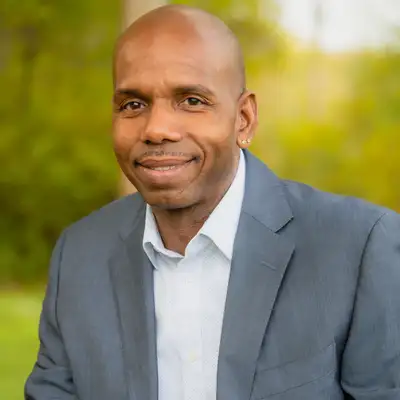
You aren’t just a cyclist, and you aren’t just a runner. You’re the athlete who refuses to choose—the one with a bike on the rack and running shoes in the trunk. Welcome to Spoke and Sole, the podcast dedicated to the broader running and cycling community. Each week, we explore the intersection of these disciplines, providing practical training advice and spotlighting you, the Essential Athlete. The tradespeople, technicians, and professionals balancing a high-demand career with high-performance miles. Whether you are putting in the work on foot or in the saddle, we are your community hub for endurance culture in New England and beyond.
What you’ll find in our episodes:
• ROAD RACE & GROUP RIDE REVIEWS: Honest, boots-on-the-ground reports from regional events, detailing everything from course difficulty to local pack etiquette.
• MAJOR EVENT COVERAGE: Hybrid-lens commentary on the Tour de France, the Classics, and the World Marathon Majors.
• THE ESSENTIAL ATHLETE SPOTLIGHT: A dedicated segment highlighting the grit of working professionals who crush their goals in the margins of a 40-hour week.
• TRAINING & GEAR: Practical insights on balancing two disciplines without burning out, plus reviews of gear that transitions from the road to the trail.
Join the Community: Rep your trade and support the show by visiting our official store, shopessentialathlete.com, home of the "Run Too!" Recognition collection.
Subscribe on Transistor.fm, Spotify, or Apple Podcasts. Keep your wheels turning and your feet moving.
So I was at work the other day and I don't know why this thought popped in my head. I know why it popped in my head because I think a lot of times, you know, when people have to work, there's always a certain level of dread that actually comes with it. But I was at work the other day and I started thinking when it comes to whether it's running or cycling, there's no questions about what we're gonna do or what needs to be done. There's a certain level of discipline, dedication, and resiliency that we put in when we're running and riding. You're in the middle of an actual ride and you might feel, oh man, listen, I got 10 more miles to go.
Terrance:But it's not, I got 10 more miles to go. You switchly change from, okay, well, let me worry about the mile that I'm actually in. Right? So why don't we do that when it comes to, or why can't we take that type of mentality and shift it to other areas of our life? That's what I wanted to have a conversation
Anthony:I'm about very intrigued about this conversation.
Announcer:Routes, or just out there for the love of it, you have found your crew. We're here to share stories, tips, and anything that keeps us motivated. So lace up, clip in, and let's get moving with your hosts.
Terrance:Welcome to Spoke and Sole, home of the essential athlete. I'm Terrance here with Anthony as always. Today I want to talk about how we shift resiliency from one place to another. To be more specific, there's a routine that I follow every day. Right?
Terrance:And my routine is based off of, well part of it is based off the fact that my biological timer is what it is. I wake up at 4AM between three and four every day, which is crazy. But what I've done is I've tailored most of my training around that time. So if I'm gonna be up at four in the morning, I might as well take advantage of it and get whatever training I need to get in at that time. That's why some people look and they think I'm crazy and they're like, you up, you training at this time in the morning?
Terrance:The fact of the matter is I'm up at that time. Right? So now what I've learned is this. My body doesn't care whether or not it's a training day. It doesn't say, well, you know what?
Terrance:It's Monday. And I know Monday you're just doing some stretching, so I ain't gotta get up at four in the morning. I'm gonna wake up at four in the morning. Right? So I started to ask myself, well, since I'm up, even if it's not a training day, why don't I take advantage of that opportunity and shift gears to something that's going to lead me to be productive in other areas of my life?
Anthony:I agree. And and I and again, I think I said earlier, I'm excited about this conversation because I believe, and I've always told people, before I started doing triathlons that, the sport and before we started cycling and before we started running, is that running teaches you lot about life and it gives you a lot of transferable skills that you can bring from running into the real world. Know, and one of the examples that I'll give is, you you and I are both in, you know, in management and we do corporate type things. So I had, someone had asked me, vaguely, you know, how can you stand to sit in, you know, back to back five hour meetings? And I was like, I was like, I ran an eight, my first marathon was like eight hours.
Anthony:So I literally ran for eight hours. If I could literally run for eight hours, I could manage, you know, a a, you know, four back to back one hour meetings. So the mentality perspective, you know, you can transfer the old So for me, I've always been intrigued by that and tried to to move over from what we're doing in sport and and have that to help me, in in my own everyday life and especially my professional life.
Terrance:Yeah. You said it, right? So mindset is what it takes. Yep. When you think about you having a goal Mhmm.
Terrance:There are a number of ways you can accomplish that goal. And let me take a step back. You're either gonna be successful
Anthony:Or you're not.
Terrance:Or you're not. You're right. Right? You either going to do or you don't.
Anthony:And let me say that too. We're gonna make a t shirt with that. Your say do ratio. I hate caught with that during yesterday's run.
Terrance:I'm gonna tell you something. The say do ratio, that's gold. I mean that's gold. Right? So when you set a goal, once you set that goal, your mind starts saying, okay, well, if I'm not There's a certain level of discipline I have to have if I'm gonna try to meet this goal.
Terrance:Yes. Right? And I always say this to people that motivation is only gonna take you so far. Facts. Discipline and dedication is what actually is going to actually get you there.
Anthony:Super facts.
Terrance:And when we start talking about what we do from an endurance perspective, those things are always there. I also say that when you're disciplined enough that you can form habits based off what you need to do or what you're trying to accomplish from an athletic perspective, it becomes habitual. Then now you don't have to actually worry about it.
Anthony:Automatic. So
Terrance:as I was saying earlier, I get up so early in the morning, but I had two goals. Well, let me rephrase that. It's not that I had two goals. There are two goals that from a macro perspective that I'm working towards. Right?
Terrance:One of them is I had this goal that over the next five years, I wanted to be pretty comfortable in two additional languages. Mhmm. One of them being Portuguese, the other one being Italian. For reasons, again, know, my mother-in-law lives in Portugal, my wife is Portuguese, this, that, and the other. We're over there a lot.
Terrance:And Italian because I I studied that for about eight years, and it kinda went to the wayside and we went to Italy a couple years ago. Lexi's getting married next year and so but whatever. And the other one was I had wanted to really launch that brand of the Essential Athlete. And in order to accomplish those, I needed time to do those things. Life lives.
Terrance:You say that all the time. Right? And the challenge is, you know, trying to find time to fit all this stuff in. But again, I get up at four in the morning. So what I did was, I said, okay, I'm not working out every day.
Terrance:Well, me rephrase that. The level of my workouts differed depending on the day. Like I said, Mondays is just a stretch day. Right? And I can get through that much quickly.
Terrance:Much more quickly. And make sure that from a grammatical perspective I'm saying these things correctly. What I decided to do was, is to say, okay, well, here's my goal. And from a large perspective, from a macro perspective, right? The goal is at this point in time, I wanna be this.
Terrance:Yep. But from a zoom in perspective, from a micro perspective, I have to be taking steps to actually get there. So I decided that every day, first off, pick one language every day, at least five times a week I'm studying Portuguese. Yep. Again, it's one of those things where now that I was disciplined enough to say, okay, well rather than try to go back to sleep, or rather than fart around or whatever, I'm gonna put this, make this part of my routine.
Terrance:And now it's habit. Yes. In the morning, that's what it is. It's habit. Yep.
Terrance:The other part about that was I wanted to start building that brand of the Essential Athlete. I had to get trademarked registered. I had to build a website and all that. I was able to do that. And hopefully, the trademark registration at the federal level takes
Anthony:It's complex too.
Terrance:It's comp well, it's complex. I'm gonna talk to you about efficiency in just a second. It's grueling. It takes so long that it takes about nine months.
Anthony:I know. When we did We Run Town, I remember from that.
Terrance:It takes about nine months. Here's what I will say the difference between when you did Read Run This Town and when I did Spoke with Sole and Essential Athlete. If your prompt game is efficient, AI can help you with a lot of that stuff.
Anthony:We didn't have AI doing that.
Terrance:No. No. And so the process for me, the complexity, a lot of the complexity was taken away from the fact that my prompt game is pretty good. And I actually I wanna say the Essential Athlete took a little longer because there was I went through the whole Spoke I did Spoke and Sole and I did Essential Athlete. I did them on the same day.
Terrance:And I just made some silly mistakes that I shouldn't have made. And then when the attorney reaches out to you, a lot of that is legal speak. And the legal speak, I'm not an attorney. And so I'm looking at some of the stuff and then they had that line in there, you know, you probably wanna get an attorney, dah, dah, dah, dah. But again, AI helped me out with that.
Terrance:And really what it came down to is I listed two classes when I wasn't supposed And I kept missing it because when you respond, this, there's a lot of legal jargon. But I digress to say for the most part, you know, both of those should be done relatively soon. But in order to actually accomplish that goal, what I had to do was I had to take a page out of, okay, well, run the mile you're in. Right? Finish what you start.
Terrance:Taking that mindset and taking that discipline and transferring it over to tasks outside of the hustle.
Anthony:Yes. And I think with that too, you know, from a, I'm a sewist, so, you know, with those projects, and I use those transferable skills with, you know, for example, you can't just, well you can, but when you're doing those projects, it's a long stretched out process. You know, you have to cut the fab, you have to prep the fabric, have to cut it, you gotta sew it, then you gotta iron it, then you gotta prep it, and you have to do all those things, and breaking those things down into little segments. And and again, what you said about, it's the discipline. You know, knowing that you can't get all things done at one point in time.
Anthony:And and even from a work perspective, I do that as well, you know. And and I'm sure you've done it, you know, but I I think people don't do that. You know, like you said about using specific time, I tell the people who I manage, like, you can't get everything done at one point in time. And I tell, and I, and I, it's funny that you're saying that I don't use the training box, but I tell them, you should block specific time off, you know, which they call, you know, we call it focus time, but you know, you block off certain time and you direct that specifically to what that long term goal is. And if you do that over a period of time it makes it much more efficient and effective for you to reach that goal than, you know, and and again you're a technical person but I I know I remember you told me some stories but versus you're waiting, you know, the deadline is six months from now and then and two months you're trying to sprint to to the goal line when you have six months to really kinda just be in zone two at marathon peace and and do it easy and not really give yourself a whole lot of headaches.
Terrance:Yeah. So we'll get to that zone two piece in in a second. But going back to what you said, it took So I adjusted. And again, we're not perfect beings. Sometimes you do some things or you have a plan.
Terrance:Don't like to say everybody have a plan until they get punched in the face. Right? So I adjusted the way that I actually look at stuff I'm trying to accomplish outside of the whole endurance piece. And it's still based off of training, it was one of those things where, and you mentioned it, what I would do is say, okay, well you know what, I got a half marathon, right? So what I'm gonna do is, here's my schedule during the week.
Terrance:I'm gonna do this on this day, this on this day, this on this day. In some cases, from the work perspective, I had to switch that up. Right? Because a lot of times when you're at work, unexpected things come up. Right?
Terrance:So what I started doing was this. From a training perspective, I look at it, okay, well, from this time, and this is what I started doing with the whole language thing too, was I started looking at it not from a day perspective, from an hour perspective. And I said, from this time to this time, here's what my focus is gonna actually be. And I started to take that macro from the perspective of, I guess you can say macro, micro, macro, micro.
Anthony:Yep.
Terrance:If I got a project and that project has to be done in three months, right? I can look at that three months and say, okay, well, I got milestones in between at month one, month two, and then month three. But at the same time, could have milestones at day one, day two, day three. And I started switching it up where in order for me to hit that milestone at month one, I gotta have some stuff that are happening on day one, which means that on day one, I gotta have some micro events that are happening during hour one, hour two, hour three, and hour four. And to do that, you gotta take that discipline.
Anthony:Yes. Discipline discipline is everything. You know, I always tell people, you when you and I were talking before the camera, I was telling you how I started the whole fasting thing. And it's hard. But the discipline from, you know, being a triathlete and being a cyclist and knowing that, you know, sometimes it's the discipline.
Anthony:It's the structure of knowing, okay, you know, like you said, I don't have to worry about, you know, the whole, you know, fourteen hours. I just gotta worry about this first hour, the second hour, the third hour, you know. And like you said, those will And I'll say, checkpoints on, you know, where you have to be at this point in time, you know, and then where you have to get to next time. And I think that's important, you know, not just in sport but in life too. Yeah.
Anthony:Because I think a lot of people, we talk about discipline, but discipline is the key to goals because most of the time, in my opinion, people don't reach their goals is because
Terrance:Look at me getting all this time.
Anthony:Oh, okay. You're looking at my airtime. You know, most of the time people don't have enough discipline to endure and get to their goal. You know, everyone, you know, I always tell people, you know, you know, whether it's, know, people don't see a lot of the work that happens behind the scenes for Spoke and Sole, you know, or We Run This Town, or Road Reese's, or Awoken Apparel, you know. They just see that finished product, you know.
Anthony:And even in life too, you know, everyone sees, you know, let's just say Johnny, you Johnny has this nice business that's very beautiful but nobody sees Johnny. You know, when Johnny has to sweep the floors or clean the toilets or he's, you know, working fourteen, sixteen hour days, you know, but that's where the discipline goes. The discipline goes where, you know, on those days that you don't wanna do things but you know if you do that discipline or if you do what you're disciplined to do, it's gonna get you to that goal. And I think that's you know, that's a mental, you know, we always talk about the physical aspect, but that's a mental aspect that you can bring to many other things outside of sport.
Terrance:Yeah. And and so you mentioned this earlier and I wanna talk about that zone two. Mhmm. Right? There is this trap where Mhmm.
Terrance:You can get caught up in just going way too fast. Yep. Right?
Anthony:Listen, and I don't wanna interrupt you, I tell my employees, speed kills. That's my favorite, that's my favorite thing. Speed kills, you know, because you know, and which we, it's a good intro to the zone two because zone two is constant. It's efficient. It's I'm gonna strategically say, okay, I have 10 tasks.
Anthony:I'm not gonna rush you the 10 tasks. I'm gonna strategically give each step the appropriate amount of time, effort, energy that it deserves so that when I get to 10 I have a solid foundation and I have a solid product that I don't have to go back and retract and do that over. And I think that's one of the great things about sport that we don't really think about. You know, when you think about, you know, people, and again, and you know, or maybe you don't, or maybe you don't agree, but in our sport sometimes people don't really appreciate zone two. Because, you know, because they just want, you know, they wanna go balls to the wall and it's like, no.
Anthony:You know, sometimes if all you do, and you said, if all you do is go fast, when you get to the end you really have no energy and you're burnt out. So what happens if you have to pivot at point 10 and you have no energy left? And that, to me, that's the importance of zone two.
Terrance:Yeah. When you start talking about being able to accomplish what it is that you're actually accomplishing, what you need to accomplish and doing it efficiently and doing it the, the best way possible, burning yourself out isn't gonna get you there. No. Right? It's one of those things where, we talked about balance before, and this is not I mean, is about balance, but at the end of the day, comes down to this.
Terrance:You don't wanna put 85% of your energy into replying to emails and and Correct. And all that other stuff. Mhmm. Consistency is going to win every single time. And what happens is when you're consistent from the perspective of approaching what you need to get done in life outside of whatever activity you partake in, that consistency builds resiliency.
Terrance:And what I mean by that is because you're in that nice zone two, you're able to weather a whole bunch of things that come at you, whether you know about them or you don't know about them, but more importantly, you don't burn out.
Anthony:Yes. And it gives you the opportunity to pivot too. You know, I've always, you know, when we talk about the whole skill, the speed kills thing, always tell them, if you're going so fast, it makes it hard to pivot, you know. Like like you said, like if I'm in zone two and I have that consistency and I know what's what, you have some systems in place so that, you know, if you're at, you know, we're talking about step the the 10 steps, but if you're at step five and you find out that some things may not be working, you have, you know, you have the discipline to say, hey, I need to pivot. You know, and you have the cushion to do that.
Anthony:Whereas
Terrance:And hopefully you pivot before step five.
Anthony:Yes, yeah, hopefully.
Terrance:Because that's the opportunity that presents Yes, itself, and
Anthony:but you know, but if some unknown things, and even if it's not a large pivot, but if you have to pivot because, you know, we all know that, you know, all things aren't linear, and sometimes things, you know, I I read this, while I was watching this, this, Instagram thing and and one of the one of the recruiter, was saying that everything isn't linear. Sometimes it's a s, sometimes it's a z, sometimes it's a v. So your way to success and your goals isn't always a linear shot. You have to build those systems and the resiliency. And I I think zone two definitely allows for that.
Anthony:And and most importantly, it lets you do it comfortably, you know, in a sense that, you know, okay. You know, not that you're, you know, like you said, like, we're not going too fast, but we're not going too slow. We're giving it the right amount of pace. We're almost like what we say is conversational pace.
Terrance:Yeah. And the other thing about that too is I think zone two is where you really need to be when you start talking about these other things. But at the same time too, sometimes you gotta give yourself that opportunity to take a breath. Yes. Right?
Terrance:And what I mean by that is, when you look at I'll take half marathon training for a second. We do half marathon training. We would do twelve week. We would do these twelve week training blocks, right? But built in there somewhere was a week where we were like, Ah, you know what?
Terrance:We're gonna cut back a little bit this week. Right? We're gonna give ourselves the opportunity to assess where we are, to adjust anything that we need from a training perspective so we can make sure when we get to that twelfth week or that goal, we're primed or where we expect it to actually be. I think it's important to not just understand that consistency allows you the opportunity to pivot, but at the same time, sometimes you just gotta say, you know what, let me take a breath. Let me assess where I am.
Terrance:Let me assess where this project is. And the important part about this, you said this earlier, and I'm related to a project that's happening right now. You don't want to wait or you don't want to find out seven months into a project that that seven months has been, I don't want to say a waste, but less than half productive and you've already missed two deadlines. And now you gotta reassess because originally this was a eighteen to twenty four month project, right? But seven months in, you haven't launched, not only phase one and phase two is now getting pushed back.
Terrance:Sometimes you gotta be able to say, you know what, let's take a step back. Let's just give our brains, give my body, give my mind an opportunity to just decompress just for a second, not stop, to look around and say, yeah, this is where I'm supposed to be. Or no, and like you said, have the opportunity to actually pivot.
Anthony:Mhmm. And and I think you you make a great point too. I'm big on pause. Like I'm I'm big on, like I I pause because to me, sometimes, like you said, some call them call, take a step back, but I'm big on pausing so I can take a look at it. I can take a look at it, I can also rejuvenate you know and I think and I know you're gonna say but as a maturing, not easy, as a maturing athlete I have to pause more than I previously would because like you said, my younger body responded differently than this body so I have to understand.
Anthony:And like you, like you know, like I have you know, Sundays are RI day, you know, but the rest of the week I'd say, okay, I have, know, three or four days that I have to do something, whether it's run, bike or swim. And depending upon what my body feels like that day, it may know, it's gonna it's gonna, dictate what I'm supposed to do.
Terrance:Yeah. I'm gonna have you pause right there. And the reason for that is because we're gonna get into that in in another episode.
Anthony:Yep.
Terrance:But, yeah, again, if you were We're gonna use cycling for a second, right? Let's go back to that Coventry route that we talked about in the last episode. We ride that route. There's a lot of hills at that route. But what happens is when we get to the top of a hill, we come to a stop sign, we pause.
Terrance:And what that does is it gives us a chance to catch our breath. Gives us a chance to make sure everybody is, everybody good, everybody good. And then we proceed based off what we just assessed. Same thing when you start talking about the other parts of your life. You might be working with people, you might be in a situation, whether it's with family or whatever, where you might not be at the same pace, but that's not the issue.
Terrance:Right? If you get to a point where you pause and say, Hey, listen, we all good. Everybody got what they need. Everybody's doing what they supposed to be doing. And then boom, moving forward with it.
Terrance:That being in zone two, because everyone's zone two is different. Being in zone two and then taking the opportunity to say, Hey, listen, let's take a step back and assess, or let's take time to regroup. Let me check to see how ants feeling because the gain on that hill, I said it was six, it was 12. So I think that's important. And I think what that does is it allows you to
Anthony:progress. By reflection.
Terrance:By reflection to that macro goal as opposed to now what has happening is we went off way too fast. Right? Everyone's trying to catch up. They're winded. We still got half of this route we gotta actually finish and everyone already is exhausted.
Terrance:They're burnt out. So but ultimately what happens with everything there's always gonna be obstacles and challenges right perfect example you mentioned Nico in that last episode and his flat tire when we have an issue on the road what do we do? Gotta fix
Anthony:it. We fix it, we fix it,
Terrance:we pause. You know what mean?
Anthony:We pause, we assess, and then we take action.
Terrance:Yes, because whether it is during training, whether it's a race, whether it's at work, adversity happens. And then the question becomes, okay, so how do you deal with it? I remember I go back to this summer. I'm gonna sidestep for a second because I have to say this. And it has nothing to do with what we're talking about right now.
Terrance:The service that I have been experiencing from whether it be vendors, whether it be from restaurants, not picking on restaurants, but the service that I have been experiencing has changed. I say all that, now let me jump back into it. Because the breakdown. We had a We were replacing our core switches, right? So that was our goal.
Terrance:Our goal was, okay, well, it's an even year. There's an election coming up. So before we get anywhere near the time where all that stuff starts happening, we want to replace our core switches. We went with a new company because the old company that we were working with, it just wasn't the same. We purchased the switches, we rack the switches, we do all of that stuff.
Terrance:But from a configuration perspective, we purchase the switches, we send them to the vendor, they configure them, then they ship them to us. And then on the day of actual deployment, we all meet and say, boom, let's do this. So all of this happens. We get there, we deploy these switches, they don't work. So now you're in a situation where your core switches, your new core switches aren't functioning.
Terrance:You have this window where you have this maintenance window where you're down and you can't get them to work. Let me rephrase that. Between you and the vendor you can't get them to work. What do you do? You gotta do something.
Terrance:For us fortunately it was okay well we have this window, We're coming up upon this window. The goal was we gotta replace these switches. But the reality was it wasn't working. So we had to fall back. I say all that to say, you know, adversity is gonna actually be there.
Terrance:But what you have to be able to do is, you have to be able to have a plan for when adversity hits. Right? Eagle got the flat, gotta have the spare. Right? You gotta repair it.
Terrance:But beyond all that, when you start talking about your everyday life, the best muscle that you're gonna be able to flex is here. Because you gotta take all these other things into consideration. Whatever your goal is, your goal is. But when adversity hits, you gotta start thinking, okay, well, what are my options? If I go, what's the pros and cons of A, B That and switch deployment took us three tries.
Terrance:Right? And I always tell people this, history provides you with the opportunity to learn. I don't say it teaches you lessons because if not listening, you're not When gonna it didn't work the first time, it didn't work the first time. All right, it didn't work. I mean, we're gonna come back and do this a second time.
Terrance:The second time, what you have to be able to do is you got to flex that muscle and say, Hey, listen, this didn't work the first time. Do we know why it didn't work? Do we plan for for this go round? You wanna make sure you're flexing your muscle to say, Hey, listen, when adversity hits, let's just make sure that we have a plan or we're dealing with something. The same thing.
Terrance:You don't go out on a ride anymore. You don't go out on a ride anymore without actually having a tire. An actual tire, right? And that's because
Anthony:That's because of learned experience. And I know, you know, again, if it's, you know, over a certain mileage. So if it's 50 or over, I gotta bring a tire, you know. You know, outside of that, if it's 50 and under, I might be able work it out, you know. But I think you bring up a great point, as far as planning for adversity.
Anthony:And I think, a lot of that is being able to stay calm during that also. I think, and I think sport teaches you that where you can, you know, you can transfer that skill over into everyday skill with life, you know, whether that be business or with your family, that people don't think that sport teaches you. You know, like, and I always tell people, I mean, you know, like we, the fact that we, when we ride and we ride in the streets and there's cars, that teaches you and will get you mentally strong, you know, I mean, you know, and I don't know if you recall that ride that I think we were out in Burrville, and, you know, there was some unkind motorists and, that went to you know, we held our, I mean we were counter upset but we held our composure. But those are the things that you learn. I mean you can take that skill and you can transfer that over, you know, when you're in a meeting with, you know, an employee and you can't necessarily get a point across to them or an irate customer who may, you you may be interacting with, you know, and planning for that.
Anthony:I think what you said most importantly is you gotta be able to learn from history and not go in, I mean, you know, I mean, for example, and you talked about it earlier, you know, if we know not to pace it correctly on a long ride, the next time we ride, we're gonna know we're not doing that again. Know? And it's funny because when we were on break, Tunde actually, he put up the picture of the ride from, I think it was five or six years ago, at Martha's Vineyard, and we had a few people who had tapped out, cause, you know, there were some inclines on that. But again The lesson lesson with that
Terrance:Elevation on that was
Anthony:There were tap outs, there were Uber rides, there were a ton of things. But we were able to take that lesson from that particular place and we were able to implement that when we wrote other places that had, similar scenarios, as far as the incline.
Terrance:Yeah. And that brings that brings me to this next point. Adversity is going to hit and you have to be able to deal with whatever situation comes with that. We do that without pause when we're doing something that we actually enjoy doing. Right?
Terrance:Yep. Taking that and transferring it or switching, switching, that's not the sound my shifters make, but you know.
Anthony:Yeah, because you got all the magic.
Terrance:Got both, I got both. Able to shift that should be second nature.
Anthony:It's a muscle too.
Terrance:And it is a muscle. You know what else is a muscle? I said the biggest muscle. So let's talk about this for a second, right? You're riding.
Terrance:We always talk about riding or running. There's always this concept of you gotta make sure you're fueling the way that you're supposed to be fueling, right? And for us that'd be whether it's during the week. Well, is. For us, it's during the week.
Terrance:But at the same time, for some people, it's during the actual run or ride. Me, not so much. But fueling outside of whatever your endurance sport is, is a little different. But at the same time, you need to make sure that you are mentally prepared for that bunk regardless of whether or not it's on the road, in the office, at the dinner You need to develop or you need to be able to flex those mental muscles that prepare you or that are going to provide you with the necessary nutrition for you to get through whatever it is that you need to actually get through.
Anthony:I agree. And I think, you know, from not just an athlete perspective or even a light perspective, I think all those things you gotta have, like you said, something that's gonna fuel it outside of that. I mean, for us, you know, we all have all the different things that we do. But for us, like, this is a fuel for me. This is a fuel for me outside of, you know, what I have to do from a court perspective, you know, what I have to, well, what we do as athletes, what we do for my regular life, you know, and other interests that I have outside of that.
Anthony:So I think if you have things that fuel, that fuel you and that give you passion, you know, you'll be able to sustain that and bring that to other things in your life. Because if all you have and, you know, in particular, believe, you know, like you said about earlier, sometimes people are just so focused on one thing. Yeah. You know, if all you have is your work, you know, or if all you have is your family, or if all you have is sport and you have no other outside interest or things that are fueling, each other, then it makes it hard to kinda appreciate the other things because all you're really focused on is that one particular thing. I think that's something that, I try to I try to keep a good balance, and you know, outside fuel I'll call it.
Terrance:Yeah. And so I look at this from the perspective of on a daily basis, you need to know what mentally, what your tool set is to turn the corner. And what I mean by turn the corner is this. We have fellows every year, and I might have mentioned this in a couple episodes, but I am a glass half full person at all times. I keep it very simple.
Terrance:One of the fellows asked me, how is it that you are so positive when how is it you're so positive at all times? And I said, I'll keep it simple. I woke up this morning. And I said, I don't think that people understand not that they don't understand. I don't think people appreciate as much as they should the fact that they woke up this morning.
Terrance:You can have so many things, ah, you know what? I just cut my hand off. I'm breathing. When you have the ability to pull out a toolset that's going to work for So for me, it's that. At the end of the day, it could be worse.
Terrance:Right? I don't look at it, I don't say at the end of the day it could be worse, but that really is the mindset. The mindset is, listen, I'm breathing. You need to know what your tool set is that's going to get you through, it's 02:00, you got two more hours to get through, right? Rather than it's 02:00, I gotta get through two more hours.
Terrance:It's 02:00, listen, I finished strong man, I'm gonna get me some chicken and waffles, And see what I
Anthony:you said it early at best, think all those things that lead up to that, you know, if all you've been doing, I mean if you BS for the first, and I always tell people this, you know, oh, I can't get things done, I'm like, well there's eight hours in a day. You know, it's what you do with your eight hours.
Terrance:Yeah.
Anthony:You know, if, you know, and I tell people that, I'm like, I personally, you know, from what we do as athletes and from a mental perspective, I mean, I can get ten hours, twelve hours out of eight hours sometimes.
Terrance:Oh, 100%.
Anthony:Because you're efficient enough, but it's about how you plan it and how you work through those things and understanding, you know, I've, I forget the name of the book, but I was reading this book where it says, and you said it too, I I didn't get a chance to, to talk about it earlier, but it's about triaging also. You know, if you're if you're spending 85 percent of your time responding to emails that aren't really gonna work towards your goal, you're not efficient, you know. You know, are you triaging your work? You know, are you doing the simplest, you know, task first and then spending that peak time that you have where you have your peak energy working on the hardest things, you know. And then also understanding that, you know, things may pivot, but also, you know, what's your contingency plan?
Anthony:And what's your plan to cope when, you know, if, you know, the Secretary of State calls you and say, Tee, know, this this emergency that just blew up. And, you know, and you not, you know, you having, the ability to be a planner where you have it built in, you have a cushion built in so that some things happen. You know, that you can say, okay, well, you know, I'm not gonna, you know, I have, I know that I can get back to whatever tomorrow and I need to do what I need to do that's important right now. So for me those things, kinda tie it all together and kinda give you, like I always tell people, you know, it gives you a cushion. You know, but I will, and I know we're close to ending, but I will say with everything that you've talked about, for me the, the main message has been with systems and structures.
Anthony:Because you talked about macro, micro. But understanding, I always tell people, you know, systems and structures keep you safe. And it really is for us whether it's we're riding on a bike, you know, and we use the, the, the car back, you know, with the, with the radars. Or whether it's if we're running and, you know, when we used to run at night and we had the, the vest with the lights, you know, with the safety, those are systems and structures. Or whether it's when I swim and I got the little buoy thing that if I'm swimming by myself and I get tired I can hold onto it.
Anthony:Systems and structures keep you safe.
Terrance:Yeah. So here's how I'll sum it up. And I like the fact that you said systems and structures. I look at it from this perspective. The system and structure, however you wanna call it, there are three core elements, right?
Terrance:That we typically use with discipline and dedication. Motivation is From the perspective of, when we start talking about whether it's endurance sports or whatever, training. From the perspective of if you have a goal, you build your training around whatever that goal is, right?
Anthony:As you do in life.
Terrance:As you do in life. That's zone two. Zone two is going to get you results. You want to go faster, go slower, zone two.
Anthony:And resilience too. The clue is going get you results
Terrance:and resilience. And resilience. And at the end of the day, dealing with mechanical failures or breakdowns, adversity. Again, you can't plan for the Well, I don't want to say you can't plan for the unimplanned. You don't know what you don't know.
Anthony:Until you know.
Terrance:Until you know. But having a plan and being able to have a tool set that's gonna allow you to deal with whatever that adversity is that comes at you is gonna be key. And we do all of that when we start talking about whether it's running, cycling, they do it in swimming. You know what I say about swimming? They do it in whether it's hockey, basketball, they do all of those things.
Terrance:Being able to take that discipline, to take that dedication and to switch that, to flip that into your everyday routine, the rest that you have going on to the day, it's gonna do so much for you and it's just gonna make you
Anthony:Grounded.
Terrance:Much more grounded than disciplined when it comes to those other avenues.
Anthony:You're right. Discipline is definitely gonna ground you because like you said, and you normally end it, but we can end on this note, you know, discipline is what's gonna discipline doesn't fade. You know, motivation does, but discipline, discipline is key. And I'll just that'll be my final thoughts.
Terrance:Discipline, dedication over motivation, and with that, as we always do when we end, keep those wheels spinning, keep those feet moving, and we'll see you on the road.