Subscribe
Share
Share
Embed
Ducks Unlimited Podcast is a constant discussion of all things waterfowl; from in-depth hunting tips and tactics, to waterfowl biology, research, science, and habitat updates. The DU Podcast is the go-to resource for waterfowl hunters and conservationists. Ducks Unlimited is the world's leader in wetlands conservation.
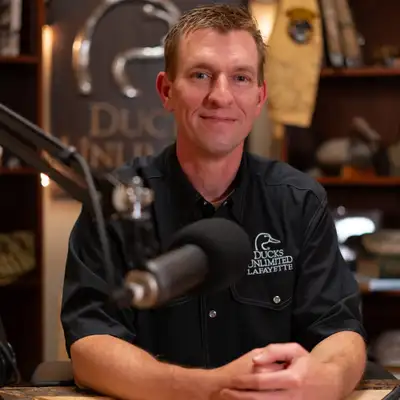
Hey, everyone. Welcome back. I am your host on this episode, Doctor. Brasher, a special episode of the Ducks Unlimited Podcast because it is our most favorite time of the year, early September when the US Fish and Wildlife Service releases their annual waterfowl population status report, and that's exactly what happened earlier today. First, I wanna say thank you to the Fish and Wildlife Service, Canadian Wildlife Service, state and federal agencies that are responsible for this survey and and getting all this great information out.
Mike Brasher:At the top, here are the numbers. Total Ducks in the traditional survey area were 33,400,000. That's down a minor 2%, roughly unchanged from last year if you're a statistician interpreting this, but down 6% from the long term average. So we're still dealing with a duck population in that traditional survey area. That's a little bit below average, and that's reflective of the multi year drought that we've seen across the Prairies.
Mike Brasher:We looked at some of the figures, for about the last eight recorded years when we've had pond counts, those numbers have been at or below the long term average. So that helps explain some of that long term decline in the total duck population. We'll go to Mallards now. I'll give you a little bit of information there. They were probably one of the more notable surprises and maybe concern, you might even say, in this year's report, down 11% to 5,900,000 now at the lowest level in since 1993, so over thirty years.
Mike Brasher:That does continue to be a concern for us, but it is a reflection again of that multiyear drought. We're very eager to get back to a time when we can have more rain on the prairie landscape and allow it to produce ducks the way we know it can. The good news coming out of this year's report was that May ponds this summer or this spring were up 14% to 4,700,000. So that's a very welcome reprieve and a break from what we had seen last year. I'll remind folks that last year we were at 4,200,000 ponds in the prairies across The US and Canada.
Mike Brasher:That was the lowest number in about twenty years, maybe a little bit longer. So last year was a very dry year, and the consequence of a very dry year on the prairies is low duck production, and that helps explain why we saw a breeding population estimate coming into this year that was just a little bit below what we saw last year. And we're gonna have a lot more discussion on this type of stuff here in the coming days. But we'll look at some of the other numbers from the traditional survey area, Gadwall, Widgeon, Greenwing, Bluewing, Pintails, and then Redheads and Canvasback, and SCOP as well were all relatively unchanged. You can look at the numbers on ducks.org/ducknumbers, and you'll see some percentages down 11%, up 13%.
Mike Brasher:Again, if you're a statistician, you look at those numbers and you'll see that roughly unchanged from last year just because of some of the variation around those those estimates. We'll get into that information in a lot more detail tomorrow night, September 2, on the Waterfowl Season Outlook livestream on YouTube brought to you by On X, so make sure you tune into that. A little bit more information on that here in a little bit. One of the notable increases for species in the traditional survey area this year was the northern shoveler. It was up 19%, now at 3,300,000, 24% above its long term average.
Mike Brasher:So overall, when we look at the traditional survey area, I've told some other people there's, there wasn't a whole lot that really surprised us in this report except maybe the mallard. That number being down 11%, I think, is gonna be a surprise to a number of people because it is considered the most adaptable species. It is a duck species. It is generally considered to have be able to to take advantage of more types of habitats for nesting and brood rearing. So that continues to be a little bit of a concern there.
Mike Brasher:We did in addition to a pond count that was up from last year, we also saw continued favorable precipitation across major portions of the Prairies. Things began to dry out on The US side of the border as we got into summer, later on into summer, and began to dry some of that out. But overall, the picture for habitat conditions this year has been better than the past several years, and so a lot of our biologists and scientists and other early reports out of the Prairies are very favorable for at least better duck production this year than we've seen in recent years. So that's something that we can look forward to. We'll go over to the Eastern Survey Area real quick, and not a lot to speak of here other than to say populations and habitat conditions in the Eastern Survey area continued to be overall healthy.
Mike Brasher:None of these species experienced changes that were considered significantly different from last year, so relatively stable. That's a good sign. Another big piece of news out of the Atlantic Flyway, if you will, relates to harvest regulations. Earlier this year, the Atlantic Flyway Council and the Fish and Wildlife Service Regulations Committee approved a new harvest strategy for Eastern Mallards, is going to allow for a standard three mallard bag limit with no sex restriction as long as there is an open duck season in the Atlantic Flyway. So waterfowl hunters, duck hunters in the Atlantic Flyway can expect to go from a four mallard bag limit down to a three, but there will be no sex restriction next year.
Mike Brasher:Lot of information that we can talk about there, and we will do so in some future episodes with some partners. With regard to harvest regulations and what we expect based on recommendations in the companion Adaptive Harvest Management report that was also released today, we can say that the numbers across all the duck populations were at a level that will lead the Fish and Wildlife Service to recommend liberal duck season frameworks for all four flyways. The Blue Wing Teal number out of the traditional survey area was at 3,900,000. That will keep those eligible states in the Central Mississippi and Atlantic Flyway nine in day teal season next year. That's what we're talking about here with these harvest regulations.
Mike Brasher:The regulations for the twenty sixth, twenty seventh season that we're currently entering into are unchanged. All of these regulations that we'll talk about are for next year and beyond. Pintails at 1,900,000, according to the new interim pintail harvest strategy, will maintain a three pintail bag limit for the 2728 season. No other changes for Black Ducks in the East. No changes for Redheads, canvas bags.
Mike Brasher:So pretty uneventful overall in terms of what we saw out of this report and not too surprising given the things that we had been hearing. But we will be breaking down these numbers in a lot more detail in the coming days and weeks. Again, go check out the Ducks Unlimited website, ducks.org/ducknumbers, for a little bit more insight on what all these numbers mean. Also, tune in tomorrow night, September 2, on the Ducks Unlimited YouTube channel for our waterfowl season outlook livestream brought to you by On X. We have a great lineup of guests for that livestream.
Mike Brasher:We've got Lake Pickle with On X, Wade Shoemaker, cohost of the Ducks Unlimited Podcast, Jimbo Robinson with Ducks Unlimited, Jim Ronquist with Drake Waterfowl, Kacen Short with Bill Byers Hunter Club, all joining me in studio. Remotely, we're going to have doctor Scott Stevens, doctor Dan Smith out in California, Doctor. Matt Dyson from Ducks Unlimited Canada, and Taylor Finger with Wisconsin Department of Natural Resources joining us to break down these numbers in a lot more detail, have all sorts of conversations about what's on their mind, what are we looking forward to, and what you can be looking forward to as we get into the upcoming waterfowl hunting season. Join us tomorrow night. Tune in to all our Ducks Unlimited website and social media channels, and we'll talk with you later on.
VO:That's a wrap for today's episode of the Ducks Unlimited Podcast brought to you by Bird Dog Whiskey and Cocktails. From post hunt unwinds to celebrations back at camp, Bird Dog delivers award winning flavor to every moment. Enjoy responsibly. Don't forget to rate, review, and subscribe, and check out ducks.org/dupodcast for more stories, science, and all things waterfowl. Guest opinions are their own and don't necessarily reflect those of Ducks Unlimited.
VO:Until next time, stay fired up, stay focused, and stay tuned to the Ducks.