Subscribe
Share
Share
Embed
This is Impactful Breakthroughs, the podcast where we highlight top leaders driving breakthroughs in clinical research and life sciences.
Each episode features candid and inspiring conversations with the people who have dedicated their lives to shaping the future of healthcare. You'll hear stories from the physicians who've run hundreds of clinical trials, biotech founders chasing the next cure, surgeons pioneering new techniques, and patient advocates who turned their own diagnoses into a mission to help others.
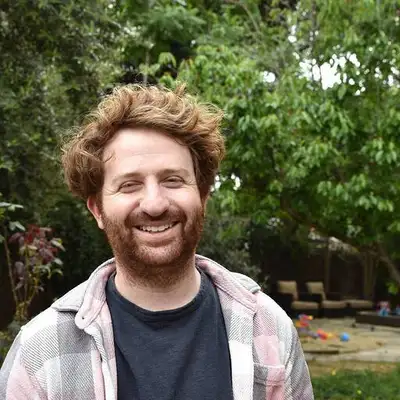
Hosted by Zach Gobst, who has spent his career working alongside clinical trial teams and patient communities, be sure to subscribe on Apple Podcasts, Spotify, or wherever else you listen.
Another thing, I find very important is is partnerships. So again, across all these phases, there's it takes a village of people to execute on all this work. So you have a medical team, operations, data managers, statistics, pharmacovigilance, regulatory, sort of the list goes on and on. And a lot of biotech and and pharma companies rely on vendors or contractors to support the work. So, again, these are those partners that help you, and I truly feel that they're an extension of the team and need to feel valued and respected.
Robin:And if if they don't feel that way, then communication will break down and deliverables won't be met.
Zach:Welcome to Leap Together, the show where we spotlight voices shaping the future of medical breakthroughs, patient advocacy, and support. This episode is brought to you by Leapcure, the leader in patient engagement and recruitment for clinical trials. Leapcure's equitable and empathetic process accelerates research while empowering patient advocacy. Hundreds of studies and millions of patients across more than 50 countries have used Leapcure to average 62% of study participation. Visit leapcure.com to learn more.
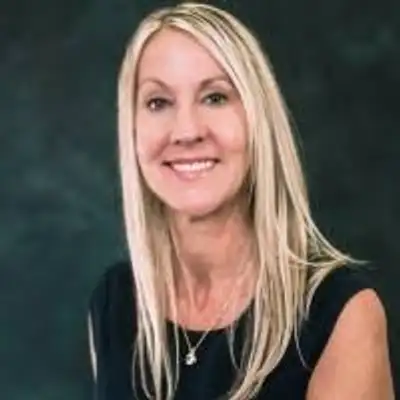
Zach:Today's guest is, one of our favorites, Robin Schmidt. Robin's a seasoned leader in clinical operations specializing in planning and execution of clinical research studies. Over thirty years of experience and a reputation for getting things done, Robin brings energy, insight, and a practical no nonsense approach to navigating the operational complexities of clinical trials. Whether leading teams or rolling up her sleeves to assist at any level, Robin builds strong partnerships and focuses on collaboration to move forward. To add a personal note, Robin is the perfect leader for clinical trials.
Zach:She doesn't shy away from big challenges. It requires risk taking, and it's people like Robin that are really pivotal because everything adds up, all the small decisions to effectively partner and move toward patient outcomes. She's really made a difference when we've seen her in action. And when we came up with the idea of podcasting, it was a spotlight people like her. So, yeah, Robin, welcome to the show.
Robin:Thank you, Zach. Thanks for having me.
Zach:So, yeah, let's start with how you got into the space. What what brought you here? What pulls you to stay? Kinda curious where that, you know, where that's come from.
Robin:Sure. So I will say it it definitely seems like I stumbled into clinical research, not being aware when I was in college, and as a student that there were career opportunities in clinical research or really not even really understanding what this field included. Growing up, I was always interested in health, how the body functions, disease processes, nutrition. And as I as a student, I was looking for the right fit for me in terms of a career. I did end up majoring in biology.
Robin:I went to the University of Michigan, go blue, in Ann Arbor, Michigan, and then I went on to receive my master's in human nutrition also from U of M. As a graduate student, I was initially exposed to clinical trials. I worked with one of my professors on a breast cancer trial. So I looking back, I'm actually amazed I was able to do it, but I would wait outside of a patient room and when the doctor left, just telling that patient that they have been diagnosed with breast cancer, I would go into the room and I would offer to them a clinical trial in a breast cancer drug, and I would obtain informed consent from them and assess their interests. So it was a little nerve wracking, but that was my first exposure to clinical research and really got me interested, in learning more about what that included.
Robin:So I did graduate and became a registered dietitian. I was initially intending to work in the nutrition field. And then coincidentally, a friend of mine mentioned that she saw a job opening at Park Davis. So Park Davis was a pharmaceutical company located in Ann Arbor, Michigan, and it was a clinical research associate or CRA position. And I interviewed and ended up taking that job, and that was my first clinical research job.
Robin:And I will say it was a great springboard into the whole drug development industry, which I do find very fascinating. After being a CRA and and over the past thirty years, as you've mentioned, I've been in this industry quite a while. I moved into study manager roles, director roles, a VP of clinical operation roles, and then I also spent a few years as a chief operating officer at a small biotech, which I also enjoyed, and that exposed me to some other additional areas in not only managing clinical studies, but also business operations. So I oversaw HR, finance, wrote SOPs and policies, and worked on corporate goals and things like that. And then today, I'm currently working with a team of expert consultants to support companies on their drug development programs.
Robin:So I guess to come full circle, I've never left clinical research. I entered into this field. I find the work just to be super interesting. I'm never bored, always busy, and I really enjoy working with with a lot of really great smart people every day. And, also, importantly, I I do feel a sense of purpose in what I do, just knowing that I'm contributing to the development of new medications that I hope, of course, you know, alleviate disease and improve quality of life for for people that, are able to take those medications.
Zach:Yeah. It's an incredible journey, you know, starting with kind of your curiosity about health. Moving straight into helping consent cancer patients, that's so it sounds like you've been, like, helping with some of these, like, really pivotal decisions, you know, from the beginning and then you progressing from CRA to CLO and now consulting. Yeah. What what an incredible journey.
Zach:I'm curious, you know, to to go back to the very beginning, kinda curious Mhmm. Why why why are you interested in kind of, like, health and diet? You know, where do you think that came from early on?
Robin:Good question. I don't know. It's just it's just who I am. I've just always been intrigued by the body, how the body works, how the body functions. You know, like a lot of people, I I try to eat eat well, and I try to exercise, and I hope to avoid disease, you know, through my lifestyle.
Robin:But, it's just for me, it's interesting, and it's so that's why I do enjoy what I do because, I'm also able to be exposed to a lot of different therapeutic areas or diseases, as part of research. I've done women's health, osteoporosis, cancer. Currently, I'm working in a rare disease. So, you get to learn learn about all those different conditions and, you know, understand how the drug that you're working on is intending to treat treat that disease. And I love executing all the work that's needed to, you know, to develop those therapies.
Zach:Yeah. Very cool. And and after, you know, everything, you know, what what stands out to you? What what do you, you know, still find interesting after thirty years about your work in clinical research?
Robin:Yeah. So, again, I I I still find clinical research to be very exciting. You have this investigational drug, so it's a drug not yet FDA approved. You're hoping it's safe and also effective, meaning it would work, you know, to improve or correct the disease that you're you're targeting. After being tested in a lab, it's sent to the clinical study team where it goes through multiple phases of clinical trials, and this is where my work sort of kicks in.
Robin:So probably at this time, if it's okay, I thought I could maybe like, touch upon, you know, the different phases of clinical research because a lot of people I don't think understand the different phases, probably even my family who knows I'm in clinical research, but they might not be sure exactly what that includes. Some people still think that I sell sell drugs. Yeah. Which I don't. So just to go through it quickly, guess.
Robin:So, you know, first the first phase is phase one. This is the first time a drug is being taken by people. The study usually involves healthy people. Now there are some exceptions. For example, the the cancer trial I mentioned previously, you wouldn't ask a healthy person, meaning they don't have the disease, to enter a study in cancer because then you're giving them potentially, you know, very strong toxic drugs.
Robin:Right? So so they would have a different sort of path. But for the most part, you're looking at healthy people, and, you're basically looking for the effects of the drug on the person. How is it absorbed? How is it distributed in the body?
Robin:How is it metabolized? How is it excreted? You're also making sure the drug is safe, and then you're starting to think about the appropriate dose to use of that drug moving forward. So after phase one, if everything looks good, you go into phase two. Now, for the first time now, this includes individuals with the disease under study.
Robin:So during this phase, you're continuing to look at is the drug safe, but you're also looking to see if it works in the intended indication. You know, what is the disease you're looking at? Are you looking at lowering cholesterol or reducing bone fractures? Like, what is that specific disease that you're targeting or condition? And then after that, you move into phase three.
Robin:So phase three is usually much larger. Usually there's multiple countries involved. Again, you're looking at people with the disease or condition under study, and you're focused on safety. Is the drug safe? And then also looking as well as efficacy.
Robin:Are you continuing to see an improvement in the condition? After phase three, you take all of that data from all those different studies, you submit to the FDA and then you hope that you do get approval. And that whole process, kind of starting back to when it's in the lab to when it's approved, it's usually about a ten to fifteen year process on average. So, I'm not sure if people realize how long it does take. There's a lot of testing.
Robin:The team is really focused on making sure drugs are safe. I know you see all the side effects when you watch commercials, but that's because we have to disclose everything. But, you know, for the most part, again, it's there's a huge focus on, you know, again, it being effective and safe for people. So back to sort of why I'm interested. So my job basically is to plan, organize, and oversee those studies and those phases, and I worked across all three of those phases.
Robin:I could talk at length about all the work that's involved in doing so. You design the study. You find doctors and people to be in the studies. You you work with vendors to assist you, such as a lab that receives and processes blood samples, or if you have an ECG or a DEXA scan, you need a a vendor to help with that. You need to clean the data.
Robin:You need to report the data to show the drug works. So, you know, after my thirty years of being involved in this, I'm again, I'm still learning new new things. I encounter unique situations every day. As I mentioned before, I've worked in different areas, so I'm still learning about different diseases all the time. And each of those diseases has its own unique requirements and study designs as well as considerations about the people that enter the studies.
Robin:So constantly learning, constantly forming forming plans around development. On the flip side of that, since I've been doing this for many years, thirty years I mentioned, there aren't many challenges or issues that come my way that I can't work to resolve. I kinda go to my pocket of, you know, lessons learned and and sort of work to to kind of navigate through those through those different challenges. Another thing that I find super interesting is the changes I've seen over the thirty years. So a couple examples I can think of.
Robin:One is, you know, during COVID, I was involved in a in a large global phase three study. We had patients actively in the trial, and suddenly hospitals were closed down or site staff were being redirected to help with COVID patients, and they couldn't focus on the clinical trials. So we had to figure out how do we see patients and how do we how do we give them the drug that they're receiving as part of the trial. So during that time, we saw, you know, increase in the remote or telehealth medicine so people could have visits, you know, that way through a phone call or video call, and then also the home health nursing kicked in so that people could have visits at home. So this is sort of that decentralized clinical trial process that we say, and, that became much more prevalent during that that time and remains to this day as well.
Robin:Another example is actually just I got an email yesterday from a vendor, and they were talking about use of AI to support the clinical trial process. So and interestingly, it was a CRA role, which is one of the first jobs I had when I first started. And, basically, you would have this AI assistant. I don't know if you'd call them AI Adam or a AI Alice. And, they would become an extension of your team, and you would provide this AI companion access to your systems and your reports and your spreadsheets, and they could go through all that information.
Robin:They could even craft, like, follow-up emails to to sites to ask about specific patients or follow-up issues or other things. So they're became an assistant to the team. And I thought, wow. That's that's pretty amazing because by doing that, they could, alleviate some of the administrative tasks so that time could be spent, by, you know, the actual people working on more of the strategic decisions to move the study forward. So I'm sure there's a lot to come in with AI.
Robin:I don't profess to be an expert on it, and I'm sure, Zach, for you as well, that AI is gonna become huge in terms of supporting recruitment, you know, finding people interested to be in studies, working with advocacy groups to raise awareness of studies. So I think there's a lot to come in that area.
Zach:Yeah. I'm glad you went through all of that because there there's always so much more than meets the eye with with this work. And even though you've been at it for thirty years, when you look at everything that goes in each phase and the wrinkles that come with each indication. And even if you've worked in the same indication or disease multiple times, things are shifting, you know, physician preferences, patient preferences, you know, what's available to you in the supply chain and the advancements of technologies like AI. So I I like your your perspective that you always have the confidence to resolve it.
Zach:You know, it's not it's not like we have a choice. We're in a position where it's like, we've gotta move this forward. But I do think there is something to you know, once once you have enough experience and and kind of different data points where you can combine things and take on things that are new. I I thought that's great how you how you shared that. And then, yeah, on the AI side, I I think we I forget what our name was for it, but we've come up with, like, a name for for our AI to kind of help with, yeah, some of the administrative stuff that that's involved in in recruitment.
Zach:We've got some stuff we're working on where we we wanna test it a little bit more because, like, we we do a lot in, like, really building trust with patients and sites. And so AI will hopefully get there sooner rather than later, but, you know, we we we wanna make sure we're meeting folks where they are. And sometimes AI isn't gonna get that right without a bit more testing.
Robin:In the future, these AI companions will be on our team rosters, which I find interesting.
Zach:It's an interesting thing. Like, these idea of, like, AI agents and what they can take on. And, you know, I I definitely think, like, you know, for us, you know, being available more hours of the day, you know, they could they can help, you know, provide support where, you know, we don't always have people available, you know, as often as AI can be available. So So there's there's things like that.
Robin:Yeah. And also too, with with data analysis of studies, there's so much data to be combed through, and there's teams of people that do that, but it can be a slow process. So I think AI will also help with sort of vetting all of the clinical trial data and clinical trial results and formulating conclusions and developing new hypotheses to test. So a lot a lot there too. I think a lot of AI involvement Yeah.
Robin:Come in for that.
Zach:Yeah. That and that comes with the breadth. Like, you you see out there's all of these processes, all these vendor relationships, and there's so many things that can constantly improve that can make a big impact. So, yeah, it's an exciting time. What's the point of view you've you've come to you know?
Zach:I'm I'm kind of curious about, like, what what opinions you've you've kind of formed after working in the space that you might have not had upfront, but, you know, over time, you've come to kind of think about this more and more in your work.
Robin:Sure. So as noted, I've, you know, worn different hats, primarily in clinical operations, but across sort of small biotechs, large pharma. I did work at a a CRO, a contract research organization for a few years as well, and parts of teams, big teams, small teams. And I think for me, what's I've learned what's super important is corporate culture. And people talk about corporate culture all the time.
Robin:Every company has their corporate culture beliefs, and it's on their website. But there's there's a little bit of you gotta you can't just talk the talk, but you have to walk the walk. So I think corporate culture is super important, to the success of clinical research, but really in any field or any job. So it's people communicating well with each other to execute on their work. They collaborate together to resolve issues.
Robin:People just need to feel supported and respected and allowed time too to refresh and recharge. So work hard and play hard. It's kind of what we me and my current team will talk about is we work hard and we wanna play hard too. So I think that just, you know, corporate culture is super important to to the most successful teams. If you we're always gonna face challenges, but it's working together to resolve them, being cohesive, being respectful to each other.
Robin:And, you know, that positive corporate culture needs to start at the top of an organization, and then it will filter down into the lowest levels. Another thing I find very important is is partnerships. So, again, across all these phases, there's it takes a village of people to execute on all this work. So you have a medical team, operations, data managers, statistics, pharmacovigilance, regulatory, sort of the list goes on and on. And a lot of biotech and and pharma companies rely on vendors or contractors to support the work.
Robin:So, again, these are those partners that help you, and I truly feel that they're an extension of the team. I need to feel valued and respected. And if if they don't feel that way, then communication will break down, and deliverables won't be met. I've had the pleasure of working with really great vendors and people in my past, and I find that the better, I mean, I I hope that treating somebody respectfully comes naturally to me anyway, but, I just find that if I really, spend some time on fostering that relationship that if there's an evening issue that comes up or even something over the weekend, I could message them, reach out to them, and they will they will work for me to resolve the issue. And I've seen that not happen because of the way that some of those folks have been treated, and they're like, nope.
Robin:I'm not answering that email. So just think, you know, again, it's partnerships and just overall respecting people, I think, and making them feel valued and and calling out their contributions Yeah. As they need, you know, as they contribute. So
Zach:Yeah. I I'd say, like, you know, we Leapcure just turned 10 years old and what you brought up around, you know, culture and partnerships. Those are probably our two biggest inflection points as a business was understanding how how these lead to the impact in our work. Like, it's it's a really big unlock to not just drive to executing clinical trials, but also being impactful at a patient level when we have a culture where people are are are kind of recognizing at a human level what's going on both with the team and with patients. You know, we we saw, you know, the the people that we bring into the team that were, you know, purpose driven in that direction that that would drive us toward better alignment internally and externally to to go where we're trying to go and then extend that to partnerships.
Zach:There were some projects we were taking on early on where, like, we're just moving too quickly and not thinking about, well, what's the dynamic of this partnership? And right now, our our, like, sales process is is much it's it's much more of a two way process to make sure, like, oh, this is gonna work both ways because that's how we're gonna make more of an impact And we'd rather pick our spots with people rather than force working with them sooner to make sure that there's kind of like a partnership track that's gonna happen. Yeah. There's a there's a bunch of deals where, yeah, we'll do things that kind of look crazy in the moment of, oh, you you're you're taking on that agreement or this because we're we're kind of most interested in, like, how the partnership can grow rather than, you know, does does this have, like, a certain margin target, etcetera. So, yeah, that that those things come up for you, you know, when when we ask this question.
Zach:I it's so fascinating. I think that's that's something related to people who've who've worked more and more in in the clinical research space. It's really kind of leaning toward humanity that, like, drives this stuff. It's you know, part of what we're doing is moving science forward, but it's how how we show up as people, how we interact with others people, that that's actually kind of what moves the speed of our technology advances, which it it's it's one of the most fascinating things about kind of being in the space longer for me. So, yeah, I that really resonated with me.
Robin:And I've, you know, worked with your company now on on a couple different projects. And, you know, I think you really do exemplify that sort of, you know, very positive corporate culture and the partnerships and those things I was just speaking to and, you know, just bringing awareness to individuals interested in clinical trials about the studies out there and working with different advocacy groups to raise awareness. You know, it it it benefits the companies, right, because we're looking for people to be in our trials, and it benefits the people as well because then they have new opportunities. And you're sort of the bridge between the two groups where you can connect with those families and those those participants that are interested, and you can refer them to study sites to be part of the clinical trials. So, you know, really, your role too is, you know, just educating people about clinical trials in general, answering questions, and then sort of providing, we call it, like, a concierge service.
Robin:So, we've been, you know, fortunate to to work with you. I've been fortunate to work with Leapcure, like I said, a couple times and currently. So it's been a great partnership.
Zach:Yeah. Thank thanks for saying. And I'll put on the record, we didn't pay you to say any of that.
Robin:Yeah. Yeah. You did not you did not ask me to say that.
Zach:Yeah. It goes back to to kind of what you're saying around kind of culture and, you know, our our determination to to drive impact. And, yeah, it it goes both ways partnering with you. So, you know, appreciate we we can't show up the way we do if, you know, partners like you that are encouraging it and and, you know, focusing together on how we get there. So so appreciate you.
Zach:Let's talk about your current role. You know? So you've you've now after doing it all kind of in house, now you're consulting. Curious about kind of after all of these years in the space consulting because Mhmm. My I, you know, I was a management consultant prior to working in the space.
Zach:And but that was from a place where I had little experience and then was a consultant. Now you're you're Mhmm. You're in a very different entry point than I had. So curious what it's been like.
Robin:Yeah. And I will say there again, I kinda stumbled into consulting just like I stumbled into the role. And I say stumbling, but really it was it almost seems and then I don't know. It almost seems like it was meant to be a little bit. So, basically, I was I was looking for a new opportunity, and a friend of mine reached out.
Robin:And she's like, hey, Robin. I have this opportunity for you, and it's in a rare disease, Prader Willi syndrome. And even though this is a rare disease, I'd actually worked on a trial in this indication several years back. So I thought, well, that's interesting. So I connected with the group.
Robin:It's called Blue Parachute. Again, it's a group of consultants. That are based out of Ann Arbor, Michigan, and the name Blue Parachute. So blue is because it's in Ann Arbor, it's go blue. And then parachute is sort of like, we'll we'll provide you with a soft landing.
Robin:So I thought that was a nice name to to assign to a group. But basically, it's a group of, you know, experts, consultants that support drug development and clinical trials. So as I mentioned, I was asked to support a small biotech company or more of a mid sized company on a Prader Willi syndrome study. Just to touch base on that a minute. It's a rare genetic condition.
Robin:The children that have that suffer from constant insatiable hunger. So the mechanism that tells them that they're full after meals doesn't work correctly. So as you can imagine, that has a huge burden to the family, to themselves personally, of course, but also to the family and caregivers that are taking care of them. So the company I'm working with that's conducting this research, they have a great corporate culture. They even hosted a women's leadership event recently, and it was amazing because they included the consultants in that as well.
Robin:We're kind of an extension of the team. They have a real genuine desire to help the PWS community. And, with the study that we're doing now, obviously, there's a huge hope that it's effective and safe for those patients so that it offers another another route of care for them. So I'm really enjoying, you know, the the disease I'm working on and the sort of the study and hopeful that we are off gonna be able to offer a new treatment to these individuals, but also working with a great company, a client, as well as, you know, Blue Parachute as a as a great team of team of people. So it's all good and hoping to, you know, continue on and and and hopefully, we have a successful study as well.
Zach:Yeah. So they just, like, jump in and consult on a phase three to help families, you know, have the support of, you know, values aligned organization like Blue Blue Parachute. That yeah. That sounds like, yeah, a great a great step. And, yeah.
Zach:Also, you know, if if you were to kind of look back, I'm also curious about, you know, in your thirty year plus journey, you know, folks that you'd like to highlight or shout out that kinda helped you kinda get to this place. You know, I'm curious who might come to mind.
Robin:Yeah. So, gosh, you know, I was I was fortunate way back when I started. I'm very new into the field. My my first boss, actually. So her name was Lee Hayes.
Robin:We haven't we haven't been in touch in quite some time. So if anyone listening is knows of where she is, I would love to reconnect with her. But just a a wonderful, wonderful person. So she was my boss at Park Davis that I mentioned previously. She was a great mentor.
Robin:She supported my career throughout. She gave me new opportunities. She provided a safe work environment where I could learn and I could ask questions, and she would support me and also provide, you know, credit where credit was due. And it wasn't just for me, it was for her whole team. She wouldn't sort of take ownership of our accomplishments.
Robin:She would sort of highlight the accomplishments and how we had helped the team. So just a very nice warm person. She retired she retired during my time at Park Davis, actually her and her husband moved to Colorado to become ski instructors so she could enjoy her time doing that. But, again, we lost touch. That was that was many years ago.
Robin:But she was probably the most impactful person in terms of my career early on. And I would love for her to know that she's had that impact on me. So another person I could think of to highlight is, I guess, back to Blue Parachute. So I didn't mention before, but it's actually my friend, Amy Longcore, that started that company. She's the founder and CEO.
Robin:We were graduate students together, both majoring in nutrition. Both went into clinical research. As people often do, you kinda lose you lose touch a little bit. You're busy with your families and with your jobs, and but we were able to reconnect again when she reached out to me about my current opportunity. So it's been great working with her, but I just wanna give her a little bit of a shout out as well because, you know, speaking of the corporate culture, she's done a really great job of of instilling that with her team.
Robin:She goes out of her way to check on everyone. We celebrate achievements together, both professionally, but often personally too. The office is just a a fun place to go to. People support each other. We we mentor each other.
Robin:And really at this point in my career, that's really what I'm looking for is that kind of team, people that care for you, that are interested in producing high quality work. We're smart, and we have fun together as well. So
Zach:That's great. Yeah. It's and I appreciate that. It was a very thoughtful response. So, yeah, really, really happy for where you are and these people were able to make such such an impact.
Zach:So now any anything else we should, you know, bring up on the podcast? Anything we wanna share with the audience? Anything come to mind? It's okay if not, but, you know, kinda curious.
Robin:I think just, again, speaking to clinical research because that's what I've been involved in and what I've been kinda talking about. If there are people out there that are interested in in being in a study, I mean, I know people, even family members that maybe have a condition and there's no approved therapy for that condition, you can go to clinicaltrials.gov, a website, or you could even, you know, do a search looking for clinical studies, but you can identify, you know, what are the current studies that are out there, where are the sites located, how can you reach out to those sites, there's there's contact information in there, And it's a great opportunity to be part of, you know, not only receiving an investigational drug that potentially could help your your disease or your condition, but it's also an opportunity to sort of advance, you know, development of new therapies for other people. You will be under the care of a doctor who will look out for your, you know, your safety and make sure that your needs are are attended to. So I just encourage people, I guess, in general to look look out there and about clinical research opportunities.
Robin:There's a lot of, you know, different options out there for people. So, and, again, it's you know, you'll be helping with the advancement of those new therapies, so there's also that that purpose, as well that I think for many people, you know, they they like to do that. They like to be doing something helpful, right, for other people. So
Zach:Yeah. Yeah. I I don't think as many people know. I'm glad you shared it out. Clinicaltrials.gov has so much information on what's kind of going on in the space, and there's a lot of research going on.
Zach:You know, I I would encourage those, you know, sometimes hard to reach, you know, if there's something you're interested in, you you can also reach out to Leapcure. This is where I will plug us because Yeah. Navigating to actually take the next step isn't always the the most simple thing the way it's designed. However, there's so much clinical research going on, and there's there's a lot of ways to kind of have your voice heard and get involved. And I think it's a great message.
Zach:So great. Well, yeah, I think we'll leave it at that. Robin, it was a pleasure having you on. And, yeah, I would love to to kind of maybe touch base again sometime in the next year or so, maybe do this again with you too.
Robin:That sounds great. Thank you so much, Zach. It was great connecting with you today, and thanks for the opportunity to talk more about kind of what I've been working on and hopefully people learned a little bit as well.
Zach:Yeah. I mean, even I did, so I'm sure they will. Great. Thanks.
Leapcure:Thanks. Thanks for joining us for today's conversation with Robin Schmidt, a clinical operations expert at Blue Parachute whose work beautifully blends deep expertise in clinical trials with a genuine passion for people and partnerships. Robin's perspective on collaboration, patient centered operations, and the evolving clinical landscape offers a powerful reminder of how meaningful progress happens through connection, curiosity, and commitment. Thanks for listening, and until next time, stay informed, stay engaged, and keep pushing for better health outcomes for all.