Subscribe
Share
Share
Embed
In this episode of the Maffeo Drinks Podcast, We continue interviewing Alex Frezza, Owner of L'Antiquario Bar in Naples, part of the World's 50 Best Bars. He's credited with building up the Neapolitan Cocktail Bar Scene, provides top-shelf hospitality and, best of all, recognized me when I was a customer at his bar. I hope you enjoy his wisdom as much as I did.
Main topics discussed:
From 0 to 1 bottle
• The importance of the Target Occasion
• How occasions change by City, State, and Country
• Dark Demand Generation
From 1 bottle to 1 case
• Up or Out: how cool bar owners choose their brands
• Analyzing cocktail menus to decide where to focus on
• Avoid brands vs. following brands: different strategies
From 1 case to 1 pallet
• Big brands & the taste setting effect
• Choosing the right Distributor for your brand.
• Localization Challenges
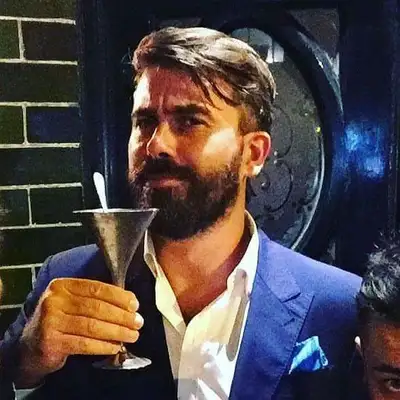
About the Host: Chris Maffeo
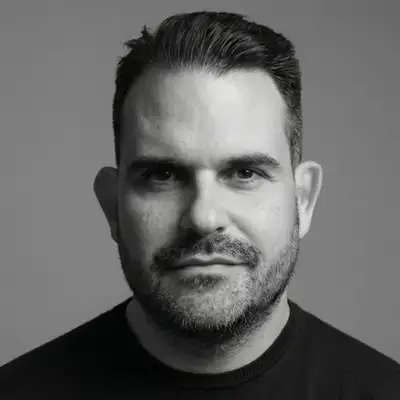
About the Guest: Alex Frezza
In this episode of the Maffeo Drinks Podcast, We continue interviewing Alex Frezza, Owner of L'Antiquario Bar in Naples, part of the World's 50 Best Bars. He's credited with building up the Neapolitan Cocktail Bar Scene, provides top-shelf hospitality and, best of all, recognized me when I was a customer at his bar. I hope you enjoy his wisdom as much as I did.
Main topics discussed:
From 0 to 1 bottle
• The importance of the Target Occasion
• How occasions change by City, State, and Country
• Dark Demand Generation
From 1 bottle to 1 case
• Up or Out: how cool bar owners choose their brands
• Analyzing cocktail menus to decide where to focus on
• Avoid brands vs. following brands: different strategies
From 1 case to 1 pallet
• Big brands & the taste setting effect
• Choosing the right Distributor for your brand.
• Localization Challenges
About the Host: Chris Maffeo
About the Guest: Alex Frezza
The Maffeo Drinks Podcast is a leading business podcast in the drinks industry. More than 130 episodes. Listened to in more than 120 countries. This podcast closes the gap between Bottom-up reality and Top-down expectations with conversations about how brands are actually built, from the field, not the boardroom. Hosted by Chris Maffeo, founder of MAFFEO DRINKS, with over 20 years across 30+ markets.
Guests include some of the top voices in the Beverage Industry. Founders, Directors, Top Brands and Distributors such as Mark Ward, Jack Orr-Ewing, Maurice Doyle, Ben Branson, Heather Greene, Philip Duff, Steven Grasse, Francois Monti, Georgie Bell, Robert Simonson, Imme Ermgassen, David Gluckman, Brian Rosen, Danil Nevsky, Felice Capasso, Nick Gillett, Paul Hletko, Racheal Vaughan Jones, Andre De Almeida, Kaitlin Wilkes, Paul Thomas, Stephanie Jordan, Roberta Mariani, Adrian Michalcik, Hunter Gregory, Filiberto Amati, Julian Davies, Alex Ouziel, Daniel Szor and more.
Hi, and welcome to the Maffeiro Drinks Podcast. I'm Chris Maffeiro, founder of Maffeiro Drinks, where we provide a non nonsense approach to building drinks brands from the bottom up. I will be your host, and in each episode I will interview a drinks builder from the drinks and hospitality ecosystem. In episode twenty and twenty one, I had the pleasure and honor of interviewing Alex Fritza. He is the owner and founder of Lanti Quari Annapoli, currently number 46 on the global list of 50 best bars.
Chris Maffeo:He is a bar legend in Italy and internationally. I hope you will enjoy our chat. Remember that this is a two part episode. So if you liked it, feel free to listen to both part one and two of our chat. Tell me like how do you drink?
Chris Maffeo:What's fascinating for our listeners is really understanding how to build, you know, from the bottom up a brand. So like, if I want to enter your bar, like who brings in the idea, for example, of drinks to put in a cocktail list or like, is it more of a top down process, like from you to the team? Or is it like more of a democratic or bottom up with some of the younger team members bringing in some ideas from from somewhere else? How does that work?
Alex Frezza:Atlantiquario, there is no democracy. I decide everything. No. I'm joking. There there is some level of democracy in bars.
Alex Frezza:Lately, we have lots of weird liqueurs that have maybe have inspiration from perfumes or different kind of combinations. So it's something quite new that you can't immediately pinpoint in a cocktail rule or structure. So usually, we kind of play around with it. L'Anciquario has an area in the basement, which is like the cemetery of bottles, where we try something, it goes there. Maybe we will catch it after two months because we have an idea, but that is very bad because after a while I literally have to throw the bottles away because we don't use them.
Alex Frezza:Now we are a bit more selective. We have a process in which we try it. We try to understand where we can apply that product. And sometimes we don't have the application for it immediately, but all of a sudden after a year, we get the opportunity where we could use that, you know, maybe for a special event or a special request and maybe we will need it. We try things and we try to see how much first of all, the price.
Alex Frezza:We try to understand what the drink cost is. If you're selling me a liqueur and you expect me to use two ounces of it in every cocktail, then I want to know how much it costs because maybe I will have to break it down to 10 ml, quarter of an ounce or four for an ounce for cocktail. So maybe I will see how little can I use of this and still make it perceive the value for the clients? So we kind of worked that out. Some things just apply very well to certain things we do and we use them.
Alex Frezza:And so some people end up being used in our menu and they didn't spend the euro for marketing. Other times, brands have to be pushed and we have to kind of be supported a little bit more. Like Vermouth is an example. There are lots of brands of Vermouth. Now, how many Vermouths can I use in a bar?
Alex Frezza:I can have maybe a vermouth for Negroni and a vermouth for Manhattan, you know, but I have to kind of balance it. I will I will have a deal for a main vermouth, but I will still buy another three vermouths on the sides to give a bit of variety. And maybe we will decide that this vermouth we prefer from Manhattan's. Okay? And the deal that we have for the main vermouth, because it's we put it in our main cocktail that we know that will sell.
Alex Frezza:And so we can push it there and we know that we all have the quantity. We don't have to sell it forcibly to clients. We will sell automatically cause we know what kind of plot codes sell, what kind of keywords work with clients. So, know, we know that that is done. And then maybe we can offer a bit of variety on the sides.
Alex Frezza:But you have to be prepared as a brand to be a side option first, because lots of brands come and they say, right, what can we do to be in the menu? And I said, well, maybe you can't do anything. Maybe you don't have the resources or the product, but what I can do is you can be here, and you have to just make do with one bottle a week. And it maybe would take two years to become something that I can sell widely.
Chris Maffeo:Now I finally understood why Napoli Soterania, the Napoli underground is so big because there's a cemetery of pots from Napoli in the underground. But how do you see for example, like in that example of a vermouth or another ingredient to to up trade. So imagine you've got a an agroni made with a vermouth that is a more basic kind of option because of, know, for from a cost structure. Do you think there is an opportunity to, for example, upsell it and say, know, I would like it with that kind of vermouth or that kind of gin or that kind of whatever bitter. And you upcharge me to allow me to do that or you wouldn't even consider that.
Alex Frezza:Upselling is something that has changed a lot in the past five or six years. Because upselling became a skill when we all of a sudden we have luxury brands. We didn't have that before. And so all of a sudden you have the same product that costs three times the price. So obviously to sell it, you have to invent some sort of skill to sell it.
Alex Frezza:Today, sometimes the upselling is not on the premium value of the brand. It's just simply the taste profile of it. Okay? And to upsell, the first rule of upselling is that I have to first sell you one or two things before. You can't upsell directly.
Alex Frezza:You know, I have to sell you a normal Negroni first. You pay the price of normal Negroni, and then I can pitch you for the second Negroni, say, right. Would you like to pay €5 more for this Negroni? I will give you a better gin in it. That doesn't always work today because anyhow cocktails have gone up in value.
Alex Frezza:You can upsell if you have a very low value of cocktails and then you want to upsell to a premium, but if the medium value of cocktails has risen anyway, you're already drinking a good cocktail. If you go in any bar that makes cocktails, the brands in the world are good anyway. You don't have like something that you would drink in a street bar in Mykonos in a cocktail bar. That is very difficult. Today, the upselling maybe is in the storytelling, the quality of the product, some sort of value that the products give to the clients that you can transform into communication, some sort of little curiosity that catches the eye of the client.
Alex Frezza:So they will see it and say, what is that? And you start speaking about it. But, you know, some clients want to be upsold, some clients don't. So it's very difficult to have that as a brand strategy saying, right, I will give you this bottle and you can sell it for €2 more and make more profits. I can make more profits on a lower value product given the added value with what I make with it.
Chris Maffeo:Yes. That's a very peculiar situation because I mean, you are really like it, one of the top bars. My question is probably more a more average kind of bar on what they would do with it because then, you know, their price range would be lower. And I would still like to sell you that brand and try to sneak in because I know that otherwise I'm out of the game.
Alex Frezza:Average bars have two ways of positioning themselves. For them, it's very important to have the brand, okay? Like when I opened Lanti Cuario, we had a very normal vodka, okay, in the world. Now vodka is very difficult to upgrade because you go from very basic level to something that costs four times that much. There's no in between in vodka, okay?
Alex Frezza:It's very difficult to give a scale. While whiskey, you have three steps of whiskey. Gin, you can have different price levels that are very close. Vodka is either one or 10, okay? And so all of a sudden, I had bars in my area that were going out of their way to buy very premium vodka and putting it in the well.
Alex Frezza:And that kind of put me off because that is not fair competition.
Chris Maffeo:Yeah.
Alex Frezza:Okay? Because maybe I'm working on making it as the best cocktail I can with a medium priced vodka, and all you're doing is positioning yourself with the brands. You're paying it more. You're selling it at lower price, maybe, just to position yourself. So an average bar will do that.
Alex Frezza:They will want to have the brand to show off, or they will try to maximize the perceived value of the client. So they will do very elaborate cocktails. They will show that they can do very good cocktails and not show the brand. Like maybe they will do a wonderful daiquiri with a very cheap rum, which is good, and they will do it for the best ice with a wonderful shake maybe. You will be willing to pay €13 for a daigli, which is the average run, but very well executed.
Alex Frezza:This is very difficult. It's a longer path. It takes longer time and it takes more work. Buying the brand and putting the brand in front of the people is much easier.
Chris Maffeo:Yeah. Yeah. Let's talk about this menu. I mean, you mentioned the menu on brands. It's the dream of every company to own the bar.
Chris Maffeo:Know, like, oh, I know Alex from Lantiguario. I'm working for XY big company. I want them to be our bar. I want him to stock all our products. How does that work in terms of visibility, for example, on the mail?
Chris Maffeo:So the first question is like, how do you navigate working with different brands at the same time, like being let you buy directly from them? And then the second question would be more like, what do you see in terms of cocktails on the menu, like, and them pushing you to own a little bit of a bigger part of the pie and, you know, being mentioned on the menu, being mentioned as a brand in the recipe of the menu and so forth.
Alex Frezza:It's a very difficult game. You're on a string, you know, you have to balance the credibility of the bar and the credibility of the brand. Now they have to be more or less at the same level, because if I'm not a very credible bar and you walk in and you see that I have all the products of one brand on the menu, then you will see, right, this guy sold off his bar to this brand. Given that lots of clients don't know that different brands are from the same multinational. So maybe I know, but that is not readable by the clients.
Alex Frezza:If the client sees that in every gin cocktail, there's the same gin, then that will ring a bell and say, right, they only use this drink. If you're a really strong bar, then maybe that can become a plus, because the clients will think, right, if this bar decided to use just this gin, it means that it's the best gin. The problem is that who has the money to buy a menu in a bar has the money to buy many other menus too. So the clients will come to me and he will see major brand on the menu. He will go to another bar and see it there too, and maybe I don't want to be like the other bar.
Alex Frezza:So you have to compromise on that. I don't think menus today are that important because, you know, I remember when we opened the bar, we had a deal with a brand. I didn't have the products on the menu, but I had a whiskey, had a very good deal on a whiskey brands that nobody had because we had the very good deal on the quantity and everything. And so every time that I lifted that bottle of whiskey from the well and the client saw it, his eyebrows went up and I said, wow, you have that whiskey in the well? And I said, yes.
Alex Frezza:You know, so maybe that is worth more than having it in the menu. Sometimes just having a bottle on the back bar in a visible spot in some bars is worth more, just one bottle. If you have a brand, a block of it, that smells a little bit, you have to find the balance in your bar with your clients. And sometimes putting the brand directly on the menu today in 2023, isn't the most credible thing.
Chris Maffeo:That's a very interesting point because this is considered by many, many companies to be the ultimate prize. You know, like when you have the video game, that's the final monster. The first monster is the beer bar then the beverage menu. Then, you know, I'm in the cocktail list and that's the final monster. Then I beat up the monster and, you know, and I'm in.
Alex Frezza:But that works. I know friends at a bar that they literally sell positions in the menu. Okay? Every year, they would, like, do an auction, and they will say, right. This year, one product in one cocktail cost €5,000.
Alex Frezza:BAM. But that puts me in a position where every year I have to renegotiate the menu, I have to put my own marketing in the menu because obviously if I have to put a brand, I have to make sure that the menu is visible, it works, and that's also an effort. But that doesn't make me build a long term relationship with brands. I can build at the same time, a long lasting relationship with multinationals without putting brands in the menu and making sure that I use their product anyway. So, you know, that maybe building a long term relationship is better than having to rebuild one every year.
Chris Maffeo:Exactly. Exactly. And there are like more subtle ways because when I work with brands, they tend to push this whole thing in how many cocktails are you in? How many bars on them? How many back bars are you?
Chris Maffeo:And I always try to explain to them is like, it's not about that it's about the relationship because a bar needs to have different relationship with different brands. Because that's the whole thing about it. If you work in a bar, you want to have a relationship with everyone because that's ultimately you, you know, I don't want to come to Lantiguat and only drink Negroni or only drink a certain style of whisky because you know, you have a deal with it. I want to come to you to discover new things to rely on you as an expert. I feel it's very difficult to convey to big brands, you know, to these leaders that probably, you know, they're not familiar anymore with how bars work.
Chris Maffeo:And it's very, it's a very difficult conversation. So it becomes this kind of top down push from you were saying, from global to local, from the super mega CEO, MD, pushing it down because that person loves Negroni. So the strategy is going to be Negroni because whenever I travel, I want to have a Negroni in each of these bars. Then it's masked by consumer research and then by an advertising agency and so on. But ultimately, a personal taste almost.
Alex Frezza:Also, it also depends on how you measure value. Today, is measured on how many people see something, and people value something in a limited time. They have to bring results in a year, so they will count what is done in that year. And sometimes the way you value the visibility can't be measured in six months or a year, maybe just mentioned three years, and not everybody has a time for that. So I I understand brands that come and they want, you know, the brand block bar because they need the photos on Instagram.
Alex Frezza:They need to put them in their PowerPoint presentation for the company at the end of the month because they have the reunion, you know, so I understand that, but you have to help me to make that work so that you keep your job in your company.
Chris Maffeo:Absolutely.
Alex Frezza:And you have the right content to put in your PowerPoint presentation to show you to your American corporate CEO that would come to Italy to see you. Help me help you.
Chris Maffeo:It goes back to the point that, probably like this new digital world has messed a few things up with these vanity metrics, likes and shares and comments and so on. We tend to focus on measuring what we can measure rather than what we should measure, you know, because it's easy to say bottle on the back bar, you know, I can send anybody in, knock on the door, check it and put yes or no on it. You know, it's more difficult to actually have a relationship with you and really see, oh, actually all the bartenders of Lantiguario, they were talking about this brand. You know, it was never on the menu, but they all talk about this. Maybe they talk about on their social media, they talk about with their peer.
Chris Maffeo:There is a podcast I follow called Revenue Vitals and it's on SaaS marketing and they call it dark social. It's these hidden things that you never know about. Know, like it could be you taking a screenshot of the podcast, sending it to a WhatsApp group of your friends in bars. I will never find out about it. I just see a number that 10 new people listen to my podcast this month.
Chris Maffeo:I have no idea who they are. I have no idea like how they came to it. But what I should focus on is to deliver a consistent quality podcast episodes and the numbers will come. It's not about this day was ten ten followers. And for a week, there is only five.
Chris Maffeo:And then I'm a failure, I close the podcast. You know, it doesn't work like that.
Alex Frezza:It's because you don't have the instruments to get immediately to the cause of that effect. So you don't you know, you tend to measure it with the closest thing you have, and often it's not the right measurement.
Chris Maffeo:Yeah.
Alex Frezza:I'll give you an example on exclusivity. Brands would like exclusivity with people in the industry. Okay? Obviously not always, they can afford it. Because if you want exclusivity, you have to pay for it, because you're closing our opportunities for me.
Alex Frezza:But sometimes brands realize that the real value is working with somebody that works with other brands, because that means that that person is credible. If the person works with too many brands, then he's selling out. But if he works with other brands and does a good job with them, and as we knew in it for many years, then obviously there must be something good with that person. You want to understand why he's good and then you give them a chance and you work with that person and you see that he delivers content, slowly you build a relationship. And so like I work with multinationals that compete against each other on the market, but then we managed to find a way that I work with them, with another brands, and I have like gentlemen agreements with them that don't have to be written down on paper, that I then cross the lines between each other.
Chris Maffeo:Absolutely.
Alex Frezza:But sometimes it's a bigger value working with more brands together and not having exclusivity.
Chris Maffeo:This is also like the thing about working as an ecosystem now because ultimately, what I usually say is that for a brand to be successful, it has to make sense for importers, for the distributors and for the bar, because you're not going to have everybody only selling your brand because, you know, like next week there's going to be another company coming in with their senior leaders doing a tour. So if you make it up, you know, it doesn't really help because like that guy is going to be on holidays on his own without telling you and he's never going to find that bottle on the back bar. So, you know, be honest and make sure that it makes sense for everyone in the system to actually work with you because otherwise it's unsustainable. It may work, but it may work for a week, a month, a year. But then like long term, there's no chance.
Chris Maffeo:Let me ask you a question, because this is very interesting for me. Talking about target occasions and how we discuss how brands sometimes they push the target occasion that doesn't make sense or a cocktail that doesn't make sense, know, the Samburg example and so on. How would you group this kind of like target occasions that because then there's not infinite target occasion, right? You know, there is a, I don't know, like a pre dinner aperitivo, like a dinner dining with that brand or after dinner or late night or whatever. How do you see this whole thing and what kind of like cocktails are best suited for certain things and so forth?
Alex Frezza:Target occasion, targeting is a term that is born in a PowerPoint presentation that you have to give, that you have to pitch your company or your sellers to focus on. It can mean something different for you and for me. Our aperitif and pre dinner. What is the difference between a pre dinner and aperitif? It's a difference of culture.
Alex Frezza:In Italy, a pre dinner is an aperitif. In Germany, maybe a pre dinner is a Martini cocktail, which is not an imperative, okay? So culture makes a difference on drinking occasions. And obviously, you have to apply the same product in different cultures in different way. Sometimes you can apply an Italian culture in a different nation and it works.
Alex Frezza:Sometimes it doesn't. Sometimes you have to rethink completely of that product. Margaritas in Mexico, you drink from 04:00 in the afternoon on the beach till 03:00 in the morning. In Italy, maybe drinking a margarita on a beach in July at 02:00 in the afternoon is a bit difficult. Maybe you want to sell a spritz much easier.
Alex Frezza:So drinking occasions are important, but they change. And some brands have to learn that they have a very, very narrow drinking occasion range, and they will never be able to do the numbers of other drinking occasion ranges. So that is very hard to accept sometimes.
Chris Maffeo:And this is like, because it goes back to driving rotation or velocity. Like, some brands are focusing much more on a neat sipping kind of like occasion. You know, some brands are more like want to be in cocktails, but then there's the catch 22 now that, you know, if you are just a modifier in a cocktail, you're never going to make the numbers. So, but at the same time, an espresso martini, you know, nobody's gonna drink espresso martini all evening kind of thing.
Alex Frezza:I'll give you an example. There is a very important Italian importer that imports very kind of high quality products, okay, from rum to gin to whiskey, has some exclusive deals with very important whiskey brands, gin brands and brings them to Italy, right? The agents, what they would do, as it was very kind of high quality, they would go and sell only restaurants, Okay? Because that was the best pitch where you could sell, you know, the best whiskey for after dinner. They never put the efforts into going to cocktail bars and selling it there because it's much more difficult, much more competition.
Alex Frezza:The client chooses in a different way. In a restaurant, if I spend €100 to eat, maybe it's not that bad spending €20 for the last whisky or maybe the restaurant, if you spend €150 to eat, will offer you a good whiskey at the end, because they can put it in the food cost of the evening. Well in the bar, that product, I have to value it only for when I sell it to you. So the drink cost is worth what it's worth, and I have to make money on that. And then everyone there, all of a sudden they realized that and they rearranged the strategy of the agents and they said, right, we have to have more clients in on trade bars with these products.
Alex Frezza:It took them maybe three or four years to build the the network. And now all of a sudden, find these products even in drinking occasions and times that weren't considered before. Because like you said, the need to drinking. Need to drinking is a very slippery issue because, you know, when do you drink and eat? Is it always associated with the food?
Alex Frezza:I mean, after dinner, or if you're a person that drinks needs, you always drink needs at any time of the day, you know? And also to sell neat products, you need a completely different knowledge from selling cocktails. It's a completely different planet.
Chris Maffeo:That's a great point.
Alex Frezza:It's like selling champagne and cocktails, completely different.
Chris Maffeo:That's a great point.
Alex Frezza:And you said an interesting word before, said ecosystem. Ecosystem is not a word that you use in our industry at all, but you use it in a different way because like this importer, what they did is they created an ecosystem in which the agents go and they present different products of different categories together that maybe work together to support each other. And maybe you have products that have different brands behind them that maybe can converge in one sale pitch and they can be sold together. Like sometimes Prosecco. Prosecco in Italy is something that everybody sells.
Alex Frezza:Often it's sold by the price. The cheaper it is, the better. So it doesn't make much difference which you buy. Often people buy Prosecco according to what other products the distributor has. Maybe you have the Amaro I want and to make the sale, I will buy the Prosecco too from you so that I get the total value of the order I want to do.
Alex Frezza:Because what I want is your Amaro, not your Prosecco. And so sometimes Prosecco became a byproduct that you just put in because everybody buys it here in Italy.
Chris Maffeo:Yes, it's a little bit like with tonics or with mixers and like that sometimes it's almost like they're given out with a big order of of boost.
Alex Frezza:But now mixers are becoming a premium product. So it's difficult for mixers too.
Chris Maffeo:Yes. I can imagine.
Alex Frezza:Maybe the opposite is coming is becoming now that you buy the mixer and they will give you the gin as an option.
Chris Maffeo:And is it worth for brands to target on one specific occasion or drink at the beginning? Because, you know, the foot in the door kind of situation now in which I'm coming to you and I don't want to be just another product. So I want to give you some ammunition to say, okay, like this is the brand for certain kind of palettes, know, could be like a mezcal, a very approachable mezcal in terms of smokiness or, you know, it's an highly whisky, but it's not that much pitted or this kind
Alex Frezza:Bartenders need solutions, not problems. So if you come with a product, you have to come with a solution too. A bartender has many products and you can't work out how to sell all of them. Like I have maybe 70 whiskeys, Scotch whiskeys at the brand. I can only have maybe eight in my mind at the same time to sell, okay?
Alex Frezza:And I sell them in categories, know. If you come to me and tell me, right, this whiskey is for this client and that client really exists in real life, then when the client will come to me and he will make that request, I will have the whiskey for him. So I think it's always better to start from a niche, okay, to conquering your little tile of terrain, be king there, and then maybe expand it. But that works with everything. It works with any kind of product.
Alex Frezza:Think of the gin that branded cucumber. Okay? What did they do? They said, right, every gin is the same. I will put my brand on a vegetable, not on the gin.
Alex Frezza:So when you look at a gin tonic with that vegetable in it, you will recognize my brand. And I will work just on that. Let me be the best amaro for after dinner. It happened with certain amaros in Italy that they were selling them so much in restaurants that all of a sudden they were requesting them in bars. And so we had to go to the sales people and say, right, you never walked to sell me the Samado.
Alex Frezza:I have people asking for it. When are gonna come and sell it to me? Do I have to come and look for you or are you gonna come to me? So, you know, if you get really strong in your niche, you will expand automatically afterwards because you can't control where people go after that.
Chris Maffeo:Absolutely. Like the amount of category, it's so fascinating to me, the success for some Amaro brands that are drank all around the world now. I mean, my eye has slipped on my back villa, know, I've got Montenegro and Internet Branca there. When you were talking about Amaro selling to bars, like my eye just went on those bottles. You know, what do you think has been the secret?
Chris Maffeo:How did they go from a kind of like a dormant category to a hip thing in bars across the world?
Alex Frezza:Haro's like the two bottles you have behind you are both Amaro, but they're completely different.
Chris Maffeo:Yeah. They're on the both ends of the of the spectrum.
Alex Frezza:And I think Amaro, the success of Amaro has to be kind of analyzed in different aspects, trends, perceived value, taste, how the taste applies to different palates around the world in a good in a contrasting way or in a parallel way. Like, you know, if you want to sell Fermi Te Blanca in America while they're selling Jager Maeste, you're going to have lots of difficulty because Jager Maeste is setting the palette of what an Amaro should be. But maybe Jager Maeste isn't selling like an Amaro, it's selling like a liqueur. And so it's completely out positioning what the brand should be. And it's gonna ruin it for everybody else that wants to go in that niche afterwards.
Alex Frezza:So, I mean, I've been to San Francisco and I've seen how they sell, they started selling Fernetablanca there at shops with beer. Nobody would do that in Italy. No. They find their own way to do it. Is a legend that chefs were pissed with all these college kids drinking Jagermeister shots that they chose the Amaro, which was the most bitter and they started drinking that.
Alex Frezza:Because their palate was the only one that could understand that kind of bitterness. And so when somebody asked them, what are you drinking? I said, right. I'm drinking this really nice Italian amaro. Have a shot.
Alex Frezza:And when people drunk it and they couldn't deal with the bitterness, they thought, fuck. This is really strange. If you're drinking this, it must be really good. So I want a shot of this too. Although it's not, it's completely, it's like when you go to a foreign country and you see everybody drinking this weirdest foods.
Alex Frezza:And if you try, I have to go out of my boundary and try it because if everybody is eating it here, it must be really local and good.
Chris Maffeo:Yeah, that's true. That's true. Fantastic. Let's wrap it up. I want to give you first some space to give a tip to the next generation of bartenders.
Chris Maffeo:And then secondly, how can people find you and find your bar? So what would you say to the next generation, like on people entering the hospitality and drinks world?
Alex Frezza:Right. I'm 46 years old and I have a white beard and white hair and I'm still working behind the bar occasionally. So to new bystanders, the new people that want to come into this industry, I'd say be patient, okay? Build your profession so that you can do it for the rest of your life. Build the profession, don't build a trend.
Alex Frezza:Don't be an image, be something more valuable than that in our business. Build slowly, don't go after instant success because that doesn't exist. Find positions that value your work. Don't go after position that build up your resume and that's it. Five years in the same working in the same place maybe are worth more than five years in five different places a year each okay.
Alex Frezza:Learn as much as you can from people that have more experience for you And today that is very difficult because there are not that many people with experience in this business anymore. So if you find someone that's been in the business for thirty years, try to understand what's good and what's bad about him and make the difference and try to take only the good things. Take great value in that because in five years maybe there won't be anybody in this business that has been there for more than ten years, okay? I started working with people that were in the business for thirty years. Now that's completely gone.
Alex Frezza:And what else? Before you be a bartender, remember to be a good waiter. Today bartenders want to be just bartenders. Hospitality is an ecosystem, as you say, of many things. They have to put them all together.
Alex Frezza:And then what else? How to find me? Well, come to Naples. I always say, come for the pizza and stay for the cocktails. Nobody comes to Naples to see Lantiquari or me.
Alex Frezza:They only come to see Capri, have a pizza, go to Sorrento, go to Pompe, drink, eat champagne or whatever, and then they land at Lanti Choir. So I'm always maybe the tenth option. So, you know, come to Naples, visit Naples and then you'll find me. Don't worry.
Chris Maffeo:Nice. Nice. Nice. I just want to build on what you previously said about being a waiter before being a bartender. And I can witness that because I was was honestly impressed when I met you.
Chris Maffeo:And you know, when you started your shift and I was there having a drink, you were waiting tables. You were not behind the bar. You were waiting tables. And I was impressed and I said like, look at this guy. I mean, he's the owner of the place and he's waiting tables.
Chris Maffeo:And it shocked me in a positive way because I said like, this is really somebody that loves his work and has a passion for what he does. And he's not just an owner only.
Alex Frezza:I'll tell you the story, brief story of how I met Chris Mateo, okay? I was waiting the tables in my own bar and when I have tourists Naples or from Italy, I never approached them immediately because I might scare them. So I want to be very delicate in approaching tourists. Although I would like to chat with all of them and ask them where they're from. So I I didn't approach them immediately.
Alex Frezza:They were at the bar drinking with a bartender and they were happily sitting there. And all of a sudden I heard that they were speaking about a podcast. And I thought, ah, this must these must be interesting people. You know? And then I realized that they were from the industry.
Alex Frezza:So I thought, ah, let me understand who they are because they might be infiltrated here. So I asked them over there. I don't want to discover tomorrow who was in my bar today. I always have to understand initially. So I I I sneaked up behind them, and I said, oh, good evening, Are you speaking about the podcast?
Alex Frezza:They said, yes. You know, we we have a podcast. My my name is Chris McPhail. And the name didn't say anything to me yet. And then we started speaking and they said, no.
Alex Frezza:We have a podcast. And I said, well, know, I follow a podcast, you know, now of a friend of mine called Philip Duff, and I and I know who speak. And he said, ah, I was on the podcast recently. I said, ah, you're the beer guy. And Chris Mafeo did the biggest smile I've seen in Lanti Choir since I opened eight years ago.
Alex Frezza:He said, Yes, I'm the guy of the beer. Yes, that's me. I said, Yeah, I followed your podcast. Wonderful. And that's how we met.
Alex Frezza:And that is the only reason I'm here today, is because I recognize Chris Mafel in my bar. That's true.
Chris Maffeo:And I thank you for that. And it's I can witness that. So that's the real story. And it's incredible how, you know, by by talking and again, the other the other insight about that is that I was marked enough to go early in the evening because we came in at six when you just opened. Because if I had done that at 10PM with a full bar, you know, we probably would have never said a word to each other.
Chris Maffeo:We would have never discovered each other and, you know, and never met. So that's the other the other thing about the, you know, the industry is not only about rush hours and peak times, but it's, you know, it's like meet the people in, let's say, in the wrong times because that's where the best things happen, actually.
Alex Frezza:Exactly, Ignacio. Thank you very much, Chris. It's been a pleasure. I would like to argue a bit more with you, but we didn't manage to argue today. I'm sorry.
Alex Frezza:I would like to argue with people.
Chris Maffeo:We'll take it for the next one. Remember that this is a two part episode. So if you liked it, feel free to listen to both part one and two of our chat. That's all for today. I hope you gained valuable insights.
Chris Maffeo:If you liked it, please rate it and share it with friends. Hit the follow button to never miss one. Don't forget that brands are built bottom up.