Subscribe
Share
Share
Embed
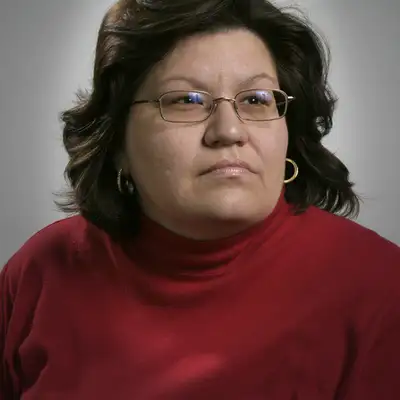
The Road To Your Name Podcast series grew out of a program started by Aboriginal Legal Services (ALS) in 2016 that helped people going through the justice system and their families to strengthen and deepen their cultural connections. Host, Lisa VanEvery, examines many aspects of Haudenosaunee culture and teachings with a wide range of guests.
Road To Your Name Podcast
Season 8, Episode 8
Guest: Jesse Brant of Sapling and Flint
Recorded in December 2025
===
Intro:
[00:00:00] She:kon sewakwe:kon. Greetings everyone. Welcome to our Yoha:te ne kahsen:na, The Road to Your Name podcast, focusing on Haudenosaunee cultural topics recorded on Haudenosaunee territory.
These podcasts are produced by Aboriginal Legal Services with the technical assistance of True Seed Media. My name is Lisa VanEvery from the Mohawk Nation and the Wolf Clan. I'm the coordinator of the Yoha:te ne kahsen:na, The Road to Name program, and the host of the podcast.
This is the Yoha:te ne kahsen:na, The Road to Your Name podcast series[00:01:00]
This episode of Yoha:te ne kahsen:na: The Road to Your Name podcast we're going to visit with Jesse Brant. And Jesse is the owner of Sapling and Flint. It's a, um, silversmithing business. No, she can explain it better than I can. It's a silversmithing business in, um, the village of Ohsweken. And, um, we'll talk about how she got started and all that kind of stuff.
So welcome to the podcast, Jesse.
Jesse: Okay. Yeah. Thank, thanks for having me. I'm Jesse. Yeah. Um, yeah. Um, so I do, I co-own, uh, Sapling and Flint with my sister, Dakota Brant. Yeah. And we're, we're gold, uh, silver and gold. Like, we're a retail manufacturer of, uh, all the jewelry that we do. Um, and I am a trained goldsmith.
It is what I went to school for. [00:02:00]
Lisa: Wow.
Jesse: Um, that's kinda what I did right out of high school. So it's been-
Lisa: Let's go back to that- Kinda go back, yeah ... and let's, um, talk about, like if it was right out of h- high school, how did you even know that that existed-
Jesse: I didn't ... to
do?
I didn't. I, um, I wasn't in arts, uh- -based student at all.
Like, I didn't take art in high school or anything like that, but, um, I took science and math. Like, I wasn't, like, a flourishing academic or anything. Like, I, I graduated on time. Yeah. But, uh, I just remember... Like, I'm the youngest of four girls. Mm-hmm. I have three older sisters. So Dakota's my twin. Mm-hmm.
She's 15 minutes older than me. Oh,
Lisa: yeah.
Jesse: But, uh, they... But my older sisters went to university, and I just... When I reflect back then when I was in grade 12, them always complaining about univers- the university life- Mm-hmm ... and just me having, being in a auditorium for 400, with doing lectures with 400 other students, and all the, the essay writing, all that kind of stuff that you have to, that university students do.
Yeah. And I just did not desire, like, [00:03:00] university at the time.
Lisa: Mm-hmm.
Jesse: And I remember doing the research of, like, what schools I did wanna go to, like McMaster. Guelph, I really wanted to, to go to because, solely because they had a women's hockey team, and it was a pretty successful program at the time.
Lisa: Mm-hmm.
Jesse: And, but still, I just... Like, the idea of university. So it was my mother that approached me, um, Terry Lynn Brant. Um, she actually passed away a couple of years ago.
Lisa: Mm-hmm.
Jesse: But she came to me because she was talking to a silversmith friend of hers. I can't remember who it was.
Lisa: Mm-hmm.
Jesse: But he said, "Oh, why don't you get your daughter to take the, um, jewelry arts program at George Brown College?"
And, um, my mom, she went and got a brochure. I'm not sure where she got the brochure, but she showed it to me, and they had a open house that happened. It was happening, like, maybe a week after. Mm-hmm. And, uh, we went to that. And when we, we went to the open house, and then when I applied, I had to do an interview.
Lisa: Yeah.
Jesse: And at the time, I'm like, I, I had to show them three samples of my own work. And I was, you know, 18 at the time, and, like, I don't [00:04:00] have... Like, I wasn't, and I'm not an artist. I don't paint. I don't really do much. But I had some, some beadwork that I've done. Yeah. 'Cause at that time, the summer before that...
Not the summer. Like, the, a year before that, I competed at Miss Indian World. Yeah. 'Cause I was, I was Miss Six Nations in 2004. Mm-hmm. So I was, like, I was 17 at the time, and it was intimidating. When you go to Miss Indian World in Albuquerque, to go to a, a powwow like that, especially back then. It was almost twen- it was 20 years ago now-
Lisa: Yeah
Jesse: when I went. But back then, like, it was such a big event. And to do Miss Indian World, that was- I was young when I was Miss Six. Like, I was supposed to be in the Miss Teen category, but because they didn't have enough contestants, I ended up competing in Miss Six.
Lisa: Mm-hmm.
Jesse: So when I went and competed at Miss Indian World, they...
I was like, I was competing against w- women that were, like, in school to be doctors and lawyers. There, there was two contestants that fought in Iraq, 'cause that war- Wow ... was happening at the time. Mm-hmm. And I was just, like, trying to graduate high school , you know? So it was intimidating. But aft- it was, uh...
It had such an effect on me that, like, I wanted to do, like, beadwork [00:05:00] and that. So I did dabble in that a little bit kind of at the end of high school.
Lisa: Yeah.
Jesse: So I did have these little samples that I took with me to, in my interview to go to George Brown.
Lisa: Mm-hmm.
Jesse: And, uh, I didn't think much about it at all, because it's, it was, it's a goldsmithing program and, you know, to go into that.
And they ended up really liking what I did. They, they liked the, liked my work that I did. I had a, I know I had a necklace that I had made, and then I had started a cuff, like a, um, like a bracelet.
Lisa: Mm-hmm.
Jesse: And it was just a few pieces that I had to show them. And yeah, like, I got into the program, and from there I was, um...
Yeah, it was, it was a three-year program. It, it was the jewelry, arts, and design program that I did, but I didn't end up, end up graduating from the three-year program. I, I finished the two-year program. I didn't... And I failed a class-
Lisa: Mm-hmm ...
Jesse: but, um, I still graduated with the jewelry methods diploma. Okay. 'Cause they have a one-year, a two-year, and a three-year program.
Lisa: Oh, yeah.
Jesse: And, uh, it, it, you know, I still - Mm-hmm ... I, I use that skill set to this day, and I'm really happy with the school that I went. They, I, they... I reach out to my [00:06:00] professors still to, at- Mm-hmm ... to this day. Mm-hmm. Sometimes they invite me to go and speak- Mm-hmm ... at, um, at, for their students there, because they know of our business, me and Dakotah.
In the past five years or so, we've been, it's been a pretty thriving business. So they like to hear from former students.
Lisa: Oh, yeah. Yeah. So when, when you graduated- ... then did you wanna open a business right away?
Jesse: No, not at all. Um, when I finished, I d- I knew I wanted to take the language program. Mm-hmm. So when I finished, I think I was 21 or so when I finished, and, um, I t- I went to Onkwewanna Kentyohkwa for- Oh, yeah
for two years. Mm-hmm. And I studied Kanien'kéha, the Mohawk language.
Lisa: Mm-hmm.
Jesse: And, uh, and then I... So I was kind of hard at, or heavy into the language for a couple more years after that. And, and all the while, at the same time, I was working at the fire department as well.
Lisa: Wow.
Jesse: Like, it is what it is, but that's what I did for 17 years.
Jesse: I was a firefighter.
Lisa: Oh, yeah.
Jesse: And I did it professionally for almost 10 years. Mm-hmm. 'Cause I was a volunteer, but I did shift work that, in that time, and then we went full-time, where I was doing it well, and- [00:07:00] Mm-hmm ... um, as a career. Um, I was a captain too. I was a cap- platoon cap- captain for five years.
Lisa: Wow.
Jesse: Um, but then, like, when, around when COVID happened, I had both my kids.
Lisa: Mm-hmm.
Jesse: And, um- That, that, that was a hard, it was a hard time. It wasn't just, like it wasn't just scary because of this illness that was going around. That wasn't that bothered me. It was just the fact that the whole world had shut down, right?
Lisa: Mm-hmm.
Jesse: And, um, schools weren't open. Like, I didn't have childcare, you know?
Lisa: Mm-hmm.
Jesse: And so I went, I, I was part-time for a little while, but at the same time when COVID had has- happened, me and Decora had our website, this Aplingoflynn.ca website. So our store was closed down, but business was as booming as ever because people were up, you know, were, were still-
Shopping
Lisa: online ... yeah, still getting on- online.
Jesse: We were, we were... That's when we pretty much went full time.
Lisa: Mm-hmm. '
Jesse: Cause we were still getting all those, um, orders and that. I was making a lot of content, like in my, in my studio at home.
Lisa: Mm-hmm.
Jesse: Um, like, we, I do a lot of videos. I do, um, I make reels for [00:08:00] Instagram and TikTok and all that, and people ask a lot of questions about how I do certain things and, and then I get into full conversations about how I got into it.
Lisa: Mm-hmm.
Jesse: And it, this is the story that I, that I share, right? Um, I do have mentors, um, here at home, like people that I've learned from, like wampum cutting and just, um, little, um, mediums of, um, how I do my work, the people that I learn from. 'Cause I didn't, um, I didn't take any, like, gemology or, or I took gemology.
I didn't take, um, like faceting pro- um- classes where you learn how to cut stone and whatnot.
Lisa: Oh, yeah.
Jesse: Yeah, so that kind of stuff I had to learn on my own.
Lisa: Mm-hmm.
Jesse: And, uh, a really big, um, help was, uh, one of my mentors was, um, Audrey Maracle. Mm. Like, she's a, she's a silversmith.
Lisa: Mm.
Jesse: But she... Like, I didn't have any equipment at the time.
Like, I had a flex shaft, which is, like, a little motor that has a hand piece, which is like a drill, and you can switch the, the bits in it for, for polishing or drilling or sanding and stuff. But she had, um, lapidary equipment, and she would just let me, you know, let me into [00:09:00] her basement, and I would have at it and Cut all my wamp at her house.
Oh. Uh, that, that helped me. It helped a lot in learning how to do my lapid- lapidary work.
Lisa: Mm-hmm.
Jesse: Um, and then, like, kind of over time I just started buying my own equipment and that 'cause it c- it can be really pricey.
Lisa: Oh, yeah.
Jesse: That's just kinda how you, uh-
Lisa: Mm-hmm ...
Jesse: how it goes, right? The older you get, the more you collect things, and
Lisa: So when did the store open in the village?
What year was that?
Jesse: O- officially, it opened in 2017.
Lisa: Oh, yeah.
Jesse: 2017. Um, we, uh, me, me and Dakota had, um... We decided, like, a, a couple years before that, 'cause Dakota's, um, she's a very talented beadworker. Yeah. Um, she, she does amazing work. And even her graphic design. She's a bit of a graphic artist as well. Mm-hmm.
So there was a few years, like when my daughter was just a baby, where we went to a few different events, and we were just selling our art kinda separately. We'd get a table, like, at a university powwow or, um, just smaller events where I would sell my jewelry, my s- stuff I made, my silver, and my, my [00:10:00] wampum work.
And she would have, um, like, her beadwork and some of her... She would have her graphic work printed onto, um... She did, like, iPhone cases and- Oh, yeah ... iPad cases, like, notebooks and whatnot. Um, that was like 2015 or so. Like, a little after my daughter was born. But then, uh, we started a website, and Dakota w- she, she learned all about the schematics of, like, managing an online business.
Mm-hmm. Like, I'm really lucky to have her as a business partner because she just knows what to do. She does the research if something needs to be done on that end, and then, like, I don't have to worry about that-
Lisa: Yeah ...
Jesse: which is nice. Like, I like telling people, like, I haven't had to sell any of my jewelry in, like, 10 years.
Like, I, I just make it, and I don't e- and I just give it to her, and then we- that's where it goes. Um- Wow ... somehow it, somehow we make a living at it.
Lisa: Wow.
Jesse: But, uh, so we decided that we wanted to get, like, an office space. Mm-hmm. And we went to GREAT to look for that, and we were kinda looking for a place where I could, um, have a, a studio set [00:11:00] up, where it was a bit of a workshop, but at the same time we can do all of our sh- have a place for all of our packaging and shipping and whatnot.
Lisa: Mm-hmm.
Jesse: They didn't have a space like that at GREAT. They did have office spaces, and then we were gonna try to make do. But then, um, a spot opened up at the plaza, the Iroquois Village p- plaza on, on Chiefswood. And, uh, and it used to be a jewelry store. It was, it was Shawana Jewelry. Mm-hmm. So that opened up and we, like, we struggled there 'cause it was well enough where we had...
There was a back room where I, I could have a studio, and then there was the retail space in the front.
Lisa: Mm-hmm.
Jesse: Um, so that, our studio's not there anymore. Our studio is off location. Mm. But, uh, the, our store is still, the front there is there, and then Dakota pretty much manages that and the website and everything from the, from a retail location.
Lisa: Mm-hmm.
Jesse: So we, we were there 2017. That, that's kind of the year we say we branded, even though we were kinda doing some work, doing it for a couple of years by then. But we branded ourselves as Sapling and Flint at that time.
Lisa: Now, why did you name [00:12:00] your business Sapling and Flint?
Jesse: Um, we, we call ourselves Sapling and Flint because when you look at the, kind of the older versions of the cre- the creation story-
Lisa: Mm-hmm
Jesse: um, in, in Ohsweken in, um, in Oswageha, like the older language, um, that was the name of the creator and his twin brother.
Lisa: Yeah.
Jesse: Um, and just because the fact that me and Dakota are twins. We're twin girls, they were twin boys. Mm-hmm. Um, we like the idea of, of going with that.
Lisa: Mm-hmm.
Jesse: Um, yeah. That, that's like the explanation for that.
We went with Sapling and Flint.
Lisa: And so when you started to make jewelry, did you have in mind, "Okay, we're gonna make, um, cultural influence pieces or-" Mm-hmm ... things like that?
Jesse: Yeah. Yeah. Pretty much. Um, the stuff that we make, it's, it's near and dear to my, to my heart, and Dakota's as well. But we wanted to...
Like, our motto for our business, we say, um, Sapling and Flint, we're a place, we make conversation pieces- Mm-hmm ... that share the [00:13:00] story of Turtle Island, and this is our interpretation of that. Oh. So when we first... Like, the first collection I started making was, w- I call, we call it the Creator's Game collection, and it's all, it's lacrosse sticks.
So I have, like, five different versions of lacrosse sticks, like goalie sticks and player sticks.
Lisa: Mm-hmm.
Jesse: It is, it's, it is our most popular, um, collection by far. Oh, wow. And, and lacrosse is near and dear to me. It's, my whole family played it. I played it growing up. I still do. My kids play it.
Lisa: Mm-hmm.
Um, so that's a huge inspiration, right?
Jesse: It's, it's a cult- it's culturally based. Yeah. We have another collection called Haudenosaunee Traditions.
Lisa: Mm-hmm.
Jesse: And that one has, um, like a few different, um, s- examples of the, like the, um, , like the five nations belt.
Lisa: Yeah.
Jesse: And like, we have a pendant and ear rings that have a, have that on there. Um, I do, I try to, every year, I kinda make a dif- a different design with it on there, 'cause it's in demand.
Like every, it, um, people need, you know, or want, wanna be [00:14:00] able to wear that symbol, right? Yeah. On ourselves, right?
Lisa: Yeah.
Jesse: Um, turtle rattles, like horn rattles. Like, I have a lot of, or little examples of different types of, um, different forms of, from our culture that people can wear, right?
Lisa: Mm-hmm. Um. And what metals do you work in?
Is that the right term, metals?
Jesse: Yeah. Yeah. Yeah. It's all metals. That's what I say.
Lisa: What metals do you work in?
Jesse: Um, when I make my pieces, it's mostly silver. Uh-huh. And go- I do a lot of gold. Mostly wedding rings, I do gold.
Lisa: Oh,
Jesse: yeah. Um, all of my designs we do in silver and gold, except for the trade silver stuff, for obvious reasons.
Uh-huh. Yeah. We, uh, at, that's all sterling silver.
Lisa: Oh, yeah.
Jesse: Sterling silver is what we work in a lot. Yeah. Um, I work in 10 and 18 karat gold, m- mostly for, for wedding rings.
Lisa: Mm-hmm.
Jesse: And we- I do make a lot of wedding rings. Um, different times of year they're more popular. Like, like before Christmas we make a lot, and then it seems like around the month of May-
Lisa: Oh, yeah
Jesse: a lot of people are, want, want orders for that 'cause they have, like, spring weddings and [00:15:00] that.
Lisa: Mm-hmm.
Jesse: Um, so I do work up to 18 karat gold in wedding rings.
Lisa: And do your, um, orders come in mainly through your website?
Jesse: Yep.
Lisa: Oh, yeah.
Jesse: Yep. Yeah, we, we get them from all over the world.
Lisa: Oh, yeah. Yeah. They'll call you up on the phone sometimes?
Jesse: Uh, usually emails. Oh, emails. Yeah, that's, that's Dakota's side of the business. Like, they'll, she'll get the phone calls in the office there. Oh,
Lisa: yeah.
Jesse: But it's mostly, mostly email we'll get requests for things.
Lisa: Oh, yeah.
Jesse: Um, and that's, that's her side of the business. She, um, she knows how to online market where, do target marketing and stuff where things are gonna hap- Like, if there's gonna be- Like the Toronto Rock are gonna play, maybe she'll do some, like targeted marketing to their, to their home games or whatever so that...
And promoting our lacrosse stick collection, right?
Lisa: Oh, yeah.
Jesse: Yeah.
Lisa: Mm-hmm.
Jesse: So, it, it works. It helps.
Lisa: And what other kind of collections do you have? I, I noticed, um, you had the, um, um, the, uh, horns. You have a horn collection. Mm-hmm.
Jesse: Yep. Um, we call the- The deer horns? Yes, the Four-Legged Leaders collection. Oh,
the Four-Legged Leaders,
Lisa: yeah.
Jesse: Yeah. Um, our leaders of the [00:16:00] four-legged. Yeah. Um, we had a exa- examples of, um, deer, moose and caribou antler. Mm-hmm. And I, I just, um, I made that collection just 'cause I was, I, I wanted to make them. I thought they were neat. I thought it was neat.
Lisa: Yeah.
Jesse: It's kind of neat, a little, a deer antler. Yeah. Um, and the caribou antler is my favorite.
It just, it just looks nice. Yeah. Like the way, the way it sits in a, in a necklace. They're, they're pendants that, that I make.
Lisa: Mm-hmm.
Jesse: Um, I do wanna make a few different new, um, versions of them. I just gotta get around to it. 'Cause I do wanna have men's sizes and like some smaller women's sizes- Mm-hmm ... of things.
Um, yeah.
Lisa: So where do you do most of your designing when you... What... Do you take some time off and just say, "I'm gonna just think about designing for a week or so"?
Jesse: Yeah. Yeah? I, I, um, I do a lot of sketching in the mornings, and I- Oh,
yeah ...
um, I, I'm an early bird. Like I wake up before my kids. Oh. So that, that's what...
I do a lot of sketching.
Lisa: Mm-hmm.
Jesse: And I, I might hold onto an idea for, for months before I start thinking about it in metal, but then I get Dakota's opinion on things too. Mm-hmm. [00:17:00] Usually when it's about the size, 'cause we try to like standardize the l- the size of everything across the board in all of our collections.
Mm-hmm. Um, it kinda helps us with like pricing, trying to keeping our price range all consistent across our collections. Mm-hmm. Like we don't wanna have something that's like unaffordable and, you know, and, and then other things that just, you know, that are smaller. Mm-hmm. Um, but, uh, yeah, n- it's, it's, it... Every day I'm like always have an idea.
That's what's nice about having, like my business partner is my sister 'cause- Yeah ... we always shoot ideas to each other, and like we got th- that kind of relationship where I'll, I'll text her like... I'll wake up at 1:00 in the morning and have an idea and send it to her. Yeah. And then the next day it just seems ridiculous.
That's what's nice about it. It happens all the time.
Lisa: Okay. So, um, what are you working on right now? Any new ideas?
Jesse: Yeah. Um, right now we are... I'm going to be adding to our trades over collection. Um, it's been about a year since I put out a new design. Mm-hmm. So I'm gonna be adding to that. Um, th- there's a few [00:18:00] different piec- pieces I'm gonna do to that.
Mostly earrings.
Lisa: Oh, yeah.
Jesse: Um, we do pendants as well, but right now what I'm thinking is, is earrings. Um- Oh, and, um, engagement rings.
Lisa: Mm.
Jesse: Um, I have, um... So for the engagement rings, because the ideas that I have, I- it's really, really tiny and intricate, so I'm working with a CAD designer. Oh, yeah. Now he's actually in Los Angeles, the, the CAD designer that I use for, um, for, like, really comp- complex, like, designs that I need.
You know, it's kind of hard to do in- Mm-hmm ... by hand in metal.
Lisa: Mm-hmm.
Jesse: Um, so there's three different, um, engagement rings that I wanna do. But it's not just engagement rings. I have to make a wedding ring to go with it- Mm-hmm ... and then a men's ring to, you know, the, the- The whole set ... to match it all as well.
Yeah. Mm-hmm. So a lot of planning has to go into it.
Lisa: Mm-hmm.
Um. Sorry about that.
Eric will, Eric will take this one.
Yeah, I'll take it.
Yeah.
Jesse: Um, we don't, I don't have... I do, um, have a couple of designs that I do are pendants that I ma- put diamonds in, like, by request. Like, I make them to order. [00:19:00] Um, but right now I'm leaning onto the side of just using, um, lab-grown diamonds.
Lisa: Mm-hmm.
Jesse: Lab-grown diamonds because, um, for all those, um, environmental reasons, right? Like, a natural diamond, they're beautiful. Yes, they come from the earth, and, um, and p- and we all know the, the whole idea of, um, um- How complex the diamond industry is, right? If you c- like, the i- the whole conflict, um, how do I word it?
There's a pause. There
is a
pause. Yeah. Okay. Um I wanna use, um, lab diamonds, specifically Canadian ones, 'cause they d- uh, there are a l- a couple different suppliers that use green energy, which means it's re- it's a renewable energy that they use to make them. Yeah. And, uh, instead of using natural diamonds, 'cause, like, there's the concept of conflict-free diamonds where it's like you know that s- people aren't dying somewhere- Yeah
in, in West Africa. Like, [00:20:00] those were their, where they mine blood diamonds, right? Where- Or
land isn't being exploited
and- Yeah, that's the thing, is like there ... I, to me, there's no such thing as a conflict-free diamond. Mm-hmm. Just because it's in Canada. Canada's the number one producer of natural diamonds in the world.
Mm-hmm. And it ... Because they're conflict-free, like I'm in quoting that because we- there's been First Nations communities that have been completely removed because of De Beers. Yeah. Like, those companies.
Lisa: Yeah.
Jesse: Um, and, like, so like I said, there's no such thing as a conflict-free diamond. Um.
And so aren't lab diamonds really, like, y- uh, to an average person, they wouldn't be able to tell the difference between a mined diamond and a lab-
No
diamond. Not, not at all.
Lisa: Mm-hmm.
Jesse: The, the lab, uh, diamonds are, industry is being regulated so that there maybe, there's a cer- there's a certain type of light that you can put it under and it glows red, as opposed to a natural diamond might glow l- like a lighter color or like a blue. Mm-hmm. Um, that's what they're doing.
So there's gonna be like a c- chemical composition to show that, yes, it is a lab diamond, 'cause y- you can test it. Yeah. But it is a diamond. Yeah. It is a carbon-based, [00:21:00] um, you know, mineral.
And it looks really nice. Yeah.
Yeah. Yeah. They're beautiful. And then at the same time, um, some, our lab diamonds will have
You have to look at them under a microscope, but in like the, the table of the, the facets, um, there'll be like a little, a laser-etched number, like a serial number. So you know, like, you can t- see what lab it came from.
Lisa: Oh, yeah.
Jesse: But it's not something you can see, um, you know, with by the, with the naked eye.
Yeah. Yeah. But they're beautiful la- lab diamonds. They're, they've come a long way since I was in school. Yeah. Yeah. It was all ... When I was, went to George Brown, it was all, like, conceptual. They talked about lab diamonds, and they really, um, the lab or the jewelry industry was, like, devastated at the idea of lab-grown diamonds.
They're like, "It's gonna completely displace the, uh, the industry."
Lisa: Mm-hmm.
Jesse: But, um, I, it's not like that at all. Oh, yeah. Um, people are going, are, it's ... Y- yeah, they're, they're less expensive. Mm-hmm. They can be a lot less expensive, but it's just, it i- it is what it is. It's, it is diamonds. They're beautiful diamonds.
They're manmade, but, [00:22:00] um- Yeah ... it's, to me it's the, what your ethics are, right?
Lisa: Yeah.
Jesse: Um, yeah, they're less expensive, but, you know, they're ... To me, those are conflict-free diamonds. Mm-hmm. Lab-grown ones, especially green ones. Mm-hmm. And that's what the research that I'm, like, wanting to do and finding a supplier in Canada.
I, I am a fan of, um, uh, Pandora.
Lisa: Oh, yeah.
Jesse: They're a, they're a jewelry company in Canada, and they're, um, from what ... They u- use green diamonds in all their work. Mm-hmm. And I think they use fair mined gold as well.
Lisa: Mm-hmm ...
Jesse: um, tr- don't quote me on that, but I, I'm pretty sure they use fair mined gold, which means is they can source their me- their metals to, like, fair mines, right?
Where people are being treated properly and, and have a stake in their, the ownership of the mines, you know- Mm-hmm ... down there, and they're being paid properly. And gold is just as, um, intense as diamonds, right? Yeah.
Lisa: Yeah,
Jesse: when it comes to- For sure ... the way they're sourced.
Lisa: So you were saying you would, you do some research.
Now, um, as a professional, do [00:23:00] you have to go back and upgrade skills or go to conferences or workshops- Mm-hmm ... or things like that- Yeah ... for your industry? Yeah.
Jesse: Yeah. Um, so me and Dakota, we are members of the Canadian Jewelers Association.
Lisa: Mm-hmm.
Jesse: And they're, they've been pretty, they've been pretty good to the, to the members.
Um, they're, they're always offering training, and there's conferences and stuff that we do attend. We did just go to the, uh, their annual general meeting about a month ago.
Lisa: Oh,
Jesse: yeah. It's usually in Toronto.
Lisa: Mm-hmm.
Yeah, yeah.
So what about passing on your knowledge now? Are you, are you thinking about doing that?
Jesse: Yeah, yeah. So we, we, since 20... '29, 2020, we- we've had three different, um, students that I've had, um, usually visual arts students. Um, we've had, um, a couple that came from high school, and then another one was a university student.
Lisa: Is that like apprentices? Yeah.
Jesse: Yeah. They, they were just, um, they were summer students.
Mm-hmm. And they came and worked for us. One of us, uh, the one student [00:24:00] that we had, um, she, she was with us for almost two years, like even part-time. After her, after like her student contract, she was with us part-time, 'cause she just did amazing work. She loved the job. She works well with her hands, and-
Lisa: Mm-hmm
Jesse: um, like, she, she went off to college, and like I wish her well. She did pretty, pretty good with us.
Lisa: Yeah.
Jesse: Right now I'm, uh, teaching my nephew. My nephew's, um, 18 years old. He's- Mm ... his name's Jackson.
Lisa: Mm-hmm.
Jesse: So he's been, um, hanging out with me lately. He finished high, he finished high school in the spring, so it's December now.
Um, but now he's, uh, he's still, he's kind of starting his journey of not re- like he's thinking about going into ironworking. Like he's just at that point where he's trying to make up his mind of what he wants to do. Yeah. I'm like, "Just come hang out with me in the studio," and, and he's been doing that. And-
Lisa: Yeah
Jesse: um, I did, we did that workshop a couple of weeks ago, and he was in the class.
Lisa: Yeah.
Jesse: Um, and he, he was, he was pretty fascinated by everything, so he's excited to learn.
Lisa: I have to say that I took your workshop- Yeah ... that you did, um, in the community a couple weeks ago, and, and I have to say I've taken a lot of workshops over the years, and that was the hardest workshop.
Jesse: Yeah. It's, [00:25:00] it's not easy.
Yeah. It, it's hard to, um... You gotta use your muscles-
Mm-hmm ...
right? And maybe you haven't used those muscles in a while. Um, and the work is really intricate, too.
Jesse: Yeah.
Lisa: Cutting metal and, um, you know, thinking of your design you wanna put on it and...
Jesse: That was my worry, um, planning for that class, was like, was, um, can we, can we finish a piece in two days?
Yeah. That, that was my big worry, 'cause I did give you guys, uh, sheets of, um, nickel silver, right? And-
Yeah ...
um, everybody finished just about. There was a couple that were barely finished.
Lisa: Yeah. I think, um- I mean, mine could have been more refined, my piece, but- I,
I did, I was saying, I was like, "If we had another day, if had a whole other day-"
But it's wearable
everybody, it
would have been beautiful. Like, it's... I, I created a wearable piece-
Mm-hmm ...
from that workshop.
Jesse: Yeah. I was hoping I was gonna be able to do a segment where, to show you guys how to solder the bails on. Mm-hmm. Um, but all I could do was just put a little jump ring on everybody's, um, uh, pendant.
That's all, kinda all we had time for. But I did have my equipment there to do a little bit of soldering, just to put the bails on. [00:26:00] But, uh, yeah, we just ran out of time. If we had a third day, like three days would've been good. Yeah.
Lisa: Yeah. Next time you'll know that. Um, and that's how beading workshops too, are too.
Like, you always need the third day for some reason.
Jesse: Yeah.
Lisa: Yeah. So, um, um, so I guess you're getting ready for like some sales. Do you put on any sales of your own during the year?
Jesse: Yeah. Um, well we did just finish Black Friday. Mm. Black Friday and Cyber Monday. Um, and it wa- it was good, so I'm catching up on all those orders right now, 'cause we have to have them out by the end of next week so that everybody gets their Christmas orders.
Lisa: Now is, is this a, um, is this the f- is this a 40-hour week job for you, or do you do this like just- Because you enjoy it so much, right? Mm-hmm. Do, do you even feel like you're working sometimes?
Jesse: Yeah. Well, I'm lucky 'cause, um, it ke- it, it keeps me a- available to my kids- Yeah ... which is nice. Um, I can, if I, if there's a, if they have a doctor's appointment or, uh, a, you know, a hockey tournament that's on a Friday, like I can take them to do those things.
Lisa: Mm-hmm.
Jesse: Um, the way I [00:27:00] operate is, 'cause different times of year, it, we're a lot, our sales are a lot busier, so I kinda like to operate like how musicians do.
Lisa: Mm-hmm.
Jesse: Um, so if you have like a, a, an artist, a musician, they'll, they'll spend like a good six months touring and whatnot, and then they'll, they'll be like touring the world or whatever and l- be keeping really busy, but then they're off for six months.
But in that time they're pr- they're producing music, right? Yeah. They're ma- they're writing all their music. They might be relaxing and this and that, but they're super busy putting out the next thing. Mm-hmm. Um, so that's kinda how I like to do it. Mm-hmm. So in the summertime, especially s- if I do have students, where we can be really productive and like I can be there with them, teach them, and then we can get work done, um, that's how I like it to be.
Lisa: Mm-hmm. '
Jesse: Cause the come, coming holidays I'm doing a lot of, um, custom work, especially right now. Like, I have a, some wedding rings I need to do.
Lisa: Mm-hmm.
Jesse: Um, so right now it's- I, yeah, right now is a really productive time.
Lisa: Yeah. Do, when people come to you and they want, um, [00:28:00] a commission piece, say, do they tell you what they want you to design or they just say, "Just design something like this," or?
Jesse: Uh, they never have spec- specifics ever it seems like. So there's a lot of- Someone'll be like, "Hey, can you make me a ring?" "Um, I want, uh, I want it to be silver." And then that's all they'll say.
So you ha-
if you- If I, if I do custom work, I, like, I need a really good idea of what- Yeah ... what you want, and definitely a budget, too.
Lisa: Oh, yeah. '
Jesse: Cause it can be, it can be, if you want a, like, an intricate piece, like, it can, it, it can get pricey. But if you want- Yeah ... something simple, it, it'll be, you know- Oh, yeah ... a different price range, right?
Lisa: So, so you're always accessing your creativity, too, in your job.
Jesse: Yeah, yeah. That's great. It's not just creativity.
Sometimes it's just, uh, I need to be innovative. Mm-hmm. Like, I'll have a problem that I have to solve, but then when I do, um, all of a sudden I have a new design. Mm-hmm. And I have a very good way to make it, um, fiscally, you know?
Lisa: Mm-hmm.
Jesse: Like, as a business per- owner, like, I have to make sure things are fiscal at the same time.
Lisa: Oh, yeah.
Jesse: Yeah. [00:29:00]
Lisa: Mm. Um.
I'm running out of questions. Oh. I mean, I
can't even think. Um- What haven't we talked about that maybe you wanna talk about?
Mm.
We've talked about a lot of different facets of the business.
Lisa: Yeah.
Jesse: Yeah.
Kind of how I got into it.
Lisa: Mm-hmm.
Um-
Jesse: Um, I do ha- want you can kind of ask me about kind of the future of what I'd like to do.
Lisa: Okay. Future. Is this other than s- um, the jewelry? Or-
Jesse: Um, I... What I wanna do is is kinda create a community, um, based, I don't know what to call it, some- not grassroots, but just I want to start, like, a s- like, a silversmithing society.
Oh,
okay. Where it's just like, yeah, maybe we'll have, like, a annual event or, or just something kinda grassroots where we are encouraging this art medium in the, in Six [00:30:00] Nations.
Lisa: Okay. '
Jesse: Cause there, there are silversmiths around, but there's not a lot. Mm. Um, you hear some names, but I think I'm probably the only active silversmith in Six Nations.
Lisa: Oh, okay.
Jesse: There's, there's, uh, one or two other people that dabble in it. Okay. I got it. Yeah. Um,
Lisa: okay. So with silversmithing you went to the, um, college a while ago in the one, two-year, three-year program. Do they still have those programs? Like, the, um, are people still... Are any people from the res going to these programs to learn the skill?
Or, um, what's the future of silversmithing- ... um, at Six Nations, do you think?
Jesse: Um, I... So I did go to George Brown College, and they do have, they have a one-year, a two-year, and a three-year program. What's nice about the thr- three-year program is it, it's an arts degree. Like, you get a degree for it. It, it wasn't that, like that when, when I went there.
It was just a college diploma. Mm-hmm. But now they do a whole thesis and whatnot. Yeah. And, like, I highly encourage it, especially if I have summer students that wanna get a good [00:31:00] idea of, of, you know, jewelry making, right? Um, if they like what I teach them and what they f- like what they do, like, they'll...
George Brown will teach you, like, how to do it professionally, right? They're, they're the, they have the best, like, um, professors in North America. Like, you're getting the best of the best when it comes to, um, ac- um, the instruction side of it, right?
Lisa: Yeah.
Jesse: Um, I do encourage that t- for the youth in Six Nations 'cause it is an option.
Like, the... Just from what I see among young people in the community, like, b- a lot of people, younger people get into social work. Maybe they'll get into, like, emergency services, policing, um, healthcare, those kind of things. Um, but what those, a lot of younger people are doing o- on the side, they're all doing beadwork, you know?
Yeah. And that's what they... They're relieving their stress by doing beadwork, and they're even selling those wares, right?
Lisa: Yeah.
Jesse: Uh, beadwork is, is something that, it's, it's not too hard to pick up, you know? Mm-hmm. It... And it takes... You get better at it the more you do it and the more you do it. And then you get the...
There are those artists around that [00:32:00] are very talented at it. Um, so what I'm saying is, is, um, uh, I think everybody has that need that, that need in their mind where that they want to make art, right? Yeah. They wanna express themselves. Yeah. And it's very rewarding when you finish a piece, right? Yeah.
Whether you keep it or you sell it or you give it to a loved one, um, it, it's, it's nice to, to be able to do. And I'm lucky where I'm able to do that for a living. Mm-hmm. And it took a lot of years to build up to that. But I wanna encourage among young people, especially in Six Nations, in, like, in the area, because- We have a very, very rich com- artist community, right?
Whether it's music, um, beadwork. Um, there are, there are, like, a lot of, you know, legendary silver, silversmiths from Six Nations, right?
Lisa: Yeah.
Jesse: Whether we think about Floating Canoe or Anthony Green. Um, Larry McKenzie was a... He was really good. Yeah. Um, Audrey Maracle's a mentor of mine. Um, I love her work. She's taught me a lot.
Lisa: Mm-hmm.
Jesse: Um, but what I would like to do is, like, I have been t- i- we started teaching... I started [00:33:00] teaching those classes. Yeah. So a couple of weeks ago I did my first program, and I think it went pretty well. I do need to follow up with some of the students, 'cause I do wanna get feedback on that. But I do wanna do more advanced, um, like a second, more advanced class- Yeah
where we're teaching soldering and things like that.
Lisa: Yeah.
Jesse: But what I'm hoping to do in the near future is, um, I, I wanna kinda start, like, a grassroots kinda community where... I don't what to call it. Like the, like you call it- A co-op? Like- ... like a silversmithing society kinda thing. Oh, okay. Um, I know it's, uh, it's kinda hard because to get into silversmithing, it takes a lot of tools, and you need- Yeah
a studio. And, um, it's kinda hard. You can't just do it at your, your kitchen table. It, it is kind of, uh, destructive. Mm. You could really wreck a, a, a nice table.
Lisa: Yeah.
Jesse: Um, but, uh, I would love to be able to have those maybe, like, monthly events or something where we all get together and I can help encourage people to finish a piece, maybe bring some of my own equipment.
But I would love to have, like, this annual, like... I don't know what to call it. Like a silversmithing society. Mm-hmm. Um, like a gathering, you [00:34:00] know?
Lisa: Yeah.
Jesse: Where it doesn't have to be just, like, Haudenosaunee people. Like, I like to use, though, the term Iroquoian.
Lisa: Yeah.
Jesse: Because, uh, like, there are, um, people down south that, you know, Cherokee, those kind of, um, areas where, um, they are, there are silversmiths, right?
Mm-hmm. Like, they're not Haudenosaunee, but they're those other nations, like in the East Coast.
Lisa: Mm-hmm.
Jesse: Um, there's a lot of inspiration in their work.
Lisa: Yeah.
Jesse: Uh, I don't know. It's just an idea right now.
Lisa: Oh.
Jesse: But I'm hoping that there could be, like, a whole, um, inspiration in the community where it's like there are gonna be a, you know, a, a solid base of, uh, uh, of silversmiths in Six Nations.
Well, well, is- are there a lot of... With the society that you belong to, um, the association, are there a lot of silversmiths in the world, do you think, or in Canada?
Yeah, yeah. Yeah? Well, it's a, it's an industry.
Lisa: Yeah?
Jesse: Yeah. Um, yeah. Yeah. Mm-hmm. I, I know a bunch from people that I went to school with and whatnot.
Lisa: Mm-hmm.
Jesse: Mm. And I like I can still, um, [00:35:00] I can still reach out to even George Brown, like my school, and, and get ideas- Yeah ... or, um, advice from my, my professors and that, 'cause the technology's cha- Mm-hmm ... completely changed even since I took that program a long time ago.
Yeah. Yeah, technology. Mm-hmm. I guess it, technology affects every, um, facet of business-
Lisa: Yeah
really.
Jesse: Yeah.
So while I hope you get the silversmithing, um, gathering together or the society that you wanna do, um, what about your children? Are they interested in silversmithing, and your nieces and nephews? Oh, Jackson you talked about. Yeah.
Yeah, my nephew Jackson, he, he seems pretty, pretty intrigued by it.
Lisa: Mm-hmm.
Jesse: Yeah. Um, my kids, they're... My daughter's 10, and my son is seven now. Uh, my son definitely likes to wear jewelry. Like, he li- he has chains and stuff that he wears- Yeah ... and he really loves 'em. And I have, um, a couple different pendants that I've made. I made a little turtle rattle pendant for him and a little war club.
Mm-hmm. And he, he's, he likes to wear them, so you know- Oh, yeah ... he'll ask how I made it and whatnot and-
Uh-huh ...
um, I [00:36:00] could see him- Has he, watch, he
watches you when you make- Yeah,
yeah ... stuff,
right? Yeah.
I could see him being, um, you know, inspired by it down the road.
Lisa: Oh, yeah. Um, well, that's like so great to see you succeed so many years in your business, you and your sister.
Mm-hmm.
It's, uh, it's hard to be in business sometimes, right? Yeah, yeah. And to keep it going and, and to be successful. Mm-hmm. And you're always adding to your designs.
Jesse: Yeah. And constantly learning too.
Lisa: Mm-hmm.
Jesse: It, it never, it never ends. There's so much that I could be doing. In my time in the day.
So it helps you, um, relax, I guess, when you're working on a piece, to design it and work on it.
Lisa: What else do you do when you have to kind of relax?
Jesse: Mm. Well, I'm a mom. Oh, yeah. There's not a whole lot of sitting down time.
Lisa: Mm-hmm.
Jesse: Um, all my downtime, I, I, I'm an athlete. Like, I do play sports. Oh. Uh, I play hockey and lacrosse, and then my kids both play those sports too, so I'm usually [00:37:00] on the go, like, every day from work- Oh, yeah
and
school.
Lisa: Oh, wow. So yeah.
Jesse: Yeah, that's a lot of, that's a lot of going here and there and-
Lisa: Yeah ...
and everything. So what do you see, like, in the future for Sapling and Flint? Mm.
Jesse: Um- I, I'm h- I'm hoping that we can find like a r- a retailer that, that we can have our designs in Mm-hmm ... um, our brand designs. There, I, I can't say which companies, but there are a couple companies in, in Canada that have reached out to us, and they didn't really meet the niche of what I wanted where I would like to see Sapling & Flint.
Mm-hmm. 'Cause there's nothing wrong with those companies, it's just, um, like I'm kinda- I'm, my biggest goal in life would be, for Sapling of Flint, is for, to be approached by Tiffany's-
Lisa: Mm ...
and do a collaboration.
Mm-hmm.
Jesse: And then I'd be like, I know I'd made it. Mm-hmm. 'Cause e- 'cause those collaborations do happen, right?
Yeah. Like, you do see Native American artists that are collaborating with, like, Louis [00:38:00] Vuitton and Gucci and that, and that's my, that's my, um, kinda goal, goal, is to be approached by somebody like them. Mm-hmm. I'd say Cartier too, but, like, I don't know, they're- It's a, it's a, it's a French company, so... Well, they're not French anymore.
They're owned by Americans. Yeah. But, uh, but, um, uh, that's kinda how I would feel like I knew I would make it-
Lisa: Yeah ...
Jesse: is doing a collaboration with somebody like them. Wow. And then be able to see our designs in, like, different retailers, yeah, throughout, I don't wanna just say Canada, even, you know, the world, right?
The
world.
Lisa: Yeah. Yeah. Well, if Tiffany's is listening. They're missing out if they don't get down here to Six Nations and
Jesse: get- Yeah. Some more of my favorite pieces-
Yeah ...
is sports trophies. They're made by Ti- Tiffany's, right? Mm-hmm. And that's my, that's, uh, what I'd love to see.
Lisa: I would love to see that collaboration too- Yeah
what you two could come up with.
Mm-hmm.
Lisa: Yeah. Well, there's so much to, um, even design, like, more of cultural, um, signifiers, I guess you could call them.
Mm-hmm.
Jesse: Um, because as Haudenosaunee, we have a [00:39:00] lot of those in our culture.
Lisa: Yeah.
Oh, yeah, yeah. A lot of the signifiers.
Jesse: There's a lot, a lot of, um, a lot of, to be inspired, to draw inspiration from.
Like, we have a very rich, um, visual artist, artistry- Yeah, for sure ... in our culture. There's a lot to, to pull from, right?
Lisa: Mm-hmm.
Jesse: And that, that's why I, like I do kinda commit to making those designs, right? Because, um, it's what inspires Sapling of Flint, right? That's, it's our, our culture and our community and the way we grew up, right?
Lisa: Mm-hmm.
Um, yeah.
And what about the language part? Because I'm, I'm such a, um, advocate for lang- learning our language- Mm-hmm ... learning the traditional language. Are you still on that l- um, learning journey?
Jesse: Yeah, yeah. Yeah. I guess
it
never ends, right? Um, yeah. And when we name our collections, we do, um, like, we use those words in our collections.
Lisa: Mm-hmm.
Jesse: Like our turtle rattles, um, we call it, um, koniyattwas tawa. Like, it's a turtle rattle and the horn rattle. Mm-hmm. Um, the, um, our leafs collection, like, the, the, the leafs, like, we'll use wahta for the [00:40:00] maple leaf, um- Oh, yeah ... um, garihto is a w- um, the, uh, oak leaf.
Lisa: Mm-hmm.
Jesse: Uh, watinaktigai'nos is a pine... or, uh, the birch- Mm-hmm
birch design. So when we talk about our collections, like, we will use those words just to ins- just to getting to use the language, right? And, and i- to me, it shows authenticity, too, in our designs. Um, we, Dakota, do speak the language.
Lisa: Oh, yeah.
Jesse: Um, we studied it. We didn't grow up speaking it, but we both learned it in our, you know, early adulthood, right?
Spent years learning it, so, um, we do wanna encourage the use of it, right?
Lisa: Yeah.
Jesse: Uh, yeah.
Lisa: And I think on your website, too, you can learn a little bit culturally-
Yeah ...
from your website. From which you, you write on there.
Jesse: Yeah.
Lisa: Well, I encourage... What is your website so we can tell everybody that- It's, uh- ... they can check you out?
Jesse: Yeah. It's saplingandflint.ca.
Lisa: Okay. Yeah. And are you on other, um, me- like, platforms-
Jesse: Yep, yep ... as well? We're on, um, Instagram's the big one that we use. Mm-hmm. Um, we post there daily, Instagram. Um, and, uh, TikTok. We're on, um, X as well, but we don't really use it. [00:41:00] Mm-hmm. Um, uh, we have a Facebook page as well, but Facebook is just kind of like we'll put our marketing on there, but Instagram is what, is where we're posting almost daily, right?
And TikTok has a lot of our behind-the-scenes of ma- and making our work. Mm-hmm. So ev- everything is @saplingandflint.
Lisa: Oh, yeah.
Jesse: Okay. Um, also, there's my, my page too. My Instagram, it's, it's Jesse Brant Jeweller. Oh, yeah. J-E-S-S-E. Mm-hmm. Jesse Brant Jeweller. So, um, my Instagram, I call it Behind the Pinch...Behind the Bench Pin.
Uh-huh. So that, that's where all the videos and reels and stuff that are in there of, are of me making the designs. Oh, yeah. 'Cause the Sapling and Flint Instagram is, like, kind of, like, product promotion and stuff. It's more the business, like, kind of side of things. But-
Yeah, after the jewelry's made. Yeah.
Yeah. Mm-hmm. Yeah, so mine, it's just kind of like the making of it, right? Mm-hmm. And I like, I, I like making content, so...
Lisa: Oh, yeah.
Jesse: Yeah.
Lisa: That's great.
Jesse: But you can see how we make, how I make the designs. There's lots of,
um, content.
Lisa: And in this day and age as a business owner, you really have to use the social media, don't you?
Jesse: Yeah. No, you, you have [00:42:00] to.
Lisa: Mm-hmm. Yeah. Everybody else is doing it.
Jesse: Yeah.
Lisa: Yeah. Well- ... it has, a- any other, any, anything else... Fix that, fix that, Eric.
Yeah, I will.
Anything else you'd like to, um, add?
Mm...
I think we touched on a lot in our conversation-
Jesse: Yeah ... today. Yeah, I
think I kind of talked about everything.
Lisa: Okay.
Well- Yeah ... um, I hope our listeners go and look you up on the Facebook or the Instagram or, and f- and, and have a look at your designs because they are beautiful.
Jesse: Thank you.
Lisa: Yeah. Okay, I wanna say nya:weh to Jesse Brant for joining us on this episode of Yoha:te ne kahsen:na, The Road to Your Name podcast. Okay, Onakiwa:hi.
Extro:
Nya:weh, thank you for listening to this episode of the Yoha:te ne kahsen:na, The Road to Your Name podcast, which has been produced by Aboriginal [00:43:00] Legal Services and hosted by me, Lisa VanEvery. There are 10 podcast episodes in each season. Let's meet again on the next episode If you would like to learn more about our organization, Aboriginal Legal Services, and the programs and services we provide, please visit us at our website, www.aboriginallegal.ca.
And if you feel inclined and would like to make a donation, you can click on the word Donate located at the top of the homepage of our website. You can also visit us on Facebook at Road To Your Name. This has been the Yoha:te ne kahsen:na: The Road To Your Name Podcast.