Subscribe
Share
Share
Embed
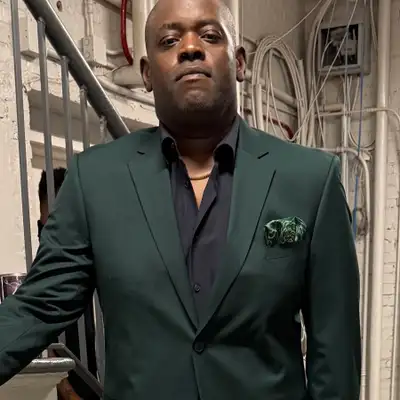
This series shares the stories of Macon/Central Georgia nonprofits, giving them a platform to raise awareness of their causes and highlighting their role in the Macon community.
Hello, and welcome to the next episode of Ripple Makers here. Charles Davis, Susie Cowan here to tell Susie about all the other people here in Macon that are doing great things. How are doing, Susie?
Susie Cowan:I'm fantastic.
Charles Davis:Good. Good. Good. Now for this episode, it it feels homey as I do air quotes because since Macon is your new home, it only feels appropriate to kind of talk about what home means around here and from two different perspectives. You're gonna hear about it from the historical side
Charles Davis:And you're gonna hear about it from the philanthropic newer side of things. And with the two organizations that we have in today are phenomenal in doing so. One that you probably know about, not all the things that you know about, but probably one that you know about and one you would have more information on. So from being from Arkansas and across the world, you know about Habitat for
Susie Cowan:I do, I do and it's a great program. So I was very interested to learn how it's, what the approach is here in Macon. So it's very interesting.
Charles Davis:Yes. You look at it a lot a lot different with that. And then we're gonna have our friends from Historic Macon Foundation come in and talk about it as well. So on today's show, as I stated, we'll have miss Emily Hopkins from Historic Macon Foundation coming in to talk, and then we'll have miss Ivy Hall from the Macon area Habitat for Humanity come in and talk to us about all the great things that they have going on. So without further ado, let's talk to Emily.
Susie Cowan:I just wanna talk a little bit about when I first got here to Macon, one of the most charming things about it has been learning more about the historic homes. The southern charm and the way Macon has worked to preserve their history has just it really has added so much to my experience.
Charles Davis:Well, luckily enough for you today, Susie, since you're learning all these new things, we have people that take care of the history of the town with Historic Macon Foundation and their executive director, the lovely, the talented, miss Emily Hopkins is in the building. Good morning, ma'am. How are you?
Emily Hopkins:I'm great. How are y'all? So happy to be here.
Charles Davis:I cannot complain. Thank you for being here this morning. We're trying to teach Susie all the things about what makes Macon what it is. So Susie, go right ahead.
Susie Cowan:Yeah. Emily, give us a little history about historic Macon Foundation and what's the goal for the Macon community?
Emily Hopkins:We are really fortunate here at Macon, like you're talking about, to have this incredible preservation ethos. I mean for decades we've been working to preserve our historic buildings whether they're commercial buildings or residential homes all across Macon and that really started back in 1964 with the founding of the Middle Georgia Historical Society. And they really were born out of this idea of trying to preserve all the homes on Spring Street and High Street and College Street and being sure that they were not demolished and that we would lose those. So when we go around those areas today, it's heartbreaking to think that was ever a possibility but it was because of people in Macon recognizing the importance of our architectural heritage and also the stories those buildings hold and wanting to be sure that we have those for generations to come. They operated for a while and then later another organization was formed called Macon Heritage Foundation that started to really focus on the real estate development and doing the hands on preservation work in the community.
Emily Hopkins:And those two organizations merged in the early 2000s to form Historic Macon Foundation. So we now have both of those things where the foundation of our mission, is to revitalize communities by preserving architecture and sharing history. We do both of those things. We do the real estate development while also telling the stories of Macon.
Susie Cowan:Man, I'm so glad y'all do that. So but what drew you to preservation? Preservation and what made you make the move to Macon to begin your work in preservation?
Emily Hopkins:Oh, well, this is always a story I love to tell because I think it's not just a story about preservation, but it's a story about Macon and what we're trying to accomplish as a community together. I went to grad school in Upstate New York to the Cooperstown graduate program and I was up there and that's when I met Josh Rogers who many people who are listening to this podcast I'm sure know and you know are still grieving over
Charles Davis:his
Emily Hopkins:loss but he came and spoke to my graduate program and he was brought there by the director of my program because she was on the board of seventeen seventy two Foundation and they had given some grants to Historic Macon to do work in Bells Hill to do that neighborhood revitalization and so I got to listen to Josh for eight hours during the That's lot. Wow. And we got to do some exercises too but I just remember being so impressed with what was happening in Macon and I'd never ever been to Macon before then even though I'm from South Carolina. Never forgot that so when it was time for me to apply for jobs there was an opening at Historic Macon Foundation and I thought about that time with Josh up in Cooperstown and was like, I'm sold. I know that this organization is doing great work, and I wanna be a part of it.
Emily Hopkins:And luckily, that happened.
Charles Davis:The town is is known for, like, its music and its art and its food and everything and the historic buildings that you were talking about before. How do you view that preservation effort as a part of the revenue generator of the community?
Emily Hopkins:We have these things called historic tax credits that have been huge for economic development in Macon and really have been how we've been able to preserve what we have. You know, downtown's revitalization, you can attribute a lot of the success there to figuring out how to use those financial tools like historic tax credits to be sure that we aren't saying oh it's too expensive to do this historic building. Actually using those incentives to get them done and then that's what in turn makes people want to come to Macon because it is unique because they can take these incredible pictures it is very Instagram worthy when you come to Macon because there are so many incredible backdrops and things of that nature that in turn just brings more people whether they want to live here, they're relocating here like Susie or they're coming as tourists and spending those dollars in our locally owned businesses.
Susie Cowan:What are some of Historic Macon's accomplishments you're most proud of?
Emily Hopkins:The neighborhood work that we've done for the past several decades is something to be incredibly proud of and that is definitely something I think we as a community can be proud of. It's not just us at Historic Macon. When we do this work where we're rehabbing homes, we're getting more people to live in neighborhoods that have experienced disinvestment, we're also doing it in a way that we hope is gonna protect affordability and be sure that those neighborhoods continue to be led and driven by the residents who live there. So one of the things which I will say some people listening to this may not be a fan of covenants, but we do employ those at Historic Macon on our properties to ensure that when we rehab a home or build a new home, they continue to be owner occupied. By the residents who are there and really committed and driven for improving it and being sure that it's cared after and being good stewards of it, It is important that we ensure that, you know, a first time home buyer can still buy a home, that it still is at a price where they can get in and put their roots here because that's what we're committed to is helping people fall in love with Macon and wanna stay here and be able to build that American dream.
Charles Davis:With all the work that you all do with the preservation of these homes, having somebody come into this town and recognize, oh my goodness, the architecture in this town is great. I would love to get into one of these beautiful historic homes, but that can be a daunting task. What can Historic Macon Foundation do for them to kind of ease a little bit of the scare that comes with buying a property of such renown when it comes to those things?
Emily Hopkins:Yeah. Well, first I would say don't be scared because if the house has been there for eighty or one hundred plus years there's a reason why it's well built so Don't read the bill for that decision. Yeah so I mean sure there is gonna be maintenance that you're gonna have to consider and all those things but we are a resource so please give us a call let us know. A lot of times people call us asking for recommendations for contractors or people who do specific work. We also have our tool library which is a great resource where we have a whole library of tools that you can rent for free
Charles Davis:from Awesome.
Emily Hopkins:And then we often do workshops to help people learn how to do those kind of maintenance projects on their historic homes. If you are doing a major home renovation in a National Historic Register District, I would encourage you to call our office because we do tax credit consulting for residential properties and it may be something that makes a lot of sense for your budget.
Susie Cowan:Is there a fun fact you'd like to share with us about Historic Macon? A fun fact,
Emily Hopkins:our Historic Macon Flea Market will be celebrating its fiftieth anniversary Wow. This Yes, so this is our biggest fundraiser of the year. So that's another way you can support Historic Macon is coming to the flea market and shopping. You can also get involved volunteer at the flea market. Our volunteers are what drive the flea market.
Emily Hopkins:I think every nonprofit in America probably wishes they have a fundraiser like the flea market because it is completely volunteer driven. It's also very mission related because a big part of preservation is also conservation, so being sure we're using our resources really well. Rather than having furniture or home goods or things like that being thrown away, they're coming and being recycled at the flea market where people can come and buy secondhand vintage items and you can find some incredible things
Charles Davis:Oh yeah you can.
Emily Hopkins:At the flea market. I mean 50% of my house came from the flea market
Susie Cowan:It's and it is the not your average flea market. It's not. It's really nice.
Emily Hopkins:It is.
Susie Cowan:Really good We got really cool lamps and rugs from there.
Emily Hopkins:Yeah. And I will also say we do pick up donations. And so if you have some items you would like to donate, call us, and we will come and do a pickup at your home. You just you can never know what you're gonna find at the flea market, and it's a great, great event.
Charles Davis:Here on Ripple Makers, we like to have everybody bring in some music that kind of they identify the organization with. What song did you bring in today?
Emily Hopkins:So I'm gonna credit my good friend Julia Morrison. Okay. We were talking about it and she suggested Southern Child, which is originally by Little Richard but was recently rerecorded by Blackberry Smoke just down the street at Capricorn Recording Studios. So I think this song really speaks to, you know, the identity of a place, because Little Richard is talking about being from Macon. And I think with the Blackberry Smoke version, it definitely speaks to how we're continuing to honor the people of the past and the heritage of the past and carrying that forward for new generations.
Charles Davis:Thank you so much, Ms. Emily Hopkins. We greatly appreciate you.
Emily Hopkins:Yeah. Thank you all. Thanks for being preservationists.
Charles Davis:Welcome back to Ripple Makers here on Stream The Creek and everywhere that you can listen to this Charles Davis, Susie Cowan. And Susie, another organization here that since we've been talking about people who are doing great things in this town, we have another one here that has been here for a while and has been doing great things, not just for this community, but they do a lot of things across the world. But we are welcoming in the executive director of the Macon area habitat for humanity, miss Ivy Hall, in the building. Welcome.
Susie Cowan:Welcome. You.
Charles Davis:Hello, ma'am. How are you?
Ivey Hall:I'm doing well. How are you today?
Charles Davis:You know, I cannot complain. Always great to have great people and to talk about the things that are going on here and and around town and as we try to educate Susie on all the new people that she needs to meet. So, Susie, I turn it over to you.
Susie Cowan:Well, thank you so much for coming in.
Ivey Hall:Thank you for having me.
Susie Cowan:Absolutely. So tell me a little bit more about the history of the Habitat for Humanity.
Ivey Hall:We are celebrating our fortieth anniversary this year. We have been here in the Macon area since 1986, started by Sunday school class at Northminster Presbyterian and really have evolved over the years from building here and there all over the community to now really neighborhood focus. But our fortieth anniversary has been a big year for us we've also So gone through a we are officially now serving both the Macon community and the Milledgeville community.
Charles Davis:That's awesome.
Ivey Hall:Yeah. So we are now Macon Milledgeville Regional Habitat for Humanity as of July 1.
Susie Cowan:A So big year for what's the mission, overall mission?
Ivey Hall:So our mission is a long one. We're seeking to put God's love into action, bringing people together to build homes, communities, and hope. But I really love our vision. Our vision is a world where everyone has a place to call home. And that's really what we strive for each and every day is making sure that families here in the Middle Georgia area have a place to call home, and that it's a safe and stable place that they can call home for many years.
Susie Cowan:Man, that's fantastic and that's so important. It is. How did you get involved?
Ivey Hall:So I actually came to, this role through some time on the board of directors. So I have been in Macon now for twenty years. My husband and I moved here from Tallahassee for him to go to law school, thought we'd be here for three years. Twenty years later
Charles Davis:That's how it always happens.
Ivey Hall:I can't imagine. Twenty years later we could not imagine living anywhere else. So, I had opportunity to serve on the board of directors, then our executive director at the time, moved to Savannah. I was grateful to a couple of board members, who asked if I would consider the position. I grew up in a household.
Ivey Hall:My dad was an interior designer, worked on job sites, and so I spent my lifetime, going back and forth to job sites, residential, commercial, the ground up. Never thought I would be building houses, but now, each and every day I'm so grateful for what I get to do, who I get to work with, and really the families that we get to serve.
Susie Cowan:What an amazing role that you accepted and responsibility you accepted. Thank you for doing that. It's such important work.
Ivey Hall:Well, thank you.
Susie Cowan:So let's talk a little bit about the impact for Macon and Middle Georgia.
Ivey Hall:Here in Macon, we have served 150 families in our forty year history. Now combined with Milledgeville, we get to bring that total up to 170. But really working with families that are low income families. Families that want to become homeowners but may not be able to go the traditional route through a traditional lender. So they come through our doors, through our application process, they help to build their house, they do first time home buyer classes, financial counseling, but it's really a group of families that want to make that commitment, want to be homeowners, want to have roots in our local communities.
Ivey Hall:There's a lot of misconceptions out there about who we serve and what we do. We don't give away our houses. Our homeowners are paying a mortgage. They're paying property taxes. They are invested.
Ivey Hall:They're working in our hospitals, our school system, manufacturing. So they are truly a part of this community and becoming homeowners just lets them take that next step to really calling Macon home.
Charles Davis:Habitat for Humanity builds houses and things like that and that's a great way that you can serve and we'll get into. But one of the things that I don't know if a lot of people know about, I know people who use it all the time, but I don't think the community understands what a resource Restore is in this community. So talk a little bit about Restore.
Ivey Hall:Sure. So our Restores are found across the country. And, yes, you're right. A lot of people don't know that we have one right here in Macon. It's on Holt Avenue.
Ivey Hall:We take in donations of construction materials, furniture, appliances. As you're upgrading your home, we hope you'll think of us before you think of throwing it away. Yeah. We love the cabinets. We'll take your kitchen sink, we'll take your bathroom sink.
Ivey Hall:It's a great resource for the community to come in and find some items. One of my favorites is people that will come in looking. They have those old houses so they need the pink sink, they need the blue toilet, we often have them in our Restore or sometimes they're even just missing that one pull from their cabinet door. The Restore is a great place to come and treasure hunt, stretch your budget, and find some really unique pieces for your home.
Charles Davis:Is there a story that you can recall with your time being with the organization that really reflects what the now making in Middle Georgia Habitat for Humanity is all about.
Ivey Hall:Yes. So we have so many incredible homeowners and what a lot of people don't realize about us as well is that we service their mortgages. So we're not only with the homeowners from the time they come in and put in an application with us, but we get to watch their homeownership journey for the next twenty years. So it's really incredible to see families come in as young homeowners, watch them grow up within the homes, and then really be able to see their children thrive and come back to us. I think one of the most really compelling stories we had a longtime homeowner that recently passed away very unexpectedly her daughter reached out and said what do I do now?
Ivey Hall:What do I do? How do I protect this home? And how do I handle it going forward? She had helped build the house with her mom and now she is living in the house.
Charles Davis:She was invested in
Ivey Hall:that home. She was invested in that home and now it's the home where she's raising her family. And so we were able to work with her through that process. We knew her mom, we knew her as a child, but now to see her come back and we were able to help her walk through that legal process. Now the home is in her name and she's able to raise her family in it.
Ivey Hall:I think it just means so much to know that these families are truly part of our lives as well. We like to be a part of their lives. To really know that they continue to look at us as a trusted resource when those times get tough to be able to come back to us and know that we can help them walk through those next steps in life.
Susie Cowan:Yes. Such a valuable asset.
Charles Davis:No, they've got to have that. So with every organization that we have come in Ripple Makers, have them bring in a song that represents their organization. So what song did you search for to represent Habitat for Humanity?
Ivey Hall:This week we lost the legend, Dolly Parton. And so I looked to her for her song Home, which came out on her Blue Smoke album in 2014.
Charles Davis:Okay.
Ivey Hall:A couple of my favorite lyrics from it, where the soul finds comfort and the heart finds pleasure, And I'll never be lost as long as I know there's a place like that where I can go, where I can rest my weary soul. And that's what we hope for all of our families through Habitat.
Susie Cowan:It's beautiful.
Charles Davis:That's that's the only thing that you really wanted is life, and y'all have done so much of that over the past decades to ensure that that people not only be able to get into these homes but stay Yes. In these homes with everything that you're doing. So Ivy Hall, thank you so much for everything that you do and everybody over there with Habitat for Humanity for all the work that you all do.
Ivey Hall:Thank you. Thank you for the opportunity to share our story.
Charles Davis:Yes ma'am.
Ivey Hall:I hope to see you on a build site.
Charles Davis:Okay. Well, that is the conclusion of another great episode of Ripple Makers. First off, we wanna thank both of our guests, Emily Hopkins from Historic Macon Foundation and Ivy Hall from the Macon area Habitat for Humanity. Did you learn things today, Susan?
Susie Cowan:I did. I learned that this town has so much heart. Yeah. So much heart.
Charles Davis:Yeah. Yeah. No. You have to have that on both sides of of the coin when it comes to that. Mhmm.
Charles Davis:To have people that value Yeah. What it means to preserve the great architecture that has been a part of this town's history for years. And to know that there's dedicated people to do that is one thing. So Historic Macon Foundation has got that But locked what Macon Area Habitat for Humanity is doing as well, ensuring that people who want to get into homes can get into homes and then, as I said at the end of that interview, stay in said home Yes. With their mortgage programs and their educational programs that they got going through.
Charles Davis:And that restore people, do not sleep on that restore. There is so much stuff in there that you can get that you wouldn't think you would find there at phenomenal prices. So Yeah. Don't miss out on any of that stuff. As always, wanna tell you to streamthecreek.com streamthecreek.com for this podcast and a ton of the other great work that is on there as well.
Charles Davis:Make sure you go and do the bills with Habitat for Humanity. Make sure you go to the flea markets for historic making foundation and support these two great organizations. And with that being said, I am Charles Davis. She is miss Susie Cowan. Until next time, y'all be safe.
Susie Cowan:Ripple Makers is a podcast by Creek Media hosted by Charles Davis and Susie Cowan. This show is produced and edited by Big Hair Productions. Follow us on social media at stream the creek. Engage with us, like, subscribe, share with a friend. Be sure to stream this and more podcasts you may love at streamthecreek.com.