Subscribe
Share
Share
Embed
On this episode of The Game, Mark Simon and Bob Marks are joined by Rosanne Foust, President and CEO of the San Mateo County Economic Development Association, for a conversation about the economic and political future of San Mateo County.They discuss the local economy, tech layoffs, housing affordability, workforce development, artificial intelligence, office vacancies, transit funding, and the role of major employers in shaping the region. Rosanne also offers her take on county politics, regional leadership, and how San Mateo County can continue to grow while addressing inequality and cost-of-living pressures.In the bullpen, Mark and Bob discuss the crowded California governor’s race and what it means for the Democratic field.Time Breaks0:00 Intro0:26 Rosanne Foust joins the show1:28 San Mateo County’s economic outlook2:42 Tech layoffs and employment trends4:17 Cost of living and younger generations6:51 SAMCEDA’s role in the local economy9:41 Housing challenges and solutions12:58 AI and the future of work16:00 Development, density, and community pushback20:07 Hillsdale redevelopment22:16 Billionaire tax debate24:26 Wealth, philanthropy, and community responsibility30:45 Transit tax and county funding32:25 Business concerns in San Mateo County34:26 Prop. 13 and split roll taxes36:23 Office vacancies and commercial real estate37:54 The county’s political identity40:24 Should San Mateo County have a mayor?43:32 Bullpen: governor’s race discussion50:54 OutroSee more at TheGamePeninsula.comProduced by Frank Bravo, Bravo IT Consulting (BravoITC.com)
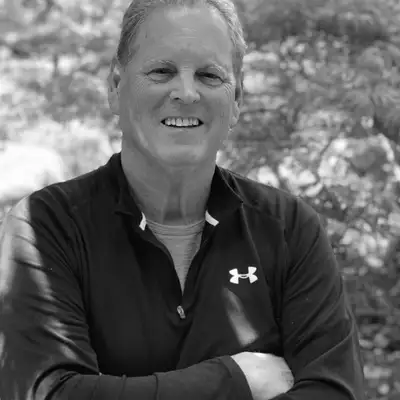
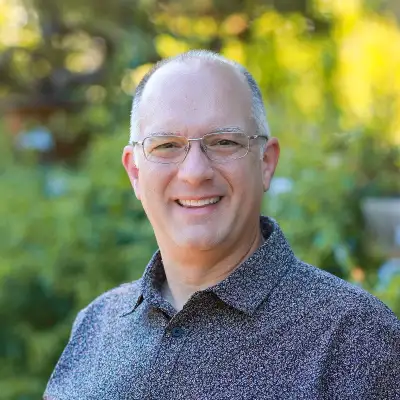
Mark Simon and Bob Marks revive their long-running cable TV show The Game, where they interview local leaders and talk widely about politics, business and sports.
Produced by Frank Bravo, BravoITC.com
00;00;00;00 - 00;00;26;03
Speaker 1
To go with the grand piano.
00;00;26;05 - 00;00;56;08
Speaker 1
Welcome to the game. I'm Mark Simon. I'm Bob marks, and we are happy to be joined by our guest, Rosanne Faust, president and CEO of the San Mateo County Economic Development Association 2024. Named to the San Mateo County Women's Hall of Fame. 12 years in the city council some years ago, took over Sam City in 2008 and has grown into what I described as one of the leading, some would say, exclusive voices of business in the county.
00;00;56;10 - 00;01;16;07
Speaker 1
140 members, including the largest employers in the county. And you're on a number of other boards and organizations. You're on the board of directors of the Sequoia Health Care District, which I guess is mentioning because it's an elective position and you'll have to run for that. But, so Silicon Valley Community Foundation Board Chamber, San Mateo County Board, and so on and so forth.
00;01;16;09 - 00;01;18;20
Speaker 1
Rosanna, thank you for being here. Welcome.
00;01;18;23 - 00;01;30;01
Speaker 2
Thank you. Mark and Bob, it is great to see you. I love your intro for the game. I just when the baseball is coming through the screen at me, I'm like, whoa. Here we go.
00;01;30;03 - 00;01;41;03
Speaker 1
So let's just start off with sort of a broad question. Describe the state of the economy in San Mateo County. Is it in good shape? Is it struggling or what's going on?
00;01;41;05 - 00;02;09;12
Speaker 2
So I always look at things as half full versus half empty. I think the economy is good in San Mateo County. I think the disparities between those at the bottom rung of the ladder, so to speak, and then the upper tiers has been growing for a number of years. It's something that concerns all of us that work in business, government, education.
00;02;09;15 - 00;02;40;20
Speaker 2
But I overall I think the economy is good. I think there are markers that we have to watch out for, frankly. And I think it's how do we keep wage growth at a place where people don't have to work two, three and four jobs, actually afford a place to live, to buy groceries, to get transportation. So it's something that we have faced for a long time and we continue to face it.
00;02;40;22 - 00;02;42;20
Speaker 1
Go ahead. Well, okay.
00;02;42;23 - 00;02;56;04
Speaker 3
Roseanne, we've seen tech layoffs across the nation. We know they're happening here. What's been the impact in San Mateo County in terms of jobs loss?
00;02;56;06 - 00;03;27;07
Speaker 2
So I think from I mean, the jobs report nationwide came out today. We're down 92,000 jobs. The earlier numbers were readjusted. Now there's I think 68,000 were lost for the county overall. We are still number one or number two within the 58 counties of the state of California with the lowest number of employment. So you really have with unemployment, we are the the either first or second.
00;03;27;08 - 00;03;58;27
Speaker 2
We kind of switch places every now and then, whether it's with Marin, sometimes Santa Clara, but not usually. So our unemployment is low. It's under the California average. It's under the nationwide average with the tech layoffs. What tech companies are doing is they're they're refocusing. So you look at pre-COVID, our numbers are still exceeding pre-COVID numbers. Our tech layoffs, they might be laying off in one division and hiring in another.
00;03;59;03 - 00;04;17;23
Speaker 2
And all you have to do is look at the job boards, whether it's LinkedIn and.com jobs.com. You see that people are like well what is happening with the tech economy? What's happening with biotech? Well they're shifting because the companies are shifting priorities. Change is constant within the tech industry.
00;04;17;26 - 00;04;32;22
Speaker 1
Well, you mentioned earlier in your opening comments about disparities. Let's focus on that a little bit. Are you worried that we're driving away a generation of young people who simply no longer afford to live here?
00;04;32;24 - 00;04;57;02
Speaker 2
I would say I was more worried a few years ago, and I'm not as worried now because I look at my children's generation. So we have a 25 and 31 year old. We have a 38 and 40 year old. One lives in Walnut Creek. One moved back to Redwood City. The other two are out of state, one in Chicago.
00;04;57;06 - 00;05;22;28
Speaker 2
One is actually moving from Washington state to Florida. So they are looking at opportunities. But within friends of ours, their children are coming back. Some are living with them. Some are doubling up in the city. But this is the home for, many of the, the the folks in my generation that have children in their 20s and 30s and they're trying to make it work.
00;05;23;04 - 00;05;54;19
Speaker 2
There are jobs here. There are opportunities. There's nightlife. Where is creative outlets? There is the mountains and the ocean. So while I mean Mark and Bob, this conversation, we could have had it five years ago. We could have had it ten years ago. We could have had it 15 years ago. It's almost like rinse and repeat. And I don't mean to say we shouldn't pay attention, but people find a way.
00;05;54;21 - 00;06;19;26
Speaker 2
They do. And it is just something that I think we have to be cognizant of. No. Do I want to drive out the next generation? Absolutely not. But there are a lot of young people working. I know that there are some numbers of those coming out of college having a hard time finding jobs, and that's where both of you, me and all of our compatriots need to step up and help connect them.
00;06;19;28 - 00;06;42;24
Speaker 2
Jobs are about connection. You know, make the introductions. Be the mentor. Be the person who helps that young 2224 year old find the job. We can do it. We have a great workforce board and Nova Works, which is our federal workforce board. I would encourage anyone in San Mateo County looking for a job. Avail yourself of Nova work services.
00;06;42;28 - 00;06;51;17
Speaker 2
They're amazing and they're all free. This is our federally funded one of the 550 workforce boards..
00;06;51;19 - 00;07;04;00
Speaker 3
Talk about some cities role and exactly what you do to try to improve the economy. What are some of the specific roles that Sam City plays in the county?
00;07;04;03 - 00;07;33;09
Speaker 2
So with our member companies, we we do three things. We champion the business community and make the case for why a healthy business community, and frankly, a diverse business community is important. We in San Mateo County, we have one of the most diverse business sectors in terms of job growth. No one industry commands more than about a 23% overall sector section in the economy.
00;07;33;10 - 00;07;34;13
Speaker 2
So the diversity.
00;07;34;13 - 00;07;38;27
Speaker 1
You tell us what are some of the major sectors.
00;07;39;02 - 00;08;10;12
Speaker 2
Health care, education, government, tech and tech? Biotech. If you if you make a subset of it, you also have unique industries. We've been working a lot with the Port of Redwood City, the Working Waterfront Coalition out of the East Bay to showcase jobs. We've been working with our labor community, our labor friends and partners to say, hey, there's great apprenticeship programs.
00;08;10;15 - 00;08;33;21
Speaker 2
Would you be interested in plumbing or heating and air conditioning or an electrician? There are fantastic jobs. So across the board we have different sectors in the health care sector. One of our healthcare partners is looking to hire about 5000 jobs in the next 5 to 6 years. Of those jobs, there are six sectors that they're focused on.
00;08;33;24 - 00;08;58;07
Speaker 2
Five of the sectors require a high school diploma. The six sector is an associate's degree with additional training provided by the employer. So there are jobs out there and available. So from a Sam Ceda standpoint, what do we do? We try to match our we champion the business community. We do public policy advocacy. So that's transportation housing workforce.
00;08;58;08 - 00;09;20;15
Speaker 2
And then we control our economic vitality Research and Education Foundation where we do economic research. You can go on our website. All the data is available and free of charge. It gives us a snapshot of our communities. We have 20 cities in the county, so it gives a snapshot of the communities, what the demographic makeup is. So what is CMC to try to do?
00;09;20;16 - 00;09;41;17
Speaker 2
We connect, we convene, we champion, and we also make the case to our elected officials. Don't over regulate because when you over regulate, companies have options now they can go elsewhere. And they can will they I think is a is a nother part of the question.
00;09;41;20 - 00;10;04;02
Speaker 1
We had Julie Linn, the head of the Central Labor Council, on our show a week ago. And as you might expect, she paints a very different picture of the state of the economy here. She's very worried that the disparities in wages and income in particular, are not keeping up, that the middle class is essentially being squeezed out and that wages are not keeping pace with the cost of living here.
00;10;04;06 - 00;10;27;20
Speaker 1
Let's focus first on what is the major driver of cost of living, which is the cost of housing in you. And I served on a committee that was trying to tackle that problem. Might it be as many as ten years ago now? But is it is is the housing crisis the unaffordable city of housing for a good number of people an unresolvable problem?
00;10;27;21 - 00;10;44;28
Speaker 1
Can you know somebody else on that same committee said he didn't think we could ever build enough housing to drive down the cost of housing in this area. So what is the what is your view on that? What is it? Is it is it still a crisis or is it the status quo. And we just need to get used to it.
00;10;45;00 - 00;11;11;18
Speaker 2
So I think we need more housing options. And Mark and Bob, we've talked about this for years. We so in thinking about it, someone like us who doesn't have children living at home anymore, who wants to downsize to a smaller place. Do we rent or do we look for a condo or something smaller that we could buy? It's hard to find those options.
00;11;11;18 - 00;11;33;10
Speaker 2
What I call the missing middle of housing. People talk about the missing middle of of job growth and wage growth, but I, I look at the missing middle and housing. People want options. They might not necessarily want an apartment in a large building. Some may they may want all the amenities associated with that so they can travel. Some may want a small condo.
00;11;33;10 - 00;11;55;08
Speaker 2
So I think we need to get creative. Have we? We served on what was then the Jobs Housing Task Force, the imbalance. And it was 24 to 1 in our work over the first ten years. We dropped it to 12 to 1. And now I think it's about 8 to 1 eight housing units per one job. And sorry, eight jobs created per one housing unit.
00;11;55;08 - 00;12;15;26
Speaker 2
So home for all still exists, which is the new name for it. We just had a meeting a few weeks ago, and we are talking what we want to focus on, and it is about the missing middle. It is about home sharing. It is about finding those seniors that are house rich and cash poor. How do we get the change over?
00;12;15;26 - 00;12;43;12
Speaker 2
Well, we don't control interest rates either and interest rate still are over 6%. I think there are 6.3% roughly right now. It depends on the day they change. So can we solve housing? Yes. Wages have gone up in this area. And I and I do think that that is something that we need to dig into. I've asked our economists to dig into it is what has the wage growth been?
00;12;43;16 - 00;12;58;14
Speaker 2
Russ Hancock, who just did a joint venture, Silicon Valley, state of the Valley. He has a lot of data on wage growth. And but then does it keep with the pace of inflation?
00;12;58;17 - 00;13;24;16
Speaker 3
As Mark mentioned, we had Julie Lind on the show last week. One of the things we talked about was the growth of artificial intelligence. And her concerns went beyond just a lot potential loss of jobs really had to do with concern as a citizen where this was all headed. I wonder if we get your perspective on this.
00;13;24;18 - 00;13;57;16
Speaker 2
So I'm a huge fan of Mary Daly, whose president of the San Francisco Fed. I would encourage anyone watching today. And for those that will look at this segment after look at Mary Daly's remarks on artificial intelligence, watch a couple of the webinars out of the San Francisco Fed. They are they are very balanced in their comments about artificial intelligence, and they will equate it to how do you think planes fly on autopilot?
00;13;57;21 - 00;14;13;19
Speaker 2
That's a form of artificial intelligence that we have been using for years. How many folks do you. Either of you use Claude or ChatGPT or any of those tools? Have you at least played with them a little bit or tested them out?
00;14;13;21 - 00;14;15;10
Speaker 1
Yeah, yeah.
00;14;15;12 - 00;14;26;19
Speaker 2
I mean, I think it's fascinating. I, you know, people thought that Google and the search engines were going to tank our economy. Has that happened?
00;14;26;24 - 00;14;44;16
Speaker 1
People it takes some parts of the economy having survived the newspaper industry. But so it has tanked some places and some things. Is that just the nature of change that you you move into something new. You have to give up something old. Is that what you're saying?
00;14;44;19 - 00;15;12;16
Speaker 2
Well, I think change is constant. And I've never been afraid of change. And my career has changed, as has yours and I. And I do respect what you said, Mark, about the newspaper industry and and how search and how the internet has changed that. I always try to find the avenues of good. What has search helped and enable us to do?
00;15;12;21 - 00;15;48;01
Speaker 2
What will AI enable the jobs that people just really don't want anymore? Scheduling, for example, in the health care space is repetitious. It's time consuming, it's frustrating, and the turnover is high. Can we use AI for scheduling? My doctor uses AI to take notes and I have to give permission to that, but it certainly saves her time when she's compiling, and usually it's probably a better representation of what transpired than trying to remember everything after the fact.
00;15;48;02 - 00;16;00;12
Speaker 2
So I tend to look at it as more of a positive. I just do not live in the doomsday world. I don't, and I can not in the nature of my job.
00;16;00;15 - 00;16;20;25
Speaker 1
Well, the fact is, a lot of your career has has dealt with change. I mean, you won the city council in Redwood City when it underwent major changes that are now reflected in the city's heightened skyline. And they're always going to be people who say they missed the way Redwood City was 25 years ago, which makes you wonder if they were here because it was such a different place.
00;16;21;00 - 00;16;47;21
Speaker 1
Three used furniture stores in a sandwich shop was about all there was, but, but it's still a challenge. And you talk about the need for housing. As you know, I've advocated for some time that there should be high rise, high density housing en el camino. And that's easy to say until a city council member sitting in a city council chamber and 300 furious residents who live alongside where they plan to put this building.
00;16;47;24 - 00;17;03;25
Speaker 1
Does Sam see to support those kinds of efforts to your show, but a city council meeting and say this is the right thing to do, and if so, how do you how do you ease the concerns and qualms of people who aren't quite as half as full as you are?
00;17;03;28 - 00;17;27;04
Speaker 2
I think the way that you have to approach it, and we did this through home for all, and Burlingame is a really good example. So Burlingame has added upwards of 3000 new housing units since the inception of home for all. And I want to give that council, Donna Coulson and Michael Brownrigg and Emily Beach on the council. They were very, very thoughtful.
00;17;27;08 - 00;17;51;05
Speaker 2
They engaged their residents. They found out what the residents were the most concerned about, where the fears were. And I think that kind of dialog. We also did that in Redwood City 20 years ago. I mean, the Downtown Precise plan came about in 2000, 2003, the housing development. It happened. What was to be a 15 year plan happened in five.
00;17;51;07 - 00;18;13;10
Speaker 2
Did we expect that? That's a lot to take in at one time. But I look at San Mateo, I look at Bay Meadows. And does Sam see to show up? Yes. We support housing in the locations that have the most community support. I'm all about where's the low hanging fruit and the frontage of El Camino? Oh my gosh.
00;18;13;10 - 00;18;37;13
Speaker 2
We could, you know, do a whole lot with that, especially in and around transit stations. I mean, that's critical. I think about San Carlos. I think about a development in San Carlos right around Caltrain. And a former councilperson said, I wish we went five stories instead of four stories. I mean, you think about that, you know, four stories versus five stories.
00;18;37;13 - 00;19;06;10
Speaker 2
And, Mark, I know you're probably talking about ten stories or 12 stories. It the peninsula, by and large, has over 50% of protected open space. And, and I know those numbers always generate debate because you've got to look at the whole Crystal Springs watershed. You have to look at the code side. You got to look at the pocket coyote pointing, for example.
00;19;06;10 - 00;19;30;19
Speaker 2
I mean, we have a lot of open space in this county, so there aren't a ton of places to be able to build. But there are opportunities. And I think the more that you can engage people. I look at Bay Meadows, I was just called by actually the San Francisco Chronicle and the San Francisco Business Times to reflect back on Bay Meadows when that developed in San Mateo.
00;19;30;21 - 00;19;34;18
Speaker 2
That is a.
00;19;34;20 - 00;20;04;24
Speaker 2
Okay, I shouldn't use the term perfect. It is a wonderful development that combined housing, open space, commercial development, a school, retail and commercial space. I mean, folks that were dead set against Bay, Bay Meadows live there now. So do we have the opportunity for more Bay Meadows? It's a pretty that was a pretty significant site. So maybe not, but could we think about how that was done?
00;20;04;26 - 00;20;06;02
Speaker 4
All right.
00;20;06;05 - 00;20;07;19
Speaker 1
Let's talk. Go ahead. Go ahead.
00;20;07;22 - 00;20;20;08
Speaker 3
Yeah. On the horizon is an expansion of Hillsdale Shopping Center. Talk about that project and and what we can expect from it.
00;20;20;10 - 00;20;48;07
Speaker 2
So I'm excited about that project because I think about the Bohannan family. And then there, Northwoods, the new capital partner that, a part of it and I love I mean, I look at the North block and the South Block at Hillsdale, so the North block is where you have the movie theater and you have, the, the mini pinstripes, the bowling alley, great restaurants, couple of shops.
00;20;48;08 - 00;21;08;07
Speaker 2
Nice little open space to do holiday events. You look at the South Block with Trader Joe's and Barnes and Noble and you, you see what could be the middle part of the mall. It breaks my heart to actually walk through and not see a lot of people. The food courts wonderful. A lot of young people hang out at the food court.
00;21;08;08 - 00;21;29;15
Speaker 2
But can we put housing there? It is right by the Hillsdale station. It is easy access to Bay Meadows. It is right on the bus line of El Camino. Absolutely. Yes to housing. Absolutely yes to commercial development. This is reimagining. Hillsdale has been reimagined for the last 50 years. I didn't live here when it was an open air mall.
00;21;29;16 - 00;21;59;02
Speaker 2
I arrived when it was a thriving indoor mall, and then I'd seen how it's changed. And there it's opportunity. I mean, it is opportunity and it is creativity. And I think they have the right players to make it happen. And I give the city of San Mateo tremendous credit for passion passing measure T, which is raising the height limit in eight different zones, one of which is Hillsdale throughout the city.
00;21;59;08 - 00;22;16;08
Speaker 2
I mean, former, state Senator Jerry Hill, San Mateo City Council mayor, and all of that. He actively campaigned for measure T, and that wasn't the case 25 years ago.
00;22;16;11 - 00;22;43;20
Speaker 1
You talked we've been talking about disparity. Obviously, there's the billionaire tax that is making its way to the ballot. I'm assuming it will. Julie Lin was, as you would expect, strong advocate for it. What's your view of it in particular? I mean, there are billionaires in this area. I know Russ Hancock's annual index said, I think there are 162 in Silicon Valley, which is a pretty good number.
00;22;43;27 - 00;22;49;05
Speaker 1
Yeah. Are you worried about it? Are you? Do you think the billionaire tax is a good idea, a bad idea?
00;22;49;07 - 00;23;25;07
Speaker 2
So Sam City has not taken a position on that yet. I don't know if we will. So, speaking from myself, this is a one time tax. A I think about the wealth creation and the wealth generation of all these folks that fall in that. And I say to myself, they've created a lot of jobs. They've created the kind of juggernaut of our Silicon Valley economy.
00;23;25;14 - 00;23;54;15
Speaker 2
So do I think it's a good idea? No. Because to what end? To what end? I mean, you've already seen the headlines about folks putting money, headquarters, operations, homes outside of the region. I would rather find a way to have a conversation with some of these folks and say, listen, this is your community. It's what we did during Covid.
00;23;54;18 - 00;24;16;21
Speaker 2
When I went to all 20 cities to raise dollars to match the Arpa funds that were coming in through the county to support our small businesses. And I can tell you, all the city councils, they talk to their constituents and we had donations. We had donations from some of these same billionaires. I'm much more the carrot than the stick.
00;24;16;23 - 00;24;25;22
Speaker 2
And Julie and I are are great friends, but we do not see eye to eye on a lot of the same things. And that's okay.
00;24;25;24 - 00;24;50;03
Speaker 1
Yeah. Well, you know, you talked about the billionaires in the connection to the community. As you know, I did a a series of columns about the most influential people in the county, and I didn't mention the Larry Ellison and the Mark Zuckerberg, you could argue whose influence extends well beyond anything of the people. I did pick because it was largely focused on local politics.
00;24;50;05 - 00;25;15;08
Speaker 1
But it speaks to an issue you're you're addressing obliquely, which is they don't think of themselves as engaged in this community in a way that you would think they would, given the huge amount of their wealth is derived from their being present in this particular place at this particular time. I'm old enough to remember when David Packard of Hewlett Packard served on the school board in Palo Alto.
00;25;15;10 - 00;25;37;20
Speaker 1
You would never see anything like that. Now, do you do you try to talk to these folks about, look, this is your community. You know, Barack Obama gave a great speech to some tech executives when he was president saying, you know, the streets that your employees drive on to get here. You didn't build that the sewer systems they rely on that, you know, that are in your building, you didn't build that.
00;25;37;24 - 00;25;50;10
Speaker 1
You need to understand you're part of a larger community. But but it seems like there's a disconnect that a lot of people don't feel that these billionaires think of themselves as part of the community from which they've derived their wealth.
00;25;50;13 - 00;26;27;13
Speaker 2
So let me push back a little bit on that, because let me tell you some examples of where these folks have contributed to the community that folks might not be aware of. So Larry Ellison and Oracle contributed $4 million to the Ralston 101 exchange when it was being done. They also built, at their cost, the $22 million Design Tech High School on their campus that benefits those in the San Mateo, High School District and the Sequoia Union High School District.
00;26;27;15 - 00;27;09;10
Speaker 2
Design. Tech high is held up across the nation as a model public. And I'm repeating that public high school, fully funded by Oracle to build it out to to have the it was the brainchild. I look at Mark Zuckerberg and Priscilla Chan and their I foundation as well as meta. So and then I look at Google and I'm grouping them together here because Google and Meta combined contributed $50 million to the 101 Express Lanes project, both from the studying and the subsequent construction.
00;27;09;14 - 00;27;37;14
Speaker 2
CCI has given enormous dollars to fund housing. I just received an email from a CCI employee about all that they're still doing in the housing space. Education, they funded economic research groups like Sam Ceda and our Chambers Chamber, San Mateo County, as well as other chambers. So I think about the Sobrado family, the Serato Center for nonprofits.
00;27;37;16 - 00;28;05;02
Speaker 2
I mean, John Sobrado is one of the greatest, most admired philanthropists up and down the peninsula. And I could go on and on. So with the tech companies like, Genentech, do you know how much Genentech has contributed over the last ten years to science education in the South San Francisco school district? They just celebrated ten years of future labs, and they're taking that program nationwide to their sites.
00;28;05;04 - 00;28;19;22
Speaker 2
So when people say the tech community isn't or the biotech or the billionaires aren't connected, I disagree. I think people see what they want to see and I think they're an easy target.
00;28;19;28 - 00;28;50;16
Speaker 1
But I think what they think they see are people with huge amounts of money, billions. The fact is, you can't spend that kind of money in your lifetime. And I, I think it makes sense, feel unequal. It makes them feel like this disparity issue is affecting them directly, that they're you know, you're talking you talked earlier about people who have to work 2 or 3 jobs to make a living here and to afford to live here, and it's like there's a banquet going on somewhere else.
00;28;50;18 - 00;28;57;12
Speaker 1
And these folks feel that their noses are just pressed against the window and they can't sit at the table.
00;28;57;14 - 00;29;27;18
Speaker 2
Then I think we need more conversations. We, you know, I'm hoping maybe this show and this conversation will peak the interest because there are a lot of people, our friends and neighbors that work for these companies we just talked about. And that's how change happens from within. I mean, company employees that we have all worked with in this space kind of raise these issues up the food chain to the powers that be.
00;29;27;23 - 00;29;54;29
Speaker 2
And maybe our conversation today will spark more giving. Sitting on the board of the Silicon Valley Community Foundation, Nicole Taylor and her Team yeoman effort in getting folks within the Valley to understand the disparity. Raising the dollars. Second Harvest Food Bank you saw I did a guest perspective with Leslie Barco of Second Harvest. They're getting unprecedented donations.
00;29;55;02 - 00;30;19;24
Speaker 2
The Sequoia Healthcare district this past week. A few months ago, we gave more to Second Harvest. We just gave another half a million to Planned Parenthood to cover healthcare for those in our community that have trouble accessing it. And I love Planned Parenthood. They're actually looking at fee for service for folks that have private health insurance that can pay them to do some of the same services.
00;30;19;27 - 00;30;36;24
Speaker 2
So these are the creative, creative thought processes and the conversations. Because Mark and Bob, we can keep bashing. We can that that's the easy thing to do. The hard.
00;30;36;27 - 00;30;40;13
Speaker 1
And we're good at and and we're good at it.
00;30;40;16 - 00;30;42;12
Speaker 4
Yeah. Yeah.
00;30;42;14 - 00;30;44;19
Speaker 2
And it's the conversations that are hard.
00;30;44;24 - 00;30;46;19
Speaker 4
Yeah, yeah.
00;30;46;22 - 00;30;57;27
Speaker 3
Another major that's headed to the ballot or regional measure. Transit tax. Is San Mateo County getting its fair share out of that tax?
00;30;58;03 - 00;31;29;02
Speaker 2
Yes. And SB 63, I can tell you. So, my good friend and our Sam city consultant, Don Cecil, has literally, worked on this for the last two years. And we made sure within that, that San Mateo County had a voice, got our fair share. A lot was revised before it hit the streets, so to speak, for the signature gathering phase.
00;31;29;03 - 00;31;53;16
Speaker 2
It's a 15 year tax. It benefits for transit agencies. Three of the four are active in San Mateo County Muni and Bart. More in the northern part of the county. Caltrain throughout the county? Yes. Do I we need this? Is it a perfect measure? Hell, no. And anybody that wants. Perfect. I'm sorry, but that isn't the world any of us live in.
00;31;53;17 - 00;32;18;13
Speaker 2
So good luck to that. But are we getting our fair share? Yes. Do we need to keep flexing our muscles? Do some of the transit agency need to really self-reflect? Absolutely. What? What our doesn't have to self-reflect. Talk to me about 18 years ago when I took over Sam Ceda. That was a hell of a lot of self-reflection on where we needed to go and what we needed to do.
00;32;18;16 - 00;32;25;02
Speaker 2
And I'm proud of where we are today because we keep showing up and we keep getting stuff done.
00;32;25;05 - 00;32;40;02
Speaker 1
What are the critical issues facing your membership when when you meet with your your membership and your your board of directors? What's the first thing that's on their minds?
00;32;40;05 - 00;33;08;29
Speaker 2
They want to be able to continue to grow in San Mateo County. I will tell you, from the healthcare to the biotech to the tech companies, they want to be here and they don't want to constantly fight the obstacles that are put in front of them, whether it's new city taxes, new state taxes. They want more housing for their employees.
00;33;09;01 - 00;33;34;17
Speaker 2
They want good childcare. They want good education systems. It is what we all want a thriving community. So what do I hear from them? I got a call yesterday from a developer regarding a project, and I'm not going to talk about the developer or the project, and, it was X, Y, Z city that was going to impose another fee at the last minute.
00;33;34;20 - 00;34;02;11
Speaker 2
It is stuff like that that makes us all crazy. And it's, it's about how do we get to. Yes. Not how do we stop this. And it is those conversations. I worry. I mean, I, I worry. This is my nature. Being a mom, too. I worry all the time about everything. But I don't want them to just give up and say, you know what?
00;34;02;13 - 00;34;26;08
Speaker 2
We can go to the Midwest, or we can go to the South, or we can go somewhere else and not have to manage that. What I like to see is what's happening with Genentech, which they want to invest close to $3 billion in additional build out of their campus. That gets me excited. That creates opportunity.
00;34;26;10 - 00;34;58;05
Speaker 3
Another proposal that one of the candidates for governor has laid out. Democratic candidate Tom Steyer is to have a 19 I mean, 2027, a special election to modify proposition 13 and create a split role where corporations would lose their protections that are under prop 13. It's not a new idea. Give us your thoughts on that.
00;34;58;07 - 00;35;25;18
Speaker 2
There's a lot more conversations that have to happen. I was not here when prop 13 passed. I've heard it called the Third Rail of politics. I've heard prop 98. The education funding called the third rail. We have a lot of third rails. We have a very strange whole tax issue from a personal, from a corporate, you name it.
00;35;25;20 - 00;35;51;01
Speaker 2
We also have a lot of cities. We have a lot of special districts. I mean, you know, if we could all start from scratch. I'd love to be a part of those conversations. So, I mean, right now, everything should be on the table. The conversation should be happening. But you can't just unilaterally make these decisions.
00;35;51;05 - 00;36;22;23
Speaker 2
Like when you don't bring business to the table, they get upset and they fight it. When you don't bring labor to the table. They get upset and fight it when you don't bring the community to the table. They get upset and are very effective at fighting it. No, as I can attest to from a city council level. So honestly, these unique unilateral ideas without the kind of background thought processes I struggle with.
00;36;22;26 - 00;36;23;14
Speaker 4
Yeah.
00;36;23;17 - 00;36;42;13
Speaker 1
If you drive around the peninsula as I do, it seems like there's a lot of office construction taking place virtually up and down the peninsula. There has been, especially in the last five years, I think what which would cause someone to think while we're in a boom, we don't have we have too much vacancy. What is the vacancy rate right now?
00;36;42;14 - 00;36;46;13
Speaker 1
Is the office economy in pretty good shape or is it struggling?
00;36;46;17 - 00;37;11;27
Speaker 2
So the office vacancy was fairly high at the end of last year. I, and I should have looked this up before today. I think in San Mateo County now, we we might be 15%, but that's just a aggregate because you have to look at where it is commercial, where it is warehouse, whether it's biotech or straight tech, because biotech and straight tech are different.
00;37;11;29 - 00;37;36;21
Speaker 2
Whether it's older office buildings. I mean, you've heard conversations about older office buildings, one on El Camino, not far from where my office is in San Mateo City Hall. They are refurbishing that for housing. I mean, what type of floor plates are available? So from a commercial standpoint, I'm. And honestly, I shouldn't be quoted on this because I need to really confirm and look it up.
00;37;36;29 - 00;37;54;21
Speaker 2
But it's gotten better. So and I think we have those boom and bust cycles. I mean, we're certainly not what's San Francisco is, which I think is the high 20s. They surpassed 30 for a bit, but I think that's coming down with some of the recent leases.
00;37;54;23 - 00;38;12;27
Speaker 1
Let's talk a little bit about politics. I know that Sam seated does not directly involved in politics, but you're well aware of it. You have to work in a political landscape. What would you describe as the political profile of San Mateo County? Is it progressive? Is it liberal? Is it moderate? Is it a little bit of everything? What?
00;38;13;00 - 00;38;15;27
Speaker 1
How would you describe the politics of San Mateo County?
00;38;15;29 - 00;38;18;22
Speaker 2
I'm glad you added in that little bit of everything.
00;38;18;25 - 00;38;19;15
Speaker 4
Yeah.
00;38;19;17 - 00;38;47;15
Speaker 2
Because I think that's what it is. It is a little bit of everything. I mean, there are some folks that are progressive on one issue, moderate on another and conservative on another. And then you can flip that. There are the die hard progresses, the die hard conservatives and then the moderates. I. San Mateo County is unique, and I love this about it.
00;38;47;18 - 00;39;07;00
Speaker 2
We are unique in that we don't have one dominant city, and I know that that makes people crazy, but we are the only region in the state of California. And I've thought a lot about this that is surrounded by three major cities. We touched to land wise, and we touched the third by water. So you've got San Francisco, San Jose and Oakland.
00;39;07;04 - 00;39;29;18
Speaker 2
There is no other county that is surrounded by three major cities. So people think, well, they make kind of disparaging comments about our county. Well, I think that also could be the best thing about the county. We have to figure out a way to get along. We've got 20 cities unincorporated. We have five members of the Board of Supervisors.
00;39;29;23 - 00;39;55;00
Speaker 2
All of our county councils now except one, have five members. Redwood city has seven. So I don't think any other council besides Redwood City. Woodside had reduced from 7 to 5 over the last couple of election cycles. So in sort of thinking about our councils, folks have to figure out how to get along. Do they do it?
00;39;55;00 - 00;40;21;10
Speaker 2
Well, always. Hell no, not at all. I mean, the internal political infighting. I mean, to be honest with you, I love my 12 years on the city council, and I'm very happy I'm not on a city council anymore because it's tough. It is tough. I mean, you nobody's ever happy with you. So. But it's. Well, it fits the name of the show.
00;40;21;12 - 00;40;24;18
Speaker 2
The game.
00;40;24;20 - 00;41;00;12
Speaker 1
There is another idea floating around. It has from time to time. The county is undergoing charter review. As you know, one of the proposals that Ramblers pushed. I think at this point to no real success. But it's an idea that has comes up from time to time, which is a mayor of San Mateo County. Do you worry that, you know, in the kind of regional discussions that take place about things like a transit tax, that we don't have these single identifiable figure that speaks for the county, and it tends to fuel the temptation of other counties to overlook San Mateo County.
00;41;00;14 - 00;41;31;05
Speaker 2
I think we figured out ways to work through that, to bounce over the, the, the feeling that we are overlooked. If you think about, I mean, and I'm the current chair of our charter review committee. The committee did discuss this idea. It was not moved forward for further study. Because there are the way that the proposal was formulated.
00;41;31;07 - 00;41;59;12
Speaker 2
You'd really have to think about a wholesale change to how our county is structured, which means perhaps there wouldn't be 20 cities. Perhaps there would be more districts, and folks would be elected either by district, and then there could be one at large. See, I mean, that would be a total change from any other county in the state of California.
00;41;59;15 - 00;42;25;08
Speaker 2
And the proposal that came forth was one about making the president of the Board of Supervisors in name only the the mayor. So and not just in name only, but they would be allotted certain other, kind of authorities. Authorities. That's probably the best way to say it. The hardest thing is that's just for the unincorporated part of the county.
00;42;25;09 - 00;42;43;23
Speaker 2
And that was a part of the discussion. So because then you have the other 20 cities that would have to weigh in. It's a really complex issue. I've heard about it for years. Would the Board of Supervisors consider electing four district wide and one person countywide? That would change the dynamics of the board.
00;42;44;00 - 00;42;44;19
Speaker 4
Right.
00;42;44;21 - 00;42;48;15
Speaker 2
Honestly, it,
00;42;48;18 - 00;43;10;15
Speaker 2
We are in the current situation that we are in, so we have to always think about how do we work within the construct of what we have and not feel that we are less than because we're not? We should start talking about being greater than.
00;43;10;18 - 00;43;16;22
Speaker 1
On that upbeat note, I think we'll wrap it up. Thank you. Rosen, for being with us. It's always a pleasure.
00;43;16;25 - 00;43;20;13
Speaker 2
Thank you both. Bob. Mark, it's always great to see you.
00;43;20;20 - 00;43;21;18
Speaker 4
Yeah.
00;43;21;20 - 00;43;28;20
Speaker 1
Bob and I are going to stick around a few minutes and do what we call the bullpen, for lack of a better word. So thanks for joining us, Rosanne.
00;43;28;23 - 00;43;30;18
Speaker 2
Thank you. Take care.
00;43;30;21 - 00;43;32;11
Speaker 4
Thanks.
00;43;32;14 - 00;43;53;03
Speaker 1
So, Bob, we talk. Seems like we talk every week about the governor's race, but now all eight of eight of them have filed. So it looks like they're going to be eight of them on the ballot because they can't get off the ballot. Now, some of them may not run. I mean, the amount of money some of these guys have has, have raised makes you wonder why they think they have a political path forward.
00;43;53;03 - 00;44;16;02
Speaker 1
But it is revealing that, you know, there is a mounting pressure. There was mounting pressure from some of the Democratic establishment to get some of these folks out, but it was notable that the ones they were talking to were an Asian American, a couple of Latinos, and anyone who was it was almost the unwritten message was, get out of the way and let us white guys take take this where it needs to go.
00;44;16;05 - 00;44;18;11
Speaker 1
Your latest thoughts on that race?
00;44;18;13 - 00;44;51;04
Speaker 3
Well, they did get one person out. Ian Calderon. You know, the race is kind of where it's been for the last several months. The Republicans are still at or near the top. Both of them. The Democrats. You know, it's it's really Porter and Swalwell with the Steyer, who's probably spent 40 million by now. Kind of, kind of on his own tier.
00;44;51;06 - 00;45;18;02
Speaker 3
And then the rest of them are down at a lower level. There has been more vocal pushing. The state chair of the California Democratic Party has urged some of those to get out. I think what you raised is, is really a significant thing. Betty Yee is going to attract a lot of votes. Because she's Asian and the Asian population.
00;45;18;05 - 00;45;49;18
Speaker 3
Population is huge in California. The Latino candidates maybe regionally are going to have a impact, but they're going to have a lot of votes also. So, I think what the Democrats need to do is move to a new phase, which is to try to, you know, create a frontrunner or two and, you know, with more and more people endorsing the two leading candidates.
00;45;49;21 - 00;46;05;11
Speaker 3
So, you know, it continues to go on. But as you mentioned earlier on an earlier show, we're not far away from the first ballots being sent out. Right. And so it's it's it's a difficult situation.
00;46;05;14 - 00;46;30;25
Speaker 1
Yeah. It looks as though the Democratic establishment, however you want to define it, is likely to coalesce around 12. Well and mayhem. Mayhem more the tech community. I think none of them can stand Steyer. I think they just don't like him. And and they find, you know, they find his approach kind of offensive. You know, it's interesting.
00;46;30;27 - 00;46;52;09
Speaker 1
You'll hear from time to time. You know, what we need is a good business executive to run government like a business. And that's a great idea, except that a CEO is used to having a meeting, gathering people together, having taken input and then saying, okay, here's what we're going to do. And then it gets done either well or poorly, depending on the company.
00;46;52;15 - 00;47;16;01
Speaker 1
At no time does somebody like Nancy Pelosi stand up in that meeting and say, yeah, we're not doing that. And, and so what gets overlooked in that whole equation is politics is about persuasion. Can you persuade people to do something they might not ordinarily do, or might even be against their own specific interests? And CEOs don't have to worry about that.
00;47;16;03 - 00;47;39;13
Speaker 1
So it's not the same mindset. It's not the same structure. And politics as a talent is often under underestimated. So I begin to think that the political system, in the end, turns to the political people, the guys who know how to do this. And I didn't mean to overlook Katie Porter. I guess she's going to be in in the mix as well.
00;47;39;13 - 00;47;48;02
Speaker 1
But, we'll see, I guess. I mean, I know how much we love that sort of journalistic pat answer. Time will tell.
00;47;48;03 - 00;47;49;19
Speaker 4
But yeah.
00;47;49;21 - 00;48;07;02
Speaker 3
Yeah, I, you know, we've we've had a number of over the years. A number of very wealthy candidates that have run for office. Schwarzenegger in a unique circumstance, one. But most of the others have not fared that well.
00;48;07;08 - 00;48;08;14
Speaker 4
Right.
00;48;08;17 - 00;48;24;21
Speaker 3
The difficult part here is we're looking at perhaps the top vote getter under 20%. And so it's hard to discount Stier at this point just based on the enormous amount of money that he's spending.
00;48;24;23 - 00;48;26;10
Speaker 4
Yeah.
00;48;26;12 - 00;48;28;29
Speaker 1
Anything else on your mind? Any other topics going on?
00;48;29;00 - 00;48;29;08
Speaker 4
No.
00;48;29;09 - 00;49;03;00
Speaker 3
I you know, when I think about the Sam Ceda, the earlier version, the San Mateo County Development Association, which most people don't remember. Bud Bostwick, at one time in the mid 80s, I was the vice president of that organization, along with Tom Nolan, who ran for supervisor. The evolution of that organization, and certainly Roseanne, I think has taken it to a new level in over her two decades.
00;49;03;02 - 00;49;24;27
Speaker 3
You know, it does play an important role in the county. And, you know, I think that, we've got a lot of issues, a lot of things you could tell by some of her answers that she's tugged in different directions, but clearly she's a passionate voice for business. In San Mateo County.
00;49;24;29 - 00;49;44;27
Speaker 1
Yeah. Sam is clearly a player now, in a way that it might not have been before. And a lot of that is due to her, you know, as you know, she was on my top ten list is the most influential people. And I think it's a it's a tribute to her. And and what we saw today was she's looking for solutions.
00;49;44;28 - 00;49;55;14
Speaker 1
She's looking for ways to move forward rather than fight with people or disagree with people or look for ways to stop something. And I think people are drawn to that. You know.
00;49;55;15 - 00;49;56;06
Speaker 4
And.
00;49;56;08 - 00;50;24;12
Speaker 1
Especially in the political system where they meet so many obstacles and so many people who say, no, I mean, I it's one of the great realities of getting elected to office. You have a great night on election night, and it's basically wonderful time. Then you get sworn in and within a week, somebody who's been your next door neighbor and been your fan for 30 years and encouraged you to run, comes up to you and says, I hate that vote you just cast.
00;50;24;13 - 00;50;41;24
Speaker 1
I wish I had never worked for you. It just it it it all goes downhill from there. Somebody wants to scrub. Leadership is disappointing people at a rate they can tolerate. But that's a huge part of it is it's just hard. It's just a hard job. And so when somebody comes in and says, well, we can make this work.
00;50;41;27 - 00;50;43;15
Speaker 1
I think people were drawn to that.
00;50;43;19 - 00;50;44;19
Speaker 4
Yeah.
00;50;44;21 - 00;50;47;04
Speaker 3
Especially here in in San Mateo County.
00;50;47;11 - 00;50;48;25
Speaker 4
Yeah. Yeah.
00;50;48;27 - 00;50;54;16
Speaker 1
Well, I think that's enough for today. Our blathering on. I'm Mark Simon.
00;50;54;22 - 00;50;55;24
Speaker 3
I'm Bob marks.
00;50;55;24 - 00;51;00;13
Speaker 1
And you've been watching the game. Thanks for being with us. We'll be around again soon.