Subscribe
Share
Share
Embed
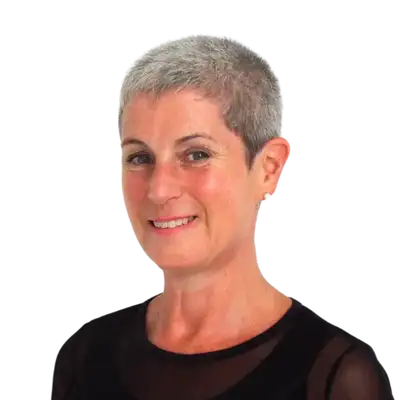


A global conversation of leaders, investors, and everyday changemakers aimed at redefining resilience in today’s ever-evolving world.
Dr. Kelly Culver and Jenn Quader sit down with influential guests who inspire, educate, and motivate people to build resilience, overcome hardships, positively impact their communities, and ultimately, help the world at large.
Jenn Quader (01:33.517)
Welcome to Resiliency, the podcast. Today's guest is a retired U.S. Navy captain, an international keynote speaker, a business coach, and one of America's leading voices on leadership and personal growth. You could not ask for a better fit for Resiliency, the podcast. Over a 27-year military career, today's guest led at the highest levels under the most extreme conditions. She built a bridge across the Euphrates River during the Iraq War.
She commanded an 800-person battalion in Afghanistan, and she led the construction of combat outposts in hostile desert terrain. During her service, she's been shot at, she had her base nearly blown up, and there was a contract out for her life in Afghanistan. And yet, she continued to lead with clarity, courage, and resolve.
She holds a PhD in civil engineering and later she transformed her battlefield experience into a new mission. Today she helps leaders navigate pressure, self-doubt, and high stakes decision making in civilian life. Today she helps leaders navigate pressure, self-doubt, and high stakes decision making within civilian life. And there's more. She has a debut book on the way called Becoming the Warrior.
harnessing your inner strength to silence self-doubt. Now this draws directly from her military and life experience to help readers confront their inner critics, overcome fear, and uncover the warrior within. I know that you are in for such a treat and you're going to learn so much. Please, my friends, my comrades and community in Resiliency the podcast, join me in welcoming the great retired captain, Jenn Donahue.
Jenn Quader (03:27.18)
Welcome, Jenn Donahue We are so honored to have you.
Jenn Donahue (03:30.306)
Thank you so much for having me. am so excited to be on this podcast. I've been listening to you all for a while. I'm a big fan and it's like, wow, I'm just so excited to be here.
Kelly Culver (03:41.468)
Well, we are super, super thrilled that you're here A and B. This is our kickoff podcast for 2026. So how exciting is that to have you? Yay! As our first guest. So I'm just gonna jump right in and ask you the, you know, the usual first guest question, which is, what does resiliency mean to you?
Jenn Donahue (03:55.598)
Woo woo!
Jenn Donahue (04:04.792)
So a lot of people just define resiliency as that ability to snap back. know, everybody talks about the rubber band and its ability to come back to its normal shape. And I think that that's the core of it, but there's so much more that goes into resilience. It's really about having the grace to go through all of these really tough periods in your life and still be able to show up, not just for you, but also for your team.
It's about the ability to be able to still stand and make really hard decisions when you don't have all of the knowledge. It's about the ability to take care of your personnel and put their needs forward as well and make sure that they're also going to make it day to day, even whenever each day feels like Groundhog Day and it's just over and over and over again and you still have to show up. To me, that's really what resilience is all about.
Jenn Quader (04:58.18)
You know, I love that you've tied that. Well, first, I want to just use, just restate the word grace, because I think that is such a through line. And I'm sure that it's going to enter our conversation today. But there is this real need to have grace in the face of these difficulties. But then I like that you tied it back to a team. Obviously, what we're talking about today is leadership, and that's where your expertise is. you know, when you were in Afghanistan serving the US Navy at a captain level, you had hundreds of people.
that you were in charge of. This is your team. These are the people you're showing up for. And what I read in the intro is there was some really serious pressure that you're facing. I mean, you're shot at, there's a hit out on you. look, I own a business and I sometimes cry because I have to do year-end financials. You know what I mean? Like that seems like pressure. So here you're in a whole nother world of pressure. I wanna know how did you personally, let's start with you personally, because I know we're gonna dovetail into how do you help others.
Kelly Culver (05:51.144)
you
Jenn Quader (05:57.082)
But how did you, in that situation, a hit is out on your life in Afghanistan, how did you find the strength to keep going through that?
Jenn Donahue (06:05.23)
Well, first off, when I found out about it, it scared the ever-living poop out of me. I was basically, I was told by our interpreter that there were some insurgents that had infiltrated the unit that we were going out to go train. And at this point in Afghanistan, we had had so many of our allies that were killed by insurgents that had infiltrated. And to find out that they knew me by name and basically wanted to do horrible things to me and then kill me.
Jenn Quader (06:09.486)
Yeah!
Jenn Donahue (06:34.294)
It was just like, wow, that was like a real shock to the system. And it took me like a couple of seconds to try to reset, you know, to almost like, I just needed to breathe a little bit and everybody's looking at me, you know, cause I'm there with my entire team, cause everybody heard it. And I had to fall back and just realize that, know what, I've made a lot of really hard decisions before and I've been trained over, you know, at that point it was like almost 20 years to try to make.
good decisions based on imperfect data. You know, if we were actually going to even go back out there again. And, but yes, it, that was probably the hardest, scariest point in my entire life. But I had been trained, but I'll tell you, imposter syndrome kind of snuck right in, you know, and there was like a whole nother derailment that went, you know, with my brain until I was able to try to get it back on track and try to make a good decision. But
This was like several months into our deployment and it just wears on you and wears on you and wears on you. And then just to of hit this, was like, wow, okay. It was a definite wake up call.
Jenn Quader (07:45.828)
I'm going to dig a little, I know Kelly's got a burning question for you, but I want to dig on that moment for a minute because what I actually heard you say, which impressed me, if I can be honest, is you said it scared, well, you said it scared the poop out of you. And then you said it, you said you took a couple of seconds to reset. Can you talk to me about that? Because that feels very powerful to me. Talk to me about how long that takes and like, what does that look like? What is it?
Jenn Donahue (08:03.394)
Yes.
Jenn Quader (08:12.472)
look like to take a couple, you're in front of your whole team, everybody's looking at you, how do you do that?
Jenn Donahue (08:18.104)
Well, the reason why it probably took a little bit longer than it needed to is because all of a sudden I do get imposter syndrome. I had this little voice, this mean little voice in my head say, maybe you're not a good enough leader to answer this question if we should go back out again. And like, I'm supposed to be making the decision of like, am I safe? Is my team going to be safe? And all of a sudden I've got this mean little inner critic saying, you know, you're not good enough. You know what?
I bet Captain So-and-so would know exactly what to do in this position. You know what, I bet that you should probably just go back to the office. You're not good enough to lead any of these people. And like I said, it just totally derailed me from where I needed to go. And I had to look at my team, but look at all of their faces and realize that they're all waiting on me to make the decision. And so that's why it actually took a couple of seconds for me to try to...
tried to regain myself and basically shut that inner critic down so that I could make a rational decision. But luckily it didn't take too long because nobody asked me if I somehow froze up or passed out or anything like that. But it took me several minutes to, well several seconds to just realize, no wait, I can do this. I've done hard decisions before. Just take a breath. We'll figure it out together.
I have this amazing team in front of me and you know it, we'll figure it out together. And so that's where my brain started to regain traction. And that's when I realized it's like, okay, we actually can do this together.
Kelly Culver (09:56.86)
You know when you stopped for a few seconds just to breathe, do you know what you were doing? You were stabilizing yourself. And you were stabilizing yourself for your team. And you were stabilizing yourself for the intent and for the mission that you had to go out on. And a lot of people don't realize how important just that stop, breathe, stabilize is when you're faced with challenging situations.
And so, you you come back and you say I had imposter syndrome. so, you know, Dr. Kelly is going to look at you directly and say, that's nonsense. Because let's not let that in. And I know that, you know, we want to dive a bit. Jenn's got a couple of questions for you on transitioning to civilian life. But I'd like to stay in this moment just for a second, because you brought it up twice around the concept of imposter syndrome. And you...
you went through what you physically did, the stop, the breathe, but can you tell us, know, how did you find your confidence again? You know, when, when you, do you still have it today?
Jenn Quader (11:08.432)
Before Jenn answers, I want to ask our producer if the cutting out of Kelly's voice is happening on your end as well.
Jenn Quader (11:18.564)
I'd like to suggest that Kelly turns off her video. think that I know YouTube is important, but I think that her voice is more important and we really need to hear what she just said. What do you think of that, Asif? All right, let's try that. And then Kelly, I'm so sorry, but I'd love if you don't mind trying to just repeat what you just said to the best of your ability because it just came through, it came through so jumbled and we just, were right on. So I'd love to hear if you don't mind, just try again some other way if you don't mind. Thank you, love.
Kelly Culver (11:43.814)
No, no, no, no, that's fine. That's fine. That's fine.
Jenn Donahue (11:45.888)
I can hear you perfectly now. I can hear you perfectly.
Kelly Culver (11:48.624)
Yay, okay.
Jenn Quader (11:48.898)
Yeah, it's so, so much, I had a feeling it was just too much strain with the video, so we'll just, we'll put a picture of you in this one, Dr. Kelly. Beautiful, okay, thank you. Of course.
Kelly Culver (11:53.64)
Okay. Hey, no problem. No problem at all. Okay, so just give me two seconds and let me come back to that. Right.
So Jenn, what I wanted to talk to you about before we sort of move on to anywhere else is the fact that you just gave us an example, a physical example of what you did when faced with a challenging situation. You stopped, you took a breath, and you thought about things. And what you were doing, whether you realized it or not, is you were building stability. You stabilized yourself. You stabilized.
not just you, but you stabilize the environment for your team and for the mission that you're going to go out on. And that's really important because people forget that that's a good tip in order to maintain your serenity. Let's use the word serenity in challenging situations. And I just want to stay in this. Yeah, exactly. I know.
Jenn Donahue (12:59.256)
Yes.
Jenn Quader (13:00.336)
As serene as one can be when there's a hit on their life. You know, pretty serene.
Kelly Culver (13:05.352)
That's right. So it's a gift. And a lot of people forget that gift because they want to rush headlong into something. And that's where bad stuff happens when we do that. And I know that we've got a couple of questions. Jenn has some questions for you around transitioning into civilian life. But I'd like to stay in this moment just for a second because you brought this up two times now. And it's imposter syndrome. And you've given us how you
Jenn Donahue (13:17.806)
I agree.
Kelly Culver (13:34.086)
the example of how you dealt with it physically, but how do you get your confidence back when that imposter syndrome creeps in? What do you do?
Jenn Donahue (13:46.102)
One of the tricks that I've been doing for probably, gosh, almost like 15 years now is I've been going through the routine of realizing that I actually am worthy. And the way that I do this, sorry, I'm so sorry.
Jenn Quader (14:02.928)
It's an adventurous podcast today.
Kelly Culver (14:04.146)
Don't worry.
Jenn Donahue (14:06.902)
I know it's like, I, my that's never done that before. So I, some news, there's always something new going on. Sorry about that. So what I've been doing about for the past 15 years is I've been looking at ways to try to get my confidence up whenever I feel that it's starting to falter. One of the ways that I do this is I really just go over to the printer. I grab a clean sheet of paper and I start writing down all of my accolades. You know, it's, you know, I, won, you know, the science fair in the second grade.
You know, I'll write that down, you know, or, you know, just something like I gave myself the time to work out this morning. I made a pretty good meal last night. I actually survived the PhD program at UC Berkeley and didn't become a hippie. You know, those, those kinds of things, you know, and I write all of the, and I write these things down and I, and I realized that, wait, I actually have done some incredible things. And so when I start to feel that confidence falter,
Kelly Culver (14:53.734)
love that one.
Jenn Donahue (15:06.54)
You know, I kind of run mentally through this list of like, wait, no, I have done this. I have made hard decisions. And so when I'm in those places where I'm starting to falter and it's like, you know, whenever people are asking me, hey, should we go out and train the Afghans when we just found out that there's a hit on your life? And I started to think like, man, am I even good enough, you know, to lead these people? Like, why am I even here?
I basically have now tricked my brain into running through all of those accolades again. You know what? I have led in really harsh conditions. I have made really hard decisions. I know that I'm not going to do anything that is going to put my people in harm's way just for glory. And by going through this sort of over and over again, like it almost like kicks in almost immediately now whenever that mean little voice starts to take over. So
So it's a way to counterbalance the mean little voice.
Jenn Quader (16:05.848)
I'm so in love with this because you are here, which means this was a success. You know what I mean? You are here and you are safe and so is your team. so what I want to ask, because I think, and we're going to move for a moment, we're going to move next into civilian life. You lived and worked with the military for 27 years, then you came over to civilian life. I want to comment.
Jenn Donahue (16:11.555)
Yeah.
Jenn Quader (16:30.434)
that I love this idea of you physically writing down those accolades. I've heard people say when you're combating an inner critic to try to recall for themselves that, you know, as you said, the accolades, the things you've done, but this physical idea of writing that there's something within that that feels very energetically powerful, like it's really, you know, getting in. And then I also like that you talked about tricking your brain. For all of our listeners, I think one thing I've been thinking about and a lot is kind of...
making sure that I recognize that there is a brain and then there is a me, you know, like there's a me that hears what the brain thinks. And there's a lot of writing about this and you know, lots of people talk about this, but it's this idea that like you are not your brain. And so that evil little voice is actually not you. It's not true. It's a lie. you know, which is kind of what Dr. Kelly's saying, which is like, you may call it imposter syndrome, but you are nobody's imposter, you know, but you, you still go through these things. So I kind of want to ask as, know,
As you said, you're highly trained in the military. You go through these things, boom, boom, boom. Now you finish this tenure. Luckily, go through this and your life is preserved in that of your team also. And now you're moving back into a civilian world, which is a totally different thing. And I want to understand, How did you find meaning in your civilian life after you come back from that level of combat, of pressure, you know?
what helped you to then reframe your purpose and find your resilience again as you move into civilian life?
Jenn Donahue (18:04.494)
It was really hard and it took a couple of months. know, lot of us that are in the military, we feel like we're part of something bigger than ourselves, that we're really contributing. And then I go to the civilian world and instead of building bridges, I'm building PowerPoints. You know, and it's like, this is meaningless. know, people are getting so upset that like you use like different kinds of font on the same page. And it's like, Hey, look, nobody's trying to kill us today. Like the fact I can just change the font. It's cool. Like,
Like, relax, relax, it's okay. You know, people were like so amped up over the littlest things and it kind of put things into perspective. But then to try to regain that purpose again, I'm an engineer. I build, I do all types of seismology so that large structures can withstand earthquake forces. And I had to realize that, you know what, even though I'm sitting down today and doing all of these calculations, this has meaning.
You know what, I'm gonna help this bridge remain erect whenever we have an earthquake and it's not going to collapse and kill a bunch of people. And so whenever I started to reframe and start to think about it that way, that is like, what I'm doing actually still has meaning, even though what I feel like I'm doing right now is very tedious, that started to give me purpose again. But it really took really a couple months to almost kind of come down from that high where you're just running on adrenaline all the time.
to realize that like it's cool. You know, it's like, hey, you know what, today I'm go to work, nobody's shooting at me, nobody's trying to kill me. I'm gonna just do some engineering and some math, which I love math and I love spreadsheets, so it's like, yeah, let's do that. And so that's how I started to like, okay, you know what? I do have purpose. I am put on this earth to try to help as many people as I can. And if that means that I'm doing engineering calculations for a nuclear power plant, for a building, for whatever it might be, I'm still helping people.
Kelly Culver (20:01.84)
I think that's really, really, really important and I know sorry, Jenn, to jump in, but it's the transition. that, it resonates with me because I've lived and worked in a number of countries, a whole bunch of countries around the world. And it is really hard to come back to what you, your so-called home because you've had such different experiences than the people that you live with or who are around you. And I continue.
to struggle with exactly what you have said around. It's not that I purpose and meaning, that's easy peasy, no problem. It's the challenge where people lose it because they have the challenge with PowerPoint. And I think, you know, I've just come off a call where we're trying to build a school and let kids get to school without getting killed. you know, the relevance of what you do and how that transition is, I don't think people understand or appreciate how hard that
can be. I think we take that stuff for granted, so I want to commend you for how you've pivoted and really celebrate that for you. It's fabulous. Good on you.
Jenn Quader (21:13.38)
Well, and more than that, Dr. Kelly, you've really hit on something that I think touches like the pool of water that really touches all of our listeners, which is like this.
Jenn Quader (21:26.97)
Forgive me, it's gonna come in the right way.
Jenn Quader (21:34.146)
What you're doing is you're meeting people where they are and see your experience in both of your cases. know, Jenn Donahue, you've gone out for 27 years and fought major battles and built bridges in other countries. Dr. Kelly, you're building schools. You're doing these things that have such great meaning. And then when you come back to the place where the PowerPoint or somebody's really upset about the Word document and you're still a leader.
And this is what I think where the resiliency really starts to come in because you're not just a leader because you were in the military or because Dr. Kelly, you were stationed somewhere that you are doing some big work. You're a leader even in those tiny little moments. You're, you know, I love what Jenn said, which is I was put on this earth to help others. And I think every one of us in this room and every one of us listening understands that that's the point. That's what we're here for. So when we go to meet others,
in our civilian lives and in anything, there's such a difference. And I'd love to have Jenn talk a little bit about this, because this is something I've personally struggled with, which is how much in, let's say, civilian life, which I haven't worked in the military life, but I know that in the military life, what you get is discipline and command. It's like, this is what you do, and that's what you do it. Well, that doesn't work in the world of PowerPoint. That is not how it works.
Kelly Culver (22:50.203)
Hahaha
Jenn Quader (22:53.978)
There's a whole world of empathy and vulnerability and these. And so I'm wondering how in the world did you navigate that shift? What advice would you bring to leaders of today who not only have they found their meaning, but their meaning is to help others. But how do they balance needing to get that stuff done, that discipline and command with that empathy and vulnerability that's just required?
Jenn Donahue (23:18.542)
One of the things that I learned really quickly is that when any member of your team messes up, you can't make them do pushups. You you get called into the HR and it's just like, you know, it's really frowned upon, you know? So that was like a lesson to learn, but.
Jenn Quader (23:24.56)
I wish you could!
Kelly Culver (23:25.33)
Ha ha!
Kelly Culver (23:29.564)
Darn.
Jenn Quader (23:34.704)
And wouldn't it just be so much easier if we could?
Jenn Donahue (23:37.676)
I know, I know, right? It's like, you know, get down and give me 50. You know, it's like, you know, you can't do that. You can't do that.
Kelly Culver (23:42.448)
We'd be in way better shape, though.
Jenn Quader (23:44.908)
Listen, it's something we should think about.
Jenn Donahue (23:49.56)
Well, one of the things I would say whenever I first joined the military, it was very authoritative. It was very command driven. You do this, you do this. And so that's how I started out. And I tried that for several years and I found that that just did not work for me. All of my bosses were yellers. And so I thought, well, that's how you do things is you yell at people to get them to do what you want them to do.
And there was one day that I did and I went in and I yelled at my team and it felt horrible. mean, it just, it like, have you ever done one of those things where it's like, you just feel it in your gut to like, this is wrong. Like, this is not me. can't, I went home and really thought about, am I really meant to be in the United States Navy? It's like, I can't lead like this. And so I started to actually adopt my own leadership style soon after that to try to figure out how can I lead.
that feels authentic to myself. And I am empathetic. Man, I am like a team driven, like, let's get everybody together. You know, we're all in this, like, you're good at this, you're good at that. Like, let's pull all of the, like, let's harness that energy to really do something great. And I started to lead like that about maybe about five years into being an officer. And so I do lead with empathy. I'm a great listener.
And yeah, sometimes it's like when you need something done, it's like, hey, you need to go do that right now. And there's more of like a, hey, we're all going to die if you don't, you know, you know, and so there's those types of situations, but on the most part, you don't have to do that. And so I would say that, you know, you can balance authority and empathy at the same time. And this is what I do with a lot of my clients. You know, I find those that are like really, really, really, really empathetic. They're like, I don't know if I can lead people. And I'm like, you can, but you know, you have to be yourself.
but also realize that you were put in your position for a reason. You were put there to lead these other people and somebody believes in you enough to do so. So I help them like just say, Hey, like, you know what? We can be, you know, slightly more authoritative whenever you're talking to your people. You can still be as empathetic as you like. But then I have the clients that are like all authority and all command. And it's just like, no, you need to start to work a little bit more on the empathy.
Jenn Donahue (26:13.39)
And I tell them, it's like, you know what, it's really easy. Let's just try something. Just listen to people. Just listen. You don't have to sit there. You don't have to cry with them. You don't have to do all the different things, but you know what, just be open and just listen. And I found that that's a good way to start to combine the two. So you don't have to be one or the other. You actually can find a really happy ground in the middle.
Kelly Culver (26:37.616)
I think that's really brilliant, the happy ground in the middle because so often we're trained that situations are either or. And one of the things that we talk about here frequently on Resiliency, the podcast, is that resilience isn't about making either or choices. It's making choices in the moment. It's both and everything. It's like we think you need to have grit and determination. You have to persevere. But then you've got to adapt.
And then when you adapt, you're changing and you're transforming. You're doing all three things at the same time in the blink of an eye. Yeah.
Jenn Donahue (27:13.422)
It's absolutely true. So I've had some engineers and they've been very, I'll just say very tender engineers. They're great engineers, but they're very tender. So if I speak very authoritative to them, or if I come across in this way, you know what? There's a chance that they might go cry in the bathroom. And it's like, I need to meet them sort of where they are. But at the same time, whenever I go out onto the construction site,
You know, and I've got these, you know, old crusty guys who are trying to tell me what to do. You know, then it's like, no, like I'm the engineer. This is what we're doing. This is why we're doing it. This is fall in line and this is what we're going to do. And so you have to be able to shift and find people where they are, you know, cause if I talk to the, big crusty, you know, construction guy, like, I'm really sorry, but this isn't probably going to work for us. Okay. That's not going to fly whatsoever. You know, so you have to meet people where they are, but still within your own comfort zone.
Kelly Culver (27:43.016)
You
Jenn Quader (27:45.132)
Ha ha ha ha!
Jenn Donahue (28:08.972)
You know, I think that's the biggest piece is like, you need to expand to be able to get your message out to people, because people take things in in different ways. And so you have to learn and really read the room when you are a leader in trying to get through to people.
Jenn Quader (28:24.325)
Well, I personally really find this so valuable. It makes me think of there's a meditation that I've done a lot. The leader of that meditation, name is Rochy Joan Halifax, and she calls it strong back, soft front. And it's something that in my own leadership, so I'm a gushy, gushy leader. I'm an empathetic, gushy, gushy. I'm just like that first one you talked about. And I'll vulnerably say that I have made a lot of big mistakes.
because when I try to get authoritative, I have hurt people's feelings. And I don't mean to, but it's often if you are too gushy, if you really are naturally very gushy, and then you move like the day you yelled at your team, like they feel it differently because the person who always yells, they're used to it. Like that's cool. But like the person who's always like really empathetic, who then starts yelling, it doesn't work. And so I love what Kelly's saying, Dr. Kelly is saying about,
Resilience and you're right. We talk about this a lot that it's a little bit of both It's a it's it's that strong back soft front you have to have all of that now I want to I'm gonna I'm gonna borrow from this was a question the dr. Kelly had but I'm gonna borrow it if I may dr. Kelly because I'm interested specific specifically in this this leader, you know, we all learn by mirroring you know, even as a child you mirror what you see and then in jobs We mirror what we see and what you said is in the US military everybody yelled, you know
Kelly Culver (29:31.144)
Go nuts, go nuts, honey
Jenn Quader (29:48.954)
And I'm guessing that a lot of those leaders were male and this, know, military, very male dominated. So I kind of want to ask a quick question. You you talked about finding your own style of leadership. Can you speak to doing that in a male dominated industry and how you carve your way to find that balance when there's so many men around yelling?
Jenn Donahue (30:11.35)
Absolutely. So first off, you know, there's very few women that are engineers, very few women that are engineers that decided to join the US Navy. So we've really only been about 9 % women the entire time that I was in. And so was pretty much the only woman in the room or maybe one of two. And the thing is, is that I'm pretty used to that, actually. I grew up on the street and it was all boys.
So I grew up, know, hopping fences, climbing trees and all of that. And just through all of my classes, it just seemed like there was more guys than girls. And so I was fairly used to it. Whenever I was at Texas A there was only two women that were in my brand of engineering. know, the rest were guys. So I was fairly used to that whenever I went in. But then trying to find my own voice as a leader was very different. So after I yelled at my people,
Uh, shortly after that, I was assigned to a detachment to go to Alaska to do drilling and blasting. mean, how awesome is that? You know, it was like, okay, it's a blast. Anyways, sorry. I had to do it. I had to do it. I had to do it. like, yes. Yes. Yes. And, and so the, I had a senior enlisted advisor. So every officer has a senior enlisted advisor that goes with you. And he just observed me and he's like,
Jenn Quader (31:18.194)
Nice! A good pun for the resiliency community. I love it.
Jenn Donahue (31:35.118)
You're doing it all wrong. And I was like, wait a minute. I thought I was doing it right. I'm yelling at my people and doing all the right things. And he's like, that's not you. And he saw through that. He saw right through it. And he's like, you're not being you. And he said, okay, we've got six months in Alaska for you to figure this out. And he's like, I got your back. Figure out what you're good at. Figure out how you wanna portray yourself to others.
And it really took me a couple months to really stop and think about how do I want to portray myself to others? What feels good to me? And I told him, said, well, you know, I'm a really good listener and I really like creating amazing teams, you know, where you harness the best of everybody. And he's like, okay, well, let's work on that. And he really helped me get to that point. I'm actually so thankful for him. His name was Chief Willis. And I'm thankful for him because he gave me the opportunity
to kind of try things out a little bit, you know, to try something new, like, you know, this day, or maybe expand a little bit that way and really kind of push outside of what I knew as my boundary box to get to somewhere where I felt more comfortable. And so I came back from Alaska and I'm like, man, we had a team that was clicking. We came back and everybody's like, wow, what happened in Alaska? Like, I want to go and be on her team, you know, and it's because, like, I figured it out.
But I had that space where I could go and try something something different and all the guys respected me for it because I you know I was there and I listened to them and my gosh if you actually start to listen to your team and get their ideas Like you don't have to be authoritative. You don't have to be command You are getting the respect because people are realizing wait This is a leader that actually cares about me and and what I want to do in my life
Kelly Culver (33:27.432)
So you learned the lesson of giving everybody a voice. And you got to do it at the same time that you got to go blow stuff up. Like I just think that is super cool. And like the cherry on the cake for me is I want to use the word courage for you. And it's courage maybe in a different way that has been attributed to you in the past. And it's like this. I'm sitting here listening. my video isn't working well today. So it gives me the pleasure of watching the two of you and listening really intently.
Jenn Donahue (33:31.629)
Yes.
Jenn Quader (33:38.418)
pretty darn cool.
Kelly Culver (33:56.698)
And I'm hearing a woman who takes a decision to go into engineering, which is not, I mean, I cut my teeth in the Ontario Ministry of Transportation, all engineers, mostly men. I'm not an engineer. So I see a woman who took a decision to go into a profession that puts her in a unique situation. I see this woman joining the US Navy. And then I see her being deployed. And I'm thinking, that's courage.
to be different, but yet to find you and your voice and who you are. And thank goodness, because we're all benefiting from that today, from this wonderful wisdom that you're able to bring to us. So courage is a new word.
Jenn Donahue (34:42.542)
Thank you. Thank you. I really appreciate that. That very much resonates. So thank you. It's nice to be seen.
Jenn Quader (34:53.522)
It's so important to be seen. I think, and first of all, I'll say thank you because you took the time to come on here and allow us to see you and allow us to listen. And that takes something. And I also think I want to, and forgive me, I've forgotten his name already, but the gentleman who gave you that space in Alaska, what was his name again?
Jenn Donahue (35:13.55)
Chief Ed Willis.
Jenn Quader (35:15.302)
Chief Ed Willis, I wanna say thank you to Chief Ed Willis, but I also want to kind of issue a little bit of a challenge to our resiliency listeners. know, I always kind of cast myself, let's be, and I like theatrics, I kind of cast myself in the role of the speaker when I'm listening. I'm thinking like, what would I do if I'm Jenn Donahue and I'm working in the military? But you know what, we could all cast ourselves in the role of Chief Willis and we could have someone else's back.
Kelly Culver (35:28.87)
Ha
Jenn Quader (35:41.926)
because a leadership journey is exactly that, it's a journey. And that little evil voice that says you're not good, it's trying to judge you based on just today, what you're doing today. But really leadership is this ongoing, exactly as you're saying, Jenn you've talked about listening and listening and listening, and I think that is what it's about. And so I really want to honor the fact that it takes other people, it takes someone else having your back.
to allow you to find out who you are as a leader. I see that in our company where we have, you know, I have a number two in the business that I've worked with for 12 years, and we go through these periods where we have to have each other's back while the other one kind of figures out, wait a minute, that wasn't how I wanted to do that. It allows for space for that. So I think what I want to ask you, Jenn, is to talk a little bit, you know, again, you work in this engineering space, you've led such big teams.
If you're thinking about, and our listenership, just so you know, I mean, it's really varied. It's everyone from people who run companies and run teams within companies to mamas who are at home running their household. But I think I want to ask, you had some advice on what to train yourself on, how could you close the gap to help people?
to be these better leaders? How can we help people? And Kelly, I'm taking your question as you see. really what I'm trying to do is I'm trying to ask you to think about this beyond your own personal experience. And if I was asking you to just give some advice across the board, what would that advice be to say, hey, here's what you need to train on if you want to be a solid, courageous, and stable leader?
Kelly Culver (37:05.137)
Haha
Jenn Donahue (37:27.33)
I would say first to think about how you want to lead, how you want to be perceived by others. There are some that just want to be like that big bold leader. And it's like, okay, that's cool. Like, you know what, we need some of those in the world and start thinking about who could I maybe have mentor me in order to get to that spot. There are others that, you know, for me, it's like, I want to lead with empathy. I want to lead in a way that feels good to me.
You know, and there's a lot of women that I know that are out there that are like, just want to be myself. I don't want to fit the stereotype of what I think I'm supposed to be. And so I want to lead in a way that, feels good to me. Start really thinking about what, what does that mean? And you know what, like I said, go get a mentor. In the military, we have something called a battle buddy. And this is the person that we go everywhere with. And that's a person that you can bounce ideas off of.
So it's more than a mentor, it's that person that always, like you said, they always have your back, they always know where you are, they always know what you're doing. But start to think about and just take the time, take the space to figure out where you are and where you wanna be and what it takes in order to get there. And then I would say, I'm an engineer, don't leap, there's no leaping involved, like no one is Michael Jordan here, take small calculated little steps to get there.
Kelly Culver (38:45.126)
You
Jenn Donahue (38:49.676)
You know, if that means that I need to go to a leadership course, know, sign up for a leadership course. If that means that you need to go volunteer and stand in front of people, if you need to, whatever that might be, start to think about different ways that you can start to put tools in your tool belt in order to get there. It just really takes that time to just be quiet, reflect, and create a plan.
Jenn Quader (39:20.594)
Brilliant, brilliant words from a brilliant, brilliant leader. I have one last question before we get into the most fun part of the podcast, and I know Dr. Kelly's ready for that part. But I have one last question because in addition to the courage of fighting for our nation, leading a team, now building bridges in an engineering career, you also are an author, which takes a ton of courage in and of itself. And so I want to remind our listeners, please look up this book, Becoming the Warrior, Harnessing Your Inner Strength.
to silence self-doubt. And what I know is that this is going to help all readers tap into their own inner strength. Can you just talk a little, this is your opportunity, you've done this work, you've lived this life, and now you are creating something that's really gonna help others. Talk a little bit about what can people expect from this book, and how does that speak to your evolution in resilience and leadership?
Jenn Donahue (40:16.334)
Absolutely. Okay. So this really took a lot of resilience on my part. I'm an engineer. You know what? I love figures. I love charts, writing things, making reports. Not my fun part, you know? So it was like actually making myself sit down every day and, and write was, was a real challenge at the beginning. But it goes back to, I've been a keynote speaker for a couple of years and people come and ask me, they're like, Hey, do you have a book? And I'm like, no, not yet.
You know, and people kept asking and asking because they wanted more information. They wanted different ways that they could maybe try to help themselves. And so whenever I realized like, wait a minute, I have a service that I need to provide. People are actively asking me for their, you know, for me to help them. And so once I reframed the whole, like, instead of sitting down and think about writing a report that I am sitting down and writing and trying to get my message across to help people, all of a sudden that shifted everything.
And I did, and I'm just so excited. Now the book is really all about, you know, we have that mean little voice in the back of our head that's telling us we're not worthy, we're not ready. You know, maybe you should just go sit in the corner and not say anything. And how do you get over that? And so I talked earlier about, you know, I've basically trained my brain to click into remembering my achievements, remembering what I've done, remembering how I've done that, the strength that I actually have. It's about
pulling that in and silencing that inner critic. We're probably never ever going to get rid of that. But if we can make that other voice louder so that it's able to counteract that, that's what the book is really all about. And because I'm an engineer, I love exercises. And so you can read through, it's not just about me either. I have found the most incredible people to interview for resilience, for what it means to be disciplined, what it means to...
you know, have the fear of success. Like I didn't even know that was a thing, but in my research I found that out. You know, and how do we get over our self-doubt and our imposter syndrome and ways to get through all of these different things to maybe to the point where when we hear that little voice, we can counteract it, but then also realize, hey, wait a minute. This means that I'm growing. This means that, you know what, maybe I'm onto something. Maybe if I push through this,
Jenn Donahue (42:40.588)
Maybe there's something great on the other side. And so it's this journey that I want to take people through of realizing what's going on in their head, learning how to counteract it, and then maybe even learning to embrace it at the end.
Jenn Quader (42:55.92)
I'm so excited to dive into it. I love the idea of exercises that can help with that, because that is a real problem that hits every person every day. So excited. Dr. Kelly, rapidly fire.
Kelly Culver (43:07.4)
Well, I know I was just going to say maybe you might not want have wanted to say that but are you ready? That's right.
Jenn Quader (43:10.738)
That means something different with retired Captain Jenn Donahue on the line, doesn't it?
Jenn Donahue (43:14.222)
It does.
Jenn Quader (43:17.356)
rebrand the questions. A little 2026 rebrand.
Jenn Donahue (43:18.382)
Hey, we all love rapid fire at the range, man. It's a lot of fun. Like everything is getting lit up and it's just like woo America. You know, so it's it's awesome. Yeah, rapid fire. Let's go.
Jenn Quader (43:26.738)
There you go.
Kelly Culver (43:29.608)
Yay!
Okay, so what's the favorite movie or TV show that makes you feel resilient?
Jenn Quader (43:33.51)
Woohoo!
Jenn Donahue (43:38.606)
The Shawshank Redemption. I love, love, that movie.
Kelly Culver (43:40.457)
man, we get that. Yeah, yeah, yeah, yeah, yeah, yeah, yeah, Yes.
Jenn Quader (43:43.644)
Solid movie.
Jenn Donahue (43:45.89)
You know, when he's standing there and he's like, yes, you know, the rain's falling on him. it's like everything that he's been through for years and years, it's like, you know, he did it. Like he was resilient through the whole thing. He never broke. I think he broke once, but he brought himself back and you know, and then, you know, he had his revenge and he had his redemption.
Kelly Culver (44:09.32)
And if you were singing to yourself in the car, what's the song that makes you feel resilient?
Jenn Donahue (44:17.326)
So I thought about this a little bit. so there's, okay. So by the way, I'm a rocker. So most of my songs are like that. So I was thinking about like, till I collapse by Eminem. There's a couple others, but really I am the fire by hail storm. I don't know if you've heard it, but it's amazing. It's like, it's talking about, I strong enough? Am I good enough? And finding, sorry, excuse me. And finding that internal fire within you.
Kelly Culver (44:23.492)
Mhm. Me too, me too, me too.
Jenn Quader (44:23.76)
Yeah! Rock out!
Jenn Donahue (44:46.722)
to keep going, even though you keep getting beat down and beat down and you want to go after something, but finding that internal fire. So for me, that's my rocker, this is my resilient song.
Jenn Quader (44:58.898)
I'm gonna interrupt rapid fire just to say that I happen to see a video today like on scrolling social media of Eminem and he was talking about how to rhyme the word orange and the interviewer like and and he could do it man he found like 82 ways and the interviewer asked him about how he had so many struggles in his education he actually repeated the ninth grade I think several times or something
and he talked about how he really leaned in. What a great song. I would just like to applaud your song because what a great story of resilience that you focus on what you do well. Okay, I'll be quiet now, Kelly, your turn.
Kelly Culver (45:32.456)
What's the last thing that made you really laugh out loud, Jenn?
Jenn Donahue (45:39.554)
A couple of weeks ago I was on a plane and I was rewatching Ted Lasso and it was a night flight and I had my little ear buds in and I'm I am just like cracking up at things, you know, and it's a plane and people are trying to sleep and I am literally like shaking in my seat and I'm like laughing and I'm trying to be quiet and the guy is next to me is looking at me and he's like giving me like the side eye and he's like, and so that started making me laugh even harder.
Kelly Culver (45:46.085)
my God.
Jenn Quader (45:46.994)
Great show. Great show.
Jenn Donahue (46:07.874)
You know, because like, you know, like he's just looking at me and he's scowling at me. And then like, you know, I've got Ted Lasso going on and it's like, I got the giggles and it's like, I just couldn't stop for like a good, like 20 minutes. And, know, I'm surprised it didn't like ring the bell and like have the stewardess come by or something like that. But I was just laughing like for, for like a good 15 minutes of just like uncontrollably, just, just giggling about everything.
Kelly Culver (46:33.554)
Good, and you know what? I take long-haul flights all the time and I love watching people like you. It's great. You bring joy, know, so it irritates some people the heck with them. As long as you're joyful, it doesn't matter. So, what's a question you'd like to leave for a future guest on Resiliency the Podcast?
Jenn Quader (46:49.906)
Exactly.
Jenn Donahue (46:59.662)
One of the questions that I would like to leave is when you're to that point where you have to make a decision for you, for the team, but you've just been beaten down and beaten down and beaten down and you don't have all of the information that you need, what is your process for trying to make a good, rational decision for you, for your team, for whoever that might be, whenever you just feel like you're like, you know, it's just a struggle to just, to just even move.
Jenn Quader (47:31.794)
That's such a great question, because that that happens to so many leaders. Great, great question. I now have one for you that was left from a past Resiliency to Podcast guest. So here it is. Miss Jenn Donahue, what keeps you doing the right thing when no one is watching?
Jenn Donahue (47:50.392)
think it's how I was brought up, that you always have to do the right thing because you never know who might be watching. You know, as I will just tell you, as a leader, especially in the military, people are always watching, no matter if you think they are or not. And so I've just lived my life that's like, this is what integrity is. This is what it means to always do the right thing. And it could be so easy sometimes to be like, hey man, no one's watching. I'm just like let this slip.
Somewhere along the line, somebody's gonna figure it out and it's still gonna come back to you. Because I have done that before, I have messed up. But just always realizing that, you know what? People are always watching. People will always know what you've done, even in the times when you thought nobody was.
Jenn Quader (48:39.602)
So much impact we have. Each one of us, so much impact. And Jenn, so much impact you have had. I want to say thank you for your service to our nation. That is a huge, it's such an honor to interview you and to hear your story and I'm truly inspired by you. I wonder if you would please share where our listeners could find you if they'd like to follow, learn more, if they'd like to hire you as a keynote speaker for their event. Where can they find you online?
Jenn Donahue (49:05.774)
the best place is probably my website, which is www.jenndonahue Jenn with two N's Donahue.com. you can also find me on LinkedIn. I'm on LinkedIn. I'm always putting out, you know, as much relevant, really good leadership, personal development type of content that I can, because again, it's like, it's about like helping people and like finding people where they are and helping them, you know, to just maybe like do like a little bit better than they did yesterday.
Kelly Culver (49:13.798)
you
Jenn Donahue (49:34.798)
I think that's what we all want to do. so those are probably the best places to find me. Reach out to me. I love hearing other people's stories. I love that. If you have stories about your own resilience, I know you might be able to come on the podcast, but if you want to just email me and tell me yours too, maybe I'll share it with the podcast. So there's all different kinds of ways to reach out, and I would love to hear from everybody.
Jenn Quader (50:00.21)
I love that, Jenn. Thank you so much. we're so happy to have you as part of the Resiliency the Podcast community. I'll remind everyone listening that we will have all those links in the show notes. So please look for those, for those, you know, and please do follow Jenn. And I certainly am going to be staying connected with you and keep you in the family. With that, I want to say thank you. Thank you. Thank you. It is 2026, my friends.
and we are living in a resilient world and I am just so grateful. If resiliency is something you're interested in, I hope that you will subscribe to our YouTube channel, like this episode wherever you are listening to it today, and continue to come back to be fed by these stories that we are pulling together for you. Resiliency the podcast is the place for stories, strategies, and inspiration that help all of us to overcome challenges, embrace change, and redefine resilience in this ever evolving world of ours.
I am Jenn Quater. You can find me online, Jenn with two N's, J-E-N-N-Q-U-A-D-E-R on all the socials or my company, thesmartagency.com. Our brilliant, amazing, hugely wonderful co-host, Dr. Kelly Culver, is a brilliant human and you must find her online. You can find her on LinkedIn or Instagram, Dr. Kelly Culver, or at her company, theculvergroup.ca. That is dot C-A.
for she is the Queen of Canada. I will continue to always honor her as such. My friends, we thank you. We wish you love. We wish you great energy. We wish you beautiful resilience. Until next time, stay strong, happy resilience. Bye guys.
Kelly Culver (51:22.958)
Haha! Yay!
Kelly Culver (51:37.032)
Thank you.