Subscribe
Share
Share
Embed
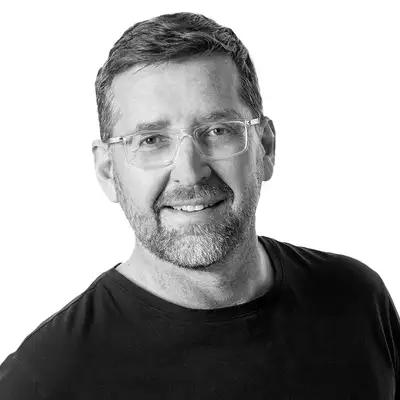

Hosted by Heath Fletcher, The Healthy Enterprise explores how innovation, technology, and leadership are reshaping the life sciences industry—from discovery and development to commercialization and care delivery. Each episode features candid, heart-centered conversations with founders, scientists, executives, and investors, sharing real-world experiences and insights for building resilient, future-ready organizations.
Created and Produced by Bullzeye Global Growth Partners — Let’s build it together!
Shashi Ramaiah (00:00)
Traditional animal models often fail to reflect human biology. There are new tools called new approach methodologies. The challenge with them is there's no clear regulatory pathways. So I felt this was the right time to solve this big gap.
Heath Fletcher (00:15)
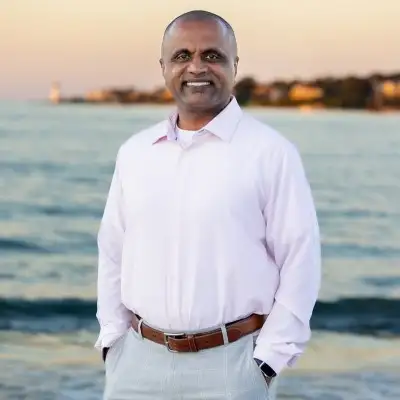
Drug development is at a breaking point. Billions of dollars, years of time, and ultimately patients' lives depend on getting this right. But right now the industry is caught between innovation and regulation with no clear way forward. Today I'm joined by Shashi Ramaiah founder and CEO of Speccro, who spent his career inside Big Pharma and is now helping startup biotech companies navigate this exact problem, bridging cutting-edge science with real-world development.
In this episode we get into why most drug technologies never make it to patients and how startups are being forced to unlearn decades of industry thinking. Alright, let's get started.
Well Sashi, ⁓ thank you for joining me today for this episode. Looking forward to hearing more about you and about Speccro and what you're ⁓ trying to do to help resolve some issues in in your market. So why don't you sort of take this minute and ⁓ introduce yourself and Speccro
Shashi Ramaiah (01:21)
Yeah. ⁓ yeah, first of all, ⁓ thank you Heath for for the kind invitation. ⁓ I I should say this is my first podcast since I launched ⁓ my company Speccro
Heath Fletcher (01:35)
Is that right? Well I'm honored. Thank you.
Shashi Ramaiah (01:37)
It is. And ⁓ obviously I've I've ⁓ heard a lot of great things about you and I I know we met ⁓ e each ⁓ at the JP Morgan.
Heath Fletcher (01:49)
Yes, in San Francisco, yes, at the Golden Gate Yacht Club, yes.
Shashi Ramaiah (01:53)
So
you're hub and ⁓ I'm appreciative of what you're doing and ⁓ thank you for this. But yeah, yeah ⁓ Shashira Maya, I am a founder and CEO of Speccro. ⁓ you know, this ⁓ company I really started ⁓ with the aspiration of leveraging ⁓ all the experiences that I have gained over the years. a combination of
you know what we do regularly for drug development using all the tools and technologies, taking from you know early discovery to human and beyond. ⁓ it's a it's a both a art and a science. So obviously I learned quite a bit of science and art and I also have wor ⁓ learned a lot of challenges, what works and what does not, especially as you deploy these novel tools and technologies for drug development.
I saw firsthand the advantages of these traditional models ⁓ and emerging paradigms and as well as the limitations of relying ⁓ on either one or one alone or or or several. So that there was a clear scientific gap. ⁓ you know traditional animal models often fail to reflect human biology. There are these new tools called new approach methodologies that includes in vitro models
AIML, the challenge with them is there's no clear regulatory pathways to those to implement. And there's a lot of energy ⁓ right now with FDA and other regulatory agencies ⁓ putting those guidances as to how we deploy. And this is really because of convergence of the technologies, the science, and the regulatory guidance. So
I would say that bioconvergence is happening, which is why the excitement. So I ⁓ I felt this was the right time to solve this big gap in the industry and which is why I launched this company.
Heath Fletcher (04:00)
Very interesting. And 'cause you're talking about, you know, a a longstanding organizational structure in the healthcare, and now you're got you've we've got technology coming out at us left, right, and center. It's like the wild west of technology, and you've got overlying over top of it is this is this very structured regulatory process. And those two worlds are kind of colliding is what you're saying, right?
Shashi Ramaiah (04:24)
Yeah, absolutely. ⁓ you said it right. You know, the ⁓ it it always happens, right, when you have all these technologies. ⁓ we don't know the technical maturity of that because we don't know yet how to use them. And on top of that, we have used these traditional tools for many years, for many decades. Right. So so, you know, it's always to find those examples to ⁓ to
to to implement those. So that is what there's a real opportunity, but also there's a real challenge of what we've been doing throughout all these decades. Right? It it is sometimes the inertia of changing things.
Heath Fletcher (05:06)
Right,
for sure, yeah. So what was the what was the one thing that you saw that needed to be fixed? Like what was the p the one part that you decided I'm gonna tackle this problem?
Shashi Ramaiah (05:17)
Yeah. Yeah, for me I would say you know, it's more about ⁓ I I clearly saw a lot of tools and technologies, right? There's no dearth of tools and technologies. If you look at this field, when you say new approach methodologies, this could be anything that can improve translation to human, right? This is not about we're gonna replace animals. Yes, I think you know, it's for me the way I look at it is
It's about finding tools that are better, ⁓ that better mimic human systems. That could be organoids, spheroids, it could be AIML, it could be newer animal models as well, right? That we have not been using. So in a way, for me, there is so man there are so much of these tech so many of these technologies, but you need a practical way to implement them.
Right. For that you need this drug development experience and the experience being progressive and having these knowledge of tools and technologies. So that's where we spectro come in. Right. Okay. It's it's that it's that how do we help companies being practical, pragmatic, as well as use, you know, as well as think about these novel tools.
Heath Fletcher (06:36)
Okay. So how do you how do you integrate Speccro then? How do you how at what point does some what do you actually step into the equation?
Shashi Ramaiah (06:46)
Yeah, yeah, great question. so you know, I always like to ⁓ tell people that we come when we ha when when the com teams are companies. Companies could be startups, it could be biotechs, it could be even large pharma companies as well, right? Right. ⁓ we are ⁓ you know, we we want to solve complex problems.
Right? Of course we like you know, when you look at drug development these days, pretty much everything is complex. Yeah. You know, you have new modalities like gene therapy, ADCs, biologics, different small molecules. So and and there's always this challenge to to move quickly because patients are waiting. At the end of the day, the goal for us is to move promising molecules to human, right?
And so for us, it's about you know, can we find ⁓ difficult questions where ⁓ companies or startups are stuck with with a challenge? We ha they have some issues, they want to move faster. So we step in and use our large you know experience in drug development as well as understanding the tools and technologies available, which we call it NAMS. NAMS is a very
regulatory term. I know audience would like to know what is NAMS, right? Yeah. NAMS Yeah NAMS is basically a new approach methodologies. These are ⁓ it's an acronym. that includes any new tools, right? So so that's where we come in. You know, we come in where drug development companies ⁓ you know could be very early in their development or could be later on in drug development.
Heath Fletcher (08:19)
Go into that.
okay. Acronym. Another acronym.
Shashi Ramaiah (08:44)
I can give you an example where Yeah, that'd be you know Right. ⁓ a w one example could be a company comes in and asks us, hey, we have some safety issue to deal with. And can you explain the human relevance of that? Right? And and and and what we could do is leverage all these in vitro and computational tools to be able to help companies prioritize those molecules or help show that hey, these findings
ma is relevant, but you can monitor them using some biomarkers, or maybe it's not relevant to to ⁓ to human, right? ⁓ so that's one standard approach. ⁓ and the second example could be where a a mechanism that is already well established and it and and those mechanisms that the drugs are already in market and we you have a new best in class molecules coming behind
And we already have a lot of clinical experience. So in those cases we don't need to be doing all these traditional animal studies. So in those cases, can you put together a package where you can minimize animals, we can do in vitro work, and you can leverage all these tools to help them advance their molecules.
Heath Fletcher (10:00)
And so are you bringing a team of people to this to this problem solving process? Is that what you do?
Shashi Ramaiah (10:05)
Yeah, yeah, absolutely. Good question. Right. I tell people a a as as you know where we stand now, we pretty much do everything except that we don't have laps. Right? And and you know, my team, I say team, but they're really my mentors, my peers, people I have worked in the industry, huge amount of experience. So those are all my team members. You know, they're all
consultants, advisory members, these are all some are full time. ⁓ so I leverage collective experience ⁓ to bring it to teams based on the questions.
Heath Fletcher (10:47)
Gotcha, okay. And then on top of that, ⁓ adding the layer of technology and some digital and AI support, that also is part of the part of your mechanism.
Shashi Ramaiah (10:58)
Absolutely, absolutely. So the people element is one where there is advisory. I call it fractional drug developers and regulatory. depending on the needs, I bring them. ⁓ I know I I like to say some are, you know, roll the sleeves and they have to get the work done. And some are very experienced that they don't they are not, you know, p in in a situation of doing hands on, but they come in when you have bigger problems.
So I bring those senior experts. ⁓ and the second thing to your point, ⁓ we have curated a variety of technologies, could be AIML and organoids, spheroids, alternative in vivo models. And and those I've been you know, we do have we've done a lot of diligence, we have curated them and we continuously do that, and we have we have those resources in play. And so we bring those resources in terms of vendor selection.
Heath Fletcher (11:29)
Right.
Shashi Ramaiah (11:57)
what questions they're asking so that we can outsource to them and get the w get the work done to a tackle the questions.
Heath Fletcher (12:04)
And so then for for your clients bringing in our your this power for ho this power force of people and technology, you're kind of streamlining a lot of the processes ⁓ to get them to these milestones and and places along their their trajectory it faster, more efficiently, is that the the idea?
Shashi Ramaiah (12:28)
Yeah, yeah. I mean that's the goal. That's the goal. you know, i i especially these days when you have so many technologies available and and how do you maneuver this this plethora of many technologies available. ⁓ it's not that complex technologies is always good, right? So so that's where ⁓ our team of
people who are practical drug developers come in also, right? Because you want to have a mix of people who are open and progressive ⁓ to unlearn what they have done and and and look at new things, but also at the same time, you know, be pr practical that you can put together a a package that are regulatory acceptable.
Heath Fletcher (13:20)
It's interesting you chose the word unlearn. Because what you're saying there is that they've people have learned to do things a certain way and in order to move forward almost in today's environment, you have to unlearn and then relearn another way another approach, right?
Shashi Ramaiah (13:39)
Mm. Yeah, that's right. you know, it's personally I can tell you about myself that I have been away from a big company for the you know, it's it's almost a year now. And and I've I'm learning that small companies I work with, they are the way they look at questions is so different than how I learned drug development.
Heath Fletcher (14:06)
Right.
Shashi Ramaiah (14:07)
It's somewhat similar. The path is similar, but how do you get it done? How creatively you can get because they they have only so much resource. So for me it's about ⁓ listening to them, not just saying, this is how I have done.
Heath Fletcher (14:22)
That makes sense, yeah. Cause they're doing at they're yeah, like you say, they have the same problems, but they have one more layer of of complexity is that they don't have the resources, so they have to find their solutions in other ways.
Shashi Ramaiah (14:37)
Yep, absolutely.
Heath Fletcher (14:38)
Gotcha. So you came from a larger was it a larmer larger pharmaceutical company before?
Shashi Ramaiah (14:43)
yes, yes. I was in company Pfizer, ⁓ you may know. you know, that's the one of the best thing that has happened to me because I you know, I love the work environment, the people, the science, ⁓ and relationships I have I had built, not only in in the company I work with, but also partnerships that I've established. So that ⁓ enabled me to learn a lot.
And now I'm now in my new world I'm seeing there are also different ways to get the work done.
Heath Fletcher (15:17)
It's it's a great lens to come to the table with, right? To because at some point any one of these clo clients or companies that you're working with will make their way to that level at some point someday, potentially. Or that's their goal or vision anyways. So the fact that you have been in that place and now you're actually helping them work towards that, ⁓ it would provide them with a lot of insight, I would imagine.
Shashi Ramaiah (15:43)
Yep, yep, lots of learning, absolutely.
Heath Fletcher (15:46)
So you're how's been your role in that transition? So a year ago you were here at Pfizer, ⁓ living working and and living in a in a large corporate ⁓ drug world, and now you're at a small firm, you're the CEO. How has that transition been for you?
Shashi Ramaiah (16:06)
Wow. Yeah, that's a beautiful question. I I you know I've not had time to reflect on that, but I'll tell you, it is night and day. ⁓ when I was in Pfizer, ⁓ my badge is Pfizer. Yeah. For for that matter, any big company. Yeah. Now I come to this world, that is gone. And you start from scratch, literally. and
And and and what ⁓ for me is, you know, understanding business development, understanding legal, understanding ⁓ who are the stakeholders, startups, biotechs. ⁓ it's been ⁓ immense those experiences. ⁓ I tend to, you know, obviously ⁓ learn a lot at the same time I've already made many mistakes. you know, I
Heath Fletcher (17:06)
That's the only way we learn. Put it back together. Yeah together.
Shashi Ramaiah (17:08)
Right. I screw it up. Yeah.
I wish I didn't do this. I wish I only asked someone else. You know, just because I'm a CEO, I just did it myself, you know? I if I only had some patience to call, pick up the call and call talk to someone, right? ⁓ but ⁓ but it's ⁓ it's a huge ⁓ change. and
At the same time, you know, there's so much network I had developed over the years. The people, ⁓ they've been fantastic to help out.
Heath Fletcher (17:44)
Well and it gives you a I mean
You're also a founder. So it gives you a relatable pla you're in a relatable place to the other startups that you're working with. And had you had you not experienced some of this, you know, founder pain, you may not be able to relate to what they're going through. So I think that the fact that you can bring that to the table when you're working with startups, you know where they're at. You understand their frustrations, their limitations, their fears for that matter. ⁓ so for you it'd be helps you to
be more relatable in that sense and yet you still have this really large pharma ⁓ background that you can also share with these startups. So interesting place to be at. And then so how has it been for you ⁓ with building your team? Because now you you also had to build your team in in order to ⁓ launch Speccro and and how did you ⁓ what was that process like
Shashi Ramaiah (18:40)
Yeah. Yeah, I mean you know that's ⁓ the way I want to answer that question is by way of reflection. I this has evolved quickly what I was thinking to what I am. Initially I was trying to raise some funds to build out this this NAMS lab, you know, but then I realized
talking to people and investors like where is where are your customers? Who are they? ⁓ and then now I'm able to now think about developing those customers, finding out customers that I can help and not start building out labs because I there are a lot of labs already available. Right. And and so and so I was I was creative enough ⁓ that I knew that I had good network. First I wanted to
Have a team of people who are drug developers and also equally progressive thinkers. So I really handpicked close to 35 people who I worked with, veteran in the industry, experienced. And so that was a starting point. And and now, you know, as I do this, of course, I had to create a lot of relationship with ⁓
CROs, technology companies, AIML companies to be able to do the diligence and bring those resources as well. So ⁓ lots of learning there in terms of legal, you know, contracts, negotiations. and and right now where we are is now that the team is available is to basically ⁓ look for ⁓ you know right questions that we can help with. The challenging
s ⁓ questions that I talked about, right? for that also remember I'm not anymore in a big company, I'm my own. So trying to ⁓ trying to you know ⁓ have a credible story that we can help and we can create those examples. that's where we are. And and obviously the next step will be is to finding that niche ⁓ resourcing capability that we can build our own now once we build this customer network.
Heath Fletcher (21:00)
And sometimes it's not an easy question to answer, like you said. Who who are who are your clients and who do you work with and where do you find them? You know, and and sort of describing your ideal client is not always an easy it's not always an easy thing to do. How do you look at that? How do you how do you determine who your best client is going to be?
Shashi Ramaiah (21:24)
Me.
Yeah, look, I I think, you know, people always t told me that when I was pre preparing the early ⁓ slide decks or or meeting material, hey, who are your customers? Right? And I would say, Hey, customers was everybody. They could be pharma, they could be biotechs, and I was like, Okay. And then, you know, over a period of months, I tried to figure out w who gets excited with the story I tell people.
Right. And I also noticed that some of these smaller companies ⁓ they tend to have the most need because they don't have all the resources. You know, once once you need they need a toxicologist, other times they need an admin or ⁓ you know PKPD person. PKPD means pharmacokinetics and pharmacodynamics person. and
Heath Fletcher (22:06)
Right.
Thank you.
Shashi Ramaiah (22:22)
And well, these are people who kinda help in early drug development. And then they don't have the resources to keep them full time. So they can get resources in and out based on their expertise. So so I think I'm finding out that you know some of the startups and our smaller biotechs ⁓ are the sweet spot for us. ⁓ you know, I'm I'm continuing to learn in that space. Of course, I strongly feel that even bigger companies where
These days, you know, you gotta go fast. You don't have all the resources to keep everything in house. I mean Yeah. Science is so big that you cannot specialize in everything. So so you know, the so we are continuing to evolve in that space as to who our customers, but I think I'm I get excited when I talk to some of these startups and biotechs.
Heath Fletcher (22:56)
No. No, that's a big thing.
Is there a is there a component of what you do that is a is a is software or something that you have to actually integrate with some of these organizations?
Shashi Ramaiah (23:23)
Yeah, yeah. ⁓ there are two things to your question. One is about, you know, the computational component that is part of this ⁓ new ⁓ drug development tool. It's not new, ⁓ companies have always used these. ⁓ but I didn't appreciate the level of ⁓ you know level of ⁓
outputs you can get from these computational tools for modeling, for predicting, for generating that weight of evidence we call it ⁓ to show human relevance. ⁓ so that's been huge and and that's a bigger component of what we do, these modeling ⁓ aspects. ⁓ the second thing is about more of bringing all the data we gather ⁓ if you're working with a company ⁓
How do we bring all the, you know, maybe in vitro data, computational data, animal data? Can we bring all that and and and use our ⁓ in house computational tools to create some new insights? Right. That's something that we're trying to, you know, build as well. But in us that's probably the the next step for us.
Heath Fletcher (24:39)
Because the world is a we are we have an abundance of data right now. And there is ⁓ that's a great it's a great point to to talk about. We have a lot of data and I don't think everybody knows exactly what to do with it. We've been collecting data now ⁓ and there's not not always an easy solution or an obvious solution as to what to do with the data. And maybe we is the data sitting there waiting for somebody to come along and do something with it?
Shashi Ramaiah (25:09)
Yeah, y you're right. ⁓ there is clearly no doubt there's a lot of data. ⁓ but as you know, de data is everywhere, ⁓ and it's ⁓ all labeled differently, right? Different systems. ⁓ you know, i the company in my previous experience as well as I in the last one year talking to many companies, same story, right? ⁓ you know
What kind of data? There is so much data, but obviously we're looking for high quality data. You know, my computational experts will tell me garbage in, garbage out, right? They're right. and and companies are realizing it. Clearly there is some there are some good data out there. How can we use that? How can we prospectively generate internal data? You know, that's another thing we help out, for example.
You know, some of these AIML companies want to l leverage the existing public domain data as well as prospectively generate in vitro data. That's where we come and help those companies help generate those right sorts of in vitro ⁓ data so that they can leverage all this high quality and at the end of the day generate these new insights.
Heath Fletcher (26:24)
very interesting, right. So that's very interesting. And so how d can you act do you actually integrate in with their systems as well? So you kind of ⁓ you have you have a proper intellectual property or you got you've got proprietary software that you actually use and implement in you with with their organization?
Shashi Ramaiah (26:47)
Yeah. ⁓ you know, we right now we don't have our own product, but we would like we would like to initially ⁓ we went quickly to j you know to develop these and realize that it's a lot of resource and yeah, yeah. And and you could you could absolutely. There are so many it depends on the ⁓ the kind of tools we want in the ad me pk space.
in the predictivity toxicology space. ⁓ some have been there for for many years. It's it's pretty standard for you know admi PK that people use. So we leverage them. We leverage companies that have those softwares already available. ⁓ for some of the toxicology similar things ⁓ we've been able to leverage so far.
Heath Fletcher (27:38)
But you have the experts that can understand it and and once you kind of are able to sort of determine which which of those programs are relevant and and do the best work, you've got the people who actually know how to run those programs. And so you kinda get the best of both worlds. You got someone else who's developed them, but you got the experts that actually know how to use them and and w which ones work the best. So that's kind of they're able to take advantage of that as well.
Shashi Ramaiah (28:03)
Yeah, yeah, absolutely.
Heath Fletcher (28:07)
So how does that how does the process start? So you identify a client that you're going to onboard. How do you how do you onboard them and what what does that look like for for a new client?
Shashi Ramaiah (28:18)
Yeah, yeah. you know, I hey I've learned quite a bit, you know, in my days. I you know, I was ⁓ one of those scientists who did only science and now, you know, I'm able to do all that. Yes. ⁓ you know, it's a pretty standard I sh I would say. ⁓ companies come to us, you know, with ⁓ typical negotiation you know, the you know, the ⁓ CDAs, confidential agreements.
And and sometimes it also depends, you know, we create also the master agreements if we think it's a large set of work and ⁓ you know it's for long term. ⁓ and then, you know, it's I think we've I've always liked exactly defining the kind of work, like the work orders, right? Where you know, you start small, what the exact deliverable is, ⁓ and then you know, once you finish that, you know, phase one, phase two, phase three sort of situation.
that has worked well that way we know exactly what are the ⁓ you know type of resource they need what work needs to be done and if we achieve that we're gonna go to the next milestone. So so far it's been those milestone based work we've been doing. ⁓ We've also had conversations around milestones as well. You know, maybe some companies say hey we have this molecule we want to we want your help to move it to maybe a
you know ⁓ compound ⁓ development stage. That's the milestone in drug development. Right. Some companies call it compound selection, some companies call it development compound ⁓ stage ⁓ before they go to you know human. So we've been in conversations ⁓ with companies ⁓ to do work on milestone based as well. But at the end of the day, you know, I we are I at least personally, I'm big into problem solving. You know, I don't get caught up in, you know,
Heath Fletcher (29:52)
Right.
Shashi Ramaiah (30:15)
what is the work order, etcetera, I leave it to s you know, someone else. But for for us, for me it's hey, what's your problem? How can we solve? We are desperate to solve problems.
Heath Fletcher (30:26)
So that's where you like to put your energy.
Shashi Ramaiah (30:28)
I like to put my energy into looking at what challenges companies are facing. how can we accelerate those milestones for them? ⁓ I have to tell you, these biotech companies they have limited resources, especially this day and age. They every experiment they do, we've been helping with one company because you can't mess up these experiments. Even if you mess up, you better think about this carefully. Of course, every
Heath Fletcher (30:46)
my gosh, yes.
Shashi Ramaiah (30:58)
Not to say that companies don't think seriously they do. But this is an extra layer of of limited resource. So you have to be careful about how much do you spend, what are the key questions, what are the go no go sort of decisions.
Heath Fletcher (31:14)
So at this you know, at this age of your company, ⁓ it still allows you to be the CEO, the founder, and also be able to work with clients. 'cause it sounds like that's really important to you. You sound very passionate about that.
Shashi Ramaiah (31:28)
yeah. Yeah. Absolutely.
Heath Fletcher (31:30)
At some point do you see in the future where you might have to make that decision is do I stay CEO and just keep running the company? Or do I move over, let someone else CEO and I'm gonna continue working with clients?
Shashi Ramaiah (31:49)
Yeah,
yeah. Well, look, you know, I'm in a much different part of my career than some, you know, ⁓ people who think differently. So I've always been, you know, w especially in a in a previous roles, right? There's always this ⁓ you know, ⁓ companies used to call ⁓ you know, learning from other people, right? Succession and all that. So sure for me, you know, for me look, I I am ⁓ at the end of the day, a scientist.
who have learned business over over my duration. Absolutely. You know, absolutely. My goal is to really, you know, ⁓ build this ecosystem. I like to call this, you know, I I have always been a ecosystem builder, whether it's building on labs or building organizations, starting from scratch. So if I can get this to a place where, you know, any any any questions related to these newer drug development tools
Companies i and in Spectrum we want to be that company. Yeah. Where people credibly recognize this company, where we help meaningfully bring these tools for drug development. So, you know, if I if as as we as we get that, I would love to, you know, obviously have people who can move on and do other things.
Heath Fletcher (33:11)
As a start up yourself, you
You've also gone down the ⁓ investment track or investors track where you're looking for doing fundraising yourself. So that's another area that you can relate to when it comes to talking with drug development companies, particularly startups, because that's usually a big ⁓ holding pattern for them is finding the right investor, ⁓ getting the money for some of the programming that they need to do. So how for you in this ⁓ in in this new experience of
yours has the the funding and fundraising component been for you?
Shashi Ramaiah (33:49)
Yeah, you know I when I ⁓ came to this I was very passionate about ⁓ fundraising to build out the laps.
Heath Fletcher (34:03)
Right.
Shashi Ramaiah (34:04)
Which which I had to pivot a little bit ⁓ and focus on building a customer base first without building out laps and leveraging what's available in the marketplace. Right. and ⁓
Heath Fletcher (34:22)
Is that w originally what you thought you wanted, i is that you were gonna build out labs? That was the original concept.
Shashi Ramaiah (34:28)
Correct, correct. Because the reason is I've always done that. You know, it was natural for me to think that way. But I had unlearned that and I had to think, look, I'm also a d you know, drug developer and I have a network of people. ⁓ and I also know where the work can be done, because that's so equally important because it's also a maze out there as to you know where the expertise lies, where are the good laps. ⁓ unfortunately in this industry.
there are places just like anywhere, you know, they know more than companies, they know people who work in those companies. And and if they believe that, you know, in some specialty areas, as long as those people are there, they go to those companies. Yeah. Right? So so for f as long as we had ⁓ the companies that we know who we work with, ⁓ which is why, you know.
To your question, I sort of ⁓ change the direction of focusing on the customers first. And then meanwhile it'll give us an opportunity to see what is the gap in terms of laps. Right. You know? ⁓ so that's the step future. Yeah. Yeah. Once we have a good lineup of customers, it gives us more credibility and w we also will have more experience as well.
Heath Fletcher (35:44)
That could be a future
Mm-hmm. Yeah, you'll be able to determine, okay, we know where where to take the lab now. Interesting. Interesting. ⁓ what you know, ⁓ has the as the growth process has happened for you, what are you finding right now is the is your biggest obstacle in growing the business at this stage?
Shashi Ramaiah (36:00)
Yeah, exactly.
Yeah. ⁓ you know, ⁓ in terms of growing business, I I think for us it's more visibility to the company. Because like I said, th this is you know, I am I this is a really early startup. And this is also a space where it's not like a traditional CRO. No, it's not like you know, a in vivo lab or a technology company that we're building, right? Right.
So this is a unique ⁓ place where ⁓ we are trying to enable drug development using these what has worked in the past and combining that with some newer tools, chall you know, tackling some challenging questions. So so for for me it's to scale this customer experiences first, right? ⁓
And and and to do that, that's always a challenge in this day and age because as you know, the right now the industry is pretty tough with yeah, with ⁓ post-COVID and you know, if I live in Boston and I'm very close to all the ⁓ buildings out here and there's still a lot of empty buildings out there. Although I see last night I was going driving, I see some movement, you know. So so people have now are focusing so much on their
pipeline ⁓ and less of early research. So so that is creating some challenges, but for for me, for us, it's as a company, it's more about you know focusing on how can we identify companies and how can we be visible, how can we generate some good examples? That's the biggest piece. That's one I would say. Two is whole lot of technologies are available in the background
technologies ⁓ that are ⁓ you know organoids, spheroids, many CROs that I'm excited I'm talking to. It's about, you know, you know, we know who who are good, ⁓ but also equally we want also companies that are more efficient, that are faster. That's always a big challenge. So I think a couple of those things, the c the customer level as well as
our partnership level. Those are the two areas that I continue to think about.
Heath Fletcher (38:46)
Very good. ⁓ and we've talked we've said this a few times economically, things are are difficult right now in in this sector. ⁓ do you do you feel I mean it's it's always it's always a hardship when you can't find the resources financially to do what you want to do, grow your company, however. Do you find that having these experiences for founders and startups in in life sciences or healthcare or for for drug ⁓ development?
Do you find that it creates more resilience or gives them a new opportunity to look at their ⁓ what they're doing from a different perspective, not having a constant income of funding to going on? Like do you find it g mi it it gives people an opportunity to maybe unlearn some things and be more resilient and and be more of a solution finder? Is that
Do you agree with that or do you think it's just a struggle no matter what? If you don't have the money, it's it's you know, it's you're you're dead in the water.
Shashi Ramaiah (39:47)
Yeah, yeah. I mean look, I ⁓ my experience of one year has taught me a lot of things. ⁓ because runway is important, right? Because it's always this I was listening to a podcast recently, a very successful biotech company which is ⁓ they are expecting it to, you know, in a short time frame gonna be a bil billion dollar company. ⁓ I was listening to a podcast and
And he was telling me when he started this company, he had two options. One is spend all the money quickly and generate the best experiment, best ⁓ data sets to excite people. The other option was take that for two years, three years. And he chose the former. And you know, there is go bigger go home. Absolutely. And he in fact he had from his own money.
Heath Fletcher (40:37)
Go big or go home.
Is that right?
Shashi Ramaiah (40:44)
Right, and and it is fascinating to hear the story ⁓ of this company. So and and you know, also my perspective is there is always gonna be dearth of money, no matter what.
And and you know, my experience is that you've gotta be cost efficient, you've gotta deploy the capital the right way, whether it's small or big. Right? So so I think, you know, of course, on top of that, you need to have some luck. ⁓ luck doesn't come for everybody, right? You gotta circulate, you gotta talk to people, you gotta you know, people like yourself, right? What you're doing. What you're doing.
Heath Fletcher (41:29)
talk. You gotta meet people. You gotta network. Yeah, build build your circle of influence for sure. Yeah. Yeah. So ⁓ any advice you would give to startup drug companies out there at you know whatever stage they're at, you know, what's some really good advice that you would offer?
Shashi Ramaiah (41:49)
Yeah, ⁓ you know
Someone told me recently, which I kind of hit that hit on me, is business ⁓ takes some time to be ⁓ to be out there, to be successful, right? ⁓ there are there are a lot of days where you feel like things are not working, and there's one day that feels like wow, right? So release those things to me.
You know, because the day that feels good, the day you got business, the day you got some exciting data, those days mean a lot. Because that's drug development really. A lot of bad days. Which means three steps forward, one step backward, right? Right. And you look back a few years from now and you say, Wow, how much have I learned? Whether it's people relationships, whether it's drug development, whether it's solving problems, you are accumulating the experiences. So to me
I say hang tight for people.
Heath Fletcher (42:58)
That's great advice, Shashi. Yeah. Hang in there and focus on on what's gone right rather than what's going wrong.
Shashi Ramaiah (43:06)
Absolutely. You know, I was fortunate to recently move to a place where ⁓ in in Boston area to a ⁓ Cambridge Innovation Center where I get to meet a lot of ⁓ incubator and a lot of CEOs, international community. It's amazing how much sometimes you know you you the change you make, you can interact with different people, all it takes is, you know, ⁓
Couple of ideas, couple of relationships that can change.
Heath Fletcher (43:42)
So what's next for Speccro?
Shashi Ramaiah (43:44)
Yeah, you know for for us I think ⁓ I won't use a term scaling for now, but for for us it's more about expanding the customer relationships, ⁓ expanding our network and expanding the examples we can solve. ⁓ whether it's ⁓ you know solving problems, whether it's advancing assets to the next milestone. ⁓ you know, really I think what I would say is if
If people are watching your podcast, you know, who can be a startup or who just have a one asset or you know, they have an established team with multiple assets and they want to be creative and they want to ⁓ be time efficient and leverage these newer tools, ⁓ reach out, you know, reach out to Spec Row. we are there to solve real problems, advance ⁓
promising programs and and at the end of the day, Heath, what we're all trying to do is the same thing is moving ⁓ drugs towards patients who urgently need them. You know, every decision we make, you know, I was taught ⁓ you know, previously in what I did, you know, it was always about patient impact and I tend to keep that in mind. You know, and and and and our goal is to do that by, you know, relevance
⁓ rigour and real world benefit.
Heath Fletcher (45:17)
Wow, what a great statement, Shashi, to end with. ⁓ wonderful. I just I've really enjoyed ⁓ learning about you and about Speccro and ⁓ the impact you're making ⁓ in helping ⁓ companies in drug development and startups to to live their vision and and see their dreams come true. So yeah, it's an amazing place for you to be. So thank you for taking this time today and sharing ⁓ your story with our listeners.
And I hope we do this again and we'll have a different story next time.
Shashi Ramaiah (45:50)
Absolutely. No, thank you so much, Heath, for ⁓ for taking your time ⁓ and ⁓ helping talk about ⁓ Speccro as well as the larger drug development problems. So ⁓ look forward to it. Thank you.
Heath Fletcher (46:05)
Alright, thanks for listening and we'll see ya in another episode.