Subscribe
Share
Share
Embed
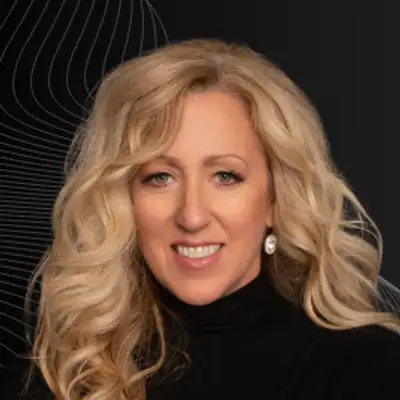
Hosted by longtime BNI leader and CliftonStrengths Coach Tammy Zurak, this podcast is your weekly boost of insight, inspiration, and action. Whether you're brand new to BNI or a seasoned member, these conversations will help you take your chapter engagement — and your business — to the next level.
Hello and welcome back to the Perfect 100 podcast where we help you grow your business
through intentional networking and using your strengths in real life.
I'm Tammy Zurak, a CliftonStrengths coach, business strategist and BNI leader.
If you've ever wondered why some chapters grow while others shrink, this conversation is
for you.
Quick favor, while you're here, subscribe please.
If the conversation resonates with you then also share it with somebody in your chapter.
So today I'm joined by Mendy Lovern, mortgage loan officer, longtime BNI leader, and
someone who has served as both director consultant and chapter success coach for nearly
five years.
She's helped guide multiple chapters, built long-term relationships in a very emotional
industry, and she's currently navigating a major transition with her bank being acquired.
She's also the grandmother of six, and we're recording this just after Easter weekend with
all the grandkids.
Mendy, welcome to the show.
Thank you.
Thank you for having me.
My pleasure.
All right, we're gonna kick it off like we always do with your 45 seconds.
So go ahead when you are ready.
Hello.
I'm Mendy Lovern with Cadence Bank, soon to be Huntington National Bank.
I'm a mortgage loan officer who specializes in single-closed construction loans, which
means my clients finance the land, build and renovate all in one loan and one closing,
saving time, money and stress.
I work closely with builders, realtors and homeowners to make sure the financing is smooth
from the initial plans all the way to move-in day.
Whether someone is building a custom home, buying
fixer upper or renovating their current home, I help those projects and help turn those
projects into simple predictable financing solutions.
Once they were within 30 days of completion, we offer a free float down should the rates
be lower.
So one closing versus two simple and easy.
Mendy Lovern, Cadence Bank.
Love that, awesome.
All right, so before we jump into business, take us back a little bit.
Tell me a little bit about growing up.
What kind of environment did you grow up in?
Did your folks work?
Tell me more.
Okay, so growing up it was a lot different than my life now.
I actually grew up in a very dysfunctional home and my stepfather was the perpetrator and
all and was actually sentenced to go to jail for nine years.
A lot of people, yeah, I share this story just because of the resilience and probably the
determination that I have today.
part to that.
know, ah with God and uh those things, I think it just made me stronger and more
determined to be successful in my life.
And yes, it was quite an ordeal growing up, but uh you know, we made choices that uh
my children would not have those same experiences that I had growing up.
So, ah and I'm thankful that, you know, those things didn't happen to my children.
So you can make a difference in life.
You just have to make the right choices.
Okay, well I'm sorry to hear that you had to go through some awful things it sounds like.
Were you, did you have the, you the kind of person who took responsibility early on in
life or did that develop over time?
Yes, I was the oldest of four, so that kind of comes with leadership from the very
beginning.
so, yes, even as a little girl, I took on that role of being the leader.
uh then with all of the things that the four of us went through, ah you're a protector and
those sorts of things.
the different things that cultivate, you as a child,
uh Yes, the leadership would definitely come out in that for sure.
Okay.
Were you, did you go to work early or, you know, was that kind of the family unit where
you were, you mentioned leadership and that's a, that's a big thing, right?
Is my dad grew up in a family where there were kind of, I'll just say absent parents.
So he was the oldest of six and there were some alcohol issues in the family.
So that became a, he took over as, you know, what you're saying, the leadership.
And I've seen that in his life where he kind of has.
risen to the challenge of leading the way because he went through those experiences
because somebody had to pick up, somebody had to take care of everybody.
was that something that you did you early on in your career that you kind of saw that
showing up for yourself?
Yes, so I actually started working at 15.
Yes, I worked in a grocery store.
I remember minimum wage was much different than these young people these days.
Don't they really don't know how well they've got it?
Yes, yeah, so kind of share my age.
It was $3.35 an hour.
Can you believe that?
um Yes, um but yes, so I've worked at a grocery store for several years and then I
graduated high school and.
uh
Actually, I did not go on to college.
was kind of grew up in a small town, Houston, Mississippi.
And, you know, as you your parents do, so do you kind of thing.
So got married right out of high school.
I was a few days me and 18 had my first child at 20, my second at 23.
So kind of grew up with my children.
actually worked in a factory.
for the first 10 years of my work, my adult employment history, and had an opportunity to
get into a sales job.
My first sales job was selling pre-meet funeral arrangements.
So that was interesting to have that.
And you know, I did well.
And so then I went to work at Yellow Book.
That's when the phone book was, you know, very good.
Yellow Pages too.
I did.
Yes, so and that's how I got into mortgage is actually one of the businesses that I called
on was a mortgage broker and he said, hey, you would be pretty good at this.
And at that point, my boys were young.
So and I was traveling a lot.
And so I decided to take on that challenge.
And it it it said I love love love what I do.
I've been in the business since 2004.
I've grown.
started out at entry level, obviously.
and I've just worked my way up.
So the mortgage broker that I worked for, I was actually the last employee that he had
before he closed the business back in 08, 09.
He actually closed the business in 09 after the major mortgage crisis that hit in 2008.
So then I went to work for Renaissance Bank.
I worked there six years and then I came over.
At that point we was Bancorp South.
So, and I've been here almost 11 years.
Okay, I can't imagine that that's an interesting path to get to where you are.
think that it's always a lot of asking these questions because it's kind of seeing how
people, know, everybody walks a different path to get to where they are, right?
And I think that makes it, we've all had our challenges, some a lot more than others.
um So it's always interesting to me to see kind of what
the backbone of who you are today is because if I look back, way back, I feel like I was
probably working the minimum wage when it was less than yours, what you said.
I don't know, we'll see.
But uh I think it's great that the path is everything along the way gets you to where you
are.
So do you feel like anything from your early life still shows up in how you work with
people today?
Yes, you know.
We grew up obviously poor, single mom and all.
you you want to help people uh obtain the American dream of home ownership.
so a lot of people, coach them throughout the process because when they first meet with me
to apply for mortgage, you know, their debt to income ratio may be too much.
And I actually teach different classes on financial peace with Dave Ramsey on
budgeting and that sort of thing.
I wasn't taught that as a child so I learned that and then I share that with my clients.
You know they may not be ready right then to purchase a home but we look at ways that you
know we can improve their credit score, we can improve their debt income so that they can
purchase so just passing that information maybe that I didn't learn as a child but I've
learned over the years to people that otherwise no one is
offered to share that information with them.
They don't understand how to do those things.
So I think just giving them that extra help has probably helped me during my career more
than anything.
Awesome.
Yeah, that's a, my husband and I were talking about this the other day, the financial, if
you didn't grow up with parents, neither, we both owned a business and neither of us grew
up in a family of entrepreneurs.
So, you you kind of have to figure things out yourself sometimes and, or in my case, I
look to mentors because I'm not a try things and, you know, fail.
tried over it keep trying all these things and you know not doing well I would rather the
straight line to the top is to somebody who knows what they're talking about right so but
I feel like finances and purchasing homes and you so you talked about business in your 45
seconds also so you're doing loans for business also is that did I hear that right
No, so mine, I strictly am residential.
Okay, so the construction, what did you, sorry, tell me more about what the, in your 45
seconds you were alluding to.
It's a single close construction loan.
So typically in the past, you know, you, if you wanted to build a home, you would go and
talk to a commercial lender and they would set up a construction line for you.
Well, this, program that we offer now, uh, combines those.
So it's, uh I can actually offer the construction loan, uh, for someone like we've got a
closing this afternoon.
We'll close on their construction loan before they even start dirt work on the home.
So,
it's all in one single closing.
So when we close this afternoon, the builder will actually get a disbursement ah of 10 %
for the startup draw and they'll start all the dirt work foundation and then uh they'll
have 12 months to complete that project.
Okay, another, if I'm hearing that right then, that's different from what others are
doing.
So they're able to maybe move more quickly into building the home or attract a good
builder because the builder is going to get money right off the bat.
Is that right?
Correct, correct, yes.
And typically these loans, you know, if we have all of the project documents like the
house plans, construction contract, all of those things from the builder, we can close one
of these, this type loan in 30 days.
I mean, it's not a long drawn out process.
So, yeah, so the people, you know, our clients really appreciate that, that, you know,
they can get started on the construction.
You know, they're always trying to beat the weather.
So to get that foundation poured and such as that.
that they can get their home started.
Yeah.
Yeah, I could, the construction was throwing me off.
think I heard construction and that was business.
So yeah, my brain was not connecting the dots there.
um mortgages.
So I feel like this is potentially a very emotional decision for people because there,
some people have never bought a house before.
I know when I went through, I've talked about it here on the podcast before when I was
trying to buy my house and here we moved from Wisconsin to here and in the middle of the
process, the person who was working
the mortgage on the other end, dropped the ball and we, all my stuff was on a truck and we
were on our way here and I had no mortgage secured.
ah So at the last second, the realtor here that was phenomenal picked up the ball,
connected me to the right mortgage person that they worked with who knew the builder we
were buying the house from and basically untrust they went ahead and closed because she
was like, it's gonna be fine.
And they all knew each other.
So, you know, that's a relationship that we all
know, strive to have in BNI is that somebody's gonna just say, yep, you're good to go,
right?
When I know this person and it's gonna be okay.
um So what did you learn early about kind of guiding through people through that emotional
process?
One, you've...
you've got to be authentic.
If there is an issue, ah I share that upfront.
If there is anything that ah could delay a closing, you always share that upfront.
ah But I think doing your job well on the front end is going to avoid those type issues
that, unfortunately, that you experienced at that point.
ah we just try to, I think communication, uh
staying, keeping them in the loop of what's going on, where they're at in the process.
And the realtors, you know, as you gain that trust, they're going to refer you and just as
your realtor did, they know who to contact that's going to get the job done.
Right.
So yes, that's just building that rapport and that trust.
And then, you know, that's where the referrals come.
They're going to trust you and they're going to send.
I had someone text me this morning that's sending me their sibling or friend or what have
you.
And that's where it comes in.
You do a good job for them and they trust you that you competent.
Then they're going to send you more more business and more referrals.
Yeah, that trust is everything that we were referred.
I mean, I wasn't in, I didn't have my own business at that time.
I was working corporate and we, a friend sent me to that person who apparently, you know,
it was a communication issue is they, they said we needed this thing or that thing.
And at the last minute when we couldn't get that thing, then that just fell apart.
And we're like, you know, we should have known this before all my stuff was on a truck.
Right, yes, yes, it's a lot.
It's so much anxiety and stress and you know um you've got to be able to navigate all of
those waters because you're dealing with realtors and uh the homebuyer, insurance agents,
attorneys.
So there's a lot of moving parts that that you know loan officer brings together to make
sure that that closing happens on time when it's supposed to and it's a peaceful process
for the borrower and they don't see
all of the back office stuff that's going on, whether it be chaos or it's running smooth,
you just want your borrower to have a peaceful experience and a good experience.
Yeah, we were, and I've said this before too, but in case somebody hasn't heard it, was
like, were, not only was my stuff on a truck with no mortgage, my dog went into the ER up
there.
So I was in a hotel ready to close, you know, the next day or two, I can't remember how
many days apart, but I was here ready to be done and move into my house.
And my husband called me and said the dog was in the ER and had the vet talk to me because
he was too afraid to say.
that it was touch and go.
And fortunately, didn't, I drove all night long to get there in the morning, which was
crazy, but he made it.
Everything turned out fine.
We got the mortgage and house and all the things, but that is not an experience I'd like
to think about.
em But, you know, for the benefit of our conversation, I think it's a good one that having
the right people really matters, right?
So.
so.
So you're in a bank that, it sounds like you've been through a couple of these now, and I
was telling Mendy off the line that uh we're from Ohio originally, my family, and so we
had Huntington Bank in Ohio.
My parents still have Huntington Bank and they're in 80s now, they're in Florida and
they're down there.
So what's it like, you're getting transitioned over and it sounds like that's not the
first time.
So what's that transition like for you to go through?
So initially it was quite scary.
We learned on October the 27th that Huntington had actually bought Cadence Bank.
You know, it comes on the news and everybody's, you know, the chitter chatter and the
phones are blowing up and all of this.
over the last few months, they have done a really, really good, Huntington National Bank
has done a really good job of slowly integrating and their systems and getting everything
set up internally.
uh
everything.
and I have been very excited that uh with the size of that bank uh will be in the top 10
in the U.S.
as far as a regional bank.
So that's going to set us apart.
is going to be very strong.
I've been really impressed with the bank.
They've got some new programs that we're going to be able to implement.
It's going to really help our our market.
And we've actually already had several that have taken advantage of some of those
programs.
For example, if it's an FHA or VA loan, Huntington Bank is offering up to $5,500 as a
promo that basically that's free cash.
So when we enter
their application, can send it for review and it comes back.
So I've had numerous that have come back that's up to $4,000 and they can use that money
to pay to buy the rate down or for their closing cost, what have you.
So Huntington's going to give us the tools that we need to be more successful in this area
and they truly care about the people.
That's something that I've learned through a nonprofit that I serve on a board.
They actually had
nonprofits that they personally met with here in Tupelo and then they flew two of them to
Columbus, Ohio for a larger scale meeting of how they can help this area and they actually
gave them a large sum of money and they don't want the recognition for it and that was
something different because most banks want the media, the cameras, all of that but
Huntington
didn't and I thought that was really neat that you know they they're that large but yet
and where they could really make an impact where people need to know because we're the
Cadence Bank that headquarters is here in Tupelo.
So to make that impact here in our area would be huge but they chose to keep to to stay
with how they've done business all you know since 1866.
Okay.
Well, that's awesome.
That it's rare that you, you know, it's not just the social, you know, that we want to get
the pictures.
It's just, we really want to support the community.
So love
Awesome.
All right.
Let's take a little turn and let's talk about BNI.
So you've been a BNI coach.
We had different names.
We were both in the franchise and then we're both in the core.
whether you're a director consultant or chapter success coach, and now we're back to
director consultants again.
um for nearly five years.
What do you see in chapters that most members don't?
I that what I see in the chapter that most members may not is if they will just stick with
it.
You know, initially when you first join BNI, won't get rich quick, you know, I'm going to,
and they haven't quite bought into the givers game mentality and all of this.
So, you know, when we are interviewing and even that first or second year member is still
hard for them.
I think to see the overall picture of what it's going to look like for them long term.
BNI isn't a quick, it's a farming.
It's not, you know, it's not immediate results.
A lot of times, sometimes it can be depending on the business, uh it just takes time.
So uh I think the givers gain mentality of, you know, just take it slow, do what you do,
what we know that we were going to teach you during that mentor time of doing the
one-to-ones and getting to know the members and letting them get to know you and that the
referrals will come.
Right.
Yeah, I agree with that.
is a often I think people don't, I mean, I couldn't grasp when I started, you know, 11,
almost 12 years ago now that I would still be sitting here and being I, know, having not
only built one or built now I'm on building two businesses through it.
And you just can't see the force through the trees when you're first starting out is you
get the concept of showing up and people helping you.
ah But you know, don't necessarily see the long-term breadth of what it can be and what it
will be if you learn the things that make it work, right?
So speaking of things that make it work, what are two or three behaviors you think that
you see members doing that make it work?
What are the kind of the main things?
think the first thing that people need to do is to build those relationships.
Through BNI, I joined in 2011, through BNI, I have met people that I would have never met
before.
And that's the same thing for each of our members.
If they will take advantage of that room and other chapters even, that's outside, we've
got three chapters here locally, so if they would meet with other members of other
chapters, I mean, the world's at your fingertips, literally.
with BNI.
But I think building those relationships, that's gonna be the biggest key and how to do
that initially is through our one-to-ones where we meet offsite, outside the meeting and
meet with people.
And be serious about it.
It's not just a social lunch or breakfast or if you meet in an office or what have you.
I still take my one-to-one sheet with me and we alternate going through those questions.
um And that's how we get to know each other and learn more about each other's businesses
and how we can refer one to another.
For sure.
So how about the chapter?
So you're in what was for the longest time, the largest chapter in the region where we, so
I'm in Tennessee, you're in Mississippi and you guys were always kind of, at least for me,
the target for, got to beat them because they're the big ones.
em And you guys have had some contraction lately.
um So having been on both sides of expanding and contracting, what have you learned from
that?
So everyone is.
not meant to be a member of BNI now be in a corporate may say different, but BNI is not
for every person.
And although we would like for that to be, but it's just not.
So our chapter, I actually serve as vice president currently.
um So our chapter has been through a culling time of where, you know, there's been some
members that we have not renewed.
um There's been some that have
to move on and not renew.
And so I believe we're down to 32 members and we had we were pushing 50 at one point.
uh But in that in that time to you know our membership, I don't think we was as strategic.
ah
when we were interviewing the potential member and explaining the commitment that you're
making when you join BNI.
It's not just you get to come and go as you do in Kiwanis or the CDF, Chamber of Commerce.
It's different.
It is a commitment.
And as we're committing to you as a chapter, we want you to commit to us to be here, to do
the one-to-ones, to make it successful.
uh
We're actually in a growth sprint right now.
We've got a competition going between our chapter to see who can bring the most visitors
this month so that we really want to get back up to 40 before the end of this fiscal year.
Okay, awesome.
Yeah, and I think that um all of those things, right, is that if you don't bring the right
people in on the front end, or oftentimes they look like the right people on the front
end, but they don't necessarily hold to that over a period of time or things change and
they, you know, for whatever reason, they just stop doing what they were doing.
All of those things need to
be looked at because their success or lack thereof is also the chapter's success or lack
thereof, right?
So this seems like a good time to show your power of one.
So let's roll over to that.
All right.
So you have a score of 85.
You are in the green.
So your attendance is
in the green at 20, your referrals per week are in the green at 20, your visitors per week
are in the gray at five, your one-to-ones are in the green at 20, and your CEUs per week
are in the green at 20.
And then I've got your palms report up also.
So uh you have no absences.
uh Your referrals given inside are 14, referrals given outside are 20, referrals received
inside are two, referrals received outside are 11.
visitors are one and this is over a period of six months.
forgot to mention that.
One to one's 48.
Thank you for closed business that you've given is $191,353 and CEUs are 35.
So from all of that, what do you, if you were looking at that as from some, if this was
someone else's reports, what would you tell them?
one that I need to invite more.
That's that's one, but um but if I were looking at someone else and coaching them at this
point, I would I would really brag on them about the thank you for closed business part.
That's what it's all about and my numbers have always been kind of skewed in that way that
um I've given more than I've received and that's really what you want in BNI.
It's it always comes back so but you
Yes, I'm very proud of that number that ah the referrals that I've given have actually
turned into closed business for those people.
Yeah, that's awesome.
And I think that um it's definitely a trend that everyone would like to have, If you're
hitting all the measurements, so to speak, then you're going to get it all back.
the givers gain part of it.
feel like mine has always been what I've given is higher than what I've received.
And as I look across kind of other people's, I feel like that's also the same.
So I think that's a good measurement for as long as you keep giving, you're going to keep
getting, right?
So, you you're doing all the right stuff.
um So when a chapter starts to decline, because you've seen a bunch of different ones, um
being a coach of them, em people often look externally to say, you know, it's, it's, you
know, the market changed or, you know, whatever that looks like.
From your perspective, what's the real breakdown when you're seeing a chapter decline?
From my experience, they have drifted away from BNI policies.
I'm a rule follower and typically those rules have been proven over the last 45 years.
whenever we are 40 years, so, yes, 41 this year.
So once the chapter starts to bend the rules and maybe um being present at the meeting,
your absenteeism, it's just different things.
And if you slide a little here and then you slide a little and then the next ELT may slide
a little bit more, before you know it, you may not even really look like a BNI chapter
because you've slid so much farther.
left or right whichever direction you want to say but yes yeah you just slid and before
you know it you just you know you let so many exceptions or you know you've just forgotten
and I think that's going to be one of the biggest things is that they have just let things
go and then it's hard then to get back to the you know the the basics of BNI and doing
those things.
that make us successful in a chapter.
Yeah, agreed.
think that it's culture, right?
At the end of the day is the culture slides away from, it's not, you use the word rules,
which it is the rules, but it is also what I like to call the framework of success, right?
It is if you just do the things we just showed you, the PALMS Report, if you're watching
on YouTube, if you're not watching on YouTube, go to YouTube and watch it on YouTube,
because you can see our faces and all the reports and see what they look like.
And do subscribe while you're there.
uh I side note, but I think if you're looking at, know, the reason we track all this stuff
is because that's what makes people successful.
And when we come at it from a, it's that thing I have to do, uh that is the thing that I
most often hear from people coming to visit that when we, at the end, when we go around
and ask them to say what they liked about the meeting, so many people are like, I like
that you
have some accountability because they either enjoy accountability themselves, like they
have it in their business, or they have none.
And, you know, as a business coach, I can tell you that accountability is in short supply
when it's your own business.
When it's just you or, you know, you and a couple people, that accountability is, can be
really hard to do the things that grow your business.
And that's what I mean.
You know, it's like, if we don't force ourselves, it's like the gym, you know, you can buy
the gym membership.
but never go.
But if you were like the trainer, the chapter in some degree, I'm the business coach, I'm
the actual trainer, but uh the structure that is given is so you have success.
So uh when people execute it, then they do really well.
It's amazing.
All right.
So when leadership teams, so you're on the leadership team, you're vice president.
they, new leadership teams,
come in and they step into the role, what mistakes do they make?
think that they.
want to please, they think pleasing people, you know, they want to be the best or, you
know, the most accommodating, that sort of thing.
And you can be those things, but we just have to do it the through accountability and
through the structure of BNI.
But I think that's one thing that, you know, they try to do is just to, I want to be the
cool ELT, you know, I want to do things and I want people to, you know, say, hey,
had the best, you know, that was the best year ever and that sort of thing and you want to
go out with a bang but I think one thing that they can do is we can have fun, you know, we
love to have fun.
We can have fun but we're also going to do things the right way.
Yeah, well, and it's funny because sometimes we put the wrong, I'm a CliftonStrengths
coach and we're going to get to yours here in a minute, but we put the people with the
wrong strengths in the wrong positions and expect them to do well.
You know, if my number one thing is not something that lends itself to the position, I'm
probably not going to be as successful and neither is the chapter.
And I think that's the big piece we miss is if you, can put anybody in any position.
But if they're not inclined to, if their strong suits are not inclined to do the things
that that role requires, then they're not gonna be successful.
And in turn, we're not going to be successful, which is the bad side of that.
And coming from a VP perspective, what do you think is the most important thing for all
the VPs out there listening or coming into next term, we were talking on our...
team called this morning about, know, next leadership team is in October, which is a bit
away from now, but we're already thinking ahead about five, six months away.
I can't do the math in my head where we're at, we're in uh April.
ah So it's a little bit away, but we're trying to, as coaches, decide, okay, who do we
need to kind of start to look at to say they can, instead of just throwing them in there,
that we can understand how we can train them, make sure they're the right ones, et cetera.
So from a VP perspective, what do you think's the most important thing?
think one of the most important things is to choose the right membership committee.
But you you're as the VP, you're kind of leading the member, well, you're leading the
membership committee.
But if you've got the right team of membership committees, it's going to make your job as
VP much easier.
You know, during the course of a year, you're probably going to make some really tough
decisions about members and you know, their membership or what have you.
And things are going to come up that members
membership has to deal with.
ah So I think choosing a right mixture of membership committee is very important and we
look at that, you you want men, women, um know, ethnicity, all of those things factor into
this.
uh
And you want to uh start training some new members in some capacity to lead eventually.
I think one thing that we've learned is that we've got to be cautious as far as a new
member to give them too much responsibility too early.
We've started in our chapter, and this may be something that other chapters want to do.
as but we've got like, we already know who our top three are gonna be for the next year.
And when our team was chosen, that was chosen um two years ago.
So we start, you know, teaching and training and, you know, mentoring.
those new leaders early on so that you know it could the training that we get in September
you know that's only a few hours and it gives you a brief overview of what you're going to
be doing for that next year but if we can kind of mentor them up for a year in advance or
whatever that looks like it's going to equip them to be a much better leader than just you
know that few hours in September before they take office in October.
I love that you treat it like a board where, you know, there's an incoming uh kind of
sitting in the seat at leadership behind the person that's actually doing it.
And if, if only we had the structure to be able to do that, right.
As you guys do, you guys have created that and the foresight to be able to say, you know,
we know who our strong people are that are going to be here for us.
Not, you know, cause
oftentimes the chapters are small enough that they can barely scrape together enough
people to be in all the positions that will volunteer.
And that's, I think, the other piece.
And when you said choose your membership committee wisely, uh we have to have people that
want to serve in all those roles, right?
And without a strong membership, well, literally without all the positions, but the
membership committee is, to me, the backbone of how the chapter will be.
I was going to use the word steered, but that's not the right word.
uh Steered is not the right word.
The tense of that, it's the direction, they're setting the direction for where it's going
to go.
Are we going to hold people accountable?
And what does that look like?
And in those weird cases that always pop up every year, there's always at least one,
there's going to be some conflict, people are messy.
uh We need to have people that are
that are gonna be able to look at all the different viewpoints and say, you know, this is
from my viewpoint, this is what I recommend.
So, you know, and that can't be one or two people.
That's gotta be a team, as you said.
And I know you've seen some crazy stuff and so have I.
Yes.
You think, does this only happen here?
It's like, my word.
It's crazy.
I was going to say people are messy and leave it at that.
ah Have you ever seen a chapter where you knew exactly what they needed to do to change,
but they just wouldn't do it?
Yes, yes.
missing.
I think actually they need to they they needed not to renew members.
They have some members in there that have over the years gotten complacent and um and I've
shared that with them and they said well if we don't renew these members then we're not
going to have a group and they're a chapter probably in the mid 20s but what they don't
understand is we've seen this time and time again is that if you do
do a cleanse, a purge uh of those that are not giving back to the chapter and you know
have no desire to serve in any position that sort of thing uh then you're actually going
to get more people in that really want that chapter to grow and be successful.
If you have a potential business person that goes to you know that chapter right now you
know why would they really want to join that group when they can see
it's so obvious that you know the members haven't bought in to that group.
So it's, but to get the membership and the VP to do that and to see the overall picture
long term ah is sometimes you know it's hard, it's difficult for them.
it's challenging that you've got to one step forward, two steps back, wait, two steps
forward, one step back, whatever direction that goes.
Sometimes you have to take a step back in order to go forward in a successful way.
You've got to kind of pull out some people that are hurting you.
And that all goes back to, know, my favorite, anybody, you know, at beginning, sometimes
people ask you what your core uh value is.
And everybody knows mine is accountability because
And I have a podcast where we talk about accountability, right?
So I think that it is a, because it's the, if you just do the things, everybody will be
happy, you know?
And it's, it's, as you said to, you know, visitors come in, it's obvious to them when it's
not working.
It is also very obvious when it is because guess what?
Everybody wants to be in your job, Everybody.
They start.
It's like you can't fend them off with the stick.
We've got three in the pipeline right now.
I'm in the largest chapter in the region.
And that isn't by accident.
It's because people want to join.
And that happens.
it's even like just being the biggest one.
Then people just want to join because you've already done all the work to get it that big.
You've been there.
know, everybody's coming knocking down your door every week.
There's visitors because they just look on the thing and go, you're the big one.
That's where I'm going.
um
But to get to be, everybody can be the big one.
That's the cool part is, you know, it's the dead weight, the anchors that are at the
bottom that are waiting you down.
We just cut them loose and suddenly now we spring back up.
It's weird.
All right.
Well, speaking of account of it, not accountability, but speaking, let's transition over
to strengths.
So let's talk about you some more.
So you were CliftonStrengths from the top.
I'm going to go ahead and read them for everybody.
Your number one is Achiever.
You work hard and possess a great deal of stamina.
You take immense satisfaction in being busy and productive.
You're number two is developer.
You recognize and cultivate the potential in others.
You spot the signs of each improvement and love when you see someone make progress.
Even number three is consistency.
You are keenly aware of the need to treat people the same.
You crave stable routines and clear rules and procedures that everyone can follow.
Number four is belief.
You have certain core values that are unchanging.
These values provide direction and a strong sense of purpose.
And number five is communication.
You generally find it easy to put thoughts into words and you are a good conversationalist
and presenter.
So the question I ask everybody is, what did you think when you saw your results?
Not surprised so much, but I was so much on the executive side of things um that the
relationship building I thought I would have scored higher in that category.
so it not so not so surprised because each of those five things that you just listed,
that's me better or worse.
ah But.
Yeah.
sometimes I know I say that because I have, um, command is high in mine and my, I'm in my
top five is commands, which when it's, when you say command, sounds bad to people.
I, you know, I feel like it sounds bad, like, Oh, she isn't, you know, she wants to be in
charge.
And it isn't that it is just that I'm willing to do the things that other people won't do.
to move things forward.
um And that is, I think that, you need somebody like that sometimes, because sometimes
things don't go well and nobody's willing to put their neck out and I am.
So, we need all the strengths.
We need somebody that does all the things.
uh So, when you and I spoke off the podcast here, you mentioned the purples.
So you had three purples, a blue and an orange.
So that means you had three executing themes, a relationship building theme and a
influencing theme.
And what did you say to me?
Do you remember?
can't remember exactly.
Oh yes, yes.
So yes, I was curious as to why I didn't have any of those.
You know, is that normal that people may have more strengths in one category versus the
others?
For sure, yeah.
So we all have a theme that is what we call our influencing theme, our eight overarching
theme.
Mine is influencing yours.
In this case, now we only have your top five.
So, and that's where I was gonna tell you, I'm like, let's just wait till we talk on the
podcast.
So, because everybody has this question.
So when you look at it, everybody's first reaction, when you only get your top five, and
that's all I ever did, the first two times I took this, I only did my top five.
So you're lacking some additional information that follows in the full 34.
So the way they arrange it, when you do your full 34 and nobody that is not watching is
gonna be able to see this, but I'm gonna hold it up anyway.
So this is mine just to kind of give you an idea.
You're getting, they list the top 10 here because you, and the top five are bolded.
So they're bolded because those are your go-to.
Those are you're not even thinking about it.
It just is you.
um You're not thinking about achieving.
Your brain's already like, I'm gonna be good and I'm gonna follow the rules doing it and
that's just who you are.
um The top 10 really though are kind of a little bit interchangeable.
You can be in your number six and seven and eight the same way you're in your top five.
It's just you don't have the rest of that information.
So it is very likely there's some green um or other colors that are in that top 10.
And so your top theme is just going to be the most that you have of those.
But none of them, doesn't mean, there's 34 on here, doesn't mean I can't be any of the
things on here.
It's just not what's innate necessarily.
So at the bottom, I have Includer em or Harmony.
I talk about Harmony a lot because it's an easy one to talk about.
people, I want harmony, but I prefer the other things.
I'm going to figure out how to make the other things happen first.
And so that might upset an apple cart, you know, is, is it isn't something I can't do.
It's just not my main thing.
I'm going to find a high harmony person if I'm going to make, because mine are strategic
relator, maximizer, command significance are my top five.
I'm, changing things.
I'm, you know, impacting things that is going to upset harmony.
So, you know, and sometimes included because not everybody's going to be included.
Some people might be excluded depending on what it is.
So, you know, but if I need to move a group of people, then I'm going to find others,
which is so on the ELT, when you have a strong ELT, typically they have different sets of
strengths.
or a membership committee is the same way as you want people with different strengths,
because I might just be quick to say, you know what?
They're in the gray, they've been in the gray, they're not coming out of the gray, time to
go.
And somebody else might be like, but wait, there's some more redeeming things that are
happening.
uh So you need that balance um and that's okay.
So you might wanna unlock the rest and I'm gonna feel pretty comfortable.
You've got some probably green in your other ones there.
So what you...
have high executing themes, what from that, how does that show up in how you run your
business?
Well, we I'm commission based, so almost like being self employed.
um So if thankfully I guess I've got those traits because if I didn't, I probably wouldn't
have a job.
So um but yes, and then following the rules is good because I won't go to jail for fraud.
Those things.
That's a good plus.
But but yes, I have been a top producer.
since I've, Lord, when I was at Renaissance, you know, year after year after year, I had a
two year where I wasn't, I went through a divorce a years back, but, and those were the
only two years that I haven't been.
So it's, you know, I really hold myself to a higher standard.
I don't know if this makes sense, but sometimes I get on my own nerves, you know, because
I just want to just sit back and just relax and all of this and, um
now.
Yeah.
can't do it.
just push, I push, I push.
then, know, as I was reading those, um you know, the details of each one of those that was
listed as, you know, I see it.
I serve on a board.
I'm actually president of a board for domestic violence and sexual assault.
And
going back a little bit from my childhood, that is how I'm giving back to preventing those
things, making that change to help others to where maybe we didn't have that when I was a
child or we didn't know about it as a child, but now we're bringing more awareness and all
of these things and we're making those changes so that others can, they don't have to
endure those things or go through the same cycles of all of that.
oh It's just feeling that sense of accomplishment that you're doing good.
I help people achieve the American dream and then that part, serving on that board, it
really fulfills the inner part of me as giving back with people going through some of the
worst trauma of their life.
yeah.
I suspect your belief, high belief comes from some of that, right?
Is in the, the achiever.
Um, I have high achiever also, and that it's just, you never take a break.
There's just not, that isn't really a, it's not something it's part of you, right?
Is every day there's something I got to be doing it and I'm going to get there.
And, where's that top of, where's the top of that mountain?
Cause I'm going to find myself there.
Cause that's how I operate.
So.
That's right.
have a list and we've got to finish that list and check those boxes.
Yes, yes, yes.
All right.
And how about consistency?
How does that show up for how you treat people?
Because that's something that, you you see everybody, you know, you want to be consistent.
How does that work for you?
Yeah, so you can always judge a boot lights cover.
um And you know, we have to be even in the banking world, you know, we have to be very
We have to be cautiously that we are make sure that we are treating each person the same,
whether they've got a million dollars in the bank or whether they're overdrawn.
You know, we want to make sure that we are treating each person consistently with the same
level of if I do for one, I'm going to do for the other.
You never know.
You know that person that has the million dollars.
Of course, you know they may not have good credit.
You know that we have a bunch of money, but they may not have good credit and then
got the person that that may be overdrawn but they just need a little extra coaching or
help and how to manage their money or whatever so you know you just you treat each person
the same way and you know go by the golden rule doing to others as you have them do to you
and I think if we do that daily and make that effort daily you have to be very intentional
about that you know it just come sometimes naturally
ah So you have to be very intentional about how you treat people, even in BNI, you know,
you may judge someone that, well, they're going to be a great member, like you said a few
minutes ago, but, you know, a few months down the they're no longer a member, they've
left.
we have to be, you we have to do our due diligence with each person and treat them all the
same, give them the same uh mentoring and all of those good things.
Yeah, you it's interesting the way you're saying that it just made me think of is that
consistency is a great trait in a leadership team because we need everything to operate
well for it to work.
Everything, right?
There are all the rules that exist.
And I don't know if everybody knows this, but there's a board of and if you've watched the
Ivan Meisner episode that I did.
We talk about the, I forget what they call it, but the board of people that make the rules
that we talked about, you know, that was all, they were all members.
They've all said, this is what we need to have happen in a chapter for 41 years.
You know, they've honed it to say, if you just do these things and we hold people
accountable and we put people in the right roles, then it will be a success.
But the consistency of it is sometimes we have a great...
this team, not a great that team.
You know, if we don't have a great, we have a great membership group, but we don't have a
great mentor group, then we fall off at the, you know, we get all these great people in
and then nobody's training them or we don't interview.
Well, the converse of that is we don't interview the right people, bring the wrong people
in, and then we can't train them because they're not the right people.
So yeah, it's, it's, it's a good, a good tie back to that.
All right, so we're gonna jump over to the quickfire round.
So just some short questions and short answers, although sometimes they go long, but
that's okay.
So if you had a full day with no responsibilities, what would you do?
We would, my husband and I would be riding our Harley.
I'm a Harley girl.
Okay, nice.
And not working, even though you're an achiever.
On a Harley.
Yes.
Although Google glasses, I don't know, something like that.
All right.
Which do you prefer, first time buyer or investor?
first time buyer.
Okay, what's one mistake buyers make?
I think what I'm seeing more now, especially in millennials, is that they are trying to
buy their forever home with their first home.
Yes.
interesting.
I like to hear that.
ah What's something that surprised you or what's something that people would, what's
something about you people would be surprised to know?
uh Some that I love to ride a Harley motorcycle rider.
Yeah, you don't really sometimes equate that with a banker.
um So I think probably that um I think some um on another level is that I don't have a
college degree.
And that's something that I'm pretty proud of what um God has helped me to accomplish.
um
these years without an actual degree.
It used to bother me a lot.
And as I've uh improved in uh what we make, I'm very thankful because I make money that
people with doctorates make and just been very blessed in that and how God's blessed us
with that.
Love that.
And I think that, I don't know the exact numbers, but there are so many people that didn't
complete college that are so successful.
know, it's the book's smart sometimes.
I didn't finish my first round, I went back later.
That was for different reasons, because I kind of felt socially stunted when I went to
college.
I became un-socially stunted.
Which turned me into who I am today.
ah But there's a lot of reasons why it doesn't happen and having success despite that I
think is a great thing.
All right, ah what's one BNI habit everyone should master?
think to give quality referrals.
Okay, what's the, let's see here, what's the market like in one word?
volatile.
And this is April 2026 in case somebody's watching back later for reference.
All right.
And finish this sentence.
Success requires...
hard work, dedication.
And the last question is, what do you hope your grandkids learn from your life?
You can do anything you set your mind to do and just be consistent and determined.
I think that's probably one word they'll say at my funeral.
She was a determined woman.
That's great.
I love that.
Well, Mendy, thank you so much for being here.
It was a great conversation and I hope everybody loved hearing all the things about how to
be more successful and learning about you.
Thank you.
Thank you so much for having me.
My pleasure.
All right, everybody.
And if this episode gave you one insight that you can apply this week, guess what?
Hit subscribe, share this with someone in your chapter and send it to somebody who is
serious about growing their business.
Because here is the truth.
Chapters don't grow by accident.
Businesses don't grow by accident.
It happens when we consistently execute every week.
And that's what this podcast is about.
So if you want more conversations like this,
Make sure that people see them by doing all those things I just asked and we will see you
next time on The Perfect 100.