Subscribe
Share
Share
Embed
Welcome to Defining Hospitality, the podcast focused on highlighting the most influential figures in the hospitality industry. In each episode we provide 1 on 1, in depth interviews with experts in the industry to learn what hospitality means to them. We feature expert advice on working in the industry, behind the scenes looks at some of your favorite brands, and in depth explorations of unique hospitality projects.
Defining Hospitality is hosted by Founder and CEO of Agency 967, Dan Ryan. With over 30 years of experience in hospitality, Dan brings his expertise and passion to each episode as he delves into the latest trends and challenges facing the industry.
Episodes are released every week on Wednesday mornings.
To listen to episodes, visit https://www.defininghospitality.live/ or subscribe to Defining Hospitality wherever you get your podcasts.
DH - Hugh Taylor
===
[00:00:00]
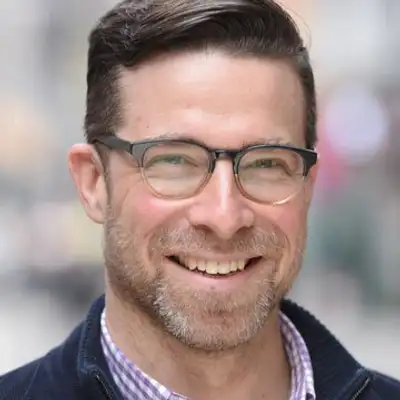
Dan Ryan: Today's guest is among the most accomplished executives in British hospitality and an experienced hotelier with 35 years of experience.
He was honored with the appointment of Order of the British Empire in 2008 for his services to tourism and hospitality. He's the three time chairman of the Hotel Marketing Association, visit England and the Hilton in Community Foundation. He's the CEO at Michelle's and Taylor. Ladies and gentlemen, welcome Hugh Taylor.
Welcome, Hugh.
Hugh Taylor: Thank you. Thank you for having me.
Dan Ryan: So, I think actually, I, I don't think I absolutely, 100% and confident you are the first, um, OBE that I've had on the show. So please, for all of our listeners, everywhere else in the world, please share with us what that means and how you got that. And then I'll ask you how, what hospitality means to you.
Hugh Taylor: Well, that's, that's kind of you to bring it up. Yes, I got it very cheaply. I should tell you, Dan, the, um, um, the, the [00:01:00] OBE and the, and the honor system in the UK is, is given to people who, uh, uh, have, uh, given services to their industry, but more importantly, have done 40 years of charity work or won an Olympic gold medal or something along those lines.
Um, I happened to have, um, a non-exec role in government, uh, running a tourist board whilst I was at Hilton, where I ran a division of the business, um, for which at the end they give you a gong a, a medal, which is very nice. And, um, it's completely off, off track. But, um, it was this fabulous day. We went to Buckingham Palace, my wife and I, with two of my four children, and, um, we sat, they sat in the throne room, which is where you have the ceremony and you all wait on the side.
And then I went in. And King Charles, who was Prince of Wales at the time, um, gave me the gong, and you stand in front of him, you bow, you go up, you get the medal on the, on the lapel, and they talks to you for a couple of minutes. You bow again, step back and [00:02:00] leave the room. And he said to me, and this is absolutely true, he said, Hugh.
And I thought, how do You know my name? He said, you didn't. We meet at the Tower of London two years ago. And I said, I thought, how on earth do You know that? Um, and I said, yes, sir, you did. And it's very kind of you to remember. And then we talked a bit about tourism and we carried on. And then I left. I went back and sat down and I thought, how does he do that?
And I was looking as the other recipients were going in, and it was very clear that what happened was that there was a guy, a guy in full regalia and a yeoman of the guard, You know, the uniform that the time London people were, um, standing behind him and before everyone turned up, he would go up to the air and go, didn't we?
Et cetera. So he would literally tell him before everyone came up. And I thought that was so clever. And it's only afterwards that you actually think what you should have said. Hindsight's a great thing.
Dan Ryan: Oh,
Hugh Taylor: Um, and what,
Dan Ryan: yeah, the
Hugh Taylor: so,
Dan Ryan: [00:03:00] morning
Hugh Taylor: so. That exactly. So I thought, um, when, um, when he said to me, didn't we meet at the Tower of London two years ago, what I should have said was, sir, I meet so many people.
Um, and, uh, I don't know, were you there? Um, but I thought if I did that, he'd probably send me the, to the tower or take my medal away from me. So I didn't say anything, but it was a, it was a lovely day.
Dan Ryan: Oh, straight to the rack for you. Um, so, but hearing that story, that is one, in speaking to hundreds of people about hospitality and what it means to them. Look, you're talking to royalty. His Royal Highness is there, the prince, now King. Um, his delivery to you felt special to you. felt seen, heard, known, uh, and that comes up so much in all of these conversations.
But meanwhile, the. Oftentimes there's technology, there's a screen, there's someone else with a folio letting, You know. [00:04:00] In this case, it was a, a yeoman that was whispering in his ear, but in a way, for me anyway, it, it doesn't matter what that is. It was a magical experience for you no matter how it happened.
Hugh Taylor: Right.
Dan Ryan: So kind of with that in mind and your very distinguished career in hospitality, like how do you define it? What does hospitality mean to you?
Hugh Taylor: So it, it's a really interesting parallel. I hadn't thought about it before, really, but when you talk to a royal, a member of the royal family, you're the only one in the room. They're trained that way, but they talk to you in a way, unlike politicians perhaps, who are glancing all over the place. They literally just look at you and you are talking to them, and you feel incredibly special.
And that's what you are absolutely right. It's about, and that's true hospitality. Listen, I'm a marketeer. I spent the first 17 years of my career in marketing, ended up as vice president of marketing for Hilton before I went over to the operational [00:05:00] side and then the investment side. And so I will answer your question from a marketing perspective.
Dan Ryan: Perfect.
Hugh Taylor: it seems to me that hospitality is about, um, understanding customers needs, which is effectively the definition of marketing and making sure that you satisfy those needs every step of the way, and that makes them feel special. Wanted, understood and will come back and repeat their purchase again.
Um, hospitality is not just about looking after people. It's about recognizing what they need and making sure that the service you provide is relevant to them, is worth the investment that they're putting into a hotel room or a, a, a restaurant, a bar, uh, or any other tourism facility that's, that's comes under the banner and making sure that they are looked after and satisfied.
It's the satisfaction of needs that's [00:06:00] important.
Dan Ryan: Yes, I couldn't agree more. And given that you worked at Hilton and, and as a marketeer to use your word, um, you've, you've since moved on and you, you with a partner founded your company. And what I found so interesting about your company is, and I don't want to you tell the story better than me, but it, you started off doing one thing and then you've grown into four different channels of business, like, almost like a flywheel within hospitality. you get to see things from. A management perspective, an advisory perspective, um, an investment arm. And you can say it much better than I, but I'm actually fascinated at this flywheel that you have created. And I was wondering if you could just walk our listeners through kind of how you guys are set up and how your definition of hospitality has perhaps driven you to where you are now and, and the, and your ascendant [00:07:00] path.
Hugh Taylor: So I, I've been blessed in my, in, in my career genuinely. I'm, I'm a, I'm an incredibly lucky guy 'cause I've seen the industry from three angles and that's very unusual. I started in marketing, so I, I ran marketing teams in four hotel companies across Europe. Um, and you get a perspective of, uh, the business from a marketing perspective.
I then moved over to operations and I ran hotels. Um, and the people within them, and we delivered to our customers. And interestingly, I learned the industry from that, not from the marketing. The marketing made money for the businesses, and I learned how to make money for businesses. What I didn't understand was what a re what the realities of a product, uh, of a.
Profit and loss accounts are how a p and l really works and how to optimize profits from it. And that you only get if you actually run the hotel. It's a bit like a retailer going back to the shop. I'm [00:08:00] working behind the counter. That's exactly what I did. Um, I had 5,000 people in the team. I had 31 hotels, all branded Hilton.
And it was, it was a big business that I was able to navigate and move forward and, and I learned my trade in that role. And then the third angle, which was even more fortuitous, was to go over to the investment side of the business. And of course, when you are in the brands and in the hotel companies. You are not really exposed to the board level discussions around shareholders and finance and debt and, and equity and all the other things that investors are thinking about.
You're just running the businesses. So I learned how an investor sees the hotel, which is entirely different to how an operator does, and certainly different to how a marketeer does. So I've had this absolutely privileged career, uh, over the 30 odd years that I've been in it, where half of it was in marketing, a third was in operations, [00:09:00] and then in the rest has been in investment.
Uh, and the business that we've created does reflect that we, we want it to be a one-stop shop for investors. So all our clients are investors. They own hotels. They're either investors. Financial institutions, uh, or, um, private equity firms, hedge funds, anybody who has an interest and, uh, an appetite for hotels and, uh, hospitality.
Uh, and we look after them as a client base and we do it in four ways. We have an asset management business and an asset management business oversees managers on the ground. So there is a hotel management agreement with Hilton. We, on behalf of the owner, oversee Hilton to make sure they do a good job.
And we have about just under 2000 bedrooms under asset management. some of the.
Dan Ryan: just for the under 2000 bedrooms, just to give a scale of like how many hotels approximately is that?
Hugh Taylor: So that's about, uh, 10 11 hotels. Um, and we have ho [00:10:00] uh, yeah, they have, we have hotels like the, uh, St. Pancreas Hotel in London, which is a very famous one.
Dan Ryan: Oh yeah.
Hugh Taylor: Uh, we have the Chilton Firehouse, which is Andre Bash, um, uh, hotel in London.
So
Dan Ryan: that place. they, have a great bar
Hugh Taylor: they they did, unfortunately, it it? burnt down.
Dan Ryan: oh,
it burned down, didn't it? Oh,
Hugh Taylor: Yeah. So was,
Dan Ryan: it burned down. I
Hugh Taylor: well, it
Dan Ryan: I was so fun.
Hugh Taylor: it wouldn't have been as fun after it burnt down.
So you went at the right time.
Uh,
Dan Ryan: also
Hugh Taylor: the, the, the ho.
Dan Ryan: sure
that you've
heard that a million times.
Hugh Taylor: Well, you, you, you do know that the guys that came to put the fire out, a couple of them had actually been based in the firehouse when it was a firehouse.
And they came, they came out. So it was a really extraordinary experience. Andre is an amazing guy. I, I love him very much.
And he, he really, we talk about hospitality, he gets hospitality in a way that I've rarely seen in others. But [00:11:00] we oversee Andre's team on behalf of the investors of the Chilton Firehouse. And as You know, they have the Chateau Marmar, uh, in, uh, in, uh, in, uh, la and they have the Mercer in New York and, And so on.
Uh, and we oversee them on their, on the behalf of the owners and make sure that, uh, we can add value and, and get the business to do as much as we can. So that's the asset management side, that we have an advisory business that does feasibility studies. Independent business reviews, strategic analysis, Alon of brand selection work.
That means, uh, some investor comes to us and says, I, I wanna put a brand on the door. We'll negotiate franchise deals, hotel management agreements, leases, And so on with brands. So we work with all the development teams across the industry. Um, and we also take brands off doors if they're value destroying, that's a legacy deal that the hotel doesn't really need anymore or has never really made money out of.
'cause brands aren't the solution for everyone. Uh, sometimes they're just too costly against what they can deliver. So we then [00:12:00] negotiate to, uh, as best we can because of David's, my partner David. So David and my, um, background. We can go up the ladder of the businesses, so we don't just talk to the teams on the ground.
We can go to European level, even global level where needed on behalf of the investors that we have.
Dan Ryan: and then I'm sorry to
interrupt, but just so I can interrupt there. So the asset management with those 17, or I
don't know,
2000
Hugh Taylor: Seven. Mm-hmm.
Dan Ryan: um, about hotels, and that's, that's ongoing continual business. And then the advisory business that's really project based. And it could be a couple of years a year, but you're basically. Doing feasibility analysis, um, due
Hugh Taylor: Correct.
Dan Ryan: before an acquisition. Looking at
Hugh Taylor: It's a
there's a beginning, a middle, and an end of a project. Um, you, we are hired to do a specific project, which we deliver and then we leave. So, at the moment, for [00:13:00] example, what are we doing there? There is a, a college in Oxford that would you believe, um, which is looking to redevelop a whole wing of their accommodation and they want to become a convention.
Center outside term time, uh, because it is just one of the Oxford colleges. Um, so we've been asked to come in, develop a business plan, look at the facility and the product, make sure the product is optimized, that it looks after their term business, but equally is appealing for their. Outer term clients that may be able to come and put a business plan together to show them how much money they can make from it.
Um, we have a, another project, um, in, um, Spain at the moment where there is a big development of, uh, what is going to be, uh, St. Regis in Marbella in the last great plot on the beach front in Marbella. It's a very large project. We've been working with the owner for some time. We negotiated the deal with Marriott to put some Regis [00:14:00] on the door.
We put the business plan together, we defined the products And so on And so forth.
Dan Ryan: Hmm.
Hugh Taylor: And then we have, um, feasibility studies, uh, such as the one we did in Montenegro recently, uh, where somebody decided that they wanted to put a hotel halfway up a mountain in Montenegro, um, in the most fantastic spot. Um, and we wrote a.
70 page reports, which said you should build this at this level of quality, this sort of facility, this number of rooms, rooms, configuration, business plan, commercial strategy, distribution, pricing, all the things that you're looking for to make the hotel successful. Uh, you should think about these brands to go on the door of it.
Uh, and this would be what you'd build. And that is a project in its own right. And, and we get fees for these individual ones. And then the last part of the business is the management business where we actually run hotels for people on the ground. And we have about 3000 bedrooms under management, [00:15:00] 22 hotels, um, mainly branded.
Under franchise. Uh, so we, we are the white naval manager that runs the franchises as a model, very common in America, uh, and is now, um, proliferated across the European continent. Um, but in fact, when I was in Hilton, interestingly, uh, and I left in 2007, uh, we had no franchises in Europe. The Blackstone deal had only just happened.
So it was just starting. And now of course, like all the other hotel companies, these are major franchise operations, uh, and brand companies. In my day, Hilton was an owner operator. It owned all the assets and it operated them all for them for itself, which of course, today is not the model.
Dan Ryan: Yeah, because I feel everything, all capital has kind of gotten so specialized in whatever structure that they're in and they drive their own values. You said that you started. In 2007. So you worked for [00:16:00] Hilton, big corporate entity, like a safe job. Well, nothing's ever really safe, especially hospitality is very volatile. But taking that entrepreneurial step, did you have the vision you took that step just before the financial crisis, by the way, I'm sure You know all too acutely, but did you, did you have a vision of having these three or four different arms creating that flywheel of the business? Or did you say, You know what, know we can do this one thing better.
Let's do this one thing first, and then it, it kind of grew. I'm, I'm just very curious 'cause it seems like such a, a cool self-feeding model that you're able to generate cash flow, um. But also be opportunistic and look for new deals and, and help connect the dots to potentially create more deals that could go into your asset management or management business.
It just seems like an enc. It, [00:17:00] it evolved. I, I think it evolved, but was that part, was that your intention from the beginning or was that just the natural
progression.
Hugh Taylor: That's a great question. Um, no, we had no idea.
Dan Ryan: Okay, good. Because it
sounds so perfect.
Hugh Taylor: I,
I, being very honest, I'm being very honest here. So here's what happened.
Uh, I'll tell you what happened. Um. David Michel's is a more interesting story than me because it was a bit like going into business with God. Um, d DA Dave David is one of the most famous global hoteliers in the world.
Um, he ran businesses like Stacks, which was a Scottish hotel business that he turned around and sold to the Hilton business for a billion pounds when it was pretty much on its knees. When he came in, he was at Grand Metropolitan in the seventies and eighties, which was one of the largest global hotel businesses of all, uh, uh, of all time.
They then bought into Continental in the eighties, and it's became Diageo in the End, which is a [00:18:00] major drinks, uh, company. But that was a hotel company before it was a drinks company. Um, he, he's been involved as director of the Savoy. Um, he was on the board of Jamara in the Middle East. He was. Um, on the board of Strategic Hotels with Lawrence Galler for many years in the States based outta Chicago.
So he, he was really and is to this day an extraordinary hotelier. And it was actually David who was approached by two investors, um, guy called Al Hui, um, who's an Israeli investor and a guy called, uh, Derek Quinner, who was based outta Ireland. And the two of them had bought 42 Marriotts. Um, and, um, Igal through a separate investment community had a bought 16 Hiltons.
Now I was in Hilton at the time and I was running 10 of those. Um, out of the 16, uh, within the division that I had, um, [00:19:00] and they went to David in 2007, just about two years after David had sold Hilton to the Americans. 'cause David was the chief executive of the whole company outside America. So he ran the whole of the Hilton business and then sold it for four and a half billion pounds.
So whatever that is, in dollars to the, to the Americans. And he wasn't in the business anymore, um, per se as an operator. And they came to him and said, will you run this business for us? 'cause we just spent one and a half billion pounds. Um, and we don't, not sure what to do with it. Um, David said, no, I don't do that anymore, but I know Ablo who will.
He came to and he came to me and said, do you wanna be an asset manager? Now, you made a point earlier on, which is absolutely spot on, that if you are in a business, you are entirely in control of it. There's a safety net, there's a structure, there's distribution. They pay your salary. You've got thousands of people who are doing the job [00:20:00] with you.
You know, there, there is a real, um, collective that you don't have if you're an entrepreneur. And that's really safe. I have four kids, a wife and, and a mortgage at the time. And I really needed to make sure that I was okay. So that job was amazing. It was the most fantastic position. Also doesn't do too much damage for your ego 'cause You know, you're seen as one of the senior guys.
So it was, it was really fun. And to come outta that. And take on this entrepreneurial business, which has been a couple of investors. Anyway, David persuaded me to, I said no twice, and he kept coming back to me, um, and said, you should do this. So I went out and, and I said, I'll only do it if you're on the board with me.
So he said, all right, I'll come on the board, but I'm not doing any more than that. And he started there and I started, um, doing, running the business and this is how good we are in three months. The whole thing collapsed
Dan Ryan: Was that because of the financial
Hugh Taylor: [00:21:00] and
Dan Ryan: just
Hugh Taylor: yeah, what am I gonna say? it was
because of me. No, it was
Dan Ryan: Yeah,
Hugh Taylor: it was be,
Dan Ryan: before
Brexit.
Hmm. what
what was it
Hugh Taylor: it was before Xi.
That's right. So, um, the world collapsed around us. We had 22 banks turn up on our door.
Um, in, in early 2008, the first six months of that new relationship that we had with the lenders, uh, was spent with the lenders trying to work out how to talk to each other, let alone, let alone us.
'cause, You know, they'd syndicated the debt, but no one had thought about how we might all work together should the whole thing fall down and no one thought it would.
Dan Ryan: and then, and just curious, is, this is, an adage I hear all the time, but just curious, how much was the debt at
that
point
Hugh Taylor: 95% gearing, I think it was at the, time.
Dan Ryan: what was the, the, the
pound value
or,
Hugh Taylor: Uh oh. It's one, one point something billion.
Dan Ryan: yeah, so what's that thing where it says if you owe the, if you owe the bank. A million dollars. You have a problem if you own the [00:22:00] bank. A if you owe the bank a billion dollars,
the banks have a problem.
So, so that this is why you're negotiating with them.
they're
not just,
Hugh Taylor: Yes, I, I think that's right. That, that, that's a hundred percent right. But of course, remember that at that time. We were just one of the billions
that they had the problem with. I mean, the whole world was falling apart. So this, the, and, and the, and the deals today would never be those deals, and they're not, You know, you can't get over 60, 65% gearing today.
In those days, You know, there were a hundred percent,
You know, 90, 95%. As you get a cold, you get a cold and you go, you go below your covenants and you, and you get into trouble and, and literally the world collapsed around it. I, I, I had to work with Marriott to take massive costs out of the business very quickly on the portfolio And so on And so forth.
Anyway, it took five years to develop, so halfway through to get it out, and we sold the Hiltons to Oak [00:23:00] Tree Capital, and we sold the Marriotts to Adia. The Abu Dhabi Investment Authority.
Um, and, uh, they then did very well with, with both of them. Um, in that time it seemed very clear to me that I was doing myself out of a job,
Dan Ryan: Yeah.
Hugh Taylor: um, because I was selling the only businesses that we had.
We had two portfolios,
so that wasn't gonna be very good. Um, And so
Dan Ryan: Hmm.
Hugh Taylor: I spoke to David and I said, look, we gotta take this thing over. Let's keep the management business.
Once these assets are sold, we will work for other people as well. And we'd been asked by the banks who came in, who we hadn't met before and wouldn't have met had the business not been in crisis, whether we could help them with their assets, which of course we couldn't.
Dan Ryan: one thing I wanted to say. So as a, uh, a self-proclaimed marketeer, you're getting a crash course in
finance.
Right.
Hugh Taylor: Right.
Dan Ryan: So
maybe you were, you
could
Hugh Taylor: right.
Dan Ryan: yourself
out of a
job of,
of man, of hotel management, but I think you were quickly learning [00:24:00] how cash and money and the whole, the, the, the, the relationship of capital and allocating of
capital and how it flows.
Hugh Taylor: Well, thank God my partner was the David Michelle's, because of course he understood it. Totally.
Dan Ryan: Okay.
Hugh Taylor: on the first day when we realized that the company was in distress, and we got the call from RBS, the Royal Bank of Scotland, who was the main lender on it all and said, You know, this business is in default and you're now talking to us.
I phoned David and said, where am I? You know, I, I'm gonna have to get another job. You know, this is, this is it. The business has fallen over. And he said, quite correctly, this is just the start. Um, You know, the, the, the, there is gonna be a process. There are going to, we brought Rothschilds in to help with the refinancing, had these advisors, this adv advice, this thing.
And honestly, it took five years to play out. Um, so we had plenty of time, um, to, to understand and work it [00:25:00] through. I had no comprehension as to this process. You're quite right. Um, I didn't understand it at all. Um, and I'll tell you one story. I, I dunno how flowery my language can be on this podcast, so I'll need to.
Dan Ryan: Oh, you can, it, it's, it's all, anything
goes
here.
Hugh Taylor: Are you, sure? Because it's a bit rude.
Dan Ryan: Oh,
Hugh Taylor: Okay.
Alright. So we were asked very early on to put a business plan together for the portfolio. This was in 2008. And I turned up pretty, You know, I'm a hotelier and I, I'd run hotels and done marketing, but I didn't understand finance to the degree that I now do.
Uh, and David and I went into a meeting at Rothschild's offices to talk about the business plan that we'd put together, which Rothchilds understood. And on the, we went into an, an anti room, a room on the side, and the guy from Rothchild said, uh, Hugh, will you take the first 20 slides? And I hadn't thought about presenting at all.
So that was just as we were going in, I'm a marketeer, so I'm [00:26:00] a great bullshitter. So I was, so, I was able to go in and, and, and do my thing and I said, David, I've talked, You know, you, you say a few things afterwards. So I went in and, You know, the Simpsons, Mr. Burns, where he has this dining room with a table about a mile long, and one guy sits on one side and one on the other.
So it had that sort of table in this oak room with, uh, about
50 people around the table, and then a whole load of people around the outside
of the room making notes, lawyers and finance people and accountants and representatives And so on. So I stood up, did my thing, and got through the slides and explained to them what my business plan was.
And then I said to David. David, do you, would you like to say anything? And he said, absolutely. So he stood up and there's only David can. He said, ladies and gentlemen, you are all fucked. And that was, that, that was, that was [00:27:00] his opening remark.
Dan Ryan: Well,
and, and, and
Hugh Taylor: He,
Dan Ryan: So like,
because I have to imagine at that
point, even if they're all fucked, if they're not, they would happily take the keys back. But if they took the keys back to all those properties,
what are they
gonna do? They don't know how to run a
hotel,
and that's how it
has to perform.
Right.
Hugh Taylor: no, it, it was.
Of course it was genius 'cause essentially because he's the ex CEO of Hilton, he, he talked to them as, as he would talk to people who he needed to communicate the situation. He said, what are you gonna do? He said, the hotels actually are profitable. They work. Um, we were in a financial crisis.
There's no one who's gonna buy any of them. We need to deliver the business plan. You're in good hands, but honestly, what options do you have? Just get a grip and, and do what needs to be done and support this thing. And he sat down again and they lapped it up. They absolutely loved it because, You know, they, so David was being honest and direct, which he always is.
[00:28:00] Um, and that was how we won over the banks.
That was genuinely, and they, they worked with us and trusted us. And it taught me a great lesson in business, which is that you really have to be transparent and you have to be honest. The reason our clients work with us is because we never bullshit. We'll always tell 'em the truth.
It's why we're actually pretty poor advisors on the buy side of the industry where we're representing people who are, who are trying to, um, to, to buy hotels because, uh, you, that you are up against people who are being told that the business plan is X and that's why the value and the price you should pay is why.
And that's where they go in and bid. And our bids are always lower because we are saying, You know what, that's the reality. I don't think you're gonna go beyond that. So we don't inflate it. Therefore, our pricing is much more difficult to get to the level that the others are at.
Dan Ryan: [00:29:00] Uh, okay, so now I'm, I, I know I, I don't think you mentioned it in this conversation, but I know when we spoke earlier, you had the, the three, the three different channels, so asset management, advisory, and
management.
then
Hugh Taylor: Right.
Dan Ryan: also
evolved into kind of
being a, a ca an allocator of capital, an investor in hotels as well. Correct. And that, but that is that the latest into the,
into your business
and then, and
then.
Hugh Taylor: It has.
Dan Ryan: So if you can explain, in a perfect world, everything is humming, you, it sounds to me like you've created, I said this word flywheel again, but now you've created this flywheel in your vertical. That sounds really interesting.
So explain like, in a perfect world, does it all together like
a
symphony?
Hugh Taylor: So this is, this is the fundamental part of the business and why it's been so fascinating for [00:30:00] me personally because Michelle and Taylor is absolutely in the middle of it all. Um, if you think about it, where there are different stakeholders in a hotel, we talk to lenders, we talk to brands, we talk to operators, we talk to investors.
Um, and we work with all of them. We talk to brokers all the time. We talk to valuers, um, and. So all the constituent parts of the hotel industry, companies such as mine, which is a one-stop shop for investors, essentially operates and supports their, the client across all these different areas. And that makes a huge difference, not just from a, from a professional perspective, but from an academic perspective as to what you need to do to navigate a situation from where it is.
To where it it's going to be. Um, and, and honestly, the, the [00:31:00] situations that we've had, um, in the good times, we are busy in the bad times. We're even busier because people are looking for the support that perhaps, um, uh, you don't always look for when you are, when you are having, uh, a decent time. And in that period of the first, uh, 12, 13 years of the company, we were relying on other people's capital.
So we went to an investor with a business plan for a hotel or identifying an opportunity, or they came to us and said, we're looking at this. Would you be interested in working with us on it? And that's how we did it. It was their money. And what we always wanted to do, which was a logical thing once the platform was built, was to start to control our own capital.
Have investors around us who work with us. Available capital to us, uh, uh, is secured. And we are then able to find the deals [00:32:00] ourselves and secure deals that we can then earn out of, not just in terms of our management fees and the due diligence and the investment management, not just in the capital and property fees that we will charge for supporting the redevelopment of hotels and the capital investment, but also through hurt money.
Uh, and, and JVs, uh, actually come out at the end of a successful project, uh, with a, with a small share of the upside. So we are able to do that now in a way that we've never done before. And that's what you are referring to when you talk about the investment side of the business now in place.
Dan Ryan: I really appreciate how you said when times are bad, that's actually when you're busiest, because that's really when the deal flow increases. I find at least in the, in North America and in the US in particular, from COVID onward, there's just been Alon of. [00:33:00] I don't know if I, you could call them lifeline lifelines or government support or, um, where that capitulation in the down cycle hasn't really happened yet.
I keep hearing it's about to happen, but it's like the capital hasn't allowed itself to flush through capitalism hasn't really been allowed to work over the past five or six years 'cause there's been so much money that's been thrown into the system. Are you finding that in the UK as well and like, greater EU in general, but where are
you
seeing us in that,
in the
Hugh Taylor: Yeah.
Dan Ryan: right
now as it pertains
to
Hugh Taylor: it,
it
it's a really good point. Europe, Europe is very similar. Um, the businesses are not, uh, but, and the banks are being far more supportive than they had been historically over the last 30, 40 years. And I think that's partly following the financial crisis where their positions were different. You know, they, they, as you said earlier, um, You know, if you are, if you have, um, a loan which is 95% of the [00:34:00] value of the business at the time that you bought it, and then the, the business starts to deteriorate.
Well the bank is immediately exposed and has to do something when you're at 50, 60%. It's a very different place. Uh, and they know they're okay. They just need to support their clients 'cause they want more business from them. Um, and the regulations and rules that it were put in after the financial crisis has certainly benefited the industry.
Uh, uh, in terms of its protection and its sound, uh, it sound basis for investments. So, You know, the answer is that, that, uh, the, the industry is in a much better place in terms of, of, uh, the lending, but as a result, there hasn't been as much activity as you would expect when post COVID. The businesses have certainly suffered and they've suffered not through top line because as You know, and I'm sure it's, uh, the same in the states and across the world, rates have massively [00:35:00] increased to the family to Florida last year, I could not believe the prices compared to where it was previously.
Having said that. The cost base of the businesses has increased significantly as well. Um, and there was a statistic I saw, which I spoke at a, at a international conference in Prague last week and, and mentioned this. If you look at the London, just London luxury sector of hotels, and London has a very substantial luxury hotel sector.
If you look at the growth in average rate between 2018 and 2025, the average rate has gone up by some 40 to 50%,
Dan Ryan: No
Hugh Taylor: which is, which is significant. The GOP margin in 2018 for that same group of hotels. So the operating profit margin of these hotels was around 38, [00:36:00] 30 9%. And today
that figure is 28 to 29%.
Now bear in mind that your margin is essentially driven by the rate, 'cause that's your best part, uh, best source of revenue in occupancy.
If that grows, you've got costs are related to that food and beverage even more so therefore, where you get the purest drop to the bottom line is in the growth in your average rate. And that's been substantial over the last six years. And yet even with that massive growth in rate, the margins in the sector have gone down by up to 10, 12%.
That means that you are far busier, taking far more money and making far less.
Dan Ryan: I find, and again, my, what I do is I fur, I'm, I'm in,
I
furnish hotels, so
we supply
Hugh Taylor: Mm-hmm.
Dan Ryan: goods and seating to
hotels,
guest rooms in the three to five star
rink, that luxury lifestyle. And what I've seen from [00:37:00] 2020 onward is rates have skyrocketed. Hotels are not making as much money and they, they've depleted all their CapEx reserves that they would usually use for renovations.
There's less housekeeping. The stuff that I would normally provide on a cycle is getting pushed out and not happening, uh, because of, I, I guess the encroachment on the operating profit of, of everything and the banks lowering their covenants on CapEx reserves, et cetera, et cetera. And I just going back to your vision or the story that you shared of bringing your family to Florida and paying so much, but everything is so beat up when you get there.
It's not like you feel like everything is perfect, right. Everything is very kind of thread bear and, and a bit worn down. And I just don't think the experience is commensurate with what people are
paying
right now.
Hugh Taylor: Well, that's possible. I would probably kick back on that a little
in that
Dan Ryan: I.
Hugh Taylor: [00:38:00] market does pay it. Um, I don't think we've seen the resistance that perhaps you might have seen had you gone down a different route. In other words, COVID happened terrible, terrible, terrible time. We could talk about COVID if you want, but in that period it was take really shit time for everybody after COVID rates went up significantly.
And it might have been the case that you'd expect the rates to go back down to pre COVID levels over time because to your point, there's a resistance in the market or you just couldn't maintain or sustain it. Actually that hasn't happened. The rates are, have stopped growing. Arguably two, 3% still growing, but You know, pretty much stabilized now,
but they haven't gone back.
So I would argue that the markets has been reeducated, understood that this is now what people are paying. The, the, You know, the, my home market of London is, is still in the, uh, in the low eighties, low, mid eighties. In [00:39:00] occupancy. Um, And so is Paris. So is New York. Uh, and I'm still gonna Florida with my kids, just paying double the price.
So I, I, I think you are right in terms of the products keeping going, that's a, a cyclical thing. Um, the, the CapEx investments, uh, uh, and are a necessity in our industry. Um, you will lose market share if you don't invest. We are very capital intensive business, as You know,
Dan Ryan: Yeah.
Hugh Taylor: I think there are periods of time when margins are so tight, but they don't have the CAP act available to reinvest.
And we may be in that period at the moment as people readjust their business plans. But I think there's Alon of new products out there. There's Alon of good brands which are insisting on proper hotel standards and products, and the brands are doing pretty well in keeping the, uh, the, the levels of quality up.
Dan Ryan: Well, I, I think Hilton in particular is making, they're more heavily, they're, they're all about net unit [00:40:00] growth still. I, I am hearing that they are more heavily weighting guest in, I don't know, in, in how they analyze each property and they're trying to in incentivize more good guest feedback. I don't know how they're doing that yet.
I gotta dig into that. But I'm, I'm hopeful that the more discerning customer will help the proverbial, uh, tail wag the dog as far as keeping, getting everything refreshed and looking good. One thing I wanted to bring up in, um, 'cause okay, you're based in the uk but really you you, you, you do work globally, but really it's would be the
UK and eu.
Correct.
Predominantly
Hugh Taylor: Correct. Mm-hmm.
Dan Ryan: in the United States and even the provinces of Canada going from state to state or province to province. There are some jurisdictional challenges that you have to get out, whether it's fire code, labor, whatever, whatever, whatever. I can't imagine. What those, but they're like speed bumps.
[00:41:00] Right? Okay. We can manage it, we can understand it, but I can't imagine how difficult that is in, the EU from country to country. And I know they're more than speed bumps, but when you're, when you have a client that's looking at buying or you're looking at, uh, getting involved in a project of the, the, the uk, how do you, do you have to spend an inordinate amount of time understanding the jurisdictions of the country that you're in?
Or does, the law of the EU kind of smooth out those things? But I can imagine it must, like just from language and just law and jurisdiction, it must be way more difficult than it is in most of
North America.
Hugh Taylor: it, it it is. And even with eu, um, uh, regulations and consistency across various areas, there are very significant, uh, variations dependent on where you operate. Um, and some of that's a function of the type of deal you have. So for example, in Germany, the [00:42:00] majority of the hotel stock is leased. Um, it's a lease model that operates in Germany, uh, as opposed to franchise management.
And that's changing a little, but it's still very much determined on that. If you go to France, the unions are much stronger than in other parts of Europe. So there is a labor. Um, payroll and, and, uh, workers' rights, a um, range of, issues you've gotta understand. Um, and, And so on And so forth. Eastern Europe adds an additional complexity because they are developing markets in, some locations which have their own challenges.
And then in my home market of the uk, which is a very mature, um, market, um, you, you, you are, you, you are dealing with government policy. So, uh, we have, we actually, as we are speaking, the chancellor of the Xer is standing in the parliament's giving this year's annual budget speech, which has, um, been a, a very interesting buildup to [00:43:00] what she's gonna say.
And she's raising 30 billion of taxes, I think, as we speak, which is why I'm much happier speaking to you. 'cause uh, I think she's gonna come, she's gonna come to me for it. Um, but, but, um, when, when you look at the. Um, uh, government policies that she did in last year's budget in the uk, she increased the national insurance contribution, uh, which is the, the, the tax that, uh, companies pay for people, um, to by two and a half thousand pounds per head, per employee. So for a hotel that makes a million quid and they have a hundred people in the building,
you've lost a quarter of your profit overnight.
Dan Ryan: Yeah.
Hugh Taylor: Now you need to understand what the government policy is in every jurisdiction in Europe. Has nothing to do with the eu. That's just a company. And that happens even though we're outside it, that, You know, there is a policy that the government's gonna put in, in terms of [00:44:00] taxation, uh, on regulations around, um, employment, uh, and a whole range of other business things that do vary country to country. Um, and you've gotta understand.
Dan Ryan: So, which is why I think I'm, I'm getting a bit over my skis here on the investment
arm
of your
business, but I
Hugh Taylor: Hmm.
Dan Ryan: be an exciting time
where
you sit
as well, because
from what I'm reading in the Wall Street Journal and just other business do, uh, periodicals here in the us there's a, over the past, let's say nine months, and I'm sure it coincides with something that might have happened an inauguration or something in the us but there's been a flight of capital out of the us. Back into Europe looking for opportunity there because US has been on a bit of a tear. But I think just politically, and it's, it's o very much overvalued in, in my opinion by what, what I'm reading, just from how the rating PEs, but you must be seeing [00:45:00] Alon of capital and allocators of capital from North America or people who would typically invest in North America kind of move their attention over to you the EU and uk. How are you your, on your investment arm, are you seeing an uptick in capital coming over looking for deals? And if, let's just pretend there was someone in the US or Canada that was looking to invest in the UK or the EU in, in real estate or hotels in particular. How, how should they be approaching the market?
Like what's your perception of how the, the EU is doing these days as as
a
place to
invest?
Hugh Taylor: So,
uh, the answer to your first point is there is no shortage of capital. Um, there's lots of money out there. Um, and of course the funds, in particular, the pre the Key Fi firms and the funds out there are there to find ways to place their money. Holding onto it is not what they do, so they need to find deals [00:46:00] to place into the market.
So everyone is eager to invest. The banks are eager to lend. Um, I think the High Street, uh, banks are more restricted in Europe, um, on how they lend. Um, there are Alon of, uh, uh, alternative lenders who are making hay while the sun shines, as it were in, in, in the market. Uh, and, um, there's different costs of capital around that.
But generally speaking, um, there is Alon of people who are funding and financing deals. I don't recognize any argument that says that there is insufficient money or insufficient, insufficient debt to do deals across Europe. And you're seeing significant activity in the European sector over the last few years that will continue post COVID.
What you are seeing though, is, uh, a discrepancy between the expectation of the seller and the. [00:47:00] View of the buyer and that gap is quite large still. So there are people who are saying, I'll sell my asset because I think I need to for whatever reason or I want to, but it's worth that. And people like me are saying to people who are looking at these assets, actually I'm telling you, it is only worth that based on a business plan that does that.
And that's where the problem lies. So I'm seeing Alon of hotels up for sale that don't sell and the process stops. Uh, and then they might come back in time. Uh. Revisit it, but there is a real discrepancy between that expectation on price and what people are actually willing to buy. And brokers are having to deal with that continually to make sure that they can try and bridge the gap and bridge that expectation, um, and, and hope that they can get a price that actually makes sense, the better assets.
You know, we, we, we bid on a, [00:48:00] on an asset last week, uh, for 65 million pounds in Scotland, which is a fantastic asset, and it's very close to guide price. And my view is that, You know, the guide price on there or thereabouts will be met. So there's an, there's an example where that doesn't happen. The guide price, the expectation is actually what it's worth because I could see and justify those prices, but that's,
that's not the typical in my experience, not at the moment.
Dan Ryan: in the past, uh, three months. I, I, I've been at a couple of conferences in the US and um, it's the same thing. There. There is a gap between the bid and the ask. And I heard one data point, which I don't know if it's true, but I'm just gonna go with it, is because I'm hopeful that that would narrow the gap. But he said within the next six months, so this was from, uh, October, so within the, I guess by whatever March, um, one third of [00:49:00] all hotel debt will be coming due in the us. So I'm, I don't know if that will mean, also interest rates might be going down on a downward trend too, so maybe there won't be a need to capitulate, but I just keep waiting for that moment of capitulation because then. The capital will be able to flush itself through the system, and then things will start
working
again.
Hugh Taylor: Alright. Now I think that there is gonna be a huge need for refinancing these deals or finding a reason. Or, or finding another option which might involve,
uh, an agreed sell.
Dan Ryan: mm-hmm.
Hugh Taylor: actually I've seen that as well over the years. We talked about the position of the lenders and the banks, um, and, and how they're behaving.
Um, you don't see distressed assets where it goes into administration. Everyone falls out. The banks sees the assets, the owner's wiped out And so on. That, that, that happened for years and certainly pre-financial crisis. And afterwards, of course, directly after the financial crisis, you saw that [00:50:00] Alon. Today there is, um, a more, uh, joined up approach and the banks effectively saying, we're gonna need to put this on the market, um, and you're gonna come with us.
We'll try and get you the best price, but we'll do it on an agreed basis. And that you're seeing Alon of as well, um, which is in, in a better way of protecting value. Um, if, if there are, if there are difficulties and people know about them, um, the pricing is much lower, customers are much more nervous. You won't book your wedding if you think the ho the hotel's in trouble, You know, that sort of thing.
So, um, this is a much more sensible environment from a lender's perspective. And I think that's Alon to do again, with where they sit in the stack, uh, at, at sort of the 60, 65% mark compared to where they were exposed so much before.
Dan Ryan: it gives a nice margin of
safety. I'm
Hugh Taylor: Yeah.
Dan Ryan: wonder, just thinking out loud, um.
In a pandemic or a global fi financial crisis or any kind of [00:51:00] crisis, hospitality, travel and leisure are usually the first to get hit. And when COVID was happening, I remember reading articles saying that people had created a fund or there were funds a trillion dollars in capital waiting to just pounce on deals.
But it was almost like that was just too easy of a play. So much capital went out there and it just bit up everything and that it just didn't make
sense to do any deals.
Hugh Taylor: Yeah, I mean, look, COVID was an extraordinary period I, in my whole career, and I'm sure it's the same with everybody. I've, I've never seen anything like it. Uh, and the main reason is that you don't close hotels.
Dan Ryan: Hmm.
Hugh Taylor: you, you you don't close hotels from an operational business. Um, and we closed our hotels three times.
Um, literally closed the doors, um, at three periods through the 18 to 24 months based on government policy, uh, and then reopened them again. Um, and there, I I told you that we are busy when it's good. We are very busy when it's bad. The worst [00:52:00] scenario for me and for my company is if they're stagnation.
Dan Ryan: Yeah.
Hugh Taylor: If no one's doing anything, because if no, if there are no activity, then there's very little opportunity for companies of my profile to be able to get, uh, involved in, in a deal or a situation or an opportunity or an investment or, or whatever.
And during COVID, no one was doing anything. Everyone had was sitting on their hands and the, and the government was paying all the, everyone's salaries and the banks were told step back, landlords were told to behave. No one did anything. And it was a fake market. Um, I think you talked about it earlier. It wasn't real.
Um, and that was continued throughout and beyond, um, until it started to normalize only in recent years.
Dan Ryan: But in my opinion, and again, I, I don't know your business as well as you do in those of [00:53:00] intermediary when it's stagnant. think that's the beauty of the model is that you've built, because you have that management business, you have that other, you, you always have the cash, you always have the flywheel going, just waiting for the right time.
So it might not be as exciting, but I would think that you're, you're generating revenues, right? It, it might not be the exciting or the most profitable of the revenues, but it just, it keeps the machine, it keeps the ship of stake going in the, in the right
direction.
Hugh Taylor: We, we, it's, if you asked me what my proudest moment was in my career,
Dan Ryan: Mm-hmm.
Hugh Taylor: it was coming out of COVID intact. Um, and I say intact in the loosest possible sense 'cause it was a terribly difficult time. Um, but we lost over an 18 month period, 90% of our income.
Dan Ryan: Wow. Yeah.
Hugh Taylor: So if you think about it, no one was hiring anyone to advise.
There were no investment [00:54:00] projects. There was no, no investors were doing anything. My hotels were closed, so I couldn't take fees out. Um, and whilst we did what we could to look after the hotels, maintain and manage them, um, the reality was that for Alon of the time, there was no business. There was no industry.
And we employ directly about 55 people in the off in the central team. Um, and we oversee thousands of course in the hotels and manage them. But I directly employ around 55 people. And in our business, David and I talked right at the beginning of COVID and said, look, this is go, this could go on for some time.
Um, and our equity
is our people.
It's, that's all we have. We don't own anything. We, we are, we are built over the previous 10, 12 years at that point. Um, this amazing platform with amazing people and we desperately didn't wanna lose any of them, but we weren't earning anything to pay them, uh, and keep [00:55:00] them.
So we were lucky enough to have had a good year in 2019. Um, and we kept the cash in the business. We didn't pay ourselves. Everyone took a, a little bit of a hit across their salaries. Government supported the rest, and we survived. And at the end of it, I lost three people.
That's all. Uh, and I was so proud of that.
And to this day, I am proud of that because without that, when it got busy again, and it all blew in, in 21, 22 onwards, You know, it, the market came back. We, we had a great year. Um, but we wouldn't have been able to had we not maintained the business in the way we had. So it was incredibly difficult, but I was very proud of the result.
Dan Ryan: I love how you said that the people are your platform because, You know, I'm a partner in a company, a Canadian company called BERMANFALK, and we had, over the past six years, we've really built this incredible platform of people with a global supply chain and dealing with all the, [00:56:00] all the tariffs and the COVID and everything. We, we really invested so heavily in our people, our values, our culture, our processes. Um, and when I think about where we are in this kind of stagnant renovation cycle world, um, right now I think about this lake of CapEx and work that's up there, but held behind a dam of tariffs. High ex, high cost labor, um, due, um, high interest rates, et cetera, et cetera, et cetera, construction costs. we built this platform. We are invested and we're committed to this platform because when that dam breaks, we want to be able to execute and delight our customers on all, as much as many projects as we can. And I know it's gonna break, I just don't know when. So when you think of the future and this platform of people and just the different channels that you've built and invested in, um, what excites [00:57:00] you most about what you see the future?
Hugh Taylor: Lemme answer it in this way. I've seen a revolution in the hotel industry in terms of the way it's run and operated and structured over my career, as I said, when I arrived in the HO industry in 1989, and for the following, uh, 15, 20 years. You saw hotel operators who owned all their own hotels and the brands were the full whack.
They did everything and there was really no investment community beyond that. There were just people who supported the big hotel companies. Then people liked David Michelle's Hilton and his opposite numbers sold all their assets, divested of their investments, uh, of their assets, and transferred from being an owner operator to being a brand company.
And the brand started to proliferate through management and through franchise. And it started in the states. Where you were [00:58:00] way ahead of us. And you, Blackstone bought Hilton specifically as one of the last, I think it was the last deal before the financial crisis in order to roll this model across the world and all the others did it too.
So I've seen this revolution and what it did was create an entirely new group of customers for the brands, for the hotel companies and created companies like mine with white label management, which were there to run franchise businesses, um, and an investment community that wanted to invest in the hotels.
And the sector, but didn't actually understand the operation and the, and the, and the, and the sector in the way that they would need to, and perhaps did more so in pure real estate and other parts of the, of the SEC of the industry. So we were able to go to this market [00:59:00] and say, I can help you. I know you'd like to be in the industry.
I know you see the returns that can come from it, but if you don't take advice and get the right people next to you, you can lose your money as easily as you make it. And so the answer to your question, what excites me is that that education and that opportunity has been, is now been in the industry for a while.
And I see a group of, uh, a whole area of clients who really love our sector, who really can see. The returns that they can get from the hotels and who are willing and recognize the importance of working with proper trained, experienced, high level professional hoteliers to be able to realize the value that they're looking to get.
And it's that realization that they need that support and that companies like mine and [01:00:00] others who are also, You know, I'm very good and I'm very established bolting onto this investment model. In order to develop the hotels, it makes everyone more nimble. The growth in the industry has been significant.
And importantly, customers remain in a place, end users who love and always will love hotels. We all love hotels. We love staying in them. Um, even on a business trip, the only time you're not a businessman is when you're in a bedroom. You know? So you, you are in a, in a world where You know, the customer is looking for great service, great standards, uh, and, and great, uh, and are willing to pay the much higher costs now in order to receive that service.
And there are a group of investors who are willing to come in and invest, and we're kind of right in the middle of it all. That was, that's what excites me
Dan Ryan: And then there were investors out there looking to get into the hospitality sector in the EU and UK [01:01:00] specifically, what, where should they be looking? How, where are you seeing the bright spots as far as e whether geography or market segment. And what's the best way to, in your opinion, to find, to be able to get involved in
those
types of
deals?
Hugh Taylor: Now, tell them to give me a call.
Dan Ryan: will do.
Hugh Taylor: And yeah, thank you for that. um, um, but um, and then you can furnish the places for me.
no. Yeah. So, um, the, the, the answer to your question is that there are a number of opportunities. Um, I think we need to recognize that the cost base of the business is unsustainable today, and that moving forward we need to find models that reduce the costs.
And that can be done through technology. I think AI is gonna have a huge impact on the industry along with every other industry. And I think that will allow cost to be saved in a whole load of areas. Another major conversation to be had there. [01:02:00] Um, you have the existing brands already invested in limited service products in Hilton.
That would be Hampton in IHG, that would be expressed by Holiday Inn. Um. The, uh, in Marriott you have courtyard and everything in between. You know, everyone has these limited service products, which are really good hotels. We run the largest Hampton in Europe, in, in, in London. Um, and it's a fantastic operating business with a low cost base and a very high, uh, room, uh, count.
Uh, those businesses work really well in this environment and I think moving forward you are looking to find ways of, of going into markets which, You know, are sustainable income, develop and drive profits. There is another area which we love, which is complexity. Um, we like complex situations. So you take a [01:03:00] hotel that's condition that's traditionally done x and to your point about the banks looking at these businesses and the refinancing needs Alon of these hotels are coming to this, it's coming to the market today, having done something that perhaps isn't right for them anymore.
They've got the wrong brand on the door or they haven't got a brand at all. They've got the wrong positioning. They haven't invested in the right place, they don't have the right customers, the right profile, the right distribution, the right sales and marketing, the right control on their cost base, their foods, um, cost, um, outta control, all these sorts of things.
We have a large number of moving parts to the success of a hotel, and I think that there is opportunity, and this is what everyone is looking for, of course, where you can see the moving parts and You know that if you take that one, that one, that one and that one, and you improve them and redo them in a particular way, it's going to become a different type of asset that's much more difficult to do in real [01:04:00] estate.
An office is an office.
Dan Ryan: Yeah,
Hugh Taylor: Um, and, and in a real estate is real estate. In a hotel, there are so many moving parts. You get one that's broken or partly broken, and you bring people like me and others into the business and you get an investor who says, okay, I can see that business plan and I know if I take it and move it to there with these partners and you in the middle of it, I'm gonna make more money with exactly the same building. That to me, is where the opportunity lies.
Dan Ryan: it is amazing how in the stories that you shared of where Hilton or the, all the brands used to own their own assets and then they spun them out, they became. Brand and management and then owned asset REITs, whatever. And then the, the management kind of spun out and got more specific and the brand stayed there so the capital became more efficient and good at what the capital does in those segments and specialized. It is [01:05:00] amazing to me how certain hotels that are complex, they have the opportunity to have so many channels of revenue from restaurants to outdoor activities to just, just the rooms, but um, I dunno, you, you, can lease out retail, you can do there, there's so many different opportunities, spa, wellness. But when you go to a bank, from what I understand, the bank almost discounts all that other stuff that really can turn a profit and, and you could lead with f and b, but oftentimes the banks will, will really super heavy heavyweight the room revenue and discount all of that other stuff. So it is interesting. To see you wanting to get so involved in the complexity because those are just like, they're just more difficult. But when they're done right, if a, if a hotel is modeled to have 10% come of their revenue come from f and b, but there are, there are instances Alon in the luxury lifestyle [01:06:00] and independence space where the f and b can contribute 60, 50, 60, 70% towards the total revenue of a property. crazy to me. And it's also weird that the, the valuation might not account for that when you're
going out to
market.
Hugh Taylor: I That's a really fair point. And, and there are revenue streams that you're nervous about more so than others. Um, and banks will look at that. I think it's to do with the reliability of the business plan and convincing people. Around the project, around the hotel that this is real. Um, you can, you can now benchmark almost anything.
We have data for every location across Europe. Live data, as of I can tell you in this sector, in this city, in this part of Europe, what it. Has delivered in the last month. Um, and, uh, what, what, where the rates are, where the occupancy level is, what the RevPAR is, uh, and also [01:07:00] how it converts down to profit.
So we know Alon about what's going on in the industry today, and we can demonstrate if you did this, this worked, it worked with these sorts of numbers, we're gonna do the same thing and we're gonna take and show you the evidence, which says that the market is already doing that, but this hotel is running here and it's running here because of the difference in the product or distribution or whatever else.
Management. And I'm gonna fix all that so you can be reassured that it's gonna go to there. And that might be f and b, it might be spa, it might be rooms. So I think that there's Alon to, to say about the, um, reliability. Of the business plan, um, the credibility of the people that deliver and are talking about the business plan.
Banks want to work with people they trust, uh, and if they believe that you are involved, it helps. Uh, and that's one of the things we offer to our investor in community all the time. You [01:08:00] know, we know this bank, we know that, uh, operator. We, we, we've done this, this, and this. Um, use my name, use the brand, use the team, tell everyone that you are working with us.
And that adds some value, as it does to many other hotel companies and, and advisors of, of our type. Um, and I think that the banks are much more comfortable when it it comes
in that way.
Dan Ryan: Being an expert always helps. Um,
last question. You studied marketing at Penn State
University, Nittany
Hugh Taylor: I did, I
did.
Dan Ryan: I, I'm not
a big fan,
but I'll give you
credit. Um, if the hue that I'm speaking to right now or to magically appear, um, in State College, Pennsylvania and in front of your younger self at Penn State, what advice does the hue I'm speaking to now have for the younger hue?
Hugh Taylor: Lose the arrogance. [01:09:00]
Dan Ryan: Hmm.
Hugh Taylor: Um, it's very interesting. I did an MSCA master, an MS in York, in in, in America, a master of science degree in marketing. I love it. That marketing was seen as a science, um, in the, in Europe it's an MBA, um, but it was the equivalent and I was studying marketing. In Britain. And then I went to America and I was taught by the guys that wrote the books I was studying in England.
Um, you, you, you guys are, are, are fantastic in this subject. So I was, it was a privilege to be at Penn State even where we had a losing street losing year for the first season in 50 years when I, when I turned up. Um, but, um, I, I loved it and I had a great time and I remember I was studying all these, um, Harvard Business School case studies and I was sort out IBM and I was sorting out these huge companies [01:10:00] through the classroom.
And I came out and I thought I knew everything. I was the absolute. Bees knees and You know, and I went in to the industry with all these qualifications, um, and I was, I was confident. 'cause I always have been. And the truth is, I knew. That amount about the world. Um, and I ha I wish in hindsight, although that did me Alon of good in, in working upwards the, the, the chairman and chief executives of the companies like me.
cause I sort of
had all that expertise at a low, at a young age,
but I didn't know how to put it into practice.
And they,
Dan Ryan: probably. Yeah.
Hugh Taylor: and co and co and confidence. But I wasn't great as a manager. I, I, You know, my people in my team, uh, have been with me for many, many years. I'm a much better manager today than I [01:11:00] ever was when I was, when I was younger.
Uh, and I've managed thousands of people over the years and, and, and loved doing that. But I wasn't very good when I left
Dan Ryan: Hmm,
Hugh Taylor: Penn State. I was naive and arrogant and overconfident and thought I knew more than I did. So I think I would say to me myself, um, go easy. No, You know, very little. Use what you've got.
And be a little more humble. I think my wife probably would recognize that as well. After 30 years of marriage.
Dan Ryan: 30 years. Congratulations. I just had my
22nd.
Well,
Hugh Taylor: Thank.
Dan Ryan: I just wanna say
th this has
been really illuminating for me. Um, it's so wonderful to have gotten to know you and hear your stories, and I can't wait to grow our relationship, uh, moving forward. If people wanted to learn more about. Michelle Zen Taylor, or you in particular, what's a good way for them to connect or
or
reach out or
learn
more?
Hugh Taylor: Well, we have a website, Michelle's and [01:12:00] Taylor, um, on, on, uh, line that has all the details, everything they need to know. Um, and we are very, very open business. I like to get calls directly from anybody at any time who want to talk. Um, uh, we have very flat structure, uh, but call, call us or email us or, um, go through the website. Uh, and I'd love to talk to them and, and see how we might be able to help them.
Dan Ryan: thank you And seriously, thank you Hugh. Um, it's an honor to speak to my first OBE.
Hugh Taylor: Well bless you for mentioning it and thank you. it's been it's been great fun. thank you for thinking of me.
Dan Ryan: And thank you to all of our listeners. Without you we wouldn't be crossing the pond and having these incredible conversations. I wanna do more conversations in the EU and in Asia, um, as our glo, as our footprint grows globally. Um, it's just exciting. So, and also if this changed your idea of hospitality or doing business [01:13:00] or You know, someone that could do business or would think about doing business a little bit differently in via geography or how they organize their business, um, in a, in that horizontal and vertical way that he has, please pass this along to them.
We grow Alon by word of mouth and just forwards of emails, um, or forwards of links. So, and don't forget to like and subscribe. I appreciate you very much and we'll catch you next time.