Subscribe
Share
Share
Embed
What’s Up, Wake covers the people, places, restaurants, and events of Wake County, North Carolina. Through conversations with local personalities from business owners to town staff and influencers to volunteers, we’ll take a closer look at what makes Wake County an outstanding place to live. Presented by Cherokee Media Group, the publishers of local lifestyle magazines Cary Magazine, Wake Living, and Main & Broad, What’s Up, Wake covers news and happenings in Raleigh, Cary, Morrisville, Apex, Holly Springs, Fuquay-Varina, and Wake Forest.
47 - What's Up Wake - Neighbor Up
===
[00:00:00]
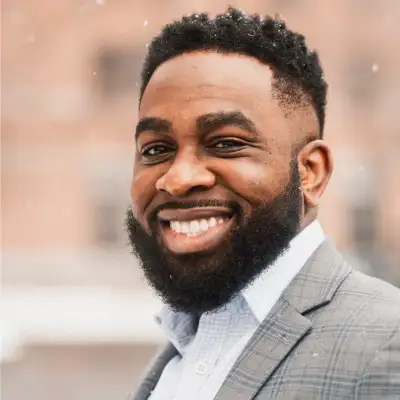
Melissa: [00:01:00] I love being able to shine a spotlight on the people and organizations making a real difference in our community. Today I'm thrilled to be joined by Andre Anthony, the Chief Executive Officer of Neighbor Up.
Neighbor Up is the result of a merger between two longstanding local nonprofits. Dorcas Ministries and Western Wake Crisis Ministry by uniting these longtime partners, neighbor Up now delivers even stronger support across Western Wake County. Financial [00:02:00] and food aid, job training, advocacy, not to mention their popular thrift store and carry their mission to equip neighbors with essentials and skills so everyone can thrive.
Andre, thank you so much for being here today.
Andre: Thank you for having me.
Melissa: I, I met you briefly at our GPS event in December. You were receiving our Movers and Shakers award and. That's an award that essentially just honors people in our community that's moving and shaking people that are, it's so simple.
Yeah, exactly. People that are in embody excellence. Um, inspiration, um, de determination. I'd love for you to start out by telling us a little bit about yourself, your history, and did you ever think you were gonna be considered a mover and shaker? Was that ever on your vision board?
Andre: It was not on my, it was not on my vision board.
I am the. I always start by saying I am the son of two Nigerian immigrants. [00:03:00]
Melissa: Okay.
Andre: And, um, a lot of life has happened and I ended up on my own, um, at the age of 14 to Wow. To make a long story short. Okay? And that's actually how I found myself, um, in the nonprofit world. So I had started, this is when I lived in the Twin Cities.
Um, I had started working for the YMCA and. That turned into a passion that turned into the place that I went to, to stay outta trouble. And, and all of that again, um, as a young man of my own at that point, um, that turned into the, the circle of people who influenced me for the better. Um, that led to a job.
The job led to another job. Mm-hmm. Opportunities. And next thing you know, so we're going back to 2002. So 24 years later. I'm a nonprofit guy. Yeah.
Melissa: Wow. So you were really on the receiving end
Andre: Oh, absolutely.
Melissa: To begin with.
Andre: Yes.
Melissa: And, and I also read that you had a mentor back then that [00:04:00] really kind of shaped your, your future.
Andre: Yeah, so the exec, the our branch director, the executive director of our Y at the time, I mean, I had a number of people that invested in me, but he's this, he's the one that I think of a lot, um, treated me like a son. Knew that for me, and this goes back and it's, there's a, there's a, there's a corollary here between my story and the way we do our work today, right?
It's not just about one thing. There are all these different components to people, to what people need to be successful. Knowing that I was a young man on my own. For me to be, for me to survive, I had to drive. And he paid for me to do not driver's ed. What do you call the thing before that? Oh, no.
Driver's ed. Yeah, driver's ed. Yeah. Yeah. He paid for,
Melissa: I
Andre: just, he paid for driver's ed, which put
Melissa: my
Andre: second
Melissa: child through that. Yep,
Andre: yep. So which led to the permit. Which led to the license. Wow. And, and 'cause he was like, Andre, you're not gonna be out here driving illegally. [00:05:00] Because you get caught
Melissa: regardless.
You're gonna be driving and we need to do it right. Yeah.
Andre: Right. That right? Mm-hmm. And that's small thing.
Melissa: Yeah.
Andre: Because if you're going to sustain yourself and take care of yourself, you need to make sure that you can get to work, you can get to school, you can get, and you need to do it legally. So go to driver's Ed, go through the process.
I couldn't afford driver's Ed. Yeah. At that point, and he, and he paid for it, and that was such a small thing.
Melissa: But you don't think about how, yeah. One small act of kindness can really create a ripple effect. Oh, yeah. That will sustain you for the rest of your life. Mm-hmm. Like driving.
Andre: Yep. I wanna be like him when I grew up.
Melissa: Yeah.
Andre: Is what is what I, is what I've, I've been saying. Have you,
Melissa: have you told him the, the impact that he made on you?
Andre: I finally got to have that conversation with him. Good. Because over time he left the Y. He's actually, I believe, a deputy chief of police now. Good.
Melissa: Good.
Andre: Um, and there was a time when I got the opportunity to shoot him a text message.
Mm-hmm. And this was in the middle of. I believe I [00:06:00] saw him on the news. This was after one of the, um, one of the murders that happened in Minnesota with the congress, with the congresswoman. Oh, wow. The state representative and her
Melissa: Yes. So
Andre: fairly recently. Yeah. Yeah. And, and he was part of the rea the, the team responding to that and, you know, and just, I saw a news clip of him and that.
Triggered this thought. Yeah. It was a cascading of thoughts that that led to me texting him and just saying thank you and telling him a little bit about this, what I'm sharing with you today.
Melissa: Yeah. I mean, you know, it just goes to show how important just one single person can be in someone's life.
Andre: Absolutely.
Melissa: It's a, it's a great reminder of that. Let's start with Dorcas Ministries. Okay. It was founded in 1968. Mm-hmm. When and how did you become involved with it?
Andre: So I took, I started the job in OCT on October 17th, 2022. Don't ask me why I still remember that date, but I remember the date. [00:07:00] I'm, I'm a, I'm a nerd.
Like that. You might
Melissa: be a date
Andre: person. Yeah. Yeah. I, I am dates and times and, and I got it. And honestly, I heard about it from somebody else. Right. Who knew the job was open. Who knew the history and the legacy of the organization, who knew my background, knew what drove me, and said, I think you ought to check this out.
Um, and then obviously that led to where we are today.
Melissa: So speaking of today, in case someone has not heard of Dork Ass Ministries, Western Wake Crisis Ministry, now Neighbor Up mm-hmm. For the first time, what is the heart behind the mission? How, how did it even get started? Yeah. Especially, well, I guess going back to Dorcas.
Andre: Yeah. In particular, so going back and actually Dorcas and Western Way Crisis Ministry both have very similar,
Melissa: similar
Andre: missions. Um, origin stories. Okay. Right. Yeah. They were both born outta church. They were both, both born out. The church you had, um, at the time in 1968 when Dokas Ministries was [00:08:00] born, you had a lot of our white churches and our black churches coming together.
To basically create a benevolence arm.
Melissa: Okay.
Andre: Western white Crisis Ministry, same thing, right? You had churches came, churches came together, and, and there's always one church that's, you know, taking the lead, but you had churches come together to basically, um, create a benevolence arm. And, and the work there has always been, the church fo focuses on discipleship.
And, you know, organizations like Dorcas Ministries and Western Crisis Ministry focus on the the benevolence side. Um, and when you put those two things together, we're taking care of people. That's the genesis behind both, both organizations and then over. But they were very much supposed to operate and function like a social impact nonprofit, um, human services organization.
And that's, that's the, that's, that's, that's how it started and that's how it continues to function. [00:09:00]
Melissa: Was there a certain problem or. Need in the community that they saw
Andre: mm-hmm.
Melissa: That they were originally trying to fill when they started this.
Andre: So, I think the biggest, the, the best way to summarize the need was there were people in our communities who could not make ends meet.
Mm-hmm. There were people in our communities and still are till this day. Alright. Um, because the, the work continues who need a little bit of help. To get to the next thing, need a little bit of encouragement to get to the next thing, need a little bit of just support and a listening ear and a little bit of guidance and somebody to partner with them to, to get where they were going.
That's, that's the general.
Melissa: It goes back to just one helping hand Yes. Can really get you where you need to be. Yeah. It doesn't have to be a longstanding, you know, assistance, but [00:10:00] just Right. Just one kind act.
Andre: Yeah.
Melissa: To get you from one place to another.
Andre: Absolutely.
Melissa: When did it first become an idea to merge Dorcas and Western Weight Crisis Ministry?
Andre: So, given the. Very similar background, very similar origin or Genesis stories. So,
Melissa: and similar location where they started. Right.
Andre: Um, yeah. So both born out of the church you had, um, Dorcas Ministries that was primarily focused on Kerry and Morrisville?
Melissa: Yes.
Andre: Okay. And then you have. The Western Way Crisis Ministry that was primarily focused on Apex.
That's right. That quickly evolved into Apex, Holly Springs, Fuqua, all of
Melissa: Western
Andre: Way New Hill. Right. Western and Southern Way County. Mm-hmm. So the combined organization now serves all of Western and Southern Southern Way County. It's, that's the breakdown. So anyway, the question was. What was the, where did the idea come from?
Default_2026-01-21_2: Yes.
Andre: These are two organizations that have, that have, you know, the founders knew each [00:11:00] other.
Default_2026-01-21_2: Mm-hmm.
Andre: Right. You have and, and not just the actual founders, but the people who served on the teams that really started both of these ministries, knew each other, served. We got a manmade border between Carrie and Apex.
Right. But a lot of, there's a lot of crossover, serving some of the same families, dealing with and helping people get through and work through the same, the same situations. Mm-hmm. So over time there had been different conversations around what can we do together? Um, when I took the job. I heard about those conversations,
Melissa: so they were already happening.
The, the, the talk about it.
Andre: There had always been whispers maybe. Yeah. There had been whispers. Mm-hmm. Right? Like, hey, what would it look like if we worked together? Mm-hmm. Now, worked together could mean many different things. You could talk about, you could be talking about shared services, you could be talking about, you know, formal partnerships or whatever.
Um, and ultimately we had the opportunity to come back together and actually [00:12:00] have these conversations. And again, trying to keep this brief. As conversations went on, it became very clear that there was an opportunity and a desire to merge these organizations, and that's how, that's how, that's how it got started.
Melissa: I am curious about mergers in general. Okay. Because it, it, it seems like there would be a lot of. Red tape. Mm-hmm. For lack of a better term. Yeah. Um, so how does one even go about to officially merger? Because now, like I said, you guys are called Neighbor up. Mm-hmm. Do you all have to agree on who's gonna be in charge, what the new name's gonna be, and how the entire organization's gonna look because that's a lot of cooks in one kitchen.
Yep. So, to all agree on these things, like is there a a board and everybody votes? Yeah. Okay.
Andre: So both again. Every nonprofit has a board, right? Mm-hmm. So both organizations had [00:13:00] boards, the boards merged, right? So you had people on both boards who were either rolling off or intentionally stepped down Gotcha.
To create space for,
Melissa: yeah.
Andre: A merged board. Um, and we went through a process, right? So before there was ever a merger, there was a full due diligence process. We had over a hundred stakeholders that, that gave input and feedback into this process. Mm-hmm. Boards, boards voted separately to on the merger, and once that was agreed upon, then that process, then that process begins.
Yes. To your point, lots of people interested. Mm-hmm. Lots of, um, you know, you're talking about a 57-year-old organization at the time mm-hmm. And a 43-year-old organization. Lots of history. Yeah. So many dedicated, both staff and volunteers. Mm-hmm. But especially volunteers and donors and, and partners. So that's a lot of people to work with, [00:14:00] to get input from, to get feedback from.
But that was absolutely important that we did. And we went about the process both through the due diligence process, um, as, as the merger became a, a reality, right? Mm-hmm. So once both boards voted to merge, we communicated that. Right away. Right. And then you go through the process. You never wanna walk into these things thinking, you know exactly what's going to happen.
We went through the process, um, of getting community feedback right. From our staff, volunteers, donors, stakeholders on what the potential brand of this organization could look like.
Melissa: Yeah. What it would look
Andre: like. Right. And, and so we have, when you
Melissa: come out of it,
Andre: we had a lot of feedback. We worked with, you know, professional branding organizations mm-hmm.
To, or a professional branding. Um, company to work with us to, again, provide that guidance and that, and that, that professional consultation through that, through that process. So it's definitely a process. Mm-hmm. And a lot of people were [00:15:00] involved. And, you know, I'll do a, a shameless shout out for our VP of Communication and strategy, Shelly Hobbs, who did.
Masterful job navigating and, and running point, especially on the, on the branding side. On the rebrand of the organization.
Melissa: Yeah. Because rebrands and, and mergers, um, can get confusing mm-hmm. To people. Mm-hmm. Yeah. To be like, wait, why are you changing? Why are you doing that? Why a new name? Um, but one thing I want to know is now that the merger is complete.
How is it creating more opportunities to help more people?
Andre: Yeah. And that is, I'm really glad you asked that question because that is the most important thing. Yeah, exactly. Exactly. There's so many different, yeah. Reasons why organizations would come together.
Melissa: Mm-hmm.
Andre: But the number one reason is if we can't serve more people, if we can't serve more, serve deeper, serve wider, um, and increase our impact on the lives of our neighbors, none.
None of the rest of it matters. Yeah. [00:16:00] Right. So right away we've been able to more than double the amount of assistance that was provided. So I'll give you a little bit of context. Because of the blessing of, you know, whether it's the dollars that we, that, that were raised by, what was Dorcas Ministries or the thrift store that most people know about, um, because of the resources that Dorcas Ministries originally are had and compared to.
Western Way, crisis ministry's revenue model was more, was, was strictly based on just philanthropy, right? So just because of the difference in the resources, the amount of help that Western Way Crisis Ministry was able to provide to our neighbors. And, you know, apex Quay, Holly Springs, um, you know, friendship New Hill.
Was less. Right? Because it's just, it's a math. It's a, it's a math problem. Mm-hmm. Than [00:17:00] what was being provided to our neighbors in Kerry, in Morrisville.
Melissa: Okay.
Andre: And if you think about it, right, I might live in Apex and work in Carry, or I might work in Carry and live in Apex. Who cares where you
Melissa: live? 'cause we all are so close Right.
Together, right. Physically. Yep. And in, like you said, we, we shop, I shop in Holly Springs. Mm-hmm. But I live in Raleigh. Yeah. You know, it's, it's all a we're, yeah, all we're all neighbors.
Andre: Yeah. Mm-hmm. And there was such a discrepancy. In the amount of assistance we could provide. Yeah. Depending on where somebody lives.
Just because, literally just because of where they lived. Right. And of course, again, you're doing, you're solving for a math problem as part of the merger.
Default_2026-01-21_2: Mm-hmm.
Andre: Where we're right away able to more than double what was being was. The amount of assistance that was, that was being provided to our neighbors in Apex.
So we saw, we were able to increase what we did in Kerry Morrisville and more than double what was ha, what we were doing in Apex and [00:18:00] Holly Springs and Fuqua and Willow Spring and New Hill and Friendship. So it's been. That's been a win. And it's not necessarily about number. Yeah.
Melissa: It sounds
Andre: like a huge win.
Right. But like if you live in Carry or you live in Apex mm-hmm. That rent is $2,000, that rent is $2,500 regardless of where you live.
Melissa: Yeah,
Andre: yeah. Um, and being able to get closer to, you know, to help somebody pay their full rent to help them get back on their feet and things like that. That's been a, that's.
That's been the biggest win, and it will always be the biggest win of this, of this merger is being able to level the, the playing field in terms of the way we're able to help our neighbors and invest in, invest in their future.
Look as the chief operating officer of your circulatory system, I don't want just anyone evaluating my job performance. Thank you very much. I want an expert, a leader, innovation technology. I want performance, passion, positive outcomes, and to be very well taken care of. Bottom [00:19:00] line, choose the heart and vascular docs at WakeMed or I stop working.
Uh, let me rephrase that. WakeMed, heart and vascular. Your heart. Your choice.
Welcome to podcast Carey Professional Podcast Studios with more than 50 shows, making podcasting simple and fun. It starts right on our website. Pick a time that fits your schedule. Tell us what you're working on and we'll take care of the rest. You focus on the conversation. We handle everything else because starting a podcast should be fun, not complicated.
Come see how easy it can be. At podcast carry.com.
Melissa: You, you mentioned Dorcas Thrift Shop. Yes. It's been a fixture and carry for a long time.
Andre: Yes. Will Dork is, will the name stay the same and will the thrift shop. Remain all the same because you're gonna upset a lot of people if you Well, so the good news is that's already been out as part of the rebrand, as part of the rolling out of the, [00:20:00] of the new brand. The umbrella organization is Neighbor Up.
Mm-hmm. Mm-hmm. So you won't hear Dorcas Ministries anymore hear or see Docus Ministries anymore, and you won't hear or see Western Wake Crisis Ministry anymore. Okay. Right? Yeah. So those two names have become neighbor up. Mm-hmm. Under that umbrella of Neighbor Up. Right. You have the Dorcas thrift shop.
Right. So that kept its name. Okay. Um, as the Dorcas thrift shop because you know, if you had changed the name, we're still gonna call it Dorcas. Right. Oh, oh. We know. Um, and there's a whole, at least in terms of the thrift shop itself Right. That's always gonna Bees, so that's always been the dork shop to a lot of, yeah.
To a lot of people. And, but that's one of the things that now is part of the way we phrase it, is it's part of the Neighbor Up network. Right. Okay. Yeah. So Neighbor Up, it's a network of programs and services and opportunities that we're providing. One of those is the Dorcas Thrift Shop. Well, and that's really the first time that I ever learned [00:21:00] about Dorcas Ministries mm-hmm.
Melissa: Was with the thrift shop. So I, I know that that is a really, um, popular if, for lack of better term, um. Thing that you guys have going for you. Yeah. Have you considered opening more thrift shops than other towns? Yes. Okay. Yes. So that's, okay, good. That's all on the, that's all on the roadmap. Um, if we're going to continue serving mm-hmm.
Andre: The, as the needs increase in our communities, one of the ways we generate revenue for, um, serving the families that we need to is through the thrift shop. It is also part of our ministry. Right. So being able to. Provide high quality goods at low prices that serves a lot of people. There are a lot of, you know, I've had many conversations with different people that, you know, I'm so glad I was able to buy a brand new pair of jeans for my kid to go back to school.
Yeah. And it cost me $4 Right. Or whatever it was. Or baby supplies or Right. You know, home goods to, to furnish [00:22:00] your home. Yep. Yeah. It's, it's really a little bit of everything. Yeah. So we look at that as not, it's not just, you know, and I think that's a misconception that exists out there. It's not just a. A retail operation that generates revenue.
Melissa: Mm-hmm. It is also part of our ministry. Yeah. Right. Because we could essentially, we could charge a lot more than we do. Yeah. You know, in our thrift shop, we, we choose not to. Mm-hmm. Because again, it's part, it is part of our ministry to be able to provide high quality items at, at, at affordable prices.
Yeah. Yeah. One thing, just a total side note, but I, I did find this interesting. Um. I did not know what the name Dorcas was from, and I, so I learned something. You're not alone, don't worry. I don't. Well, I, I actually, um, kind of flicked myself when I saw it. 'cause I was like, oh, I should've known that. But Dorcas is named after a disciple in the Bible who made clothes for the poor anyway.
Mm-hmm. That's just a little side note [00:23:00] tidbit. Yep. Little glimmer of information. So we've talked a lot about. Impacting our neighbors. Mm-hmm. With Neighbor Up, can you share a story that really captures the impact of what you guys do?
Andre: Oh gosh. Okay. I can come up a lot of, yeah. Curve
Melissa: ball. Sorry.
Andre: I warned you before, there are a lot of stories to share.
It's almost like if you get to tell one
Melissa: Yeah.
Andre: What's the one that you want to tell?
Melissa: Mm-hmm.
Andre: Um. So, as most people know, Chatham Estates, which is the mobile home park here in Cary.
Melissa: Yes. Mm-hmm.
Andre: Um, the land that they are on, so you have about 144 households.
Melissa: Mm-hmm.
Andre: And the land that they are on is up for sale.
Is going to be bought by a developer and that developer will obviously not keep it as a mobile home park. So by North Carolina law, you know, you've gotta give 180 days for people to [00:24:00] move and they have received that notice to vacate and,
Melissa: and 180 days is not a lot of time, especially in this financial environment to be able to find a place to afford to move.
Andre: Yes. Yeah. And what I'm really, really proud of is the way our team, so we've been working with a lot of different partners, whether it be the Y or doorway to hope, um, and especially with the town of Cary, right, to provide relocation assistance to, to the families who live in Chatham Estates. And I just heard I believe a story yesterday or the day before.
You know, we, we already have a success story of somebody who's been accepted into, so through the work that we're doing with the families, um, we're able to connect them to, and they have been accepted into Rose Park Manor. So it's a senior, it's gonna be a senior living community that's being built.
They're close to receiving their, um, certificate of occupancy.
Melissa: Oh, great.
Andre: Okay.
Melissa: And
Andre: right, like, and [00:25:00] that's somebody going from a situation mm-hmm. Where they were told they had six months to leave. And now they, they're gonna be, they, they already have somewhere that they're going, um, not too long, you know?
Not too long. Yeah, not too long from now. And then, you know you asked for one story, but I'm gonna give you a, a second one. I think of, I think of the,
there, so there was, there was some that, I'm trying to make sure that I don't. Give too many details 'cause we're, we always try to protect people's privacy. Mm-hmm. But we had a, I'll just say, we had a mom Right. Who came to us who had lost everything. Right. And this is a story that has always stuck with me.
Um, and lost everything. Meant like lost everything, husband. Um, she was on her own with her kids.
Melissa: Mm-hmm.
Andre: And through the work, and I'm talking about, we had a, one of our, we call 'em community support [00:26:00] specialists, but she's a, you know, other people refer to them as case managers. Same thing. Spent a lot of hours with mom.
Because it's not just about helping her get back on her feet. Some of that is also emotional.
Melissa: Yeah.
Andre: Right. Yeah. Some of that is also having somebody, you know. Your mom is no longer living and this is somebody who you're now viewing as a mom, you know, as a mom figure. So it's not just about helping provide you, you know, money to help pay the rent.
Right. Yeah. Emotional support. There's much more.
Melissa: Yeah,
Andre: there's so much more to it. And they built, they built a relationship over the time and, um, anyway, fast forward to the end of this story, mom is doing. Great. Not just, well, not just, okay. Mom is doing great. She's
Melissa: thriving.
Andre: Kids are great.
Melissa: Good.
Andre: Right. Like all of those things and, and to know that I work for an organization where our [00:27:00] people get to do that.
Melissa: Yeah.
Andre: Yeah. That that that'll wake you, that'll wake you up in the morning Yeah. Ready to go.
Melissa: That that'll, that'll get you out the door. For sure.
Andre: Yeah.
Melissa: So speaking of being able to help others. I'm wondering what role the shoppers at the, the thrift store? Mm-hmm. Donors, volunteers. What role does everyone play in keeping the mission going and how can people be hands-on with neighbors up?
Andre: Yeah.
Melissa: How can just, I come in and say, I wanna help.
Andre: Yeah.
Melissa: Put me to work.
Andre: I mean, so you just gave kind of three, three good examples right there, right? Yeah. We have, we, we run this operation across both locations across Western and Southern Wake County with 80 staff. Right? Mm-hmm. And we're able to do that because we have over 1300.
Active volunteers that help us make that happen. Otherwise we don't have enough staff.
Melissa: Yeah,
Andre: right. We do not have, 80 staff is not enough to [00:28:00] run the very complex operation that we run. So one of the ways is coming to volunteer, right? You can go on our website, neighbor up.org, um, you know, hit the vol, you'll see a link to click on to get more information about volunteerism.
Um, you said the other one, donors, right? We have. People who donate food, right. Because we run a, we run multi food
Melissa: Ries. Where would I bring food if I wanted to donate food?
Andre: Either to our Apex campus or our carry campus. Okay. And you can find all that information on our website, but we have people who donate food.
We have people who donate clothes and other household items to the store. You know, for the, for the thrift store. Mm-hmm. We have people who donate dollars both. Just in a, Hey, this is, use it, use it for the greatest need. Or people who donate dollars and they wanna designate it to, whether it be for food or for, um, helping somebody pay their rent or whatever the case may be.
So those are three ways right there that folks can get engaged. [00:29:00] Um, the other thing is connecting. Most of most people find out about us through word of mouth, right? Mm-hmm. So connecting people. Who could use our services to us. And, and if you are somebody who, 'cause we don't try to do everything ourselves, right?
So we work with a lot of different community organizations and partners to make this work happen. And if you are somebody who here's something or see something on our website and, and you're like, oh, I have something to offer. Call us.
Default_2026-01-21_2: Mm-hmm.
Andre: We'll, we'll, we'll figure out what that is, because that's one of the things that we do, is we basically, we curate resources, right?
So those are four of 17 different ways that we could good, that, that, that folks can, could jump in and, and, and as we say, neighbor up with us.
Melissa: Well, I, I do think that there's so many people out there that. Really do want to help. Mm-hmm. [00:30:00] And do Oh yeah. Something in the community. And it, it does get a little overwhelming, um, to figure out how
Andre: Yeah.
Melissa: And where and, and what, right.
Andre: Yep.
Melissa: Ways that we can be helpful and not just be, you know, warm body taking up space. We wanna, we wanna get in there and, and be a part of it. So, yeah.
Andre: And we welcome that.
Melissa: Good, good.
Andre: We welcome that. That's very
Melissa: good to know.
Andre: You know, one of the things that we used to say all the time is that we are a platform for people who wanna do good.
Right. We will you, if you are willing to participate in this cause, in this mission of helping our neighbors thrive, basically, is what we, that's how we used to phrase it. Um, that was our tagline back then. We've changed it since we did the rebrand, but it's, the goal is still to help people thrive. Right.
That's
Melissa: still the mission.
Andre: Yeah. And if you are some, if you are somebody who wants to actively or passively be a part of that. Call us, come to us, go on our website. We are, that's what we do. We, we provide [00:31:00] that platform for people to, to, to do good and serve their neighbors.
Melissa: And it's, it's also really heartwarming to know that it's people that are our neighbors.
Andre: Yeah.
Melissa: It's people right around us.
Andre: Absolutely.
Melissa: And you don't always know when someone needs help because they're not out there waving a white flag.
Andre: Right.
Melissa: You know, it's, but, so you never know who you're gonna be helping when, when you do. So,
Andre: yeah, the most important thing is prevention, right? Mm-hmm. So. You know, you have somebody who missed a week of work and they're gonna be short on rent.
Yeah. That is something that quickly devolves into 60 or 90 days from now. They're living in their car.
Melissa: Yeah. Yeah.
Andre: Wouldn't it be great if we just on the front end, help them pay their rent that month and let them get, help them get back on their feet?
Melissa: Yeah. I, I read a, a, um, a study recently and I can't remember the exact information on it, but it was.
A certain amount of percentage of Americans are one paycheck away from being homeless. Yep. And it was, it was not a low percent it, no. A low amount. Yeah.
Andre: Yeah, yeah.
Melissa: Okay. I want to end. [00:32:00] With something fun.
Andre: Oh, okay.
Melissa: You're a family man.
Andre: I am.
Melissa: You have one daughter?
Andre: I have one daughter and one on the way.
Melissa: Okay.
Congratulations.
Andre: Yes, thank you. Thank you. Pray for me.
Melissa: Yeah. Hey, I've got three. Wait until they're teens. I will definitely send all the prayers. Whew. Okay. So what do you like to do with your family for fun on the weekends in Western Wake County?
Andre: Ooh.
Melissa: Any, any favorite spots for adventure? Or if, if you could, you, you could curate your favorite ideal day, what would it be?
Andre: If I could curate my favorite ideal day, I never get to sleep in.
Melissa: Mm.
Andre: So that would be the first one.
Melissa: Yeah. Yeah.
Andre: And now with a three-year-old, that ain't happening. No.
Melissa: No.
Andre: Um, but so, so if I was to curate my ideal day. Sleep in.
Melissa: Mm-hmm.
Andre: I actually like when I get to make breakfast for, for the family. Okay.
Right. So we would eat, we would eat breakfast, have have a little bit of fun, you know, play with my [00:33:00] daughter. She loves, she loves to play in her playroom. She loves ice cream,
Melissa: don't we all?
Andre: And yeah, some good ice cream spots
Melissa: there are
Andre: around here.
Melissa: Mm-hmm.
Andre: So we would do that.
Melissa: Okay.
Andre: We would hit a park. You gotta do nap time and skip that.
Melissa: And you are participating in the nap.
Andre: Oh, no. No. Not good. Nap yourself. I'm not a good napper. Oh, her nap time is my time to, to decompress.
Melissa: Okay.
Andre: Yep. And then prepare for the next half of the day, right?
Melissa: Yes.
Andre: And then, yeah. And then. And then hang out.
Melissa: Yeah.
Andre: Yeah.
Melissa: That sounds like a great day. Have you gone to the trolls at Dick's Park?
Andre: No, but I keep hearing other, I, I've heard a lot of people talk about that recently and
Melissa: Well, they're all, they're all there every weekend. Yeah. So like, go during a weekday maybe. Okay. Um, but it is absolutely worth going to. I think your daughter would love it.
Andre: Oh. Yes.
Melissa: It's really fun. I'm
Andre: sure she would. Yes.
Melissa: I went, um, I think it was New Year's [00:34:00] Day. It was a beautiful day and um, everybody in Raleigh had the same idea, but it was still fine on, on New Year's Day.
Andre: Uhhuh
Melissa: Dick's Park is such a big park. Yeah. So it didn't really matter too much. Yeah. But, um, I definitely recommend it.
Andre: Yeah.
Melissa: Tell everybody where we can find more information.
You said it was neighbor up.org.
Andre: Neighbor up.org. Okay. And you can find all the information you need. You need there. Follow us on. Yeah. Okay. Now I sound like a a a
Melissa: a
Andre: salesman advertise, right? An advertisement. Follow us on all the social media channels. All thes. We're on Facebook, Instagram, and LinkedIn.
Melissa: I mean, you have to be these days.
Andre: Yeah. Yes. But labor up.org and you can find all the information that you, that you need. And if you need to get in contact with us for any reason, um, you know, don't hesitate.
Melissa: Perfect. Thank you so much for Of course, taking a little time out to explain about the merger.
Andre: Thank you for
Melissa: having me, and, and congratulations.
I mean, it's a big, big deal and, and a lot of work went into it, so,
Andre: good
Melissa: job.
Andre: I will, I will happily accept that. Congratulations on behalf of the [00:35:00] many people Yeah. Who played a role in making this happen and continue to because it's, you know, I always tell people about a merger. You never finish a merger.
Melissa: Yeah.
Andre: Right. You're always, you're always merging in that sense. Um, but yeah, there have been a lot of people, a lot of really good, talented, hardworking people mm-hmm. That have been a part of making this happen. So, um, I, I accept your congratulations on their, on their behalf.
Melissa: Well, thank you for being the good and the communities.
Andre: Thank you.
Melissa: Yeah. Thank you.
Andre: Thank
Thanks for listening to What's Up. Wake with Melissa Wister Huff, presented by the publishers of Care Magazine. Wake Living and Main and Broad. Follow them on social media at Care Magazine, NC at MB magazine, nc and at Wake Living Magazine. Visit each magazine's website@caremagazine.com. Main and broad mag.com.
And Wake living.com to check out the latest digital edition of each magazine and find pickup locations. Be sure to subscribe and leave a five star [00:36:00] review to help others find us. Music provided by Angie Bagley and Chris Bagley. This show is produced by podcast Carey.