Subscribe
Share
Share
Embed
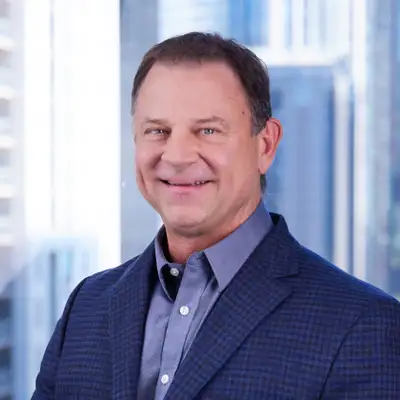
Some Goodness is hosted by Richard Ellis, a seasoned sales leader passionate about inviting top business minds to share their wisdom. Each episode is only 15-20 minutes, perfect for your commute or workout.
[00:00:00] Richard Ellis: Every business used to have a moat, a product, a process, a piece of IP that competitors couldn't touch. AI has collapsed product differentiation, and the durable advantage has shifted to trust, relationships, and distribution. According to research by McKinsey, fifty-three percent of B2B buyers are relationship-oriented and value trust, familiarity, and proven ways of working, and this is up from forty-four percent just two years ago.
[00:00:27] Richard Ellis: Today, we get into how one innovator spotted that gap and what any senior go-to-market leader can borrow for finding the next opportunity before it gets commoditized. Welcome to Some Goodness, where we engage seasoned business leaders and experts to share practical guidance and tips to help new and future C-level leaders maximize their impact.
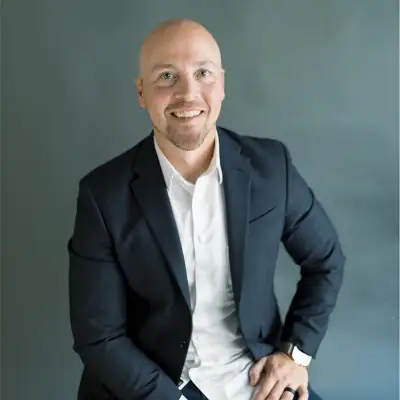
[00:00:47] Richard Ellis: My guest today is Cody Lee, founder of Food Truck Club, a marketplace connecting food trucks with the corporate clients who book them across Texas, Chicago, and Philadelphia. Before this, Cody's career [00:01:00] included leadership at the largest disability services company in Nevada and B2B sales with organizations like Fujitsu and IBM.
[00:01:07] Richard Ellis: Cody spent the last six years figuring out how to build trust on both sides of a marketplace, and he's got some sharp thinking on where the real differentiation is left in business today. Well, Cody, welcome to the show.
[00:01:20] Cody Lee: Thank you so much. It's good to be here.
[00:01:22] Richard Ellis: Looking forward to digging in, and if you don't mind, let's just start at the beginning.
[00:01:26] Cody Lee: Let's go.
[00:01:26] Richard Ellis: So one thing I learned about you is you spent over 10 years running a large piece of a disability services organization in Nevada, overseeing over 500 people. So naturally, I'm curious, what made you walk away from that and start Food Truck Club?
[00:01:42] Cody Lee: Yeah. Uh, good question. So I think I've got the curse or the blessing, I'm not sure which one, of I could...
[00:01:49] Cody Lee: I think I can do that. Okay. And so I, I think honestly, I've got... I have an entrepreneurial bug. I've always been interested in, in doing things. And to be totally honest, even when [00:02:00] running a large organization, you're always kind of an entrepreneur. If you're doing it right, you're doing your own thing. And when I was overseeing that department, I grew the organization over 10 years to be the largest in company history by millions, and we were growing, and all that was just through entrepreneurial effort and trust-building and work.
[00:02:18] Cody Lee: And I think a lot of those things is if you're already kind of doing it, then it makes a lot of sense to, to jump and do your own thing and see what you can build.
[00:02:25] Richard Ellis: Yeah. Really good. Yeah. One of the things that comes to mind is, you know, there's, for all leaders, a- and depending on the type of business you serve, there's various levels of autonomy, right- Mm-hmm
[00:02:34] Richard Ellis: that, that you may or may not have. And so certainly jumping out of a larger operation and operating inside of a big corporate structure into one that you're really running the show- Mm-hmm ... can be both anxiety-inducing but also, you know, fun and exciting. So any surprises for you in that process?
[00:02:52] Cody Lee: No, I, I think it's probably pretty obvious.
[00:02:54] Cody Lee: The surprises of going from a large organization where there's a department for everything [00:03:00] to you're pretty much the department for everything now is kind of an obvious switch. I remember running this large organization, and if there was a complaint, we'd just send them over to customer service, or we'd send them to the complaint department.
[00:03:10] Cody Lee: Or if there was a problem, you could, you could work that out. But that doesn't really work out anymore, especially when you're working really hard to build trust in a, in a marketplace type of a setting. You're not... You don't have the luxury of sending them over next door. You know, you pretty much take those phone calls.
[00:03:23] Cody Lee: So it's probably no surprise, but that is absolutely the, the truth is now you're, you're a department of all.
[00:03:30] Richard Ellis: Right. And I wanna get into that a little bit as we get into your business, but as I warned you, I wanted to just jump right in, uh, with your background. But let's circle back to just the business itself.
[00:03:40] Richard Ellis: Food Truck Club, tell us what that business is and what you do and what you focus on.
[00:03:45] Cody Lee: Yeah, yeah. So Food Truck Club, we like to call it the Airbnb of food trucks. Okay. So we are a double-sided marketplace, and we're in a number of markets, Dallas, Houston, Philadelphia, Chicago, and growing. And we're essentially a [00:04:00] place where we make booking a food truck for your event really easy.
[00:04:04] Cody Lee: Mm-hmm. And i- if you ever tried to book a food truck or heard from someone who has, it can be a frustrating experience. There's just so many food trucks out there. In Dallas alone, there's 1,000 food trucks. Wow. And so how do you know if you're trying to throw a, a, a company event or a party or you have a wedding, and how do you know which truck is gonna be the good one?
[00:04:23] Cody Lee: Mm-hmm. And who's gonna, who's licensed, and, and are they gonna show up on time, and, and all that. So we remove all the guesswork, all of the coordination, and it's literally as easy as someone just coming to our site, finding a food truck they love, selecting menu items, and checking out. And the whole process takes Less than five minutes, which is a far cry from the days of coordination and trying to work out things just manually.
[00:04:49] Richard Ellis: Sure. So how do you guys relate to, like, event planners? Are, are you their best friend now, or are you seen- Yeah ... as competition or?
[00:04:57] Cody Lee: So we've noticed there's several industries that [00:05:00] really, really love using food trucks, and even- obviously event planners are one of those. You've been to a large company event, like a Deloitte will throw their large company event.
[00:05:09] Cody Lee: Mm-hmm. And s- they're really shifting now from those boxed lunches of, uh, sandwiches, as everybody just runs out and grabs one- Right ... to, "You know what, guys? Go outside. There's a lineup of trucks outside. Go, go get fresh food off of a truck." So there's a shift in the market that way. Higher education uses us a lot, you know, large organizations that have several, uh, your large warehouse industry-type businesses really use us a lot as well.
[00:05:34] Cody Lee: So there's some that just use us very, very frequently.
[00:05:37] Richard Ellis: That's really cool. Yeah, in fact, just last year, I was joining one of our client's sales team meetings, and it was an outdoor type of an affair. And instead of having the typical, you know, Marriott catered lines of, you know, the, the fish and chicken and, and spaghetti or whatever you're-
[00:05:53] Richard Ellis: you're tired of, right? They had- It was fun ... a couple food trucks out there, and it was really... And everybody was talking about it, right? [00:06:00] Um, so I think- That's right ... it's kind of a fresh idea, at least- Mm-hmm ... from my perspective for, for corporate teams and events and, and team building and things like that.
[00:06:08] Cody Lee: Yeah, it's true. I mean, one of the reasons that companies pay for food and have it there is for the employee experience. But when the em- experience starts to be boring, and they want to give their employees something more, then there's nothing better than, you're right, a food truck is really the experience.
[00:06:24] Cody Lee: It's, it's fun, it's unique, it's, you can smell the food cooking off the truck, and, uh, it is food, but you're really giving them an experience, so that's the difference maker.
[00:06:33] Richard Ellis: I, I wanna, I wanna draw a parallel here a little bit to the, the problem that we're trying to solve. And the reason I'm going there is because a lot of times we're working with companies that are bringing either new products to market or new innovations of their existing portfolio, et cetera.
[00:06:48] Richard Ellis: And a lot of times there's just, you would think that we're all taught as business leaders, you know, find the problem to solve and the problem that's worth paying for solving, and you have a market, right? And just make sure that market size is big [00:07:00] enough. But we'll get in, and we'll find that there's just a lot of, I think, lack of clarity or ambiguity around what problem are we really trying to solve.
[00:07:08] Richard Ellis: So I'm wondering, you know, in this business, you left the corporate world, started this with a great entrepreneurial spirit. Was the problem you're solving very clear? Did it adjust over time? Did you find new problems that you need to solve? Tell us a little bit about kind of what that niche focus was for you that really helped keep your business focused.
[00:07:25] Cody Lee: For someone who's trying to think of a problem to solve, usually the problems just boil up. We don't, we don't have to work too hard to find the problems. The solution sometimes, we just get comfortable with the way the world works sometimes. Mm-hmm. And it's just- We get comfortable with coming into the office and waiting days to hear back from people, and we get comfortable with people's schedules.
[00:07:45] Cody Lee: We get comfortable with operating our departments the same way day in and day out, and it... And the problems are there, but we just become sort of blind to it. You know, if we just wake up and look for a creative way to, to, to tackle things, then it's, it's right [00:08:00] in front of us. So that was the way it was with food truck.
[00:08:02] Cody Lee: There was someone that I had heard in the market that was just a go-between, a guy. Hmm. Just a guy that knew food trucks- ... and a guy that, you know, and a guy that- I know a guy,
[00:08:12] Richard Ellis: and he knows people. Yeah. He'll hook
[00:08:13] Cody Lee: you up. Seriously, it was the, it was the guy, and, and then, and he was called that. And everybody, the food trucks knew him, and he was just a single person who didn't even have a business.
[00:08:22] Cody Lee: But I could see that trucks loved working with him because he was giving them work, and I could see that customers just finally had someone that they could trust to just recommend a tr- a good truck. And they were just sort of slowly going to this guy and, and I thought, "You know, there's gotta be a way to really operationalize it in a- Mm-hmm
[00:08:41] Cody Lee: in a easy, seamless, digital way." And so we built the solution and then, and it was there. But it's funny 'cause the problem and the solution were already existing the whole time. We just operationalized it and pushed it. A-
[00:08:53] Richard Ellis: a- and thinking, and it sounds like, you know, implementing a new, more efficient way to solve that problem using latest [00:09:00] technology that maybe people aren't applying to this world or this industry, right?
[00:09:03] Richard Ellis: That's right.
[00:09:03] Cody Lee: That's right. Yeah, absolutely. Yeah. We're now to a point, especially even with our business, where you can see this on, on multiple platforms now, where their technology has moved to a place where they're, they're communicating with you even like you would on ChatGPT. It's just- Wow ... uh, you can go in there and talk to 'em, and the, this robot will talk back to you and book and everything.
[00:09:21] Cody Lee: So it's, yeah, technology is huge, but in terms of, like, finding the opportunity, a lot of times it's just having the, the energy to, to address it and build something.
[00:09:29] Richard Ellis: Well, and I wanna get to a couple of your examples, but that just brings to mind, in several of our podcast episodes lately we're always talking about, you know, this balancing act between technology and AI doing things versus the human element that's so important.
[00:09:43] Richard Ellis: Yeah. And one of the things that you mentioned when we were talking the other day is just the importance of building trust, and, you know, having that trust element is so key to your business. Tell us a little bit more about how that's vital in your business and how technology can't necessarily replace that.
[00:09:57] Cody Lee: Yeah. Well, okay, so no, [00:10:00] again, no surprise here. Trust in any industry is really important. Trust especially now is really important, but it just so happens in my industry, in marketplaces, it's even twice the importance. Because you're not just trying to build trust with one side, you're building trust with two sides, and that's a whole other ballgame.
[00:10:15] Cody Lee: And just fun fact, businesses typically take a few years to get off the ground, but marketplaces take on average seven years to be successful. Oh, wow. Because, again, you're trying to f- really build that trust. And trust, you can build all the AI agents you want, you know, we can have all the cool gadgets and CRMs out there, but you cannot replace trust.
[00:10:35] Cody Lee: And trust is not quick and for the most part. Trust takes time, and that's, that's where we're at. You know, it's a, it's a slow process, but the customer needs to know when they come to our site that they're, that they're gonna get the truck that they ask for. And that is way more than just having a website with trucks up.
[00:10:51] Cody Lee: That- Sure ... it just is. And, and food trucks out there, there's thousands, hundreds of thousands of food trucks out in the country, and they need to know that we're not just gonna take their money and [00:11:00] run. You know? That we're actually working with them- Right ... you know, to build a relationship. So we work really, really hard to step outside of the box and build really strong relationships.
[00:11:10] Cody Lee: Can I give you one example?
[00:11:11] Richard Ellis: Oh, I'd love... Yes. All right. We love examples.
[00:11:13] Cody Lee: Okay. So this is today. This happened today. We're a five-star company. Uh, we actually, we have 4.9 stars on, on Google. People love us to death. We've done thousands and thousands of events. So I'm just gonna preface it with this, okay?
[00:11:24] Cody Lee: Because I'm gonna give you a not five-star story. We had an event that happened yesterday where we booked the truck. The truck is a five-star truck. But the employee who went out to this event just was late. They got stuck at a train, and they ended up being 20 minutes late to the event. So this person had 100, 120 employees standing outside waiting for their hot food, and the truck didn't show, at least not for 20 minutes.
[00:11:50] Cody Lee: And this customer was really upset, and we have people on our team to handle complaints now. That person was really upset. Our complaint department [00:12:00] offered what we offer, a, you know, a refund, and we offered to do what we could to correct it, discount on a future booking, everything we thought we could.
[00:12:06] Cody Lee: This customer would not calm, calm down. She was really frustrated. So it came to my desk, and normally, I think a lot of leaders think that, "Well, they're a leader, they have people for this. W- we have systems for this, you know? We'll have our robots respond with the most sympathetic, you know," Right "... uh, response."
[00:12:24] Cody Lee: But that's just not our philosophy, and I also just don't believe it's a philosophy that, that leaders should have in general. And so I called her And, uh, just said, "Hey, I'm the founder of Food Truck Club, and I just want you to know that we're really sorry for this." Offered her the same thing we offered before, and we ended the call.
[00:12:40] Cody Lee: She was so happy. In her email she had said she was never gonna use Food Truck Club again, and she, she was upset with the experience. And the food truck, you know, even though it wasn't our fault, it was the food truck that was late. But still, I took responsibility. Mm. We offered the same thing. I had a long talk with her, and she left feeling...
[00:12:56] Cody Lee: She said to me, "Thank you for calling me. I feel so heard, [00:13:00] and I'm gonna use you guys again." And so n- this is just to say that trust takes time and energy- Sure ... and effort, and that's what we try to do here. But I just think, like, if anybody wants to be successful in anything they do, they gotta do those steps to build trust.
[00:13:14] Richard Ellis: Absolutely. Well, and kudos to you guys. I mean, you know, nobody's flawless, nobody's perfect, and so- Sure ... it's all about how you handle some of those missteps or those friction points, you know, when they do come up. And so, uh, I love that story, so that's great. And a great reminder for all of us leaders that sometimes we have to pick up the phone, and we have to say, "Look, you know, this was my partner, but I'm, you know, I'm taking full accountability."
[00:13:36] Richard Ellis: Right? Mm-hmm. "I introduced you to them," or whatever i- i- it happens. Yep.
[00:13:39] Cody Lee: I mean, my, my last thought on that is just that trust, I think, is built even faster when mistakes happen and get corrected than just doing what you should be doing. Yeah. You know?
[00:13:47] Richard Ellis: Yeah, yeah. Along w- with your, let's call it, you know, innovative solution to the food truck problem, there's kind of this broader event planning and, and catering status quo out there.
[00:13:59] Richard Ellis: And, [00:14:00] and when we work with companies on their messaging or their positioning, the differentiation, we're always trying to fight that status quo bias of, "Hey, this is what we always do. This tends to work, right? I know it. I'm comfortable with it." Mm-hmm. They get into analysis paralysis, trying to think of other options.
[00:14:14] Richard Ellis: They just go to what they know, right? Yeah. And so, you know, I'm thinking about these corporations who, they got a big Marriott ballroom booked, and they've got the, the field or the patio outside, and it's, it would just be so much easier to just have them handle the catering versus trying something new with you guys.
[00:14:33] Richard Ellis: And so my question to you is, and this is relevant to all sellers trying to innovate or trying to sell, you know, something innovative or, or sell against the status quo, how do you position yourselves against something that's just so ingrained and easy? The easy button is let Marriott handle it.
[00:14:49] Cody Lee: Yeah.
[00:14:50] Cody Lee: Yeah. Well, I guess as you were talking, honestly, I was thinking, have you read the, uh, have you heard the book, uh, I think it's Start with Why? Is it... Have you heard of this? It's-
[00:14:58] Richard Ellis: Oh, yeah.
[00:14:59] Cody Lee: It's-
[00:14:59] Richard Ellis: Yeah. [00:15:00] Simon Sinek, I think.
[00:15:00] Cody Lee: Yeah.
[00:15:01] Richard Ellis: Yeah.
[00:15:01] Cody Lee: Mm-hmm. Yeah. It's a fantastic book, and it's just w- what are you trying to do, and why are you trying to do it?
[00:15:06] Cody Lee: And I think a lot of leaders, yeah, if you just want food in mouths- Then do what you're gonna do. You know? If you just want sales and bums in seats or whatever it is, then just follow the status quo. But if you're trying to make change, if you're trying to grow, then why are you doing that? And ask yourself that.
[00:15:21] Cody Lee: So in our space, yeah, it's, it's all about that. And w- people understand, especially in today's day, they're trying, as- and we'll just talk in the corporate world for a sec. I mean, they wanna keep employees, they wanna keep talent, they wanna make money. And if you're doing the status quo, you're gonna lose your people.
[00:15:37] Cody Lee: And it's, it's what's interesting is if you were to go into LinkedIn, for example, and I've done this on occasion and it's kind of fun. If you just typed in like catering or food trucks that employees are posting about, nobody is saying, "Hey, my boss brought in pizza today." It's, you know- ... for the s- for the 100th time, you know?
[00:15:54] Cody Lee: Right. No- nobody's standing in front of the lunch room bragging in a selfie about [00:16:00] the spread of Olive Garden in front of them. I love Olive Gardens, no offense to Olive
[00:16:04] Richard Ellis: Garden. No offense to Olive Garden.
[00:16:05] Cody Lee: Yeah.
[00:16:06] Richard Ellis: But- They're not a sponsor, though.
[00:16:07] Cody Lee: Yeah, right. Yes, exactly, yeah. But everybody is posting a selfie in front of the food truck- Yeah
[00:16:13] Cody Lee: in front of their office. And-
[00:16:14] Richard Ellis: It's, it's a unique a- and new and different experience, right? Yep. And there's value in that. And, you know, and finding kind of those value drivers of your solution- To cut against the grain and say, "Look, this is gonna be a better experience, a fun experience. It's gonna lead to this-" Yep
[00:16:31] Richard Ellis: that and the other," I think is key.
[00:16:33] Cody Lee: Yeah. Yeah, yeah. Team loyalty, you know, the- one of the posts I saw recently was thank you to their boss. "Thank you, Jason something something, for bringing a food truck. We loved it. Can't wait-" I mean, can you beat that kind of endorsement from an employee? That's, that's, that's what you want.
[00:16:48] Cody Lee: You want the buy-in, you want the, you know, the friendship built y- and, and the loyalty, and that all starts with just thinking about what they want and doing something fun and different and memorable, so.
[00:16:57] Richard Ellis: That's great. Yeah. Well, tell us a little bit about your [00:17:00] business in terms of, like, I think you said that the majority of your bookings currently are corporate, and you've served Amazon and some big names out there.
[00:17:08] Richard Ellis: Is there a- any example that you'd like to walk through in terms of how you really just kind of position and sell that new and different experience and establish that relationship and trust- Sure ... so that it leads to good repeat business? Because we all know it's easier to keep a current client than it is to, you know, procure a new one.
[00:17:26] Richard Ellis: And so we want to- Mm-hmm ... make sure that it goes swimmingly, and this is, this is kind of a new venture, not only for the buyer, but also for you guys.
[00:17:33] Cody Lee: Yeah. Well, yeah. I mean, just generally speaking, the corporate space is growing more and more and more, and we- I think we've kind of touched on that a bunch here.
[00:17:40] Cody Lee: But bringing a food truck into the office or to the warehouse or wherever people, to the hospital. Um, Nurse Appreciation, for example, Nurse Appreciation Week and Hospital Appreciation Week are in June, I think, and hospitals across the country are looking for ways. And so that, that become-- food trucks have become really popular to go out to these hospitals [00:18:00] and serve all their nurses and things.
[00:18:01] Cody Lee: But in general, yes, businesses are the lion's share of the, of the bookings out there for food trucks. Obviously, weddings are a really big part, and, and there's birthday parties and graduation parties. But there's just a really big need for this sort of thing out in the space. And just outside of the reasons we've already talked about with, like, corporate nice-to-haves and cool things, it's also easier.
[00:18:22] Cody Lee: It's just for the person that's booking them, they don't have to clean up after. I mean, it just- there's all the reasons why. So it's a good thing. But to be more specific to your question, just the one example I can think of is Amazon, is Amazon's our- one of our main customers- And we do a lot of work with them all over the country, and they're a prime example of an organization their size that really benefits from having food trucks come out.
[00:18:45] Cody Lee: Big businesses, as most people know, they have a budget for employee engagement. They have a budget for feeding their employees.
[00:18:51] Richard Ellis: Right.
[00:18:51] Cody Lee: They need to spend money on it. It's not even like a want to, it's they have to. Mm-hmm. And so that's a lot of work to feed 5,000 people all at once. So we've, [00:19:00] we've worked with them quite a bit.
[00:19:01] Cody Lee: Getting in them and selling to them is difficult. It's not your typical, uh, sell, uh, you know, point-of-sale experience, but it's a really good customer for us and, and we, and they use us quite a bit for a number of reasons. But does that answer your question?
[00:19:14] Richard Ellis: Yeah, yeah. No, that's good. I think it was Amazon that you told me a story about wearing a hat.
[00:19:19] Richard Ellis: And so I don't want to- That's right ... give anything away, but I'd love for you to tell that story just because- Sure ... the other day we had a sales training I was leading for one of our clients, and the topic of, hey, you know, in order to cut through the AI noise and just the noise in general, what's your opinion on being contrarian or provocative or trying new and different things?
[00:19:39] Richard Ellis: And so we of course talked about, you know, how to do that in a professional way with outreach, with LinkedIn and some other things. But it reminded me of the story you told us a couple of weeks ago, and I just thought that was a great example of, hey, taking a shot, trying something different. So tell that story if you don't mind.
[00:19:53] Cody Lee: No, yeah, don't mind at all. Yeah. So Amazon is probably like a lot of organizations. It is like a lot of organizations in [00:20:00] that they don't have a front desk that you can just walk up and talk to somebody. There's not a receptionist. In fact, there's the opposite. There's security guards. Right. There's, there's people up front that say, "Come back never."
[00:20:15] Cody Lee: You know? I mean, there's-- that's, that's what they're there for. And so trying to sell into these large organizations, I think sometimes, sometimes we think-- we say these names like Amazon or PepsiCo or whatever, and we're trying to sell into these big names. But really it's Robert, you know? It, it, it's, it's Anne.
[00:20:32] Cody Lee: It's the one-- There's somebody in there that just happens to work there that's a human, who has human, you know, things, and they, they, they're busy, and they're just like us. And so even though they might have Deloitte in their email, it doesn't mean that they're anybody. You know, they're just, they're human.
[00:20:49] Cody Lee: Yeah. So I sort of unpacked this idea in my mind and thought, "Now, if I can just get into Amazon and talk to Robert,
[00:20:57] Richard Ellis: then- Talk to
[00:20:57] Cody Lee: a
[00:20:57] Richard Ellis: real person.
[00:20:58] Cody Lee: Yeah. Yeah. [00:21:00] Then I can make this sell. So as we were growing Food Truck Club, I-- there was no-- I couldn't get in any other way. I tried everything. Call, calls, mailers.
[00:21:07] Cody Lee: I tried, you know, going up to the front door and just getting sent. So I learned that if I got-- I basically made an Amazon hat And, and you can see they even have the A- you can buy even the Amazon vests on amazon.com. So if you... I dress like an Amazon employee, and I just walked in and nobody asked any questions.
[00:21:29] Cody Lee: There's 5,000-ish people who work in each one of these buildings, so they don't know. You know, there's a lot of- Right ... turnover probably. And so I just walk in. I found, I became really familiar with exactly the place that Robert and the Robert-type people would sit. I knew exactly where they sit. And so I would just walk in past the conveyor belts and through the building and talk to the person.
[00:21:51] Cody Lee: And 80% of the time I made the sale, and then they stay with us, and they're there every time. And in fact, the first question is How did you get in here? [00:22:00]
[00:22:01] Richard Ellis: I go, I go mad.
[00:22:02] Cody Lee: And then the next question is, "Whoa, this is super cool. I'm so glad you came in here. Actually, I was just trying to figure out how I was gonna feed everybody, and this is exactly what I want."
[00:22:12] Cody Lee: And so I was able to make that sale. So at some point, if anybody in this podcast makes it to Amazon corporate, they're gonna find me out and, uh, put my wanted- ... poster up outside of the Amazon. Do
[00:22:23] Richard Ellis: not let this guy in. Yeah.
[00:22:25] Cody Lee: Yeah, exactly. But I just think we gotta think big and, and just do something different.
[00:22:30] Cody Lee: Again, Robert's not mad. I'm actually helping Robert. He wants me to talk to him. Right. But it, it's just doing something to get his attention that's different than everybody else. I think that's just the key.
[00:22:41] Richard Ellis: Congratulations on your ingenuity there. I think that was really cool. But, but-
[00:22:45] Cody Lee: My criminality.
[00:22:47] Richard Ellis: Or that.
[00:22:47] Richard Ellis: I wasn't gonna go there. But broadly speaking, I mean, we have to meet our buyers where they're at, right? And, uh- Yeah ... sometimes that means physically in a new place, and it reminds me of, we served a material handling company a, a few years back, [00:23:00] and their sales team, they found out that they won when they went door to door, warehouse door knocking, right?
[00:23:06] Richard Ellis: And just went in and asked for the plant manager, 'cause they didn't, they weren't at their desk. They never answered their phone. Yep. They didn't return emails. Yep. But if they could just walk through and a- and they happened to have, you know, receptionists there, but they were friendly, and they were like, "Oh yeah, Bob's in back.
[00:23:18] Richard Ellis: Let me buzz him for you." And then boom, you know, they were in and having conversations.
[00:23:22] Cody Lee: 100%. People go so far into trying to make the quick sale and trying to do mass selling instead of just getting one. I was actually, uh, yeah, I was... My son, he plays basketball, and he, he had a game. He made 100%, one of one of his mid-range shots, and he made one of eight three-point attempts.
[00:23:41] Cody Lee: And so he made 100% of the shots that were e- So that, you know, and so my point is, is just instead of mass and just trying to get all of these, these mass emails or mass AI things-
[00:23:52] Richard Ellis: Yes ...
[00:23:52] Cody Lee: go out and get the, the pretty surefire sale and, um- Yep ... make it happen.
[00:23:57] Richard Ellis: I like that. In today's world, I think we can... I- it's so [00:24:00] easy to over-rotate on the digital and the AIs, using your agents, and automating this for scale, when face-to-face meetings are, are still appreciated, right?
[00:24:10] Richard Ellis: We're seeing a lot of goodness in terms of just local happy hours and bringing some executives together for a dinner or a long lunch and just being able to talk about, you know, issues and how can we help each other-
[00:24:20] Cody Lee: Yep ...
[00:24:20] Richard Ellis: versus, you know- Yeah ... Zoom after Zoom after Zoom meeting.
[00:24:23] Cody Lee: Yeah, you just don't have people anymore visiting.
[00:24:25] Cody Lee: You don't have people writing handwritten letters anymore. It sounds so small and basic that it seems like it wouldn't work, but it's the opposite You know, it's, those things just work. So I, I, I challenge anybody to- It's good ... to, to switch up their sales.
[00:24:41] Richard Ellis: For sure. You remind me a little bit about a software company that was in the end user computing space a few years back, and they said, "The, the great thing about our platform is we can do 1,000 things.
[00:24:51] Richard Ellis: The hardest part about selling our platform is we can do 1,000 things." Right? Yeah. And it kind of reminds me of you guys in your business is like everybody has to eat. Yeah. So where do you [00:25:00] even start and focus, and how did you pick your markets, and what, what was a little bit of the thought process behind your business strategy and where to start that might, you know, help other leaders prioritize or segment or focus?
[00:25:13] Cody Lee: So in our case, the sale is not hard. Pretty much everybody's looking for food, and everybody's looking for something different. So in terms of what was our pitch or our angle or how we were kind of trying to market that out, it's not hard. W- honestly, most people when they see us, they either are gonna use us now or in the future.
[00:25:33] Cody Lee: It's, it's, it's definitely a, an, an easier sale. But in terms of choosing where we sell, that's a different story. Mm-hmm. Every market, believe it or not, even though everybody loves to eat, not every market is in love with food trucks.
[00:25:45] Richard Ellis: Okay.
[00:25:45] Cody Lee: Um, and so we learned that, I mean, there's just... And every market's different in terms of what they like.
[00:25:50] Cody Lee: So people in Phoenix, Arizona, they like Mexican food, tacos, you know, like southern border type stuff. Lots of taco trucks. [00:26:00] In Chicago, it's all pizza, and there's just pizza truck after pizza truck. And people like different things in different markets, and that is just the truth. I didn't believe that at first.
[00:26:10] Cody Lee: I didn't, but my, the data over and over again shows that there are just some markets that are more successful than others, and the culture is different. And so there's a lot of market research for us to identify which markets have search demand. And, you know, we can see that through tools of where people are interested in- Okay
[00:26:25] Cody Lee: in, uh- Right ... mobile vending. And then, of course, which markets, we then kind of triangulate that with which markets have a strong supply side.
[00:26:33] Richard Ellis: Right. You need density of food trucks because you're a marketplace, right? And so it takes both- Right ... sides of the equation.
[00:26:39] Cody Lee: Right. Yep. And then in general, just the culture of where we're trying to grow in.
[00:26:42] Cody Lee: And so- Mm ... you know, like for example, Austin, we're in Austin, but Austin food truck, Austonians, I'm not sure what you call them, uh, they have a very strong food truck culture in Austin. Lots of food trucks. Okay. But you go to the food trucks. It's not very common to book a food truck. So we've just sort of learned for us our list of, of [00:27:00] data points that we triangulate to identify a new market.
[00:27:02] Cody Lee: And so there's several, several markets to grow into, but as we have found the interest, strong market side or strong demand side, strong supply side, yeah, we're slowly going into each market. And we wanna be careful to not grow too fast because we'll get over, o- ahead of ourselves, and we're worried about that trust factor that we talked about.
[00:27:20] Cody Lee: You know-
[00:27:21] Richard Ellis: Oh, that's a good point ... we don't wanna build- You really have to balance your supply with your demand because if you have too much demand, yeah, that can lead to customer service issues you don't wanna have to deal with.
[00:27:30] Cody Lee: Yep, yep. And I, even though our business is about food trucks, I think that could be applicable to- Absolutely
[00:27:35] Cody Lee: any business.
[00:27:36] Richard Ellis: Well, talking about any business and applicability, let's close because we're out of time. I wanted to ask you, many of our leaders or many of our audience members out there listening are leaders, either, you know, CEOs leading multiple functions, or CROs is, you know, is a movement, and not just chief sales officers, but revenue officers, where new leaders are coming in and now they have to really oversee not just [00:28:00] sales, but also marketing, many cases, su- customer success, so they're wearing many hats like you do.
[00:28:04] Richard Ellis: Any takeaways, just as you move from kind of a single role in a larger corporation to now you're having to wear multiple hats and oversee multiple functions, any takeaways, any tips, any guidance you wanna leave our audience with?
[00:28:18] Cody Lee: My two points that I would s- speak to are sales is king and trust is queen, I guess.
[00:28:24] Cody Lee: There's so many things to get distracted with, and I think I see a lot of leaders sometimes get stuck in the thick of thin things and really get into the minutia of something that's good, not great. And not the thing that really is where we need to focus our attention. And as a leader, there are, there's distractions from every angle, and being able to say, "Let's focus."
[00:28:46] Cody Lee: And usually, usually sales solves most problems. So is, if, if there's sales coming in and revenue coming into the business, that's gonna solve a lot of problems. Right. And then as long as [00:29:00] trust is the very close, uh, partner with that, then, uh, you know, making sure that the quality of the sales and the processes and the operations is good, then I think you're halfway there.
[00:29:10] Richard Ellis: I think that's awesome guidance and a great way to end. So thank you for that. Love digging into your business. Really unique and fun and, and, uh, I'm, I'm thinking about, okay, when's the next opportunity can I take advantage of, uh, of your food trucks? And so, uh- Go to
[00:29:24] Cody Lee: foodtruckclub.com. We're there ...
[00:29:26] Richard Ellis: and if you've listened to some of my episodes before, you know we have to end with some goodness.
[00:29:30] Richard Ellis: And so outside of the food truck business, what's some goodness that has come your way lately?
[00:29:36] Cody Lee: Well, there's a tiny, very tiny thing, but it's the small things. I just bought some new running shoes. Oh. And, uh, so, uh, there's nothing more exciting to me than just having to... I put in 400 miles on my last ones, and I put on a fresh new pair of running shoes.
[00:29:50] Cody Lee: Nice. So I'm trying out the AD Zeros, uh, and I'm gonna go on my first run in those today. So it's small, but I'm looking forward to it.
[00:29:58] Richard Ellis: No, I like that. I love it. [00:30:00] I'm a fitness geek as well, and so any new gadget or, or support for, uh, my fitness hobby is always fun. Yeah. So I can appreciate that. Well, thanks, Cody- Thanks a lot
[00:30:08] Richard Ellis: again, for being here, and we look forward to, uh, keeping in touch.
[00:30:11] Cody Lee: Thank you so much, Richard. It was great, great talking to
[00:30:15] Announcer: you. Some Goodness is a creation of Revenue Innovations. Visit us at revenueinnovations.com and subscribe to our newsletter.