Subscribe
Share
Share
Embed
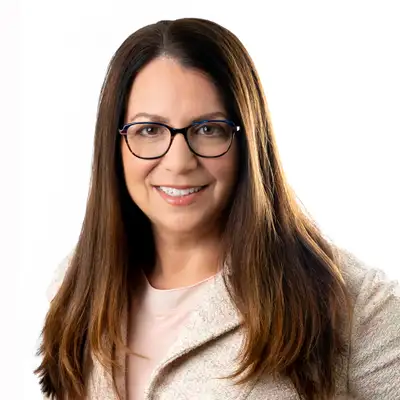
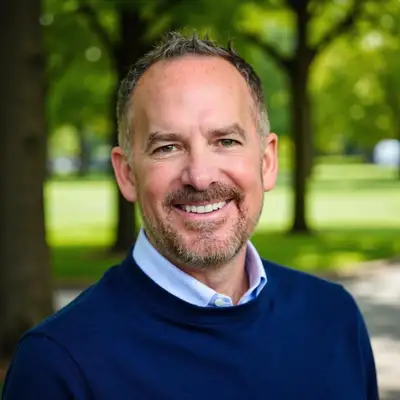
The Failure Gap podcast is hosted by Julie Williamson, Ph.D., the CEO and a Managing Partner at Karrikins Group, a Denver-based, global-serving business consultancy. Julie delves into the critical space between agreement and alignment - where even the best ideas falter without decisive action. Through candid conversations with a diverse mix of leaders, this podcast explores both the successes and failures that shape the journey of leadership. Featuring visionary leaders from companies of all sizes, from billion-dollar giants to mid-market innovators, to scrappy start-ups, The Failure Gap uncovers the real-life challenges of transforming ideas into impactful outcomes. Tune in to learn how top leaders bridge the gap and drive meaningful progress in their organizations.
speaker-0 (00:00.576)
Welcome to the Failure Gap, the podcast where leaders get real about what it takes to move from agreement to alignment and turn strategy into action. I'm Julie Williamson, CEO of Karrikins Group and author of the best-selling book Make HOW Matter. I started this podcast because I've seen the same pattern in boardrooms, leadership teams, and organizations of every size. Smart people agree on the strategy, the priorities, and the goals, but progress still stalls.
The space between knowing what to do and aligning your team around how to do it together is what I call the failure gap. At Karrikins Group, our work is focused on helping leaders close the failure gap by making how matter. So alignment becomes more than agreement in the room. It becomes shared action across the organization. In each episode, I sit down with leaders from all sorts of organizations.
To talk about the real stories behind transformation, the tough lessons, the hard decisions, and the breakthroughs that helped them to move forward. Thank you for joining me today. Now let's close the failure gap. We love talking with interesting people, and today we're joined by Josh Kern. Josh is the CEO of Snooze, which, I'll tell you, happens to be one of our favorite breakfast places. And I'm a breakfast all day girl, so sometimes we go later than that. Josh, welcome to the Failure Gap.
speaker-1 (01:27.746)
Well, thanks so much for having me. And it's it's great to hear that you love the restaurant and it certainly is is been a great pleasure of mine to be the CEO and I've gained a couple of pounds since since joining in October. So it's a it's a delight for sure.
speaker-0 (01:43.724)
I can imagine. I think if I worked there I would just eat pancakes every day. So
speaker-1 (01:47.438)
It's a it's a hard thing to resist for sure. And I wasn't a big pancake fan sin since I joined before I joined. So I've I've come to appreciate pineapple upside down ones for sure.
speaker-0 (01:59.662)
That one's awesome. And honestly, though, in fairness to snooze, there's a lot of other things on the menu. Make a great omelet, you know, some great other options for people who aren't pancake people. But Josh, as we jump into this and would love to hear a little bit about your leadership journey, because becoming the CEO of a fantastic breakfast place might not have been on your vision board when you graduated college. So just a little curious as you think about your leadership journey, what brought you to this role?
speaker-1 (02:25.912)
Sure. I mean, when I when I actually first left college, I I actually ventured out to Capitol Hill. So I worked on the Senate side in Washington, DC. So very far removed from where I am today. And you know, the the thing that that brought me to to I guess or the red thread from today all the way back to to those days is I was fascinated with pop culture. And I was always trying to figure out, well,
you know, what what would what would make, you know, something that would be interesting in pop culture. And I thought, DC is the hub of everything. So when I when I was in, you know, I went out to DC, worked on the Senate side, worked for a US senator from New Mexico. And yeah, I I was I was very, you know, in the thick of things. And lo and behold though, it was the bubble of everything. So you know no one really cared about the balanced budget amendment at that point in time.
As I quickly realized. And so throughout my journey, I I kind of s flipped to to marketing. and I stayed in marketing most of my career. And I I I made my way into, you know, back to Denver and stayed in restaurants and ultimately got into an advertising agency. and then my first foray into restaurants was with Quisnos way back in the day. and so that was my first really big restaurant job and made my way to VP of marketing.
joined Quiznos and there are about 1800 restaurants left when it crossed over 5,000. and today I think there's about 200 that are left. And so I made my way you know into marketing and about five years ago, I I was able to kind of cross over to be a CEO. And so I was with a company called SPB Hospitality and with at SPB, we had about 14 different brands.
about 550 restaurants. We crossed over about a billion and a half in sales. and I was really one of those lucky kids that that got to go from a a CMO to a CEO. and you know, it was all private equity. and we were buying and selling restaurants. And I got the opportunity. I was I was talking to a private equity person and
speaker-1 (04:41.026)
They asked me about Snooze and and you know, being in Denver and being around the brand since it was born 20 years ago. I of course knew about snooze. And, you know, at the at that point in time, I really wasn't interested in making a jump, but they kept talking to me about the brand. And there was something about, you know, being at the helm of of a fantastic brand that had a great reputation and that was one brand. And and so as I thought about it more and more.
you know, I I I started to really kind of be enamored with the opportunity here and and and so I made the jump and you know and and you know it we are we are private equity backed and and the opportunity was to restart snooze and grow again and you know we have 70 locations now and and so I made that switch and and and I'm really happy that I did. and I've been here since since last October and and it's been an exciting adventure since that point in time.
speaker-0 (05:36.504)
Well, that's quite a journey from being on Capitol Hill to being the head of a of a major restaurant change like chain. Like that doesn't happen every day. And I think for our listeners, something that, you know, we've talked about is that your journey can take you so many places if you're willing to say yes to things and to just continue to explore and and be curious about what's possible. And it sounds like one of the things that you were really curious about always was in this pop culture space, what's possible for brands? Like how can a brand have an impact?
Is that fair to say?
speaker-1 (06:07.438)
Absolutely. I mean, and and and you know, throughout, you know, when I when I start to think about, you know, well, what was it about being on Capitol Hill and what did I like about politics and what do I like about today? you know, I and it's it's people, you know, it it's what makes people t you know tick and you know, what what is it that makes someone vote for somebody? you know, how do you kind of get, you know, gain consensus? And you know, with a restaurant company, you've got to do some of those same same things.
You know, when we're coming up with you know, we talk about those, you know, those pineapple upside down pancakes, you know, you you've gotta there's so much that goes into that. You you've gotta, you know, you've got to work with the culinary team, you've got to come up with the food cost, you have to work with the supply chain, you know. So there's so many similarities in terms of building consensus around that, understanding, well, you know, are pineapples something that that that consumers like any you know these days and can we afford it from from that standpoint.
Are they easy to make in the back of the house? And, you know, do they take a long time on those griddles? And, you know, we got to move people through these restaurants. So there's so many things that go on. And and and for me, you know, having that, I guess, that marketing side of things and and and understanding kind of, you know, what you know make consumers tick. I just love being able to see that entire process. and there's so few jobs from a marketing standpoint that you get to see all of those things in action.
if I was a consumer, you know, package good marketer, like I was, you know, working at you know, on crust toothpaste or something and I was worried about an NCAP or or something like that, you just you really can't see the fruits of your labor. you know, working on the marketing campaign and and working on that, that, you know, those those pineapple upside down pancakes, and then going in a restaurant and seeing people enjoy that. And so there's something so fascinating about a restaurant and being able to see all of those things happening in real time.
that just makes it so, so cool to see. And and now being a CEO, and I never in a million years, when I was a CMO, you know, thought, you know, you dream when your head hits the pillow that, gosh, I'd like to be a CEO, but I never really thought that I could really make it to that, to that point in time. And so you know, you know, navigating those those those avenues, I just never thought it would would come to fruition. But now that I'm here and
speaker-1 (08:31.958)
And being able to kind of seat all of these you know, different avenues, it really is is fascinating to to be in this seat and be able to, you know, continue to to have the the marketing ability that makes me tick and and makes me really enjoy what I do.
speaker-0 (08:47.47)
Well, it's lovely to see you light up as you talk about it. It's like you found your place. And that's so wonderful for people. And I think, yeah, and it, you know, comes through so strongly and so beautifully. And, you know, I think you've hit on exactly what we talk about with the failure gap, where it's easy to agree that a pineapple upside-down pancake is a great idea. And it's tough to get everyone aligned to get it done and put it on someone's plate because there's so many different people that have to be involved, so many steps along the way.
You of have to hold that vision of, you know, a consumer's gonna love this or they're not, and they'll let us know and then we'll fix it, right? But you know, right away. Yeah, we're gonna get there. And you know, you've got to get all these different pieces and parts of the organization aligned to make that happen, to bring that vision to life. And it's one thing for a it's actually more complicated, I think, than most consumers realize for a a pancake, but it's also on a bigger scale, like opening a new restaurant or changing the brand or
I'm expanding into a new geography. These all require at a CEO level the hard work of getting people aligned to that vision and getting them, you know, kind of comfortable but also ambitious about where you're going. I wonder when you think about your role as CEO, which it seems like you've just fully enjoying, which is awesome. What for you is sort of the first step when you realize that there's something big that you're going to undertake as a brand or as a company?
And you need to get the team aligned to that. Where do you start?
speaker-1 (10:20.366)
I mean, that's that's a great question. You know, there's, you know, w with anything, I think it's the number of priorities. you know, there's only so much that an organization can can do. And so, you know, when I first came in, I I I did a in an old kind of fashion, you know, just I sent out to the organization a stop, start, continue. because I I one thing that I I knew from from just being around snooze in particular, that there was a
You know, you know, a somewhat of a of a of a culture, a phenomenon. There was some sort of magic to the brand that was different from other restaurants. and and and and some of that is because you know, we have we have the highest AUVs, average unit volume, than than most of our cohorts in in the restaurant category. And and that's very difficult to do. And so you know that there's something, you know, a little bit special to the brand.
And so I needed to get to the root cause of okay, well, you know, why is that? And so asking those questions was was was hugely important. And then you you get all of that information. but there was a very distinct reason why I was brought in. and and there was a change in leadership. So I replaced a a person that was with the brand for 13 years. a private equity firm, you know, needed some, you know, new leadership and there needed to be a change at the top. And so
clearly some things had to change with the brand, but there was a special magic here. And so I I needed to quickly assess well well, what is wrong? but you can't come in and do, you know, 14 different things. You've really got to distill some things down. And I knew, you know, coming in, you know, I I wanted to make sure that I had somewhat of a plan and make sure that I was listening to to people within the organization because like I said, it it's a special brand and
and so I I felt it was really important to do an awful lot of listening versus coming in just kind of, you know, having a CEO playbook, if you will. and I've seen a lot of restaurant CEOs, you know, have come into other restaurant companies that I've been associated with that really execute a playbook. And you can do that. You you certainly can do that in restaurants. And you know, there there are, you know, a very familiar things that that make restaurants tick in terms of food costs and labor.
speaker-1 (12:41.806)
and kind of going after your brand. But I knew that there were some special things about this brand in particular. So I wanted to be really careful about what that, you know, figuring out what that magic was and then adding a just a couple of different things. and so that was really the the formula that I started with when I when I first came into into the brand itself.
speaker-0 (13:01.646)
Know, I think that's so interesting because often when we're excited about an idea, whether it's coming in like you are and wrapping your arms around what's special about this brand and how do we take it to the next level, or something you know more simple in in our job jobs or in our lives, we we make this leap that says everybody's already everybody already kind of gets it. But I really appreciate how you're you talk about starting with listening and understanding where people are and what their concerns are and
what they're focused on, so that you can, I'm assuming, sort of step two, meet them halfway, right? And then kind of understand what that is, and then how you can bring them into the vision or the playbook or whatever it is that you're going to try and run with them. So I think that idea of being a leader who starts with listening is a really powerful way to start to build alignment to a shared goal rather than a dictated goal.
speaker-1 (13:58.506)
Agreed. And it's and it's something that's it's pretty cool to to have something. and I can go back to it. you know, I do I do use it and and and look back to you know to to to what people were saying. and it was interesting. Some people didn't, you know, it was anonymous. Some people didn't like to use the the human resources you know, aperture that was that was, you know, in the organization. So that was already okay, there's a little bit of trust issues within the organization. So
know, that was a leading indicator. you know, there were some things that I learned that I didn't think that I would learn. I think the organization wanted to be treated a little bit more professionally. and so those were some insights that were very, very, you know, endearing to me. So I I I I thought it was just pretty cool that to that people were A, willing to kind of, you know, really get vulnerable. and so that was pretty, pretty insightful from the get go and
I still use it to this day and it, you know, it informed, you know, what I call a true North. you know, from from how I kind of used with my senior leadership team to to develop just a, you know, a system that we're really, you know, for this year using our strategic pillars to really be able to focus and and to go back to having just a few things that we can focus on. because as a marketing kind of leader of an organization, I am I I do have
too many ideas and I have to be the first one to put that governor on because I can certainly tip over an organization because you know part of that that that you know the the the failures of of of a failure gap is, you know, I have to watch what I say because, you know, if I have too many ideas, people will take that and they'll start to go execute those things because, well, the CEO said to go do that or or mention that. that's the the thing as a relatively young, you know, CEO, I've only been
CEO for about five years, I've had to learn that, you know, I have to be careful with what I say and and how that can become you know, the edict sometimes. And so for me, that's been I think that's the marketer in me is, you know, I've always wanted to have ideas going and how do you drive sales and and how do you get that next thing that's out there in terms of of what consumers are looking for? I've got to pull back. And for me, that's a con a constant learning and and something that I've gotta remind myself for sure.
speaker-0 (16:23.69)
I think that's so interesting because I think was it T. S. Elliott who said that the shadow of a leader is long and you have to be very careful about that shadow and where you cast it. And that is a real lesson for enterprise level leaders, especially, is to recognize that their voice and their words carry more weight and your enthusiasm carries more weight. As a marketer, you're often naturally enthusiastic about trying things. And then if they don't move on to the next idea, right?
But as a CEO, you have to be more measured. And as a CEO, you have to let things run their course a little bit longer, perhaps, and not disrupt the priorities quite as quickly. So that's self-governing, I think, is really important. As you think about this idea of what causes people to fall in the failure gap, I think an over enthusiasm for new ideas might sometimes drive you there.
speaker-1 (17:12.738)
That that's a good point. And I and I phrase it as a you know, hey, any I I I can I will I I have an idea, but it can live or it can die. And I just tell people, hey, it's just a pair of twos. And you know, you can easily beat a pair of twos. And and and so you're absolutely right that that's the most difficult thing is is not to have too many ideas, but then it's that shiny penny, right? It is that I I do tend to go on to the next thing versus all right, what
What's that pre-to-post net of control? what did we do? And and what is that that idea of success? And what is that idea doing for the for the brand and and for the business itself? And that that you are absolutely spot on is is I think that's the magic that that leaders did you know definitely need to to to pull back the reins and and read. Okay, once once an idea is out there, you know, how long do you read that? You know, what truly is that measurement of success?
and and you know, I think failure is is the key word that that you know that that I I love about what you talk about is you can't be afraid to fail because you know you're gonna have those home runs and you're gonna have those strikeouts. And if you're afraid if you're afraid to fail, then I don't think anything is gonna get accomplished. And so that's the one thing in my career is that I and I maybe that's just the the marketer in me is that.
I know I'm gonna fail and I know there's gonna be some things out there that aren't gonna work or not or won't resonate with consumers out there, or maybe they're ahead of their time or behind their time and and and sometimes you've got something that's in the bank and and you know, you gotta hold on to it and and maybe when those kind of lines cross is the time to deploy it. So I think that that's those those moments in time when you gotta figure out, okay, now's the time to launch something. but
You can't be afraid for sure.
speaker-0 (19:08.706)
Yeah. And I you know, I had another guest who told me failure means first attempt in learning. I love that. Yeah, step with me. Yeah. First attempt. Yeah. And you know, this idea of making smart bets, not having to be right, but make a smart bet. And then sometimes you win and sometimes you don't. But if you wait until you're right about everything, then you're gonna wait too long.
speaker-1 (19:14.102)
Hmm, love that.
speaker-1 (19:18.158)
That's a huge one.
speaker-1 (19:31.959)
So for sure.
speaker-0 (19:33.304)
Yeah. So when you think about as a leader, as a CEO, now you've come in, you have a high level of self-awareness, which is awesome, about where your disposition is and what you like to do, and also where you need some governance for yourself. And now you're building your leadership team around this and I'm sure setting some ambitious goals for the organization. It's easy again as a leadership team to agree to big goals that sound exciting.
And then staying aligned to them. Sometimes you have to surround yourself with people that maybe offset some of your preferences in terms of how you set priorities and how fast you run at things. How are you building that team muscle to work together towards these goals? Can you give us some ideas about what that takes?
speaker-1 (20:18.584)
Yeah, I mean, I I think it's that you know, I've always I've always prided myself that that, you know, I build really, you know, strong teams. and I know that that I am not, you know, I know my deficiencies. and I I I like to, you know, surround myself with with strong leaders that that only make you know the organization stronger and then that fill my deficiencies. And so I really do thrive with healthy debate.
and you know, knowing that, you know, in in those, you know, senior leadership teams, you know, we're gonna have healthy debate, you know, and it's team together, team apart, right? When those, you know, when those doors are open, those proverbial doors, that, you know, we do need to have alignment. But it it is important and to to have those debates and and to have those conversations. And, you know, when when we do have a project, you know, we we need to know, okay, well, what do we have to pull back on?
you know, how are we gonna budget this item? where where are those, you know, the those problems gonna occur throughout the the particular new new initiative that might be out there? And so I do know that that having a team and and really being able to lean in on that team is so important these days. And and I think admitting that, you know, I I am I am a marketer at heart. I knew that, you know, having a successful and and a great CFO standing side by side.
you know with me was was the you know was the first position that I hired, you know, coming in this organization because, you know, that's a person that in within an organization that when you've got an idea generator, you need to have someone that's gonna pull you back a little bit. And so I have such a great partner on that side of the equation. And then have someone in operations that that could knows how to you know to really when you're drive you know trying to drive traffic and drive as many people in these restaurants.
You need to make sure that that engine of the restaurant itself can really absorb, you know, those those consumers are coming into those restaurants. And so just you know, understanding that that you've got to have that team is is vitally important. And and I think out of anything, and the most difficult thing I've I've learned as as a leader on that front is that you've you you can't linger on if you've got a bad apple.
speaker-1 (22:36.082)
you've gotta you've gotta be able to make those tough decisions to pull that you know bad apple off the tree and and move on and quickly replace that person and not linger. And and sometimes you may may be able to think you can coach them, you know, and and and you know you can give it a shot. but those fuses have to be relatively short. And and if you know in your gut that this isn't the right person, you do have to move on quickly. And if that's something that I've learned in the relatively short amount of time I've been a CEO is
you do have to make those decisions fairly quickly and move on and decisively. and that's something that I've certainly have learned the hard way for sure.
speaker-0 (23:13.986)
You and me both. We're getting I appreciate you naming that and calling it out because I think people shy away from saying that, but it is so true. Being able to get the right people in the right place on the bus and make the changes that you need to make quickly is is a really hard lesson to learn and an important one. You started out talking about the importance of listening, and then we talked a little bit about prioritization as well, and then being fearless, being willing to fail, being willing to.
take chances and at the same time having some stick toitiveness for lack of a fancier word. And so, you know, like see things through long enough to to get them done and being able to keep that sense of focus while still being innovative and creative is a needle to thread on a regular basis. And now thinking about rounding out the team. And it sounds like as a CEO you've really leaned into having a team that complements your strengths and is able to
really help push you on the areas where you might prefer you know, not to ha not to spend as much time.
speaker-1 (24:19.426)
Sure. Yeah. And and never and never afraid. You know, I I do believe in it is probably, you know, somewhat of a c cliche. I mean, you do need to be hiring for, you know, people that really could essentially take your job. and and and I, you know, it's not a bad thing. I mean, I think to be challenged in this in this in this in this life is the way to you know, is is the way to go. And you know, part of it is I'm I I am I've played soccer my entire career and so
I guess it's that team sport kind of in me and and that competitive nature of of just you know you you've gotta people you know have people you know you know challenging to a certain extent. And so if I didn't have that, I think I would be a little bit I don't know, bored's the right word, but I I do like to be challenged and and that's I think that that's healthy for sure. I mean, I have I hired in, you know, the
you know, the co-founder of Snooze, you know, is is the you know, my chief development officer. And, you know, certainly I think that that's, you know, some people be like, Are you crazy? Why would you bring in, you know, the former, you know, founder of something? Wouldn't that, you know, be a threat to your job or anything? And, you know, on the other side, I I I think it's such an asset to have someone that's going out there talking to potential landlords that knows this brand better than anybody that, you know, is a founder and it shocks landlords that are like, wait, you're the
You're the co-founder of the brand. And so, you know, that really is is hugely influential. And then at the same time, you know, I've got an 18 year old snoozer who's a, you know, that's a server in a restaurant and they also are like, wait, that you're the co-founder? I mean, it's these things that just, you know, perpetuate the the story of of of a brand that just makes it, you know, unique to who we are and what we're trying to do. And I just think that that makes things, you know, you unique to what we're trying to do. And and so
I'm not afraid of those things for sure.
speaker-0 (26:10.808)
You know, one of the things that you've reflected on is the culture at SNOOS. You haven't necessarily used the word culture, but you said there's something magical about this place, which often speaks to culture. And I'm curious as you think about having one of the co-founders there almost as an advocate of that and pushing that. And you coming in and like wrapping your arms around what is the magic and also where do we need to go? That can be that can be tricky sometimes.
So talk to me a little bit about the culture at SNOOS and what really excites you about it and how you think it's going to push you forward.
speaker-1 (26:45.314)
Absolutely. I mean the the the coolest thing about it is, you know, while we you know have 70, you know, different locations, you know, each one of them is is different. And and and I think that's that's what I you know that's what attracted me to the brand. You know, I I I think that in today's society and in today the way we eat food, it's so nice to go into a restaurant that, you know, cares about food. And we we
We pride ourselves where craft, you know, made kitchens back there. we we are, you know, we basically have a no-no list where we try and keep all kind of the bad stuff off of our our menus. and so there's there's a lot that goes into those ingredients in in a snooze. And so we really haven't told that story. And so I love that that we have so many opportunities to tell that story. We we have slopeside, 100% pure maple syrup in our restaurants.
have Poliduri sausage, which is a local you know, Denver-based sausage company. and so there's just so many things that we can tell about food. And and I think that that in this, in this day and age, you know, having great ingredients and re and talking about real food is just is is fantastic. and then you talk about just the the asset itself. So snooze, you know, a bright, airy, you know, kind of magical place is just.
You know, it's it's a little bit different. It's a little bit of a party atmosphere. You know, the creative brief way back when, you know, 20 years ago when Snooze was created, it was the Jetsons meets happy days. and so that's kind of the the spirit that that's alive. And and as as in right now, as I'm I as we're looking at Castle Rock opening in in early next year, and we're looking at snooze kind of, you know, the next generation of snooze. Well, how do I how do you take a look at?
Okay, well, what will Snooze look like in, you know, if we open in in March, you know, how will that restaurant, you know, survive for the next 20 years? How do you make that look like, you know, something that is, you know, it is unique to snooze and still feels familiar, but it has to be, you know, modern. and so, you know, we're looking at some things that will still capture that magic. And so those are the things that really are are inherent to what we stand for. And, you know, we're very intertwined in communities. And so
speaker-1 (29:05.186)
We try and reflect, you know, what's happening within you know, each of the communities we serve. And so in La Jolla, you know, we have these really beautiful kind of blues, I within the environment itself. we have a lot of kind of local activation. So we you know, we we we are very mindful of the communities we serve. So there might be pride that's happening in in in some markets, in terms of of of of some
Parades that we're we're part of. we're we're part of fun runs in in different areas. We support high schools and in a lot of our markets that we're part of. you know, families come in all the time. Our our loyal guests we call ravers and they know that. they're very excited when they're called a raver. and so there's just kind of a a a subculture that's that that's within the brand. And then just being a restaurant, you know, that's in that brunch breakfast area.
people like to work at during those hours. And so attracting managers and general managers working from really, you know, from five in the morning until about two, two thirty. and then they can be with their families in the evenings, that is a big advantage for us. And that's why we have GMs that have been with us for, you know, 15, 17 years throughout our on many of our locations. And so that's a big advantage. And that's just by, you know, by having that that opportunity to be in this day part.
is something that's really good for us. And so GMs are the lifeblood of any restaurant. And so if you can get those tenured GMs, then you're gonna win all the time. And so that's that's you know, that's one of the major secret sauce elements of snooze for sure.
speaker-0 (30:48.962)
Yeah, you know, I've done a little bit of work in the restaurant industry and having GMs that are fifteen to seventeen years and ten years, fantastic. That's that's grilled. You can't eat that.
speaker-1 (30:58.327)
You can. And I I love them.
speaker-0 (30:59.99)
Yeah, I mean they they carry it, right? They carry it the business board.
speaker-1 (31:04.172)
Yep. And we take them, you know, they've got they've got they've got some little things. We've got a thing called the golden ticket. and so, you know, after after five years, they they get a a mini sabbatical and they and they get some cash as part of that. annually we take them call something called SWAF, which is called Study with a Fork. and so we were just in Las Vegas in June. We took all of our kitchen managers and our our GMs into Las Vegas and had a big conference and talked about hospitality and
we had iron swath and there was a competition where they all got to kind of you know, you know, do a cook off and and and and do some fun stuff like that. And so it was a really good opportunity just to talk about, you know, being together, a little bit of motivation is part of that. But you know, most of it is really understanding hospitality and in this day and age, you know, that that's how, you know, we certainly can win is is not only, you know, serve that damn good food, but post COVID.
you know, coming in and and having a smile, you know, treating people w with respect. you know, that that is so much, you know, is so important is having that human human connection. and that's what we, you know, we we try and teach our teams that as much as humanly possible. And you know, hospitality goes a long way this day and age for sure.
speaker-0 (32:22.786)
For sure. And you know, it's funny, we talk about building alignment through the four C's, clarity, connection, commitment, and courage. And connection, you know, whether it's hospitality in a restaurant or a hotel, or whether it's connection across a leadership team and and having that orientation of hospitality towards your colleagues, like how do you pull that through so that you can work as effectively as possible together? I think is an untapped resource for a lot of leadership teams. Like how do we just
be better connected so that we can tackle tough conversations and have healthy debate and really understand where we want to take this organization. And that seems like something that can have a lot of potential for creating alignment across the leadership team.
speaker-1 (33:08.15)
hundred percent. You know, I I would add to that just being authentic. you know, that that, you know, not only adheres to a brand, but also just to being a leader and being your authentic self and, you know, not not, you know, being someone that you're not or you know, constantly, you know, you know, just being a leader that that's that that's, you know, someone that you're acting like someone or you're pretending to be, you know, like your mentor or someone, you know, that you're not. And I think that that
comes signing through. And, you know, we talk a lot about that here is just, you know, holding people accountable and just being, you know, true to yourself. And you know, that gets us so far in terms of what we're trying to do. And, you know, we do have a, you know, a policy. I've always had a policy of not, you know, h hiring, you know, any A-holes. I mean, I really I do I do think in this day and age that, you know, treating people with respect and and how you want to be treated, even again though that is another somewhat of a c cliche, but you know, just just
treating people with decency in this day and age is just it goes a long way. And and we've all worked for for bosses or people that just you know, it it it there's just not enough time in the day to to go through things like that. And so we don't put up with it here and you shouldn't put up with it on a shift. you shouldn't have a manager. And that's why, you know, if there's anything that we've learned in restaurants, people are gonna quit because of a poor manager. and so we've learned that the hard way. And so we're not gonna put up with that here at our restaurant support center.
at all for sure.
speaker-0 (34:37.485)
You know, WL Gore was famous for having a Gore Tex it was famous for saying they had a no jerks policy and they followed through on it. Like if somebody was a jerk, doesn't matter where they were in the organization, they could get walked out the door. So you think even back in the seventies they had this idea of it, but it's even more important now. Like this idea like let's just treat each other well and see where it goes.
speaker-1 (34:58.76)
There you go. Yeah. I like that.
speaker-0 (35:00.95)
So I'm curious, I just have to ask you this because so many CEOs that I know played sports and played sports well into college or beyond. And you mentioned that you played soccer. And I would just love to know for you as you reflect back on different soccer teams that you were a part of, or you know, you when you're playing on a team sport, you're working towards a shared goal. Let's let's win this game together. What was the what's your favorite memory of a team that you played on where you had a really clear
goal and you were able to come together around it.
speaker-1 (35:34.254)
I remember my senior year in high school when we were, you know, driven to win state. And I I grew up in Albuquerque, New Mexico. and you know, we we lost in the semifinals. But I just I I rem I remember like the road you know, to to get there was just, you know, it was to win state. And, you know, it was just we were a brand new high school and you know, it was just it was unheard of to, you know, to get that far and and it was just it was
we were kind of all of a conglomerate of a lot of different schools into one theater. and so we were kind of the mutts, if you will, that were all put together on a team and and we had to learn quickly and and all had to come together. And so that certainly was you know, that that that brought us together. And it's funny, like out of anything that I've learned from from I guess just leadership wise is
is that team mentality. And I I'm always I've played soccer for, you know, you know, for so long. And I in in it, you know, when it when I mentioned when I I moved to DC, I didn't know anybody, but I'm I joined a men's team, you know, and and and learned and and met people that way. I still have a friend that I I met all those years ago. I still keep in touch with. So it's that that's so weird that sports can just cross over in my
know my best friend is is is is someone from my club team when when we were really, really young. So it's it's just an interesting thing that that that that red thread of sports brings us together. And, you know, this past summer, even here at Snooze, the love and camaraderie of World Cup was just fascinating in terms of of even that that love of soccer, you know, brought us all together. And that keeps me in tune and
The last thing I have to film myself is I was I was so bad as a I coached my kids in soccer. my kids still play soccer and they played in high school and all that good stuff. But I was always I would always mouth off to referees. And so I I'm a certified referee, but I've not refed yet. And I have to do that. That's my penance. I need to give back to to to society because I've had many a yellow and red card as I was.
speaker-1 (37:50.472)
very, very like try and be a nice guy. I was not nice to referee. So I need to give back for sure.
speaker-0 (37:57.078)
Right. You were mouthy, I guess. So yeah, you got it you gotta do it. That's your penance.
speaker-1 (38:02.146)
That's it. That's it. For sure. For sure. A hundred per I will do it. And I now I'm stating it publicly and I've said it to other people. So I have to do it.
speaker-0 (38:10.424)
We'll hold you accountable. I'm gonna check in in a year and see how it's going. Well, you know, I think that sports are such a natural incubator for what we talk about with you know, clarity of goal, win state. And maybe you win and maybe you don't, but that goal and working towards it brings you together as a team and the connection, the time that you spend together as a team and practicing and doing drills together and like being consistent with each other, right? You've got all of that kind of built in. And then the commitment, like you've got to show up to practice, you've got to show up to the games, you've got to give it your all.
People on the team know if you're not committed, like if you're not demonstrating those commitment behaviors, they see it and they can hold you accountable to it and the courage to take risks and to play in a game where you might be outmatched or you know, to be able to come back from a loss and keep moving forward. All of these things we learn in this like beautiful incubator of sports. So I do think it lends itself well to enterprise leadership and leading across an organization where people have very different roles and they still have to work together.
in order to accomplish accomplish that goal. So I think there is something there that is a a really lovely analogy and a place to build the strength to do that. And I'm sure as you reflect on your leadership team today, it's almost like a sports team in some ways that you want to have a goal of getting somewhere or it might be revenue, it might be stores, it might be employ satisfaction, whatever it is, you've got those goals. And then you got to spend time together working on it and holding yourselves accountable to the commitments that you make.
speaker-1 (39:38.624)
Love that. Yeah. It's it's interesting for sure. Yeah.
speaker-0 (39:41.944)
But it's hard, isn't it, in business? Because you don't have that really sharp clarity. And you have people who like the connection points aren't as natural. Sometimes you have to create them. And I'm sure as a leadership team, that's something that or as a leader, CEO, that's something that you do is try and find those spaces for the team to connect and establish that clarity and that connection. Anything that you can share with our listeners about how you do that?
speaker-1 (40:07.394)
I mean, it's interesting because there's always that like it it it you know, and I guess you relate to team is you know, you can get you you're in a meeting and everyone can can agree on one piece, but then you know, six weeks later you're you find yourself going back to that same, you know, challenges or you know, those those gaps, if you will. And so, you know, trying to fix those things is and and maybe that is kind of, you know, why championship teams, you know, kind of, you know.
practice, practice, practice. And and so I think that sometimes is the challenge. And but but that you know that alignment is is sometimes the you know most frustrating thing is that you can be in a meeting and you know everyone everyone agrees on something and then suddenly it falls up falls apart and figure you gotta figure out, okay, well where did it fall apart and and and and why is that that happening. And you know the the the challenge for for you know
that I guess is a little bit different from from you know from from a you know a team standpoint from a from a restaurant standpoint is is you know we have outside influences and so that can be hugely you know disruptive you know and that could be everything from a recall, you know, when we, you know, you know, just a couple weeks ago, you know, jalapeños got, you know, a a recall. And so, you know, you've got to, you've got to do everything possible to get those out of a restaurant. And
know, you're getting all sorts of momentum going and then suddenly something's pulled back. And, you know, I was in a in a concept where, you know, you know, ground beef prices were, you know, s really, really high. And before I came to snooze, egg prices were really high. and so in restaurants when we have incredibly, you know, thin margins and, you know, it's really difficult in terms of supply chain efforts. And you know, all these things are getting thrown at you is
You know, how do you kind of keep everybody, you know, inspired when you're in that meeting, you have a plan, but then these out outside influences come in. And you know, as a leader, you've gotta, you know, you've got to be a cheerleader and you've gotta keep everybody, you know, rolling in the same direction. But man, there's so many things that are thrown our our way. And that's both the beauty and the curse of being in the restaurant industry is that, you know, not every day is the same and
speaker-1 (42:23.412)
and and so you you gotta be elastic and and that certainly is different from you know a team sport for sure.
speaker-0 (42:29.518)
For sure. I mean, the complexity of business is far greater than a team sport, but maybe just some lessons to be learned from it. I wonder, you know, one of the things that is really challenging in your environment and in a lot of business environments is sticking with long term goals while you're dealing with all the short term things that hit you. So we had a long term goal of, you know, introducing some new food items and then jalapenos got recalled and everything went to getting those out of the stores, right? So
That idea of making the trade-off between short-term and long-term focus as a CEO, how do you navigate that for yourself? Like do you have any disciplines around we've got to be working on long-term or medium term goals while we're dealing with the realities of today? Anything that you do for yourself?
speaker-1 (43:14.554)
Yeah. I mean, it it's it it's tough. I mean, you you always you want to go out, you know, you want to get a calendar, you know, that's out there as as far as you can get because you've got all sorts of efficiencies, but you have to temper it because you just, you know, you don't know what's out there. And you know, people, you know, we're wonderful human beings, but we're very fickle in terms of our likes and dislikes. And so we have to watch trends and you have to be somewhat of a, okay, well, what's next?
And and then you also have to buy those things. And and so while it's wonderful to, you know, to play around with Ube, for example, which is, you know, a Filipino sweet potato, and you know, we've got some Ube pancakes that are coming out. Well, you know, suddenly those those can be really hot, but then they can they can quickly go by the wayside. And and so you just have to be very, it's it's very interesting and and you and you gotta be smart with how you're kind of watching trends and and and so
It goes both ways. And and I think it's one of those things where you can't get over your skis to a certain extent. but you also have to be willing to take risks. And that's why you'll see some restaurants out there that hit home runs and in they what they call LTOs, limited time only products. And and so you know, you've got to be a little bit of a of a trend seeker, not a follower. and so that's that's the
That's the piece right now. And and as a relatively new CEO to here, I'm at the cusp of okay, I've got you some new things coming out. And actually on Wednesday there's some new snooze menu items and you know I I start to lose some sleep over some things. And but that's where, you know, the adrenaline and and I guess kind of that sports analogy comes back in is all right, I I've shot I I'm shooting for that goal.
and I'm hoping that in the product mix and sales, it's gonna pay off. and so those are the types of things that really you know, are are are both exciting and scary at the same time. But you know, I think it's one of those things where as a as a leader, you know, you know, we talked about a little bit earlier is I can't be afraid to to fail on those trends. and I have to make sure that our our chefs here that that they're not afraid of those trends.
speaker-1 (45:31.802)
and that the supply chain person, you know, when they are, you know, you know, ordering, you know, how many pounds of Ube or how many pines pounds of Jube chocol Dubai chocolate or you know, you name it, that that we're ready to to to go for. And I support them wholeheartedly. and you know what? They can't be afraid to fail either. And so that's the that's kind of the the the cycle that we got to go through.
speaker-0 (45:57.272)
Yeah. Well I've learned a new term, ouvet. Gonna put Uvet pancakes on the menu the next time I know it's new.
speaker-1 (46:03.432)
Th this winter and it's it has a dragon berry compote on top of it. And when you cut into the pancake they're bright, bright purple. They're beautiful, so they they're they're they're good. Yeah. Yeah, they're cool. They're cool for sure.
speaker-0 (46:17.462)
That's awesome. Well, hey, this has been really interesting and engaging. Thank you so much for giving us like this sense of what it is to be in a restaurant and be juggling all of these different things, but still being able to stay true to who you are as a company and as a team, as a leadership team, and some of the things that you want to do. I'm just curious, Josh, there's a couple of questions we ask everybody at the end of this, which is the first one is if you were going to give an enterprise leader
Two, three, four hot tips for how to build alignment to a shared goal. We started out with the idea of listening, not being afraid to fail, prioritizing well, things like that. What would you offer up to this young leader who's saying to you, okay, Josh, I've got to build alignment. Tell me where to start.
speaker-1 (47:02.254)
You know, I I I am all I always think that that it and it is listening is such an important, you know, factor that this day and age. and just to be curious, you know, I I I don't see enough people being curious as to what's around them. and that's in every aspect, you know, share an article with a you know, a a senior leader, get an insight, pass that along to somebody.
don't be a afraid to kind of push things up and let people know that you're interested in, you know, whether it's something within your company, whether it's a trend, whether it's an an insight. but I I I don't see that as much as I used to see that. that that people aren't just sharing that knowledge. and you're not, you know, you're not gonna make anybody angry about that. But I think sharing that upwards, there's nothing wrong with that anymore. And
I think that's something that's a lost art these days.
speaker-0 (48:03.576)
Yeah, demonstrating your curiosity to people.
speaker-1 (48:06.754)
Yeah, absolutely.
speaker-0 (48:07.906)
Yeah, thank you for that. And our last question is always, it's a dream along with me question. So here you just like think big. If you could get any group of people, whether it's your family, your restaurants, your corporate offices, the company as a whole, the world, the community you're a part of, some group of people, if you could get them aligned to do something together, what would that thing be?
speaker-1 (48:32.718)
I mean, I I would do everything possible to, you know, to to fix downtown Denver right now. I I I think that I'm sitting right here in in in Rhino, and I I believe that downtown Denver needs its confidence back. So I wish that we could get everybody to to get Denver back the way it should be.
and we have a a city in San Francisco that turned it around in 18 months. and I think we can do it.
speaker-0 (49:06.232)
I love that call to action. Thank you for that. And it's the kind of thing that takes alignment. It takes a lot of people with different agendas and priorities and interests and skills to come together and to work towards a common goal. So thank you for raising that chat. Well, this has been really wonderful, Josh. Thank you so much for sharing your expertise and your background and your experiences. I hope that anyone who's listening is checking it out to see if there's a snooze in their geography. Maybe actually, Josh, just give us a quick
speaker-1 (49:20.206)
Yeah.
speaker-0 (49:35.68)
Overview of your geographies for anybody who is not familiar with SUS.
speaker-1 (49:39.47)
Absolutely. Yeah. We have 14 locations here in in Colorado. we were born and raised in Denver. and then we kind of go out from Southern California into Phoenix, Tucson area, and then into Dallas, Austin, San Antonio, Houston, and then we are into Kansas City, Nashville, Charlotte, and into Chapel Hill. So that kind of rounds out about 70 locations and
we're looking to expand into potentially into Salt Lake City next year, potentially even to Alabama. and so we're gonna continue to grow. We've got about six to eight that are open next year.
speaker-0 (50:22.126)
Awesome. Well, if there is a snooze near you and you haven't been, go. If you've been, go back. And we'll end it on that note. Josh, thank you. I want to say thank you so much. And we've really appreciated this. This has been great. And I look forward to the next episode for all of our listeners. Remember to like and comment and share this one if you enjoyed it. And we'll see you next time on the failure gap.
speaker-1 (50:44.31)
Thank you so much.