Subscribe
Share
Share
Embed
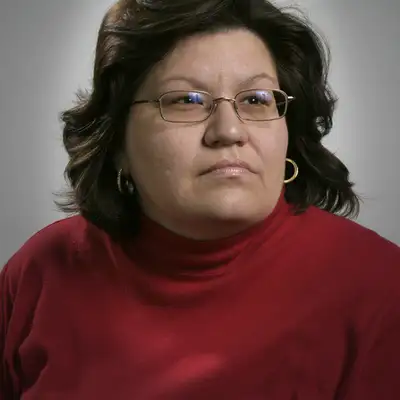
The Road To Your Name Podcast series grew out of a program started by Aboriginal Legal Services (ALS) in 2016 that helped people going through the justice system and their families to strengthen and deepen their cultural connections. Host, Lisa VanEvery, examines many aspects of Haudenosaunee culture and teachings with a wide range of guests.
Lisa: She:kon sewakwe:kon. Greetings everyone. Welcome to our Yoha:te ne kahsen:na, the Road to Your Name podcast focusing on Haudenosaunee cultural topics recorded on Haudenosaunee territory.
Lisa: This is produced by Aboriginal Legal Services with the technical assistance of True Seed Media. My name is Lisa VanEvery from the Mohawk Nation and the Wolf Clan. I'm the coordinator of the Yoha:ten ne kahsen:na, The Road to Name Program and the host of the podcast[01:33:00]
Lisa: This is the Yoha:ten ne kahsen:na: The Road to Your Name podcast series
Lisa: Today's episode of the Yoha:te ne kahsen:na, the Road to Your Name podcast, we have Diane Boots as our guest. And Diane is the director of the, Iahki'nikonhketskwas, Lifting Their Minds Center at Akwasasne. And, we're gonna talk today with Diane about her work there, what she's doing there as an end of life doula.
Lisa: And I don't know too much about, [01:34:00] end of life doulas, but we'll speak with Diane and we'll find out all about it. Welcome to the podcast, Diane.
Diane: Thank you. She:kon.
Lisa: She:kon. Yeah, it's so good to talk with people in our Mohawk communities up there and, and find out about the work that you're doing.
Lisa: So, let's just start. What... can you tell me, like, what is an end of life doula?
Diane: Okay. An end-of-life doula has similar roles like, we all have, uh, heard about birth doulas.
Lisa: Yes.
Diane: And, um, I'm also a birth doula.
Lisa: Mm-hmm.
Diane: And, um, I have 200, uh, or more births under my belt within Akwesasne. And what a doula does basically is to be there for [01:35:00] the patient or the person, um, when they go through transition.
Diane: So in a birth du-doula, you would be helping them to educate about their bodies, their labour, their delivery, uh, nurse, and et cetera, okay? And a death doula, what she does is that she goes in and she provides services before, during, and after somebody is passing. So before, uh, it's very educational based, um, and a lot of it is about, uh, getting the documents done, like their will, their, uh, DNR, their medical proxy, their, um, power of attorney, and their executor.
Diane: So it's... A lot of it is teaching the family and the person about how important these documents are, especially if they're planning, [01:36:00] um, to pass away at home. Um, that is one of the huge things that we do first because, um, if they pass at home, you don't want to say, "Oh no, they don't have a DNR." You know, the rescue has to be called, and they're gonna receive CPR.
Diane: You know, um, there's all these guidelines you have to abide by, uh, at the same time. So it's very important to get the documents done. And then from there, we do a lot of education to the patient and to the family about what's gonna happen. You know, um, a lot of times I go to the patient and I say, "You know, I think it's very funny that from the time you're born, you are taught.
Diane: You know, people are in your face teaching you do this, do that, and then w- at this time of your life, everybody shuts up." So I'm your person. You wanna ask me [01:37:00] anything under the sun, and if you want it to be confidential, we can be confidential. If you want me to mediate, you know, whatever you would like. Or if you would like to have like a celebration, I can even help your family, uh, do that.
Diane: But, you know, it's getting that contact with that patient and meeting them where they're at and the family. So during this time, we're talking to the family also about, you know, the stresses of being a full care, full-time, um, caretaker. You know, maybe possibility of them losing their jobs or losing part of their income.
Diane: Um, it, it... Learning how to change, um, um, depends. You know, it can go from very basic to more complicated, and it's pretty much what the family needs. If I can't provide it, I ask people to help me, like the home care systems, um, [01:38:00] medical outreach that's in your community, you know, doctors. You know, I, I... If I don't know it, and I'm very honest about that, you know, I said, "Well, I don't know about this topic, so let's research it and let's find out who does it."
Diane: And, and that brings it right down to the honesty of being completely honest with them. And that's what I do, is I'm completely honest with my patients and my family. I don't sugarcoat anything, um, because when the, uh, the time comes, they need to know what's going to happen. What is the process of the body passing, you know, what to expect.
Diane: A good example is when, um, a person is passing, we, they, their body naturally... And this is something a lot of people don't know. Your body naturally knows how to pass away. It knows how to start [01:39:00] breaking down, and you don't have to do anything about it. Your, your body will normally do this. And so you can't digest food anymore.
Diane: You know, your stomach and your organs are getting flatter. They're not functioning as well, so they can't digest. So we as a people love to s- you know, somebody doesn't feel good, we gotta feed them, you know.
Lisa: Mm-hmm.
Diane: Somebody is stressed, we gotta feed them, you know. And to get them to understand that it might be the worst thing that you can do for your patient right now is to feed them, because it's hard on the patient because they want to please the family and they'll eat, but then they'll get sick.
Diane: Mm-hmm. They'll get indigestions, they'll get bloated, they'll get stomach aches. Um, it-- And their stomach will really be churning. They might, um, the food might be, get caught in their stomach, you know, because it's gonna take so long to digest, you know. So [01:40:00] before that happens, that's one of the things, for example, that I would talk to them about, you know.
Diane: Let's find a different way to show our compassion, our l- unconditional love, you know. Um, I also will tell the patient, "What do you like to do?" And, you know, they, they would say, "Oh, I like to play the banjo." "Okay. Well, let's get a banjo in here, and let's put it in your room and maybe put some of your things-" You know, your music out and have you been teaching anybody?
Diane: And if they have, then maybe have them come in once a week and still teach, you know. They can still listen, you know. The- Mm-hmm ... the hearing is up to, uh, half an hour after they pass.
Lisa: Mm.
Diane: That it's been medically proven. So it's, it's, it's amazing, you know, of they just don't have to lay there and pass away.
Diane: You know, let's, let's, um, encourage them to live while they're still going through this [01:41:00] process.
Lisa: Mm. That's interesting. Um- Mm-hmm ... things that we don't really think about, about making that transition now. Um, you say that you've birthed or helped to birth, um, babies as a birth doula. Like, what brought you to the transition to the end of life doula?
Lisa: Was that always a part of your practice?
Diane: Okay. Um, I've always... Everybody, I, I believe anyways, everybody has a gift from the Creator.
Lisa: Yes.
Diane: And when my... I had my first death, I mean birth, it was, like, so easy. It was like I automatically knew what to do. I didn't get excited. It didn't freak me out, you know.
Lisa: Mm-hmm.
Diane: And it just seemed like it was the most natural thing. And my first b- birth was when I was about 18 years old in college. And then, um, as I-- When I was younger, I used to [01:42:00] receive a lot of messages and about people passing and everything, and it never bothered me.
Lisa: Mm-hmm.
Diane: It just never bothered me. And, and then when I went through my healing, um, I learned that my gift is the coming and going of the spirit.
Lisa: Mm-hmm.
Diane: So that explained everything, you know.
Lisa: Mm-hmm.
Diane: Um, that I never had the fear of, of, of passing away.
Lisa: Mm-hmm.
Diane: I don't ever remember saying, "You know, I'm scared to pass away." And I have passed away twice.
Lisa: Oh my goodness.
Diane: And, uh, yeah, I had a end of, um, what do they call that? Um...
Lisa: A death ex- Um- A near-death experience?
Diane: Near-death experience. Mm-hmm. Yes. Mm-hmm. And that just reinforced 220 p- percent that, you know, of what my belief is, you know, of going to the spirit world, and it's unbelievable.
Lisa: Mm-hmm.
Diane: And I think that [01:43:00] that's what really Helps me to be a death doula to the patients when I tell them my story, because then they, the fear is not as much, you know.
Diane: And they ask me questions, and I, I answer them honestly as to, to the best of my knowledge. And, um, so to get back to your question, um, what was it? We got off the topic a little.
Lisa: Oh, that's what we do here at "The Road to Your Name" podcast. We get off topic- Yeah. ... and then we get back on and, and we learn so many things.
Lisa: Uh-huh. We just have a conversation that flows. Um, yeah. So I was, I was asking the y- how you made the transition from the birth doula to the death doula. Okay. And you said it was because of your experiences.
Diane: Yes. But that, that was part of it. But after COVID, um, I'm a pipe carrier, and we were having one of our [01:44:00] ceremonies and, um, we sit around and talk after, and I was sharing with my sisters that, um, I went to a wake and that the family was devastated.
Diane: And I said-- And they go: "What do you mean they were devastated?" I says: "Well, they weren't y- they were devastated out all over their loss, but they were devastated that nobody came to their house to help them take care of their loved one. Nobody came to the wake, and then hardly nobody was there at the wake, at the, the wake that I went."
Diane: I think there was five people besides the immediate family.
Lisa: Mm-hmm.
Diane: And they were worried about who was coming to the funeral because they were trying to plan the dinner.
Lisa: Yeah.
Diane: And, um, they were devastated. They're like: "Didn't they, didn't the community love my, uh, daughter?" You know. Mm-hmm. "Didn't the community, you know, see, come and help us, you know, see that we were having a hard time?"
Lisa: Yeah.
Diane: You know, I thought that was our [01:45:00] role.
Lisa: Yeah.
Diane: And that really hit my spirit really bad, you know. It, it... I said: "I gotta do something about this." So I looked up being a death doula and what it entails. So because I was a birth doula, like I said in the beginning, it's basically the same skills, um, and being there compassionately for your, your loved one or, or the loved one and being honest and non-judgmental is, uh, another huge thing a doula does.
Diane: And I said: "Well, let me write a grant." So I wrote a grant, and we got funded by the, um, Mohawk Council Healing Grant, and then we got another funding from the Mohawks of Akwesasne- Trust Settlement Fund. And then our local station, CKON, uh, also funded us. [01:46:00] So they funded us for the first year, and in the first year I was able to start seeing patients and educating the community, and I developed, um, a training, um, course for community members.
Diane: Because I... The way I think is I can go to every meeting and stomp my foot and yell, or I can just gently teach and encourage people to take the responsibility back. And that's-- So that's how what I do is I have monthly classes for the community. I might have two, I might have 10, doesn't matter to me.
Diane: There's always a reason why I only have maybe two pe- pe- um, um, students, and it's because they have more questions. They're, they're not one to ask questions in a group setting or they really need some grief work, you know?
Lisa: [01:47:00] Mm-hmm.
Diane: So I never question who comes.
Lisa: Mm-hmm.
Diane: You know? Um, I'm there and I do it and, uh, I, I don't get excited about the numbers.
Lisa: Mm-hmm.
Diane: Or, you know, I didn't meet a quota or anything because that's not what it's about. It's about people coming in when they're ready.
Lisa: Mm-hmm.
Diane: And, um, and that's what I do is I, uh, do the end-of-life training. Um, I don't certify them as doulas because if they were a doula, they would have to go through the whole administration part of being a doula, like setting up a business and everything, and that's the difference between the two.
Lisa: Okay.
Diane: Is, um, you know, if you wanna become a doula, you have to do all this administration stuff and, um, you do, um, all your goals and, you know, all of this reporting and everything.
Lisa: Oh, yeah.
Diane: Whereas if you're just a end-of-life train- trai- uh, trainee, [01:48:00] you're, you can go help your daughter, you can go help your cousin, you can go help your friend when they're in, you know, going through the process of, uh, passing.
Diane: Oh, okay. So, and that's what, um, I train about.
Lisa: Okay. So what kind of things would one learn when they went to your, um, community end-of-life training just to help their families? What kind of things would you teach them?
Diane: First we, um, we talk about the funeral, um, history, and we talk about different ways of looking at funerals, um, why we have funerals, the cost of funerals, cremation, burial.
Diane: We talk about all of that. We, we talk about all of the documents that you need to have and, um, and the meaning of each document, why you have to have the documents. Um, then we go into, um [01:49:00] How to care for somebody. So I do on-hands training. Like everybody in the class has to wear Depends.
Lisa: Mm-hmm.
Diane: Has to lay in the bed, get changed and everything.
Diane: Um, they have to roll around in the bed and get the sheets changed. Because I find that it's very, very important that if I'm taking care of you, I should know what it feels like.
Lisa: Mm-hmm.
Diane: At least a little bit.
Lisa: Mm-hmm.
Diane: You know? So I can show my compassion and, you know, saying, "Hey, you know," um, knowing that you have to speak to the patient and not say, go in and say, "Oh, we're gonna change your Depends."
Diane: No, you know, you go in and you touch that patient. You see how they're doing that day. When was the last time they had medication? Okay, if it was, um, um, a couple hours out, maybe it's not a good time to give them a bath if they're in pain. Maybe wait until their medication is on board, a [01:50:00] 20 minutes or half an hour after they receive their pain medication, then do a bath, because then they're gonna be more comfortable.
Diane: You know?
Lisa: Mm-hmm. It's,
Diane: it's things like that you need to, uh, understand.
Lisa: Mm.
Diane: You know, you just don't go in and say, "We're, we're moving you," you know? You have to ask permission for things. You have to touch them. You... to be, um, verbally compassionate to them, and ask them if they even wanna be changed. Do, do they wanna change their bed sheets?
Lisa: Mm-hmm.
Diane: You know?
Diane: Now- And
Lisa: you know, that... Go ahead.
Lisa: I didn't mean to interrupt you, Diane. Um-
Lisa: Mm-hmm.
Lisa: I, I just wanted to ask about funerals. Um, you know, you, you mentioned that you, um, teach them all about the different kinds of funerals that there are. Mm-hmm. Um, long time ago, I guess we, we only thought there was one type of funeral.
Lisa: Mm-hmm. But I think there's- Yeah ... green funerals today. Are there a lot of different types- Yeah ... of funerals? [01:51:00]
Diane: Mm-hmm. There's a green funeral. There's funerals now that people are not getting embalmed now, that the person passes away at home. And everybody can do this. Uh, you- your loved one can pass away, and all you have to do is get someone to...
Diane: In New York State anyways. New York State is one of the, I think the seven states that do this. But you have to have somebody pronounce, um, that they're dead.
Lisa: Mm-hmm.
Diane: And so usually the funeral director will have to come and verify it, and then he would go back, and then you would be responsible for, like, putting the person on dry ice and, you know, dressing them and, um, making the coffin, all of those steps.
Diane: And then you can have them right at home, and you can even transport them to their burial.
Lisa: Mm-hmm.
Diane: You know, you don't need, uh, a funeral director to do that. But in New York State, he has to come and [01:52:00] witness the burial.
Lisa: Mm-hmm.
Diane: So he has to do those two things.
Lisa:Mm-hmm.
Diane: And, and it's because of health and, you know, their regulation.
Diane: And the other thing is the reason he has to do it is that in New York State, um, the funeral director is the one that notifies all the state and federal programs. Like if they were on Social Security, he has to report it to them.
Lisa: Hmm.
Diane: So then the family's not going through that process.
Lisa: Oh, yeah. What about green funerals?
Lisa: Can you talk a little bit about what that, what a green funeral would look like?
Diane: A what?
Lisa: A green funeral, what would that look like?
Diane: Okay. A green funeral would be just like I had mentioned that y- that there's no, um, um... They're not, um-
Diane; Embalmed ...
Diane: embalmed. And they, um- It's all a wooden box, a [01:53:00] wooden pine box or a, a cradle board.
Diane: Um, there's no box within a box within a box type thing.
Lisa: Mm-hmm.
Diane: You know? Mm-hmm. It's all natural. Like, the box is not varnished. It's a, it's a natural box. And now they're talking about, um, having people with, um, put in, um, burlap, uh, bags and, um, put un- and plant a tree over them, you know?
Lisa: Mm-hmm.
Diane: And, um, you know, there's all different kinds.
Lisa: Yeah.
Diane: You know? Um, have even, you know, the, the cremation, you know, that's not really a green burial, you know?
Lisa: Mm-hmm.
Diane: Um, because, you know, it's not, um, returning to the earth.
Lisa: Yeah.
Diane: Right?
Lisa: Mm-hmm.
Lisa: So.
Lisa: So, um, uh, what about, um, uh... Oh, I just had [01:54:00] it in my head. Stop that. Take all that out, Eric. Um- Um, let me see. I just had the, my question.
Lisa: Oh, I know. Okay, start again. What about, um, are more people choosing to, um, pass, go make their transition to the spirit world, um, from their homes?
Diane: Yes.
Lisa: Oh, okay. Yes. That's interesting. Can we talk more about that?
Diane: Okay. So that's my favorite part.
Lisa: Mm-hmm.
Diane: Okay. Um, so when a baby is born, you're standing there, and when that head comes out, when that baby is in the process of being born, we feel it.
Diane: We f- we, we get chills. We, we hold our breath. Our eyes are really, you know, like, bright. We're, um, real joyful, right? Mm-hmm. When a baby is born- Mm-hmm ... when we're witnessing that. Well, you're [01:55:00] witnessing that spirit, okay? That is what that spirit feels like, okay? So when a person passes away-
Lisa: Oh, she's
Lisa: cutting out
Diane: I tried to work with the-
Lisa: She said repeat that. Oh, can you repeat that?
Diane: Okay.
Lisa: Diane.
Diane: Okay.
Lisa: Start from when a person- Okay ... passes away.
Diane: Okay. When a person passes away, um, there is, there is the spiritual side of it And it starts at the birth. When a child is born, you're standing there and you get the shivers, you get the tingles, you go, "Oh my God," you know?
Lisa: Mm-hmm.
Diane: That's witness- you witnessing the spirit of that child coming into the physical world.
Lisa: Mm-hmm.
Diane: And when they leave, you can experience that again. So what I do is I work with the family if they're, they want [01:56:00] to, and this is totally volunteer on their, their end. I teach about energy. And, um, if you wanna know a- about energy, you can do it right now.
Diane: You can rub your hands together real fast and until they get hot, and then you can pull them apart and make a little ball. And then if you pull your hands back, it will be cool, and then it will be energetic when you go in closer to the ball. Mm-hmm. So that energy is everybody can do that, and you can do that with a couple of people, and I do that in a class.
Diane: I have everybody feel everybody's energy.
Lisa: Mm-hmm.
Diane: So that they know what energy feels like. And so when the, the p- I explain to the patient and the family that when a person is starting to pass, they're going into the physical world more and the- Less time in the-- okay, wait a minute. I [01:57:00] got that. Check. Take that off.
Diane: When they are starting to pass, the person goes more into the spiritual realm than they are in the physical realm.
Lisa: Yeah.
Diane: Being that they're, they're transitioning, correct?
Lisa: Yeah.
Diane: So then I talk to them about they're gonna have visions. They're going to start wishing that they can go somewhere and then maybe dream it, and then, um, all of a sudden somebody will say, "Hey, I had a dream of your father.
Diane: He came to visit me. You know, how is he doing?" You know? And I talk to them of that they have to learn how to travel more, but they always have to come back to their body. And so we talk about that, that transition and, and that energy. And usually the person, if they feel very comfortable with it, they'll tell us, [01:58:00] you know, "Oh, my mother and father are here now."
Diane: You know? Mm-hmm. Um, I had a really sad case that, um, gentleman, uh, family called me and they said, "Can you come and see him?" And so I went over and he kicked everybody out of the room and, um, he says, "I wanna talk to you about something. I don't want us- you to say anything to anybody." And I said, "Okay. What's going on?"
Diane; He said, "Am I going crazy?" And I'm like, "Well, tell me and I'll see if I can t- I can help you out." And he goes, "My mother and dad are sitting right there." And he says, "And not only am I dying of cancer, but I'm fricking going crazy."
Lisa: Mm-hmm. "
Diane: And I don't like them there."
Lisa: Mm-hmm.
Diane: And so I had to explain to him about that.
Lisa: Mm-hmm.
Diane: And he was like, "Oh my God." He says, "You don't know what you've done." He says, "I feel [01:59:00] so much better now." He says, "I seriously thought I was going crazy."
Lisa: Mm-hmm.
Diane: You know?
Lisa: Mm-hmm.
Diane: And I didn't know about spirituality and about the energy and everything. And, um, so I left, and then two days later he had passed, and I went to his wake.
DIane: And his wife said, "I don't know what you and him talked about," but she said, "The last two days he was himself, and he was at peace, and he was just loving on us and talking to us and everything." She goes, "Thank you so much for that."
Lisa: Mm-hmm.
Diane: And, um, I told her what I tell everybody, "No, thank you for the honor."
Diane: And that's what I see it as. It's a honor to help somebody, um, um, connect with their spirit.
Lisa: Mm-hmm.
Lisa: So.
Lisa: Now I know as, as, um, Haudenosaunee people, we're, we have, we're so rich in our culture. Yeah. And we do [02:00:00] have- Mm-hmm ... a lot of teachings that, um, that talk about death, around death.
Lisa: Mm-hmm.
Lisa: So how do you, um, infuse, include culture in what you practice with your, um, with being a death doula?
Diane: Yes.
Diane: Mm-hmm. Uh, if you, and I, I'm one of the people that just love the condolence.
Lisa: Mm-hmm.
Diane: Um, the condolence, everything that you need is in the condolence. Yeah. It's, it, it gives you a description of how you need to change, how you need to grieve. For example, um, I like it when they say, um, they're t- 'cause every night during the wake they talk to them.
Diane: They're talking to the family and the spirit about that separation, the physical separation. And they say to the wife, "If you cooked dinner at 5:00, then you need to eat at 4:00 or 6:00 so you don't look at that door for y- and [02:01:00] expect your husband to come through that door."
Lisa: Mm-hmm. "
Diane: Because he has to realize that that's not his duty anymore to come home at 5:00 for his dinner.
Diane: And it's your duty to, to realize that he is not gonna come back for 5:00." So, you know, I just love how they do that. And they say, "Now, you know, um, maybe have your son over and eat dinner, you know- Mm-hmm ... at 4:00 or 6:00." You know, is the... And then they talk about the community. If you don't see the widow's, uh, fire, uh, smoke coming out of their, their pipes from their wood stoves, stop in, find out.
Diane: Does she not have wood? Does she need wood to be brought in? What? You know?
Lisa: Mm-hmm.
Diane: And it, it, they go into the community's role. And after COVID, I seen everybody take that step back, but they didn't fully step back in. [02:02:00]
Lisa: Mm-hmm.
Diane: And we're a circle community, and once we go into, "No, I just take care of my family," we go into the module family, and then we become separated.
Diane: And if we're separated, guess what? We're easy to conquer.
Lisa: Mm-hmm. Mm-hmm.
Diane: Right?
Lisa: Yeah.
Diane: And we get away from helping each other, and one person in the community falls, we should be there to try to help them up and keep them with us, not leave them behind.
Diane: Yeah. And,
Diane: um, but that's, that's, um, pretty much what I teach about that too.
Lisa: Yeah, and all of that was given- How important it is ... all of that was given to us in the, in our instructions about, um-
Lisa: Mm-hmm ...
Lisa: you know, within our clans, you know, helping the other clans if they- Yes ... if they're experiencing- Mm-hmm ... a death because their minds have, um, [02:03:00] fallen on the ground, I guess it's translated to.
Diane: Yeah.
Lisa: Mm-hmm.
Diane: Mm-hmm. So that's why I l- I called it Lifting Their Minds.
Lisa: Yeah, that's the name of your- Mm-hmm ... um, center that you have there. Mm-hmm. And let me try- Yeah ... to say it in the language, because I'm a language learner, and I always try to l- use my language. Iahki'nikonhketskwas.
Lisa: Iahki'nikonhketskwas. Is that right?
Diane: Not.....
Diane: Say it again. iahki'nikonhketskwas. Yeah,
Diane: I think you're closer there.
Lisa: Yep. I, I try. It's hard. Every day I try. Okay. Mm-hmm. And that translates to lifting their minds, so that's what you've- Yeah ... named your center. And, um- Yes ... so how many times, um, a year, I guess, or would you, would you be offering this, um, training to the community? And do you, do you have other people from other [02:04:00] communities come in to get your training?
Diane: Yes. Yes. Um, I'm willing to go to any of the communities to do, um ... My training takes two days. Um, we usually do it from 9:00 to 3:00. I usually have who's putting it on to bring lunch in, because I like to sit around and eat and talk. That's, you know, even though I'm not teaching at the moment, we get into a lot of, uh, good discussions over our meal, just like we normally do, you know- Mm-hmm
Diane: when everybody's sitting around.
Lisa: Mm-hmm.
Diane: And so, um, I adjust my training to whatever the, the group is, you know. Um, I might be teaching home care workers. So then we're gonna be talking about, um, more patient care, more care for them, how they can take care of themselves. For example, um, I developed what's called a compassion pouch for the home care workers, and I give it to everybody now.
Diane: But, um, [02:05:00] originally it was for the home care. I was thinking of them, of how devastated it is for them from working, you know, weeks to months with a patient, and the patient passes away, and they're expected to go right next, that day to the next patient.
Diane: Mm-hmm. You know?
Lisa: Mm-hmm.
Diane: And not have that time. And so what I did is I took essential oils and their roll-ons, and I I put in a grounding one, stress, sleep, and immunity.
Diane: And inside the pouch also is tobacco sage and sweetgrass. And I wrote a prayer, um, as a home care provider to stop on the side of the road, even for a couple of minutes, to breathe and to read this prayer of, you know, giving [02:06:00] thanks that, um, the Creator giving them, uh, the opportunity to take care of this patient and their family.
Diane: And to give thanks for that they did the best that they could, and to give thanks for, um, um, their life and the direction that they are, um, uh, where they are in their life, and to give them strength to go on to honor their next patient.
Lisa: Mm-hmm.
Diane: And so, um, if I was prepared, I could have, um, had the prayer ready for you.
Diane: But just to stop on the side of the road and put tobacco down, to smudge and to put tobacco down, you know, to me, that would make a, a world difference-
Lisa: Mm-hmm ...
Diane: for them going to their next patient.
Lisa: Mm-hmm.
Diane: And for them to readjust and maybe put some oils on and just [02:07:00] learn how to breathe and say, "Okay," you know.
Diane: And then on the other side of the prayer, I have a quote for them to, to lift their spirit. So I call that my compassion pouch. And, uh, I get-- I have prayers in there for the caretakers, the home caretakers, the workers, and for the patient. Hmm. So I made up, um, three pouches with prayers.
Diane: Well, that's really, um, necessary and, and by doing all of this type of work, like, um, for many years, I guess, how do you, how do you take care of yourself?
Diane: Oh, I have an amazing husband for one. That helps.
Diane: Yeah. You know, be- behind every good woman is a e- even greater man, I say. He, um, if I keep him, um, I communicate with him what's going on, and he might not see me for 12 or [02:08:00] 14 hours.
Lisa: Mm-hmm.
Diane: And he knows where I am, and he'll, you know, check in on me. You know, "When do you know when you're gonna be coming home?"
Diane: And then when I'm about an hour out, I'll say, "Well, okay, I'm starting to, you know, um, say my goodbyes and everything." We have a hot tub, and he will get the hot tub going. He'll make sure I have a hot meal.
Lisa: Mm-hmm.
Diane: You know, get the smudge going for me and-
Lisa: Mm-hmm ...
Diane: you know, he, he takes care of me like that. Um, and he makes sure I, um...
Diane: I had to learn how to take naps-
Lisa: Oh,
Diane: yeah. ... because I, yeah, I just, I was never a person to take naps. I was like, I don't know, I was brought up, "Oh, you take a nap, you're lazy."
Diane: But naps are really healthy for us.
Diane: Yeah, they are. And so I'm like, "Oh, I, I..." You know, just to give yourself permission to take a nap was a big thing for me.
Diane: And so now, you know, he makes sure I take naps. And then I'm a golfer, [02:09:00] so he'll say, "Let's go golfing," or, you know. Um, and plus I do my ceremonies. I smudge down. I ground myself. Um, I, I try to get with my grandchildren, laugh, and, you know-
Lisa: Mm-hmm ...
Diane: whatever I can to relieve that, you know?
Lisa: Yeah.
Diane: Because it's a balance.
Lisa: Mm-hmm.
Diane: And in reality, I'm very happy for whoever has passed. I'm very happy that they, you know, had a safe journey and that I could feel their spirit, you know?
Lisa: Mm-hmm.
Diane: And I know they're okay. Mm-hmm. So how can I be sad for them?
Lisa: Mm-hmm.
Diane: You know? And, and so I, I think of it more positive than other people do, I think.
Lisa: Yeah.
Diane: You know?
Lisa: For sure.
Diane: Because I have a strong belief in spirit.
Lisa: Mm-hmm. So. And, um, I know you've done a video for the Akwesasne TV. That's how I, um, discovered, um, the [02:10:00] work that you're doing. I saw the video and, um- Mm-hmm ... it's very educational. Um, you explain- Oh, thank you. ... you explain what you're doing. So, um, I think it can be found online and, um- Mm-hmm
Lisa: and so if people want to get ahold of you, I guess they can go, um, to the Lifting Their Minds Center, find that, and find you there?
Diane: No, it, no, it's all through my, um, email, um, which is Diane, D-I-A-N-E, B as in boy-
Lisa: Yeah ...
Diane: 136555@yahoo
Lisa: Oh. Repeat the last one again. Oh, can you say it again, Diane?
Diane: Okay. Okay. So it's
Diane: dianeb13655@yahoo.com.
Lisa: Oh, okay. Yahoo.com.
Diane: So it's D... You want me to spell it?
Lisa: No, I, I think it, I, I got it. Okay. D-I-A-N-E-B [02:11:00] 1-3-6-5-5 @
Lisa: yahoo.com. 13655@yahoo. Yep.
Lisa: Yeah, yahoo.com. So they can just- Mm-hmm ... email you if they wanna get in touch with you.
Diane: Yep.
Diane: If they would like. I'm on Facebook too, under Diane Boots.
Lisa: Oh, you're on Facebook under Diane Boots.
Diane: Yep, and there's, uh, Lifting Their Minds, um, but there's another site on there, so you gotta click it and make sure you're on the right one.
Lisa: Oh, okay.
Diane: Um, and then my phone number would be 518-317-8927.
Lisa: Okay. We got that. Yeah. Okay. So, I mean, there's so much to, um, I guess for people, there's so much to relearn about death and funerals.
Diane: Mm-hmm. Yes. Yeah. Yes. Because, um, you know, to get to that point where you're unafraid and, and learn about the, um, transition of [02:12:00] the spirit, and it can be a, it--
Lisa: Well, it is a beautiful thing, right, Diane?
Diane: Mm-hmm. Yes, it is.
Lisa: Mm-hmm. Hmm. Well, did you have
any- And even, you know-
Yeah, go ahead '
Diane: Cause even if you, like I had one that did go get into learning the energy, and she told me later, months later when I ran into her, she goes, "You know, you were right."
Diane: She says, "When I th- I thought I was gonna be so, have so much trauma out of, out of my seeing my dad pass away." And she says, "But the way that you had us do it," and I wasn't there when they did it, when he passed. And she says, "We just sat around and said, 'Let's try what Diane taught us how to do.'" And she says, "When he passed, we were there, and he-- we must have sat there a good five to 10 minutes before we raised our heads after he passed."
Diane: And she says, "And it was so beautiful to feel just the family [02:13:00] energy and, and for hi- for us to feel his spirit." And she says, "And I know 200% that my dad's good."
Lisa: Mm-hmm.
Diane: And she says, "And that brings me comfort."
Lisa: Yeah. "
Diane: So, uh, the, the passing wasn't a trauma for me. It was something beautiful."
Lisa: Mm-hmm.
Diane: So, you know- Um-
it's just a different way of thinking, you know?
Lisa: Yeah.
Diane: Once they understand it.
Diane: And what a gift that can be to leave for a family, right?
Lisa: Mm-hmm. Yeah.
Lisa: For sure. One thing that I found so interesting through our whole entire talk here is that when you mentioned that a person passing, their hearing, uh, um, their hearing is still there half an hour afterwards.
Lisa: I found that very- Yeah ... interesting.
Lisa: Mm-hmm.
Lisa: And then I was thinking, uh, back to the, um, the cultural practice of, of speaking to the person. So I think- Yep ... you know, sometimes we, we come [02:14:00] to know again and that our indigenous knowledge is so old, right?
Lisa: Mm-hmm.
Lisa: You know, that- Yes ... that we knew this, and that's why we- Mm-hmm
spoke to the spirit because we knew the hearing was still there.
Lisa: Mm-hmm.
Lisa: Yeah. It's just so fascinating. Go ahead.
Diane: And, uh, what I, what I do when somebody has passed, we'll wash them in cedar and position them on the bed. We'll put their cologne on and take them out of pajamas, and we'll put up candles, kind of like a ambiance, and put on music.
Diane: And we'll, um, the, we'll push the body over to the farthest side of the bed because I want to encourage the family to lay with them, to, you know, lean on the bed and play with their hair and talk to them, uh, privately. Because I'll stand at the [02:15:00] door and not let nobody in there, and one person at a time will go in to say their goodbyes.
Diane: Because at the... When... If they go through a funeral home, the next time they see them, they're cold, they're hard, they're in a coffin, they're in a public place. Or even if they're at home, they don't get the private time.
Lisa: Yeah.
Diane: And so I encourage them to take that time. And if it takes hours, it takes hours.
Diane: That doesn't bother me.
Lisa: Mm-hmm.
Diane: You know? Mm-hmm. Until we have to call the, the funeral director to come after them.
Lisa: Mm-hmm.
Diane: You know? It's the family time, you know?
Lisa: Yeah.
Diane: And, um, I think that's a very sacred time for them-
Lisa: Mm-hmm ...
Diane: to have.
Lisa: Well- Yeah ... nya:weh, Diane, for joining us today on the Yoha:te ne kahsen:na- Mm-hmm
Lisa: Road to Your Name podcast. It's been very enlightening to hear all of this talk. Oh, thank you. Um, we don't talk about this enough, I don't [02:16:00] think so. Um- Mm-hmm ... I hope that listeners of this podcast will, you know, begin to think differently about death and, and, um-
Lisa: Mm-hmm ...
Lisa: check out death doulas.
Diane: Yes. And, and, uh, you know, if you want me to come in and train the community, I have no problem with that.
Diane: Um, my funding, uh, pretty much, um, we're, we're in the middle of funding to see if I'm gonna be funded this year. If not, then I'm going to go on the road and go and, um, teach other communities.
Lisa: Mm-hmm. So, um-
Lisa: Take your show on the road.
Diane: Yeah, take the show on the road and- Yeah ... you know, do some traveling and meet more brothers and sisters, you know?
Lisa: Yeah. How, how joyful c- can that be, you know?
Diane: Yeah, for sure.
Lisa: So.
Lisa: Okay. Well, nya:weh for joining us and, um, you know, best of, best of luck in your, in, um, in doing what you need to do to continue your work.
Diane: Oh, [02:17:00] thank you very much, and thank you for reaching out to me.
Lisa: Okay. Onaki'wáhi.
Diane: Ó:nen.
Lisa: Nyaweh (thank you) for listening to this episode of the Yoha:te ne kahsen:na, The Road to Your Name Podcast, which has been produced by Aboriginal Legal Services and hosted by me, Lisa VanEvery. There are 10 podcast episodes in each season. Let's meet again on the next episode If you would like to learn more about our organization, Aboriginal Legal Services, and the programs and services we provide, please visit us at our website www.aboriginallegal ca.
Lisa: And if you feel inclined and would like to make a donation, you can click on the word Donate located at the top of the homepage of our website. You can also[02:18:00] visit us on Facebook at Road to Your Name. This has been the Yoha:te ne kahsen:na: The Road to Your Name Podcast