Subscribe
Share
Share
Embed
This podcast is about scaling tech startups.
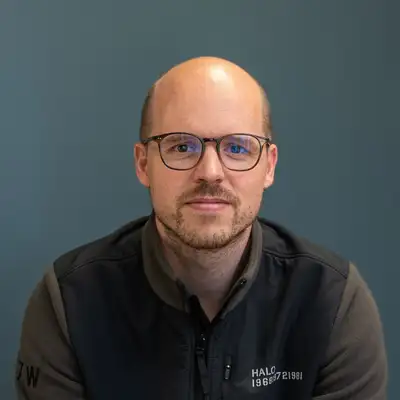
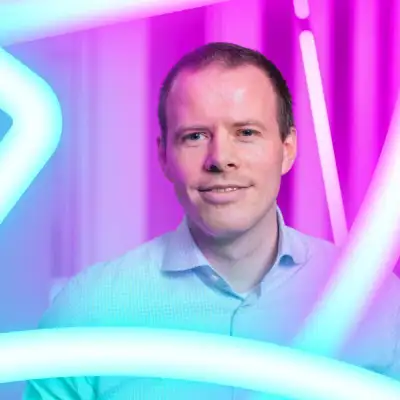
Hosted by Toni Hohlbein & Raul Porojan, together they look at the full funnel.
With a combined 20 years of experience in B2B SaaS and 3 exits, they discuss growing pains, challenges and opportunities they’ve faced. Whether you're working in RevOps, sales, operations, finance or marketing - if you care about revenue, you'll care about this podcast.
If there’s one thing they hate, it’s talk. We know, it’s a bit of an oxymoron. But execution and focus is the key - that’s why each episode is designed to give 1-2 very concrete takeaways.
[00:00:00] Toni: Hey everyone, this is Tony Holbein. You are listening to the Revenue of Formula. In today's episode, we are going to talk about how to drive expansion from your customer base, leveraging your CSM team, but doing it in the actual right way. Enjoy.
[00:00:19] Mickel, um, Was a bit disconcerting actually. Yeah. Uh, I came back into the studio and Mickel was about to jump out of the window and uh, I don't think it's funny. I don't think we should be ling. Uh, your mental health issues, Mikkel.
[00:00:39] Mikkel: Wow. No, my show notes blew out of the window. Come on,
[00:00:42] come on, come on, come on.
[00:00:43] Toni: You know what, it
[00:00:44] Mikkel: it was just a really terrible episode we recorded before this, and you know,
[00:00:48] Toni: so I'm not sure if it's a mental health thing or if it just shows your dedication to the show. We're like, oh, notes that I could just reprint in like 20 seconds. Let me jump out of the window to kind of fetch them.
[00:01:01] Mikkel: No. Also, actually we are on the right track. We're, you know, crossed 10 K Wow. Downloads amazing,
[00:01:08] Toni: I had my, I had my little son on Spotify, click download probably 5,000 times out of that.
[00:01:14] Yeah,
[00:01:14] Mikkel: same. So, but then it's my son the other then.
[00:01:17] Toni: oh, there you go. That's how
[00:01:18] Mikkel: Robin.
[00:01:19] Toni: Yeah.
[00:01:22] Mikkel: No, no, no, no, no, no,
[00:01:23] Toni: So my wife sometimes actually listens to this. Yeah. Who would've thought? Yeah. Yeah. Well, she's in RevOps as well, so that makes a little bit sense. But uh, you know, when we sometimes jump in the car, uh, it's only my voice playing.
[00:01:34] Yeah. And yours obviously, it's so weird. Should
[00:01:36] Mikkel: we create like a separate podcast where we just mute your part out and then it's just me because I'm thinking maybe it's too much to listen to you.
[00:01:42] Yeah. But you know,
[00:01:43] Toni: it's more like, uh, than more of a white noise podcast.
[00:01:46] Mikkel: It's gonna be like 15 minutes of silence and then some. Yep. Hmm. Uhhuh.
[00:01:52] Toni: Thank you everyone. Bye.
[00:01:55] Mikkel: Wow, that was a long intro. Okay, so what are we actually gonna talk about? I completely forgot. No, we're gonna talk about customer experience, I think, and, you know, growing through something.
[00:02:06] Expansion. Expansion. Um,
[00:02:08] Toni: X word,
[00:02:09] Mikkel: The other expert. No. So I, um, one of the things that I found,
[00:02:16] Toni: before,
[00:02:17] Mikkel: uh, us hitting record here, was there this rule of thumb that a CSM should carry 1 million to their name. And then I started reflecting over some of the conversations we've had with, capacity planning, where it's, quota on the street and the quota someone carries.
[00:02:33] It's probably the wrong way to look at it because how many opportunities can they work? Yeah. And I started thinking about it the same way here. So,
[00:02:39] Toni: So, I mean, uh, I can, I can tell you why that is. where, where it came from. I can tell you that. Yeah. Um, and it basically came from the idea that, and I'm going a little bit high up and then I'll come down again. but your gross margin should be 80%. Mm-hmm. That's where the idea is coming from. and, then out of the, you know, 20% that you're paying for, You know, to maintain your customers.
[00:03:03] 10% will be data and servers and, and, and maintenance and stuff like that. The other 10% will be the services team. Yeah. So the csm, you know, to a degree, and there's obviously mix in this. So what does that mean? Does that, that basically means that 10% needs to be the ratio roughly of the C S M salary.
[00:03:25] Yeah.
[00:03:25] Mikkel: Yeah.
[00:03:26] Toni: To the amount of revenue they need to carry. Yeah. That's where this idea came from. and basically then you had people in the Bay Area, as CSMs earning, uh, a hundred K per year. And guess what, CFO said, okay, if I divide this by 10%, oh, I get to a million solved.
[00:03:46] Mikkel: Yeah,
[00:03:48] Toni: That's, that's, that's how it happened.
[00:03:50] I kid you not, um, and, um, And obviously kind of the, the, the better way to look at this is, um, you know, what are the CSMs doing? Yeah. Uh, again, the limiter is daylight. Yeah. so what are they doing during the day? and, and you would basically, you know, take the customer life cycle here. Yeah. So how many touches do you need to do per year?
[00:04:11] It's gonna be more on the onboarding, then it's later on, and blah, blah, blah. You figure out how much time that is, plus some buffers of sickness and holiday and scheduling time in between and inefficiencies basically. And then you see, how many times you can repeat that, aka per customer, per year.
[00:04:27] and then you get how many customers a CSM can carry, and then you better hope that that equals a million or, or whatever, or 10 x whatever salary you pay that csm. And, uh, that's, that's a better way to go about it. Yeah.
[00:04:39] Mikkel: So what we really wanted to get into today is there's a lot of focus on sales and marketing in terms of growth, right? That's really where the focus is. But a SaaS business is recurring revenue. That's how the business is built. Yep. And who is the caretaker of that revenue? Well, it's really, you know, cs and we wanted to kind of peel the onion bit around how do you grow through your existing customers.
[00:05:01] We've talked about. Um, the 10% rule in the past for how to plan, right? You're gonna plan some of those principles here, but we also talked about price hikes and how that compounds, and I think this is really some of the key points. Yeah.
[00:05:13] Toni: So the thing is, for the last year when I've been on, uh, sales calls or discovery calls, or customer calls or, or just kind of chatting with people in the industry, I.
[00:05:21] Everyone was like, Ooh, you know, the board decided we're gonna have major focus on efficiency and major focus on our customer growth. Yeah. Uh, and so why, why both of them? Well, efficiency, obviously that kind of makes sense. And customer growth. Well, guess what? It's the most efficient channel that you can have.
[00:05:36] Yeah. Right. Uh, so all of those. Magical boards came up with like, Hey, those are the two levers we should be pulling and focusing on. What happened now though is, especially on the efficiency side, which usually is around sales and marketing, um, the world kind of turned into the opposite direction in many cases.
[00:05:53] You know, sales cycles, prolonged conversion rates drop a CVS drop, and uh, really. You know, you have lots of efficiency being deployed, but it's almost not, you know, uh, enough to kind of hold the tide here. And then on the customer growth side, you basically have every single IT budget is under pressure right now, and you have just so much churn going on.
[00:06:13] Uh, so both of these lever kind of failed for most organizations. and, uh, and what we wanted to talk about today is kind of at least the second one on the, you know, how can you drive more growth from an existing base? Yeah. What can you actually do here in order to try and figure this out?
[00:06:26] Mikkel: Mm-hmm. Um, and
[00:06:29] Toni: yes, let's dive into it.
[00:06:31] Mikkel: So raise prices. End of episode. Thank you
[00:06:33] Toni: much. Yes. Raise prices. That's, that's exactly what you should be doing. Um, and let's talk through the, let's talk through the contractual requirements in order to achieve that
[00:06:41] Mikkel: Yeah, yeah, yeah. No. So I think, um, the, the first step, I think before we get to all the, let's say the tactical elements, there's someone who will carry out work.
[00:06:51] Yeah. The C S M. Right. And they're key part of the organization in order to unlock some of that growth. Right? How do you work with them in order to get there? What are some of the core elements?
[00:07:01] Toni: So if you are in the position to have CSMs, so kind of, that's a probably kind of number one, right?
[00:07:07] You need to be above a certain threshold in a CV in order to be able to, to afford that. Um, so that's great. Then you have someone that is working with your customer, not on a. Troubleshooting basis, but on, you know, building success for the customer. Right. So this is fantastic. what many other, what many organizations then struggle a little bit with is, should I give this csm um, basically a quota?
[00:07:29] Yeah. Should I have that CSM be a salesperson with a customer success title? And you can land on both sides of this thing. I would actually heavily suggest to , Not make them into, uh, sales reps on your customer side? Yeah, I would give this the sales work. I would hand that to account management if you have something like that.
[00:07:53] Or to the account executive who sold this deal originally. I would try and separate those two things. Um, for the sake of the customer.
[00:08:02] Mikkel: Yeah.
[00:08:03] Toni: because the customer, if, if they realize that your CSM is really just a salesperson. you know, driving success really means driving more revenue, right? Kind of That's very clear than suddenly.
[00:08:13] Obviously, that's the whole idea, don't get me wrong. But that's suddenly very clear in your relationship. and if you then have a CSM being in your inbox on quarter end asking you to sign this document and stuff. Yeah. you can see how this relationship is really quickly deteriorating between the, the customer, the user, whoever, and then the csm, right?
[00:08:31] So you, you don't wanna. If you can afford to, you don't actually wanna have that happen. What you wanna have happen is that the CSM is and stays the, the friend of the customer, you know, uh, that, that should be the idea. Uh, that can sometimes even be a little bit to the detriment of the company, right? That could say, Hey, this package, the smaller package is actually better for you, blah, blah, blah.
[00:08:54] They could do stuff like that. Um, in, in, in measured waste though. Um, but, Um, what they can do, because people will be like, okay, so CSMs, you know, they're out of the upsell game. I, I don't think so. They're very much in it. They're very much the ones that actually can achieve it. So how and the how is, through discovery.
[00:09:14] So if you are building a really strong relationship between CSM and the customer, they will over time have earned the right to ask a couple of questions. Yeah. And those questions, can be very innocent on the surface. But they're obviously driven by a little bit of an agenda of the csm. And, uh, those are typical discovery
[00:09:33] Mikkel: Yeah.
[00:09:34] Toni: Right. So, uh, let's just say maybe you acquired a new company. Um, you have a new product now, and you wanna cross sell into existing base. The CSMs can just, you know, hey, you know, you know, you're obviously doing this year and, and, and this app. What are you doing? Do you have this work stream, this other work stream?
[00:09:52] It's like, uh, yeah, we have that. Uh, so how do you solve that, today? Uh, while we're using Excel and emails and whatever? Yeah. okay. And, you know, if you had a magic wand, how should it actually be? And, you know, ideally then this fucking customer says like, well, you know, it should be part of your solution, or it should be integrated, or whatever, right?
[00:10:09] And basically what the CSM is doing here is a discovery and trying to uncover pains or needs, however you wanna kind of call that, through ideally a set of questions. and don't get me wrong, the CSMs need to be trained to do this stuff. Yeah, so this is not, you know, discovery is an actual skill as many people know, as in sales.
[00:10:29] It's, you need to learn that. Um, and you need to teach it also to the CSMs. And then basically the, the way you approach it is then the soft close is, Hey, we actually have an offering for that. Would you mind if I put you in, contact with one of our, you can say sales reps. Yeah. Or one of our product specialists or, you know, to take it from here.
[00:10:50] Right? So that's the soft close. and then they say yes or they say no. And if they say yes, you just booked a meeting. Mm. Uh,
[00:10:56] so I mean, this is literally, a CS qualified opportunity, I guess. Yeah. C S Q O.
[00:11:05] Mikkel: Yeah.
[00:11:07] We'll, we'll
[00:11:08] work a bit on it.
[00:11:08] Toni: it. We'll, we'll work on this one. Uh, but, uh, basically that's, that's what happened
[00:11:12] Mikkel: Yeah. Yeah.
[00:11:12] Toni: and I think, uh, then you also kind of have a nice handover. You create the opportunity. You then have the AE or the AM go in and close win it and work through this. But the, and, and this didn't hurt the relationship, right. This was a honest conversation of I can help solve some of your business problems.
[00:11:28] Yeah. and yeah, some of that problem we can maybe solve and yes, that will cost you something.
[00:11:33] Mikkel: Yeah. Okay.
[00:11:35] So that's, that's kind of a part of the, the whole setup, right? So there's also, the other dimension is how do you enable.
[00:11:42] Expansion because the CSMs at the end of the day can only do so much, right? There will be some structures that they're operating within. So I think let's get into some of the, uh, expansion strategies. And we've prepared four plus, maybe one or two bonus
[00:11:57] Toni: Why didn't even even say six or something?
[00:11:59] Mikkel: don't know. Now it's four plus bonus.
[00:12:01] Toni: So I think they're the, the, the four standard ones. and maybe the other ones are also standard, you know.
[00:12:06] Let's see. But, number one is obviously, uh, try and make the usage solid.
[00:12:13] have it grow or whatever. Have it hit a specific threshold that you think your product should be used. you know, to that degree. and that doesn't matter whether or not you are, you know, a company that prices on usage or not.
[00:12:26] Nothing to do with that. Um, if you do great, if you don't, still great. Uh, because you basically cannot drive, uh, your customers to drive more value from, From your app, from your solution, uh, and, and by default you will make it more sticky, right? Kind of. This is some of the PLG learnings. It's like make them form a habit.
[00:12:44] Yeah. Um, and then you will become more sticky through that, right? Uh, so this is number one, you know, increase usage, whether or not you can, uh, monetize on that.
[00:12:53] Number two, and this is also very much pricing and packaging, right? So if, if you don't have. Stuff to upsell, it's gonna be really difficult to upsell.
[00:13:03] Um, so it's really, um, you know, having more of those tiers, more of those add-ons, more of those things. Um, that's basically kind of how I drive upsell. And, and the next one literally is try and move them from the basic tier to the pro tier. Yeah. Or whatever, whatever thing you have. and obviously, you know, there needs to be a good business case for that and so forth.
[00:13:24] Um, but that is kind of the second level of upsell, right? Kind of get them from, you know, one package to the next package basically. Uh,
[00:13:31] the third one is, and again, you should be offering this in your pricing and packaging. And those are then distinctly different from those different tiers. Yeah.
[00:13:40] Is additions to their current package. Yeah. Um, hey, I'm not ready for the next package, but I would like to have this module. you know, it'll cost me a bit more if I buy it separately. I know, but I don't need the other stuff yet, so I wanna have the add-on, or I wanna have more users. I wanna have.
[00:13:56] Whatever the Fre, right? Yeah. Um, so really kind of drive those, those add-ons. And the last one is, basically kind of full on new products. Whether, whether you call it cross-sell or we call it, uh, you know, something else. You know, get them to adopt another product, uh, that, that you're kind of offering, you know, altogether.
[00:14:14] Mikkel: Yeah. I think a cool one I saw recently was on the add-ons by, is it Patrick Campbell, I believe? Um, yeah. He talked a bit about, well, the most obvious change you can make is priority support as an add-on. People will pay for that. It's like he presented a bunch of data to prove it. Yeah. And it's just so easy to do and it's not like it's gonna compromise the support.
[00:14:39] People just get routed in front of the line and you still need to have awesome support,
[00:14:43] Toni: Yeah. I think this was a pretty, because he was also talking about, hey, you can literally kind of flick that switch today.
[00:14:49] Mikkel: yeah. You can go and do
[00:14:50] Toni: don't need to hire any more people. You flick the switch today and you get more money.
[00:14:53] and his pitch was basically, and he showed a bunch of data what people, um, you know, value and so forth, and priority support was one of them. And it was basically like, Hey, offer people to buy priority support. And it doesn't mean that you, you know, your overall resolution time will stay the exact same.
[00:15:10] Yeah. The order of things will just change. Yeah. Yeah. Uh, so people that get priority, they just get into, you know, this annoying lane in the airport on the restaurant. Where people are allowed to cut in front of you,
[00:15:22] Mikkel: unless if you have kids. No.
[00:15:25] Toni: Um, that's, that's basically what he's talking about. Right.
[00:15:28] So, and, and then, you know, I'm not sure what what number you mentioned there, but I can see a couple of people going for that for
[00:15:33] Mikkel: sure. Yeah, I think it was like, It was kind of significant. We were talking like at least 10% of the, uh, contract value. And I think the interesting bit as well is there's plenty of companies that have add-ons, but I wonder are they actually selling any of them?
[00:15:48] I think that's also a core part to make sure that the addons, you actually have
[00:15:52] they're
[00:15:52] product on the shelves, that people want to then go and buy and add on top of their contract. They see the value, right? And that by default sometimes mean that you need to take away. Certain functionality or certain elements from the separate tiers,
[00:16:07] Toni: Yeah. Or it just means you needs to pitch it. I mean, it's a typical McDonald's thing, right? Yeah. Do you wanna have a Coke with that?
[00:16:12] Mikkel: Yeah.
[00:16:13] Toni: Do you wanna have fries for that? Do you wanna have large fries for that? Yeah. I mean, every time someone says that, it's like a, that's the upsell strategy of the McDonald's corporation.
[00:16:21] Yeah. Yeah. And it's, you go to Starbucks, you go to any, any of those stores. That's basically what they're doing. And this whole thing, you know, with whom I was discussing that it was a while back. Uh, so basically you go to Starbucks. And I forgot what the specific example was, but you pay for this latter, I dunno.
[00:16:38] Mikkel: Yeah, yeah.
[00:16:39] Toni: $10 or something, I dunno. Yeah. Big number $5. Right. Um, and then, uh, they basic kind of offer you to, upgrade or add on or something
[00:16:48] Mikkel: Yeah,
[00:16:48] Toni: this? Yeah. For ridiculously small amount. Yeah. And you're think like, how can this work? If I pay $5 for this, how can I only pay like $2 for this? And what they realized is, once you're in the store, that's the expensive piece, but it's basically kind of think about the street as Google search and the store as you clicked it.
[00:17:06] So they basically paid for you walking through the door, and now what they need to do is they need to, they need to turn you profitable.
[00:17:12] Mikkel: Yeah.
[00:17:13] Toni: And you know, they know that they don't get you profitable maybe, or you know, you know, with this one letter. Um, and it's not that. They have like a cost problem where they're kind of, you know, operating at cost, you know, need to really tweak their margins, not, not with, not with like $5 a cup kind of things.
[00:17:28] They now need to just, you know, sell you whatever the fuck they can Yeah. By just a little bit. So they get from, you know, I, I, I must, I must imagine like Starbucks is probably like crazy margins Yeah. To even more insane margin. Right? That's, that's why they can kind of afford to kind of give it almost away,
[00:17:45] Mikkel: Yeah. But I think it's so, so I also have just a, uh, funny enough, a retail example.
[00:17:50] If you look at grocery stores, the, the design of the floor is actually key. It is absolutely critical, again, for you to get a profitable customer. So what they figured out is they obviously structure the, so kind of like
[00:18:02] IKEA,
[00:18:03] right? It's a maze. But you, you are forced to go through the
[00:18:06] entire store. Uh,
[00:18:08] what they did in, in, uh, grocery stores is they determined the most important products. So it's usually milk and meat opposite end of the store. It's at the opposite end of the store. And then you're forced to walk all the way through and they have all these core offers along the way that will make you a profitable customer.
[00:18:25] And I think it's kind of the same when you look at these, whether it's the add-ons or the tiers,
[00:18:31] there
[00:18:31] has to be a structure for people to discover those. Yeah. And desire those, right? And so there's a lot of research around, hey, you know, you can make it available to people initially. So if you sign on a new customer, Maybe the first four months, guess what they do have priority support.
[00:18:45] And then when it ends up, the CSM goes,
[00:18:47] so Toni,
[00:18:48] have you been enjoying the support? It's like, yes. Great. You're answering so fast. So just so you know, next week you go
[00:18:54] regular queue.
[00:18:55] I'm gonna, do you wanna Yeah,
[00:18:59] Toni: yeah. No, I mean, I was, I was going to even more retail examples in my head. Yeah. But, uh, maybe,
[00:19:04] Mikkel: they're directly transferable into
[00:19:06] SaaS.
[00:19:08] Toni: Yeah, so the, the, I, I have to bring it now. So the, I'm not sure how different, by the way, for everyone to know. We actually switch directions a little bit. We're gonna be a retail
[00:19:15] Mikkel: partner. No,
[00:19:17] Toni: no. But the, uh, um, so this whole maze thing just triggered the casino example?
[00:19:22] Mikkel: Oh, yeah,
[00:19:22] Toni: Because in the casino, and it's really difficult.
[00:19:24] It's easy to find your way in. It's really difficult to find your way out. It is literally designed like a, like a maze. If you then, you know, combo that with, free or very cheap drinks. Yeah. You basically, literally you cannot find your way out. You basically stuck there. It's like, well, let's, let's just play some more,
[00:19:40] Mikkel: Yeah.
[00:19:40] Toni: know? So design your product like a maze.
[00:19:45] Mikkel: I thought you were gonna say casino, but, okay, cool. Yeah.
[00:19:48] Toni: Okay. Um, so those were the four, you know, kind of the, the classic main ones. Right. Again, kind of try and increase grow usage, try, you know, upsell it tier, try and add an add-on and try and kind of port them into another product if you can.
[00:20:03] One other one. Also very classic actually, when you think about it. Referral. Yeah. Yeah. So should that be technically be counted as net retention or net dollar retention or whatever? I. No. But it's kind of, extremely efficient and it's running through a CS team. Yeah. So, um, I think they, they, they can help with that.
[00:20:23] Right. And again, two ways to do it. Number one, make it easy in the product for them to click it, and make it, make it part of the CSMs job, you know, somewhere in the life cycle. Yeah. To ask, well, hey, do I have some friends that might also benefit from this? and, uh, you know, instead of making this an NPS question where they can say like, 9, 9,
[00:20:43] Mikkel: 10,
[00:20:45] Toni: um, make it a, make it a call to action and ask them like, okay, do you have them, you know, who, who would it be?
[00:20:51] Blah, blah. You need to figure out how deep you wanna go with that. But certainly triggered at least it's, it's again, it's like the McDonald's person saying, do one of fries with that. Yeah. Yeah. You know, trigger, trigger the, the situation. And, um, You know, what we have done is actually, if, if this was done by, by a CS person and then, you know, there was a CS qualified lead or something like that coming out of it, um, uh, and then closing into business, we actually counted it against their net retention target.
[00:21:17] Yeah. Uh, again, financially speaking, you, you, you shouldn't be doing that. That's it's new business versus retaining business. But, uh, basically for the, uh, CSM role we added to it.
[00:21:26] Mikkel: Yeah.
[00:21:27] Toni: And then the last one, and it's, um, you know, I see that pop up a lot. I don't see a lot of people actually doing it though. Track your users and decision makers, for when they leave their jobs, they will go somewhere else.
[00:21:39] And guess what? So number one, when they leave their jobs, if the DM leaves their job, You have a problem right there, you need to fix it like immediately, right? Uh, so that, that, you know, movement to action happens all the time. What rarely happens is the, uh, opportunity coming out of this. If you had a good relationship, follow that person around.
[00:21:59] Be like, Hey, um, you know, in your new job, do you wanna, you know, do you wanna take a look? Uh, because usually they kind of have the same issue, right? Usually if you design a product that is. Around a specific role, guess what? They're gonna have that role then also in the new product, uh, company because that person moved there.
[00:22:14] Right. So, you know, bring this up. And again, what we did is if this was coming from a CS person, we actually logged it as a, we called the net retention plus NRR plus. And it was actually nice used by the team.
[00:22:25] Mikkel: Yeah. Okay. So I think we covered a couple of things here around the structure with the CSMs. We covered basically for, let's say, very common practices to have in place an able expansion and then two on top.
[00:22:40] Toni: Yeah. And I think, you know, many people might now be wondering. Okay. But, um, you are asking your CSMs to do all kinds of that stuff. Do you incentivize them?
[00:22:51] Mikkel: Yeah.
[00:22:52] Toni: And, and maybe just quickly here, I really don't like incentivizing CSMs.
[00:22:58] I don't like it. Doesn't mean that I wouldn't do it again, or that you shouldn't be doing it. Um, but a couple of learnings from, From the stuff that I've seen in the past that works and maybe doesn't work. So number one, if you do incentivize them, you know, step one, make sure that they're not asking for a commission because they're generally underpaid.
[00:23:17] Mm-hmm. That's usually the main issue. Yeah. Make sure that they're kind of asking for that to keep the incentives aligned and give them a little bit of a high five. Uh, with CSMs, I wouldn't go to a 50 50 kind of distribution. I would maybe do 80, 20, 20 being the variable. So make it make it significant, but not crazy.
[00:23:34] Yeah. Yeah. And I think the major unlock here is , if you structure the CS team, like I just mentioned it, to be the friend of the customer. The major unlock is to, use team quotas, and not individual ones. Yeah. Yeah. so, and many people are like, ah, you have this, uh, what is it? The,
[00:23:55] Mikkel: yeah, they're gonna.
[00:23:56] Toni: have a
[00:23:56] Mikkel: lot of internal conflicts. If there's someone who is a slacker that basically is just in the slipstream of
[00:24:02] Toni: exactly. What is it called? The, um, uh, coat coattail writing or something like
[00:24:06] Mikkel: Right
[00:24:07] Toni: Right. Um, and you know what? I haven't seen that all that much. Uh, so don't create, you know, one team of a hundred people, then you have anonymity kicking in.
[00:24:15] Yeah. You will see it create teams of 10. Yeah. Which makes sense because you will have a manager that manages 10 people. And if someone is slacking, that will become very obvious very quickly. Yeah. And actually the social pressure will be much higher on that slacker than it otherwise would be. If she or she would be carrying her own quota, a quota and kind of would just be a manager conversation.
[00:24:36] Yeah. It's actually a good social trick, uh, to create that, that team thing around it. Obviously you have dashboards and all of that stuff open so they can, they can see where they're trending. But it also, helps with a couple of, you know, things that sometimes are shitty for the CSM world, which is, let's just say you have a 90 or 60 days notice period.
[00:24:54] Yeah. When you walk into that quarter, uh, you kind of know what the result is gonna be. Yeah.
[00:24:59] Mikkel: Yeah.
[00:25:00] Toni: You know, and sure you might have some winbacks and some, you know, something like that, but, you know, rare. so really if you have, just one portfolio, if you're just one person and you have a renewal cohort for the, just that quarter, and it's not looking that great, you know, there, there will be no way for you to make it up.
[00:25:19] Forget about it. Right. Um, so having this burden shared across 10 people, makes it just a little bit more feasible for everyone to, still, you know, have a chance to actually hit target. And what usually happens is, you know, the highs and the lows, they cancel each other out. Yeah. Right. so basically, you know what you would then, will have, you have a kind of a steady Okay.
[00:25:40] We kind of aim to get very close to, I don't know, our renewal target or net retention target. And let's try and find some more opportunities, some more leads here through us. Yeah. Uh, that can then close and actually count in our favor. Yeah.
[00:25:54] Mikkel: I think what I like about it is also it in it, it helps with the collaboration piece.
[00:25:58] Right. If it was individual, then would you spend time helping, you know, That struggling other person or deal with your own little compartment. Right? Yeah. So that's, that's the other side of the coin. When you do it on the team level, you get kind of rid of that behavior to a
[00:26:13] Toni: no, exactly. You have people kind of stepping in and so forth.
[00:26:16] So there's a couple, you know, good stuff coming out from those team quarters, which I feel a lot of people afraid of. And, ah, we can't do it in sales and I probably also wouldn't do it in sales. But I think on the CSM side, it, uh, it can make sense. Yeah. And again, you know, obviously you're gonna. Um, you, you're gonna, um, comp them against net retention rate.
[00:26:35] Mikkel: Mm-hmm.
[00:26:36] Toni: Mm-hmm. People like Jason Lemkin are starting to say like, Hey, it should really only be gross retention rate because maybe, you know, something else is, is, is working, uh, easily already. But I wouldn't be so complacent. I think I would put it against net retention rate, but I would definitely add, referrals.
[00:26:50] Uh, new job pieces. Mm-hmm. And this whole CS qualified opportunity where they do the discovery and then hand it over to an AM who then close it, uh, would count all of that into this NRR Plus, kind of number.
[00:27:05] Mikkel: Okay. You've been, um, you've been podcasting quite a lot lately, my friend.
[00:27:13] Toni: Have I Busy
[00:27:13] Mikkel: man, Mr. Podcaster.
[00:27:15] Toni: Yeah. We have actually another thing coming up. I'm, uh, I'm creating a podcast with a very knowledgeable German guy in English, though. Yeah. Uh, from Project a hosted by Project A, one of our investors. and, uh, yeah, more on that later on. We don't know a couple of things, but my, you know, not today, but the last week.
[00:27:40] I think I podcasted for six or seven hours and people would be like, wait a minute, isn't he like a CEO of like a, what the f*** is he all day long? Yeah. You know, I just sit here on the microphone. And, and by the way, also, when we're not recording, I just sit here and talk. Yeah, that's true. You know, into the emptiness I
[00:27:56] Mikkel: can attest to that.
[00:27:58] Toni: I'm not, I'm not doing anything else about this.
[00:28:00] So, um,
[00:28:01] Mikkel: No, people think, uh, we're building a SaaS company, but it's a media company.
[00:28:04] Toni: It's actually, yeah.
[00:28:05] Mikkel: company. That's what it
[00:28:05] Toni: the sa thing. I mean, come on. It's done by, but actually by now, uh, you know, request a demo, you know, go and click
[00:28:13] Mikkel: Such
[00:28:13] a strong right
[00:28:14] Toni: hook. Yeah. There you go.
[00:28:16] Mikkel: Thanks so much, Toni, and thank you, dear listener. Hope you enjoyed it.
[00:28:19] Toni: Thanks Mikkel. Have a good one. Bye-Bye.