Subscribe
Share
Share
Embed
What’s Up, Wake covers the people, places, restaurants, and events of Wake County, North Carolina. Through conversations with local personalities from business owners to town staff and influencers to volunteers, we’ll take a closer look at what makes Wake County an outstanding place to live. Presented by Cherokee Media Group, the publishers of local lifestyle magazines Cary Magazine, Wake Living, and Main & Broad, What’s Up, Wake covers news and happenings in Raleigh, Cary, Morrisville, Apex, Holly Springs, Fuquay-Varina, and Wake Forest.
49 - What's Up Wake - Hanadi Asad, Asali Dessert & Cafe
===
[00:00:00]
Melissa: [00:01:00] Today's episode of What's Up Wake is extra Sweet and no, that's not just the sugar talking. If you've spent any time in C, there's a good chance you've heard of or tasted a solid desserts and cafe in McGregor Village. This gourmet sweet shop and coffee house is dripping with heart and culture.
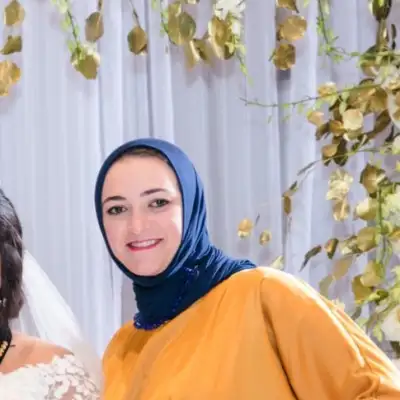
I'm thrilled to sit down with one half of the dynamic duo who owns the hotspot to talk about the story behind the sweets. It's such a treat to welcome Hana [00:02:00] Assad of as desserts and Cafe. Thank you for coming.
Hanadi: Thank you for having me.
Melissa: Okay.
I want to first talk about, um, how you got started in the bakery business. Okay. So a little bit about your past and, and also the name of and where that came from.
Hanadi: Okay. So how the, the name first came to be was um, my husband's and my last names. Combined. So this is credit goes to him for coming up with that and it just flowed and sounded nice.
So this was done like 2001 trademarked and done, not thinking that we were gonna do it immediately, but aspire to one day have our own place. Oh,
Melissa: so this has been an aspiration for quite some time? Yeah. Okay.
Hanadi: Yeah. Yeah. Um, so that's how the name came up. It's combining. Three letters from my last name, Asad, and three letters from his name Ali, her, his last name Ali.
So we have a [00:03:00] joint, A in the middle.
Melissa: Gotcha. Okay.
Hanadi: And then, um, so it sounds
Melissa: pretty too.
Hanadi: So that's, that's a it flow. And I was like, it's perfect. I love it. I love it. This is, you know, his major contribution to, as I would say, um, 'cause the name is, that's an important Yes, it's huge. Yes. Huge is a very big yes.
Yes. So, I, I, um, I'm grateful for that. Um, how I got in is, you know, I, um, I was working full time, but I always kind of dabbled into like. Presentation and design and art a little bit, and with food, it was very important for us like presentation. Mm-hmm. I don't have much of a sweet tooth, but my in-laws do.
Our family doesn't really do a lot of sweets, but his did. Um, it's
Melissa: probably good that y'all don't otherwise
Hanadi: He does. He definitely does. Okay. Um, but from my side of the family, okay. We didn't do too much sweets. [00:04:00] Um, but you know, I kind of started doing custom cakes and it gave me an opportunity to design and the artistic.
Avenue for Uhhuh, you know, the, the desserts that we do, um, in between kind of having kids. Okay. So it's like I, I stopped working, you know, my career for a little bit to be home with the kids or just deal, you know, the daily, um, grind of motherhood and everything.
Melissa: Definitely.
Hanadi: Um, so I kind of started doing that.
I, you know, did my licensed home kitchen. Mm-hmm. And just did a little bit here and there. Um. And that kind of slowly grew, um, with the Mediterranean desserts at the markets and then back to full-time working and then just keeping the desserts like here and there for small orders, um, until we reached a point of like, okay, either [00:05:00] we go for it.
Before I continue working in the pharmaceutical industry. Um, so that's in 2014, I kind of made the decision 2015, sorry. That, I'm just gonna go for it.
Melissa: Okay.
Hanadi: And, um, if it doesn't work out,
Melissa: that's a big transition though. Yes. From pharmaceuticals to, to Yeah. Art. Yeah. Essentially art. Yeah. Have you always been artistic?
Did you grow up drawing and sketching?
Hanadi: Yeah, I, I actually was like, wanting to do some art majors. Mm-hmm. But, um. My father, um, at the time was just like, what are you gonna do? You're gonna be a painter, artist. Arts artists are not given as much credit, especially like, um, interna, like overseas.
Melissa: Okay.
Hanadi: And, and the Mediterranean culture.
Melissa: Yeah.
Hanadi: They want the, the doctors, the engineers, the scientists. Yeah. The mathematicians And I came from, you know. [00:06:00] Parents who were educated and wanted to make sure that we all followed in that.
Melissa: Yeah.
Hanadi: Um,
Melissa: well, I think, I think, you know, and now you're a parent as, as well as I am, and I, and I have a son who's about to go to college that I can't even talk about.
Um, but I, I think I can understand it from a different perspective now in that. We at least want you to have something to fall back on. Absolutely. You know? Absolutely. Have the education to fall back on. Yeah. But happiness we see Yes. Is the most important Yeah. Thing in life. So
Default_2026-01-21_1: Yeah.
Hanadi: I don't regret doing the pharmaceutical stuff.
Yeah. Because every, every job, every career should teach you lessons.
Melissa: Yeah.
Hanadi: And
Melissa: it's a stepping stone for where you are now.
Hanadi: Yeah. So I say talent and like you can be good at what you do.
Melissa: Mm-hmm.
Hanadi: And you can excel. Your talents regardless of you know what your current career is.
Melissa: Yeah. Yeah.
Hanadi: So [00:07:00] talent is something that's kind of in you, like studying and pursuing like certain degrees.
It's something you,
Melissa: you're adding
Hanadi: to,
Default_2026-01-21_1: you're
Hanadi: actually doing.
Melissa: Yeah.
Hanadi: Where talent comes from within, I feel like.
Melissa: Yeah.
Hanadi: So the artist, I think. A lot of it comes naturally to people, the arts.
Melissa: Yeah. And, and not to me. I mean, I, I, um, I feel like I'm a definitely a creative person, but, you know, get me to sit down and, and paint something.
Mm-hmm. And it's, it's not going to be considered art.
Hanadi: No. I always, yeah. I always wanted to do things with my hands.
Melissa: Yeah.
Hanadi: Even though, you know, I did well in school and the, the STEM stuff. Mm-hmm. I, I still really enjoyed doing that. Yeah. I always found a way to, yeah. Do something at home.
Melissa: So you were able to turn your, your passion into a business, but you started at home first.
Mm-hmm. For what, 20 years almost, it sounds like.
Out of your kitchen, your home kitchen,
Hanadi: was it [00:08:00] 2000 to about. 2015. Yeah.
Melissa: Okay. So then 15 years you, you opened the storefront in McGregor.
Hanadi: Mm-hmm.
Melissa: What was your, what was your biggest, I guess this is a twofold question. What was your biggest kick in the pants, per se?
Like to go, to go for it?
Hanadi: Mm-hmm.
Melissa: Because it does take a lot of courage to, to. Stop doing what you're used to and what you're good at to open a storefront. And also what was your biggest challenge?
Hanadi: Um, my biggest kick was, um, a local incident that happened to some people I knew very well. Um, and I realized like, you life is too short.
Melissa: Mm.
Hanadi: Um, it was tragic.
Melissa: Mm-hmm.
Hanadi: Um, and I just. Was kind of stunned, being afraid and yeah. You know, it was, it was a big decision. It affected [00:09:00] us immensely. But, um, you know, it was the, for me that I feel like really pushed me to like, say, okay, I'm not, I'm not gonna be afraid anymore. I'm gonna do what I wanna do in this life because we're not guaranteed tomorrow.
Um, the biggest challenge in it is not having, I. Anything to really kind of lay the groundworks for this type of business? I mean, obviously there wasn't anything in this area that I could. Kind of try and replicate, or observe and learn from. It was more international kind of inspiration, um, because we didn't have like a, a gourmet dessert shop in this area.
Melissa: Yeah. And yours is more kind of European, Mediterranean mm-hmm. Mediterranean style desserts. Mm-hmm. So, you're right, I can't think of another place in town that has anything like that.
Hanadi: Yeah. We had like the donuts, the ice cream shops
Melissa: and stuff.
Hanadi: Yeah. But this was more of
Melissa: a And the regular bakeries Yeah.
With, with cakes and, and treats. [00:10:00] Um, so I didn't have it like a guideline mm-hmm. Of like, this is, you know, I had to research equipment I need to, to research like locations and, um, design layouts, how the flow would go. So it was, that was a bit challenging.
Challenging but exciting.
Hanadi: I can imagine. But it's exciting and I, and I knew that like, it doesn't have to be perfect.
From day one.
Melissa: Mm-hmm.
Hanadi: And that was something we keep doing, we still do today. Like we're constantly moving things to make flow work, to add equipment. So you have kind of the basics, but then you can modify it. So,
Melissa: and the art artsy side of you mm-hmm. I'm sure was excited to, to start something new mm-hmm.
Um, and really not have a, an outline
Hanadi: Yeah.
Melissa: In place. Yes. Because you, you can really make it your own.
Hanadi: Yeah. You can pivot, change, do whatever you want. Yeah,
Melissa: you, you kind of touched on this a little bit, but I, I do want to mention you were [00:11:00] named as one of our 2025 Movers and Shakers, which is an award honoring local business owners who leave an indelible mark on our community.
This is the part that I found really fascinating. In your interview, you said that you had to block out. Outside opinions in order to have the courage to open a cafe. Mm-hmm. I found that to be a very poignant statement because the same can be said about any big leap in life. Like I mentioned, my son's going to college.
Yeah. And it's, he's having to, to decide now. Which college he's going to choose. Mm-hmm. Yeah. Same to be said, anybody leaving one career like you did mm-hmm. For another career. So what do you say to someone who has always had a dream, but they're finding it hard to, you know, silence the doubts?
Hanadi: Um, just listen to your heart and know yourself.
You know, it, it is a big commitment.
Melissa: Mm-hmm.
Hanadi: So if [00:12:00] you are driven. And know that you have good willpower and strength to keep going and not. Listen again to like the negativity. Yeah,
Melissa: yeah.
Hanadi: Um, really do block it out. Like, listen, but you don't have to follow. Yeah. I think it's important to listen to people's opinions and ideas and worries, and because that brings, you know, makes you think about it.
Like, okay, if this does happen, what am I gonna do?
Melissa: Yeah.
Hanadi: So I always say like. Go for it, but make sure you are constantly thinking.
Melissa: Mm-hmm.
Hanadi: You don't just do something and just like, okay, this is the only thing I'm gonna do. I don't have a backup plan. What do I, you're constantly learning and thinking about pivoting and adding or changing
Melissa: and what to do if this happens.
Yeah. What to do if, if that happens. Yeah. Yeah. So what, so I guess it is a good thing to have. You know the negative Nellie in your life.
Hanadi: Yes.
Melissa: Because it does open up that [00:13:00] side of your brain thinking, okay, well that's actually a good point. What do I do? Mm-hmm. Mm-hmm. If, if such and such happens, yeah. But don't let that stop you.
Hanadi: Yeah. Mm-hmm. Don't let it weigh you down.
Melissa: Well, and if you're passionate about something too, you know, that's what keeps you motivated. I can imagine. Yeah.
Hanadi: And I say, you know, to some people, a lot of times it's like listen to everything but filter
Melissa: Hmm
Hanadi: in one ear out the other for some things in one ear and process.
Take or leave.
Melissa: Yeah.
Hanadi: You know, after, you know, you process the information.
Melissa: That's a good piece of advice. I mean, some people have the filter that's needed on the mouth.
Hanadi: That's
Melissa: true. And you're saying you need the filter on the ears? Yes.
Hanadi: Yes.
Melissa: I get that.
Hanadi: I, it goes both ways.
Melissa: That resonates.
Hanadi: Yes. Yeah.
Melissa: So you're a mom.
Mm-hmm. First and foremost, you mentioned that. How many, um, kids do you have?
Hanadi: I have five.
Melissa: Oh, five kids.
Hanadi: Five kids, okay.
Melissa: How old are they?
Hanadi: Um, 23. 21. 17 this week. [00:14:00] Um, 14 and a half and almost 12.
Melissa: Okay. So you're, you've gone through this period of, of life that I'm in right now? Yes. Um, so we'll stick around afterwards so you can give me some advice, but, um, are your children involved in Asali?
Hanadi: Yes, they are. Um, they helped us back in the day with farmer's markets and. You know, packing up and working farmer's markets, some of them, not obviously all of them. Mm-hmm. Because we're not doing them right now. Um, when we opened the store, you know, they were helping even little things, you know? Um, I think it's important to teach kids work ethic.
Melissa: Mm-hmm.
Hanadi: That doesn't mean they don't get paid, they don't get rewarded. I bring them in, they do stuff as they've gotten older, obviously. They've played a bigger role. Yeah. People are, you know, whether they're the barista or bakery staff or cake decorator, you know, they're pretty artistic too.
Melissa: I was gonna [00:15:00] ask that.
Yeah. Yeah. If they, if they inherited your art
Hanadi: skills. Yeah. And, and my husband's artistic too. He can draw really well. Um, so they've done a little bit of everything.
Melissa: Mm-hmm.
Hanadi: Um, I don't want them to feel tied to it. That they can't venture out.
Melissa: Yeah.
Hanadi: That's really important for me. Like my daughter's graduated, she's done business in marketing and she's working with us and helping tremendously, but I'm also encouraging her to look at other things.
Mm-hmm. Because you're gonna learn something different. So it's. You can go explore. Mm-hmm. If you choose to come back, that's great. You're
Melissa: always
Hanadi: welcome. You know, you're always welcome. Yeah.
Melissa: Mm-hmm.
Hanadi: Um, you know, and then obviously with COVID, some of the younger ones were a little bit more affected and we pushed them to be in there and like.
They resisted initially, but then, you know, like my daughter said, thank you for making me do this 'cause it helped me.
Melissa: Yeah.
Hanadi: Get over my social anxiety. [00:16:00]
Melissa: Yes. I think that it has been a big, um, thing that we're seeing, you know, a few years out of the fact mm-hmm. That, um, the, the social skills and social anxiety was really hindered for a lot of kids.
Our kids back then. Yeah. So,
Hanadi: you know, it's important. It was important for me to involve them and bring them in just to teach them just that aspect of the business. Mm-hmm. Mm-hmm. If anything,
Hey, it's me, your heart. It's about our future and your choices because that belly, that diet, that gym you never go to in those cholesterol levels. Tell me you're not making the right choices. What do you say you and I get together with the heart and vascular docs at Wake Med? Up to you. Your choice, but it just might determine how much time we get to spend together.
Wake mid heart and vascular your heart. Your choice.
Welcome to podcast Carey Professional Podcast Studios with more than 50 shows, making podcasting simple and fun. It starts right on our [00:17:00] website. Pick a time that fits your schedule. Tell us what you're working on and we'll take care of the rest. You focus on the conversation. We handle everything else because starting a podcast should be fun, not complicated.
Come see how easy it can be. At podcast carry.com.
Melissa: your family is Palestinian, is that correct?
Hanadi: Yes.
Melissa: How does your cultural background influence not only what you bake, because I mentioned it's a lot of Mediterranean desserts, but also how you might run the business.
Hanadi: Being generous with your guest that is with your like. With their presence, with your action towards them. It's opening the door. Opening what? Making them feel welcome.
Melissa: Yeah. Feel at home.
Hanadi: So I feel like I really have done that.
Mm-hmm. And I hear that from a lot of our customers, um, that they just feel at ease and com
Melissa: and comforted comfort, comfortable
Hanadi: [00:18:00] welcomed mm-hmm. Into the space. It's not like. We interact with them on a personal basis, not just in a number coming in and out. And I think that's part of the culture. Um, you know, making sure to listen to what they're wanting or enjoying, um, to make sure that we provide that, continue to provide that, whether it's like the ambiance, the music, you know, it's just a welcoming.
Environment at Soly
Melissa: and, and really for everyone because I, um, I've been, and, and, and it's not like this is a Palestinian
Hanadi: mm-hmm.
Melissa: Bakery or hangout. Yeah. It's, it's, everyone is, is welcome, like you said. And, um, it, what you're saying to me is reminding me of an interview that I did with, um, the, the chef and the owners of Tamasha mm-hmm.
An Indian restaurant mm-hmm. In North Hills. They were saying also in the Indian culture, it is very much in their culture to welcome everyone in their [00:19:00] home and everyone is treated like family. Yeah. And, and, um, always made to, to feel at ease. So it, it sounds very similar.
Hanadi: It's funny because like one of the things that like I struggle with is sometimes, you know when, when you have guests or something, like, we can't tell somebody, okay, you come in at seven and you need to leave by nine.
Yeah. Like that is not. That is not acceptable. Uhhuh, they leave, they, that's what I wanna do when somebody, you know, I like, it's
Melissa: time to go
Default_2026-01-21_1: now.
Hanadi: Yes. Like my husband would be like, okay, we wanna have an invite. Is it rude to say, I'm like, yes. We won't do that. Can't
Melissa: do
Hanadi: that. Yeah, we can't do
Melissa: that. Yeah.
Hanadi: Um, obviously at as we have to shut the door at some point and people do linger and the staff is, you know, always asking like, what do we do?
Like, you know, you start subtly making changes too. Make them aware that we are talking the light
Melissa: self often start locking the doors and then they'll get the hint.
Hanadi: Yeah. So I think that's where it's like the, the Palestinian culture is very [00:20:00] generous and welcoming.
Melissa: Are there certain desserts that you make that are truly, um, from.
Palestine or Palestinian desserts,
Hanadi: um, since it's like the whole Lavant area. Mm-hmm. Um, the, maybe the makeup of the recipe is slightly different from one country to another within the Lavant. Mm-hmm. Like Lebanon or Syria or Jordan. Um, like the Harissa is one, for example. It's, there's. Many versions of it.
This is how my parents made it, or my mom. Okay. Um, so that's, you know, Palestinian for sure, but it could be a different town in Palestine that may do it slightly different.
Melissa: Oh, interesting.
Hanadi: You know, just like maybe add a little bit of extra, um, cinnamon or something like that.
Melissa: It's, it's kind of like, um, or really not at all, like North Carolina barbecue, I can tie everything back to some sort of food.
So, but you [00:21:00] know, depending on where you go in North Carolina, the barbecue's gonna be different. A little different. Yeah. Yeah. That's the, and that's the only thing I can think of to tie that, um, back to, to us. Um, so. We've mentioned that many of the treats at Asali are European or Mediterranean desserts.
Hanadi: Mm-hmm.
Melissa: I, I came into the shop this morning and I. Looked like a, a poster of a child in a candy shop because my eyes were just huge. Looking at all the be they're stunning. Thank you. These desserts, they, they look like you should not eat them. They're so pretty.
Hanadi: Thank you.
Melissa: But I am a sucker for cheesecake.
Mm-hmm. And there was a baklava cheesecake. So you have, um, desserts like baklava and other desserts from that. We really don't consider, you know. Southern American type of desserts. Do you have a personal favorite at the cafe?
Hanadi: Um, so
Melissa: I'd be in trouble if I, if I worked there or if I owned it, I'd be in big trouble.[00:22:00]
Hanadi: Thankfully, I don't have a huge sweet tooth.
Melissa: Mm.
Hanadi: Um, so, you know, I'm a big coffee drinker. Um, but I'll tend to kind of lean to less, the less sweeter. Options. Um, I like dark chocolate.
Melissa: Mm.
Hanadi: Um, so that's my husband husband's
Melissa: favorite.
Hanadi: Yeah. I like something with a little bit of a dark chocolate, which would be like the asca, which was actually the first dessert that I kind of made under as
Melissa: Oh, okay.
Hanadi: That was the very first, like that's what I wanted to try out and, you know, I did it different than the same my mom's recipe, but I was trying to present it. Differently mm-hmm. Artistically. Yeah. Yeah. And to make it easy to repeat and have consistency,
Melissa: ah,
Hanadi: in the presentation. Um, so the eska is got a dark chocolate like cre ganache with some cookies, um, or the chocolate tahini.
[00:23:00] Very rich, but again, not very sweet. So it's a dark chocolate with a little bit of tahini for creaminess and, um, the crust. Um, another option would probably be the tiramisu, which is a little bit different. So my twist on like the more Mediterranean rather than the Italian is we use Turkish coffee, which has, um, cardamom.
In, in it. So that's what we soak and then we don't, we make our own genoise so we don't, you know, use the lady fingers in our amisu and we've kind of pivoted and make, made it gluten free. So, ah, it's, it's a nice light option. Yeah. And again, it has the coffee that I,
Melissa: and not so sweet. Yeah.
Hanadi: Yeah. And it has the coffee, so I, I love it.
Melissa: Mm-hmm. What advice would you give to someone if they were to come to you and say, Hey, I'm, I'm thinking about starting, um, a small food [00:24:00] business of any type. Mm-hmm. What would you say to them?
Hanadi: Um, I love to encourage people to do that, but I also tell them the reality is it's not easy. So if you're the type that quickly gives up.
Probably not a good idea.
Melissa: Yeah.
Hanadi: You know, you have to know in order to succeed, you have to continue. Whether it's one thing works right then or it doesn't, it's consistency. It's kind of like when we, you know, started opening earlier, maybe we didn't have enough customers initially, but it's building that consistency.
So you have to be consistent. You have to keep doing. You can change it a little bit, but you have to, you can't give up. That's what I'm saying. Yeah. Like you can't just quickly give up. If you're the type that tries something once and it doesn't go your way or doesn't give you the result that you want, then I would say [00:25:00] don't do it.
Melissa: I mean, because once you open the doors, it's, it's such a, you've already put in so much work.
Hanadi: Yes, yes. Big.
Melissa: So you really need to see it through.
Hanadi: Yeah, yeah. Yeah. It's a big commitment.
Melissa: Mm-hmm.
Hanadi: And there's gonna be, you know, days you have to be in it. To learn the whole business. You can't be, I don't think, I don't know.
Maybe there are, but I don't see many businesses or smaller businesses where you just open and you don't, you're not involved as the owner because if you don't know certain things, then you know nobody's permanent.
Melissa: Yeah.
Hanadi: You know, you can't just say, okay, well I'm gonna make sure everybody's running the show and I'm gonna step back.
Oh,
Melissa: yeah, yeah.
Hanadi: Um, you really do have to know how things, whether it's. Point of sale systems, um, electric work, you know, making certain things you really need to know so that you can,
Melissa: and the books
Hanadi: and the finance financees
Melissa: and everything behind the scenes. Yeah. And
Hanadi: help your staff. Mm-hmm. Like you, you, you need to be able to lead.[00:26:00]
People to be able to be successful.
Melissa: Yeah. And I would also think that your employees and, um, and everyone else can sense your passion mm-hmm. For what you're doing. Mm-hmm. And they, they feed on that for sure.
Hanadi: Yeah. Yeah.
Melissa: So what would you tell yourself if you could go back in time to, before you open the storefront, if you could go back and, and talk to yourself, what would you say?
Hanadi: Um, honestly, I don't believe in. Like changing what has happened.
Melissa: Mm-hmm.
Hanadi: Because I feel like that is the path that was meant for me.
Melissa: Yeah.
Hanadi: I know that I learned certain things from my previous career. I know that it was maybe best for me to open at this time due to my family, my kids at their age. So I'm the type that just trusts the time.
Melissa: Mm-hmm.
Hanadi: You know, um, I don't, I don't think I would change. When I opened, I and my husband always says like, [00:27:00] what if we had opened? And I'm like, I don't like the what if.
Melissa: Yeah,
Hanadi: I don't like the what if. I'm just like,
Melissa: because you also can't, you, you can't expect the curve balls like COVID.
Hanadi: Yeah. Yeah.
Melissa: You guys opened right before COVID, right?
Hanadi: Yeah.
Melissa: So I mean, you who would've saw that coming? Yeah.
Hanadi: And so that's where I, I feel like, you know, the not giving up.
Melissa: Yeah.
Hanadi: And not being afraid was the factor that helped us. Overcome. Mm-hmm. COVID. Mm-hmm.
Melissa: Mm-hmm.
Hanadi: You know, and I feel like even COVID, some people are like, you know, COVID opened, now that I think about it, honestly, I feel like COVID was probably not good for us.
Mm-hmm. But it was, it helped us in a way where we had to close our dining.
Melissa: Mm-hmm.
Hanadi: We weren't as busy, so I was able to learn a little bit more slower.
Melissa: That's very
Hanadi: true. On a slower take a step back.
Melissa: Yeah,
Hanadi: yeah, yeah, yeah, yeah. It didn't get. Rushed with so much stuff that I don't know how to do or manage. So it was [00:28:00] nice because I didn't have to deal with, you know, um, dining and how do we mm-hmm.
You know, get people in and out and stuff like that. So, you know, there's, there's a blessing in everything.
Melissa: What is next for Asali?
Hanadi: Um,
Melissa: and then what would your husband say is next? Because, you know, our husbands, I feel like they're in the background going, well, you should do this, you should do this. And you're like, you do it.
Hanadi: Yeah. No, he's, he's very supportive. Uhhuh, it does
Melissa: sound like he, he really is your cheerleader.
Hanadi: Yeah. Yeah. And, um. He, he works full time, so he's, you know, he helps when he can.
Melissa: Mm-hmm.
Hanadi: And, um,
Melissa: yeah, I introduced you to this episode saying you're one half of the dynamic duo and you are. Mm-hmm. I mean,
Hanadi: yes,
Melissa: but day to day, this is, this is your baby.
Hanadi: Yeah. Yeah. It, earlier on he was a lot more
Melissa: mm-hmm.
Hanadi: Present. Now it's like, okay, smaller things that I need. Mm-hmm. Can you help me with this? And then we discuss like. What's, like you [00:29:00] said, what's next? Yeah. For solid or what, what's the future look like? Um, obviously our space is, you know, it's not very big.
Mm-hmm. You know, eventually, hopefully we can expand. Um, the last couple years for me, um, honestly for personal reasons, I couldn't think of growth. Um,
Melissa: mm-hmm.
Hanadi: I experienced loss and it just changed things for me and. Put perspective on what's important and that family's the most important thing. Um, so you know, now I feel like 2026, you don't forget, but I'm trying to, my creativity is coming back my
Melissa: good,
Hanadi: like I am slowly returning to.
Naty that I,
Melissa: yeah. Yourself?
Hanadi: Yes.
Melissa: Feeling more like yourself. Yeah. Good,
Hanadi: good. Um, so, I mean, it was funny because [00:30:00] even I can see the last few weeks, like, okay, my, I'm thinking, and last night I went, I went to bed saying, I'm so tired, I'm going to bed. And as soon as I put my head on the pillow. Like ideas started popping up and I was like, okay, I need to write these down.
Mm-hmm. I need to work on these. And I was like, okay. There was like three new ideas that I put. I kind of wrote out some, some. Action plans for them. And I, you know, from my phone, I printed it. I told him, print the stuff, go pick up the mm-hmm. The stuff and put it near my bag, Uhhuh. So this morning I took it into As, and was sharing it with the staff.
So it was just like, okay, yeah, this is me
Melissa: good.
Hanadi: This is me. That like thinking and, and trying to come up with new things and, you know, ideas for. New, you know, customers coming in and, um, and as far as growth, [00:31:00] um, it's a tough one because there's several things, you know, again, being Palestinian, um, it's been a rough couple years or two years.
Yeah. Um,
Melissa: absolutely.
Hanadi: And I just don't know
Melissa: mm-hmm.
Hanadi: What the future holds.
Melissa: Mm-hmm.
Hanadi: Um. Where it's like there's a little bit of that fear coming back.
Melissa: I do believe you have created a space that, like you said, is so welcoming and it's something that is needed. Not only in your culture and your community, but in our community as a whole.
Because the more you get out and and meet other people from other cultures, that is so important.
Hanadi: It's beautiful. It is. It's, and that's what I love about ass. It's very diverse and open.
Melissa: Yeah. Yeah.
Hanadi: But obviously there is hate in this world. Mm-hmm. And we've experienced some.
Melissa: Mm-hmm.
Hanadi: Um, [00:32:00] and even my kids. Like my 17-year-old daughter yesterday was like crying because she just kind of was like, not sure what the future holds.
Melissa: Yeah.
Hanadi: You know? Um, we're gonna keep going
Melissa: Good.
Hanadi: You know, but there
Melissa: good.
Hanadi: There's a little bit of hesitation on what we can do safely, comfortably.
Melissa: Yeah.
Hanadi: Um.
Melissa: Well, it is one thing to, to take on some fear when it's only yourself. Mm-hmm. But when you bring in your kids or, you know, outside community, I'm sure that does add a, a, a much deeper, um, layer of anxiety.
Yeah. Yeah. I mean, but, but we want you to forge ahead.
Hanadi: Yeah. We're gonna continue.
Melissa: Continue.
Hanadi: Yes. Working on that like inner like. Slight fear.
Melissa: Yes.
Hanadi: [00:33:00] Which I started as, because I said I don't want to be afraid anymore.
Melissa: Mm-hmm. Mm-hmm.
Hanadi: But, you know,
Melissa: sometimes we're tested. Yeah. And it's what you do during that test mm-hmm.
That, that really predicts.
Hanadi: Yeah.
Melissa: How, how you're gonna be in life. Mm-hmm. Mm-hmm. We wish you nothing but the best. Thank
Hanadi: you.
Melissa: And I, like I said, I was in there this morning and the place was bumping and but it was also, it was, it's so pretty in there and it's also so comfortable. So you've really hit a perfect
Hanadi: Thank you.
Melissa: Perfect mix.
Hanadi: Yes. Thank
Melissa: you. So everybody visit as in McGregor Village in C and say hello to Hanadi.
Hanadi: Thank you.
Melissa: Thank you so much.
Hanadi: Thank you very much for having me.
Melissa: Absolutely.
[00:34:00]