Subscribe
Share
Share
Embed
Welcome to Defining Hospitality, the podcast focused on highlighting the most influential figures in the hospitality industry. In each episode we provide 1 on 1, in depth interviews with experts in the industry to learn what hospitality means to them. We feature expert advice on working in the industry, behind the scenes looks at some of your favorite brands, and in depth explorations of unique hospitality projects.
Defining Hospitality is hosted by Founder and CEO of Agency 967, Dan Ryan. With over 30 years of experience in hospitality, Dan brings his expertise and passion to each episode as he delves into the latest trends and challenges facing the industry.
Episodes are released every week on Wednesday mornings.
To listen to episodes, visit https://www.defininghospitality.live/ or subscribe to Defining Hospitality wherever you get your podcasts.
DH - Paul Sacco
===
Paul Sacco: [00:00:00] this, uh, lifestyle word is really about experiential travel to me, and that has greatly expanded in the last, say, five or 10 years. And that has been largely lever, leisure driven. However, we've also seen it in some of the core urban markets as well
at the
same time. Group travel and, and your, your general transient business travel, like the, the need for really good, solid core hotel brands. Never goes away either. Really. It just depends ultimately on the trip purpose.
Intro: What I do is inconsequential. Why I do what I do is I get to shorten people's journeys every day. What I love about our hospitality industry is that it's our mission to make people feel cared for while on their journeys. Together we'll explore what hospitality means in the built environment, in business, and in our daily lives.
I'm Dan Ryan, and this is Defining [00:01:00] Hospitality.
Sponsor: This podcast is sponsored by Berman Fall Hospitality Group, a design-driven furniture manufacturer who specializes in custom case goods and seating for hotel guest rooms.
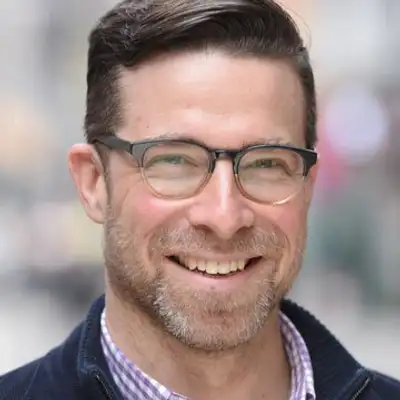
Dan Ryan: Today's guest is a seasoned leader in hospitality and real estate with experience across both public and private sectors. He has over 30 years of experience leading teams and driving growth within hospitality, operations and development. His expertise ranges from brand launches and franchising to asset management and investor relations.
He is the Chief Growth and development officer at PM Hotel Group, ladies and gentlemen. Welcome, Paul sko. Welcome Paul.
Paul Sacco: Thank you this afternoon.
Dan Ryan: I am very excited to speak to you because I think in, in our earlier call, just, you know, as we all get older, that comes with more and more experience and as we're in this [00:02:00] kind of. Strange. I think currently a strange time in hospitality. It's always wonderful to speak to someone who has such a multifaceted perspective of our industry, but through, I don't know, three or four different cycles, right?
And how hospitality's often the one to get crushed the first, but also it can be really fast and exciting when it snaps back so.
Paul Sacco: absolutely.
Dan Ryan: Yeah. And I just, so I just wanna kind of tee that up for all of our listeners, um, because I think the conversation's gonna go into there and like just hearing your, your experience and kind of giving us some perspective.
But before we get into all that, Paul, what does hospitality mean to you?
Paul Sacco: Hospitality. So to me, I think it's a very personal and personable business. So I grew up in this industry, like literally living in hotels and working [00:03:00] in hotels. When I was in high school and in college. So I've always seen hospitality as really like a living, breathing industry. Um, I'd say that's really built around human connection. at at the Heart, I think it's about people passion for communicating with people, supporting others, and whether that's a guest and owner or a colleague. Um, so what sticks with me about this business is that it sits right at that intersection of of two worlds. On one side, it's an institutional real estate class. And on the other side, it's a place where experiences and memories are built for families and travelers. So it's a really exciting personal business to.
Dan Ryan: I think another, going back to that, I, I idea of you having a multifaceted experience having worked, 'cause currently at PM Hotel Group, it's a private entity, [00:04:00] but you've come from. Public entities as well. And you've been at both public and private through those multiple, multiple cycles. Um, what do you think the biggest difference between working at a larger publicly traded company and a private company are?
Like some your favorite thing and least favorite thing about each of those?
Paul Sacco: Yeah, that's a really good question. Um, so I've enjoyed both. Um, the, the largest public company I worked for for about a decade where I ran North America development was Starwood Hotels and Resorts at a really meaningful time in, in its legacy in. You know, sort of the two thousands into the 2000 tens. And then I've had the opportunity to work at a couple of private companies as well, privately held companies, as well as a, a PE owned investor sort of company as well. Um, and I think that they're all. in their own ways. The larger companies, obviously by [00:05:00] nature, can sometimes be a little bit more bureaucratic in some ways, but the really good ones with great leadership figure out how to power through that and remain somewhat entrepreneurial. And that at a private company are a privately held company like PM Hotel Group, like what we have today. We have great ownership of the company and we're able to be very nimble. We're able to be very flexible through these types of cycles. So I think the big public companies have a lot of factors to consider as it relates to boards and shareholders and those sorts of things, whereas a company like ours can be, um, super flexible and nimble and make very strategic decisions. So if you're hit with a downturn like the 2008 Great Recession or like the pandemic. That we went through fairly recently. I can't believe it's been five years now, but we're still feeling some of the remnants of, um, you can be strategic, can [00:06:00] quickly, and you can be nimble. Uh.
Dan Ryan: I also find, um, I've never worked for a publicly traded company, but seeing publicly traded companies that, especially in hospitality where at scale. If they're able to build a culture and distribute that amongst the hundreds or thousands of properties that they're either managing or the brand for. Um, I do find on the privately held side, it's much easier, I think, to experiment and iterate with culture to get it just right.
And one of the things that struck me in talking to you about. Your experience at pm pm hotel group, you have 80 or 90 hotels spread across from sea to shining sea, right? From Boston or Massachusetts, all the way out to Hawaii. Um, but when we were talking earlier, you would really light up on the, on the culture part of how you're able to, with all the different [00:07:00] brands that you have under your umbrella, but also really recruit, retain, and empower the teams.
Or the, the teams all in your, in your organization. Tell us a little bit about that difference between publicly traded and where you are at, at a privately hated, privately traded, um, PM hotel group.
Paul Sacco: Sure. Um, well, I think great leaders can always be empathetic and manage effectively no matter what type of company. They're working for. Um, having said that, there's sort of different things as you point out to deal with, right? Sometimes in a larger, uh, company, you, you're, you're, you're maybe managing up and sideways and downward, and it becomes just a little bit more, uh, you know, difficult or you have to be a little bit more creative in how you navigate through some of those scenarios.
Whereas in a smaller, more nimble, private company, [00:08:00] uh, that might be a little bit, uh, smoother a path, but really the the best way, and I've had a lot of great mentors in my career, uh, both at public and private companies. And I think the best way to, to honor those great mentors is to really lead the way they taught you, right?
So it's always about trust, respect. partnership. So at PM Hotel Group, one of the things you pointed out we're really largely about culture, right? We, we love to make it a people first business, and our employees are at the heart of what we do, and so are guests and so are owners. But for me it's about no matter where you're working, partner leadership, standing shoulder to shoulder with your team. I think some people use the term servant leadership. I like. More of a syn synonym partner leadership, where team members should feel really vested in the strategy. Respected by you as a leader and trusted and that you are in it with [00:09:00] them. Um, really giving people, people a voice, creating space for their ideas and letting them know that their contributions really matter. So what we like to think is that shared accountability drive stronger results and deeper engagement from the team overall. And I think at smaller companies and at more nimble companies, um, sometimes it's a little bit. That, but I think that good leaders can do that everywhere.
Dan Ryan: Yeah. And one of the thing that's, so I've talked to a bunch of different people who manage, who are on the management side of the business, right? And oftentimes there's this. I recently heard a case study where they talked about economies of scale and something I never heard of. A diseconomy of scale hospitality and people, it gets, it's very difficult to find economy of scale, right?
Because you're dealing with people. Whereas if you're manufacturing widgets, you can [00:10:00] create a new line, invest in some machinery, and you can find economies of scale.
Paul Sacco: Mm-hmm.
Dan Ryan: Do you guys at PM manage for that? The, the just as spread out as you are, all the different brands. And how do you decide geographically even where to, to dip your toe in and try this out?
'cause literally you guys are in, I don't know if, if in every state, but in many, most states. Um, how, how do you, how do you reconcile that and keep it efficient? I'm very intrigued. 'cause it, it cannot be easy.
Paul Sacco: Yeah, well there, there's a lot in that. And I think, um, to your comment on economies of scale and on growth, some, there's public companies, there's private equity owned companies that might have a, a certain goal in terms of, uh, their exit strategy, for example. And then there's company like, companies like ours that are privately held and can be a bit more nimble in all that.
So I think for us [00:11:00] it's not growth for the sake of growth. wanna make sure that we're operating in places that we wanna grow. We wanna give our people opportunities. We have a lot of knowledge and experience in various markets, and we wanna continue to grow in those markets, um, because that does create opportunity for everyone. And sometimes when you're in a market, there's synergies to go operate another hotel in that market as well. But we can do it very thoughtfully. Because we're not under any sort of PE or public monthly or quarterly pressure to, to hit a certain number. So we like to grow, um, where we have existing hotels, where we have resources, where we have market knowledge with owners that we have other hotels with, and they wanna grow in various markets with us and to us, that's a, a really good strategy. You hear a lot about n from say the big brands, [00:12:00] which is terrific. I mean, the big brands provide tons of opportunities for people. They're growing lots of brands. It makes the industry exciting. Uh, gives opportunity to a lot folks.
Dan Ryan: I just wanna interrupt Nug, for everyone who doesn't know, that's net unit growth. So many of the goals of the publicly traded companies, the big brands, is nug, or I think Hyatt calls it Energy or something NRG, net room growth, but a energy that's kind of cool. I think Nug is attributed back to. Um, Hilton and Energy was Hyatt.
So,
Paul Sacco: Okay.
Dan Ryan: But it's all about, but in a way that's like growth for the sake of growth in many, in many ways. Through acquisition, through building, through conversion. And I find that maybe at PM and other privately held companies, it, you can be more patient with your capital.
Paul Sacco: Yes. And with the decisions that you make
Dan Ryan: Hmm.
Paul Sacco: Of, uh, how you operate or where you operate. Um, I [00:13:00] think when you're not answering to Wall Street or the public markets or to a firm that's looking to, to grow and exit in three to five years, uh, the, the company, that sort of thing, you can be, you can be very calculated about how you do some of these things.
Uh, so that's been very refreshing here at our. Team leadership or all of our employees really appreciate that approach.
Dan Ryan: Um, I see that you have many on the, the branded side and then also the lifestyle side of the business. Um, in a perfect world as a management company, is there an ideal mix between the two?
Paul Sacco: So we are about. Out of our 80 or 90 hotels, we are sort of a third, a third and a third between our independent lifestyle, uh, oriented hotels that are managed through our modus by PM hotel group, [00:14:00] lifestyle division. Uh, about a third select service, largely branded, upscale select service, and about a third, uh, full service, upscale, upper upscale as well. Um, and we like that mix it. It works really well for us. We get lots of different opportunities and different segments of the business, and we have a lot of hotels with Marriott and Hilton and some hotels with Hyatt and IHG and a few Cambria. Hotels in our portfolio as well. So we have a good mix of brands too. Um, and you can learn a lot of different things from all those different brand companies and, uh, and segments of the business. So where we happen to be in what I think is a really good mix, I don't know if it'll stay exactly like that as we go along, but that's where it sits today and I think it, uh, it, it's been really good for us.
Dan Ryan: And then regarding geographic expansion and [00:15:00] growth, but not growth for the sake of growth. I hear you loud and clear there when you. Whether at PM hotel group or anywhere. In your experience doing development or growing a business, um, is there a, playbook or a rule of thumb or some kind of thought process that you go through as yourself or as a team before entering a new market?
Like, and how do you know when it all clicks?
Paul Sacco: Um, great question. And, uh, I think we, we take a very collaborative approach to that. we have really, really good teams on the sales and marketing side, the operations side, the revenue management side. And when we're looking at a new deal, uh, all of us give input. As to how and why we may be successful in that asset. And I think what we look at is a, are we there? Do we [00:16:00] have coverage? Is it sort of a no brainer from like a staff perspective where we're going into, maybe it's even a new market for us, but we have nearby assets, uh, where we have people on the ground. Hence that creates coverage in order to go effectively manage that hotel so that our people can sort of get to it and be hands on, um, from an oversight perspective. And then we really do look at the quality of the asset as well. Is it something where we think we can make a difference as an operator? Does it really fit within our bailiwick? Are we the right manager for this? And is it going to lead us to a scenario where the owner is ultimately happy with what we're doing, which creates, you know, sort of longevity in that asset too. And then strategically we will look at ownership as well. Who are we doing business with? There's lots of great groups that we manage for. Uh, there's a lots of great groups we aspire to manage for and we're looking at deals with today. Um, but are they the types of [00:17:00] owners that sort of share, um, our mindset and folks that we wanna grow with?
And
Dan Ryan: Hmm.
Paul Sacco: Are some ofs when we.
Dan Ryan: I know we talked about this earlier, but having been through three or four. Of the cycles, um, where hospitality can get just shut down at first. Right? It's the first thing to go as part of like marketing budgets, people, family travel. When people are battening the hatches down, that's what they do. Um, what's something that surprises you about coming out of those markets?
Is there any thread that you've seen or an indicator or canary in the coal mine that signals. The worm has turned and it's getting better.
Paul Sacco: Sure. Yeah. I, I, so I've had the opportunity, as you mentioned, to work through, uh, you know, post nine 11, um, a bit earlier in my career. But, but I [00:18:00] was working in the industry through that crisis, uh, the, the Great Recession in 2008. also the 2020 pandemic. So let's take the first two. It was it, it, it, it blew me away how really quickly over a couple, few years we really recovered from those downturns.
Right? And if you look back at those times. So much incredible business was done in our industry, and there was so much growth
Dan Ryan: Hmm.
Paul Sacco: So many terrific acquisition opportunities and ownership opportunities. Uh, when you think about like 2000 3, 4, 5, which wasn't that far after the, the nine 11 events, and then you think about 2010, 12, if you look back at 2000 10, 11, 12. Some people feel there's not a hotel as an, as an owner, as a, as an acquirer that you may not have wanted to buy because things [00:19:00] got so good after that, right? Um, but. You learn lessons from tough times, right? It makes you sort of enduring and, and adaptive, um, in the, in the financial crisis, I mean, demand just collapsed. Financing froze. I mean, everyone was fearful. But the lesson from each of these was to really stay calm and be visible and over communicate to your teams. 'cause all you can really do is focus on, on what's controllable and you can focus on cash flow. And that may slow down a bit after these downturns, you know, after the initial months after some of these downturns occurred. But culture, guest experience, you know, helping one another, holding one another up. I think that's what we did after 2001 in 2008. I think that's what we've done here in the pandemic. started traveling again and we're still dealing with certain things and a level of, um, sort of uncertainty on exactly [00:20:00] how things may shake out in the next year or two. But one thing for sure is that we've always come out of these in a good place. People travel and companies do like people to be on the road. This is remains a face-to-face business, and ultimately we will prevail as an industry, and that's what I've learned from each of these crises.
Dan Ryan: One of the things that feels similar to past downturns for what's happening right now, and I come at it from more of a, a capital expenditure perspective, is that it seems like a lot of the hor uh, what those opportunities or opportunistic times that happened after 2008 or 2001, um. People were almost forced to sell.
It was like capitalism was working right? There was a lot of deals. I feel like now people haven't really had to capitulate in a [00:21:00] way, right? Things, whether interest rates, depleted CapEx reserves, making deals with banks through, through COVID. Like there hasn't really been that flushing out. That often happens, and I'm a bit out over my skis right now talking about that.
But like, what would your, how, how would you explain what I'm kind of feeling right now?
Paul Sacco: No, I mean, I think, I think you're right on the money. Um, so, so I don't think you're, uh, you're outta your field at all. I think, I think that's what we've seen here in the early 2000 twenties, right? Is is there's al, there's, there's been this feeling and there was this feeling when the pandemic occurred that it might create this sort of flood. Transactions and opportunities. Um, but there's been some extensions on loans and there's been, um, some extension of, uh, of capital expenditure needs and, and some, you know, some sort of, you know, help from the brands in that area. [00:22:00] And there's been this gap. Uh, between seller expectations and buyer willingness, right, that we've said each year, like, well, I think that's narrowing, but the fact is it is narrowing. And what you're starting to see now is there are more transactions than there were last year, uh, that seemed to be at least coming to market. There seems to be a bit more openness on the seller side as to what the pricing expectations are. So that gap is somewhat narrowing, and I think that when we get into, you know, Q1, Q2, 2026 and and beyond that. There's going be further transaction activity. There's just opportunity. There's been low supply, there hasn't been a lot of new product entering some of these markets. There's been market recovery in a lot of areas. Um, and I think that, that, that gap is, is narrowing and we're gonna start [00:23:00] seeing some of that in the quarters to come.
Sponsor: Hey, everybody. We've been doing this podcast for over three years now, and one of the themes that consistently comes up is sustainability, and I'm just really proud to announce that our sponsor, Berman Fall Hospitality Group is the first within our hospitality industry to switch to sustainable and recyclable packaging, eliminating the use of styrofoam.
Please check out their impact page in the show notes for more info.
Dan Ryan: I also, last month I was at the lodging conference and, um, I forgot who was speaking, but they were talking about the coming opportunity, which I feel like I've been hearing coming opportunity since post COVID. But it's like the, the goalposts were move, were always allowed to move so that it, that flush didn't happen.
But he was saying that within the next. Six to 12 months, a third of all hotel mortgage debt is coming due.
Paul Sacco: Mm-hmm.
Dan Ryan: And I don't [00:24:00] like, to me that would mean that people now are eager to do it, but then at the same time, interest rates might be on a downward trend. So I don't know, is that a way that people are gonna be able to.
Hold on and not have the, that transaction happen. I feel like it's, it's like a carrot out on a stick that's just always out there before the, the deal making happens. I hear you say that there's more now, but I don't know. What are your thoughts?
Paul Sacco: Yeah, I think, I think that that will actually create transaction activity because, um, depending on the ownership type, some of these assets, uh, whether it's a private equity fund or a family office, you know, there are. There are, uh, strategies around, around these acquisitions and these holds, right? So some of these, uh, funds or, or assets, um, may have been on a three to five year hold, but now they've been lengthened due to the pandemic.
Or they might have been on a five to seven year hold. And ideally they would sell because that's how they, you know, sort of [00:25:00] replenish capital and go out and do new things and grow in different ways with their investor base. So I think with interest rates coming down. Some of that, you know, may be, uh, lending pressure that that will actually create transactions and, and more deals will come to market and transact in the coming quarter to that.
Dan Ryan: And then with that in mind, so there's, there could be pressures from Wall Street, from investors. From the brand, how do you manage the owner, investor, the brand, and then just you operating these businesses? How, how do you keep everyone happy and aligned? It just seems so difficult,
Paul Sacco: Yeah, it's a good.
Dan Ryan: and especially through the lens of you having you, I, you mentioned Marriotts, IHGs, Hiltons, like you have so many different brands that.
There must be so many different expectations and then spread out geographically. [00:26:00] It's, I mean, it's pretty impressive.
Paul Sacco: Yeah, well, well, we have a good, uh, a good portfolio of hotels and owners and, uh, and brands for sure. Uh, and we have great
relation. I think this is, these are the times when, you know, your relationships, uh, whether it be with lenders or brands or other influencers in the industry become really important because, like we said at the beginning. This is a, a very personal and personable business, and relationships matter very, very much, even, even when things are sort of more in a transactional nature. Um, the, the key to me, and, and this applies not only to owner relations, but also to employee relations as leaders, the key is really overcommunication. So when, when owners might be. Uh, at an asset because of, uh, post pandemic situations or not doing quite as well as they thought they would because the market might be [00:27:00] down due to one of these downturns. The best thing that you can do is overcommunicate as an operating partner. Um, it's not necessarily about whether or not the numbers were exactly what they underwrote, it's about your presence and your communication. To them what's happening and more importantly, what you're doing about it. And that, that's what I think our team does incredibly well, is communicate with owners tries to find solutions to overcome these situations. So it's about transparency, frequent communication, um, being, being empathetic. Uh, on all fronts. I learned a lot of this, like during the pandemic, I was running asset management and investor relations for a company, and it was like right at the pandemic. I was on the phone every day with investors who had invested in hotels and really talking them through what we thought might happen. No one had a ball, but the best thing [00:28:00] that you could do is communicate and be open and.
Dan Ryan: At the beginning of the conversation you said, okay, so this is, hospitality is about experience, but it's also a class of commercial real estate. Right. And then you just said, um, it's, there are the numbers that need to be underwritten, but also it's about the people in the relationships and over communicating.
One of the things that I've seen as far as hotels, it's a riskier asset class from an underwriting. Position and, and bringing on LPs, right? You wanna show 20% plus returns over the, over the course. And then I've found that with high interest rates, tariffs, labor costs, um, you name it, all of these headwinds are making that 20% number. Which is already kind of like, ugh, how do we, how do we show that? It's like headwinds? And to [00:29:00] me, from a CapEx perspective of doing hotel renovations or building new hotels, I'm, I'm saying all those headwinds are a dam that's holding back a huge lake of deferred CapEx and deferred maintenance. But at some point, speaking of cap capitulation.
That dam has to break, and when it does, because from COVID onward there was less housekeeping, less room maintenance. Things are just looking tired. ADRs have consistently been increasing until probably the last quarter, so like I've been, I've kept waiting for a dis more discerning guest that would force a wave of hotel renovation to happen, but I just see it.
Half of where it was in the past, how, like, how do you explain that and what do you think the timing on that damn burst might be?
Paul Sacco: I, again, I think, I think that you're gonna start to see some of that break [00:30:00] free in 2026 right. In the coming quarters. And, as, as it relates to. some of these assets get renovated and whether there's deferred CapEx with within some of these assets, the transaction market will will solve a lot of that, right?
Because the new buyers consider that part of their upside opportunity. And purchasing an asset is that it does need renovation, right? So if it's purchased at the right fair price and then there's a new five year performer written on, underwritten on that asset, there's going to be, uh, renovation and perhaps even in some cases a brand change.
And in some cases, you know, like we've been able to take over assets, a management change to someone like PM Hotel Group on some of these acquisitions, those renovations will occur. So I think that that brands are, are looking forward to, [00:31:00] forward to.
Dan Ryan: Good. Something to look forward to. Um, so I read this in a, or heard this in a quarterly report recently, and I think it was from potentially Hilton, but I've been noticing a real bifurcation within our industry at the brand level for luxury and lifestyle. The, the luxury and lifestyle segment. And what I mean by that is what I heard.
Is luxury and lifestyle for all. The big brands account for 10% of the rooms, the total rooms,
but they're contributing 20% of the earnings to the big brands. And now I'm seeing a reshuffle where, um, Hilton is bringing, is building up a team in New York. Hyatt is building up a team in New York for luxury and lifestyle.
Um, [00:32:00] IHG bifurcated their kimpton. And Intercon and Regent all under a luxury and lifestyle. Um, and I'm, I'm just seeing this shift in locality, but also focus. Why do you think that is, first of all, second of all, how is that helping you re-look at that evenly distributed market segment of a third, a third, a third that you mentioned earlier?
Or are, or are you not?
Paul Sacco: Yeah. No, I, I think we are, I think we keep that in mind what's happened in the, the, the brand world. Um, is, is that everyone's paying, owners included, and, and operators too. We've seen what the guest behavior is.
Dan Ryan: Mm-hmm.
Paul Sacco: guests have become all about experiential travel, right? And, and what their. Um, seeing in [00:33:00] local markets and connecting with a local market, right?
So this, this, uh, lifestyle word is really about experiential travel to me, and that has greatly expanded in the last, say, five or 10 years. And that has been largely lever, leisure driven. However, we've also seen it in some of the core urban markets as well
Dan Ryan: Hm.
Paul Sacco: at the
same time. Group travel and, and your, your general transient business travel, like the, the need for really good, solid core hotel brands. Never goes away either. Really. It just depends ultimately on the trip purpose. But I think for a long time in our industry, uh, luxury has been a leader. And I think what's happened is that this, this proliferation of the, the guest into experiential travel that's just really helped amplify that over the past few years and everyone's kind of building teams [00:34:00] around that.
That's why we have our Modus by PM Hotel Group division, where we have. Head of sales and marketing, head of operations that is really specialized and focused on.
Dan Ryan: Ah. That's interesting because I, I've noticed other larger management companies actually bifurcating their luxury and lifestyle sec, um, branches as well. That's been going on for a couple years now. I maybe, I don't know why I'm just late to the party as far as recognizing this,
Paul Sacco: Yeah, I
Dan Ryan: but I,
Paul Sacco: under, under group,
Dan Ryan: yeah.
Paul Sacco: who are experienced and specialized in luxury and lifestyle and experiential travel.
Dan Ryan: No. 'cause there's a nuance to it, right? And it makes a hundred percent sense. Um, Yes. earlier in the conversation that we we're having now, you [00:35:00] said when, I think when after I asked you. What hospitality meant to you? You said, you know, there's this experiential part of it, but there's also this underlying asset class of real estate.
Dan Ryan: you have this experiential growth.
Paul Sacco: Yeah.
Dan Ryan: It's a, it's an asset class. So, so in many ways a lot of investor, there might be a different investor class that is more willing to take a flyer on a new lifestyle concept,
Right. Because it's proving that there's better earnings, it's, it's different, it's not, it's kind of non-correlated from that core, the core that, that you mentioned earlier, but how do you see that playing out in.
What's exciting you about the future? I think what I'm trying to tie it back to is you said like you have all these great brands that you work with, but then I, I got the feeling you said that there were more aspirational brands out there. What does that over, does that [00:36:00] experiential drive in the marketplace also is that influencing your, your aspirational types of clients and customers that you would wanna work with?
Paul Sacco: Yeah, absolutely. I mean, I think that there are, yeah, there, there are owners have, have become. Um, very opportunistic. They're still depending on the type of owner, again, family office, private equity, other, um, they're very opportunistic, right? And, and also not, um, beholden to any one asset class. So as we look to go out and grow, and I think what we were talking about earlier was sort of some aspirational owners that maybe we don't operate. For today, but we operate for some of their peers. Um, I think those owners are more open to being in different access asset classes than they used to. There's some that used to only do select service or some that only used to do full service. And now. Almost every owner seems [00:37:00] to be doing some level of a independent type deal, or perhaps soft branded. Uh, they'll also look at a core full service hotel or an upscale select service hotel and have realized that there's operators who can do all of that really well, and that's now all in their sort of investment bailiwick. So I think that's what's happened on the ownership side is that they've become a little bit more well-rounded and flexible in terms of what they'll consider as a.
Dan Ryan: Okay. And then in that aspirational kind of new or burgeoning, um, lifestyle section, lifestyle segment, luxury and lifestyle segment, are you seeing, like if you were to envision the map of the United States, continental and other are, and are you seeing a heat map for like, overlaid on that of where you, where you want to grow into Aspirationally.
Paul Sacco: Sure. I, I mean, I think it is. I think it is very much so national, and as I mentioned earlier, [00:38:00] um, in, in certain parts of urban markets, right? We have, we have luxury and lifestyle hotels, uh, in places like DC and, and Philadelphia and elsewhere, because I think the consumer. As they go into both sort of leisure or, or secondary or core, urban markets are looking often for that experience, again, de depending on the, the trip purpose. Um, but we've, we've taken over operation of a, a oceanfront hotel, uh, called Tide Line, uh, down in West Palm Beach. And that's an experiential property, that's a lifestyle property that happens to be located, uh, on a nice beach in West Palm. We've also seen a proliferation of this and we've, we've had the opportunity to take over management, um, and be under development with owners in the mountain states on a lot of assets.
Dan Ryan: Yeah, I've noticed you have a lot in like in Utah, Colorado, like out, especially in that, like I [00:39:00] saw a couple in Moab and that's super experiential camping, mountain biking, rafting. It's,
Paul Sacco: It is. Yes. Uh, very much
so. So, uh, Moab, we're, we're running a property field in stream in Bozeman. Uh, we're doing, you know, these luxury glamping tents in San Luis Obispo. And we've seen a great opportunity where we're gonna be doing a great, uh, condo, hotel project that'll probably, uh, potentially be soft branded, maybe not, but in, in, uh, mammoth. So these are fantastic, sort of more leisure oriented assets that are going after that experiential traveler and out there right now. Um, but you know, lots of opportunity across the, in that area.
Dan Ryan: when I think of mountains. Okay. And experience, do you have weather? You know, you want snow, you want good water flow. If you're rafting up in Bozeman, I don't know, fishing, I don't know what makes the fish come. [00:40:00] But I'm also hearing a lot of anecdotal stories, especially in Florida, especially for hotels where it's so hard or impossible or just really expensive to get insurance, like flood insurance
for instance.
Paul Sacco: Right,
Dan Ryan: how, how, from a risk perspective, um, how are you looking at at that along co. Coastal regions. How? How do you even manage that? Because no one, it seems like we're having a hundred year storm every
six years.
Paul Sacco: Yeah,
right. I mean, yeah, it's kind of, it's kind of baked into the, you know, I think into the, um, if there's an acquisition that's kind of considered into the acquisition and then, you know, really at, at our, at our company as an operator, that that helps owners with these things. we prop up, uh, an operational analytics team. for all of these things like being out ahead of insurance costs, um, or items related to that. We have an operational analytics team internally that is looking out across our properties, [00:41:00] be it in Florida, or be it in Hawaii or in the mountain states or in the Northeast, and really sharing best practices of what we're finding out there.
And then having some economies of scale as well, uh, for these items too, because we do have 80 or 90 hotels. We're not the biggest, but we're a a top 15 operator in the industry.
Dan Ryan: Hmm.
Paul Sacco: we have
some of that
economy of scale and, you know, you're just, you're just sort of really doing all of your research, uh, before you, before you get into a deal as to what those costs might be. Um, it just factors to the overall transaction.
Dan Ryan: That's awesome. Yeah, it's just fascinating to think about that and also from a risk management perspective to still, again, that idea of the headwinds and that dam insurance costs. Especially on the coast, you know, I, I don't know if that's preventing deals from happening or preventing capitulation.
'cause when you underwrite them at that, whoever's on the sell side of that [00:42:00] transaction has to lower their, their, their price even more to make that pencil.
Paul Sacco: Yep. I think it's definitely a factor and perhaps it, uh, it, it has, uh, caused buyers to, you know, think twice on some assets. But I think it all, as you mentioned, I think it all factors the overall transaction that might occur.
Dan Ryan: when we talked about the three downturns. You call, what I really appreciated when you were describing, and you had the opportunity to work through those three, right? So as you, and it doesn't have to be related to those downturns,
but as you look back on your career, what's a really difficult situation that you made it through and you were, you had a real sense of pride as you looked, as you got some distance between you and whatever that experience was.
Paul Sacco: Sure. No, I appreciate that. Um, uh, so yeah, and, and the reason I, I say opportunity, I, I guess is because I, I know more now, right? It, when you go through difficult times, [00:43:00] um, and you learn how to lead through difficult times, um, it, it, it can be very helpful in your career and it's something you can feel really good about, right?
So for me, it's all about the effect that I've had. Other people's careers, right? So
Dan Ryan: Know.
Paul Sacco: React to
some of these things differently than others, and I'll pick one of them. You know, 2008, the Great Recession. Um, I was at one of the big brands at the time, uh, that has since been acquired by Marriott, but it was Starwood Hotels and Resorts. Um. And, you know, we had to react, right? There were, there was, uh, reorganization considerations and there were changes of role and there was some uncertainty about when performance was going to come back and all those sorts of things that we were in the middle of. Um, and, and the opportunity for me there was really to step up and help people have an optimistic view of the future, right?
To be a shoulder for people, [00:44:00] um, to, to really instill in everyone that, if you think about it, and this has been true of all these downturns that travel. Connection are really innate human behaviors, and that's really the foundation of hospitality's resilience. So you just know that ultimately people are going to travel because it is so important to people in their lives, and that's why it's more than just a real estate class.
It's a living and breathing business where experiences are created, where family memories are created. Where people meet face to face and make progress. People enjoy being on the road. And, and I was able to really help instill that in people and at that time, actually take on a bigger role in 2008 where I was, uh, at that time I was promoted to, to head of America development for that company. And the thing I enjoyed most. helping people see the glass half full
Dan Ryan: [00:45:00] Hmm.
Paul Sacco: downturn and, and really know that we would come out on top on the other side,
Dan Ryan: Yeah, I, I. Always look at those crucible moments. It's hard to see it as I'm in it, but I just know there's always good learning and experience that comes out of it.
Paul Sacco: right.
Dan Ryan: I don't like it when it's happening, but I just know that I will be able to, in the future, be vulnerable about those experiences and share my experience never to like give.
Advice, but say, Hey, I'm not in your same situation, but I remember when something happened that made me feel the same way. This is kind of how I navigated that situation, which is different.
And
I think the more of those that we have, just the better humans, we become the better leaders, communicators, like you said, a shoulder.
Um, and I think we should all look at those or do a better job of looking at those moments as, as, uh, as opportunities.
Paul Sacco: Well, it's, it's a reminder too [00:46:00] that, uh, it, it goes back to, to empathy and leadership. It's a reminder that people really want to be heard and people want to have a voice. So it's not, it's not about being the one who is just the most optimistic or sort of. Um, acts as though they know that there's gonna be a positive outcome through all of it.
It's about really listening to the people on your team and the people around you. And even if they have a lot of concerns, um, you can really help people through that by being a good ear in a lot of ways. And then people feel valued. They feel heard, and they feel like their voice makes a difference, which is really important I think, in leadership for all of us.
Dan Ryan: Cool. I mean, yeah. Thank you. And it's just a great reminder. Um. This has been awesome. Paul. If people wanted to learn more about you or PM hotel group, what's a good way for them to reach out or learn more?
Paul Sacco: Sure. Uh, P Echo at PM [00:47:00] Hotel Group is a good way to reach.
Dan Ryan: Great. And we'll also put in, um, pm hotel groups there and, and we'll, we'll get everything in the show notes for everyone, but, um. I just wanna say thank you for being here, sharing your experience, and, uh, giving, helping me be a bit more understanding about where we are currently in the cycle. Um, I know I definitely appreciate it, so thank you very much.
Paul Sacco: Well, thank you. I, I, really, uh, I really appreciate it and thank you for the opportunity to be on here. And I, close you know, by saying that if, you know, for, for the people who are listening and, and especially, um, for people who are earlier in their career. Um, find your mentors and, um, really understand that hospitality isn't just like something we do. Uh, ultimately it's who we are. Um, I think it rewards empathy. re rewards resilience and [00:48:00] creativity. Uh, but it's something that has always thrived and it is a really, really interesting and exciting business to be in. You can help, um, shape people's lives and you can help serve people in a really terrific way. So hospitality will always thrive. And for people earlier in their career, I would say it is an amazing place to be and, uh, provides just lots of tremendous opportunities.
Dan Ryan: And lots of great stories
Paul Sacco: Yes, that's for sure.
Lots of fun.
Dan Ryan: cause you get to watch and interact with a lot of people. Yeah, I 100% concur. Well Paul, thank you so much and also thank you to our listeners. 'cause without you and your continued support, we wouldn't be having these amazing conversations with people like Paul who work for these dynamic companies.
So. Thank you, thank you, thank you to all of you. Don't forget to like and subscribe and we'll catch you next time.
[00:49:00]