Subscribe
Share
Share
Embed
This podcast is about scaling tech startups.
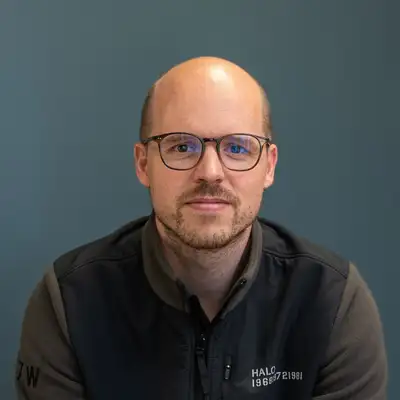
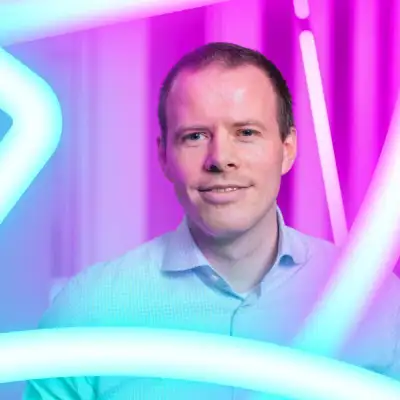
Hosted by Toni Hohlbein & Raul Porojan, together they look at the full funnel.
With a combined 20 years of experience in B2B SaaS and 3 exits, they discuss growing pains, challenges and opportunities they’ve faced. Whether you're working in RevOps, sales, operations, finance or marketing - if you care about revenue, you'll care about this podcast.
If there’s one thing they hate, it’s talk. We know, it’s a bit of an oxymoron. But execution and focus is the key - that’s why each episode is designed to give 1-2 very concrete takeaways.
[00:00:00] Toni: hey everyone, this is Toni Holbein, you are listening to The Revenue Formula. In today's episode, we're talking to Shantanu Shekhar, currently GTM Operations at Gong and previously Business Ops at LinkedIn. We're talking with him about how you can go from revenue strategy to planning to execution. Enjoy.
[00:00:18] we, we usually lack kind of a good intro, actually. We always lack a good intro.
[00:00:30] Bart: Because we never think about it before. It's usually you coming in two minutes before the recording starts. Hey, hey, hey, hey.
[00:00:37] Shantanu: All
[00:00:38] Bart: Sometimes five. Yeah. And then you're figuring out like, oh yeah, what should we talk about today?
[00:00:43] Toni: So another special episode with Bart. Another
[00:00:46] Bart: special episode, that means another special guest episode.
[00:00:49] Toni: A special guest we have, indeed. Who is it? Who is it this time, Bart?
[00:00:53] Bart: Today we have Shantanu Shekhar. He is the current head of go to market operations at Gong and also helping lead the customer sales division over there.
[00:01:03] That's it. Beautiful. Thanks so much for joining us here.
[00:01:06] Shantanu: Absolute pleasure to be here, Bart and Toni. We're very, very excited to always, um, always a pleasure to talk about RevOps and go to market operations and yeah, really excited.
[00:01:16] Toni: There you go. So it's good that we have you here for, um, you know, a little bit of time to pick your brain. And really talk about, uh, you know, some of the pieces that might be still missing from this, you know, RevOps journey, which is going into this strategic area. But, before we get to all of these wonderful things, a bit of a fly in maybe on your side.
[00:01:35] So how did you get into, how did you get into revenue operations?
[00:01:40] Shantanu: So it's funny, and in fact, I believe this is the best question to ask anyone in RevOps because I feel everybody's story is slightly different. In fact, I'm curious, maybe for a later conversation, Toni, I'd love to know your story as well. But my story almost starts, I've been close to a decade now in the revenue operations world.
[00:01:56] And my story starts about five years before that. So I was a management consultant at Bain. Um, and pretty much there it's focus, you're focusing on strategy projects for customers, for clients, and you're trying to build transformative roadmaps. I spent a lot of time somehow within the sales industry there, and that mapped very closely with the growth and transformation vertical.
[00:02:21] We used to call it full potential strategies. Um, and about about a year at the end, I spent working on a large IT services client who was looking at their sales operations blueprint and I thought, wait, this is quite a lot of fun, quite interesting. Again, a lot of our listeners might agree with me and I'm sure there are quite a few many more who will not, but it was all about pipeline management, forecasting, trying to figure out how to think about capacity planning and how do you map that.
[00:02:49] So that, that really piqued my interest. And while I was at Bain, I had spent about six months in the Bay Area working with private equity clients just before I'd gotten into this project. And this is back when Uber was a startup. You might, it's funny to think about it now, right? Because given the size and scale that Uber has, um, I might, I might have advised a private equity company not to invest in Uber. Still, still regret that.
[00:03:16] Toni: Good job.
[00:03:18] Shantanu: There you go. The data didn't point towards them being a success at that point. Um, but, but if I think about, What really, really got me into, into this was I knew I wanted to go into tech. I was a managing consultant by my practice, by profession, but I really liked the energy that tech had at that point.
[00:03:40] And I was like, great, let's look into it. I don't think I'd ever thought I would go into a role called revenue operations or sales operations at that point, because it was still. very early days for that function. Uh, and speaking to a few folks who had gone into LinkedIn at that point, and for some reason, um, LinkedIn was probably the, was a scale up.
[00:04:02] I wouldn't say it was a startup at that point. It actually IPO ed even. And for some reason, a lot of ex consultants from Bain, McKinsey, BCG had made their way into this growing function of sales operations across linkedIn, but also across Salesforce. And those are the two big SaaS companies at the time.
[00:04:20] And I had a few conversations and figured, yeah, let's give it a try. I wasn't really sure what I was getting into, but looking back, I'm really enjoying it.
[00:04:30] Toni: And, uh, I mean, you, you spend a lot of time obviously on LinkedIn. uh, so in, in, not on, but in LinkedIn, and then, uh, went onto Nitro and then basically landed in, in Gong, right? Kind of, that's, that's the journey for you.
[00:04:42] Shantanu: that is a journey for me. And I think if I think about at LinkedIn, um, I did a couple of different roles and I was focused on the EMEA and Latin America business, which is pretty much, uh, found headquartered in Ireland. And I was doing a very pure sales operations role to begin with working very closely with how you think about everything from planning to forecasting and really focusing it on that smaller subset of.
[00:05:08] Making your sales numbers work and working closely with sales leaders and SDR leaders to an extent. But then the second half of my time at LinkedIn, I worked in, I moved into what we call business operations there, but it's really closer, more, much more closer to RevOps in a way, because Then it was working across the go to market functions, very closely, working very closely with customer success, with marketing and sales, the entire broader go to market teams.
[00:05:33] And also having a very close link with product, because I think one thing we often don't talk about is RevOps also has to have a close link with product to really succeed in advising the go to market side. And, and yeah, and then from there I moved on to Nitro, which is a much smaller, I would say, Uh, an already public company at that point, but much smaller company in the, um, PDF and e signing space.
[00:05:56] And the attraction for me there was more of a global role sitting in, in Ireland. And I had the, the joy of working and waking up with somebody in Sydney on the East Coast and working with someone on the, on the West Coast of the U. S. as well. So that. That had its own, um, I would say, great experiences and the challenges that came with that.
[00:06:15] But a great experience just set up the entire go to market operations and revenue operations function for that team and see how we, how we move forward. Since then, the company's actually been acquired by a private equity firm. And I was a Gong customer twice, both at LinkedIn and at Nitro. And that's what, when Gong opened an office in Dublin, it was really something which was a no brainer for me to consider.
[00:06:38] Bart: Wonderful. Absolutely. Now, I think it's really interesting whenever we talk with somebody with your vast experience in this and in all these different companies, and I would love to know, taking all those experiences along, what's the, what's been the role of RevOps and how, how's that been evolved over your time?
[00:06:55] Shantanu: That's great. And it's a great question, Bhargav, because if I think about the role of RevOps, I would say every single company, every single country, every single, even sometimes segment within the company might be doing it differently. So the way I define RevOps and to a large extent within these three companies, I've tried to streamline certain roles and functions to meet along that is, to me, there are three core pillars.
[00:07:20] And say a foundation and a roof, imagine a house, right? And it essentially revolves around setting the house together for the go to market function. To me, the first three pillars are strategy, operations, which I mean both processes and systems. And then the third one is data insights. And I mean insights, not necessarily, there's so much signals, so many, so much noise in terms of data available.
[00:07:46] How do you get? Signal from the noise in terms of insights. So we know those three pillars and then the foundation and the roof for me is foundation is all about people and the team that you're actually driving, especially in the RevOps function for a company, the size of LinkedIn, you could have hundreds of people who are sitting in the RevOps team.
[00:08:04] But again, you come to a smaller, smaller team. You might be working with maybe double digits, sometimes single digits. You have so many RevOps team of one who are operating. So how do you, how do you make your team work for you? And then the roof at the top is really, and I say this to almost everyone, I talk about RevOps is getting your work done is 20% of the work, 80% of the work is moving the rest of the organization and driving change.
[00:08:28] And how do you use that? That, that to me is, and I, and if you want to call it stakeholder management, change management, whatever name or label you want to give to that, I think that is the tip of the spear
[00:08:39] Toni: Yeah, I think, I think this, this way of, um, almost distributing the weights. Uh, I don't think a lot of people would, um, necessarily come up with that distribution themselves. I think they would agree. but getting to the point that 20% is really just getting the job done that revenue is, uh, RevOps is about, and 80% of that is comms, stakeholder management, change management, and so forth, right?
[00:09:05] Working up, working down, working the organization. Optimizing for revenue, speaking, you know, CFO language, speaking CRO language. Um, I think a lot of people are completely underestimating this. Uh, and I think kind of giving this 20 80 split to folks might be, you know, maybe it's not exactly 20 80, maybe it's more balanced, but it's certainly, uh, certainly many people rather forget about it than even giving it, uh, you know, even 10% of their attention, right?
[00:09:32] So it's pretty cool that you're actually, uh, pointing this out here.
[00:09:35] Shantanu: Thanks, that's a great point, because in fact, I'm, in fact, I'm almost going to communication principles and starts with almost every communication playbook or theory will say know your audience And start with that. I think quite often, because we have so many different challenges to solve and so many problems to work with.
[00:09:52] In RevOps, you might forget who our audience is and how to really move that forward. So you might have a very shiny dashboard. You might, you might end up with a very solid set of analysis, but if it's not moving the needle, why are we doing that?
[00:10:05] Bart: one thing I would love to know about is some of the misconceptions that people have around the role of RevOps, especially people outside of RevOps that are perpetually looking out in. What kind of misconceptions do you find a lot of people have of the role?
[00:10:19] Shantanu: Yeah, so I think, I think two things that's a very common thread across the role. And a lot of people don't understand that, but like you said, initially, RevOps is quite new, right? So a lot of people don't understand what RevOps means. So two things to me would jump out and, and quite, um, I would say quite prevalent across, across roles and across companies is number one, people often misconstrue RevOps professionals or team as data analysts or support functions just coming in to help you deliver what you need at any given point of point of time. And what I mean by what you need is it could be a sales manager or insert any functional role and level. You almost think I need to get A done and therefore I'm going to go to RevOps.
[00:11:09] And they will obviously, they're waiting for me to give them a list of things to do. I think that's the first, that's the first misconception I've seen because often, oftentimes, RevOps teams have a large set of priorities. They're probably whittled down to a 10% or lower already. And having, and getting that, I think it's tough.
[00:11:26] The second piece, um, which often is a challenge, and I love that we're going to talk about how, how strategic RevOps teams can be is, people think of RevOps team as, being systems people only, or can think of people as being systems people only. And that's the other, I would say, limiter in helping RevOps teams move forward and be a true partner with the go to market functions.
[00:11:49] Like one, one thing which I almost always encourage anyone I work with in RevOps to say is talk about how. You partner with go to market leadership or how you're part of go to market leadership, not necessarily being in a support role. Even though you're obviously, you're the foundation, we talk about all these elements about being the custodian of the systems, being the one who are, uh, the role that actually understands the data and able to translate what that means.
[00:12:16] But the moment you're seen as being reactive and not reactive and not proactive, that's where The risk can be in terms of really adding value.
[00:12:26] Toni: So, so I love this obviously, and, uh, and maybe we're going to just, you know, double click on this and go a bit deeper. So I mean, you already talked a little bit about, um, you know, some of the misconceptions here and some of this is really is also connected to the quote unquote strategic part of revenue operations, if you will.
[00:12:42] so while, while everyone wants to add this strategy word to their title, to their job, to their function, to their day to day all the time. Um, and not only in RevOps, but you know, across the GTM, across everything. Bart is a strategic copywriter, right? That's what I call myself. Yeah. Um, what does, what does strategy or strategic actually mean in revenue operations from your perspective?
[00:13:06] Shantanu: Great point, Toni, and in fact, I would even start, you're right, I would start with what is strategy, what is strategy in its totality, and then come back to what it means for RevOps. Because like I said, everybody and their uncle wants to have strategy in their title today and wants to really help. Um, in fact, I've seen so many people who've lost out on jobs because the interviewer said this person was not, was not strategic enough.
[00:13:30] What does that mean? Right. And, and I'll go back to my, again, my own, uh, experience having been in a strategy consulting firm at Bain. The way Bain used to talk about, about what strategy is, was almost. Adding on to what the dictionary, I think the Oxford dictionary pretty much talks about strategy as a plan, right?
[00:13:51] Having the right, if there's someone who has a strategy, it's a person who's, and I'm not being gender insensitive here, but there used to be a phrase which was quite often used. A man with a plan was a phrase which was quite often used. Um, in, in, in different contexts and, and literature centuries ago. And to me, the way I saw Bain said, that's fine.
[00:14:12] You have a plan, but that's step one, you're designing a plan, but then how do you, how do you marry that with execution? And to me, that's having that vision of both the plan and execution is how Bain used to then go deeper into the strategy. So if I, if I bring that down to the level of what we could do in RevOps specifically.
[00:14:32] So in RevOps, we're almost always starting off with. A revenue number as a starting point. So if I think about being strategic in RevOps, you need to be able to define three things. Number one, what is that target or ambition of where you want to get to? And having that vision and plan or number whether it's a revenue number.
[00:14:55] Second, and I, I would, I encourage just anyone starting a new role in revenue operations, think about doing a diagnostic of where you are today, right? Anyone can have a plan to scale Mount Everest. But are you at Basecamp today? Are you further behind? Where are you, right? And having that number going deeper into more of a 360 view, not only from a data standpoint, but understanding what externally customers are saying, how your product is set up, the broader perspective of the actual starting point or diagnostic.
[00:15:28] And third, really, is all about Marrying that, as I said, plan with execution, which is if you want to get there, what are the steps to get there? If you are, if you have these steps, how do you really break that down into very tactical initiatives, which will, which will get you there? Who owns those initiatives?
[00:15:44] What needs to happen by when? Timeline. And I'm almost, if you see, I'm almost defining a program because it's almost mapping that program level of initiatives and plan with that footprint or roadmap, which will help you go back. And, and often it's those choices you make. in building that plan which define what your strategy is because and we can go deeper into examples here let's say your your strategy your vision is you want to be an enterprise company or or your and if you and if your plan and how you About initiatives which will get you there.
[00:16:15] Is your product set up in a certain way? Is our, is your entire go to market motion and customer, um, relationships and lifecycle management, is that built in the same way or not? And what are the options you need to make? What allocation, allocation of resources will get you there? So all of those very specific choices and options is pretty much bringing that back together.
[00:16:36] So it's actually having a view of where you want to go, a diagnostic of where you are and then very tactical Roadmap or footprint to drive that execution.
[00:16:46] Toni: I love that. if you could add some more examples actually of how you have been strategic as, as, as revenue operations. Um, and it could be, you know, it could be LinkedIn, could be Gong, could be whatever, but it would be really, really interesting to hear how, um, you know, giving our, our listeners and our readers a little bit of help in, you know, what would be an example, uh, to then give them ideas.
[00:17:09] Okay. Wait a minute, in my job, I could do it actually like this. And, you know, now I have a way to communicate it even to my boss.
[00:17:16] Shantanu: Great, I love that. So I might take an example, maybe given it's more recent and there are things which LinkedIn, given its size and scale, a lot of public pieces, I probably won't go into LinkedIn examples, but I'll start with Nitro and then maybe one with Gong. So at Nitro, one of the things I did again, when I came in, like I said, I did a diagnostic of where we are, where we want to get to.
[00:17:36] You had these massive competitors in Adobe and DocuSign at that phase. The market was in a... Very positive momentum, given it was just the first two quarters post COVID, where things had literally taken off from a, from a plateau with two jetpacks. And at that point, having a view of where we want to get to and how we get there.
[00:18:00] There were three things that jumped out to me, right? And number one, again, having done all of that, I would say, exploration across the board. Number one, our operating model internally was not best suited to target that growth. And what that meant was we had... Uh, for a company which is, which is reasonably mid sized at that point, we had one seller for the full duration of the customer standpoint, uh, customer's life cycle with the company.
[00:18:29] So we pretty much, what, what came out of that exercise was let's split this into a hunter farmer model. Now what that meant, and there's so many different operation implications, I'll get to that in the end, but that was the first piece. Second, there was a lot to be done in terms of pricing because you realize that there's So much you can get from a revenue standpoint, what do you do from a pricing standpoint?
[00:18:50] And, and the third piece, given the, the market we were in and, and, and, and the world we were, we were entering, how do we really define roles and responsibilities for what happens from the point you get a customer to when it goes out? And how do you measure that? Um, I call it, and each of these, by the way, became projects in themselves.
[00:19:10] I call it Project Moneyball, which is how do we measure at every step what's happening and are able to go back to the right levels. And maybe I'll go into that example to go deeper, is when we think about metrics that everyone measures, right, and everybody from the CEO to, say, an SDR in the company who's probably just come in a year after college, let's say we take that, that spectrum of people in the company, everybody needs.
[00:19:40] A few metrics to be able to answer some, some, some certain pieces of what they're doing. Now, in that project, because of the PC, we identified that if you're measuring everything, you're not measuring anything really. How do you define what needs to be measured? So we said, we're going to pick two metrics at each level.
[00:19:58] Why do those metrics matter to the CEO versus the CRO versus the head of sales versus the head of marketing, the head of customer success, the frontline managers, to the front, frontline reps. And then define, for those two metrics, for those two things that matter to them, what are the metrics that matter?
[00:20:16] And then how will you measure? And then we deployed our entire process and systems around that, so we could then measure that. And that was one example, I can go deeper into each of those, but that was, I think, a very, uh, powerful way to just set up the entire, entire process. Um, and, and the beauty of doing that, and I start off again with how do you become reactive versus proactive?
[00:20:37] No one's going to come to you and say, Hey, let me, tell me, how can I figure this out? I came in and said, okay, what's our, what's our goal as a company? And then, okay, this is how you can get there. This is where we are. And this is how RevOps can play a role in helping you figure out the operating model. I mentioned at the beginning, this is how you can do measurements across it.
[00:20:56] And this is how you can think about pricing, for instance. So that was one example I thought was quite interesting.
[00:21:01] Toni: So I think, I think that was pretty powerful, right? Because it really starts off at the strategic piece of, um, achieving that growth number. And then taking this, and by the way, so you, you mentioned a couple of, of words you're sprinkling in that, that, that Bart and I hearing a lot around this topic, it's, yes, it's about revenue.
[00:21:20] It's about costs sometimes, about risks sometimes, and it is about, um, how then to actually achieve that proactively kind of doing that thinking, and then connecting it down to pieces that. that suddenly seemed trivial, right? I think this is this, almost the curtain that's being pulled all the time where some, you know, you, you talk through a strategic project and how you execute it, and then people realize, wait a minute, at some point in the sentence.
[00:21:47] You went from strategic to, you know, execution, and I didn't even realize that you kind of, you know, did the switch and bait, basically. And this really means this, hey, this is where we want to go, and, and listen, here, these actual things... that I am doing and that other people that need to be doing in order to actually get there, right?
[00:22:06] Kind of really creating that, that connection between the far fledged, you know, uh, hopeful reality in the future and what are we actually doing today in order to kind of, to get there, right? And, and the example, it was really cool in terms of, well, there's something in the operating model that we need to tweak a little bit.
[00:22:23] Um, but then there's also something on the, you know, maybe I say performance management side, uh, for all the different roles, what is their purpose? Why are they doing this? Um, and what do we expect of them? Uh, and all of these pieces working together to get you to the strategic outcome, right? And, and I think kind of building this, building this bridge between the future and what you need today.
[00:22:44] You know, that, that is, that is strategy that, that suddenly becomes execution, you know, by, uh, by, I don't know, by a mistake almost it seems, but that's how this works in the end.
[00:22:54] Shantanu: But that is such a great observation, Toni, because if I think about the real opportunity, and this is where I think companies shell thousands of dollars to consultants and external advisors and so on, really the beauty lies in breaking things down to its first principles, right? Anything which is complex can be broken down into very simple tactical pieces, and that's I would say almost without prejudice.
[00:23:23] In fact, I'll give you another example, right? So, the example may be from Gong, a strategic project. So, like I said, we just opened an office in Dublin. I came in, it's now more than 18 months ago, and as you'd imagine, Gong is obviously a very strong brand in the US, relatively strong in English speaking markets, but outside of English speaking markets, there are there wasn't that brand that existed.
[00:23:50] And there wasn't a very clear understanding of how it would operate. And again, this is not a Gong only problem. Every company, every single, um, in every single function as well, I would say, which comes, every single industry, which comes from, say, say the U. S. and then tries to go into Europe or into Asia, where every, every single country has a different language, a different culture, a different sensitivity, then you have to really standardize and internationalize what you're doing.
[00:24:17] So, that was a question again, which, if I think about my entire exercise, it's the same diagnostic. Where we can get to what are some of the obstacles and roadblock, roadblocks you need to, to, to cross over. So in that exercise, we realized, well, hang on. We need to create almost a, and you will see, I, I love, I love project names.
[00:24:34] We call this project Apollo, where how do we go from where we are? How do we make sure Gong is. It's just the same whether you are speaking in English, whether you're speaking in Danish, whether you're speaking in, working with Gong in Dutch. And there was a lot of work, by the way, already being done inside of it.
[00:24:53] A product team was already doing something, a marketing team was probably working on something from a sales perspective to figure out what, what you do and how you enable people to think about it. But basically, the, the way we set this up was, uh, and I hired a program manager to help drive this through.
[00:25:10] Again, this is, people might not have come to a RevOps team and said, how do we make this work? But I'm like, okay, this is where the opportunity is. Let's say if we had to gong, get gong to go and begin to these markets by the, this is the GDP of, GDP of Germany, this is GDP of France. If you add up all the GDP of these European countries, you get the GDP of U. S. essentially, right? So how do we make sure we get the same revenue or ARR you're seeing in the U. S.? In, in, in Europe and one phrase I love is an ask made well is actually an offer and what that means is I'm asking for a path to get to that ARR, that's a great offer for whoever is running the company globally, right?
[00:25:53] So, and to do that, you then start breaking that down into, okay, this is what product needs to do. This is what marketing needs to do. This is what, and how do you not, and again, this is not one person. I don't have the answers in my head. How do you get all the different stakeholders together? I talk about 80% of making change management and people management work with stakeholders together.
[00:26:12] This is all part of the strategy because you then get. And again, what, what we did essentially for Gong was we had customer success was key for this, uh, product was key for this, marketing, someone from engineering, someone from the sales team. We got all of them together in a, in a room for a day or two, but we literally built a plan and we had initiatives.
[00:26:31] And again, again, it's again, sounds so boring in the end because the broader goal is how do you make Gong relevant for all languages, all countries. But at a base level, you then say, okay, customer success, you need to think about when you, when you get a customer on boarded, whether it's in German or in English.
[00:26:48] They need to have the option for 30 days, 15 days, 45 days. What does that mean? What does the onboarding program look like? What do you get in terms of actual um, materials that are available for self learning for onboarding? Are they, are they the same in English and or not? You then go with product. Okay, you need to think about what's the UI.
[00:27:07] And to build that UI, wait, you need a vendor. Okay, let's work with who are the different options of the vendors you can talk to. This is, okay, we'll have somebody tracking that. Similarly, marketing, now your website, whether you open GONG in, in Denmark, in Germany, in, in England, in, in Singapore, how does that look?
[00:27:22] And sometimes the language, let's say, in American English will be very different from British English, even UK, how is that different? So how do you make those marketing materials look different? You need We need a localization help on that. So how do you really do all of that? So, so once that got built in, and again, I go back to measurement and reporting back and driving.
[00:27:40] So that's something we've been building, building in. And again, like I said, our product team was already working a lot on how the different languages work. So bringing all of that together, I think that's where I think RevOps has that unique viewpoint or perspective, where you see all of these players playing and your job is to get them all in the same field.
[00:27:57] So they're talking to each other.
[00:27:59] Toni: So while, while I was listening to one, so this is basically a fairly big internationalization effort, right? That, um, uh, that you're describing there. what I didn't quite fully understand is it, did you come up with this or was it a thing that was kind of floated and you grabbed it kind of, tell us a little bit the origination story of, of how you, how you ended up running or being part of this, uh, of this, of this massive strategic project.
[00:28:22] Shantanu: Great. And again, and this is probably where it's, I keep going back to that being proactive versus reactive. So all of these functions, and again, most of these, I would say challenges or ideas exist at some point. In every company, so product was already doing something, marketing was probably doing something, but the product was doing maybe a hundred things at the same time.
[00:28:44] Marketing probably had a few core things, there was some, some person in the marketing team was working on localization. Um, customer success was probably dealing with it even more so because they were onboarding customers in a certain market and didn't know what to do, right? That, so they're all, so they're all things which are happening, but the way that Overall project initiative because you're asking, I said, I said, I hired a program manager.
[00:29:06] How do I get that? And to do that was, I go back to almost, and I, diagnostic is easy to do when you join a company in the beginning, but even if you've been in a company for 20 years. Your company might have an annual budgeting process, an annual planning process, or some level of, I would say, a strategic review, where RevOps might not even have a voice, by the way.
[00:29:31] Right, so the way to come into that is almost come with, whether it's your CRO, if your company has a CRO, or it's your sales leaders, your marketing leaders, come to them with, I have an, I see an opportunity here. And in my case, I had the benefit of having done that as soon as I joined, so I was like, Oh, this is where we're going.
[00:29:49] I see an opportunity to accelerate our growth beyond X. And this is why I would do that. Again, in the same way, someone might come in and say, I see an opportunity to do that. And you mentioned rightly, so there is revenue, but I also see risk. If we don't see this coming in, this is what you see run the risk off if you don't.
[00:30:08] So just, so creating that almost burning platform and having the conversation with, Oh, by the way, I see this risk. I see this opportunity. Is this important to you? And then going back with, oh, by the way, I have a plan. I need ABC to do it. And can you give me some sponsorship or, or, or, uh, I would say almost, I don't want to say sponsorship necessarily, but almost the, the run free and go and deliver.
[00:30:34] Bart: Yeah, yeah, I think you're almost looking for a cosign of that from somebody that actually has power to do this, right?
[00:30:41] Shantanu: Exactly.
[00:30:43] Bart: That's fascinating. Um, I think, I think I would love to start moving on to the next portion where we kind of look back the RevOps role and potentially what we can, advice we can give to potentially other RevOps teams out there.
[00:30:56] Cause I know we talked to a lot of smaller RevOps teams, you know, single digits, anywhere down to one or two people kind of thing. And I think a lot of, a lot of the pain points that we're hearing from a lot of people is like, yeah, they are kind of stuck in that system admin role. They are kind of stuck being reactive, you know, when they want to be proactive.
[00:31:14] So I guess one of the things I want to ask from you is like, what kind of advice would you kind of give them to be more of that strategic role that they need to
[00:31:21] Shantanu: Yeah, so I think, so one of the things I, one of the words I love is compartmentalization. And what I mean by that is, if you, if you create the room for something, then it will happen. If you don't, it won't happen. And essentially, as I talk about those three pillars and, um, I'm sure you both will agree with me.
[00:31:40] There's enough. Work to be done that just responding to requests and it's, and that's why people have, we started off with misconceptions about it. That's why people have misconceptions about rev ops. You have enough asks and requests and challenges and things. Breaking that, keeping the lights on can be a full-time job for someone in rev ops.
[00:32:00] And yes, and I think it's almost important. There's, there's so many different concepts. You call it deep work, whatever, to compartmentalize. If you block a couple of hours a week, a month, or whatever works for you and the advice I always give to someone who's looking to make room to be more proactive is go in and really help figure that out.
[00:32:21] That's, that's the number one thing I'd say. Second, quite often people might, um, might not go to the, might not feel comfortable going to even the CEO if needed, but that's like, for instance, um, if, if, and I'm sure as grow blocks will grow very soon in three, four years. You will have a large team and not everybody will be comfortable going up to Toni, but let's say you have a RevOps team and a upstart RevOps person comes up to Toni and they ask you that, Hey, Toni, what's your biggest problem?
[00:32:55] Just understanding what the biggest problems from the CEO to the CRO and downward is. It's important to just then help solve for that problem. Because once you make time and space, and second, you know what the biggest challenges for the company are, most RevOps professionals have the skills to be able to solve that problem.
[00:33:15] They always often can see it. I think it's more just knowing what the problem to solve and finding time to do it is. So that's what I would doubt.
[00:33:22] Toni: Yeah, so very powerful, right? It's kind of, uh, number one, the, I love this. I mean, I obviously love this compartmentalization thing. Um, I, I agree with this for many, many other reasons as well, but really the, you know, by allocating time, it's the only way you will be able to get there. Right. So, you know, scratch everything, scratch everything else.
[00:33:42] It's not going to happen by itself. And then number two, really this. This understanding of what are driving pains and problems in the organization and, you know, what could be your spin on this in order to solve them, right? And, and to a degree, what you're kind of saying with this also is, well, if you understand what's, what's a problem, guess what?
[00:34:03] If you have a solution for that, there will, you know, resources will appear, time will appear, you know, and, and prioritization will go your way. if this is how you're, how you're addressing, you know, that, that company issue, uh, that you can potentially solve.
[00:34:19] Shantanu: I love that and I, and I love what you said there as well, Toni, about prioritization going your way. There's, because the moment, the moment, and I go back to your, an ask well made is an offer. The moment you can create a very strong burning platform of why what you're proposing is, is important. I would almost even take a, take a step beyond that.
[00:34:38] And for, depends on the company size and so on. You might have an OKR process or prioritization process. The more deeply embedded a RevOps leader, RevOps team, RevOps professional can be in their company's go to market prioritization process, the more room they will be able to create for these are projects I feel we need.
[00:34:59] To implement to deliver value and this is this is what we'll do to keep the lights on the moment. They can do that That will also help again People use the phrase getting a seat at the table helping me to see the table be strategic and actually Be able to deploy them. So I love what you said at the end about prioritization
[00:35:15] Toni: you, do you think that your strategy consulting past, I mean, this is, um, is a lot about communication, right? It's a lot about communication and that job. Do you think that that has helped you? To, um, communicate strategically and kind of discuss strategic topics in your revenue operations role.
[00:35:37] Shantanu: Oh, a lot. Definitely. I would say in fact, um, I think a lot, a lot of the skill set that you'd pick up in consulting is very similar to what we need in RevOps. And I, I use a phrase of there's three leadership points. There's thought leadership, process leadership, and people leadership, which are core to literally any role, but even more so in revenue operations and similarly in consulting and being able to communicate and drive value for working with executives, working with.
[00:36:09] The leadership and helping them see why the change needs to happen or why we need to think about in a certain way. Consulting has helped me significantly, I would say.
[00:36:18] Bart: Definitely. And now, let's almost flip the advice question. Now, instead of giving someone new in RevOps, uh, advice, maybe, what advice would you give yourself if you could go back in time and start your whole career? Other than investing in Uber.
[00:36:33] Shantanu: Definitely, that's a big one. I think, I think the big one, and I've been thinking a lot about this, I'm probably at that point in my life where I've been thinking about what could I have done differently. I think the main thing I would probably go back and say is, Talk to as many people as possible.
[00:36:50] I think, um, a lot of us and me included, I think we feel like we carry the burden of the world on our shoulders, but there's so much, I think even on the podcast, I've heard so many different perspectives come in from different people more recently, but As you've seen the revenue operations world grow, I almost go back and say, why don't you talk to, back then when I was starting out, Toni was already doing what I was doing.
[00:37:13] So I should probably reach out to him then, not now. So that's, that's the one thing I'd go back and say.
[00:37:18] Toni: That's a, that's a, that's a pretty good one. It's also not the first time we're hearing it, by the way. It's a, it's pretty cool. And, I think it has to do with this. I'm not sure if this is the imposter syndrome. I think that's actually the wrong term. It's probably kind of the God complex of revenue
[00:37:31] Shantanu: Yes.
[00:37:33] Toni: It's, I can, I can figure this out myself. I don't, I don't need to, you know, um, but, uh, and, and you can, you can totally, yes. Um, but it might be easier if you start chatting with some folks and, uh, and, you know, maybe learn something along the way. I think it's really great advice. And
[00:37:48] Shantanu:
[00:37:48] Bart: Absolutely. Yeah, that was a great episode, actually. I think there was a lot of really interesting advice. What, are you surprised? Every time surprised just how good these are. But no, I think there's a lot to be said, especially about, you know, breaking down the complexity of this engine and actually creating actionable results out of this.
[00:38:07] It's, it's, uh, I think if you take it one step at a time, there's, you can actually do this. Yeah.
[00:38:14] Toni: Wonderful. Thank you so much for being here. It was, uh, it was a real pleasure talking to you. I mean, you and I, we catch up recently, uh, you know, often here and there. Uh, but really cool to, you know, do that in this format.
[00:38:25] And, uh, thank you so much for, for spending the time.
[00:38:28] Shantanu: The pleasure and privilege is all mine, Toni. Thank you so much. And great to chat with you as well, Bart.
[00:38:33] Bart: Yes. All right. Have a good
[00:38:35] Toni: time. Bye bye.