Subscribe
Share
Share
Embed
In Episode 024, I had the privilege of interviewing Alex Ouziel, Founder of 9diDANTE Vermouth and CEO of FIOL Prosecco. He's a veteran of our industry, with many years in the game. He has previously spent ten years in Bacardi, from VP and Managing Director of Eastern Europe to President of Asia, Middle East, and Africa. He possesses a truly international perspective on drinks. I hope you enjoy our conversation.
Main Topics Discussed:
From 0 to 1 Bottle
Dark Marketing
Importance of Differentiation
Selling to Bars when Small
From 1 Bottle to 1 Case
Why be on the Cocktail Menu?
Necessity of Hunting & Farming Systems
Adapting to what Bars need.
From 1 Case to 1 Pallet
Building Distribution Networks
Advantages of Brand Ambassadors
Working with Distributors
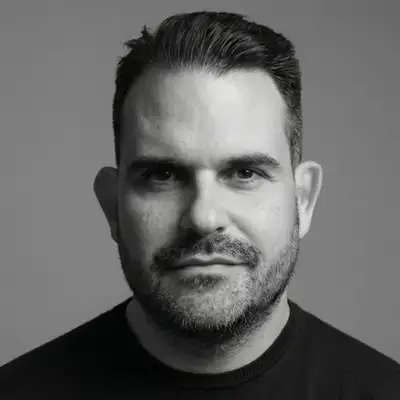
About the Host: Chris Maffeo
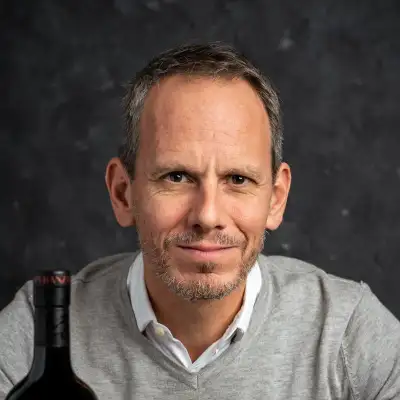
About the Guest: Alex Ouziel
In Episode 024, I had the privilege of interviewing Alex Ouziel, Founder of 9diDANTE Vermouth and CEO of FIOL Prosecco. He's a veteran of our industry, with many years in the game. He has previously spent ten years in Bacardi, from VP and Managing Director of Eastern Europe to President of Asia, Middle East, and Africa. He possesses a truly international perspective on drinks. I hope you enjoy our conversation.
Main Topics Discussed:
From 0 to 1 Bottle
From 1 Bottle to 1 Case
From 1 Case to 1 Pallet
About the Host: Chris Maffeo
About the Guest: Alex Ouziel
The MAFFEO DRINKS Podcast is a leading drinks business podcast delivering actionable insights for drinks leadership.
For founders, directors, distributor MDs, and hospitality leaders navigating the tension between bottom-up reality and top-down expectations.
20+ years building brands across 30+ markets. Each episode features drinks builders: founders, distributors, commercial directors, sharing how the drinks industry actually works. Not the conference version. Honest conversations.
Insights come from sitting at the bar.
Beyond episodes: advisory for leadership teams, subscription with episode deep dives and principles to navigate your own reality.
Beer, wine, spirits, Low and non-alcoholic.
Bottom-up Insights & Episode Deep Dives at https://maffeodrinks.com
Hi, and welcome to the Maffeiro Drinks Podcast. I'm Chris Maffeiro, founder of Maffeiro Drinks, where we provide a non nonsense approach to building drinks brands from the bottom up. I will be your host, and in each episode I will interview a drinks builder from the drinks and hospitality ecosystem. In episode 24, I had the privilege of interviewing Alex Ossiel, the founder of Novedi Dante Vermouth and the CEO of Fiol Prosecco. He is a veteran of our industry, with many years in the game.
Chris Maffeo:He has previously spent ten years in Bacardi, from VP and Managing Director of Eastern Europe to President of Asia, Middle East And Africa. He possesses a truly international perspective on drinks. I hope you enjoy our conversation. Hi Alex, how are doing?
Alex Ouziel:Hi Chris. I'm very good, thank you. Great to be here with you today.
Chris Maffeo:Absolutely. I'm honoured to have you. Finally, we even managed to meet in person last year at BarreConvent. That was really great after we had another session like this four years ago.
Alex Ouziel:Yes. That was very early in the journey.
Chris Maffeo:Early Yes, in the thinking about that this morning. I said it's a similar kind of interview, but it's a very different one because it's four years down the line. So there's many more insights to discuss. We follow each other on LinkedIn, on social media and so on. You know my philosophy that brands are built bottom up.
Chris Maffeo:I loved how you challenged me in the comments and we keep the constructive debate. And that's an interesting way of course ultimately it's not as easy as only happening bottom up as you know. So how, I want to start with a question like on how do you build the demand for a brand like yours? How do you show up and make sure that you know when you start actually people have heard about you before you show up at the door?
Alex Ouziel:Well, I think probably the first thing is to be honest and to live up to the expectations. When you build a new brand, perhaps the first time that you feel that something is going in the right direction is when somebody says, Oh yeah, I've heard about you and I wanted to try it. And then whenever you get that kind of reaction you have a hell of a lot of questions. You heard about me, where, from whom, what did they say. At So the end of the day, every single interaction is an opportunity to take the brand forward to the next step.
Alex Ouziel:And how do you build the first one? You call it build the brand bottom up, right? I tend to think more of inside out. Seeing it more as an epicenter of where you put a seat or you put a radio wave and then little by little be it from your friends, your family, that bar that is close to you or that shop that is nearby. And these people that know you well, and if they are not going to help you, why should anybody else?
Alex Ouziel:So if you cannot convince the ones close to you, how do you have a chance in hell in convincing anybody else? So put as many of those seeds as you can and then spend time watering them.
Chris Maffeo:And I was smiling now when you said that because if all of your friends want a free bottle, you already know what's going to happen in the trade with people wanting sampling and free bottles. If you can't convince your friend to buy your product, then it's a bit of a challenge, right?
Alex Ouziel:Yeah, the real problem is when you give a free bottle and then people say, what do I do with this?' You know you've got a problem. I was reading somewhere that said, 'Look, you should give as many free bottles as people ask.' Probably you need to link that to as you can afford as well, because you're paying the taxes and maybe sometimes the VAT and things like that. I think that you need to get as many fans behind the brand. People who, when they go into a bar or they go into a shop, because they know you, they will ask for, in my case, nove de dante of y'all because they know they're not going to find it, but they're spreading the word. They're starting perhaps a conversation of what is Novella Dante?
Alex Ouziel:So it's this new vermouth. It's amazing. You should try it. And so on. You have millions of dollars, in which case I think we would have a completely different conversation today, which in most of the cases is not the case.
Alex Ouziel:I think that you need to really get into get rid of tactics and to extract as much value as possible of every single opportunity that you get.
Chris Maffeo:I love that. When you start with the brand, there's always this conversation. I'm always talking about don't try to be a jack of all trades. Create your own category. And then in a way that's what you did when, you know, you brought something to the table that was different than, you know, the regular vermouth category.
Chris Maffeo:You were one of the guys who rejuvenated the category, you know? So in terms of trade, not much in terms of, liquid development and journey, but more on from a trade perspective, what did you bring to consumers, to bars, to bartenders, to distributors and so on?
Alex Ouziel:Well, the first thing you need to bring is good product. I think that if we go back two hundred years, maybe even seven hundred to the chaturses or whatever, right? The first brands in alcohol started because people were literally dying from bad products. So having that brand was a way of knowing this is safe and this is good and this is gonna be a good experience. I think we've moved on from that, right?
Alex Ouziel:And today we're in a situation where the technology around making drinks, the quality of the ingredients and how readily available are, the excess capacity that there is in the industry make it almost harder to make bad drinks than make good drinks. So it's kind of like a given that you are making a good drink, right? So if it's not good you should be doing something else. So I don't think it's about, yeah, that's nice. Because most bottles you're to say, yeah, that's nice.
Alex Ouziel:I like it more. I like it less or whatever. So I think you need to bring something extra to the table. In the case of Vermouth, thank you very much for putting me in the group of amazing people that are doing a lot to continue to rejuvenate the rewards category. I think we are at the beginning of a journey.
Alex Ouziel:I think there are a lot of very good products out there. And I could not just try to replicate any of them. Either I brought a new philosophy and a new perspective to how the category should be addressed, or I might as well just do something else. In my case, was about the importance of wine in vermouth making, right? So if vermouth by law in Europe has to be minimum 75% wine.
Alex Ouziel:I was asking myself, why was nobody talking about wine? Why did we regularly see the varieties of the wines that were used in that product? Why was wine something that was very often covered by the flavour of the botanicals rather than use wine in itself as an additional botanical in the vermouth making? Because each wine has its aromas and its texture through the tannins and its color and its taste and etcetera, etcetera, etcetera. So that's what we decided to bring on the table, right?
Alex Ouziel:We make a vermouth that is centred around Piedmont wine. We use only 100% wines from the Piedmont region where Vermouthe Torino has to be made. And then from there we start to build our story. Now, the fact that I have a differentiated product doesn't mean that automatically I have a queue of people saying, 'Thank God that this person arrived and did that.' So we need to go and explain it. We need to see the reaction of the people.
Alex Ouziel:Hopefully it's a good one and we've had amazing reaction from everybody. But then also any change, any significant change, it also means that variations in recipes, different approaches. So hopefully in the best of cases, our philosophy makes a product that when you open it, you should be able to drink it almost straight from the bottle, right? And it should feel very good. And the people who choose to transform it into a cocktail or use it creatively in their creations, hopefully it's a product that is going to inspire new creativity in them, either in twisting the old or creating new things.
Chris Maffeo:Nice. This is a nice bridge to a next question that I've got. When I talk about target occasion, there's always a little bit of confusion about, you know, is it do we mean like an aperitif and after dinner, a dinner kind of occasion or do we talk about an actual cocktail like a Negroni, an Americano and so on? You mentioned it there. First of all, it's a product that can be drank neat.
Chris Maffeo:And then you can actually also make cocktails with it. So how do you play that in the narrative? Like do you have a kind of like a hook in the conversation or do you leave it more to the bartender? Do you leave it more flexible? Still highlighting the wine, what you said previously about bringing something different to the table and not just another vermouth.
Alex Ouziel:We obviously do highlight a lot the wine. It's our philosophy, but it also costs us about 10 times more than a cheap wine. We need to explain that part as well. As a brand creator, you have to have both a very clear idea of what you would like it to be and a very humble approach to being wrong. I may want the nove de dante is the vermouth that's gonna put the name into the Negroni, right?
Alex Ouziel:So that when people bar call a Negroni, they say make it with nove de dante please, Or the rest of the world follows the Spanish trends the same way they did with the gin and tonic a few years back. Now that the whole of Spain is drinking vermouth on the rocks, the whole of the world is going to start drinking Vermouth on the rocks, which I think it will happen. And that Novo Nordisk is going be the brand that helps them in that transition towards a great amazing future. I think it's important to have all of these clear goals that might grow the brand in the future. At the same time, if any bartender great, famous, or just one in a local bar in some location creates a drink that juices novella dante or vermouth in general.
Alex Ouziel:And that just becomes a hit. We need to be able to jump on that and help it along. When we look at the success of Aperol Spritz, Campari at the beginning of that did not know that would become one of the five biggest brands in the world. Did it happen because Aperol tastes great out of the bottle or because the spirits just happened to be a very cool drink? And is it because it's simple to make or is it because it's orange?
Alex Ouziel:Nobody quite really knows. It just kind of took a life of its own, right? And then all you can do when that happens and if you're lucky enough to be involved in something like that ever happening to you is to recognise it and to see how you can jump into the wave or ride that wave without sacrificing the spirit of the brand that you're trying to create. You have to have a clear direction, but you need to recognise that you don't know what thing will happen in the future that will exactly lead to the success.
Chris Maffeo:That's a very interesting point because I was having actually this discussion yesterday with another guest on the podcast and and we were talking about this because ultimately you must have a direction which ultimately you don't know if it's the right one, but then you need to be, as you said, you know, flexible enough to allow the bar world to try new things with it. And then all of a sudden, maybe it's perfect in a Manhattan and not in a Negroni like as you anticipated. And then all of a sudden, you know, then you can build that target drink, bottom up coming from the market and really say, okay, this is what we want to do because what I feel very often, especially with big brands that have this, you know, drink strategy and so on, they are fixated about something, but it doesn't come from the market as your, let's say, Aperol Spritz example, it comes from an advertising agency or a design agency or the marketing department. And they think like, oh, we need to push this drink because it's hot at the moment. And it's just like, but if the brand doesn't really work with it and, you know, people don't recognize it as as that, but actually they want to play with another drink, so be it, you know, and nothing stops you from keeping communicating that.
Chris Maffeo:That's the ultimate thing of really keeping these iterations and the journey flexible enough, but at least having that kind of like trajectory, as you said. Building on that, you know, what role does that play into, let's say, the selection of bars when you enter a city?
Alex Ouziel:Well, look, of course everybody just wants to pick up the best 50 and then go through the list. And unfortunately, of the big companies come with very big checkbooks and they buy it out. So you have the best 50s that have the same drinks as everybody else. Luckily we also have the top 500 so that gives us a few more bars to try and get. Perhaps there's a little bit more room for everybody.
Alex Ouziel:Jokes apart, I think that you need to know what kind of bar goes with your kind of drink, So if I'm selling a vermouth or fiol, prosecco and they are very aperitivo led moments, what am I doing in a nightclub at 04:00 in the morning? So I need to know where I'm likely to be drunk. The second thing is it's not so much about the consumer but it's about the bar business itself. Do I have a drink that fits into their drink portfolio but also their cost structure? I think that very often it's not done even in the biggest companies to really understand the economics of a cocktail or a drink, right?
Alex Ouziel:What is the objective cost that that bar is trying to make, right? And what are the drinks that they are putting in there? And how much does the ice cost? How much does the grapefruit slice or skin cost? So make up those economics and understand how much they can expand on their vermouth, right?
Alex Ouziel:If I'm coming with a vermouth that costs double what they're used to put in there, they're going to have to sacrifice the cost of their gin or their bourbon, or they're going to need to be able to prove that that drink is going to sell at a higher price because it's using Novodilante, right? So I think we need to be realistic with all of those things and we need to have an understanding. Now does that mean that we turn this whole thing into a financial equation? Hopefully not because I think it's an industry of dreams and emotions and memories. But if we're not conscious of its economics, we can just be hitting against the wall day in, day out.
Alex Ouziel:And that wall is never going to fall.
Chris Maffeo:Ultimately, it's this whole thing about, you you get them engaged emotionally because they like you and they like the product, they like the journey and the people then, you know, strategically, that's to make sense because I mean, if they don't care about Vermouth to that example or Prosecco, if they just want to have a Prosecco to put in the spritz, you know, and they want to get it as cheap as possible, then it's not for, you know, fuel. And then at the same time, if they want to just mash, you know, Negroni for, you know, $10, then probably they're not going to use your vermouth. So that automatically streamlines the journey and how you play in the hunting because that's always one of the things that I'm struggling with is that brands say like, okay, let's launch in whatever, you know, France. And then they think like, you know, an army is going to conquer and the tanks are moving to the border of France. But, you know, ultimately, you know, you go to Paris, you go to certain cities, and it's ultimately you will never conquer Paris because it's always going to be a few bars within the thousands of bars in Paris.
Chris Maffeo:I'm interested in knowing like how how you did in starting this journey because the actual journey effectively, it's top down because the flow it's top down from, you know, the winery, the distillery and the brewery and so on. But in reality, you know, like brand building wise, it's more like a bottom up thing because you actually select the bar that you want to get in. So how did you start? Did you approach first the distributor or did you start from your inner circle and then try to find the distributor?
Alex Ouziel:I definitely think that you need to build, in my case, I needed to build a network of distributors that would allow the brands to get to the customers and the consumers. I think it's important to do a bit of yourself, but because it teaches you what are the good selling points, what are the things that matter. It helps you perfect your story. It helps you to understand the economics. It helps you to understand what people care about, what people don't care about, because we all think that everybody cares about everything that we do.
Alex Ouziel:But people care about a lot of other things. It doesn't mean that they don't care about ours, but where is it in the list of things that they care about, right? So I think it's important to get out there and do some of the cellulosecolic hunting before. I think it's more like farming. It's not a one off, kill it.
Alex Ouziel:You have to kind of like grow it and develop it and take care of it. But ultimately being a brand is not only about being well known and being liked, it's also about being found, right? I may love a brand, but if I never find it, eventually I will discard it. And the only way to do that is by having a capital network that you can develop. And that means that the role of the distributor and the partner, importer, whatever it is in each country, it is critical.
Alex Ouziel:It is critical because A) they already have that network. B) they have the number of people that are able to get it out there. And that means that it's not about selling a product, but it's about helping other people care about selling your product. And that just means that the whole part of that equation becomes critical. How are we going to make sure that people who have not one priority, but maybe a 100 or a thousand, they put time and are interested in yours?
Alex Ouziel:And how are they going to be interested, only from an emotional side, but also from an economical side, and especially for a sustained period of time. Because it takes time, right? When I first joined this industry, the first person I interviewed with said to me, this is not a fast moving consumer goods industry. This is a slow moving consumer goods industry. It takes long time for that bottle, the first bottle to go through a bar.
Alex Ouziel:And then maybe they'll buy a second one. And then maybe they will not forget to put it in a place where they can use it. And that's all part of the process. Just getting it out there, keeping it top of mind, making sure it's not forgotten.
Chris Maffeo:I remember when you told me that line, know, there's low moving consumer goods. I think I've used it in some posts as well because I really loved it and especially for me coming from beer originally, you know, that is really fast moving, you know, that's really like, you know, you buy a case, you drink it at some, at a party and then you buy another case, but it doesn't work like that with vermouth. Mean, nobody's going to the supermarket buying a case of vermouth unless they have a really big party. But otherwise, you know, like the brand is going to stay there for a while. You need to actually explain to them how to use it because a beer, nobody needs to be told how to open a bottle of beer and drink it, right?
Alex Ouziel:Even in the beer, right? So if you're selling Guinness, you have to teach people how to pour it at 45 degrees, how to let it stand for a few minutes while it settles and then you finish it off. If you start selling Corona for the first time, you have to remember people to make sure that they have limes in their bar, and maybe they don't have limes. If you are selling draft beer, you need to teach them how to change a keg and then make sure that the beer doesn't go stale. So every industry to bring it to perfection has a lot of barriers and obstacles and so on.
Alex Ouziel:So very often we hear the phrase it's a marathon'. It's a marathon because it takes long periods of time. In November Dante, we sponsor Inferno Run. It's a big obstacle course. Logging your brand is more like an obstacle course because it is like a marathon.
Alex Ouziel:But then you run, you get exhausted and when you think you cannot go anymore they put a bloody obstacle in front of you and say, And now this? Okay, how are going to do this one? And then you maybe get three attempts to do it and then you decide, Okay, do I jump it and go somewhere else? Or do I persevere and make sure that I do it either because I'm proud or because it's important or because I cannot win if I don't make it happen? So it's just about covering all those barriers.
Alex Ouziel:Bloody hard that somebody remembers your brand. Because we're in an industry where the first time that you drink a brand, most likely at the end of the night you're going to be drunk. The following morning you're not going to remember what it is that
Chris Maffeo:you Many things. You're not going to remember many things and especially the brand you drank.
Alex Ouziel:Maybe it was recommended by the bartender. Maybe your friend went to the bar and brought the drinks and didn't tell you what they got. Maybe you saw the bottle, maybe you didn't see the bottle, maybe you ordered it, maybe you didn't. So the following day you're going to say, that was good. Maybe if you're lucky as a brand owner, say, what was it?
Alex Ouziel:And then it might take six months when you're a small brand or a year for you to stumble on that brand again. And then you might remember that it was that brand that you had tried six months or a year ago. And then this time you say, oh yeah, that's that brand. And then you maybe take a picture with your phone and then you remember what it is for the next day after you're drunk again. And then you wanna go and buy it and you can't find it anywhere.
Alex Ouziel:Luckily today we have the internet. So if I wanna pay as much for the bottle in posting as I pay for the bottle itself, I can buy it on the internet.
Chris Maffeo:That's unbuckering.
Alex Ouziel:And then eventually I start to see it more and more and more and more. So if the brand makes itself available, there's a chance that I will consume it. Now, what am I saying is because each one of those obstacles is what we have to deal with it. And what do we need to do? We need to find ways of creating steps for the consumer to feel that the obstacles are not obstacles.
Chris Maffeo:Which is the catch-twenty two, because then if you make it so well that it looks easy, to the Aperol Spritz example, you know, because nobody remembers that ten years ago or twenty years ago nobody ever was drinking it. They only remember the big parties and the Instagram pictures and the orange color on it. You make it so easy that then a lot of people want to enter the industry because it's like, 'Come on, it's so simple. Let's launch a vermouth.'
Alex Ouziel:The first thing to anybody out there listening to this and thinking of starting their own brand, one thing to remember is that every single overnight success in this industry is twelve years old.
Chris Maffeo:That's probably the youngest.
Alex Ouziel:But it happens probably for everything, right? Two weeks ago it was the twentieth anniversary of Tesla. That means that Tesla started in 2003. None of us had heard about electric cars in 2003.
Chris Maffeo:Take the iPhone, I mean, that was launched about like 2007.
Alex Ouziel:2007. Aperol, we've talked a few times. I think it starts around 2003, 2004. We're talking twenty years. Now, by the time the early adopters and the trendsetters have passed the drink to somebody else, we could have been talking that it's seven, eight years, right?
Chris Maffeo:Absolutely.
Alex Ouziel:Because of this whole process of awareness, trial, availability. Even a brand with the support of one of the biggest companies in the world is going to take a longer time. But even more, if now we open an internet page of any of the big companies in the world and we go into their portfolio, we'll see brands that are probably selling volumes which are bigger than 10 startups and that we have never heard of.
Chris Maffeo:Yeah, absolutely.
Alex Ouziel:And that we never see them, right? And then the moment you've seen them you can never have seen them again and then they pop up everywhere. But there is no magic formula. And you choose which are the barriers that you want to build steps for and make them easier to the people. And if you get lucky and you choose well and you don't stop because I think perseverance is very important then maybe one day Harvard writes a case study about you.
Alex Ouziel:I don't know.
Chris Maffeo:If there is the actual true story about that, because by that time, probably like a lot of people have left the industry and there's a lot of legends around it. Let's talk now how, you know, how you go. I mean, we discussed how you enter the first bars and you gain that first bottle. So like finally it's on the back bar, you made it. Now like you realize it's slower than it was because of course it takes time to deplete that bottle and sell it out.
Chris Maffeo:How do you talk about your brand? I mean, how do you make sure that that bottle becomes a case for that bar to order? It's not that they may not ever buy a full actual case of your product, but, you know, if you sum it up, it's actually cases, let's say.
Alex Ouziel:I would say that the first step is choose when you go to the bar with the first button, right? If you go in the middle of the service, no one's going listen to you. Because you may have free time at 08:00 because it's after your work time, but it is banging the work time of whoever you're talking to. So they're not really going to appreciate that. So find out when is a good time.
Alex Ouziel:Maybe don't bring a bottle on them. Maybe say, 'Look, start a conversation and then see if you can come back and do a tasting with them, or if you can just send them a bottle and follow-up with them.' Then how do you go from one to a case? Well, it can take a long period of time, right? Because a bottle can last a long time. They might be selling a lot of Negronis, but they don't use Novodi Dante in any of them because instead of selling the Negroni at €7 they have to sell it at €12 Then there's a little bit of work to do.
Alex Ouziel:Either you get into the Negroni or you can convince them that maybe by up charging a Negroni, which maybe is an up sale from the current one. So they go from having one Negroni to two Negronis, that this more expensive Negroni uses Novodilante or premium vermouth in general, then maybe you can start to do some more volumes. So I think that you need to be, again, persistent. You need to get creative sometimes. You need to maybe be ready to change your ideals for the ideals of the bar that you're working with.
Alex Ouziel:And say, Okay, they've decided to do a batch cocktail. And it's not the one that you wanted to do, but it's the one that they're looking for a product like yours. Are you ready to do something with them in that moment? But at the end of the day, I think that if you are selling a case in a bar, whichever the bar it is, it is because you are in the cocktail menu. Or you are drunk straight.
Alex Ouziel:One of the two. Either way, you're in the menu, people can order you of it and you're not there as an ingredient in the list of whiskeys, list of liquor, list of herbalists and so on. Every so often somebody will look into that. But the multiplier effect of being in a cocktail is huge. And that's why they usually get pulled up.
Chris Maffeo:Yeah. And you read my mind because that's what I wanted to ask you now. Because you have been in the industry for for a long time and, you know, you have taken both angles, not like the big company and, you know, in the small start up. And whenever I talk to brands, especially, of course, like big brands, there is always the magic trio, you know, the back bar, beverage menu, cocktail menu, and, you know, execution standards, minimum standards, or however company called it. And I always feel like it's a little bit of a, we call it the secreto di bullcinella, you know, the bullcinella secret that everybody in town know about.
Chris Maffeo:But actually like everybody tried to keep it as a secret. And, you know, all companies talk about this and they push their sales team to reach that. But ultimately, everybody going with the same kind of cake, then it makes it more difficult, right? So how first of all, I mean, you already answered my question, like, you know, you think that being on the cocktail is the ultimate driver of rotation and velocity in a bar?
Alex Ouziel:If you want more people to try your product, more bartenders to have a conversation with consumers about how they made that cocktail and how it makes it different to every other time you've had that cocktail. And you have a chance that your brand name is being mentioned and maybe your bottle is being shown because people have not heard about you. So that's an opportunity to say, oh, can you show me which one it is?' And maybe they take a picture and maybe they Google it. All of this happening, whichever order they do, the biggest chance that that happens is going to be in a cocktail menu. There are two fifty bottles behind a back bar.
Alex Ouziel:Nobody's gone to a bar to read a book in the menu. Some people do if somebody's late and whatever, but people are there to enjoy themselves. They're not there to learn about your brand. Most of the people, right? So how do you enter that conversation in a way that is entertaining and that perhaps is interesting and perhaps it makes them want to go back and know more about you?
Alex Ouziel:But listen, you were talking about the big guys and all of that. At the end of the day, I think no bar in the world at least I haven't met that bar yet that tells me I love all of these big companies. In some cases, the big companies that have some brands that they're interested about and so on, right? But most of the time, and particularly through COVID and after COVID, it has been obviously important to rely on deals and things like that. Most of the time it's because they can get you all the product that you need and most of the time they can help you with the price.
Alex Ouziel:All of the bars out there would love to have and serve only premium craft spirits. So I think if there's one thing that any craft spirit entrepreneur can do is find which is the big company that the bar you're talking to really hates and see which brand of theirs you can replace.
Chris Maffeo:That's a gold nugget there. That's a great way to put the foot in the door and enter that kind of conversation because we talk about the barriers and the obstacles on the marathon kind of thing. And it's easy to focus only on the issues and then we wouldn't even be having a conversation. And it's difficult to grow listeners on a podcast and it's difficult to get bars to drink vermouth because they don't know the category yet and so on. But otherwise we wouldn't be here, right?
Chris Maffeo:You know, like there is the passion element, there is the drive, there is like the knowing we are on the right trajectory and, you know, we get appreciated to your point, like, I heard about you. And then that's the that's the shiver on the spine that kicks you in. And, you know, even though you had eight hours of hell, then that thirty seconds are just like, boom, Okay, I go. That's why I wake up tomorrow. Right?
Chris Maffeo:And and this is a great way of of of playing that and say, Okay, don't take it as a oh, it's useless to go to try to be on the cocktail menu. Come on, they want money. They don't want to be, you know, with craft brands and so on, you know, like they have contracts and blah, blah, blah, because that's kind of like a loser's game. We know it's difficult. We're not saying it's easy, but there are ways to build that conversation and be maybe in a in a side cocktail that will not be the the top cocktail that everybody wants to go for, but maybe can be like a little bit of a special or a weekly special or, you know, the cocktail of the month or whatever.
Chris Maffeo:You know, try to give them a reason to put you on the menu or give you some space or an insert and try to make that happen if you want to drive rotations in bars.
Alex Ouziel:100. It goes back to before. Do you have a clear idea of what bars you wanna be in? What cocktails you wanna be in? What kind of occasion?
Alex Ouziel:And so on, right? And I think that the most important reason for that clarity on all of that is that most of the time you will not achieve it. But at least you will not feel lost, right? Because you do have a Northern Star to follow. A small company cannot have KPIs the way a big company has, right?
Alex Ouziel:A big company has KPIs because it needs to find an easy way for an army of people to understand the goals of the person that is setting them. And that it needs to be binary in a certain way. A small company, that's not KPI, especially if you are just a few people. Having a guide helps you to understand if you are moving in the direction that you originally intended, It reminds you which way to go when it's pitch dark and you feel lost. And it also helps you to not electivise success, right?
Alex Ouziel:So, I said I was going to do this and I've done this, but I didn't want that. Actually, wanted this. Wanted that and I did so much of it. If there are probably three KPIs in my head that I kind of follow without clear numbers I don't say I have to get X or Y or Z. I will follow how many bars I'm in, how many cocktail lists I'm in, and how many Negronis I'm in.
Alex Ouziel:Because I might be in the cocktail list but not in the Negroni that is the biggest selling item. Maybe I'm in Manhattan and so on, which is great. But if I'm in the Negroni, I will sell three times more. And more importantly, three times more people will be able to enjoy me and learn about me. So I think to set yourself a three tier objective list.
Alex Ouziel:This is good. This is great, this is amazing.' So how many good things, how many great things, how many amazing things have I been able to achieve, have the team and the partners that I work with been able to get? It allows us to keep that direction for a sustained period of
Chris Maffeo:time. That's a great approach. And that's also the feeling that I'm having. That's why I always talk about these brands are built bottom up and the system because we are big fans of this industry because it's a people's business. But at some point you hit the glass ceiling now because like I love you but you know my Negronis are €6 in the in a piazza in in Italy and sorry Alex you know like you know if somebody wants to have it you know, I will upcharge them.
Chris Maffeo:But, you know, it will never be on the on the cocktail list, for example. But so ultimately, it's all about it's also about the money and it's also about other things. That's why, like, it's important to have a system in place in which you can boost your network and the human aspect of things, which we will never get out from the equation because that's the first thing that people relate to. But then at some point you need a system to know if you're going to the right directions or not. And as you said, you know, it may be that I don't know, it's actually like the wrong type of people that that drink it.
Chris Maffeo:I thought it would be like the top bartenders in the world. And it's actually like a mom and pop bar down the road that drink that that sell a case a week. You know, I would never expect that. But it doesn't matter because that's the that's what keeps your brand alive. That's what brings the cash in.
Chris Maffeo:And they probably have seen it by having a cocktail one night in one of the 50 best bars. So don't hit yourself with, you know, the oh, I'm not going the right direction as long as the trajectory, as we said, you know, like the finish line of the marathon is there. I know you're a big marathon guy. That's the thing. Do you think that that kind of conversations are happening in terms of, you know, you mentioned like the distributors and wholesalers, they are the ultimate guys that have the sales force out there to make those things happen.
Chris Maffeo:Who is actually doing the most to move these cases? Some brands hire brand ambassadors, some brands hire, you know, a sales like the direct sales force, one, two, three people in a city, one people, one person. But then you also have, you know, like an army of, I don't know, ten, twenty salespeople from a wholesaler. In your experience, like how can you optimize that flow and who's the ultimate engine behind that?
Alex Ouziel:Look, for sure, the more people you have advocating for a brand, whether it's a salesperson or an ambassador, the more success that you're going to have. Just simply it's a question of odds, right? You're giving yourself more chance. So you obviously should have as many as you can afford or you should find ways of doing it that you can do it with the means that you have. By having real funds and things like that.
Alex Ouziel:I think that what is important is why you hire if you hire an ambassador or if you hire a sales team anywhere. And this goes for a small startup or for the biggest multinational in the world. Because I see this problem happening all of the time. Are you hiring that person because you're always complaining that your partner and distributor is not doing the job? Or are you hiring that person to reinforce the job that your partner is doing?
Alex Ouziel:You can hire 200 people. If you're not aligned in objectives with your distributor, they are not going to help. So you should never hire to replace the job that you should do in order to have an aligned set of objectives and a common goal with your distributor. If that's why you're hiring, you much better spend time either building that connection or changing partner. If you do it to reinforce them, then you have a chance of success.
Alex Ouziel:But then the question comes, well, it somebody that is working with me there? Or is it somebody that might as well be employed by the distributor? Because if you are aligned, it will work. If you feel that that person's job is to check what the distributor is doing, and that's what I see very often, then your problem is not going to be your ambassador. The problem might be you.
Alex Ouziel:And the problem might be your partner. But if you don't fix the root problem, you are not going to all of a sudden see a change in the success that you have.
Chris Maffeo:I think the first thing is like a semantic thing that we need to do as an industry, like to stop calling it managing distributors, managing sales teams, you know, because the way it conveys, it's like I'm the policeman and I'm the I'm the checker of the importer. I'm the checker of the wholesaler. I'm the checker of the salesperson. And, you know, when you convey that message, even if, you know, in words you say, of course, we work together. In reality, you need to really create this kind of theme.
Chris Maffeo:That's why I always say like, you know, sell with wholesalers, not to wholesalers, because ultimately otherwise it's, you know, it's never going to happen. And it goes back to the building from the bottom up on really understanding, Okay, if you know the right bars, then, you know, pick a wholesaler and a distributor that, you know, have access to those bars because I've had hundreds of those conversations trying to, you know, redirect distributors or wholesalers to a certain tabologies of bars and they don't have it. If you sell a beer brand and it's a pub type of beer brand and the distributor is a wine distributor that sell wines and champagnes to the best restaurants in town, it's never going to work and vice versa, you know, the other way around. I mean, if you have a wine brand and these guys are selling in a mainstream way to taverns across the city, you know, you appointed the wrong person and it's not because it's a bad distributor, it's just bad for your brands, you know? That's the ultimate thing that we need to clarify.
Alex Ouziel:Look, a distributor will give you the network, it will give you the customer base, it will do whatever, but it will also give you a portfolio when you don't have it. And they will associate your brand to other brands that are doing similar things and that will be able to build that craft or that trendy association in a category that you're not playing part with, right? So, you are going to have a much stronger proposition for that bar. Now, obviously that comes with a payoff, with something that you're sacrificing, which is 100% time. It goes back to big fish in a small pond or small fish in a big pond.
Alex Ouziel:So I think it as much strategic as it is a financial decision. And I go back to talking about big brands, big companies here. I think very often the decision to have an old team a known team becomes just whether it's been approved or not. But there are countries where having your sales team might never pay off. But just to keep the brand up there, do it just because you want to have 100% people focus on your brands.
Alex Ouziel:And there are other companies which only one brand that will never be able to have the cloud unless the brand is really, really that big. Right? You need to be able to learn to work with distributors or to have a lot of money to be able to pay the team, to be able to teach yourself. And when you look at the big companies, I think most of the famous three, four big companies are usually very bad at working with distributors and they tend to impose their way. And then when you start to look at some of the other some of them are also in the top four or five.
Alex Ouziel:But for example, I think that Brown Forman historically is a company that has worked very well with distributors in Europe. And strategically they made a decision that they were going to go through distributors. So they work hard at perfecting that system from how do you choose one, how do you make sure it works and how do you turn it into successful partnership that is beneficial for everybody. And I think other companies who have been much easier gone into the investment of paying for a Salesforce, they see the distributor as only a temporary way to having their Salesforce. And they don't invest the time and the effort to make the relationship work.
Chris Maffeo:That is the ultimate thing. It's crucially important. I always bring the example of, you know, like the divorces, no? Like those people like that divorce three, four, five times. And then it's just like, it's always the wife's fault or the husband's fault.
Chris Maffeo:And it's about aligning the journey. You know, what do you want from that marriage? You know, what do you want from life? What do you want, you know, from family? And because otherwise you're keeping on changing.
Chris Maffeo:I've seen hundreds of examples of going directly, with distributors, no we're gonna go with distributors, no then after five years they hire their own team then they fire the team after one year then they go back to the old distributor that they divorced from like five years before. It's just like, you know, calm down, relax, think about what's your strategy rather than fixing it in a tactical way.
Alex Ouziel:If you're changing too many things, maybe you should, as you say, calm down and change none for a while. Maybe
Chris Maffeo:you still need a divorce. I mean, I'm not saying that. But you know, like, are you sure you're well off alone? That's the thing. Because that's the ultimate thing.
Chris Maffeo:So thanks a lot for your time. I mean, this was a super interesting conversation. I mean, we could go on forever. Know that, like, Hopefully we're gonna do it over dinner like last time we met in Berlin. I would like to give a bit of a space to you and help the people find you and know where to find you, your products and how to get in touch with you.
Alex Ouziel:Thank you very much. I guess that a lot of the people listening to us will not have come across either Novella Dante or Fiol yet. Some of them will and I thank you for enjoying it and drinking it if you're one of the persons that supports us by buying our products. But if you haven't heard about us, can find out everything about the wonderful world of vermouth and Prosecco and how we are bringing the importance of wine in the world of vermouth, in particular with Nove di Dante. So that's spelled with the number nine and then D, dianddante, dante.com.
Alex Ouziel:Follow us there for that. And then if you want to find out about Fiol and what we're doing to try to develop a world of lifestyle in the world of Prosecco, then go to fiol.it. Fiol.it. Chris, thank you very much. I'm looking forward to that dinner in BCB.
Alex Ouziel:I believe it's your time to pay. So it'll be doubly good. But if you take care of the food, I'll take care of the drinks.
Chris Maffeo:Fantastic. That's a deal. We have a deal there. Fantastic. Thank you so much, Alex, and see you soon.
Alex Ouziel:Thank you.
Chris Maffeo:That's all for today. I hope you gained valuable insights. If you liked it, please rate it and share it with friends. Hit the follow button to never miss one. Don't forget that brands are built bottom up.