Subscribe
Share
Share
Embed
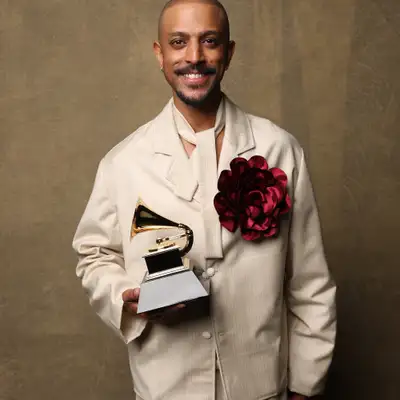
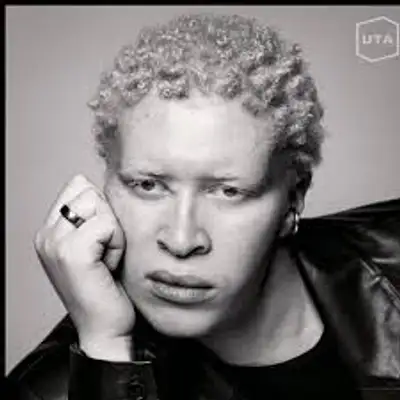

Artivism bridges creativity, spirituality, and social impact — from the inside out. Hosted by Iman Jordan, recipient of the Harry Belafonte Best Song for Social Change Award at the 2025 Grammys, the show shares real conversations with artists living inside the industry, navigating purpose and pressure, healing and hustle. Grounded, urban, and soulful — it’s spirituality for the real world, born from the studio, the struggle, and the stage.
speaker-0 (00:00.142)
It hard, just having albanism in general. My parents, my family, they always like poured into me. People always ask me to say, my God, did you ever think that like you were gonna become this thing? I knew that I wasn't gonna live a basic life. Like I knew that like at a very young age, it was the toss-up that I always had to battle. It was a coin toss. Even when I did Sean John, you know, they liked my look, but not enough to take the risk. I used to walk in with my Rick Owen pumps.
And like just be fashionable. That was my thing. My soul was crushed. In my mind, I thought that was gonna be me. Fast forward, my career went places beyond. And and on top of that, he has his career and I have mine. We went backwards and not in a good way. I think that like there was a time where we were actually very innovative with music. That I love you. I think you were phenomenal. I still think you're phenomenal. But the way you handle it is a way that I would never handle it. Therefore, you do not have access to my life anymore.
speaker-1 (00:47.768)
Yeah.
speaker-1 (01:08.014)
Today's conversation is with someone who has built a career out of being seen and learning what it actually means to be seen on your own terms. I'm sitting down with Shaun Ross, model, artist, and cultural force who broke through the fashion world at a young age, working with houses like Alexander McQueen and Fendi and appearing in GQ and Vogue. But what's always stood out to me isn't just the visibility, it's what comes with being seen for your difference and how that shapes your identity over time.
Shaun's journey is one of constant evolution from modeling into acting and now into music and sound. And I'm really interested in what that transformation has felt like internally, the pressure, the expectations and the process of redefining yourself in public. We talk about the last few years of his life, how heartbreak, growth and change have influenced the music he's creating and the kind of artists he's becoming. There's also this unapologetic confidence he carries that I really admire.
And I want to understand where that comes from. We get into fear, legacy, and what he feels called to contribute in a world that feels increasingly divided, especially when it comes to identity and the LGBTQ plus community. And we explore what collective liberation means to him, not just as an idea, but as something lived. And of course we go back to the beginning, how it all started, how those early experiences shaped the voice he's stepping into now. This one is about identity.
reinvention and the courage to keep becoming. This is Sean Ross. Welcome. So, you know, this is funny because we haven't had a full conversation because we usually I see you out at the club. Yeah, I do see you out. Well, I want to know more about like, take me back to the origins of you and expression and art and music. Was that a part of your childhood?
speaker-0 (02:39.436)
Welcome.
speaker-0 (02:58.102)
Yeah, music definitely was a part of my childhood, but like in a very different way. My parents, they basically found each other in a club, I believe like the mid eighties. It was Pub Corbellies and just on the dance floor. And one thing I loved about my parents just growing up in the nineties, they had like a very, very expensive love for music. And usually when when you hear people say that, it's like, like, what is your parents like? And you hear like
Things that I feel very common. Yeah. For me growing up as a kid, I'll just say this. I wasn't allowed to listen to like top 40. Not really. And when you hear things like that, you think that like, I must have grew up like in a super religious household, no secular music. No, my parents weren't super religious either. But my parents always went and kept like very innovative music in the house.
speaker-1 (03:35.128)
Really?
speaker-1 (03:42.016)
Yeah
speaker-0 (03:53.198)
playing all the time. Like a classic Sunday would be my dad, you know, my mom making breakfast. My dad is literally it's summertime. He would have like a five foot speaker, put it out the window for the like the community to hear the music. Probably listening to like Cool in the Gang, Summer Madness, followed by Be Your Venus as a boy. And would go and listen to like Sergio Mendez, Johnny Hathaway, this high but the girl. So
speaker-1 (04:12.289)
interesting.
speaker-0 (04:22.562)
This this is the type of music that I grew up to as a kid. So when I finally got my first iPod shuffle, mm-hmm. Was it iPod Nano or the iPod shuffle, those small one? My my I was in school when people were like, I had this song, B two K. Nothing wrong, I knew obviously I knew who like these people were. and I listened to them in my own time, but like my iPod literally had like I remember being like in the fifth grade, sixth grade, and my iPod probably had like
speaker-1 (04:32.142)
Yeah, I remember that.
speaker-0 (04:52.43)
Pavarotti, and then it had like Bjork, and then it would have Erica Badu, and then it would have Jamariquai. You would also have something down the lines to like Maxwell, and then you would have things down to house music from Louis Vega. And there was just a wide variety of music. And so for me, that's where my love for music came from. I remember my mom, like my my parents also loved dancing. So like a classic
speaker-1 (04:58.72)
Wow.
speaker-0 (05:20.226)
Thursday would be me doing homework at the dinner table as my mom is cooking and like my dad is like watching football with the T V on mute, listening to freaking Barbara Tucker in the background on Foblast. Like that was just my life growing up. And I always tell people that until they go around my parents today and they're like, you weren't lying. Like my parents are not together, huh, but they're still the same way.
speaker-1 (05:40.512)
same way and that makes sense from knowing you and also like the DJ because I feel like DJs the good DJs are like historians you know what I mean they know all the deep cuts they know and I feel like that's that's what I think of you that's kind of who I think of you as you know yeah for sure I mean were you singing back then too?
speaker-0 (06:00.056)
So I was in a choir as a little boy. But not singing in the way that like people like, I wanted to have a career in singing. Like I'll be honest with you, like I didn't want to have a career in singing. Like it wasn't anything that was like the first thing that came to my mind. But I knew that I had some type of musical thing. Like my mom, when I was younger, she put me in violin classes and I realized I didn't like the violin because it was too tiny. And then I'm like, well, I want the one that was bigger. So then we switched to the viola. Then I got bored at that.
speaker-1 (06:28.782)
Yeah.
speaker-0 (06:29.164)
I wanna learn drums and that lasted for a day. Then I'll she wanted me to do the piano and it and all these things ended up happening. So I also understood like a sense of musicality for myself. but I don't know, like it wasn't it it it wasn't that until like later on in life.
speaker-1 (06:39.65)
Yeah.
speaker-1 (06:46.69)
Right, Did you, growing up where you grew up, I know you probably, did you feel different than a lot of the kids that you were growing up with? Not only just in the musical taste, because I mean, you're listening, your iPod has all this stuff that are like, why are you listening to Biorak? Who is that? Maybe, I don't know. Was it, did you feel different in that case?
speaker-0 (07:06.798)
I mean, yeah, I felt different in general. just as a kid, you know, I think you're a black gay kid growing up in the Bronx in New York City. The area that I grew up in the Bronx, it wasn't like the South Bronx. I grew up in like the Bronx where it was predominantly a Caribbean environment. You know, a lot of Jamaicans that live there, like around kind of like the Gunhill Road area. And, you know, if you're, you know.
speaker-1 (07:16.735)
EEEE
speaker-1 (07:20.408)
Yeah
speaker-0 (07:36.012)
You're privy of it. You know, a lot of Jamaicans or they're taught, I wouldn't say all, but some, you know, they're taught that, you know, being gay is not right. So they're very homophobic. And so I grew up in, I would say, a very, very homophobic, just like neighborhood. but then I also had like my neighbors that like love me and things like that. But I don't know. I would say that for me, it definitely like.
speaker-1 (07:44.364)
Yeah.
speaker-0 (08:03.818)
It it it was hard just having albinism in general, just like growing up and knowing that you were different. But like it's like I went to a a school with nothing but black kids and I know that I am black, but I know that I don't present as black, but I also know that I don't present as white, you know. So it was always that thing. But my parents, my family, they always like poured into me and let me know like how special of a person that I was.
And I knew that I was special because I looked different. Yeah. But then I also knew that I was special because I thought different. Yeah. I moved differently. And for me, it was just like, you know, people always ask me to say, like, my God, did you ever think that like you were gonna become this thing? And I'll be honest with you, like I can confidently say, like, did I know that I was gonna be this? No. Yeah. But I knew that I wasn't gonna live a basic life. Like I knew that like I knew that like at a very young age.
That like there was just something in store for me that was just a little bit more.
speaker-1 (09:03.65)
Yeah, and also what about like being different and It made you accept who you are in a sense earlier Did that help kind of make you like I'm cool with being different and then especially as you go into the fashion industry Did that kind of help that you know?
speaker-0 (09:20.91)
I mean, it did like, you know, accepting at a very young age that you do look different. Yeah. You think different, you are different. you know, you could battle against it, you could fight against it. But I guess like for me, I mean everybody has their own battle. And I think that battle never actually goes away. I think it lessens as you get older. but for me, like, yeah, like I think it it it it it
It was fine for me over time, you know. I think one of the things, even when it comes down to like dating, right? Yeah. When I was younger, like people used to make jokes and basically said that like, like I had like cooties or something like that. And so I didn't really, really have like a girlfriend or a boyfriend very, very young. And so what I think it allowed me to do is that it allowed me to like look at people and see the mistakes that they were making. You know, I watched people for a very, very long time. I watched people's relationships.
And how they navigate it situations to say, okay, well, I know what not to do and I know what I don't want to do. So yeah.
No way, yeah. Anyway.
speaker-1 (10:27.692)
What about when you got into the fashion industry? did you know, how did that even start? like, were you trying to be a model at that time or were you just kind of discovered and then it led to that?
speaker-0 (10:39.598)
So I wasn't trying to be a model, but this is the thing. My mom actually used to be a model. Okay, okay. She used to be a showroom model. Like way, way, way back in the day. Like she used to do like showroom for like Chanel. She would also do like local fashion, like fashion stuff with like brands like Mashud. My mom lived in a dance studio at the time in upstate New York and Liberty, New York. And I used to just like sometimes like when like there was no like class happening, I would just like be dancing. At the time, I was taking extension classes at Alvin Ellie. And
I would just be like, you know, just doing like funny little dances and stuff. And like YouTube was just becoming a thing. Like no one was really on YouTube. And then I remember my cousin Michael, he went and he showed me well, there was a song that I heard. It was actually The Ha by Masters at Work. And I played it because my mom, my mom used to get these like house music, like bootleg like CD mixes. And the song was on there. My cousin was like, my God, you have to see when this song comes on. When I'm caused my cousin is gay, he's older than me. And he was just like,
You have to see like when a song comes on, like when I go to the clubs in the city, they like do this stuff and they slam on the ground and they swing their hair and spin. And I'm like, what is this? He's like, it's called Voguing. What? And so I go on YouTube and I look up Vogue and I'm like, my God. So I would literally go, I would look up like vogue videos and like learn how to do like duck walking and dips and spins and all of that stuff. And so I put up a YouTube video. Uh-huh. I will put it, I was putting up YouTube videos and this guy.
Named Shamir Khan, who was a model scout, was also looking up voguing videos because he was kind of learning as well. And he went and he was like, Hey, I think you could be a model. He wrote me in my messages on YouTube and I thought it was a scam. And he was like, I think you could be a model. I'm like, like, I'm like 15, turning sixteen. I'm like, who the hell is like what the hell? And
speaker-1 (12:22.83)
Thanks for watching.
speaker-1 (12:31.342)
This is like kind of beginnings of social media being what it is. Right.
speaker-0 (12:35.63)
It was AIM days, MySpace Day. And he was like, I think that you could be a model. And I was like, okay, whatever. Then I told my mom was like, Hey, this guy hit me up on my YouTube and was he thinks that I could be a model. He wants me to come down to the city and take photos. And my mom at the time, we were both very skeptical about it. But I like begged her. And I thought what's so funny is at the time in my school, Barbazon came in my school and I already knew Barbazan was just like a scam. No, no shade to Barbazan. But I'm like, come on now.
I knew it was a scam. And I was at the time, I was just like, you know, mom, I really want to go. I really want to go. And I like begged. She's like, okay, let's go. And I went downtown, took photos with him on a rooftop in Manhattan. And like two hours later, I signed my first contract with like a boutique modeling agency. And that's how I started modeling. That's crazy. That first week, I met Beth and Hardison. I had I met Beth and Hardison for a casting for Sean John during its prime.
my first show that I did that season. And it was actually one of their first shows, Hood by Air. Hood by Air. I also did Tim Hamilton, which was also, I believe, like one of the either I think he was one of the main creative directors at a time or like one of the head people at Ralph Loren. So that was like my first season in modeling. That was in the first week. Yes.
speaker-1 (13:42.638)
You're crazy.
speaker-1 (13:55.724)
And that was like within the first year. That was in the first week. Isn't that crazy when that happens? Like when it's flowing and you're like, you're open for it and it just happens. Sometimes it can happen so quickly. Like, you know what I mean? What was the tipping point that pushed it over into the international sphere for you?
speaker-0 (14:13.408)
I I I think it's it's a lot. It's not just like one thing. but I going back to the story, at the time there was a blog that was super huge. It was called C O A C D. It was by a blogger called Douglas Perret. Okay. And it was called Confessions of a Casting Director. And he used to post images of models that were just coming on the scene. And at the time, I was signed to a boutique agency, which is called the Jami Models. And it was basically
ran out of a talent agency, Stanley Kaplan, and he actually passed away, rest in peace. And I used to be in there with DeJami and Jerry. And I used to go there every day with my little book and like getting comp cards to go to castings. But when Douglas posted this photo on his blog, it was just like, and you know what's so funny? he posted the photo of me and the caption was Venus as a boy. Mm-hmm.
speaker-1 (15:08.494)
Interesting.
speaker-0 (15:10.05)
It was called Venus as a boy. And that was like him pushing me out into the industry. And so agencies, designers. Why did Venus? You know. Don't know. You know, I you ever feel like sometimes in your life, like a lot of things are just like serendipitous? Like I have so many things. We could talk about that later, but I have so many things in my life where I'm like, nothing is ever by chance. No. Like, so he goes, he puts it as Venus as a boy.
speaker-1 (15:18.574)
Why be this?
speaker-1 (15:25.077)
yes.
speaker-0 (15:37.1)
I'm there with just this image. Clayton Cubit took of me at the time. And, you know, phones just start ringing for me. I think at the time, I believe I was on option for like Calvin Klein and Prada at the same time. Didn't get it. And I understand why I didn't get it because at the time, even though there were models like me, like Connie Chu, who came before me, who went and like did Jean-Paul Gautier, I believe, in 1996, who is the first model with albinism ever. She's of Asian descent.
And then at the same time, you have also DeAndra Forrest. We were coming up at the same time. DeAndra Forrest was also scouted by Shamir Khan as well. And, you know, I think for me, that was the thing that pushed me into different things. And then I met with Betty C's and then at models.com and it ended up going on and on. And, you know, and I think at the time, the fashion industry was very curious. Everyone was very curious.
But also too, what a lot of people don't know is that where the breakthrough comes from when people say that Sean broke through the modeling industry, it was the toss-up that I always had to battle. It was a coin toss. I mean, there was always a voting thing. Like even when I did Sean John, you know, one of the things that people don't know that was told to me, you know, I mean, I I met I met Diddy. I mean, it doesn't matter if people can feel the way they want to feel, but I'm be transparent. I didn't meet Diddy at the time.
speaker-1 (16:46.466)
What do mean?
speaker-0 (17:04.886)
He was cool when I met him. I thought he liked my look, et cetera, et cetera. But when I found out, it was like they liked my look, but not enough to take the risk. And so they had the entire team vote. You know? But thank God for Beth and Hardison. Because if it wasn't Beth and Hardison, Beth and Hardison found out about me. Back then, Sean used to do castings and it would be three, four hundred boys outside. She told my agent, send him right now, tell him to skip the line.
And that's what I did. And I remember sitting in a room by myself and across with Chaneliman. And Chanel Imon, I think at the time, I could be very wrong. I think she was with Ford models. She had her modeling book and I asked her, could I see it? I had this like flimsy modeling, but mine looked nowhere near as good as hers. Uh-huh. And we were both just waiting to be seen. And you know, I don't I think it was moments like that that basically started to make the conversation start, but I always had to battle this coin toss.
And it was always everybody voting like, should we do it or should we not? So the designers that did take the chance, they were the ones that were like more bold in in putting me in their shows or their campaigns or their editorials.
speaker-1 (18:17.592)
Did you find that you had a lot of like moments where your difference, where you felt like it was, instead of being applauded, it was like, man, this is kind of like, I can't do this. This is Achilles heel or something like that. Like, how does it, what does that do to your psyche? Cause I remember, so one of my, my boyfriend of one of my ex-boyfriends, like five years, really my first official boyfriend was a model. And I would see everything that he would go through just because everything is about
looks is everything is shallow. mean it is shallow. It's you know, but there's no, no, no, I don't think so. Maybe you do though. Um, he's 41 to he modem mostly in LA. Okay. Yeah. Okay.
speaker-0 (18:50.894)
Surrender your extra.
speaker-0 (18:54.956)
Maybe where I how old is he?
The Himala in New York.
speaker-0 (19:03.38)
speaker-1 (19:05.638)
But I just wonder, like, I remember the conversations he would have about, you know, I'm not going to eat for two days. I'm not going to, you know what I mean? This stuff, just crazy stuff. And I'm like, well, how is the, did that affect you? How did you protect your like self, like your self image and all that kind of stuff?
speaker-0 (19:20.504)
So I didn't go through that whole thing. I went through the opposite. So one of the things that was always constantly said to me when I was a model. So I was shorter at the time, yeah, much more skinnier. And so I would always hear these things from different like casting directors, designers, like, you don't have shoulders. You need to become broader. And you know, one of the things that a lot of and I and listen, people can go and say whatever it was, but I do know and I will, I'll give my own self this title.
I was probably one of the only openly gay models in New York City at the time. Really? Yes.
speaker-1 (19:54.464)
In New York City, in fashion, that seems crazy.
speaker-0 (19:58.126)
So a let me say something. Yeah, but no, but all the listen, what is also the constant conflict with gay men? They're obsessed with what? Straight men.
speaker-1 (20:01.848)
Cause all the designers are gay.
speaker-1 (20:10.156)
Yeah.
speaker-0 (20:12.17)
Zina could be gay, but the bottle better not be because that's just hiring a girlfriend. So basically, Asians used to go and say, like, yo, like when you go to these castings, hold a skateboard, walking with the football. Like, I used to walk in with my Rick Owen pumps and like just be fashionable. And like, you know, that was my thing. I never ever like butched it up because I wanted to be known for like me, but I will always constantly.
speaker-1 (20:15.246)
Interesting.
speaker-0 (20:40.072)
have that friction with either agents or casting directors where it's like either you're too effeminate or you don't you're not broad enough, you don't have chest. Like, you know, I still to this day don't really have chest. Like this is just chubba. Yeah. But like but for me, I mean I love my body. But for me, it's like I never really ever had that thing. Now I have shoulders, I feel a suit out fab. But it was just like, yeah, constantly hearing things like this. I remember one time I went to a casting, which I will not.
Butcher you, you know who you are. But so on my my face, like on my eyes, I was raised. I have, I mean, not raised, I was born with this bump on my nose. It's benign tumor that I had since I was born, right? And so I went to this casting director and she was like, I love your look. She's like, but this thing on your nose, mind you, I'm 16 hearing this. She said, This thing on your nose, what is that? And I said, Well, it's a benign tumor that I was born with that I don't want to get removed.
She's like, yeah, she's like, but I don't know if photographers like Steven Mizel and Patrick Demarchie is and and and Stephen Klein would like that because your face is not symmetrical. She said, she said like this, it's not symmetrical. And I'm like.
speaker-1 (21:57.294)
That's what I'm saying, how do you navigate that at such a young age and still not get torn apart? I mean, honestly.
speaker-0 (22:05.006)
She was wrong because literally shortly after that, I shot with Stephen Klein. So, like Yeah, like I'm like, it doesn't matter. Like, I shot with Stephen Klein, like literally shortly after that. Like I'm saying it is what it is. but I guess at the time it does hurt your ego as a very, very young kid because you not only have the general population telling you you're not it, but then you have another like smaller population that controls the masses telling you.
speaker-1 (22:09.323)
Prove it in the pudding
speaker-0 (22:34.05)
You're not it. But then, you know, you easily get over it. You know, and and my Asian at the time, Dijami, it was so weird because at the time, you know, one of my my favorite brands at the time was Givenchi and Ricardo Tishi, like I still to this day think is a visionary. Like I think at the end of the day, like I think Givenchi is a great brand. But to be honest with you, for me,
It is nothing like looking at Givenci prime Ricardo Tishi. And at the time, I remember being Paris, and I remember seeing him with like models like Lea T and Maria Carla Boscono and like just thinking like, wow, like this is so phenomenal. And I went to Ricardo and I was like, I really, really want to model for Givenci. And I did model for Givenci in a way separately through Alistair McLellan, where with I with ID magazine, and that's like another conversation.
But I remember, and he was like, you know, yeah, like, you know, I'm seeing your look. I'm I'm watching you. And I remember the next campaign came out was with a model named Daphne, and it made her pale. And she was in a campaign with a white boy that had albinism made Steven Thompson. And Steven Thompson is beautiful. Like when I tell you, this is a beautiful Caucasian man with albinism, body, hair, gorgeous.
Like man, like but I'm but I'm a young 17-year-old boy and my world and Steven, if you're watching this, you probably didn't realize this, but here I'm I'm actually admitting this online cause I like again, like I love what my life has become, you know. But I my life was my soul was crushed. Yeah, because I'm like, in my mind, I thought that was gonna be me. And I'm like, my my career's not gonna go anywhere anymore. You have this beautiful man and you know, and and fast forward my career went.
speaker-1 (24:15.022)
Really?
Yeah.
speaker-0 (24:27.15)
places beyond and and on top of that, he has his career and I have mine.
speaker-1 (24:31.34)
because you're always taught that this can only be one of you probably, right? It's kind of that like, you know, type of thing, right? It's like, they can't be like three, four people with albinism, you know what mean?
speaker-0 (24:36.406)
Anybody.
speaker-0 (24:42.742)
And to this day, me and Steven Thompson still have never met.
speaker-1 (24:46.606)
So you're modeling, when did it turn into like, hey, I want to do something more than this. I want to do acting. I want to do music, all that kind of stuff.
speaker-0 (24:54.476)
Well, I think when it came into like music videos, that was when the conversation changed. My first music video that I did was with Katy Perry. How that happened was at the time, I was also supposed to be in Lady Gaga's Born This Way video. Yes. And the way how I I I was supposed to be in that video at the time, there's a agency,
A great phenomenal agency, actually art and commerce. Like literally has some of the top photographers, top everything, top photographers, top makeup, top everything, casting directors, top creatives, everything. And at the time, there was a woman, I don't remember her name, but she reached out to me and she was like, Hey, we are really, really interested in having you in Lady Gaga's Borness Way video, but we want the video to be this concept of like club kids. Can you take us to
Where we could find club kids. And at the time there was this party in New York City called Van Dam on Sundays at Greenhouse. Suzanne Barsh, Amanda Lepore. my God, everybody used to be up in there. It was everything. And I used to be sinking in that club at 17 years old with no ID. And I remember bringing her the casting director in this club and introducing her to people like Lady Fag, Suzanne Barsh, at the time, even Telfar.
Or Shane Oliver, you know, like introducing her to all of these people that are creating culture at this time, yeah, that need to be in this video. And I remember her literally getting people's numbers inside of the club. And I think what happened was the concept got leaked. And then they from from what I was told. Yeah. And then they changed the entire the entire video. And then they ended up picking Zombie Boy, who's also a good friend of mine, rest in peace. And I just thought, like, damn, like that was my my turn, you know? And it was so funny.
speaker-1 (26:44.94)
Yeah. Yeah.
speaker-0 (26:48.079)
I was sitting on a couch at my friend Ariana's house and
I was really sad one day. And I was watching music videos, like sleeping on her couch, and this video came out. And this is gonna sound so corny, don't laugh at me. But but Katy Perry's firework came out. And I just thought the video was so good, I started crying. And I was like, my God. I was like, I felt like a paper bag in the wind, plastic bag in the wind. And I had a casting like two weeks later.
speaker-1 (27:09.484)
Yeah.
speaker-0 (27:24.12)
For this brand called Custo Barcelona, and I was just waiting online for it. And I got a Facebook message from a guy named Danny Lockwood. And he was like, Hey, how are you doing? My name is Danny Lockwood. I'm with EMI. Katie Perry really, really loves your look, and she's interested in having you in her video play her love interest. Sarendic. I thought it was literally like just like a scam. He's like, Do you do you have a number I can call you at? I was like, sure. Mind you, I'm on the line for a casting for something else.
speaker-1 (27:44.822)
I thought
speaker-0 (27:53.374)
And he calls me, he's like, Hey, you know, Katie Perry, she wants you to basically feature and be in her video with her and Kanye West, and she wants you to pay her love interest. we start doing fittings tomorrow. is it a possible way that we could fly you out tonight? And I was like, Okay. He was like, Okay, send me information and I I get a ticket. I get a ticket and I'm flying to literally LA, literally three hours later.
speaker-1 (28:16.6)
Yeah.
speaker-1 (28:22.126)
And that was in, you did that music video, that's when you were like, you know what, actually I love music. I should be doing more music stuff. So when did that happen?
speaker-0 (28:28.814)
Mm-hmm.
That I I ended up doing a Katy Perry video, then I ended up meeting Ty Hunter, and then I ended up doing Beyoncé's videos. I did two Beyonce videos. But the funny thing is that I have a friend named Alex Duncan. He goes by an artist named Adie. And, you know, being around him and being around Diana Gordon, who was Winter Gordon at the time, Winter Gordon actually brought me into my first.
speaker-1 (28:37.322)
I you in a Beyonce video.
speaker-1 (28:49.1)
Yeah.
speaker-0 (28:59.712)
music session ever, just like watching her do music. And you know, being around her, seeing like, this is kind of cool. Then meeting Alex and then going into like little sessions with him and watching him and saying like, hey, why don't you sing on a microphone? Meeting Wale at a a party and then going in the studio with him and seeing him work across the hall with Chris Brown. And the list goes on. I'm like, okay, this is kind of cool. Learning terminology inside of the
Studio stacking, punching in the list goes on. I'm like, okay, I I know a little bit now. But I think being with Alex and finding a voice, that was when I started to say, like, maybe I can kind of do this. But then later on, I ended up meeting Rush Davis. Me and Rush, we ended up meeting at a party.
And then one day we were just driving in his red car and we were just exchanging music. And he was like, like, bitch, like I don't know if you can curse on this, but he was like, bitch, he was like, you got music taste. And I was like, You got music taste. And like we both realized that we have good music tastes. And then he was just like, Yo, you should start doing music too. So then he went and he brought me to Kingdom. And then I think one of the first sessions we had was a song that he wrote for me called Hang. And
speaker-1 (29:58.348)
I hey girl, hey.
speaker-1 (30:17.966)
Okay.
speaker-0 (30:20.802)
I was just nervous and that was basically how I started to like jump into music. my gosh.
speaker-1 (30:23.746)
Now what year was that?
Cause I had dream of telling.
speaker-0 (30:28.684)
Yeah, I was in LA at the time. Okay. I feel like that was maybe like twenty seventeen, twenty sixteen, I don't know.
speaker-1 (30:35.278)
Okay, so that's kind of, so I met you kind of probably like a year or two after that. Which is crazy, because I went to one of your first shows, I think it was at Madame Siam or something like that.
speaker-0 (30:43.852)
It was two thousand and nineteen.
speaker-1 (30:46.22)
Yeah, that's saying what's the difference? What is the difference between that you found between the music industry and the fashion industry in terms of navigating and in just the upper mobility climb into the next ladder of and all that kind of stuff.
speaker-0 (31:00.504)
There's no difference. They're both bullshit. Both.
speaker-1 (31:02.722)
Yeah, when you say bullshit like what do mean?
speaker-0 (31:05.262)
I mean, we live in an industry that is, it's it's gate kept very tight. you know, it's very, who's your friend? you know, it's who's your friend? it's a lot of politics that go into things. Who's your friend? What are you doing? And now we're also battling the thing about things going viral. You know, like that's the con that's a constant thing that we always have to battle, is like, are things going viral? And it's like, but this is the thing that I think what is messing up the industry in general.
Is that at a time we it's weird because this is kind of messed up. The industry told the general population what was cool. Now we have the general population telling us what's cool. There's a little bit of a conflict there. Viewer's choice isn't always that good.
speaker-1 (31:52.15)
Right, but also that it's being altered by what the algorithm chooses to broadcast. So it's like, it is the audience choosing, but then it's also kind of inflated by what the algorithm is kind of choosing.
speaker-0 (32:04.494)
Basically, the algorithm is telling you you're dumb. The algorithm is basically proving that majority of the masses in the world are dumb. Like, and this is the honest truth. You can, you this is easy for you to digest. This is digestible. And it's like, no, but you have great artists out there. Like, there's so many great artists out there that I feel that should be bigger than what they are. You know, but
speaker-1 (32:26.914)
mean, that's kind of always been the case though. There's always been, even before social media, you know, there'll be these artists, you're like, man, I don't understand it. You are amazing.
speaker-0 (32:36.942)
But let me challenge that. I think back then we had better innovative artists that were like much more famous. Like, prime example, like you know, today we have to search for a the Bjork of today. We have to search for that. Honey, Bjork was walking the red carpet of the VMAs. Let's not forget that. That swan dress, like let's not forget that. People were famous and more innovative back then. They were more like,
speaker-1 (32:54.115)
Yeah.
speaker-0 (33:04.522)
Edgy, like even looking at like Angelina Jolie when she was dating Billy Bob Thornton, like on a red carpet, or looking at what Genuine would wear on a red carpet or Dennis Rodman or even Buster Rhymes. It's like everybody was so unique and then became very basic. You know, even sonically, like you know, when we listen to the radio, like I love this thing. Like, do you remember the song by I think it's a song, is it by Dirty Vegas called Days Go By?
speaker-1 (33:29.515)
I'm not sure.
speaker-0 (33:31.122)
do you remember the it was a commercial for Mitsubishi? I don't know the lyrics, but it goes, days go by and still I think. It's like we were listening to stuff like that on the radio. Totally. Like it wasn't weird to turn on the radio and hear a Desiree. It wasn't weird to l turn on the radio and listen to Michelle and Deggio Cello. True. It wasn't weird to listen to a D'Angelo. It wasn't weird to hear a Maxwell, and these were like,
speaker-1 (33:40.937)
yeah, that's on, yeah yeah yeah.
speaker-0 (33:59.308)
Prime real estate artist.
speaker-1 (34:01.304)
So you're saying that because of the social media and the algorithms, it's now watered down to taste?
speaker-0 (34:07.606)
Absolutely, it's watered down to taste. Are you kidding me? Like Jill Scott, which is still a prominent artist, like you would turn on BET and I could listen to Jill Scott playing on BET, followed by Michelle, Michelle and Deggio Cello, dreadlocks, followed by freaking Desiree, followed by my mom, Ty told me this. Ty Hunter told me back in the day, freaking boy George used to play on B.E.T.
We went backwards. We went backwards and not in a good way. I think that like there was a time where we were actually very innovative with music, like going and seeing something like Radiohead. Radiohead, like now it's like, my God, you feel like you're or Beck. You feel like you're going, no, like these were prime artists.
speaker-1 (34:34.947)
Yeah.
speaker-1 (34:47.671)
Yeah.
speaker-1 (34:55.32)
You know what, and I agree with you, only thing that I would challenge is that back in the day, like me growing up in Cincinnati, Ohio, there was only a certain radio market. So if I was in urban radio market, they're not really playing much Michelle and Deguiocello. They're playing, they have a specific format and there's gonna be specific songs. And when I talked to my partner, Carlos now, and he has had a different radio experience where...
He'll know songs from like the 90s and certain late 80s. And I'm like, what song is that? Or I might've heard it in a movie, but because I didn't have access to it, it made it difficult to even, you know, maybe even experience it. But now I can experience more because I have more access. Isn't there a difference? There's a different level of access now. And I wonder, I wonder if it's changed. Cause like my younger cousins, like that live in Cincinnati, Ohio. I do feel like they know a little bit.
other stuff in the music genres that are outside of what was just urban radio format. You know what I'm saying?
speaker-0 (35:54.318)
Grew up watching like T V.
speaker-1 (35:56.556)
I did, well later, little bit, like when I got to like 17, 18, but before that was kind of gospel music and stuff like
speaker-0 (36:01.422)
Okay, so you was that see that makes sense because if you were a kid that grew up to like MTV, like was what was on there. Like and I also love that even like with music, like like no shade to like rap music. I don't really like rap today. I'm gonna be honest with you, I don't. Like it doesn't feel like there's a lot of intention. I feel like there's very, very minimal artists that to me give you like ultimate like intention around their music. but back then, like I feel like even just like as a black man, as black people, we listen to literally everything. Like
speaker-1 (36:05.576)
Yeah, you knew.
speaker-0 (36:28.768)
I was a black boy that literally either listened to Michelle and Deggy Ocello and also Alanis Morsa in the same breath. But today it's like kids only listen to one genre. And like even when I go to like parties, right? Like today, like one thing I can't stand, even though this is so off the grid. And if you're listening, event planners, stop doing this. When it is a black event, they're only playing either hip hop or RB. Like, you do know that black people made almost probably like 70% of music genre.
speaker-1 (36:34.477)
I love to ask.
speaker-0 (36:57.524)
Why are we only submitting to two? That's weird to me. Like
speaker-1 (37:00.53)
Yeah. It is weird. It is weird. And also I feel like that has been throughout a lot of history in terms of like, if I'm in Ohio and I'm going to a show or even in Georgia, when I grew up, when I was at Morehouse, we would go to a party. was going to be, I went to Morehouse. So, I mean, but still it was like, it was only certain types of music that was getting played there. Right.
speaker-0 (37:17.996)
Yeah.
speaker-0 (37:25.612)
I I guess I would like to everything 'cause
speaker-1 (37:27.234)
You are you from New York. We got that's what I'm saying is the difference being and maybe people even from L.A. they have a different like access or something. You know.
speaker-0 (37:35.938)
I think it's like southern. I talked about that recently where I feel like there's a subculture. Like, even though there's black culture, there's subcultures of black culture that I feel that are not being acknowledged anymore. Like everything feels country now. Like it feels very southern. And it's like that's great because we we I mean, we do come from the South, but it's it I don't know. I'm like, where's like the as a kid from New York, I knew the dances that were coming from LA that black kids did. Yeah. I knew the dances that were coming from Atlanta too.
speaker-1 (37:53.037)
Yeah.
speaker-1 (38:04.462)
Yeah.
speaker-0 (38:04.758)
We were cranking that and we were crumping and we were hill tolling and Harlem Shaking and we were, you know, Wu-Tanging and everything. We knew everything. So I guess you make a great point.
speaker-1 (38:13.986)
When I went to Murrah, one of the cool things is that all the kids from different areas all came together. So I got to see what the kids from like LA were doing versus what the percolator, like we did percolator different in Ohio than they did in North Carolina.
speaker-0 (38:29.262)
Yeah, because what I see them do, like, you know, the you know the boy that goes viral footy with a percolator now? I'm like, that's not the percolator.
speaker-1 (38:33.294)
Yeah, yeah. That's not what I, that's not. Your legs. Yeah, well, that's, that's the thing that everybody was doing. They do, you do this kind of thing. Yeah. That was in North Carolina. I saw that more from the kids from that area. But in Cincinnati, would just, in Cincinnati, we would just do this and then we would get low and we would just, all of a sudden everyone kind of goes lower to the ground. It's just very, everyone has a different way of doing it. I guess so. It was pretty cool. But you were experiencing that all at one time. Yeah.
speaker-0 (38:54.202)
yeah.
speaker-1 (38:58.722)
So when you're, cause you're also DJing, so you're putting out music and you're DJing. So you get to see also the difference in like, supposedly this newer generation just doesn't want to go out and dance. they like, like, you know, have you, have you found that? It's supposedly this like, like Gen Z is not like going out and partying or phones are such a part of everything that people don't want to get too turnt or look stupid on camera and all that kind of stuff.
speaker-0 (39:25.582)
I think that the pandemic in general really, really messed up. it made a gap in society and it allowed Gen Z. Gen Z was raised on technology. Yeah. they don't communicate in real life. They communicate through the phone. They could be whoever they want on the phone. And so when they're in person, I don't think they know how to talk to people. I don't think they know how to like subconsciously just exist. So that's why I think when you go to clubs, they're not as fun anymore. Yeah, people don't want to dance.
speaker-1 (39:35.726)
Yeah. Yeah.
speaker-0 (39:54.104)
People are people wanna like, and also everybody wants to be cool. But also too, no Tino Shade to LA. One thing I can't stand is people love being wallflowers out here. They do. I do not like that. Like people love show. What kills me about LA is the club will close at two and people will show up at one. Like you are showing up to see the same people that you have seen legitimately for like every other week. Why are you showing up late and then it's like bad? Like, I don't know, it's all really
speaker-1 (40:03.502)
Thank you.
speaker-1 (40:21.518)
You're also doing shows here. I I came up doing the live scene in LA and I think that it was actually a gift for me because, you know, people in LA is hard to impress. So like you're singing your heart out and people are just kind of sitting there watching. Not, you know, but you do that same note and you go to like Indiana or you go to Atlanta or somewhere else and they're screaming. They're going crazy. So I was like, yeah, at least I was able to get my like my experience here. mentioned the pandemic and the last
Six, seven years have been kind of crazy, right? A lot, right? What have the last few years been like for you personally and all that kind of stuff? how has it been? I know you've gone through some things in the past few years. what's been going on with that? And how have you put it into some of this music that you've been putting out?
speaker-0 (41:04.994)
Well, a lot of things have happened. In 2022, one of the biggest life-changing things happened for me. essentially, I believe happened. I got sick, which caused me to have an ego death. I think everybody should go through an ego death at least once in their life. I think everybody will go through an ego death in their life if they're lucky to. I got sick from having COVID, developed long COVID, ended up developing
speaker-1 (41:22.691)
Yeah.
speaker-0 (41:33.428)
nervous system disorder called POTS, which basically doesn't allow me to like regulate
speaker-1 (41:39.094)
Have you, you've been just still going through that or is that some?
speaker-0 (41:41.384)
No, it's a part of my life for sure, but it's much more manageable now. Okay. But that just ended up happening and I was bedbound for like seven months. I like had a shower chair. crazy. It was just a lot of things that were going really, really weird. I think also everybody with their finances at the time, it was like really, really it was just all weird.
speaker-1 (41:57.29)
Especially in Los Angeles, like all the artists and people that are creative here. I mean things are just yeah working
speaker-0 (42:02.754)
And I had to teach myself, I had to teach myself all over again like how to walk. I went from like doing like only 200 steps a day to like now I'm averaging like 10,000. And you know, at the time, that was just my life. It was just a lot. Like it was just like I was constantly for I was I was basically forced to sit with myself. And I think that that was a beautiful thing and it was very, very important. so I I
Kind of, I hate it and I loved it at the same time. And my life was, my soul was crushed. Yeah, because I'm like, in my mind, I thought that was gonna be me. And I'm like, my career's not gonna go anywhere anymore. You have this beautiful man, and you know, and and fast forward, my career went places beyond. And on top of that, he has his career and I have mine.
speaker-1 (42:35.618)
Really?
speaker-1 (42:39.267)
Yeah
speaker-1 (42:51.554)
because you're always thought that there can only be one of you probably, right? It's kind of that like, you know.
speaker-0 (42:56.102)
and then you know, life went on and you know, I had to rebuild myself.
speaker-1 (43:02.542)
Yeah. And how does that, do you think, impact how you approach art and your music and things like that now?
speaker-0 (43:10.99)
I mean, it did. I mean, at the time, you know, I was, I was on a tour. I just got off a tour. I was sitting here, I was doing all the right things to you know, basically push my music forward, my music career forward. I ended up going on tour with Amber Mark. That was my first tour. And then right after that, I invited Snow Allegra to my last show. She saw how I performed.
She asked me legitimately two days later, can I come on tour with her? So I didn't have a break. And that was when my symptoms really started, when I was on tour. Like that was when it really happened. I started having panic attacks. all these weird symptoms that just didn't like it didn't like let up. Was it
speaker-1 (43:55.746)
Just the rigor of the schedule. mean, cause tour life is hard.
speaker-0 (43:58.624)
So what happens with a lot of nervous system issues like like syndromes and things that people have. Yeah. It's usually an event that happens sometimes. So it could be viral or it could be like a traumatic event can happen that could do that. And maybe it was just like, you know, moving fast, being on tourist, slightly drinking, et cetera, et cetera. Yeah. Like it was it was probably like the the what is it, the the what is it, the straw that broke the camel's back? Totally.
that probably ended up happening and I went on tour with Snow Alegra. I went from performing for two hundred people a night to the average of two thousand people a night.
speaker-1 (44:32.846)
Crazy. How does that feel? I loved it. Yeah, right.
speaker-0 (44:36.492)
Loved being on stage. Like I thought it was great. But after that, I just like I that's when it all like went downhill. Did it
speaker-1 (44:47.298)
Did it bring you back to some type of self-care rituals, like daily habits or things that you do to keep you grounded?
speaker-0 (44:54.702)
I would do was doing yoga stretching. My friend Trey, who actually is from Cincinnati. he was doing stretches with me one on one, helping me release tension in my body, and things like that. And it really, really helped. working with a naturopathic doctor along with a Western medicine doctor at the same time. Okay. to help get my like adrenals and things like into like a a balanced place.
speaker-1 (45:02.795)
Okay
speaker-0 (45:24.622)
and then that ended up happening. And then I had to figure out how to make like my finances and money and things like that from outside of you know, music. And so I ended up going back into DJing. I did DJing when I was younger. My friend Karen shed a party called the Pinky Party. But at the time, my my ex boyfriend Devin, he went and he got me a DJ controller.
At the time. Like remember him hitting up my friends Coco and Breezy and was like, what should I get them? And so he got me that. I ended up starting to DJ like on Serato at the time. And I would DJ the pinky party for my friend Karen. And this was like when I was like 23, 24. And so I tried to figure out well, what is a way that I know that I could pay my bills and things like that. And so I went back into DJing and I had this whole concept of like this party. And I started to like DJ, but the only way I could DJ was if I would
be sitting and DJing. So I always had a stool. when I would DJ, I would always require a bar stool to sit while I DJ'd. And that's how I started to like transition myself to being upright again. And now I could stand, I stand in DJ.
speaker-1 (46:35.864)
Wow, that's interesting though, huh? It's almost like, I mean, you were forced to do it because you had to DJ and make some money and do what you're thing, but also how music kind of, I like music somehow kind of healed you in a sense in a different way, kind Right. Right?
speaker-0 (46:50.402)
Right. It did. That's one thousand percent. And so I ended up creating Stardust. Yeah, I ended up creating Stardust at the time. I had this idea for this other party, but I ended up getting sick and then didn't do it. I was like, okay, well, I want create Stardust. and the way how I created Stardust was Amber Mark. At the time, she has this video, and I love the fact that she uses this narration of her mom.
speaker-1 (46:52.557)
Yeah.
speaker-1 (46:57.846)
It's a dope ass party.
speaker-0 (47:18.378)
And her mom basically says, Don't forget that you're made of star stuff. And I was like, I love star stuff. But I was like, But then I was like, I like Stardust. So that's how I came up with Stardust. And then I ended up doing the first Stardust. And I DJed, Rush DJed with me. he also had his party never forget at the time. and that's how Stardust ended up happening.
speaker-1 (47:39.118)
That's amazing. What about in terms of you, this new project that you're putting out, new song, say it all out. Where did that song come
speaker-0 (47:45.614)
Say it out loud. So say it out loud came from I was engaged. Yep. me and my partner were together for six years, and we it we just where we are no longer under different circumstances. And, you know, for me, you know, not giving too much TMI because you know, I do like to keep like his own.
his own stuff private. Nigga, you know what you did. Now I'm gonna fuck with you. but I like to keep, you know, like his shit private. I'm not I'm not I'm not into like bashing people because, you know, before I get into that, one of the things that I think is really weird is that when people go through a breakup and they're so like bashing, you know? Like I had somebody say to me the other day, like, y'all had some beautiful moments. I'm like, well duh, like if if I don't look at a relationship, all of my relationships I had beautiful moments.
Because if you are not having beautiful moments to look at you didn't you didn't give it your you weren't in it for the right reasons. I'm gonna only give you beautiful moments because I think I'm gonna be with at the end all be all no. Of course we had beautiful moments because you know we had beautiful times. And for me, I will never be the person that bashes because that is a person that I honor because he was a part of my life and he helped shape my life. Totally. but say it out loud, basically, you know, the way we we broke up was kind of
not the way I would have intended. he actually just like left when I was on a plane. He wa he left. I w he was at home and he left and he disappeared. And
I was basically I saw I have a a camera app on my phone and I basically saw that he was leaving and he wrote a text message and we haven't spoken to this day since. And yeah, we haven't spoken to this day since. Not once. Once, but it was like his final goodbye. And the concept of say it out loud was basically I was on a flight from Paris to LA. Uh-huh. And this is two hours in.
speaker-0 (49:54.302)
And I had eight hours left, and I just like I got basically dumped. And I was crying on a plane. And so the concept of the song was basically like, if you listen to the song in the beginning, if you notice, it actually starts out as I'm on a plane. And that's why you listen, it's literally like me, we recreated the entire scene. And so I was on a plane, and these are all of the things that I wanted to say to him if he was in person.
If out if we were face to face. And so the concept of say it out loud is basically me finally accepting that we are no longer together. We are not getting back together. And we don't need to be together. And so that's why it basically says, is it safe to say it out loud?
speaker-1 (50:40.972)
Yeah, I mean it's also it's interesting because it's like not having any closure. These are some these are there's like a closing argument or some type of like boom book end or some sort. you feel like the song was the book end? Putting that music out was kind of the
speaker-0 (50:57.962)
It was, it was. You know, the song was the the bookend for sure for me. Don't get me wrong, I'm still going through my own healing. But it was definitely like I think one of the biggest things of when you are
Grieving a person who is alive. It's the worst is someone who is actually not because they're still here. And so for me, it was just like consistently just like looking at this like process of like, okay, like I want to talk to you. But one of the biggest things I'm learning in my life now, because I've even had friends that I'm not friends with anymore, you know? And you know, we could always mark it up to Sean, are you the issue? Maybe.
speaker-1 (51:19.982)
Yeah, yeah, yeah, sorry.
speaker-0 (51:42.84)
Maybe. Maybe they are too. But one thing that I realized in in my life now, it I saw this quote today. It is said, don't change who you are, change who has access. And I think that I'm in a season of changing who has access to me because I know that I'm a giving person. And I know that I've given to a lot of people. And you know, I I just want to change that that access and things like that. And so that relationship, that ending of that relationship.
Which I'm thankful for, it has taught me so much. It has taught me how I don't want to be handled. It has taught me how to move in the world with logic. I think that I'm so emotionally driven that sometimes you actually just have to look at things like, yes, you can love somebody and they not be the right person for you. Yeah. You can love somebody and and also j and also realize that you don't have to justify what they did to you. And that's what I'm doing is that I love you.
speaker-1 (52:16.077)
Yeah.
speaker-0 (52:40.482)
I think you are phenomenal. I still think you're phenomen. But the way you handle it is a way that I would never handle it. Therefore, you do not have access to my life anymore.
speaker-1 (52:48.398)
Yeah. I mean, it sounds like even the past few years have been this kind of pressure cooker, you know? it's like that's- For a lot of people. For a lot of people. And I mean, that's, yeah, the world is crazy. One other thing I want to ask you is, especially in this divided world and things happening like wars and assaults on the LGBTQ stuff.
speaker-0 (53:14.306)
That song you have war. That is so war in the east. That is so clever.
speaker-1 (53:15.863)
Yeah.
speaker-1 (53:21.656)
Thank you. thank you. Yeah, I mean, with everything that's happening in the world, also artists that we once even idolized, you you see certain people falling from grace or you're getting to know them. You know, I mean, there's all these different artists that have these opinions about what's going on in the world and it's actually revealing who they are as well, which sometimes is disappointing. You know, you got like your Nicki Minaj's and all those kinds of things. But then,
Most recently, I'm gonna ask you about this, is Kanye West. He just had a big show, right? And how do you feel about seeing all your friends at the Kanye West show? Is that anything that something even bothers you about, especially given everything that's happened, like what he said and all that kind of stuff?
speaker-0 (54:09.176)
no. Well, first of all, I don't really like to pay attention to pop culture. But one thing I do think that I do not like is that social media has too much control or cancel culture. Cut it. Like people be so ready to cancel the weed the social media is so negative. Yeah. It's more negative than positive. But cancel culture is ruining people's lives. When I look at so many things, even just like comedy, like things that either like Chris Rock or Dave Chappelle would say back in the day, they would be mortified. Like,
canceled ridiculously today. So when you see people like Drewski doing something about the the cur the the the current wife it's like yes sensitive but also comedy it's comedy I think one of the biggest things that I love that social media gave people voices. I also hate that at the same time because a lot of people are speaking without any type of experience. A lot of people speaking without experience
speaker-1 (54:45.756)
Kirk
speaker-1 (54:52.856)
Yes.
speaker-0 (55:08.68)
fact, research, it's quick research. And that's all what it is. So for me, Kanye, personally, my personal experience with Kanye, I think Kanye as a person on one-on-one, it's really sad when I do see things and I see people talking about him. Cause my experience with Kanye has been kind. Kanye, I will never forget. I believe one of his creative directors had like an art show. And at the time, I was working on
speaker-1 (55:09.57)
research.
speaker-0 (55:38.478)
intro with jeff giddy to my my my album I was working on the time. Jeff Giddy, who else was in it? Jeff Giddy. Then I also had Al Alex Adiv was doing vocals in it as well. Tish Hyman was in it as well. Uh-huh as well as they were doing background singer for me, but Maya and David wait Maya
speaker-1 (56:02.755)
There were
speaker-0 (56:08.837)
And
My God, I'm having a brain fart, but I try to have names. But they are great. And I will come back to whatever brain fart. Don't kill me, guys. I love y'all. But anywho though, they were a part of the song. And at the time it sounded very gospel to what like Kanye was doing with like his the Sundays and stuff like that. And I saw Kanye and I was like, hey, I worked on this song and it kind of feels like something that like you would make. You know what Kanye did? What? He said, go to the DJ and ask us if you could play it.
And I like, huh? He yeah, actually they have an aux chord. I want to hear it out right now. That's cool. And I literally played it at the art show on full blast. And he's like, yo, this shit is tight. But every time Kanye, I remember like even being at a photo shoot with him for Fear of God, because my friend Adonis Basso was doing a shoot for them. And Kanye was there. And Kanye was literally pulling out his computer and asking my opinions about Yeez. like and and in and Yeezy and all of those things. Like, what like what do you think about this?
speaker-1 (56:46.766)
Amazing! Nice!
speaker-0 (57:08.856)
Kanye, one thing I love about him in my own personal experience is that when he's speaking to you, he's speaking to you. He's leveled with you. He asks, he is a he is he's taking in information. He's asking you, like, what do you think about this? Well, what do you think about that? And he's telling you and he seems very happy about it. So unfortunately, I don't know what Kanye said. Can you tell me what he said?
speaker-1 (57:16.365)
Yeah.
speaker-1 (57:30.504)
I mean, there's many things. It was like, he had all white lives, all white lives matters shirt on with Candace Owen. He questioned the legitimacy of the George Floyd incident. If the cops really killed him because also he was listening to Candace Owens. he's also met with the MAGA stuff. She gets the one herbs. Hitler thing. He loves Hitler. They weren't in the swastikas. there's a long list of things. He was saying that the black lives matter was.
speaker-0 (57:48.622)
Mechanics get
speaker-1 (57:59.822)
thing was just propaganda. Also saying slavery was a choice. I mean, there's a lot.
speaker-0 (58:05.206)
That is too much, Kanye. Okay, see, this is why I don't pay attention to pop culture. But yeah, those are the things that Kanye is saying, I also think Kanye trolls a lot, which is kind of messed up. I also do I do think that when it comes to social media, it's unhinged. And it's sad because there are so many people, because of things that they have done, they are being scrutinized. And it's like, damn, I wish the world would have met you the way I met you.
speaker-1 (58:28.756)
I know. I know. And I get that too, because like also too, like I have fond memories of just nostalgic, nostalgic memories of experiencing the music and all that kind of stuff. And I met him a couple of times and he was great. But it's also kind of these things where I also think that I know that it's also a mental illness. But there's a flip side where it's the fame monster. It's like what we've created as these artists and now artists are still clamoring for the fame.
You what I'm trying to say? And then that makes you act out in ways just to troll in order to get more clicks and then just become this clickbait artist. And that's, and I, know, it's fine. Can I ask you a question?
speaker-0 (59:08.694)
Yeah. Haven't you noticed this? There's a formula. See, when we grew up to artists, artists had artists had longevity. You notice that there's an artist that become popular and then literally labels will go and literally put all their money into them. They become super famous and they're not popular in two years. That's the whole thing. Even with actors, that's the thing that people have to realize. Like actors, artists, it's like they're popular and then they like they ring them out like a nasty old.
speaker-1 (59:37.614)
They do. Yeah, that's why.
speaker-0 (59:38.582)
And then it's like we're not interested no more. Group two had longevity. We watched Michael Jackson grow up. We watched Mariah Carey grow up. We watched Brandy grow up. These kids are coming in for popular moments, and the next thing you know, it's another new person. They they're they're trying to find a new version. Wow. That's what I said.
speaker-1 (59:46.798)
Yeah
speaker-1 (59:57.656)
another new person.
speaker-1 (01:00:03.18)
Yeah, well, we could talk forever. It is is aiming to that right. And that's and that's because, know, I've been doing this for a while. So I've been on this little burn, but I see it. It's hard.
speaker-0 (01:00:05.294)
The slow burn is the best burn.
speaker-0 (01:00:14.114)
You got a Grammy. Where's your Grammy? It's right here. You see that? Y'all see that Grammy back there?
speaker-1 (01:00:19.416)
But last question for you, what's next for you? What's the vision for Sean Ross in this new era?
speaker-0 (01:00:26.286)
I just, I I really don't give a fuck. But I want to give even, I wanna give even more or less fucks.
speaker-1 (01:00:35.81)
More less fucks.
speaker-0 (01:00:36.856)
That's like I wanna do that. Like I literally like I I if you know me, I'm such a like outspoken person and people I let me say this. One of the biggest things is like people say they don't like me. And you know what I realized? I don't want people to like me. I don't want people around me that like me. I want people that love me. And there are people that love me and those people are around me. And it's either you love me or you don't. And I don't need you to like me. I just need you to respect me. And that's it, because I'll respect you. Right.
speaker-1 (01:01:06.136)
Alright, well amen, that was the end of that then. Thank you so much, I'll-
speaker-0 (01:01:09.858)
Ross. Thank you so much. Appreciate you. Barbara Walters.
speaker-1 (01:01:14.062)
You've been listening to Artivism, where creativity meets consciousness. Don't forget to subscribe and share this episode with another artist who needs it. Until next time, remember every act of creation is an act of courage and expression itself is activism.