Subscribe
Share
Share
Embed
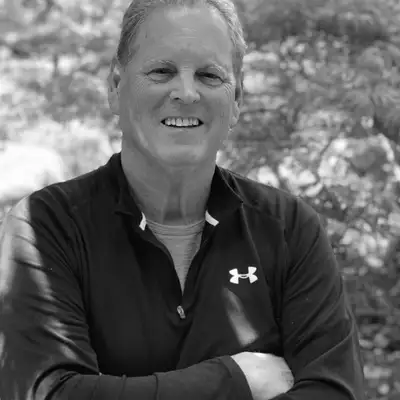
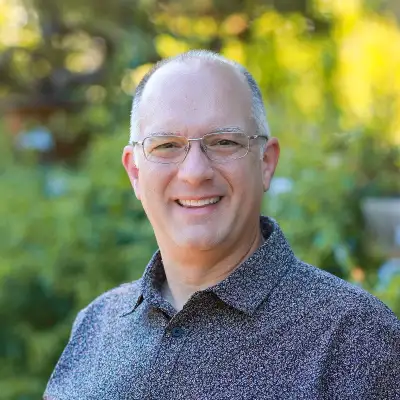
Mark Simon and Bob Marks revive their long-running cable TV show The Game, where they interview local leaders and talk widely about politics, business and sports.
Produced by Frank Bravo, BravoITC.com
00;00;26;21 - 00;01;02;25
Speaker 1
I'm Mark Simon, and I'm Bob. Mark. And this is the game. Thanks for being with us. We are joined today by Charles Stone, as you can see on the screen there. He's a partner at Goethals and Stone, a worldwide influential law firm here in Burlingame. Charles, long time activist and local politics, former mayor of Belmont. And we just thought we'd have him join us for a conversation about the aftermath of the June primary, which will reach its official aftermath on Monday, 13 days after the voting.
00;01;02;25 - 00;01;29;18
Speaker 1
That is the deadline by which counties in California have to have completed the certification of the election. And then they do the canvas after that. So the numbers can change, but only slightly. So 13 days doesn't sound like very much. But in the last week, Bob and Charles California has become under increasing criticism of how long the count takes.
00;01;29;20 - 00;01;56;23
Speaker 1
Trump is always a president. Trump has constantly criticizing it because he says it's to fix is in. Republicans are winning on Election Day, and then they lose when there's this wave of obviously fraudulent votes that come in and but no less than the times, join the join the fray by saying, essentially, there's an editorial there, very impatient about the how long the count is taking.
00;01;56;23 - 00;02;16;15
Speaker 1
And Kevin Mullin in my column yesterday was quoted saying that it does invite people to accuse the process of having mischief behind it. So, Charles, let's start with your your take on that. 13 days is too long.
00;02;16;17 - 00;02;38;01
Speaker 2
You know, it's it's an interesting concept to think about. I think you and I and many who pay attention to this deeply, which is, I think last, last count, maybe 80 people in the entire country don't think it's too long and actually tend to believe that a slower count might be indicative, indicative of a thorough process, which is what we want.
00;02;38;02 - 00;02;57;03
Speaker 2
And having having seen what it looks like and having watched the country, you know, I'm old enough to remember and you don't have to be that old to remember when we were all worried about voting machines and we wanted human beings to count these. And now that's what we have. We have human beings feeding them through a machine that machines that are air gapped and can't be hacked.
00;02;57;03 - 00;03;16;08
Speaker 2
But that takes time, right. And and we wanted to increase participation, which everyone should want. But weirdly, you know, it tends to be the party that benefits from it the most. Tends to want it in that state if it's a blue state. Well, we really like Mail-In voting. If it's a red state, red voters really like Mail-In voting.
00;03;16;08 - 00;03;39;19
Speaker 2
I suppose we did these things for very good reason. But I have to agree with Congressman Mullin. At the end of the day, what I think doesn't matter what what we have is a nation that is increasingly suspicious of government, doesn't have a lot of faith in government to begin with. Is is angry at both parties, hates Congress, hates the president.
00;03;39;21 - 00;03;56;20
Speaker 2
The the numbers are clear. So I think if you're dealing with that reality pragmatically and you want to restore faith in government, then the logic and reason kind of go out the window. And what we have to say is we've got to do a faster and better job, full stop. And there are ways to do it.
00;03;56;22 - 00;04;00;08
Speaker 1
Bob, what are you what's your take? Well.
00;04;00;13 - 00;04;05;15
Speaker 3
You know, I agree with much of what Charles said. You know.
00;04;05;17 - 00;04;09;01
Speaker 1
With us today has been a great show. Yeah.
00;04;09;04 - 00;04;39;24
Speaker 3
It's not Trump and Maga. You know, Trump had his ridiculous claims that he won the 2020 election. He's still fighting that battle and some of his allies. But the reality is what the Democrats as a whole have done since Trump came down those escalator in 2015 is they played into his hands time and time again. He's defeated himself and they have resurrected him.
00;04;39;26 - 00;05;09;16
Speaker 3
The reality and the difference this time is we're hearing voices not from Republicans or right wing. The New York Times Washington Post called it a national embarrassment of all people. Congressman from California said votes should be counted within 48. I mean, 48 hours. So California is playing into the hands of Trump. They're further undermining the trust in elections.
00;05;09;16 - 00;05;40;24
Speaker 3
And the fix is fairly simple. And I don't think it takes anything away from anybody. My solution would be that you require all votes to be in by election day, which means that vote by mail instead of mark by election, it needs to be five days or seven days prior. That doesn't mean you can't vote. You can go to any one of many drop boxes throughout every county and drop your ballots.
00;05;40;24 - 00;06;12;16
Speaker 3
You can go to any city hall you can go to, and God forbid, if you don't meet any of those deadlines, you could actually vote at the polls the way that we did for decades. So and the other thing that Kevin did say, which I believe fully, is we need to surge and provide the resources, not the county pay for this, but the state pay for it would ideally, you know, Gavin Newsom was asked, you know, what he thought of the system.
00;06;12;16 - 00;06;37;00
Speaker 3
He said, well, give me more money and we'll count the votes faster. Well, he's the flippant governor of a state with a $350 billion budget. And we're talking about a very nominal fee to pay people. There should be three sales, eight hours each, counting the votes. And I don't think there'll be a problem in meeting his deadline if we do that.
00;06;37;02 - 00;07;00;21
Speaker 1
Well, yes and no. I mean, the fact is, right now, state law allows ballots to be counted if they're postmarked by Election Day and arrive within seven days after the election. And that does seem excessive. But on the other hand, because we're having human beings handle these things on their own at home, it makes it goofier, for lack of a better word.
00;07;00;22 - 00;07;27;19
Speaker 1
I mean, I had a long talk with the elections officials this week, and, you know, they have things like people who vote twice on the same election because they misread the ballot, who spilled things on their ballot, and it makes it more difficult for the machine. So they, in addition to whatever they have to do to verify the signatures, they have to look at each ballot and they have to look at each ballot to see if it is going to be a problem before they try to count it.
00;07;27;19 - 00;07;52;20
Speaker 1
And when it is a problem, you know, if you're up to and including, you know, maybe your signature doesn't match as exactly as they wanted to, they'll call you or they'll send you a text and say, is this you? Can you provide us evidence that this is your signature? So that takes time as well. The other issue is these are these are temporary seasonal jobs.
00;07;52;21 - 00;08;22;05
Speaker 1
Now they pay pretty good 25 to 28 bucks an hour. And then there's a ton of overtime. So you can make a pretty good piece of change. And as a seasonal worker working the polling places or working on signature verification. But how many people want those jobs? There's no benefits attached to them. And so I think one of the challenges, even with a lot of money, unless they triple the pay, I mean, the issue is every every election cycle, they have to hire a bunch of people temporarily.
00;08;22;06 - 00;08;45;21
Speaker 1
And I don't know how easy that is to do, you know, when on employment is pretty low around here. That being said, here's the here's the other challenge. People may object or may raise questions about the credibility of the the voting process, but the fact is, there's no evidence that it's lacking credibility. And that and that's the frustration to me.
00;08;45;23 - 00;09;05;25
Speaker 1
I know we're dealing with political perception rather than reality, but the reality is the votes accurate, the vote is credible. It's not like it. You know, it isn't just because it turns out the way President Trump doesn't want it to doesn't mean it was inaccurate. It just means he didn't like the outcome.
00;09;05;28 - 00;09;26;27
Speaker 2
You know, that's a that's a great point, Mark. And I think it bears saying, even though I'm a big pragmatist and realist, and I think we've got to make changes because of the public lack of trust and the process, whether it's based in or not. Every time they any state does a real deep dive on voter fraud, nobody finds any substantial voter fraud.
00;09;26;28 - 00;09;52;02
Speaker 2
We have a remarkably reliable election system in this country and in this state. Nobody's proven otherwise. Nobody's offered compelling evidence otherwise. And and that deserves saying, because I think California takes this very seriously. I think the three of us know that our elections office takes it very seriously. My kids have each gotten the email or text at some point since they've started voting, which hasn't been long.
00;09;52;03 - 00;10;13;00
Speaker 2
They're 20 and 22 saying, hey, your signature looks a little different. Is this right? And I said, well, what's going on there? And as it turns out, they don't sign things as often as we do. And their signatures tend to change. And the fact that the county court that and reached out and said something to me, that's the system working the way we want it to work, isn't it?
00;10;13;06 - 00;10;28;11
Speaker 1
So so that's the question. That's a great question. Let me phrase it in an additional way, which is should we be conducting ourselves based on innuendo and inaccurate accusations that are not based in fact.
00;10;28;13 - 00;10;57;24
Speaker 3
In politics and in life? Now perception is reality. And, you know, again, if nobody or a very small number of people have trust in our election process, we've got a huge problem. And again, we're we're feeding into that. I'm not you know, curing ballots has gone on for quite a while, and it's a relatively small number that they deal with.
00;10;57;24 - 00;11;19;20
Speaker 3
And you can continue to do that. The goal is to get 80 to 90% of the ballots counted on election night, and you're still going to have close races. They're going to take time, but there's no reason within 48 hours you cannot complete the count. And yes, you still may be curing the ballots. And, you know, those things should be done.
00;11;19;21 - 00;11;50;04
Speaker 3
So we're not really talking about changing anything. To me, this is just a reaction to Donald Trump. And, you know, the obsession that California has with Donald Trump and not wanting to appear to agree to anything that he thinks it's a problem, California needs to admit it or get about Trump. I think most people in this country know that his arguments about 2020 are ridiculous.
00;11;50;07 - 00;12;03;27
Speaker 3
I think even a lot of his MAGA people know that. So I just think it's something that could be fixed. And in government, to me, if there's an opportunity to fix something, then you do it.
00;12;04;02 - 00;12;08;20
Speaker 1
Let me ask you this then. If we're fixing something, what's broken?
00;12;08;22 - 00;12;14;10
Speaker 3
What's broken is the fact that more and more people don't trust the results.
00;12;14;13 - 00;12;46;17
Speaker 2
But I think that's a that's a really good question, mark. And if we're being honest, what's broken is our society, our mean, if you're really asking the question, you want an answer that that is based in reality, we have a disturbingly high quotient of people who know disturbingly little about the facts and about how government work. So when they hear something like it's taking 13 days for California to finalize their count, they don't know anything other than, well, that sounds weird.
00;12;46;19 - 00;13;23;26
Speaker 2
And they've been a lot of them under the age of of 35 have been raised in an era where the norms and the the outcomes and norms that we saw that led us to have faith in government haven't existed in their minds. Right? So they we we we were raised in an era. I mean, I want to note for the record, you're both much older than we were raised in a time where, for instance, al Gore went to the Supreme Court, the Supreme Court decided the election basically based on hanging chads in Florida.
00;13;23;26 - 00;13;43;22
Speaker 2
And I was in law school at the time, and a lot of lawyers and a lot of law students didn't agree with the decision. But that was the decision. That was the decision. And al Gore conceded at that point, we went on with the Bush presidency. And really there was some, you know, some shouting here and there, but nobody really kept talking about it after that.
00;13;43;24 - 00;14;31;27
Speaker 2
Fast forward to today. We have real evidence. Bipartisan congressional committees found real evidence that Russia tried to interfere in the 2016 election, and that's barely ever talked about. But because of the giant megaphone Trump has and the devout following cult like following, he has, if he says California taking 13 days is is a problem, people believe it. And so the real problem we need to heal is a massive reinvestment in the public education system that I don't see happening anytime soon a focus on rhetoric, rhetorical devices and how they're employed, logical fallacies and some sort of installment of a real civic duty and pride and, you know.
00;14;31;29 - 00;14;43;01
Speaker 2
Nonpartisan belief that that what is best for America is is truth and reason rather than my tribe beating your tribe. I think that's more than you want it. I'm sorry.
00;14;43;03 - 00;15;13;19
Speaker 3
I agree 100% with all of that. Now that the thing that is going to happen here in the next couple of weeks is the Supreme Court has a Mississippi case that would basically, if they decide this way, would eliminate would say election days, election day. That's likely to happen. If you go back to the oral arguments that took place, it's pretty clear where the court is going to come down on that.
00;15;13;22 - 00;15;43;28
Speaker 3
The big fight coming is going to be do we apply that to the midterm elections in November, or do we set that as something that will, you know, maybe begin after that? But, you know, it's one of those things where the tide is moving against California on this and it's not Donald Trump, it's not Donald Trump. It's a lot of voices that hate Donald Trump are saying the same thing.
00;15;44;05 - 00;16;05;26
Speaker 1
Well, it is Donald Trump, to the extent that he has been the prime cheerleader for undermining credibility in the election process more than anybody else. You know, it's fascinating to me. And it's one of the things I think we've all observed that whenever you want to know what what the Trump is up to, see what he accuses his opponents of.
00;16;05;26 - 00;16;28;20
Speaker 1
And they constantly say the election is rigged because they're taking steps to do it. There was a story in today's New York Times. The post office is saying it may not count. It may not deliver ballots in states that refuse to turn over voter data to the federal government, which has got nothing to do with right delivering the mail, for God's sakes.
00;16;28;20 - 00;16;52;08
Speaker 1
And it's clearly its whole intent is to undermine vote by mail. The absurd thing about that is, and one at one point on in voting by mail, it was largely a device heavily used by Republicans. So it's a good example of the president cutting off his nose to spite his face. But you know that there's a larger I.
00;16;52;10 - 00;17;14;26
Speaker 1
I saw a clip of a press conference with the House Speaker Johnson, the other day saying, you know, there's widespread election fraud. And a reporter said, well, there's no evidence of it. And he said, well, that shows you how diabolical it is that the absence of evidence, apparently is evidence of a conspiracy to cover up the evidence. So it you know, it's going to be an interesting thing.
00;17;14;28 - 00;17;46;26
Speaker 1
And it leads us to the midterms. And there are two questions. One, of course, is is there going to be a democratic surge, or is there enough machinations going on to prevent the Democrats from taking a majority in the House, when by all accounts, in terms of polling, they should win control of the House? But also, are you worried about how this debate over the credibility of the long count will affect the outcome, or at least the procession of the outcome of the midterms?
00;17;46;28 - 00;18;05;25
Speaker 2
You know, I'm in a place right now where I think Democrats have for far too long been focused on the logic and the reason of things, and less on the pragmatism of things. And so I think if they don't do well in November, shame on them. Like Bob said, it's been telegraphed pretty strongly where this decision is headed.
00;18;05;25 - 00;18;37;13
Speaker 2
We all know that California is being targeted, as, you know, potentially fraudulent when it comes to voting. And so let's move beyond the the high level philosophical and intellectual discussion that we're having and just say, get the vote out. Make sure people know that they need to have their ballot in the mailbox before three days before Election Day or whatever it's going to be to ensure it gets there, or tell them to drop it at one of the many drop in boxes all over town.
00;18;37;13 - 00;19;00;13
Speaker 2
And just a side note to to address what you just said. Mark and my parents had absentee ballots for years before we went to vote by mail. It's funny because people who want to portray this a certain way point to 2020 or whatever it was that we made the change to vote by mail and say, oh, you know, you could have requested an absentee ballot for many years before that, and many people did.
00;19;00;13 - 00;19;19;18
Speaker 2
I didn't because I liked to go pull the lever, as they say. But there was mail in voting for decades before this change, and no one seemed to have a problem with it. And oh, by the way, a lot of the millions of people who seem to be suspicious of mail in votes pay their bills by mail. They get their Social Security check by mail.
00;19;19;19 - 00;19;22;02
Speaker 2
The mail seems to be okay for those things.
00;19;22;08 - 00;19;44;12
Speaker 3
Yeah, Donald Trump votes by mail. I mean, it's yeah, it isn't about that. As far as the midterms, the Democrats should regain control of the House. If you look at the generic vote right now, the Democrats have a pretty significant do we lose Charles.
00;19;44;14 - 00;19;46;17
Speaker 1
Charles.
00;19;46;19 - 00;19;52;25
Speaker 2
My my speaker became unplugged and it was run out. So I plugged it back in. Sorry.
00;19;52;27 - 00;20;00;18
Speaker 1
It was like a thump there. I was like you were pounding your head on the desk, which is often how people react when Bob was talking. Yeah, exactly.
00;20;00;20 - 00;20;02;17
Speaker 2
That's all comes in the afternoon for me.
00;20;02;19 - 00;20;04;25
Speaker 1
Yeah.
00;20;04;27 - 00;20;35;26
Speaker 3
So we're we're in a situation where the Democrats should win the majority. The idea that they're going to have an enormous surge. There aren't that many competitive congressional seats in the country, you know, and, you know, they are making inroads in roads. If you look at Trump districts that he won by 50 to 55%, the candidates are losing in most of those, even 55 to 60%.
00;20;35;26 - 00;20;59;01
Speaker 3
So they are going to win a significant number of seats if things continue the way they are. And, you know, that's the reality. And then the circus just goes on and on and on. You know, are they going to try to impeach Donald Trump? Well, that's something we can talk about on a different show.
00;20;59;04 - 00;21;20;03
Speaker 1
So let's go look at the primary here in California. Were there any messages in there that indicate what might not so much predict what will happen in November? But, you know, if the Democrats are going to win. And Charles makes an excellent point, which is going to have to win on on some issues, they're going to have to win.
00;21;20;03 - 00;21;50;28
Speaker 1
On talking about what matters to people. Were there any signals from this last election about what kind of messages might work? I mean, I think about he's he's a relative moderate. He's sort of a technician, if you will. He didn't try to to say a bunch of sweeping things. The guy who did that really was, was Tom Steyer, who spent $260 million and couldn't convince anybody that they wanted, he wanted.
00;21;51;00 - 00;22;21;22
Speaker 1
We couldn't convince him anywhere near enough people that he should be governor. So his he was all message, I'm going to cut you. It was all about affordability. I'm going to build housing. I'm going to cut your utility rates. I'm going to make your paycheck last longer. And clearly that didn't resonate for a bunch of reasons. So is there something in the messaging the the vote in June indicates that tells us what might be coming up next, where the Democrats might want to go.
00;22;21;23 - 00;22;27;08
Speaker 1
What messages are going to be the predominant messages in November? Charles.
00;22;27;10 - 00;22;54;00
Speaker 2
Yeah, I think it's important to remember that there's two factors in all of these elections, and that's the message and the messenger, and we have to get them both right. I don't think Steyer had the wrong message, per se, although I found his views a little untethered from reality. I just don't think he was the right messenger. It's awful hard to listen to a billionaire talk about affordability and the housing crisis with a straight face, a billionaire with no government experience and no track record of actually doing anything on any of these issues.
00;22;54;02 - 00;23;14;15
Speaker 2
The young folks, the RMS in particular, were very taken with his message, and I understand why they liked what they heard. I don't think a majority of voters are looking for that right now. I heard somebody give a quote the other day that said, the theme of Becerra campaign should be, well, I guess he's going to be governor.
00;23;14;15 - 00;23;41;01
Speaker 2
And I thought that was kind of telling because he he is not you know, we've gone from two, I think, very, very articulate and amped up governors, whether it was Jerry Brown or Gavin Newsom. These are folks who have personalities that are bigger than life and are engaging and adversarial at times. And it doesn't seem to be any of those things.
00;23;41;01 - 00;24;00;05
Speaker 2
But he's very experienced, and I think maybe what we're seeing, we're seeing a little bit of a fight for the soul of both parties. Still, right on the right, we're seeing a test of how strong is Donald Trump's hold on the party, because we all know nobody holds on to this kind of power forever. Unless, you know, we're in a real dictatorship.
00;24;00;08 - 00;24;16;07
Speaker 2
It's already wearing out, right? The public is growing tired of him. His own party is growing tired of him. So the test right now is how much does endorsement matter? We're also going to find out how much he can get done when he just pissed off a bunch of senators who are now lame duck and don't have to care what he thinks.
00;24;16;08 - 00;24;51;04
Speaker 2
On the left, we're seeing this, this same echo of the same fight we've had for a while, which is which is termed, I think, somewhat artfully as centrism versus Uber left ideology. But I think more really is about pragmatism than it is anything else. And so I think what we saw is that California is is not looking for the type of things they were looking for in 2020 and maybe even in 2022, but is looking for more of what they think of as a traditional candidate with traditional messages.
00;24;51;06 - 00;25;09;11
Speaker 2
I think I thought there were other candidates that would win, that I supported, that had scandals, and I'm ashamed of them for that. But I thought the winning message in this election was going to be taking on Trump. And Eric Swalwell did the best job of that. Unfortunately, he couldn't get out of his own way and was out of the race for very good reason.
00;25;09;12 - 00;25;34;29
Speaker 2
I would like to see Becerra turn into more of a public adversary to Trump. I think he needs that counterbalance. The other thing I would say, Marc, is I think it is a lot about affordability. Even though Stiers message didn't seem to resonate because I think it was the wrong messenger. If you look Barria wide at the tax measures that should have passed, you know, Redwood City School District measure didn't pass, which is unusual.
00;25;35;01 - 00;25;58;07
Speaker 2
There was one in the East Bay, a school measure which didn't pass. And these are in communities where school measures always pass. I think we should pay really close attention to that. I think people are feeling the squeeze at the gas pump. They're feeling the squeeze with other energy costs, grocery costs, inflation is now up to 4%. And so there's a number of tax measures that are coming locally and regionally.
00;25;58;07 - 00;26;25;06
Speaker 2
The regional transportation measure that I think should be paying very close attention. Sure, it's a 50% measure and it'll probably pass, but if things keep getting harder for people when they're going to using the the phrase which ages me balance their checkbook, I think we might see a real backlash on taxes and a real strong support for candidates that seem like they're going to not raise your taxes or make your financial life harder.
00;26;25;08 - 00;26;58;16
Speaker 3
Yeah. You know, midterms historically have always been decided on the job performance of the president and how people evaluate that. This midterm looks like that's not good news for the Republicans. The reality is, is that people are not happy with the performance of Trump in office. Beyond his psychotic behavior. The results are something that people are just, you know, totally unhappy with.
00;26;58;17 - 00;27;14;02
Speaker 3
It's going to be about affordability. It's going to be about an old favorite of Democrats, which is health care. And, you know, it's going to right now looks like it's going to be a good year for the Democrats.
00;27;14;03 - 00;27;44;21
Speaker 1
Well, it's interesting. Historically the Democrats have not done well running against Trump. The whole the last presidential campaigns were essentially how can you be for this guy. And so there's a level in which at which the Democrats don't or didn't fully understand why people would be for him, and they overlook that he was speaking, especially in the last campaign, about some of the things that were bothering people, immigration, the cost of living, things like that.
00;27;44;21 - 00;28;15;02
Speaker 1
That meant something to people. Now, he was often saying things that turned out not to be things he was going to do, but his message was very good, and he's a good messenger. There's no question about that. He's a very effective communicator. So I guess the question is whether or not running against Trump really makes any sense. You know, I do recall talking to Nancy Pelosi the year the Democrats took back the House, and it was during the Bush W terms.
00;28;15;02 - 00;28;36;14
Speaker 1
And I was asking her how much, what do you spend your days telling your caucus? And she said, I spend my days telling the caucus, let them do our work for us. You know, you didn't need to point out the things that Bush was doing that people didn't like. They knew they didn't like them. The question was, can you just get out of the way and let him deliver that message?
00;28;36;14 - 00;28;56;08
Speaker 1
And that may be the case here. Trump cannot help himself when it comes to communicating things that set people often seem weird every day. It's a new announcement that the war is over, followed by an announcement that he's going to bomb the crap out of everybody. And people must notice that. It's not like they can't tell what's going on.
00;28;56;08 - 00;29;18;18
Speaker 1
And the way he communicates reaches people. His focus on cosmetic changes in Washington versus the issues that are bothering people when he when he says when he's asked about the cost of the war and how it's affecting the cost of living. And he says, I don't think about that. I'm sure that's a clip we will see over and over again.
00;29;18;18 - 00;29;32;21
Speaker 1
So I guess that can work. The question is, can the Democrats get out of their own way and sort of let Trump do the work for them, the way Nancy Pelosi let Bush do the work for them, then?
00;29;32;23 - 00;29;37;03
Speaker 2
Historically, the answer has been no.
00;29;37;05 - 00;30;06;09
Speaker 2
You know, I think if you look, I think the answers aren't that hard to find. If you take a breath, center yourself as a Democrat and look at the types of candidates that win, that mobilize national interests, that excite people. The James Talarico, the candidate out of Texas for the House, that's just crushing it. If you look at these types of candidates, he's a Christian pastor, for God's sake, right.
00;30;06;10 - 00;30;29;13
Speaker 2
And he it's not the type of Democrat you would expect if you were a Maga believer, right? It would cause cognitive dissonance in your head. But he talks about the right issues, and he talks about them in a way that people can understand. That's a quality that Bill Clinton had. That's quality that Barack Obama had. And so I want to return to what I said earlier about the right message and the right messenger.
00;30;29;13 - 00;31;00;09
Speaker 2
I think Democrats are so obsessed right now with the right message or somebody that ideologically is almost perfectly aligned with them, that they often throw the baby out with the bathwater and don't end up supporting the candidate who can win. Because of that. 2024 was a weird year, right? We had a presidential candidate, a president who didn't set up a bench properly, didn't anoint his successor, and then we had a fumbled handoff.
00;31;00;09 - 00;31;22;21
Speaker 2
And it's amazing that Vice President Harris did as well as she did. In my opinion, at this time, we've had much more time to be thoughtful, and we're going to have the next two years to be even more thoughtful. I think that if Democrats want to get this country back on track, we have to accept that we're all going to have to unify behind a candidate that we may not love.
00;31;22;21 - 00;31;49;11
Speaker 2
But liking them is enough, and maybe even disliking them if they can win is okay. And we have to look for candidates like Clinton, like Obama, like Talarico, who mobilize and excite people rather than just saying, I'm going to conduct a purity test here. And oh my gosh, they don't believe what I do about the Middle East. And I mean, I don't want to minimize what's going on in the Middle East.
00;31;49;11 - 00;32;07;24
Speaker 2
It's a huge issue. I'm a huge supporter of Israel, even though I don't agree with the current leadership. But the fact that we've allowed this to become a purity test in the Democratic Party is absolutely ridiculous. And it's the kind of thing that will make sure we keep losing. We've got to get beyond that.
00;32;07;24 - 00;32;38;20
Speaker 1
Yeah, it does bring to mind Graham Plattner in in Maine, who won despite all of the things that were said about him in the last few weeks and undoubtedly will be said about him. And I wonder if in some ways he's the inheritor of the Trump legacy. I mean, what we've all marveled at is all the things that were done and said by Trump or about him or some of any one of which we all know from our experience in politics, would have automatically sunk any other candidacy.
00;32;38;23 - 00;32;59;05
Speaker 1
It doesn't seem to have mattered to people as much in Maine as the message he was delivering, which is one of equity and were being left behind by the system. We're going to we're going to reinvent the system so that it takes care of the average guy or average person. Bob, what do you make of platinum nomination? Yeah.
00;32;59;08 - 00;33;22;28
Speaker 3
Well, I mean, it was a foregone conclusion he was going to win the the primary. I think he's a flawed candidate with serious problems. And not only is he going to be a focus in Maine, but nationally, the Republicans this election is going to be about Plattner. It's going to be about AOC. It's going to be about Danny Madani in New York.
00;33;23;01 - 00;33;51;26
Speaker 3
And so, you know, but in the end, people vote their pocketbook. In 2024, they voted their pocketbook. And this time they're going to vote their pocketbook. How these individual states make decisions remains to be seen. Michigan the Democrats are likely nominate a candidate. That is going to be very controversial. And that's a seat they can't afford to lose in Alaska.
00;33;51;27 - 00;34;18;20
Speaker 3
I don't know if you're familiar what's going on in Alaska. You have an incumbent, Dan Sullivan, and you have in the primary or on the ballot. You have a guy who's been a Democrat his whole life who not only, you know, contributed to Democrats and Act Blue, but also contributed to the the Democratic candidate who has changed his registration to Republican.
00;34;18;23 - 00;34;49;14
Speaker 3
He has copied the logo of Dan Sullivan. And so you've got that kind of game going on. Those races are what's going to decide the Senate. Rico, I agree. Like he was able to, you know, raise a lot of money, but he has some very serious problems in a state like Texas. While the Democrats are making progress in states like Texas, you have to look at the last vote.
00;34;49;14 - 00;35;16;04
Speaker 3
And it's hard to believe that he can defeat another flawed candidate, Ken Paxton. The difference between Paxton and say, planter is they've lived with Plaxton forever. They know his flaws. He's been there. It's been you know, people have focused on him forever. Planners knew. And it's a lot easier to take somebody who people don't know and demonize him.
00;35;16;06 - 00;35;19;05
Speaker 1
Let's talk a little bit about go ahead Charles.
00;35;19;07 - 00;35;43;03
Speaker 2
Oh no I was just going to say I think we're falling into a trap that that Democrats do all the time. We we allow Bernie Sanders to have far too much attention. And we're focused on Platner. And these are things we should talk about, but we shouldn't talk about them too much. And I'll tell you why. Because the combined populations of Vermont and Maine are less than half, are about half the population of Los Angeles.
00;35;43;03 - 00;36;10;18
Speaker 2
And when we allow the right to frame Democrats as these types of people and it and it works, they say, look at these. AOC has gotten much more centrist, which tells you she wants to run for president someday. But when when we look, when we talk so much about Bernie and we talk about Plattner and their messaging, we got to remember and, Madame, you know, getting elected the mayor of New York is is a hell of a lot different than getting elected the governor of California, the president of the United States.
00;36;10;18 - 00;36;32;03
Speaker 2
And the things that you need to do to win are different. And I think we need to be very clear that Mondale and Bernie Sanders do not represent, you know, the vast majority of Democrats out there. They don't their views do not all align with them. I consider myself very liberal, and I'm nowhere near as liberal as Bernie Sanders is, I thought.
00;36;32;09 - 00;36;56;19
Speaker 2
I think a lot of his ideas are, frankly, completely unrealistic. So that part of winning in the future for Democrats is is breaking this framing of Democrats are all Uber left wing socialists who want your daughter to die on the volleyball court. When a transgender athlete on the other side spikes a ball in their face, which sounds stupid and and and crazy to us because it is.
00;36;56;19 - 00;37;12;13
Speaker 2
But a bunch of people believe it. And so we've got to break this framing that they so effectively done that Democrats hate law enforcement, are unpatriotic, are wimps and all, want to take all your money and give it to the government so that we can buy drugs for poor people.
00;37;12;17 - 00;37;17;27
Speaker 1
Yeah, well, Bob is a wimp though. So just for the record, the.
00;37;17;29 - 00;37;22;14
Speaker 2
Abuse you put up with for all these years, you know, I do want to offer. I can help you.
00;37;22;16 - 00;37;26;07
Speaker 3
You know, I put some abuse on Mark over the years.
00;37;26;10 - 00;37;47;25
Speaker 1
It's been known to happen. Yes. It's just the nature of our relationship, if you want to call it that. One last comment on the statewide primary. And then I want to talk just briefly about whatever you glean from the local elections. And that is the jungle primary, quote, unquote, which a lot of people were unhappy with because of the chaos that it appeared to be creating.
00;37;47;25 - 00;38;19;14
Speaker 1
But the fact is, it it did exactly what I always thought it was supposed to do. It was supposed to open up the primary to basically no party preference to climb the state voters. If the party had been strictly a Democratic primary, Tom Steyer would have won, because that's who shows up in a Democratic primary. The fact that one tells me that it was supposed to be a supposed to create a more modern environment in the top two vote getters were a relative moderate and and the Republican.
00;38;19;14 - 00;38;43;00
Speaker 1
So I don't think they'll change the jungle primary. What I'm worried about is that somebody might try to implement ranked choice voting, which not only do I not like, but I don't really understand very well. Let's talk briefly anything about the local elections. Charles, that caught your interest that you thought was said something about the voters in San Mateo County these days?
00;38;43;02 - 00;39;10;05
Speaker 2
Sure. I think there were a number of takeaways. I think David canopies election to Claire. I'm sorry. Assessor. Elections officer shows us two things are still very true. One, name recognition and name ID matter more than anything else on the ballot. And for whatever you think about David and people have varying opinions. He has done a masterful job of making sure that his name is in the news an awful lot.
00;39;10;06 - 00;39;32;27
Speaker 2
And so I think the takeaway there is that we we as and I as a reformed politician and politicians in general, when running for office, put so much stock in endorsements and yard signs and your website in your mailers, and they spend all kinds of money on these things. And at the end of the day, I continue to believe that name ID name recognition is at the top of the pyramid.
00;39;32;28 - 00;39;59;19
Speaker 2
The second thing is what your ballot designation is. And the third thing is what's in your ballot statement, your candidate statement. Because sadly, most people are only going to read that. It also reminds us that Julie Linda is quite possibly the most powerful force in San Mateo County politics. Julie Lynn, who heads up the San Mateo County Labor Council, heavily backed David, and I'm not sure he would have won without the kind of support she gave him.
00;39;59;21 - 00;40;22;01
Speaker 2
I think locally, the failure. Like I said earlier, the failure of the city tax measure is and a tax measure, a similar tax measure in the East Bay. Those are canaries in the mind and everybody should be paying attention to those. Here in Belmont, we ran a successful signature gathering effort to get a citizens initiative on the ballot to build a community center, like the regional tax measure.
00;40;22;01 - 00;40;49;05
Speaker 2
That's going to be a 50% measure, but it's also going to be on the ballot at the same time. Sure, there will be other taxes on the ballot. There will also be a major, an initiative, a statewide initiative, I believe, or a proposition from the Howard Jarvis Taxpayers Association doing away with this citizens initiative process. And so the the sentiment of the voters towards taxes should be something everyone's paying attention right now.
00;40;49;08 - 00;41;12;22
Speaker 2
I hope, for personal selfish reasons and for other reasons that we don't see that in November, but I think we really might. The other thing I'd say is, you know, I think I think Mark and I Mark, you and I talked earlier this week or last week about that. It's heading towards over 40% turnout. I think on the June 10th count, it was a 35% in San Mateo County.
00;41;12;25 - 00;41;29;28
Speaker 2
And I continue to think that how I think about how unfortunate it is that we think that's great turnout for a primary. And I always ponder, you know, is the Australian system where we have compulsory voting the right way to go. But then I stop at a four way stop sign and see people unable to figure out what to do.
00;41;29;28 - 00;41;37;14
Speaker 2
And I'm not sure they should all be voting. So I, I don't know what the right answer is at all.
00;41;37;17 - 00;42;01;01
Speaker 2
Yeah. So so I think those are the you know, I'll tell you one other thing. It was very interesting that Hector Camacho, one for San Mateo County superintendent of schools, that was a closely watched race, and where two Liberal Democrats who had probably been aligned on many things and worked together on that board, were up against each other.
00;42;01;04 - 00;42;32;13
Speaker 2
And, you know, I the ballot designation cut two ways on that one, because, Hector, I think I may butcher the title, but was the the head of the die initiative within the San Mateo County Office of Education, and he had definite, applicable experience that his opponent didn't. At the same time, I'm absolutely certain that turned off more conservative, leading leaning Nonpartizan voters and Republicans who probably gravitated to the name Bonini because it didn't sound like Camacho to begin with.
00;42;32;18 - 00;42;38;05
Speaker 2
So the fact that he won, I think, really shows that he ran a very good campaign as well.
00;42;38;12 - 00;42;47;20
Speaker 1
I wonder how many people who saw Hector Camacho on the ballot and thought they were going to be voting yes or no on a former boxer? Yeah, yeah.
00;42;47;21 - 00;43;16;00
Speaker 3
Well, you know, I agree with what Charles saying. And I have a question for Charles. You were a city councilman, a mayor going to have a lot of city council races up and down the peninsula in November. Are there is that all the cities are facing, and do you have any insight into specific cities and things that voters are going to have to deal with?
00;43;16;02 - 00;43;34;11
Speaker 2
You know, I think for those in the bubble, the VLF issue is on everyone's mind. That has to do with statewide money that's being taken away from local cities. And it can be disastrous. And I know somebody member Diane Papin and some of our supervisors are fighting very hard to try to make sure that doesn't happen. That's kind of in the bubble.
00;43;34;11 - 00;43;58;09
Speaker 2
Outside of the bubble, honestly, Bob, the Peninsula continues in some ways to be to borrow from Tom Lantos, a hotbed of civil rest, which Marc loves to hear. And, you know, I don't see, you know, look there haven't knocking on wood. There haven't been any huge issues that are affecting us because we tend to be very fortunate, very affluent county.
00;43;58;10 - 00;44;19;27
Speaker 2
There are certain certainly many workers that are feeling the pinch at the pump, but I don't know that you're going to see that manifest in city council races. You know, there's there's been a and districts have made it even more hard to sort of foretell what's going to happen in these races. I don't know of a lot that's interesting.
00;44;19;27 - 00;44;50;12
Speaker 2
In San Mateo, there could be some interesting things occurring in Lisa Diaz Nash's race. While Lisa has done an excellent job, there are certainly people in her district that disagree with that assessment. And and they may run against her, including Tasso, who ran a very unsuccessful running campaign for county supervisor against incumbent Noelia Corzo. But if his goal was to raise his name recognition for a city council race, it may not have been all that unsuccessful.
00;44;50;13 - 00;45;15;22
Speaker 2
Right? So it'll be interesting to see what evolves in in that district as we go forward. It'll be interesting to see what happens in the Sima Patel versus Rob Newsom race. I continue to believe that despite what the pundits who were pushing district elections on all the smaller cities thought, I think incumbency is actually going to turn out on the peninsula to be even stronger in small districts than it was citywide.
00;45;15;22 - 00;45;36;11
Speaker 2
So if I had to make a guess on how that's going to turn out, I think probably you're going to see Rob Newsom win if he does the work. You know, I think another thing to to think about as we we as we're looking at the rest of the year, is what's going to happen to David Canopies vacancy.
00;45;36;14 - 00;45;53;16
Speaker 2
I believe the charter says they have to do a special election. So who's going to run for that seat? I think we all know Daly City. Former mayor and council member Jessalyn is going to run for that seat. I think some of us suspect Kalima Salahuddin will run for that seat. Mark Nogales, his name has been thrown out.
00;45;53;17 - 00;46;15;18
Speaker 2
South San Francisco council member. And that's going to be really interesting as well. I think I know who the sitting supervisor will back, but I'm not going to say anything until he actually does, and it'll be interesting to see how powerful his endorsement is once he's a lame duck in his seat and whether or not it'll be a real race, or it'll just be a cruise to victory for somebody.
00;46;15;23 - 00;46;36;13
Speaker 1
Just for the record, in terms of tosses in his writing campaign, he did get more votes than Eric Swalwell in San Mateo County. So and I got to tell you, you know, we all are skeptical about putting up signs. I've always assumed candidates put up signs just to get people to stop asking them when they're going to put up signs.
00;46;36;15 - 00;46;52;29
Speaker 1
There's a real question in my mind if there's any value, unless it's your next door neighbor putting one in his lawn and you like your next door neighbor, in which case that might have some influence. But in case he puts signs up with his name on them. And I thought his signs were among the most effective signs I've ever seen anybody put up.
00;46;53;05 - 00;47;07;06
Speaker 1
That being said, I just heard yesterday that he's actually given money to Lisa Diaz Nash for her reelection campaign, so he may not run against her. Bob. And he thought you had about the local ballot?
00;47;07;08 - 00;47;36;27
Speaker 3
No, I mean, I think that as I said, I agree with Charles. I think the sales tax, those measures, in my experience, the voters as they go down the ballot, if they vote for a sales tax, then they go down to cities. That's city sales tax. Could have some some problems. It's kind of kind of a thing that people do in their head when it comes to that.
00;47;37;00 - 00;48;07;23
Speaker 3
You know, I to me, there weren't many surprises to go back and look at what we've talked about on the show. I think you and I both thought that canopy would win the race, although I think it turned out to be not a wipeout. But I agree with Charles name. ID has always been what elections are about, and ballot designation comes down a little bit lower than that, you know?
00;48;07;24 - 00;48;13;19
Speaker 3
So I think that and there wasn't really a lot on the ballot locally this time.
00;48;13;25 - 00;48;14;12
Speaker 1
Yeah.
00;48;14;13 - 00;48;37;20
Speaker 3
You know, you're going to see a statewide ballot measures. You're going to see all of these city council races, you're going to see a lot on the ballot. And, you know, as you said in your column, you like to have 30 days to sit down at the coffee table and peruse your ballot. Well, you're really going to, you know, need that time?
00;48;37;22 - 00;48;38;23
Speaker 3
Come in.
00;48;38;25 - 00;49;11;13
Speaker 1
Yeah. Well, that's the thing. My own reflection. It's big wins for Ray Mueller, supervisor Ray Mueller and Noelia Corso. She was effectively unopposed because Tosca just ran the writing campaign. And you know, and he had no illusions about what was going to happen. Ray was virtually unopposed in that the guy who ran against him walking him as barely campaigned and and but the fact is, both of them ran for reelection, having taken a controversial position in leadership of ousting our sheriff.
00;49;11;14 - 00;49;41;21
Speaker 1
And the payoff was that they, you know, they're solidly in in command of their districts. Now, David Canopy is fascinating to go through the data he won in North County, as you would expect him to do, and most of Mid County he lost in the southern part of the county. In fact he lost in Ray Mueller's district, which is interesting because they famously had a conflict over immigration issues in which David Canopy called Ray Mueller at a board meeting, called him a racist.
00;49;41;21 - 00;50;05;17
Speaker 1
So there's no love lost between those two. But that's an interesting result. Hector's win is interesting. It's meaningful for him. But schools don't have much political impact. School positions. You know where those one of the few school board member members who's ever been elected to a higher position here in this county.
00;50;05;20 - 00;50;33;00
Speaker 1
I do think that people in support of tax measures should be very worried. I think this regional transit measure is ill conceived and hasn't been well sold. I'm furious at Caltrain, where of course I worked that their message has been. Here's all the ways we're going to destroy the service. If you don't pass this, it's almost like they're holding the train hostage, when in fact they should be saying, here are all the wonderful things we're doing and why you should support us.
00;50;33;01 - 00;50;55;16
Speaker 1
It's a terrible message. Bart did the same thing, and they're going to have to get better at their messaging. On the other hand, because it's only 50%, these things pass unless there's organized opposition that that rivals the support. And I don't think there will be for this or most of the other tax measures this November. It's going to be fun on this show to look ahead to November.
00;50;55;17 - 00;51;15;07
Speaker 1
I think there are going to be a lot of races. San Mateo may have as many as three, city may have 2 or 3 themselves. I think the one thing district elections is doing is lowering the threshold for people to decide to run, whether or not it's easier to win, I don't know, but I think a lot more people are looking at doing this than you would have thought.
00;51;15;14 - 00;51;29;11
Speaker 1
So I think maybe that's a good way to wrap this up. November is going to be a very, very interesting it could even be one of those watershed years nationally and locally. I think. Any of the thoughts from anybody or should we wrap it up?
00;51;29;13 - 00;51;48;22
Speaker 2
Two thoughts. One, we got to do something about the number of candidates for governor in the state. That was insane. Nobody. If somebody wanted to criticize something about California, I think looking at that ballot, a picture of the number of candidates would have been it. And two, I don't think in my lifetime, which I'll get note, is much shorter than your lifetimes I've ever seen.
00;51;48;22 - 00;51;57;27
Speaker 2
A result like Ray Mueller's 86% in an even ostensibly contested race. That 86% number really stood out in my mind. Is something might be a record, I don't know.
00;51;58;03 - 00;52;10;20
Speaker 1
Yeah, yeah. Well, listen, thank you. Charles Stone from goals and Stone and all points north, south, east and West. Thank you so much for joining us. It's been helpful to have you here for this discussion. I'm Mark Simon.
00;52;10;24 - 00;52;11;09
Speaker 3
I'm Bob.
00;52;11;09 - 00;52;17;23
Speaker 1
Marks, and I want to say on behalf of Frank Bravo, thanks for joining us on the game. And we'll be around. See us again soon.