Subscribe
Share
Share
Embed
What happens when someone says the things everyone else is thinking—but nobody is willing to say out loud?
Nobody Listens to Chasta is a counterculture podcast hosted by entrepreneur, speaker, and author Chasta Hamilton. With humor, candor, and unapologetic honesty, Chasta tackles the uncomfortable topics shaping modern life—from youth sports trophies and toxic achievement culture to entrepreneurship, parenting, grief, addiction, and the pressure to conform.
Drawing from her experience building Stage Door Dance Productions, founding Girls Geared for Greatness, and writing books like Trash the Trophies and Handle the Horrible, Chasta challenges systems that no longer serve us and explores better ways to live, lead, and raise the next generation.
Expect bold conversations, unconventional perspectives, and thoughtful debate designed to inspire healthier, happier, and more intentional lives.
If you've ever questioned the status quo…
you might be someone who actually listens to Chasta.
08 Nobody Listens to Chasta
===
Chasta: [00:00:00] I think a lot of times when something's not working is when we can start kinda spiraling, right? Like, it feels like, "Okay, well maybe I'm not meant for this," or, "Maybe I shouldn't be doing this." For whatever reason, I lose so much that that switch has somehow gotten flipped off, that I just keep going and keep losing over and over and over.
Hey, it's Shasta, and this is Nobody Listens to Shasta. Today, we are going to talk about how you can love being a loser like me.
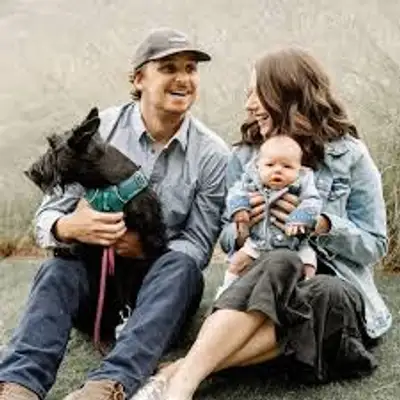
To [00:01:00] talk about how much fun it can be to lose at so many things and still win at life, I have my incredible, super competitive husband, John, here to join the conversation.
John: You brought the biggest loser you
Chasta: know. No, no. Not at all. I actually was just thinking, um, there is a song from Glee which has had a bit of a resurgence as of late.
Like, a lot of the younger kids like Glee again. Really? I love, I love Glee.
John: I
Chasta: was
John: pretty into it- Yes ... for a while as well.
Chasta: I actually bought tickets on eBay to see the original Glee cast at Radio City Music Hall.
John: Wow.
Chasta: Did you know that?
John: No. When? I mean, what about the 20- 2010 Yeah.
Chasta: Yeah,
John: so- I was gonna say, barely even into the teens of the 2000s.
Look at that.
Chasta: Yeah. Early, is that an early aught? I forget what you even call those years. But anyway, Glee released a song at some point called Loser Like Me.
John: Mm.
Chasta: It's basically like, "You wanna be a loser like me, 'cause I'm gonna win at life, and you're probably gonna call me a loser." So today, I thought it might be fun to talk about the many different ways that we've [00:02:00] lost, and maybe how that feels and how that's viewed from society's standpoint, and how we can wrestle with that and how we can actually use that as motivation to be great-
John: Yeah
Chasta: true winners.
John: I mean, I started losing from a very young age, all right? So- Okay ... um, I know that you're not super into sports.
Chasta: No, I... What? I'm not into sports like you.
John: Okay. You're not into sports at the same level that I am. Okay. But then who on Earth is, all right? So I was born into a family where both my parents went to Wake Forest University.
You know what? Does anyone care about Wake Forest University? No. You know what? It's better to be, like, hated like UNC or Duke than just no one cares about you, because we've never done anything relevant in the major sports. I also played on a middle school basketball team. I
Chasta: know, but hold on. I have to stop you for a second- Stop me
because you're talking- Please ... about Wake Forest, and I feel like that's, like that's a third-party loss. [00:03:00] Like, you're not, like, you're not out there. I
John: mean-
Chasta: I went
John: there ...
Chasta: I, I mean, I know you went there, but, like, you're not out there playing every single Wake Forest sport.
John: Now, that's gonna be a deeper question into basically the-
Chasta: First party losership-
global
John: psyche ... versus third
Chasta: party losership ... '
John: cause it's, yeah, it's not just American sports. But you're, you're- We're talking about football all over the place ...
Chasta: you're adjacent.
John: Look, I really feel part of it. I'm... Okay. But one team. You, you cut me off before I got to the team that I was part of. Okay. My middle school basketball team, the Martin Mustangs my eighth grade year- We went oh and 16.
I think we played 16 total games. So-
Chasta: Wow ...
John: that was a lot of losing.
Chasta: Zero to 16.
John: Well, see, that's, you talk about you like sports. It's actually- ... oh and 16. But you like to, whenever she talks about a team record, she's like, "Oh, they're 11 for 12," like field goals- Yeah ... or something. No, no, no, no, no. Come
Chasta: on. Because it's a hyphen.
John: Yeah. If, what do
Chasta: you,
John: what do you- What does the hyphen mean?
Chasta: What do you want me to [00:04:00] say?
John: For. You say oh and for, by. Then I need
Chasta: to put an ampersand.
John: Okay. Chasta, you heard it here first.
Chasta: Nobody
John: listens to me, so. Sports
Chasta: people, when
John: you're talking about your record, you put an ampersand. How dare you. Go on.
Chasta: Okay, so you had an abysmal middle school sports season.
John: Yes.
Chasta: But you finished it.
John: I did finish it.
Chasta: And I'm curious, what did you learn?
John: That my team was not very good.
Chasta: That was your takeaway?
John: Yes.
Chasta: Did you feel like your leadership developed or grew as a part of that team?
John: No, I did not, because I did not approve of the team that the coach put together.
Chasta: Oh, power struggle.
John: Yeah.
Chasta: So you just walked. Walked? You
John: walked. Walked . Are you kidding me? I averaged about 20 points a game on that team. I was- I was the best player ... I mean, you finished- And I would've traded being the best player to have a winning team in a heartbeat.
Chasta: No, but you finished the season, and then... Okay, so actually I'm so glad you brought that up, because I think we talk about this a lot, of how we are seeing in the sports field right now, it's really hard for cohesive [00:05:00] teams to come together- Oh, yeah
with the transfer portal,
John: the,
Chasta: you know, um, the-
John: Now we're talking.
Chasta: But this is an example of we have gotten so uncomfortable with the idea of losing that we can't even create teams to see what might happen because we're so, like, dopamine-d out on chasing a win.
John: That's exactly what's happening in college sports right now.
Yeah. You mentioned the transfer portal and you went, mentioned another, um, great term, cohesion, and when all these people are moving around the way they are- I
Chasta: can't even keep track of who's playing for who because they're always changing.
John: Yep, changing coaches, changing players.
Chasta: Mm-hmm.
John: It's all happening.
Chasta: It is all happening.
John: As they say in Hamilton.
Chasta: So all right, so that happened. So you wanted to be in the transfer portal in middle school is what I'm hearing.
John: Yeah. I would've loved to have been on
Chasta: just a- You would've been signing up ...
John: any other team.
Chasta: Which is interesting, because you've shared with us previously that you prefer the path of least resist- Well, I mean, I don't know, maybe the transfer portal is the easy way out.
John: It kind of seems like
Chasta: it when
John: you look
Chasta: at- It's like, "
John: Get me up, Scotty." Yeah. And they're paying you money now. I mean, I think that's- Get me out of [00:06:00] here ... the definition of least
Chasta: resistance. Okay, so what did that do for your, um, you know, early basketball career?
John: Well, it's interesting to note that that summer following that year we, we went 04, or oh and, whatever you wanna describe it as, I decided to start running cross country during the summer instead of going to basketball workouts for high school And as a result, I did not make the high school JV basketball team when it came time for tryouts.
And then I kinda gave up on basketball.
Chasta: I know that frustrated you.
John: Yeah, it did. Um-
Chasta: But did it make you... Like, do you feel like it fueled a deeper passion?
John: You know, it really could have led me to the arts a little bit.
Chasta: Yeah.
John: Um, it took a long time for me to get to the arts, but eventually through, you know, singing with a couple high school bands, playing the guitar, I got there.
And if I had- And what
Chasta: about those dynamics? Were they ever [00:07:00] complicated in the bands?
John: Are band dynamics complicated?
Chasta: Yeah.
John: Oh, I don't know. Let me ask, like, Phil Collins for you. Let me get him on the horn. Yes. Let me ask, like, Ringo Starr. Paul McCartney. If they're both still alive, can we talk to Paul or Ringo?
Chasta: Yeah, get them on the pod.
John: Band dynamics, I would say, are the, some of the most complicated relationships in the world. Did
Chasta: you ever feel more like a loser or more like a winner
John: That's a really good question. Um, you know, in, like, band rehearsals, I probably felt like a loser, but- Why? Because of the-
I really did love performing ...
Chasta: because you like the attention- Yes ... would you say?
John: Is that ... Call it out right there. Yeah. I mean, it's fun to perform in front of people. It is. I know you enjoy that
Chasta: as well. I do. I do. And, you know, my son thinks that I'm destined for Broadway now.
John: Yeah. It's great that he is so high on you.
It's really great to have supporters in your life.
Chasta: Um, okay, so back to the band thing. So, I mean, rehearsals, th- they're not always fun.
John: No.
Chasta: They are a lot of hard work. It's a lot of [00:08:00] process. I actually think rehearsals, rehearsals are what fill my cup. I enjoy the performance, but I like to see what happens in the process.
John: I would love for, um, you know, the people out there, if they are listening, you, to really get involved, just be a fly on the wall in a Chasta Hamilton-led resu- rehearsal. It's quite the experience. Um-
Chasta: Yeah. I, I-
John: She really knows how to work people hard, push limits.
Chasta: In a healthy, in a, in a really productive way, I feel like.
John: Yeah.
Chasta: You've been in that room as a-
John: I, I have ... as a
Chasta: rehearsee.
John: I have. And if you come in to a rehearsal with Chasta and you are not locked in, you're in trouble.
Chasta: Well, I just wanna maximize time. Yeah. Because what I always say, like, time is one of our-
John: Greatest resources ...
Chasta: greatest resources. It's probably the greatest.
So I just don't think we can waste it.
John: Mm-mm.
Chasta: So all right. So you had your rehearsals. You had your performances. There were band dynamics. The band changed several times, or you went to the transfer portal, or what?
John: Yeah, one of the bands, the biggest issue was just that I knew that I was only [00:09:00] there because someone else had moved to a different school.
Chasta: Mm.
John: And it's like- Okay. Well, I could just leave, and then you guys wouldn't have anyone. Um, and I probably should have done that, if I'm being fully honest.
Chasta: Okay.
John: Yeah.
Chasta: I appre- that's, I mean, that's a great story. I love it. I mean, like, it happens with a lot of bands, right? Yeah. Didn't that happen with, like, Fun and Jack Antonoff and-
John: Yeah.
Yeah. There's a lot more famous examples as well. But also, with Jack Antonoff, you're right.
Chasta: Um, and I think a lot of times when something's not working is when we can start kinda spiraling, right? Like, it feels like, "Okay, well maybe I'm not meant for this," or, "Maybe I shouldn't be doing this." For whatever reason, I lose so much that that switch has somehow gotten flipped off, that I just keep going and keep losing over and over and over.
John: You're like, um, who is it? I'm like the Ene- Not Atlas, but the- Oh ... the one who runs the stone up the hill over and
Chasta: over. Well, I was thinking more like the Energizer bunny of losing. [00:10:00]
John: Yeah, and it's pink too. So that's great. Yeah.
Chasta: It's got the drum.
John: So enough, you got me in the interrogation area- Yeah ... and the lights are bright.
Let's talk about all this losing that you've done.
Chasta: Well, where should we start?
John: You tell me.
Chasta: You wanna start with beauty pageants?
John: Yes, we wanna start with beauty pageants.
Chasta: Okay. So I did one.
John: How old were you?
Chasta: I was 9 or 10. Mid-'90s.
John: Why did I think you were, like, 6 or 7? Mm-mm. You were- No. You were
Chasta: not. It was right after my mom had passed.
Okay. And it was just something I really wanted to do.
John: You just, "I gotta do this." "
Chasta: I gotta do this." It just felt right.
John: Little Miss Sunshine.
Chasta: And I was Little Miss Sunshine.
John: That movie wasn't out yet, though, right?
Chasta: No. It was 1990s. No, no, no. Yeah, yeah. I mean, they must have seen me- ... and felt inspired. So, so they, so I got this gorgeous dress from this formal wear shop in Knoxville, Tennessee.
Like, my aunt took me to get fitted and everything. And I mean, this dress was a stunner for the mid-'90s. What did it look like? Pink, pastel pink, ruffles galore, down to the ground. Um, sparkle, sequins, everything I dreamed of. Yeah. I had this, I had, [00:11:00] you know, I had the long, brown hair. You've seen that one photo where I, you know, the school picture, got the glasses.
I didn't take my glasses off for the pageants. I went in so authentic, okay? Which turns, you know, a lot of people in beauty pageants maybe aren't as authentic when they show up as I was.
John: What was your talent?
Chasta: So I think this was, like, a mini one.
John: Ah.
Chasta: So actually, I'll take this back. I did two. I did the pageant, the Fairest of the Fair, and then I also did this pre-teen Tennessee competition- Hm
which I'll tell you about shortly. But you know, this beauty pageant, everybody does a survey that, and they're announcing you as you do your parade and walk. So- Can
John: I announce it?
Chasta: The, the favorite food? Yes. This is in one of my books. So yeah, it's public record.
John: So this is one of
Chasta: them- No, but I want them to feel how I was feeling in that moment.
So I'm standing backstage, and all the kids are saying things like spaghetti. pizza. I love spaghetti. I- Wait,
John: I thought you said they read it out loud.
Chasta: They do. Okay. But I'm hearing.
John: You're hearing
Chasta: what they-
John: And I'm hearing the other contestants' surveys ... have submitted.
Chasta: Okay.
John: Hamburgers. As they're walking [00:12:00] like a little catwalk, or...?
Chasta: You know, doing the little roundabout. Prancing
John: about.
Chasta: Yeah.
John: Ah. Gotcha.
Chasta: So they're reading, you know- Yep ... this is da, da, da, da, da, and their favorite color is blank. And- Yep ... she loves to eat blank. And so-
John: So you would say, you know- So I'm
Chasta: in the
John: hall ... in today's term, you're hearing a lot of basic-
Chasta: Yeah ...
John: answers.
Chasta: But, but I mean, I do love spaghetti.
John: Pizza, pink. Sparkles. Right? Yeah. And so Chasta is walking across. That's
Chasta: I... And I knew what mine was gonna say, 'cause I filled out the survey on my own. Yes.
John: And let me put on my good Tennessee voice here.
Chasta: No,
John: no. Next up is Chasta Hamilton, whose favorite food is salmon patties.
Chasta: That's right. That's right. I put s- salmon patties, because I don't wanna give the brain power to that survey. It just seems so silly. Like, who cares my favorite food? This girl's like
John: salmon or- I had
Chasta: s- we didn't eat salmon ... like, but just adding patties on- We had salmon patties- ... straight from the can. And landlocked.
And I loved it at the time. Yeah, we were landlocked. Like, come on. Landlocked
John: in East Tennessee. So
Chasta: that was an [00:13:00] example. Yeah. And then, so then I go on. You didn't
John: win.
Chasta: I did not.
John: I w- Were you top five?
Chasta: No. So I was like, "What the hell?"
John: Runner-up? No.
Chasta: But you know what? I felt gorgeous. Mm. I love that dress so much.
John: Did you have salmon patties before you went
Chasta: out? Prob- maybe, and probably for dinner that night, too. But here's the thing, is that happened, and I was like, "Okay."
John: I- Let's do this again.
Chasta: Let, yeah, let's go. Like, I wasn't phased. I'm, I'm kinda like the honey badger.
John: Oh.
Chasta: You know, Honey Badger Don't Care, that video?
John: Yeah. Um. I do. And I can see it, yeah.
Chasta: So then I go to the Pre-Teen Tennessee competition. Mm. Now, this is academics, talent, and- Hold
John: on ...
Chasta: pageantry ...
John: academics, now we're talking. We got- Okay. There's some academics going on over here. You can compete in that realm, baby. Get me up there, come on.
Chasta: So, and there was a speech competition, which I also participated in.
John: Okay.
Chasta: So, you know, I did all those. Again, gorgeous dress. Felt very confident. We had a banquet. We had chocolate parfaits. Like, there were a lot of layers- Mm ... to this weekend that felt very fun. It was at the Hyatt Regency in Knoxville, Tennessee. Okay. Knoxville. Memorial [00:14:00] Day weekend. Big city. Big city. It was great.
Granny and Aunt Sheryl were there. We were having the time of our lives. Apparently Granny, actually this is a side story, but she had ordered me a floral dog, like a, like a, a flower
John: bouquet. A flowers arranged- Yes ... in a d- wow. Yes. That's...
Chasta: Well, they didn't deliver it.
John: Oh.
Chasta: And she was not happy. And let me tell you, you know what I- Rest in
John: peace, Granny, but when she's not happy, that's bad
Chasta: news.
And I found a letter- Watch out ... I found a letter going through stuff from her house, that she had written-
John: Sternly- ...
Chasta: expressing her disappointment ... to the floral. Mm-hmm. And they got that dog there. And she kept that letter.
John: My goodness.
Chasta: So anyway, that pageant happened. You know, I am convinced I'm leaving with the sash and the tiara.
Like, it's all coming home with me. And you know what I got?
John: Most spirited or like most improved. Most improved
Chasta: Top score on the general knowledge ability test
John: Let's go. Super nerd My wife is so smart, yo.
Chasta: So I was just [00:15:00] like, "Okay." And that was a loss, but I was just like, "All right. Well..." And I think I got third place in s- the speech contest, the speech competition.
John: What?
Chasta: Yeah, so then I started becoming a competitive speaker. Did you know this?
John: Yeah, yeah, yeah. No, I know all about your debate scenes
Chasta: and you win- No, it wasn't a debate. It was, like, individual. I mean, I did mock trial and Scholars Bowl, too. Yeah, that's what I'm
John: saying. Scholars Bowl and all
Chasta: that. Yeah. Yeah, yeah.
Which is like athletics of the brain.
John: Exercising those mental muscles. Yeah. Yeah. Great job.
Chasta: So that was kinda how I was competitive- Mm-hmm ... in, in, you know, in high school. And w- I did do dance competitions, which you can read all about that in Trash the Trophies. We don't have... And actually, we talk about that in a lot of episodes.
So then I, um, decided I wanted to run for student council.
John: I remember this one. Yeah, yeah. Lost to
Chasta: Eva. Lost big. I- Which
John: year was that?
Chasta: I think I was sophomore. Sophomore. Yeah. I'm really good at losing elections.
John: Yeah?
Chasta: Yeah, or anything with a popular vote because nobody listens to Shasta. Yeah.
John: I believe you just [00:16:00] lost another role recently with a particular admissions group, right?
Chasta: Oh. Oh, y- well, yeah. 'Cause
John: you're too old.
Chasta: Yeah. Ne- not near- Too old ... not near peer enough.
John: Yeah, that was the term they used, near peer. Ah,
Chasta: yes. Yeah. I, I rolled off of that. But, um, that's the thing is, like, change will always happen. My question that I'll always ask is if you're winning all the time, you're getting everything you want all the time, are you actually learning?
Are you actually trying? Like, I think it's, it's comfortable sometimes to [00:17:00] be a big fish in a small pond.
John: Definitely.
Chasta: But are you ever gonna reach your fullest potential? Absolutely not. And I think in this, in this last year, we've really said, like, this whole thing is really about potentiality-
John: Yeah
Chasta: reaching our fullest potential.
John: You are an architect of human potential.
Chasta: That's, you know, that was a little fancy thing we threw around. But, you know, I've also lost board seats in elections. Think about how many times TEDx said no.
John: Yeah.
Chasta: I mean, over and over and over.
John: How many grants have you lost out on that you've applied for?
Chasta: Oh my gosh. And, like, countless. Yeah. Infinite. More... I mean, I c- you know, maybe I get one for every 100 applications.
John: Mm-hmm. You know someone in our lives who really is having difficulty with losing? Are you
Chasta: thinking about our son? I'm
John: thinking about our son.
Chasta: Yeah. But we still challenge him.
John: Any time that we get a new board [00:18:00] game-
Chasta: The board games, yes
John: it's just like, "Here comes the crashout," and- You kind of
Chasta: struggle with that, too, though.
John: Yeah, I do.
Chasta: Like remember that time we tried playing checkers?
John: Yes
Chasta: Was
John: it Cracker Barrel?
Chasta: No, it was a Hill-N-Ed.
John: Oh, it was a Hill-N-Ed. It was like one of those... Yeah, yeah.
Chasta: But I do think that, like, this fiery, competitive spirit, it's like what you say, like, that if you can figure out how to leverage a competitive spirit in a really uncomfortable way, it'll take you far.
John: Yeah, the right way to channel it.
Chasta: Yeah. But the, the right way is never going to be, like, the easiest way.
John: That's just true in life,
Chasta: unfortunately. Yeah. And, you know, what we think we're like the cool... Like, I always was like, "Why am I not, like, a cool kid?" Like, I knew I wasn't one.
John: Do you want me to list the reasons?
Chasta: No, I mean, I know. I know now, you know? Mm. The 40th decade of my... Not the 40th decade. Is it 40th decade?
John: No, that would
Chasta: make you-
John: That would... ... significantly old- older than 40 In
Chasta: my fourth decade of life.
John: There you go.
Chasta: Um, I have become aware of, like, some of [00:19:00] those reasons. But I'm so glad that I... I mean, I think you were arguably probably a cool, cool-ish kid.
John: It's... I, I mean, it was a little bit of both. In
Chasta: the social hierarchy.
John: Like, I, I really was friends with, with a lot of different groups, I feel like, which is... We always talk about my personality- Mm-hmm ... as, like, a moderator. Yeah. That's, that's where I fall on whatever these things that define you. The, the big stack of papers I brought to you way back in the day that said- Yes
"Look at me." Um, but I'm able to, I feel like, relate to just about anyone. I've certainly noticed that at the studio. You know, all of our kids relate to me in different ways, and I love that, hearing about everybody's day.
Chasta: And I will also say I think my experience being, you know... Loser's a negative term.
That's like clickbait, right? It's... Because it's like, what is losing? Losing, to me, is learning, and I love to learn.
John: Yeah.
Chasta: So-
John: We like to say underdog.
Chasta: Underdog.
John: Underdogs.
Chasta: Yeah. We like to root for the underdog. Yeah. Like,
John: we also love the- And Stage Door Dance, we're underdogs ...
Chasta: like, [00:20:00] I mean, think about the Kentucky Derby People went crazy over that horse
John: Yeah
Chasta: Like, they were wild.
Did you see how that horse had to overcome? It
John: was s- all the way at the, all the way at the back. That's all
Chasta: Passed every single horse
John: Yeah
Chasta: Nobody saw it coming. First woman trainer ever to win the Kentucky Derby, which, what does that say? It's 2026. That seems a little... But w- we won't get, that's not the topic of today Honestly,
John: like I, I think that's I'm like not surprised that's the case.
When you think about horse racing, but that's a whole nother story That's a different-
Chasta: So, yeah ... that's a different episode. But that, that fact, seeing the excitement, is people do like that story-
John: Yeah ...
Chasta: of like people having to overcome, people having to reach, people having to work, the unexpected happening.
But that is not what society normalizes
John: Mm-mm.
Chasta: Society normalizes that path of least resistance that you've discussed.
John: Yeah
Chasta: The checkbox to do this, to do that, the this is, this is what this should look like, this is what that should look like. But you can, you, you just can't prescribe life
John: Yeah. [00:21:00] Everybody celebrates an underdog s- that succeeds, but that's only because it's so rare
Chasta: Yeah.
But what- Most of the time
John: they're just
Chasta: forgotten ... but what does that even mean to succeed? Like, you can have a tangible moment like Kentucky Derby, like that's obviously a successful moment. But like when I look back, like people will call me successful, but like I, I don't really self-ident- I mean, I guess I am.
But I, when I look, wake up in the morning, I'm not like, "Hey, success story. Here we go."
John: You don't psych yourself up in the mirror.
Chasta: No. "Good
John: morning, Chester." I'm like,
Chasta: I'm like- "It's Chester" ... "What has to be done today?"
John: Yeah
Chasta: What's the work ahead?
John: Well, I think there's your answer right there. That's what successful people do.
Chasta: Yeah
John: Get right to
Chasta: work It's not a metric. It's not like a moment
John: Yeah
Chasta: You're constantly like saying, "Okay, what's next?" And I fear that a lot of times, sometimes when it's, when these moments, like you mentioned homecoming king and queen- ... earlier, like that's not, that's not the win we wanna achieve. The win I want to achieve is a better world for everyone, especially for the children.[00:22:00]
John: Yeah
Chasta: That's a lofty goal. Like, my work will never be done Yeah,
John: what's the score on that game right now? We're, we got a little ways to go. Yeah We're a little behind
Chasta: We're working. But I'm really focused on like my piece of the pie
John: Yeah
Chasta: Like, what can I bring to my every day? So what else would you, well, I mean, you are like so sports-oriented that I feel like my perspective has challenged your perspective somewhat
John: Your, your perspectives are constantly challenging mine Absolutely.
Which perspectives are you speaking of?
Chasta: Well, this winning and losing idea. Like, we're talking about love being a loser
John: Yeah, I mean-
Chasta: Like, I guess, what have you learned? Just
John: last night I'm sitting there watching the Hurricanes game, and you're like, "Dude, you need to chill out. Like, you're not even on this team."
And I know- Yeah, you're
Chasta: adjacent I
John: know that I'm gonna- You're like a community member ... keep saying adjacent but I did realize after. I was like, "Yeah, I probably shouldn't have been so stressed about that."
Chasta: Yeah, like-
John: But it'll happen again
Chasta: I know, but it's like not... 'Cause what do I always say? [00:23:00] How does this impact us?
John: That is what you say, yeah.
Chasta: Yeah. This-
John: Negatively ...
Chasta: this has no bearing on what our tomorrow will look like, except for just, like, funsies.
John: Funsies?
Chasta: Yeah. That's
John: your equivalent-
Chasta: Like funsies ... the
John: Carolina Hurricanes too are funsies.
Chasta: Like, it just, it's-
John: Get Ron Brind'Amour in here right now.
Chasta: But it is this, like, idea of, and what I think I've learned from you, as an adjacent passionate sports lover, is that it's the belonging and it's the community which trickles into a lot of what I do day to day, of like, let's make sure that we're all feeling like a community and that we belong.
Not adjacently, but, like, in it, like we are in the arena.
John: Yeah, and I think that's what's so special about Stage Door Dance is it gives so many different types of people from our kids, to the families, to extended families, friends that are sucked into the fold, a place to feel like they [00:24:00] belong. And another thing I feel like you always say is a place to be seen and a place to be heard, because that's all everybody wants, is they- Yeah
they wanna be seen, and they wanna be heard, their feelings validated, and we really try our best to do that, and I think it's why it's special.
Chasta: Well, and how much can you learn from hearing others per- other perspectives, other stories, other experiences? I'm constantly amazed at how interesting and cool people are.
John: Yeah. And unfortunately, a lot of people aren't gonna learn that because our society is really becoming much more homeopathic, and there's like-
Chasta: Homogenized ... people- It's almost like one of the other things we've talked about, like we are too homogenized.
John: Like, everyone is just trying to be part of people that look and think and, you know, do the exact same things they do, and that is the exact opposite of what we should be doing as a society.
Chasta: Yeah. So I do... I've- I'm so grateful we have this microcosm where... And, you know, there's so many things that we can base our worth on. [00:25:00] Trophies, titles, elections, um, what
John: else?
Chasta: Children.
John: Huh? Based on your children. I think a lot of people, like, find their worth through what their kid is doing. Oh. Right?
Chasta: Yeah, yeah.
Um, all of these different ways that validate this need to, like, to win, but my challenge is, is it really about winning, or is it just about worth? Like, finding that sense of worth. Like, I think that's what we all ultimately want more than a win, is that we want to feel like we have an authentic sense of worth.
John: Yeah. And regardless of how other people value you, it doesn't really matter until you learn to accept and celebrate that worth- Yeah ... intrinsically, right?
Chasta: I was reading something the other day that is about this fear that we all have of, like, what other people are thinking or saying about us. And I think that also kind of lends itself to this idea of, like, winner or loser, of like how am I [00:26:00] going to be perceived or seen.
And it was saying, like, yes, people talk about you. People talk about you for any and every reason imaginable, and that's not going to stop. But even if they say something, they likely move on to something else five minutes later. It's not something they're actually, like, sitting on, thinking about, obsessing over.
We allow it to take so much more of our energy because of our perception of how they perceive us-
John: Yeah ...
Chasta: that we waste that energy.
John: Yeah, my favorite, um, example along those lines, to bring it back to sports, is LeBron James, right? So every negative, like, terrible thing that people say about LeBron James is all because Michael Jordan existed.
Um, and he is this incredibly unbelievable athlete who gets all this hate, and it's like, what have you ever done? The people- [00:27:00] Mm-hmm ... that are talking about him, right? And because- Yeah ... what's worse than, you know, being hated or being talked about is nobody talking about you at all. So-
Chasta: Yeah, and there's a-
sometimes
John: you gotta be able to think of it that way ...
Chasta: there's a quote that I love that says, "Confidence is quiet, and insecurity is loud."
John: That's a good one.
Chasta: Yeah. So I just, and I just encourage people to not fall victim to this idea of, like, it has to look a certain way or that they're a loser 'cause maybe in this process of, like, not getting the wins, right, um, to, you know, these lists come out all the time of, like-
John: 40 Under 40
Chasta: yes, when, and I've been on- That's business- ... and I've been on a lot of them ... awards. Yeah ... and I've been, but I've been not on more than I've been on. And it's always like, what does this mean? Are you less than by not being on this list? No, absolutely not. Just keep doing the work. Keep showing up. I think that's what matters.
And similarly, it's in that every day, those torturous band rehearsals, those [00:28:00] long dance rehearsals with me. Like, that is actually where the growth happens. It's not when you're performing. It's not showtime, game time. It's like you were saying, like, you can't scrimmage every single day. Yeah. Like, it's about skills.
It's about development. It's about using each opportunity along the way, win or lose To elevate the sense of the potential
John: Yeah. I mean, look, so I know I'm out here talking about sports, but I can talk about our industry as well- Yeah ... from what I've learned, you know, in that some of these other studios across our area, across the country, that are out doing competitions- Yeah
every
Chasta: weekend We actually stayed at a hotel one time- Yeah ... and they, there was one there
John: But, like, what, how are you working on your technique and your development, even your strength, all those things that go with dance, if you're just doing the same routine every weekend in a different spot? Whereas, you know, I feel like we have so many successful people that have come from our non-competitive studio- Yeah
to go on to Broadway, to be captains of collegiate dance teams.
Chasta: Doctors.
John: Doctor- Well, I mean, that too, but- Yeah ... I'm just talk- If you wanna just [00:29:00] look at it from a success- Yeah ... in dance standpoint, these kids aren't competing. Yeah. They're just working really hard, and they still have great opportunities to perform.
Chasta: So incredible, yeah.
John: Carnegie Hall. Mm-hmm. We, what have we done? Nashville also. All over the world. Rome.
Chasta: Yeah.
John: So that, like, yeah, you're, the, the, when you, if you wanna take it back to sports, when you're running layup lines and the three-man weave in basketball, when you're running, when you're running back and forth up the court just doing conditioning, is that as much fun as playing in a game?
No. But is that how you get better? Yes.
Chasta: Yeah. And I think it is about growth, and that's through every experience, beauty pageants to- Um, I also didn't make the cheerleading team in high school. Mm. I didn't make the dance company at NC State. Mm. Um, lots of nos. But I always say, "No doesn't mean never. It just means not right now."
John: Not right now. And then- And maybe it wasn't meant to be ...
Chasta: and sometimes, you know, it works itself out. Sometimes you do TEDx 36 weeks pregnant, as I did, and sometimes it just never happens. And I always believe, like, if it doesn't happen, [00:30:00] it just, that was not meant for you in that moment.
John: It was not your path.
Chasta: Yep. So any final words on loving being a loser?
John: No. Like we said, obviously loser is, like, the hot button word. It, yeah. But if you really think about it as, like, a underdog working mentality-
Chasta: Waiting ... it'll get you places ... waiting in the wings.
maybe not waiting.
John: Get love for it. You get hate for it.
Chasta: Yeah.
John: You get nothing if you wait for it.
Chasta: Yeah. Wait
John: for it.
Chasta: I know. That's why I gotta, I gotta get back to writing the musical we're working on. Speaking of. Instead
John: of me just quoting ones that Lin-Manuel Miranda has written.
Chasta: Yeah, yeah, we need to get our original lyrics on here next. All right. Well, thank you for being so candid about your experiences.
John: For being such a loser, you're welcome.
Chasta: We're winners, though. Winners at the long game. Losers at maybe a few of the short battles. Always say, like, isn't there a saying that says, um, "I may not win the battle, but I'll win the war"? Not to get violent, but-
John: Sun Tzu? Something maybe? I don't know. Yeah.
Chasta: Love it. All right.
Well, if [00:31:00] you have experienced being a winner or being a loser and everything in between or what any of those things mean and have listened this far, thank you for tuning in to Nobody Listens to Chasta. I would love to hear about your favorite food, especially if it's salmon patties, and/or any other beauty queen experiences that you might have also shared and/or any other times that you, you might have lost.
Thanks for tuning in, and we'll see you next time.