Subscribe
Share
Share
Embed
In Ep. 062, I dived into the complexities of the drinks distribution industry with David Wood, Founder of Liana Collection, a UK-based Premium Drinks Importer and Distributor (IWSC Spirits Distributor of the Year 2023 in the UK).
He shares valuable insights on what makes a successful brand, the importance of quality liquid, and the market's competitive nature.
Discover the criteria for selecting brands, the significance of founder-led stories, and the focus on sustainability and smaller categories.
We also discuss the challenges of gaining a distributor's mindshare, the benefits of being a secondary cocktail ingredient, and strategies for maintaining balance in a brand portfolio.
This conversation is a must-listen for anyone interested in the drinks industry, brand development, and distribution strategies.
Time Stamps
00:00 Welcome to the World of Distribution: A Candid Chat
00:51 The Essence of Building a Drinks Brand: Brand vs. Liquid
03:31 Insider's Guide: Selecting Brands for Distribution
06:31 Innovative Strategies in the Drinks Industry
09:39 The Art of Being a Secondary Ingredient
20:43 The Power of Modifiers in Cocktail Creation
29:00 Navigating Portfolio and Contract Negotiations
31:56 Navigating Brand Sales and Relationships
34:07 Strategic Portfolio Management and Outlet Selection
35:33 Adapting Sales Strategies Across Different Venues
39:43 The Importance of Brand Identity and Selective Partnerships
41:47 Personal Growth and Career Reflections
44:48 Building a Business with Purpose and Longevity
55:47 The Value of Legacy and Historical Insight in Branding
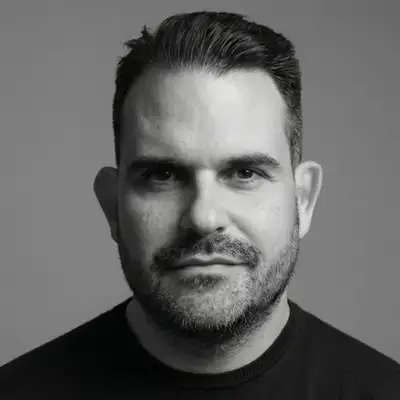
About The Host: Chris Maffeo
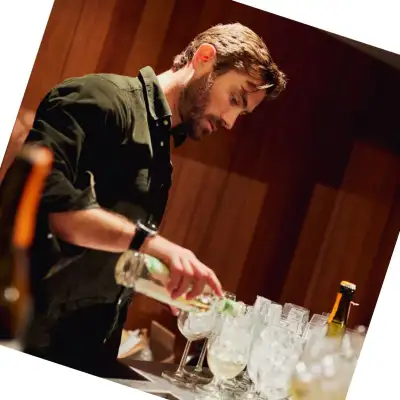
About The Guest: David Wood
In Ep. 062, I dived into the complexities of the drinks distribution industry with David Wood, Founder of Liana Collection, a UK-based Premium Drinks Importer and Distributor (IWSC Spirits Distributor of the Year 2023 in the UK).
He shares valuable insights on what makes a successful brand, the importance of quality liquid, and the market's competitive nature.
Discover the criteria for selecting brands, the significance of founder-led stories, and the focus on sustainability and smaller categories.
We also discuss the challenges of gaining a distributor's mindshare, the benefits of being a secondary cocktail ingredient, and strategies for maintaining balance in a brand portfolio.
This conversation is a must-listen for anyone interested in the drinks industry, brand development, and distribution strategies.
Time Stamps
00:00 Welcome to the World of Distribution: A Candid Chat
00:51 The Essence of Building a Drinks Brand: Brand vs. Liquid
03:31 Insider's Guide: Selecting Brands for Distribution
06:31 Innovative Strategies in the Drinks Industry
09:39 The Art of Being a Secondary Ingredient
20:43 The Power of Modifiers in Cocktail Creation
29:00 Navigating Portfolio and Contract Negotiations
31:56 Navigating Brand Sales and Relationships
34:07 Strategic Portfolio Management and Outlet Selection
35:33 Adapting Sales Strategies Across Different Venues
39:43 The Importance of Brand Identity and Selective Partnerships
41:47 Personal Growth and Career Reflections
44:48 Building a Business with Purpose and Longevity
55:47 The Value of Legacy and Historical Insight in Branding
About The Host: Chris Maffeo
About The Guest: David Wood
The MAFFEO DRINKS Podcast is a leading drinks business podcast delivering actionable insights for drinks leadership.
For founders, directors, distributor MDs, and hospitality leaders navigating the tension between bottom-up reality and top-down expectations.
20+ years building brands across 30+ markets. Each episode features drinks builders: founders, distributors, commercial directors, sharing how the drinks industry actually works. Not the conference version. Honest conversations.
Insights come from sitting at the bar.
Beyond episodes: advisory for leadership teams, subscription with episode deep dives and principles to navigate your own reality.
Beer, wine, spirits, Low and non-alcoholic.
Bottom-up Insights & Episode Deep Dives at https://maffeodrinks.com
Welcome to the Maffei Drinks Podcast, I m your host Chris Maffeiro. In episode 62 I dived into the complexities of the drinks distribution industry with David Wood, founder of Liana Collection, a UK based premium drinks importer and distributor. He shares valuable insights on what makes a successful brand, the importance of quality liquid and the competitive nature of the market. Discover the criteria for selecting brands, the significance of founder led stories and the focus on sustainability and smaller categories. We also discuss the challenges of gaining distributors mind share, the benefits of being a secondary cocktail ingredient and strategies for maintaining balance in a brand portfolio.
Chris Maffeo:This conversation is a must listen for anyone interested in the drinks industry, brand development and distribution strategies. One last thing, if you enjoy this podcast you will also like the Maffeiro Drinks Guides, where you will find all you need to build your brand bottom up. You can subscribe free or paid on mafayodrinks.com. Hi, David. How are doing?
David Wood:Hey, Chris. I'm really good. Thanks so much for having me.
Chris Maffeo:Absolutely. It's a pleasure. I got a lot of messages from listeners and they say like, oh, can you talk more about distribution? Can you talk more with distributors and how to select a nice distributor and a good one? And let's talk about distribution a bit more and importer.
Chris Maffeo:And I said, I I'm actually recording, you know, next week I'm recording one. So it's, it's nice to have you.
David Wood:Hopefully, I can give an interesting side to the industry. I'm really looking forward to to to having having a bit of a chat.
Chris Maffeo:Absolutely. Absolutely. So let's let's start with my usual question on does it start with the brand or with the liquids on building a drinks brand?
David Wood:Really good question. Both is the sitting on the wall answer. One great example of liquid is a brand in our portfolio called Samford Orchards, a cider brand, who have been making locally produced, extremely high quality cider in the same way that they did six hundred years ago. And up until about five years ago, Barney Butterfield, the owner was designing the brand and the branding on paint. Believe it or not, they're now probably the fastest growing cider brand probably in the world.
David Wood:The brand is super strong, but in that instance, it was certainly the liquid that came first. My gut feel is all great brands have to have great liquid. So if I'm leaning towards one or the other, I would lean towards liquid.
Chris Maffeo:Nice. Nice. Yeah. I I tend to agree. I mean, like, I'm I'm listeners know my take on this one.
Chris Maffeo:Some brands manage to do it well on the brand side of things, but I think it's usually like a liquid that made a brand, you know, created the category and then created the brand afterwards. And then now we think of the brand as a superpower because it is now the, you know, brand first, but actually in the end, if we look at it, you know, it was very liquid. Then of course there are some categories that are more leaning into the liquid by default, you know, if you think whiskey, you know, that's it's very much on liquid. And the the the burning question for me on on being, you know, like you being a distributor and and just to clarify, so you are an importer and distributor in The UK. Right?
David Wood:Exactly. Yeah. We import brands from all over the world, distribute them, and build their their sales and marketing in The UK.
Chris Maffeo:One of the big question, mean, I've been working with more than 30 distributors, importers at, you know, in my beer days and now, of course, also with on on the spirit side of things. And it's always funny because there's always the same things happening, you know, and there's always brands asking for more and, you know, more coverage and, you know, like, it it's quite tough to get into the share of mind of a distributor, you know, and this is what I think many listeners as brand owners, they complain about, like, how do I get more share of mind? Because they get a phone call, they get to the first shipment and then all of a sudden they hear crickets. So I always recommend them to do the work bottom up to really understand the market first and then go upwards towards the distributors. So, you know, start from the outlet and then go to the distributor.
Chris Maffeo:We we've discussed this many times, but from your perspective, how'd you pick a brand in your portfolio, like to make sure that actually it works also for you and, you know, you can give that space to that brand that, you know, the the space that it deserves?
David Wood:This the issue with the industry today is it's more competitive than it's ever been getting into the market. And there's more money than ever for distributors to be able to fill a warehouse with lots of brands and charge retainer for its fees and ultimately service the top maybe 10% of their portfolio, not necessarily be able to give a fantastic service to some of the smaller brands in the portfolio. Our business was always built on smaller categories. There were two reasons for that. One, we don't want, you know, whiskeys, gins, you know, house rum contracts that we're going, going up against the likes of Diageo or Bacardi.
David Wood:Like that's a really, really hard battle to win. So the, the business plan was always find really interesting categories that are a necessity on the bar, but don't necessarily have a huge amount of competition and try and find the very best brands in each of those categories. Our categories would include Zermout, Liqueurs, Calvados, Mezcal, cider, amaros, important things to a back bar and to cocktails, but you don't need to fight as many competitors. And that's kind of one of our unique selling points really as a partner. The next thing we look for with brands is they have to pass a test in terms of the pillars of our business.
David Wood:So those pillars being independence, that's really important to us. Second is sustainability. You know, we, we took a stand a long time ago that we wanted to work to make the trades a much more sustainable business. The drinks trade is guilty of some pretty hot shocking practices from production to glass, to wastage. So the brand would have to be sustainable and have a focus on sustainability.
David Wood:And the last one is the founders behind the brands. So we want founder led stories. The guys that own our drinks brands or run our drinks brands, you know, tend to be industry leaders within within their expertise. So Barney, who I just mentioned from Samford is a you're not gonna find many people on planet earth who are more invested and knowledgeable in the cyber industry. The same with brands like Muyu, our liqueur brand from Alex Kratina and Monica Bergs and Simone Caparoli, the probably the three most famous bartenders in the world to Mark Ward, founder of Regal Robe de Mousse, an absolute global master of the mousse.
David Wood:These guys are really important and it's an unfair advantage having somebody like that behind the brand. So that it to shorten the answer, you need to be in a smaller category and you need to hit those three those three points.
Chris Maffeo:I like all the points, but one that got me is is this interesting categories. No? Because one of the books that I'm that I'm reading is called Snow Snow Leopard, Become Category King. And and basically, they talk about it's about it's from Nicholas Cole and Dickie Bush to American guys that I follow on category design, basically. And and what they talk about that is very interesting for me is that you need to create your own category.
Chris Maffeo:Otherwise, you're just like fishing in the same pond as everyone else, you know, so you need to create demand and all those things that I talk about. But the interesting thing when it comes to our industry is that you mentioned it, no, like, you know, especially when you negotiate contracts or you talk to bartenders and then it's like, no, I've got a whiskey already. And then they can go deeper and then say, I've got a scotch already. And then it could be, I've got a blended scotch already and I've got a single malt already. And then if you get stuck on that superficial level of categories like agave spirits or whiskeys or vodkas or whatever that is, it becomes a very difficult conversation to have no on at bar level.
Chris Maffeo:So if you go deeper, then you can really build your brand on cues and aspects that maybe other brands don't have, or it can even be like something that allows you to put the foot in the door. I remember when I was selling in The Nordics, Peroni, Peroni is a lager, you know, but then you can talk about like a Mediterranean lager, an Italian lager, a lager, a refreshing lager where it's allowed to say refreshing by the way. So for me, it was always like, you know, when I was trying to enter then, for example, they may had Heineken on top. And then I was like, yeah, we have a contract with Heineken. And I was like, yeah, but this is not a lager.
Chris Maffeo:This is like an Italian lager. Do you have Moretti from Heineken? Oh no, we don't. Okay. So then you can have it.
Chris Maffeo:I was like, actually, yeah, that's a, that's a good point. Actually, I can have it, you know? And then we were managing to enter either with bottle first or then, you know, starting with bottle, then going, moving on to draft. So sometimes, you know, you can play on this and it could be an Italian vermouth or a British vermouth, or it could be a, I don't know, a Scandinavian side. You know, you, you can go on geography, you can go on flavors, you can go on different things.
Chris Maffeo:So I, I like that aspect because otherwise we all get stuck into the big five categories and then nobody moves. But as you rightfully said, you know, on cocktails, you know, sometimes those categories that you mentioned before, like those are the fundamental ones to create great cocktails. Otherwise, you would just have a highball.
David Wood:So true. But also not necessarily the fundamental of a cocktail. The easiest thing to do, if you look at the drinks industry and you wanna make a note of money is say, I I wanna be the lead ingredient in these cocktails. And that's where the volume is. That's where the volume that every single other competitor is going after.
David Wood:If you don't go after that and you look to be a secondary cocktail ingredient, you might not be 50 mils within the cocktail. You might be 15 mils or you might be 25 mils. That's a much easier space to be competing. And if you're a rum or a tequila or a gin, you're never going to be the secondary ingredient in the cocktail. Like it doesn't make any sense.
David Wood:Like, the secondary ingredient tends to be a modifier, you know, an interesting flavor. And if you analyze the Liana collection, you'll see a number of really, really interesting modifiers, be it thirty and forty double G, a lovely apple aperitif or aqua bioca from De Cuyper and the Maestro Canaveras, you know, which is a citrus led beautiful liqueur that I'm sure is gonna be big in the next few years. I just see the size of the prize with that one or, or Muyu. Muyu is probably the best example at three liqueurs championing, you know, very specific flavors, Jasmine, Quinotto, and vetiver. On the very face of it, that sounds really, really niche and really hard to scale.
David Wood:But if you start focusing on secondary ingredients within cocktails as modifiers, suddenly those brands are so, so relevant to bartenders. One of our unique selling points is, you know, having a focus on secondary ingredients where you don't need to battle against the big guys and you can really build brands through kind of death by a thousand cuts. You know, you're looking for lots of small wins that add up, but those wins should be a lot easier to find.
Chris Maffeo:I like that death by a thousand cuts. It gets the point. And to be honest, like, yeah, I'm, I meant fundamental in the sense that you need it, but not the fundamental ingredient. It's the right correction to make there because we were talking about this with Alex Fritza from Lantiguario in Napoli when I had a session with him last summer. And we were exactly talking about this now.
Chris Maffeo:It's like try to focus on, you know, smaller ml or ounces in that drink or try to be on a very secondary cocktail that doesn't get the attention of all the other bigger players, but still gets you the foot in the door and you can actually claim you're in the cocktail menu there.
David Wood:It's very true. One of the other things that's interesting about being a modifier in a cocktail is we made the mistake in the early days of trying to be the lead ingredient. So a good example is thirty and forty. They're an independent Calvados bottler, and they're really famous for their, their double gin apple aperitif product, which is, if you haven't tried it, it's amazing. It's a blend of Calvados and cider.
David Wood:You essentially add the Calvados to the, to a cider apple juice, and it stops the fermentation. It's beautiful product. Anyway, we were working with a really good friend of mine called Alex who runs Metro pubs, premium arm of green king. And in the early days, we were saying that we want 50 mils double goo in a cocktail, and we'll call it the Palm Spritz and it'll challenge Aperol Spritz. And we put it into the estate and it just didn't sell.
David Wood:Now the next year we put in alongside a gin brand and leveraging that brand. We sacrificed some volume, but the consumer sat down in a pub garden, knew the gin brand, saw that there was an interesting sounding apple aperitif alongside it. And as a result, the rate of sale was was enormous in comparison to try to force the issue with a brand that's not not known. One of the kind of interesting things about not being a lead ingredient in cocktails is it actually can benefit your brand in that a lot more people will drive towards that serve if they're familiar with the lead spirit that you're alongside.
Chris Maffeo:It sounds very interesting. And it's a great case study to mention because I'm a big fan of that as well. And, and to your previous point, you know, like from certain categories, it's very difficult to, to be not the lead ingredients now because some of the cocktails are made for that category, you know, like a whiskey cocktail, whiskey, let cocktail, a vodka, let cocktails. So you cannot be just like the vodka on top of the other vodka that is already there. But if you have a distinctive taste profile and then we go back to the liquid and the taste profile, You could actually add something.
Chris Maffeo:For example, like I'm a big fan of the Boulevardier. I think everybody knows it by now. I think whoever I'll meet, they will offer me a Boulevardier because I'm always talking about that. But for example, I like to play with the Negroni family going from Mito to Americano to Negroni, Mezcal Negroni Boulevardier. You know, I play with all of them.
Chris Maffeo:Sometimes like, I like to have it with a scotch, but then sometimes I may have it with a bourbon, but then I may ask to top it up with a pitted whiskey. You know? So in that moment, it becomes like a super tiny dash of whiskey. Yeah. So you may think it's it's useless, but in terms of share of mind, that's what gives, you know, the top flavor to that drink for me, you know, so it is top of mind for me that pitted whiskey in that moment.
Chris Maffeo:If you are the owner of that pitted whiskey brand, you're not seen as a threat by anybody of the other whiskeys. It may take you longer through to finish that bottle, but maybe you may become like a fundamental modifier on many other cocktails, for example. No? And I I remember I don't remember the name of the movie. There was this kind of like a gangster.
Chris Maffeo:They were talking about the fact that they were dressed stylish, then he was like this guy was dressed in white, and then he said, like, you know, once I went to a to a party, you know, like, and then I I got shot at this pool party. What's the lesson about that? That that sometimes white can kill you, you know, because he was all dressed in white and he was easily spotted by the sniper. And then basically it was like, you know, like he was shot. And what I mean by this, you know, sort of funny story is that, you know, sometimes, you know, if you are the leading one, you're easy to get, you know, that red dot, that red laser of the rifle on your head, you know, and everybody wants to attack you.
Chris Maffeo:While if you are a little bit more stealth, it could be that, you know, it takes you longer to be seen, but then you're basically seen everywhere in the right spot and then it doesn't matter if you're not selling that much.
David Wood:It's it's also easy to protect your business because one house listing with a lead ingredient, let's say it's 500 bottles a year. You don't find many of those because it's so competitive out there. And if you lose one, it's kind of, you know, it's cataclysmic. Whereas if you have 10 bars during the same volume and you lose one of them as a modifier, it's a lot it's a lot less strenuous on your forecasting, and it's an easier conversation to manage with a bar partner to say, look, you know, we're only a modifier. We're not getting in the way of your Diageo contracts.
David Wood:If somebody comes and puts $5 on the table and wants to steal the gin element of this cocktail, you know, great. But another Jasmine liqueur is not going to come along and invest more than, more than we are. What's interesting on our portfolio is once, once you, once you've kind of got that, that spot, that's when the other elements of the brand are so important. What I mean mostly on that is the founder leds part of our business, you know, the founders behind the brands. And once somebody puts sodium 40 onto the menu, once they've then got a connection with Vincent, the founder, and it's not just a pretender who's created some commodity.
David Wood:It's a guy who is in love with the Calvados industry and has spent his entire last ten years building the category and the brand, and he's taken the time to come see you and build a personal relationship with you. And you're only a modifier in the cocktail. Like, it's easier for people to stay super loyal to you than have have a big company come in and try to buy the menu. You know? That's that's a lot harder to protect, which is another reason that we don't like the big categories because forecasting and man managing and protecting business is super, super hard.
Chris Maffeo:We were discussing, something with Ilya Ilya's Mastroiannis in one of the previous episode where the Mastroiannis, the winery and distillery from Washington state. And we were talking about, you know, mastering the unscalable things first. No? Because what you just said, I mean, it's like listener may think, okay, how can I take the time and go to London and visit bars and so on? But ultimately, in the beginning, it's through those kind scalable things, which is visiting a bar and talking to the bar owner and talking it to people is unscalable because you're not ubiquitous and, you know, you can't, you cannot be in many places at the same time, but at the same time, that's what gives you feedback as well, you know, like on okay.
Chris Maffeo:Like, I'm I've tried, you know, what the story you just mentioned before, you know, like we've tried to do a highball. We tried to do a spritz. We've tried to do this. It doesn't really work. So maybe we could play from another angle and then start bottom up, you know, on milliliters, you know, to go from, you know, one to two to three when grow it kind of thing.
Chris Maffeo:And and that's crucially important for, as you say, like founder led brand. It's funny because the, the brands you mentioned, like in, since we originally spoke some, I think it was like a couple of months ago. And I saw the brands on your website, then I, I just happened to meet the people, you know, like either through the newsletter or in person. And I got to talk to Thibault from thirty and forty. I've actually met Alex Klatena here in Prague at the Prague Bar Show.
Chris Maffeo:And then I was a guest at his guest shift with Zee Kastanek. And then I I tasted the drinks and they were incredible. I had seen this Miuyu, but I had not tasted it anyway. And I'm I I wrote him a message then on Instagram, like the other day. And I said, like, actually, like the vetiver is my favorite one despite I mean, being Italian, I'm a big fan of quinotto, vetiver was really outstanding for me.
Chris Maffeo:And you can see, like, you know, like how maybe it's just like a little dash at the end of the cocktail or it's a like very few milliliters, you know, on a cocktail, but it adds a total different kind of flavor to that cocktail element.
David Wood:It's amazing. The beauty of MuYu and all of the so many brands in the Liana collection, the beauty of modifiers particularly is the empowerment that you give a bartender. And what I mean by that is we don't have a drink strategy. You know, we don't say, you should try this serve, or we're telling you how to use our product, which you have to do that if you're a tequila brand and you're trying to stand out and you're trying to create a new way of drinking tequila, for example, you have to tell bartenders that this is our drink strategy and you need to stick to the rules. The beauty of Muyu is we're saying to the bartender, these are tools for you to be creative with, and we want to see what you're going to come up with.
David Wood:You know, we could give you some advice and things that have worked, but ultimately you're the artist. And this is an ingredient for you to use to really bring to life the drink that you're working on. And that that is such a such a great way to work because you're not constantly pushing Negronis or martinis or Manhattans or trying to trying to force your way into a competitive sector, you're saying these are the products. Let's let's try them. These are how they're made.
David Wood:You know? This is the flavor profile of each of them, and these are the people behind them. Have a play around, and I'd love to see what you guys come up with. And if you look at the sales data for for me, you particularly, we, we won't have a single cocktail in the whole of The UK that does more than 25 mils. I guarantee it.
David Wood:And we sell thousands of cases and it's hundreds of accounts who have been inspired and done their own thing and they've created their own drink. And that is really, really cool. Like the thought that there are thousands of cocktails around The UK right now using Muyu in hundreds of different ways is the sign of a really, really, really good brand. And I think that's something that a lot of people can learn from is if you're getting into the drinks industry as a mainline spirit, you might want to have a subsidiary brand. A great example would be gin brands who are looking to maintain their market share in a declining market.
David Wood:Start looking at liqueurs, you know, gin liqueurs, and maybe making a bit of a balanced, slightly more balanced range, not to just focus on trying to find a lot of volume in a very, very cluttered category.
Chris Maffeo:Wow. That's that's very interesting to hear because it's a bit of a hot topic for me. Like, I I always like to call them this crusades that I that I do online on these things, and and drink strategy is one of them because I'm really, really against, you know, dictating the drink strategy, you know? And just to clarify, you know, if you're a historical brand or if you are really meant from an occasion perspective to target a specific cocktail, then it's clear, you know, like if it's a, if you think Campari with Negroni Aperol with the Spritz or, you know, like you name it, you know, Cointreau with, I don't know, Margherita or Cosmopolitan and so on, like, you know, like those that are in the kind of old school bar guides and and recipe books. But then if in your history that has never come out as a clear target occasion or target cocktail, then it's useless to make it up as something that, you know, one year is gonna be ginger ale, one year is gonna be tonic.
Chris Maffeo:You know, you're just jumping on on the trends. You're just like copying whatever is hot at that moment, you know, whether it's tonic ginger ale or juice or orange juice, and then it's apple juice and then it's, you know, multivitamin juice and whatever, you know, and then it becomes a bit of a gimmick. And then bartenders will take it as a, are you trying to tell me what to do? You know, like bartenders on average, especially the the best ones, you know, like they don't want to be told. If in the selling story you explain the taste profile and then you let them think, okay, like, you mentioned, well, vetiver in this example, but you know, you mentioned whatever, you know, like a smoky or it's, the citrus or floral, whatever, you know, like, and then they can think, oh, actually I'm missing that smoky element on that cocktail and this could be a nice addition to it, but you let them choose.
Chris Maffeo:So you need to give them some guidance of some sort when you explain the product in my opinion, but then at some point you'd have to shut up, you know, and just let their brain speak back.
David Wood:That's so that's very true. When we present Mooy, for example, we have a flavor guide to we'll say, Betty there is a very perfumed, very aromatic flavor and you need to pair it. Typically, you're gonna need to pair it with one of three categories in terms of flavor. That gives some, some degree of guidance. And honestly, that's as that's as far as we'll go.
David Wood:We'll then allow the bartenders to be to be creative. It's interesting because the other side of our business would be going out after house pause, but in in smaller categories. And that's so much easier because the bartender knows what to do or the publican knows what to do. And Sanford orchards, our cider brand is a really good example. It's the easiest thing in the whole world to sell in the drinks industry because the brand and the liquid is absolutely unrivaled.
David Wood:They're making cider, which is a British heritage industry. They're not just making cider. They're making it with a 100% locally pressed fruits. Absolutely no other ingredients apart from locally pressed Devonshire apples in the same way that we used to make cider two thousand years ago, which is the same process as wine harvesting, fermenting, blending, bottling. And the actual brand is where the investment's been in the last few years.
David Wood:And if you look at Sanford Orchards, look at the way it's presented. It ticks all of the boxes and it's really, really well priced. You know, it's more expensive than a pint of orchard seeds or strongbow, or it's a slightly more premium price point, but it's such an obvious thing to put on the bar. And the reason that it's a great brand is you say, have you guys got a side of contract? The pub says, no, you say this is the brand.
David Wood:They love the product. You do an agreement and that's the end. They put it on the tap and people buy it. That's the frustration on the spirit side. And the modifier side is you're constantly having to think of new cocktails and there's so much complexity and there's no guarantee on the volume and how much it's going to sell.
David Wood:Whereas with cider, I can tell you across the board, every single pub is going to sell somewhere around 0.5 kegs a week, somewhere around that, which makes forecasting unbelievably easy. And the rate of sales always good because it's such a good quality product. So that's kind of the other side of our business, which is smaller categories that don't have that many competitors in that do drive volume on the bar. And another two examples, we have a Mezcal brand called Dangerous Dawn and house Mezcal contracts are now our thing. And again, the pub or a bar have a Mezcal contract.
David Wood:They know what to do with the product. And the other is Regal Rogue, a vermouth brand. You know, there's not many vermouth brands out there that have a range anymore. It used to be Belfastar and that's now, you know, exited the market. They had a range of four vermouths.
David Wood:They're not in the market anymore. They're not that many great vermouth brands that give you a range of options. And again, somebody loves the product. You put a vermouth contract in place and you know that you're going to be in the house of the green either martinis and Manhattan's, anything that's a vermouth led cocktail is gonna have the product in. So those are kind of the two ways that we think as a business.
David Wood:Is house core contracts on smaller categories. And the other is modifiers within, within cocktails.
Chris Maffeo:What about if there is, let's say more of a portfolio kind of contract, you know, so that the big player is having a, a, a vermouth, you know, to your latest example, for example, like, you know, how do you manage to have that conversation? Because if they say, okay, I've, I've got whatever, like Martini as part of the contract with my rum with Bacardi, for example, how do you manage to have that conversation? Do you manage to separate that category from the rest of the deal? Or is usually like a very portfolio led conversation that they want to have?
David Wood:No, I think every bar and every conversation is slightly different. You know, if somebody has a house, the mood contract, that's absolutely fine. If we can't work together on that line, that's absolutely fine. It might well be that you're interested in a portfolio deal with our other brands. You might want to put Amaro Santoni, Muyu and thirty and forty into drinks.
David Wood:And as a result, we'll pull a commercial agreement together to use those products in modifiers, or you might be looking for a house house cider, but your house vermouth's contract's taken. Like, that, this is the power of working in a portfolio is if it's, if it's as tight and as small as ours is, you're in every single conversation. Whenever we have a meeting with a bar or a restaurant or a supermarket or an independent retailer, it doesn't take us long to talk about the entire portfolio because it's such a small portfolio. Together between the bartender or the buyer and us, we can work out pretty quickly where those opportunities are. And the trick then is pulling a commercial agreement together that encompasses all of those relevant brands.
David Wood:If you were Amaro Santoni, which is an Amaro from Tuscany, from Simone, Caparelli, and the Santoni family who are one of the oldest Amaro producers in Italy. If they were to go to market on their own, that would be a really, really tough gig just to get the meeting. You know, that's a really tough gig. If you're in the right portfolio, which I believe they are with Liala, you're in every single conversation and it might be that somebody, a lovely pub, has a sign of contract that we win and they decide to put a spritz menu in and also includes Amaris Antoni and Regal Rogue in in some very simple spritzes with Fever Tree, for example. That's a really good point.
David Wood:And back to your very, very first question of the podcast on how do you put a portfolio together? If you're going into it with honesty at the front of your mind, you need to be small. You know, I just don't know how a portfolio of 70 brands is, is, is servicing all of those people properly. You know, the, the key is a smaller portfolio.
Chris Maffeo:It's a lot to unpack there on what you said. Like the, the first one is that, I mean, I'm also a big fan. Like whenever I go and sell on behalf of brands on, you know, portfolio, what I always say is that, you know, had this conversation constantly, to be honest, I was gonna say recently, but it's just like constantly and just like, oh, are we going to a certain bar and what's the objective there? You know, what do you wanna get in listed in that bar? No.
Chris Maffeo:Okay. You can go with that kind of like frame of mind. Of course, you don't walk just like whistling and having a promenade, you know, a passageata, you know, to the, to the bar. But at the same time, you first need to study the menu or the back bar, and then you need to have that conversation to really understand. And in my opinion, open eyes and open mind in terms of, okay, I would have loved to sell in the gin and this scotch whiskey, but actually that's not possible.
Chris Maffeo:And then I may go in with the rum first. So I established the relationship with these guys and then little by little, like it it's actually, it's funny because in Nepalodians language, is a way of saying it like it's like the Navaluddin equivalent to the foot in the door. It's like you enter from the side and then you open the door and then you, you actually like widen your shoulders and then you really open the door, you know? So it's really you managed to squeeze in the door that was closing, you know, it's like on a lift now, you know, you just go on the side. You don't go with your head to stop the, the, the, the closing doors.
Chris Maffeo:You know, you just go with the elbow and then little by little, you know, you just widen the the door and you enter the lift. So is that kind of conversation? And I really loved what you said about, you know, like, may want to go with a vermouth, but then maybe it's not possible there. And that is something that I want to discuss later in the podcast. It's like, how do you manage to also navigate that conversation with that vermouth brand owner that actually want to say want to rule that conversation.
Chris Maffeo:No. I want to be there in that bar kind of thing, but let's park it for now. But then the other thing is what you were saying about having an approach, a portfolio approach, because how does it play in terms of outlet selection? You know, because some is a bit of a, probably like a catch 22. Probably you may have certain type of brands that actually go well together, but it could also happen to you and more in general, maybe it's not now in your portfolio, but it may happen to you that it could be like Italian restaurants and Asian restaurants, you know, for example, no, and it could be you, you don't need a vermouth brand in an Asian restaurant, but you will need it in an Italian restaurant.
Chris Maffeo:And then maybe your, your sales team has to split themselves into very different kind of categories or brand of, of outlets. No, does that happen to you or do you tend to consolidate into a kind of like a middle ground that is like, if you, you know, if you take a cocktail bar that space for all kinds of categories, smaller, bigger, you know, interesting or, or main. When you go and you deep dive into, I don't know, like a burger joints that does cocktails or an Italian restaurant that does mainly wines and some cocktails and so on, you know, does that play with you as a distributor? You know, do you do you allocate different kind of approaches to different kind of outlets?
David Wood:Yeah. Really good, good question. I think when we first started, we would, you know, separate each sector, you know, we would look at five star hotels, you'd separate pubs, you'd have independent retails, which is like bottle shops. You'd have on trade, high volume bars, let be at one or Stonegate. What we realized over time is actually what makes somebody who's working for Liana really good at their job is you have to be kind of a social chameleon.
David Wood:You've got your patch that you look after and you're responsible for everything in that patch. And the beauty of that is one day you'll be talking to somebody that owns a bottle shop. You need to know which products in the portfolio suit that bottle shop. So that conversation, you'd you'd almost certainly lead with ready to drink cocktails from Terry elementary. That's a natural home for that, that style of product.
David Wood:There's not many bars in the world that are gonna swap out their bartenders and put some bottled cocktails in. Like there are some examples, but that's a hard sell. Whereas a bottle shop that's all about quality that wants incredible high quality RTDs. You lead the conversation with, with that. You then might see that there's a space for vermouth and there might be a draw for mezcal in that, in that bottle shop.
David Wood:How much cider are you going sell in that? None. Like, let's be honest about it. Not many people are gonna walk into the whiskey exchange and look for a can of cider anytime soon. Then you might walk down the street and have a meeting with a pub and it's a spit and sawdust, you know, proper old boozer, but they want to have a really good quality cider.
David Wood:And again, you know, you're leading that conversation with Samford Orchards as the house cider. And there might be an opportunity to do some simple, simple spritzes with probably Regal Rogue, but promise you that there's, there's not going to be much mezcal sold in that pub anytime soon. So that's the beauty of, of, of the job is being able to recognize that all, all the venues that are selling booze, as long as there's, they're at a certain level of premium premium premiumization, because our products are not cheap, you know, as long as they're at that threshold, then anything is an opportunity and your job is really, you know, fitting the brand to the right partner. And that's, that's the key.
Chris Maffeo:It's very interesting because it is, you know, ultimately going back to also what you were saying before about the, you know, you need to have that kind of like small selection of brands, you know, like, because you cannot really have like so many brands, you know, on, on that. And then you can have a very interesting conversation because then you can know where to place your brand in your portfolio. And I guess also like, you know, you become the curator when you are the kind of distributor like you are. You are also a curator of selection. So you can have that kind of conversation and then it makes even like it makes you as a distributor even stronger.
Chris Maffeo:No, I would say because, you know, you have that kind of reputation at the at at at the end. I I I always remember, like, back in Rome, there is this wine shop. And and I remember, you know, those bags, you know, like the the the plastic bags that they were having. And first of all, like, they were the highest quality plastic bags out there because they were supposed to carry bottles, they were not gonna break anytime soon. But the logos on that bottle meant something, you know, like if you went for dinner at somebody's place, just showing up with, with that kind of bag, whatever, like when they were unwrapping and taking that bottle out, even if they didn't know the bottle, it was already a guarantee that if Chris knows about wine or he doesn't know about wine, this is not gonna be a bad wine.
David Wood:A couple of years ago, we had a month where we were contacted by the biggest independent rum brands, the biggest independent vodka brand, and one of the biggest independent gin brands, all, all in the same month. We went through the process with each of them, understanding the size of the opportunity. We decided to go with none of them because our whole business plan would've although financially in the short term, it would've been amazing. Our whole portfolio would've been completely unbalanced and everything that makes Liana Liana would have been completely compromised. It wouldn't have happened overnight, but the, the business would have drastically changed and we would have been competing overnight with, you know, mangrove specialty brands, cask, you know, those big guys who are fighting over the big categories.
David Wood:We would have been straight in that same conversation. And that that that was the best thing we've ever done was walking away, focusing on building, building challenger brands and smaller categories and sticking true to what we do really, really well. And that that's given us great guidance for the future as well.
Chris Maffeo:That's good to know. For another player, it would have been probably, you know, like a different kind of story and different kind of conversation, but knowing 100%. What she wants is very important.
David Wood:Right. The the reason that's relevant to what you were saying, Chris, is the credibility that comes with that is where our value is added. When somebody gets a message from one of our team, do you want to meet up? It's such an easy thing to say yes to, because we're not going to try to talk to you about pink gin and we're not going to try to talk to you about scotch. And we're not going to try to talk to you about your house lager because that's not what we do.
David Wood:And, you know, you're going to have some really interesting conversations and there will be lots of opportunities and we're not going to try and force something on you that you're already tied up with. And if we lose that part of our business, getting the meetings is gonna be gonna, gonna get harder for sure.
Chris Maffeo:It makes me think about, you know, promotions at work now, you know, like sometimes like when I'm working with brands and, you know, the importer distributors also here in Czech Republic, I, and I see a promotion. I, I used to be a corporate guy, like, you know, climbing the ladder until I realized it wasn't for me. You know, I ticked the box. I had this senior director, whatever it meant, role on my CV. And then all of a sudden I said, is that it?
Chris Maffeo:You know, I'm part of the management team. Is that it? I don't like it, you know, out. And it took me a while. I mean, was a bit of a long now I'm making it sound easy, but it was a bit of a, you know, struggle for me mentally.
Chris Maffeo:But before when whenever a colleague or a friend would get a promotion, it would be, oh, well done, mate, you know, well done, you know. But now my question to them is that, did you want that promotion? Yeah. Or did they promoted you? Did you actually want it?
Chris Maffeo:Because sometimes it could be you are, I don't know, a brand manager, you become marketing manager or you are a brand ambassador, you become brand manager, you know? And do you know what you're going into, you know, to your point, you know, like you could have taken this kind of like blind leap of faith and say, we can do it. We can work with the biggest vodka, you know, independent vodka brand and we'll fix it as we go. But probably you knew already that you didn't want it. No?
Chris Maffeo:But sometimes it's very it takes a lot of maturity to take that kind of decision because it it really say like, okay, like, I want this? You know? Do I want to manage, I don't know, my four colleagues? Yeah. Do I want to do I want to have like those huge conversations?
Chris Maffeo:Do I want to enter the champions league of contract fighting for a main category of that bar? That's all for today. Remember that this is a two part episode sixty two and sixty three. If you enjoyed this, I have a small ask. Please rate it, comment and share it with friends and come back next week for more insights about building brands from the bottom up.
Chris Maffeo:One last thing, if you enjoy this podcast you will also like the Maffeiro Drinks Guides. You can subscribe free or paid on mafeirodrinks.com.