Subscribe
Share
Share
Embed
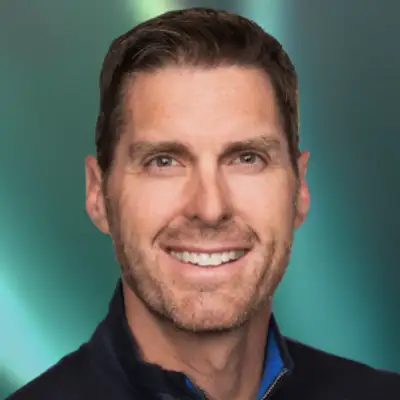
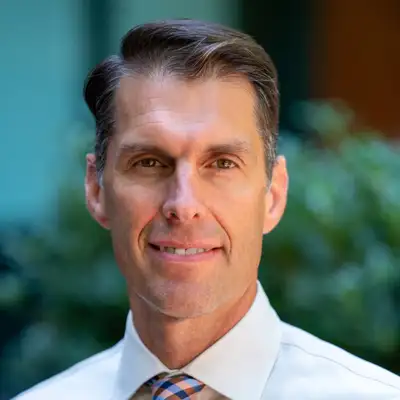
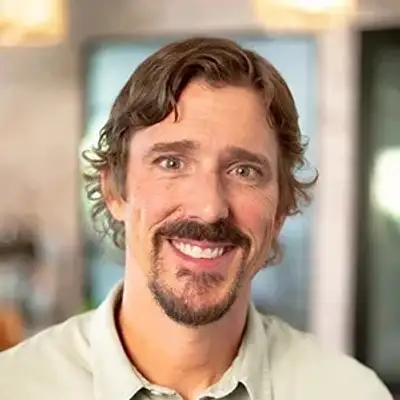
The U.S. healthcare system is at a breaking point—soaring costs, worsening outcomes, and widespread physician burnout. The Root Cause – Business of Medicine podcast, hosted by brothers Dr. Erik Lundquist and Dr. Davin Lundquist, charts a different path: one where healing, fulfillment, and business thrive together.
Each episode shares powerful stories of medical professionals who stepped away from the traditional grind to embrace integrative, functional, and alternative approaches to care. Through candid conversations with practitioners who have redefined success, listeners gain insight into navigating their own transitions, reclaiming a sense of purpose, and reshaping the way they practice medicine.
Erik
Hi, this is Erik Lunquist, and we're super excited about our guest today, a good friend of mine, Jeff Glad we met. Oh wow. Fifteen years ago or so and super excited about you guys to hear uh him share his story today. Damn it, what were some of the lessons you learned from today?
Davin
I I just loved hearing like all along the way where he would just you know, have an idea and, you know, try to solve a problem, uh, start start a company to to do that and it's led him to where he is today. And I think just a beautiful balance between, you know, serving in that capacity, trying to take um what he's learned and and impact, you know, millions of patients through, you know, helping thousands and thousands of doctors. um but not giving up on the patient care side, which I think is is awesome and and lends him a lot of credibility.
Erik
Uh at the end he shares where he sees the future of functional medicine going and some of the market trends. So you'll be excited to hear this. Podcast today, and we're we're glad you're joining us.
Davin
You don't want to miss this one. It's a good one.
Erik
Welcome to the Root Cause Business of Medicine podcast. where we explore what's broken in healthcare and what we can do about it. I'm Dr. Erik Lundquist and I've been practicing functional medicine for the past 15 to 20 years I'm excited to co-host this podcast with my brother, Dr.
Davin
Davin lundquist, who's just beginning his journey into functional medicine. We come from different points on the path, but we do share a common goal. We want to rethink how medicine is practiced and help others do the same.
Erik
The US healthcare system is in crisis, rising costs, declining outcomes, and physician burnout at an all-time high. But you know, we found a different way, another way, a better way.
Davin
On this podcast, we dive into real stories from medical professionals who've stepped away from the traditional model, kind of like me, and have found a new purpose in integrative, functional, and alternative approaches to care.
Erik
These are authentic conversations with practitioners and friends who've redefined success, not just for themselves. but for their patients and communities.
Davin
Whether you're a clinician feeling stuck, a student seeking direction, or just curious about what is possible, you're in the right place.
Erik
This is the Root Cause Business of Medicine Podcast. All right, welcome to another episode of the Root Cause Business of Medicine podcast, where the first step is always the hardest And today our guest is uh Dr. Jeff Glad, who we are super excited uh to um have on. Jeff and I go way back. There was a uh forum um called Heal Thy Practice, which is where we where I first heard Jeff's story and uh where I was in the process of trying to figure out my story from an integrative and functional medicine practitioner and how I was going to set up my practice. And that was a that was a great um learning point for me and Jeff's been a great inspiration and we've been friends ever since. So I'm really excited to to hear you today. And why why don't you give us kind of a uh a little bit of where you are right now, what you're kind of doing, and then back that up and, you know, give us the story of how you went from being a in a family medicine doc and practicing allopathic medicine and uh and jumped ship out of that into the integrative uh fellowship with Dr. Wheel and and going from there.
Jeff
Yeah, no, happy uh to share that and and great to be with you two uh as always. Always miss being together at conferences, but this this will have to do for now. Um so currently I am the chief medical officer at FullScript. Uh I've been in that role since 2019. Um and I I I love every week at FullScript because I I provide a a lot of uh oversight, guidance, consultation to to to nearly every team. I think the only part of Full Script I I don't touch directly on a weekly basis is the distribution centers. which don't need my help or or guidance. They're doing a great job on their own. I still maintain a practice. So we'll obviously get into the practice I started. I'm still in that today. uh it'll be 15 years. Actually it was 15 years uh August 1st. And so I still see patients uh about two half days a week Um, when I went full time with full script, I I sort of carved out the patients that I was that I enjoyed working with the most, that I had been taking care of for years and really didn't want to give up clinical practice and still don't. um and was able to bring in another provider to take the bulk of the work that I was doing with patients. But if I I go back to the beginning, so I, you know, to your point, I I trained Um and did the very fast, you know, college, med school, residency, get to work. Uh, no breaks in between uh came out of residency uh that really inspired wanting to do everything a family doctor was capable of doing. So I I came to the town I still live in, Columbia City, Indiana, and started a solo practice. Delivered babies, colonoscopies and EGDs, inpatient care, ER shifts, in, you know, did the full spectrum. And within about a year and a half, two years, was on the now I can look back and say was clearly on the edge of burnout. Um certainly I you know I wasn't measuring labs in the way I work with patients today, so was probably pre-diabetic, if not, you know, type two diabetic. And my daughter, who turned 19 earlier this year, was really the inspiration, our second child. And I just said Something's got to change. I I've got to do something different. I don't feel well. I was still taking SSRIs out of the drug rep closet to manage panic attacks that I had since medical school. um and just sort of looking in the mirror like this this just isn't this isn't good for me and it's not gonna end well and uh really just took steps toward you know, cleaning up the diet, which at that time to me, you know, coming through medical school, uh, nutrition train training all 15 minutes of it meant, you know, drinking diet coke instead of regular Coke. And uh, you know, really just sort of the calorie-cutting focus. Um, lost 50 pounds, felt amazing, was able to get off of the SSRI slowly but successfully. And sort of sat there realizing I spent uh nothing I learned in seven years of medical school and residency to reverse my health. um and uh opened up the book uh Michael Pollins Omnivores Dilemma and realized that the nutrition path that got me success w wasn't really great nutrition anyway. And there's a whole nother level to sort of, you know, access and open up. And so started to implement that for my young family, myself, my wife was already a a relatively healthy eater, but you know, just started to change the focus around the house. Uh and funny enough, I was following Michael Pollan. And he was speaking at an event in San Diego that fall, which was the exact week that the American Academy of Family Physicians Conference was going on. And I was already registered. Right. You got CM at the time I had left solo practice, joined the hospital, the burden of malpractice for obstetrics, and you know, financially I was completely ignorant as most medical students and and doctors are how to run a practice, how to run a business. And I was, you know, was literally drowning in in that process. And so I had joined the hospital system, you know, shortly during this transition, was signed up to use my CNE money for the AAFP conference, and I I just told my wife, like, I just I feel like I need to go listen to Michael Pollan speak. Canceled that conference and went to go hear Michael Pollan speak. Well, lo and behold, it was Dr. Weil's Arizona Integrated Medicine Fellowship Nutrition Conference. And so really Michael Pollan was not the star of the show for me. It was everybody else speaking about integrative medicine. Bringing nutrition into practice, bringing mindfulness into practice, you know, ultimately what we call now at full script whole person care, And I left that conference on fire. I mean, I I literally typed out an op-ed for the local newspaper on the farm bill and how we clean up nutrition. went to the hospital you know that next week and and said, I I really want to open an integrated practice. I had applied to the fellowship on the flight home. And so literally just caught fire for seeing this new path of medicine and that there was a structure for the education and the understanding to do it. The hospital was very open-minded and and they said, hey, let's give it a try, but you know, you're not going to give up your day job. You you do conventional family practice three days a week and we'll open up this integrated medical center. Two days a week. And just in a short time in a couple months, you know, word got out, uh the hospital helped with the marketing to the community at that time. I was doing a live call-in show on the ABC affiliate. on whole person care and integrative medicine and you're just taking live questions from the audience. Uh and and the clinic got incredibly busy.
Erik
Was this was this before you had completed the this was just all after the conference? You you so you hadn't even s you hadn't even got to the fellowship. You were you were you were you were a born again. Integrative medicine physician at that point. You were evangelizing integrative medicine in in uh in every manner and media possible.
Jeff
Yeah, no, for sure. I mean I I just even just basic understanding is such a radical change in the paradigm in how you work with a patient and talk to a patient that I felt strongly enough that that focus and that paradigm shift That's really integrative medicine. It wasn't what tests to run. It wasn't, you know, how to interpret labs. It was literally just talking to patients. asking them what they ate for breakfast, how they slept. And so I felt strongly enough to to then, you know, go to the hospital, Let's open the practice. I actually opened the practice, I think, right before I actually started the fellowship. So sort of learning and practicing at the same time. And that uh, you know, in a couple months of of that hospital two-day a week, you know, it was clear that that that the demand from the patient from the patient side was huge. They let me give up my primary care practice and only focus on integrated medicine. I had hired a behavioral psychologist to work in the practice with me. doing a lot of cognitive behavioral therapy and behavioral change focus. One of the hospital dietitians saw me on the news and immediately reached out and said, I I want to leave the diet, you know, the dietitian practice in the hospital and join your practice. She came over, so I was sort of building this collaborative team on the fly just because of such a unique presentation to how to work with patients. That went about a year and a half of success from a patient interest perspective. But again, not being a great business person and understanding the practice of medicine and just saying, well, let's bill insurance for these hour-long visits. You know, the hospital came knocking about a year and a half in and said, Jeff, we we love what you do. We appreciate you have a six-month waiting list. We need you to see three times as many patients. And and at that point, you know, I had already been, you know, I'd been to Heal Die Practice as an attendee. The one we met was the next year after I started the practice I'm in today and was telling that story and we hit it off right away. But I went to the Heal By Practice Conference to help build a better business model for the hospital integrative center. And what I walked away with that conference was my dream practice. I now know how I want to practice medicine for the future. I want to, you know, build it on the relationships that I have with friends and family that I'm taking care of by text message and email and be available to them. And I want to create this sort of high-tech, high-touch practice experience. And so that was sitting on the back burner and when the hospital came and said, you know, can you see three times as many people? I knew the demand in Fort Wayne was there. Um, and I'd already had the vision for what this practice looked like. And I said, no, I'm just gonna spin off and have my own practice. At the time, that was a very amicable breakup to the point where I rented my hospital office space to start my integrative practice. Today had I done that, I would have had to move two hours away to practice for two years, right? Or do only telemedicine from two hours away. But it was such a blessing, you know, to not be in that environment yet. And just be in that same space, a very low overhead practice, because they didn't charge me a ton for rent. And then a year later we had enough of a buildup and enough of a following to now move out into the office space. that we've been in for 14 years. When I started Glad MD, again, that was that vision of this high-touch, high-tech practice. I brought my wife over, who's a nurse practitioner, to start seeing patients and being a provider for us. She just learned biosmosis from me, like just walking through everything and the content that I was learning was, you know, kind of rubbing off on her. brought another nurse practitioner who was passionate uh about integrated medicine. And so we started that practice in 2010. And you know, I think, you know, we'll talk about some of the ways we started that practice and messaged that practice and grew that practice. But that that continues to be a very successful practice. 15 years later, I think I spend zero dollars on marketing for the last 10 years. It's all word of mouth and we still see 25 to 35 new patients a week. Um and that's again bringing on a doctor to largely take my practice panel and I'm only there a couple half days a week.
Erik
That's incredible.
Davin
Um, I have, you know, it having started this journey much later than you guys, um and and also in a I think in a state here in Southern California where uh people tend to maybe be a little more on the front edge of some of these, you know, healthier um, you know, lifestyle choices. I'm really curious. you know, that many years ago in your, you know, where you start did this practice. Maybe you could just walk us through a little bit about, I mean, obviously were you like the only person? W was it was there some resistance? Was it were people like you're crazy? Like, I don't know, just give us a sense for like the reception or or you know, I mean it's obviously sounds like a great story, but there had to have been some some adversity too in there, maybe. I don't know.
Jeff
Yeah, I I mean that there was um to your point I mean it really was one of the reasons why I started it with the hospital. I mean I was already employed, had benefits, was locked in there. But looking back, you know, the benefit of being able to utilize them in partnership to sort of present myself in the community. That that was massive. And what I learned the more I went out and did talks and met with different groups around the community and gave a talk at the food co-op. Whether you're in Southern California or New York or Fort Wayne, Indiana, patients want better care. But they want their doctor to talk to them about nutrition, not all of them, but lots of patients. want their dot want to have a relationship with their provider. And so that was sort of the aha in that year and a half window as as hospital physician is like, oh wow. This this can absolutely happen in Fort Wayne. There were one or two, you know, sort of integrative focused doctors that had very tiny practices. And and that was, you could kind of see that that was largely word of mouth too. They weren't on billboards. They weren't out there talking. And so sort of younger, energetic. you know, out in the community, on the television show, you know, it just sort of really pulled a lot of patient interest. Um and you you sort of saw it outside of Fort Wayne, right? Now friends and family members from you know, communities that drive two hours still drive two hours to Fort Wayne. Um and so I would say the the the most pushback and adversity I had was my family members to go out and build a practice that people would pay cash for that was unheard of. Um, you know, and that was really the resistance. And and that was the the only thing that was in the back of my mind is like, okay, is is this the right thing? Is this gonna work? Uh and then I finally realized, like, well, wait a minute, they're all getting my care for free. So of course they're not going to pay for it. And nor can they see anybody else paying for it. But yet all the patients coming in were we're happily paying for it. And I continue to stand on we save patients. tens of thousands of dollars a year by not just the care we provide. You sort of think about it as a value-based care sort of you know relationship with them. But, you know, we offer low cost cash labs, right? We're saving patients thousands of dollars on lab testing that they think their insurance covers. Then they get the bill after their high deductible gets tagged, and it's thousands of dollars. Well, we can do that for a couple hundred dollars. We were one of the, I think, you know, probably one of the first practices using Good RX with our patients side by side, printing out the coupons for them because they can save money on their prescriptions significantly. Almost every visit when there's an imaging test that we're going to order, I'm going to MD Save to find the cash rates. We had a GI doctor two hours away that did Cash colonoscopy and EGD. So like I not only was it the care model in that paradigm of health promotion, but it was also like, okay, let me put my healthcare financial hat on. and and help you save money through this journey. And patients appreciate that, right? And they see the value of of that investment.
Erik
Was there was there a moment though? So here you here you were practicing in the very familiar state of insurance-based medicine with the hospital. You had, you know, I mean you had your insurance coverage through that. You had probably some 401k. You had You know, uh here's your financial stability, right? It's kind of tied into all of that. Now now you're saying, all right. They want me to see more patients. I can't do that. That was where really the the crux of it broke for you in terms of being able to continue that relationship. I'm guessing they gave you a salary. And then they were looking at productivity and RVUs and saying, we're overpaying you for what revenue you're bringing in. But did you think at that point, should should I continue doing insurance? and bill bill out for and then maybe uh charge cash for some of the additional things you were doing? Did you did you what how did you get to the point where you said, okay, cash is for me for sure?
Jeff
Yeah, it's a great question. Uh and and I never considered anything but just a straight cash practice. Um and again, that would going back to that holistic primary care conference and hearing practitioners that had built practices that were successful, that had done this. I I felt confident that that was the way to go. And just to, you know, and through that, you know, had to learn salesmanship and how to talk to patients about money. And I spent a lot of time in the last six months in the hospital, you know, talking to my patients about the upcoming transition. I understand this isn't for everybody, but I I feel really passionate about this. For me to keep, you know, spending this much time with patients, I'm just gonna have to leave the insurance world. Um you know the only fear that you know, I sort of drove me to create a backup plan. I mean my backup plan, and I tell practitioners this all the time, um, I still get primary care job offers on postcards. five, ten a week? We all do. And so I I just knew and and that was kind of how I framed it to to my wife, you know, could we had to make this decision? Like Listen, the backup plan is pretty safe. And because there's still non-competes, you know, that don't really exist strongly. I could go back to the hospital system. But certainly I'm going to land with a successful primary care job and go back to insurance. I might not love it and I may try again in a couple years. But that was always my backup plan. I think for practitioners today who are on this like can't take that jump, won't take that risk, very scared, completely get it. And it's not for everybody. But now, you know, I I I guide practitioners to say, like, if this is what you're passionate about, you know, now you have really elegant backup plans. I mean, you could just sort of be a uh uh you know jump into the gig economy and get three telemedicine roles, be really busy, can you know maintain your same income while you're growing this practice and you don't have that non-compete hanging over your head, limiting you from where you can practice and when.
Davin
No, that's a great point. I think um yeah, I can relate to that, you know, having um, you know, taken the leap uh a year and a half ago and and leaving a a a large, you know, healthcare system, you know, practice. Um, you know, I was fortunate to have a part-time, you know, job with a tech company as well, right? So I think all of us kind of have our unique way of of sort of insulating the the uh the transition. But uh but yeah to your point, yeah, I think as there there continues to be, and and I think maybe this could be a threat in our discussion at some point, maybe not today, but um, you know, the shortage of of primary care. And I think um what's interesting is, you know, I would I wonder if they were to sort of remodel the shortage with um, you know, integrative medicine and and and whole person care, as you've described it, more at the center of of how we approach, you know, primary care even. And I wonder if we'd have the same the same shortage. Um as people started getting healthier p potentially. But but yeah, there there is a a a nice fallback for people.
Jeff
Well, and I think that sort of gig economy environment is is why we're losing so many primary care doctors, right? That that you know 40 patients a day model just isn't sustainable for a very select number of practitioners that you probably don't want to trade lives with. they can do it, but you know, they see these opportunities too and and they're all moving into this like, well, I can work out of my basement now and see patients virtually for 10 or 15 minutes and write the GLP1 prescription. I mean so it so it is weakening that uh that piece, but Yeah. I I I do think, you know, at some level would love to make primary care more sexy and arm them with more ability to kind of have these conversations and You know, is it group visits and community visits? I mean, there's there's all kinds of models out there that allow a successful practice to stay on insurance uh and see more patients.
Davin
You you talk about um, you know, in the beginning you you were trying to make some of the ancillary services a little more affordable for people. Um would would you be able to describe d did you see yourself more closer aligned to like a direct primary care kind of model or is it were you more concierge or were you just more like program based for like, you know, pay for what you're kinda getting Maybe talk to us a little bit about that if you don't if you don't mind. Yeah, and maybe respond to that, Jeff, real quick.
Erik
Just and then what w what how did you settle in on how much you were charging, right? So uh how did you w what were you charging patients? um whether it be a la carte or membership or stuff. I just kind of walk us through because I think that's really helpful for people listening as they're trying to figure this out, that that transition. uh that you were literally kind of paving the way. Like no, you didn't have a a bona fide structure that was just plopped into and you say, oh, I'm gonna plug and play this. And wow, look, this works great.
Jeff
Yeah, no, that was a lot of the, you know, again, my my time at the holistic primary care conference and coming out of that and sort of outlining how to how how to set up a practice. what a PL statement was and and and how to outline that. I mean now I would have ChatGPT do it and be done in seconds. This was weeks on end of of of working in spreadsheets. But you know, there's a couple things that led me to the way we structured the practice. At the same time that I was in that hospital practice for integrative medicine, I was really close friends with uh Dr. Winley, who's still practicing integrative medicine with a health system in southern Indiana. Steve came to our residency center and got them to open an acupuncture clinic inside of the family practice residency. Like he was integrative before I even knew what that meant. And I didn't believe any of it. Right? But like his supplement recommendations, don't get it. They don't work. Uh the acupuncture is super weird. I don't get it. Well all of a sudden my mind's open and Steve and I have been good friends ever since. But then I'm like, hey, like I I'm like I I get it. Like I I'm in. And uh we had another buddy who was an SEO guy at the time, you know, and knew how to get all your page ranks up on Google. So we started a dot com for this content and this education. So purehealthmd. com was what we launched 2009. And the model there was, you know, as I'm meeting all these people in the fellowship and at these conferences. you know, we got them to author and write papers on magnesium or nutrition or different conditions. And then we'd make sure that their bio showed up, you know, the article showed up at the top of Google for those searches. their bios there, links to their clinic. I loved that startup culture. I I loved being in tech. And those two guys couldn't give up, couldn't give more time to it. uh I was still sort of in the place where I could. And so we ultimately ended up selling that to the Discovery Channel. That was not a huge exit. So I I was still had I still had backup plans, Gavin, upon backup plans. Um but what I got was a taste for, you know, tech and startup culture and being an entrepreneur. So when I launched Glad MD I refuse to be primary care. I did not want to make a commitment to patients. If I was going to be primary care, that's a long-term commitment. And I knew I wanted to dabble in other technologies. I I wanted to you know, see what was up what else was out there. So then it had to be a consultative practice. And and I knew it was going to be built on cash. You know, to your question, Erik, about how we structure the pricing, again, that was a PL exercise. Right, if I see this many patients, this is my overhead, this is my rent, this is what I pay for an accountant, this is the bills, this is purchasing the supplements, how much do I need charge to charge per hour? to break even and then how much do I want to make? And ultimately that's where we landed on a price. And I would encourage all practitioners to do the same thing and don't outprice yourself to start. We've raised prices over the last 15 years four times. And I don't think we've lost, you know, but a handful of patience through that transition. So again, like I to get started, what do you need to be comfortable? Get your bills paid, you know, be able to do the things you want to do, to take take some time off, uh, for sure. Um, but that's how I structured the the pricing. I intentionally from the outset uh billed less for the nurse practitioner visits than for my visits. Um and again, looking back, that that's a model that was wildly successful because what what I found was patients wanted to come see me, right? I'm the one in the community, I'm the one giving the talks. And I needed almost to have a six to eight month or six to eight week waiting list. And then they would accept, then they'd see the nurse practitioner. So price didn't make that big of a difference, but it was a softer landing for them. And then as they met the nurse practitioner, saw they were trained, saw they could deliver the same level of care. They've now built their own brands. Patients are now, you know, calling to see them specifically. The price discrepancy still exists. I don't think it has to in a model like mine, but we still do that to try to keep it, you know. uh relatively accessible to more patients. But ultimately that that was you know kind of why I structured it as consultative. And then ultimately that allowed me to spend time working on mitavin. com. So I built a medication-induced nutrient depletion calculator in 2012. Um, heard Tironi Lodog speak at a conference on medication-induced nutrient depletion. I'm like, Gosh, that that's ripe for a tool to be used to practice really simply. And so had a project manager hired a database guy. We built it. And again, not a great business person at the time. So launched it as a labor of love. Hey, maybe on the back end we'll sell supplements someday. But that Got the attention of the functional forum and James Maskell. Um, and then I spoke uh at a couple conferences on that exact topic and the platform, and then Kyle Bratz in 2014, who's the co-founder and CEO of FullScript. reached out to me is like, I just heard about MidaVin. I love it. Let's let, you know, let's connect. And that was my full script relationship started those early days and and continues to be, you know my passion.
Erik
That's awesome. I love I love that you recognize that along this journey that your entrepreneurial Side could start to flourish, right? Like you, I don't think I realized going into medical school that I had an entrepreneurial spirit, right? That that was something that Would drive me into the path that I have had. And um it's created a lot of fun and creative opportunities because of that that I wouldn't have had just practicing medicine. And I think there's nothing wrong with just practicing medicine because there's a lot of good and there's a lot of fulfillment just just in that. But I think that there's a challenge in today's market if you are just practicing medicine. Even if you go into integrative and functional medicine, you get the knowledge I think there's a challenge of just practicing medicine and and being able to make a living. And I so I think this transition where people get excited, they have that aha moment like you did, like I've had and Davin have had, where I'm not satisfied practicing medicine this way anymore. I want to practice this way. This is feels more um complete for me, more fulfilling. I feel like I'm actually doing making the changes with my patients that I went to school for. But now I don't know how to make money doing it. Right. So what what thoughts would you have in sharing with individuals who don't have that entrepreneurial Mindset, how do how do they go out and use their integrative and functional medicine knowledge now and passion to uh earn a living?
Jeff
Yeah, well, I would encourage all of us, everyone listening, and you two are good examples of this, like to keep your hand in working one-on-one with patients. You know, to David's point, we don't have enough providers. Um, and it still makes each of us, regardless of the path you take, better at other roles that you're in, right? To understand what patients are reading. Well, now now what they're seeing on their phones, what they're asking, you know, that that that gives me so much more value in my role at FullScript than if I were only in an office sitting in this basement on the computer all day long. So it should always maintain some level of patient care. But I I do think, you know, if certainly some have the entrepreneurial spirit, some legitimately just want to be clinicians. That's awesome. We need more of them. But I would still challenge them to think about how do you scale what you're doing to inspire more clinicians um and have them kind of change toward our way of thinking about this whole person care paradigm shift. That's what has me most passionate about Full Script. That's why I wake up every morning like we're powering more and more clinicians to deliver this kind of care. I can't do that in Fort Wayne, Indiana, seeing patients one at a time. I still do it because of what I just said, but how now do we grow tens of thousands, hundreds of thousands of clinicians, and and maybe not just in the US, globally, to think like this because they're still not getting it in medical school. they're certainly not getting it in residency. And so, you know, how can you share what you've learned to other clinicians? How can you bring clinicians under your wing and have them see patients for you if you want to cut back a little bit? Um, but I I I mean I I think that's really the key. I also, you know, continued, and my kids now I'm seeing it happen with them. Like the one rule I always had, um, you know, as I started to become more of an entrepreneur. Don't turn down a meeting, right? You get hit up on LinkedIn, you get an email, you get a phone call, regardless of what it is, like take the meeting because opportunities are literally going to come to your doorstep. When you're doing something unique. You know, it may be a local business. It may be a local employer who wants you all of a sudden to be the employer, you know, physician for that community. Like there are just so many opportunities because we're still incredibly unique in the way we think about care. And there's a huge opportunity there, whether you're a clinician or quasi-clinician or entrepreneur.
Davin
I I love that, Jeff. I think um when I look back to my um, you know, years as a CMIO with the with a large health system, right? It it started out as accepting an invitation to a meeting, you know, way back when, you know, the local health system that I worked for at the time was evaluating which EMR to pick to move from paper to to an EHR, right? And And uh, you know, I was the only doctor who showed up from our health system to that meeting. That's awesome. And um, and so, you know, inadvertently volunteered to be the uh the physician champion, right? And um again grew into a role. But I I think um I I've heard already i in this short amount of time as you've told your story a similar uh experience which is Your early entrepreneurial experience came from seeing a problem or a pain point that you felt needed a solution, right? And you know, and so I think you know, the the world has changed, right? We're not in the same, you know, situation technologically that we were, you know, fifteen years ago. Um five months ago. Five months. Yeah. It's going fast. It's going fast. But there are still pain points and there are still problems and there are still opportunities that need better solutions. And I think I, you know, it it sounds like you would agree with this, but encouraging people to say, hey, is there something that gets you excited? Is there a problem you're excited to solve? And rather than think I need to be an entrepreneur to solve it, don't think like that. Just say, hey, how can I help solve this problem? And then to your point, there will probably be others who will gravitate to that energy and help you.
Jeff
Yeah, no, you're you're totally right. Um and I would say even on the on the other side of that, right? Always take the meeting, always take the invite, you never know where it's gonna land. But but if you see you know, clinicians or to entrepreneurs doing something that you think is interesting and exciting, I mean reach out to them. Right? That they they're probably looking for like-minded people. That that that's what I you know when we're hiring at FullScript. I want more people who know US healthcare. I mean yes, we're a Canadian business, but 98% of our business in the US, but the folks in Canada don't understand US healthcare, and that's a completely different animal. So we've committed to bringing more people on. who who have that mindset and certainly those that would reach out, you know, that becomes an opportunity, you know, so learn from those folks, reach out. I think what you guys are doing with this podcast is incredible because I'm sure it's, you know, every clinician has a completely different journey, a completely different story, and there's different parts of that that you can pull from and sort of shape your own vision for where you want to go.
Erik
I think that's great. The to speak a little bit to the salesman aspect of it. You know, you I uh in terms of your success, right? Yeah, I think There's I I I remember even with selling supplements in our clinic when when uh we were kind of a uh approach with doing that. I I initially felt a little uncomfortable because I didn't want to unduly influence my patients to purchase something. from my clinic that I felt like maybe they would feel obligated because I was their practitioner. Um but I I think just speak a little bit one to the salesmanship of your practice from a from the I'm getting started and so I need to go out and sell my practice. to also selling your type of practice, which includes selling supplements, or you know, getting them to see the the nutritionist or even to see the the the nurse practitioner. Like how how do you go about doing that in a way that You feel is ethical, you feel comfortable with, and you actually feel like is benefiting the patient overall.
Jeff
Yeah, I I I think the last thing you said is like You have to feel incredibly passionate that what you're providing is the best thing for that patient. For the patient, not because I want to make a bunch of money. And I I always like the the the best salesman, we've all met salespeople, right? And and there are salespeople you like and that you can see like, okay. This is a relationship and they're going to be honest with me. And there's salespeople that turn you off immediately, and there's no way you're going to purchase that. So like to me Honesty and transparency is really the only way to sell. And so, you know, when I get up and I was promoting my practice and giving talks around the community, you know. Why am I moving to this model? It's because I was locked into an insurance model that basically gave me 10 minutes to see you. And I can't do anything in 10 minutes but prescribe or refer. That's all I can do. So then I had a practice that I thought allowed me to spend an hour with patients in the way that I want to see, to be able to listen to them and take in everything they want to share so I can help them. But that business doesn't work. In the model that we have and the model that I built with the hospital, it it was gonna it was gonna close. And so the only way I can get out and do what I want to do and what I think is what's best for patients is to charge cash. And I understand that's not for everybody, and I don't think, you know, everybody should join in. Um, but that became really easy for me because I truly believe it. Like I could sleep at night, I could tell that story, I could sell it. Because it was honest and it was transparent. When it comes to products.
Erik
Like say Like, I'm not charging an exorbitant amount. I'm not trying to become a billionaire off of this practice. But you had a sense, so that allowed you to have legitimacy to what you were doing, right?
Jeff
Correct. Yeah. And it's why I know like I don't, you know, uh belittle anyone who who sells packages as part of their programming. And I think there's obviously wild success stories from patient care in that model. I never went there and I I don't ever intend to go there. The sticker price was just too big for me to sell that. I would have never been comfortable saying it's $4,000 to get in. So I couldn't do that. Some people feel strongly, they're passionate, they see the success great. Like don't want to belittle. Wasn't for me. Right. And then you want to talk about like supplements and lab testing. Again, honest and transparent. I don't really truly care where you get this supplement. But I think this ingredient at this dose is what's best for you. I use full script, and this is me practitioner. Um I use full script because I know the quality is there, I know it's been vetted, I know where it's coming from. And I can assure you that what's on the label is in the bottle. You don't have to get this anywhere. Like I'm a bad salesman when it comes to that, which makes me a good salesman, right? Because it's honest and transparent. My patients appreciate it. I give them a di every patient gets a 10% discount on my full script account. So, you know, if you can find this somewhere else, and I encourage them, go look on Amazon, just make sure you buy it from the brand store. I still can't assure it's the same quality, but at least it's coming from the brand, but with my discount, it will be less expensive for you. No pressure. When it comes to lab testing, I have never told never told a patient, you should do this $700 lab test. I show them it's an option. Here's what we would glean from this lab test. We can take a chance at like taking your history and making our best guess and come up with a protocol based on your symptoms and based on the lab testing you've had done, here's where this would help us. And I think patients appreciate just the honesty. There is no pressure in that. And that's why I didn't do the packages, because again, there's a lot of testing that may happen or may I may have done. That I I just couldn't stand behind and I couldn't look my patient in the eye and say, here's where this fits in why I think it's valuable. And what you find is most patients do it because of the honesty that you, you know, approach that you took.
Erik
Yeah, I think that's really interesting. And and to your point, I've I've even gotten to the point in a transparency standpoint talking to my patients about supplements. is that you actually will benefit our practice financially by purchasing the supplement from us. You know, it's funny because initially I thought, oh, I don't want them, you know, I don't want them to think that we're trying to make money. But then I realized, look, we're able to keep our prices down a little bit more. We're and if, you know, in our case, we use insurance, right? So we're able to continue to to take insurance because you're purchasing supplements, which helps to supplement the fact that we don't get enough from the insurance companies to keep our doors open. So by you doing this, you're helping the practice. And anytime I have shared that with a patient, they're like, oh yeah, I'll buy it from you. I mean, it's just because they want to help support, but that transparency was really interesting.
Jeff
You're spot on, and I do say that. And actually a couple years ago, we we published a paper on treatment adherence. We did a treatment adherence report. And what are what what do the the practitioners who have the highest treatment adherence to their supplement recommendations What what do they do? And by far, the one who was the outlier would say, by purchasing your supplements from me, you support this small business. Um and again, I you know, love that honest statement because it's true. Like it if if there's zero revenue on addition on ancillary services, then my PL says my hourly rate needs to be higher.
Davin
Yeah, no, I it's interesting. I I kind of stumbled across that same same language. And um, you know, my um you may be happy to see, Jeff, that my, you know, my numbers are are are Yeah, trending higher and higher each month. But um but no, I love this, you know, where um you're you're kind of transparent, you know, on the supplement side of it and I think the way Full Scripts does it is so nice and uh in that that you have a lot of control over that, right? Um and but again, like I'm choosing to have a little profit on the you know, take the profit on the supplement. I am the same with labs. I don't, you know, add any additional charges to the labs. And that's the discussion I have. Look, I'm giving you the price that that you get at Rupa or wherever, you know, you're gonna get it. And, you know, with full scripts, if you get it there. you're gonna benefit our practice. And I think the reason I I I like that kind of marriage of those two, you know, distinctions is that to your point, they can go elsewhere and get supplement. It's hard to go elsewhere and get a lab. You know what I mean? Like It's totally right. So I I think it's a fair trade, right? Like if you want to get it there, you can. It'll help us. If you don't, you still have that opportunity to find it somewhere else.
Jeff
Yeah, well and again, I I I think you know we have endeared ourselves to our patients over this span of time because when it comes time for treatment planning. I ask if they have a supplement budget in mind. Like what what what what what makes sense for you to pay for supplements on a monthly basis? Now I've already sort of seen the bags that they brought in and you know that they're bringing in 30 things, so I know what they're spending now. Um and and I can now optimize that. I probably can lower your supplement budget. with higher quality, more you know, clinically relevant things for you to take. But there's plenty of patients who who, you know, they saved money or borrowed money from their parents to come see us. That's a 35% discount off supplements. Like you you made the commitment you you saved to get here to really do the best thing for your whole person care, which is work with a provider. I don't want to make anything on the supplement purchase. Like let me just provide this full discount for you. And that's another tool to your point, Full Script allows that per account, you can adjust the discount based on that patient's, you know, what's going on with that patient.
Davin
No, absolutely. And um one thing I've definitely want to ask you before we run out of in our time is um Uh so if you charge, you know, for a consultation, you know, per per visit, I guess, is is your model Um, you know, I've talked to people who have tried that and then they say, you know, how do you manage the questions that come that come up after that, right? Because You know, one of the reasons I like the membership model is I can have lots of touches with my patient of all different sizes, right? They can come in for an hour long in-person. We they can message me a question, they can we can have a quick zoom. Um and I don't have to worry like, oh my gosh, how much is that worth? How much is that five minutes worth or you know for that text So maybe just help me understand how you sort of reconcile that and then when do you sort of require them to pay another another consultation?
Jeff
Yeah, it's a great question. I'll tell you how we did it and structured it at the outset and sort of what happens in real life. You know, at the beginning we chose a plat an EHR that that allowed messaging. It was connected to their medical records. So the messaging back and forth was really elegant and simple. Um, and there was an an email visit charge, right? So I think we charge $25 at the time for every email interaction. Now the reality is I don't want patients who have a question about like, okay. uh you know, something simple that took me a minute or two when they're paying a couple hundred dollars for the visit. So, you know, then it kind of became like, okay, when the email comes in, they sort of come in through the intake process, understanding that email is sort of is a charge to interaction because you're taking provider time. But if it's quick, easy stuff, we don't charge for that. We now still have an email visit because and and usually you know I've got sort of a template at the bottom that I'll click and say, You know, because we were able to save you from coming into the office for an office visit that took 30 to 45 minutes, you know, we're going to apply an email visit charge. And that's worked really good to kind of curb some of that. But I also, my favorite template in my email, you know, you get these long pros emails of what's happened over the weekend and all these pieces. I scan that to make sure there's nothing emergent going on that needs addressed and we need to refer them to an ER or an urgent care. And then I just click the template that says that the you know my response to this email would would just be too complicated. This really requires an in-person visit to to address truthfully Uh Angie's at my my staff is available, you know, she'll let you know my next available opening. Um so the the balance works pretty well. Um and I feel like the quick one minute refill stuff you know, it's not worth nickel and diming because again, you're you're going to sort of lose patience when you start doing that. Um and to me, that's just part of the the the care model of you know paying for the visits. But we've navigated that fairly well, although there's plenty of nights my wife would argue with me that that's the case because she's got too many messages. And she's too nice, right? Because I I I I'm like, Neely. We've got a model that allows you to bill for this internative. No, I'll just answer it. So, you know, she she sort of falls in the the compassionate practitioner who's not necessarily the the successful salesperson, but it it works.
Erik
Can you can you speak also to the point then? All right, so you have patients come in, you're helping them. A lot of times they're I I don't know if you see this, we certainly see this at our practice. They've been other places, they're not getting the help that they need. So they come to you because they've heard from a friend or somebody, hey, go see Dr. Glad because he'll help you resolve your your issue. In in your model, what what uh what do you think keeps patient retention, right? I mean they come in, you kind of help fix their gut, they're feeling better now. And now they're back to their primary and they don't see you ever again. Um what uh how did uh has there been an issue with attrition, or do you do you find there's a quick turnover? And then my second part of the question is on scheduling. If how do you how do you then maintain to those urgent patients you want to get in and see, but if you've already got if you're booked out for six weeks, how do you how do you manage those?
Jeff
Yeah, it it those those are really great questions. Um on the churn side, right? Patient gets better and and now they they don't really see the role for you, you know, nor do they want to pay cash for the visits just to be told, hey, everything's great. keep it going, although we have plenty of those patients who want to stay on top of their health and do that. I've never actively worked on the churned population because we've just had so much new interest. week over week, that it really kind of keeps the schedule in balance. And what I found over 15 years is by delivering remarkable care when they need it. We are always the first call when something goes wrong. And you know, sort of that distant primary care provider. Um, and and I take great pride in that, right? We lots of patients who who, you know. moved away or you know just worked strictly with their primary care doctor, things kind of get out of balance or the first phone call. Hey, I really need to get back in. And our schedule allows that because we're not hiring a bunch of providers and needing to fill them up and get and get busy from scratch. So we we've been able to have that model work fairly well.
Erik
Um I also think although I'm sorry, do you do do you do telemedicine then or are these all in-person visits?
Jeff
Yeah, so we do we do telemedicine as well. Um and and we we've done we've done telemedicine almost from the get-go. As a matter of fact, the EHR we had had built-in telemedicine, which was one of the first ones I had ever seen back in 2010, which made COVID incredibly easy to stay afloat and stay just as busy, probably busier than ever, right? Because we had, you know, uh I I did seminars for my patient population on every week. What's the update? What am what am I learning? What does this mean? So we kept our patients engaged. And you know, all of them obviously switched to telemedicine. And what they found was it's an elegant experience when done right at the provider level. Right. So, you know, I share my screen just as if I'm sitting next to the patient in the office. So the patient felt like they were getting the same experience virtually without having to drive an hour or leave work. as they were in the office. And so, you know, I've seen quite a bit of those patients still maintain a virtual care model. I quite frankly have learned I'd rather see it face-to-face. It's more fun. And so we try to encourage more face-to-face, but get it and are available virtually, no problem. From a scheduling standpoint, yeah, this is a tough one, Erik, that we're always trying to navigate because availability is tight. But inevitably what happens is, you know, we we always have patient, almost every patient should get lab testing done two weeks before their scheduled visit. The reality of that timing working every time is nothing. So there's always fluctuation in the schedule. There's always openings. We do charge a no-show fee if it's 24 hours or or or or inside of 24 hours on the cancellation. But ultimately that gives our providers time to be open to an urgent need. So we keep an active cancellation list. You know, assuredly there's going to be an opening that pops up within a week or two to get those you know, those those critic, not critical, but those more urgent cases in. And it's just sort of worked. So we haven't really had to carve out empty slots to fill in urgent visits.
Erik
That's awesome. Thank you. You know, this has been such a great discussion. And I think you've given us a lot of good, as Jeff Bland would say, news to use. um in in terms of uh people being able to th you know the you're the first one that's really talked about a consultative style practice, right? Where you're they're coming in and they're not doing a membership, you're not taking insurance, you're not billing insurance. I I think um w w why don't you just say, you know, just share a little bit. Is there been any legal um lessons learned along the way um that you may want to share. Because I think sometimes we forget about that aspect of the the legal aspects of practicing medicine. Uh maybe any any words of experience?
Jeff
Yeah, I ha I haven't I haven't stepped in anything. Um there are occasionally probably one night out of every six months. you know, I'll I'll wake up in the middle of the night over like, did we cross state lines? You know, are are we gonna get, you know, sort of hand slapped for that? Uh I, you know, it's that balance of The patients left the state. We've cared for them for two or three years. They certainly are not going to find this somewhere else. We're gonna be up front with our patients again, honest and transparent. Like we're gonna continue to manage this and and just know if you find someone local to you. That's great. I hope you're happy but and more available for oversight if you need it over time. Um But but other than that, like, you know, the what Heal by Practice is great for too, Erica, like they always had an attorney. on on a panel. And so they went through like what are the pitfalls, what do you need to make sure of. I think now with with ChatGPT, like it's great for legal opinions. I would not accept it as the end all be all legal opinion, but just to sort of like, hey, here's what I'm thinking I want to do for my practice. Where should I be concerned? This is the state I'm in, it can at least give you some overall guidance. Um, you know, it's like a friend who would never give legal advice, but you know, it's it's it's legal advice. But I think finding a a good attorney to bounce some things off. Um I I haven't actively engaged one for a while. Every now and then I'll check in on a couple things. There's a couple great ones that are dedicated to integrative and functional practice that you know are always worth an investment just to make sure that things are buttoned up, your intake form is tight. These are things that you really want to make sure the nuts and bolts of getting the practice started are good. But yeah, other than that, I haven't had any significant ones, but again, occasionally that there's the loose sleep night here and there
Erik
Awesome. Yeah, thanks for sharing that. Well, we're coming up on an hour. Davin, any other questions you want to ask before I kind of give him his final question?
Davin
Well, your um I I loved your statement around, you know, staying in in patient care, right? Like even if you decide to kind of do other things. And so maybe just uh your final comments would just be around the balance, right? And and and and maybe is there one you prefer or is it just nice having the complementary roles of, you know, being a a a technology entrepreneur, you know, and seeing patients.
Jeff
Yeah, I I I I see myself more as technology entrepreneur these days. Uh I've learned so much like when I was new to Full Script in 2019, it was my first, you know, corporate role. being a part of of of a very legitimate and growing business um and you know kept my ears open you know asked questions from people that I wasn't sure about like you know how are you thinking about this but now I've just been exposed to so much of you know how a company works, how you run a successful large company. The team I have at FullScript is is incredibly uh inspiring, you know, from the top to to the very bottom. They're all amazing people. So I I don't like I always see myself as that's kind of my home now. I never want to leave patient care. Like it it grounds me, it brings me back to the roots. And you know what I'm blessed to sort of share is you know, when I made the transition to be full time at Full Script, because I was I was half and half for a year and a half. And I sort of went through my schedule over the last year and said, okay, Here's the 200 patients that I would really like to stay in touch with. Again, honest and transparent email. I feel called. to go work at full script full time. I I think there's a huge opportunity for me. We're growing this movement, um, but I still want to maintain, you know, my role as your provider. But my schedule's gonna juggle. I travel a lot. I'm gonna have meetings that land on my schedule. And so if you'll ride this sort of bumpy scheduling road with me, would would love to continue to take care of you. And and over time that that scheduling transition, you know, some patients it's it's just not they don't like it. And we have other providers for them and that's worked really well. But most of the patients now after four years of doing that They they just know, right? Like when they schedule an appointment with me, it's a 50% proposition that we're gonna do it that day. Uh, but I'll open up an extra day. Like I I never want anybody to wait a month when they were sort of expected to review labs. and understand. So I'll usually carve out the time to see them. I can't tell you how many times whether you know new people come on at full script, they just respect and appreciate me more. Because I'm still seeing patients. You know, I'm in big meetings with health systems and you know national provider networks and and just their eye, they're so happy that I'm still seeing patients and that I can still relate. to to the journey of the practitioner, I'd like neither FullScript nor myself would ever take that away from from just what I have and what it brings, you know, what I can bring to the company.
Davin
No, I love that. I you know, I recall back to my days as CMIO and and I and I I I couldn't agree more with that statement of just the credibility that it brings to say that you're still in the trenches, you know, helping people do and I think it's probably speaks to your why. I think it probably connects you back to your why and full scripts is letting you do a bigger version of that why, but it still keeps you rooted in it. And I think that's great.
Erik
Yeah, for sure. Awesome. Well this is here's your final question. And uh I think because of your unique uh uh opportunity with full script you you're probably keeping an eye on the market trends for integrative and functional medicine. So I'd kind of like you to share a little bit about what you're seeing. But also then wax a little prophetic for us. Let us, you know, what's what do you see the future of integrative and functional medicine doing in the next five to ten years?
Jeff
Yeah, I I I you know one of the biggest market trends and any clinician knows is just the huge focus that's happening direct to the consumer. um and the health washing of the influencer crowd and the podcast crowd and and the ability to sort of Let patients think that they can manage this themselves, right? Get your lab panels done. We'll interpret this. Keep your dashboard here. You know, get your supplements. Um and and that is is so prevalent uh across you know all of healthcare. I think, you know, as we continue to arm more providers, you know, patience get down a, you know, everyone sort of takes that journey. And always, sometimes it's further along the journey and sometimes rather beginning, I sure wish I had a provider to help me. Like they they just are limited and you know naturally, right? They didn't study, they didn't, they don't work with patients. And so the more practitioners we can just sort of accept that that's happening and be open to the patient who comes to you. Um, you know, I've heard too many stories of of patients showing up at doctor's offices with their, you know, the labs that they had interpreted and did themselves and being turned away. Right. Like, no, no, that's an opportunity for you to be the expert because they're coming to you for help. So the more we can arm the practitioner to meet the patients where they are. They're more advanced, right? They've already been on a gluten-free diet for a year and they've already been on the three supplements that you were going to recommend in the first visit. Step your game up and and learn more or listen better or understand their history better because they they still need us. Um you know and and Full Script is really dedicated to that movement. Like we do not sell direct to patient. And we have no intention to. We want to be the provider tool and their clinical tool. And we're bringing more evidence into the platform. We're bringing more knowledge about lab interpretation and understanding when to use labs and why, because we want to be part of that movement of growing this huge practitioner base that patients are going to continue to need. You know, AI is is is the next front, right? Not only are they getting an interpretation of labs, but they're running everything through ChatGPT, and they're getting a pretty decent interpretation and a good starting point. So we have to be better at how to take that to another level and be the human in relationship with that with that patient. So I I don't see our movement doing anything but growing and that opportunity continues to be very ripe for practitioners who feel stuck maybe in a conventional model. and being asked to see 30 patients a day and not getting to really connect with patients that they want, that patient base continues to grow, that demand continues to grow. And and we've got to solve the supply side. So I I think the next you know 10 to 15 years are incredibly exciting by just continuing to spread this message to providers listening. see more fellowships pop up, you know, and and really be able to take on that sort of more intelligent patient. But you still have a huge number of patients who aren't ready yet. And you know, it's going to start trickling down and they're going to start wondering like, okay, what is this whole person care? What is this integrative functional approach? You know, any clinician who steps out and does this is going to be incredibly busy.
Erik
Love that.
Jeff
Wow, this has been I have I have one more answer to your to to your to your speed round because you yeah I saw the I I saw the agenda ahead of the podcast. You were asking for my favorite quote. Yeah. And and the quote I have taken with me, and hopefully it shines through in my story, um, when I was a really crappy business solo practitioner. You know, we had all this, you know, outstanding uh accounts receivable. We weren't collecting copies, it was just all this stuff. And the Indiana Academy of Family Physicians brought on a business consultant to speak at like the Indianapolis State Seminar. And he said, you know, he's talking about like, okay, everything I'm going to teach you. is not going to be comfortable for you. But the one rule I want you to take is ready, fire, aim. And that I have carried through everything I've done, right? And that's the one piece that, you know, that the the practitioners listening here, they're fired up, they're ready to do this, and then reality hits and they don't do it. Right. All three of us have talked to these providers and and there's you know they're going to more and more conferences, they're getting another fellowship, they're adding more letters to their last name, but they're still stuck in the practice that doesn't make them happy. So jump and then you can figure stuff out. And that even goes to just like business decisions. Like just do it and then see how it works. Now I've seen that in a tech company, right? You call it A-B testing. Right? Well, let's just do a pilot. Let's take a small number of practitioners. Let's turn on a feature and let's see if it works. It's that kind of mindset that we need to carry as practitioners and entrepreneurs to just Do something. Don't just continue to be frustrated by the system and instead do something about it.
Erik
Love it. Yeah, I would definitely say that that's been a consistent theme across the individuals that we have interviewed so far. That, you know, all all of us have Basically said, all right, we're ready, we're ready to do something different, but we're not gonna sit on our laurels and wait for that opportunity to come. we start going after it and we start making something happen. And in the process we get better at aiming what the target is, right? We in we we refine it down into what we really really want it to be, but it doesn't doesn't usually start off that way.
Jeff
Yeah, well I think I you know I I I think this the the influencer is is not a great model for inspiration. Right. Like, oh, I'm going to go be Mark Hyman or I'm going to be like so-and-so. Like that started really small for them too. Um, you know, like and so go crush it in your community. and stay local and and and sort of build what you represent and build your brand, if you will, then maybe you can go outside those walls. But I think too many people start with this like I'm gonna get a million followers. Like, yeah, I'm gonna be a telemedicine practitioner for the country. Yeah. Just go crush it in your community. Like that then maybe, but you'll be really happy just being a rock star in your community.
Erik
Perfect. Love that. Well, thank you very much. If people want to learn more about Jeff Glad, where where can they go?
Jeff
Well, if they want to learn about me, uh you know, gladmb. com is the clinic website. But hit me up on LinkedIn is is where I would love to engage. And as I mentioned, like, you know, that that's that's how this all starts. Reach out, you know, if you have questions. If you're interested in what we're doing at full script, you know, we'd love to talk to you about that too.
Erik
Awesome. Love it. Well, thanks, Jeff. It's been an awesome interview. interaction and uh I think people are gonna really be excited about this podcast. So thank you.
Jeff
Yeah, thanks for having me. We'll see you guys real soon.
Davin
Thank you.