Subscribe
Share
Share
Embed
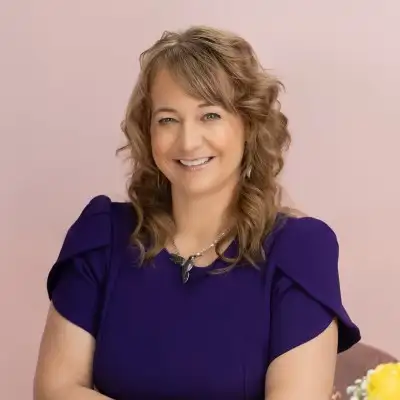
Welcome to "The Hummingbird Effect," a podcast dedicated to uncovering the subtle yet powerful ways that small innovations can transform your business. Hosted by Wendy Coulter, CEO of Hummingbird Creative Group, this show delves into the stories and strategies behind successful brand building.
For over 25 years, Wendy has helped CEOs and business leaders redefine their brands through innovation and compelling narratives. In this podcast, she shares the insights and lessons learned from her extensive experience, exploring how a strong brand orientation can significantly increase the value of your business.
Each episode features engaging conversations with industry leaders, business advisors, and innovators who have harnessed the power of branding to make a substantial impact. Discover how focusing on core values, mission, and vision can drive your brand beyond mere marketing tactics, fostering a culture that resonates with your audience and enhances your business's reputation.
Inspired by the concept of the Hummingbird Effect—where small, adaptive changes lead to remarkable outcomes—this podcast aims to help you understand and implement the incremental innovations that can elevate your brand and business.
Join Wendy Coulter on "The Hummingbird Effect" and learn how to evolve your brand, attract more customers, and ultimately enhance the value of your business through strategic branding.
33 - Hummingbird Effect - Jenn McEwen
===
[00:00:00]
Wendy: Hi, I'm Wendy Coulter, president and CEO of Hummingbird Creative Group, and we help CEOs and marketing leaders unlock the power of their brands. For years, business leaders have focused on marketing tactics, but what I believe is really important is building a strong brand.
Have you experienced a hummingbird effect, like the co-evolution of the hummingbird and the flower? This is when small innovations in your marketing, branding, or sales result in big changes in another area of your [00:01:00] business, like an increased valuation, a new product launch, or an operational breakthrough, or even a big culture change.
Today I have my marketing strategist from Hummingbird Creative Group with me. Hannah, welcome to the show today. Thanks, Wendy. It's great to see you. You
Hanna: too. Happy to be here.
Wendy: I hear, um, that you're the problem. It's you.
Hanna: Yes. Uh, we were trying to solve a problem this morning and I was the whole problem. So I quoted Taylor Swift.
You guys might know of her. Said it's me. Hi. And the problem. Yeah,
Wendy: it's me. So, and then there's a problem with bananas. We're just gonna do fun facts today, guys. Um, Hannah's, Hannah's the butt of that for me today. Something about bananas. Yeah, bananas are not gonna work out for Halloween.
Hanna: So my friend group, we all bought banana costumes, I don't know how many years ago.
And it's really funny 'cause when we were in college, we'd go all out and there'd be. A lot [00:02:00] of bananas, and they were expensive, I mean, for a banana costume. So I said, we're gonna wear them until they die. But then this morning, the Carolina mascot or a banana to announce that the Savannah bananas are coming and I just can't, I can't wear what he wears.
We're gonna need a new, anybody have a really funny group costume. We have babies now. It has to have a baby version.
Oh, wow. Yeah. But we have a, I love
Wendy: seeing all the bananas every year, but, um, I know that you are not going to, I mean, we support anything that comes out of UNC, so go pack, um, go back forever. So, so I'm really excited about today's guest, Jen McEwen. She's the, um, CEO and President at United Arts Council of Raleigh and Wake County.
Um, and she's going to dive [00:03:00] into a Hummingbird effect with us this morning. Um, but we're gonna make you a part of this fun fact. Morning today, Jen. So what did you find out? Yeah.
Hanna: It's, it's nothing crazy. It was actually something exciting that I saw that you did, and I think it was this year or maybe early last year, but you worked with District C Yes.
On their project. And that's something that Hummingbird has done twice. Once or twice. Just
Wendy: once.
Hanna: Once. And it was, you had the same. Response that we did. It's awesome to see what those kids can do and what they can come up with.
Jenn McEwen: Oh my gosh, I love it so much. We've done it now two years in a row and we were brought into the project, um, by one of our board members, John Samuel, who's the CEO and founder of Aler 360.
Awesome. Um, which is an incredible, uh, business here that, um, helps put people with disabilities to work. Um, and, but yeah, the District C experience has been such a bless. Those students are incredible. Mm-hmm. I mean, hearing from. Eighth grade [00:04:00] to, you know, they're in college and the ideas, and we actually, this past year, the, I mean, the materials we got back from them.
We're so strong. We incorporated some of them into our website. Yeah. Yeah. We incorporated some of them into our event marketing and our social media marketing. Um, so yeah, it was, it was a really, a great experience and I would recommend it to anybody. Yeah. Who wants to get involved with a student group?
Wendy: Well, and I'm gonna jump back to your question 'cause we did do it two years I thought. So we did it with Chapel Hill. Mm-hmm. Uh, high school in Chapel Hill, and then we did it with St. Mary's, which was amazing. Yeah. Fantastic. Um, and we integrated. A lot of it, we, we talked to them about HR things and they did research and found things for, like, finding, um, employees that we didn't even know existed, like different websites and things like that.
It was really, really fun.
Jenn McEwen: That's cool. And Hannah, we actually, we have a. A commonality with our banana costumes. I have a banana costume hanging in my [00:05:00] coat closet. Oh, oh my gosh. A number of years ago when I was working on Hilton Head, um, sun Bum Sunscreen actually reached out and said they were doing a campaign where they were dressing up a public art piece, one in each state of an actual human in a banana costume.
To promote wearing sunscreen and they wanted to use the Hilton head sculpture of Charles Frazier, who founded Sea Pines and kind of all the development down there. Um, so I went out and met them and. If you scroll my IG way back a couple years, you'll find you'll find me hanging out with the statue, both of us in banana costume tubes.
Hanna: All you have to do to find mine is every year in October. Right,
Wendy: right. Oh, I love this. Well, Jen, welcome to the show. We're so excited to have you. And on that note, um, you've already kind of covered. Quite a bit of the different places you've been, but tell us about your background. 'cause you had some history in North Carolina a long time ago and Oh yeah.
Now you're back. And tell us about your background and then tell [00:06:00] us about United Arts and what you're doing there now.
Jenn McEwen: Oh, I'd love to. Yeah, I, um, so I'm a proud UNCG Alum School of Music but graduated and realized I didn't have the patience to continue to study for another 15 years to see if I was gonna make it as a professional opera singer.
So I went and did my master's in arts management, um, in New Orleans, and then spent the bulk of my career in Atlanta. I kind of, I, I joke that I would, I'm a theater convert. I fell into theater through marketing and pr and um, kind of became the girl in Atlanta who could sell out a house to an obscure contemporary play.
And, um, through my successes and, and ticket sales and subscriptions and branding and pr, um, was promoted to my first executive leadership position at True Colors Theater Company with the artistic director Kenny Leon, who is a Tony Award-winning Broadway director and regional theater director. So I spent quite a bit of time there.
I led a financial turnaround of the organization when [00:07:00] I was promoted. The organization was in a place of financial crisis and the board was deciding, do we shut the doors or do we do we try to salvage this? Um, and they were like, all right, we'll give it one last shot. We had this really incredible national education program, the August Wilson monologue competition for high school students that we had just launched.
And at the time, I think it was in either four or five cities, and it's like, oh, this is such a beautiful gem, you know, like, let's figure this out. Um, so they asked me to step into the executive leadership role, and honestly, at first I was like, no, thank you. Um, and they were like, well, I was like, my dream is not running a theater company.
Kenny's like, what's your dream? I was like, I don't know, but it ain't this. Um, but you know, I was like, well, I, I love, I love the mission. I'll, I'll, I'll give you three years. And then I stayed for seven more.
Wendy: Oh, wow.
Jenn McEwen: Um. But then an opportunity popped up on Hilton Head in South Carolina, like I mentioned, and I, um, kind of rose to the top of the applicants because it was really initially positioned as a cultural tourism marketing gig.[00:08:00]
For the community. Um, but we were able to kind of turn it into a much more holistic government agency and support of the arts. Um, we spent five years there. It was a great place to suffer a pandemic.
Joe: Mm-hmm. I bet.
Jenn McEwen: No complaints. Lots, lots of bicycling, lots of, you know, you have to socially distance on a bicycle.
Right. Um, but you know, we kind of got to the other side of the pandemic and my husband's like, this isn't really reality. And I'm like, no, we probably should raise our kids in a different place. Um, so we made the list and we are either gonna move to Savannah where he was working and commuting to, we're gonna go back to Atlanta.
Or my husband had said, you know, like the triangle has been on your list since we got pregnant with Audrey like 11 years ago. Um, because of the schools, because of the great university system. And it has everything culturally that we want and sports teams, it has everything we loved about Atlanta.
Just we can get around a lot faster and easier. Um, so yeah, so United Arts job kind of popped up and I think it was about eight weeks and from when we had that [00:09:00] conversation, and then it was like, oh. We're great. We're moving to North Carolina. So everything was really serendipitous. Everything fell
Wendy: into
Jenn McEwen: place Yeah.
The way it was supposed to, right. Yeah. So, yeah. That's great. Um, but United Arts is the designated arts agency for Wake County. What that means is we support nonprofit arts organizations and local artists through grant making and other professional development opportunities, and we support Wake County Public schools and our school systems through our Artist and schools program, which is, um, 46 years old.
It was founded by three moms who were bringing artists into their schools, and then were able to kind of partner with outside organizations and develop it into this. Larger program. Um, we now, last year we supported 460 school day arts programs across Wake County in 131 schools. So it's, um, that's awesome.
And that's performances. So student assemblies, [00:10:00] theater, you know, opera, ballet, um, music, all of it. Um, workshops and the visual arts and music and dance, um, and creative writing residencies. Um, so it's, yeah, a lot of opportunity. Amazing.
Wendy: Amazing. So, yeah. Well. Fantastic. Um, tell me, I wanna transition to a hummingbird effect.
Great. Um, and see what you, with your background, I know you have so much to share, so this is gonna be fun. Um, and I love that it's about art too, and, um, it's just a different kind of focus than we often have from guests. So can you share a specific instance where a seemingly small change in marketing, branding, or anything related to that, um, made a really significant impact in other areas and how that Yeah, that's a great question.
Jenn McEwen: Um, so going back to True Colors, the theater company. Like I mentioned, we were in this place of financial [00:11:00] crisis, right? Staff wasn't getting paid, um, before I took over. That didn't happen once I was, um, in the leadership role, you're like, you're getting baby not nmy. Um, but you know, it was like, it was, it was a really scary place.
People, we had to furlough staff, we had to reduce programming to really figure out and like un, you know, uncover what the root of all the problems was. And it really was just cashflow management. But I will also say, you know, nonprofit marketing is so different mm-hmm. From corporate branding and marketing and your budgets are smaller.
Mm-hmm. Um, so really the biggest impact and your marketing is also, I feel, needs to work hand in hand with your fundraising components. Absolutely. You know, like they are, they've gotta be simpatico. Um, so when I stepped into that leadership position, there had been an older team that had been kind of running our fundraising.
And everything was a little bit old school. And um, you know, and then there was a younger development manager who had been [00:12:00] there, um, with me the whole time. And I, you know, I remember walking into her office and sitting down and I was like, we're gonna make a shift. And she was like, okay. Like, doesn't usually come in and like, make these grand, you know, proclamations.
Uh, and I said, we need to shift how we are telling our story. We need to stop. Begging for money because we are a poor said nonprofit theater company or arts organization. We need to be going to these corporations, these individuals, and these foundations and saying, you want to be in front of our audience.
I know exactly who our audience is, and they're educated and they're wealthy, and they're predominantly female and they're predominantly African American. And this is a market that people want to get their brand in front of. So this is, we need to shift from. Please give us a handout. Mm-hmm. To keeping up with the Joneses and at that time, you know, the budget, you know, especially because we had cut down our number of shows at that [00:13:00] point.
The budget was probably like 1.2 with about half a million of that coming from contributed income. From sponsorships, donations. And in about a season and a half we were doing 1.3. And fundraising. Awesome. Yeah, so 18 months we more than doubled what we were bringing in and contributed revenue. Um, and also that, you know, helped us diversify our funding streams.
So it was all pretty evenly divided between corporate individuals, foundation and government, you know, at about, you know, 300, 350 KA pop in each one of those fields. So then we weren't. Reliant on one funding source. Mm-hmm. So if something went away or there was a corporate merger, which, you know, happens all the time, right?
And then the first thing that gets pulled back the reins on is what you're doing out in the community. So, um, so I would say kind of how we message and how we told the story that wasn't. [00:14:00] Some big drastic rebrand or, um, you know, new website or a new social platform. Um, it was really just kind of small tweaks about how we talked about ourselves mm-hmm.
That had really big outcomes.
Wendy: So talk about that from an implementation standpoint. Can you give an example of how that shift kind of, um, became reality?
Jenn McEwen: Uh, yeah. I can actually give one example that I think is pretty specific. We had a great board member who, um. Worked for Images, USA, which, um, has been sold now, but at the time was the, had the largest African American and Latino audience marketing firm.
Um, and so she was connected at Glory Foods, the canned food brand. Mm-hmm. And so we went to Glory Foods and said, Hey, for a $10,000 sponsorship, we have a set coming up in February and it's set in someone's kitchen and we'll do product placement. We will put your cans [00:15:00] in the set and people will sit there for two hours and look at glory foods, collared greens or sweet potatoes.
Um, and then, you know, on top of that, we were like, and you can have a show or you can be in the lobby, you can do the stuffer. You know, we did something similar with at and t and they wanted to do step and repeats for all the opening nights. And so they like wanted to roll out an orange carpet because their colors were orange and blue at the time.
Um, and so. We did the whole orange carpet and they did all the step and repeat and photographer and all the branding, and our logo is on it too. And so was at t and it was like, great, you know, but they paid us for that.
Wendy: Well, so I'll, I'll unpack that a little bit more because something that we've worked with clients on in the past is sponsorship management and there's, there's so often.
You know, there's a, there's a list of sponsorship opportunities with benefits and it's usually like your logo can be here [00:16:00] or you can have an ad here, and very rarely do the companies negotiate or try to get that to be different. You opened it up from the, you have to bring that to them. You said you can have product placement, we can do something custom for you that gives the sponsor so much more value than a checklist of your logo's gonna go here.
You get to, you know, have an ad here. You, you integrated them into
Jenn McEwen: Yeah, I think trying to get that conversation into the first step, right? Yeah. Because yes, of course we have our sponsor benefit package, right? And it has the tickets to opening night and Yeah, your program ad and all the things. Um, you know, with Glory Foods, they had a table and a coupon stuffer, so everyone got whatever, buy one, get one cans or whatever.
Who knows? Um,
Wendy: but that's, but they needed, it's what
Jenn McEwen: they needed. What they wanted. And so if you can, not what you
Wendy: offer, but what they needed, that's a, that's a very small shift with a huge impact [00:17:00] for them as a sponsor. That I believe probably caused them to be back the next year, possibly. Uh, yes. It was, you know, we
Jenn McEwen: had some, we had some great relationships.
Coca-Cola another one where we, oh, we, you know, we, you never, we never had a non Coke product at concessions or, yeah. You know, with our, I mean, and I remember walking into a play rehearsal once and the director had. Someone standing there with an Evian bottle and I was like, eh. I'm like, you know, if, if Dasani is not fancy enough for you, we'll get you a smart water.
Joe: Yeah. You
Jenn McEwen: know? I mean, but being mindful of those things. But yes. I mean, and obviously, and that's this scenario, these scenarios we're talking about getting the meetings the hardest part, right? Oh, yeah. So you do need all those tools, all those written tools, but
Joe: mm-hmm.
Jenn McEwen: Trying, I've always tried to be very upfront with, Hey, this is a launching off point, right?
This is kind of our standard place, but I'd love to have a conversation about what you would like. In front of our audience and [00:18:00] how, how I can help you.
Joe: Right?
Jenn McEwen: I mean, my, my husband will tell you like, he's like you, I even say it to my kids. I'm like, know your audience. Know your audience, right? Because the more I can talk about who they are to a potential, whether it's a group sale or a, or a sponsor, the more you know they can.
Find themselves with them.
Wendy: Right, right. Well, and I just, I always tell our clients, if you're considering the sponsorships, don't just accept the rate card and the benefits, like have that conversation. For sure. 'cause a lot of nonprofits don't open the door the way you're talking about. And I think it's just like such a win-win.
And so just that little. Nugget right there is just awesome. Um, how did you create metrics for this? I mean, and maybe you didn't, maybe it just was really growth, um, of, of sponsorships, but what types of things might you have tracked and measured?
Jenn McEwen: Um, I mean, we tracked touch points for [00:19:00] sure. Yeah. Okay. You know that because you know, if you're, as you're doing outreach.
Individuals. I mean, and that's all customer database management stuff, right? Yeah. So whether it's corporate foundation or individuals, we're definitely tracking all the conversations we're having and who's having them. Um, you know, and there were times that, you know, I mean, the artistic director would be the entree into the organization.
Sometimes I would be the entree and sometimes the development director. But then what we did really well was kind of that teamwork approach.
Wendy: Um, is that something that was new as the result of the shift?
Jenn McEwen: Um, I think, I don't necessarily think it was new. I think we did it in a slightly deeper, maybe more organic way.
I mean, the artistic director and I had a very, very close and, um, transparent relationship. Which, which was helpful, you know, that is [00:20:00] because I could very much say, because he knew I wasn't gonna ask him to do something that I didn't need and vice versa. Um, and then, and our development director, you know, I think just, um, gosh, I just, I mean, I just love, I'm a terrible teacher, but I actually think I'm a pretty good mentor.
Like, I just love young, brilliant people and you know, I mean, she was. I was also a very young executive director. I was like 31, like what? 31-year-old is, you know, like the new ed. Um, but I mean, know, she was in her in her late twenties. Um, and so she definitely brought like a supercharged energy. Um, I think we all did, you know, there was all, there's kind of a little bit of sense of urgency because we were in this kind of crisis moment at first and then.
As the growth started happening, and I think, you know, when I left the budget was like just over 2 million. So in a course of, you know, six years, then I mean that's also, you know, [00:21:00] 60% growth. That's right. Pretty significant. Um, especially in the nonprofit space. But we also saw, you know, I worked quite a bit, and again, this is, I mean, a little tangential, but we worked quite a bit at that time in.
Professionalizing our policies and practices. Mm-hmm. Which maybe had had kind of gone to the wayside as the organization was in at this moment in transition of kind of chaos and crisis. And from that we were seeing foundations opening up their checkbooks in a deeper way. And, you know, we had one foundation, the Zeiss Foundation, which is based in Atlanta.
It was at, I don't know, some, some breakfast event at the Atlanta Driving Club. And the executive director was a speaker, one of the panelists. And I had not met her. I'd worked with her deputy, um, quite a bit. So I went up to introduce myself and her response was. Oh, I actually use true colors when I am [00:22:00] giving these presentations as my, like example of a case study.
This can be done, a case study, this can be done. Yeah. You know, and the Georgia Center for Nonprofits kind of recognized us with a nonprofit impact recognition and 2013 from all of the turn turnaround. Um, you know, so, you know, the, the good news, you know, brought, brought more good news. Yeah. Um, as people recognized that.
I mean, but again, a lot of it wasn't, I mean, there were nothing, nothing giant that we did. Yeah. It was really more how we, how we were communicating with people.
Wendy: But I'll say as someone who, um, worked for a nonprofit that couldn't make payroll Oh goodness. When I was in my twenties, that that is a huge impact.
Oh, yes. You know, um, it, it pretty much led to most of us leaving, but just to. Make a tweak that could help get through that and the [00:23:00] team get deep like that. So you are all a part of it had to make a huge impact on morale and culture and all as
Jenn McEwen: well. I was really, really proud of our culture. It um, and that's something I've continued to focus on because I do think that particularly in the nonprofit arts, maybe not exactly in all the nonprofit fields, but.
I do think that staffers tend to get taken advantage of a little bit because they're expected to work for passion,
Wendy: right?
Jenn McEwen: Um, we are still professionals. We are still very talented and, um, experts in our field. Um, so I, I actually used to joke at the theater company because we were a union, you know, the actors' equity, um, and SDC.
And so I was like, okay, everybody has a union here, but the arts administrators. And I'm the one that's at the NBC station at 5:00 AM doing the morning show and still at the theater at 11 o'clock at night. And there's like, that's not okay when you're talking about a, a choreographer, an actor, which it should [00:24:00] be, they should be protected.
But you know, so should, so should the administrators. So I worked, um, to try to show appreciation and try to create work-life balance. And, you know, sometimes it's hard work. It is. Like that's, that's one thing about the nonprofits is that. There can be times that your hours are real weird. Oh yeah. Um, but you need to be able to kind of compensate that back on the back end.
And yeah, I was really proud because we ended up furloughing the staff at that time, with the exception of me, Kenny, and our development manager, Leticia development director, Leticia. And after about six months, we were able to offer everyone their job back and everyone came back. That's awesome. Which, yeah, I, that was like, that was real cool.
But yeah, that, that whole nonprofits like not making payroll and my, my husband at the time, boyfriend when I was the marketing director there, and I was like, uh, I can't buy that plane ticket. I didn't get paid on time this week or whatever. And he's like. Your job's not paying you. And I was like, I mean, they'll pay me just like, it's just not [00:25:00] on time.
You know, like, and he's like, that is not normal. I was like, I know. Um, you know, but we were able to, we were able to write that ship, which felt good. And then the education program there, you know, like I said, we kind of, we put a pin in that. We kept running it, but we didn't expand. Um, until we also kind of solidified that process of how to bring regions on board and how to make people's out, like almost like a franchise model, how to make our partners across the country successful.
Um, and so when I left, uh, the August Wilson competition we were at in 14 cities across the country.
Joe: Wow.
Jenn McEwen: So that was, that was also, um, a really special part of that.
Wendy: [00:26:00] So talk a little bit about, um, you know, the lesson learned. From the Hummingbird Effect with, um, the, the original one you talked about and how you may have taken that other places, or you might use it today,
Jenn McEwen: so we have, since I've been here in the last three years, led a rebrand, um, both logo, web design. Um, but it is, uh, it is, and it has also been about storytelling. How do we get our impact across? Because we're not getting people walking in the door buying a ticket to a theater show, right?
And the kids are going home saying, Hey, I had this amazing shadow puppet performance today sponsored by United Arts. No, that's not what they're doing. You know, so, um, so making sure that we're out in the community, um, telling [00:27:00] our story, re trying to reach people through just tiny touch points of, for example.
You know, one thing I heard quite a bit in the community when I got here was like there was really no consolidated place for the arts event information, which there is. The visit Raleigh calendar is incredible. Mm-hmm. It is there. Oh my gosh. Incredible. Um, but you know, I was like, okay, great. So if we're doing a web design, let's incorporate a directory for artists and nonprofit arts organizations and for-profit arts organizations.
Actually, you know, like if the poor house wants a site there, they can have a landing page there and put all their events. And then a free event calendar. Because with that it gives, and then we can put, you know, our Google ad dollars behind that, right? We're not trying to drive ticket sales for ourselves.
We're trying to drive awareness for an entire sector. Mm-hmm. Across Wake County. Um, but just even taking that look at, okay, what is in the month of October and you pull up a month calendar and you see. [00:28:00] Every block that says, okay, on this Monday there's 14 events, and on this Friday there's 72 events. That tells a powerful story about the depth and the breadth of our sector in this community.
I think, um, I think sometimes our cultural sector is like the best hidden secret.
Wendy: Oh yeah.
Jenn McEwen: So trying to. Elevate what everyone else is doing. Try, I mean, I've dedicated my art, my career to trying to elevate artists and build community through the arts. So, um, so yeah, so just trying to message, trying to demonstrate really how deep and powerful and how there is something for everyone.
And there is something in just about every neighborhood. We just don't always know it. So trying to be the people that let you know it. Yeah. Love
Wendy: that. Love that. Um, what about, um, your advice that you would give to another organization or a company [00:29:00] about how to do something? Similar. Um, obviously you really focused on target market it sounds like.
Mm-hmm. So how, what advice would you give to someone
Jenn McEwen: else? Yeah. I mean, I, again, not know your audience, right. Where are they coming from? You know? I mean, yeah. And it can be a simple zip code region. I mean, even when, you know, we were, when I was on Hilton Head and the destination marketing team there. Did an incredible job and we were looking globally at that, you know, pre pandemic.
Um, but so like being able to hone in to where your touch points are coming from, um, and then figuring out what that message is that's gonna resonate with them. Um, that's, you know, I think that's kind of the key. I mean, also, you know, someone asked me why I was the, the choice for my current job. Or what I brought to that, to the team that was different.
And I was like, well, I'm not afraid of hearing No. [00:30:00] You know, so I think just like taking that risk.
Wendy: Very important in the nonprofit world. Yeah. You know, like,
Jenn McEwen: hey, I mean, I will, I will cold call in a second, particularly if I've done my research. Mm-hmm. And I know that I'm offering you of something of value.
So yeah, just not, not being afraid of No. I think is, is a, is a key takeaway, particularly like you said in the nonprofit sphere.
Wendy: Yeah, absolutely. Absolutely. Um, did you see the idea, or do you today see the idea of innovation and experimentation being super important to finding these hummingbird effects?
Jenn McEwen: I do.
Um, I do, and I mean, and I'm old, but you know, I'm trying to do my best to like. Dive into ai that also in the arts is a, you know, kind of a, a balance beam of, okay, what, what is our policy around protecting artists' work, but also kind of using these tools to tell the story in the most [00:31:00] impactful way. Um, you know, and I'm, I am hopeful that someone way smarter than I am is gonna figure out how to make life easier for all of us.
Like I think about the people that had to when I was a young marketing director. I was like, oh my gosh, why would anyone do this job before the internet? You know? Right. Like, ugh, it's terrible. Um, so, you know, like, ugh. But, um, but also, you know, I think back too to being a young marketing director and I think it was like 2006 and I was like adamant that we were pulling all print ads.
Mm-hmm. I'm like, we're not doing print anymore like this. It's too congested. I'm like, we're moving everything digital, email, social. And I, the artistic directors had two different artistic directors. Kenny was like, okay, if you think this, like, you know, he was very like trusting of, well, I still think we need to be on like these radio stations.
I'm like, oh, yeah, yeah, yeah, yeah, yeah, yeah. But we're not gonna, you know, spend thousands of dollars to be in the a JC. Um, [00:32:00] my, my previous artistic director was much more wary and I was like, please, just trust. Please pro. I promise you, I promise you. Um. But you know, I mean, and then I moved to Hilton Head Island, which is a much older demographic, and they were still getting newspapers, like the island packet, right.
So delivered to their homes, and I was like. I was like, you guys, it's 2017. This is weird. You know, like, but again, like it is like, I don't know. I just, um, I, I know that the next great thing is coming and I just hope that, like I'll jump on the coattails and figure it out, figure out how to use it the best for us.
Wendy: Love that. That's what we're always doing in marketing, is learning those new things. What's that? Are hitting us over the head every day. Um, so you've seen Hannah like taking, oh gosh, frantic notes. Oh my. Um, can't read it after, but she does this and then she just comes out with amazing insights and questions.
So what she got for it. Yeah.
Hanna: But before I go on to [00:33:00] innovation and print ads. Sometimes being innovative is not thinking too hard. Oh my God, it's so true, isn't it? Like, I mean, if newspaper works, then newspaper works and not going in and just being like, well, I'm gonna move you guys to a dig, like a imagine.
Oh yeah, yeah. Moving the whole island to a digital platform. They'd be like, no, no. So learn knowing when to just, you know, go back to the roots and everything's just a reinvention of what we've already done in a different way. Sometimes it's a little bit easier though. Yeah, totally agree. And it's again, it's
Jenn McEwen: knowing your community, knowing your audience, right?
Absolutely. And not
Hanna: thinking you're better than what they. But they are
Jenn McEwen: agreed, which is
Hanna: hard to do sometimes. Uh, but yes, I did take a lot of notes and so this will be long winded, I apologize. So to kind of just recap where we were and what your Hummingbird effect was, um, it really sounded like to me was when you went in, you didn't throw it all away, which I think is your hummingbird [00:34:00] effect, is you go in and you find where you need to focus and that then can, what is it that can,
Jenn McEwen: augment, augment what you already had that was working.
Right.
Hanna: Exactly. Um, so when you were speaking about it, you really. Understood your audience. You knew what sponsors were going to fit in to your audience, which was a big piece of what people were kind of missing. So instead of asking a thousand companies, Hey, will you please sponsor this? You instead were intentional about who and why you were asking.
You can still ask 10 companies, uh, but you went with them, went to them with. An offer that wasn't generic. Um, and then it resulted in outcomes for brands that then want to continue because it was successful and they saw that. Um, so then I kind of took a note of how we could bring this into our lives or into our businesses.
And it's one to just know where you need to go and focus on [00:35:00] how to get there. Um, you can do it all, but you'll just do it all good if you focus on. Just those few changes, you can do it great. Um, and then once you're stable in those areas, you can focus on something else and kind of you'll see what's working and then you'll find another discrepancy that you need to go fix.
So that's a really good thing to remember as we can't do it all. And then I wrote down not being afraid of no. Um. Because you're well researched. So if you know your audience, if you do the back work and don't just throw it all against the wall, then people won't really tell you no, because you're taking them solutions that are going to, to work for them.
Jenn McEwen: I love that though. I love the the piece about like knowing where you're going. Mm-hmm. And then that, and then what's the next, right. And I, you know, that was one thing that I used to say at the theater company too, after we had gotten into this. Healthy space. Right. That I was like, well, now we're able to take advantage of all these [00:36:00] opportunities that are coming our way.
Mm-hmm. Because we're more nimble. Yeah. Right. You know, like there's an, there's, once you have your, that more sustain sustainable model, excuse me. Um, you, you can take a little more risk. Right. You know, which gives you, yeah. Gives you opportunity to say, oh, okay, great. This worked really well here. Now, what is this next big thing that I can take what we learned here and focus it on that?
And I love that
Hanna: too, that kind of, you've already given some advice to people in maybe a similar situation or just in business in general. Do you know, looking back at it, why you chose just that one area or how you choose, like when you got handed this and you saw all these issues, how did you know? To just focus on one or how can you advise someone to not take it all on?
Jenn McEwen: Yeah, that's actually, so again, nonprofit being different. Right. [00:37:00] Um, when we stepped, when I stepped into this role and sat with the board, we had said. We are going to put a pause on productions until it was originally supposed to just be a season of one production. So until we got to the summer slot and we are gonna do the world premiere of the stage play adaptation of guess who's coming to dinner.
Um, and then. So, so step one, I didn't have to focus on season ticket holders or marketing and ticket sales and making sure we had money for production cost and money to get people into the seats. Mm-hmm. Um, so that was taken off my kind of radar for a little while, which then said, okay, now, and then we also said, all right, we're gonna pause the growth on the monologue competition.
And as people are calling and saying, we want in, we're gonna say you can. Yes. But [00:38:00] this year we're staying with these five regions. Right. Um, and so we knew how to stamp out that program so it was able once, so when we weren't bringing on new partners, it was able to, okay, great. That kind of just is going to run itself, so to speak.
Right. As far as execution of the program. Um, so then it was like, okay, now we're talking about contributed revenue. We're talking about sponsorships, individual donors and relationships foundations. We also had to, you have to think, so you know, this would've been May of of that year. Our fiscal year started in July.
We would've already had been awarded corporate and foundation support going into that next season. To which our grants and our applications all said we're gonna be doing these five plays and this education program. Um, so honestly, the first thing we had to do was Kenny and I sat down and had to [00:39:00] call all those people and say, please don't take your money back, but we're doing something.
But, but we have to make this change and we promise you when we come out, like we know we can never make this call again. We know that we have to come out on the other side as a new healthy organization. And I will tell you, every foundation and every corporation said, okay, you can keep our funding. I mean, it helped that we had that big like splashy name on the end of the season that we're like, we promise you.
And we did. We saw that show ran for three weeks and we saw 15,000 patrons come through for three weeks, which for a stage play is a lot, a lot. We did end up bringing our holiday show back at the request of a board member. Um, but we knew that that was, um, black nativity and we knew that that was going not, not a risk.
Yeah. We knew we would make money on that. Yeah. Um, so that was a smart idea, um, by that board member because it did keep our name in the community and make things seem a little [00:40:00] less scary. For people to invest in. Yeah. But yes, so by pausing and knowing we had to do some serious financial management, um, you know, cash flow projections, all of the things, um, without ticket sales.
That really made the answer very easy. Yeah.
Hanna: I'm hearing slow down to speed up. Slow down to speed up for sure. Yeah. I must say
Wendy: that all the time. And take a pause. Take a beat. Take a pause. Yeah. Take a beat. You look at some
Jenn McEwen: of the nonprofits that did that, the best, like Wounded Warrior and they paused all of their programming for a year to just focus on their marketing and brand.
And now, right? Yeah. They're the largest veteran services nonprofit. I mean, maybe in the world.
Hanna: Yeah. Yeah. Don't do all of it Good. Do what you can. Great. Agreed. And it will stabilize and you'll be able to grow. That's awesome.
Wendy: Yes. Thank you so much. It's been such an insightful episode. Oh, [00:41:00] thanks for having me.
We appreciate you coming on. Um, would you like to share any contact information or where they Oh, for sure. Can find more. Yeah.
Jenn McEwen: United arts.org. Um, and at United Arts wake on all the socials. Um, but yeah, united arts.org we have, um. You'll find we've got grants, we've got community events, we have education programming from the littles to the adults.
Um, and we have an awesome event coming up next spring that raises money for our education programs Wake on stage. It's a new event where local celebrities will be. Um, doing a variety show of their hidden or maybe not so hidden talents. Um, so that should be really fun. That's
Wendy: fun.
Jenn McEwen: Yeah.
Wendy: I might raise my hand for that one.
Oh my gosh. I please, I don't know that I'm a local celebrity, but I
Jenn McEwen: think, I think you count. Is it a hidden
Wendy: talent? What's your talent? I don't know if it would be a hidden, well, it might have been hidden for a while. What's your talent? Am I supposed to say that or keep or is it a surprise on stage? Keep hidden.
No, it's not a surprise on stage, [00:42:00] we're promoting
Jenn McEwen: out who it is. Like, so for one example, um, we have a, a state representative here, Mike Sheets, salt. And he is a classically trained trumpet player. Oh, that's awesome. And after graduation, he actually played, I think with the Marine Corps band, which is a hard gig to get.
Um, and then, you know, he is a, then was a lawyer. Is a lawyer, and now our state representative. So he's gonna be one of our celebrities playing. Um, he's gonna do a trumpet solo with the Broughton High School Jazz Ensemble.
Wendy: Oh, that's gross. So fun, right? Yeah.
Jenn McEwen: Um, we have a former Wake County Commissioner. Who is doing what?
He has entitled The World's Greatest Magic Trick. Uh
Joe: oh. Oh.
Jenn McEwen: Um, we'll see. They're not all elected officials though. We've got other folks in the community too. Yeah, that's cool. So what's talent? That's cool World to
Wendy: talk more. Well, I've always danced, so Oh my gosh. She's gonna
Hanna: do a cartwheel.
Wendy: I can do a cartwheel.
Hanna: I
Wendy: can still do a
Hanna: cartwheel.
Wendy: That's her just, she just comes on cartwheels. Applause. Applause. But no, I think tying it into. A [00:43:00] school.
Jenn McEwen: Yeah.
Wendy: Um, well, and
Jenn McEwen: that art affects everyone, right? Absolutely. Everybody. I mean, I, that is one thing. Like I know our organization touches all 1.2 million people in Wake County.
Joe: Yeah.
Jenn McEwen: They might not a hundred percent recognize that that's what we're working on. Right. But, um, but we definitely. Have have reached the all residents through our art support and education programming.
Wendy: I love that. I love that. Well, I probably know people that we could recruit. So fun. Yes. Who would be great for that.
So, well, thank you so much, Jen. Thank you. It's great to have you on the show. Thank you to everyone who's listened today. I know we're taking away some. Uh, great little nuggets from what Jen had to say, and take what she told you and go out and find your hummingbird effect.
[00:44:00]