Subscribe
Share
Share
Embed
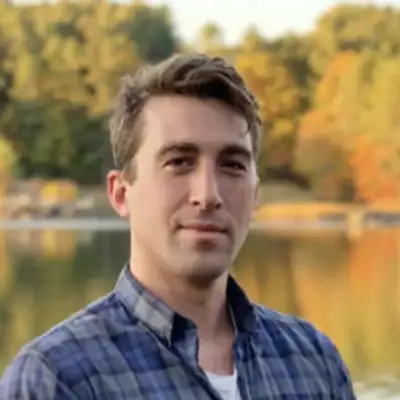
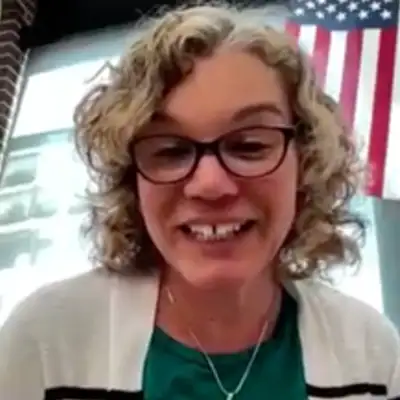
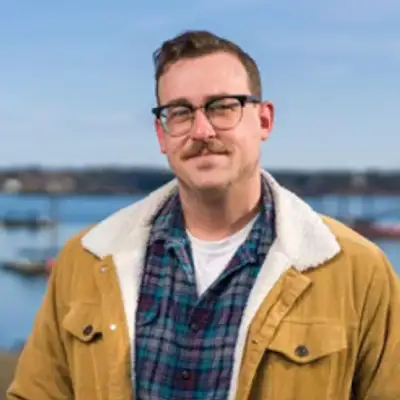
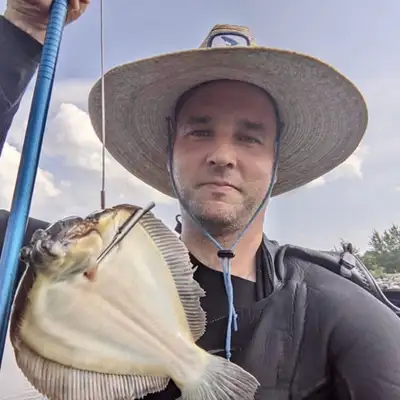
Get Aquacultured! is a new limited-series podcast from University of New Hampshire The Center for Sustainable Seafood Systems that dives into the many sides of aquaculture—straight from the people who know it best. Hosts Gabriela Bradt, Michael Coogan, Michael Chambers, and Michael Doherty share a lively conversation with industry experts, practitioners, students, and educators working in aquaculture. Together, they’ll bust myths, spotlight different perspectives, and bring the fascinating world of aquaculture to life. From science and innovation to classrooms and coastal communities, Get Aquacultured! explores stories you won’t often hear in the mainstream media—but that matter for our oceans, our food systems, and our future. Fun, informative, and accessible, these conversations are designed to connect you with the people and ideas shaping aquaculture today
Mike Coogan
Hey there and welcome to Get Aquacultured!, the podcast where we dive into the deep end of the world's fastest growing food industry. On this podcast, we invite industry professionals, researchers, and educators to bring you inside the systems that make up modern aquaculture. So whether you're a curious eater, a coastal neighbor, or someone who likes to nerd out about ocean science, we're glad you're here. Today on Get Aquacultured!, we're headed back to school.
But not just any school. We're stepping into the bayside classroom of Little Harbor School, where science isn't just in textbooks, it's right outside the window. Our guest, Jen Marden, is an elementary teacher who's bringing aquaculture to life for her students, connecting young minds to local waters, sustainable seafood, and the big idea that we all have a part to play in caring for our coastlines. From tiny tanks in the classroom to big conversations about the future of our oceans, we'll see how hands on learning is helping shape the next generation of ocean stewards, one curious student at a time. So grab your backpack and pencil. It's time to Get Aquacultured!.
Jen Marden
I actually studied marine and freshwater biology as an undergrad at UNH and then that sort of of led me on to getting more involved in education. I worked at SeaWorld in Orlando in the education department for some time and then got back into New England and spent some time at the New England Aquarium, kind of working and helping develop education programs there and running them, all the while enjoying my connections with the local seacoast Science center as well, and sort of doing some summer work there, running some summer camp programs, and then eventually made my way into teaching full time. So I've been here working at Little Harbor school, mostly in third grade. I've taught fifth grade as well. This is my 22nd year teaching here at the school, so kind of explored lots of different avenues, like starting an informal ed and, you know, doing a lot more with the sciences then. And so when I started here at Little Harbor, they had a science committee, which was awesome because we're. Our school is right on the estuary, right on Little Harbor.
So it seemed to me that we should definitely be learning about the estuary and incorporating that into our science curriculum, since it's right here and available to us. So we started doing a lot more of that and kind of formed some science committees, and I was able to spearhead some of those ideas and get some more teachers kind of coordinated with teaching a lot about the estuary. And so we sort of had a curriculum that spread through K through 5 and each grade level would teach a different aspect of the estuary and we'd build on each one over, over the years. And that's kind of ebbed and flowed over time. And you know how things go in education. Some things fade away and then they come back. So. So we ended up getting this invite to be part of the Nature Conservancy program because we have a dock that goes out over the estuary so we can access the water when they started this oyster program.
And so that's kind of how we started to get involved in that too.
Mike Coogan
Cool.
Mike Doherty
Yeah. Could you maybe fill us in a bit more about. About the program, about working with TNC and some of the goals you have for your students and the outcomes?
Jen Marden
Yeah. So I think we started working with the Nature Conservancy, I think maybe 10 years ago. They basically have this really great volunteer program that allows them to bring oyster spat that they settle onto oyster shells. And then they put the oyster shells with the spat into a lobster cage, like a small little lobster trap. And then they deliver it to, to families or businesses or schools who want to participate in this program of measuring the spa every week and watching them grow for a 10 to 12 week period. And then they come and gather the cages up again and collect all the oysters back at the Jackson Lab, where they then proceed to put them, put them out into the great bay to reestablish some of the reefs that they're working on. So. So we got coordinated with them and each year they have these incredible interns that come from UNH and they sort of run the program each year and they coordinate with all the volunteers.
So we've been able to have, sometimes some of those interns will come in and talk a little bit more about the program or give us a little more information. So over the years I've been able to really understand more about how the program works and, and what it's doing for the bay, which is really like a major focus for the kids with me is how. What an impact we're making on the environment in a positive way because of the negative impacts that we caused for the bay so many years ago as humans influencing the water there. Yeah. So we got involved with them basically just agreeing to have a cage here and starting to see how we could involve the students and what that might look like and what grade levels might want to be involved. And it sort of just became my passion. And so third grade has done it because I love it.
And I will run like trainings for other teachers who want to Be involved. And we'll go out on our dock when the cage comes and I'll show them how to interact with the oysters and how to measure them. And then classes will kind of sign up to participate and do some of the measurement activities or just the observations of the oysters. And then I do it as a whole unit the entire third grade, so the classes will rotate through and get to spend once a week with me learning about oysters and their habitats and what type of animals they are. And then we spend time each week observing and doing measurement and data collection. So in third grade, we sort of. We introduced the project and why The Nature Conservancy is working with oysters.
And it's because of the major decline in the oyster population that was happening in the early 2000s in the bay. And so then they. They have these amazing photographs of the bay that I can show the kids that show what it looks like when there's no. When there's a lack of filter feeders. And so it shows what the reefs look like historically, when they were very successful and thriving. And then there's underwater photographs of what the reefs look like when they were totally decimate, mostly from runoff and how the pollution can get into the water and how it was a lot from the fertilizers. And then we talk a lot about how the oysters are filter feeders.
And most of the kids don't know what that means, so we talk about what it means to be a filter feeder. And they're incredibly fascinated by the amount of filtering that a single oyster can do. So spat are baby oysters. Basically, the male and female oysters release their eggs and sperm into the water and they connect with each other. And then that creates this baby oyster that then starts to sink down to the bottom as it's floating through the water column. And once it lands on, typically, another oyster shell, then it becomes what we call spat. So that's like the actual baby oyster starting to form on another oyster shell because they like to reef.
And when I say reef, it's not like a coral reef where the corals all stack. The oysters do the same thing. They reef onto each other. So the spat will be drawn towards another oyster and then. Then they grow there for their whole life. So once the spot is stuck into that spot, that's where they have to stay in order to grow and develop.
Mike Coogan
Cool. Yeah. If there's already an oyster there, it's probably a good spot to settle down, right?
Jen Marden
Correct. Exactly. It means there's good food there. And it's a great place to live. Filter feeders. Oysters are filter feeders. They fall into this category, meaning that they suck water into their body and then they filter out the food in the water.
So they'll filter out different types of planktons that they would be choosing to eat and then they digest that part and they basically excrete the water cleaner than when it came into their body. So they are filtering out food that they're eating, but they're also filtering out other things that are in the water, which could be particles, could be pollution, could be anything that they're kind of cleaning out. And so they can make the water a lot clearer and cleaner for then allowing the fish and plants to have more healthy ecosystem.
Mike Coogan
Now, I do have a question. You started off with one cage, right? From, from the Nature Conservancy. Do you still have the. The one cage?
Jen Marden
Yes. So the Nature Conservancy limits you each volunteer site to one cage. We kind of vary the number of oysters we have. Generally we request a few more than they might typically put in there because I have groups of 20 to 24 students going out at a time. So it's nice for them to be able to have three or four oysters to observe with several different size spat growing on them. So it's nicer if we have a bit of a larger collection than they might normally put out at a site.
Mike Coogan
And is the goal of The Nature Conservancy with this program to be used as an education tool for teachers and anyone else that wants to do it, or are you helping them collect data and assist in their research and their restoration efforts?
Jen Marden
I would answer yes to both. Yes. They, their goal is to have us collecting data for them and doing the measurements and being able to submit that information back to them so they can find really great locations that are, you know, showing excellent oyster growth. And so they're able to say, can we reach out to other people in these areas? Because we know it's a great spot and the oysters are having great success there. It also gives them an opportunity to have oysters grow in places that they might not naturally be growing in a way that, I mean, like we have a very mudd estuary environment that doesn't have a lot of hard substances that oysters might generally attach to. So this might not be a natural place where I'd find a lot of oysters growing as compared to in the, in the Great Bay, where there's already reefs developed, where the oysters are already growing.
So we can keep them trapped in this cage and we can provide with that for them the food and the water and the nutrients that they love in maybe a slightly different place than they normally would grow so that we can get more growth, if that makes sense. So they're really trying to promote more oyster growth so they can get a lot more oysters that they're putting back into the bay to sort of give back to the reefs. The trainings for the oyster program are just here for Little Harbor. The other schools in Portsmouth don't have access to this, to the tidal estuary water to be able to use an oyster trap. So they're not participating in this program. So, yeah, when I'm leading trainings, it's for any other grade level teachers that might want to participate in the program or even just bring their kids out to observe the oysters. So a lot of times I'll offer my class as a third grade class to be the teachers of other students. So we'll host like first graders or second graders and we'll take them out onto the dock and my class will partner up with different students and they'll teach them what an oyster is, you know, what this project is about.
They'll show them pictures of the bay and they'll explain to the younger kids why we're doing it. And then we bring up the oyster trap and we, you know, let the kids all see them and touch them and practice doing some measuring. So, so they get some exposure to it before they come to third grade. So it's usually something they're really looking forward to when they get to third grade because they're like, do you do something with oysters? Because they've heard about it.
Mike Coogan
Yeah, adorable.
Jen Marden
And they get a lot of experience with measurement, so we incorporate a lot of math. They're learning about the metric system in fifth grade. They really talk about the scientific approach of it and how scientists typically measure using the centimeters and millimeters in the metric system and how that compares to standard measurement. And fifth grade takes it to a whole ecosystem level and they really look at the entire ecosystem of the estuary and how the oysters play a role in that and how they have such a large impact on the success of an ecosystem as well.
Mike Coogan
Now, now, is this part of your specific curriculum or it's sort of like a bonus, like how, how does it tie into it? Because I know it's public school.
Jen Marden
Yes, public school.
Mike Coogan
So I know public schools are really particular about how, which curriculums they teach and what you're allowed to teach. I taught. I taught sixth and seventh grade for, for one year, so you got me by 21 years. But I remember, you know, you can't always teach exactly what you want to teach. And so how do you incorporate that into the official curriculum, if you will?
Jen Marden
Yes, you can always teach what you want to teach. However, if you have a strong enough voice for the value in hands on education and science, then you can usually find a way to have it fit with your science curriculum and you can get really creative. So because I have such a passion for science and I've spent a lot of time, you know, working with the standards and working in the, in the science education aspect of things, we can tie it into the ecosystem piece to habitat and survival. There's a lot of standards around, you know, what do plants and animals need to survive and how does that change over time? So we can, we kind of tie it in with, let's look at how humans can impact an environment and how animals can change and adapt over time to that as well. So we tie into that piece of the standard and just to the standard of that we're practicing a scientific observation with real, a real live animal, which is pretty cool. And that they get to do that repeatedly over a few weeks.
So they can see like how something's growing and changing. So it helps learn about life cycles as well. We're really lucky at our school because we value science so much here and we participate in a lot of community science activities and projects. The fourth graders at our school participate in a trout growing program. And so they hatch, they, they grow the trouts from eggs and watch them develop and see kind of the life cycle of the trout and then they get to release them what as part of, as part of their science curriculum. And the third graders, our third graders also participate in a maple SAP project. So with the high schoolers that work at Robert Lister Academy, they have a sugar shack.
So our kids get to participate in tapping maple trees and collecting SAP and the whole process of maple sugaring. So we get to do a lot of really wonderful hands on science here that we're really lucky.
Mike Coogan
That's amazing. Something they're going to remember forever as well. Totally.
Jen Marden
Yeah. Yes, they really do. It's the, it's those kinds of things that they're like, oh, I can't wait to be in third grade to do this. Or do you remember in third grade when we did, you know, they'll come see me as seniors graduating from high school and they're like, I still remember that we learned about Baby oysters. So it's something that really sticks with them, which is pretty cool.
Mike Coogan
That's it. That's what it's all about.
Jen Marden
Exactly, exactly. And I.
I just think it's so great to be able to tie it to local scientists and showing kids that this is real science. And these are the types of jobs that you can have if you want to become a scientist or explore in the field of science. There's so many different ways that you can be part of it and how you can help with the environment and just be such a great steward.
Mike Coogan
What are some of the key understandings that some of your students have gotten working on this oyster project?
Jen Marden
I think one of the biggest things that they've come to understand is that what they thought was a rock, they look at oysters and they're like, we think it's a rock. We don't even know it's alive. That living creatures can come in so many different shapes and forms, and they leave with this incredible appreciation for how one small creature can make such a difference in the ecosystem as a filter feeder. They're just amazed at how actually important the oysters are to the bay. And they become sort. They get this kind of energy around.
How can we save them? Like, we have to support them. Like, how do we get more oysters? You know, and they sort of generate this energy, which then kind of overflows into other aspects of their life. Right. And sort of their kind of like, well, wait a minute, what are we doing about these trees? And how are we helping with the bees?
You know, all these other kind of creatures that we learn about. I feel like it kind of gives them this energy and excitement around just observing and being aware of what's happening around them in science.
Mike Coogan
Yeah, that's huge. I also. I love that you have your students teaching other students. That might be my favorite thing of all, because you know that if you can teach something, then you know it. So it shows that they know what they're doing as well. They care about it and share with the next generation. You know, they're becoming ocean stewards by doing so.
I have a question for you, though, which is, you know, you're obviously super fortunate to be right on the bay, and you mentioned that in Portsmouth. That's not always the case. When I taught, I was in New York City, and we didn't have a lot of access to that. So teaching aquaculture, I think it's an amazing tool, obviously, but what would you recommend for teachers that don't have that kind of Waterfront access that you have, how might they be able to incorporate could be oyster aquaculture, but aquaculture in general and these principles into their classroom.
Jen Marden
Oh, gosh, that's a challenging one.
Mike Coogan
And also feel free to think it through. We can edit and work around it or all that. So.
Jen Marden
Yeah, I mean, I just think about like the trout project doesn't require the fourth grade teachers to have any access. I mean, we have access to be able to release them. Yes. But I'm not sure if that's required to be part of that program, you know, if someone else could pick them up. So maybe there's a way to be able to foster something within your space, inside your classroom, to sort of create your own aquaculture habitat, if you will, to be able to watch some of the animals grow and be able to understand more about the processes that they're going through by observing them just in their classroom. Yeah, I mean, I think that's a tough one if there isn't even field trip access to get, you know, close to the water or something. I mean, I think back when I worked at the aquarium in Boston, like these kids were in inner city schools, but we could still get them on a bus and get them to a salt marsh or get them to the bay or the harbor to be able to actually try to see some of these things in their natural environment.
But maybe there's some programs that would be willing to bring some things in. I know when I worked in Boston, we would often visit schools and bring live sea animals. So sometimes we would be bringing oysters or scallops or see stars, like something that we could transport to them that they could get to interact with a little bit. Sure, that's a possibility. And I mean, obviously I, I use lots of online resources. There's some like amazing video footage of filter feeding oysters and like, they speed it up time lapse so the kids can actually see how they've cleaned the water in an hour in like, you know, a few seconds. So there's some really great online resources too, that I'm sure people could take advantage of.
Mike Coogan
Absolutely. Yeah. Kids like looking at screens too. As unfortunate as it is. It's good to use the.
Jen Marden
Yes, yeah.
Mike Coogan
Good to use the tools to your advantage when you can, I guess.
Jen Marden
Yeah. Unfortunately, they do enjoy being able to watch some things on screens too, which is why I like to try to get them outside.
Mike Coogan
Yeah, no, it's key. You're doing, you're doing great work.
Jen Marden
Thank you.
Mike Doherty
It's a cool project.
Jen Marden
It is a very cool project. I feel really lucky to be able to be part of it. Hey, anyone else who has some interest in oysters or is working with aquaculture, we'd love to talk to you. We'd love to hear from you. We've had some local oyster farmers also come in and talk with the kids about their business and how they're using oysters as a form of income and so they, how they grow them and support the environment in that way as well. So even if you're working in the commercial fisheries, it's still great to hear from you. And kids love special guests and special visitors, so it's great to see people from the community.
Mike Coogan
Oh yeah, very cool. I do actually have one more follow up question. Do you have any, do the kids ever slurp down an oyster as part of your class?
Jen Marden
We, we do not. We have not had oyster tasting yet. But some of the staff will, will often say to me, oh Jen, we heard about this like, you know, great oyster event that's happening. You know, we should go try to, try to, you know, try out some different oysters and taste them. And I always have mixed feelings because I'm like, ah, I work with them so much but you know, I do like to try one every now and then.
Mike Coogan
Yeah, you're, you're supporting the industry which supports the ecology. Yeah. Well, maybe we'll see you at oyster week. I think it's.
Mike Doherty
Is it usually September?
Mike Coogan
September, right. Yeah, yeah.
Jen Marden
You definitely will need to share more about this with me. I'd love to participate.
Mike Coogan
We will. It's a good time. There's, there's plenty of fun events and you get a big concoction of farmers and people from TNC and researchers and just people that like eating oysters, chefs and, and the general public. It's a pretty cool event. And they'll often will be, you know, these big shucking. Sometimes there's competitions but even just having all of the farmers at like they'll each have a booth and you just try all of the different farms around Great Bay and there's I think 16 of them or something. So you get to meet all the farmers there as well.
You get to try all the different flavors of oyster and usually they'll have like each, they'll have a competition between the farmers, the biggest, whoever has the biggest oyster and it's like you know, plates like dinner plate size and whoever has the biggest one, somebody will, you know, slurp it down and it's like a several bite oyster. It's pretty good. Maybe, maybe you'll do it. We can record it and show your kids.
Jen Marden
I was going to say, this sounds like an event that I need to be taking selfies of me trying each of them and videos and showing so I can share with kids, like, all of these amazing oyster experiences.
Mike Coogan
Exactly.
Mike Doherty
Yeah, that's a good idea.
Mike Coogan
Yeah, we'll share you. Share the info with you when it gets closer.
Mike Doherty
Yeah, totally.
Jen Marden
Great. Thank you so much. It'd be great to meet everyone.
Mike Coogan
Cool.
Jen Marden
Thank you guys for doing this. I think it's awesome that we can get more schools involved in these local community science projects and having to do with, you know, things that you don't always think about every day. Like you think about the animals that you see more often and you don't really think about oysters as much. So I think it's great to get kids to learn about these unique creatures.
Mike Coogan
Absolutely.
Chris Asbell
Yeah.
Mike Coogan
Beneath the waves in the murky waters.
Jen Marden
Exactly. That's great.
Well, thank you guys so much. I appreciate you inviting me on and chatting with myself and other teachers about this.
Mike Coogan
Thanks for your good work and fostering the next generation. In the second half of the episode, we speak with Chris Asbell, a middle school science teacher at the Ellis School. His students are not only learning about seafood, they're growing it. Enter his classroom and find yourself face to face with catfish and a bounty of vegetables. Oh, and his students built the system.
Chris Asbell
My name is Chris Asbell. I'm a middle school science teacher. I teach seventh and eighth grade science at the Ellis School in Fremont, New Hampshire.
Mike Coogan
All right. Very, very cool. Okay. So Chris and I, we met about a year ago on a program called Coastwise. We met out at the Isle of Shoals, beautiful set of Islands about 7 miles off New Hampshire and Maine coast. It was a cool little program where people that work on the water can get connected. And it's people from all sorts of different fields.
So we had, you know, we had professors, researchers, teachers, fishermen, policymakers, all that jazz. And so we, we got together. I was a teacher back in the day, taught some 6th grade, 6th and 7th grade science back in New York. And so I think we connected on that. And then just our love of fishing and diving, spearfishing, getting out on the water and adventuring. And Chris is an awesome, awesome guy. He's done some of maybe the coolest public school aquaculture I've ever seen in my entire life pretty much blew my mind.
And so we're going to learn a bit about that today, a bit about his students, his school, his program, his history, the Origins, the origins of Chris Asbell and how he became such an absolute legend. So why don't we. Why don't we start from. From the ground up?
First off, where are you from?
Chris Asbell
I grew up here on the seacoast. Rochester, New Hampshire was my hometown, so I've been here my whole life. I went away to school in Massachusetts at Stonehill College, but otherwise I've been on the Seacoast my whole life.
Mike Coogan
Very cool. And did you grow up fishing or know anything about aquaculture? What's your connection to the ocean?
Chris Asbell
Fishing and the ocean are my connection to aquaculture. I didn't know about that. That was something that came later in life. But my dad connected with my brother on hunting and connected with me on fishing. So I've been fishing fresh water and salt water my whole life.
Mike Coogan
Very cool. What do you prefer fishing?
Chris Asbell
Fly fishing for trout is my favorite. But I worked at Kittery Trading Post in the fishing department for a while, and I got into striper fishing. And now since I I dive and spearfish, I really love going for flounder too.
So it's tough. I got a lot of. A lot of species I go for.
Mike Coogan
Cool, cool, cool, cool. And how did you first learn about aquaculture?
Chris Asbell
It was actually kind of an interesting. Fell into. I knew of. It wasn't like completely unknown to me, but I never experimented and played around with it. And at the end of a school year, I had been doing in the spring some raising of some plants with students in my classroom. And now June comes, summer's starting, and I needed something to do with these plants. And so I literally just said, I'm gonna dump them into my fish tank, clear out all the soil, and just put the plant into my fish tank and see how that works over the summer, just thinking about the science behind it.
And I came back in the summer, and the arugula that I had put in there had like, jungled and like, tripled in size. So I was like, oh, there's something to this. And that's what sparked some ideas to say, I'm going to start doing this in my classroom with students. And the next year is when I really launched my first aquaculture with students.
Mike Coogan
Sweet. So you had a fish tank in the classroom?
Chris Asbell
Correct. I had fish.
And I was just like a regular fish tank, just having fun fish in the classroom, not really using it for any science teaching, just a science prop. And then I think that was kind of a big part of my teaching or my pedagogy of thinking how to teach students was use the infrastructure as much as possible as my teaching aids or materials. And so I started using just this thing that was a prop before, and now it was part of the lessons.
Mike Coogan
Very cool. That's Harriet the Rabbit hopping around right now. She needs a feeding suit. Okay, awesome.
And so when. When did that first start?
So you've been. Well, first off, how long you been teaching?
Chris Asbell
So I'm going into my 25th year this. This school year. I got a job right out of graduation of College in 2001. I have been doing aquaculture in the classroom with students for probably 12 years now.
Mike Coogan
Okay, you're a pioneer.
Chris Asbell
Well, 12 years without any training, so a lot of learning through mistakes.
Mike Coogan
Yeah, for sure. Well, that's the beauty of it, right? That's what we all do. Very cool.
And so what do you have? I guess. So you started off, you had a fish tank. You had what, like some mummichugs in there or something?
Chris Asbell
Yeah, I had like a pleco. I had like, just a couple. Just random. I don't even recall species.
Maybe even goldfish at the time. Like just some species to swim around and have fish in the classroom.
So, no, no focus on raising food. Just. It was fish with nitrogen.
Mike Coogan
Cool. And then you threw some arugula in.
Chris Asbell
It took off, and the arugula grew.
Mike Coogan
You got hooked. Okay, and so how has that.
I want to. I want to hear the story from how you got to fish tank with a pleco and some arugula all the way to where you are now. I know you have some amazing, amazing stuff, some bigger systems, and now food production is, you know, a key part of that. And the students are super involved. So what was sort of the. I don't know if you want to start with where you are right now or take us through the whole. The whole growth process of getting you from pleco to catfish.
Chris Asbell
Sure. Okay. So fortunately, in education, public schools especially, there's a lot of programming that they call, you know, MTSs or multi-tiered. I need to find out what this means because I forget the abbreviation mtss, but multi-tiered Support systems. I believe the full phrase. And the idea behind MTSS classes, or blocks, is to give students who are lower the skills they need to bring them up and to give the students who are on level or above level enrichment to move forward. So it's a really wonderful idea of how to take the time that you have with the students during the school day and help boost up where needed and push beyond when.
When they're there. And sometimes I think Teachers approach this with the wrong idea of like drill and practice and just like worksheets and things that don't mean much to the students. And after that kind of realization of the arugula, I was excited about it. And I think that's one of my biggest tools as a teacher is that my energy and my excitement is contagious to the students. So because of my excitement and energy into this, I realized there was an opportunity to use aquaculture as a way to not only bring lower level student skills up, but but to also push and have some of those higher level students get enriched in the same classroom.
Mike Coogan
Cool. Get super into it.
Chris Asbell
Well, not only get deeper into it, but to, rather than look at it being a low level class and then a separate high level class, it's like, no, we're in class together, we're all collaborating together. I was able to get, you know, executive functioning and following step by step directions with our water chemistry that we're doing on a daily basis. I was able to to get graphing skills and analyzing data on the graphs that we were doing. With the data that we were collection on the water chemistry, we got to hire him. So in doing that, I'm bringing up my lower level students, my higher level and, you know, students who are on to on level. I was able to put into roles into the classroom where they were literally calling up local businesses and organizations and having phone conversations about our project and then asking for partnership from these organizations. So now you're getting into this really cool skill base that students are not typically getting in a classroom.
I have my low level students, my high level students all collaborating together on the same project and not feeling like, oh, you're doing the low level work. We're all doing the work is what we're doing.
Mike Coogan
And everyone's involved.
Chris Asbell
Everybody's involved. We actually, at the beginning of each class, we have kind of like a coach session. I'm coach, I'm at the front of the board and I have a fish group. They focus on the fish, of course, course doing water chemistry and feeding and care of the fish. I have a plant group and they focus on harvesting and taking care of the plants and managing any kind of pest or any issues that we're having with plants. I have a public outreach group who reaches out to the local community. And then I have a building group who does the building of the different systems.
So we meet at the beginning. We say, each group, pick a person to be your taskmaster. What do you guys got to do today? We write down the list on the board and at the end of the class after the work, we come back in the last five minutes and say, what did you get done? It helps us kind of check off our checklist of this got done today, but this is going to be for next class.
Mike Coogan
Super cool. And how often are you doing that?
Chris Asbell
So in the past couple years I've been able to meet Monday through Thursday with that class one period. And this was just, just the way the schedule is built this year because of the, the success of the program. This is my third year at the school, so it's kind of growing with the third year of the program being where it is. My administration gave me a period every single day of the week with my seventh grade class where it's just called aquaponics class. It's not science, it's. This is your aquaponics class. So it's starting to grow the system and, and that's where I'm excited about.
See where it's going this year because it's starting to build.
Mike Coogan
Cool. Wait, what grade is that? You said?
Chris Asbell
So I'm working with seventh grade this year on the aquaponics project.
Mike Doherty
I was curious. You had mentioned, it's been, you said 12 years of sort of like trial and error and developing the program. Are there any specific resources or networks or connections that you found to be super helpful in evolving the program?
Chris Asbell
Yeah, Cornell University had this program called Grow with the Flow and it was a complete step by step program. It actually has 10 specific lessons set up everything from defining out what is hydroponics, what is aquaponics, getting into the physics of the water flow, looking at pest and management of pests. And then you get to a point in each of these projects where the, the plants are kind of growing and they're kind of doing their thing and there's not a lot of work to do except let them do their thing. So this is where you build them these other lessons like world food supply, looking at what the, you know, what's it called in New Hampshire are when they don't know, oh, they're food security in the state of New Hampshire, looking at that percentage of food insecurity in our state. And then we are starting to build partnerships with our local food pantry so that the food we raise can actually be donated to the food pantry. So we build in kind of this, not only local connections of organizations, but kind of worldview of food and food topics that are current that is going on now.
Mike Coogan
Expand to regionally and through the rest of the world.
Chris Asbell
Yeah, and of course that's at that time, like I said, when we're not doing a lot of the work of the growing. It's just taking time to grow. And, and so then we can pepper in these other projects and activities that enrich it.
Mike Coogan
Super cool. That's awesome. So what do you have right now for a system?
Chris Asbell
So we have an IBC tote system that we chopped off the top of the tote and used the top flipped upside down as the grow bed. And then the big section of the IBC tote is the fish tank. And we have it just gravity fed over overflow pipe to from the fish tank into the grow bed. And then a bell siphon system that once it reaches a certain level, drains the grow bed into a sump tank, therefore cleaning the water. And then from the sump tank we return it back cleaned to the fish tank. So it's a cycle. And we have different timer systems on the pump so it's not going constantly.
Mike Coogan
Cool. And you've got substrate for the plants?
Chris Asbell
Yeah, we're using hydrotin as the substrate that we're using.
Mike Coogan
Very nice. And. And you're grown catfish, right? Channel cats.
Chris Asbell
So channel catfish and tilapia currently both in the same tank. Really? Yeah, I mean. Okay. Our biggest issue right now is algae because we're in the summertime and the students are away and I'm kind of trying to manage it as a summer teacher, going back and forth here and there. And I'm noticing algae is a huge issue. So this is a very student run project.
I don't do a lot of the work. So that has led to some disasters and some, some years. I hope I have to go to work tomorrow. I hope that we are not getting belly up fish by the end of the summer. But the first project will be okay.
Algae is an issue. How do we solve that? And so we put that real problem out. Instead of me giving the kids the answer, that's their work. We have to figure out how do you solve algae? We have a tank in the greenhouse in the summer with sun. How do we solve it?
Mike Coogan
Super cool. Okay. And it's in a greenhouse. And so they'll do independent research. They have computers or something.
Chris Asbell
Yeah. So probably that would would be the fish group and the plant group collaborating together to figure out how do we manage this. Like we got our system out there right now we have this problem. So now bring science as a real thing and not just like I'm doing a task for the teacher. It's like if we don't do this. If we don't fix this, the fish are dying. Like, we got to fix this.
Mike Coogan
And they're probably attached to the fish.
Chris Asbell
And they're wicked attached to it. Although I will say from day one, we have set this project up as the fish will be turned into fish tacos. So they know that they're food and not pets.
Mike Coogan
That's okay.
Chris Asbell
Yeah, yeah.
Mike Coogan
That's good. Farm life.
Chris Asbell
Yeah, exactly. I didn't want them to name them or because they immediately are like, we want to name them. Like, nope, this is food. This isn't actually pets.
Mike Coogan
Yeah. Wow, that's cool. They learn everything from biology to morning.
Chris Asbell
Exactly. The whole process.
Mike Coogan
So that's. What is that? A one ton tank?
Chris Asbell
So 250 gallons is what we have for water in the fish tank. I think it's a 300, 400 gallon tank total. But we cut it and turned off some of that for the grow bed. So I think 250 is what we're at for gallons.
Mike Coogan
That's proper.
Chris Asbell
Yeah.
Mike Coogan
And how many fish do you have in there?
Chris Asbell
Currently we have more channel catfish than tilapia. I think we have 12 channel catfish and like six tilapia. So very small right now.
Mike Coogan
And you'll eat some fish tacos as.
Chris Asbell
A class later in the spring this year is the goal.
Mike Coogan
I love that.
Chris Asbell
Yeah.
Mike Coogan
I wonder what they will prefer. Have they ever eaten catfish before?
Chris Asbell
None of them have even had fish tacos. Every time I mention it, they're like, what? I'm like, oh, my God, you guys, this is.
This is amazing. You're going to love it.
I love it.
Mike Coogan
And you're going to cook them up.
Chris Asbell
We are going to collaboratively cook them up. We'll do the whole harvest together. We'll clean them out. So they'll get a little anatomy lesson when we clean them out and then a little like, you know, cooking lesson when we cook them.
Mike Coogan
Yeah, I want to be in your class. I never had anything like, and what are you growing for veggies?
Chris Asbell
So that. So that's the other thing too. We were pretty limited on this past year because it really started to get ramped up this year. And so we did a couple tomato plants. We had some flowers that we were growing. Calendula was one of the flowers we were growing. Adalia was another flower.
We were growing several pea plants. So again, I plan on giving a bit more focus and guiding with the students this time. I'm actually participating in this UNH program through the cooperative extension, the Young Farmer School. And it's basically the nuts and bolts of farming as a business in New Hampshire. And I'm doing this course not only for professional development for myself, but what I'd like to do is turn this aquaculture into a student run business. So by me learning how to turn a farm into a business, I can then teach the students how we turn this into a business. And the hope is going to to be that in the spring, we start to raise plants that can then be bought for Mother's Day or for Father's Day.
And then we can also expand our growing into the greenhouse beyond aquaculture and get plants going for spring plant sales, too.
Mike Coogan
Amazing.
Chris Asbell
So we'll have the aquaculture as part of the business plan. We'll have Mother's Day, Father's Day plants, and spring plants as part of our business plan. And each year we'll see if we can raise enough money to fund the program for the next year.
Mike Coogan
Wow. Very cool. And how do you have some extra space in your greenhouse?
Chris Asbell
We just revamped the greenhouse this summer. It was really kind of decrepit. It was built before I got to the school, which was a lovely resource, but it had been kind of left for some years and got a little bit run down. And this summer I worked with a custodian and we replasted it. We painted it, I reorganized the whole inside, fixed some stuff that was kind of breaking down and running down. So there is lots of real estate right now to expand not only the aquaculture systems, but to these other growing systems that I was talking about.
Mike Coogan
Super cool. Yeah. Wow. And your students have built a lot of these systems, right?
Chris Asbell
Yeah, I don't. I don't build them. I literally have them with myself and the custodian there to help. They're doing the managing of the tools and the cutting and the measuring. And that again, has led to some. Some failures in our building, which, again, you learn more from your mistakes than you do your successes.
Mike Coogan
Yeah, that's why I'm so brilliant.
Chris Asbell
I feel. Getting smarter every day. Every day.
Mike Coogan
That's cool. So what?
So you have a whole aquaponics class, which is unbelievable. Not everyone can do that. Not every teacher can do that. And so part of the reason why we're doing this podcast is to, you know, share a resource for the public and for other teachers. How. I guess we'll start. You know, you have this amazing class.
You can focus so much on this. But before you have this class, what were some interesting lessons that you taught through aquaculture, aquaponics, or any of these systems?
Chris Asbell
I Think it's like the connections to other things that I had to teach in my curriculum anyways. For example, nutrient cycling is a big portion of seventh grade curriculum. So when we talk about aquaculture and the way we raise like an integrated aquaculture system, you were talking about this nutrient cycling in a very deep, deep way. So it's led to other projects like building compost systems at schools. That's what this aquaculture class has led to. Some of these other bigger things. At Somersworth, New Hampshire, we started an entire school wide composting program because of the beginning lessons since it started from the aquaculture.
So it really has the potential to expand into much bigger projects.
Mike Coogan
Very cool. And then, you know, you've got the economic side of it that you're doing.
Chris Asbell
I'm collaborating my class that I'm teaching with the current 6th grade math teacher, which I'm super pumped for. She's never done this. So we approached each other last spring when we were told, you got this class next year, you're co teaching. And she's like, oh my goodness. I was like, listen, we're gonna do this from the business frame and you're gonna take the math aspect of it. I'll do the science, you do the math. And she got a smile from ear to ear.
She's like, I could do that. So we're like super stoked. I have the help from a math head to do the business and numbers inside and also to help with the data analysis and graphing and all of that stuff to build up student skills. And then I'll just incorporate the science aspect to it too. And really, like I said, I'm gonna mirror the skills I'm teaching in my science class. I'll have these same students in seventh grade science, but then I'll have them in aquaculture class too. So we can kind of do those bridges between the two.
So how it's connected.
Mike Coogan
Mm. Now have any of these students ever been to like a commercial farm or any, any other farms?
Chris Asbell
Aquaculture? No. I mean they've been to farms, land based farms. But aquaculture I think is still relatively difficult to just come across to in the state of New Hampshire.
Mike Coogan
Anywhere really. In the states? Yeah, unfortunately.
Chris Asbell
Yeah.
Mike Coogan
I mean we've got oysters, but that's pretty much it.
Chris Asbell
Right?
Mike Coogan
Yeah. Cool. How close are you to the water?
Chris Asbell
So that's the other thing. We're kind of a ways away currently. Right Now I'm Fremont, New Hampshire's down 101, just past Epping. So I mean we're talking a good 45 minutes.
Mike Coogan
Ish.
Chris Asbell
But what I'm developing right now in my class is a two year curriculum. We raise eastern brook trout in our class from egg to fry and we stock them in the Exeter river at the headwaters. And so that's seventh grade year. And we do a field trip where we go and we collect benthic macroinvertebrates, we do the water chemistry. The kids learn how to cast a fly rod from some volunteers and then we stock our trout. So that's seventh grade. What I'd like to do in eighth grade year is bring them down to Great Bay and study the eelgrass and the oyster farm situation happening there.
So we have a focal species of oysters and eelgrass there and that would bring them to the next step from headwaters down to the bay work all come together and then what I'd like to do is at the end of 8th grade go out to the Isles of Shoals and make seals and sharks the focal species. Because what middle schooler doesn't want to learn about sharks? So what the grand finale and then that. Then what we have year old doesn't want to what we have. Well, we have then from 7th and 8th grade in my flow of my curriculum is that the students have headwaters, the bays and estuaries and then ocean. So local regional worldview of watershed.
Mike Coogan
Amazing.
Mike Doherty
That's awesome.
Mike Coogan
That is.
Chris Asbell
And that's the work I did in Coastwise. That's kind of coming up with that frame. That idea was through Coastwise project of like what are you gonna do? And that's the idea I came up with.
Mike Coogan
I remember hearing that. Really cool. Something, something great came out of it. And friendship.
Chris Asbell
And friendship. And friendship.
Mike Coogan
That's key.
Mike Doherty
That's great.
Mike Coogan
Cool. Yeah. Do you have any questions?
Mike Doherty
Nothing really too well. I was curious. This is kind of, you know, changing the subject a little bit. Have you ever been involved with gomea, the Gulf of Maine Marine Educators Association?
Chris Asbell
How do you say it again?
Mike Doherty
Gomea.
Chris Asbell
I've always called it Go Me.
Mike Doherty
I think that works too.
Chris Asbell
So it's funny you asked that. A good friend of mine in a band and it's my bandmate, he was a teacher down in Newburyport and he did a lot of work with gomi. What's the invasive plant by the coast? Phragmites. So he was doing a really great student hands on project with Phragmites on the coast there down in Newburyport where the Merrimack river mouth is through go me. And he was telling me as we had band Practice, like, you got to work with these guys. They're amazing. They're amazing.
And so I haven't actually tied in with them yet, but that's another program that I. I'm actually having a phone interview coming up shortly is Change Makers of the Bay. Have you heard of this? No, I hadn't either. It just popped up on like a post.
Change Makers of the Bay. And basically it's looking at all of the seven rivers that come into Great Bay and the health of the watersheds. And these are people who want to learn about policy change and policy making and fixing to any of the issues that are popping up. And what I want to do is become knowledgeable of that to make the networking expand. To your original question, I want to expand to as many different resources and people as possible. I can't do it all. So find the experts who know what to do and perhaps get involved with project that students can get hands on and help.
Mike Coogan
Cool.
Mike Doherty
Well, yeah, if you ever want to get connected with people in Gulf of Maine Marine Educators Association.
Chris Asbell
Immediately. Yes, immediately.
Mike Doherty
All right. I'm on the board there.
Chris Asbell
Awesome.
Mike Doherty
We're always looking for board members as well.
Chris Asbell
Okay.
Mike Doherty
It's a great, great connecting organization.
Chris Asbell
So that's funny you say that. I mean, I'm 46 years old and I feel like I should have done this at this point in my life with how involved I am with the watersheds. But I haven't really been a part of policy or collaborative discussions in that way. And this Change Makers of the Bay is like, it's really getting me excited and thinking about how to become a bigger role. Whether that's joining boards or whatnot. It just. It's getting me excited at this phase of my life to say I want to.
This is how I want to kind of get involved now.
Mike Coogan
Going to get into politics now.
Chris Asbell
I don't know if that's my route, but I definitely don't mind being a voice to help.
Mike Coogan
Yeah. What's the guy's name? The New Hampshire guy? Vernon.
Chris Asbell
Vernon Supreme. The Boot.
Mike Doherty
Oh, yeah, Yeah. I met him a number of times. Yeah.
Mike Coogan
Pretty out there.
Mike Doherty
Like, I mean, not really met met.
Chris Asbell
But just saw him in, like, Manchester, of course. Of course.
Mike Doherty
During primary season, whatever.
Mike Coogan
I believe you. You were just like, you want me to introduce you? Oh, you want to be on the board? Okay. Wait, who was. Who's your favorite teacher?
Chris Asbell
So I had a gentleman named Mr. Fuller was my Earth science teacher freshman year in high school. And he was an interesting duck. He was a big fisherman. And so he Actually went fishing up at my camp up in Pittsburgh, New Hampshire, with my dad, who was a principal as well. So I knew him outside of school as a fisherman, but in school, he was this little, tiny man. Very intense, intense science teacher.
And very particular and high standards for his students. And I'll be quite honest, in his class, I didn't like him. I was like, this guy's kind of a jerk. But I kind of grew to really enjoy that high level of, like, just expectation of this is. You're in a class here, and I expect this kind of quality of work. And it made me rise to that level. He's also that kind of teacher who would jump in onto this desk and start saying, like, rantom, like, random things.
And we would just be, you know, freshman in high school, looking up at this teacher on a desk like, what the heck is going on here?
Mike Coogan
Wasn't afraid to be kooky.
Chris Asbell
No. And I think that inspired me as a teacher to not be afraid to be kooky. And it really, I think, has helped me build relationships with students throughout the years.
Mike Coogan
Hell, yeah. There's nothing worse than a teacher that's trying to be cool.
Chris Asbell
Yeah. And I think you're nailing it. I find coaching a lot of younger teachers who are trying to be friends with students, and I keep telling them, you're not. You're not their friend. You're not going to the movies on Friday with them. You're not your. It's a different role.
It's a different role. And if you're trying to be the cool teacher, I mean, kids are gonna smell that a mile away, and they're gonna say, that's not cool.
Mike Coogan
Yeah. You're allowed to be a dork.
Chris Asbell
It's okay to be a dork. And especially once I became a dad, it was like, full permission. Be a dork dad.
Like, it was cool.
Mike Coogan
Yeah. And also, I gotta say, Mike Dougherty had just had a baby.
Chris Asbell
Congratulations.
Mike Coogan
Yep. Conan, he's what, two weeks old?
Mike Doherty
Two weeks.
Chris Asbell
Two weeks.
Mike Doherty
And I've already been. You know, I've been a dork for a long time, but now I'm like, you graduated?
Chris Asbell
Yeah. Yeah.
Mike Coogan
It's awesome.
Chris Asbell
He only fell asleep twice during this interview, so sleep deprivation is not getting you too bad. That's great.
Mike Coogan
Cool. And I'm not. Well, I just became a.
A bunny dad.
Chris Asbell
You have to post a picture next to this one of the bunny.
Mike Coogan
If you hear any scratching in the background, that's what it is. And it might be time to feed her some milk. You Guys want to feed a baby rabbit. Pretty cute. Before we get there, though, did you have anything else that you wanted to share to other teachers, to us, to the public, to the Lord.
Chris Asbell
I'm grateful that you had me in and talking with you fellas. I always also just think for any other teachers interested in getting started in this, that, like, don't be scared. And jumping into, like, a YouTube search is a great way to kind of just figure out some basics and whether you have a simple little fish tank in your room like I did, you can start out with basics like that. And when you see the success of that basics, it's. It's easy to grow and get bigger.
Mike Coogan
So beautiful.
Chris Asbell
Keep trying.
Mike Coogan
Beautiful, beautiful. Do you share any of your stuff on social media or anything like that?
Chris Asbell
Yeah. So I have, like, a YouTube channel with some videos of some of the work and projects that students have worked on. I'm also currently developing two videos for my current school that showcase not only the greenhouse project in the aquaculture, but also a perennial pollinator garden that we created at the school, too. So two projects that we're just kind of trying to get a video of the start to finish or start to now.
Mike Coogan
Okay, cool. And where would people find them?
Chris Asbell
Well, they'll be posted up when I get them finished, but they're in the production stage at the moment.
Mike Coogan
Okay, sounds great. Do you have a YouTube channel name or something they can look for?
Chris Asbell
I have to get that to you.
Mike Doherty
I don't know.
Mike Coogan
Stay tuned.
Chris Asbell
Part two.
Mike Coogan
Cool. And are you taking students for next year?
Chris Asbell
You're signing up?
Mike Coogan
I want to grow some catfish. I want some catfish stuff.
Chris Asbell
Tacos. Yeah. Well, you guys are both invited if you want to come on the actual harvest day.
Mike Coogan
Sounds good. Maybe we'll bring some trout.
Chris Asbell
There you go. Yeah. Some smoked trout.
Mike Coogan
Yeah, we'll bring something to the potluck, right?
Chris Asbell
I love it.
Mike Coogan
I love it.
Chris Asbell
Stone soup. But you bring your point.
Mike Coogan
Yeah, exactly. Thanks for listening. Each episode is sustainably cultured here at the University of New Hampshire and produced by Talia Katreczko. Get Aquacultured! is funded by the EE Blue Aquaculture Literacy Grant and supported by NOAA and the North American Association for Environmental Education. Subscribe today and listen to more episodes wherever you get your podcasts. And if you like what you heard, leave us a review.
We'll catch you next time on Get Aquacultured!.