Subscribe
Share
Share
Embed
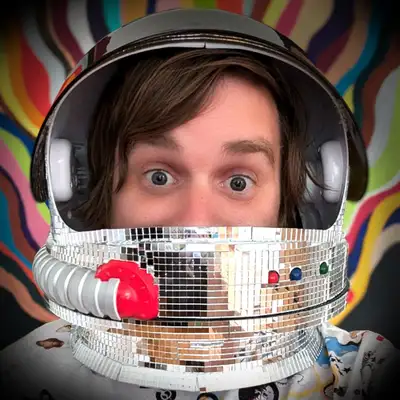
Inspiring conversations with exuberant humans about how to live a creative, fulfilling, and authentic life. Hosted by enthusiasm enthusiast, Brad Frost.
We experience a brief moment of truth when we first wake up in the morning. Before the cold shower of reality, our infinite to-do lists, and macro-level woes seize our consciousness. We experience a brief moment of excitement — and this pure moment tells us something important about ourselves.
There are people out there who seem to move through life with intention, authenticity, creativity, kindness, and enthusiasm. And they do this despite the deeply inperfect world we inhabit. This podcast is an attempt to learn from these people.
Through wide-ranging conversations, Wake Up Excited explores guests' passions, interests, enthusiasms, and philosophy of life.
Brad: Afyia Smith.
Hello.
afyia smith: Hi, how are you?
Brad: I'm doing great.
what has you waking up excited these days?
afyia smith: I don't know
that I can answer that without
giving you the backstory.
Um, we know each other, Brad, we're all
friends and you know, my background looks
different 'cause I'm in a different place.
my son Chase, he's 16 and he's, uh.
Receiving some medical treatment.
So this is kind of like a medical leave,
is requiring us to relocate to Tampa
Brad: Whoa.
afyia smith: unspecified amount of time.
So what that means is I've had to pack my
shit up my dog and my kid move to a place
I've never lived in an air, Airbnb that
I've never been in on, a block I've never
lived on, and just all the new things.
So, long story short, what has me waking
up excited is every day I've chosen to
explore a new part of the town and drink
a cup of coffee in a new coffee shop.
That's just what I've been
spending my days doing.
so I'm excited today after I hang out
with you try out this new, coffee shop.
They have, they do experimental coffee
with a little bit of, you know, good
stuff in it and just, uh, I don't
know, hang out and people watch, I
Brad: Wow.
afyia smith: get my kid.
Brad: Wow.
That, that's, that is huge.
That it's, you just described, it's just
like, sometimes there's new chapters of a
career or sometimes there's new chapters
of, of life or, you know, chase 16.
Oh my God.
afyia smith: yeah,
Brad: uh, you
afyia smith: yeah.
Brad: Yeah.
'cause he, he wasn't 16,
whatever we first met up.
so, so there's these different new
phases, but it sounds like you're just
getting a mega dose of new all at once.
afyia smith: Yeah.
So the other new that I think
you're, talking about is newly
separated from Epic Games, which I
Brad: Okay.
afyia smith: there for a few years, and
so I'm, I'm navigating the career waters
or wherever, wherever that might take me.
But also life happens.
I knew for maybe six months to a year that
I would eventually have to do this thing.
This
Brad: Yeah.
afyia smith: this is by far the
hardest, uh, emotionally, uh,
mentally, physically, financially.
And I think that was part of the fair
and then epic kind of just like I, I,
let's call it a blessing in disguise.
It really just forced my hand.
Brad: Yeah.
afyia smith: to do it because
medical is running out
Brad: Yep.
afyia smith: right.
And I need it to, um, care for my son.
also, I'm free of time.
I no longer need to worry about
what's gonna happen at work if I
Brad: Yeah.
afyia smith: a medical leave or,
Brad: Yeah.
afyia smith: you know, and I
didn't want that spotlight on me.
And, um, yeah, I just, I don't know,
I think the very next day that when I
knew that, you know, maybe Epic was, you
know, no longer, you know, um, the future
for me that I decided to just go ahead
and make the arrangements to care for
my kid and, and just come out, out here
Brad: Wow.
Wow.
afyia smith: are and I don't
know how long I'll be here.
And that's part of the
anxiety slash excitement.
Brad: Yeah.
afyia smith: Tampa's a cool city.
It's an old city.
It's walkable, which is not,
it's the opposite of Orlando.
We don't walk anywhere.
I've just been exploring and I, my
dog loves it 'cause she, we're in
a development, she's got a yard,
she just hangs out out there.
We, I literally, I walk
her now three times a day.
I've got the time to do it
Brad: That's amazing.
afyia smith: it and I kind of love
it 'cause seeing people, seeing
faces and getting some fresh
air and exercise and it's great.
Brad: You're, you're explaining this
very well, which is, it's like, there's
obviously, you know, the, a backdrop
of, of multiple dimensions of, of kind
of hard, but at the same time, you're
describing an attitude of, leaning into
it, embracing it, being curious, being
exploratory with it, and, and kind of
being open to the idea that even though
this is kind of a, what's in front
of you is, is unknown, that there's,
there's almost a bit of, uh, I'm, I'm
hearing a, like a, a trust in, in that
kind of unknown a little bit, where it's
like, you, you know, you're just gonna
be on this journey and you're, you're
in a, a particular place right now.
But you also know that, that you,
you're moving forward and just
kind of put one foot
in front of the other.
afyia smith: yeah, you're right.
I mean, 'cause the opposite of
that is just being extremely,
just boxed in and worried and
Brad: Yeah.
afyia smith: nervous and you can't, I,
you can't, I can't move in fear, know?
I need to have some
optimism about the future.
even if that means just going
through it day by day, you know?
You know, in the past, and maybe
even still, I had tons of anxiety
about I would make five year
plans and, and year long plans and
what's gonna happen next month and
Brad: Yeah.
afyia smith: you know, I did all of that.
But the very freeing thing that has come
with just like the ending of things and
the beginning of things is just that it's
that it's no longer what you knew it was.
It's new enough to not know what
it's gonna be, and you just,
Brad: Yeah.
afyia smith: you're
living in that limbo land.
Brad: Yeah.
afyia smith: just, just figuring it out
and, I'm proud of myself, I wanna say,
Brad: Oh yeah.
As you should be.
afyia smith: Yeah.
It's, it's a different person
than, you know, than I was
even, I don't know, a year ago.
Brad: that's amazing.
Yeah.
there's a lot of effort that goes
into cultivating that attitude that,
that you're describing there, because
the anxiety and the fear, obviously
they're, they're still there, they're
still present, you know, obviously,
like, whenever, whenever you're,
you're going through hard things,
there's, there's no getting around it.
And I think that that's, like something
that I've seen a lot in my own life
and people in my life is that they're
just like, man, what's wrong with me?
Like, why am I like so, you know,
freaked out by this, like, I should be
okay with, it's like, well, you know,
all of these things exist and they can
coincide, but it's kind of like, what?
What do you want to sort of focus
on or prioritize or, or let in?
And it's like the, the
anxiety and the fear.
If you could keep that at like a low
hum and, but let more of the curiosity
and exploration and what's next and
the, the optimism kind of be the thing
that's really kind of driving that.
That's good.
afyia smith: things.
Yeah.
Yeah.
Brad: 'cause flipping that around
when you don't let a lot of that in.
You then feel almost silly or
guilty for feeling optimistic or
hopeful or anything like that.
And I've seen that and it's,
it's, it's genuinely tragic.
'cause like people are just like in
that space and they, they, they're
like, I don't want to be here.
But like, it seems almost trite to even
just kind of like, let that hope in.
So it's like you really
gotta like go all in.
afyia smith: Oh yeah.
Brad: you, you, you need to do that
important work of like the, the
seesaw of like kind of getting over
that, that that teeter totter of
like, it's coming more on the side of
optimism than it is on, on the side of
afyia smith: Yeah.
Brad: the, the, fear and, and doubt
afyia smith: Agree.
Definitely.
Yeah.
It,
Brad: Wowee Zowee.
afyia smith: it's a
Brad: yeah.
So, so you're, you're in this
very important moment in time.
You've historically done a lot of of
different, like how I know you as one of
the rare souls, uh, who actually cares
about documentation and, and sweats
the details on this stuff, that, that
has always just kind of been in the
back burner, uh, for so many people.
It's just like a low priority.
And this particular moment in time
is this like your, like had I told
you so moment in that respect?
afyia smith: Yeah, I'm like giggling
in the background with the evil.
No.
Yeah, I just said it to you.
Docs are having a moment now.
Brad: Yeah.
afyia smith: you know, with all
this, with ai, being part of the,
the, the tools that we use are
entering the, the workflow workflows.
Um, So to sum, sum it up for those
people that are listening or watching
that don't know who I am or what I do,
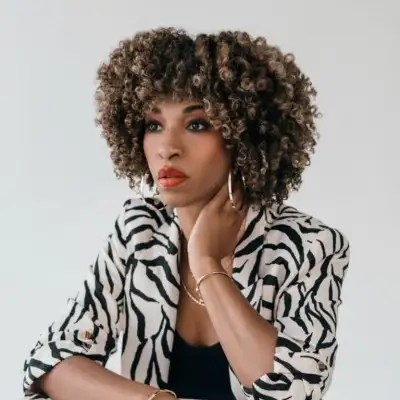
I'm Afyia Smith and, you know, I am a
design systems practitioner, but I focus
almost exclusively on documentation.
writing it, Managing it,
publishing it, um, creating
the structure that supports it.
Um, docs are the things that I love to
do, and I do that for design system teams.
I did that for Epic for about five years.
Um, and I've, you know, done
some independent consulting
along that way, Brad.
That's how you and I know each other.
today docs seem to be by far one of
the, the, the, the most, well, a very
important, uh, or foundational piece
of design systems, especially design
systems, teams that are using AI or
building AI with it, of that good stuff.
It's not, it's no longer just like this
nice to have thing anymore, you know?
And that makes me happy.
That makes me happy.
that's the work that I've done and
that's the work that I'm interested
in, in doing and continuing to do.
And, and of course push it further.
I think.
I'm no longer in that, oh,
it's ai, let's just everything.
I'm not in that phase of it anymore.
I'm, I'm thinking about what
can we do that's possible that,
that we couldn't do before?
Brad: Yeah.
afyia smith: so I'm, you know, I'm, I did
a lot of experimenting and exploring while
I was at Epic, and now I'm doing that on
my own and, you know, figuring things out.
Brad: it's, it has to
be pretty validating.
I think it's like all of your, your kind
of hard efforts to date of just kind
of like sweating the details, spelling
things out, defining the things that
it's like, oh, all of a sudden, like,
this is, this is immensely valuable.
This is actually what makes these
systems, you know, uh, uh, accessible
to these age agentic systems.
And like you're able to articulate.
Here's what this does, here's how
to use it, here's what not to do
about it, and all of that stuff.
And we're, I've, I've been iterating
over our own system, um, kind of
pointing it at our own sort of tools
and stuff, and boy oh boy, it's like
been lacking in that department.
And so it's been a really fascinating
adventure to go, okay, how do I tell
the story of how I want these UI to,
to come to life and all of that stuff.
And I need to, like, have words to it.
And I need to make sure that the
structure is in place and that it's
like easily, uh, accessible for the
human beings that I'm working with
as well as for these like machines.
And, and so that there's
been like all sorts of really
fascinating things because.
What humans read and what is helpful
for them and what like the, the
agents need in order to assemble and
compose things are, are sometimes like
different, it's almost like a different
vernacular or, or dialect or something.
Uh, but it's still at its heart.
It's just natural language describing,
here's a button, here's what to do with
it, here's an accordion, here's like what
that is, and, as you bid on this journey.
' dabbling in ag agentic stuff
since, pretty much since like
chat GPT kind of hit the scene.
how you see that progression and
like, kind of like where you see
the, the arc going in, in your own
craft in just kind of in in general.
afyia smith: yeah, so like I said in
the beginning, in the, especially in
the beginning of chat GPT days, we were
what could a, what was the possibility
of AI as it relates to documentation?
Brad: Right.
afyia smith: generation of course,
faster generation, more docs out there.
Um, I gave a talk about no one's
reading docs, no one's writing docs.
And I talked about the blank page and
how chat GPT can kind of be used to
move non-technical or non-writer a
place where they can start to draft
their own pieces of documentation.
Um, and that was great.
That was a great phase to be in.
Um, and then, you know, slowly it
started to be like, okay, the more I do
this and the more that I teach people
how to do this, and the more that
chat GPT can do this, what am I doing?
Who am I, what is it that I
need to be thinking about now?
And you know, from that point I
started to kind of think about the
things that couldn't be done before.
You know, I, I talked a lot about the,
that whole, uh, just in time docs, um,
process where, you know, designers and
devs, they're all, they're in these tools
and maybe they wanna surface information
when they need it and they can't because
it's sitting somewhere in a static
reference site that no one knows about.
And started experimenting with
how AI could help with that.
and did a lot of exploring and
got some parts of the way there.
Um, but today, and even just over the
past few months, in my last few weeks at
Epic, I started to think more about like,
You know, what documentation needs to
provide in order for not only the humans
to read it, but the ais to consume it.
So we're writing for different
audiences, humans, designers and
developers, new users onboard people
that need to be onboarded, uh,
leadership, stakeholders, all of that.
And now the robots, the machines, right.
Brad: Yeah.
afyia smith: Well, what does that mean?
Is that like 20 pieces of docs?
No, I don't have the time for that.
I was the, the doc lead at Epic.
I did it for two design systems.
I was not writing 20 different
pieces of documentation.
I was starting to think about a single
doc that's, that could be served
up to all audiences, AI included.
and you know, that's just
about structuring it.
And if we think about the, the
layers of that, it's the, the, the
context layer and then the, layer.
I call that knowledge layer that, AI
needs not only to know what a thing is,
but is it this thing, you know, the, the,
the intent, the reasoning, why couldn't
that be done from a single documentation?
That is what I'm exploring.
So it's a, it's a docs first kind of
Brad: Yeah,
afyia smith: a docs first method.
I don't know, docs first
for design system teams.
Why
Brad: I,
afyia smith: Why not?
I think docs have not had the
importance that design and code
has had for quite some time.
It's
Brad: yeah.
afyia smith: like left to
the last or not done at all.
Or just like
Brad: Yep.
afyia smith: by like a UX writer,
which, know, grateful for the UX
writers, but this is not that.
let's not automate it away.
keep the humans in their jobs.
I, I am, by the way, a proponent for
human authorship for humans in this work.
but yeah, I just, I'm, I, I was,
I'm hoping that, or I'm wondering
if there are folks out there, teams
out there, orgs out there that are
thinking about it in the way that I am.
Um, and this is my plug, you know,
if you are, I'd love to chat.
Brad: Hell yeah,
yeah, yeah.
afyia smith: is the work
I'm interested in doing.
I don't know.
Brad, what do you think about all
Brad: No, I,
afyia smith: said?
Brad: you turned over a lot of stones
there, and I think that, that the,
they're all really good and boy oh boy
has that I'm guilty as charged, where
it's just like the, we do the work,
we, you know, we, we talk about it,
we design it, we build it, and then
kind of like the cherry on the top is
like the documentation, like before
you like, kind of get it out the door.
That, that has been kind of
the, the workflow kind of in
this, in the before times.
And then I think like what you're
describing and what kind of, where I'm
seeing a lot of like the industry shift
and our, our friend Kevin Coyle, uh,
is also been like beating this drum for
a while and stuff as well, where it's
just like, oh yeah, here's, you know,
these, these kinds of requirements.
So we're, we're just kind of
articulating, using words what it
is we want, this, this thing to be.
And the, the specific
implementation, right?
The specific design, the specific
like tech implementation is, is just
that, is is an implementation of it.
So it's like you, you have to get.
Down to some pretty existential
truths about kind of what is this
thing, what are, what are like
the objective facts of this thing.
But then what you're talking about is
that this, this kind of context layer
that kind of sits behind it where
it's just like, oh, here's, here's in,
in the context of this organization,
here's why this kind of matters.
Somebody that's a new hire that just
got onboarded, or an agent that's trying
to assemble these things into a, a,
a piece or whether that's a, a, a new
agency partner that is like trying to
understand, uh, get their, get their
bearings working with this system.
That specific perspective matters
afyia smith: Mm-hmm.
Brad: that's where these,
these LLMs are, are quite.
Good at translating some things that
feel sturdy, durable, true, into
something that is like contextualized
to, to them and their specific context.
And that, that for me has been like
super duper welcome in so many realms
where it's like I don't have to just go
read some stuff and then have my brain
have to do a bunch of different laps
to bring it into my specific world.
I could instead just say, here's
what I have in front of me.
Here's what I'm looking at, here's
what I need, what do I need to know
in order to, to do this properly?
And then it tells a coherent story.
Like, it, it, it weaves
it into my context.
So it's like, it's this,
this really beautiful kind of
blender or marriage of like.
Here's these kind of just inert objects,
these, these UI elements that don't
really do a lot on their own, but it's
really in the context of how they get
used, where they, where they come to
life and, and the docs is, is now this,
this really kind of beautiful mortar
that kind of like glues it all together.
afyia smith: Yeah.
Brad: is there like a threshold
being across where, where writing
the docs primarily for agents first
and then like humans as like kind
of a, a happy byproduct of that?
afyia smith: You know, and I did, uh.
Some of these experiments, over at Epic
because I just for myself, wanted to
understand how AI ready was the docs.
Like what, what I, I had a hunch
that I was, I was writing some
pretty good docs to begin with.
Like, they were, were
consistently structured.
They had all the
information that required.
We, we were good on capturing
edge cases, use cases, rationale.
We were good on capturing behavior.
We were really good on getting
the things that were sitting in
the minds of people onto paper.
Brad: Beautiful.
afyia smith: were really good at that.
when we ran some, when we ran our,
our experiments, minus maybe just a
few fields that needed to be captured,
the, the, the machines, the, the LLMs
really understood, the documentation
was pretty understandable to the, a
ai, would say maybe 80% of the way.
when I think about what needed to change
for this, the docs that I was writing
specifically to be able to be readable
by humans and usable by ai, it's just a
matter of two or three different fields.
And I can tell you what those were.
We weren't probably capturing
tokens in the right word.
We weren't really writing
accessibility in a structured way.
It was more, prose.
It was more about like, you know,
just like gentle talk about it.
It wasn't as specific as it needed to be.
and so when I realized that the way
that I was structuring it was good
enough and working, I thought I might
be able to create a standard, a template
could, that anybody, uh, any team
could use to be able to create a single
author doc that would serve humans,
humans, and ai and whatever else is in
Brad: Whatever else is coming.
yeah,
it's such a theme of this stuff, and
as we're putting our, like AI and
design systems course together, and,
uh, our friend TJ Petri is like,
the way he describes it is, is like,
there's like the check engine light.
And it's like for a lot of the work that
tees have been doing over the years, just
like you were saying, whenever chat GPT
hit the scene, and it's like starting
to like do that work of like authoring,
like the basic, you know, button
documentation and whatever, and then
you're like, wait, what's like my job?
It's like, oh, it turns out that there's
like, That's just the table stake stuff.
That's not the stuff that is like,
that's not your value as, as a
really like intelligent person.
Like you understand like the, the,
the terrain, the landscape, how
these things are getting used.
That stuff is ultimately, I don't wanna
say chore work, but it's table stakes
work that is like, kind of like, again,
address the check engine light, where
it's like if you have a bunch of gaps,
like if you're not, past Afyia, that's
already structuring things really well
and providing a lot of like context.
If it's just like, oh, we gotta
hunt all these different people
down to find out why these
things are, uh, the way they are.
It's like doing that work and
getting that stuff in place is really
the, the table stakes work so that
you're able to move on to the parts
where you're like, cool, here's us
actually wielding all of this stuff
together to do useful things with it.
And I this is what I am seeing and
would love to get your take on it, is,
is like there's, there's a, a form of
liberation that is happening that is
like freeing people up to be able to,
to sort of like, move closer to one
another, be more connected because we're,
we're no longer just like, you know,
drawing the rectangles and manually
describing, uh, what those rectangles do.
afyia smith: I felt a lot of what you're
saying or learned about a lot of that,
just, I worked with a team a while ago,
where they did all that work and they
worked in that way where, you know,
uh, engineering just sat on their side
and designers just sat on their side
and there was duplication everywhere.
also no one agreed on a lot of things.
And I came on board to help navigate
the documentation and I was just
like, Hey, let's do something.
take the simple Google Doc.
I'm just gonna draft what I think
you did, engineering what I think you
did, designer, and we're all gonna
get into this Google Doc hash it out.
And that was like, that was such
a, a huge moment for me and my
role as a documentation person.
I'm not just.
Copying what they did anymore
or waiting for them to finish.
I'm like, I'm orchestrating a little
Brad: Yeah.
afyia smith: I am like now at the
top and saying, Hey, what you guys
have in places doesn't really align.
Brad: Mm-hmm.
afyia smith: get together
and figure this thing out.
Now that you think you've drawn a square
or a button or a rectangle, and they're
saying you didn't, and they're calling
it something else and you're calling
it this, what's really going on here?
I wrote something up about it.
It's in my profile, it's called Written
in the Margins, and it literally is, I
threw in all the screenshots of a Google
Doc with all of these comments from all
the different players, all the different
people on the team, and we, I think one of
the, um, discussions was just the naming.
it was liberating.
It was fun.
It was in, it was interesting.
It was also, um, really hard work.
It was getting people aligned on the same
page and the starting point for all of
this really was just a documentation.
Brad: yeah.
afyia smith: Let's write down
what's in your brain, what you are
thinking, what you meant, what this
thing really does, what it's about.
Why did you do it, let's
just move from there.
Brad: That's,
afyia smith: moves from just
being descriptive, right?
It's definitely a clarifier, but maybe
it's also the definition of done,
Brad: yeah.
afyia smith: right?
Brad: Yeah.
afyia smith: when docs
are done, we're done.
Brad: Yeah.
afyia smith: maybe, maybe
that's what we call that.
Maybe, you know, maybe that's
how we should think about it.
Brad: Yeah,
afyia smith: Maybe not, you know, not done
in the sense that it's the last thing.
It shouldn't be.
It's, it should be parallel in, in
what design and, and, and dev is doing.
But it should be the thing that when,
once it's written down, and once we have
all of the, the, the reasoning behind
the, the what and the why, we're done.
you know, this is a
written record of a thing.
It's, it's, it's readable by
the next person coming in.
It stands a test of time.
You can reference it.
you know, that a human wrote it 'cause I,
you know, whatever, if you have a special
person or someone like me, I wrote it.
Brad: yeah,
afyia smith: there, I was in the room.
Brad: yeah.
afyia smith: all the things.
Brad: but not only did you write it,
you, you facilitated the process, right?
Like, so, so what you're, what you're
doing is like through this lens
of it's just like, let's like zoom
out real quick because everybody's
spitted their own unique weeds.
Uh, let's get together, let's just
like zoom out the whole way out,
which doesn't happen often enough.
And when you get company cultures
where these people are talking past.
One another, working past one another.
And there's these, there's all
sorts of friction that emerges.
You are there to like, help
capture what the truth is, what
the story of this thing is.
You need to arrive at that truth and
what, what, what is articulated in
the documentation is needs to be true.
afyia smith: Yeah.
Brad: when there is at that shared.
Truth.
That's, that's where the problems emerge.
And I, I, I think that this is something
that I'm seeing play out writ large here,
is that this new era, the teams and the
organizations that have that shared sense
of, of here's what true is, or a shared
narrative of like, here's what this is
and here's what it does and whatever.
But all of those little
cross-disciplinary differences or
cross group differences or, yep.
Like we do this but we
don't agree with them.
That stuff is, is amplified
big time in this new era.
So it's like if everybody is, is pointed
in these different directions, all AI
is doing is just kind of exacerbating
those, those different directions.
But for the teams and the
orgs that are like, ah, yes.
Like we all are using the same names,
we're all, we all have the same sort of.
Shared reality.
this now amplifies that, that alignment
And that just like, kind of takes
different forms, whether it's pros or
you know, a Figma button or, or, or
it's something in code or whatever.
But ultimately this stuff is, is a
shared agreement between humans on
like, is is this how we do things
or is this not how we do things?
like, it requires that human work, the
designers are gonna be stung because
they actually had a good reason for doing
things a certain way, but they just, you
need to have that shared understanding.
And, and that's, that's the gig.
afyia smith: that's right.
And
Brad: Beautiful.
afyia smith: I, I, I think I've
just been, I've been pushing for
that my entire career, right?
There really isn't a lot of us, I think I
only know one other person that has done
documentation as a documentation person on
a design system team, as their sole focus.
But honestly, and today, if you're,
again, an organization that has a
design system and you're wanting to
build it with AI or, have AI agents
access it, you probably wanna think
about having someone, um, that whose
focus is on writing this documentation.
Because it's more than just writing
Brad: Yeah, yeah.
afyia smith: more than just
like describing a thing.
It's, it's focused.
the gathering of information.
It's the facilitating of.
teams.
It's, um, it's honoring the,
the things that people think are
important and allowing them to
come to an agreement on it, and
then putting all that shit to paper
Brad: Yeah.
afyia smith: then putting
all of those things to paper
and structuring it in a way
Brad: Yeah.
afyia smith: and clear
and understandable and
Brad: Yeah.
Hell yeah.
Hell yeah.
and, and to sort of come back to, to how
we started this conversation, I think
that you, your, the, the attitude, your
attitude of, of optimism, of, of, of hope,
of curiosity, of exploration, all of that
comes online, like in that work, right?
Like it's, it's, your demeanor, like
in your attitude, and, and how you
show up as like a human to facilitate
that stuff like that could go really
poorly if you like show up going,
Hey, you're wrong and you're wrong.
And like, we need to like fight this out.
Like, could you speak a little bit to like
the, the showing up the, the, the human
side of, of like being like, ooh, like,
okay, like here's a little mess I like
found, but like, like this is gonna be
fun for us to like finally get into it.
Like you said, like in the,
in the margins and stuff.
Like
afyia smith: I think I tried, I just try
to have a unbiased opinion about anything.
I, I, I, and I think my method of maybe
drafting just a nothing fancy, we're
not even picking a, a platform or a
tool that designers are, we're not
in Figma and we're not in storybook.
We are in a Google Doc, right.
Plain blank page.
Right.
No one, you guys don't have
any problems with that, right?
Brad: Yep.
afyia smith: And let me just,
I'll just draft a set of basic
usage guidance for a component.
This is what we're calling it.
This is what it does.
All right, let's start from here.
This is the starting point.
Let's figure out what now.
You know, if there's a discrepancy with
naming, I mean, I've come up with a,
there's been a discrepancy with a button.
The naming of a button.
It was a button, but you know, even
then I have to check myself and
say, okay, we'll just figure out
what they're calling this thing
Brad: Yeah.
Yeah, yeah, yeah.
afyia smith: yeah, you know,
when are you using this thing?
Why are you using it this way?
Just asking really in depth.
And also not, not, not very much.
Not leading the conversation, but
allowing the conversations to take place
Brad: yes.
afyia smith: questions.
I do that asynchronously 'cause I
like to meet people where they are.
You know, we don't have to all
get in the same room together.
you know, here's a, here
is the draft that I wrote.
When you guys have a chance, take a
look at it, start dropping in your
comments, and then when it gets a
little too hairy, maybe we can get
together in a room and talk this thing.
Brad: Yeah.
afyia smith: that's worked.
And I managed to, you know, document,
a 60 component design system along with
about maybe foundational guidance and
accessibility and just design principles
and what this system is, just all the
things related to the, this design system.
Brad: Yeah, yeah.
It's, it's that, it's, it's getting those
important holes filled, that, again,
just like kind of bringing this back
to, to how we're framing our course's
like, is like, yeah, man, that, like,
you gotta get that sorted like yesterday.
'cause we got bigger fish to fry.
And I think that a lot of the teams
that we're seeing are feeling that
pressure of, I, I think that there's,
there's kind of like an industry or
like leadership level pressure to, to
kind of be like, we gotta move, like
we gotta be like using this stuff.
And like a lot of like the teams that,
that don't have that, that kind of
core center of gravity in place yet, or
still have those, those kinds of like.
Man, you got, you gotta sort that
out because we got places to go.
afyia smith: Oh yeah.
Brad: And, that's where the,
that's where the fun is now.
afyia smith: here?
Brad: So it's like, so doing
that gory work is, is hard.
It's thoughtful.
It needs to be curated.
It needs to be facilitated.
And like that is really, uh, it's
a, like a cool transition out of
what feels like, like the, the,
the bulk of your kind of past.
Work is like, okay, like let's
just like get this stuff like
defined and get that in there.
And you have like a deep
expertise in arriving at that.
And now you're able to like,
kind of help, help places like go
afyia smith: Yeah
Brad: places with it.
afyia smith: Yes It's a really cool
transition and I like it here to be honest
I like I I I like that it's not grunt
work actually I just like that work I
like as much as I love writing and in the
past may have loved the heads down work
just because of my personality I feel
like I'm a little bit introverted and
I just love getting at it But it's far
more meaningful to be able to explain the
decisions of you know of the engineering
team or of designers to explain those
decisions and make those things clear not
just to users of the system but to them to
Brad: Yeah.
Yes.
afyia smith: that feels so good me
Brad: That's amazing.
I, I, I wanna pick at that because
I think that that what you just
described of like the, the like
kind of introverted tendencies.
I think like we've seen that in a lot
of different, again, back to like the,
the kind of insular or inward facing
kind of design, uh, systems people.
I think that if people are like,
oh, just like, yeah, let me put my
headphones on and I'm just gonna be
like sweating the details of this,
uh, you know, token system or whatever
it is for the next few weeks and, you
afyia smith: Yeah
Brad: hold my calls.
I'll be like, in my happy place.
Just kind of head down doing that.
you're now able to move towards more of
like a, a social and, and collaborative
kind of environment and, and, and you're
able to spend more time there because.
Uh, the, the mechanical parts of,
of the, the drafting and the writing
are, are a little bit more efficient.
So you're able to exercise
your, your collaborative and,
and, communicative powers,
in this way.
Ha.
Has that been like a shift?
introvert versus extrovert.
Some of that stuff's like pretty hardwired
afyia smith: I think honestly in the
beginning um the the heads down work
was just by nature how everyone else was
working They didn't really you know being
brought on on the at the end of a of when
components are completed or or or code
is already written Doesn't really allow
room for me to other than maybe initial
user interviews and talking doesn't allow
room for folks to collaborate with me
on docs A lot of folks are very scared
to write They are intimidated by the
process and they'd rather just or they
don't like it and they'd rather just
have someone come in and do that work
Brad: Yep.
afyia smith: and you know I as much
as I try to maybe push back on some
of that and get some collaboration
it didn't happen And I think I
fell into that groove of just
Brad: Yep.
afyia smith: write I'll just write it
It's no big deal I love it anyway but
not now You know that that's a that's
long gone That is not anymore I think
this is or or meaningful and that doesn't
like make me happy to to work in that
way I truly think that you know the part
about being in working on design systems
and working in a design system team is
a collaboration part It's what I love
Brad: Yeah.
Yeah.
afyia smith: a value now for me um
with any company or any organization
that I'm working with in the future I
I I need that kind of I that kind of
community that that collaboration that
Brad: Yeah,
afyia smith: I I need to have that
Brad: I, I think that
that's, that's beautiful.
That's 100% I think
where, things need to go.
And again, kind of coming back to, to
these kind of old processes or like
this old, oh yeah, we're misaligned
and here's these, like divides
between designers and developers.
I think, I think that like, one
of the biggest things that I am so
jazzed about is the ability to have
time together be actually like,
productive and, and useful, right?
The fact that we're just able to like
transcribe what we're talking about
because it's like being transcribed
into words that we're able to like
put those words to, to use and we're
able to, like, like you said with
like that, that Google doc, where
it's like, okay, like let's, like.
Get together here.
What do we agree on?
Like, yeah, that sounds good.
Yeah, that sounds good.
Okay.
That we check, right?
Like that we, we came to this agreement on
that, this is our collective understanding
of this, and we were able to do that not
by passing a freaking Jira ticket back
and forth to each other, but we were able
to just like get together as humans do
and, and converse and talk and say, oh,
okay, yeah, like that, that sounds good.
And oh yeah, here's the
rationale behind this.
And oh, cool.
Now all of a sudden that's captured, that
gets thrown into the pile, into the stew.
All of a sudden, our
humanity is back, right?
We've had these artificial.
Separations, right?
This This, this Henry Ford assembly line
that, and you described it perfectly.
You're just, you know, you're trying
to do your part, you're trying to be,
uh, respectful of existing processes.
You're not I've, through my own
kind of consulting work over the
years, usually quite deferential
to how people are working.
And so that means that I've been.
Plugged into a whole bunch of lousy
processes, and now I'm just like, great.
We could get the designers, the
developers, the the QA engineers, the,
the, the business analysts, the like,
everybody, like, just get everybody in the
room together and let, let's collectively
paint a picture of what we want.
And that just kind of
comes out as language.
And that that doc's first approach
that you're sort of talking about
afyia smith: that's right
Brad: set the stage for, for anything
that, that gets implemented It's wild.
It's wild and I'm so here for it.
I'm so here for it.
afyia smith: yeah I feel like this this
idea that I'm proposing or this this
thing that we're talking about I don't
even know what it is idea methodology
I don't know But I feel like docs first
does bring humans keeps the humans
Brad: yep.
afyia smith: loop and it brings us closer
Whereas I think what I'm seeing is the
humans are being pushed out or they're
now all of a sudden am I a designer
Well what am I now Am I an AI wrangler
I'm not doing what what I love anymore
And I feel like let's not do that to
people if they don't wanna do that
what do you think Brad Do you think
there's room for everyone at the table The
humans and the robots I I I think so of
Brad: yeah
afyia smith: of I
Brad: yeah.
afyia smith: so
Brad: like, leaning into this, like how
do we, how do we really embrace more
of our full humanity rather than being
relegated to, ah, yes, this person does
this mechanical part of the process.
I, I think that that's, that.
Has always been sad, right?
You have a bunch of
really talented designers.
You have a bunch of, uh,
really talented developers.
You have a bunch of really talented
people who are living their lives, who
come from certain backgrounds, who have
specific hobbies, who have specific
interests, and all of that just gets kind
of lopped off and lobotomized because
you are doing this specific role in this
specific like lens and the richness of
those, the, the rest of life, right?
Ha It gets left at the door
and that's been said, and I
see that as we sort of like.
Are able to come together more,
we're able to sort of weave more
like all of that other richness, uh,
to our lives and, and how, how our,
our perspectives and philosophies
on things and all of that stuff.
Like, we're able to bring a
lot more of that to the table.
And that actually got, kind
of gets put in the stew.
It's no longer just like the, again, just
the, you are, you are a factory worker
that's just like punching widgets all day.
We're able to sort of exercise
more of our, of our human judgment,
more of our, our full selves.
there, there's a big difference
between specialty, right?
You're a doc specialist,
afyia smith: Mm-hmm
Brad: and are expert in that, and
I'm always going to trust you to
like own or, or think deeper about
that stuff than I am going to, right?
But then like everybody collectively
brings their own expertise.
And that's the beauty of diversity.
That's the beauty of like this coming
together where it's like everybody in
aggregate could tell the complete story.
No one person has the full story.
And it's, it's that getting
together that creates that,
that sort of shared narrative.
Of, of what it is we're doing.
And, and so all of those different
life paths, all of those different,
I've been at the company for 50.
I mean, you know this, right?
You've like interviewed so many
people that are the Oh yeah.
Let me tell you about why
that is the way it is.
That stuff matters, right?
And that person knows where
the bodies are buried.
This other person knows, like
where we're trying to go, and
you bring it all into one place.
So then you're able to like, sort
of actually do stuff with it.
And it's just, it's, it's so, it's just
so much healthier than this like, weird
game of of, of kind of connect the dots
or, or just kind of pass the PDF off to
become, uh, a Figma comp and then pass
that off to become code and then pass
that off to be documented after the fact.
It's, ugh.
afyia smith: This is great
Brad: yeah.
afyia smith: to chat with you I I've
been in my head about a lot of this
stuff but it's so great to talk it
Brad: Yeah.
It's, well, it's, it, it's, uh, I'm, I'm
fascinated hearing your experience 'cause
I, again, it's like you being a specialist
is hard and, and like, I, I would love
to just like, hear from you about that.
'cause you've always like
kinda leaned into that.
You're like, yeah, I do documentation.
Like, like that, that is
like, like a pretty big like
part of like your identity.
Like I, I guess like in this
chapter now where like the, the
future is, is wide open now.
afyia smith: Yeah
Brad: you still feel like that is.
Something you are like leaning into or
you're just kinda like, you know what,
like this is a time to, I moved to a new
city and I'm gonna call myself Nicole
all of a sudden, something like that.
And I know people have done that.
Like I know people have
just like, you know what?
Clean slate, I'm gonna like, you
know, that was the old be here's
like my new, be like, like curious to
get your take on like how you like,
identify yourself or how you see
your, your identity changing or your,
your specialty changing in any way.
I.
afyia smith: Yeah This is a great question
cause I've kind of been just even in
like the job search right Just trying
to understand a who am I now or and what
do I wanna do where do I wanna go I'm
still Exploring the landscape I know
that documentation is a specialty of mine
It's it's near and dear to my heart It's
a thing that I love to do I've done it
time many times over Maybe it's time to
start branching out into something else
Maybe it's not just design systems work
you know maybe it's knowledge base work
Maybe it's knowledge based architecture
Maybe it's AI agent architecture Maybe
it's a conversational designer right
Which is language which is feeding the
agents written language How to how they
you know it's just there's a lot of
different areas that I can explore and
I'm open to all of that Um yes that's
Brad: That's beautiful.
There's the certain activities that
you do, but then there's kind of like
something underneath that, which is you're
like, oh, I like language, I like, I like
kind of wrangling things, structuring
things, making sense of things.
And knowing that about yourself allows
you to then sort of look into the
future and go, okay, I have these
tendencies and I enjoy these types
of things and I understand why.
Uh, I'm kind of, I gravitate
towards those things.
And that opens the door to being able
to apply those gifts to different
things, including things that
afyia smith: Mm-hmm
Brad: exist before.
'cause like you, your son for instance,
is like, you know, as he goes out into
the world and, and you know, over the
years, which is kind of crazy, it's
like that future is, is unknown, right?
Is like you, you.
You're not gonna be like, I'm gonna be a
design system documentarian, like forever.
I'm going to be, you know, a doctor and
that's going to be my entire career.
And, and you know, nothing's
ever going to change.
Um, that just ain't the
case anymore, right?
Like, that's not how modern life works.
So it's like you seem to have a good
understanding of, it's like, ah, yes.
Like here's where I've been, here's the
types of things and the type of attributes
that I have that could be applied to
this thing that I've done historically.
But now you're able to kind of
like, pull that down and like
kind of hang out and like you're
closer to your like, true self.
And then go, okay, cool.
Well then how can I apply my, my talents,
skills, tendencies to this new world?
afyia smith: That's right
Brad: Yeah.
afyia smith: Um I'm not a stranger
to uh turning over a new leave and
starting over in something else I in
the telecommunications industry I was
I I was I did telecommunications for 20
years and then I became a UX designer
Brad: Amazing.
afyia smith: for a few years and then
I fell in love with documentation and
Honed in on design system work and really
loved that And every phase of that I
looked at what it is that I really liked
and enjoyed doing and what I was good at
and kind of aligned it to the next move
Brad: That's beautiful.
afyia smith: um you know now I you
know I happen to be looking for the
next thing for myself and I'm you know
kind of looking at inwardly at all the
things that I really like to do and
seeing what's out there And I'm telling
you there it's vast There's a lot of
opportunity There's so many different
ways that I can that I can uh move and
grow and learn and I'm I'm happy to
do all of those things so yeah I'm I'm
optimistic about next phase or my next
Brad: Yeah.
afyia smith: next thing that
I'm I've been called to do
Brad: I, I, I love everything that you're
saying, and again, it comes back to
that, that optimistic attitude and it's,
it, it is that like kind of scarcity
mindset that it's just like, oh crap.
Like the thing that I've, that I'm
historically used to even if it
does still exist, it's, it's in a
different shape than it once was.
Uh for a lot of folks, and we've seen this
and I'm seeing this play out in a lot of
people, is this, oh, crap, like this thing
that I've historically done is no longer
the thing that is, is paying the bills.
afyia smith: What do I do now
Brad: What do I do now?
And I think you just, you
just described it perfectly.
So like, like how do you have any advice?
Like, 'cause again, like you are, you're
in it like this, this isn't just like
hypothetical, like you are like literally,
like at this moment and there's, there's
a lot of people in this boat as well,
like do you, do you have advice for, for
people who are looking to kind of like,
escape kind of reframe how they exist in
this kind of weird nebulous like ether.
afyia smith: I don't I you know I only I'm
only gonna say what works for me because
I think you know my set of circumstances
are of course they're unique to me I
need I you know is it hard to move on
from something you've always known in
in a routine know the safety of a of
a a great paycheck and a team that you
love uh a director that you adore and
the work that you adore Yes And you're
hoping that you can find it somewhere
else but I I need to motivate myself
and say maybe it's not gonna be the work
that I was doing before Maybe I can have
that same love um somewhere else And
the the the key there is aligning all
of the things that I am really great at
doing and seeing what company or what
organization or whomever hiring manager
um is interested in that stuff And that's
part of talking to you I really love the
chat that we have because this is just
this is me sharing who I am to whoever
is interested and whoever is thinking
about things in the same way that I am
Brad: Yeah.
afyia smith: I don't need to to to
hide behind who I was before I'm saying
plainly This is what I love doing These
are my set of skill sets I'm a little
introverted I well and sometimes I
talk a lot I might overshare I've got a
teenager I've got you know life things
Brad: Yeah.
afyia smith: But also I have great
work ethic I not only created a
documentation role Epic that was not
there before By the way I am one of
those people that love roles that have
no precedent I love sitting in the thing
that's ambiguous and making it my own
Brad: Beautiful.
afyia smith: a thing that I love to
do whatever I'm just using what I have
to be motivated to to take on this job
search It is not easy It is a feat It
might take a while but I I I am sure
that there is something out there for me
Brad: Yeah.
afyia smith: there there are there's
a team that is looking to work with
someone that is as passionate about
this kind of work as I as I am
Brad: That's, uh, that's so beautiful.
And like that, that last word, like
passionate, it's like that I could
attest to that as like, see, see that
like kind of up close and, and personal.
It's like that, that is
not, uh, resume speak.
That is, that is like live stuff.
But, but I think that you're,
you're, you're touching on,
it's like you have core values.
You have like specific things.
You have like a good sense of like, it,
it sounds like, like a self-awareness
and an understanding and a trust in
yourself that allows you to sort of
like, go out into the kind of brave
unknown and into kind of like a scary
thing that is, is, is really necessary.
And a lot of people
are in this boat again.
But that willingness to, to really
like lean into it, to the point of
being inventive with it, where it's
just like, ah, yes, I'm able to like,
see a need and here's the stuff that
I'm so passionate about and it doesn't
yet exist, so I'm good to create it.
That's freaking beautiful and I
wish that more people would do that.
afyia smith: Yeah
Brad: because I think a lot of
people are still just kind of hanging
out, waiting for these roles to,
to kind of fall out of the sky.
And in this age, boy, oh boy, everything
is just literally being just unearthed
and, and all new ground and terrain
is being laid like every single day.
So being able to like cultivate
that attitude that you just
described so perfectly, it's
like this, this is a thing.
This should be a thing.
It's, it's not a thing right now.
Like let's make it a thing.
it's important and we all need
this in order to be successful.
Like that's, that's like a
real skill un unto itself.
'cause with that in mind, you could kind
of go into any landscape, any fast forward
five years from now or whatever, there's
gonna be yet more new stuff going on, and
afyia smith: yeah
Brad: you need to be able to
like, invent yet another new
role and, and, and get into it.
Right.
So
afyia smith: yeah
Brad: that's a, real
skill to, to cultivate.
afyia smith: Well thank you I didn't know
I didn't think of it as a skill but you
know maybe it is and I think there's a
little risk in that too right It's risky
Brad: Yep.
afyia smith: be you know hire
for one thing and come in and do
something completely different and
that they really love it and and
they see the value of it And and then
Brad: Yeah.
afyia smith: doing that thing
Brad: Yeah.
afyia smith: don't know I I I don't mind
being that person I don't mind living in
that space for a little bit I don't mind
being in an ambiguous role Um and and and
just kind of like forging the path and
showing you the value of it I and I think
that's why I really like our chat because
it just allows me to this is it's kind of
like me instead of me going on LinkedIn
and rifling through jobs and applying I am
advertising am saying Hey this is a thing
Brad: Yeah,
afyia smith: it a thing and
hire me to do that thing
Brad: yeah, yeah, yeah, yeah, And,
afyia smith: Yeah
Brad: to give permission to, to
other people to, to do the same.
I think I, I think that that's,
like, that's the other thing.
And, and like, you like bringing this
all, I think like back to your son and
like, I have such like an admiration
for you raising your boy, like doing all
of this stuff, doing whatever is like
required in order to like, you know.
afyia smith: Yeah
Brad: make life work and, and,
and have him be sort of healthy
and, and happy and on a good path.
It's like you have to be resourceful and
inventive and willing to, to, to brave
that, that stuff, it's like, it's like
a real inspiration that like, for be
be proud of, of that for your own sake.
But I also think that there's like a lot
that people can learn from your experience
there to be able to like, look at a bunch
of hard to be in it, but still be like,
yep, we're, we're gonna go out there,
gonna find something and if that something
doesn't exist, we're gonna invent it
and we're gonna like, make it work.
Like that's, that's, that's stunning.
That's like
afyia smith: Yeah
Brad: stunning.
afyia smith: Thank you
Brad: Yeah.
Hell yeah.
this has been great.
Like, thank you so much for,
for, for chatting and, um.
The only other structure to this show
is, is I would love to know what music
you would like more people to know about.
Could be some old gold, could be what
your digging in this moment right now,
afyia smith: Well um it's definitely
gonna be music people know and it it might
be a controversial person and it's only
come up because I plan on watching the
movie I know it might not be great but
I'm a fan I love Michael Jackson and I'm
Brad: Yeah.
afyia smith: see the Michael Jackson
movie and I've been playing his old
well not his old stuff his music I
would like for people to go back to
that off the Wall album That is by
far in my opinion his best body of
Brad: Yeah.
afyia smith: Un debatable Like don't
you know this is it you you cannot
sway me Um and I just wanna say also
it brought me back in in in prepping
listening to the music and prepping
for the Mu movie brought me back to my
love of buying movie soundtracks which
first of all I loved I love music and
I have a a CD collection of over a
thousand cd and I collect vinyl as well
Brad: yeah.
afyia smith: it brought me back to you
know when I was younger and I got my
weekly paycheck and I would run off to
the record store tower records in New
York City soho There were a two floor two
story building I go up there and buy my
CDs and I would just That would just be it
would just it Music is a timestamp first
Brad: Yeah.
afyia smith: just brings me back to
a moment and I love being able to do
that streaming and all that other shit
killed it for me There's no more of
that There's no more record stores
But anyway Jackson movies coming out
I'm listening to his music I listen
to bad I listen to Thriller I listen
to Off the Wall and I'm continuing to
listen to it And you guys should too
Brad: Amazing.
Amazing.
I think I, I hard agree that it's
like that that specific album, uh, is
stunning, but it's like, man, oh man.
Like just some of like the, the
tightest and just it's high art
afyia smith: yeah
Brad: pop music that
afyia smith: Yep
Brad: it is, it is truly stunning.
And, and that's, that is what's like, so
challenging about like, his, I I was even
kind of talking about that through the
lens of, of AI stuff where it's just like,
'cause in the world of ai there's a lot
of like, eh, here's some like, really,
like questionable or like dodgy things.
But at the same time
there's like a lot of.
You, you can't take the fact that off
the wall is just like some of the best
music that humankind has ever produced.
And like, you have to be able to like,
sit with that and still be able to like,
recognize the, the music for, for the,
the true art that it is, while also not
try to like, you know, we could wish
the other stuff away, but you could
also just kinda be like, yeah, it's,
it's a little, that's hard, but that's
like the, the kind of like nuanced kind
of world that we live in and stuff.
But it's like the, the art itself is
just like, my God so freaking good.
if you had to put yourself back in that
tower records, like what, what, like,
aside from maybe that record, what
other CDs do you like, have like a vivid
memory of buying at that store in soho?
afyia smith: Oh, God.
Oh, I mean, tower Records was like,
I was probably in my twenties,
so I loved rap music, loved it.
And I bought all my, you know, all the,
all the, all the knowns and unknowns.
There was a lot of underground music.
There was a lot of, um, local
rappers from the neighborhood or from
Brooklyn where I was born and raised.
I'm also a Jamaican American.
I'm a first generation American,
so there's a reggae, I have a,
you know, reggae culture as well.
Um, so those are the things that I
would go to Tower records and buy.
And I remember it vividly.
It's a core memory for me because
it was, tower records was just like
an icon in soho, and it was just.
it was the only place you could
go and, and, and buy your music.
And there was a ritual or routine for
me every Friday, every payday on Friday,
I would go and spend all my money.
I'd be broke by then, by
the time I left that place.
yeah.
And I, I, you know, I have, I still have
my CD collection and I think I still
remember all the moments I bought each cd.
Like I remember my very first CD and
I remember where I was when I bought
this CD and where, who I was dating
or, you know, whatever the case may be.
You
Brad: Yeah, yeah,
afyia smith: that's just
Brad: It's, that time capsule.
Yeah.
afyia smith: Yeah.
It's just,
Brad: What, was it,
what was your first cd?
afyia smith: My first CD was Escape.
It was an, it's an r and b group.
I can't remember the name of, I
think it was called, who Can I Run?
Who Can You Run to, or Who can I run to?
Um, and then after that, my
third CD was Lauryn Hills.
Miseducation.
Brad: My God.
What?
An album.
afyia smith: that,
Brad: What an album.
That, that one, that one was just, just,
I, I think that that's a perfect album.
yeah, all the skits and stuff like, and
sometimes like skits, like in between.
Like, I miss that part of like, you're,
you're totally right that like, streaming
has like really messed with things and
just like singles in general, but like
the, the skits on that album are so
good and it just all, it's coherent.
It's, it's, it's the glue.
It, it, it, it really ties the songs
together into this, this, this coherent
narrative, which is a, a nice like
meta bow one on this conversation.
But, but that, that album specifically
is like, I think it's, it's, I think
that it's, I would classify that one as
like a, a genuinely like perfect album.
Like there
afyia smith: It's a perfect
Brad: no skips.
afyia smith: album.
and you know that it's classic
because it's, I think it's.
30 years later now that, and she's
still doing that music, she can still
go and do that in concert and we'll
Brad: Yeah.
afyia smith: thousands of
dollars to go and see her.
And so
Brad: Yep.
afyia smith: stood the test of time.
Yeah.
Brad: yeah.
And like even at whenever it came out,
it had a timelessness to it because
it was so like, throwback to, to that
afyia smith: I,
Brad: know, kind of, yeah.
Mo Motown, do wap like, kind of stuff.
Like, like there's, there's
like a real, understanding, like
a deep, deep understanding of
like her place in, in music.
And the fact that she's able to
like, carry that forward even,
even now is, is really amazing.
So,
uh, that's so cool.
Yeah.
So that was your third,
that was your third record.
afyia smith: third,
Brad: Geez.
so yeah, so, uh, obviously like over the
course of this conversation, it's like.
Where, where could people
get in touch with you?
Like, uh, you know, if, if people
are resonating with you, you're,
you're looking, looking for work.
Like where could they go to find out
more about you, follow along with you,
with your thinking, your writing, and,
afyia smith: uh, well I'm
on LinkedIn, Afyia Smith.
I have my portfolio, it's Afyia
smith.co because someone is holding
Afyia do Afyia smith.com hostage and
I refuse to pay them $5,000 for it.
Brad: It's
afyia smith: so yeah,
that's where I am at.
If you want to email me, it's the same
thing, my first and last name at Gmail.
Um, that's pretty much all the channels.
I'm not on I social media.
Honestly, if it wasn't for the job
search, I wouldn't be on LinkedIn either,
Brad: Yeah.
It's,
afyia smith: the truth.
Brad: you're in good company there.
But, but yeah, but I, I do think that,
like this moment in time, but just
in, in general, I think that, having
your own website, even if it's, uh.
not the ideal domain.
Uh, you'll get it, you'll
get it one day, I promise.
Um,
afyia smith: Yeah.
Brad: but, uh, but yeah, having your
own website, good idea for all the
job searchers, I think out there.
Uh, but also, yeah, checking you out on,
on LinkedIn and connecting with you there.
afyia smith: Yeah.
Brad: definitely encourage
people to do that.
And again, just, just knowing you over
the years and knowing how skilled and
and gifted you are, and above all, just
like what a, what a great person you are.
It's like, it's like, boy oh boy,
are, are you, uh, a wonderful addition
to, to literally like any team.
So I, I really, I know that you're
going to, to land in, in a good spot.
And in the meantime, best of luck
navigating all, all the things.
afyia smith: Yeah.
Thank you so much, Brad.
Thank you for having me on today.
Brad: Okay?
All right.
Take care.
afyia smith: You too.