Subscribe
Share
Share
Embed
In this episode, I host the legendary Indie Bartender, Cocktailman Danil Nevsky for a deep dive into the dynamic world of bartending and brand interactions.
We discuss the evolution of the hospitality and drinks industry, and tackle the ongoing disconnect between bartenders and brand managers.
Danil offers insightful critiques on the state of the industry, sharing anecdotes and observations on brand ambassadors' roles, the rise of cocktail culture, and the generational shift in bartending.
We also explore the adaptation of bar experiences to be more consumer-friendly and the critical role of social media in modern bartending.
The episode is both a nostalgic look back and a hopeful glance forward, making it a must-listen for anyone interested in the symbiotic relationship between bars and brands. I hope you will enjoy our chat
NB It contains Hard Language, which is not suitable for all audiences.
Time Stamps
00:00 Introduction to the Podcast
01:20 Meet Danil Nevsky: Indie Bartender
02:29 The Disconnect Between Bartenders and Brands
04:20 The Evolution of the Spirits Industry
06:22 Generational Drinking and Market Changes
07:59 The Role of Brand Ambassadors
09:21 The Impact of Social Media and Technology
13:14 Challenges in Brand and Bar Collaboration
16:04 The Future of Bartending and Brand Interactions
38:04 The Evolution of Cocktail Content Creators
38:44 The Oral Tradition of Bartending
39:12 The Impact of Content Creators on Bartending
44:14 Brand Relationships in the Bar Industry
46:43 Balancing Brand and Bar Dynamics
51:47 The Role of Bartenders in Enhancing Customer Experience
55:47 Cultural Influences on Cocktail Culture
01:06:16 The Future of Cocktail Culture
01:10:35 Final Thoughts and Farewell
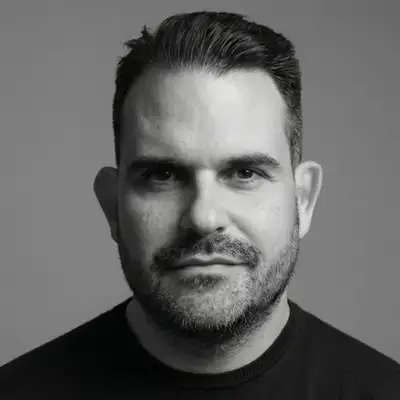
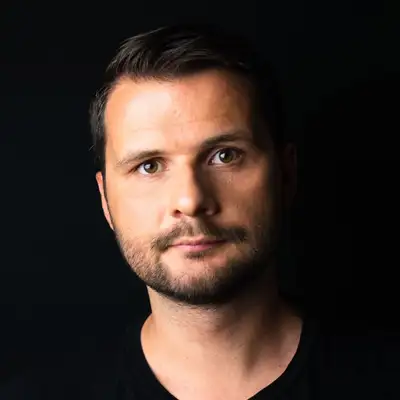
About The Host: Chris Maffeo
About The Guest: Danil Nevsky
In this episode, I host the legendary Indie Bartender, Cocktailman Danil Nevsky for a deep dive into the dynamic world of bartending and brand interactions.
We discuss the evolution of the hospitality and drinks industry, and tackle the ongoing disconnect between bartenders and brand managers.
Danil offers insightful critiques on the state of the industry, sharing anecdotes and observations on brand ambassadors' roles, the rise of cocktail culture, and the generational shift in bartending.
We also explore the adaptation of bar experiences to be more consumer-friendly and the critical role of social media in modern bartending.
The episode is both a nostalgic look back and a hopeful glance forward, making it a must-listen for anyone interested in the symbiotic relationship between bars and brands. I hope you will enjoy our chat
NB It contains Hard Language, which is not suitable for all audiences.
Time Stamps
00:00 Introduction to the Podcast
01:20 Meet Danil Nevsky: Indie Bartender
02:29 The Disconnect Between Bartenders and Brands
04:20 The Evolution of the Spirits Industry
06:22 Generational Drinking and Market Changes
07:59 The Role of Brand Ambassadors
09:21 The Impact of Social Media and Technology
13:14 Challenges in Brand and Bar Collaboration
16:04 The Future of Bartending and Brand Interactions
38:04 The Evolution of Cocktail Content Creators
38:44 The Oral Tradition of Bartending
39:12 The Impact of Content Creators on Bartending
44:14 Brand Relationships in the Bar Industry
46:43 Balancing Brand and Bar Dynamics
51:47 The Role of Bartenders in Enhancing Customer Experience
55:47 Cultural Influences on Cocktail Culture
01:06:16 The Future of Cocktail Culture
01:10:35 Final Thoughts and Farewell
About The Host: Chris Maffeo
About The Guest: Danil Nevsky
The MAFFEO DRINKS Podcast is a leading drinks business podcast delivering actionable insights for drinks leadership.
For founders, directors, distributor MDs, and hospitality leaders navigating the tension between bottom-up reality and top-down expectations.
20+ years building brands across 30+ markets. Each episode features drinks builders: founders, distributors, commercial directors, sharing how the drinks industry actually works. Not the conference version. Honest conversations.
Insights come from sitting at the bar.
Beyond episodes: advisory for leadership teams, subscription with episode deep dives and principles to navigate your own reality.
Beer, wine, spirits, Low and non-alcoholic.
Bottom-up Insights & Episode Deep Dives at https://maffeodrinks.com
Welcome to the Maffei Drinks Podcast. I'm your host, Chris Maffeiro. In this episode, I host the legendary indie bartender Daniel Nevsky, also known as Cocktailman, for a deep dive into the dynamic world of bartending and brand interactions. We discuss the evolution of the hospitality and drinks industry and tackle the ongoing disconnect between bartenders and brand managers. Daniil offers insightful critiques on the state of the industry, sharing anecdotes and observation on brand ambassadors' roles, the rise of cocktail culture and the generational shift in bartending.
Chris Maffeo:We also explored the adaptation of bar experiences to be more consumer friendly and the critical role of social media in modern bartending. The episode is both a nostalgic look back and a hopeful glance forward, making it a must listen for anyone interested in this symbiotic relationship between bars and brands. I hope you will enjoy our chat. As more as that means a lot to me. If you enjoy this podcast, take the time to leave a review on Spotify or Apple Podcast.
Chris Maffeo:You will also find the detailed transcript of this episode on mafiadrinks.substack.com, where it gets pre released twenty four hours before other platforms. Hi, Daniel. How are you doing?
Danil Nevsky:Great. How are you?
Chris Maffeo:I'm good. I'm good. Thank you. And it's a great honor to have you on the Mafel Drinks podcast. It's, I've been following you for a while and, I always see you in some party at Barre Convent in Berlin.
Chris Maffeo:And then I see you passing by like a metheor, and I never get a really yet to to talk to you. And I remember, actually, the very first time I met you was when you sneaked us in an after party. I was with Alex Ouziel, and you were you were dressed with, I don't know, high heels.
Danil Nevsky:It was our drag drag party.
Chris Maffeo:Exactly. It was like a drag queen kind of thing and that that's how I met you. I I saw you the first time. So I met you at the at the top of your game, so to say. So let's let's start.
Chris Maffeo:Like, I have a few questions that I want to ask you, and I want to let you know, I I really love what you're doing. We are quite complementary because we take the bottom up approach from two different angles. Like, you are more on the bartender and bar side of things. I'm more on the brands side of things. Then they meet in the middle and connect.
Danil Nevsky:For sure.
Chris Maffeo:So let's actually start with this question. Like I was actually discussing this with a few people and like a lot of the misunderstandings between brands and bartenders and bars, I think that comes from the fact that we claim that the drinks and hospitality industry are the same industry, but actually they are two sides like the yin and yang of the bar. So to say, you know, they've got the bar in the middle. They've got a cocktail and a glass and a bottle in the middle. But in the end, they are two different worlds for me.
Chris Maffeo:So how how do you see that? Because, you know, you are a quite established person working with brands and with bartenders so you do this daily. What's your take?
Danil Nevsky:Well I think one of the jokes I make right is you have to think about who is the translator between the bar world and the spirits industry world or the brand world, whatever. And it's usually the brand ambassador. And that role is usually given nowadays mainly to people from the bar industry that really want to move away from some of the difficulties of working nights in operation and they move into the corporate world. And they become the middle person, right? The translator or whatever, the connecting bridge.
Danil Nevsky:And the joke that I made was that ambassadors are the barbacks of the spirits world and I had so many, so many brand ambassadors which I go oh my god I never thought about this. So fucking true. Because bar bags run your shit. Bar bags keep your shit together if you're a decently sized operation, but they're usually the most made fun out of, ignored. And it's exactly the same for BAs in the corporate world.
Danil Nevsky:They pretty much keep everyone's shit running but they're usually overlooked. Now to get back further into the specifics of the question, the issue comes from the fact that the world has evolved right? Back in the day you know how many spirits drinks companies were there right? How many brands were there? Nothing like you had nothing available.
Danil Nevsky:Prior to prohibition, you probably had a bit more, a lot of local stuff. But then prohibition came and you bought whatever it is the gangsters could get into the country. Yeah. If you wanted to drink, you drank whatever the fuck was available. And a lot of these brands that are household names were trying anyway to get in The US and whatever and stay listed.
Danil Nevsky:And then we had World War I and II where it changed completely the drinking habits of Europe. And after that, again, who's still in business? Who hasn't been bombed to shit? Who's still around? Anybody still producing anything?
Danil Nevsky:And so that's where you see that the brands that kind of survived that were all these big brands that were already established. Either they were already like part of the royal families or whatever, they were not destroyed for their status. Like a lot of the cognac champagne houses, perhaps they're respected by Germans. They didn't destroy the infrastructure. Italy, there was no real war in Italy that destroyed too much Italy.
Danil Nevsky:Right? Italy capitulated quite easily. So a lot of their big players stayed. The infrastructure is okay. Eastern Europe is flat.
Danil Nevsky:Everybody's flat. Except like Bavaria is okay, right? And The UK pretty much came unscathed. Now look at what all of the huge brands, they're all based in those countries that weren't fucked up. And so what's happening there is you have a bunch of people whose entire job was like cool we produce stuff and there's a market for it.
Danil Nevsky:That's it. We will just keep selling. The population of humanity is expanding rapidly like this. There's a lot of generational cultural drinking. Like a lot of people don't realize this.
Danil Nevsky:Now like we make fun out of it. Oh my grandmother, my granddad was drinking this. I don't want to drink this. However, there was a lot of generational drinking. If your dad likes this beer and that's the beer he gave you when you first had a beer or this wine or this beer.
Danil Nevsky:Absolutely. Right? And that became embedded because when you grow up you didn't have all this choice and as a result you ended up drinking what everybody else was drinking. And so now thanks to the internet, thanks to logistics, thanks to world connectivity, Amazon, know, you have 18 year old kids on TikTok starting a t shirt brand and making sometimes hundreds of thousands of euros in months thanks to a viral video. So now suddenly why are we seeing such an explosion of brands because it's a possibility to possibly get in the market, right?
Danil Nevsky:That's why we're seeing so many startup brands of everything across all categories. As a result, when you don't have money and when you don't have that big connection with the consumer, you have to turn to any way to market to them and then that's how the bar industry became relevant, right? So that's why the whole thing changed and that's why the spirits industry, which never really gave a shit about bartenders. Like there's a reason why if you look at it historically all of the Salvatori Calabrese, Idu Durante, all these old IBA fucks, none of them have stories where they were going on brand trips in the 80s or 90s. Know none of them They are saying don't.
Danil Nevsky:They have stories about serving famous people in London in a hotel.
Chris Maffeo:That's very true. Good point.
Danil Nevsky:They don't have any stories of anything like this. Calabrese was not existed in Italy until like 2010. Like Italian bar community didn't give a shit about him. London cared about him because he was part of the London bar community and then slowly his name grew in Italy and then he you know he has the maestro and whatever. But if you speak to the older members of the bar community in Italy, at the beginning of his rise in London, Italian barbarians the community was like, who the fuck is this guy?
Danil Nevsky:Because they were never connected. Yeah. Yeah.
Chris Maffeo:Yeah. And this is like this big thing with many with many people, know, like many nationalities that are like made it abroad and they are not released. Everybody
Danil Nevsky:came to London. London was where you if you wanted to, you know, 02/2010, the dark ages, you had to go to London and you became a legend in London or New York in The US like simultaneously. Absolutely. Those are the two twin towers of the old world and so then you were nobody in your and then thanks to the again like social media, this is all the last fifteen years and this is all happening very, very, very fast. You're seeing that the industry is becoming connected with it.
Danil Nevsky:Now where do brands come in? There's a famous saying and it is kind of like, it's usually the metaphor is the man is the head and the woman is the neck. Where the neck turns the head follows. And the same thing can be said for the industry where if the brands are the head, the mainstream consumers are the neck. Where the neck turns, they follow.
Danil Nevsky:The rise of cooking shows, rise of cocktails, the rise of bars, the mainstream is interested in cocktails and cocktail bars. Actually what it's really it's not interested in cocktails, it's interested in fine drinking, better quality drinking, elevated styles of drinking. They don't want to just get shit faced the way they used to as a kid. They want to have a nicer experience. And so where the neck turns, the brands will follow.
Danil Nevsky:So that's why cocktail bars became such a big investment and that's why these two worlds clashed. But we don't speak the same fucking language. Nobody in the brand world, most people haven't worked service. And then you factor in that the bar community, whether you like it or not, are some of the most procrastinating, disorganized, can't send an email, can't fucking spell check even though now there's all these apps. ChadGBT will write you anything you fucking like.
Danil Nevsky:They still don't know how to use it because of pure sheer laziness and pure sheer stubbornness. I kind of like they all got into the bar of this piece so they didn't have to work an office, and now they have to learn Excel, PowerPoint, and chat GBT and then get up on time and send a fucking email.
Chris Maffeo:Open an Excel sheet which is like a
Danil Nevsky:Formula? It's like oil and water, right? If you want to be successful in one, you need a completely set of skills than the other. Ironically, if you want to be successful in the bar world you have to learn all of these skills that the corporate world requires. I see it as two rivers, right?
Danil Nevsky:Parallel rivers that occasionally cross over but they very much flow independently. And a lot of those issues or well between both worlds is simply because they function differently as well. The way I look at it is if you are a career bar industry person, so you are in this for a long time, think about it. Somebody's bartending for five years, you go oh this person has been doing it for a while. You know like that's already a respectful number of time to be in the bar industry.
Danil Nevsky:If you've been in corporate in five years you might have gone from runner, intern to junior brand manager. Yeah. If you're lucky, that's it. You're not senior, nowhere near brand director or whatever like panning before you start doing that or getting to that stage. Regional or global.
Danil Nevsky:And then the other thing you have to look at is so if somebody who's working corporate who does nine zero five and whatever, they don't understand the sacrifice you have to make with time, with energy. Their trends that they think are cool are ten years old. So the shit that like we are at the front lines in operations talking to guests in real time. They have a lag. Also, like, if you look at it, look at the on trade advocacy marketing.
Danil Nevsky:Why are brands increasingly teaming up with bar owners and bartenders is because they want to know shit quicker. They they don't want the lag. Yeah. Because when they try to market to bartender with ideas that are five, ten, eight years old, it doesn't work when they put millions into them. Every cool idea have you noticed that every single massive corporation recently got an app or some shit?
Chris Maffeo:Mhmm.
Danil Nevsky:Or they they built a new platform. So Pernod got sick Mhmm. Did whatever. Freepour was Bacardi's app. That was the Blend World from Beam Somtory.
Danil Nevsky:So they all decided to create a platform, a social media platform with video content and tutorials, and it's always an though most of them were apps. And this is coming in 2024. Nobody wants to download a fucking app in 2024. People were downloading app in 2017. Absolutely.
Danil Nevsky:Right? So if nowadays if I need to download a new app that isn't a fucking video game on my phone, I don't wanna do it. I literally, I I'm like, do I need another I have too many apps. I don't like how many apps I have. I'm not gonna be checking apps for new content.
Danil Nevsky:YouTube, Instagram, sure. Non download. They'd better be and that's gonna change my fucking life like Uber, whatever. Otherwise, it has to be functional. Otherwise, if it's for content, videos, not.
Danil Nevsky:I care. I need and they're seven years late. Why? Because by the time somebody high enough in the fucking company because you're talking about bottom up. Yeah.
Danil Nevsky:Somebody high from the company went through one year of having a fucking survey with a test group of people who confirmed that an app would be great and then got the budget and allocated the budget, put together the team or hired an agency, created a brief, went through like seven years later, they've all released ads. And then everyone I know who was a BA who started working for these things, told them, like, guys, have a plan b. Have it out. You're gonna lose your job in a year because no one's gonna give a fuck. And then they're gonna shut down the project because that's how brands work.
Danil Nevsky:Something doesn't work, they're not gonna keep pumping money into it, and then you're all gonna be out of the job. Nobody listens. They're all out of a job now. I warned them. Why?
Danil Nevsky:Because there's a line.
Chris Maffeo:I'm smiling because we actually never had such conversation but now it pretty much aligned with my way of thinking.
Danil Nevsky:They're just late. Every company that's gonna do well now is gonna be more agile, right? And to have agility, you need to have the ability to, or at least the courage to make mistakes. You need to have the courage to have a smoothened out bureaucracy, so you don't have to go to 5,000,000 different choices. That's why things like, I don't know, smaller brands tend to do better because they have a smaller bureaucracy, a more smoothed out system, and then they're all going to do well.
Danil Nevsky:Then big brands buy them for all the reasons that they're successful and just kill them usually. The transition from being a smaller brand into a bigger brand into a huge brand is nonexistent almost. Very few brands exist that survive that process. And all of it comes from the inability to react, the inability to be present, to have knowledge on the ground in the market. And this is where when bartenders and corporate people talk about things, even though they say the words in the same language, they can't understand each other.
Danil Nevsky:Because the bartender says I want, I don't know, a guest shift to seminar or this and then a brand manager hears give me money, Give me money. Money. Money. And they're like, okay. Well, I want why won't you use screwball whiskey on your menu?
Danil Nevsky:And the bartender owner goes, well, screwball whiskey is a peanut butter whiskey that's super sweet. I'm a high end cocktail bar with a very specific concept. I can't use screwball whiskey. It doesn't make any sense for me. There's no way to incorporate it.
Danil Nevsky:It's like telling some Michelin star chef, Nola, to use Knorr stockpots. You know what mean? Like, hey. They look at the seasonality, but we use Knorr for our full scale. It completely doesn't work.
Danil Nevsky:And so this is where don't worry. There's a lot of layers to this issue, but this is where they just they don't understand. At the same time, whether they like it or not, nor are Stockpods paying the bills.
Chris Maffeo:This is the catch 22, you of of the brand and bar world because big companies, big brands try to get the sign off of the top bartenders in the world and the top bars in the world to gain the trends and then to also use them as a top of the pyramid to so that then the champagne pyramids leak down to all the the glasses on the bottom get the champagne. But the thing is that is that ultimately there is there is a bit of a disconnect. And what I feel nowadays is that this connection is becoming wider and wider in that sense because, you know, you've got normal bars doing normal drinks. And then you've got like the top, like the 50 best bars doing all this sous vide and all this kind of like crazy things that it's totally disconnected because you cannot really scale that. So in that moment, the brands to your example of Noma swallowed in and disappears within that cocktail recipe that doesn't even get a brand mention, or you don't even know which brand was used in that famous recipe.
Chris Maffeo:And then all of a sudden, all that spillover effect to the lower tiers of outlets is gone because, know, if I go to the best bar in London, then I will never get in touch with that brand. That that's what the brand wants. Even if I see the name of the menu, because most probably I won't see even see the name on the menu. And then the average bar in London, when I go out to my local in whatever Hammersmith, I will never think like, oh, okay. I tried that whiskey brand and I tried that rum in the Connell's.
Chris Maffeo:And now I want to replicate that experience in my home bar or in my local pub. It's disconnecting more and more while the ambition of brands and bars is actually like, let's get to the table and work together. Like one of the things that I discuss a lot is that it, that I see the drinks industry as an ecosystem. So there's bartenders, bar owners, wholesalers, importers, and brand owners, distillers. And there is this tendency, unfortunately, like of blaming each other.
Chris Maffeo:You know, the importer doesn't get the numbers. It's either the brand, the global brand team that is shit or the wholesalers that is lazy and doesn't have enough salespeople instead of actually sitting down at the table and say, what do we need to make this thing? And then of course, if you want to, as a bartender wants to develop yourself, how can I enable that in a way that actually makes sense for me as a brand without having that paradox of the nor, you know, like without having the, oh, here is a bottle and now I'm gonna do a sous vide in it and you're never gonna see this bottle anymore?
Danil Nevsky:Well, there's layers to this. Right? So let's break down what your response and hammered to some stuff. Yeah. The the cat 22 is if brands realize that the amount of money they're pouring into the top tier of the pyramid is insanely ROI negative, then to be honest all the things we enjoy will disappear.
Danil Nevsky:Bar shows, brand trips, it won't make sense. They will disappear. So bartending will again become a shit job. Now at least there is the allure of oh, I'm gonna go on to a free holiday to XYZ country thanks to a brand. Oh, and I could possibly earn a few day rates thanks to a brand because brands pay the stuff.
Danil Nevsky:There are people who like to make a lot of parallels with the chefing industry, which is stupid because if you think about it, chefs are not sponsored by farmers. Chefs don't go the best chicken in the world. You know? Like, you're right. Today, I'm gonna cook this dish and then it's gonna feature the starter, the main course of the dessert.
Danil Nevsky:Gonna feature this beast, hella little beast, look for everything. They are usually sponsored either by equipment companies or they're sponsored by TV or just being sponsored by cars now. Why? Because chefs are cool. They're on television, they sell books.
Danil Nevsky:They've become a mainstream thing. Bar industry is a cult, it's a subculture. Who is the most famous bartender in the world according to like social media or like the numbers? Probably Simone Caprale. Simone has been on TV so much or whatever, pirate adverts and blah blah blah.
Danil Nevsky:If Simone were to be hit by a bus tomorrow and died, nobody would give a fuck in the mainstream. If Gordon Ramsay died it would be a disaster. Everybody would talk about how much they loved him, it'll be on TV whatever.
Chris Maffeo:We saw it with Anthony Bourdain for example.
Danil Nevsky:Anthony Bourdain you know like his equivalent would be to like Breve or Pierre Del Degroof or whatever. It just wouldn't have the same impact because the mainstream doesn't give a shit. And as a result of this, we tend to compare the two and they're very different and they move in their own way. So what brands were trying to do with fifty Best and they're still trying to do it, they're trying to bring people into the mainstream. They're trying to make people who make cocktails because that is the equivalent of fine dining into the mainstream.
Danil Nevsky:Right? It's slowly they're trying to figure it out. Even fucking chefs now like The Bear, the the new American TV show The Bear. It's about fine dining. We're going crazy.
Danil Nevsky:There's only one chef on the cast, a guy called Matthew Matheson, big fat guy. And now he's doing cocktail content to try and get brand money, to try and make cocktails cool. We've got the Tonight Show, it's featured Jeffrey Morgenthaler and Niko De So to. They come in to do a cocktail. What they don't realize is that bartending is not good TV.
Danil Nevsky:Right? It's not. Remember that famous clip where Gordon Rambling gets a fist and he fillets a salmon blindfolded? Right? It's the one that the quick Yeah.
Danil Nevsky:Remember. Do you speak to any good chef that work the fish station? No more good chef can do that. Gordon Ramsay is not like some secret ninja shinobi. Anyone who deals with salmon, an easy fix to fillet can do that blindfolded.
Danil Nevsky:It's not difficult if you've been a chef, but the normal person can't do that. The skill gap is too great for a normal whole cook to fillet a fish blindfolded,
Chris Maffeo:Absolutely.
Danil Nevsky:I'm sorry, I don't care how much you think you're a fucking artiste, most people can make a daiquiri. Honestly, they can make a most drinks that we make behind the bar, yes, they'll look awkward thinking, they'll fuck shit up and spill, but they could probably make with five minutes training a decent drained and poured properly. You will teach a person how to hold a shaker properly, how to pour properly. In five minutes they'll make a dappery as good as you will behind the bar. Probably even better because they're more anxious and scared to not fuck it up.
Danil Nevsky:So they'll shake you for the proper six, seven seconds instead of you and your bullshit three seconds shake that you think that it's ice cold. Most people don't even know I forgot how to do fucking dilution nowadays. That's not good on TV.
Chris Maffeo:It's also because it's a sensitive matter. No. I mean, it's alcohol. Like, you cannot show it at certain times. It also has a stigma that's, you know, like the chefs don't have now in that
Danil Nevsky:Well, don't. I think we're chefs and bartenders and our mutual love for fucking and cocaine. We have a lot of Kraft over. And, you know, Anthony Bourdain didn't hide that in his book. Right?
Danil Nevsky:That's one of the reasons people thought he was a rock star because of all the fucking shit that he used to speak. It's hilarious how twenty fucking four years ago, average chef from New York makes a book where he talks about the bullshit that happens in the industry and becomes an immediate chef of Jesus, Like, are you serious? Celebrities in Hollywood, the most entitled pricks in the world, can talk about our problems more than we can. And we're in the shit in our community. The hypocrisy is so, so silly.
Danil Nevsky:And to really experience a good bar, it's long form content. It's cinema. It's not TikTok. Chef is is TikTokable. And here's why.
Danil Nevsky:Here's why. Because the chef is behind the in the kitchen. There'll be fucking 50 people. Let's just say Michelin. 50 people moving around and doing all their things to plate this tiny fucking dish, which has the the fucking dishes, size of this, the fucking food is the size of this.
Danil Nevsky:They they sous vide. They fucked it. They lots of fermented some cheese, and it there, and it's beautiful, and it comes over. And that's it. The chef have no fucking interaction with the guest.
Danil Nevsky:But then the waiter or the server comes and they bring it down and they tell this beautiful story. Fantastic. Well done. Nailed it. The mainstream only seen the final presentation.
Danil Nevsky:The package is here. Boom. The bartender is in front of the guest usually. The bartender is right there. Everything's happening in real time and you know this is where pre batching fucks up.
Danil Nevsky:Because pre batching does make the place run faster but it completely takes away all of the theater of being a bartender. All of the ways that we justified that we had a skill, throwing beautifully, shaking drinks in a cool way, pouring and not spilling anywhere, multiple bottles, being like a monkey and an octopus, We've destroyed all of that with pre batching. So now it's just a fucking milk punch out of a bottle and then go, cool. Give me fucking 18 pounds. I should be as important as a chef.
Danil Nevsky:Fuck off. You are a robot. You complain that robots can replace bartenders. You you turned into a robot. All you do is take the fucking pre batch out of my fridge and pour it into a fat block of ice, which you pre placed into a glass with a stem.
Danil Nevsky:And then it's minimalism, so it has no other garnish. Yeah. Alright. You've we've literally become the thing that we did that we hate.
Chris Maffeo:Actually had a question on this one because, like, has it gone too far in in in your opinion? And I understand like top bartenders, like really people with a lot of experience and might go to bars all the time, no? But like, I have, I have the feeling sometimes that there is a bit of a barber paradox, like all of a sudden, bartending is big and cool. You're gonna have like zillions tattoos and cool haircuts. And then all of a sudden you're a bartender.
Chris Maffeo:And instead of having like the old days training, scoring, throwing, and all this kind of stuff, you know, like flare was also like part of that that has been shut down to basically you go from making a Negroni to actually doing sous vide and lacto fermenting. There is no getting the hands dirty probably of the very new generations in my opinion. You just run into that because that's, what's cool. That's what trending at the moment. So it's a little bit like the barbershop is that because we went from, I mean, here in Prague that I couldn't get it by, you know, a cuts in a proper, and now all of a sudden I, I go out of my flat year and I bump into 15 barbershops.
Chris Maffeo:And when I tried different ones because of convenience, like sometimes like they were cutting my hair and I said, how long have you been a bartender? Oh, two months. I was like, what the fuck? I didn't get stabbed by this guy.
Danil Nevsky:The problem that we haven't been there, we have generational differences. Now that the bar the bar industry has kind of exploded, we have a generational gaps and ways of thinking. From 2000 to 2000 maybe ten, eleven, 12, every single seminar will have the same fucking 20 people going to it. Every single brand's thing with the same small group. Right?
Danil Nevsky:If you remember those days, we were like the nerds. We were like the passionate nerd. That those nerds then became running programs, winning awards, winning competitions. Everyone I remembered I used to go to meet at, usually it was the early world class. From 2008 to twenty twelve, thirteen, I can pull up those Facebook photos and go, cool, bar owner, brand ambassador, bar owner.
Danil Nevsky:Like they've all succeeded, right? It's all healed of passionate love for this industry. The problem is that time and life is not nice to everyone and it's not nice equally. Somebody who's a good bartender and just loves the game and loves the industry won't necessarily become a successful business owner. Somebody who loves this, is creative and passionate, won't necessarily be good a long term brand ambassador.
Danil Nevsky:So what we're seeing is we're seeing a huge influx of people, but we have a lot of limited mentorship and time in the industry is cut. Long hours, it's always going to be long hours. I don't see it ever becoming less and easier. The context says 40, but anyone who wants to be successful in the industry puts in fifty-fifty five. It's just the way it works.
Danil Nevsky:And so what we're having is a situation where pre COVID it was like already too much. It was exploding. There was fucking too many things going on. And then COVID wiped out like the dinosaurs, like a meteor extinction event wiped out a lot of the middle management. So what do I mean by that is that those of us who are now lifers, hospitality lifers, I'm one of them, we have no chance to pivot.
Danil Nevsky:We are like, we don't know anything else except this industry. There's no way we can now go and do something else. It's true, our careers are set, we're built, we have to eat shit if this industry goes to shit. But there was a lot of people between 25 and 30 who were getting into junior management roles and junior positions that were like, I love this industry, but I'm doing well. Here's my first bar management gig.
Danil Nevsky:You know, the they've been around for a while, five, six, seven years of experience, who are like, you know what? I'm still young. This sucks. I have no support. My oldest is a dick.
Danil Nevsky:You know? Does that make sense? Yeah. Yeah. They all left the fucking end it.
Danil Nevsky:But what are we having now where are they because the industry will always accept new people. So what's happening now in 2023, 2024, we have the the 80 kind of pyramids. Right? There's a lot less people here. There's a lot of people here.
Danil Nevsky:So now we're having these cocktail bartenders learning to sous vide or rodevat who've been bartending for a year. Somebody's skipping the steps because we need the people. Now I don't see this thing necessarily as a bad thing. I just see that we're going through kind of the maybe evil period. To be honest, when you get comfortable in a management position or when you're higher up in the hierarchy, things become very monopolized, monogamous and stale because all the cheats are taken For you to move up, somebody has to fucking go.
Danil Nevsky:Right? Or and everyone's just sitting there and no one's trying to lose their job. They're just, like, safe. Right? It's like the Romans said it.
Danil Nevsky:You know? Everyone's safe. Nobody wants to lose their job. No one wants to fuck it up. Everyone wants to just do their shit together.
Danil Nevsky:They want to maintain the status quo. And COVID came and just fucking fuck this. And so now you have a lot of these young people. And why are we having a lot of the same trend? Because those people have come in.
Danil Nevsky:They don't know what's happening yet. They're like, okay. Cool. You you're a leader. Right?
Danil Nevsky:You're one of the higher ups. What are you doing? Okay, I'm going to do what you're doing because you're here. You've survived.
Chris Maffeo:Yeah.
Danil Nevsky:I think what's going to happen in the next two years, one of the trends I predict within our subculture within the bar community, is that a lot of these young kids that are now leading programs around the world are going to rebel. They're going to graduate from being a child to being an annoying teenager. They're gonna get bored of minimalism. They're gonna get bored of the same fucking rings and the same fucking glassware, you know, and they're gonna go, you know what? This sucks.
Danil Nevsky:And we're gonna see a return towards like the night jar era of a little bit more, you know, not heavy. And I don't think it's gonna happen like this. We're just gonna see pocket plummet. Right. And that's gonna start to happen because time, circular, retro, you know, the everything goes in a circle.
Chris Maffeo:Absolutely. Yeah.
Danil Nevsky:We go too far this way, we counter for red. But I'm excited to see what's gonna happen with these younger kids because what's the place we knew a lot of young people in charge of a shit, a lot of fuck ups, a lot of mistakes, a lot of bars that are opening and then losing money and going down in a year because the bar manager or head bartender or drinks program person is completely not ready to be in that position. But those that survive will have more interesting things to bring to the table. I always remind myself not to be that grumpy old fuck because I'm seeing a lot of my peers getting into this thing where they're like a war veteran. Back in my day when we've done that, to quiet.
Danil Nevsky:Okay. That time is gone. This is the new time. But the way we're seeing it also now, for example, content creator on TikTok, on Instagram, on YouTube. What if I was to pretend that I was a grumpy cunt?
Danil Nevsky:I could turn around and say that when cocktails for you was still a thing, and this is even before my time, but then I joined with Eddie and we did cocktails for you. A lot of these content creators were just coming up or just starting or not even a thing. We were already getting millions of views, but they were just realizing they could do stuff, right? So we paved the way for that. Do you think any of them give a fuck about cocktails for you?
Danil Nevsky:Do you think any of them will ever acknowledge that? Do you think any of them even know that they would know that that that this this existed with them? No. They don't. They don't care because they're there now, the new generation.
Danil Nevsky:At the same time, who paved the way for cocktails for you? Tipsy bartender. Total total piece of shit. Like, not absurdly garbage. But he was the first guy to blow up with drinks content, cocktail content of some sort.
Danil Nevsky:Yeah. Cool. He paved the way for us. We paved the way for others, And that's how the the thing works. Where the bar industry is different than other industries is that we're more shamanistic.
Danil Nevsky:Right? There's no university of bartending. It's based on our old tradition. Every bar manager is a sith. Rule of two.
Danil Nevsky:Here's the fucking disciple. Hits them the ways of the dark side and that's it. It's it's oral tradition. You pick up whatever the fuck your mentor or your bar manager or your teacher told you, the good and the bad, and hopefully you improve. So where I'm going with the content creators and this shit is that it's very hard to build a legacy and to mean only thing to to a large portion of people.
Danil Nevsky:Right? If you look at some you know, every single famous bartender that you know, right, their real mentor, the real people they look up to, not the ones that they're posting online because they wanna get into hub 100 or get some vote for 50 best. The real people that taught them, they usually say these things in podcasts or seminars. They'll say, oh, yeah. My first teacher was in this cafe that no one gives a shit where I was learning to make a cappuccino.
Chris Maffeo:Yeah.
Danil Nevsky:Yeah. You know? Or my first beer bar, and this guy was a dick, and he was always ticking my ass. But then he taught me how to sweep properly. You know?
Danil Nevsky:Like, they're the real teachers. Sun heroes, but they're that's the real shit. This is all just show business. That's the real skill stuff. And so the best thing for now is with the content creators and stuff, we're getting into another new era and I'm gonna be joining them soon.
Danil Nevsky:We've got a couple of projects coming up. I'm gonna get into YouTube and stuff and open up the gates. Because now all these content creators, one of the main things they're doing is sharing recipes and techniques. That's the biggest driver. When all of these your molecular style bars are complaining about it, oh, they're just doing this.
Danil Nevsky:Who do think they are? Well, because you don't share any of your shit. We have to learn from somewhere. What was the last good bartending book? What was the last curious bartender or the last liquid intelligence?
Danil Nevsky:Those books came out in 02/1516. That's at least ten years. But that's why the content creators are gaining traction.
Chris Maffeo:So what you're saying is that they they speak the truth and they give ammunition to the regular people, let's say, sharing
Danil Nevsky:both So boring they share they're sharing. Kevin Koss is an amazing example. Kevin Koss from YouTube. I don't know if you know. Yeah.
Danil Nevsky:Yeah.
Chris Maffeo:Yeah. I met I met him. Worked with you at at the Novo D. D. U.
Chris Maffeo:S. Stands.
Danil Nevsky:Super nice guy. Super nice guy. But I now know, like, my wife is from Kazakhstan. I've gone to Kazakhstan for the last seven years, probably about ten, eleven times, 12 times. I spent a month there training bartenders all over the country.
Danil Nevsky:I speak Russian. They speak Russian. I have shown techniques that he shows online. I have shared techniques that he shows online, and they don't remember that that I've already been there, done that. But they see his video, and they copy the technique and they try and make the thing.
Danil Nevsky:So it doesn't matter if you've been there or you are first or you've done it. This is what sticks. This is what is making an impact. And I know a lot of people who look down on Internet people, drinks the grammar as they like to call them because they don't work behind the bar. But do you wonder why there's such a big audience to watch their stuff?
Danil Nevsky:Because they don't people don't have answers to the things that are easy for you because you're an expert how to make a lecturer, how make a syrup, how to make a cordial, and they share it. And they share it through video form so easy to follow and then you can remake it. It's accessible. This is the next big thing that's gonna change the game. You're seeing now even some very smart bartenders pivoting towards social media, fast and making fun out of it for years.
Danil Nevsky:They're realizing, oh, I can get brand deals. I can make some money. Oh, this actually influences the new generation. Oh, know I'm going to stay relevant. So I'm going to do, I'm going to make videos now.
Danil Nevsky:See what I'm saying? Listen, listen. But it's,
Chris Maffeo:it's a great point. I mean, like, if you look at coming from the corporate side of things, myself, they all think with POS material, no, with point of sale logos and stuffing the bar with, with stuff. Nowadays, yeah, cool bars don't want any of that stuff stuff. They may want like some cool, whatever neon light or some cool stuff that is thin, the, the, the look and feel of the bar, but they don't want to have a glorifier of any brand and stuff like that. And also if you see that, then if I'm coming to your bar and then you don't allow me to put any POS material, but you allow me to have a post done by you making a cocktail with my bottle, then all of a sudden I don't care anymore That's the 1,000 people entering the bar will not see my bottle on the glorifier because a 1,000 people online will see you making that cocktail with my bottle.
Chris Maffeo:I see from the brand world that takes time because this is something that I'm telling my customers as brand owners, but they don't get it yet. It's like, no, but you still need to put that thing on the back bar because otherwise that doesn't count as our bar, which leads me to the next question that is basically like, there is this tendency for brands to think about my bar, my consumer. This is a bartender that works with us. This kind of like trying to make this exclusive relationships that are BS because you cannot make, let's say Daniel to work only with one brand ever. You will always make cocktails with this whiskey.
Chris Maffeo:You will always make cocktail with this gin. You know, it cannot be because your credibility is the fact that you keep challenging yourself. Maybe two years ago, you liked a certain gin and now you make Negroni with another gin that is either new or you didn't know it. It's an old school thing that you didn't know and so on. So there is this regulation.
Chris Maffeo:Like I like this trend spotting thing, from what we see in the bar, no, rather than in PDF reports about like what could happen next. No, because like there must be more and more brands acknowledging the fact that people work with different brands. Like when I do like for, on behalf of some brands, an advocacy program, or like we do, I don't know, a competition or a masterclass or whatever. You know, you see those bartenders doing stories with me and with that brand today. But in three days they're gonna be with another brand, which is a competitor brand.
Chris Maffeo:And it's not about, oh, but Daniel, come on. Like you did, you did this on Monday and now on Thursday, I can, post about this rum because I understand it. And it's like, obviously you do that because like, want to learn new things. You want to learn about new categories. You want to learn about new brands, but from a brand owner perspective, there is still like, oh, I don't want to work with Daniel.
Chris Maffeo:Now I pick you as an example, like a randomly enough because you're working with them. So I don't want to work with you anymore. It's like, man, you cannot think that way. And I think that the sooner brands understand that there is, this is a polygamous world consumer pick brands on the shelf. They've got a wide range of drinks and categories that they pick from.
Chris Maffeo:And, you know, they may love one brand over another one night. And then the next night they like another one. So it's about increasing the penetration of your brand among more people rather than that bar is our bar. Let's go to that bar because it it works with us.
Danil Nevsky:There's two things on that, in terms of sharing thoughts. The first is that everybody has to be a balance. The brand and bar relationship has to be a balance. There is such a thing as being too much of a whore.
Chris Maffeo:Rob. Absolutely.
Danil Nevsky:So what brands are trying to do now is to play Pokemon. They're trying to capture them all and then again this bar is our bar, that bartender is our bartender, whatever. Right? The problem is not when trying to play Pokemon, the problem is with what you're doing. What is the purpose?
Danil Nevsky:When you're someone like me who survives mainly on well, yeah, brand work is my work. Most of my money comes from brands. The merch is selling, but not enough. I'm in a position lucky enough thanks to credibility and blah blah blah blah blah. I can choose to work with brands that I actually drink and enjoy and I like the people that work with.
Danil Nevsky:I'm privileged and lucky enough to have that and be in that position.
Chris Maffeo:You gain that. You gain that. It's not just luck.
Danil Nevsky:Yeah. But when you imagine that you're coming up and you're getting a gig from a brand, beggars can be choosers.
Chris Maffeo:Of course.
Danil Nevsky:You know, like, so you got it. Then do what you got to do. So that's the difficult thing. How do I get enough brand work to sustain my life to get to a point where I can work with what I want to work with. You know what I mean?
Danil Nevsky:That's the hard path. I don't see any particular issue with brands teaming up with different bars of bartenders and putting them in their Pokedex. The problem is the reason why they're doing it is not because they give a fuck about the bar or give a fuck about that bartender. They're doing it because they're seeing that there's a draw. That person might be completely not aligned with the values of the brand.
Danil Nevsky:Fucking David Beckham has a whiskey, he doesn't drink. That's where it's destined to fail, right? Where that relationship also fails is that bars nowadays, there's bars that open and exist even though they're not profitable businesses thanks to brand money. There's bars that exist thanks to huge brand contracts and they're on lists but they're not busy and they're not maybe turning a profit from that so they need the brand money to survive. So they'll turn over and they'll double penetrate their own rectum with as many fucking bottles as they can because they need that to survive.
Danil Nevsky:They need to fuel this horrible machine. And I think that is also wrong. You have like four or five gins that I genuinely like that I can, that I'll recommend to people for different things, for different situations, but I have four or five I think gins that I really enjoy. If I was to open a bar, I would seek a relationship with those four or five different gins. Obviously, I know that nowadays if you have a business, it's good to have a listing fee and good to have somebody to pay for it and whatever.
Danil Nevsky:So I'll probably see the more mainstream one to fund something on the menu, but I would have those four or five gins in my back bar because I enjoy them. And here's where the bartending world is interesting and where I refer to bars as little kingdoms, little small kingdoms where they have a little ting. Because of the situation that's happening, like I mentioned earlier, COVID and whatever, all our kings are tired. All our kings are old. They don't want to fight anymore.
Danil Nevsky:They want to retire. They just want to have stability. They're not trying to break the mold. They're just like, I just I've had a stressful couple of fucking years. Just come and pour the milk pouch out of the fucking thing into the glass.
Danil Nevsky:Get them their drinks. Just shut up. Don't don't experiment. Just in that glass off you go. Oh, yeah.
Danil Nevsky:Cool money. Yeah. Today, every five days of the league, there's an event with a different gen wide. Just give me the money. The stressful fucking week.
Danil Nevsky:Couple of years. I don't want any bullshit right now. You know? Like, that's how it is. But I much respect those bars that have like oh we stock this, could we like this?
Danil Nevsky:I love the flavor of this. And usually those brands are the ones that have no money. You know what I mean?
Chris Maffeo:Yeah yeah absolutely. See it all the time.
Danil Nevsky:It is a polyamorous relationship but as long as you can justify why and what you know. I believe that a lot of these bartenders or bar owners are not loyal at all. Where the money comes from is where they'll fly And that's how you separate what I call like nowadays people like to say, what's a real bar owner? A real bartender? Real.
Danil Nevsky:I believe that a real bartender or real bar owner or real bar manager is not somebody who's outspoken. Like for me it's for somebody who can at least justify why they do x y z from a perspective of trying to be better. I'll explain what I mean. An unwritten rule in the bar industry, especially when you work in cocktail bars, is that we have a responsibility to inform our guests how to drink better, better quality and open up their eyes to things. If somebody comes into our job and says I like whiskey, scotch, it's our responsibility to guide them and to help them and to not just to say to them, oh yeah we're Simon Dewey, drink it.
Danil Nevsky:Know, well what kind of disgust do you like? You prefer something sweeter, lighter, more heavy, smoky, know. We have this responsibility. People have forgotten that we have this responsibility, that we have to help people drink more quality in a better way. For those bars that give a fuck, they still hold on to this.
Danil Nevsky:And that means your bar can't be 90% fucking Diageo or Bacardi or Pampari or one company because those portfolios aren't equal. Those portfolios aren't balanced. And also what do you enjoy? What's your shit? Like what are you?
Danil Nevsky:Are the bartenders in your bar, do they have a particular brand that they like genuinely like and is it represented on the back bar? Because they will upsell that. They will. Like upselling, let's fucking talk about upselling. Nobody knows how to upsell anymore.
Danil Nevsky:We've forgotten the art of, like, upselling. Why? Because they're not trying. They're not tasting their products anymore. They're not using their brains.
Danil Nevsky:They've turned into fucking robots. I don't even know if I'm answering a question anymore. I'm just fucking ranting.
Chris Maffeo:No. No. But I I like I like this is this is one of those episodes that is a bit of a wild one without really like a proper set of questions, but I like I like it this way because this is like what I'm expect by talking to you because this is basically like a chat of you and I sitting at the bar and and talking over a couple of confidence.
Danil Nevsky:But 2AM dive barred at 11:30AM.
Chris Maffeo:I think that this is also like, it's, it's all interlinked now because we go back to the beginning now when we were talking about how to go to the lower level. So to the, like, I don't want to call it the masses, but to make bars a more kind of like welcoming place now, because I remember myself, you know, like I came from beer and when I started going more and more to cocktail bars, it was kind of like intimidating, even though I've always been, you know, hanging out in bars and meeting people at bartenders as friends and so on. But then when I go to certain type of cocktail bars, so let's call it like the 50 bars to give an idea of what I mean, like the more polished, you know, with a proper drink program and pour on serving and so on. The average Joe has no idea what to order. They sit at the table or at the bar.
Chris Maffeo:They have no idea what it is. And they are kind of like scared. So they are there like under the pedestal of the bartender and say like, please do whatever you want. I have no idea what this magic lemon means that I read on the, on the cocktail list. So basically like about what we were talking, like, can we bring it down to actually say, okay, we need brands to build bars because, you know, it gives some nice fuel to the bar world, but in return brands don't want to have only an Instagram post.
Chris Maffeo:They want to have like a spillover effect so that then when they go and sell into Tesco or supermarket chain or waitress or Costco, like people will remember that experience now, but there is this kind of like disconnect nowadays that is like, okay, like how do we make it more? I don't, I don't know if to call approachable or more understandable, or it goes back to your previous point.
Danil Nevsky:Accessibility. So there's part of my seminar that I do, which is about theory of creativity. And people often think that if I'm going be talking about theory of creativity, I'm going to be talking about drink. One of the sections of that seminar is about culture and language. First and foremost, I believe that every bartender in the world will benefit from working in The UK or Australia for like even two, three years because of the drinking culture of that country.
Danil Nevsky:You have to be chatty. You have to talk to your guests in most pubs, in most bars in The UK. If you're not talking to your guests, they will eat you alive. They will make fun out of you. You'll cry.
Danil Nevsky:You have to have witthiness. You have to be sharp. My number one saying that I noticed that bartenders have become socially adept. They don't know how to communicate anymore. They don't know how to talk to other people because like you said they've been working a year or two in the industry, they've developed no social skills.
Danil Nevsky:I'd always hire a beer person or a club person over a cocktail bartender because the bartenders now are boring, man. They're so boring. Hey, how you doing? What are up to? What's your thing?
Danil Nevsky:It's a Sunday. Did you watch the game? What's happening in your city? Do you have any thoughts in there? Is there any do you do anything?
Danil Nevsky:When your bartender is about as exciting as a flaccid handjob, then you don't don't care about the drinks. You don't wanna talk to them. You know, like how many bars have you come into and the bartenders are like awkwardly staring and pouring and they're so into the glass. Of course, the guest is intimidated because their resting bitch face is so focused on this thing that they can't talk to the guests. So the guest feels uncomfortable, they open the fucking menu, they go alright blah blah blah blah blah blah five drinks they don't know what they are, I'll have an Aperol Spritz.
Danil Nevsky:Because it's too much. Right? So where I talk about language and accessibility is that there's a bar in London called the Cocktail Trading Company. It's in East. It's not a bar that's famous necessarily.
Danil Nevsky:They do cocktails. They have five bars in The UK now. Murder Inn, Cocktail Trading Company, The Royal Cocktail Exchange, two in Bristol. But what they do well, if you look at their menus is that I don't have obviously here to explain. Their menu follows in every new version of their menu, because they're very creative with it.
Danil Nevsky:They follow a specific structure. They have the name of the drink. Underneath the name of the drink, have a four maximum five letter flavor descriptor. That's cool. Then they have the ingredients.
Danil Nevsky:Then they have a small, like explanation of the protest or a joke. And then they have a photo illustration of the drink. Now where the purpose of that is, is that you read the name, if it's a catchy name, you have the description. I'll give you one that I remember from their menu by heart. There's a drink on the menu called Nelson Blood and underneath is written low citrusy, rummy as fuck.
Danil Nevsky:If you are a normal human being that is in a bar and you don't know what to order and you have a menu with 20 pages and the first two lines are Nelson's blood. That looks cool. Who the fuck is Nelson? What's the blood? Long citrusy rummy as fuck.
Danil Nevsky:Do I want a long grain that's quite citrusy and has lots of rum on it? Yes or no? If the answer is yes, you move on to the next line and you read the ingredients and you read the but you can make your decision super fast in a language that's accessible to you. Yeah. Yeah, you're Italian, right?
Chris Maffeo:Yes, I am.
Danil Nevsky:How many Italian cocktail bars that you come into where there's something written on top that's the name and underneath there is something written in Italian that explains what the drink is like.
Chris Maffeo:Very few.
Danil Nevsky:Not for no single one. I don't. It's always name and ingredients.
Chris Maffeo:And brands. Mean, like in in is very brand driven as well.
Danil Nevsky:It's name and ingredients and brands. I'll give you another example of how I love to fuck with Italian cottabart where I do get shit. I like to use the name and pun to connect with the Italian people that I'm serving. I did a twist on a cocktail a couple of years ago. It was called Cocosti Freddy.
Danil Nevsky:Right? Because it's a famous porn star. It was a pina colada twist. I did a twist. It was called the Porto Dio.
Danil Nevsky:It was with pork. You know? Shit like that. Why? Because the consumers, the Italians, they it's a joke.
Danil Nevsky:They get it. It's something that they can connect with their language and their culture. Are you telling me that a Russian motherfucker who learned to bartend in Scotland can better connect with an Italian consumer than an Italian? There's something wrong. So taking the principles of jokes and puns and wordplay, finding a way to speak to the guests, that has not yet that thing happens in London.
Danil Nevsky:In London, they're very witty, very Pinterest. That has not yet made its way into other languages and other culture. That's gonna be a whole new revolution where people in different countries will learn to connect with their guests, accessibility through the language of that country, through a sub, through a pop culture of that culture. Right? That's why consumers will come into bars and be like, yo, Cocoa Sifreddi, are you fucking serious?
Danil Nevsky:We should not drink with a blended cocktail. When was the last time you saw a guest bartender do a blended drink on the menu? We sold out. That was the only drink that I ordered all night. We sold out in like forty five minutes with three blender running.
Danil Nevsky:Then they finally started ordering other cocktail because it was just so obviously hilarious and and funny and accessible.
Chris Maffeo:There there is still a lot of kinda like Anglo Saxon influence in the cocktail world now because everything is basically coming from an Anglo Saxon country, maybe, you know, US or if you take New York or London or San Francisco, whatever there is, there is still this reverence that you want to show that you speak English and you want to leave the holy grail of this English speaking classic cocktails and you don't want to touch the the holy grail. I'm just thinking out loud, like what could be the reason why there is still this kind of like
Danil Nevsky:Italy is a good example. It's a good test, Marvin. Like, why is this why do we why are Italian bartenders and the Italian bar community so big? And why is the drinking culture in Italy so advanced, cocktail culture? Why is it even in smaller cities outside of Rome and Milan are opening up such amazing bars?
Danil Nevsky:And Roma Bar Show attract fucking 15,000 bartenders a year, right? And I can tell you why. Because, yes, the Anglo Saxon culture invented cocktail. Without a doubt, The US created cocktail. I don't give a shit where it was first posted and what fucking newspaper.
Danil Nevsky:You go to The US, huge country. Texas as a state is in the 80% of Europe surface area. You go to any fucking city in The US, they know what cocktails are, they know the names who drink cocktails, they might be fucking terrible, but they are available. Now, what happened after World War II? If we know the history of Italian drinking culture, a lot of the cruise ships ran the Italian coast, a lot of Americans were on the cruise ships, a lot of the coastal bartenders were hired on these cruise ships to make cocktails for the Americans.
Danil Nevsky:That's how cocktails spread in Italy from the coast into the cities. This is a thing after this happened. Why this determined American bar exists? Because there was Americans who drank cocktails, that's why the American bar used to be a bar, main five star grand hotel all over Europe. There's an American bar in Amsterdam, there's an American bar in London, there was an American bar in Switzerland.
Danil Nevsky:It was a terminology that's where you got cocktails because that's where Americans went, Americans drank cocoa. So yes, the origins are here. Now we're having this explosion where Italy is the head of everyone because they were exposed to that historically earlier, the Americano. It's a direct clash of two cultures. We can talk about the Negroni forever and the way that Campari has decided to make a fake Jesus and everybody surrounded Negroni and whatever.
Danil Nevsky:But with this, I have articles that I know that exist that prove that that's all kind of questionable and best, but no one's gonna argue with Campari at this point. Where the drinking culture that came to Italy, the influence of cocktails, the Martinis, the Manhattan's, you know, you have these old bartenders that are Italian old bartenders. Martini used to work with one. Martini, the brand, worked with one. They were like Dario Camini's level or a before he did all the molecular stuff, know.
Danil Nevsky:These old school people that used to work the bars and restaurants, these old dudes usually, that were the older generation that still remembered where the cocktails came from. And as a result, you have generations of cocktail drinkers. Yes, they're not drinking maybe whiskey sours or whatever, but they're drinking martinis, they're drinking Americano, they're drinking, all of these neoclassics, I would say. But that's why Italy is so ahead of everyone else in Europe, right? That's why it's easy for the culture to spread because the normal consumers in Italy have grown up with mixed drinks.
Danil Nevsky:Maybe it's not a huge portfolio on mixed drinks, So it's grown up with mixed the consumers in Italy are more open to trying new cocktails because it's kind of part of the culture to mix different things. No other culture in all Europe besides The UK has a cultural connection with mixing different spirit as much as Italy. So this is where I think it's coming from. A lot of these things are all logical and history based and shit like that. But this is why I think the cocktail industry is a bubble.
Danil Nevsky:I think that unless we become a part of culture, will die out. I think it's just a trend. For it to become a part of culture, has to be accessible to that culture. It has to meld and bond and mix with the local things, you know? And we're seeing that slowly, you know, in some places.
Danil Nevsky:That's where I think language and culture play a much bigger part of the role that people think it does.
Chris Maffeo:I'm a big history lover and I'm a a big believer that many of these trends, if you don't understand the local culture and the history of that place, you'll never manage to get a proper fit within that world. And I really like what you were saying about this subculture and how do we make it a bigger kind of culture, like to remove some of the frictions in entering the bar and making things more approachable in the sense that I remember some time ago, like I was in a bar and I was with a colleague of mine and we opened the iPad and just wanted to have a drink and then we just like sitting at the table, not even at the bar. At the bar, I would have understood it. But we're sitting at the table and we were going through some things on the iPad. And then the bar the the the bartender waiter comes to us.
Chris Maffeo:It's like, oh, in this bar, like, we don't allow people using technology. You should talk to each other. It's like, what the fuck, man? Why do you have to make these fucking rules? Do you want me to leave?
Chris Maffeo:Because I have to open my iPad for fifteen minutes to look at some numbers and some emails that are urgent and we need to fix. There is this thing that sometimes like bars have become this kind of like churches, no, like that there are rules and stuff and it's like, come on. Like, it's about people having, having a drink and having fun and having a laugh, like going back to what you were saying about, you know, I want to, I like to sit at the bar. I never really sit at the table unless I need to discuss some private stuff. Right.
Chris Maffeo:And I don't want to interact with the bartender, but otherwise I'm sitting there. I'm sitting at the bar. I want to talk to the bartender. It's always fun. Like whenever I've done some bartending gigs, like in my old days in Rome, there was this friend of mine that he, he had a proper school at the planet Hollywood in Rome.
Chris Maffeo:And he was telling me, like, he was like, Chris, I love you. But if I let you be a bartender, I need to hire another bartender because you are just talking to the guests. They are all coming to the bar, like the lobby deck. They are ordering more drinks because they're chatting to you, but you cannot manage the rhythm to make those cocktails. You need them.
Danil Nevsky:I had a post I made about this years ago and I still have it kicking around somewhere. It's a categorization that I do. And I say that you need balance not just in your menu or in your drinks, need balance in your team. And the generalization I make is that there's three types of bartenders, the machine, the nerd and the clown. The machine is the person who's a dispense in the weeds, the best person fat the spot boy.
Danil Nevsky:The nerd is the one who knows everything about everything, a little bit slower, can talk about shot cruise for five days, whatever the fuck. And then you have the clown. The clown is slowest, drinks are average, but spends more time talking to people and playing with the music and playing with the lights to make sure there's a cool vibe and a cool atmosphere. You can't have a bar full of crowns. You can't have a bar full of machines.
Danil Nevsky:You fucking have a bar full of nerd. You need to have balance. Nowadays every cocktail bar you work in is stacked full of nerds and nerds are boring. They just love jerking each other off. So you need to get somebody who is going to be the chatterbox.
Danil Nevsky:Of course, of course, of course, a lot of people are a mixture of two or three or more. There's probably more categories. That's just the one that I've created. But I 100% tell people that the three rule really works. Absolutely.
Danil Nevsky:It's really a thing. Very often the person we remember is the client. Absolutely. We don't remember the other people. So you need that chatty person.
Danil Nevsky:Otherwise, bar is bored.
Chris Maffeo:Absolutely. Absolutely. And that's a nice wrap up of this interesting chat that we had. So Daniel let people know how to find you. I mean, like, you don't really need that.
Chris Maffeo:That's just like for those, that those five people that will not know you when, when I post this episode, tell them how to find you. And we gave a lot of recommendations, a
Danil Nevsky:lot
Chris Maffeo:of tips, but like if you want to leave a message to the drinks and hospitality world out there, like feel free.
Danil Nevsky:If you'd like to find me on Instagram, I only really exist on Instagram. It's at cocktail man. Yeah. I got them before everybody else. And if I can leave you with anything, I have a few phrases I like to throw around, but I'm testing a new one out.
Danil Nevsky:And I don't know if you do you have this in Italy where when you go to school and you have to read a passage and you read it like and your teacher says can you please read with intonation?
Chris Maffeo:Yes absolutely yeah yeah yeah it's a big thing in Italy.
Danil Nevsky:Right, yeah right. So you have to give like emphasis on certain words to create flow, create almost like a beautiful music with your motto. So you have to read, you you read not just a sentence, you give it some mwah. So I like to say to people, 'Please live your life with intonation.'
Chris Maffeo:I love that. I knew that in the deep of your heart you were a proper, sweet person and very deep. I knew I knew that he would come out at the end of the episode after after after all the Exactly.
Danil Nevsky:After all of the the months, he actually has a a romantic heart.
Chris Maffeo:He's actually a sweet guy. Thanks a lot, Daniel. It was a great pleasure. I hope to meet you soon somewhere. Hit me up if you're ever in Prague.
Chris Maffeo:We'll go for a few for a few cocktails and we'll have a fun time.
Danil Nevsky:Deal. Honest. All right. Thank you so much.
Chris Maffeo:Thank you, Daniel. Ciao. That's all for today. One last thing. If you enjoy this podcast, please leave a review on apple podcast or Spotify, share it with friends and remember that brands are built bottom up.