Subscribe
Share
Share
Embed
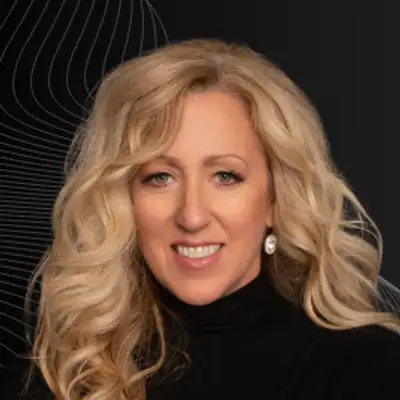
Hosted by longtime BNI leader and CliftonStrengths Coach Tammy Zurak, this podcast is your weekly boost of insight, inspiration, and action. Whether you're brand new to BNI or a seasoned member, these conversations will help you take your chapter engagement — and your business — to the next level.
Hello and welcome back to the Perfect 100.
Today's guest is someone who has lived through multiple generations of business and
technology.
Before most people even understood what the internet was, he was already helping shape how
businesses would eventually communicate online.
From Sony to Boeing to the early days of the web to building a business through
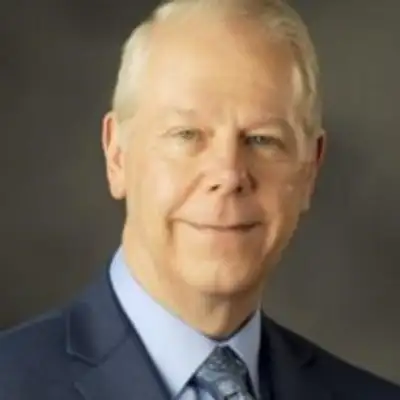
relationships and referrals for more than 30 years, Jim Rosemary has built a company
that's
about far more than websites.
It's about helping businesses grow, evolve, and sometimes completely change the trajectory
of people's lives.
And what makes his story fascinating is that underneath all the technology is really a
story about curiosity, communication, relationships, and understanding people.
Jim, welcome to The Perfect 100.
Hello Tammy, thanks for having me.
My pleasure.
All right, we're gonna do what we do here is start with your 45 seconds.
Go ahead.
I'm Jim Rosemary with NewTek Web, creating business on the internet.
And what most website companies do is they simply say, give us your stuff and we'll turn
it into a website.
You'll find website companies that are talented in design or in the technical aspects.
Those are both important.
We do those.
But what's really critical is understanding business and marketing.
We're like the business consultants who build websites.
We build businesses, not just websites.
And I'm Jim Rosemary at NewTek Web.
Awesome, thank you.
All right, so before we talk websites and business growth, take us back to the beginning.
Tell us what you were like when you were a kid.
Well, I was a learner, I was a student, I was uh very interested in drawing and writing at
different points, and those two skills actually come in handy for what I do today.
Okay, awesome.
So Jim is not in my area.
Jim lives in Kent, Washington.
So we did a one-to-one.
So I have a little inside knowledge of his background.
uh You mentioned during our one-to-one that you have a love of fonts and precision in
language, which developed at a really young age.
Where do think that came from?
Well, again, the drawing part of it, understanding how to communicate something clearly
within a drawing and the fonts, the fonts mean different things and that led to words mean
different things.
I loved reading and I loved writing.
My grandfather at one point said to me that there are no two words in English language
that mean exactly the same thing.
He also said, say what you mean and mean what you say.
and that translated for me into the artistic, visual aspect of fonts, words, and then the
writing aspect of words.
That precision of language was part of the reason I wanted to become a lawyer at one
point.
Ah, so what were your, what did your parents do, were, and you were obviously involved
with your grandfather since he had a pivotal, it seems like, impact on your life.
tell me a little bit more about that.
My parents, my dad worked for Ford for 35 years.
He had a desk job.
My mother was a stay-at-home mom until I was a teenager.
She actually was involved with a legal case for many years, a big case that went to the
Supreme Court and they eventually won.
So that got my interest in the law piqued.
She actually then became a police dispatcher.
And so we had the police radio running at home most of the time when I was a kid.
Interesting.
And your grandfather was involved a lot in your life?
Well, somewhat.
We saw him every summer, but he was a business executive for many years, different
companies.
And so he sort of conveyed that business approach to things, which I admired.
Okay, awesome.
So you mentioned maybe wanting to become an attorney.
What pulled you towards that path?
Maybe it your mom's involvement or what were you thinking?
some of it might have been the law stuff, that lawsuit that she was with and the attorney,
and the attorney conveyed some really important points about how to talk to people.
He said you want to educate them with every presentation.
You have to do that in a way that's not pandering, it's not patronizing, but educational.
So if you were to use a legal term, for instance, in an argument, you want to explain it
in context, not to seem like you're then
turning the tables and just defining it for them, but explaining things in context.
And that really was meaningful to me.
And I think it's important to even in what I do today, because part of what I do today is
very technical, and we try to explain to our clients why that's important without making
it feel patronizing.
Yeah, that's interesting.
Well, and I think that communication, know, websites aren't just the how you find out
where people are and do business with them, but they're also how you decide whether or not
to do business with them.
So that communication of the words that are said, how they're said, all of that, you know,
convincing, you know, in a way that is.
our attention spans are very short, so we have to get all of that across in a very short
amount of time and want people to want to do business with us, right?
Yeah, there's really important key that a lot of web companies, a of marketers forget.
And it's really three keys to selling anything.
This also applies to your BNI commercials, by the way.
Three keys to selling anything are number one, benefits.
You have to explain what's in it for the customer.
So number one on a hit parade is benefits.
Number two, the most important key is
benefits.
The number three most important key is benefits.
It's all about benefits.
That is, when you build a website, when you do a BNI commercial, when you have
communications with a prospective client, you have to explain what's in it for them and
you have to do it in a way that's meaningful for them.
Yeah, the benefits piece is if you've ever been in, I know you've been in sales, but for
anybody listening that hasn't been in sales, you're, that's the, you know, day number one
in role playing is benefits, right?
Features and benefits.
How do we understand whatever you're selling is the, and I do that in my coaching with
people, is we often talk about the thing that it does, not what it does for the person.
You know, whatever you, whatever you're,
bringing to somebody, whether it's tires or coaching or a website, it's what is it, what's
in it for them, right?
It's not what's in it for me.
It's not what I'm trying to sell you.
It's what's in it for the person that is coming to you, right?
Exactly, and even in a corporate sale, I spent much of my time oh here in Seattle area
working for Sony, calling in Boeing, Microsoft, big companies, dealing with corporate
buyers.
And you'd think it would be a rather sort of cold calculating, very objective kind of...
uh
transaction.
But in every case, the buyer buys based on emotion.
They might justify it with logic, but emotion plays a very important role.
And again, even in your BNI commercial, you have to evoke that emotion in explaining to
people what's in it for them at a basic emotional level and really firmly understanding
what's the difference between a feature and advantage and a real benefit.
Benefits always come down to emotions.
Right, yeah I love that.
And also having the right people in the, if you're doing this for whatever your work is,
whatever your company is, is making sure all of the people that are making decisions are
present.
Because that emotion, you might get the first one on the emotion, but then the second one
is the not the emotional.
Who's going to come in and stop the sale real quick for you?
And you mentioned, Tammy, about some people aren't in sales.
In my take on it would be that everybody is in sales.
And you can joke about in my seminars where I look out at the audience and say, how many
people here are married or in a relationship?
In every one of those cases, somebody sold something to somebody.
So it's a matter of always selling yourself in a way that...
You're presenting that image, that identity, and persuading or convincing people that they
should do business with you.
And so everybody's in sales.
If you have a job, you got to sell yourself to your employer.
Yeah, for sure.
Yeah, I agree with you wholeheartedly.
People think sales is a dirty word, though, so they don't want to think of themselves in
sales.
But if you own a business or you work in a business, which pretty much everybody listening
to this is, you're in sales, unfortunately or fortunately.
That's a key point.
Something I learned from Zig Ziglar, if remember him, one of the things that he talked
about was that if you help enough other people get what they want.
you'll get everything in life that you want, which really means that sales isn't selling,
it's not convincing or persuading, it's helping, it's solving problems, it's answering
questions, it's achieving objectives, it's doing something for the other person that's
meaningful for them.
So to me, sales is more about the consultative approach, rather than just getting a check
or a signature.
It's really, are we the right fit?
Because we're not always.
And if we are the right fit, how can we help you the most?
Right, for sure.
Yeah, and I always like to layer on top of that, that you were given some sort of gifts,
right?
There's something that you've been blessed with that you're bringing to the world.
And if you're not giving it to somebody who needs it, that is why, you know, why feel bad
about bringing what your talents are to someone else that needs it?
That's so I don't.
think sales is a bad thing.
You're not just forcing something on somebody, you're giving them something that they need
to be better in whatever way they are.
Yeah, I gave presentation many years ago to the American Massage Therapy Association and
there were room of a hundred massage therapists in the room and I asked the question, how
many of you bring value to the world?
Half the hands went up.
Which made me wonder like if you're doing something and not bringing value to the world,
why are you doing it?
But then they asked, well in that case if you're bringing value to the world, real value
to the world, then you owe it to the world to be profitable.
Because there are some industries and there's some cultural inclinations these days to
say, profit is bad, you're making money off of other people, you're taking advantage of
people.
I disagree with that wholeheartedly.
What really is it all about?
It's an exchange of value.
And if you're providing value and they thank you by paying you, paying you well, then that
allows you to bring your value to more people in the world.
It's really this value multiplier equation it's all about.
So making money, being profitable is not a bad thing, it's actually a good thing.
It's a proof of your worth, it's a proof of your value that you're bringing to the world.
Yeah, well, you know, and things have changed today.
There are some Gallup certified Clifton Strengths Coach Gallup.
All that Gallup does is not all they do, but the main thing that they do is they uh pull
companies and find out about what's happening.
And one of the things that is important to the generations that are coming up today is
giving back, right?
So that ability to give back.
comes from having money.
can't, if you don't have anything, you can give of yourself, but you also have to have
money if you want to support more people.
Earning an income is a way to be able to do that for others.
it's a great, it's all in how you think about it, Yeah.
So you also mentioned when we spoke last that you were shy growing up.
And so all this sales talk makes me wonder, you know, how does somebody who's shy end up
becoming uh comfortable teaching, speaking, leading?
Tell me more.
Well, that shyness was a real issue for me.
I literally, when I was a teenager, would not order a pizza over the phone.
My brother and sister used to joke with, me about that.
What helped me was my first job at Sony, which was at the counter of person on the service
department.
So people would come in complaining about their TVs or their clock radios or whatever it
was.
And I had to interact with people who were not always happy.
And so that taught me a lot about the interaction process.
It took me a while to come out of my shell.
But I learned over the years as I was
sort of forced into sales and presentation modes in my job was something I teach even new
BNI members today is what I call the inside out process.
The reason that most people are nervous whether it's in a one-to-one sales situation or
standing in front of a room is because their focus is on themselves.
Am I shaking?
Am I blushing?
Am I nervous?
How am I cross?
Am I sounding stupid?
And that then tends to create a negative feedback loop because the more they think about
themselves, the more they think about themselves and the less they think about the message
they're trying to deliver.
And we've all seen this.
Somebody will be standing up in their BNI commercial or in a presentation and they totally
forget what they are.
They make the excuse that they haven't had enough coffee or that they didn't get enough
sleep and they sit down and it's embarrassing.
I understand.
I've been there.
But really what you need to do is change that focus from the inside to the outside.
And the process that I went through, and I didn't realize this until years later, was I
became really good at my subject.
I knew my product really well, to the point where I became an industry trusted resource.
I was the guy they quoted in the magazines and on TV and radio.
And I really knew my stuff about the product.
I still wasn't confident in me, but I knew myself.
But in time, I realized that it's not about me.
And it's not even about the information.
them, it's about the audience.
And I distinctly remember now almost 40 years ago, I was giving a presentation, two-hour
presentation in front of an audience, and I got to the end of it and I didn't remember a
word that I'd said.
It had become like a conduit of information.
I was exhilarated and exhausted at the same time because it was no longer about me, it was
about focusing on the needs of the audience.
And so I would say whether it's your 30-second commercial or whether it's a presentation
to a whole room full of people,
It really takes time, it takes practice, it takes years of effort to change that focus
from inside to out.
That's what I call that, inside out.
Love that.
it's, well, it's interesting because it's the same parallel of sales that we gave a few
minutes ago, is where if we're focused on what we're selling, which is us, then you're
going to be in your head too much.
But if you're focusing on what you're delivering, which is the benefit for the client or
the person in the room or whomever is in front of you, then that shifts and that becomes.
you know, when it's about someone else and this is hardest thing to teach people.
I've been in sales for a thousand years and people want to, they get hung up on what
they're saying because of all the things you said.
you know, they get in their head about it.
And, but when you're focusing about what you're bringing to someone, what they're going to
be able to change or learn or do.
then it shifts things.
it's not inside you anymore.
And I love the conduit thing too, because I have that a lot where I have to go back and
watch things I've done because I have no idea what I said.
But, go ahead.
focus actually applies to our websites and how we do marketing.
So if you look at most marketing, even professional marketing from big firms, they fall
into what I call the I Our Us Disease.
It's all about us.
And if you look at most content on websites, brochures, even TV and radio commercials,
they start with sentences like, we're proud of, we've been in business since, our
products, our clients.
Instead of that focus being me, me, me, all the way down the page, maybe at the bottom as
an afterthought, oh, by the way, here's what you get out of it.
We flip that upside down.
We literally start headlines with you and your.
You can rest assured, you'll sleep better, you'll look good in front of the boss.
So those kind of things, you followed by a benefit, are much more meaningful to the reader
because now the focus is on them.
And in marketing, and even in your BNI commercials and elsewhere, focus on the single
person who's receiving your message at a time.
You may be standing in front of an audience, but you're not talking to an audience.
You're talking to each individual.
And even in the content and the websites that we write, we write to the one person who's
reading that website at that moment, not to truck drivers or teachers or whatever it might
be.
It's that one person who's reading that sentence.
They're the most important person in the world.
And so now we
need to focus on what are their needs.
Yeah, that's perfect, love that.
So you got involved in network marketing very young.
What did that experience teach you about people and sales?
Yeah, when I was 18, I was going to school at University of Michigan.
I was going to take that path to become an attorney.
And during my first and second year summer, I had a friend of mine that introduced me to
network marketing.
And so not so much selling things door to door, but friend to friend.
And by the end of that summer, I'd gotten a $2,000 check.
That really caught my attention.
And during the middle of my second year, I realized, wait a minute, I can continue on this
path, spend another several years in school and be deeply in debt and then start again at
the bottom of the totem pole or I can continue on.
Now life changed and things happened and I didn't pursue that path.
But that's what led me to Sony.
But the whole network marketing experience made me realize that, again, learning about
sales.
but that this is an approach where you're talking to people one-to-one.
You're really dealing with what's important to them, what matters in their life.
And it changed my perspective on sales and really on life and relationships in general.
Yeah, uh it's evident, well, and even if anybody listening has ever done that kind of
selling, it's a unique prospect.
And I think it's a, I uh did Amway when I was younger, you know, it's a very similar kind
of thing to what you were in Shackley.
em And so it's a very unique proposition to, and things have changed over the years now,
the MLM.
type model is significantly different, I think, than it used to be.
But talking to people about what they need, and again, it's all the same.
We're having the same conversation in different ways here, but it's something that I
always tell people, you should always work in a restaurant.
em Maybe you should work in an MLM also, because two uniquely different experiences, but
they teach you a lot about people, right?
Everybody's the same.
You just need to treat people well and bring them what they would like and if they enjoy
it, they will do more with you.
Yeah, when I was at Sony, I was in the service department and eventually moved into sales
in the order processing department.
And then I was sort of pushed into a sales job.
It was either that or lose my job.
And I sort of went in kicking and screaming.
I did not want to be in sales.
had what most people think, you know, that impression of salesmen are, they're pushy and
obnoxious.
But I really learned about the serving people kind of part.
And after a while I realized...
Sales is meaningful and so I now have been for the last 45 years telling people at some
point in your life you have to be in sales because it teaches you about your product and
your industry.
Yes, it teaches you about communication and persuasion and those kind of things.
Yes, but the most important thing it teaches you about is yourself.
You really have to learn about yourself.
How do you deal with the ups and downs of sales?
How do you deal with your identity, your messaging, being who you are?
All that's really important for life success in general.
So I think sales is an incredibly important life lesson.
Yeah, I was just listening to a podcast where they were talking about some of the most
successful people in the world.
And most of them had had some sort of sales background.
And the thing that was unique about that is that in sales, you hear no a lot and you get
used to it.
Right.
Is this is the unique difference between those that are salespeople and those that are,
you they do you get used to it's not a personal rejection.
It is just not right now, not you right now.
And it's not a you person.
uh The thing that you have is just not now.
So when you hear no and move past it, not everybody, I worked in the mall when I was
younger in retail and people would come in all the time and looking at clothes or
whatever, I sold different things in different stores, but.
Not everybody, it would be weird if everybody that walked through the door bought
something.
A lot of people just come in to look.
There's a demo that I do when if you and I were standing across from each other that I
would that I teach our BNI members and have taught in sales courses for many many years
and that is I have you hold up your hand like this and then we put our hands together and
I start pushing.
What's your natural inclination when I start pushing?
You push back.
Yeah and that's the way most people try to sell.
I have something I want you to do for my reasons and people don't appreciate that and they
push back.
It's the same way when we walk into a store, if you hear the clerk say, can I help you?
Well, it's kind of the dumbest sales question ever.
It's it's about you, not them.
But then what I do in that same demo, is I'll put something in my hand.
It could be a crumpled up napkin or a leaf, and I'll then extend it to whoever I'm talking
to.
I don't say a word, I just simply extend my hand.
I've been doing this demo for 45 years.
I've never had anybody not take what was in my hand.
Now, that's not real, that's not life.
Not everybody's going to what you offer.
But here's the significant difference, and this applies to BNI, both in terms of your
commercial, but especially in terms of inviting visitors.
Because you're not about, it's not about selling, it's not about selling BNI when you're
inviting people.
It's about making the offer.
And I equate that to recommending a restaurant.
We've all recommended a restaurant to a friend.
If they don't go, do you get a sense of rejection?
No, of course not.
m
friend resent you because they think you're being paid by the restaurant?
No, of course not.
And so again, you're just making an offer because it's a good thing.
I think BNI is so critical for small businesses.
I've become a BNI advocate at so many levels that I recommended to everybody I went into
who's in business in any way.
And even people who are not in business who have some kind of influence in their community
or they've had a lot of connections, I still recommend that they at least visit a BNI
chapter.
So what I'm doing is I'm making a recommendation I'm not trying to sell and if they don't
show up, if they say no, okay, I don't feel any sense of rejection because it's not about
me.
It's about the opposite.
Yeah, it's so great because this is the single biggest thing that people struggle with, it
seems.
Every chapter I look at, I meet with the chapters I'm the support consultant, director
consultant for, and all the way down the line, visitors, it's always the least uh
frequented, I guess, uh measurement.
And people always say, oh, we have such a hard time inviting people.
And I don't.
I don't have that problem.
And it's just because I ask a lot, right?
It's just that simple.
I'm in environments where there are other people who would benefit from it.
And I ask, would you like to come and meet some new people?
And they're already in an environment where they are trying to meet people usually.
So they usually come.
Here's how I invite people and this is a process I've been using for now that I've been in
BNI, this is my 29th year in total.
And the way that I approach it is if you do business with somebody and they do a good job,
the first question you ask them starts with this important key phrase.
This is an important phrase for all of business, great sales line, would it be okay if,
that's the line to write down, would it be okay if, dot dot dot.
And then there are three parts in terms of BNI invitation.
The first part is, would it be okay if I refer business to you?
Makes sense, I'm just doing you a favor.
And it's like being attorney with a witness on the stand.
You don't ask a question you don't already know the answer to.
And so if you ask a business person, is it okay if I send you business?
Of course they're going to say yes.
So would it be okay if I refer business to you?
That then leads to the second question, almost like an afterthought.
Well, in that case, would it be okay if my entire business network refers business to you?
I always use the word entire.
Now we have 50 plus members in our chapter, but there are 350,000 people in BNI.
You never know where those referrals could come from.
So when I say, it be okay if I refer my entire business network refers business to you,
would that be okay?
Of course they say yes, thank you, I appreciate that.
Which leads then to the third important question, would it be okay if...
I introduce you to them so they understand what a good referral is to you.
So that phrase is important.
Introduce, not attend a meeting.
People don't like going to meetings.
They're already at too many meetings.
It means the same thing, but they'll do an introduction all day long.
They don't want to go to a meeting.
So it's important how you phrase things.
And that's a key lesson I've learned in sales.
Language matters, which goes back to my love of individual words means something
different.
introduce people, don't just invite them.
Love that, that is amazing.
And I've heard different versions of that, but I love that you've given, everybody has
their own way.
And that is a very easy way to take, make it about the other person.
Everybody wants to do more business.
And that's how I look at the world too, is I'm a business coach.
I help people do more business, right?
And they want more business.
Who doesn't want more business?
know, unless you're slammed to the wall.
which, you know, maybe it's tax time and you're a CPA, but the rest of the year you still
want business.
So, you know, it's, love that you're giving people a different way to think about it.
So you became Sony's answer man online before most people even understood what the
internet was.
Did you realize at that time you were kind of ahead of the curve?
sort of.
This would have been about 1984.
had my original computer was a Commodore 64, one of those ancient computers.
I got a laptop that was a little bit faster and got online and at that point it was either
CompuServe or AOL.
I got on the CompuServe network and of course I was in the consumer electronics field
anyway so I gravitated toward that topic and as people were asking questions online I just
naturally started answering them and I became known as the Sony Answer Man and by about
Sony corporate here in the US caught wind of that and they said, what are you doing?
What's the internet?
They flew me to New Jersey for a special event.
And so for three hours I was typing like crazy, had a couple of assistants doing research
for me.
And it was really Sony's exposure to the internet before it was the web.
Now most people don't realize that the internet and the web are related, but two different
things.
And so I was on the internet before it was the web.
The web was really born in about 1990.
1992 is really kind of when it became public and I was actually teaching courses in it
after I left Sony in about 1994 and at that point there were only a couple thousand
websites.
I realized this is going to be huge.
So taking what I learned and turning it into a new business for me.
Yeah, I love that.
uh Those of us that are old enough look back and yeah, I worked for a dot com when in the
mid 90s to late 90s and we were selling against, I was in sales, were selling against
newspapers and TV and radio and walking into car dealerships and talking about why they
needed to put their inventory online and they were like, I don't...
I don't need that, basically I can go away.
Which is ironic now, right?
Because we all are online and obviously that's what you do for work.
it is the thought that, and I think we're in a similar thing now with AI is that people
are like, ah, don't need to use that, but it's already in use.
I had a conversation with my mom who's 80, she'll be 80.
six this year.
Did I say that out loud?
She won't like that.
um But we were talking about medical symptoms and I said, are you using AI to ask these
questions?
And she was like, no.
And she said, but I Googled it.
And I go, then guess what?
You're using AI.
So it's a fun time when you look back that you were at the early stages and now it's
completely different.
um
And then you went right into, work for companies like Boeing and Microsoft.
So what did all those experiences teach you at a high level?
Yeah, well, I actually called on Boeing for Sony.
So was working for Sony, calling on Boeing at the time.
And there were several different projects there.
It taught me about business in general and more about technology.
A couple of projects that we working on with Boeing that led me still into the realm of
technology.
And there was even one particular project that involved something called SGML, not to get
too geeky, but that was called Structured General Markup Language.
That was the precursor to HTML, which is what the web runs on today.
So I was there for sort of the father of HTML, father of the web, before the web happened.
And to me, it's about perspective.
So I've seen, I've been doing this now for 30 plus years.
I was actually teaching courses on how to build websites before doing it myself as a
business.
And over the last 35 years that I've been doing this, I've seen these fads come and go.
I've seen people with trying to do the quick fix or hitting the home run, and that's not
what it's about.
What sales and marketing has taught me is that it's about building relationships,
therefore BNI, but building relationships with your clients.
You really want to date your clients.
And the process I follow is creating awareness, establishing recognition, building
familiarity, which eventually leads to trust, and then the sale.
That's the dating process.
If you're in a relationship, you went through that same process.
So I joke about it saying you need to date your customers.
which means developing that relationship over time to build trust and then the sale.
All too often, people just try to go straight for the sale.
We're great, buy from us.
And they do that in their BNI commercials as well, without having any kind of
substantiation.
You need to provide that social proof, that evidence, what's in it for you, why is this
important, here's how I can be your solution.
That's really what sales and marketing is all about.
Yeah, for sure.
So when we talked, also mentioned the personal side of that season.
You talked about missing important moments with your kids because of all the traveling you
were doing.
How did that affect your perspective on success?
Family is important.
yeah, when I was, when my kids were little, when I was in Chicago, I was doing a lot of
traveling around Midwest.
When my son was born in Chicago, I had gotten a transfer to our Sony's New Jersey
headquarters, national headquarters.
And I was traveling all the time.
My daughter was born when we lived there.
And so yeah, I missed those first words and first steps.
Regret those times.
Certainly life experiences and you live day by day, you do what you can do.
But to now,
Spending time with yourself, with your family, on the things that you love is really
important.
And it's always that struggle, that balance.
How do you balance what's important to you personally with what's important to your
clients and your business?
And it's one of those things that I think continues on throughout the course of a person's
life.
You'll never find that one moment where everything is in balance and it stays that way
because life changes.
Right, for sure.
it's the climb uphill, you always have the various roads don't always lead you exactly
where you want them to go.
And uh sometimes the people in your life are subject to, you know, the wrong road, I
guess.
But keeping them front of mind is always uh the best way through, I guess, is if you can.
figure out the balance is I think that's the struggle for life is right is what is the
right balance is we still need to survive and we want to have the ability to do things for
other people but we still need the ones in our life to be happy so
Well, that's also reflection of business too, to thyself be true.
And really being yourself is important.
And again, this is something we convey in marketing and again, in BNI.
Be who you are.
One of the lessons that I helped teach a client many years ago, we dealt with a company
who built unfinished furniture, whether it be an end table or a bunk bed.
And they were a very Christian family, very religious.
And they wanted to put the Christian fish symbol and Bible verses on their website.
But they were worried.
that that was going to turn some people off.
And my answer to them was, yes it will.
There will be those people who look at that and say, I don't want to do business with
them.
Okay.
But for every one of those, there will probably be two that say, I can relate to that or
that describes me.
I would rather do business with these people.
But regardless of your circumstances or what you believe, be who you are.
Don't try to be a chameleon to be something different because you're talking to somebody
different.
Be who you are.
And that's part of what we try to convey in building websites.
If you're the jovial, friendly, funny guys, make that come across in your identity, your
imaging.
If you are the more professorial, knowledgeable type, okay, then provide a lot of answers
and education on your website.
whoever you are, let that shine because now you're being true to yourself and helping your
contacts and your clients at the same time through being who you are.
Yeah, you've played right into my CliftonStrengths hands, although we're gonna save yours
for a minute here, but that is definitely one of the reasons why I wanted to bring that to
people is who am I really?
And you know, it comes out in what your CliftonStrengths are often because the difference
between, there are generally other people that do what you do for a living, and the
difference between the two of you, or you and the 5,000 others are you.
you know, and what you bring to the table.
So your brand is all about what your makeup is and why people want to do business with you
is because of you.
So be you is a good thing.
So yeah.
Exactly one of our clients is a book author and he wondered at one point Why would
somebody buy my book?
There's a thousand other books on the shelf that are just like mine And I said it's
because your voice will resonate with your customer Your that your book is not meant to be
sold to everybody My services are not meant to be provided to everybody but those people
who resonate will be great clients and so be can be who you are let your message shine and
It's like the invitation the party if they're interested.
They'll show up
So you described yourself as a business consultant to web development basically.
So why is that distinction important?
I think it's because how we help clients.
Most other web companies will say, give us your stuff and we'll turn it into a website.
They're the technicians or the graphic artists.
The challenge there is that a lot of clients don't know what stuff, what words, what
images are important.
And so here in the Seattle area, we see a lot of websites that have pictures of Mount
Rainier and the Space Needle.
For a plumbing company or an eye doctor, how does that make a difference?
And so they're presenting the wrong image.
We've all heard that a picture is worth a thousand words.
but what words?
And so we're here to help those clients really convey their message to let their identity
shine.
And most importantly, how does this help your business?
So we've worked with clients through the years where we've talked them about their
internal processes.
We built a web app for a company to help them develop a better process for their internal
safety meetings.
We helped a client who is building gift baskets to create an assembly line approach,
creating a database and understanding
reordering and stock out positions.
We've helped a client who has a Montessori school not just drive parents to take a tour,
but to help teachers get an interview.
And so it's really being holistic in our approach.
We want to help clients build their business, not just drive traffic.
It's an important distinction.
Yeah, it kind of stood out to me that you deeply dive into what people do, which is some
of what you just said.
But I think you said you called it an interrogation session.
Am I remembering that correctly?
That you kind of dive deeper to uncover really what they're up to before you start the
process.
Is that about right?
Yeah, we'll typically spend two to four hours with a client on that, we call it a
copywriting meeting, where we really learn everything we can about them, their objectives
as a business owner, what's important to them, but most importantly, what's important to
your clients?
Who are your clients?
Where do they live?
What are their demographics and psychographics?
Why would they want to do business with you?
How are you unique?
What are your relationships like with vendors?
What's profitable?
What do you like to do?
We dive deep into really the running of their business.
much more than any other web company because most companies are interested in the
superficial, flashy messages.
That's not what it's about.
What it's about is that deep connection, those relationships, there's that word again,
that you have with your clients and we help try to foster that.
It has to be the right message to the right people at the right time, meaning the right
thing.
So somebody listening right now is struggling to grow their business online.
What's the first thing they should stop doing?
uh Stop trying to force your message and make yourself sound like everybody else.
We see this all too often.
I call it marketing speak.
That is small companies, one-person companies, small companies try to sound like the big
guys.
And they use these uh phrases that are flowery but meaningless.
uh know, quality is job one.
I still have no idea what you do.
Or, you know, we're the voice of the people.
I still have no idea what you do or why I should do business with you.
So drop the marketing speak, stop listening to all of the experts, in quotes, tell you how
important branding is.
Your branding is important, it needs to be professionally appropriate.
Your logo, it doesn't need to be huge, you're proud of it, your mom's proud of it, but
your clients frankly don't care.
What they care most about is what you do for them.
So drop the pretense, drop the marketing speak, stop trying to sound like the big guys.
and build relationships, explain what you do and why you do it and what they get out of
it.
So you light up when you tell stories about your customers and you shared a story with me
about a woman whose husband had been laid off from Boeing and how you helped rebuild her
business that completely changed the trajectory of her life.
What impact did that have on you personally?
Yeah, so the story of Rosie, she had a business where she was selling jewelry online.
She didn't make it, she was basically distributing it, selling it.
And when I met her in 2000, she had been online for a couple of years and had sold exactly
zero pieces.
And it was easy to understand why.
The website was ugly graphically and it was really just a store and nothing more.
Here's my inventory, you figure it out.
And the store itself was hard to use and so on.
So we put together a plan for building any website.
Well, as I talked to her, I realized that her husband had just been laid off, her daughter
was getting married, and her son was going to college.
And so she had these huge expenses, major family disruptions.
And it was going to be very expensive website.
At the time, really wasn't really an easy way to build e-commerce websites.
And so when we presented her with the plan, I really honestly thought she would say, I
can't afford this.
But she said, we're going to take out a second mortgage to pay for this website.
my goodness.
At that point I said, time out, are you really sure?
And she said, we trust you.
my gosh, now the pressure is on.
And so we built a good website for her and within a year she had made $40,000.
And during that time, and especially at the end of the year with tears in her eyes, she
said, you helped me help my husband go back to school to learn to be a truck driver.
It helped offset the cost of my daughter's wedding.
It helped us send our son back to college.
it changed her life.
And I still get choked up about it today.
We changed this lady and her family's trajectory or her future, her website.
And it may sound trivial that this website can make such a difference, but especially when
you're dealing with small business owners, their website impacts their business.
Their business impacts their life.
And so that's the importance of what we do.
This is not just a job to me.
This is about really impacting people's lives and their futures and that of their
customers and their families.
And so I really take this seriously and it impacts me deeply when we do business with a
client.
Yeah, it's amazing because I work with so many small business people and then we're just
surrounded by them obviously in BNI is sometimes you have the best thing but nobody's
finding you.
the next best thing unfound is not the next best thing, right?
So you've got to work with professionals that know how to get that thing seen and how to
speak to it because...
Before they ever talk to you, they've researched all of the things that are there and that
you may never get a shot at the, know, a swing at the ball if you don't have all the
things properly set up for them to want to engage with you.
That's what I say when I tell clients about their current website or their marketing.
It's like having a billboard, but it's in the desert and it's face down.
Nobody's ever going see it.
And so you can have the best mousetrap in the world.
You can provide the greatest service, but unless people connect to it, unless they see
again what's in it for them, it doesn't matter.
And so again, all those fancy graphics, all the money that you spent on that are
meaningless unless it makes that important relationship connection.
Right, love that.
So AI is really changing marketing and websites rapidly right now.
What excites you about it?
Well, it can be a time saver, but it's definitely not a replacement.
And I think all too often now, and especially with the messaging we're getting from the
industry, is use AI to build your website.
Just click and drag and drop and boom, you have a website in two minutes.
And that presents the wrong image because again, it's not talking about your identity and
your messaging.
It's not talking about the connection with clients and building relationships and
providing value.
All the things we talked about, it's about quick and easy.
Well, quick and easy has an advantage, but it has a big disadvantage in that AI doesn't
really understand the value equation.
They really don't, it really doesn't quite understand what benefits are because it doesn't
have that human connection.
It'll, it'll spit out words.
And especially in these, these times, it'll spit out that marketing speak I talked about,
the flowery language.
It's good at that, but that's not as meaningful as sentences that start with you and your
followed by a benefit.
AI isn't quite there.
We're using it right now to uh generate ideas, to create frameworks.
We're using it a bit in terms of the technical coding thing, solving problems.
We use it a bit in terms of images.
When a client has no images or can't bring in a photographer for various scenes, uh it's
really about learning how to prompt properly.
Because AI can be stupid, it can be wrong, it can hallucinate.
And so there are some challenges with it.
But it can be a tool if you use it correctly.
All too often these days people become dependent on it, and I think that's the wrong
approach.
So is that the biggest concern that the dependency or do you have other concerns that are
kind of walking alongside that?
Well, dependency, yes, and the fact that it's a complete solution, uh void of any human
interaction.
And humans need to really make the decisions and again drive those communications.
Don't let AI do that for you.
Okay.
All right.
So we'll take a turn to BNI now.
So you joined BNI in 1993.
Do I have that right?
As a business broker.
So between, after leaving Sony, I worked for a short time with AT &T, couldn't stand the
place, left there, became a business broker while I was doing other things like teaching
computer software courses, like doing marketing consultation, like doing presentation
design and desktop publishing.
And uh so during that time, 1993, 94,
I decided to join BNI as a business broker to try to grow that business.
I liked the business, loved BNI, but it wasn't quite for me.
And so by 95, 96, I dropped out of BNI to kind of pursue the idea of building websites.
Rejoined BNI in 2000.
So now a total of going on 29 years.
Okay, so what's kept you here for three decades?
How most?
Well, I love the model.
And again, most small businesses, even today as I ask them in relationship to building
their websites, most small businesses, when I ask them, where do get most of your
business, it's from referrals.
80 % of 80 % of all small businesses get their business from referrals.
And so BNI is simply referrals on steroids.
But it's also teaching you about yourself and about business at the same time.
Most people that come into BNI, like I did, come in for the referrals.
you stay for the relationships.
what I tell people, especially new members, is you're here initially to try to grow your
business.
The best way to do that is not just those slips that you get each week.
It's from the knowledge, the expertise that you get from the other members.
It's like a big brain trust.
It's like being part of a mastermind group for no additional charge.
so tap into those resources.
When you're doing one-to-ones, don't just explain, you know, have cats or I love boating,
whatever those kinds of things are, sort of the superficial stuff.
Really drill down onto how do you help your clients?
And in that way, you'll learn that this person might be great at process.
Somebody else might be great at problem solving or team building or messaging.
And so you learn from them how to solve the problems that you have as a small business
owner.
And that's really what I love about BNI is
the learning that takes place, the lessons that you get from other members to help you
grow your business.
Yes, the referrals are great.
It's led to millions of dollars of business for me.
But what's more valuable is what I've taken away in terms of the knowledge, the expertise.
Yeah, I love that, because it's not necessarily the most tangible thing that you see until
you've been there a while, right?
I've been in for almost 12 years, I think.
I know when I moved here, I didn't know anybody.
And now I know, I always tell people I know everybody.
It's literally, clients, if I say, you need anything, who do you need to meet is the
question I ask.
And they kind of look at me funny, like, what do you mean?
And I'll say, well, you're a whatever fill in their profession.
Who is it that you need in your network that you don't know right now?
when you kind of steer them down the road, they're like, oh, well, actually I need a so
and so and a so and so.
And then there's some referrals for you, right?
But it's the, I can get to anybody.
I can find a resource for anything.
Myself, my clients.
My husband just asked me now, he learned years ago, who do you know?
Do you know anybody that does this?
The answer is yes.
key to success in business.
Don't just be a vendor.
Don't just be a marketer.
Be a resource.
Help people.
Even if you're not the solution, help people.
And in that way, people will come back to you over and over again.
We've maintained relationships with the clients for more than two decades because of that.
We're a resource.
If we can't find the solution, we'll find somebody else who can.
And people appreciate that.
Yeah, for sure.
And you've also stayed in the same chapter for that entire time, is that right?
That's right.
It was before we were called the Kent Networkers.
We met at a little restaurant.
There were a dozen of us that got together back in 1993.
There's now 50 members.
We've been as high as 59.
And I've held virtually every role in the chapter through all these years.
So is that consistency important to you?
It is because part of what's important I think in a BNI chapter is that historical
perspective.
It's often the case where new members come in and say, let's try this.
And those of us that have been around a while can then say, we've tried that.
It doesn't work.
Or that goes against the BNI model.
And so having that historical perspective I think is a key ingredient for a successful
chapter.
All right, and I want to touch on your Power of One and your Palms Report briefly since
you've been doing this for so long.
So, you on the screen, if anybody's watching on YouTube, you can see Jim has a score of 95
in the green.
um He has 20 points for attendance, 20 points for referrals, 20 points for visitors, all
in the green.
um One to one is 15 points in the yellow and CEU is 20 points in the green.
the grain.
then on your palms report, you have all present 24, this is 24 weeks, no absence, no late.
Referrals given inside 10, referrals given outside 20, referrals received inside one,
referrals received outside 10, visitors four, one to ones 26, thank you for closed
business given 16,451 and CEUs 29.
So what does that mean to you in terms of that consistency?
The one that I'm most proud of there is the attendance.
I have not missed a meeting or been late or had a sub in 14 years.
And so I'm Mr.
Reliable in the chapters or the Iron Man of the chapter.
And that's meaningful to me.
It's a source of pride.
But at the same time, it conveys a message to the other members of the chapter and my
clients that...
Jim will be there and will be dependable and reliable for you.
And so I think that's an important ingredient that lot of members miss is attendance isn't
just showing up.
It conveys a message about who you are and how you'll be in business.
How you do anything is how you do everything.
And if you're there, sort of, and if you're not present even when you're in the meetings,
that message means something to people in the chapter.
sure.
And I'm sure you've seen in your years, I know I have, people coming in to be nigh looking
for quick transactions.
What do they usually misunderstand?
The biggest thing that I try to teach members is that when they're standing up to do their
weekly presentation, they are there to educate the rest of us.
It's part of that relationship building process.
And it is a process.
It takes time.
It's not transactional.
And the message that I teach them is something I call concrete observable clues.
This is one of the key ingredients in BNI.
When you stand up and do your commercial, yes, we want to know what you do, why you do it,
how you're different.
But it's important to teach us what to look for, what to listen for.
and they need to be concrete, observable clues.
So, for instance, the real estate, the insurance agent may stand up and say, who do you
know who needs insurance?
Well, I'm not a mind reader.
How would I know that?
Instead, if they stood up and said, who do you know who's buying a car?
Who do you know who's having a baby?
Who do you know who's moving?
Those are things that I can know about somebody else.
And so, in each of our cases, I try to teach members to explain those concrete, observable
clues and then, importantly,
What do you say?
So if I approach somebody that I know is having a baby, I'm the web guy or I'm their next
door neighbor.
And if I recommend an insurance agent, they might say, well, where is that coming from?
So the insurance agent in the chapter needs to then give us that bridge.
How do we broach that topic?
So as sales trainers in our own chapters, when we stand up and do our commercials, we need
to explain those concrete observable clues.
And then what?
What do you say to broach the subject?
Yeah, I love that.
It's often forgotten, think, that we kind of get, members will get into a rut about what
they say and they're not giving you what you need.
ah For somebody who's listening, who's trying to get more out of BNI right now, what
should they focus on first?
One, be yourself, be authentic, because that's the best way to build those relationships.
And I would say give it time.
It does take time.
We see members come and go through the years, and this is the advantage that perspective
gives me.
How many people are in BNI for a year or less, and they just haven't given it enough time.
And so that turnover that happens every year, and our chapter has it too, comes from the
fact that people didn't give it time.
And so I would say that's the number one key for members.
Give it time, work on it, grow.
It takes time to develop the skills.
For sure.
Yeah, it's a, when I look back to the beginning, you know, we in this market, I don't know
in your market, I butted in with 50 % because that's typically, ideally you want 60, 70 %
of your first year people to stay.
They're not all going to stay because they don't all understand when we've brought them
in.
Even...
no matter how well we seem to have thought we educated them on what it was going to be
like.
They don't all stay and that's fine because it's just like everybody doesn't say yes when
they come in to buy your stuff.
Some people it's just not going to be the best fit for and they need to go.
But if you have to stay longer than a year, they've actually done studies that that second
and third year is really where you start to get good footing.
So if you've left after your first year, you you haven't
Given it and you may not have learned enough yet to be able to give it what it needs,
right?
And I've been on membership committee a number of times through the years and that's
something even in the process of vetting a prospective member, an applicant, we tell them
right up front, it may take you six months to a year before you start getting good
referrals.
It depends on the industry and the business, but we always ask them, is that okay if you
don't get a referral for six months or a year?
Now, hopefully it doesn't take that long and many times it doesn't, but we want to
establish the expectation about this building relationships process, that time is an
important essential.
element of that.
Well, and think the biggest key there is that it's not that you're not going to get
anything.
It's that you haven't learned necessarily.
We're going to do our best to teach you how to maximize the opportunity as quickly as
possible.
That's going to take some longer than others.
So it's a fine line because some people will say, you
just don't plan on getting anything.
Well, that's not necessarily what we want to say to people, but it's an interactive
process, right?
You're not gonna feel comfortable.
It's just like any, I used to be a recruiter and I also was a hiring manager.
In any profession, it takes 90 days to kind of start to feel comfortable and that's
barely, right?
So.
BNI is no different.
It's 90 days before you're, like, we use acronyms.
People have no idea what they mean.
And so they're just starting to, and if there's 50 people in your chapter, they haven't,
they don't even know all their names in 90 days.
So, unless they're really good at remembering names.
But generally it's trying to get, they haven't had a chance to meet everybody yet.
So that means people aren't gonna send them referrals because they haven't done 50
one-to-ones in the first 90 days.
So it's a process, but we, um
it's we work together and that's the thing is that you're not getting that in your
business if you work by yourself or with two or three other people.
You don't have 50 people supporting your process that you do in BNI.
So that's the benefit to me.
All right, so let's take another turn to your CliftonStrengths.
You have a, let's go through your top five.
So your number one is learner.
You have a great desire to learn and want to continuously improve the process of learning
rather than the outcome excites you.
Number two is responsibility.
You take psychological ownership of your commitments.
You are dependable and embrace values such as honesty and loyalty.
Your number three is input.
You have a need to collect and archive.
You may accumulate information, ideas, artifacts, or even relationships.
Number four is self-assurance.
You feel confident in your ability to manage your own life.
You have an inner compass that gives you certainty in your decisions.
And your number five is in election.
You enjoy deep thinking.
You are introspective and appreciate intellectual discussions.
All right, so tell me one thing that stood out to you immediately on your assessment.
Well, the learner part, actually all of them, were no surprise.
So it was a good reflection, I think, which told me the test is valid.
So yeah, I've already been a lifelong learner.
We've heard that someplace in BNI.
That's one of BNI's core values.
And so being a lifelong learner comes easy for me.
I enjoy the process.
And that's also one of the reasons I was a corporate sales trainer, why I've given
seminars and presentations over the last 40 years, and why one of the most...
fun jobs for me in BNI is the education coordinator, which is what I'm doing right now.
I think I've done this now six times over the last 29 years.
uh so, yeah, learning is important to me, but it's also that natural curiosity that helps
in networking.
uh One of the keys that I teach to uh new BNI members is be curious.
Be curious about the other members in the chapter.
And as you're doing your one-to-ones, you're there to try to learn about them.
So the more curious you are, the more you learn about them, the more valuable their input
is to you.
And so think being a learner, a lifelong learner, is a key ingredient to success in
general.
Yeah, do you feel like that is the thing learning about new things is what energizes you
the most?
Absolutely.
That's one of the things that we love about our business.
We've thought from time to time about specializing in a specific industry.
For example, we've got a lot of clients in the construction trades.
But really what it comes back to is we just love it too much with dealing with such a wide
diversity of clients.
It's because we're learning about every different industry and we do a process we call
cross-pollinating.
We learn something from the trucking industry that we might apply to the food sauce
manufacturer.
We learn something from the shoe manufacturer and apply it to the book author.
And so we learn something from every client that then becomes part of our body of
knowledge.
And it's that way in BNI.
You learn something from every member that you come across that you meet with, and it
helps change and improve who you are.
em I think that kind of plays well into input too, your number three is, it's inputs about
gathering ideas, information, seeing patterns and things.
So do feel like you're constantly collecting information even when you're not trying to?
Yeah, absolutely.
It's one of those things where we don't know what we don't know.
But one of the things that we've learned in business is to listen for the clues, even the
subtle ones.
And this is true of BNI as well.
When you're having a one-to-one or you're looking at somebody's gains report, for example,
they might...
make a mention of something that on the surface sounds superficial or it's a minor point.
But once you drill down, you realize there's a whole wealth of information or knowledge
that you can tap into because of that one little ingredient.
So again, that's part of that curiosity and wanting to learn about people.
And don't be afraid to drill down, especially ask questions.
When you're in a one-to-one, ask questions.
Find out how you can help somebody else and learn about them.
Yeah, that's the thing that I think always surprises me the most is we as humans, look at
each other and we make assumptions and you don't know somebody's story until you ask.
And when you start to dive in a little bit deeper about who someone is, you find all these
things that are interesting to you.
And those are the, those then become what bonds you to those people and helps you help
them later.
it's always.
that you're doing here in this interview is two of the important questions and they're
good sales questions.
Number one, tell me more.
So when you're in a one-to-one or if you're with a client and they mention something, you
want to drill down on that a bit more, you say, tell me more.
And it gets them talking.
The second one is what does that mean to you?
Because a lot of times people make mention of things, but it may not have an apparent
meaning that you can make use of.
And so if you ask them, what does that mean to you?
Why is that important?
Those are two important questions as you go about talking to clients and talking to other
BNI members.
Yeah, for sure.
Love that.
And responsibility, you're number two, also stood out to me.
You speak about your clients almost like family.
Where does that level of ownership come from?
They are like family.
We've been to birthdays and weddings and even a few funerals through the years for
clients.
And so they're like family.
We've had a number of clients that just, they'll call us when they need something.
And that's a great position to be in in BNI because we know somebody.
And I would say we have a friend in BNI.
Not I know a guy or I know a gal or I have somebody in my contact list, but I have a
friend.
In BNI we're all friends.
It means something different for that prospective client.
Again, the relationships are really important to me personally, but it's how you serve
people.
You can't serve them unless you really understand them enough, that you have that
relationship with them enough to be able to understand what they need and what they want.
And I think that's, another key ingredient for success.
So how do you balance openness to learning with confidence in your judgment?
I don't know they need to be balanced.
think they both go hand in hand.
think uh the more you learn, the more perspective you have, something I call the gray hair
factor.
uh As you learn, as you get older, you gather up this information.
And so this accumulated knowledge, these accumulated experiences become part of who you
are.
And the more that you share of yourself with people, the more you're sharing that wisdom
and knowledge, I think people find that important, that valuable.
And so that's really our purpose here is to be of value to the world.
And that's one of the ways to do that.
I learn as much as I can so I can help share that with our clients and our BNI members.
Awesome, love that.
All right, let's jump into the quick fire.
So I'm gonna give you a rapid series of questions and this short answer.
were you more excited about the early internet or modern AI?
boy, both, but I guess the early internet would be the first thing.
Okay, Sony Walkman or streaming?
streaming.
Yeah, the Walkman had its advantages in its day, but streaming, yeah, so much better.
Yeah, for sure.
Let's see here.
So you mentioned being shy.
Are you introvert or extrovert now?
I still think of myself as an introvert, but I've done so many years of pushing myself,
most people would think I'm an extrovert.
Okay, and biggest mistake people make online.
Just one.
The I or us disease, would be something like being trying to be somebody that they're not.
It's trying to sell, sell, sell without building relationships.
Lots of mistakes people make online.
All right, most underrated marketing skill.
Communication.
uh So marketing isn't just about being flashy or looking big or looking impressive.
It's about really communicating.
Communicating the benefits, communicating the relationship.
Communications is key.
Awesome.
uh One business book that you think everybody should read.
There's so many.
The one that I tend to refer the most is called the E-Myth.
E-M-Y-T-H, the E-Myth.
The second most referred book is called The Ultimate Sales Letter.
The Ultimate Sales Letter is about that communication and about how you explain what your
benefits are.
Great read for anybody in business.
Okay, awesome.
And regular listeners are familiar with the E-Myth because Ivan Meisner and I talked about
it.
So if you haven't seen that episode, go back and watch the Ivan Meisner episode and
subscribe while you're there.
um One thing businesses over complicate.
and so many things.
I think the one thing they over-complicate is the sales process.
They take courses in it, they derive formulas from it, they have different tools and CRMs.
It's about none of those things.
Again, it comes back to, boils down to being curious about your clients and really having
a deep desire to help them.
That's essential and doesn't depend on all the other tools and machinations.
It's just about the relationship you have with somebody.
Okay, and then finish these sentences.
A great business website should...
build relationships, communicate values.
Okay, BNI works best when...
BNI works best when...
You are who you are.
You say what you mean and mean what you say.
Okay, and small businesses fail when...
they don't learn and they don't pay attention to the examples that came before.
And the future, this is the last one, the future of business belongs to the people who...
Show up.
Okay, awesome.
So you have lived multiple generations of business, corporate America, the birth of the
internet, the rise of digital marketing, now AI.
For somebody listening right now trying to build something meaningful, what matters most
long-term?
Understand what matters most to you.
Don't live your life for somebody else.
Don't try to be successful because you're following somebody else's path.
Really understand who you are, what's important to you.
This kind goes back to your CliftonStrengths analysis.
And in really knowing yourself, you're better able to help other people.
Awesome.
Thank you.
Jim, thank you.
This was such a fascinating conversation.
I appreciate you being here so much.
It has been a real pleasure.
Thank you.
Awesome.
And for everybody listening, um give yourself a CEU because this has definitely been an
hour.
And if you enjoy the content and are enjoying the series, there are 42 of these.
If you haven't heard them all, you can get 42 hours of CEU credits.
But be sure to subscribe because that helps me.
It helps you.
And that's how you give back to uh this as a BNI.
You can you might even consider it a uh well, we're not going to call it a referral, but
it's a way you can contribute to help others.
get more information that will help them.
So, um appreciate everybody being here and building relationships with us and we will see
you next time on The Perfect 100.