Subscribe
Share
Share
Embed
The O.H.I.O. Fund Report℠ — a podcast dedicated to elevating Ohio’s collective ambition by highlighting the most compelling stories of innovation and growth throughout the state. Each episode carries the industrious DNA of Ohio, exploring the state’s economic renaissance across advanced manufacturing, digital infrastructure, biotech, healthcare, energy, data centers & AI, consumer goods, and logistics advancements.
John Walsh (Endera) (00:00)
It's almost always like greatness is right around the corner. You have to have really good temperament because it's a lot of like highs are highs, man. And then the lows are lows, you know? But but it's the people believing and like having a group of people that are have each other's backs that, you know, are ready to go to war with you and are in the trenches with you when things aren't going well that is what gets you through it. And and then you guys get to enjoy the highs together.
Jeffrey Stern (The O.H.I.O. Fund) (00:24)
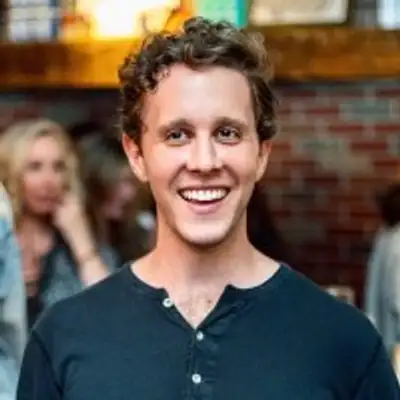
Today's guest is John Walsh, founder and CEO of Endera, the Ottawa, Ohio-based specialty vehicle manufacturer, building school and shuttle buses for transit agencies, airports, school districts, and private fleets across the country. John came to the bus industry as an outsider, leaving a career in private equity in California with experience investing in cleantech and automotive companies to launch Endera.
Where he saw an opportunity to transform bus manufacturing in the United States by focusing on clean mobility solutions. Early on, San Diego International Airport wrote the company a seven-figure deposit before Endera had a finished bus to deliver, giving John both real validation and also an immediate lesson in what it would actually take to build a modern automotive manufacturing company. That lesson pushed Endera towards Ohio and vertical integration. If Endera wanted to control their own destiny,
Quality, service, cost, and the customer experience, they needed to own more of the stack themselves. That brought John to Ottawa, Ohio, where Endera acquired manufacturing capability inside a former Phillips plant, scaled production from roughly three buses a month to three buses a day, and is where we recorded this conversation in person. In our conversation, we talk about what it takes to break into a deeply relationship-driven industry as a young outsider, the realities of financing and scaling a
Capitally intensive manufacturer, building and developing a workforce, how software, autonomy, and shared mobility fit into Endera's longer-term vision. And we also get into the harder parts of the entrepreneurial journey, including moments when the company came close to the edge and why John believes Ohio will play a leading role in the next generation of American manufacturing. Please enjoy this awesome conversation with John Walsh.
Hello everyone, and welcome to the Ohio Fund Report, a show dedicated to raising the collective ambition of Ohio. Before we dive in, just a quick note: this podcast is for informational purposes only. Nothing you hear today should be taken as investment advice, a recommendation, or an offer to buy or sell any securities. Please note that the Ohio Fund and its affiliates may maintain investments in the companies discussed. Any forward-looking statements you hear today are based on current expectations and may change. Please do your own research and consult with your advisors before making any investment decisions. For more information on the Ohio Fund,
Please visit theohiofund.com.
Well, John, it is an absolute pleasure to be here with you today.
John Walsh (Endera) (02:52)
Good to be here, Jeff. Thanks for having me.
Jeffrey Stern (The O.H.I.O. Fund) (02:54)
I wanted to start with literally the the space we're in. I I think this building tells a good part of the story of Endera. We are literally here right now in your manufacturing facility in Ottawa, Ohio, formerly industrial Phillips manufacturing site. Emblematic of I think you know a an earlier era of American manufacturing and industry that you have breathed life into, building not only EVs and buses that that we see here, but
Really, I think at the forefront of automotive manufacturing in America and building a a new modern mobility platform. And I thought it would be fun to just ground the conversation and take us back in time to the first time you came here and kind of walked this place and experienced it and
John Walsh (Endera) (03:41)
Just
Jeffrey Stern (The O.H.I.O. Fund) (03:42)
what what you saw here that gave you the conviction that this is where you wanted to build your company.
John Walsh (Endera) (03:47)
This is a special place. So, as you said, this was formerly Phillips Manufacturing. They made tube TVs here from the 70s to the early 2000s. Yeah. so good amount of the TVs in America 40, 50 years ago, were right here in this plant. And just like a lot of the stories of offshoring, flat screens came out and became hard to compete and and so they closed the plant down. And th this campus is a million square feet in total.
We're currently in a quarter million wing of it, but it had over three thousand people that were employed here and and so it is exciting because I I I toured this facility. I didn't really know what I was doing here. in twenty twenty during lockdown. Yeah. Like kind of right after the April time period, like June May, June. and this was Winnebago's bus division. and
They had merged with a defense contractor that had a a a school bus product line. And I had just started my company and and we at first had this 100% EV mission. And we were delivering products but through a subcontractor and we were having challenges through that model. And so what I loved about the places is is that it had a huge scale potential. It had the ability to produce thousands of vehicles a year.
And it was producing only a very small fraction of that. I mean, we're talking about like three, four buses a month. But Ohio is also a great place to manufacture. I mean, the the labor force and the workforce are really hard working people with family values and and so it was a great opportunity to to scale a company.
Jeffrey Stern (The O.H.I.O. Fund) (05:33)
So I think it's always helpful to to start with what the thing is. So for someone new to Endera, what is it that you are manufacturing behind us here? Who are the customers that you're selling to? What is this industry that that you are operating within?
John Walsh (Endera) (05:48)
So Endera is a specialty auto manufacturer. We manufacture school buses and shuttle buses predominantly for the government. So our customers are school districts and transit agencies and airports across the country, as well as hotels and corporate campuses, anybody who really needs people moved. and we manufacture the vehicle here in Ohio, soup to nuts. We have both a gas and electric product line.
every year Eevee becomes more and more of our sales. We do have the belief that EV is a the right technology solution in a time that has a lot of transitionary roadblocks that are creating hurdles to adopting EV, but over time we think ten years from now there's gonna be way more EV buses on the road than there are today. Yeah.
Jeffrey Stern (The O.H.I.O. Fund) (06:44)
No, it's funny when when you and I were getting to know each other, it actually took me a while to realize that Endera is literally end of an era. Yeah. So like what what is what is the era that that you are ending?
John Walsh (Endera) (06:56)
Yeah. Well yeah, a and Derek means end of an era and the idea was is, you know, a end the era of dirty transportation. Yeah. was the original intent, right? and you know, a and the era of of fossil fuels as a way to move people. But our company's vision is is to accelerate the transition to clean mobility. And I think it's important that the word transition means that it's not gonna happen overnight. Yeah. Because there are a lot of roadblocks.
But when you look at EVs when you're moving children, when you're moving people in a bus with a fixed route and the ability to plan DC charging or AC charging mostly overnight, when power's cheapest and the lower operating costs of of an EV over internal combustion engine, it is definitely a fundamentally superior technology.
To move a lot of people around the planet, particularly in cities. But again, the supply chain needs to be built out, the charging infrastructure needs to be built out, and that results in driving the costs down, technology reliability to get there. But you know, right now thirty percent of our our vehicle sales are EV, but we think that's gonna be over fifty percent probably within the next twelve, twenty-four months.
Jeffrey Stern (The O.H.I.O. Fund) (08:22)
So I think you alluded to this already, but h you know, how does a a California boy become industrialist entrepreneur in in in Ottawa, Ohio? If you had if you had told the younger version of yourself that.
John Walsh (Endera) (08:36)
Yeah, I I think that the concept of how hard could it be is really powerful, especially when the answer is really hard. Yeah. But like I I always wanted to be an entrepreneur and I was working in private equity on automotive restructure teams where they would buy a business that was an automotive that was failing for some reason or another and and then they would have great infrastructure, great bones, great factory. and I was on the team to turn them around.
armored vehicle manufacturing and industrial aviation, like aircraft refurbishment. I was on those types of teams and what was interesting was just taking a diamond in the rough and then turning it around. And then I got assigned to this EV bus company that was part of their venture arm. And they were trying to bring an electric bus in from China. And I don't think the fund knew at that time that
Chinese transportation equipment really has never stuck here for a lot of reasons in in terms of just like the quality of the vehicle and the fact that you have to make it in America, right? Which is most of the market. and hu hubris kills companies, right? Like the the founders were, you know, a bunch of ego balls. And you know, I left and I said, you know, I I think I want to try to start my own company. And but it was a compelling market. I mean you gotta g
It's the government, right? So you got stable business, it's inflation proof, it's recession proof, it's tariff proof. It's not government shutdown proof. we learned that recently, but you know it it is a great market. and and so I then started delivering these EV bus products. So I had a pilot customer, San Diego Airport. I went to them and I said,
No, I'm not gonna tell you what you guys need, you tell me what you need. Let's build this together. And it was the best customer development I ever had, which is just listening to the customer, writing on a spec sheet what they said they wanted. And then I went to Canada, China, the Midwest, and we vetted all these different vendors. Yeah. And then they chose it. I I I didn't really choose it. They they selected it with my guidance, but then they wrote me a million dollar deposit and then they said build it.
And then that's when I really started sweating. Because I was like, wow. Like I don't even have a bus. This was the largest EV shuttle deployment by an airport in US history. and I didn't even have a bus. And and I so and and then all of a sudden COVID hit, supply chains got crunched. And and then I realized, you know, that as I was delivering these bus products that were built by other people, we designed them.
That you couldn't rely on the servicing. You couldn't rely on people doing what they were said they were gonna do. And then how do you control your brand reputation as a company that builds a quality product and takes care of their customers? Which was from day one values that I really prescribed to. And how could you do that without manufacturing the bus yourself? And so I just said, all right, well, I'll just raise a bunch of money and I'll
Buy a factory, how hard could that be? And it was really hard. And so I I bought this company that was, you know, producing three buses a month and had great bones and but I didn't really know the journey I was about to be on. But once you dive off the deep end, there's really no going back. Yeah right Jeff?
Jeffrey Stern (The O.H.I.O. Fund) (12:13)
That's right, that's right. And we'll you know, we'll talk about this journey that that you've been on. and explore, you know, I think parts of the growth that Endera's had along the way, some of the topics you just introduced. there there are a few recurring themes and conversations we've had that I thought would be kind of fun to explore as part of that. You know, one of which is that relationships are paramount in this industry, as they tend to be in a lot of industries. People I think are the most important part of of any business. But
We're talking about an industry here where these kinds of relationships develop and compound over decades. And you're coming to the industry young as a as a person, as a company, but as an outsider, first and foremost. How do you go about breaking into an industry where those kinds of relationships have compounded for maybe even longer than you've been alive and begin to build credibility and trust in the market?
John Walsh (Endera) (13:11)
Yeah, that's a great question. so I I don't come from an auto family where I I I got into auto because my my parents were in it, which is most of the young people that you see in this market. No one leaves college saying, I I wanna work in the bus industry. Right. You know, they wanna work for some like sexy AI company. but I fell into it and you know I think that
This industry is, you said it is it it's very much based on relationships. Every little market, like speaking on the dealer side, for example, it's every little market has their own little king, right? And you know, there's been some consolidation in certain markets of the dealer network, but you have this family that has been in it for forty years, right? And it you know, a lot of times they're on the third generation. and then the sons or daughters are taking it over.
and you know, this industry was although it it is regulated, right? Like you the cause of failure is a human life, right? So there's a lot of regulation. But in a lot of ways from a transactional perspective, it's still a handshake deal. You know, you're buying eight like eight figure deals of transportation equipment. there's a lot of trust that has to be borne in order to to make a partnership work. Yeah. In the early years it was tough, to be honest. Like
Just trying to get your proof point, trying to make sure people are like, are you gonna stay around? Right. And you know, it is somewhat of a mafia. And you know, you you've got like the incumbents that don't want the newcomers in, right? Because it's a high barrier to entry. They've kind of controlled the the market and it's really hard to get that penetration. But really, you know, it's just like the perseverance of like not giving up and, you know, focusing on the fundamentals, right? We we have a
Quality product, we do it at a fair price, and we have the best warranty and service program in the industry. Three fundamental tenets that are easy to say, but for some reason are are not as easy in practice. and and so that was how we were able to grow from you know doing three a month when I bought this place to three a day four years later. and then you start getting a snowball effect, right? Where like people are like, I hear about your product, I hear its quality, I hear it's good.
You know, you you then a a lot of times it's like you you do partnership with the dealer and and you guys are gonna have to hold hands and leap together and jump together, right? And and if it's gonna work, it's gonna work. If it's not, it's not. But there's a lot of games that are played, right? You gotta make sure you don't get shelved because, you know, the dealers could say something nice to you, but then you look at their franchise and, you know, why'd you give me three units for twelve months, right? And well they're, you know, our competitor's main guy. So
Are they really just repping us so someone else can't have us so that they get to control their own market? What are their true intentions? So that's really where the relationship becomes even more important. Yeah.
Jeffrey Stern (The O.H.I.O. Fund) (16:13)
When you think about those three tenants, you mentioned really this strategy of vertical integration. Starting from a place where Endera strategically maybe is more asset-light, right? And and you're working to find the suppliers to get the body, get the chassis, get the get the powertrain, get the HVAC, and like coordinate all these groups to piece together what we see here. At what point in the journey
Do you realize that if Endera's to be as successful as you want it to be, that you actually have to vertically integrate? Like what what was your like theory of the firm for what the company should own and what your core competencies should actually be? Yeah.
John Walsh (Endera) (16:58)
Well, so fum fumbling across the value proposition of people want to buy a bus from one person was one of the earliest aha moments that we had, particularly around EV. So when I first started in Dara, if an airport wanted to get an electric bus in this market, they would have to source a powertrain, they would have to get a bodybuilder.
Who doesn't want to change their processes has been metal bending for 60 years, they don't wanna change anything. They don't even they barely even know what a kilowatt hour means, right? and then you have to find a chassis supplier, and then you have to make them all work together. And and and so this problem that I fell upon was is that our customers had to be like these technical program managers for getting electric bus delivered when they're just normally
responsible for moving people and they buy a bus from one person. Right? So it's like, wow, okay, how valuable would it be if you just had one person to buy a bus from? And at first that was our thesis, but we didn't want to manufacture it. It's just like, okay, get it from us, we'll beat the suppliers up, we'll handle all the logistics. Well that was naive of me because that was like so easy to say, but in practice all the different variables of what can go wrong will go wrong and the finger pointing and
One day that partner's your friend, one day they're not, and and they're reliant you're relying on them for service. Like it there's too many moving parts. And and basically what the conclusion was is you need to control all of those moving parts to be able to deliver a quality product at a fair price and then be able to provide stellar customer service. Like it w it was not possible without doing everything in-house. Yeah. And so that was the natural progression: was is okay, like.
Let's buy a factory, let's develop a powertrain technology, let's let's bring all those parts in house so that we could actually fill that that value proposition that people wanted. It's simple. I just want to buy an electric bus for I wanna buy a bus from one person. But you couldn't get that. You still can't get that unless you go to Endera.
Jeffrey Stern (The O.H.I.O. Fund) (19:16)
When people think about vertical integration, I feel like the corollary is often capital intensiveness. Yeah. And you obviously you cut you've come to this world in business with a background and experience in in as an investor. Yeah. in capitalization and and what that takes. What what have you learned as an operator about what it actually takes to capitalize a business like Endera, where we're manufacturing, you know, physical goods, not just
Digital goods. And we'll talk about software, but
John Walsh (Endera) (19:47)
Great question. So what I have learned about operating a capital-intensive business is that it always takes twice as much capital and twice as much time as you originally think. And the inherent optimism of like, yeah, I'll be able to do this in this time, right? It's like, I don't know, there's some Moore's law of like it's just gonna take twice as long and twice as much. Right? It's like, you know, a con hiring contractor to do a home remodel. It's like twice as much time, twice as much cost. But
Manufacturing is really tough, right? it it's and and and it's almost like that knowledge has been lost, right? but it takes a lot of ingredients, right? I mean it it takes a lot of processes that need to be built out and a lot of people that need to be trained. It's just processes and people, processes and people over and over and over and over again. And the importance of investing in your people is is super valuable. I it's it's like one of the most important things. Yeah. Like we
You know, in in Ohio you've got a lot of hardworking, great people. Not a lot of people who know how to build buses. And like we're El Car, Indian is typically the specialty bus place, right? But we've got a cost of living advantage, you've got really good quality people, and and and and you've got an amazing supplier base. So that means it's even more important to invest in your people, right? Because I want my I I I want
you know, the people who work at Indera love working at Endera. I want them to stay here. And I want them because I w I want to keep investing in them, b w whether it's through training and through you know making them have an enriched set of skills that not only help serve the company but also give them upward mobility and increased economic opportunity. so yeah I mean from a high capital intensity standpoint is
Whatever you think it's gonna take, double it, and then have a laser focus on on process and people. Yeah.
Jeffrey Stern (The O.H.I.O. Fund) (21:42)
And when when you when you pull on that thread, like as you're going from three a month to three a day, and we're talking about like an order of magnitude increase. How how do you sort of balance the velocity of venture growth with the discipline of manufacturing process?
John Walsh (Endera) (22:01)
Yeah, I mean so so that that's a great point, right? It's it's it's it's balancing g growth, but still making sure that you maintain a sufficient level of quality that your value set that are the fundamental tenets of of of why people are bought into in Dara's story, it are are are maintained, right? Because I mean we've had points of our scale where, you know, we we hit this new production increase and this production threshold, but then
We don't have all the processes built out. And and a lot of it is is when you go into a new production push, you can plan for all the things that you know are gonna happen, but like there's gonna be things that you didn't expect, right? That are gonna happen. And then the whole philosophy is is then you s you know what to tackle, right? Because they pop up and then you get better. But quality, right? Like maintaining and growing your quality program while you scale is important, right? Because like in ideal world, you just pump punch out like twice as many widgets, but
You have a lot of processes and you have a lot of people that need to be built out. so I I think sustainable growth while maintaining quality is is one of the the biggest focus points for us.
Jeffrey Stern (The O.H.I.O. Fund) (23:11)
You've mentioned people and the the team a few times now. Yeah. I'd love to hear from your perspective about what Endera means to a place like Ottawa at this point and and how how you go about cultivating the the talent to Yeah.
John Walsh (Endera) (23:27)
Yeah, work.
Jeffrey Stern (The O.H.I.O. Fund) (23:28)
On on building these
John Walsh (Endera) (23:29)
Yeah, as I said, we got a great great group of people here. we have multiple sets of families that work at Indira, right? Where the parents and the kids work here, in a lot of instances. And it was tough for the town twenty five years ago, because it was a lot of layoffs. Unemployment was really high. you know, we've hired a couple hundred people since we we took over the place.
And it it's actually even cool because we have people who worked at the Phillips plant twenty-five years ago that now work here. Yeah. and they're they're working in a you know, a job that's able to provide for their family. people have come up to me and said they were able to buy a home because of their ability to work at Indera. And so I I I think we mean a lot. I like to think we do. and and we want to keep investing in the community.
Yeah. In every way that we can.
Jeffrey Stern (The O.H.I.O. Fund) (24:28)
And as far as as cultivating, like training people how to to do this kind of work.
John Walsh (Endera) (24:34)
Yeah. So there's definitely a lot of learning by doing. Yeah. for sure. and we have different tiers of of production levels that that you can come in at. Yeah.
Jeffrey Stern (The O.H.I.O. Fund) (24:47)
And I ask by the way, because I feel like everyone right now is talking about workforce training and like what what does it look like in in practice?
John Walsh (Endera) (24:55)
Yeah, so so we do have an onboarding process, right? They can get you that get you trained up. We have curriculum in each individual workstation that can help you understand how to put a bus together. We have work instructions set, right, that you get trained on when you go into a station, especially if you're a PA one, which is a production associate one, with you know, basically it's really like, you know, you've got a good work ethic and you've got
a baseline competency of sufficient skill sets necessary to perform the work duties. And then you continue to be trained over time. And there is a tech cred program that that we've done with Ohio and you know try we try to find like what whether it's weld welding credentials, AC electrical credentials. We try to provide those opportunities. And what we also do from an HR perspective is if there is
If anybody in the company wants to get into a certain area of the company, there's a form and means to communicate to HR what you want so that we can try to prioritize your development into that area and or give and give you an opportunity to to move into that position if it comes available. And and we're super big on promoting from within. We would rather promote from within than bring in new people.
And that also I we just believe it i it's the right thing to do and it it it it brews company loyalty. and it it it's just good all around, right? It it's good for the company and it's good for our people.
Jeffrey Stern (The O.H.I.O. Fund) (26:34)
So there's an invisible part to the business, I would say, if you're just looking at what is here, which is really the whole software layer to what you're doing. Yeah. And at what point do you think about widening the product aperture from buses to if we also kind of own the operating data layer and the software operating system behind not just the individual buses, but also fleets and
All the different parts of it it's like vertical integration from a supply chain perspective physically for the buses, but then layering in this whole software layer that expands it even further. Yeah.
John Walsh (Endera) (27:14)
And so I had this crazy vision before I even fully started in Dara of creating this Uber pool for transit where you could almost break the fixed route mold. and I'm gonna start with that. Like like if you think of like you Uber pool-Ray was like demand on demand dispatching, but with
buses, like s like small buses, right, in in in in communities. And if you and if you could make it a cool experience and a cool thing to do, you could get people to ride on these buses and it would be really cheap. Like you could have a small little pass and you could hop on it, right? But they're you know, learning about the transportation landscape and how old school it is and how government funded it is and i i everybody's fighting and different cities are fighting for the same part right it was like it's like so hard to unify that, right?
At this exact moment. However, what we see is to have these vehicles be a Trojan horse for software. Because if we can just offer these fleet management software products, right? And you know, people think, yeah, we do telematics, telematics, right? Like that's like a buzzword in the autospace of like, we have telematic systems. No, I'm talking about like
A rider app where you can see where the bus is gonna arrive, you can see the seat availability. I'm talking about a dispatch system where your customer can manage their fleet, right? These are third-party software products that they already buy in a cookie cutter format because this bus industry as a standalone isn't something that software has customized for versus the broader transportation landscape, right? Like you've got a dash cam company and you've got Geotab and
you've got like an ETA tracking solution, but you don't have this like holistic ecosystem for the transportation sector that effectively can consolidate their reporting and can tell you, hey, you might have too many buses online, you might have not enough buses online to to keep your headway losses in line. you you have all this rich data that you can gather.
And us as the OEM, it's easy for us to offer software products because we're we provide the vehicle. Yeah. Right? So, you know, our goal is less to make money on the software more than it is to have a better customer experience. Like when you get a Tesla, most Tesla people don't go back. Like I bought a Tesla, I'm not going back. Why? Because the technology is just awesome. Yeah. You you have this amazing customer experience. Think of
The bus industry compared to the retail car industry is in the basement from a technological advancement comparatively. So the white space opportunity to provide them with an ecosystem of software that makes their life easier and makes our customers' lives easier and to offer it to them for free. Right? At least at first. Yeah. Right? To just get the adoption.
The thesis is that it makes our vehicle revenue stickier. Which is the same thesis as Tesla, right? It's like y once you go in dairy, you're not gonna go back. so there's just a huge opportunity there because I see the future as being so data-driven, where I look at what the future of buses are and I see 10 years from now, there's not gonna be fixed routes, right? It's gonna be an on-demand, embryotic sort of
Ecosystem of shared mobility. and I think that buses are fundamentally a super efficient way to bring people from one place to another. So like that isn't gonna change, but the technology layer on top of it, so if we can get ahead of it by offering these software tools to these customers, it's one step further towards what we think the future is and it's it's more of a shared mobility future. Yeah.
Jeffrey Stern (The O.H.I.O. Fund) (31:33)
I think buses are underrated.
John Walsh (Endera) (31:35)
Totally. They're not sexy. Bringing sexy back to buses is really hard. We've tried. Yeah.
Jeffrey Stern (The O.H.I.O. Fund) (31:42)
What what have you learned about selling to government?
John Walsh (Endera) (31:45)
man. they put so many stupid regulations and like like they they it's very hard to once you add a requirement to take it out. Right? So like you you have these state contracts and you have some regulator who, you know, for one reason or another feels that they should have X, Y, or Z in this contract. and that was done twenty, thirty years ago.
that n very rarely gets deleted if it becomes irrelevant. So you see some of these contracts and some of the language in there where it's like you almost have to educate them on, hey, like this is not the way you want to do it, right? so there's somewhat of a finesse to getting in the ears of the procurement officers in advance to try to influence it.
The government can be a great customer, but the government can also be politicizing or you know, polarizing and politicize things that you didn't think could be politicized. Yeah. like the government shutdown was annoying, I would say, more than anything, just because these agencies get their discretionary or these states get discretionary money from the feds, right? And that then trickles down to the different cities and then
Transit and and and and we're a public good, right? I mean we're something that is like a necessity, right? You want to have grandma be able to have a means to go and get her medicine. And you want to have the poorest among us have upward mobility to be able to get to their job. so you need it as a fundamental layer. but because of you know, I I think it's unprecedented the government shutdown, right? But you know, the some of the instability of it.
can make it finicky. It's a high barrier to entry industry, right? But once you break through that barrier, it's
Jeffrey Stern (The O.H.I.O. Fund) (33:48)
Yeah.
John Walsh (Endera) (33:49)
a great it's a great market to be in. So I think
Jeffrey Stern (The O.H.I.O. Fund) (33:51)
We've covered here a bit of the evolution of the company. The you know kind of incorporation of different products, hardware, software, widening the product aperture. kind of like working on the sustainability of the business as you work towards sustainability goals of the company. I think there's a version of success for Endero where you guys are
a successful specialty bus manufacturer. I think really there's a more ambitious version of success that you've laid the foundation for here that we've talked through a bit before. But just like how do you think about what you're really working towards and and what does success mean? You know, if you're looking back from a place of retrospect, what do you want Endera to have accomplished within the the industry writ large and the role that it's playing?
John Walsh (Endera) (34:39)
Our vision from day one was to accelerate the transition to clean mobility and we we look at what we're doing as to how much we've aided towards that and and you know ever every year our EV units increase. but you know we really want to transform the transportation, the way people transport themselves across the planet through ways beyond just the mode of power and and through software.
but you know you you look at shared mobility plus electric and that's really the future. You know, we are working to deliver an autonomous bus and so we forge a partnership there. You know, I I think that the regulatory environment really needs to catch up for that. but I mean we really want to create a transportation platform that's in the twenty-first century for the twenty-first century. And you know, we just see this industry being a bunch of legacy.
metal wrenchers, right? And and and like, you know, metal benders. And really there's a huge opportunity through vertical integration and controlling all the pieces to actually enable us to deliver a quality product, but to do it at a lower price that accelerates that adoption of sustainable transportation, but then adding software to it to enhance that customer experience. And the whole goal is just to get more people inside electric buses. Yep. Right? And and and so
That's the barometer in which we're judged. And you know, how many riders have been on our vehicle? How many miles have our vehicles driven? Right. And it's more and more every year. What do you
Jeffrey Stern (The O.H.I.O. Fund) (36:15)
Most excited about today.
John Walsh (Endera) (36:17)
I'm excited about the future, right? I th I think the future is really exciting. and I think for a while there was some degree of pessimism about the future. but I think that the future is really, really exciting, right? Like a lot of the problems that we have in society.
I think are gonna be solved, right? And and whether it's through human ingenuity and and determination, whether it's through artificial intelligence and and and certain advancements and breakthroughs, like we are such a resilient group of people, right? And and it's amazing when we put our minds towards solving something, what we can accomplish. And you know, I I think that at times the younger generation kind of
Would have this pessimistic lens, but I would say that like it it's the future's never more exciting. What I'm excited about with Endera is is you know we we keep we keep growing every year, we keep you know employing more and more people with good paying jobs. We're a classic story of of American manufacturing. 70% of our supply chain is made in America. and so I'm just excited for the opportunity.
to be part in the of the revitalization of American manufacturing. And, you know, my goal is is that I'm, you know, if I can make a difference and you know, be a small piece to that bigger movement. There's a lot of fulfillment in that.
Jeffrey Stern (The O.H.I.O. Fund) (37:50)
I in the spirit of of that American reindustrialization idea, like how how do you get ten more Enderas in Ohio? You know, like what what yeah what would you kind of put out there what one of the themes of this podcast is like how do you raise the collective ambition of the state? Yeah. Like what does it take to I mean you're one of a kind, you know, but like
to find twelve other John Walshes and and get them to take this entrepreneurial step and and go to where the manufacturing is and and set up shop and participate in in this movement.
John Walsh (Endera) (38:23)
Manufacturing what i i i is a lost knowledge in a lot of respects from a generational perspective, right? Like, you know, you you had 20 years ago this offshoring, right? And and people think that manufacturing isn't this sexy thing, right? And so, you know, if there's a way where we can get younger people more inspired to
Like manufacturing is a very interesting problem, right? Like if you like problem solving, manufacturing is a really it flexes that part of your brain, right? Like for sure, you know? And I kind of came into it, you know, more from the finance end of manufacturing, but like really div di diving deep in the operations, like such fascinating problems to solve. Yep. Right? Like and and and things that, you know, I I would say in its own unique way haven't been solved before.
Like adds to the application that is in Dara, right? And and so for for young people to get more excited about manufacturing, I think exposure, right? Like I mean it's it starts with investing in our youth, right? And like, you know, having them have a different perspective of what they think of when they think of manufacturing, right? Because like AI and tech like almost sucks the oxygen out of the room with young people, right? If there's a way where we can really inspire them.
Of like manufacturing has its own sexiness to it. Yeah. I think then you can start getting the youth thinking about new ways to do things from a manufacturing perspective, right? And then because of that, I think that they then are more inspired to start companies. and Ohio's like one of the, if not the best place in the country to do that right now.
You have to have capital, right? Like capital has to be available for those types of entrepreneurs, right? it I would say capital availability for manufacturing startups is harder. it's a harder available capital than manufacturing or there that than like AI, right? Of course. but I would say capital availability plus education of the opportunity that is manufacturing.
and you know, the the appeal that it brings, right? There's a lot of fulfillment that you get when you're just making stuff and making real stuff, right? So I think those are two things that would really get more people into manufacturing in Ohio.
Jeffrey Stern (The O.H.I.O. Fund) (41:03)
Sort of the the devil's advocate of that, but not necessarily. But you you've sort of alluded to a few times if you had known what you know now when you started. What do you but right? But like what what you've learned along the way that that
John Walsh (Endera) (41:19)
Yeah,
yeah, yeah, yeah, yeah. If I knew what I knew now, would I have done this? Probably not. No. I actually I don't think I would change a thing if I knew how hard it was gonna be. but I don't know. You know, I I think that what is amazing about America is is the two things. I mean I I I think what's amazing about America one is is just the entrepreneurial spirit. Yep. That is like
Making it in America, right? And like that's what it's so important to not lose, right? Is it's just the ability for you to come in as a refugee and become a billionaire. I mean, what other country can you actually realistically do that in, right? you know, but just even the opportunity to live the American dream and come, you know, with nothing and then actually make something and have a better life for your family. and that comes through through entrepreneurship. And and so, you know, when you take that and you apply it to manufacturing.
There is the opportunity for you to do that. Right. and and so, you know, I yeah, manufacturing is hard, but every business is hard.
Jeffrey Stern (The O.H.I.O. Fund) (42:23)
I was easy.
John Walsh (Endera) (42:24)
None of it, right? Like, you know, there's it's there's benefits to both, right? Or to like, you know, whether it's like a a capital light company or a capital-intensive company, right? you know, capital-intensive company, you just have to be able to raise sufficient capital. I would say that.
you know, overall just the entrepreneurial spirit is what we need to be continuing to instill in our youth. Right? Is like, go and think about a new way to do something, go think about a way to start a business. And it and it can't just come from Silicon Valley. Right? Like it has to come from these industrial heartlands. If we want to win the race against China in manufactur i in in in AI, if we want to actually have our own independence of manufacturing things, we have to inspire our youth to start manufacturing companies.
Jeffrey Stern (The O.H.I.O. Fund) (43:11)
And at the same time, AI while it may suck the air out of the room, I mean the rubber hits the road with manufacturing. Like it will have the greatest impact in the building of of physical real things, I think.
John Walsh (Endera) (43:25)
Yeah, I too. I mean, I think it's gonna make things in manufacturing operations more efficient. I think I think there's a huge manufacturing industrial supply chain supply base that's needed to serve just the compute engine behind AI. I mean, I think what is there a hundred billion in data centers coming into Ohio with a crippled industrial supply chain not being able to keep up fast enough all the way downstream?
So yeah, I think AI is gonna it's gonna sol I think it's gonna be more optimistic than pessimistic. Yeah, w with every f with every new technological disruption, there's always been those people that are like, it's doomsday, right? You know, Y2K. And and just the invention of the computer itself. The industrial revolution and manuf and and and and machines taking over jobs, right? So
You know, this one has a little bit of difference to it, right? 'Cause you're actually replicating human thinking. But it's gonna solve a lot of things and and manufacturing it it's gonna solve a lot of things in manufacturing.
Jeffrey Stern (The O.H.I.O. Fund) (44:36)
So when you reflect on the chapters of Endera and the ones that we've covered so far, is there a chapter or part of the journey that feels particularly important that that we haven't spoken to yet?
John Walsh (Endera) (44:49)
You know, I multiple times I've had to stare death in the face. And they are still traumatizing to this day, I think. And like like a a level of paranoia still exists within me of the days where you're looking down the barrel and you're like, if I don't do this, I'm done. And it kind of makes you in a lot of ways. It changes you as to who you are.
and it tests your ability to persevere. And you know, I think you look at a lot of stories of successful companies and a lot of them almost ran out of money, or a lot of them almost had something that almost killed them along the way. But right when you feel like you're about to give up is it's almost always like greatness is right around the corner. You know, like right when you're just like, this is so painful, like
I just want to throw on the towel. And greatness is just right around the corner. Like almost every time where you just punch through and then you're like, my gosh. Yeah. Cause the entrepreneurial jury is it's like a you have to have really good temperament because it's a lot of like
Jeffrey Stern (The O.H.I.O. Fund) (46:04)
Yeah. Highs
are pretty eyes.
John Walsh (Endera) (46:08)
The lows
are lows, you know? But but it's the people believing and like having a group of people that are have each other's backs that you know are ready to go to war with you and are in the trenches with you when things aren't going well that is what gets you through it. And then you guys get to enjoy the highs together. Yes. Yeah,
Jeffrey Stern (The O.H.I.O. Fund) (46:24)
It's hard. Yeah. Yeah. It's a journey.
John Walsh (Endera) (46:26)
well and then it almost makes me just paranoid right now to like not ever be in that position again, you know, in so many different ways.
You know, might not be good for my cortisol levels. But that's fine.
Jeffrey Stern (The O.H.I.O. Fund) (46:41)
Yeah.
Well we'll we'll bookend it with with this idea, which is I mean, you and I are are both here on our own volition. And by that I mean I mean literally we are i in Ohio, from California, from New York, chosen to be here. And I always love to hear why why that's the case. You know, I I think the perception that people have of of what Ohio is tends to be pretty far removed of the reality of of actually being here. And it it just takes
like a little curiosity and a willingness to go places to kinda shatter those biases. But it's like why what what is it meant to to be here for for you?
John Walsh (Endera) (47:20)
I love this place. Like, I love it. You know? And I came from California, originally from Los Angeles, and went to college down in San Diego and lived down there. And don't get me wrong, I love those places. I think the biggest thing that makes me like this place is the people. Yeah. People are great. They're awesome. They're super authentic. And they have their priorities straight on what matters in life. I think more than
The metropolitan cities that mean you come from, right? All the the BS that comes from being in the the culture hot zones, right? The who's who, the material possessions, the flaunting, and all that nonsense. here everybody's really real, right? Yeah. And you know, I mean this little town of Ottawa is great. I mean it's five thousand people and everybody leaves their keys in their car. That was crazy.
Crazy to me. Like come in here and like everybody just leaves their keys in the car. And you know, you can't do that in Los Angeles, right? So you can't do that in New York. but there's a sense of community here too, right? there's a sense of family values. and you know, I'm I'm not I'm not married, I don't have kids, but I appreciate it. Yeah. I just appreciate it. And and you look at the happiness index.
of these people and it's way higher than from where you and I came from. Yeah. And that means something.
Jeffrey Stern (The O.H.I.O. Fund) (48:52)
Is there is there a hidden gem of Ottawa that that you wanna you would plug?
John Walsh (Endera) (48:55)
Yeah. Becoming
the Silicon Valley of electric vehicles.
Jeffrey Stern (The O.H.I.O. Fund) (48:58)
Yeah.
John Walsh (Endera) (49:01)
no, but this place is good and you know, we want to keep growing here. Yeah, yeah, absolutely.
Jeffrey Stern (The O.H.I.O. Fund) (49:06)
Absolutely.
well if folks did anything they wanted to follow up with, learn more about Endera, where where where would you point
John Walsh (Endera) (49:13)
Yeah,
I y you can go to www.andaromotors dot com and you can learn more. You can follow us on Instagram or LinkedIn at Indera Motors and yeah.
Jeffrey Stern (The O.H.I.O. Fund) (49:29)
Amazing. Well thank you, John. I I really always enjoyed talking to you and this was this was a lot of fun.
John Walsh (Endera) (49:34)
Thank you, Jeff. Appreciate it, man.
Jeffrey Stern (The O.H.I.O. Fund) (49:37)
Thank you for tuning in to the Ohio Fund Report. If you enjoyed this podcast, we'd love for you to leave a review on your favorite platform and subscribe to stay updated on all future episodes. You can subscribe via Apple Podcasts, Spotify, YouTube, or directly on our website at theohiofund.com. The information shared on this podcast is for informational purposes only and does not constitute investment advice, an offer to sell, or a solicitation of an offer to buy any security.
Past performance is not indicative of future results. The views and opinions expressed by our guests are solely their own and do not necessarily represent those of the Ohio Fund. A guest's participation in this podcast does not imply an endorsement or an investment recommendation by the Ohio Fund. This podcast may include conversations with leadership of a company in which the Ohio Fund or its affiliated funds have an investment.
And as such, financial interest in the success of this company, and there may be a conflict of interest in presenting information about the company and its performance. Any forward-looking statements or projections discussed during this episode are based on current expectations, assumptions, and estimates. Actual outcomes may differ materially due to a variety of risks, uncertainties, and other factors. Listeners should consult their own legal, tax, and financial advisors before making any investment decisions.