Subscribe
Share
Share
Embed
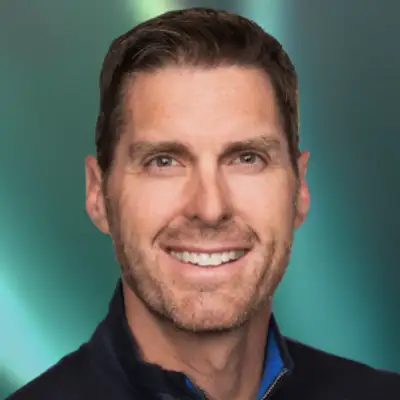
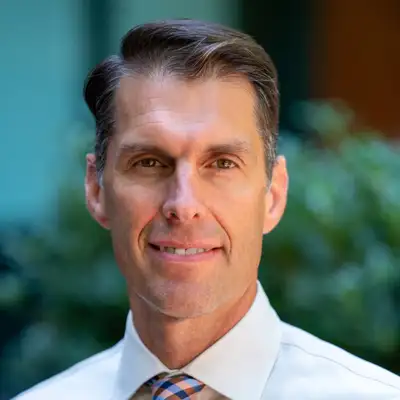
The U.S. healthcare system is at a breaking point—soaring costs, worsening outcomes, and widespread physician burnout. The Root Cause – Business of Medicine podcast, hosted by brothers Dr. Erik Lundquist and Dr. Davin Lundquist, charts a different path: one where healing, fulfillment, and business thrive together.
Each episode shares powerful stories of medical professionals who stepped away from the traditional grind to embrace integrative, functional, and alternative approaches to care. Through candid conversations with practitioners who have redefined success, listeners gain insight into navigating their own transitions, reclaiming a sense of purpose, and reshaping the way they practice medicine.
Erik
Welcome to the Root Cause Business of Medicine podcast, where we explore what's broken in healthcare and what we can do about it. I'm Dr. Erik Lundquist and I've been practicing functional medicine for the past 15 to 20 years. I'm excited to co-host this podcast with my brother, Dr.
Davin
Daven Lundquist, who's just beginning his journey into functional medicine. We come from different points on the path, but we do share a common goal. We want to rethink how medicine is practical. practiced and help others do the same.
Erik
The US healthcare system is in crisis, rising costs, declining outcomes, and physician burnout at an all-time high. But you know, we found a different way, another way, a better way.
Davin
On this podcast, we dive into real stories from medical professionals who've stepped away from the traditional model, kind of like me, and have found a new purpose in integrative, functional, and alternative approaches to care.
Erik
These are authentic conversations with practitioners and friends who've redefined success, not just for themselves, but for their patients and communities.
Davin
Whether you're a clinician feeling stuck, a student seeking direction, or just curious about what is
Erik
possible you're in the right place. This is the Root Cause Business of Medicine Podcast. Welcome to our second episode of the Root Cause of Business Podcast. Today, uh our special guest is my brother, Davin Lunquist. And we're going to hear about his journey. Last week you heard a little bit about my journey as we were talking about uh the interview. uh last week and in preparing for this podcast, we realized that there was so much that actually we didn't have time for. So we what we may do down the road is we may have a specific topic uh podcast where we talk about certain aspects of developing a business uh that wouldn't necessarily have a guest. It'll just be uh Davin and I talking about our experiences in regards to that topic. Uh so we'll let you know how that goes as as time unfolds, but I'm excited to have uh the opportunity to have Davin share his story. You're you're you're just getting into this functional medicine space, right? That's correct.
Davin
Um been been watching you from uh afar for for a while, and uh, but finally, you know, am actually getting into it myself where I'm I'm able to take advantage of some of these concepts with with actual patience, which is exciting. And uh, you know, having been in a more of a traditional setting for over 20 years. uh I'm I'm just so thrilled to to be doing things a little differently now.
Erik
Yeah. So what would you say if um what what kind of What pushed you over the edge, so to speak, in terms of making that that leap? Uh, going from I mean, you you were you were super successful in your conventional medicine from a business standpoint, you were You had a great salary, you had some leadership opportunities, you were um serving in an executive position, and then you were you were on the, you know, you were the chief medical officer for a tech Company developing AI Scribe. So what what what caused you to kind of shift gears and say, all right, I I can't take this anymore? Tell us a little bit about that that story.
Davin
Well, you know, it's interesting the desire to do, you know, functional medicine actually started. Um, I don't know if you recall, but it was I think I attended a a small weekend. you know, conference where you gave one of your first talks, I think, down in Laguna or, you know, some Dana Point or something. Was that, you know, little hotel there? And um and I remember just that was kind of my first exposure to it. And that's gotta be at least a decade ago, I feel like.
Erik
Yeah, it was probably about 10 years ago.
Davin
And um, and so I remember thinking At the time, I was, you know, knee deep in healthcare technology. You know, I was kind of a new CMIO. um relatively new. Um and so I was, you know, I had this kind of new career path that was taking off for me in a way that I hadn't expected. But I remember having this thought, I'm like, well, if I ever get back to like full patient care, I definitely want to learn more more about this. And and I but I just didn't know if if that would ever happen. I I I was pretty optimistic and bullish about my career in healthcare tech at the time. And so I kind of was like, wow, this is cool. It's interesting. I'm glad Erik's doing that. Happy for him. Happy for his patients. Um, but I'll just kind of table it, you know, for for now. So the seed was definitely planted. And I think I it was obvious to me that there was a better way in in terms of that, but I I didn't have the capacity, if you will, at that time to sort of, you know, dig into it enough to really make, you know, wholesale changes in my practice. And I think at the time. I was probably 80-20, where I was 80%, you know, an executive of my time was spent being executive and only, you know, one day a week or something in clinic. Um, so It was more to just kind of keep my hands in it than it was like trying to develop a new clinical model.
Erik
Yeah, and and I think your your experience is is pretty consistent with I think a lot of people some of my colleagues who have trans is transitioned into functional medicine out of conventional medicine world. I there's an element, what do you think it is that makes it that transition so difficult? Like why, why, why can't you? I mean, we went to medical school. We we we we know how to take care of patients. Why why is that transition so challenging? Why couldn't have you just said, okay, well, for the one day of clinic that I have, I'm just going to start practicing this way.
Davin
Yeah, it's a great question. I think um it's not one one thing. I I think it's a like multiple things. And I and I think part of it is maybe the last decade. uh there's some unique things about that, right? I think there was a time, you know, back in the day when when doctors had a lot more freedom and time to kind of practice the way they wanted. Unfortunately, um the with the financial pressures, especially in primary care, you know, we've seen, you know, increased rates of burnout you know, the challenges of of, you know, I think we we we're looking at primary care shortages into the future. Um, the ability for even a traditional primary care doctor to have a private practice, they've been, you know, over the last decade moving into large medical groups and and health system owned um groups in droves, right? I mean they've um and so that's been the trend and I think Then the the onset of electronic medical records. I kind of, you know, cut my teeth as an early CMIO on early stage meaningful use. Uh, you know, stage I mean, I was literally in it from stage one trying to get, you know, millions of dollars for our organization to help offset the cost. of implementing this EMR. And so you had to play the game, right? You had to play the game to get the money to pay for the technology that you sort of felt like you had to get. And so there were all these requirements that started to show up for people to sort of make them eligible. And it seemed like that was a huge shift in the entire industry where not just from a meaningful use standpoint, but also the insurance companies, you started looking at like accountable care organizations and and um and you know Medicare share savings. And and all of a sudden we started getting all these extra requirements on us. Again, with good intentions, looking at it from a population health standpoint, recognizing that we were lagging behind all the other developed countries in the world in terms of outcomes on a population basis. And so this seemed like the solution, right? Let's leverage our technology to influence, you know, thousands of providers to do things differently and have an impact on on you know outcomes. And yet You know, it didn't, I don't think, translate in the in the way that they thought, right? And so I think that combination of like more pressure financially to see more patients. in in smaller uh increments of time, uh, more requirements from technology and insurance companies and you know Medicare. um to check boxes that didn't necessarily translate, but you didn't feel like you had a choice if you wanted to kind of survive in in that environment. So all those things came together and you just kind of You just kind of get trapped in in the system and you're just trying to keep your head above water to some extent.
Erik
So do you think it was so so that sounds like that was a bit of a hindrance, a bit of an obstacle for you to kind of to transition, uh, because you were now kind of buried in this Quagmar of this is kind of how I have to practice medicine and and this is how the game is played. And you're kind of stuck in the arena of the game, right? You're yeah, you're not You're not from a spectator standpoint, you're not from a coaching managerial standpoint, you're you're in as a player involved with the day-to-day grind of it. And so you felt like that was an obstacle then for you kind of getting out of your position to do something. You you knew there was something else out there. You felt like that was maybe going to be a better situation for you and your patients, but yet making that leap was difficult because of the circumstances you were in.
Davin
Exactly. And I I don't think, you know, it wasn't like I was consciously aware of it at the time, right? Like I I wasn't I didn't recognize, oh, here's all these obstacles that are gonna prevent me from practicing in a different way. I think Um, I had an awareness that there was a better way that was interesting and I wished I could learn more, but um I was actually at the time Again, with good intentions, I felt like, hey, I can make a difference by optimizing the technology, right? By making the technology easier. And, you know, our saying was make the the right way, the easy way, right? So we were trying to create technology that was easy for doctors to adopt and use in a way that was productive and effective and would deliver good care. Um, and so that was kind of the that's what I was chasing was that dream of like, you know, this this this world where technology could make uh medicine better for everybody, right? And uh and so with good intentions, I was I had put that on the shelf, but looking back now, right, looking back at it through a different lens, I can see how Um, you know, I just kind of got stuck in that sort of mindset and in this sort of dream that um ironically I had to leave that whole system in order to feel like I can actually use. technology in the way that I had kind of originally imagined it. And it's related to getting out of that that system that unfortunately um, I think is more the problem than than the actual doctors in it, who I think are there with good intentions, with a desire to do the right thing and and make the the lives of their patients better. But they just can't get uh out from under that the the weight of that system.
Erik
It's super interesting. And I want I want to get back to kind of your transition. uh from the conventional world into the ... in and tell us a little bit about what you're doing now. But before we do that, I want to leverage your uh experience in the informatics and technology world. And do you see, we're going to talk about AI just for a minute here as a little bit of a tangent, but do you see AI as a facilitator on conventional medicine? practitioners being able to transition easier into the functional medicine world.
Davin
Absolutely. I think uh it should allow you know people to move so much faster. And I I think having been in the space now, the company that I worked for was doing medical documentation. even before, you know, Chat GPT hit the hit the uh the the market, um, we were leveraging humans and using technology to connect It's kind of a labor arbitrage scenario where we were able to connect lower cost labor um in other parts of the world to help support doctors here. um in doing their work. And then over time, we were making the technology sort of observe and learn from that process and become smarter and smarter. And then when you know open AI and et cetera hit It just accelerated that process uh, you know, extremely. And now, you know, there there are a dime a dozen now, you know, technologies that say, hey, we'll do your notes for you, right? And in in every vertical, not just just healthcare. So um And so we have, you know, studied AI. I personally have studied it and sort of what is its role? I've I've been on webinars where people have asked me, what is the role of AI in healthcare? And I do think that as physicians, we shouldn't be worried about AI replacing us. Um As long as we're sort of willing and open to the fact that I think AI can be a member of the care team, right? Like we can use it in a way where let's leverage its strengths and and um and have it complement ours, right? And I think as as humans and as physicians, you know, we have the ability to connect We have intuition. Um, we have the art of medicine, right? And I think um and I think functional medicine requires even more art, if you, if you will. Um, and so having AI to say, okay. let help us analyze all the data, help us understand how to approach the data, how to approach the patient's history. um we can learn s to do that so much faster than, you know, years and years of studying like like you had to do.
Erik
Exactly. Exactly. I I think it's um I I think it's really exciting. I agree. I think it's something we should be celebrating, not necessarily fearing. I mean there's obviously within realm of ev everything there's always unknowns, but I think AI is just gonna facilitate our ability to leverage the knowledge that we have in a way that's going to help us better connect with our patients and use kind of the talents and gifts that we have from a healing perspective. I mean put those into action, right? I mean, uh part of what what I would uh you know guess from the patients that saw you in a very busy practice still came back to see you. and wanted to maintain a connection with you when you transitioned to your new practice, which we'll hear about in just a minute. But that was your emotional connection is somewhat your spiritual connection with them uh and they're they're wanting to have somebody else help them um in that health journey right and it's it's Having the knowledge is one thing. There's plenty of books out there. You can go you can now go to Chat GPT and say, all right, this is my problem. What's the what's the best treatment option? But you need some other human to connect you and guide you. And I think we'll we'll never get get rid of that. So yeah, uh this that's super interesting. So tell us now exactly kind of what what you're doing. And then as a second part to that, and you can answer this part first if you want, what was it then that drove you to say, and now to now is the time? Like I, you know, it was it burnout? Was it um uh the opportunity to do something different. You were just kind of it was a change in your your your your opportunities. What what what was it kind of drove you and then tell us what you're doing now.
Davin
Yeah. Um So I what's interesting is the other day I was um uh giving a lecture workshop and and I wanted to kind of give a brief overview of my story of how I kind of got to where I was And I had this kind of little light bulb go off and I realized that there's an analogy between um functional medicine, which is all about getting to the root cause. um and with my own life, um getting to the root cause of uh what was maybe not going right in my own life, maybe not just from a health standpoint, I've been fortunate to be pretty healthy. Um, but my life went through a period of time where uh you could say that my circumstances were sick. And um, you know, I found myself, you know, five or six years ago. you know, struggling at work. Uh I was in an executive role, but just not, you know, not finding my way, feeling like I wasn't meeting expectations. uh disappointing people. Um and then also at home, you know, family life, um, you know, relationship was wasn't going well, eventually ended up, you know, going through a divorce. Uh I I'm you know feel bad for anybody that's ever had to go through that. It's a very difficult experience. Uh financially, you know, that created some additional stress. Um, and and at one point I remember just looking at my life and thinking, um, how did how did I get here? Like how how is it that, you know I'm living by myself in a in a in a beat up apartment, you know, with without a family, you know, my job is at at risk. And um And, you know, I just kind of had this moment where I'm like, okay, obviously I'm something I'm something's not right here. I need to I need to really look at my life. and figure out what's wrong. And so in a way, I kind of did like a I I got to the root cause of what was wrong in my life. Right. And um, you know, I realized that, you know, I was I had created all those circumstances for myself. And I kind of went on this journey of self-exploration and and a kind of a spiritual journey, a kind of a rebirth for me spiritually. And, you know, some instrumental books that I'm sure people have probably read as well, but The Power of Now by Eckhart Tolle. And um and another book, uh Power versus Force by Dr. David Hawkins were two that were very instrumental in kind of shifting my consciousness and awareness in a in a different path. And I started to kind of look at my life holistically, if you will, right. And um and, you know, one thing led to another. I started, you know, reading more books and thought leadership around, you know, what like what really allows people to s to be successful in life and not on the outside but on the inside, right? And um And the more I kind of studied all of that, I also realized that from a business standpoint, right, if you there was uh one of my mentors, Peter Sage, who was a former elite trainer with you know Tony Robbins and then he he went on to do his own thing. Um and I and I really admire the way he communicates. Um, and he was describing how if you work for somebody else, then the you they're not paying you your full value because if they were, it it wouldn't make sense for their business. They they have to be making a little bit of a margin off of you to justify paying you that salary for their business to work. And then also as physicians, to your point earlier, you mentioned that, you know, I've been successful in that model. I was actually one of the most productive doctors in our health system. in an RVU fee for service, you know, correct quote, eat what you kill model. Um, but, you know, one, i i I I wasn't satisfied inside on the inside. And two I didn't feel like I was really being rewarded for my value, you know, because here I am, I'm an employee. So there's there's a margin there. And I think Combination of all these things, right? Um was what really started to push me out of that that system. Like, okay, there's gotta be a better way. Um, you know, now I'm a divorced, you know, male paying, you know, half of my income to taxes and and um and you know, let alone not even getting the the full value of how long do you think that
Erik
um process was like at what point did you start kind of saying all right Things aren't right with myself first. I'm having this awareness. And I when you had that awareness, were you immediately thinking, oh, I'm gonna jump ship and and start practicing medicine differently or or you know as you started exploring this realm of self-transformation you realized you needed a practice transformation
Davin
Yeah, I think um i yeah, it happened over a few years, right? Um I you know I went through my divorce and everything actually during the pandemic. So um, you know, there was that as well, that small thing that happened, the the pandemic. And uh so um, you know, there were a lot of things that, you know, that how healthcare just changed so dramatically during that time as well, right? That, you know, the advent of telehealth being sort of a, you know, now widely accepted and and reimbursed. And then um I think just people beginning to question the system, right? And and and so it kind of allowed me to also kind of have a little bit of a more open mind around sort of questioning, you know, the model that I was in and is this really the best way. This is really the best thing for our country, for people on a on an individual basis. Um and so uh and then As part of that, I think I kind of stepped away from my administrative duties and kind of went back to full-time primary care Still in the older model, though, the traditional model. And I think that's where, you know, it was sort of like a little pressure cooker of like you know, seeing 30 patients a day and in this other model. And to your point, I I did my best. I feel like I've always been pretty good at being more of a collaborative type physician than a paternalistic. You know, it wasn't sort of my way or the highway. I always had the approach of, hey, you come to me. You know, I never I never really minded, you know, Dr. Google uh being the first consult and I could be the second consult. You know, I was never intimidated by that or bothered by that. I think it was like, hey, it's your health. If you have ideas, let's talk about it. You know, teach me what you're thinking. Let me know. Let let me help you help yourself, right? Like I'm a resource for you. Um, but then it just became the constraints, right? The short visits, um, you know, wanting to teach them more lifestyle things, you know, start to introduce that. But then feeling like I didn't really know what to tell even to tell them, you know, like I hadn't really learned what I needed to tell them. Um and then, you know, you didn't really have the ability to see them back on a regular basis because in the insurance model Um, you know, you can't just see somebody and just talk to them about wellness. Like the if if you have to be able to chart like something's wrong or you did something, you know. I mean you could, but From a financial standpoint, there's not as big of an incentive to spend time getting people off medicine, getting them healthy, because you're gonna get paid less for for those for those visits. Um and so it it just felt like, you know, I was kind of beating my head against the wall. You know, I'm like in a system that's no longer matching up with, you know, what I what I wanted to do. And I and I think in my own life You know, feeling this desire to transform myself from the inside and understanding the power of like frequency in your mind, you know, and and the energy that you have. Um, you know, I just, you know, realized that, you know, the that frequency beats chemistry and and the the medicine that people, you know, were on in that system. It j it just didn't align anymore. And uh it was time, time for for a change.
Erik
Um so tell tell us what you're doing now and how long you've been doing it and how it's evolved since you kind of got started.
Davin
Yeah, so uh as we talked about, I was working part-time for a tech company. Um, and so uh I I will say that made it easier, you know. It wasn't like I just like quit my practice and then, you know. uh was like okay let's let's hope something works here. Um because I had this other part-time and income Um, I was able to kind of take my time exploring a few different things. So I started out actually. Um I I knew one thing for sure. The only thing I really knew for sure was that I wasn't going to take insurance. That that I knew. I wanted to sort of untether myself from all the rules and the and the regulations and the restrictions that insurance would would uh would imply. And um so pretty early on I I also discovered that you can't just start charging cash to people if they have Medicare. So a little tip. that's really important for people making that transition is make sure you, you know, consult a lawyer, talk to them about what you need to do to opt out of Medicare so that you don't get yourself in some kind of legal trouble off, you know, offering cash services. um that are a covered benefit of Medicare if you're still a Medicare provider.
Erik
So that's an I think it's an important point. I just want to highlight that again. and just take a moment to talk about the fact that when you are when you are transitioning, if you choose to do that, into a cash-based practice. it's it's really important that you look at what the medical legal ramifications of that are. And um to kind of elaborate a little bit on what you were alluding to if You are contracted with Medicare and you bill a patient cash for what you're already contracted for. You're actually in violation of your contract. Um and that that it it that is illegal. You can't you can't do that. I mean there's there's there are two ways you can get in trouble. Uh in practicing medicine, one is fraudulent is when you basically are billing out services or you're saying you you're you're billing in an individual or insurance company for services that you are not providing. The second is when you are contractually bound to um the insurance company for providing services with a patient And then you you you you make them pay additional for those same services, right? And that's where it gets a little muddy uh in having a a lawyer clearly delineate that there are there are cash-based concierge type practices that are uh still billing insurance uh but collecting a membership fee and we'll get we'll be interviewing Some practitioners who are doing that, you're doing a a uh a a form of concierge we'll get to in a minute, but uh in terms of still billing out insurance. So there are caveats to that, and it's really important to get somebody who understands that legal the legal ramifications involved there.
Davin
Yeah, absolutely. And uh And so, and and again, I think uh, you know, this may be one of our topics, right? Where is we get into like cash versus insurance, because you've been able to do functional medicine uh, you know, in an insurance model. Um and there's definitely pros and cons uh to it. So we'll we'll debate that at at some other time. But for me, it just made sense. Um and uh also again, having you know worked in healthcare technology um and you know working remotely for another company in San Francisco, I felt like for me, rather than taking, you know, money A lot of capital to like open an office and have like a brick and mortar type, you know, practice that I would go virtual to begin with. Uh but for people that were in the area, I would offer home visits. So it's kind of a I I don't know if anyone actually has this model out there, but it was virtual plus home visits. Um and I didn't have an office. Um And I had very low overhead. Very low overhead. That was my goal, was to keep the overhead very low. Um, and so it basically just came down to an EMR. um a communication tool and my malpractice, right?
Erik
And it it was uh um and so And so did you did you like come up with a business plan to kind of help you figure that out or is just kind of like this is where I am and out of necessity this is what I'm doing?
Davin
You know, it it's yeah I I I'm I'm not gonna win the award for uh the most sophisticated uh you know entrepreneur for sure. I uh I I kind of jumped uh first, you know, and then uh said, you know, I'll figure out how to work the parachute sort of on the on the way down. So, but again, I had the luxury of this other job, right? So that was part-time. So um Uh so I I didn't want to overcommit and just get myself back in the same mess, right? I didn't want to like, you know, have to like Because there were companies that will come in and say, hey, we'll get you started on a concierge practice. And then they take some, you know, crazy percentage of your revenue, right, for who knows how long. Um, and so I didn't want to get back in the same mess of just feeling like, hey, I had to, you know, crank to to be able to, you know, cover the bills. And so I wanted to take my time and really understand what it was that I wanted to do. Like how could I really accomplish what was authentic for me. So I had that luxury of a little bit of time. Right. And um, and so I was experimenting with this idea of just, you know, getting to know word of mouth patients who had known me from before, hey, here's a new model. I'm going to be able to spend all kinds of time with you. Um, you know, it's sort of unlimited access to me. Um, I'll come to your house, I'll come to your office. I think the very first patient I had who signed up. uh was a lawyer. I went to his office, right? And I spent like, you know, two hours the first day just collecting information from him. And it was it was just the coolest experience to just feel like a free agent or like, you know, I could just do um whatever I thought he needed and and with with really no constraints, right? And then um, you know, that grew a little bit um slowly that there was a lot of interest. Um, I experimented with a few different price points trying to figure out what the market could, you know, sustain in in my area. Um And then I was also thinking, hey, I need to get into social media. Maybe I can build this from an online standpoint and make it a little more scalable, be able to reach and affect more people. So I started learning about that. You know, how do I get started with that? Um I I wish I could sit here and tell you I figured it out and now I'm like a very successful you know influencer. Um but uh it's been a slow process, but I've learned a ton and and I've made a lot of headway there. And so today where I'm at, just to sort of uh fast forward a little bit, is now um, you know, I've I've partnered with another doctor here in town who has a successful direct primary care offering, um, which I kind of think of as like a concierge light model. Um, and uh and so it's still that monthly membership. We don't take insurance, it's sort of unlimited primary care plus Um, we can practice the way that we want. All three of us that are working out of that office have a traditional primary care background. But we're we've all sort of uh seen the light, if you will, and uh are are approaching people from a system, you know, systemic-based, systems-based, holistic functional medicine uh approach. And and I'm loving it.
Erik
That's that's great. And um if if you were to go back and um start over, you know, if you you know take take a a year and a half rewind to where you were no knowing what you know now, what would you tell yourself? to to say, okay, this is I I would be I would be able to speed up the process. Um I mean obviously there's there's an aspect of it that Just time alone is the experience we need to d to develop ourselves in a business in a new business. But uh you know what what were some of the things that you wish you had known uh that would have helped move along? How would you have done things differently?
Davin
Yeah, I think um Let's say that I didn't have this other job, right? And that I just was gonna, you know, dive in full speed into my into my practice. And in some ways, it might have been better, you know, that way because I would have been just ultra focused and I would have had the pressure to s you know really build that up, you know, quicker. Um, but I think um what I would have probably done differently and if I went back how I would do it now is I would say, you know what, I I'm not I I think I had too much expectation of sort of becoming sort of my new self like right away, right? Like I wanted to learn enough to where I could really market myself as more of a functional medicine holistic doctor. And I think if I were to go back, I would say, you know what, why don't I build on my strength and just create a practice that's just fix one thing at a time, right? Like break free from the insurance model, create a cash-based membership model, um, collect patients who know me, who identify with who I am and how I practice. um and then slowly, you know, begin to incorporate the functional medicine pieces as I learned them. And I think that might have been a better tran way to sort of transition. I would have, you know, and and I think In my experience, people who are expecting traditional primary care have I haven't found anybody that didn't welcome a more holistic or systems based approach. So um I think that would be my advice to anyone else, you know, who is trying to make that transition is don't feel like you have to be the expert, you know, right away. You can be who you are today and slowly make that transition with your patience, the following that you may already have. And that would probably have been a smoother, smoother transition. And uh, you know, maybe for a maybe we can have a blooper session where we talk about all the missteps uh that we've made as well. along the way that we that are probably the bigger lessons, right, than the successes for sure.
Erik
I love that. All right. Well, uh I I think we're gonna close and what what I want to do is start a new tradition in our second episode. And and and the the tradition is uh asking our guests, um if you It's kind of a twofold question, and maybe we'll refine this as we go, because I'm totally doing this off the cuff, which is usually not a good thing. But um if you could change the overall business of medicine from a from a from a big perspective what what would that look like for you And two, the the second part of the question is how do you feel like the future of medicine is moving in terms of the type of practice that you have? Is that going to be commonplace? You know, kind of weigh in a little bit on your Predicting the future.
Davin
Awesome. Um, since this is partly my podcast too, I'm gonna uh add something to the to our tradition.
Erik
Oh good. Good.
Davin
I know, right? I mean why not?
Erik
It's only going to be a tradition on the third episode. It's actually just an initiation right now.
Davin
Until we make up a new one. Um and forget all about this one. So something I think I'm I believe we need maybe we should put it in there earlier in the in the in the discussion, but I think I would love to hear everybody's why, you know, their their why in medicine. So I'm going to briefly share mine. And then I think it relates to the other two questions that you just had. So um To me, um, and I actually had discovered this why for myself about 10 years ago, and it was on the informatic side, right? But I realized one day when I just felt amazing. Like I had a day where I just felt so good. I had a good night's sleep. My mind was alert. Um, I had energy. I was just feeling super fit. Um, you know, I had some great connections with people that day. And it just seemed like the ideas were just nonstop. And I just I felt like I could conquer the world, you know, uh on that day. And it occurred to me that As humans, when we feel that way physically and mentally, what is it that goes through our head? Like, where do we turn our attention when we feel that good? And it's usually towards our dreams. That's when we feel like we can chase our dreams and we can conquer the world. Um, and so one of my favorite quotes uh in in sort of my new uh business is I think attributed to Confucius. I actually heard it from Tony Robbins first. And it is a healthy person has a thousand dreams and a sick person has only one. And so my why is if if I can help more and more people unlock more days of feeling that incredible health and vitality. That's more people who are chasing their dreams. And wouldn't that be an amazing world that we would have if that happened more often than it does today? And so then if I think about the healthcare system, right, like that should be the business model. That should be the goal of our healthcare system, right? Rather than at a population level, you know, preventing, you know, or you know, treating as much disease as we possibly can with the limited resources that we have and kind of catering to the lowest common denominator, which is, I think, the way that our healthcare system has evolved here in America, is it's like Yeah, let's just do the minimum that's needed to sort of hit the masses, right? And and kind of keep um But they're not looking at how we got into that into that mess, you know, to begin with. And so I think, you know, the food industry and other things, you know, I'm not into politics, but clearly There's some bigger influences at work that have got us into that mess. And so that the system, I think, has reacted to that, right? And they're just trying to do the best they can. for, you know, the the least common, you know, denominator. And now I get patients coming into my practice who are motivated to change, right? If they're willing to pay money out of their own pocket and not just rely on their health, their insurance That tells me they're motivated to do something with their health, right? Like they're they're a little bit different than the lowest con denominator uh you know model. So those are kind of my thoughts around um our system and and how it could be better. I I don't, you know, I don't claim to be smart enough to know, you know, a perfect solution, but I do think things like direct primary care. um are are gonna have a big impact. And I think, you know, hit hitting and re-educating, you know, people around the the things in our environment, including the food. uh could could could have huge in impact.
Erik
Well I love that. And I think it's a great place to end. I think we'll probably talk more and more about this in in other in future episodes, future podcasts. Uh but I I you know I have to be encouraged by the fact that we have Robert Kennedy in really just uprooting the tradition of the HHS and uh bringing people in who are implementing that root cause medicine. You know, they're they're we're with Casey Means is a surgeon general Um and uh Dr. Batari uh in the FDA. I mean there's just there's a lot of influence for reason and good and not just, oh, this is the way we've done it forever. So this is the way we need to keep doing it. I think all of those things are gonna make some really positive changes. But I love what you said. Yep. A sick person only has one dream. Uh, we want to get people to where they're dreaming again. And that's uh part of the purpose of this podcast, right? We we're hoping that any of you practitioners who are are listening, even if you're patients and you want to encourage your practitioner to start making some changes or you go out and find a practitioner who's doing some of the things that Davin talked about today. Um we encourage you to do that. Uh we want We want people dreaming. We want that the world will be a much better place when we are all chasing our dreams because there's some amazing things. that people can think up as we're already uh experiencing uh in the technology world and and in other aspects. So I thank you, I was awesome. I loved, you know, there was details of that story that I I hadn't heard before, which was really, really good. And uh I I look forward to continuing this podcast with you. And we're looking forward to our next guest, uh who is a pediatrician. He um is still in the insurance world and yet he's practicing functional medicine with an underserved population. So it's gonna be really interesting to get Dr. Magrita's uh perspective on this. And so we hope you'll join us for the next episode.