Subscribe
Share
Share
Embed
This podcast is about scaling tech startups.
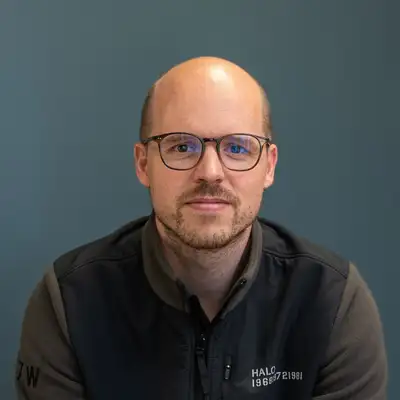
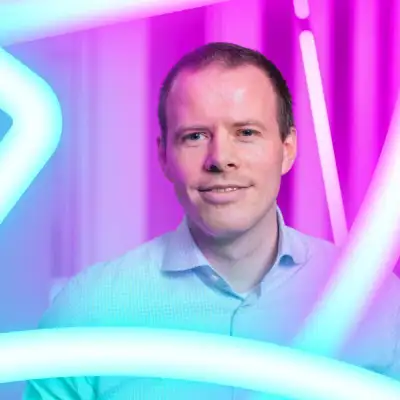
Hosted by Toni Hohlbein & Raul Porojan, together they look at the full funnel.
With a combined 20 years of experience in B2B SaaS and 3 exits, they discuss growing pains, challenges and opportunities they’ve faced. Whether you're working in RevOps, sales, operations, finance or marketing - if you care about revenue, you'll care about this podcast.
If there’s one thing they hate, it’s talk. We know, it’s a bit of an oxymoron. But execution and focus is the key - that’s why each episode is designed to give 1-2 very concrete takeaways.
[00:00:00] Toni: Hi everyone. This is Toni Hoban. You are listening to the Revenue Formula. In today's episode, we are going to talk about continuous improvement, which is part of the Kaizen framework. We are gonna have three very specific examples to make it a bit more tangible for everyone, but also to get you going on how to execute it yourself.
[00:00:19] Enjoy. You know who picked this one? Because this is so much better than this other thing.
[00:00:29] Mikkel: I both Come on.
[00:00:32] You
[00:00:32] don't like it anymore?
[00:00:33] Toni: No, I mean, I love this one. This is, this is the shit.
[00:00:36] Mikkel: Yeah. Sometimes I listen to it just at home. Yeah. When I'm cooking or I don't wanna hear the podcast episodes.
[00:00:42] I just wanna
[00:00:43] Toni: And then, then you're like, oh, Toni's voice. Mm.
[00:00:48] Mikkel: No, it's been a while since I heard your voice. We've been on. Oh, I have been on break. You've been working hard.
[00:00:54] Toni: mean you wear on Easter break. That's what he's
[00:00:55] Mikkel: what, yeah, yeah, exactly, exactly. After Sweden with the kids relaxing.
[00:00:59] Toni: Oh, summer house or
[00:01:01] Mikkel: yeah. Yeah, yeah. So it was wonderful. Uh, and first time went for a hike, like off road with my son.
[00:01:08] He was wearing, you know, uh, boots, rain boots.
[00:01:12] Started
[00:01:12] Toni: carrying him on your shoulders after 10 minutes.
[00:01:14] Mikkel: So let's just say the landscape became a bit unwieldy. Yeah. And very wet. And I was wearing sneakers and he was like, we can keep going. I was like, Okay, I'm already soaked. Let's, let's go back now.
[00:01:26] Toni: So he had to carry you back?
[00:01:28] Mikkel: Yeah, exactly.
[00:01:28] Toni: How old is he again? Five. Yeah, yeah,
[00:01:30] Mikkel: yeah, yeah. But I also had to carry him, you know, at the end there's like a long slope up towards the house. I just see him lying down on the third, uh, I can't walk anymore. Dad. Like, oh.
[00:01:42] Toni: no. But that's the funny thing with those kids, they're. It's kind of your fucking problem, you
[00:01:47] Mikkel: know?
[00:01:47] Oh yeah. are you gonna
[00:01:49] Toni: yeah, exactly.
[00:01:50] Mikkel: you gonna
[00:01:50] Toni: gonna let me, let me die out here. No. So go.
[00:01:55] Mikkel: But it's funny, I was thinking, uh, Funny enough, I was thinking about, uh, family life as I was preparing for this
[00:02:02] Toni: episode. Oh, is this the bridge to the episode?
[00:02:04] Oh, I'm listening. I'm listening.
[00:02:05] Mikkel: This is crazy. Right? So I was thinking about it because we were gonna talk a bit about continuous improvement and if there's something that's important when you run the business of family, it's continuous improvement.
[00:02:18] Uh, outsourcing, cleaning could be one. Uh, the other classic issue is what are we gonna cook tonight? We haven't even gotten.
[00:02:26] Toni: And then you do Blue Apron basically
[00:02:28] Mikkel: Yeah, exactly. So Blue Apron, you get healthy food, easy to cook and prepare and you know, so a bunch of things. Just streamline production and gain a lot of
[00:02:38] Toni: Yeah.
[00:02:39] Mikkel: And have a happy family and spend time together. You know, it sounds so rosy. They're also unhappy moment
[00:02:46] Toni: I've an, I've an o pair and stuff. That was a, that was a great investment. That's an upgrade. Um, and then it's really just waiting. For them to go to, you know, daycare. Hey, why not? Why not? You finally old enough? You know, go to daycare now.
[00:03:02] Mikkel: Oh, it's good.
[00:03:03] It is good to be back though. But, so we're gonna talk a bit about continuous improvement and basically how to create radical outcomes
[00:03:11] Continuous improvement.
[00:03:13] Toni: So all of this stuff is Kaizen, right? Just to be very clear about this,
[00:03:16] Mikkel: It's within lean, uh, as a concept. As a concept. Right. And it focuses a lot on reducing waste, improving quality and efficiency, ultimately to deliver the value faster.
[00:03:26] Toni: Mm-hmm.
[00:03:26] Mikkel: And better. Right.
[00:03:27] Toni: And the value in this case, just to be clear for us here, right, this is, uh, I mean at the very end it's delivering value to customers, which then reflects. Money being sent back to the organization and so forth.
[00:03:41] Right? So that really should be the, the ultimate outcome. It shouldn't be, um, it shouldn't be, uh, having more dashboards and Salesforce because maybe someone will at some point look at them
[00:03:51] Mikkel: hopefully, and obviously for this podcast, it's vanity metrics. That's the
[00:03:55] Toni: drive. Yeah, yeah, of course.
[00:03:56] Mikkel: how what we optimize for. Yeah. No, but true. So the, the, the problem I at least have observed sometimes is we are improving the wrong things.
[00:04:07] Over and over and over and over again. Right? So you said it dashboards is one area, or Salesforce, let's make, uh, this account exec happy because he's been nagging me for months without end on this whatever custom object or something we need or he needs. Right. So I think, it's, it's totally fine to improve some processes if it's towards a certain value, but it has to drive an impact and usually for anyone who deals with revenue, It's a revenue impact
[00:04:34] Toni: It's a revenue impact. Uh, or it's a, it could also be reduced cost that either go into the bank or can be put into acquiring more revenues and stuff.
[00:04:41] Right. It's really, it's, it's both of those, uh, money levers, if you will. I think one of the issues around it sometimes is also, um, this sole focus on your little area. Um, you know, you have your sales force, you have your house port, you have whatever tool that you're focus, you have your commissions or whatever, you know, whatever you're, you're looking at.
[00:05:00] and you are trying to keep optimizing that box where the problem might be between your box and the box that,
[00:05:08] you know, sits next to you. That's, that's the problem, right? The API between those two boxes, that's the problem. Uh, not each of those efficient boxes themselves.
[00:05:17] Mikkel: Yeah. The API between boxes,
[00:05:19] Toni: There you go. I said it,
[00:05:20] Mikkel: I I'm
[00:05:21] Toni: I'm an engineer. Really? Yeah.
[00:05:22] Mikkel: I'm sure it's on some website somewhere. There's a SaaS company that does that. It's so cool.
[00:05:27] Uh, so I think let's. Spend, you know, a couple minutes talking about continuous improvement, what it is and why it actually matters. Mm-hmm. Right. That's, that's really the first, first step because you can do all kinds of things. Why should you even bother with continuous improvement?
[00:05:42] Toni: Yeah. So I mean there's, there's this one example that I recently heard and or read. Um, I, I, it's, so we are, we are both reading this book from Inside partners. This what Unicorns Know thing. Um, it's, it's cool. I think we're gonna touch on some of those topics actually kind of throughout the show.
[00:05:59] I think it's gonna be, uh, fairly interesting. But I, I, one, one example that stood out for me there, uh, around this whole topic of continuous improvement, um, They're very, like, heavy on this formula. One metaphor and analogy. It's
[00:06:14] Mikkel: like cars. It's a car factory, and then it's
[00:06:17] Toni: yeah. I know, I know. Um, but, you know, one thing that stuck with me was back in the seventies, uh, when they were, obviously also doing Formula One races and those cars had to come in for a pit stop as, as they do today.
[00:06:29] as some of you might know, it takes literally two seconds today to change four tires. And to, um, gas up the car. Yeah. Two seconds. Pretty fucking insane right there. By the way, when you think about this now, um, was it always like that? No. Uh, in the seventies. So what is that? Oh, wow. It's 50 years ago. Yeah.
[00:06:52] I'm just realizing that
[00:06:54] Mikkel: it's 50 years ago.
[00:06:55] Toni: 50 years ago, uh, the average pit stop time was 50 to 60 seconds.
[00:07:01] Think about that. We're not even talking one order of magnitude. We are, we are talking, you know, at least two orders of magnitude of uh, how that thing actually improved by little tiny tweaks. Right? Um, it's not that they jump from, oh, we know we could actually use a power, power drill or whatever
[00:07:20] Mikkel: to take
[00:07:21] Toni: the, the wheels off.
[00:07:22] No, they had that for a while. It's not that they came up with that yesterday. Um, but it's really those ongoing thousands of mini improvements. That then stack up over time and then you go down from 50 seconds to two seconds. Right. And if you, if you think about it like that, um, a business and especially a SaaS business, uh, lives under the same, uh, power law if you will.
[00:07:45] Right. Kind of as you stack up all of those little improvements, uh, and you're able to keep them, um, you will over time re more and more and more and more benefits from that. Yeah.
[00:07:55] Mikkel: And it also becomes a competitive advantage if you're, if you're being honest, right? If you have a nail nail process here.
[00:08:00] And the other thing is also it will compound those improvements just, just as the case here with, uh, formula One. Right. So that's super powerful.
[00:08:07] Toni: And, and, and you know, just in straight up words, right, what does it mean? It usually means removing any kind of waste in the process. Um, removing any kind of frictions or things that slow things down or lead anyone to double think or.
[00:08:24] A customer to question something. Um, and, and generally speaking, um, as, as things happen, which happens then in a process trying to improve them, cut things out, add things that are more value adding and so forth. Right. So this is really, this is at the end of the day how, how continuous improvement, um, actually looks like.
[00:08:42] Mikkel: Yeah. So we wanted to run through a couple of real examples. Yeah. That we have. And also bring some examples outside of that just to, to bring more perspective into
[00:08:54] Toni: So I think lean and kaizen and continuous improvement, all of these are, uh, high five words. Yeah. Everyone was like, oh, yeah. Ooh, I wanna do let's,
[00:09:05] let's do more of continuous improvement, please. Yeah. Um, the, the, the reality is sometimes people think like, well, you know, in our business you can't really do that. Yeah. Uh, it's, it's kind of impossible for me as a RevOps or for me, as you know. You can't really do that. And um, so we are gonna, uh, wholeheartedly call BS on this.
[00:09:23] Um, and we're gonna have a few examples that we just wanted to talk through, right? So let's jump into the first one. think about your, and it's super down to earth. Think about your outbound sales process. Yeah. So let's just say SDRs. and the folks around that, obviously Outreach, SalesLoft, all of those engagement tools, you can have those cadences and you see which one perform better and so forth.
[00:09:48] I think this is its own, uh, center of continuous improvement, tweaking those, um, tweaking those emails, or Optimizely on your website. It's almost the same idea. Um, we wanted to focus on, on something, uh, slightly different, which. Really what happens on the phone? Yeah. When, when you think about that, the outbound process, the superpower of that person running that is that they can pick up the phone.
[00:10:12] Now, is that gonna change anytime soon? Maybe, maybe not. I don't know. but when you break it down, what, um, what you realize is that it's actually, in, in reality, it's really difficult. to try and improve what happens on those phone calls. Yeah. Right. You hire those SDRs, you give them a bit of an onboarding, you then throw them, you throw them on the phone, uh, and when you sit next to them as a RevOpser, you will cringe the first couple of times.
[00:10:41] And then after a while you either get used to it or they get better and then they, you know, eventually end up smashing it. Yeah. Uh, or not. So continuous improvement in that sense is, this is something that, um, my VP of sales in the US. I was more on the sidelines of that. Um, but what he implemented with the, with the SDRs is a script.
[00:11:01] Mikkel: Wow.
[00:11:02] Toni: And everyone was like, Toni, you can't do scripts. And
[00:11:05] Mikkel: That's from the sixties.
[00:11:06] Toni: we are not robots. And this is just, you know, we are all intellectuals and, uh, knowledge workers and this is just not how the world works. And it's like, okay, okay, okay. I get that. But, uh, let's still do a script then. Um,
[00:11:19] Mikkel: I heard you Yeah. Not listening. Yeah.
[00:11:21] Toni: moving on.
[00:11:22] Um, and the, and the reality of it is, first of all, this VP of sales, um, very experienced obviously, and you know, has done, uh, all the outbound stuff himself. Well, at some point, uh, here to sit down and actually write out the script. Yeah. And that was super weird when I read it. I was like, wow, is this actually, you know what we are gonna say?
[00:11:40] And. Um, and then we had a conversation that was kind of great around that already. but then the, uh, the way we angled it was, okay, if you are, a super SDR out of ram, super successful, high fiving all along, you know what? Uh, throw the script away. We don't care. Yeah, do your own thing. Um, I think genius in that sense.
[00:12:02] You can't script that out. Um, but what we ended up focusing on is like, well, if you're not a genius and you know Lot, lot, lot of us aren't. Um, having a script to work off actually makes them accelerate throughout ramp and so forth a lot faster. Right. So on their second call, they sounded like, you know, somewhat experts already in that field, right?
[00:12:23] And kind of going through this process, number one, you needed to write it down. Documentation, very important. Then you train people on. then so they, they need to adapt what was written in this document. and then you could actually coach them. Yeah. Because you had now a benchmark. You had a comparison.
[00:12:42] They were on the phone. We recorded those calls, ran Gong, all of that stuff. Um, and we could now say instead of, I, you know, your, your tone of voice there was a bit off. I think you should have paused here a little bit longer. Um, and I think. This one word, you shouldn't use this again. Instead of this, random, uh, non framework, and, uh, almost unusable
[00:13:08] Mikkel: feedback,
[00:13:08] Mm-hmm.
[00:13:09] Toni: the team now could give, Hey, you went off script here.
[00:13:12] Why?
[00:13:14] just tell me why. and if, if it's a good explanation, then you know what? I totally get it and let's work it into the script. Uh, if not, then I would like you to stay with the script again. Um, you know, working through this, doing the pitch, having, um, then, you know, at some point that call obviously becomes a little more loose than having a structured questioning.
[00:13:33] Process or tree structure almost. Right. Um, and then getting, obviously the result out and, and what that helped us with was, uh, number one, you know, from documentation to adaptation, you know, coaching those people on this thing. Very powerful. But then also as we came up with new things as competitors emerged,
[00:13:54] New features, uh, from us were developed and so forth.
[00:13:57] We basically had this document, uh, that we then could change and tweak and update and improve. Uh, and that document then became the new coaching baseline for the SDRs. Uh, which then means they adopted pretty quickly what was written in there and see there meetings book went.
[00:14:14] Yeah.
[00:14:15] Right. And then again, right, we had the, hey, not everyone should be working over script, yada, yada.
[00:14:20] We then as, as people were hitting targets, we were allowing them to go off script. If they weren't hitting targets, but by the way, happened more than you think. People use the script are super successful. They think it's just they're genius. Then they jump off, do it willy-nilly. Um, and then, you know, once they missed a month target, they were back on the script.
[00:14:39] Yeah. That's kind of how we did it. Um, and this is a, this was an ongoing improvement process that we could run there. Yeah.
[00:14:46] Mikkel: But it's also funny when you look at, uh, you know, Michel Lin Star restaurant, we used that example in the past. If one chef starts going a bit rogue with the sauce or the meat or whatever, then it's not gonna be consistent anymore. Then it's gonna be challenging for them. And I think that's, that's the powerful part.
[00:15:02] But the downside is then how do you find the new dish, the new path forward? And I'm, I'm curious to.
[00:15:08] How did you, so one thing is obviously your competitor and features, and that's all cool, but there are conversations happening. Did the SDRs actually have any say or input to improve the script and, and adapt, you know, change it along the way?
[00:15:21] Toni: Yeah, of course. The, I think the, uh, and it wasn't only the SDR who could change, it was also the team leads and so forth. It was not just this one guy. Uh, but um, but obviously it became a topic of conversation, which is, which is kind of what you wanted.
[00:15:37] It's less so that people say exactly those words. It's, it's more that this is, this is the, the core it and you.
[00:15:44] You use the, um, the Michelin style analogy, I was much more going into, you know, this is why software engineering and building a product is just so much better. Because you basically have your documentation is your source code.
[00:15:57] Mikkel: Yeah, yeah, yeah, yeah.
[00:15:58] Toni: Right. Uh, and then your adaptation is you, um, update the code and suddenly the product works
[00:16:06] Mikkel: review. Yeah, yeah, yeah, yeah. Poop,
[00:16:08] Toni: You know, updated and, um, uh, when you work with people, you don't have that, you don't have, you don't have that. You can't just, you know, push and update and then expect everyone to, to go and do it.
[00:16:20] And I think Kaizen continues improvement is basically trying to create a culture and a process, uh, around doing exactly that though, right? Uh, creating something that, you know, obviously has to do.
[00:16:33] responsibility,
[00:16:34] accountability, documentation, the most boring thing on this planet. but so key because it basically creates the baseline for improvement.
[00:16:42] So what are we actually improving on? Um, but then also, eventually it's the baseline for, ah, okay, this is the new updated standard operating procedure or whatever, whatever you're gonna call it, to then, you know, become new reality.
[00:16:55] Mikkel: Yeah. I mean we've, I remember we started documenting a bunch of things.
[00:16:59] This was also signed up for more maturing organization that you had time for that. But it makes sense to document the learnings and we had it, especially with. All the events we ran back in the day, because in the beginning was just testing to be honest. And then we started figuring out, ah, okay, it works and it works really well.
[00:17:14] If account executives book meetings in advance, we need to follow up. Not, you know, the week after. We need to follow up the day of the event ending with an email. And like all those best practices you adopt and you can perfect, uh, basically the execution by documenting that whole thing. Yeah. So I think that's cool.
[00:17:32] Toni: I
[00:17:32] I think also on, you know, this is shout out to documenting.
[00:17:37] Mikkel: I hope you're listening.
[00:17:39] Toni: Um, no, but, uh, do you know it's, it's almost if you, it's almost like a test. Yeah. If you can't document.
[00:17:48] It's not a process. Yeah. I'm sorry. Um, and, uh, if, uh, if you write something down and you show it to someone and they're like, no, yeah, I don't, I don't, I don't think this works like that, then you, you basically have a way now to realize, oh, there's a problem here.
[00:18:03] I think you could implement a lot of change very quickly in your organization. Just start writing down stuff and then give it to people that actually are doing. And then here, if they're doing it like this, and then you will be like, oh, you know what, this is uh, dumb. We should, we should probably chase something here or align people, or whatever.
[00:18:22] Mikkel: But you know, also, the funny thing is when you start a new.
[00:18:26] There, there's never any process you can read through. So you're like, Hey, um, how do I do this thing? Ah, sorry, we don't know. No. Like Paul who did this before you left, and he, he had the keys.
[00:18:36] I don't know how it works. And you'll figure it out.
[00:18:38] Toni: I think so everyone is praising documentation for onboarding purpose.
[00:18:42] And we are actually gonna have a, an, you know, example for that in a second. But at the same time, I think documentation for onboarding persons, at least for me, It's a little bit like, oh, here's a new laptop. Uh, but you need to read the manual
[00:18:54] first. Yeah, yeah, yeah. I said, no, I won't. No, I will just open it up and I'll play around.
[00:18:59] If I fuck it up, I don't care. You know, I'll try it again. Um, and, uh, you know, there's different people have different mindsets around, but going into the next example here, uh, and we stayed on the sales side for, uh, just this one because it's also super tangible. Guess what, AE onboarding, uh, onboarding new account executives, new sales reps.
[00:19:22] And, uh, there's always this, uh, ramp time. Yeah, ramp, uh, can't do anything. Again, you know about it. It's just what it is. It's, and it might be nine month, it might be six month and so forth. And, um,
[00:19:36] you know, we were discussing how can we actually apply kaizen to your ramp up period? How can we shrink ramp up period?
[00:19:43] Uh, why do you want to shrink ramp up period? Well, number one, while an AE is in ramp up, uh, it's less efficient, probably the least efficient that you can have account, etc, than the salary going out. number two, you are creating a more resilient sales team because, Someone needs to leave because of performance or is leaving because they're going somewhere else.
[00:20:04] Uh, the time to replace that person suddenly goes from nine months to three months. Yeah, yeah. Think about it like that. Um, so how can you do, uh, kaizen or continuous improvement with, uh, AE, uh, in, in particular? So I think ramp time has two main components to it. One is. Um, the, you know, the ad bats you get, so how many opportunities do you get?
[00:20:29] And when I think if you analyze your account executive team and see how many opportunities you distribute to them during ramp up, you will probably see that the opportunities ramp up just as much. Um, and see there, there will be a correlation between how many opportunities you give them and you know, what revenue target they hit, you know, Shocka.
[00:20:48] Um, and how can you improve that? Well, you could give them more opportunities earlier, for example, right? But then also number two, it's not only the, the opportunities in terms of the, the tries and the, the, the chances they get, it's also their knowledge and their skill about converting those opportunities.
[00:21:06] Yeah. Right. Uh, and for me it always broke down into, you know, four main buttons. And they're probably more, some sales enablement folks listening. They were probably like, oh, Toni, you missed those 20 other things. But it's basically product knowledge and understanding, right? You wanna be able to, uh, do a decent demo.
[00:21:19] you wanna have an understanding of your persona's pain. And, uh, ways to question into that. you want to have an understanding of your competitors and how to maneuver and deal with that. Uh, and you want to have a good understanding of how to do objection handling. So what are the most common objections and how should you deal with those?
[00:21:40] And here it comes. let's just say you focus only on objections. Yeah. We could do the other things as well, but let's just say only objections. Having a. so we know from Growblocks there are only so many objections you can get.
[00:21:54] Mikkel: Yeah.
[00:21:55] Toni: And, uh, having a really good way to deal with them is going to help your AEs to close more business.
[00:22:02] Uh, do you actually have those, objection handling pieces written down somewhere? All AEs coming up with that themselves all the time. Yeah. So don't get me wrong, I'm not saying AE demos should be scripted, not in the mid-market and up. If it's smb, it's maybe a little bit different. but you should, number one, have a, a macro process for the sales process itself, right?
[00:22:25] From deal created to solution fit and whatever. So that's your CRM setup. You should have a process for how a discovery call looks like and how a demo looks like and so forth. Um, a structure, not a script. and you should have, uh, good material to teach them how to deal with specific competitors with specific objections and so forth, right?
[00:22:51] And as you first of all, document that stuff, that will be an eye-opening moment in itself. But then number two, uh, what you then need to achieve is you need to make sure. Not only is a document written, uh, but it's also. Being used, the adaptation piece of that, right? The, the code needs to be pushed and then suddenly needs to be used.
[00:23:11] Um, which you will do through coaching and sales enablement and making sure that people are saying what they're supposed to be saying. Um, and then you need to create a culture, which is, you know, kaizen in that sense where, the responsible folks AEs and the accountable. AEs and managers and so forth are starting to improve this thing, right?
[00:23:32] So Kaizen, the idea is also very much about, improvement is not a thing that you. Do while you are not working on the Toyota plant or something like that. improvements come up as you work. Yeah. That's, that's like a main idea behind this. And improvements come up also from the people that. Do the work because they're much closer to reality than than anyone else.
[00:23:56] Right? so it really is a responsibility of the AEs and the, and the managers to take that script, you know, uh, all those objections, update them, improve them, uh, not only what to say, but also how, how to deal with that, right? You don't wanna, someone says, I dunno, has a pricing problem. Uh, and the first thing shouldn't be Okay.
[00:24:17] 20% off. Yeah. The first thing should be why, what's, you know, are, are you not seeing the value? Are you just trying to optimize the deal? Or are you just trying to kill this deal by talking about pricing? Right. So what, what is it actually, that's the problem here. Ah, okay. You, you actually see the value.
[00:24:31] You're just optimizing the deal. Okay. Let's focus on that which is a completely different objection, uh, to handle than, um, uh, I don't see the value. Yeah, right. You can, you can cut that down or you can rather try and improve the value instead. Right. Um, and having some of that documented and written down and then improved up on, that's a, that's, that's a superpower.
[00:24:52] Um, and, um, that is continuous improvement in that sense.
[00:24:56] Mikkel: Yeah. I think what's really cool is we could easily have talked about, well, it's about establishing responsibility, accountability, and having all these things, but.
[00:25:04] Actually having it documented is what leads you to be, be able to improve and run those continuous improvements. Just, just what you said around, Hey, we, we want to have, uh, a fast ramp up time of an AE, so they need a set amount of opportunities. Well, do you have a documented process to make sure that you can then produce those opportunities and by when and what type of opportunities?
[00:25:25] And then you can start tweaking from there. Maybe it's better that they get certain types versus others in the beginning to ramp faster. That's where you can start improving.
[00:25:32] Toni: Mm.
[00:25:33] Mikkel: So we had a last example.
[00:25:36] Toni: Yes. And that was, uh, it, it's going a little bit in the, in the meta, uh, sphere versus the SDR and AE scripting.
[00:25:45] Um, but, but we know that that many folks have either a, a budget or a go-to market plan or, or a data model or whatever they call it. Um, and obviously kind of they have that available in a. Right. That's how that works. Right? And when you think through kaizen in that sense, um, really what that means is, um, you have a documented piece of, of reality, which is great, right?
[00:26:10] You can use that. You can, uh, either change that as reality changes or you can use it to change reality, right? It's kind of, uh, uh, um, you know, sym symbiosis in in that sense. Um, but I think what.
[00:26:24] Sometimes needs to be considered here is who is actually sitting with the responsibility of the revenue engine and who is actually sitting with the accountability of the revenue engine in that sense.
[00:26:35] And then again, defining those two different things. Responsibility is usually task related, so doing something until you are responsible to pick up. Uh,
[00:26:45] Mikkel: milk. Exactly.
[00:26:47] Toni: Um, I was also going to the family direction. It's like Typa. Um, but, but you know, really it's about the accountability that everyone is getting fat or that, you know, you can change Yeah.
[00:26:58] Uh, can change, you know, whatever. Um, and, and I think what, what we found, talking to many, uh, teams out there is really that the. Gap between the folks that are responsible and accountable for not making those calls, creating those opportunities, but ultimately hitting revenue targets is split from the teams that are doing the documentation and their adaptation.
[00:27:21] Yeah. Um, and that actually creates quite a fundamental gap that, um, can't be bridged usually because stuff is locked up in the spreadsheet. Right. Um, what. You probably want to do in order to get this circle going of in continuous improvement here, you wanna have the people that are responsible and accountable.
[00:27:44] Um, you want to have them be able to go in and work with that thing and understand what's going on and then try and figure out what's the best path forward, but also try and see adaptation potential in the future. Right. and. In my case, and maybe that's different for other people out there. In my case, if I were to give a spreadsheet like that to my VP of sales and ask him or her anything about it, it would just not happen.
[00:28:11] Uh, I would probably not even do it because I would be worried about this breaking afterwards. Right. And then it usually ends up, and it's so funny, we talk to like a, um, kind of a 10 x unicorn or I don't know. Multiple unicorn, um, Deon, there
[00:28:27] Mikkel: you go.
[00:28:28] Toni: fuck, what was
[00:28:29] Mikkel: I was like, how long should I leave you searching for? No kidding.
[00:28:32] Toni: Um, and basically they, they had the same problem and they ended up, um, making weird screenshots of the Excel spreadsheet, putting in the slides. So, because slides was the only way you could interact, right? Um, and then I was like, ah, you know, I think this number is wrong. Okay, let me redo the whole deck. Or, ah, you know, what, if we could do this, and it's like, oh, let me come back in two.
[00:28:53] We have all of that computed through and then we can show you, um, and that that basically breaks this continuous improvement cycle that you really wanna try and establish on your whole revenue engine instead of on the micro level, on the SDR AE level we just
[00:29:06] Mikkel: discussed. Yeah.
[00:29:06] Wonderful.
[00:29:08] Toni: Okay. Uh, Michael, so we went through quite, uh, quite a lot here today.
[00:29:13] Uh, really
[00:29:15] sure.
[00:29:15] Looking and continuous improvement and taking away from this, uh, I feel sometimes very abstract. Yeah. Concept, uh, and breaking it down into how could you as a RevOps, CRO, revenue leader actually apply this and, um, and improve things tangibly, you know, taking the pit stop from 50 seconds to two seconds.
[00:29:36] I think that's an, that's an improvement right there. Um, you know, doing, doing that, uh, by looking at two, three different examples, SDR scripting and, and how to work with that AE demo structure or sales process structure. And then really, uh, revenue engine tweaking, making that accessible for both teams.
[00:29:55] Not only the one responsible documenting, but also the. That are accountable for it. Um, and, and we hope that, uh, you know, some of that approach can be used also in your revenue engine and in, in your sales organization. Um, so that's it. Thank you so much for listening. Unless you want to add something, Mikkel?
[00:30:13] Mikkel: Yeah, I mean, we've talked about a bunch of things now. I think we're coming up closer to episode 50.
[00:30:18] We might need like five or six more episodes, something like that. Um, If there's something you want us to go deeper into something you really, you know, have a burning question or a subject you really care about that you'd love to get our take on, drop us a message either on LinkedIn or an email at podcast@growblocks.com.
[00:30:37] We have
[00:30:37] Toni: an
[00:30:37] Mikkel: email, we have an email address. And, uh, and fire away, we, we'd be happy to hear anything you'd be curious on. We're doing it for you who's listening
[00:30:46] Toni: Mm-hmm.
[00:30:46] Mikkel: and, uh, we wanna provide as much value as we can and that's a great way to do it. So, uh, appreciate if you send us an.
[00:30:52] Toni: Perfect. Thank you so much today. Thanks for listening. Thanks Nicole.
[00:30:56] Mikkel: Thank you, Toni.
[00:30:56] Toni: have a good one. Bye.
[00:30:57] Mikkel: bye.