Subscribe
Share
Share
Embed
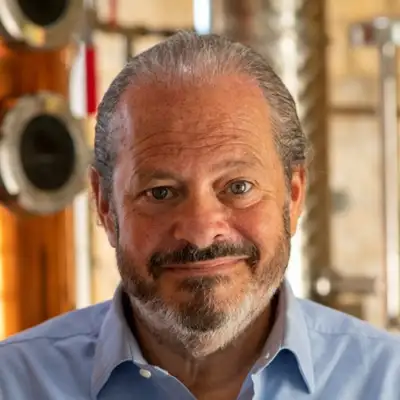
In Episode 037, I had the honor of chatting with Daniel Szor, Founder of the Cotswolds Distillery. He has an incredible story as he left his 30-year Investment Management career in NYC, Paris, and London behind to build one of the first English Whisky Distilleries. I hope you will enjoy our chat.
Time Stamps
(0:00) Introduction
(1:14) Building Demand & Background
(8:02) Why England?
(12:52) Developing English Whisky
(19:49) Whisky Innovation
(25:58) Distilling Brand Messaging Down
(32:09) Getting Your Foot In The Door
(36:33) The Beauty of Off-trade
About the Host: Chris Maffeo
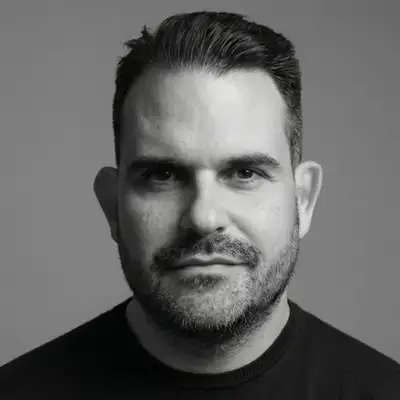
About the Guest: Daniel Szor
In Episode 037, I had the honor of chatting with Daniel Szor, Founder of the Cotswolds Distillery. He has an incredible story as he left his 30-year Investment Management career in NYC, Paris, and London behind to build one of the first English Whisky Distilleries. I hope you will enjoy our chat.
Time Stamps
(0:00) Introduction
(1:14) Building Demand & Background
(8:02) Why England?
(12:52) Developing English Whisky
(19:49) Whisky Innovation
(25:58) Distilling Brand Messaging Down
(32:09) Getting Your Foot In The Door
(36:33) The Beauty of Off-trade
About the Host: Chris Maffeo
About the Guest: Daniel Szor
The MAFFEO DRINKS Podcast is a leading drinks business podcast delivering actionable insights for drinks leadership.
For founders, directors, distributor MDs, and hospitality leaders navigating the tension between bottom-up reality and top-down expectations.
20+ years building brands across 30+ markets. Each episode features drinks builders: founders, distributors, commercial directors, sharing how the drinks industry actually works. Not the conference version. Honest conversations.
Insights come from sitting at the bar.
Beyond episodes: advisory for leadership teams, subscription with episode deep dives and principles to navigate your own reality.
Beer, wine, spirits, Low and non-alcoholic.
Bottom-up Insights & Episode Deep Dives at https://maffeodrinks.com
Welcome to the Maffeo Drinks Podcast. I am your host, Chris Maffeo. In episode 37 I had the honor of chatting with Daniel Shore, founder of the Cosswells Distillery. He has an incredible story as he left his thirty year investment management career in New York City, Paris and London behind to build one of the first English whiskey distilleries. I hope you will enjoy our chat.
Chris Maffeo:Hi, Daniel. How are doing?
Daniel Szor:I'm doing great. Thanks.
Chris Maffeo:Where are you today?
Daniel Szor:I'm in a hotel room in Liverpool.
Chris Maffeo:We discuss very often about you being on the road and listening to the podcast. I guess that this is one of those days driving around.
Daniel Szor:Absolutely. It's the first couple of podcasts of yours I heard we're on the road. I'm here to meet a few friends with whom we sort of have a little external board that meets every quarter. And I would used to be able to say, I would have been able to say to you that I have a thousand of my barrels down the street from where I'm sitting right now because that's where we stored our whiskey initially, was in Liverpool. But we've actually moved all of those barrels, a thousand barrels over a couple of years and moved them back down to Cotswold.
Daniel Szor:So all of our whisky is sitting now aging in barns close to the distillery.
Chris Maffeo:Okay. Okay. That's a nice link. So let's start because I want to know a lot of things about about you and the cultural distillery. You listen to the podcast, I, you know, of my passion, passion topics, passion points, you know, it's this building demand.
Chris Maffeo:So every time I'm in a meeting with professionals, it's always like, let's build brand awareness, we need to build brand awareness. And I'm really, really getting allergic to that building awareness because it's twenty years that I listened to that. And for me means nothing because you can be aware of anything. But, you know, ultimately, if you don't want to consider buying it and buying it, it doesn't move anything. So what's your take on that?
Chris Maffeo:Like, how do you build demand for for a brand in your opinion?
Daniel Szor:I think the first step is to realize that that's the business that you're in, which is that you're a brand. I mean, I now, you know, I'm described all the time, I've started to describe myself as a brand owner, but in the beginning I wouldn't have even known what that meant because I didn't know what a brand really was. I came from a career which was thirty years on Wall Street, as we say in The States or in the city, as the Brits say. I worked in New York and Paris and London, I started this distillery and this brand because I was a whiskey lover. Was a whiskey geek.
Daniel Szor:I basically, in my spare time, particularly when I was living in Paris, I fell in love with whiskey and I kind of and the French are big whiskey lovers, very serious about whiskey. And I spent time at La Maison de Whiskey in their beautiful shop in the Aetheron Des Smalls. I was a member of their club, we would geek out once a month and taste whiskeys. Then I had a friend who I did this with, we drove to Scotland once a year, flew to to to have a boys trip and go run around distilleries. And I fell in love with the thing and the place and the people.
Daniel Szor:And my idea in setting this up was as simple as, you know, I could do that. Why can't I do that? I I now have a home in a beautiful place, is every bit as beautiful as Scotland. And I had a model, which was one distillery in particular, which was Brooklady, where I was a cask owner, and so I followed their story, which was a marketing story. But again, this whole time, didn't realize it was all about the brand.
Daniel Szor:I thought it was all about the whiskey. I thought if you build a distillery and you make good whiskey in a beautiful part of the world, that's all you need. But in fact, over the years, I've come to learn that it's very much about the brand and what the brand represents and and building brand awareness, as you say.
Chris Maffeo:If I remember right, I mean, you started with with gin before whiskey. Is that correct?
Daniel Szor:We did, but this is a popular myth. I get lots of people that come up to me and they say, You were so smart to kind of it almost people make it sound like a bait and switch. Like, you know, you gave them gin and then you took the gin away and you gave them whiskey as soon as your whiskey was ready. And my response to that is always, I wish I was that smart as to have had that idea, but I didn't. I mean, it had nothing to do with it.
Daniel Szor:I wanted to build a whiskey distillery. My idea for whiskey came from, and this is really a true story, 2012, it was July 2012, I live in a very isolated farmhouse surrounded by a farm I do not own, but I look at what they plant and I sort of live by their seasons, you know, and by their rotation of crops. And in the 2012, they happened to be planting malting barley. And it was a beautiful Sunday afternoon after a nice lunch with probably a little bit too much wine, and you get all kind of romantic and wistful. And I'm looking out at this beautiful field of barley, which is already high and, you know, sort of rippling with the breeze going through it.
Daniel Szor:It's a sunny day. And I suddenly had this thought and I thought they grow a lot of barley here. And there's also 35,000,000 visitors a year that come to the Cotswolds, maybe we could build a whiskey distillery. And this idea came to me because of my knowledge of, well, Scotland in general, but also Brooklady and the fact that Brooklady was one of the first to really focus a brand around sort of a sense of place, you know, terroir, to the point where they actually came out with one of their whiskeys was made with Islay barley. They brought barley farming to Islay.
Daniel Szor:I said, I don't have to bring barley farming to the Cotswolds. It's been there forever. And so that's kind of where it came from. And that was my whole journey. It was learning about whisky making, was finding some amazing Scottish mentors who between the two of them had a hundred years of whisky making experience because I had no idea how to make whisky.
Daniel Szor:But they taught me and they taught us, our small team, in a way that we could have never known ourselves. I mean, there was a big shortcut there just because of the transfer of knowledge. So we had great kit, which we managed to buy. We had great mentors. We had a great team and it was all about whiskey.
Daniel Szor:But with the money that I didn't have left over, I scraped together a little bit and I bought a nice little 500 liter Holstein still, which I put in the corner, and I said, is gonna let me play. This is gonna let me do all the stuff that isn't whiskey, and I wanted to just make everything. I wanted to make spirits from fruits, you know, local fruit to sort of the schnapps kind of thing, the the cherry and the apple and pear, etcetera, and gin as well. But the idea behind the gin was just, you know, we had this visitor center. It was tiny, and we now have a beautiful new visitor center.
Daniel Szor:From the beginning, we had no idea whether people would show up, but we had a couple of shelves and I thought it's a pity to have those shelves have nothing on them for three years while the whisky is aging. So we started making a little bit of gin thinking, you know, we'll probably run that still. We do a single shot distillation, which is very sort of time intensive and doesn't doesn't yield as much as the traditional multi shot way of making gin. But it makes great gin. It still makes a couple 100 bottles in in a in a run, and I thought, we'll use that two or three times every month maybe.
Daniel Szor:By 2016, we were running that still twice a day, fourteen hours a day, seven days a week, and we realized something's got to give. We've either got to lean into this. We've got to decide that we are also gin as well as whiskey, because the product that we were working even harder on every day wasn't seen. It was just going into a warehouse. But everybody got to know us for the gin because the gin was fantastic.
Daniel Szor:And people were calling it the Kotzwald Gin Desser, and here I am pouring my savings into whiskey, into barrels, which are just sitting in a warehouse. So we decided that we were going to adopt sort of what they call a house of strategy, you know, where basically we weren't just one spirit, we were multiple spirits. And, we've even been making a bit of rum lately. But whiskey is is clearly front and center that what what we're about. But, you know, they do, as as the joke goes, they do become like your kids.
Daniel Szor:You love them all equally, and we love our gin too, but we are resolutely about whiskey, English whiskey.
Chris Maffeo:That's a great clarification. I'll make a snippet of this and you can use it with all the people that ask you that question. And while you were talking, I couldn't help thinking, listening to your American accent and talking about Scotland and Scotch whiskey and English whiskey. Now what drove you to to make that decision? I mean, you mentioned it in a way, but, like, how how did you decide to do it in England?
Daniel Szor:I have been in this country for seventeen years. I have a passport, but I cannot get rid of the American accent. So, I mean, it's just I'm stuck with that. But I'm very proud, and I've also got a French and an American passport, a British passport, and I feel very close to those three countries because I've lived in all three of them. I got started right out of college, as we call it in The States, uni, in a job in Wall Street that I sort of fell into with a startup company in foreign exchange trading.
Daniel Szor:I didn't that I was going to be in it for thirty years, but I was. And they were a very nice bunch of folks who allowed me to do a lot of really fun things and indulge a number of passions. One of them was my frankophilia and the desire to go and live in France. I set up an office for them in France and ran that office for eleven years, and it was wonderful. And then when we started becoming more of a hedge fund, guess you could say, it made sense.
Daniel Szor:We really needed to be in The UK, we needed to be in London. That's where that whole business was. So we closed the Paris office, we moved to London. And my wife and I were in London and working very hard. She's a doctor, she's a neurologist.
Daniel Szor:And so very different careers, ships in the night, not seeing one another a lot. We had a young daughter. And then in, 2009, my wife was taken ill and had a few very difficult years. And it was actually, while she was undergoing a pretty big operation, that I sat there and just thought, you know, feeling very powerless about what I could do to make life sort of better for us as a family. So, you know, sort of you suddenly realize how short your time is and what can happen.
Daniel Szor:And when the anaesthesia wore off, she looked at me, I said, We're buying a country house. She said, What? I said, We work too hard, we run around, we need some time to just be together and to enjoy time together and to be together as a family. We both love the Cotswolds, is about an hour and a half west of London. And we bought this completely impractical but very romantic farmhouse in the middle of a field where you can't see anyone.
Daniel Szor:Never intending for it to be more than just a weekend home because she grew up in London, she's British, I grew up in New York City. We're both city kids, we used to call ourselves, and the country is what you do on Saturday and Sunday. It's not where you live. Nobody lives in the country, right? But actually, we found out that a lot of people live in the country and they're wonderful people and we met tons of great folks.
Daniel Szor:And so we started really thinking about why are we packing up every Sunday night and going back into the city to live in this little flat when we have this really beautiful place with these views out over the fields? So it was really almost the distillery was almost an excuse, really, especially as I saw things becoming more difficult for my firm, the firm I worked for, and worrying that it wasn't going to survive. The industry that I was in was really hit hard after the financial crisis. Crisis. So I had to kind of open myself up a little bit.
Daniel Szor:I actually went to a career coach for six months to just talk. I sort of describe it as being deprogrammed, like if you've been in a cult. You do one thing for long enough and you feel like there's nothing else you can do. And through this kind of introspection, I suddenly thought, well, there's a lot of things I could do. And that's when the whisky epiphany, the barley moment hit me when and so why England and why the Cotswolds?
Daniel Szor:It was basically because we had a home there and because I understood what this region was about. And it was it it it's it's an artificially beautiful place. It's almost surreal because, you know, it's only 70 miles from London. By all rights, it should be a suburb, but it's been protected for years and years and years. So it's still, like, authentically nineteenth century.
Daniel Szor:It's, you know, rolling fields and little villages and quiet lanes, and an hour and a half from London, and you can be in this. And so this kind of intense beauty was basically what these guys who I kind of followed on Brooklady were really using as the backbone of selling the Brooklady story. That it's not just about the whiskey, it's about the place, and it's about the people who make it. And so this is what I wanted to build the brand around, even though I didn't know I was building a brand.
Chris Maffeo:Wow. That's an incredible story, like what you just mentioned. And so like you said previously, I mean, you are a you are and you were a whiskey geek. So talking about the liquid, what did you want to bring into your own brand, distillery, on products, you know, knowing your American background, so probably you are familiar with all the American whiskey, knowing Scotch whiskey. So how did you develop the English whiskey?
Chris Maffeo:Because there wasn't such thing as English whiskey in the widespread mind of consumer, right?
Daniel Szor:Not at all. But, you know, I came out of it feeling and in fact, I didn't think I got to know American whiskey during COVID because I had a lot of time on my hands, and so I just decided I was really going to go deep in bourbon and Amazon, you know, thankfully in The UK will deliver anything you ask them for. And I suddenly found myself ordering a ton of like everybody, the bard grew ridiculously during COVID because there was a lot of exploration going on. But it was single malt was what I first knew. And then as I got into whiskey while I was living in France but I never was particularly a spirits guy until one day, January 2001, I got invited to a Scotch malt whiskey society tasting at a hotel in Paris, like, across from my office.
Daniel Szor:And I I went across the street and I went in this room of strange guys, and they started breaking out all of this single cask, cask strength whiskey. And I was completely blown away by how amazing it was. Not only how amazing it was, but how different from cask to cask and region to region and style to style. And I thought, gosh, the Scots have figured one out on the French. They've out terroir the French.
Daniel Szor:I mean and, you know, the French are all about terroir, and here was this whiskey, which was just fantastic. And that's when I fell in love, with whiskey. But I would say, to get back to your question, I don't think it's about regions. I don't even think it's about country. I think it's about good whiskey and not good whiskey, or good whiskey and less good whiskey.
Daniel Szor:And I knew what I liked, and in my sort of in the due diligence before throwing my life savings into this thing, I ran around in The States where the craft distilling business was going. I mean, I I thought this whole idea was nuts, and I just kinda put it out of my mind. And then one day in April 2013, was back in New York visiting family, and I went to a Whiskey Live at Chelsea Piers in New York. And I walked in the room with my little glass, and I looked around, and half of the stands were whiskey brands I'd never heard of. They weren't from Scotland.
Daniel Szor:They weren't from Ireland. They weren't from Kentucky. They were from, like, Oregon and Washington and Massachusetts and Maine. I said, what is this? And that's when I suddenly realized how big craft distilling had become in The States.
Daniel Szor:And it hadn't yet really done that in The UK. And then all of a sudden that idea that I had had eight months ago looking at the barley kind of came alive again. I thought if other people are doing this, maybe I could, maybe we could. And that's kind of how this all happened. But then I went around and visited a lot of those distilleries and I became sort of more involved in the craft scene in The US.
Daniel Szor:If I'm honest, there was a lot of whiskey. There were a lot of distilleries I visited that were really interesting and really compelling from a sort of a marketing point, some guy who had an idea or whoever, you know, and the liquid just didn't do it for me. In fact, I remember a lot of the stories where you weren't even allowed by law to taste at the distillery, they didn't have a licence. So I would like leave the distillery and I would run off to some off license. I would buy a bottle and I would I wouldn't even take my coat off.
Daniel Szor:I would like open the thing just when I got home and try some and just go, no, no, no, no, no. And it would go on the back of the shelf. The main principle in certain of this distillery was I need to make a whiskey that I would actually wanna drink. You know, with with no one around, with no hype in the privacy of my own home that I would actually like this whiskey. And I need to make it in a distillery that I would wanna visit because that's what got me into whiskey was visiting all these distilleries and these compelling stories and these beautiful places and these great people.
Daniel Szor:And so I would say that that's what I'm most proud of now that we've created. We have created a whiskey that I want to and do drink and love myself with a flavor profile that really works for me and I think for others now. I'm I'm happy to be able to say in a really beautiful distillery that gets a 100,000 visitors a year. We were recently voted most popular whiskey distillery in UK and Ireland, that includes Scotland. That was based on the number of TripAdvisor reviews and Google ratings and social media metrics.
Daniel Szor:And I never expected that. I was completely surprised when it came out. But I said to my wife, If I die tomorrow, put that on the tombstone, because that is what I I didn't know about the brand building. I didn't know about the entree. I didn't know about how it's scaling, all these things that we're now dealing with.
Daniel Szor:I just wanted to make a whiskey I would drink in a distillery I'd want to visit.
Chris Maffeo:That's crazy. And I mean, it's it's incredible. And you were one of the of the first movers in the English whiskey movement. And you, if I understood correctly, you were one of the first people of the English whiskey guild, you know, to bring in people together. Is that correct?
Daniel Szor:It is correct. But when I started this, I had no idea that that there would be I mean, we were the fourth distillery in England ever to make whiskey. There are now 49 distilleries in England making whiskey. Who would have thought? I mean, I was telling you before that this day after tomorrow in Birmingham, there's the English Whiskey Festival with 30 whiskey brands exhibiting, like a little mini Whiskey Live, but with only English whiskey.
Daniel Szor:And last year was the first of those. And I remember getting in the car with my wife to drive up there to get on our stand and saying, Would you ever have believed ten years ago that we would be driving up to an English Whiskey Festival? And the vibe and the energy and the passion that was there just completely blew me away. So this is all, this is like a bonus for me because when I had this idea, I didn't think of being English whiskey. I guess I thought a little bit about being Cotswolds whiskey, which is kind of a funny idea because we were the first ever to make whiskey in the Cotswolds, so that wasn't a thing.
Daniel Szor:I guess I felt that I was part of this also fascinating and great movement called New World whiskey. So this idea of whiskey that's not made in Scotland or Ireland or Kentucky, you know, The States, but that's made in places you wouldn't have expected. Of course, the best known of that Japanese whiskey, which is now almost an established category. Even though, you know, they've been at it for a hundred years, people didn't really know about that until ten years ago, but now it's, you know, considered almost a traditional whiskey making category. But, you know, French whiskey, Danish whiskey, Australian whiskey, New Zealand whiskey, I mean, it's now from all over.
Daniel Szor:And I feel a great kinship with these folks who are doing battle in a friendly way, because we all love our friends in Scotland and we love Scotch whisky and it's created a thing, whisky, single malt whisky in particular, that we all sort of appreciate and emulate. But we also are kind of challengers, we're outsiders.
Chris Maffeo:And this is very interesting, I mean, you're saying, because if I take my, let's say, history lover hats off, ultimately, somebody invented those denominations. Know? They they they were in a way artificially created. Now if you take champagne, if you take cognac, if you take, I mean, Scotch Irish whiskey, you know, all these categories with all due respect, but they are they were created for a hun you know, hundreds of years of, you know, appellacion d'oigine controle or DOCG in Italy or whatever. But, you know, nobody said that you cannot do it elsewhere.
Chris Maffeo:And this is what the World Whiskey Movement actually did. They took off the lead of this And
Daniel Szor:we have a very interesting model of history to look back on, which is about 50 years old now, and that's New World wine, right? Because there was a very famous I don't know if you heard of the Judgment of Paris in 1976, I believe it was. They made a wonderful movie called Bottle Shock, I can't remember who it was, but very good, very entertaining movie about this moment where a British sommelier in Paris went to visit Napa when Napa was completely unknown and realized that these guys were making some really good wine and brought back a bunch of bottles in his luggage and entered them in one of the most prestigious tasting competitions in Paris of of sommelier. And to their shock and horror, they had voted California wine in, I think, the first, second, and third place. And that the whole growth of new world wine, you know, wines from Australia, from South Africa, from South America sort of comes back a little bit to that moment, realizing that there's great wines being made elsewhere, they're perhaps a little bit less traditional.
Daniel Szor:They're a little bit less wrapped up in their own rules and their own appellation, etcetera. They're maybe a little bit less structured. You could almost say they're not your parents' wine. The new generation was looking for something to call their own, was looking for something that represented more kind of their values. And I feel very strongly that whiskey is at that inflection point as well When the, you know, the wonderful work that was done in Scotland, that was done in in that is done in Scotland and Ireland and Kentucky to create these superpowers, it's wonderful.
Daniel Szor:However, to love whiskey, do you need to love all of the Scottish tropes and whatever? Mean, do you need to you know, in other words, you can you can find values if that's what, you know, you're into. If if you sort of identify with a a brand or type of a spirit because of how it's made. If you're that sort of, you know, who makes it or whatever, you can find amazing stories now, all over the world. I mean, one of them that I found before I had even started the distillery was in, a whiskey made in Taiwan called Kavalan, which was similarly disruptive because this was in Taiwan known to be whiskey lovers, but not whiskey makers.
Daniel Szor:But this was a very well off family. They decided that they wanted to make whiskey in Taiwan, and they made an amazing whiskey, which won great awards, including world's best single malt for a four year old whiskey from Taiwan. And I used to I loved that whiskey. I loved its flavor. I loved its taste and I loved what it represented.
Daniel Szor:I loved giving it to my friends blind and saying, guess where this comes from? And they said, well, that's clearly a 15 to 20 year old Sherry bomb or something like that. It's four years old. It's made in Taiwan. And that's the same kind of thing that I think to some extent people do with us.
Daniel Szor:People who like it will tell their friends and show their friends. People like passing on. You know, if you've seen a good movie or been to a good restaurant, you tell your friends because there's that joy in letting them in on your little secret, kind of. And I think we are still at that level, you know, we're still the little secret that people who come to see us have seen with their own eyes. And so a lot of it is word-of-mouth and a lot of it is, you know, getting And that comes full circle back to brand awareness.
Daniel Szor:I know you're very much for building brands one bottle at a time, and we are very much for building brand awareness, you know, one customer at a time. We've now done the first ever advertising campaign that we've done for our whiskey, and we've tried to encapsulate into one image everything that we think our whiskey represents. Because, you know, if I go on to you for half an hour about every little artisanal thing and bit of geekery that we do, you'll probably forget by the end of it what I said in the beginning and most people will too, even the most ardent whiskey geeks are all but the most ardent whiskey geeks. How do you What I've realized, I think what I've learned in my ten years is that you do have to boil it, you have to distill it down, no pun intended, to a message. And if we are disruptive, if we are not like your dad's whiskey, if we are English, not Scottish, how do you show that?
Daniel Szor:And I thought about the traditional image of whiskey advertising. You know, you get some old guy in a tweed jacket and a leather armchair in front of a fireplace with a crystal glass. Right? And I thought, well, what's the kind of person I think of as a Cotswolds drinker? And first of all, it's not necessarily a guy.
Daniel Szor:It could be a girl too, because whisky is now very much enjoyed by women as well. It's not indoors. It's going to be outdoors. It's not going to be a fireplace. It's going to be a fire pit.
Daniel Szor:It's going to be a bunch of guys around a fire pit. They're not going to be wearing tweed jackets. They can be wearing jeans and jumpers and moccasins, and they're going to not have a fancy glass. And it's more about that sort of inclusiveness, unstructured enjoyment of something that's real, I guess is how I sort of think about it. And that's very much what the Cotswolds, and I hope one day you come up and pay us a visit represents.
Daniel Szor:It's just a beautiful place where if you live in London, if you live in Birmingham, you're an hour, hour and a half away and you come out and you go walking and you know, go sit around a fire pit and have a nice whiskey. That's the occasion.
Chris Maffeo:You anticipated a question that I had in mind because you spoke about the liquid, so like the liquid before the brand. First of all, you wanted to create something that you could drink and that you thought that people would enjoy and and then like the occasion. What what is the actual what I usually call the target occasion? So it's not that people cannot drink it on the fire in the fireplace, you know, on the sofa, on the, indoor. But when you think about it, then, you know, like you think about it that way because probably like even the taste profile helps that kind of moment.
Chris Maffeo:People drinking outside in a younger kind of like setting, more relaxed, more informal kind of setting. You mentioned about distilling that story down to a simple message. When you or people of your team explain that to consumers, to bar owners, bar managers, so on, how what do you use to explain There
Daniel Szor:is no right message. It's a message that you feel comfortable with. But since I tend to hire folks who I can relate to, they tend to have messages which are kind of very similar. And it all comes down to the reality of things. It's not pretense, it's not artifice, it's not snobbism, whatever.
Daniel Szor:Take for example, we have now nine whiskeys in our range of which six are core and three are limited editions, which change all the time. We have two that change yearly and one that's a single cask program. But the six cores, they're all wonderful. It was very important for me to create a good, strong core range that was always there, always available. I felt that lots of distilleries, either because they didn't have enough liquid in stock to ensure the continuity of a core range, or maybe because they felt they could get better money for things that were limited edition, would come out with limited edition after limited edition after limited edition.
Daniel Szor:The problem I had was that by the third or fourth limited edition you have, you don't kind of know what they're about, what they stand for, what is really representing them. I agree. So I from the first whiskey that came out, which I pre sold before I even owned Stills, by the way, online, I mean, I was I needed the money, you know, to while we were distilling, we were aging, we were pre selling this. And when it came out, it was and is the same whiskey that we now have today that's called Signature, which is the flagship of our range, the core of who we are, the one that most represents us, and the lowest price of our whiskeys. I mean, it's still a premium product.
Daniel Szor:It's a 45 pound whiskey, but for what it is and the work that goes into it, it's incredible. And I think mostly what you get out of the glass, the flavor, it's incredible value. So, you know, saying, what is your whiskey and what do you tell people about? I always start with signature. And the way that I usually kick it off is saying that, you know, we've done with all our limited edition single casks, I don't know how many things we've come out with, probably 30 whiskeys sort of over time.
Daniel Szor:And I've got all of them on that shelf that grew a lot bigger in COVID in my living room. But I only have one in my kitchen on the counter, which is usually half empty and that's Signature because that's the go to. That's the one that, you know, the end of a hard day, if you just want a little bit of whiskey, little bit of flavour, a little bit of what the late Michael Jackson, the whiskey critic, used to call the contemplative dram. I'll drink the signature because it's at an ABV that's immediately sort of manageable, 46 ABV, that's as low as we go, but it's not one of our sort of big cask rank, 58%, 59% sort of ABVs. We have things that are much more intense in different flavors that explore different woods.
Daniel Szor:So we have a bourbon cask, which is a 100 bourbon cask. And we have a peated cask, is coming from peated cask and an ex red wine cask. But the signature is a mix of two casks, red wine and bourbon. And it's just delicious. And actually one of our non execs is a guy who helped build the Macallan brand over twenty years, so certainly knows a thing or two about describing whisky and sort of representing it.
Daniel Szor:He came up with one word, which was deliciousness. And so that's kind of how I would basically go out to a bar. I'd say we trade in deliciousness. And most of our customers buy both our gin and our whiskey. They love them both.
Daniel Szor:And why is that? Because they're both delicious. That's what they have in common. And I know probably everybody would say that, but I wanted to put the Cotswolds in a glass. I wanted to show this beauty in a liquid.
Daniel Szor:I had no idea how to do it, but luckily I had an amazing pair of Scotts and some incredibly diligent distillers who sort of followed the process that we created that, that, and I, again, as I said, I could go on forever about, you know, the choice of wood, the long fermentation, two different kinds of yeasts. We even use a sort of a French technique called marriage where we actually will intermingle whiskeys and you know, the cask management aspect of it. But it all comes down to forget about all that. It's just delicious. And it's more delicious than you would expect, you know, whiskey at its price point to be.
Daniel Szor:It's more delicious than any other whiskey that would come out of Scotland to my knowledge at that price point. I mean, there's a few that blind tasting, I put at the same level, but it's surprising. And the thing that's the most surprising is it's three years old and, you know, this whole arms race about the bigger the number on the label, the better it's going to be. I mean, that's just one of many myths which we try and dispel because it's not about the number, it's about how it tastes. Most of our work is very much done with, you know, in the entree is done with tasting, with explaining the story, telling the story.
Daniel Szor:And then we'll talk about the usual things in terms of serve and different things you can do with it, etcetera. I spoke to my, you know, on trade guys and I said, you know, what's the messaging if you were on this thing? What would you really like to say about the relationships that you've built in the on trade? And they basically said that it's really all about trust, persistence, delivery.
Chris Maffeo:That's that's that's a great, trio to to to work with. Do you have like a specific range that you that you go? I mean, like you talk about, you know, this SKU that's, you know, like that's the flagship for you, the signature. But do you go there with that as the foot in the door in the on trade for listing? Or do you go with a wider portfolio with a six range?
Chris Maffeo:How do you usually, like, how did you start? Because probably like you developed that through.
Daniel Szor:We didn't have any sales guys in the beginning. So like I was a sales guy. Mean, and we had the we had gin. We didn't have whiskey in the beginning. I remember once I had a tire that was kind of flat in my car and I needed to get it fixed in a neighboring village, Chipping Norton.
Daniel Szor:And I had an hour while they're working on it. I said, well, I got a couple of bottles of gin. Why don't I go walk around the pubs in Chipping Norton? And I was blown away by the reception because, you know, I worked for thirty years selling a very complex product, which nobody really wanted. And now I'm selling a relatively straightforward product that everybody wants in that they want the category.
Daniel Szor:They're not always going to buy what you are selling, but they're willing to listen. So it's not it didn't for me feel hard to go in and make an initial sale. I think I made three sales when my tire was getting fixed. But of course that's just a bottle. And again, as you said, it's not just about selling a bottle, it's about selling the second, the third about, and when we finally, you know, we're able to start hiring salespeople and brand ambassadors, they have taken this to a completely different level where they're putting the time and they're putting the effort in.
Daniel Szor:We're starting to realize just how hard it is sometimes, the headwinds, the fact that everybody is out there and the competition has gotten greater, but the results that they have had have been fantastic. I've now decided that last year I hired a CEO because I think one of your guys, I was trying to think of who it was, it was Paul from FUE who made a comment in your podcast about trying to fire yourself from every role you can get fired from, except for that one that you can't be fired for, which has been the crazy guy who started the brand. And that's kind of what I've done. I've fired myself from everything except being the crazy guy who started the brand. And I think actually on hearing that, I thought to myself, I need to work harder at this and I need to basically go out and be that guy and make those calls.
Daniel Szor:And so I went back and I said to all the sales guys that were in the company that I was going to spend one hundred days in trade before next summer. And I made this kind of pledge. It was a round number, could remember it. And I don't know what day I'm up to now, but I've been going out a lot. Next week, I'm out on the road three days just going to the bars and stuff.
Daniel Szor:And so just to answer your question about what I come out, what we come out with when we do a tasting, because admittedly there was probably a hiatus of a few years where I hadn't really watched the guys in action really in a cold call and a first call. But I'm thinking to one that we did recently at a really top, top, top twenty bar in London with Katie, our newest sort of brand ambassador. It was in a bar in Soho and the team were very nice. They all came in early, you know, for them. So we were in there sort of early afternoon and we did a tasting.
Daniel Szor:Basically she let me, very kindly, she let me, what I say, do my one man show, my one act show. The only thing I mean, it's like, I have one routine. If you've heard it, you don't ever want to talk to me again because it's all I know how to do is just tell you my story. And that's what I did. And then we took them through this all of course, I think.
Daniel Szor:And we typically do the whiskey first and then the gin and then for dessert, our cream liqueur, which is really surprisingly amazing, our whiskey cream. And all of a sudden, I mean, they just were very enthusiastic, super nice, got up and all started wanting to make drinks with it, Came up with cookie cocktails and I hadn't even had breakfast yet or lunch. And they're giving me their cocktails to try and whatever. But just like, it was just such a nice vibe. Now, of course, you know, then they're gonna get set up for work that day and they're gonna have a million things.
Daniel Szor:And then tomorrow probably some rep is gonna come in and they're gonna forget about it. So how do you carry on that goodwill? And I don't know of any other way, but just to continue to work at it. And that's when I think my colleague said it's about persistence more than anything else. I think that's what it is.
Daniel Szor:There's no magic to it.
Chris Maffeo:This is also the beauty of that because I'm a big fan of the the systems now, like the the building an on trade system to really, like, I like to say to off trade eyes on trade a little bit, no? Because the beauty of off trade is that it's very pragmatic, it's very clear, it's very like there is a buyer, there is a there are deadlines, there are things that that are very rare in the in the on trade world. But if we could take some of the learnings from the off trade and build into the on trade, that's beautiful, and effective. But at the same time, the beauty of entree is still this kind of like being able to derail, you know, is knowing the rules and then say, you know what, you know, let's have a cocktail and let's have a chat about, you know, kids and holidays. And let's talk about something rather than just business.
Daniel Szor:I can tell you, our greatest asset in all this is our distillery, because we're only an hour and a half from London, because it's beautiful. Honestly, I can say a lot of things that maybe we are, maybe we're not, and maybe we're not at all, but one thing that we are is the most beautiful basilery out there in a beautiful part of the world. We're surrounded by hills, by walking paths. And so what we've always focused on is where we can and when there's a relationship that's important, really important to us. I mean, they're all important, but the ones that are really critical, the real lighthouse kind of accounts, get them up to the distillery, you know, bring them up, get them whether they're take a train or get them in a car, whatever, just get them to spend a day.
Daniel Szor:And our sort of global whiskey brand ambassador, Rob, has really taken this to a new level. Recently, there's a major hotel group in The UK, and he managed to get most of their bartenders, their head bartenders, to agree to come out for a day. He organized it. This was like, you know, this was like taking a bunch of kids to summer camp. He had t shirts that they all had to wear, then he took them on a march, a walk up the hill with a box lunch.
Daniel Szor:They sat down in a field under a tree. They had their lunch looking out at this most incredible, beautiful vista. And down the other side of the hill was a barn, which is one of our whiskey warehouses, now that it's no longer here in Liverpool. And we built a secret bar inside the cask stack. So basically inside this sort sort of pallet bar that's in the middle of all the casts of whiskey, we did this whole tasting.
Daniel Szor:Then after that, it was back to the distillery for a night around the fire pit. Again, bringing back the fire pit into that, the whole outside thing, marshmallows, whiskey. One of the great, I feel, success stories was the wonderful bar Dukes in London. And I don't know if you're familiar with some of the guys there, Alessandro Palazzi, who, know, in the beginning, let's just say there wasn't really a lot of warmth there. We were one of many who came through the door.
Daniel Szor:Everybody of course wants to the home of the Martini, wants to be part of this. Through the diligent work, I mean, after a few years, we were able to get the whole team to come out for the weekend and we sat out in the sun on the terrace drinking cocktails after our head mixologist Ollie had the privilege, as he said, the honor of his life to make a martini for Alessandro. These are wonderful moments which we hope will live on, and we try and do as much as we can. We can't do it for everybody, but everybody is always invited to come, and we try and emphasize that.
Chris Maffeo:Beautiful. In the actual distillery visit and the advocacy tour or how big brands are calling it, you bring to life the drinking occasion, the fire pits and the surroundings. You bring together, listening to you is this all, I want to do it as well. The, you know, like the, all the surrounding, the ingredients, the barley that goes into it, maturation, you know, the barns, the the actual distillery, where to drink it, when to drink it, you know, and then it that's a that light lasts forever. No?
Chris Maffeo:And I and I mean, I like what also what you said, which is very smart in that sense because, you know, like being so close to London, which is one of the epicenters of trends, you know, makes it so easy because you don't have to book flights and, you know, like big, big budgets to bring people out there when whenever they're in London or if they are based in London. Right? That's all for today. Remember that this is a two part episode thirty seven and thirty eight. If you enjoyed it, please rate it, comment and share it with friends and come back next week for more insights about building brands from the bottom up.