Subscribe
Share
Share
Embed
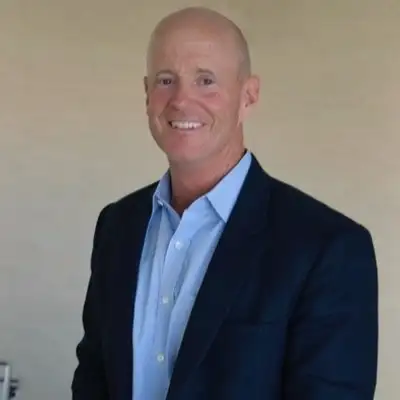
Hot Takes with Jim Baker is where real-world business experience meets honest conversation with Host, Bill LuMaye.
Hosted by entrepreneur, advisor, investor, and CEO Jim Baker, this podcast explores the challenges leaders face every day—from raising capital and managing growth to hiring, firing, sales, culture, leadership, acquisitions, and long-term value creation.
Through the Hot Takes series, Jim sits down with business owners, executives, investors, and industry leaders to discuss timely issues shaping today’s business landscape. These candid conversations offer practical insights, hard-earned lessons, and perspectives you won’t find in a textbook.
The podcast also features the Wisdom Series, in which Jim and Bill interview accomplished guests whose decades of experience offer timeless lessons on business, leadership, success, failure, and life.
Whether you’re a CEO, entrepreneur, business owner, executive, or aspiring leader, Hot Takes with Jim Baker delivers actionable insights to help you build stronger organizations, create greater value, and lead with confidence.
Presented by Sumus Development Group, LLC. Helping organizations enhance value, strengthen leadership, and prepare for what’s next.
26 Hot Takes -
===
[00:00:00]
Hello everybody and welcome to another edition of 50 Cups Hot. Takes another part of our Wisdom series and I'm out here in Barrington, Illinois, Barrington, right? Uh, speaking to a good friend of mine, Jim Colanino. Thank you for joining me today. Well, I appreciate being here. I think you're one of the few people that actually watches and listens to our podcast, so I had to get you on.
I appreciate it. I learned a lot. My porter's a little cold detox tea today, [00:01:00] courtesy of 50 cups. If you're ever in need of tea, it's 50 cups tea.com and uh, so enjoy our tea and we'll have some nice conversation today. Cheers. Sounds good, Jimmy. So what's on your mind today? Today's another great day. It's, uh, cool outside.
Fall is here in the Midwest. Um, had a great workout and a cold plunge with you this morning. It was great, which is fine. And you know, with the grandkids activities, great football over the weekend, baseball, everything going on, it's just, uh, it's gonna be a great weekend. Yeah. So tell us a little bit about your family, uh, family wise.
Um, I've got three children and, uh, they're grown. They all have children. Uh, my oldest Jamie is got three girls. They're 14 and the twins are 11. So, uh, [00:02:00] it's a great household. Uh, Jamie works, uh, for ENY and her husband's been a police officer in the community, uh, next door at Lake Zurich for the last 16 years.
And, uh, he's on special forces within the police department. So he just got called out a little bit ago. He is gotta go into Chicago because of different things that are going on. Yeah. So, so now your grandkids names are, they are Jamie's kids? Pardon me? Jamie's kids? Yes. Mallory. Reagan in Brooklyn. Okay.
Yeah. Wow, cool names. Yeah, so it's, uh, it, it is a joy to, uh, go to their sporting events and watch them and soccer and, uh, softball and flag football is huge now and it's amazing how talented and athletic the girls are. And so next fall it's gonna be a full-time [00:03:00] sport in high school. Yeah, they have that in, uh, North Carolina now.
Yeah. Yeah. It's pretty cool. Yeah. So, uh, my middle daughter, uh, Lindsay has three children as well. Okay. Lindsay, uh, worked for the Hyatt Corporation, which she graduated from college, and then when children came along, she said, okay, that's it. I'm gonna be a, be a stay at home mom, which was great. She's able to do that.
Her husband, Brian, who they met, uh, at the University of Iowa, in fact, Jamie and Mark met at Iowa as well. Very interesting. Yeah. Wow. So, yeah, so, um, Brian works in the, uh, financial segment and his organization is national. He's a managing director outta Chicago and, uh, really dealing with, uh, services, consulting software [00:04:00] for pensions.
We think pensions as a dying breed nowadays with other things available, but there's still a lot of pensions out there. Yeah, it's kinda what my son-in-law sells. Mm-hmm. You know, personalized pension plans for, right. You know what I would call sole proprietors? Yeah. Yeah. They have three children. Uh, Tessa is 11, so with the other, the twins being 11, there's three of 'em.
They live 10 minutes apart and it's great. Uh, she's involved in all the sports as well, which is fun. Uh, Colin is, uh, nine years old and Nikki is five and they're all playing all the sports. Really. Uh, interesting, uh, tidbit about Colin. Um, he's the only boy so far that you've mentioned, right? Well, Nikki. Oh, Nikki's a boy too.
Okay. Nikki's a boy too. Yeah. Yeah. A lot of girls, right? There's eight total. Um, but [00:05:00] Colin was born and we had, my wife and I had no idea what the name was gonna be. So we go in, you know, like an hour after and I said, what's the name? Right? And um, she said, uh, Colin. I says, okay, what's the middle name? She said, Tino.
And I said, what? I said, that's real funny because you know, last name Colin Tino, right? And she said, no. She goes, look on the wall. And so I look up on the wall and there it is written. Colin Tino Thomas. Yeah. So it was, uh, it was touching to see that. Yeah. So knowing what my daughter's maiden name meant to her.
So that was fun. Pretty cool. Yeah. So our, our son, uh, James Anthony, which, uh, he really didn't know his name was James, 'cause everybody called him Anthony all his life. Um, they live in [00:06:00] Dallas. Um, you know, Tina, his wife worked for Deloitte. She's a full-time stay at home mom now. And Anthony has been working with, uh, a large, uh, global, uh, insurance broker.
And so he's the president of the Dallas office right now and a producer. They have two children Okay. That are three and, uh, one and a half years old. So it's a little different dynamic. Yeah. But, um, down there at three and one and a half, so, so you got James and you have your youngest, Ned, Joe, Natalie, Joe, yeah.
Excellent. Three years old. That's fantastic. Sounds like you had a beautiful family. Obviously you're married to Mary Joe. Mary Joe, yeah. And for how many years? 46. It's a long time. It is. It is. So what's the secret? Keep your mouth shut. Um, but you had a pretty interesting [00:07:00] career and uh, so why don't we just start from the beginning.
Where'd you grow up? You know, what was your family like? Um, and then we'll go from there. Okay. Um, grew up in Ohio, ULA, Ohio. You ever hear of that name? Is that near Youngstown? It is 60 miles, uh, north of Youngstown. Right on Lake Erie. Okay. Chuah is, uh, the largest town in Chuah County. Chuah County is the largest county in Ohio by land or population.
By land, not by population. Population. Um, of Chuah in the city's about 17,000. And that's where I grew up. Uh, the immigrants that settled there initially were basically from Sweden, Finland and Italy. So you'll see a lot of Italians, a lot of Finnish, a lot of Swedes, uh, in the town. And they, they [00:08:00] basically, um, came there because there were a lot of, um, labor type jobs and they didn't have to learn English right away.
Okay. And so, uh, it was heavily populated back then. So, um, blue collar town, small, right on the water of Lake Erie. So, uh, we lived. Probably a half mile from, uh, the lake. Um, and like a lot of Midwestern, blue collar type towns, we lived in a little Cape Cod when I was smaller, right. Um, sidewalks, we would walk to school.
Uh, the Catholic church in school was one block from the house, so we, we were to walk there, um, go to church, go to school. You had the corner, um, markets, if you wanna go down there and buy [00:09:00] shopping and buy something, corner bars and uh, you know, you just don't see that that much nowadays. Um, the, the name Esah is actually Indian and it means, uh, river of Fishes 'cause the Esah River goes right through the town and, uh, empties into a Lake Erie.
So what'd your parents do? Pardon me? What did your parents do? Uh, before children? Mom worked for General Electric and, uh, dad was 40 years. The company was called Electro Manufacturing, which was acquired by Union Carbide. And then, um, and he, he was in a number of different positions, ended up as a, uh, quality control engineer for several years before retiring.[00:10:00]
And so obviously that area is, was back then big into manufacturing. Big into manufacturing. Um. Uh, a lot of boats came in, uh, with different minerals and alloys and rubber, uh, to support the steel industry, uh, to support, uh, the tire industry, you know, 'cause steel was really big in Youngstown, Pittsburgh, Cleveland, and all of those cities are very close.
Mm-hmm. And Akron is only, you know, 70, 80 miles away. It's the rubber capital of the world back then. And, um, so, you know, the boats would come in and, uh, bring, uh, a lot of goods through ash and, you know, other cities up the coast. And then how big was your high school? High school? Uh, really big gem. We had 500 in the school.[00:11:00]
Can you believe that? 125 each class? I had 103 in my graduating class. Yeah. And it was, uh, it was really, and the school's still there. Uh, now they go, uh, one through 12 as far as grades. Um, and it's still a private school. Uh, we had, uh, five el, uh, five elementary schools that dumped into the Catholic high school because we had three of 'em actually in Ash, Dula.
And then the town of Geneva and COT came in as well. Wow, okay. Into, uh, into the high school, but it was small. And I'm assuming, will you first generation go to college from your family? Yes. And when you're in high school, is that the plan for you to go to college or are you thinking you are gonna go into manufacturing, you're gonna do something else?
My plan was to go to college. Is that your parents' plan? Uh, sorta. Yeah, my [00:12:00] brother was, uh, two years older than me and, uh, went to the, uh, university of Akron. Um, and he wanted to be an engineer, so he studied engineering. And then my plan was to go away 'cause I wanted to explore different things, get out of esla.
I didn't wanna work in a plant or anything like that. Uh, had no idea about running my own business. They didn't know, you know, what I would do or anything like that. So, uh, I, I ended up at Youngstown State University and the only reason I went there is because that's where my parents let me go. You know, it was, you know, at first, this is interesting story, when I, when I look back at it, um, they said, uh, we want you to go to the Kent State Campus here in Bulah for a year.
'cause we don't think you can make it through college. We gave that idea You're a dummy. That's what I heard. I guess you [00:13:00] didn't kill it in high school, I guess. Right? In high school. Um, you know, we had a very solid education being a private school. Okay. And it was by, part of it was by fear. 'cause we had the nuns, we had priests teaching us, and then the, the lap, the coaching staff.
And so, uh, we, we did okay, but I mean, I took like academic courses. So it was the algebra, algebra two trigonometry, chemistry, Latin, you know, I had a, a b average without like killing myself. But I was a dummy according to mom and dad. 'cause my brother was very sharp back then. I, you didn't have to go into a safe space and cry for a while.
You just. Moved on. You accepted to being a dummy and you moved on. You don't, you don't talk back, you don't say anything. You don't challenge [00:14:00] anybody. And it's just like, I had to think about it to see if I really was a dummy. Mm-hmm. Right. So it took a while. So they want you to stay local, the Kent State branch, but then you decided, how'd you convince them to go to Youngstown State?
Well, here's what they told me. Um, they said, go to Kent State Branch for a year. Um, do okay there, do well there. You can go anywhere you want in the country. We'll pay for it. I thought it was a great offer. Yeah. I said no. I says I'm gonna go now. Youngstown State was an hour away. Right. And I went there kind of like on a visit junior year in high school because a very good friend's brother was there, part of the fraternity.
We went to the fraternity party sold. Right. And you know, back. This was a long time ago. Right. Over 50 years if you're good at math. Right. And, um, you know, it's, it, [00:15:00] it was time to leave the nest. Yeah. And go try something different. All right. So then you're in school and did you have to declare a major?
Were you liberal arts? You know, how, what did you end up doing there? Well, as far as the, uh, schooling was concerned, I was just taking general classes at the beginning, you know, the basics. And, uh, in my first semester, and I think about this all the time, I don't know why. Um, I lived in a, a house half mile from campus.
Three other guys were from my high school. My graduating class that I knew, one was from a different high school I knew. And so we, uh, five of us lived in a house. And in that semester, I kid you not, I gained 20 pounds. Had long hair. Think about this. Wow. Um, lamb chopped sideburns that were thick. Flannel shirt, [00:16:00] jeans with bell bottoms.
And here's what I tell people. I was a waste to society. I did nothing. And I just, I look back at that and um, you know, you gain the weight. You look like that. And I got a 2.0 average. I had nothing to do and I wasn't applying myself in school. That's a C average, right? You just slide by. So you're kind of living up to the, the dummy moniker.
I was a dummy. Exactly, exactly. And I'm sure the girls weren't jumping over those chops and the weight in the flying shirts either. They were, they were flying all over the place. Running away, right? Yes. Yeah. But that, that changed second semester. And I, I've gotta, I gotta say it was because of the involvement in the initiative I took to check out a fraternity, you know, [00:17:00] uh, sometimes fraternities get a bad rap, you know, 'cause you, you, you usually hear about the hazing, the drinking, the bad things that happen.
And that, believe me, that stuff happened. Right. You know, I saw it. Um, but there's also a lot of good Yeah. That can come out of it and you know, like anything else, what you put into it is what you can get out of it. So I really gravitated toward that and it helped me, it helped me a lot because of the discipline in the fraternity for study halls, things like that?
Or is it just more of a com competition now where you're with a group of guys and you want to be as good if not better than them? Absolutely. All the above. I mean, uh, we wanted to make sure that we maintained our grades right. Um, we wanted to, um, be involved so you would take on responsibility. You were accountable for your actions.
Okay. And so, you know, I started out like, okay, I'm gonna [00:18:00] be president of my pledge class, baby steps. Right. And then, you know, you want to get to know the brothers. Right. And, and it's, it wasn't like the bigger schools where you had hundreds of brothers in the house. We had 40. Mm-hmm. Right. And that was a good size for Youngstown State enrollment.
There was about 17,000 or so. Okay. Uh, and they had a, their fair share of commuter the people that lived at home and maybe would come in and, and for classes and things like that. I assume then you graduated with a higher than a 2.0 and did you have a job your senior year to go to when you graduated?
Well, I was working, believe it or not, uh, at Firestone Tire and Rubber Company in the last year and a half of college. So I was making good money going to, uh, school, full-time, uh, president of the [00:19:00] fraternity and participating in all the Inal sports. So, you know, I look back and say, you do nothing when I was the dummy and get a 2.0.
Right. And then you're doing all these things and back, I think I, that semester was like a three, five working in, you know, everything else I was doing. Yeah. So it changed. So you proved your parents wrong then? Yeah, for a time. Yeah. Yeah. But it, it also goes to show you, and I'm a firm believer, this you can do more and more and more and do better and better and better.
And that was, that was living proof of it right there. Other than the fraternity. Was there just a defining moment where you quote, unquote before said you, you were a waste, you didn't do anything. Is there something else that triggered you to, you know, move to do more, to be better? Well, I don't know [00:20:00] if this.
Had anything to do with that or not. But in, in high school, um, junior year, right. Um, you know, I was a, like a pretty good athlete on the playground and in the backyard, in, in unorganized sports baseball. I was, I was good, but I didn't apply myself in football. And that was a sport, right? Mm-hmm. Back then, yeah, you, Ohio, gotta be a member of the football team.
And, and, uh, I was kind of like going through the motions and I don't know why. And, uh, right before the junior year, the coaches who were young, you know, I give them credit, they didn't know any better. I mean, they're young coaches, you know, at a, at a small school and they said you're gonna be the starting, uh, defensive end [00:21:00] junior year.
Okay. All right. That's great. You know, I'm, I'm, I'm pumped. I'm excited. And so we get into, uh, summer practice and they're calling out people to come on the line where you're gonna play. Right. And they yell, Tino, right. And I started running, they go, no, not you, Dino. Right. My cousin. Right. And it just, you know, you just like sink down a little bit.
I go, what happened? Right. And, uh, and so, you know, I went back, you know, with my tail between my legs and, uh, that hurt. But I hadn't proved anything. Right, right. It's just something they had told. I don't know what changed. Nobody communicated anything to me. And so, uh, you know, time went on and, you know, I'm second string and like first, second week of the season, something happened at practice that I was like tackling everybody.
[00:22:00] Right. And, uh, you know, it kept going on and on and hear the coaches screaming again, Gino, you're starting this week. Okay. Two plays later, I separated my shoulder and, uh, what the coaches called me, I can't repeat right now. And so when you put all that together, you just kind of go on a shell. At least I did.
Mm-hmm. Um, and it's just like, you know, it, it, it could have prompted me to say, no, I gotta get outta here. Right. I gotta get into a different environment. And, but I was telling myself that's not gonna happen again. And when I got to college, except for the dummy quarter, right. You know, I was, I was ready to compete and grow.
And learn and contribute. Yeah. Yeah. There's somebody said from getting out [00:23:00] of an environment that you grew up in because you're labeled, you know? Yeah. Your parents look at you a certain way, your cousin looks at you a certain way, your classmates look at you a certain way, then you believe it. Yeah. Um, and then when you leave and you go someplace else, um, nobody knows who you are.
And it's a totally fresh start. It's, it's exactly what happened. I think this, and I was, and, and you know, in the ALS gym I was playing against like former Allstate players in bigger schools and stuff like that. And it was fine. Right. But it was different back home. Mm-hmm. Yeah. And I, I can't believe I'm talking about stuff like this.
It's almost like, you know, here come sit on the couch. Well, they always say, you never want, I told my kids, you never want to peak in high school. You know, uh, the good news is you didn't peak, uh, in high school. No. So, um, uh, but I do think. You know, in this day and age, it seems like there's a lot of young adults that are.
Either going to [00:24:00] school close to home that are still living at home, or they're coming home all the time. Uh, or when they graduate, they come back and live at home. And it's not for economic reasons, I think it's for comfort. And, but at the same time, I don't think it's allowing them to go and grow and find out who they really are.
Um, and the fact that you did that, you know, obviously propelled you then to go off and, you know, have a great career and work and everything else. Yeah. So kind of walk us through your career. Yeah. Well, the, the experience I had at, uh, in college and with fraternity really gave me the confidence and responsibility, accountability to go, go after other things.
So after, uh, after I graduated, um, I went and interviewed for the Xerox Corporation, which sells copier. Right. And it's a high quality type copier. [00:25:00] And our main competition was IBM, uh, and, you know, I got the job and I absolutely loved it. Okay. I didn't know any better. Right. It was a professional sales, um, quality products.
Uh, their training was probably the best of any corporation. I mean, we went off for two weeks. Leesburg, Virginia, you know, 24 7. You are studying your products, your competition, you're doing demonstrations, you're, you know, you're learning scripts. And it was, it was really hard work. We came back, you know, into, uh, the field and worked with some sales reps and we're back to training again for another week before we were eligible for a territory.
Yeah. Yeah. So, yeah. So that was, uh, I got, I got my territory, uh, [00:26:00] and I heard all kinds of comments about my territory, about how bad it was. This is what you want to hear when you're a young salesperson. Right. And you're coming to a territory. I mean, we had, uh, sales meetings on Monday morning and Wednesday night, right.
And at those sales meetings, you know, the, the senior people there, the senior reps look over, uh, it's not a good territory, Jim, you know, it's a tough sale too, because you're calling on businesses that are doing what they normally do is try to generate revenue and profit for their Yeah. Businesses. And suddenly they gotta talk to you and you gotta try to convince 'em to buy, probably at the time, a thousand, $2,000 machine, which is a lot of money, you know, for these companies.
And, um, could be, well, uh, when I first started, we only rented. Well, that's even worse. Yeah. We only rented, but it included service, right? Mm-hmm. And then, uh, like my third [00:27:00] year there, we started selling, but here was my mindset. Um, I went to the training, I learned everything. I, I was all in, right? And they had a formula about here's what you need to do daily, weekly, and here's the metrics we're looking for.
If you could do this, you have a chance of being successful. So my goal was to double it. I don't care what anybody said, I said, I'm just gonna double these with the proposals and the demos and the calls and the code calls. Just leave me alone. Let me go. And, uh, and that's what I did. Yeah. So it, it, uh, you know, when I, when I heard it was a terrible territory, I'm, I'm thinking, what does that mean?
And where was the territory? It had some accounts in the Youngstown area. Okay, so you're in Ohio still, but then it branched off? Yeah. Okay. It branched off into some smaller [00:28:00] communities going south. Um, you know, Lisbon and East Liverpool and all small towns. Yeah. South of Youngstown. Okay. But you know what, uh, there was manufacturing down there, there's medical down there, hospitals, uh, uh, schools.
There were all kinds of things down there. And doing the math, you're in your twenties and since you've been married for almost 50 years, I'm. You had, have you met Mary Jo at this point in time? I met, uh, Mary Jo. Um, after my Xerox Okay. Days, I jumped ahead. Right, right. Yeah. Right. So tell us about that.
Meeting her. Yeah. Like how'd you meet her and, well, like a lot. She's from Ohio as well, correct? She was, uh, yeah, she's from Ohio and I met her, uh, she was actually had like two semesters left in college when I met her. And I met her at the upstairs lounge. You still have the long hair and [00:29:00] the chops? No.
Okay. No, this was, uh, these were in the professional days. Okay. But we were at the upstairs lounge because going back to Xerox after our Wednesday night sales meeting at five o'clock, we go to upstairs lounge, half mile away, and we'd have drinks and play Liar's poker. You know what that is? Mm-hmm. Yeah, of course.
Okay. Uh, it's a whole sales thing. Every time you were in a, I was in a corporate setting with, you know, on a sales team. That's all we ever did. Yeah. Yeah. And, and, uh, we, you know, we'd lie about our sales, tell tall tales about our sales, and, uh, she was there with, uh, uh, with friends and I met her and, um, you know, it all went uphill from there.
Yeah. Yeah. Good stuff. Interesting story that, um, you know, our last name is [00:30:00] Tino. Her, uh, mom's maiden name was Colin Tone, which was Colin Tono, uh, when they came over and they changed their name to Collin Tone. And so from Ellis Island, they changed the name. Yeah. But where did they come from? Did you both families originate in Italy in the same town?
And they just, same area. Wow. That's pretty cool. Because we were calling now, believe it or not, before they changed it to Colin Tino. Yeah, same thing. I go, this is, this is weird. Hmm. Yeah. And I always wondered too, is that, so the Ellis Island people did that just to make things easier or did the families actually change to become more American, I guess?
Uh, both. From what I hear they did, both Mary Jo had uncles that, that changed their name to Colin Tone and they spelled it differently because they did whatever the [00:31:00] agents at Ellis Island set mm-hmm. Is okay. It's fine. They just wanted to get in. Yeah, yeah, yeah. They would do anything. Yeah. Colleen's grandparents, I think.
Um. Their parents were Kaska, I think, and then they switched to Mackey. So she, growing up thought she was Irish. Mm-hmm. And in reality she was Polish, but Mackey was a lot easier to spell. Yeah. And uh, they wanted to assimilate, you know, that was the bottom line. Um, so Xerox, yeah, Xerox. Xerox was good. I was there four years.
And then you decided to jump, um, or they jumped you? I actually was doing well at Xerox. And kind of a side note there, you know, we all the sales reps there drove cer the same type of car. It wasn't a company car, but when I got there, most of the guys were driving Corvettes. You know, I never could think saying like, I need, I [00:32:00] can't go call on somebody with a nice car and then want to charge 'em all this money for a product.
You know, we do that today. Right, right. Who would know that or think about that back then? But a lot of the, and I had a Corvette, believe it or not, when I joined Xerox, because I had been working, doing okay. And so I had one. And so, uh, you know, we're doing that. And then, then it switched to Cadillacs, right.
And so I bought Cadillac after that, a couple years later. Now we're not talking about a lot of money. Maybe back then, you're talking $7,500 for a brand new car. Much different than what it is today. Yeah. So I'm driving home in my new car to see mom and dad, right? And I get home and dad comes out of the, the front door.
He looks at me. Once again, I can't, can't say what he said. Right. And he just went back in the [00:33:00] house because he didn't like the Cadillac. Well, he's not that type of guy. Okay. Right. He's not a country club guy. Right. He's just, you know, conservative. And I'm also thinking in the back of his mind saying, you, you got, you bought this car, you're showing off, you're not making any money and you're in debt up to your ears.
Mm-hmm. And most of that wasn't true, but he didn't know. Yeah. We never talked about things like that. Yeah. Did he ever acknowledge that you weren't dumb anymore? No. No, no. Uh, but you learn from that. So eventually how do you get out of Ohio? Well, um, you know, four years into, to Xerox and I met a guy who used to work at Xerox.
In the Pittsburgh office and he used to come and use our office all the time. 'cause he knew everybody. And he worked for a legal [00:34:00] publisher. He had a big four door, Lincoln Continental. He had cuffs on his pants. And I go, this is, I don't know, right? And I started talking to him and he was talking about everything that he did.
And, uh, I found out how much money he was making and I said, this is interesting. Right. And he was selling a law books to lawyers. Now they didn't have anything online back then. No. CD ROM wasn't invented yet. Right. So it's all books. And, uh, so we talk more and more and all of a sudden I'm interviewing, you know, for a, uh, a sales position in Columbus, Ohio.
And we got together. They made me an offer. Mary Jo and I moved to, you know, Columbus, Ohio. And, uh, here we are now selling law [00:35:00] books. And again, it was a great job. Really was a great job. You think about it, you know, you're out for the most part, cold calling, knocking on doors, getting in front of the lawyer and selling them a product to help them in their practice.
These are all the books that you see on the LA Law TV show or Yeah. And you still go to attorney's office today and you see all the books. They got all the books. Yeah. You know, they never use them anymore. Yeah. But yeah, they're there. I get it. Yeah. Then they, you gotta, I would think that'd be a pretty tough sale also, because they already have books.
For the most part. Now they're asking you to buy, you're asking 'em to buy new books. Mm-hmm. Which I'm sure are more updated and with more cases in them and everything else. Exactly. Um, mo in, in the company that I went with, most of what they did was what we called secondary source. So they helped you, it wasn't so much the case law and statutes [00:36:00] and regulations, but it would tell, it was all support how to, why questions, forms.
Okay. So it was really, uh, supportive. Now you can practice law without that, but it's a lot harder. Yeah. How long did you do that? I did that for 12 years. All right. Between, uh, sales and sales leadership and, uh, you know, when I, when I left Xerox and, and took that job, it was, uh, no salary, no car. No expense reimbursement, and you got a draw of $1,200 a month and they paid your benefits.
That's it. Wow. So you had to sell pretty quick. Yeah. They had great training. And again, I immersed myself in that training and, uh, wanted to compete with people, uh, you know, in the region, in the area, [00:37:00] in the country. Okay. And it, it was, it was pretty cut and dry where you could make your sales and you knew exactly how much money you were making.
It was that simple. And then when you're in a leadership position there, are you on a salary or are you just taking the override on your team's performances? In the leadership position, uh, most of the time you, you had a territory that you still managed for sales and then you would manage a team of people could be anywhere from, you know, eight to 12 people.
Mm-hmm. So it's, it's, it's a lot of, uh, a lot of work, a lot of time. But how are you getting compensated is just, is that salary now or are you making bonus on the performance? Are you getting, you make bonus, you make bonus on a performance, and then you make your money on your own Personal sales, they give, they give you a little bit of salary, but it's nothing to, yeah, nothing to write home about.
Then just being a leader. [00:38:00] Um, when you first started out, compared to where you probably got better at it, what are some of the lessons that you learned along the way? Well, um. You, you learn a lot by making mistakes, right? Um, I, I reached out quite a bit to different people that I trusted and had confidence in, and we would talk, whether it was in person or on the phone, just about, you know, issues that would come up or how do you handle certain things.
And that was extremely helpful. And I, I found out, um, that I enjoyed, um, learning about the sales reps families. Okay. And, you know, because that's, if you got problems at home or with children or whatever, it, it comes to the office, right? Mm-hmm. [00:39:00] And it's good to know about that so you can support people and help them.
Loved motivating people. Uh, I, uh. I like that. I, I've always liked to motivate people and take 'em to another level. Um, and maybe it's because of, uh, uh, a lack of motivation that I may have had way back when, I don't know. Could be. Yeah. [00:40:00] I also think too, you brought up an interesting point where you had mentors.
Mm-hmm. You seek them out, you ask for advice. Mm-hmm. Um, it seems like everybody I talk to that's been successful has always had mentors, but a lot of people that I talk to also, that I haven't put on the podcast, um, that don't think they need mentors or are afraid they're gonna be bothering them, and therefore they won't do anything about that.
So if you had to offer some piece of advice to some young person that might be listening to this, uh, down the road, what would you tell 'em? Yeah, I, I'd say to seek out a mentor, um, and. Get the right person, the right fit for you. Uh, listen to what they have to say. Challenge what they have to say. Uh, [00:41:00] understand what they have to say, um, and stay in touch with 'em.
Uh, having a mentor isn't like you're gonna talk to somebody once, but it's an ongoing dialogue where you, you have a relationship with them. And I will say that in my next job that was 25 years long, I had a mentor there that was, uh, invaluable to me. Um, you know, he was the president of one of the organizations.
I reported to him. Um, he taught me, he challenged me. Um, he was a friend. He was difficult, demanding. And that's a. That's a big sandwich. Yeah. Yeah. Yeah. Well, it's, it's also love, you know, uh, where, you know, most, most mentors, I think most people that are asked want to help because they remember when [00:42:00] they were younger that they probably had a mentor too.
Um, so I do think that there's a lot of people out there that have a lot of great wisdom and advice. Yeah. Um, but the really good ones are the ones that are gonna challenge you. Yeah. They're not just gonna be, oh, well, you know, that sounds good, or whatever you want, Jim. You know, it's gonna be a challenge.
It's almost like having a good coach that's gonna make you a better athlete. Right. Yeah. This, this was challenging to the point where you get nervous. Right. And he says, I, you gotta have your A game going on. Yeah. Yeah. And you know, and you look back at it and he goes, it was wonderful. Yeah. And I think, um, I was able to help him as well because he was just like a workaholic.
Right. Going 200. Million miles an hour and he saw my family, he was over for dinners, where the family was there, the [00:43:00] kids, everything. And that's something I think that was missing on his end and really, really appreciated that speak. Yeah. Speaking of that too, as you're, you know, growing your career, obviously, you know, you travel with business and you work a lot of hours.
How did you maintain that, that work life balance? How, how were you there for your kids? Yeah, that was hard. That was hard. And that's where I gotta give a lot of credit to Mary Jo. Um, you know, 'cause she, she taught, uh, at El Elementary School for a couple of years when we got married. And then when Jamie was born, you know, she stopped.
She was able to do that and be a, be a, a homemaker. And, um, she, she did everything at home, at school, in the neighborhood. I mean, she was my wing man. I mean, she was, and she still is. Great. Yeah, I, you know, it wasn't like I [00:44:00] was absent, but when you're traveling you can only do what you can do. Yeah, absolutely.
Yeah. And sometimes even when you're home, you know, you're eating dinner, but you're thinking about the presentation the next day, or having to get up at four o'clock in the morning to catch the plane. To leave, to go someplace. Yeah. And in, so you're, you're physically there, but mentally you might not be there.
And having a good wife always brings you back. Yeah. You know, to reality. Yeah. And in the, um, uh, legal publishing business, we work from home, so we didn't go to an office, which was different a long time ago. Yeah. That was not, people really didn't work from home. And so you, it was easy to go to the office when you're home at night or whatever.
Right. Disappear. But in your next job, there was an office, um, in, uh, in North Carolina there was an office. Yeah. Yes. So I'm still trying to figure out how, how many [00:45:00] years before you finally get sprung out of Ohio? Well, because you go to Illinois and then you end up coming south. Correct? Well, what what ended up happening is, uh, we were in Columbus and I got promoted to a director's role in Chicago, suburbs of Chicago.
And so, uh, we moved to Chicago. Um, that was in, uh, 1984 and you know, we were there until 2001 when we moved to North Carolina. And that's where my mentor Right. Took on the presidency of an acquisition and then he asked me to come down and, uh, head up global sales. Was that a hard decision to make because you had, I think, two kids that were in high school slash college at that point in time.
Anthony was younger. Yeah. Anthony was, uh, third grade at the time. He's a little younger than his [00:46:00] sisters. Uh, my oldest Jamie was in, uh, college and then my middle daughter, Lindsay, had a year and a half of high school left. And, uh, it was a very difficult decision, you know, 'cause every one of these moves, it's also difficult to marry Jo.
Mm-hmm. She's in the community, she's got the friendships, she's plugged in. Everything is going great. But we saw the opportunity and she, she knew my mentor, uh, well, uh, loved him, still does. And uh, she said, let's do it now with that backing, um, I said, okay, we're in. And, uh, so I commuted for a year and a half.
That's why I know the flight is an hour and 42 minutes. Right. Every week. Uh, are you American and United guy or one or the other? No, I was just American. Okay. United's big, [00:47:00] uh, in Chicago. But American was the hub in uh, RDU in Raleigh Durham at the time. Yeah, yeah, yeah, yeah. So yeah, that's, that's what happened.
And then once Lindsay graduated, that's when Mary Jo and Anthony relocated Exactly. With you down? Yeah. Okay. Yeah. And then obviously Thompson, right. Stayed with Thompson and then you eventually retire and then you, you'll one of the very few people that leave the south to go back north again. And uh, so, uh, well, yeah, Thompson was a good run.
It was 25 years there. Um, I actually spent a third of it in legal publishing, which I had done before. Right. And then a third of it is scientific. Then a third of that span in financial, which was tax and accounting and it's all professional sales with, we've changed now there's no more print. Right, right.
But it's [00:48:00] all, uh, online software services, things of that nature. Yeah. Yeah. But what ended up happening is it's, you know, I have grandkids coming now. Right. And it's, we said we have an opportunity where we can come back to the cold weather and leave Raleigh Durham and, you know, for the family, it's well worth it.
Yeah. How long you been back? We, uh, we've been back 11 years. And if you look back on your career, tell us the worst thing that happened to you and what you did to overcome it, and what was the best thing that happened to you? They put me on the spot. The worst thing that happened to me, um, probably, um, getting let go.
Okay. [00:49:00] Let go tell us. Uh, well technically no, but, you know, yes. I mean, when I sold my company, um, I stayed on with the new company and naively I thought they're gonna love me and eventually I'll get the, the top job and that's not how it works. Yeah. And probably my attorney, I remember him telling me specifically, he said, I'm gonna give you about four or five months and you're gonna leave no way I want to.
This company's great. You know, it's gonna be fantastic. And I was gone in three months. Yeah. So I got the call from the board, the chair board chair, the board chair, and uh, he said, Jim. Too many cooks in the kitchen. And I'm going with the other cook, and his name is Jim. And, uh, a lot of gyms and, uh, so yeah, yeah.
I went home and, uh, my wife Colleen said, what happened? I said, I got fired. Shoot you a, you fired. And by the way, nobody's crying for you. So buck up. And that was it. [00:50:00] So what about you? Well, it, uh, we sold, uh, the business that I was with, and in that sale, it was written in the, the contract that I had to go to the new company because I was the glue keeping the sales organization together and there were salespeople globally.
Okay. And I knew what was coming. Right. And so, you know, I go over to the new company, get 'em going, get everything situated, and, you know, within six, nine months. It's been nice knowing you. Right. And you can prepare for that, but when it happens, it doesn't feel good. 'cause it's not on your terms. Right. Right.
Yep. And, you know, and so that, that was tough. That was tough, but you know, [00:51:00] you get a good severance package. Right. And, you know, within 60 days I was back at Thompson. Yeah. Yeah. I mean it's, and then you eventually left on your own terms. Actually, I didn't. Okay. Um, got bounced again. Yeah. All right. Yeah, they came after me again.
I actually got my, um, job eliminated because, you know, as, as we sold this company, I came back, we sold that company, but, but the CEO said we need this position. And you'd be great at it and we'll compensate you this. Boom, boom, boom, boom. So it is, it is a quasi sales operations. So I would oversee compensation plans, take care of the president's club trip mm-hmm.
And do everything to try to integrate all these different entities together. So there was fairness and it worked out. [00:52:00] Keep people happy and, and kind of be the liaison to the EXCOM for sales. And so, you know, I did that until they said, well now we don't need that position anymore. And uh, and again, it's like I'm, I'm two years from retirement and I got this notification.
It's the best thing that ever happened. But in, in the moment, you don't think that way. Yeah, right. I think also looking back on my situation in yours too, you weren't in a producer role. No. Right. So therefore, once you probably did too good of a job. So everything was probably integrated and people were communicating and all the stuff that you were tasked to do got done.
And then anymore we had a lot, we had a lot of success. Yeah. Yeah. And, um, you know, a lot of relationships, uh, you know, for what they were paying me, it, it was like, yeah, you could, you could get this done. [00:53:00] Maybe not at the same day, but I don't think they needed Yeah. That anymore. 'cause it was already together pre your point.
Right. And uh, but at the end of the day, you know, another severance package, which rolls you into retirement, then it was again, it worked out fine. Yeah. Didn't know it at the time because you just. You know, you're competitive. You say you can't do that to me. Right. It's okay. Well, when you go through it though, is there a month, two months into it where you're like, now you're fine with it?
Like, is there a certain amount of time that has to pass before you can accept what happened and, and be happy about it and move on in the, in, in the, uh, the last time, you know, I called, uh, my mentor, right. And, you know, after like five minutes, I'm going, nothing wrong here. And there wasn't, yeah. But sometimes you're just all by [00:54:00] yourself.
You are gonna go talk to your wife or they don't understand the dynamics, you know? And, uh, that's not a negative type thing, but it, it, you know, talking to somebody who's been with the company and been through stuff like this before really helps. Yeah. Yeah. Yeah, that was the best thing that happened. I'm sorry.
What was the best thing that happened there? There, there were plenty of good things, Jim. Um, but what I enjoyed the most, and sometimes it caught me by surprise, is when I would hear from former or current employees about what I meant to them, how I help them. Um, you can't put a dollar figure on that, right?
Um, but it was, uh, rewarding. [00:55:00] This is what I tried to do. Okay. Tried to help them become more successful in a, in a path to do that. Uh, talk about activities, how to do that, and then, um, how. I was able to motivate them, either one-on-one or in public in a large setting. And, uh, you know, one of 'em was, you know, at a funeral of all places.
One of my peers had passed unexpectedly. And, um, the sales rep came up to me, you know, he was a lawyer, had done extremely well in other businesses. After he had left legal publishing, he says, Jim, I hope you don't mind, but let me tell you how you help me. And he went on and I'm like, [00:56:00] you know, and it, it just, it was special.
Yeah, yeah. Yeah.
So your father, if you're a grandfather, your husband, you're retired. Besides family, what keeps you busy these days? Um, grandkids. Well, I said besides family. Yeah. Okay. Um, I, uh, I started volunteering at an organization in, uh, in town called Neuro Balance. Uh, um, they needed a volunteer driver. There's actually nine of us, uh, all retired and basically.
We drive, uh, a van that has a lift on it, and we will pick up individuals and take them into the Center for Therapy. [00:57:00] It's a not-for-profit, wonderful organization. Um, and the people that I work with have become like family to me. I know the spouses, I know the kids. I know the pets. I know the garage codes, you know, and, um, you know, we have wonderful conversation.
Uh, some are in walkers, some are in scooters, some are in wheelchairs. Um, I've lost a few, which is difficult. Um, and it's just been, you know, it's part of giving back. Mm-hmm. And it's been, uh, a good ride. I love what I'm doing. And you know, and it's, it's, they come in for therapy, but they treat the therapy knowing what the issue is.
'cause most are Parkinson's [00:58:00] MS and stroke victims. Okay. And their treatment is completely different than saying, Hey, go get, go get PT. And, uh, and our, our, uh, the staff there, they love being there. Personalities are great. Wow. They treat the people great. This is a nonprofit? Nonprofit, okay. Yeah. Yeah. So I do that.
And then, uh, recently I joined the board at, uh, Barrington Giving Day. And it's a another not-for-profit that, um, supports families. These families are, uh, given to us through the school district. Okay? They va 'em and saying, okay, here you go. This, these are the people that you, uh, be nice if you could work with them.
And so we support 'em in a multiple ways where we have, uh, you know, at the end of the year we [00:59:00] have like a, a coat day so they can come in and get winter coats for the kids, boots, scarfs hats. Uh, most of what we're able to distribute is brand new goods. Okay. And then throughout the course of the year, they can come to our facility and shop for personal care items for food.
We have gas cards available. Um, merchandise is all, uh, out there so they can pick and choose what they want. So it's a very, very good setting for them. Um, and one of the special events is during prom and during prom, uh, the young men, young women can come in. We have prom dresses, tuxedos, shoes, purses, wow.
Um, other accessories as well as tailors there, seamstress where they will get [01:00:00] fitted and they have, um, beautiful clothing to go to prom in. Great causes. Yeah. So we're getting to the end here. Um, five takeaways that we always ask our guests. Wisdom that you wanna impart, that you've learned, that you wanna impart to Yeah.
To others listening? Yeah. Probably, uh, one of 'em is
circumstances can change whether this is in business or in your personal life, and don't let that affect your attitude or your goals. Okay. Because it, it's very easy for me or any of us right, to say like, well, this happens so I can't do what I thought I was gonna do, and I'm [01:01:00] gonna, I'm gonna take it down a notch.
Yeah. So figure out a way. 'cause there will be a way mm-hmm. Right. That you can get to, um, what you set out to do. Okay. So that's one of them. Um,
when you think you've made it, you're on top of the hill. You, you got promoted, you won president's club, your sales rep of the year, whatever you've done. Right. Um, if you're not careful, complacency can set in and as soon as that happens, you're going south. Okay. Coming right back down a hill. Yeah. And, uh, so you have to be aware of that and do the activities to make sure that doesn't happen.
And I, I've got the experience. I think we've all lived it at some point, [01:02:00] and I certainly have. Yeah. So yeah, it just have an awareness of that. Yeah. Yeah. And we, we talked earlier about. Getting let go, right? Mm-hmm. Some would call it a riff, reduce and force, right? Um, and it doesn't feel good when that happens, obviously.
'cause there's so many things in that moment because may not be thinking straight. But usually these things are done because of a strategy from the business. I mean, they're really not picking on people or it's other business needs that they have. And you could have mentors, you could have relationships, you gotta have all these people.
But if you're in a larger company, they're usually not gonna be able to help you. So you just gotta take your [01:03:00] medicine. But, um, usually you're able to go out and find something really good. Maybe better than what you had, maybe making more money than what you had. And I would coach people through this, even though I lived it, and I would coach them through this some of those times, even though it happened to me and I knew all this stuff, it still was hard.
It still was hard. So, so basically for a negative, there's always gonna be a positive. Yeah. You got two more? I got two more. Yeah. Unless you, you just have your top three and that's it. Yeah. Um, giving back, which I alluded to with what I'm doing now. I think we can do more of that earlier on. Um, and I think more people should think about that.
I wish I had given back more [01:04:00] earlier on, but I'm chasing right. You got the family, you know, finances are X and x. And there wa there maybe wa there wasn't a time for that. But if you're able to, I'd, I'd strongly suggest that you try to give back in any way you can. It doesn't have to be money. It could be your time.
Sure. It could be a skill. It, and you could seek these things out. And when you do that, I think you'll find it feels good. It feels good to be able to help others. And one caveat I'd put in there, if you're able to do this, be invisible. Don't boast about it. Right. Do it, enjoy it. Help other people. Excellent.
And then finally, um, because I know you want a five, you're, you're a metrics guy, right? Um,[01:05:00]
just be kind. Right. You look at what's going on in the world today and we need more kindness and it doesn't cost any money. Right. Um, I think it feels good. I know for me it does when I'm kind to somebody, we, we don't know what other people are dealing with and I think all of us could sit back and say, boy, I would've never said that or done that.
If I've only known the morning they had or what happened at home? Nobody knew. Right. So, uh, and it it, like I said, it doesn't cost any money and it feels good, so why not? I'm in a hundred percent agreement with all five things that you said, so thank you. Yeah, this has been great. I appreciate it and I appreciate your time today.
Okay. Thank you and God bless you. God [01:06:00] bless you.