Subscribe
Share
Share
Embed
From Fort Peck, Montana to Tijuana, Mexico, the alternating current transmission network in the West oscillates in the narrow band of narrow band 59.97 and 60.02 cycles per second. On Frequency Band, the California ISO will host industry experts to talk about how the physics, economics, and governance of the grid come together to to keep the system in sync.
I'm Paul Dockery.
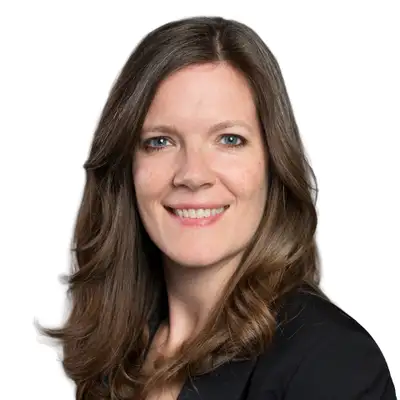
Becky Robinson:And I'm Becky Robinson.
Paul Dockery:On Frequency Band, Becky and I explore the physics, economics, and governance of the grid from a system operator's perspective.
Becky Robinson:On today's show, we're talking to Northwest Public Power thought leaders about what it will take to be ready for winter peaks as the resource mix changes. We'll do it with a winter readiness game, of course, and then close out the episode with settlement statements from our guests.
Paul Dockery:We attempted a game like this before in one of our price formation episodes. We're gonna do an auction. I'd say it was like a it came out okay. I
Becky Robinson:think so. Okay. I I think I was overexcited at first and, like, tried to talk too fast because we I was, you know,
Paul Dockery:I wanted to spread. I put a clock on.
Becky Robinson:But I think we're not necessarily putting the you know, we're not doing it in sixty seconds today.
Paul Dockery:Correct. We've learned lessons. We'll continue to improve and evolve along with the system. So good. I'm ready.
Paul Dockery:I'm I'm excited about the game. Not gonna lie.
Mary Wiencke:Me too. Good.
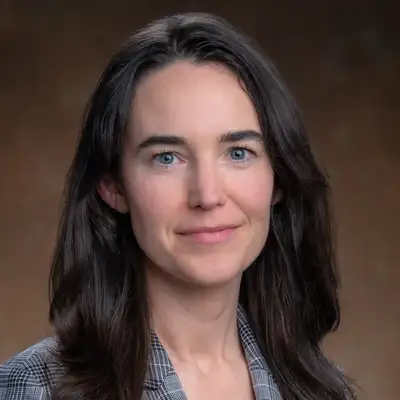
Becky Robinson:Here to share wisdom and expertise is Mary Wiencke. Mary is the executive director of the public generating pool. PGP, as it's known, is a trade organization in the Pacific Northwest that educates, advocates, and collaborates on behalf of its publicly owned utility members in support of a reliable, affordable, and sustainable Western power system. Prior to joining PGP in 2022, Mary was the vice president of market regulation and transmission policy for Pacific Core. Welcome, Mary.
Mary Wiencke:Thank you. Thanks for having me today.
Paul Dockery:Great to have you, Mary. It feels like the the winter that is nearing in September. Are you ready for winter aside from the power system?
Mary Wiencke:Yes, I am. I actually have come to Loaf this summer because it's just total chaos in my house. So I'm really looking forward to some cold and dark, routine.
Paul Dockery:And kids back in school routine?
Mary Wiencke:Yes.
Paul Dockery:Absolutely.
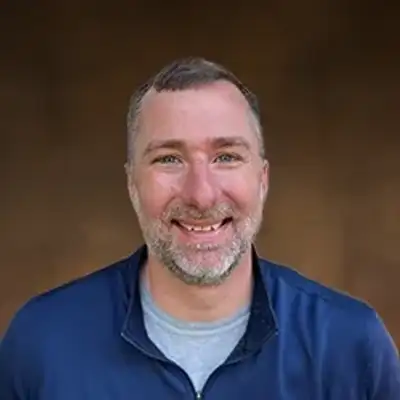
Becky Robinson:Okay. So also with us today, we have Kevin Nordt. Kevin is the chief strategy officer for Dairyland Power here at the time of recording. And and Kevin also serves as the board chair of Warm Springs Power and Water Enterprises headquartered in Warm Springs, Oregon. Prior to joining Dairyland, he was CEO of Grant Public Utility District in Ephrata, Washington.
Becky Robinson:Welcome, Kevin. Great to have you.
Kevin Nordt:Thanks, Becky. Glad to be here.
Paul Dockery:And Kevin, soon to be retired, second retirement. Any plans for after your second retirement?
Kevin Nordt:Yeah. Yeah. My second one hopefully will be a little longer than the first one, which was pretty short lived. But, I'm, planning to, head on back and try to attack my long on hold PhD. So, science and engineering was my first love, and, that's that's kind of my plan.
Kevin Nordt:So, I'm embarking on a pursuit of a PhD in applied math here now that I'm, stepping out of manage.
Paul Dockery:That is so awesome. And really life goals, hashtag life goals, because I I feel like I'd love to go get a PhD in my retirement. Oh, you, Becky, would you is this that's not your life goal, is that?
Becky Robinson:I mean, I think it sounds really interesting.
Mary Wiencke:I love the idea of, you know, it
Becky Robinson:it it's like we all think about what do you need to keep your brain busy and active, especially as we all are getting older, even now. But but I I mean, you're going way beyond, you know, Wordle.
Paul Dockery:Yeah. Yeah. Applied math too, Kevin. You can't do it easy.
Becky Robinson:Seems like you're setting yourself up for another show.
Kevin Nordt:For different.
Paul Dockery:Exactly. Mary, what about you? You you, I believe I read in your bio, JD. Any any what's what's the JD equivalent of continuing on to a PhD? Is there doctors and law?
Mary Wiencke:I I do think there is some equivalent, but I'm not sure what it is. But I have no interest in it
Becky Robinson:at all.
Mary Wiencke:That's not your right. I will not be seeking a PhD in my retirement. I will be cross stitching or crafting some things. I will I will make some things with my hands. I'll be done with with academia.
Paul Dockery:That's great. Love it.
Becky Robinson:But a JD isn't Juris Doctor. Right? Like, this is a this is terminal degree, I I thought. I don't know.
Mary Wiencke:I do think you can I know you can get an LLM, which is a master's degree? I'm sure you'll you'll probably get corrected from listeners, but there I do think there are advanced degrees, additional advanced degrees that you can get in in fields of law.
Paul Dockery:I did not know it was an LLM, but really what a transition. Thank you for that, Mary, because maybe we're gonna talk a little bit about load surging from large language model adoption across the system. It's September already where I talked a little bit about kids being back in school. Ted Lasso is on TV again. College football has started, and I'm ready to talk about winter peaks.
Paul Dockery:I hope you all are ready to hear about it. In April, a study from E3 indicated that accelerated lobe growth and continued retirements create a resource gap for the Pacific Northwest region that grows to nine gigawatts of effective capacity by 2030, and to 14 to 18 gigawatts by 2035. Five months later since it came out, Mary, I feel like it's still very relevant. Same sort of themes in the industry. Load growth, resource retirements.
Paul Dockery:Mary, public generating pool was one of the, the entities who kind of commissioned the study along with the broad coalition of utilities and independent power producers in the Pacific Northwest. Any takeaways? Any other highlights you wanna give us before we dive into winter preparations?
Mary Wiencke:Yeah, Paul, thanks. I think that there's a few things that are really important to kind of contextualize the study. And one of them is that, yes, it does identify this very large gap, you know, nine gigawatts by 2,030 is a pretty eye popping number, and only growing from there. I think what it tells us though, is unlikely that the region is going to be able to build enough resources to fill that gap by 2030. So I think a
Becky Robinson:lot of what we're gonna be talking
Mary Wiencke:about today, but I think one of the key takeaways from the study is to really understand that this gap exists and what it takes to fill it, but then also that, you know, we can't, we are unlikely to be able to actually construct the amount of capacity that the study says is needed. So we really have to look at all of the above solutions to, you know, ensure adequacy over that timeframe that are maybe other than waiting for infrastructure to be built. So I know we're gonna get into some of that, but I think it's really important understand that as, you know, the study is not necessarily a blueprint of exactly what needs to happen, but indicates to us that we have a problem to solve and that it's a collective problem that we need to engage with each other on how to solve.
Becky Robinson:And Mary, one of the things I thought was really interesting looking at the study just briefly is is that it looks like the IRPs that are happening, the integrated resource plans are are kind of like doing the job that you would wanna do. Right? Like they are identifying what resources should get built like. And if the the utilities were able to and and all the relevant parties were able to build all the stuff that's going through the IRPs right now, that might cover the gap. If I'm reading it right, you tell me.
Becky Robinson:But but just that that would be an unprecedented level of resource development. And so, of course, then you sort of, you know, raise an eyebrow and say, like, is that really gonna happen? But I thought that was an interesting takeaway. Right? It's not that no one's trying to it's not that no one's recognizing this, but yet it feels like, are we on a path to success?
Becky Robinson:Question mark.
Paul Dockery:It's like, I feel like we kind of acknowledge everybody kind of knows what needs to happen, and like what you're identifying is the problem statement of at a region scale, can we actually pull this off? Are we interpreting that right, Mary?
Mary Wiencke:I think so. I mean, it is, I think there is actually a slide in the E3 study slide deck that kind of shows, okay, here's what we're seeing in the IRPs across the region, and you can really see that, you know, if you compare it to say build rates back to, you know, 2020 or so, you really see this kind of massive increase anticipated in say, you know, '28, '29 timeframe. And so I don't think it's the study doesn't sort of call out, well, this is just infeasible, but what we can say is, you know, to hit those build plans, we would need to accelerate our build rate, our historical build rate very significantly. And so I think you do, and the barriers to resource development are not really improving right now, right? Things are getting more challenging.
Mary Wiencke:And so I think that's also why we really need to think through, okay, if we cannot actually, you know, add enough supply side infrastructure to fill the gap, What are the things that we really need to focus on? In addition to working on mitigating the barriers to adding supply side infrastructure and transmission, what are the solutions that we can really pursue in the meantime to mitigate the risk?
Paul Dockery:Kevin, anything you wanna add on this study or West Tech or other studies?
Kevin Nordt:Well, I think Mary hit it, you know, quite well. So, you know, again, there's a challenge in front of us. There's no question, you know, as as Becky first brought out and then Mary commented on. What the individual integrated resource plans are showing is, you know, folks are recognizing this. You know, individually, people are are planning resources that, you know, will address this problem.
Kevin Nordt:But in the backdrop that's bigger than us all, there are certain challenges out there. So getting together and accelerating, things everything's gotta fall into place, right, which is probably not gonna happen under business as usual. So how do we coordinate and work differently to to make this happen so that we can overcome the challenges that are are out there. And, you know, I think it's the West Texas study shows the same. You know, a lot of this, especially longer term, is gonna hinge on increasing deliverability through incremental transmission.
Kevin Nordt:And really attacking that together and moving forward is a good thing. And I think folks across the country are seeing this, and I think there's lessons to be learned if we look at other regions to see what they've been doing to accelerate and come together and change business as usual to attack this problem and and try to get ahead of an impending resource adequacy issue.
Paul Dockery:And I threw out the term West Tech haphazardly without good facilitator terminology associated with it. Anybody wanna take the task of, like, describing what West Tech is in the ten year study and the twenty year study that's happening? Anyone wanna help me out, in what I failed to do as the host of the podcast?
Kevin Nordt:I I can try. So, you know, Western Transmission Expansion Coalition, it's a group that's come together voluntarily, which is good. Again, people stepping up. We've all got a collective stake in a strong reliability outcome. You know, that's that's everybody's interest.
Kevin Nordt:And it's a group of, utilities, tribes, folks from states, etcetera. It's a broad coalition coming and trying to understand and look both in the near term, ten years in transmission space, and longer term, twenty years, as to what are actual actionable and effective projects and how can we plan differently and more than plan differently, work to execute and get some of this built. So that's what West Tech is, and it's a really great effort. It's really wonderful to see.
Paul Dockery:Yeah. And I do, before we get into the game, which again, very excited about, I did wanna acknowledge the tradition of studies that public generating pool has done, especially recently. There was market seams reports, western market reports. There was an excellent retrospective on market development in the West that I continue to go back and reference. I forget how many years ago that was, but shout out to, all of the contributors to prior, PGP studies, as well as the prior resource adequacy study that I believe was 2017.
Paul Dockery:Do I have that right, Mary?
Mary Wiencke:Yeah. Yeah. And actually, you know, I really will attribute this this tradition, which I do think is something that PGP has really prided itself on and added value to the region, you know, really beginning with Therese Hampton, my predecessor, I think really had a vision around, you know, how performing these types of regional studies can kind of contribute to the dialogue. And actually, yeah, the 2018, it was kind of 2017, 2018 timeframe, PGP partnered with several other utilities in the Northwest to look at resource adequacy in the region. And that was really when resource adequacy started to be a topic of interest.
Mary Wiencke:You know, historically the Northwest has had more supply than it needs. And so I think in that timeframe was really when the region started to be talking about maybe that's shifting a bit, maybe when you have a better understanding of how liquid is the market, what do we have available. And, you know, that study identified a significant capacity need back in 2018. And partly why we wanted to reprise the study in 2024 and '25 was, hey, how have we done since then? You know, how can we how are we thinking about measuring success?
Mary Wiencke:What capacity has been added? And so we really took a good look at that in the E3 study as well. And so I think the, you know, contributions from these studies have been many and varied. And in fact, I think part of also the outcome of that 2018 study was helping to drive the development of the Western Resource Adequacy Program, which I know again, we're going to kind of talk about regional coordination, but that really is one of the first steps is really understanding on a regional basis, you know, what position are we in and who has responsibility for adding capacity and contributing kind of their share. So I think that's something that really stemmed from that study, and I think now we're similarly, I think, thinking about what actions need to be taken, what it be learned from this most recent study, and then what actions need to be taken in the region to address some of these challenges.
Paul Dockery:Yeah, thank you and shout out to Therese Hampton's long legacy in the Western electricity markets. So thanks for that. And also another great transition to talk about activities that are valuable as we prepare for winter, which is the nexus of our game. We're gonna auction off activities. The California ISO runs auctions for for power.
Paul Dockery:And so feels like really within our niche to have games focus on auctions. I'm calling this one at least prepared. The nuance of why it's least and not lowest preparation cost is, I don't know. Maybe Kevin, you can explain that to us along the way. But like we were at least prepared.
Paul Dockery:We're gonna have three parts to this game that correspond to three phases of an auction. First is submission, second clearing, and lastly settlement. On bid submission, I've asked each of you, Mary and Kevin, to come with some ideas. Last time we did this, Becky brought ideas and I didn't. Felt unfair.
Paul Dockery:We're system operators. We need to be independent. So this time we're gonna see what it feels like when we don't submit ideas. So you're gonna submit ideas that help us get prepared for winter activities in the Northwest for 2030 and 2035. It is a collaborative game.
Paul Dockery:I like collaborative games. We're going to collaboratively and collectively assign a, difficulty score of how difficult that activity is and also a readiness value. So this is like our two price quantity submissions of like how form a supply curve. So that's the first one, a bid submission where we assign its difficulty and readiness value. Second, our clearing phase of this game.
Paul Dockery:We'll sort all of these submissions into a staircase of preparation. There'll be a fun graphic if you're listening on YouTube with a staircase of preparation. We're gonna rank these concepts in ascending order of difficulty, and then each one will have
Mary Wiencke:its
Paul Dockery:own corresponding readiness value, and we end up with this nice supply curve of activities. Who knows if it goes well or poorly? The heart of this is getting to a good discussion about the relative, you know, value of preparing and the difficulty of the various activity. Then we're gonna end it up with settlement statements. Any questions about the game, Mary or Kevin?
Paul Dockery:Is it just way too complicated, Mary? Am I making this more I complicated than it needs to
Mary Wiencke:will improvise as we go and ask questions if I'm not following, so I think I think we'll be okay.
Paul Dockery:Okay. Good. Good. Kevin, any any this this it's a fun game. Is there any commentary on the game?
Paul Dockery:Well,
Kevin Nordt:like participating in any RTO, kinda learn as I go. I put my bids in and see what comes back, and hopefully I don't lose too much money. Right? So, here we go.
Paul Dockery:Love it. Love it. Thank you. Yes. Appreciate it.
Paul Dockery:We also I did come up with a practicality rating rubric for the difficulty of these items. I came up with five. So after you submit a topic, Becky and I, we're all gonna agree on how to rate them. A one is used and useful. So if the difficulty is like, hey, this is entirely common sense within my control, used and useful.
Paul Dockery:A two level of difficulty is just prudent, just prudent action. The regulator would deem this advisable, let's move forward with it. I put at a three, a collective action problem where we're in a commons and we need to build coalitions. It's pretty hard, but getting together is the way to solve it. Four, I called the Boardman to Hemingway level of difficulty, where it's gonna take twenty years of planning, permitting, and lawsuits to get transmission a line built.
Paul Dockery:Just a level of difficulty, not the highest level of difficulty on our practicality rating rubric. That would be fusion where you're continue to wait for a scientific breakthrough. That feel okay? Are we okay with that rating rubric? We got a thumbs up from Kevin.
Paul Dockery:Thumbs up from Mary. Okay. You're okay with it?
Becky Robinson:I am. I think and I think it'll be good to kind of as we hear, you know, what are these ideas for winter for winter readiness? What should we be doing? How difficult are all these all these things? And how does it how do those difficulty levels compare?
Paul Dockery:Okay. Good. Good. Like it. Okay.
Paul Dockery:For who wants to submit the first concept? Mary, Kevin, who has a great concept they wanna start with for us to score?
Kevin Nordt:So you talked to Paul around, you know, between now and 2030 and then out by 2035. So I'm gonna start with some newer term ideas. The first concept, I guess, I would throw out is to really enhance operational coordination and planning ahead of the winter seasons. You know, that is fundamental to getting the most out of the existing system. We know we've got to add more.
Kevin Nordt:There's no question there. But you don't wanna have a near miss or something where you could have planned things better. And given the independent balancing areas and other things in the Northwest, the West overall, you know, it can be can be challenging. A lot's being done. Some of the the gas coordination work at PNOC, some of the things in EDAM with the RA and others.
Kevin Nordt:But there's probably more that we can do in terms of making sure we're ready for any given winter coming in with readiness drills, winterization, checklists, beginning discussions with the gas pipeline operators, ensuring that we're doing some drills so that we understand if we do get in a pinch regionally where collectively we may go as you talked about. Right? We're a common pool. Right? So we we all we all win and lose together here.
Kevin Nordt:So to me, right out of the gate, one that is easier to access and can be quite powerful, and the power of it has been seen out in PJM, ISO, some of the eastern RTOs, really getting together and get daily meetings two weeks ahead of a potential storm, this kind of thing, making sure particularly with the hydro system that things are positioned well. And, you know, so I think that type of enhanced, winter planning and coordination could serve us quite well as a start.
Paul Dockery:Feels a little bit like rainbows and like, maybe maybe it's not rainbows and unicorns, but mom and apple pie, though. I mean, there's it's nothing controversial in here. Right? Enhanced operational coordination and planning. So
Kevin Nordt:Well, you didn't tell me I get style points for controversy.
Paul Dockery:No. You don't. No. You don't.
Kevin Nordt:Actually It
Paul Dockery:helps with your infra marginal rent, the simpler it is.
Kevin Nordt:Right. It's motherhood and apple pie for sure. Right? And, you know, have had in in past winter challenges where if we'd only known, we could have maybe done this with the hydro system or we we could have done this or could have done that. Right?
Kevin Nordt:So this is just one that is, you know, very prudent and something that is really a behavioral change to amp up the level of, working together.
Paul Dockery:Mary, any thoughts on this one? Any comments about enhanced operational coordination and planning?
Mary Wiencke:Yeah. I mean, I'm gonna agree and also add, I mean, Kevin is such an optimist. I'm really gonna agree with this one and really definitely want to applaud and support existing efforts, right? Like these things are underway in different contexts. And Kevin mentioned, Peanuk and the, you know, really and the Northwest Gas Association working together to create additional momentum and ways for the gas electric systems to coordinate, which I think is a very you could do a whole podcast on that.
Mary Wiencke:And then we do have these resource adequacy programs developing, I think with the exact intent of, you know, recognizing that this is really a collective issue and taking a regional look at it, but then assigning kind of resource adequacy responsibility out to entities who are participating in various programs. What I will say, though, is that, you know, I do think that transitioning from, you know, the motherhood apple pie, everybody get in a room and agree on what we all think are the priorities, and we really need to coordinate and, you know, raise awareness on these issues. You know, starting there is easy and sort of a kumbaya moment. I do think it's hard to then move to like what WRAP is trying to do right now, shifting to like a binding program where people are gonna be subject to penalties, and you know, kind of, utilities are really being asked to enter into risk that could affect their customers, right? And so I think that I think when you move in, when you go to like the next step of sort of, you know, joining a market, you know, binding coordination.
Mary Wiencke:No, I think that can be the challenges can arise then in terms of the level of difficulty on actually, you know, kind of solidifying the coordination efforts.
Paul Dockery:Okay. So we gotta put this on our staircase of practicality. You can ask questions, Becky, while I do pull out our staircase here. Any questions from you, Becky?
Becky Robinson:Well, I think that was well said by Mary and Kevin in terms of describing what it is that we're going for here while Paul gets out our props. Mary, I really liked the connection you made between this coordination effort to get ready for winter and carrying that thread through into a program like Wrap or an RA program more generally, right? It is a similar thread, but it is deepening the level of commitment and buy in. That was a really, I really liked the phrase you used, you were, you know, entering into those IRA programs, as entities are are being asked to enter into risk that affects their customers. That is a really salient way to capture.
Becky Robinson:Like, we know that these RA programs are are good. They ensure that the region is looking looking to meet the needs. But even though it's that's kind of a motherhood and apple pie thing, it it is more challenging to try and actually get there and what that means for for entities who are joining. So appreciate that.
Paul Dockery:Yeah. And I'm gonna so I've I heard a lot more than one concept in your enhanced operational coordination planning. So I'm like, it feels like we need to substitute out because I don't wanna no. We can't just be all mother of apple pie. We need a little bit of gas electric coordination I heard as its own topic.
Paul Dockery:And I heard a resource adequacy program is a nice topic. You can't read them from the camera, but trust me, that's what it says. I don't have great handwriting. Okay. But it also seems like part of what I heard, I think you say, Mary, was also the market participation.
Paul Dockery:Like, there are resource adequacy programs. There's gas electric coordination, but electricity markets are also a coordinating function. Is that fair, Kevin, to include market participation? Becky and I both work for a supermarket Yeah.
Kevin Nordt:The markets markets are great coordinating, mechanisms. And so, yeah, this is not in lieu of, but in addition to in addition to. So yes, I'm totally there with you. Strengthening the coordination through the markets is absolutely necessary.
Mary Wiencke:Yeah, and if I can add, Paul, too, I mean, I think one of the core components of this too, sort of that we haven't focused on yet is really maximizing the value of the existing system and the existing assets. And I think that's what a lot of coordination is also, you know, it's aimed at making sure we have communication and coordination. But then it's also aimed at really saying, okay, how can we work together to really maximize the efficiency of the existing system? And then that's gonna reduce, you know, what everybody, what we need to add to the system.
Paul Dockery:Yeah. So what I hear in some of that market participation, maximum value of your existing assets, those seem like used and useful things. I have these things already. I'm optimizing them. I'll say market participation is a good way.
Paul Dockery:Would you say market participation is a good way to optimize your existing assets, Becky? Okay. Kevin, would you agree with me? I wanna give this a one. It's used and useful.
Paul Dockery:Are we happy with giving it a one?
Kevin Nordt:Yeah. I'm happy with that. And I think markets are a great way to, you know, coordinate and and do as you say. Right? But that can be augmented because, longer lead time positioning and commitments, etcetera, you know, sometimes can fall outside of the market's solution horizon.
Kevin Nordt:So we don't wanna lose sight of that because that is a missed opportunity that should never happen.
Paul Dockery:And so that's a great thank you, Kevin, because that goes to our readiness value. If So I give it a one on the difficulty, used and useful, how much does it contribute to being ready for the 9,000 gigawatt gap? Like, is it a full width, or should I cut it in half for a half width? Where where are you on how much this helps you be ready for winter? I don't wanna give it a full width.
Paul Dockery:I'll just say. I think it's a full width one. It doesn't get you all the way there.
Mary Wiencke:Paul, can you
Paul Dockery:clarify what we mean by I mean, it's a little Post it note width.
Mary Wiencke:Oh, the Post it note? Okay.
Paul Dockery:No. It's not gonna get us all the way yeah. Full post it note
Kevin Nordt:will get you the way there. Right? But I would argue for a full width because absent it, you may not have a 9,000 meg gap. You may have a 9,700 meg gap. And, again, you know, the proof has been in the pudding of some, recent winter storms back east where this type of thing has made quite a bit of difference from moving into a load shed events versus not in both MISO and PJM.
Paul Dockery:You, Mary, are you good with the full Post it note widths?
Mary Wiencke:Yeah. I yes.
Paul Dockery:Becky? Yes. Okay.
Becky Robinson:Yes. Value of real time coordination.
Paul Dockery:Okay. We're a wonderful now when we get to gas electric coordination and resource adequacy programs, they do seem like, I don't know, are they a collective action problem for both of them? Or do you think they're more like, hey, this is prudent, advisable investment. We just gotta do the work. Where would you put them on like, are these collective action problems?
Paul Dockery:Frankly, when I'd hear you talk about resource adequacy programs, that does sound to me a lot like a commons problem. Mary, I'll start with you.
Mary Wiencke:Yeah. I mean, think I would probably put them both in that bucket, you know, because I think that the gas electric coordination, I mean, in many ways is even more complex because now you are dealing with two systems. And again, I think the conversation is relatively easy to have and the issues are relatively easy to identify, but actually come together and agreeing on, you know, here's our set of solutions that we're all committing to, I think is a lot harder. And especially, like I say, across two different, you know, essentially two different industries to a degree, with a lot of differences in terms of how they operate and etc. I do think it's really hard to get to something that everybody is committed to in the absence of, you know, being forced into something.
Mary Wiencke:And just one thing, and I'm sensitive to the time here, but I do want to mention like, I do think there's a history, particularly on gaslight coordination of, you know, we have an event, and then that scares us, and then we all get together and talk about coordination for a couple of years, and then the sort of memory fades, and we continue on until the next event. And that's kind of the cycle that I think is hard to break out of. It's like, in order to really solve the problem, you have to actually commit to something, you have to commit resources, you have to, you know, put risk out. So I think that that's, I would put it in the And I think similar concepts apply to the resource advocacy program. So I think I would put both of those in the collective action bucket.
Paul Dockery:But with the gas electric coordination maybe a little bit higher in our staircase than resource adequacy program. I feel like I tell you. Both full sticky note width. You guys good with the kitchen? It's a good sticky note width.
Paul Dockery:Good. Okay. K. Okay. Who's what's next?
Paul Dockery:I feel like we got a good set here. We're starting our staircase. I do feel like I have a gap between my market participation and resource adequacy. Anything that could fit in there?
Mary Wiencke:Not totally sure if it falls into that particular place that you wanna fill, but I think the other piece that I wanted to raise, and this is looking out now more on maybe a longer term timeframe, is really streamlining existing development processes. So, and I think I'm talking about both supply side and transmission resources, you know, working on supporting construction of resources in transmission that will deliver the greatest reliability value and adequacy value. Looking at, you know, creative ways to streamline permitting inciting programs. I think that means, you know, early and often community engagement, you know, using state level processes where necessary. We've talked a lot about this, but reducing queue backlogs, you know, like there's several RTOs now, including Kaiso, who have really developed some streamlining mechanisms for transmission development and interconnection key reform processes, really consolidating planning processes, moving toward proactive planning approaches that really look to prioritize projects that are ready, projects that are located in areas that will add value to load.
Mary Wiencke:You know, figuring out how to translate West Tech into something that helps people get things built. That is the intent of West Tech. How do we take all of that and make it truly actionable? And then also looking at making sure that, you know, the state regulation and state policies that we have in place right now are really supporting the development that's needed and aligned to support that development. There's probably others, there's a lot of other things that are challenging to resource development right now, but really put that in kind of the task is really streamlining and enabling us to add infrastructure more quickly.
Paul Dockery:Awesome. So I heard, again, concepts there. Under your streamlining development process, I picked out four different supply stacks here or resources on our supply curve. I've got a permitting and signing process changes. That feels like a component activity.
Paul Dockery:I've got policy changes to support development, feels like its own component activity. Interconnection queue reforms and transmission planning. I wanna start with transmission planning of these four having the lowest difficulty score. Anybody agree or disagree with me?
Kevin Nordt:I'll agree with you on the planning having the lowest difficulty score.
Paul Dockery:And you think that's a one or a two? Is it down here with market participation at a one, or are we up here at a two where it's actually it's prudent, but you gotta resource you gotta invest in the right stuff to get good transmission planning infrastructure going.
Kevin Nordt:You know, I'm I'm gonna put it as a one now only because, you know, with West Tech and similar, it's actually starting to happen. You know, if if if we were a couple years ahead of West Tech and it hadn't happened yet, I'd probably put it as a two.
Paul Dockery:What about you, Becky? You think one or two? A little bit above market participation just because we're market operators?
Becky Robinson:Fair enough. No. I mean, I'm I I think of our team that does transmission planning here, and I I think at the ISO. And I I don't think of their job as easy, so that was my initial, like, scared face. But I but I see what you're saying.
Becky Robinson:Like, in terms of, like, what are we trying to achieve? Like, we know what transmission planning needs to do. We've got procedures to do it, ways of thinking about that.
Mary Wiencke:And I think we'll some
Becky Robinson:of these other topics, subtopics kind of get into, what makes that hard. But the planning activity itself, I think it's like it's it's an understood process. Right? You give us some inputs.
Paul Dockery:And full sticky wit or half a sticky wit? Go ahead, Mary.
Mary Wiencke:Oh, I was gonna say none of these things are easy. I mean, know, that might have been a caveat to start with. Right? Even the category one isn't isn't an e it's not easy.
Paul Dockery:Full width or half a width? What do you think? Transmission planning, queue reform, are these two things full sticky note width or halves or some fractional value of a sticky note?
Mary Wiencke:I mean, I would put cue reform as like cue reform would be really big, I think.
Paul Dockery:You think it's more than one sticky note? I'm happy to. Is this a two sticky note? I love a two sticky note.
Mary Wiencke:One a half.
Paul Dockery:One and a half. I can totally do that. I'm very this is arts and crafts over here. What do you think?
Becky Robinson:Well, Mary, I was was gonna check, like in a way I thought I heard your comments, Mary, is going towards like, are are we do we need to integrate the interconnection queue and transmission planning processes? Right? Like I know that's a a direction that that some markets are going. California has done that for a number of years in terms of trying to, with your transmission planning process, trying to anticipate where do I think the resources are gonna get built? What am I hearing in terms of where there's a desire for that?
Becky Robinson:And so you're kind of smoothing the way for then when you get to your interconnection queue, not everything is necessarily triggered in
Mary Wiencke:that You're mess up
Paul Dockery:you're
Mary Wiencke:looking looking at at your load, right, because there's a load interconnection, especially as we're talking about new large loads. You're looking about where where's load growing, where is load gonna be cited. You're looking at where where are there resources that would be helpful, right, to serve that load. And then what transmission is currently exists and has capacity and is available, or what transmission upgrades are needed to plan for all of these things, right? Like, that's the idea.
Mary Wiencke:And I think right now, like sort of the status quo before we're looking at reforms is to just sort of like take these different siloed processes and just go, well, okay, you know, you want to add a generator right there, that'll be, you know, dollars 400,000,000 assigned to you. And then that particular developer has to decide, am I gonna am I gonna pay for that massive upgrade? So instead it's looking at, okay, you know, looking at it in a more holistic, proactive way across kind of all of those things. So I think that's kinda, so maybe cue reform in some ways is is shorthand for something that is is more of a different way of planning versus calling it cue reform.
Paul Dockery:Good job picking up on that nuance. That's good. That was good. That's good insight right there. Thank you.
Paul Dockery:So it ends up with like two and a half here. I got like two and a half width associated with my transmission planning and interconnection queue reform. These things become a pretty substantive part of meeting my winter readiness. Am I hearing that right?
Kevin Nordt:Yes. Yes.
Paul Dockery:Okay. Now I've got a permitting inciting process sticky note that I don't know what to do with. It feels, I don't know, it doesn't feel like it's fusion, but I would put it on a level of difficulty. Where should we put permitting inciting process on the difficulty, scale? Is that a I don't know.
Paul Dockery:It's definitely not a one in my perspective.
Mary Wiencke:Mean, I would maybe put it in the Boardman to Hemingway.
Kevin Nordt:Okay.
Mary Wiencke:Level. I mean, that's really Boardman to Hemingway is the example.
Paul Dockery:Do you yeah. This is the example. Do you think it's a full width? You get a lot of bang I mean, you get a lot of preparation value from permitting reform. Is it more than one sticky note width?
Mary Wiencke:I would put it at one sticky note width.
Paul Dockery:Kevin, where are you at? Is that the right scale as like gas electric I would
Kevin Nordt:probably put in, if we went one and a half with the other one, I'd probably be one inch. It's at least one. But, you know, if we could pull it off, I think it would have quite a bang for the buck.
Paul Dockery:Okay. Okay. This this sticky note process is helping me understand. Hope it's also helping our listeners. This is a fun experiment in game design.
Paul Dockery:Okay. Then I had policy changes to support development was a fourth concept I heard from you, Mary. Do I Is that like a a component activity here? How much How would you score it and what what width would you assign it?
Mary Wiencke:I think I would put that I mean, it's not really a collective action, but I It's kind of in the middle in terms of difficulty, maybe at two.
Paul Dockery:So it's Yeah. Below
Mary Wiencke:Any kind of policy changes is hard to achieve, you know.
Paul Dockery:And how much bank how much readiness value would we assign to that? Is this a full sticky note or is it something less than a full sticky note in width?
Mary Wiencke:I mean, I think it could be very, I mean, depending on what it is, if it's policy that truly supports, you know, if it's a policy that really de risks investments for utilities, then I think it's that I think is very significant.
Paul Dockery:Okay. So we've gotten quite I actually feel pretty good about our staircase of readiness. Do you feel like if we did these things we would be ready for winter two thousand thirty, or is there something missing that we need to talk about?
Mary Wiencke:You have anything Kevin?
Kevin Nordt:Yeah. Well, I think for sure we'd be more ready for 2030. I think in my mind, if we did these things 2035 is certainly we would be ready because some of these, if you could achieve them, then the follow on activities are just gonna take a little time. Right? You're fighting the calendar.
Kevin Nordt:But I think a number of the things that we've highlighted here, you know, could make a very big difference even by 2030. I'll take Mary's last one there. The policy changes and one of the things that kinda jumps out at me and was highlighted in the e three study, you know, is there's always uncertainty about firm imports and what you can count as firm imports. You know, policy change that would support more forward contracting of extra regional firm imports. Right?
Kevin Nordt:That could make a big difference, right, and reduce uncertainty. Similarly, you know, the Northwest to its credit has had a tremendous heritage and performance on acquiring energy efficiency. Right. But it's been mostly focused on the energy front. You know, policy changes and incentives that could be put into place that would focus more on capacity acquisitions through demand side resources, demand management programs could make a big, big difference, prior to 2030.
Kevin Nordt:And I see those, you know, they're not gonna naturally occur, you know, spontaneously. There is a lot of work, but, you know, policy changes could make a big, big difference there. So things like, you know, more firm import, activity, demand side resources, to to be able to weather the the the multi day cold snap. And along, with that, I think, policy changes that could, encourage more distributed energy resources, particularly on the West Side, could make a big big difference and contribute heavily to reliability and readiness by 2030. I mean, one of the nice things with batteries, everything is jammed up, but batteries are less so.
Kevin Nordt:And the ability to start, you know, doing you know, batteries into substations on the West Side could make a big difference as well as, more virtual power plant focus and and try to harness the growing EV, load management capabilities. So, I think, if it couldn't get us ready, there is a lot that could get us much more ready. And certainly by 2035, I think these would go almost all the way to making sure we were ready.
Becky Robinson:I really like those suggestions. I mean, because so much of what we have on here on our staircase relates to supply and transmission and that the challenges with with building new of that. And and certainly, we've also captured the ideas of getting the most out of what you already have for your system. But but some of the ideas that you just suggested, Kevin, are are kind of things that you can do that don't I'll say, I'm sure this is over some point, but that don't need new supply or new transmission. Right?
Becky Robinson:And so on the demand side, from an energy efficiency side, those sorts of things where we have seen instances where those really do deliver in times of need. So exploring those more. Yeah.
Mary Wiencke:You know, would just add though that I do think that there's some innovation needed in that space. You know, one of the things that, like the E3 study didn't select a lot of demand response in the portfolio, in part because as Kevin was mentioning, the real risk profile for the Northwest is this multi day winter cold snap, and sort of traditional demand side management programs, you know, aren't that long, right? They have call options or interruptibility contracts and things like that. It typically was based on market prices and not necessarily, hey, we need you to be turned off for four days. So I think there's new types of programs that need to be developed to really address that issue.
Mary Wiencke:And I think there's potentially a lot of low hanging fruit there because those programs don't necessarily exist. I also think the other place of innovation, and I think there's a lot of work going on right now on this, is large load flexibility and that same thing, you know, what I think people are hearing from the data center developers is that there's not a price for interruptibility for them. They want to have very high reliability of service, but are there other ways to make that load flexible in terms of, you know, speed to service and other things like that? So I think there's a lot of there there to explore. And, you know, relatively easy as compared to trying to, you know, really add and pay for infrastructure.
Paul Dockery:I love it. So I captured three activities there. Wondering if this resonates with you all. Hear energy efficiency activity. The Northwest has been a great, I don't know, program builder and used a lot of energy efficiency in its history, but continuing that.
Paul Dockery:Load flexibility as a separate like demand side management, large load flexibility, and then distributed energy resources is like my three concepts I want to add to my supply curve. Do you think they're all the same level of complexity? Are they all below the collective action problem, but above the interconnection queue reform kind of? Or are they below interconnection queue reform? Are the all three of these easier to execute on than
Mary Wiencke:I would put it below inter or direct queue reform.
Paul Dockery:Is energy efficiency actually even below market participation for Northwest? It's like, we've been doing use has been used and useful in the Northwest history since then, I don't know, since the eighties. What do you think, Kevin? Is this below or is this at par? Is it a while?
Kevin Nordt:It's out there. I think taking it to another level, is what we're talking about. But, I mean, I would put it, you know, on the on the left side of the stack for sure, whether it's a one or whether it's a two. You know? And as Mary has said, I think you're ripe for innovation.
Kevin Nordt:Right? Particularly, the speed to power, I think, is an interesting lever. Right? You know? Yes.
Kevin Nordt:You want the LED, but, you know, the grid may not be able to provide that unless you're doing something for the grid. And then also, you know, rethinking energy efficiency away from sort of a what I'll call a steady state, for lack of a better word, sort of cost effectiveness threshold to you know, what we're facing here really is cost effectiveness against the value of lost load, which is a different type of calculus as you look forward. So
Paul Dockery:Excellent. Would you think these three concepts sum to one, two, three sticky note widths or some fractional combination of that? How wide? How how ready does this make us on our readiness I
Kevin Nordt:would probably go about two and a quarter just because I think the different type of demand side resource with a little bit of an extended energy profile, and the DERs is gonna make a bigger bang than energy efficiency.
Mary Wiencke:And I don't I I might put it a little smaller just in terms of like, I don't I'm unsure, and maybe there's a new study out there, right? I'm unsure on how far this really gets us on, you know, toward the nine gigawatts, right? I don't don't know how much there is out there to get. And so what I've heard anecdotally is that, yes, we should explore all these programs, but it but we still need we still need so much capacity that it doesn't get us all the way there.
Becky Robinson:Right. Put differently, is is the combination of these things gonna deliver more than resource adequacy programs? Like, where we've got one sticky note with.
Mary Wiencke:Right.
Paul Dockery:Good point. What about hey. How about this? Load flexibility, because when it comes to large load flexibility, I think you you I would assign a different difficulty score with that to your point, Mary. There's something more we need to do there, to unlock that value.
Paul Dockery:So maybe that's higher. Maybe is that higher than the resource adequacy program on the stack, but maybe a full width for that value on that stack. And then energy efficiency and distributed energy resources are low on the stack and maybe one width combined. How do we feel about that? So you get two, but one of them's higher on our supply curve.
Paul Dockery:I'm looking
Mary Wiencke:at that.
Paul Dockery:Oh, yeah. This is great coalition building right here. This is how you win a game. Okay. I feel like we've got a really good supply curve here.
Paul Dockery:We've got gas electric coordination and permitting and citing reforms at the end of our supply curve up the staircase to the attic. We've got market participation, energy efficiency, and demand response, anchoring as baseload of our preparations, transmission planning, interconnection queue reform, being a good long baseload unit providing a lot of value, getting a lot of infra marginal rent. Do we need any backstop procurement? I'm gonna float a couple ideas for you because we need to close our submission window. One of them is use of strategic reserve capacity.
Paul Dockery:This came through in a report that we had in we've talked about with Eric Ella and Jacob Mays on this podcast before, but the ISO has used strategic reserve capacity as a way to improve reliability. Do you think that's a backstop procurement idea that we should include on our chart?
Mary Wiencke:Yeah, I mean, what I would say is in the E3 study, and really like across kind of, you know, like the Washington State Energy Strategy, which was from a few years ago now to the council's, Northwest Power and Conservation Council's real recent analysis in their draft ninth plan, you see a need for firm dispatchable capacity that doesn't go away. And there's debates on what that technology is or has to be, but I think that's certainly a component of the challenge and a necessary solution.
Paul Dockery:Okay, I think it's okay to include that as a backstop procurement to give us a little bit of a margin for getting ready for winter readiness. I have one more backstop procurement idea that I wanted to float by you all. Space based data centers. Do we think that that backstop procurement, space based data centers by 2030 Should we you wanna know the lesson? Even know how that would work.
Becky Robinson:Have to
Paul Dockery:So it's a five. We'll get we'll put that we'll assign we'll assign a level of difficulty of fusion, but, you know, at least have it have it around, you think? Space based data centers.
Becky Robinson:And that makes it easier because presumably what? They're just getting solar power all day long because there's nothing between them and the sun. So it's
Paul Dockery:Space based data centers aren't in the Pacific Northwest. That's one thing I know. Okay. I don't know. I think it's a five.
Paul Dockery:Okay. I feel good about this. Do we feel like with these concepts, we're at least close to meeting that 2030 and maybe even the twenty thirty five, you feel good about clearing it? And where do I need to clear it? I actually do not feel, like, I don't feel like as the independent system operator, I can admittedly set this demand curve, where it'll carry it.
Paul Dockery:Maybe I'll look to you, Mary, about where you'd feel confident we'd be winter
Mary Wiencke:Oh, yeah, was gonna ask Kevin what he thinks because he's Yeah. The brain
Kevin Nordt:I would probably clear it kind of right around your gas power coordination level, kind of right right about there or just to the to the left of that. Because, you know, if we're not up that high on the stack, you're really not gonna be able to to take the big bites that we're gonna need to to take.
Paul Dockery:Well, Kevin is deciding he's the marginal resource setting the infra marginal rents for the rest of the supply curve with gas electric coordination. Last time when we talked about this, we thought, hey, let's have our listeners tell us where to actually set our demand for winter preparedness. Remember that? Maybe we can ask and include some survey in the show notes. We'll see if we can pull it off before we publish this.
Paul Dockery:But give us your feedback of where you would clear this staircase of preparation and readiness for winter. Marginal resource, gas electric coordination. Congratulations, Kevin, for being marginal. We did clear a lot of concepts that are getting a lot of infra marginal rent. Becky, let's just celebrate.
Paul Dockery:We work down here way at the bottom of market participation. We collected some infra marginal rent. We have a lot of friends that work in transmission planning, interconnecting queue reform, also getting a lot of inframarginal rent on those two concepts. High five it. It's good.
Paul Dockery:Oh, we can high five in person because we're in the studio. Yes. Any any commentary, Mary or Kevin? Just feel like good good good inframarginal value for market participation and transmission planning and interconnecting queue reform?
Kevin Nordt:Yes. Yes. I agree.
Paul Dockery:Good. Okay. We're gonna close out with settlement statements. Market runs end with settlements. We end Frequency Band with settlement statements.
Paul Dockery:I'm gonna start with you, Kevin. Any closing thoughts for the episode or commentary on the state of the Northwest power system?
Kevin Nordt:Well, it certainly got challenges ahead, but, you know, the fact that there's such broad participation both, you know, in the coalition that Mary put together, you know, with the e three study as well as West Tech, I mean, that's that bodes well to really get after things. I am an optimist. I will confess to that, but I I don't think I'm Pollyanna. I do think a lot of this stuff is solvable, and a big reason I do say that is I look to other parts of the country that have had to wrestle with some of these and step up to mandatory compa you know, binding capacity markets and other things. Right?
Kevin Nordt:And so, you know, to me, there's a little bit of a if I look left or I look right, kind of thing. If, you know, I look sort of, you know, relative to history left, you know, the types of threshold I might make about, you know, is this a risk that I'm willing to step up to, say, with a mandatory binding capacity market or something? You know, historically, we weren't looking at some of these big changes and the rate of change, and, you know, I might not have been willing to do that. But looking to the other way, what may be coming, you know, to me, I don't see it as taking an incremental risk as much as trans transferring from a major or a set of major reliability outcomes to, you know, a different set of risk. But I do think there are models elsewhere in the country where some of this has happened.
Kevin Nordt:So, you know, it does make me excited. Fusion is looking maybe like five years away now. So, you know, we can change our decision criteria. Again, maybe I'm just overly optimistic there. But I think, you know, again, the fact that we're starting to work on this is really important.
Kevin Nordt:I think the thing that the region and the whole West has to recognize is, you know, time is of the essence. And any day that slips away where we're not coming together and saying business as usual is just not gonna work is a really lost opportunity with a potentially high cost. So, you know, hopefully, can just put our heads down together and recognize that, you know, liability events are probably gonna come with consequences both near term and longer term that are not acceptable to us. And, maybe the choices aren't as hard as we think they are. Levering things like a strategic power reserve that could allow firm gas to be, you know, built or maintained but run only under very certain predefined conditions may be a good type of answer, which is just a kind of a new way of thinking.
Kevin Nordt:So, anyway, appreciate the opportunity to have been part of this.
Paul Dockery:Thank you so much, Kevin, and thanks for your participation. I hope you feel seen, heard, valued, appreciated.
Kevin Nordt:I sure do.
Paul Dockery:Mary, anything you wanna add as your settlement statement?
Mary Wiencke:Yeah. I mean, first of all, just like everything that Kevin said, you know, I that his experience gives him a ton of insight on kind of what folks have faced in other parts of the country. I think, you know, what I really wanna emphasize is that there isn't a single answer, and there's not any, and we talked about this a little bit, there isn't an easy answer. There is no easy button. I do think that sometimes we like to say, well, if we just, if we can just build gas, you know, we'd be fine.
Mary Wiencke:Or if we could just unlock all of the demand side virtual power plant resources and curtail the data centers, we'd be good. But I think, I don't think that there is, there aren't really any easy paths forward. All of these paths forward, all of these things cost money and are gonna put additional pressure on rates and affordability. And there's not, there really are a lot of trade offs, I think, in terms of how we think about the, how we pursue going forward and what the solutions are. And there isn't, like I say, there isn't a single type of resource, including on the demand side that doesn't have risks and trade offs that need to be considered.
Mary Wiencke:And so I think it's just, you know, we need to have these hard conversations and talk about these trade offs and work together to kind of craft a path forward versus, you know, fracturing into different corners and kind of doubling down on our individualistic positions.
Paul Dockery:Thanks, Mary. Yeah, that's
Mary Wiencke:Can I include, I'll just say one more thing? That is not just kind of directed at utilities, right? It's still directed at everybody in this space. Like we all think need to recognize that there an easy answer here and that we all need to kind of roll up our sleeves and work hard on what the solutions actually are.
Paul Dockery:It's a stair in the staircase analogy, you don't wanna stub your toes on the collective action problems. Think Exactly. It's a good way to think about it. Becky, I hope you've Mary, I miss I hope you feel seen, heard, valued, appreciated. I almost missed that.
Paul Dockery:Do you feel seen, heard, valued, and I do. Appreciate it.
Mary Wiencke:I do. Thanks, Paul.
Paul Dockery:Good. Becky, I hope you feel seen, heard, valued, and appreciated.
Becky Robinson:I do. I do. Thank you.
Paul Dockery:Any closing thoughts?
Becky Robinson:Well, I second what our our the the points that our guests made. Those are really excellent points. The other thing that crosses my mind is for market participation, we didn't differentiate between just real time market versus day ahead market participation. I think we do see a lot of added value from that day ahead timeframe of running the market, seeing what, you know, what are we expecting from that wide area view. But I think it is, I just wanted to add that here as we think about that in the context of all these other topics.
Becky Robinson:But yeah, I think it's a really impressive collection of all the things that need to happen. And that can feel a little daunting, but I think as Kevin said, I like Kevin's optimism. And I like the notion of on all of these things, there's kind of best practices out there Yeah.
Kevin Nordt:That
Becky Robinson:we can leverage. So
Paul Dockery:Yeah. Absolutely. Some of the best practices are are developed here at the California ISOs. Thank you for that great opportunity that would land that promo. Thank you to our listeners.
Paul Dockery:While you aren't seen or heard, you are valued and appreciated. Please like, subscribe, and share the show so that other electricity market enthusiasts like us can find us. Frequency Band, celebrating the wonky charm of electricity markets.
Becky Robinson:Frequency Band, staying in sync at 60 hertz. Frequency Band is a production of the California ISO. It is produced and directed by Paul Dockery, Paul Koliatich, and Jeremy Lipps with writing by Paul Dockery and Becky Robinson. It is mixed, edited, and published by Paul Koliatich with graphics by Stacy Gibbs and Annabel DeGraff. Jamie Ackman is its editor in chief.
Paul Dockery:Its executive producers include Crystal Ball, Jacob Mays, Nicole Hughes, Erin Bloom, Deborah Smith, Monica Gaddis, and Pam Sparberg.
Becky Robinson:The views expressed during today's recording are our own and not the official views of California ISO or the organization of the guests also appearing on Frequency Band.
Paul Dockery:Any aggregation, quotation, or references to opinions shared in today's episode should be ascribed to their individual participants, not their respective organizations.
Becky Robinson:You can find additional information in the show notes of today's episode, including where to subscribe.