Subscribe
Share
Share
Embed
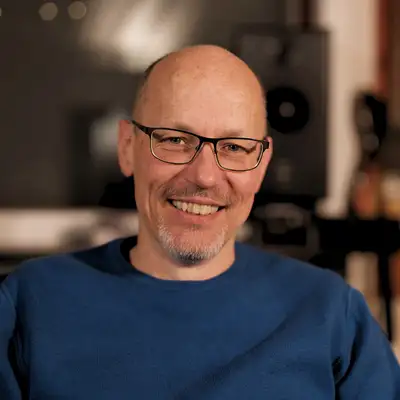
Welcome to the Sound On Sound People & Music Industry podcast channel. Listen to experts in the field, company founders, equipment designers, engineers, producers and educators.
More information and content can be found at https://www.soundonsound.com/podcasts | Facebook, Twitter and Instagram - @soundonsoundmag | YouTube - https://www.youtube.com/user/soundonsoundvideo
Sam Inglis
Hello, you're listening to the Sound On Sound People & Music Industry podcast with me Sam Inglis. In this series of episodes I'm interviewing some of the people who are nominated at the 2023 MPG awards and this morning I'm delighted to be joined by William Purton. Hello Will, how are you doing?
Will Purton
Hi, I'm really good, glad to be here.
SI
Excellent, well it's lovely to meet you. You're nominated in the 2023 MPG awards as Rising Star, which I think is an award that goes to someone who's in the relatively early stages of their career. So tell us about how you got to be where you are at the moment.
WP
Yeah, well, I mean, I'm very, very honoured to be nominated obviously, like I've actually been knocking around for a while now in the industry. Like I studied at LIPA and graduated in 2013. So I've been in studios since then. I got a job in Motor Museum Studio with Al Groves up in Liverpool. I kind of spent a good, like, year and a half there, like, as the in-house engineer. Moved back down to London, because that's where I'm from. Did a few years at Miloco and then a friend put me in touch with the team at RAK and I moved there in about 2017 and I've been, yeah, worked my way up to in-house engineer over the last couple of years.
SI
Wow, so in some ways quite an old school career path, really.
WP
Yeah.
SI
Did you actually start out making tea?
WP
I actually did. Do you know what, I didn't even know how to make coffee when I started, because I was a tea drinker and on my first session I had to try and work it out and over the course of like a week with these clients you're like, is this okay and they're like, a bit stronger and then kind of by the Sunday, it was like okay, that's a passable cup of coffee.
SI
It’s like I can operate the tape machine I just can’t do the espresso machine.
WP
I know what a microphone is. I've got no idea how to get caffeine into you though, sorry.
SI
Oh, that's a dangerous gap in your knowledge, I'm glad you were able to fill that quickly.
WP
Oh yeah, we've moved on quickly, we've moved on quickly now.
SI
But I guess one key difference there is 30, 40 years ago, very few people would have gone to formal education to learn about careers in studios. How did being at LIPA help you?
WP
That's a really good question. I think it helped a lot just in a lot of the technical grounding that you get and also just being able to go into a studio when the pressure's off and it's just you or some mates in your own time and just try things out without there being, you know, clients there who actually need to get something done by the end of today that's like of a good quality, like really going in and trying out microphone techniques and getting under the hood of things, that way was really helpful and also like although you do still learn a lot on the job when you're actually working in studios there are certain things which you're kind of just expected now to do to know from the get go. You're expected to be able to operate a DAW pretty well, you're expected to be able to like make good microphone choices and like just understand a lot of the background of how digital recording works and LIPA was all of that stuff and more.
SI
And you were able to go straight from LIPA to a job in a studio? I mean, they must have seen something pretty special in you, because obviously those kind of entry level roles in studios are hugely competitive. What do you think it was that made you stand out among your cohort?
WP
Do you know, I'm not really sure. I don't know. I'm getting all British and embarrassed about this now. I think there was a mix of people at LIPA who wanted to go into studios or people who wanted to produce their own music and there were people who wanted to do live sound and the course kind of caters for all of those. I was very much a studio head right from the start. This is 100 percent what I do and I think maybe there were like four or five of us who were really, really aimed at that out of like a 30 person cohort and I don't know, I guess it was actually the course leader put me in touch with Al who was moving into Motor Museum at the time. I guess he must have just, I don't know, I really don't know. I just, I mean, I just got really, really lucky to be able to walk straight into a studio job and just start recording bands and bringing people in on downtime and really getting stuck in and, you know, building your career. It's incredibly lucky these days.
SI
Well, there is that saying that you make your own luck, or the other saying that people like to use is, you know, the harder I work, the luckier I get and it does sound as though you've put the hours in.
WP
Definitely, yeah. A lot of hours in studios over the years. Yeah, I'm just really grateful to be honest. I mean, obviously you work hard because everybody else is working hard too and you just try and try and get your skills to a point where people see that for what it is, I hope and yeah, you get a break, get the chance you were hoping for.
SI
And Motor Museum has an amazing reputation for developing new bands and local bands. Is that something you were involved with?
WP
Yes, I mean it was very much not grassroots, but like, it was a very local studio. Like, you'd never get bands coming from London to work, so if, and if any bands in Liverpool would get big, they'd often get signed and then come down to London to do, like, their second record or whatever, kind of the stuff that might get really, really big. So, we were working with a lot of, like, younger bands trying things out, which was good because it gives us a chance to experiment as well, you know. They're just having a good time being in the studio and like, they're experimenting too with how much they can layer up certain guitars and things like that and we're experimenting and, you know, all developing at the same time.
SI
On moving to London, did you notice a sort of significant difference in the way studios are set up down there?
WP
Yes and no. I mean, to some extent, studios are just studios. There's always going to be microphones, there's always going to be a live room, there's mostly going to be a desk. But, like, the working attitudes in London, obviously, like, the stakes are a bit higher. People are paying more money. People here are often a bit more, you know, they've been around the block a little bit more and you know, because they know exactly what to expect and they know when you're doing your job well and when you're not. So yeah, the pressure was definitely on a little bit more, but that's just a reason to develop more, isn't it? That's the right kind of pressure to just really hone your own skills and get better and get quicker. And also yeah, I think a big part of being in studio is a lot of the personalities as well, isn't it and that side of things, I don't think really does get or can be taught really in an educational institution. That's one of the things you really do have to learn on the job and moving to London, it was a lot less informal. It's a lot more, you know, people are still nice, people are having a good time because at the end of the day, we're making music, we’re not, you know, sat in a bank, crunching numbers. But still people, yeah, expect good results and they expect them quickly. And yeah, moving to London was a big part of it, a big step up in my ability to do that, I think.
SI
And one of the distinctive things about RAK Studios in particular there is that there's quite a large team of in-house, both engineering and non engineering staff. How important is that and how much of a difference does that make to your work?
WP
Having a big staff, well I mean, one thing that's really nice about RAK and I think this is partly because it is quite an old school studio, I mean it's coming up to its 45th, 46th year kind of running now, is you have a lot more, yes, there are more people on the staff, but that means there's usually more people assigned to a session. Whereas other studios, you'd often have, you know, if you were the engineer, you'd have like one assistant and that would be it. Like at RAK, there'll be an assistant and a runner. So there's always, like, there's just a bit more redundancy, you know. If the assistant's really busy doing something for you, there's still somebody who can make tea for the band because they're having to hang around 10 minutes for you to set up a drum kit or something like that. So that's really good. It just means everybody can work within their capacity a little bit more. There's more headroom to just like take on more difficult tasks, everybody's always got some backup. And the team is really, really good, like it's a proper family vibe. Everybody gets on really well, we spend obviously a lot of time together. But yeah, it's just the mix of personalities that they put together there is really, really good and it's just hopefully a nice place for the clients to come to as well as a nice place for us to to work.
SI
And I guess back in the day, those kind of classic studios, your Abbey Roads, your RAKs and the equivalents on the other side of the Atlantic, they would have had their own individual ways of doing lots of things. There would have been a particular sound that they got through their own techniques, which were probably even proprietary or not widely talked about. Does that still go on, is there a RAK sound? Is there a RAK way of doing things?
WP
I think so. I mean, if there's a RAK way of doing things, I think it's almost more of a personality thing of like, just being really friendly and like, nothing is too big of a problem and just making the clients have as good a time as possible, because that counts for just as, that's just as much a reason people might want to come back as the rooms sound absolutely amazing and the mic stock is off the chain, which it also is. So like having both those things I think is part of the RAK experience. In terms of the RAK sound, like Studio 2 is really known for its drum sound, this really tight, punchy, I mean yeah, I remember starting to work in big studios and putting up room mics. I used to do this at LIPA where the rooms were so dead and you'd be like, they don't sound like anything. Then you come to RAK and you put up a couple M50s and you're like ah, okay, that's the drum sound, now I'm getting somewhere. So yeah, I mean, and there's the old API desks as well, which just sound amazing. Those are, like, by far my favourite desks to work on. They just, I don't know, saturate in a really, really nice way, and the EQs are so powerful. It's really, really hard to get stuff sounding bad in there, it's just such a joy every day. But Studio One's my favourite though, that room is, there's something special about that, especially for strings.
SI
And you've got a new Atmos space as well, have you had a chance to get involved with any Atmos mixes?
WP
Yes, yeah, I was actually in there yesterday. I'm just in the final stages of going through the accreditation process. You have to get on a, you know, an approved mixer list, but yes, yeah, I've been in there kind of like, you know, people I've been doing stereo mixes for just going like oh, do you want to do an Atmos mix, like, come on in and let's just have some fun and pan things around. And it's really, really interesting. I mean, Atmos is very exciting and it's good to see it catching on. It's always difficult to know, isn't it, with the new technology. It's like 3D in cinema, whether it's actually gonna gain real traction and keep on and have some longevity, when stereo's been around for, you know, 90 something years now and kind of just always stayed the course. But I think Atmos does have a chance. I think being able to play it on headphones, anybody, anywhere really, really helps and I think it does give you more. I think it doesn't have to be like this extra sticking plaster, oh hey look, something's above you now, you know, experience like it really can be really immersive and really involving and kind of more than the sum of its parts. So I think it's a really interesting toy, not toy, it's a really interesting thing to be able to play around with as an engineer from a technical point of view. But I think also for the listeners it's, I don't know, there's potential for it to be like, something really special I think.
SI
So tell us a little bit about the projects that you've worked on during the nomination period.
WP
Yes, well I mean, the really big one for me was I ended up engineering a lot of Liam Gallagher's most recent album, Come On You Know, which was recorded kind of in various stints over most of the course of 2021. And an engineer called Adam Noble, who I know really well, I used to assist him a lot, kind of back in my assisting days, he had started off the project and they were doing a lot of it at RAK and they had extended for so long that Adam had to move on to a different project and he called me up and said, are you around cause I just need somebody to step in. You know Liam, cause I'd assisted the previous album, you know, he knows you and he wants to know if you'll be up for kind of doing this thing. So yeah, yeah and it went from being, you know, what was meant to be a week of recording into like a solid month, pretty much every single day, re-recording loads of the tracks and adding loads of bits in and yeah, which was a challenge and obviously, you know, the stakes have never been higher. But a really, really fun experience and Liam's a great guy to hang around with and like, all his bands are like super, super cool. And yeah, just having everything available at RAK, all the equipment to like, really get stuck into and after, you know, a few years of, you know, trying things out and getting to a point where you're ready to do that, really having to having the chance to go for it with like a really big A-level project was was yeah, really really special. And actually encouragingly, not that different to doing anything for anybody else, do you know what I mean? It’s like, oh great, okay, I've got this, you know for sure you're like is this in my wheelhouse, but no it went really really well, yeah.
SI
So someone like that, when you get someone with like an absolutely iconic voice, yeah into studio who's also made a lot of classic records that they're known for, does he come with his his vocal chain that he's like, this is what I do. Or do you get to kind of say, well that's, we could do this or we could do that.
WP
Do you know, actually kind of neither because Liam is not very technically minded, he really really just enjoys music and enjoys singing and he kind of just, my read of him as a client and trying to give him the best experience he could get in the studio is he just wants to come in and just have a good time and there'll be no technical holdups at all. So like if you asked him, what's your microphone, he wouldn’t know to tell you. I knew from Adam kind of what they'd used in previous recordings But he also doesn't want to spend much time trying things out, he'll just want to, I just want to sing. And I think by the time you've been, you know, if you had the amount of success in the industry that he's had, you don't want to muck around waiting for someone to choose microphones, you just want to go. And so yeah, you set up a couple microphones, one set, maybe just a little bit quiet, because he sings quite loud and one set where you think it's going to be and just hope that the main mic doesn't go over. But yeah, so like, you know. Yeah, we had, by the end we had a whole chain in mind and it's like you set it all up, you got all the recalls and just, Liam, all he has to do is just turn up and just do his thing into the mic.
SI
So what did you settle on in the end?
WP
Well you know, when you've got the expensive kit there, it's very hard not to use it. So his mic is, there's one specific Neumann 47 at RAK, which sounded really, really good on him. So we used that. We actually did some sessions at Air and RAK let us take that one mic with us, just because I mean, they're old, they all sound a little bit different. And that one really, really sang with him. And then we had an SM7 up as well, just as a, just in case. And you know, some songs, you just want that like slightly smaller, tighter sound anyway. So we kind of like kept our options open again because, Liam just wants to come in, his thing is just singing and like, you don't want to get in the way or spoil his mood because he's a lovely guy, but like, you know, you don't want to get in his way when he's the artist, it's his project. So yeah, we would take both and then in the mix, kind of choose whichever one was feeling best for the song.
SI
And did you track through compression and EQ as well?
WP
Yes, yeah, a little bit. I mean, so it would be, the main vocal chain would be a 47, a vintage 1073 pre into an 1176 Blackface, and then, actually not that much EQ on the way in, you know. We'd be doing quite a lot of processing on his channel as he was singing to get the, you know, to get it as vibey and finished sounding as we could. So yeah, a little bit of EQ in the box and sometimes a bit of distortion or saturation and a bit of slapback and things like that and that would be enough for him to kind of get in the zone and just be able to do his thing.
SI
Yeah, because I think there was a time when people thought that the need to process on the way in was kind of something that was not really necessary anymore once we'd moved on from tape. But actually, when you're working fast on a session, you want to give the musicians the best possible experience. You do have to be willing to really jump in on that stuff.
WP
Yeah, I think you do. And I think, I mean, for me, I want to capture as much of the sound as possible at source but I am in a very fortunate position where at somewhere like RAK or any of the major studios, you have loads of great equipment to be able to do that and great monitoring to be able to make confident decisions. So you can go like, great, I want an 1176 on this, I want an LA2 on that, I want a C12, I want a this, I want my overheads to be blah and I want to EQ it all and I want to basically just treat Pro-Tools as a tape machine and when I play it back, it already sounds halfway there. And when you come to mix it then, also your job's that much easier, because it's not just the sound, but also the vibe. Like, people performed reacting to that sound, like you say, and that's so much of a, so you can amplify their performance or help them do their best and just kind of live in a really, really good vibe and just grab it. And then after that, it's so much easier, like rather than having everything recorded really clean and having to basically like construct a whole mood, a whole character for a mix post, like maybe like weeks or months later, it kind of, it's always just that much of an uphill struggle. But I mean, if you don't have the equipment available to do that, there's absolutely nothing wrong with just recording things, just clean, just getting a really, really good, well recorded signal and then you can, these days, do a lot in the box to really, really get things sounding good. But yeah, given the luxury of choice, record on the way in with all the processing is definitely my choice.
SI
And this is one of those areas where engineering sort of straddles the boundaries between being a technical discipline and a creative discipline. I mean, do you see yourself located both sides of that, or one side in particular?
WP
No I, hopefully straight down the middle, because you're exactly right. Like, as soon as you choose a microphone because it, not because it sounds a certain way, but because it gives a certain feeling, right? That's almost like a production decision and it's certainly like, it's maybe not something, every listener would go like oh, do you know what that kick drum really makes me feel so warm and so great, it really puts this in my mind, but those things are happening subconsciously. Even if people can't point to it, you've still helped the listener have a certain experience of the music and you're kind of trying to match, read between the lines of what the band really want people to feel as much as how they want the song to sound and yeah and it does all come down to technical stuff. And that's where somewhere like LIPA and having a, like an academic grounding in the technical side of things really, really helps because that's kind of just ticking away in the back of your mind, okay this, a dynamic mic would really suit this because blah, no this wants to be a condenser, it wants to be this far away from someone for these reasons and it's all about the end product feeling is as good to the listener as you can get it.
SI
And I suppose in the long run, that then shades into actual production and making more high level choices about music.
WP
Yeah exactly. I mean, like I said, I think as soon as you're making a technical decision for a musical reason, then it's kind of like, there’s an element of creativity coming into the, what can be a purely technical role of engineering already there. And I think for a lot of people that's a natural kind of step up and that's something I would like to get to definitely, being able to like record things really well, get the technical side of things to a point where it's kind of just muscle memory, enough that you can then focus on how this is affecting the music and really encourage artists in that way. And when I get to do that on sessions, that's like, those are like the gold standard days at the office, do you know what I mean? Everything's coming together, the technical stuff and the musical stuff. I'm an erstwhile piano and bass player, very, very, very bad. Every engineer is a failed musician but it's nice when you can bring some of that musical experience and things to, and kind of like edge into a bit more of a production role.
SI
Amazing. Well, that certainly sounds like an incredible project to have worked on. Is there anything else you've been doing more recently that we should listen out for?
WP
Well, I've been doing a few records with Shabaka Hutchings and it's in a bit of a different musical world, like he's a jazz, UK based jazz saxophonist for anyone who doesn't know him, but he started up a label which is based at RAK called Native Rebel Recordings and we, maybe every six months he'll find an artist, put together a scratch band and it's very jazzed, you know what I mean, it's very like Miles Davis, no one really knows what is gonna happen, you will just turn up with your instruments. And then Chewbacca has some master plan in mind and we basically just record these long form jams, which then kind of edited down into like, you know, four to seven minute pieces after the fact. But it's what I love most about engineering, everything is live instruments. The whole thing is musicians interacting together. You're in an incredible sounding room with incredible sounding equipment and once you get it all, you know, you're balancing spill versus like having things tight on the mics and just trying to get everything really tasteful and working together, and then you just let them do their thing. So there's a record by Chelsea Carmichael who's also a saxophonist, which is doing really well on the jazz scene and a record by an artist called Con and Quake which is an MC and a drummer, which we worked on together both right in RAK studio 2. I'm really proud of those so yeah, people should check out those records, they're really, really interesting. Different vibe to the Liam thing, for sure but, you know, nice to get your jazz chops out every once in a while.
SI
Well yeah, and just great to be able to work on such a huge variety of stuff.
WP
Yeah, yeah, it's brilliant. Every day is different, which is one of the things I really, really love. Yeah, it's never too samey. Every day is a different challenge.
SI
Awesome. Well I'm glad that today's involved recording a podcast for Sound On Sound. Thank-you ever so much for your time Will, it's been wonderful to meet you.
WP
My pleasure.
SI
Best of luck at the awards.
WP
Thank-you very much.
SI
Thank-you for listening and be sure to check out the show notes page for this episode where you'll find further information along with web links and details of all the other episodes. Oh, and just before you go, let me point you to the soundonsound.com/podcasts website page, where you can explore what's playing on our other channels.