Subscribe
Share
Share
Embed
What’s Up, Wake covers the people, places, restaurants, and events of Wake County, North Carolina. Through conversations with local personalities from business owners to town staff and influencers to volunteers, we’ll take a closer look at what makes Wake County an outstanding place to live. Presented by Cherokee Media Group, the publishers of local lifestyle magazines Cary Magazine, Wake Living, and Main & Broad, What’s Up, Wake covers news and happenings in Raleigh, Cary, Morrisville, Apex, Holly Springs, Fuquay-Varina, and Wake Forest.
[00:00:00] Speaker 9: The internet. It's big, endless, and ruled by giant tech companies. We're tired of that. You ever feel like sometimes your internet provider exists just to make your life as complicated as possible?
It's okay to expect more from the internet. The internet can connect you to people, to new ideas, and unlimited opportunities, as long as your internet provider doesn't get in the way. We're Ting, and in 2014, we set out to build internet that puts people first. Fast and reliable, clear and predictable, priced fairly without the fine print.
People first designed to put you in control. For a long time, your internet options were limited. Now they aren't. With the choice between big internet, complicated internet, or your internet, you choose the internet that actually feels like yours. We're Ting, and we're here to help you make the internet your internet.
[00:01:07] Speaker 10: Rescue Wood Rehab in Fuquay-Varina is proud to be your local custom woodworking shop for furniture, home decor, and more. Visit us and maybe spend some time with our shop dog, Amber. Rescue Wood Rehab is more than wood, it's an experience. rwrnc.com.
Today's conversation shines a light on a crisis that too often stays in the shadows, the exploitation, and trafficking of minors. The Invictus Project is one of the organizations stepping directly into that darkness, partnering with law enforcement, supporting victims, and working to dismantle the systems that allow this harm to continue.
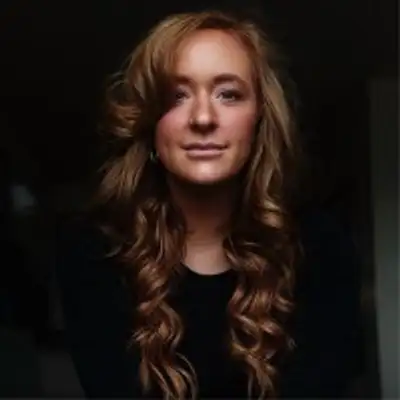
[00:02:44] Speaker: Joining me is Whitney Miller, the Vice President of the Invictus Project. Whitney leads the team that works at the intersection of advocacy, investigation, and survivor support. Helping communities recognize the signs of trafficking and equipping officers with the tools they need to intervene. I'm also welcoming back my first repeat guest of What's Up Wake.
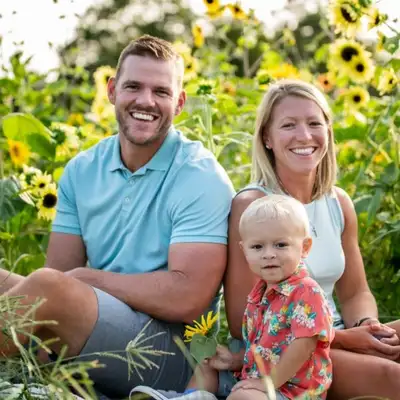
Michael Phillips of Phillips Farm, who was on the podcast last year talking about the farm. But . This time he's here to share information about an upcoming event supporting the Invictus Project. Whitney, thank you so much for being here. And Michael, welcome back.
[00:03:22] Speaker 2: Okay, Whitney, for listeners who may be hearing about Invictus Project for the first time, can you explain what Invictus Project is and how you got involved to begin with? Sure. Absolutely. So we are a nonprofit that's partnered with, um, law enforcement across the state and nation. So we are partnered with.
[00:03:42] Speaker 4: Four Sheriff's offices as well as the State Bureau of Investigations and, um, Homeland Security Investigations. And so our focus is combating the sexual exploitation and trafficking of children throughout the state of North Carolina. How did you get involved with this? Yeah, so actually prior to working with the Invictus Project, I worked for a nonprofit that did a lot of work with international human trafficking.
Um, so my focus was international. And then even prior to that, I was a high school teacher, right? And so. The, the long answer is it, it led through different streams of, um, employment that just ended up adding together and putting me in this fight. A passion for kids and a desire to see, um, people just be loved, well, and encouraged through hard times led me into, um, the, the counter trafficking world.
So definitely not what I expected to step into. Um, but it has captured my heart and the fight for our children is something we all have a responsibility to be a part of. And you're a mother too? I am. How old is your child or children? I have two boys, and so one is 11 and one is seven. So I definitely have my hands full.
[00:04:50] Speaker 2: Yeah. But we are, and you're stepping right into the technology years as well, and I Oh yes. So I don't know when you were a high school teacher, but I would think that so much has changed. In terms of child trafficking and exploitation with the growth of social media and internet as well. Yeah, I mean, so I guess, and this is one of my questions that I was gonna have later, but we'll get to it now.
[00:05:14] Speaker 4: Sure. How has that changed what you guys do? Your ability to do it, I would think in some ways is easier because you're, you know, as people that are reaching out to our children, right. Online. Yeah. But then again, it's hard to track these people down. Right. And so here's what I would say about that. Yes, you are absolutely correct.
This fight has shifted drastically, especially since COVID and increased drastically. Oh, 100%. Yeah. Matter of fact, since COVID, so since 2019, the state of North Carolina in 2019 closed out with about 4,000 cyber tips, and those are tips that are reporting children that are being, um, exploited online. At the end of last year, we were at 52,000 reports in the state of North Carolina.
That's just our state alone. That's incredibly scary. Right. So that's over a thousand percent increase Wow. In our state. And so as much law enforcement, you know, is out there trying to do the best that they can with the tools and technology they have, there is still this, this just, um, at non. Stop growth in this space.
And you're exactly right about why. It's technology, right? Technology. And unfortunately as parents, we are assuming the best of what we know about technology instead of some of the worst case scenarios. And our children are falling victim and, and prey to, to online predators constantly. Matter of fact, to give you a little bit of the statistics around it, one in five children are exploited online.
One in five now. When you think about that, that's, that's someone in close proximity to your family, to your, I've got three kids myself. There you go. Yeah. Right. And so that's a scary thing. And so many parents, you know, wanna believe, well, never my child, it wouldn't be my child. Right? Yes. It has shifted also, and I'm sure every single parent that has experienced this now with their child.
[00:07:02] Speaker 2: Thought that at some point. Absolutely. Mm-hmm. Well, because we're still out looking for the white creepy van, right? We're, yes. Yeah. We grew up in stranger danger. That's what we, yeah, that's how we grew up. Yep. Yeah, exactly. It was more obvious it was. Yeah. And now that that level of vulnerability, because at one point, you know, certain demographics would make a child more vulnerable, however, the internet has leveled that playing field.
[00:07:23] Speaker 4: It has made every child vulnerable because who sits on the other side of that screen? Could be anybody, but they can also create whatever personality or person they wanna be to our children. So we see that's where we see predators connecting. You are right in the fact technology has helped law enforcement to be able to proactively investigate these cases and go after these people.
So there's a, there's a balance, right? Mm-hmm. The good and the bad. Um, and it has allowed them to hunt down predators in a quicker rate and capacity when technology is available to them. But it also, whoever is on the other side could be anywhere in the world. Percent. I mean, so on the flip side, it, it could make it incredibly harder to, to find these people.
It is, yeah. I mean, and that, that is why we have jurisdiction across state lines with our federal partners, um, with Homeland Security. That allows us to be mobile in those areas. If we have cases come into those counties that we operate in and they actually lead out to other states, other countries, um, we have the ability to, to continue the hunt, if you will.
So our law enforcement partners stay on the tip of the spear for that one. Let's talk about your relationship with, with law enforcement. Sure. How, how does this work? Yeah, absolutely. You're with Invictus Project, how are you working directly with. Local police and you're saying also with, with national.
Right. And so the Invictus Task Force is the law enforcement arm of, of what this venture is, and that is composed of the State Bureau of Investigations, Homeland Security, and currently four counties in North Carolina's Sheriff's departments. And so really our role in that, it's kind of twofold. The founder of the Invictus Project, the nonprofit piece of this is also an investigator on the task force.
So he is. In the mix of what this work looks like. He's aware of that predator behavior, and he's working those cases as well. But the other side of that, the nonprofit piece, is really where the private sector meets the public sector. Because here's the reality of it, the funding is not there to supply our law enforcement with the tools and technology that they need in order to not just reactively, but proactively hunt these predators.
The, the funding's not there. And so, so what are, are you saying that, um. They don't know about it until it reaches their desk and the problem has, like the situation has already happened. You guys are, you guys are actively searching for the bad guys, but then you bring the bad guys to the police, so not as the nonprofit.
Okay. The nonprofit has no jurisdiction authority. Right. Okay. This is a role and, and. Focus of law enforcement. Okay. We come in as that nonprofit piece to supplement the needs of those, of the task force. So what that might look like, how many times did your iPhone update this year? Um, I don't know because my iPhone is full and it won't allow any of any future updates.
[00:10:16] Speaker 2: I understand that. Yep. Yep. But we couldn't have planned for how frequently our phone was gonna need to update this year. Right? Yeah. Yeah. Well, in the same manner, law enforcement county commissioners are not really always capable of planning for the technology, um, updates that are gonna be necessary for our law enforcement partners to stay, um, advanced in this fight.
[00:10:35] Speaker 4: Right. Because no matter how far we go, we still. We still find ourselves steps behind predators because typically law enforcement's operating after something has already occurred and steps behind our kids. I know that my kids are so much more. Proficient at social media and technology than I am. Yeah. So you gotta think the predators are keeping up with them, but we are far behind what, what both of them are, are aware of and, and what they're doing.
Absolutely. And so that's where we as a nonprofit get to step in. And when law enforcement needs something, instead of waiting for it to you. Pass through a budget and take time to get to, we're able to enact that private sector funding, so the general public stepping in to donate to the Invictus project, we're able to come alongside them and say, okay, this is what you need to make this happen.
Absolutely. Because money should never be the reason our children are protected. And, and you mentioned the statistic about the one in five children Yeah. That have admitted to being in contact with an online predator, which is scary enough. Yes. But when I read that stat on your website, it also dawned on me.
[00:11:40] Speaker 2: Yeah. But that's even just the kids that are. Willing to admit report Yep. And report to their parents that this has happened. Um, and also maybe they're a little bit naive and they don't realize absolutely what has happened. So really I would think that it's probably even worse than that. Yeah. And I'll share something kind of scary with you.
[00:12:00] Speaker 4: We actually. Because of my education background, I've been afforded the opportunity to stand in front of our kids and talk through these things with them, um, you know, across the areas that we operate. And so in doing so, we've had about 300 kids complete a teen survey. And based on that survey, 75% of them have been exploited online.
Ooh, yeah. So you're right, those numbers are probably poorly reflective. That one in five. Mm-hmm. It's probably not catching all of it because when we, when we hone that stat in and look at just, you know, our children local to us, um, it changes pretty drastically. So, and then you, you put into play the fact that the average age a child first receives a device is two years old.
[00:12:41] Speaker 2: Ooh. Yeah. There's a lot of concern there. That's, yeah, that's, it's all, it's all so scary. And to go back to what you were saying earlier about how we never think it's going to happen to us or our kids, but I know that, that I can't, I, I can't keep up with everything that they're, they're, they're, they're way smarter than I am.
Yeah. Um, we've tried programs like Bark mm-hmm. On our kids' phones, but even bark doesn't, you know. Weed out. Everything. It is just, it's impossible. Yeah. And now with, with technology and AI and all the other things that are just so far over my head, I, I, it's overwhelming. It is overwhelming. As a parent and you, we also can't say, alright guys, no more phones, no more devices.
No more computers, because that is our life now. Mm-hmm. We, we have to keep up with, with, I mean a computer's given at school. Oh yes. Yeah. So we can't avoid it. That was that shift in COVID, right? Mm-hmm. Everyone from kindergarten to college went home with a computer. Mm-hmm. And so none of us as parents were prepared with the healthy boundaries or what our kids should and shouldn't do.
[00:13:50] Speaker 4: We were just in survival mode. Yeah. And at that point, we went through what, two years really? Of, of that constant. Interaction socialization through devices for our children in school during COVID. So after that it was really hard to be like, okay, I'm taking this back now. Right? Yeah. And so there was, there was a gap there.
But I will say, and I would just encourage parents, A, we were given a role as parents and it is okay to ask hard questions and engage with our children in a way that matters. Our children, I'm telling you. And I sit in front of our kids. They desire so deeply to have these conversations. They don't know where to begin.
They're afraid they're gonna get their cell phones taken away, so they're not talking to mom and dad about it. Definitely. And when I talk to parents, their questions to me are, I don't even know where to begin this conversation. I'm like, it is. It's just so simple around the dinner table. Ask them if they've experienced or seen something online that has made them feel some kind of way, you know, did it make your, if it's a little kid, ask 'em if it made their tummy feel weird.
[00:14:49] Speaker 2: Mm-hmm. Right. Those are the funny tummy feelings. Yeah. Right. Those things are invaluable because if we wanna be proactive in this fight. It's gonna start at home. It's gonna start around our own dinner tables. It's, well, and I will say too, I know that with my kids, and maybe with yours as well, if I'm gonna have any type of, um, conversation that I feel like it's gonna be fight or flight, that the kids are just gonna run, run and hide.
It's gonna be in the car. Yep. They're stuck. Great time. They have a seatbelt on. They can't go anywhere. Or, um, if it's a conversation that I feel like they, they might be uncomfortable having it is when they're already in bed, lights are out. I can't see them, but we can still talk and communicate. Yeah, so try those two ways as well.
[00:15:35] Speaker 4: Absolutely. Absolutely. Yeah. That is the, their kids are stuck. They can't, they can't go anywhere. You've got a captive audience, right? Yes, yes. And so that is important. But um, and I do think the other thing our children are saying that's really important for parents to hear is that they are in agreement by.
80% that their parents are addicted to their cell phones. Mm-hmm. Mm-hmm. Which considered that when your child walks into the room has something to say, but sees you staring down at your phone. Yeah. Are they gonna say it? I'm, I'm certainly guilty of that myself. Me too. Yeah. It's stepped all over my toes. I think we all are.
[00:16:05] Speaker 2: Yeah. Yeah. And we are the first generation of parents having to. Learn how to parent in a totally, totally different world. It's that we were teens and kids in absolutely with this technology revolution. Um, so, you know, also give ourselves a little bit of grace because we're having to learn for the first time we are.
Mm-hmm. Okay. Speaking of that, what are some warning signs that parents, teachers, yeah. Other community members can be on the lookout for? As far as child exploit, exploitation goes, you know, um, and this is always a fun response to this because, and I say fun, you know, not really fun, but you know, the predators that have been arrested, the task force has arrested over 200 individuals in two years.
[00:16:55] Speaker 4: Right. That's a lot of people. These are people that ventured in the grocery stores. These are people that sat beside, you know, in sat beside us in church or at the park or all of these places that we do life. And so I think sometimes I would encourage parents, you know, a be vigilant. But also pay attention to your close circle because what we know about predator behavior is they're looking for access points.
These individuals meeting our children online aren't necessarily traveling to come pick up our children. Like we've created a narrative to be. They are, in fact abusing children in their close proximity while also, you know, evoking and asking for pictures and exploiting children in other places, they do.
[00:17:34] Speaker 2: I have heard that. More often than not is someone that you know. It is. Yeah. I mean, even if you look at, which is even scarier it. It is. Yeah. Right. It is. That's a scary consideration. 'cause built to trust people. We are, yeah. And so are our children. Yes. Right. Yeah. Which is, which is where you have to be careful.
[00:17:49] Speaker 4: And so I would say when it comes to warning signs with your kids, you're not gonna know unless you're asking the questions because it's gonna look like typical teenage behavior. The kid goes in their room, shuts the door. Mom, I don't wanna talk to you right now. I mean, it's, it's those typical little nuances, but I would say pay attention when they are on their device.
Are they hiding things right? When you come by, is it a, a quick swipe of the screen for your kids, younger kids, are they pulling back in conversation? Are they offset when they're around someone that you would typically. You know, think that they would be comfortable around, right? It's constantly paying attention to those behavior shifts and changes because you know your child better than anyone.
So I would say for warning signs, look for that. But for discerning, outside of just your family unit, pay attention to those people that you've allowed access to your children, whether it be coaches, you know, youth pastors, people at just general public, uncles, aunts, I mean. I wish there was a perfect mold that predators fit in so we could be like, Hey, watch for that.
But the reality of it is that's not the case. And even things like sleepovers, I mean, it's, oh yeah, it's that in and of itself is such a topic too, because you know that's part of growing up is having sleepovers and having fun at your friend's houses, but. I don't know that dad, I don't know. And the mom, you know, not just men or older siblings, right?
Yes. 'cause there's a big shift happening there. Mm-hmm. Our kids are hitting online much earlier. Right? Two years old is the average age of a first device. The average age of first viewing and being exposed to pornography is 10 to 11 years old. And in our survey it's eight years old. So now you couple that with, you know, we watched Little Mermaid or Mulan and we wanted to act out those.
Those movies with, you know, our siblings or whatever. Mm-hmm. So we're sword fighting in the front yard, but when our kids are exposed to something like that at such an early age, I mean that's where the sleepover thing, we have a no sleepover rule in our house. So it is what it is. It's not fun. It's not easy.
I've seen more and more people these days have that. I'm same. I'm the same way. Yeah. Yeah. I mean, I think we're called to protect our children. Mm-hmm. And they may not understand it or like it much like when we were kids and our parents said no, but there's always a reason behind it. And as parents, I think we.
I, I really think we kind of gotta, we gotta step it up a little. 'cause I think we've given a lot of freedom and flexibility to our children where they don't quite need it and then not enough in places like playing outside instead of playing on a video game. Mm-hmm. Right. Get them outside and experiencing a childhood that takes them out of the digital world and exposes them to socialization and putting their feet in the grass.
. , As a dad, I mean, I always, I try to start off the conversation with what is making you happy online.
[00:22:23] Speaker 3: So then it automatically will open up and then you can tactically work your way through that conversation where it doesn't feel threatened. They don't feel threatened at all. That
[00:22:32] Speaker 2: is a very good point because then they, yeah, they don't feel like they're backed against or, or, or like, oh, great, here comes this conversation.
[00:22:40] Speaker 3: Yeah. And then you're doing that. That makes you happy. Who is that? Or who is this? Mm-hmm. And then that would just kind of innocently come out of them if they say something. My kids, I, I'm an outside dad, so they go to my parents' house. Sometimes they'll get on the phone and look at this, but it's monitored.
They're sitting right there. But if they come to the house and they watch anything. It's on a huge tv. Mm-hmm. And I'm right in front of it with them or in the kitchen and I can see 'em. And then other than that they're outside.
[00:23:08] Speaker 2: Yep. And talk, and like going back to the point of, you know, I like to corner my kids in the car, or when they're in bed at night, you're outside.
So it's, they're, you're kind of. Busy walking and talking and working on the farm mm-hmm. And, and chatting and they, they don't feel like it's a, so tell me.
[00:23:26] Speaker 3: Yeah, yeah.
[00:23:27] Speaker 2: It's not inter tell me right now. Yes. Yeah. Like the spotlight
[00:23:30] Speaker 3: is on that. So starting off, off with, for it works for me 'cause I, I mean, I, I've so on, so-called interrogated my son.
[00:23:35] Speaker 2: Mm-hmm.
[00:23:36] Speaker 3: You know, because he's, how
[00:23:37] Speaker 2: many kids do you have by
[00:23:38] Speaker 3: the way? Two.
[00:23:38] Speaker 2: Okay.
[00:23:38] Speaker 3: I've got gunner's, seven. And then, um, Riley's three. She's about to turn four, but
[00:23:44] Speaker 2: Okay.
[00:23:44] Speaker 3: Both of 'em are about to, you know, go up in age, but Gunner is in that midst and, you know, he was on. YouTube. Mm-hmm. And he was on that stuff too.
So that had, that had me guarding, guarding him. Extremely, extremely, you know, tough.
[00:23:57] Speaker 2: Yes. For those that are listening or watching gunner, your son was on Mr. Beast, one of Mr. Beast's big game. Yeah. Um, competitions. And, and he went very far and did very well. But that gave you. Another reason to be concerned because then all of a sudden there's this fame Yeah.
That you didn't expect and kind of came out of, out of nowhere. Um, because Mr. Beast has such a huge following. Oh yeah. So it's not just Gunner being online and having online trolls coming to, you know, but now there's seeking him because of his, his fame. Yep.
[00:24:34] Speaker 3: Yeah, so I, I really stayed on top of that and I was with him the whole time at the show.
So it was, it was one of
[00:24:39] Speaker 2: those filming, but it's after the show. Since the show, that has probably been more concerning.
[00:24:43] Speaker 3: Yeah. 'cause he, there's all sorts of off videos that, that people have made on TikTok and stuff like that, that I've tried to keep up with. And he doesn't really, like I said, when he's with me.
He's at home. There's none of that, and there's no scrolling on the phone. Mm-hmm. I'm doing this, I'm doing that. It's a big tv. I can see it. I know what's going on. Mm-hmm. And then if I'm cooking or if I'm doing something, soon as we're done, it's like, Hey, we're outta here. Like we're going outside. You can learn how to dig a hole.
You can run, you can do this. You know, luckily we're on. He's got
[00:25:13] Speaker 2: a lot to do on the
[00:25:13] Speaker 3: farm. Yeah. Luckily we're on the farm, so there's a lot you can go do. Mm-hmm. But you know, staying outside and keeping a child's innocence for as long as possible absolutely. Is important. And I grew up with just working and working.
Sucked for a long time for me. Yeah. So it was hard work and now I'm trying to instill that in him to where it's, alright, now I can work and show him a little entrepreneur, you know? Mm-hmm. Show him how to show him how to make money, show him how to do this, show him how to do that, but then also just having the boundaries that he knows no one should cross.
I've always bring that up to him. Mm-hmm. Like if someone's here or there and telling you to do the wrong thing that mom or dad has ever said. Or number one, if it goes against what the Bible says and what you've learned. Come find me.
[00:25:57] Speaker 2: Yeah.
[00:25:57] Speaker 3: You'll never get in trouble. I'll always have your back.
[00:25:59] Speaker 2: Yeah. And that, that is a very good point.
I, I always tell my kids, um, and my kids are older. Um, I'm wishing both of you Godspeed in the future years because, oh, the teenage years are coming. I've got three teens, um, under one roof, and. Um, it's just a bowl full of cherries at all times. Yeah. Um, but I do tell my kids, you know, if you're ever out and about and something's going have a code word that they can text you.
Mm-hmm. I've told my kids, text me and ask about one of our cats. Yeah. Hey, is Winnie okay? Yeah. And I'm gonna know Yeah. Something's wrong.
[00:26:34] Speaker 4: Absolutely.
[00:26:35] Speaker 2: Um, and then I will put it on me, put it on me when I call 'em and say, Hey, I need you home, or mm-hmm. You know, and, and it, it's not putting them in a, a rough spot with friends having to get out of a rough situation.
Okay. Michael, I told you I was gonna get to you eventually. Now I feel like Phillips Farm kind of is known for being a community hub. Mm-hmm. Anyway. But the whole, the whole reason this podcast episode has come up, the, the topic I ran into you at a car show, random car show. 'cause you know me. Barry cars, hands on with cars, but ran into you and you were telling me about how the Invictus Project is.
You're gonna have an an event at the farm Yep. To support them. So I wanna talk about why you got involved with the Evict Invictus Project, but also, um, how do, how do you think the, why do you think it's important for Philips Farm to stay that central part of our community?
[00:27:43] Speaker 3: Well, it's just based off of, you know, the family and like I said before, getting outside it, it's such a kids can go there and be innocent and parents can go there and know that everything is innocent
[00:27:54] Speaker 2: and that they're
[00:27:55] Default_2026-04-09_2: safe.
[00:27:55] Speaker 3: Yes. That it's, it's closed in. We've got staff everywhere. There's no quote on like dark areas or back areas that mm-hmm. You know, you can't, everything's open, everything's colorful, it's visible, it's fun. And everyone on our team has the same feeling I do about. The Invictus Project and what's going on each year.
So, um, it's very important for us to keep that in the community and know, and literally look out. As a man, I'm always kind of being protective, so seeing things that can come up or this can happen, or I'm always visual if this fence is broken and there's a nail out, or if this is messed up or this can't work, I, I made like a 40.
It's like 40 items on the list I gotta go through tomorrow. Out in the fun park. Just the safety alone, physical safety, let alone just mental safety. Mm-hmm. So coming to the farm, you know, generations of families coming out there, we wanna keep that, we wanna keep that going and that's what we represent.
[00:28:54] Speaker 2: How did you get to know the Invictus project?
[00:28:57] Speaker 3: Well, I, we went to high school together.
[00:28:59] Speaker 2: Oh, okay. Okay.
[00:29:00] Speaker 3: And then my buddy Daniel Polkey works for Modern Wood when they're a huge help, um, for sponsoring the farm as well. He initially met her a few years ago when we kind of all dispersed outta high school.
He was like, Hey, she's working with a different, you were working with a different company at the time. Mm-hmm. And she stopped by her Christmas tree lot and left like a pamphlet. And I wasn't there. 'cause of course I was somewhere working on the other part of the farm. And he mentioned he is like, you need to look into that and shit, that's, it's, Whitney said, go check that out.
And I did. And then it kind of, we expanded, we did this, things just fell through the cracks. And then he told me again and brought it back up to me. And then I, that's when I reached out and looked at it. And of course. You know, don't wanna bring up politics, but in the political world, you see it everywhere right now with all this stuff going on, and you see it on the news.
And I was just like, what can one man do? You know, what can one man do in this situation? You know, of course you want to, we'll go fight. Well, you can't do that. He, it's, it's something you can't physically fight, you know, in terms of what's going on. Like, she's talking about the online presence. So. What could I do?
What do I enjoy? What, what, what are my passions? And let me attach those passions to, you know, you know, being righteous in the fact of we need to help kids. We need to help this on the outsource instead of just right here at the farm. And that's where, that's where I got the idea for doing the truck show.
[00:30:30] Speaker 2: Okay, so that's what the event is. You're having a talk, talk about the actual day. When is it?
[00:30:37] Speaker 3: Okay, it's June 6th.
[00:30:38] Speaker 2: June 6th. So a couple weeks from now or a week? I'm confused. Well
[00:30:43] Speaker 3: months.
[00:30:44] Speaker 4: Take that part
[00:30:44] Speaker 3: out. Oh, yeah. Sorry, I forgot. Mm-hmm. I,
[00:30:48] Speaker 2: I
[00:30:48] Speaker 3: don't wanna throw
[00:30:48] Speaker 2: myself off too. I was like, crap, what did I say?
You
[00:30:50] Speaker 3: wanna correct you? But I was like, dang, she's way off.
[00:30:52] Speaker 2: I know. Time's flying.
[00:30:55] Speaker 3: Yeah.
[00:30:56] Speaker 2: Um, so what will the event look like? What will we get to enjoy while we're at the farm?
[00:31:03] Speaker 3: All right, so when you basically pull in, if you don't have a truck, so it's a, it's called C tens tailgate party. If you don't know, it's.
The car show world's kind of dominated by men. Um, but it's C tens are Chevy trucks, so it's a, it's Chevy trucks and of course that's just one model. I just learn something new. That's just one model. You have c tens with, just, there's, there's, I could go through a ton of it. C is two wheel drive, K is four wheel drive.
There's all sorts of different stuff. So it's Chevy trucks and we're just doing basically from 98, 19 98 and older. So all the way down, if you have a Suburban or if you got a Blazer, or if you got a Tahoe, some of them were called, you know what a Tahoe is now? Mm-hmm. They still have those models, but back in the day, but they were called Blazers way back.
Mm-hmm. So anyways, we want that community, 'cause I'm pretty big in that community, so I've already sponsored a few shows and, and, and gone and really started spreading out. But if you come to that show, you're gonna expect lots of old, cool trucks, not just rundown, beat up trucks. You're gonna see. A couple hundred thousand dollars trucks, and then you're gonna see it sitting next to a $15,000 truck that someone just fixed up to drive there.
So the community is not a, a standard community that you're in. It's a, a bunch of people have a passion for trucks and most of 'em, and most events that these guys go to that are really, really, really large. Are free and they're really just throwing the money back at, you know, boots on the ground is what I like to call it.
Charity. There's a lot of charities that are pretty big that they do good work, but I'm a boots on the ground, so if we can raise this money, the, the Invictus Project, boots on the ground.
[00:32:43] Speaker 2: Yeah.
[00:32:43] Speaker 3: And
[00:32:43] Speaker 2: because you can actually see the good
[00:32:46] Speaker 3: Correct. I coming out, I know out where it's going.
[00:32:47] Speaker 2: Yeah.
[00:32:48] Speaker 3: And it's going to help, you know, children or even people that have been affected years later.
But that's, that's where my. Passion of trucks. And then being a father and being a man and being a protector, I, you know, we wedged those together. And that's, and
[00:33:05] Speaker 2: having the beautiful space with Phillips Farm.
[00:33:07] Speaker 3: Yeah. Tons of space. Yeah. So then everyone, you know, everyone in this side of the community with the trucks community is just like, oh yeah, you got some cool trucks, yada.
And then I show 'em the space and they're like, wow. So that makes 'em want to come even more. And then we've got great sponsors working with us. So that allows me the freedom to just be creative. So coming in, if a family comes in and you don't have a truck, you can walk around and see these trucks.
Everyone's usually nice. Tons of people are nice and they usually have,
[00:33:35] Speaker 2: they're
[00:33:35] Speaker 3: cars and stuff they give to the kids.
[00:33:37] Speaker 2: They're passionate about their truck. They wanna talk about it. Yes. As you're walking by.
[00:33:40] Speaker 3: And then they'll give, they have hot wheels, like you go to every truck, like my son gets a hot wheel.
Mm-hmm. And like a little cross or a little bible, almost every show we go to.
[00:33:48] Speaker 2: Yeah.
[00:33:48] Speaker 3: Yeah. And it's, it's amazing to see that. And then on the other hand, if a family comes in, they know nothing about trucks. It's free to get in. And we'll still have all the vendors that the Invictus Project will be there and you can learn how to sign up and everything with them too.
But we'll have food trucks, live music the whole time. We've got giveaways, we'll have bounce houses and stuff. We've got other vendors set up there with more food and gifts items and stuff like that. But it's just, it's really come walk around, look, figure out what we're doing. Let your kids go play.
Mm-hmm. We'll have animals up there too. So we, it really
[00:34:21] Speaker 2: is a, a full, a whole family day. Mm-hmm.
[00:34:24] Speaker 3: Correct.
[00:34:25] Speaker 2: Fingers crossed for great weather. But it is, I mean, any event that you guys have out at the farm is just, I mean, it is just. It's a home run. Truly. I thank you mean, as long as the weather's good, you know, it's gonna be a mm-hmm.
A great day. Yes ma'am. But this sounds like it's, it's two-sided, you want people with older trucks
[00:34:44] Speaker 3: mm-hmm.
[00:34:44] Speaker 2: To sign up,
[00:34:45] Speaker 3: correct.
[00:34:46] Speaker 2: On your website.
[00:34:47] Speaker 3: Correct.
[00:34:47] Speaker 2: Okay.
[00:34:48] Speaker 3: Well, it's, it's c tens tailgate party.com, so we built our own website for that.
[00:34:52] Speaker 2: Okay. So sign up to bring the truck. Correct. And then you also want, of course, families to come out to the event.
[00:34:59] Speaker 3: Correct.
[00:34:59] Speaker 2: Okay.
[00:35:00] Speaker 3: So we're doing, we're doing both ways. So it's. That that's exactly right. Like you said, so I'm dealing with the, the general public who I usually deal with. Mm-hmm. To, to pull them in on this, this hand over here, we've got all these fun activities, we've got this, we got this, we got this, and then the C 10 guys come in, we've got tons of parking, we've got shade, we've got food, we've got good music, we've got great giveaways.
We've got a good community here. And so it's, it's working now. I'm tactically working both of those mm-hmm.
[00:35:28] Speaker 2: To
[00:35:28] Speaker 3: bring it all in and
[00:35:29] Speaker 2: a great mission, a great purpose
[00:35:30] Speaker 3: to support, bring it, to bring it all in. Mm-hmm. And then just raise as much possible money as we can and get people aware of what's going on too.
This, this show's not about me. Like, yeah, we got 500 trucks, or whatever else. Mm-hmm. Or, yeah, this many people came through the door. It's no, let's, let's get this in and get the money to them and get the awareness on them. And then if we have a cool truck show.
[00:35:54] Speaker 2: Yeah.
[00:35:55] Speaker 3: And then we're gonna do it again next year.
[00:35:57] Speaker 2: Okay. So, um, I've already established that I am a a truck aficionado.
[00:36:03] Speaker 3: Alright. Truck enthusiast.
[00:36:05] Speaker 2: A truck enthusiast,
[00:36:06] Speaker 3: Chevy truck enthusiast.
[00:36:07] Speaker 2: But that, that is one question I've, that in my mind, I'm thinking. So what if I have a Ford? Am I like not allowed to the party?
[00:36:15] Speaker 3: No, we just,
[00:36:16] Speaker 4: you just get back rope
[00:36:18] Speaker 2: and
[00:36:18] Speaker 4: you
[00:36:18] Speaker 2: have to go to the back of the farm.
[00:36:19] Speaker 3: Yeah. We, we just doing, so that's, that's the community that I know so well.
[00:36:23] Speaker 2: Okay.
[00:36:24] Speaker 3: So I can, there might be some other people out there that have older trucks. We just limit it to a C 10 show because there's numerous C 10 shows that I'm going to this year. Mm-hmm. Year I've already sponsored two of them
[00:36:34] Speaker 2: and you know, a lot of the people and
[00:36:35] Speaker 3: everything.
Yeah. And they'll, they are. They're heavy in the community. A lot of them live in North Carolina. And I want that to, I, I, I just, that was kind of my personal preference 'cause I wanted to do a, a truck show. Mm-hmm. I wanted to do a C 10 show. 'cause I, I, I love that. I know all about 'em. If you pull up with a Ford, I, I'm not gonna know about it.
There's not much talk in there. We didn't, haven't had 'em. I grew up in the style trucks that I build now, so that's where the passion came from. Riding around with my dad when he would tend to back of fields and stuff like that in a, in a, he had a intro
[00:37:09] Speaker 4: seat.
[00:37:09] Speaker 3: Yep. He had a, he had a 87, um, threequarter ton truck, four wheel drive that was blue.
We'd ride everywhere in that truck and that was his farm truck. And I actually drove mine out in the parking lot. It's a 77 or a 78 little short bed truck that's a bench all original. And it's just fun. My kids. Love that I drop, I, it's my daily driver pretty much. Mm-hmm. I drop 'em off. They love that, they love that truck.
Gunner was embarrassed a little bit 'cause I would pull up in trucks and it was like, you know, your eyes were all on this and stuff like that. And he's gonna get, he's getting the passion I'm getting because, you know, people will come by and give you a thumbs up or they'll, you know, they'll honk the horn at you and wave and he's like, what?
What'd you do? You know? Mm-hmm. He thinks something went wrong and I have to explain. No,
[00:37:56] Speaker 4: man, it's my truck.
[00:37:56] Speaker 3: Yeah. I have to explain to him. I was like, they're just waving at us. 'cause they like the truck. Yeah. He's like, oh, okay,
[00:38:00] Speaker 4: cool. Yeah.
[00:38:01] Speaker 3: And then every day we come home from school, when I'm picking him up and he comes home from school, I'm like, I point out, I'm like, the cars are boring.
I, I tell him, I said, the cars are, look
[00:38:14] Speaker 2: at those boring dads.
[00:38:14] Speaker 3: I said, the cars are boring and the colors are boring. I'm like, listen, we, we will count and we did it yesterday. I'll count hundreds. I'll be like, all right, see if you can find me one that's not burgundy, gray, black or white. And we'll go through and we'll get, like yesterday we went home.
We got,
[00:38:33] Speaker 2: I feel really judged right now.
[00:38:35] Speaker 3: I got nine. I've got a, I've got a new truck that's gray.
[00:38:38] Speaker 2: Yeah.
[00:38:38] Speaker 3: And he even called me, he is like, you truck, you probably won't gray for long. New truck. I was like, yeah, but. But it was like we counted nine from Apex all the way home yesterday, driving nine.
[00:38:46] Speaker 2: I'm surprised
[00:38:47] Speaker 3: that's all.
Yeah, yeah. Nine, no, nine colors that were not those colors.
[00:38:50] Speaker 2: Oh, okay, okay.
[00:38:51] Speaker 3: And so I was just like, and then he sees my trucks and he sees the colors and he sees that and he gets, kind of gets, oh, that's cool. And so now he's pointing out different vehicles coming by. Check that one, that one, that one, that one.
So he's picking up on it. And you know, we built specific stuff. I built specific stuff that I know that my kids can enjoy.
[00:39:09] Speaker 2: Yeah.
[00:39:10] Speaker 3: So I'm getting a custom truck built and I'm all the way through and they're like, you should do this. It would be cool. I'm like, no, my kids can't ride in that I need this.
[00:39:17] Speaker 2: Yeah.
[00:39:17] Speaker 3: Yeah. And they're like, oh, okay. We understand. Mm-hmm. So immediately like the builder, as soon as you mentioned kids, he is like, oh yeah, I'll make it comfortable for them too. So that works out.
[00:39:24] Speaker 2: And the wife, yes.
[00:39:25] Speaker 3: The wife
[00:39:25] Speaker 2: has to be comfy. That's the most important part. Okay. Beyond this particular event in June, what's going on at the farm in June and July?
[00:39:34] Speaker 3: All right. June 13th and 14th is our Peach Fest, so that will be, that's gonna be our third year doing this now. Geez. Time flies. But, and then July 25th and 26th is our watermelon fest. And then the 1st of August, I think it's August 1st and second is the RA Food Fest. Tim RA's a comedian. He's a big social media.
Um, influencer and he's a big food influencer too. And so last year we had a wing competition with him, and then this year he's doing like a full food fest, the farm. So he's gonna have tons and tons of trucks out there. Fun park's gonna be open. It'll be both sides. So it'll, it'll, that's, that's one we have.
And then,
[00:40:15] Speaker 2: and maybe some water, guns and water slides, because it's going to be very hot.
[00:40:20] Speaker 3: So last year for Watermelon Fest, and we're doing it again for Watermelon Fest and Peach Fest. This year we have the huge irrigation sprinklers that we spray. Over our crops.
[00:40:29] Speaker 2: Oh, okay.
[00:40:29] Speaker 3: So I get those out.
[00:40:31] Speaker 2: Smart. That's,
[00:40:31] Speaker 3: and then the rides.
The rides go underneath. It's another thing, I'm just a big kid. So it's like when a kid pulls up and they see a sprinkler shooting like 150 feet. Yes.
[00:40:40] Speaker 2: Yeah.
[00:40:41] Speaker 3: Like a fire hydrant. That kid is going to be so excited. Uhhuh. And then they know they get to go on the ride and just go underneath it.
[00:40:48] Speaker 2: Yeah.
[00:40:48] Speaker 3: And then, and yeah, last year we, I think we got 2000 little water guns and we had like fill stations for 'em too.
This year we'll have foam cannons everywhere, so
[00:40:57] Speaker 2: I love it.
[00:40:58] Speaker 3: Yeah. Coming out there, it's gonna be, you'll have tons, tons to do. Just just let me be creative with what we have at hand.
[00:41:04] Speaker 2: Yeah. Yeah.
[00:41:05] Speaker 3: I
[00:41:05] Speaker 2: love it.
[00:41:05] Speaker 3: That's fun.
[00:41:06] Speaker 2: And I also, I also love that you get involved with organizations like Invictus Projects, so thank you for doing that and keeping our community involved and Absolutely.
And aware as well. Okay. Whitney, where can we find out more about in the Invictus Project?
[00:41:20] Speaker 4: Yes, you can visit the invictus project.org. Um, you can find us on major social media platforms, Instagram, TikTok, Facebook, YouTube, LinkedIn. Um, there's many, many ways to connect. We would love to to hear your heart.
I love that Michael is. Has mixed his passion with what he desires to see as a, a healthier world for his children. Um, I think when you combine those two worlds, it's incredible what you can do. And so I would encourage people to think outside the box. What are ways that the two things can come together?
Um, and we'd love to hear about it. So you can, you can go to our website to connect with us on any level whether it be to volunteer, to give. And hopefully you'll see a flood across, um, social media and the presence of, of the work we're doing education-wise and the arrests that are coming through.
It's a great place to see where those most recent arrests are listed. Yeah,
[00:42:09] Speaker 2: I saw that
[00:42:10] Speaker 4: on your website. Yeah. Yeah. Tends to be pretty busy, but, um, it's just a great place to go get resources and information so.
[00:42:16] Speaker 2: Well, thank you guys so much for being here today. Thank you for coming back, Michael. Oh, you're welcome.
I think I'm gonna have to have you come back once a year and we'll talk about something totally different.
[00:42:26] Speaker 3: That's fine.
[00:42:26] Speaker 2: Maybe next time we'll just talk about trucks.
[00:42:28] Speaker 3: Okay.
[00:42:29] Speaker 2: But I'll have to bring my husband so he gonna, you better bring, because otherwise I'm, it be, you're gonna see my eyes going. Woo.
[00:42:34] Speaker 3: Bring a notepad and I'll bring pictures and show you. Yeah,
[00:42:37] Speaker 2: exactly. Yes. Is that where you can understand? I, I would work very well with pictures, but thank you guys so much for coming. Absolutely.
[00:42:43] Speaker 3: You're welcome. Thank
[00:42:43] Speaker 4: you.
[00:42:44] Speaker 3: It's great.
[00:42:44] Speaker 2: Perfect. Thank you.