Subscribe
Share
Share
Embed
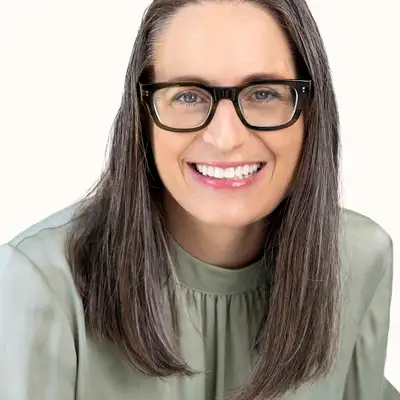
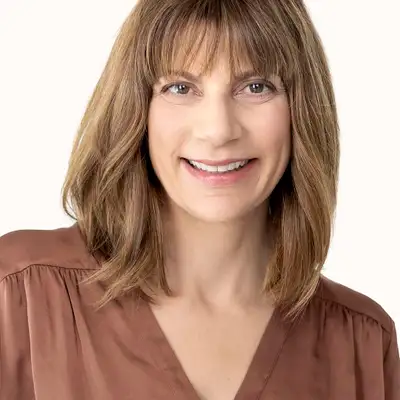
Born from 20 years of friendship, during which they navigated the trenches of autism parenting and advocacy, the Refrigerator Moms is Kelley Jensen and Julianna Scott’s way of reaching out to parents waging the same battles they were. Their purpose with this podcast is to clear the fog, silence the noise, and find a path through neurodivergence for parents that are stuck between bad choices. They tackle parenting topics such as mom guilt, tantrums, pathological demand avoidance, siblings, medication, comorbidities, social media, and much more.
Julianna Scott 00:00
Almost one in three autistic people require round-the-clock care, cannot speak for themselves, and is estimated to have an IQ below 50. And yet, when we speak about autism, we rarely talk about them. We talk about the Sheldon Cooper type.
Julianna Scott 00:24
Welcome back to the Refrigerator Moms podcast, where we get honest about what it really means to raise a child with autism. I'm Julianna, this is my co-host, Kelley. And we're glad you're with us today. We're talking about part of the autism community that gets the least attention, the least funding, and the least representation in the public conversation, and yet has the greatest needs. We're talking about profound autism. If you are raising a severely autistic child, this episode is for you. And if you're not, we'd argue it's still for you. Because until the whole community understands what families like these are living with, nothing is going to change for them. So we have written a paper about this.
Kelley Jensen 01:04
That's right. You can find it on our website. We decided to. We usually have our kind of in-depth papers. This one is kind of briefer, but it's really targeting what we think the essential issues are and what the needs of the profoundly autistic community, what those are. And our wish list.
Julianna Scott 01:24
The wish list is the best part, because I think that everybody can have their jaw drop at, you know, some of these numbers, they're horrible, but everybody wants to know, what can we do about it? So we have created a wish list to offer some hope, some ideas, and perhaps, maybe even some action by those in a position to do something.
Kelley Jensen 01:47
Absolutely. I mean, that's one of our ultimate goals, is to move the needle on some of these wish list items.
Julianna Scott 01:53
Absolutely. So let's get into the background a little bit.
Kelley Jensen 01:56
Yes. Set the stage. So in 2021, the Lancet introduced the term profound autism. Prior to that, there was no such terminology. And really, prior to the DSM-5, there was no need, because only the most severe cases of autism were diagnosed.
Julianna Scott 02:15
Right.
Kelley Jensen 02:16
Nearly 27% of autistic people are deemed to be profoundly autistic. Level three, profound, or severely autistic.
Julianna Scott 02:28
So do you feel, with the DSM change, that pivot to making that umbrella larger, the profoundly autistic kind of got lost in that change? Because before, the autism diagnosis was for those who are kind of more classically autistic. And then was the switch, those who were PDD-NOS or Asperger's or anything they were called, they were now under the autism umbrella. Do you think that that was an issue?
Kelley Jensen 03:01
Of course, of course it was an issue. Well, the real issue is that, so we weren't tracking the difference between being profoundly autistic, being level three and profoundly autistic, to a level two or level one. That was never tracked before the DSM-5, before 2013. And really, until the phrase was coined, didn't have a name. So everybody was lumped into the same, under the same umbrella.
Julianna Scott 03:24
Right, right. And fighting for the same services.
Kelley Jensen 03:27
And what we have, some of the statistics that we did find is that they don't really think that the number of profoundly autistic people has really increased at all. It's roughly about one in three, and they assume that that stayed the same. You know, it's kind of hard to get an apples and apples comparison.
Julianna Scott 03:43
Right.
Kelley Jensen 03:44
But between newly able to be diagnosed, between expanded diagnosis criteria and the number of people that are making diagnosis, those are accounting for the new numbers, not necessarily who is the most in need.
Julianna Scott 03:57
Right. But yet they are all fighting for services.
Kelley Jensen 03:59
And if you're a service provider, it is a lot easier to start with the people that need the least help. Right. It just is. That's the fact. You know, it is. You're under no obligation to treat a specific subtype of a population. So you treat the most people that you can afford to treat, or that you can treat, that you have resources to treat. And everybody else gets waitlisted, left without services. And I find it ironic, because what we used to do with autistic people is institutionalize them, put them under lock and key. And really, we're doing that for all intents and purposes now, because they're being shut out of a system. What's the difference between being put away and being shut out, or just put into a daycare program or something like that, or leaving burden solely on the parents. So I'm not real impressed with the answer to institutions. I'm just not real impressed with what's going on here. I think it's just as cruel, and I think it needs to be addressed, and it's not going to get any better if we don't speak out about it.
Julianna Scott 05:05
Yeah, yeah. So I was really surprised by some of the numbers when I was doing some of this research, and especially the autism research. The dollars, millions of dollars go into autism research, but less than 15% of that funding is estimated to go toward profound autism research, even though the profoundly autistic population is about 25, 27% of the whole autistic population. So obviously there's a big disparity there.
Kelley Jensen 05:35
Sure. One of the things that many people who advocate for profound and severe autism, those terms are used interchangeably. One of the things that they advocate for is a separate diagnosis.
Julianna Scott 05:47
Yeah.
Kelley Jensen 05:48
So that if you are in a level three, deemed profoundly autistic, you get a separate diagnosis. A diagnosis that entitles you to more services, entitles you to a higher level of therapy, care, straight off the gate. And you're not fighting with a level one and level two for speech therapy, occupational therapy, ABA, whatever therapies are available. Yours come first. And everybody else can wait in line if you have that diagnosis as separated. And we, I mean, we are big advocates for that.
Julianna Scott 06:18
Yes, we are. So let's talk about where the gaps are. So start with staffing. So therapy agencies, speech, behavioral, occupational, educational, they're all short-staffed, right, and in high demand. Why do you think that is?
Kelley Jensen 06:35
Well, two reasons. One, they're paid poverty-level wages most of the time to do a job that is extremely difficult.
Julianna Scott 06:44
Is it extremely difficult? With any, I would imagine burnout is high.
Kelley Jensen 06:48
Burnout is, well, it's high when you can't make your rent. Right. A lot of these folks really want to do this job. They really have a connection, they really want to make a difference. And they just can't make rent. You know, they can't. Their car doesn't work. You know, I mean, very practical, real-life things. And so they have to give up. That, on top of how difficult the job is. Some of the therapeutics that the speech therapist, it takes years to become a speech therapist. It is not a degree and a profession that's funded in any way. So you pay for it yourself. So you get out of school, you have a lot of student loans from the higher level of education it requires to get that license. That behavior, same thing. Occupational therapist. These are things that require a lot of advanced study that no one's paying for. You're paying for them out of pocket as a student, and you need to pay back those loans. So you need the highest-paying job. So you can't take the highest-paying jobs tend to be school districts. So those are usually the ones you take. Right. You do your time in the private clinics under, you know, a boss, a supervisor. And then the second that you can get a job for a, you know, at a school district, you take it.
Julianna Scott 07:56
Right. But many schools are understaffed too, Kelley. Even with all of the, you know, swiping that's going around and the poaching by school districts, they're still drastically understaffed.
Kelley Jensen 08:09
Because, you know, it is an expensive profession to buy your way into. And that is probably the heart of the problem.
Julianna Scott 08:14
Okay. And then, well, we already talked about the research gap too. So clinical trials frequently require an IQ of 70 or higher to participate, which excludes a lot of this population.
Kelley Jensen 08:25
Yeah, there's, yeah, there's a, it's very difficult to do research with this community. Yes. And there are people that argue that some of it should be, you know, biomedical. Right. You know, it shouldn't be focused on communication, because we've established that they can't communicate the focus of why, and that is really still very largely misunderstood or unknown.
Julianna Scott 08:46
Yeah. And I know you are really looking at what research is going on, and I think you sign up for information about various research opportunities and things like that and what's out there.
Kelley Jensen 08:57
You know, nothing great. You know, there are some. Probably the most significant thing that is happening at some of the research institutions is that the brain stimulation therapies, the deeper brain stimulation therapies for some of the self-injurious and aggressive behaviors, ECT, we've referenced that in this podcast before, but that does have some pretty robust study out of sheer necessity. And again, that is not something that you need to study, you need an IQ to study. Right. That is a little bit different. So I'd say that there's some decent, although still largely underfunded studies going on in that regard, but the need is long.
Julianna Scott 09:35
Great. And underfunded. Adult services is another big gap. Adult services are almost non-existent.
Kelley Jensen 09:44
Yeah. And again, there's a lot of very practical reasons for that. It's hard to find staff because there's nobody paying enough for staff to be there. A lot of the rules and regulations around things that are deemed institutional, things that are deemed congregate, things that are deemed to separate a disabled person from their community, have handcuffed a lot of these organizations, because they have to get them out in the community in order to meet the requirements necessary.
Julianna Scott 10:14
And this is what you're butting up against right now. Every day.
Kelley Jensen 10:18
Every day. You know, there's no such thing as, you know, you got to make that target run. If you don't make that, if you don't load them in a van and make that target run, make them all bowl together, make them all shop together, they cannot get their funding if they're not demonstrating that they're out in the community. You know, it seems like, why don't you let the community come to them? Right. Why don't you have a center that is opened to the community? That would seem to me that would be. But that is, that's deemed congregate. And so that eliminates a lot of the possibilities and a lot of the practicalities of how you'd fund so many, some of these programs.
Julianna Scott 10:53
Right. And that moves into the last category, is policy. So the disability advocacy world has shifted toward self-advocacy and independent living. So that's meaningful to a lot of people on the spectrum. But what about those with high support needs? Right. So what do they laugh with?
Kelley Jensen 11:13
Yeah, there's supported living services, but they have the same issues with staffing. So whether you're in a day program that's understaffed or you're trying to do supported living, you're still understaffed. So a lot of these people are living at home with a family member, an aging family member.
Julianna Scott 11:30
An aging family member.
Kelley Jensen 11:32
Wondering, what's gonna happen when I die?
Julianna Scott 11:35
Right. You know, it's a bad. It's not great.
Kelley Jensen 11:38
It's not great. No, it's not.
Julianna Scott 11:39
The other thing we touch on, which is, I know a big thing, two things big with you. Needs versus rights and caregiving versus parenting. So tell us about your little pet, your pet peeves.
Kelley Jensen 11:56
Well, disability advocates have pivoted the conversation to the rights of the disabled. Right, to such a great extent that they have ignored the needs. They have sacrificed the needs of the most severely disabled people in favor of their rights. So you have the right to be in the community, even if you need care outside of the community. And so there hasn't been a delivery of a practical way to merge the two. And so in the absence of how to do both well, we've done neither well.
Julianna Scott 12:35
And I think that's where the profoundly autistic is really overshadowed by those on other parts of the spectrum, because there is this big push for independence and neurodiversity acceptance. And of course, all those things are great, but that really conflicts with the needs of those who are more profound.
Kelley Jensen 12:56
Well, and that's one of the reasons why we loved Upward Bound so much. Because, let's qualify, loved Upward Bound so much.
Julianna Scott 13:08
We loved, appreciated the message or the conversation that it could start based on the topic. We did not love the facilitated communication aspect of it. Let's be clear.
Kelley Jensen 13:21
Thank you. Thank you. We took some heat through some of our social media channels because some people were, yes, we, by the fact that, yes, we're not advocating the pseudoscience that is facilitated communication, but the book did highlight some of the issues that we're talking about. We wish that the book would have highlighted. We wish that had been the conversation.
Julianna Scott 13:42
That had been the conversation.
Kelley Jensen 13:43
We are disappointed that, beautifully laid out as that conversation was by the mom.
Julianna Scott 13:50
Correct.
Kelley Jensen 13:51
Of the story, that it got neglected again. It got shuffled in the drama of the feel-good story.
Julianna Scott 13:58
Yes.
Kelley Jensen 13:59
But it does lay out in a very simple, engaging way what the issues facing profoundly autistic people are, which actually, that really is the issue in a nutshell.
Julianna Scott 14:11
Right. The feel-good story overshadowed the crisis that's facing those who are severely autistic.
Kelley Jensen 14:18
Didn't even come up. I mean, anybody's interviewed in the Times, nobody talked about the actual issues. It was all this feel-good story about this one person. So, yes, that is it in a nutshell.
Julianna Scott 14:31
So the caregiving versus parenting, I know, is something that we've talked to a lot of people about. And we talk a lot about the differentiation between how you approach certain needs of your child, whether you're acting as their caregiver or their parent.
Kelley Jensen 14:50
Right. And the two are really one in the same. Because you're not parenting your child the way you would parent a neurotypical child, or even a higher-functioning autistic child. There's little rehabilitation that is able to happen. You are taking care of their needs day in and day out, and there's limited resources for you to take care of those needs. And one of the things I hear all the time from this community is, I wish we were closer. I wish we were closer. I wish we were all in one. You know, we're gonna get into that in the wish list. But those people's wishes are largely going ignored. And they're so practical. To be together would be practical, yet it's congregate, living and disallowed.
Julianna Scott 15:33
And it's. So let's get to our wish list. These are the things we want to happen. And because your son is in this severely autistic population, you generated this wish list. These are things that have been on your radar for a long time. And we wanted to put this out there because, yeah, this is what we want to see happen in the future.
Kelley Jensen 15:55
Yeah. And if there's somebody that's really looking to make a difference, the one thing about such a dearth of services, the one thing about things that are so underfunded, is there's a good chance to make impact. Right. You know, if you're interested in funding cancer research, it's going to take a lot for you to make a big splash. This is your opportunity to make a big splash and make a big difference in something if you are of a philanthropic intent.
Julianna Scott 16:23
Right, yes. So let's start with number one, housing.
Kelley Jensen 16:26
Housing. So centralized, community-based caregiving where families share the load. Right. So, you know, we do away with the concept of congregate living, and we just look at these community bases where perhaps there is some sort of a dorm style for a profoundly autistic adult to live in. And the families could be close by, or a certain number of families could be close by if we get creative. My son is able to live in an apartment. He does, of course, require 24/7 care, but he is able to be in a regular apartment complex. And I should be thrilled with that. But it's not that great. And the reason it's not that great is because he's lonely, and because he has to, one of the reasons he has to have 24/7 care is because the environment around him is neurotypical and can accommodate his executive functioning that doesn't quite have a nose for danger. And he will elope. He will elope, or he has no clue if there was somebody that was going to break into the apartment. God forbid there was a fire, you know, things that are just very tactile. He's making progress. But if the environment were safe, he would have a lot more freedom. He could be in a very small apartment by himself, and he could go for a walk, and it wouldn't be called eloping, it would be going for a walk. And that's my big thing is, you know, it's not fun to have a caregiver trailing behind you when you want to go for a walk.
Julianna Scott 17:51
Right. So what are the positives about his living situation now? And the challenges.
Kelley Jensen 17:57
So the positives of his living situation are that he is establishing independence, because I can't live forever. And it might take him 10 years to understand that, oh, this is who, I have this crew of people that come in and they take care of me, and I live in this apartment, and definitely get some information about, what do I do in an emergency, what do I do, you know, to keep myself safe. So those are all the positives.
Julianna Scott 18:25
Yeah. And that's a huge weight lifted, I would imagine.
Kelley Jensen 18:28
Well, it's, we're still in the middle of it. Right. So we're still in the learning curve. There's a tremendous learning curve. And again, with everything that we say about autism, start early, start early. He's 26 years old. That is, that's early. Yeah. Because it might take him 10 years to really understand that. And by that time, you know. But the downside of it is all that is lonely.
Julianna Scott 18:51
Yeah.
Kelley Jensen 18:52
If he were in a community where there were people who understood him, who could keep him safe, who he could socialize with, to the, when he was able to socialize in very simple ways that are, you know, he loves bingo. He loves bowling. He loves.
Julianna Scott 19:05
And music.
Kelley Jensen 19:06
Music. And, you know, if he could have all those things accessible within walking distance, he would be a lot less lonely, and that would be better. You know, the fallacy of community-based, you know, integration is that everybody else is at work. He's not really able to work. And even if he is able to work, it's a mundane job that is isolating, probably not that meaningful to him.
Julianna Scott 19:30
Not that meaningful.
Kelley Jensen 19:31
Not at all. So it's more meaningful to those who want him to occupy his time. Check a box. Right. And the irony is that perhaps in a planned, intentional community, he might be able to work.
Julianna Scott 19:43
Yeah. We talk about the dementia villages that are so popular in Europe.
Kelley Jensen 19:48
Europe, in Scandinavia.
Julianna Scott 19:50
And I wonder why no one has even thought that we should bring some of those here.
Kelley Jensen 19:55
You know, I had, like, you know, before we started the Refrigerator Moms, I was trying to do something like that. I even had investors. And so what, couldn't guarantee that they would get a return on their investment because it was deemed congregate living. And it was very, very sad.
Julianna Scott 20:11
And so the, what is the roadmap for getting to that point? Is it changing policy and getting the money?
Kelley Jensen 20:18
Changing policy, of course, getting the money and building it. Right. You know, but changing policy has to come first, because no one's going to build it.
Julianna Scott 20:27
Right. So policy first.
Kelley Jensen 20:29
Yeah. Unless you have, unless you had a benevolent billionaire that wanted to just build it. Because the reason that these things don't exist is because they're tied to Medicaid dollars usually.
Julianna Scott 20:39
Right. I have to believe that there's an autistic billionaire out there who wants to help their community in this way. He wants his own dementia village, and he does not need Medicaid dollars. And he is just gonna build. If you build it, they will come.
Kelley Jensen 20:53
And I do think, though, that I know a couple of, a couple, I don't know that I'm listening to this podcast. Okay.
Julianna Scott 21:01
Well, what's on our wish list for communication? More training and access to AAC devices.
Kelley Jensen 21:07
You know, my son speaks enough to communicate his needs, and he actually continues to gain language. And we have more detailed conversations. He calls them conversations, Mommy. And he is, at 26, starting to get the hang of, when I'm feeling something, I say something. I don't just lash out. And it's great, but it's emerging. And he's at 26, thank God. Right. But we need more of that. We need earlier that. And AAC devices are actually great band-aids, you know. Yeah. They do work, and they do help quite a few people. They just don't have access to them. So people need to have access to them. We need more therapists trained with them. We just need more therapists in general. And that would help, right?
Julianna Scott 21:51
Absolutely. We talked about expanding access to electroconvulsive therapy for people who are interested in experiencing catatonia. TMS, as more studies on TMS for autism and more studies on medication.
Kelley Jensen 22:07
Yes. And effective medications.
Julianna Scott 22:09
Schools, we would like to see separate schools. We would like to see schools that are less about community integration and more about communication devices and, you know, learning self-help skills and learning danger skills and putting academics to the side. The fallacy of academics.
Kelley Jensen 22:27
To the side, right, absolutely. With medical interventions built right into the day for the student.
Julianna Scott 22:33
Absolutely. Yeah. I always thought that was kind of absurd when you think about what they're trying, like, what are you preparing them for? We need to be preparing these students for life after school. And is what their curriculum, is their curriculum really tailored to that?
Kelley Jensen 22:50
Going to Target is not preparation for life.
Julianna Scott 22:53
No, no, it is not. It's just not. It's like loading them in the van and taking them. How many times did I hear you talk about some incident in the van?
Kelley Jensen 23:03
Too many times. Too many times. And then we had to finally, I had to say, do not make that child go to the movies. How many times does that child have to tell you he does not like the movies? He doesn't like the movies.
Julianna Scott 23:16
It is kind of fascinating that people who work with autistic people, we know that one size doesn't fit all, and yet they load them all in the same van, they take them to the same activities, they do this. It's like, how did you think this was gonna work?
Kelley Jensen 23:31
Right. And, well, it's just what they have staff for. So if they only have two staff, he's going to the movies. Okay, fine. Then he gets to have unlimited candy, because that's the only way he's gonna be able to sit there. Yeah. And then, well, he can't have unlimited candy, because that person, the next person will want unlimited candy. And it's like, well, he is telling you, right, that he cannot go to the movies. And you are making him go to the movies. I don't know what you want from me.
Julianna Scott 23:57
Right. And how is this serving him for the future?
Kelley Jensen 24:00
He's never. Frustrating him. Well, and actually, you want to know something really, really cute is I have mentioned that we had a long-time ABA therapist that, you know, she was a student when she started working with him, and then she graduated and she quit the company that she was with, but she stayed on as, you know, just a private therapist for him. And she has really disseminated the movie for him. So they will have a Zoom session while they're watching a movie. Because what we learned is that the theater is overwhelming. It's too dark, it's too loud, it's too big, it's too da, da, da. And then he does understand a lot of the plot. So what she would do is she would take a movie he was really curious about, and they would watch it in segments. Okay. So they'd watch, like, a scene, and then she'd stop it, and then they'd have, like, a conversation about it. They'd do a game. They did it all over Zoom. It was quite fascinating, actually. And he felt so successful. It would take him a month to watch a movie. But that's okay.
Julianna Scott 24:54
It's fantastic. Great use of time.
Kelley Jensen 24:57
And so much happens in that process. So much. And including the joy of movies in a delivery that is comfortable for him.
Julianna Scott 25:06
Was one of those Nemo?
Kelley Jensen 25:08
Nemo. Toy Story. He loves, he was so curious about Toy Story, because, you know, he loves Disney. And so he had seen all the characters but couldn't see it in the theater.
Julianna Scott 25:18
Yeah. And now, I mean, look, we're on Toy Story 5, and it's a great thing.
Kelley Jensen 25:22
And it's, you know, something that he's, you know.
Julianna Scott 25:25
And that must help too. Does a sequel help? Because he already knows, because he's got the basics.
Kelley Jensen 25:30
The basics and the characters. Yes. Yeah. But it's a perfect example of how one size is not gonna fit all, you know.
Julianna Scott 25:36
Absolutely not. And maybe, I don't know, in the classroom, if they had a group of kids that could watch the movie scene by scene and a little bit at a time, it would be better. But no, they. But I can only imagine how that might go with a lot of students asking a lot of questions, having different levels of comprehension. Totally. And all of those things. But I mean, kudos to her for doing that.
Kelley Jensen 25:57
It was quite, it was really quite interesting, quite fascinating. And you know what was also really great about it is that after a while she was like, oh, let's invite, you know, he would never let me, but that's okay. But he would let, his sister would join in, and she'd watch a couple scenes with him. And that was really great, and still really great, because he wasn't embarrassed that he, you know, needed so much extra supports to understand what was going on in the movie. It's really cute.
Julianna Scott 26:23
Also very creative. And one of the things that's not happening in schools and one of the things that could probably happen if the campuses were done differently, if the right, you know, with regard to everything that an autistic person moves through the world with. Right. And much more individualized. And they weren't having to move in a pack to say there was community integration. They were moving to individual programs that suited their needs.
Kelley Jensen 26:46
Yeah.
Julianna Scott 26:47
Okay, let's talk about the caregiving. What do we want to see there?
Kelley Jensen 26:51
We would like to see a formal, if you have a separate diagnosis for autism, you should have a separate category for therapists for autism. We would like to see a licensure, a study, maybe a repurposing of people who work with dementia patients. There's a lot of synergy there. Right. So a person that is trained to work with a dementia patient is a natural fit to work with a profoundly autistic person that needs a lot of physical supports. So we would like that. And we would like them to have higher pay so that they would be incentivized to work with that population.
Julianna Scott 27:25
I know there's, you'll know more about this than I do, obviously, but I know that there was some pushback about sometimes, as family members, regional centers or other organizations will sometimes pay for caregiving or for respite. And I know that there was something in the news recently about a pushback. It's like, oh, well, family members should just do those things anyway.
Kelley Jensen 27:48
Well, what that is, is it's a federal program, IHSS. Okay. In-Home Supportive Services. And it is federal, and it's in-home. Right. Because there's no in-community. Right. There's so few day programs. And so this is a person that needs 24/7 care. There's nobody in the community that can deliver. There's wait lists that are 30,000 people long. Oh, as an alternative, you can get paid, it's usually minimum wage, to care for your child, because we know that no one else is going to do it. So to take that away from people is the ultimate insult, because you're not offering an alternative. And to say, oh, well, you should do it for free because that's your child and that's your responsibility, that's your adult child. You can't work. Right. You can't. So how are you supposed to put food on the table, put a roof over your head, afford the very, you know, expensive medical costs of having a child with a disability, if you don't work and you don't get paid to take care of them. So make up your mind.
Julianna Scott 28:48
Yeah, I couldn't believe what I was reading. I mean, it's just like, really, you're gonna cut that and take that away from people?
Kelley Jensen 28:56
If you are a disability rights advocate and you have not spoken up about that, shame on you. If you're so dug into the rights and what you call a person, the words you use, but you haven't said a word about family members that are getting paid to take care of somebody that there is no other programs for, you are not really a disability advocate.
Julianna Scott 29:21
Agreed. Okay. So the last. No, we've got a couple more things on our wish list. Medical care.
Kelley Jensen 29:28
Yes. So, you know, a lot of times parents want to have an MRI, they want to have advanced screenings. There's a lot of theories that a lot of these folks are in pain, that, you know, their digestive tracts don't work quite right, that there's some. And doctors are reluctant to do it. It is absolutely a lot of extra work. But they get every screening known to man, in my opinion. They should, if they can't talk for themselves, the tests should talk for them, and they should have them all. They should have access to them, and they should have access to them regularly, without regard to whether or not they're in some formulary of an insurance plan.
Julianna Scott 30:02
Absolutely. And as we know, the majority, vast majority of autistic people have comorbid diagnoses. So how do we diagnose these autistic people who might struggle with communication or anything? We need to do a better job.
Kelley Jensen 30:18
There's a lot of emergent neuroscience that is looking at moving away from paper diagnosis, where, you know, you fill out some forms, you get observed, where they just really look at what's going on in your brain. And it's getting better and better, and it is on the horizon, not here yet. But people who struggle the most should have the first and most complete access to some of those emerging technologies.
Julianna Scott 30:43
Right. And the other thing we should touch on is reproductive health policy. Because, just because you have severe autism doesn't mean puberty doesn't hit. Doesn't mean you don't have all of those desires and needs and wants and bodily functions.
Kelley Jensen 31:00
And all the bodily functions. So we need to not shy away from that topic.
Julianna Scott 31:05
Yes. And we are going to cover that, actually. It's such a layered topic, and there's so many things that go into that one. We are going to cover it one day, but for now. But let's touch on that.
Kelley Jensen 31:16
It's a mess. It's a mess. And it needs to improve. Right?
Julianna Scott 31:20
Yeah. And the last one, last but not least, social life. Yes. So, you know, I kind of touched on that. You know, my son is living in just a regular apartment.
Kelley Jensen 31:32
And isn't that wonderful? He's living an independent life, but he's lonely, because everybody else is going about their business. And, you know, there's a basketball court, and everybody's very cute about, you know, enjoying him, you know, coming out and shooting a basket with them. And it's lovely, but it's not real community.
Julianna Scott 31:53
Or, and that's not a large portion of the day. It's a small portion of the day, I guess that's a better way of saying it.
Kelley Jensen 31:59
And it's still more controlled than if it was on a campus that was safe, where he could mingle, maybe with people who are working towards a degree as an occupational therapist or physical therapist. You know, you sent me this great article about, in Japan, they are starting to incorporate professional athletes into therapy, sumo wrestlers, retired sumo wrestlers and MMA fighters. And because, for one thing, they're really strong. Yep. So they're working now in senior centers and things like that. And it might have been dementia care, but I think it was senior centers. But they are enthusiastic. They're really enjoying it. Like, it's a mutual, great fit.
Julianna Scott 32:42
Yes.
Kelley Jensen 32:43
And it's like, God, that is fantastic. Like, why can't we? But I think also there is this, this community sense of, like, of service to others that we need to adopt a little bit more of and not be so segmented.
Julianna Scott 32:58
Well, it's a perfect example of the community coming to.
Kelley Jensen 33:01
Absolutely. If this, in my son's apartment complex, if it was, it does need to be gated. So one of the big things is they don't want to gate, because that's deemed institutional. It's deemed to, you know, trap people in. Right. But really what it does is keep them safe. So he wouldn't need a caregiver trailing him. He could go to the gym, he could go to the pool, he could go to the basketball court. He could probably find his way to a job that was local, on the campus.
Julianna Scott 33:28
Yeah, on the campus.
Kelley Jensen 33:29
And if the people that were running around and were living and working amongst him were those that were training for a marathon or those that were training to be wrestlers, in addition to becoming therapists, that would just be a beautiful thing.
Julianna Scott 33:42
And we've talked about integrating, like, having people live there who were getting their hours toward their BCBA, you know, anything like that. Like, create this real community, this village. So that is our dream. And we think it's a good one.
Kelley Jensen 33:57
Absolutely, we do.
Julianna Scott 34:00
Okay. So if today's episode spoke to your experience or helped you understand what families living with profound autism are navigating every single day, we've written this full paper about it. And you can find.
Kelley Jensen 34:14
That's right. That's right.
Julianna Scott 34:15
And you can find that on our website at refrigeratormoms.com. And if you want to do something with what you've heard today, we've also included links to organizations working specifically on behalf of the severely autistic community, and you can find those in the show notes. And as always, if this episode was useful to you, please like, subscribe, and leave us a review. It helps other families who need this find us. So we'll see you next time.
Kelley Jensen 34:41
See you next time.
Julianna Scott 34:42
Thank you for listening to this episode of Refrigerator Moms. Don't forget to subscribe so you never miss an episode. You can also find episode notes, resources, and any refrigerator paper connected to today's discussion on our website at refrigeratormoms.com, where you can sign up for our newsletter. We'd love to hear your questions and future episode ideas. Reach out to us on social media or through our website. The information shared in this podcast is meant for informational and educational purposes only. It shouldn't be taken as medical, psychological, therapeutic, legal, or professional advice. If you have questions about a diagnosis, treatment, intervention, or any medical or developmental concerns, please consult a qualified health care or service provider. Don't rely on this podcast in place of professional guidance, and don't delay getting help because of something you heard here. The views and experiences we talk about are our own and those of our guests. They're not meant to serve as personalized recommendations for any individual or family. Listening to this podcast does not create any kind of professional relationship between you and the hosts or guests. Any choices you make based on the information here are completely your own, and we are not responsible for any outcomes that result from them. If this episode includes a refrigerator paper, you can find all sources and citations along with additional notes on our website at refrigeratormoms.com.