Subscribe
Share
Share
Embed
Welcome to Healthcare Nation, the podcast for enthusiasts passionate about the healthcare sector and eager to explore its current state and future trajectory. Join us as we delve into the heart of the healthcare, biotech, and MedTech industries with the help of top thought leaders.
I'm your host, Rick Gannotta, with over four decades of experience in healthcare, spanning from the hospital bedside to the boardroom, C-Suite roles in renowned health systems, advising game-changing startups and established companies, and educating the next generation of healthcare leaders.
In each episode, we'll bring you conversations with distinguished guests, including innovators, scholars, practitioners, and influencers shaping the healthcare landscape. Gain valuable insights from their perspectives and stay updated on the latest developments, trends, and noteworthy news.
Join us on this exciting journey and become a part of the Healthcare Nation community. Subscribe now on Apple Podcasts, Spotify, or your favorite podcast platform to stay in the loop.
[00:00:00] Speaker: Welcome to the Healthcare Nation podcast. We're committed to bringing you thought leaders in the field to discuss what's new and noteworthy in the healthcare sector. Now your host, Rick
Jabbour.
[00:00:14] Speaker 3: There's a tendency to think about healthcare policy and healthcare markets as two different conversations. Washington debates Medicare, Medicaid, drug pricing, reimbursement, and regulation. Wall Street looks at earnings, margins, valuations, and where capital is going next. But I think that distinction is becoming increasingly artificial because in healthcare, policy is becoming a leading market indicator.
Think about what happens when Washington changes a reimbursement formula. It doesn't remain a policy decision for very long. It moves through health plans, hospitals, physician practices, pharmaceutical companies, investors, and eventually patients. Change Medicaid eligibility requirements, and you're potentially changing hospital payer mix and uncompensated care.
Redesign Medicare Part D, and you're reallocating economic risk among manufacturers, plans, PBMs, pharmacies, and ultimately beneficiaries. Change Medicare Advantage reimbursement or regulation, and you're affecting the economics of some of the largest healthcare companies in the country. And now add AI, where healthcare organizations are making significant capital decisions while the regulatory governance and even liability frameworks are still developing.
So increasingly, understanding healthcare markets requires understanding Washington, and understanding healthcare policy requires understanding what happens when that policy collides with operational and economic reality. That's the intersection I want to explore today because policy can create an opportunity on paper, capital can recognize that opportunity, but ultimately somebody has to execute it.
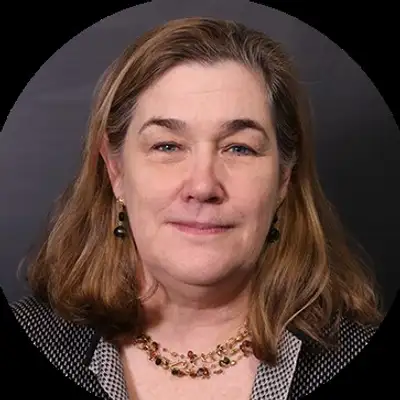
My guest today is a regular here on the podcast, Emily Evans of Hedgeye. She spends her time thinking about these issues from healthcare and the perspective of markets, policies, companies, and of course, investors. We're gonna talk about Medicaid and what work requirements could actually mean economically.
We're gonna look at Medicare Part D and the redistribution of risk occurring across the pharmaceutical ecosystem. We'll talk about managed care, Medicare Advantage, AI, and where institutional capital may be moving next. But underneath all of those subjects is a larger question: What is the healthcare market getting wrong because it's underestimating policy?
I'm Rick Janna, and welcome to the Healthcare Nation podcast. Let's get into it.
[00:02:32] Rick: Emily, so great to see you, have you back on the show as our resident expert on all things with the markets, policy, hedge funds, all that. It is great to see you, and welcome back to the Healthcare Nation.
[00:02:45] Emily: Well, thanks, Rick. It's great to be here. Always fun to catch up with you
[00:02:50] Rick: Yeah. Well, I, I liked that. I wish everyone felt that way. Listen, I've got so much, um, to cover today. I really wanted to go over Washington, Wall Street, and maybe, you know, this is-- and I know this is right in your wheelhouse, how policy is playing and influencing and perhaps even reshaping a lot of what's happening in the healthcare capital markets, if I can characterize it that way.
I think, look, uh, uh, and I hope you'd agree, healthcare's always been shaped by innovation, but now there's so many changes out of DC at the state level with policy that I think it's bending the curve on that. So let me just jump in with my first question. Um, with that said, what is healthcare, you know, and the healthcare market mispricing today because investors are underestimating the impact of policy?
[00:03:40] Emily: Nearly everything. You probably
want a more you want a more specific answer. The market so far, I think, and this isn't really their job, but right now, but their markets so far are underappreciating a number of the seismic differences and, or changes that are going on. And, and a lot of that stems from, you know, they, it's, it's all gotta boil down to a EB- EBITDA or EPS number, right? Um, and they-- the Wall Street will regard, for example, the decline in enrollment in Medicare Advantage and in commercial and in Affordable Care Act plans, um, as a good thing, um, as premiums rise. So you get more revenue per person because premiums have gone up, but you have less pr- uh, people. And the, the term that we use is, you know, margin over members.
[00:04:43] Rick: Mm-hmm.
[00:04:43] Emily: that sound, that's good for a Wall Streeter, uh, but if you're a policymaker, you don't like that, right? You don't wanna see less people insured. Uh, you don't wanna see people falling out of the Medicare Advantage plan, uh, or the ACA plan, uh, which is filled with fraud. I've, I've been able to replicate a lot of the studies on that. But, um, but they don't appreciate that those-- what's shaping up here is some pretty big policy problems with unknown consequences. I think the on- other thing that Wall Street is failing to do is to appreciate the direct to ch- direct-to-consumer channel in drugs and how that reshaping how people think about what drugs they take. Um, and I think that's a pretty seismic, uh, event. Um, and, and I think that they are also underestimating the implications for the MAHA movement, which is tailor-made to get people to demand less healthcare, right? Because they're
healthier. And, uh, God forbid we should want that. So, so those are three
areas.
[00:06:00] Rick: Yeah. let me ask you, when you're-- The folks that you're, um, interacting with in your, uh, day-to-day encounter professionally with what you're doing, obviously at Hedgeye and, and dealing with the markets, are folks recognizing that the policy issues, that's really a policy-sensitive component with respect to healthcare and the health sector?
I mean, are you factoring that in? Uh, and if so, is that new? Is it being dialed up
[00:06:28] Emily: You know, it's funny. Wall Street's always been pretty good at trying to assess the negatives when it comes to healthcare policy, and I'm thinking specifically of payment policies. You know, the, uh, payments to physicians or hospitals or whatever. They've always been pretty good at sussing that out and being very attentive to it. I think their challenge right now is they're not really able to see, um, or, or understand and appreciate the, the, the kind of the demographic shifts, the shift in attitude, you know, which are not really measurable yet. It's hard to really know how some of this stuff is, is, is gonna go. But I mean, they, but they, they, they generally are good at sniffing out the downside, but not necessarily, um, the upside.
That, that's been my, my observation over the years. But in the, the time I've been doing this, last, what, 25 years, um, I have noticed that y- y- increasingly Wall Street is less interested in, in policy to their, I think, to their peril. Um, but, uh, because they-- For a long time when they were super interested in, oh, these Medicare payment policies, and they get very interested in what the FDA does, but they, they haven't really, I think, clued in on the larger trends that, that we're seeing and that you and I have talked about, you know, offline.
[00:08:02] Rick: You know, and I, I, I would think, and I, I don't wanna jump to conclusions, that that recognition, that sensitivity, and you mentioned the MAHA movement earlier, that it's probably been dialed up a lot because of that, whereas maybe historically there's been more, uh, healthcare, uh, policy stability
[00:08:22] Emily: Correct.
[00:08:23] Rick: to administration.
[00:08:23] Emily: Correct. And I think that's where the, the peril lies really, is thinking that it's gonna be done the way it's always been done, and you can expect certain things. And like, um, a great operating assumption, if you will, of Wall Street is that, you know, the big insurance companies are too powerful and they give too much money to health insurers and, and so forth. Uh, and so nothing will really change. And that could be right, um, but I don't know. And you start-- like, people start getting tossed off your rolls because they're too sick, which is what you have to do if you're emphasizing margin over members, right? You have to shed the people, however you do it, that are, are expensive. That's what you have to do, and that's, that's not a great place to find yourself in with, with policymakers. So the, the assumption, okay, they've got a lot of lobbying dollars, they've got a lot of people on the Hill, sh- all still true, but is their case for policymakers still as strong as it was 15 years ago?
And I don't think that's the, the case at all. I think the-- and I the hospital, the, the hospitals are under assault here for being highly concentrated, for charging too much money, uh, and they're a little bit on their back foot, which has not been the case historically. So we have a, we have a, I think a, uh, a, a not quite good understanding on Wall Street of how the dynamic has changed.
[00:10:03] Rick: Let me drill down, uh, into an area where I think obviously it has huge impact, and whether you call it operational policy or a capital market event, I think when you look at Medicaid work requirements, probably much more than social policy, it's a fundamental shift in healthcare economics. I wanna drill down, when you think about the Medicaid work requirements, what that's gonna-- or how that will impact and how it's going to impact the state level and have that ripple effect across the board.
In general terms, Emily, what are your thoughts on, on, on that as we move forward?
[00:10:39] Emily: You know, historically, Medicaid work requirements have not really had an impact on enrollment, historically. However, as the, um, as the program has been a target for a lot of fraud, waste, and abuse, one of the effects of work requirements is it connects an individual to a job and, uh, and that job has to be documented.
When you go to work for, you know, you remember you always have to have your passport or your Social Security card or whatever. Um, that, th- that connection is having the effect of sussing out fraud in the system. Um, so that, so that's a different, um, dynamic than we've had historically, uh, with work requirements. Uh, and that could, that, that will have the effect of sending some people off the rolls, kind of f- into underground healthcare, um, to the extent that they, they actually exist. There's a lot of phantom people, you know, enrolling in, uh, in healthcare programs because it's not hard to, not hard to do. So it's a, um, it's a, it's a de- it's a, it, it has sort of, has, has a different effect now. But one of the things that I think is important to point out here is if you look at the history of health policy really up until, um, the expansion of the Medicaid program, and even then, you know, the me- the expansion was, was capped right at 135% of the federal poverty level. We had this philosophy, if you will, in policy that, that we should direct Medicaid dollars to the...
We should direct, um, these federal programs to the needy. The deserving poor was the term when we were younger, for example. And what the Medicaid expansion did is kind of crack that a little bit. Instead of saying, "We're not going to get, we're not gonna send Medicaid dollars to pregnant women, disabled, blind, dual eligible, et cetera.
We're gonna send Medicaid dollars to, you know, people who are under 135% of the federal poverty level," which does, has the effect of, one, getting people to lie about their income, right? Get healthcare if you're under 135% of income. But also, it t- it, it says we're, that, that deserving poor thing, if you will, I don't like that phrase, but, um, that isn't part of our thinking or our philosophy when it comes to the Medicaid program.
You're seeing the same thing go on in the SNAP benefit as well, where it
[00:13:26] Rick: But that's, that's such a, that's such a departure, isn't it, from the, uh, initial policy mission in, in, uh, pulling together the initiative, right? I mean, when you think of it pegging it to the number, and I get it from the, for the poverty level, but, but excluding that groups, or at least not having that be the, uh, the, the, the test for eligibility exclusively
[00:13:50] Emily: It, it, well, it, it, if you go back and you think about, um, the whole debate over Medicaid in the '60s when it was implemented, the reason it was implemented for, you know, the, the, uh, very poor, dual eligible, and elderly, blind, disabled, uh, et cetera, is because people were, you know, policymakers were like, "Well, well, you should work," you know?
"Go to work if, if, if you don't have these conditions, if you're not met..." Uh, and that's been-- that, that was the, the departure, uh, with the Affordable Care Act was n- to no longer say, "Well, go to work if you need health benefits," okay? Um, a, a, a blind individual and dual eligible individual, you can't say that to them, right?
You can't say, "Okay, well, just, just go to work." The-- and, and so that was a departure in the way we had thought about Medicaid from the early 20th century up until the Affordable Care Act. The work requirements try and bring that back. Now, it has this fraud, waste, and abuse benefit, but it's really trying to get the policy to move back towards, "Hey, if you can get up, get out, get a job, you don't, y- you know, you, you shouldn't need, uh, Medicaid."
Um, and, uh, and not everybody is comfortable w- with that, but, but that's definitely the, the policy shift. We'll see what kind of an impact it has on enrollment. I think the biggest impact is gonna be in the, in the, on the fraud, waste, and abuse front.
[00:15:19] Rick: Yeah, and correct me if I'm wrong, but the, the investment, uh, for the necessary platform infrastructure that's gonna be required at the state level is gonna be significant in terms of, of, you know, uh, eligibility criteria and looking at the population that would be, you know, uh, potentially enrolled, eligible, et cetera.
And with that said, I mean, if you are not effective in entering the system one way or the other, it could artificially leave some folks
[00:15:54] Emily: Oh, yeah.
[00:15:55] Rick: who are deserving, as well as, you know, getting into the fraud side.
[00:15:59] Emily: Yeah, that, that's, uh, that's always been a problem. Now, since 2014, when the Medicaid expansion was implemented, and if you recall, during that period while states were getting adjusted, there was a halt on, um, redeterminations. Uh, and it-- that went on for, I guess, 18 months to two years.
And we had another halt on redeterminations during the, the public health emergency 2020 to 2023. And during the first halt on redeterminations, s- most states, not all, but most states really ramped their eligibility, um, mechanisms, um, so that there are like these automated systems like, y- you know, we can rick a pause for Medicaid, and it goes out, and it looks for your W-2, you know, and it lo- or, or in tax return.
It can, you know, it-- those are the kinds of things that we can do now that we couldn't do 20 years ago. So it is easier, but yes, people get, get caught, you know, being ineligible when they are. I think most states do a pretty good job of making sure they accommodate those individuals. You know, assuming those individuals, you know, wanna accommodate, and that is, is not easy.
And I mean, if they end up in the hospital, if they end up in a, that, that situation, there are all these mechanisms at the bedside that can say, "Okay, are you eligible?" And, and we've, we've-- and you can enroll i- in, under a lot of state programs that way. So I am less in, less worried and concerned about that, um, and I th- from a policy perspective, I think the biggest change is, all right, we're taking a different philosophy towards this program than we have, you know, for, since 2010. I think that's a bigger, a bigger force shaping the program
[00:17:55] Rick: Yeah, and with respect to, like, signing folks up who are eligible, uh, I remember in New York, we had a huge initiative across all the 11 hospitals for health and hospitals to enroll folks as they came through the ED who did not have it, that was very, very effective. And I, I could see, uh, that type of, uh, mechanism, you know, being expanded, maybe leveraging IT.
But l- one final question on, uh, just when we think about Medicaid work requirements. If you think about the health sector kind of writ large and financial risks, who is most exposed if you thought about it, i-i-in terms of this, you know, this move and the emphasis on-
[00:18:40] Emily: specifically in the Medicaid program, the, you know, there's, there was a huge push into it by the big managed care organizations. Um, uh, and I think they're, they're at greater risk. So that's Centene, Molina, UnitedHealth Group, um, Elevance, um, and then, uh, there's a bunch of Blues plans, of course,
[00:19:01] Rick: So all, all the managed Medicaid kind of
[00:19:04] Emily: because they they get paid on a per person basis. So less persons, you know, less, less payment. And what they've been doing is going to their states and getting, you know, rate adjustments. That has-- we've no- I've noticed that that has been a mixed bag. Um, you know, Centene reported, okay, we, we got some rate adjustments, but UnitedHealth Group did not, Elevance did not. So there's, um, it, it's, it's depends on, you know, who they are and how that, how that is, uh, going. But they're the most at risk. Be-because the retrospective enrollment or that bedside enrollment is, is still available in a lot of, uh, states, I think the, I think the providers are less affected. Um, I do think they face a ton of risk with changes in supplemental payments and state-directed payments and those kinds of changes coming over the next, um, couple years that they're gonna need to adapt to. I mean, the bottom line is there's less money flowing from the federal treasury to healthcare than there was three or four years ago.
[00:20:12] Rick: Yeah. Let me, um, switch to an area that I know you have deep expertise in, and that's the pharmaceutical side of things. And if I, uh, if I think about, I don't know, I don't wanna say the largest pharmaceutical capital reala- reallocation in years, but just thinking about Part D and what's happening now, I want, I wanted to get your thoughts on, you know, w- what's the, what's the, uh, state of the program, IRA implementations, pharmacoeconomics, PBMs, premium dynamics.
What's, what's happening, Emily,
[00:20:46] Emily: first, let's talk about first the premium subsidy program that the Biden administration put in place in 2023, right? Uh, and, uh, let's, let's talk about that. So what happened? What happened was Congress redesigned the Part D benefit, and it reduced dramatically the, the government's reinsurance program for that Part D benefit.
In other words, they, they stopped being the backstop for 80% of the cost. Okay, you know, fine
[00:21:23] Rick: redesigned the incentives, right? Basically
[00:21:26] Emily: They redesigned the incentives. So the incentives went from, let's push as much of this benefit cost onto the federal government as possible, as fast as possible, which of course means higher prices, right? 'Cause you want those list prices to, to keep going up. To, let's not do that. You know, let's, let's keep the, let's keep the costs down as much as we can, which is a huge change. Um, and what did it do? It started driving up or threatened to drive up Part D premiums. Uh, the Part D premium, the standalone Part D premium, not paired with a Medicare Part C Medicare Advantage plan, is hugely popular. It-- like most people over 65 have the Part D benefit. And, you know, you're heading into an election year, and this hugely popular program is looking at, you know, 30, 40% increases in premiums. And so what does the Biden administration do? It comes up with a, a, a, a, you know, a risk corridor/subsidization program to keep that pre- those premium increases off of the, um, uh, off of the, the, the playing field. Uh, well, the m- hell, the Trump administration just said, "We're not doing that anymore." Uh, and so premiums in Part D are going to rise. Uh, this is going to create a really interesting dynamic, because Medicare Advantage plans are not super popular with providers outside of the urban areas because they don't get paid, you know, for, uh, their services. But those people, uh, like the Part D program. So you have people who have, need the drug benefit being pushed into the Medicare, uh, Advantage Part D and C program at the same time that, um, that, uh, rural, uh, and community providers are like, "We can't make any money. You know, we can't survive if, if we, we've gotta take Humana's plan." Uh, and, and so you've got this tension in that system that, uh, we've never had before, and I, I think that's gonna be really, really tricky to, to navigate.
[00:23:47] Rick: are they now... So Emily, now are, are they, can I, if I can put it this way, are the, are the markets now repricing the Part D piece because of this?
[00:23:55] Emily: The, the insurance m- the insurance markets are,
but not, uh, necessarily, uh, Wall Street. I think we'll, we'll wait to see what the enrollment does, um, as a result of this. You know, my-- people aren't-- and the dynamic could play out the same way it's in the insurance market, which is if you aren't taking any expensive drugs, you aren't go- you, you, you'll drop the Part D benefit and you'll just go Medicare Part A and B fee for service. If you
are taking very expensive drugs, you're gonna wanna stay in that program, which means what? You're gonna have rent-- you're gonna have ratepayers who need the service and not enough of the ratepayers who don't, which is when insurance markets tend to break
[00:24:42] Rick: who absorbs economic risk in that entire calculus?
[00:24:45] Emily: In that entire calculus, the, um, the economic, the, the, the, uh, Part D beneficiary who drops the, the program because they don't like the premiums and they don't, they don't take a lot of meds, um, they absorb the risk obviously to developing a condition that would require them to take those, uh, medications. Um,
insurance compa-
[00:25:11] Rick: going u- going uncovered, right? I mean, that's basically it for the drug side
[00:25:15] Emily: Y- that we're seeing that in the regular market, so, you know, why shouldn't see it here, right? Uh, the other, uh, economic risk is gonna be borne by the Part D plans, uh, who ha- will have a adverse selection problem, uh, with the Part D, uh, beneficiaries, where they end up with a bunch of people who need high priced drugs, that's why they're in the program, and not enough people who, who, who need a statin every s- every 90 days
[00:25:43] Rick: Yeah. And I don't wanna draw an analogy, but it almost seems like the ACA subsidy and then the Part D subsidy both being, you know, they were open-ended in the Biden administration without a, an endpoint, perhaps thinking there would be a continued Democrat in the, in the White House. But then both, um, the, the clock ran out, uh, with respect to the Trump administration.
Is that fair to say
[00:26:06] Emily: Yeah, I if, I think-- and you, you kind of just pulling on that thread a bit more, um, the drug channel, the ever-increasing prices of drugs have subsidized the system, and I mean the whole system. And with that, as those prices come under pressure because of the subsidization going away, that is going to have impact all over the system.
And that's, and you're, you're starting to, you're starting to see some of that. So you've got the, a really interesting dynamic here. But yeah, the music stopped in January of, uh, of 2025, and there's no real plan for it to start. A, a friend of mine was at the HFMA conference, uh, a couple months ago, and Casey, um, Mulligan from, um, Health and Human Her- Services essentially said in so many words, "The money, the money spigot's being turned off.
You know, make your plans. You know, get, get prepared for more efficient management, better understanding of your customers, you know, whatever you think is, is necessary." But he was very clear about that.
[00:27:20] Rick: Yeah. Interesting. I think that's h- so many different areas we're seeing that and the expectation that leverage technology to get you there too
[00:27:28] Emily: Yeah, that, that's, that's absolutely the case. And I think to the credit of the administration is that they are going a long way to say, "Hey, how do we make this easier for you?" Um, and see- we're definitely seeing that in, in drug approvals. I mean, AI is not gonna cure cancer, and I don't know why these venture capitalists keep saying that. What AI is gonna do is create the tools for the people who are going to treat, evaluate, treat, and cure disease. That's, that's what's, that's what's happening, that's what's gonna happen. Uh, and, and that's a, um, which is a, a great thing. Um, I think an, an in-- kind of related to that with technology is that, um, Epic, uh, systems, uh, which is the, you know, the big EHR, it's just in 70% of American hospitals, right? It's, it's some serious un- uh, serious concentrated risk. But nobody, nobody knows that because it's a private company and,
uh,
[00:28:32] Rick: Sounds like regulatory capture to me
[00:28:34] Emily: it, it was, it was the most egregious regulatory capture on the history of the planet. But i- i- nonetheless, what they're pushing towards at, at, at the Office of the National Coordinator is, is a system that is more, um, friendly to innovation in electronic health records, which is definitely new
[00:29:03] Rick: Yeah. Let me, let me stay on the AI theme and just think about the next capital cycle. So if we thought, you know, maybe it's moving from innovation to more of a enterprise infrastructure. And I've always said the big opportunity, at least initially, is low-hanging fruit, whether it's pre-authorization or just the velocity of care with respect to paperwork, that entire area.
And y- you know, if you, if you thought about that with respect to, you know, investment risk and what is strategic versus experimental, is there some coalescing now around, you know, where, like you mentioned, a lot of investment in the next big cancer drug or that kind of thing. Are we seeing a little bit more refinement now as things evolve, or is it still all over the place with respect to that kind of investment?
[00:29:52] Emily: Yeah, I think that healthcare, to its credit, has been mostly thoughtful and careful about the use of AI. Um, i-i-in, in the, um, certainly in the clinical setting or in the discovery setting, you know, where, where I would say, you know, the, the rubber meets the road, right? Um, it, it-- have we-- are, are we using AI, you know, in a way to drive up costs in some ways? Uh, yeah, the, the c- the insurance companies put together they- their AI machines to deny billing, and now the hospitals have put together their AI to figure out what the machine will let them bill. And, and so these two, you know, battle of the machines is the, it's, is underway. Uh, but, uh, but I think that is, that's gonna be resolved, right?
At some point, there will be stasis. There will be a, you know, a, an impasse. Um, and, and s- so outside of that, I think, I think everybody's been pretty thoughtful o- about how can this help things? How can this make work more productive? How can it make it better, more accurate? I think those are the kinds of things that are happening.
And honestly, just because of, um, HIPAA and other privacy rules, a lot of it is happening inside the four walls of a hospital. You know? It's not really floating out there in some big commercial, uh, project, uh, quite yet. So I think we're gonna see some things show up here in the next few years as those, those things get commercialized, you know, for lack of a better term.
[00:31:40] Rick: Yeah, and that might mean more efficiency and utility within the four walls of the hospital, but y- not being able to scale and really leverage it across, you know, geographies and across populations, that seems to me to be the big opportunity Because, uh, also a lot of the hospitals, they're, you know, if they're within their silo, the single channel, there's so many limitations with respect to what they can or can't do, and if I dare say it, what they can even afford to deploy.
A rural hospital may have a very different, you know, capital tolerance versus a big academic or a multi-system
[00:32:21] Emily: Yeah, and, and different attitudes. You know, a rural hospital h- may see the need for more efficient, you know, operations, whereas an academic, uh, medical center, uh, y- that's anathema, you know? Uh, efficient operations. So, so that's, um, the-- so you've got, you've got those y- kind of tensions. Something to watch, I think, is what kind of papers get published coming out of work like, I mean, ICU admissions and ICU turns, for example.
I know there's a lot of cool AI work going on at, um, at some hospitals there. You know, it, it'll be really interesting to see, all right, what is-- how did that improve patient care? And I haven't, I haven't seen anything published yet on it, but that, that's something I think to watch for here,
[00:33:13] Rick: Yeah,
[00:33:13] Emily: how it's progressing.
[00:33:15] Rick: Yeah, I think that with getting back to the utility piece, something like sepsis detection, early sepsis or, or even siting, uh, you know, if you, if you wanted to think, "Gosh, I've got X number of patients in my ED. Who's critical? Who's urgent? Who's emergent? Where should I put them in a tight, uh, capacity kind of a, you know, situation?"
probably has great application
[00:33:39] Emily: I think so too. And I, I think there's-- You know, I always think of it this way. If you think of the best doctor you've ever met, right? You know, just an outstanding, you know, surgeon or physician. You think of that guy or, or gal, and, and, and, and that person is really great because they practiced a long time, they were well-trained, they're very smart, you know, they're sincere, you know, they're, they're, they're dedicated.
All those features of a human being, right? Um, what y-- I think we wanna think about AI is how do you get more of those people, you know? Or how do you get them earlier, you know? Rather than how do we get a robot to take care of grandma. I, I think that's a silly aim. Um, the right aim is how do you get, you know, that, that surgeon up to speed in four years what took eight, or six years what took eight? I think that's the-- I think that's really the critical question that hospital administrators and policymakers should really be making, not how do you cure cancer. You know, we love to boil the ocean in healthcare.
[00:34:50] Rick: Yeah. And, and also when you think about the workforce shortage coming up with physicians, certain specialties obviously, and the nursing world, I think any time you can free up the time when they're, you know, at the keyboard versus at the bedside, you know, has a clear impact with respect to clinical outcomes, being able to really assess a patient, but also their quality of life and even from a, a, you know, economic perspective in terms of FTEs
[00:35:21] Emily: Yeah, um, Epic had their big national users group meeting this week, and it sounds like they've got no interest in anybody getting away from the keyboard. Um, uh, I mean, they had, like, this boatload of products, you know, and I'm just thinking, I'm just thinking about the doctors I know, right? They just wanna practice medicine. They don't, they
don't wanna build the data layer for, uh, for Epic.
[00:35:47] Rick: That may be in conflict with their business model, right? Could
[00:35:50] Emily: det er det
[00:35:51] Rick: Emily, let me, uh, let me go into a lightning round if I can as we kind of close the show. I want, I wanna just think about where, you know, what, where is institutional capital moving? You know, just think about the sector across the board.
Uh, I hate to be binary, but you, we can put it down to bullish or bearish. Um, let's start with hospitals. What do you think?
[00:36:14] Emily: Uh, bearish. Yeah. Um, uh, head wa- head winds from payment policies, um, headwinds from, uh, public policy that's kind of like, "You guys are kind of expensive. Why don't you get your house in order and then come talk to us?" Um, you know, and demographics. You know, the, the, the last of the big cohorts for the post-war generation turn 65 next year. You know? Um, so the, the demographics that have been-- the b- uh, the demographics that made American healthcare are now fading
[00:36:54] Rick: Yeah. What happens to rural hospitals in that equation?
[00:36:57] Emily: know, I'm, I, I'm gonna ans- I'm gonna know more next week. I'm going to the TORCH conference down in Austin. But, um, I think that there's actually a tailwind for rural hospitals, not just because they're getting $50 billion out of the Rural Health Transformation program, but also because the American economic policy right now is to bring a lot of the manufacturing home, and manufacturing does not site itself in New York City.
You know? It's in-- You, you can see all the announcements for pharmaceuticals builds in western North Carolina, for example, and in, um, Texas and, and so forth. So there is probably a rural revival and, and the question is: can they accommodate the needs of people? When you have an economic development officer coming to town looking to site a big project, they ask two questions: what are the schools like and what's the healthcare like? Uh, and, and it remains to be seen how, how well the rural health community can to ad- can adapt. That I don't, for a minute, doubt their sincerity and their r- interest in doing that, um, but that, that's, that's an open question.
[00:38:14] Rick: And the $50 billion definitely, uh, gave a little lift to that
[00:38:18] Emily: It helps
[00:38:20] Rick: Yeah. Let me go on, on the bull- bullish bearish. How about Medicare Advantage?
[00:38:25] Emily: Uh, I am very negative on Medicare Advantage. Um, the demographics, you know, your year-over-year
[00:38:33] Rick: over 50% are enrolled, right? Of, uh, Medicare
[00:38:36] Emily: 50%, but the other 50% live in places like Uvalde, Texas,
you know? and and w- what-- A- and Medicare Advantage basically says to these hospitals, "Well, we're not gonna pay you." Uh, and the hospitals accept it begrudgingly 'cause they have MTOLA concerns. Um, but it, it, it's, it-- Penetrating the rural markets, especially if you, if those Part D prem- you know, Part D premiums, you know, are driving up the overall premium, that's gonna be tough.
We'll, we'll have to see. So I'm, uh, I'm, I'm, I'm pretty bearish on Medicare Advantage.
[00:39:17] Rick: How about pharma manufacturers? And let me do a subset in that, GLPs. So kind of a, a two-part
[00:39:23] Emily: GLPs are, uh, turning into, I think, a, a, a, a seismic shift in America. Um, you know, kind of like, well, the, the whole, you know, body positive thing that we went, went through, you know, a few years ago. Uh, and I think the GLP-1s are the-- are important for, you know, really communicating, "Hey, you know, being overweight is not good for your health.
That's just the way it is. And, uh, and you should-- And here we're making it better for you, um, or easier for you to do that." I think the most important thing G- GLP-1 drugs are doing, though, is going direct to the consumer and cutting out PBMs and wholesalers and, you know, let's, let's just have Lilly sell
[00:40:12] Rick: And it was fast too, right? That, that conversion was f- pretty, pretty darn fast
[00:40:17] Emily: well, I mean, weight loss, come on You know, it, it's, it's like selling the, you know, the fountain of youth. Um, it, it, it, it definitely was fast, but you, you s- you can tack on a lot of things to that. You know, will there be direct consumer for infusion drugs? Uh, no, I don't think so. Um, but, but think of all the drugs that you can purchase direct to consumer, and you should purchase direct to consumer, and suddenly that whole channel looks really, really different.
So I'm very bullish on the, on the big pharma, big biopharma companies,
I, I think they've got
[00:40:56] Rick: On the-- One piece on the GLP, do you think it'll be as ubiquitous as statins?
[00:41:02] Emily: Uh, you pot-- yeah, I think it will be. Yeah. Um, but it'll probably have a, um, a shorter lifespan. There's a point at which you don't wanna keep losing weight, right? Uh, and you, you, you slow that down. So we've got a little run here where it, the adoption curve is pretty strong, uh, and then it, it should, it should level out as, as people get happier with their weight and, and what they're eating, which is not really true with statins.
You know, they, they kind of stick with you for a while.
[00:41:35] Rick: Yeah. How about the biotech side of the, health sector?
[00:41:40] Emily: I'm kind of bearish on biotech for, for this reason. Bi- the biotech industry, like venture broadly, owes a lot of its existence to very cheap money. Um, and that very cheap money can go off and look at really crazy ideas. The, you know, the, the trial record for American phar- biotech companies is not great. You know, it, it, it, it-- maybe that improves with, uh, AI tools that are developing, but, um, but now you can, you know, develop an AI tool and start a biotech company with very little overhead, very little footprint. Uh, and that means that there'll be more of you, which means that when biopharma comes knocking for the next M&A deal, they got a lot to choose from. Uh, and that, I think, is, uh, is pretty, pretty negative for the, for the industry.
[00:42:39] Rick: Here's a biggie, only because I see this all the time. What about longevity?
[00:42:44] Emily: You know, longevity, look, uh, I'm of, I'm kind of, of a mixed, uh... My analysis of that is pretty mixed. Um, some of this peptide stuff I'm, like, not very sure. You know, it-- like, is that, is that really something the government wants to endorse? Um, know, the data's not really... Of course, I mean, part of the problem is, is the government never let it through the door, right?
To get the, the, the data gathered, so we don't know. Um, but, uh, but some of it, uh, uh, we'll see. I think the biggest effect, uh, is really the MAHA movement. Be healthy, exercise, sunshine, eat whole foods. I mean, these are things, you know, our mothers taught us, right? You know, years ago. Uh, that probably has a bigger, uh, impact on longevity than, um, uh, than...
And who wants to live to be 110 anyway? I mean, everybody I've ever seen at 110, I'm like, "Well," "no thanks."
[00:43:48] Rick: Right. Yeah. It's like the old car, right?
[00:43:51] Emily: Yeah.
[00:43:51] Rick: uh, I'm you on
[00:43:53] Emily: Yeah, before you take in for rehab.
[00:43:57] Rick: Right. So, uh, Emily, let me bring it home with, um, with this one last question. If you think about, I don't know, I guess what, what should every C-suite exec in the sector, really across the board, and their board be thinking about with respect to-- And I wanna go back to policy.
Y- you know, where we're at politically, are there any policy events that might have the greatest impact or potential to move, influence the markets over 12 months that that group needs to think about?
[00:44:27] Emily: I think I'm gonna give you a top line first, and I'm gonna tell you that if you're running a hospital in particular, if you're running any healthcare organization, but if you're running a hospital, you really need to get your businessman on. You, you've, you've got to start thinking about a hospital as a, as an operation with a very strong social good component, okay?
Um, you cannot-- If you think that you're gonna survive by going to Washington with your hand out and saying, "Hey, we need more money for DSH," or, "We need more this, that," I don't think that's gonna work. Uh, I think that the public is generally tired of how expensive this stuff has gotten. Hospitals in particular are being demonized, um, in a, a very slick, um, you know, uh, opposition campaign that's running. Uh, and it's working. Um, and, and it, it comes from years of just having A, no idea what your cost controls are, and B, setting your revenue line to be, you know, a decent margin above your cost controls. Guess what? That doesn't work out here in the real world, and it's not gonna work, uh, you know, going forward.
So, so that's sort of my top line thing, but I would say that the single biggest policy change that is going, flying under the radar is the price transparency. You knew I was gonna mention it. Uh, price transparency, the Patients Deserve Price Tags Act has cleared Senate HELP. It looks like it's tracking for passage before midterms, um, as an attaboy for Senator Bill Cassidy, who's leaving. And, and what that would do is, is extend price transparency to hospitals' biggest threat, and that's ambulatory surgery centers, uh, and, uh, and also labs and, and imaging. And that's, that's when you, you have a real market there. You know, you actually have consumers who are price sensitive, who, and, and people who are willing to put a price tag on stuff. And that has s-sig-significant implications for how the sector's gonna operate, um, going forward. And if you don't understand that, you sh- should probably find another CEO
[00:46:50] Rick: I, I almost think that it, it impacts two things. One is at the individual, the citizen level. They'll be infuriated with respect to the variability in, in price across the board, and that will drive one set of actions, behaviors maybe played out in the voting booth. The other side is on the capital side.
You know, the free market will say, "Hey, this is a great opportunity for us to get in there and compete with respect to what we have." Maybe the caveat being there's gotta be a quality component dialed into it as well.
[00:47:23] Emily: Yeah, I think that's the missing piece in the price transparency is, is the quality component. And, and, and, and, and how-- what we do-- what we have is not good. Doctors super sensitive about, you know, talking, you know, trash about the guy down the street or the girl down the street. So it's a, it's a, it's a difficult area that it has to be kind of handled by a independent, you know, um, entity.
Um, but it, uh, it's a, it's a very important one. You know, there, there's the fact of the matter is some doctors are really good at certain things, not at other things, and those other things other doctors are good at, you know, and weed through it, um, you know, kind of thing. But I think that's a, that's a big missing piece, and it, it will, it will evolve, um, uh, I, I think.
And, and one of the-- you know, I was talking to a surgeon yesterday, and we were talking about here, one of the big brands in Nashville, you know. It's, it's got a great brand, but it doesn't have, you know, a great cardiology department. Uh, that cardiology, that great, the great cardiology department is, is, is not at the brand.
They're down the road. And, and nobody knows that 'cause they go to the brand. So, um, so that, that, that's gonna turn people who run hospitals into people who think about quality, price, uh, you know, cost, uh, patient experience, the food, you know, the housekeeping, you know, all those things.
[00:48:56] Rick: As it should be. As it
[00:48:57] Emily: As it should
[00:48:58] Rick: Emily, uh, uh, as usual, it's great having you on. Great to see you. I love your insights. I know our audience does as well. Thank you so much. We'll have you back because I think our next, uh, time together we'll have to go a little bit deeper on politics because we'll have a, a, perhaps a lot more to talk about with respect to midterms and the ramp up, uh, to the big election
[00:49:22] Emily: yeah, we are gonna have a lot to talk about.
[00:49:25] Rick: All right. Thank you so much, Emily. Great to have you on the Healthcare Nation podcast, and we'll see you again
[00:49:31] Speaker 2: The opinions expressed by the host and guests are for informational purposes only and not associated with any companies or academic institutions. Please follow us wherever you listen to your podcasts as well as our YouTube channel, Healthcare Nation Podcast. And if you have any questions or wanna contact us, please reach out to healthcarenationpodcast.com