Subscribe
Share
Share
Embed
In this episode, Chris Maffeo spoke to Dom Bowcock, Co-founder of Bowimi.
They discussed the importance of executing their strategy in a focused way and understanding how to prioritize an area before moving on to the next one. They spoke about the difference between selling beer and spirits brands and how crucial it is to sustain sales velocity instead while expanding distribution. They closed the episode by discussing how founders can ensure they hire the right people in their team and set them up for success.
We hope you enjoy the conversation. Share it with friends, click follow and rate it if you liked it.
About the Host: Chris Maffeo
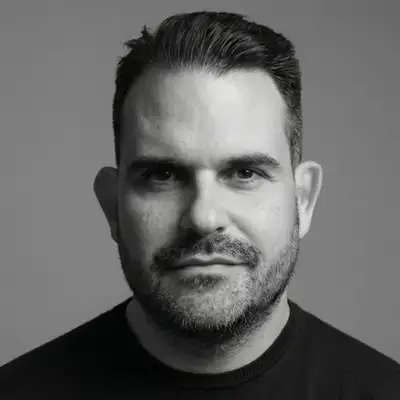
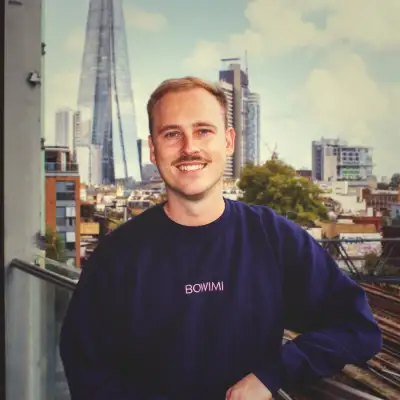
About the Guest: Dom Bowcock
In this episode, Chris Maffeo spoke to Dom Bowcock, Co-founder of Bowimi. They discussed the importance of executing their strategy in a focused way and understanding how to prioritize an area before moving on to the next one. They spoke about the difference between selling beer and spirits brands and how crucial it is to sustain sales velocity instead while expanding distribution. They closed the episode by discussing how founders can ensure they hire the right people in their team and set them up for success. We hope you enjoy the conversation. Share it with friends, click follow and rate it if you liked it. About the Host: Chris Maffeo About the Guest: Dom Bowcock
The MAFFEO DRINKS Podcast is a leading drinks business podcast delivering actionable insights for drinks leadership.
For founders, directors, distributor MDs, and hospitality leaders navigating the tension between bottom-up reality and top-down expectations.
20+ years building brands across 30+ markets. Each episode features drinks builders: founders, distributors, commercial directors, sharing how the drinks industry actually works. Not the conference version. Honest conversations.
Insights come from sitting at the bar.
Beyond episodes: advisory for leadership teams, subscription with episode deep dives and principles to navigate your own reality.
Beer, wine, spirits, Low and non-alcoholic.
Bottom-up Insights & Episode Deep Dives at https://maffeodrinks.com
I'm Chris Maffeo, a drinks industry adviser and founder of Maffeiro Drinks, host of the Maffeiro Drinks
Chris Maffeo:podcast. In this episode, I had the pleasure to interview Dom Bocock, the cofounder of Bohemia. Dom and I met on LinkedIn a couple of years ago and I was impressed by his CRM system Bohemia as it is hands on and you can see how it has been really built from the bottom up. The reason why I wanted to have him as a guest and I'm really happy about it is that he works with sales teams every day and he knows their struggle and needs both from a founder perspective but also from a sales rep perspective. So we spoke about all things about selling to bars from planning where to sell to how to do it.
Chris Maffeo:And I hope you will enjoy our chat. Hi. Hi, Dom. How are doing? Thanks for thanks for being a guest of the Mafel Drinks podcast.
Chris Maffeo:Welcome.
Dom Bowcock:Thanks a lot, Chris. Yeah, no, we're really excited to be on here. So I really appreciate you having me on. I'm really excited to Yeah, go through a few of the questions.
Chris Maffeo:Yeah. And there's so much you can do nowadays even remotely. Like, I mean, not just like going on on the Internet and on Instagram or whatever, like, just like looking at the picture of the back bar or like a picture of the menu, you know, just understanding what cocktails do they have? Like, is it like very focused on, you know, tequilas or or on amaros or or or whatever? No.
Chris Maffeo:So and what what do you think? Like, what do you see? Like, is there a difference between I mean, I guess I'm guessing here that, you know, who is basically buying the software from you is the actual owner. I mean, it's either a top manager, top director or a business owner. Right.
Chris Maffeo:So it's like, own a drinks brands and I'm hiring three sales guys or girls and I want to enable them with the software solution. How do you see the difference between you know, when you speak to them in terms of, let's say, how they use the software? Let's say, firstly, I would say, like, what's the expectation from a CRM tool? Because it can be perceived as a, you know, a control mechanism. But what's what's the you know, how do you how do you see?
Chris Maffeo:And if do you see any pattern? Is there a difference between, let's say, like a big brand or a small brand and so forth?
Dom Bowcock:Yeah, I mean, terms of who we're engaging with, it's very different. Business owner, I think they, to be honest, they just want to know is there ROI like if I'm getting there's almost this idea that, I should have a platform, whether it's a CRM or whatever it is. But then actually that a lot of the time they're sort of going well, you know, how's that actually gonna help me? So I think they want to know that they I don't think I think it's a bit some companies are still in some of larger ones, know, it is about making sure the team are doing what they say they are sure. But I think it's also just about sort of, is this actually going to help my team, You know, you're spending X amount on their salary, so spending a bit more, hopefully you can see the outputs, but for an owner, is this going to make my team X amount more productive?
Dom Bowcock:Am I actually going to see the results? And especially, I think you know, when you're going out in the field, one of the troubles that you know, if you're a company which is sat in the office behind the screen, and I'm the business owner, quite clear, I can see my team's working. Whereas if you're going out, if your job is literally to go to bars and pubs, you could probably be quite questionable over whether they're doing anything. So I think sometimes it is a bit about understanding what the team are up to. But more often it's am I getting, you know, will this help them get more value out of their time?
Dom Bowcock:But then in terms of the actual sales teams, I think something we've really tried to focus on is we've tried to build a platform for the teams themselves, not just a tracking mechanism. So there's a lot of clunky traditional CRM tools, which are sort of, which are literally just about making sure you are doing your job and doing your hours. Whereas what we've tried to do is the you know, salesperson's worst nightmare is admin, you know, hate doing it. So we've tried to say, okay, can we cut that down for you if you spend, you know, an entire morning or a day a week doing, know, transfer orders, route planning, prospecting, can we reduce that down to a couple of minutes and give you a tool which, dare I say, you might actually want to use, which isn't normally the case with sales CRM. But I think, yeah, I I when when you've got, hopefully, as an enjoyable job as it is going out and selling to the on trade selling spirits, the last thing you wanna do is be sat there doing admin into a into a platform, but it is so important.
Dom Bowcock:So yeah.
Chris Maffeo:And what do you see, I mean, to building on this on the admin point, how do you see salespeople like working? Like do they, you know, how, what's their share of like admin and, you know, real field time, so to say, and what like how many visits they usually log in in a day?
Dom Bowcock:Yeah, I guess slightly depends on geography. Obviously, if you're in cities, you can get round more. I think it's important to set targets of sort of, okay, I know companies do have sort of, we've come across some companies which have admin days, which I think is crazy. One, because an admin day, that's, you know, a day a week or whatever it might be, that's twenty percent is gone. But then also, if you're writing up your admin, four or five days after you've done it, you know, you're writing data point and stuff.
Dom Bowcock:No. It's not gonna be accurate. But I think in terms of it, it's great to have targets in terms of what, you know, am I gonna do 10 visits a day, for example. But that said, what too many companies do, and we're sort of going back to what we've discussed a bit before is they will say, here's your 10, you've got to hit 10 without setting some more internal targets within that. So okay, out of those 10, have we pre qualified them that we know they're going to be good, and that we can even sell to them.
Dom Bowcock:There's no point if you're a rep trying to go in telling them about spending ten minutes, telling them about your product, if they literally can't buy from you. And then I think also sort of splitting it out as well and saying, okay, well, of those 10 visits, actually, I want 25 of those to be existing customers going back and checking in on them. And maybe trying to upsell maybe if it's a beer, can we can you get another line? If it's a spirit, can you get a cocktail listing? Can you be pouring?
Dom Bowcock:And then for, you know, and then maybe also setting another target, which is okay, out of all the prospects, I want you to do a bit of homework just before you go out to rank them gold, silver and bronze in terms of importance.
Chris Maffeo:And
Dom Bowcock:50% of those need to be gold. And so, you know, having a very sort of quite strict process, which it might, you know, it shouldn't add much time at all, you know, it might be an extra ten, fifteen minutes at the start of your day to make sure you're prepared. But then once you're prepared, that your day is gonna be far more enjoyable because you're going in and having good conversations rather being laughed out the venue because you're, you know, you're not ready for it. I'm not suited for it. Yeah.
Chris Maffeo:And this is this is very interesting because it's it's actually it brings even more, let's say, our world together because it's I'm following another podcast which is called Revenue, Revenue Vitals and it's by Kritz Walker. He's this guy that's that he's talking about, you know, marketing, you know, demand creation, demand generation and, so on. And based in The US and he always talks and I love that reference because it's very applicable to the drinks sales that is talking about like creating demand and capturing demand. And it's two distinct moments and you don't want your team to end up sitting in front of people that don't want to buy. You know, that's the that's the hardest thing.
Chris Maffeo:But if you if you have that kind of like issue that you were mentioning, you know, if you're just focusing about, okay, you have to do 10 visits per day, then there may be 10 random visits and then you log them in because basically you just, you know, they lasted three minutes because they just kicked you out because they didn't want to talk to you, but you've done what you were supposed to do. So it's a it's very it's a very interesting thing, like how how much time you should you should actually spend on doing your homework before actually moving into the field. Right? You mentioned you mentioned, like the, let's say the rural versus urban kind of, you know, like setup is slightly different, I guess. And I reckon, I mean, this is from my current and previous experience, I'm interested to hear your view on it.
Chris Maffeo:I guess that on a rural journey, it's easier to plan because, I mean, you're not stupid. You know, you don't want to go to Manchester and then go to Leeds and then you go back to Manchester for another appointment. Know, like you are going to structure the routes in proper way. So you've got like those two in Manchester and then you go off to Leeds. But I have the feeling that within the cities, especially like bigger cities, salespeople are not really planning their journey properly in terms of areas.
Chris Maffeo:They are more like reactive rather than proactive. They I had a lot of conversation in the past, like in teams in, I don't know, Berlin or Paris or Barcelona, like saying like, but you know, they need I needed to drop glassware to that bar, you know, that they called me they had finished their keg or they called me they had finished, you know, like they they were in rent they were running out of glassware and they had an event on a random Tuesday. So I had to go to the to the warehouse and grab some glasses and and bring it to them. That's why I did only three visits yesterday because I got stuck in traffic. So what's your experience on that one from your experience?
Dom Bowcock:Yeah, think, route planning. So trying to plan your routes is something that can take a long time, which is why some people don't really do it. And so they'll be like, this is a waste of time. I'm probably spending more time than I'm actually saving. So they'll try and accomplish too much.
Dom Bowcock:And I think that's so dangerous, especially when you've got especially the entree when certain times you can't visit, you know, you just simply can't, you cannot be going in if it's a busy Friday past lunchtime, then you will really piss them off if you're trying to go in and sell sell your products. And I think too often, like if you don't come up with a structure saying, okay, well, know these three locations in this area I want to go to. And actually, this one asked me to come back. But if I don't come back before midday, then I'm gonna lose that opportunity. And okay, yeah, these guys I need to drop drop some glassware with that one, can be a bit later.
Dom Bowcock:The day will go very quickly, it always does. And especially, especially have a good conversation with one person, you know, you might that might take a bit longer. And then you might, and then you'll probably because of that is so easy in urban areas to go, Oh, what's that over there? Let's drop by that. Oh, no, that turns out we can't buy from them.
Dom Bowcock:Actually, that's restaurant doesn't really have a cocktail offering or something like that. And suddenly you found that two really good visits, they could have been that that could have been the appointment, which you know, you've been asked to come back for, but instead you've wasted your time, it's got to the end of the day, missed your targets and you know, you're still quite close to home or so I think it's such a crucial part of the time management when you're out in the field, and making sure you are making the most of it in a route that is logical. And then you'll be able to get you'll be able to be so much more successful.
Chris Maffeo:And and do you do you see, like, build building on this because, I mean, there are certain things that I'm you know, we're not trying to be, you know, to be smart here, like sitting sitting sitting on on a chair, not like telling salespeople what to do. Because obviously, like we are, you know, we've either done it in the past or like we are currently doing it. You know, I'm a big fan of like, let's say focusing on a on a single area and really make sure that you win in that area before you actually venturing elsewhere. Then now, of course, like you can close that area by whatever, you know, by zip code, postcodes, a neighbourhood name or whatever you want to call it now. But do you see brands and people, I mean, like doing that or are they more like kind of like running around town?
Chris Maffeo:I mean, apart from the from the routing itself, but in terms of, you know, the distribution that they're building, do you see that they're more like running around town that they've got like places scattered around the city? Or do they actually consolidate a single neighbourhood before going to the to another one?
Dom Bowcock:Yeah, I it's the one I think successful companies will be very strict on geography. And I think it ties into other areas of the business. Like if you're going to, if you go and put some ads on the sides of some buses in Manchester, but all of your stockists are in London, then those ads are completely wasted. Or if you're going to be doing if you're sponsoring a festival in North London, but actually all of your target, all of your stockists are in Paris, like, you know, what's the point? So I think can tie into other areas, but I think you're building a core.
Dom Bowcock:So people remember reading a study, which sort of says, you know, you've got a certain amount of venues in a postcode. And it's quite hard to increase the amount that's drunk at any one point in that postcode is more just shifting around within that. But if you are in that postcode and the people keep on seeing that recognize, you're going to build that recognition. And then there's even some quite smart ways where you can start to link that. You can start to link postcodes that aren't necessarily just geographically next to each other.
Dom Bowcock:So you can say, okay, actually, I know that typically, you know, this is a suburb. And actually, there's a lot of people here, lot of cool bars here. But also I know that this is, you know, half an hour away is a is a place where a lot of people work and that's probably where a lot of them are working. So what I'm actually gonna do is I'm gonna pick these two areas so that during the week, they might go out and see my brand then and the weekend they see my brand there. They probably will now think that it's absolutely everywhere.
Dom Bowcock:They've tried it. And that you know, they might even, you know, start requesting it at other places. Being a being very strategic about geographies. And that I mean, I think naturally that that will help you manage it as well. Were talking about route planning and talking about sort of managing your day.
Dom Bowcock:If you've got 10 customers and they're in 10 different corners of the city, you're only gonna be able to see sort of two or three of them a day. Whereas if you're slowly building in very strict geographies, then that that would really help your both your recognition and just your resources.
Chris Maffeo:Yeah. Yeah. Yeah. No, absolutely. And and and I and I think, I mean, everything like the word in in my experience, like, it's very funny and strange at the same time because it's it's like, you know, we're talking common sense, right?
Chris Maffeo:So it's it's not like that people do not have common sense. It's just that when you're dragged into a reactive mode, then that's what happens, you know, like so you're starting as answering calls from places that may want your brand and then you just go and react to it and end up basically like listing it in these 10 corners of the city rather than actually like really planning and doing your hunting. I call it metrics where you say actually, okay, these are the outlets that I want to go to. These are the three kind of segments that I want to go to. And that's where I actually will go deliberately before it, you know, I will cut through the noise even those places that are calling me, but then I will send somebody else, but not not me.
Chris Maffeo:And what what do you think, like, is the would be the the biggest difference between mean, I come from beer as as a ex corporate person and and now I'm working mainly with with spirits brands, although I still got some beer brands as well. But like, what would you say is the is the biggest difference between beer and spirits brands in in in sales and in in the way they sell or the way they approach the city or, what what what what you see?
Dom Bowcock:It's interesting. I I I think there are there are some big similarities between the successful ones. Think the way they, you know, a lot of what we've talked about today is applicable for both beer and spirits, you know, the idea of farming good customers, the idea of building up relationships, the idea of being targeted about who you're focusing on. I suppose the pitch itself, if you know, for beer, you might, you know, you could start in package, but if you're in a bar or pub, which has taps packaged in the fridge is not going to sell well. So trying to win if there's, I don't know, 10 taps, trying to win a tap is really hard.
Dom Bowcock:So there's a lot of upfront efforts of and I think that a lot of the time is persistence until you get the sale with beer, Going back and making sure you keep on telling them why your product is going to sell through well, looking at their range and saying, this is where we could fit in. And once you're on there, it's then about saying, okay, well, checking and making sure it is selling well, trying to make sure it's not just a rotational line, but actually, know, you're trying to secure that. Whereas I guess in with spirits, from what I've seen, and I might be wrong, you might tell me I'm wrong, but I think that there's still a lot of upfront sales you need to do, but it's much easier process of getting in. But then once you're in, it's that's when the real hard work starts, because there's so many different ways that, you know, a beer is sort of is drunk in normally one formula, right? You know, is drunk in The UK, pint glass and other places, there's always a standard measurement.
Dom Bowcock:Whereas there's such a varied way that spirits can be drunk. And actually trying to keep track of that is very hard for a lot of spirits brands. And so they go, okay, I think I was on the back bar there. I was with cocktail listing that, they've done a done a food pairing that doesn't work with that one. And so being I think farming with spirits is very important because there's so much opportunity to upsell.
Dom Bowcock:Whereas I think with beer, it's a bit more of a defense mechanism of making sure, okay, I've won this tap. Now let's make sure, okay, maybe I might try and get another tap with another with my IPA or whatever. You know, just keeping away the other brands. So that that's, I think that's a trend I've seen, but I don't know whether you'd agree with that.
Chris Maffeo:No. Yeah, that's a that's a good way of putting it. I'm I'm, like, re rephrasing what you just said. Like, it's like beer is more of a an Italian way of playing football. Now it's a bit of a more the cat and a
Dom Bowcock:No comment.
Chris Maffeo:It's a cat and a show kind of kind of way, you know, like, score like one nil and, you know, you want to secure that that that result, you know, like with you can play a little bit more more, like, funky game. It's a it's the score is gonna be like a four three kind of thing.
Dom Bowcock:You you you had to find a way to bring up the Euros final, didn't you? Yeah.
Chris Maffeo:I I I think I think from from my perspective, you know, beer is I I I keep thinking and I keep iterating this this this idea between beer and and spirits. And I think you you capture it very well. I mean, like this, I think the bottleneck is shifted slightly. So like in beer is kind of like more difficult. So the when you are in a in a in a bottle of beer, then it's much more similar to spirits because it's an actual bottle.
Chris Maffeo:So you it's a little bit of a tougher fight because you you need to be in the fridge because obviously nobody wanna drink a warm beer. But But then if you are on draft, the entry barrier is harder because maybe they've got like three lines, four lines. I mean, 10 lines. It's it's easier, but then it it becomes more difficult to drive rotation. And then and then you can get there.
Chris Maffeo:And then the other element and basically sorry. And as just to close the loop, and while on spirits, you know, you are on the back bar, but it's easy to collect dust. And the the essence of this difference, you know, it's on the on the shelf life, I think. Because Yeah. Because beer and this is why I'm thankful for, let's say, having started in beer rather than spirits is that because I grew up in that rotation velocity mindset because beer is expiring.
Chris Maffeo:So if they don't get rid of it as soon as possible, they won't reorder, but then it will also go bad and they have to throw it away. And especially with some beers that on kegs, I mean, not everyone is so strict on maintaining that rosacea on keg, but that's why you get like very, often get, bad beer on keg, but on draught. But but that's the that's the the the biggest element that I think that I feel is that, you know, like a salesperson of a spirits brand doesn't have that mindset automatically. It's just like, oh, it's on the back bar. It's on the menu.
Chris Maffeo:You know, it's I've done my job. Now it's up to now now it's the bartender who's not doing his job. While while from a beer perspective, it's actually your problem because that person is going to say, okay, if you want me to ensure the quality, I'm gonna throw away this, you know, half of this keg. But then I want you to, you know, give me a good price on an extra keg because I threw half of it away.
Dom Bowcock:That's really, really interesting. I hadn't had Nathan really thought about it that much in that approach. But yeah, I can completely see how that mindset needs to be instilled in the spirit. So yeah, that's really interesting.
Chris Maffeo:Yeah, because I mean, spirits are technically they have no shelf life. I mean, like they I mean apart from some of them but most likely that they're going to stay there forever and you know for years. So so they they don't they don't care but that's the problem with the with the dust, you know, like the the collecting dust. It's it's a matter of like when and where you are collecting dust. This is in warehouse or the distributor or is it in the the cellar of the pub or But the you know, you have an issue and at some point and you and growing by distribution.
Chris Maffeo:I remember like I went to see a distributor in The US like few years back when I was working with The US and they had this big banner saying like distribution sales. And it was like a very American, you know, eighties kind of like slogan. And I look at that and I was like, oh my god, you know, like I can't believe I actually I'm actually reading this. But you know, in the eighties, it might have worked because there were like much less brands.
Dom Bowcock:Yeah, driving the distribution,
Chris Maffeo:you're basically driving everything. Well, nowadays, it's a little bit different. Thanks so a lot. So for like, just to to to wrap up, is there is there something that you would, let's say, give as an advice to to the to who's listening to us? It's I mean, it's it's people from the drinks industry.
Chris Maffeo:It's a very it's a very drinks based podcast. So it's it's very targeted kind of like following. Like, is there something like that you would say, you know, it's one thing to start doing that you don't see enough of and one thing to, let's say, to stop doing that you see too often and you wouldn't you wouldn't agree with?
Dom Bowcock:Yeah. I I guess there's I think being laser focused, you know, it's not gonna don't wanna teach people to suck eggs. It's revolutionary thinking, but I think being laser focused and understanding where, you know, success as well. I think something a lot of startups might not do well enough is you're always trying to get on to the next thing. So being really focused about saying, where am I going?
Dom Bowcock:What am I trying to achieve? If I don't achieve it, why? If I do achieve it, why? And sort of then building from that foundation, I think is really important. And I think it's, you know, a case of making sure you have your setup to do that.
Dom Bowcock:You know, you have, you know, you need a team, you've got the team in place who are gonna be able to do that, it's gonna be yourself, you feel knowledgeable enough, you've done your research enough to go out. I suppose one thing, you know, a mistake, I think that I do see a lot is not hiring a sales team or trying trying to get too many people to do too many things. Drink sales is something which requires persistence, it you know, you don't just visit venue once, you've got to go in, you've even before the sale, you've got to be persistent, you've got to be on it. And if you've got someone who's also trying to do marketing, or if you're a founder, and you're also trying to raise money, and you're trying to work, you've got supply chain issues, you've got, you know, XYZ, you're trying to put it in a new bottle, you're not going to be able to naturally give the sales process the attention it needs. So I think, yeah, on the positive side, just keep remaining laser focused.
Dom Bowcock:But on the sort of the mistake side, I think is not having the is not investing in, you know, dedicated personnel early enough. Now, that's a scary thing. And I think hiring is a whole nother conversation, because it's so easy to, I mean, you know, a lot of the population like drinks, you know, would love to work for a drinks brand. It's a very, you know, it sounds like a great thing to be able to do. So a lot of people would probably be interested in it, finding the people who are actually going to take it seriously is a challenge.
Dom Bowcock:But if you get those right people, they can take a huge pain point off your hands. And, you know, they can actually be there at the forefront of your brand. So yeah, I'd probably say those two things if that works.
Chris Maffeo:Okay. No. Well, I am. Those are two great ones. Think I think that's the it's both like the blessing and the curse of of our industry is like, especially working with on trade specifically that, you know, it's very kind of like romance than it and people focus on the sexy part of it rather than on the on the hardcore part of it.
Chris Maffeo:I mean, I've been a I've been a dishwasher, a waiter, you know, like a behind the bar as well. And, you know, it it's always like it's always fun when you're actually there, talking to people and pouring a beer. But, you know, then at the end when you need to finish the shift and clean everything and, you know, and, you know, and wipe the tables and clean like lift all the chairs and take all the tables outside and bring them in at the night shift. That's something that is not really advertised in the job to be done. That's very similar to launching a brand where I see a lot of founders that, you know, I've spent a lot a lot of time like doing my beautiful bottle, my beautiful liquid, my great liquid.
Chris Maffeo:And now on the flip side of what you said, you know, like on on the one end, like, they don't want to sell. So they are they keep themselves busy with anything else. Then, you know, somebody will do it for me. Then on the other side, like, as you said, rightly, like they don't hire the person, let's say, soon enough to actually be focused on that. So it would be like my advice to build on what you said would be like, first of all, like, sure that you are the guy or girl who are actually going there and selling, but as soon as possible, kinda like make yourself substitutable, if that's a word in English, to really say, okay, actually, need an expert now to go and sell and do this, you know, five days a week because I cannot just do it like on a random Wednesday afternoon after I've done all the all the other things.
Chris Maffeo:And this is this is a big problem see that whoever I'm talking to, that they're either scared to sell or scared to hire somebody. But, you know, like they thought that sales would come much faster because they've built a great liquid of what they think is a great liquid. So why are you not buying it? Because it's such a great product. And this is like the thing that you need to really understand because very often as you said at the beginning, this is the user and you know the target that you had in mind and the user are actually two different people.
Chris Maffeo:Know, may think that your occasion was something else than what it is as probably like, you know, a software brand company or a consulting company and firm like it's it, you know, you end up working with different clients of what you have anticipated in the beginning.
Dom Bowcock:100%, yeah. And I think just going back at what I meant by, you were saying that I think what's crucial is if you're founding the business, almost laying the foundations for someone to inherit. So you know, by no means suggesting that you go and hire someone and go sell, I don't really know how to but you seem good at it, know, off you go push them into a bar and say, and then you know, suddenly the bar manager again, you know, laughs the mouse. And I think that's need to stop saying laughs out. That doesn't happen.
Dom Bowcock:That sounds too scary. I think we, but yeah, I think being able to sort of say, okay, I've gone and done this groundwork. I've seen what I've seen on a basic level, what's been successful, what hasn't. Now you do that and replicate it. And I think that's where you can have, you know, if someone could just slot into that, and they can run with it, then you can replicate that overloads.
Dom Bowcock:And eventually you might have a large company with loads of different people all on the ground in different areas doing exact similar things to different areas. But I think, yeah, finding that point where you know that you've done the groundwork and laid the foundation which someone can then inherit. And sort of they've got the data points, they've got the knowledge, they've got the information at their fingertips. And now it's just a case of resource and your own time. I think that's a really important threshold to hit and and knowing when to hit that.
Chris Maffeo:Nice. Nice. Nice. So so Dom, like, thanks thanks a lot for for this. This has been really, really interesting.
Chris Maffeo:And I mean and you are playing a crucial role in drink sales because you are not, you know, you are the, you know, you know, you are the system that that lets all these pieces like to connect. So how do how do people find you and how how can people find Bohemia and how they can get in touch with you?
Dom Bowcock:Absolutely. Yeah. So it's spelled B O W I M I M for mafia. Get We a lot of strange pronunciations of our platform. So yeah, if you go to our website, you can book in a demo, and you can see some videos of how the platform works.
Dom Bowcock:It's always best to just chat through with our team and see how it works. Or, you know, feel free to add myself or one of our sales team on LinkedIn. We can always talk you through it. We love to get to know a business and normally we'll be pretty honest by saying, know, we can hopefully help her or maybe we can't and we can put you in another direction. But yeah, just go to our websites and and book in some time, and and hopefully, we can we can have a chat.
Chris Maffeo:Fantastic. So thanks a lot, Dom, and thanks a lot for your time, and chat soon.
Dom Bowcock:Thanks a lot, Chris. Really enjoyed it.
Chris Maffeo:Take care. Thanks. Bye.