Subscribe
Share
Share
Embed
A podcast community for real estate and tech leaders, investors, operators and innovators.
A new era is upon us. Tangent💚Proptech unites Proptech founders💡, Real Estate investors and operators🏢, Venture Capital investors, urban leaders🏙 and passionate creators🌎 who are improving our communities and cities. Join us to learn how we can solve present day challenges with innovative technology and greater collaboration.
Join Proptech entrepreneur Edward Cohen, to learn about housing innovation, the future of work and climate tech. We examine these themes through interviews and conversations with Proptech CEO's, real estate owners and operators, and venture investors, and how we can leverage tech and collaboration to help solve the housing crisis, figure out the future of work and how to decarbonize the built environment.
If you would like to get your company’s or organization’s mission featured on Tangent, email us at community@tangentproptech.com.
Stay curious and always be learning! 🤓
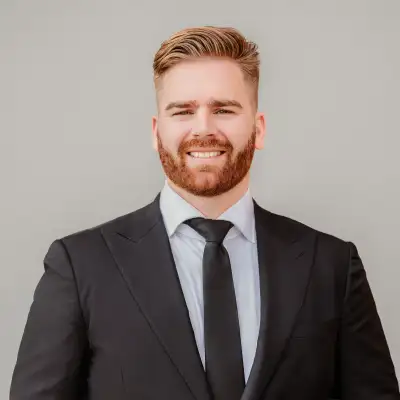
Jordan Audio Episode
===
Edward: [00:00:00] [00:00:01] I'm Edward [00:00:02] Cohen, and this is [00:00:03] Tangent, a [00:00:04] Commercial Observer [00:00:05] podcast. [00:00:06] [00:00:07] [00:00:08] [00:00:09] Every [00:00:10] operator knows the [00:00:11] problem. Leasing [00:00:12] has their system, [00:00:13] property has [00:00:14] theirs, [00:00:15] asset management has [00:00:16] another. None of them [00:00:17] talk to each other, [00:00:18] and the data that drives [00:00:19] decisions, [00:00:20] floor plans, lease [00:00:21] abstracts, [00:00:22] inspection records, [00:00:23] and HVAC [00:00:24] history sits [00:00:25] scattered across [00:00:26] platforms that were never [00:00:27] designed to work together.
[00:00:28] [00:00:29] The result [00:00:30] is that some of the most [00:00:31] consequential [00:00:32] decisions in commercial real [00:00:33] estate, who [00:00:34] gets the space, [00:00:35] at what rent, on [00:00:36] what timeline, are [00:00:37] still being made on [00:00:38] gut instinct and [00:00:39] whoever picked up the [00:00:40] phone. We're also [00:00:41] gonna talk about today [00:00:42] the grocery market, [00:00:43] which, just [00:00:44] made this problem more [00:00:45] urgent, [00:00:46] including [00:00:47] Kroger paying [00:00:48] over $1.6 [00:00:49] billion for [00:00:50] acquiring Giant [00:00:51] Eagle while announcing [00:00:52] that it's closing [00:00:53] 60 of their [00:00:54] stores.
Amazon [00:00:55] shutting down the physical [00:00:56] locations for [00:00:57] Amazon Fresh around the [00:00:58] country, [00:00:59] and [00:01:00] operators who built their [00:01:01] centers around grocery [00:01:02] anchor could [00:01:03] start to rethink their [00:01:04] entire leasing [00:01:05] strategy. [00:01:06] I'm happy to say we [00:01:07] do have the perfect [00:01:08] guest to talk about this [00:01:09] today, [00:01:10] Jordan Herring, [00:01:11] chief strategy [00:01:12] officer at [00:01:13] ID Plans.[00:01:14]
Jordan, where does [00:01:15] this podcast find [00:01:16] you?
Jordan: Deborah, [00:01:17] thank you so much, [00:01:18] calling in from [00:01:19] Tampa, Florida
Edward: [00:01:20] Oof. The [00:01:21] Salvador [00:01:22] Dali headquarters [00:01:23] of the world
Jordan: [00:01:24] that is right, [00:01:25] Edward. How we doing [00:01:26] today?
Edward: Can't [00:01:27] complain. [00:01:28] 70 and sunny here in New York [00:01:29] City. [00:01:30] idplans [00:01:31] has been around since [00:01:32] 1999. This [00:01:33] isn't your first, [00:01:34] tech cycle [00:01:35] or rodeo. So [00:01:36] give us the origin [00:01:37] story and what the company [00:01:38] looks like today.
Jordan: [00:01:39] Yeah, I think [00:01:40] we've seen, [00:01:41] every up and [00:01:42] down. what I always tell [00:01:43] people what's [00:01:44] interesting about ID Plans [00:01:45] is that the company [00:01:46] started with a [00:01:47] problem that, I guess [00:01:48] really hadn't [00:01:49] changed since [00:01:50] nineteen [00:01:51] ninety-nine. it turns out real [00:01:52] estate is still [00:01:53] physical and somebody [00:01:54] has to understand what [00:01:55] actually exists at the [00:01:56] property.
[00:01:57] And the [00:01:58] technology around that [00:01:59] has changed [00:02:00] dramatically, but the [00:02:01] underlying [00:02:02] problem [00:02:03] hasn't. what we've [00:02:04] evolved into is [00:02:05] taking that what [00:02:06] we would call physical [00:02:07] truth and making [00:02:08] it useful [00:02:09] or actionable [00:02:10] across the entire [00:02:11] lifecycle of the asset. [00:02:12] So what does that [00:02:13] mean? I, I mean [00:02:14] leasing, [00:02:15] property management, [00:02:16] construction, asset [00:02:17] management, and [00:02:18] obviously working with the tenants.
[00:02:19] So, that's [00:02:20] what happens in the [00:02:21] field, actually becomes [00:02:22] institutional [00:02:23] knowledge
Edward: [00:02:24] Tremendous. we're gonna [00:02:25] dive deep into [00:02:26] ID plans in a little [00:02:27] bit, but just [00:02:28] for context, you [00:02:29] now cover [00:02:30] around 2.5 [00:02:31] billion square [00:02:32] feet, if I get that [00:02:33] right?
Jordan: we're past [00:02:34] 3 billion now, Edward[00:02:35]
Edward: Wow, [00:02:36] that's roughly the [00:02:37] equivalent of [00:02:38] 68 Central [00:02:39] Parks,
Jordan: That's [00:02:40] unbelievable.
I never [00:02:41] did that calculation ever, [00:02:42] to be honest with you. But [00:02:43] what I think is [00:02:44] interesting about that is I [00:02:45] think it took us from [00:02:46] 1999 [00:02:47] to 2015 [00:02:48] to, to [00:02:49] cross [00:02:50] our first billion [00:02:51] square feet. And [00:02:52] then since in the past 10 [00:02:53] years we've, [00:02:54] added just over two billion [00:02:55] square feet on top of that.
[00:02:56] So lots of, , [00:02:57] exponential [00:02:58] growth
Edward: Tremendous. [00:02:59] so let's talk about , the [00:03:00] problem that a lot of, [00:03:01] commercial real estate owners [00:03:02] and operators are [00:03:03] facing. you have a leasing [00:03:04] rep, a property manager, [00:03:05] and an asset [00:03:06] manager at the same [00:03:07] company or even [00:03:08] managing or [00:03:09] working on the same [00:03:10] property that are [00:03:11] using different [00:03:12] systems and sitting [00:03:13] in different cities [00:03:14] and, and using different [00:03:15] terms for the same [00:03:16] thing.
So [00:03:17] who owns that [00:03:18] problem, and why [00:03:19] hasn't anyone fixed [00:03:20] it?
Jordan: Yeah. I think it's a [00:03:21] great call-out, and I [00:03:22] first observed [00:03:23] this c-coming [00:03:24] into commercial real estate [00:03:25] as an [00:03:26] outsider [00:03:27] nearly a decade [00:03:28] ago. And [00:03:29] e-exactly what you [00:03:30] said, it [00:03:31] takes so many [00:03:32] different [00:03:33] people working [00:03:34] together to, [00:03:35] accomplish the [00:03:36] general goal of [00:03:37] commercial real estate, which [00:03:38] I would say very [00:03:39] simply is, hey, how do [00:03:40] we find the right tenant for [00:03:41] the right space at the right [00:03:42] time at the right price?
[00:03:43] And, [00:03:44] specifically around leasing, but, [00:03:45] high level, that's kind [00:03:46] of that. And [00:03:47] the [00:03:48] weird thing [00:03:49] was I would [00:03:50] talk with folks. Like, [00:03:51] for example, if I'm [00:03:52] talking to somebody in [00:03:53] marketing [00:03:54] about, a beautiful [00:03:55] site plan, we're gonna call it [00:03:56] a site plan. But [00:03:57] as we talk [00:03:58] to somebody in [00:03:59] construction, we're talking about [00:04:00] as-builts and different [00:04:01] vernaculars and different words and [00:04:02] things.
So [00:04:03] not only are people [00:04:04] using different [00:04:05] tools and systems, [00:04:06] they're sitting in different [00:04:07] offices, and that means different [00:04:08] cultures. You have a [00:04:09] team in Dallas and a [00:04:10] team in Manhattan, [00:04:11] you know, and you expect [00:04:12] these guys to, [00:04:13] collaborate [00:04:14] while in different systems, [00:04:15] while in different [00:04:16] offices, and while having [00:04:17] also different kind of [00:04:18] cultures.
So I [00:04:19] always found that kind of [00:04:20] interesting. [00:04:21] Now, why does [00:04:22] this exist? I think [00:04:23] the reason this problem [00:04:24] has persisted or [00:04:25] continues that nobody really [00:04:26] owns it. So leasing [00:04:27] owns leasing, property management [00:04:28] owns [00:04:29] operations, [00:04:30] accounting owns financial [00:04:31] data, construction owns [00:04:32] its workflow, but , the [00:04:33] property cuts scores [00:04:34] only across all of [00:04:35] them.
So you can [00:04:36] have really [00:04:37] good people using really good [00:04:38] systems and still have [00:04:39] three different versions of [00:04:40] the same asset. [00:04:41] Commercial real [00:04:42] estate doesn't really have a [00:04:43] data shortage. It [00:04:44] really, has a [00:04:45] shaped [00:04:46] truth problem, [00:04:47] I-I'd say
Edward: [00:04:48] could you give us like a real [00:04:49] example of what goes [00:04:50] wrong when like, say, [00:04:51] leasing and property [00:04:52] management are working [00:04:53] from different data on the [00:04:54] same vacancy?
Jordan: [00:04:55] [00:04:56] when [00:04:57] leasing is [00:04:58] operating without [00:04:59] partnership with, say, [00:05:00] property management [00:05:01] or property management or somebody [00:05:02] who's, tied to the [00:05:03] asset, at [00:05:04] the end of the day, if if you [00:05:05] review any tenant's [00:05:06] work letter, y- there's [00:05:07] tons of information [00:05:08] that's necessary and [00:05:09] critical, for leasing to [00:05:10] take into consideration when [00:05:11] it comes to [00:05:12] estimating, [00:05:13] when it comes down [00:05:14] much TI are we gonna be [00:05:15] allocating for this [00:05:16] space or, [00:05:17] what's the [00:05:18] pipeline for how [00:05:19] long it's gonna take [00:05:20] us to get this tenant [00:05:21] open.
And so there's [00:05:22] this, really [00:05:23] huge need [00:05:24] for [00:05:25] everybody, all [00:05:26] those [00:05:27] construction, property management, [00:05:28] leasing teams are really [00:05:29] collaborating. [00:05:30] And when they [00:05:31] don't, deals get [00:05:32] built without the [00:05:33] physical reality being [00:05:34] taken into [00:05:35] consideration and [00:05:36] bad things tend to happen [00:05:37] after that
Edward: [00:05:38] So, let's talk about [00:05:39] some of the [00:05:40] solutions that the PropTech [00:05:41] industry [00:05:42] has spent [00:05:43] for a better part of [00:05:44] the last [00:05:45] decade or even more [00:05:46] selling operators, [00:05:47] which [00:05:48] is all around [00:05:49] specialization, [00:05:50] right? And, and point [00:05:51] solutions. [00:05:52] Best in class tools for [00:05:53] every function. [00:05:54] how did that [00:05:55] bet go?
Jordan: [00:05:56] Yeah, I actually think [00:05:57] specialization [00:05:58] maybe worked a little too [00:05:59] well. we built [00:06:00] really good [00:06:01] tools for [00:06:02] individual, like, point [00:06:03] solutions. So, you know, [00:06:04] leasing software got [00:06:05] better. Construction [00:06:06] software, I [00:06:07] think, really just [00:06:08] started and, got better. [00:06:09] Accounting [00:06:10] software absolutely [00:06:11] got better. But I think the [00:06:12] unintended, [00:06:13] consequence [00:06:14] was that we [00:06:15] fragmented the property [00:06:16] across all of those [00:06:17] applications.
So, [00:06:18] specialization [00:06:19] won at the [00:06:20] application layer, but in [00:06:21] many cases it [00:06:22] lost at the [00:06:23] enterprise [00:06:24] layer. we may have [00:06:25] optimized the individual [00:06:26] workflows without, [00:06:27] necessarily creating a [00:06:28] better- [00:06:29] Collective [00:06:30] understanding [00:06:31] of the [00:06:32] asset. And you [00:06:33] really-- I think when you [00:06:34] drill into it as a [00:06:35] why, as an [00:06:36] observer of the [00:06:37] industry, what we [00:06:38] discovered, and curious your take, [00:06:39] Edward, in [00:06:40] twenty fifteen it, it [00:06:41] really seemed like [00:06:42] this whole [00:06:43] proptech thing really [00:06:44] started.
You started [00:06:45] seeing a lot more aggressive [00:06:46] growth. You started seeing a [00:06:47] lot of Y Combinator [00:06:48] companies come out [00:06:49] calling out [00:06:50] proptech. [00:06:51] Definitely not retail [00:06:52] specifically, but, [00:06:53] you started to see some [00:06:54] interest here. [00:06:55] And the first companies [00:06:56] to really grow [00:06:57] were these, [00:06:58] what I would call, [00:06:59] inch wide, mile deep [00:07:00] solutions.
And [00:07:01] these folks were [00:07:02] able to [00:07:03] create businesses, [00:07:04] in like this derp [00:07:05] era where [00:07:06] it wasn't exactly [00:07:07] clear on how [00:07:08] big the market was [00:07:09] or it-- Raising money was [00:07:10] never a huge [00:07:11] issue, so you really never had [00:07:12] that [00:07:13] filtration of, [00:07:14] companies solving real [00:07:15] problems, building great [00:07:16] tools that also [00:07:17] led to a [00:07:18] really good economic [00:07:19] outcome.
and so [00:07:20] as that [00:07:21] changed, what we [00:07:22] started seeing is [00:07:23] that these [00:07:24] fragmented point [00:07:25] solution companies [00:07:26] [00:07:27] started-- [00:07:28] were really forced [00:07:29] into [00:07:30] diverting from their, [00:07:31] let's call [00:07:32] it niche [00:07:33] strategy, into [00:07:34] trying to [00:07:35] grow [00:07:36] horizontally to capture [00:07:37] more, customer share of [00:07:38] wallet. A-and [00:07:39] really I think [00:07:40] maybe that was [00:07:41] always the [00:07:42] natural, evolution [00:07:43] of these companies.
That was always going to [00:07:44] be the case. But [00:07:45] certainly, when [00:07:46] this funding [00:07:47] thing started getting [00:07:48] tighter, that [00:07:49] was absolutely a [00:07:50] catalyst to see [00:07:51] this, compression, [00:07:52] which certainly [00:07:53] made these point [00:07:54] solutions more [00:07:55] aggressive in how [00:07:56] they thought about their [00:07:57] growth. And, [00:07:58] starting to really think about [00:07:59] how durable can [00:08:00] we be from an [00:08:01] economics perspective.
So [00:08:02] I think the [00:08:03] after effects [00:08:04] of this niche shop are even [00:08:05] more interesting because you're [00:08:06] starting to see this like [00:08:07] really big obsession [00:08:08] of [00:08:09] the COI [00:08:10] company now trying to stretch [00:08:11] over and lean into [00:08:12] adjacent things and [00:08:13] continue to, break [00:08:14] into other industries. [00:08:15] The Workorder platform [00:08:16] trying to get into [00:08:17] tenant sales [00:08:18] collection, then touching [00:08:19] the tenant more.
And so [00:08:20] I think that's [00:08:21] more interesting is like [00:08:22] this evolution [00:08:23] where everyone's trying to [00:08:24] go after the same [00:08:25] platform. I was talking with a [00:08:26] CIO [00:08:27] at a very large [00:08:28] REIT recently, and [00:08:29] she always made these jokes [00:08:30] with me that, [00:08:31] "Gosh, I wish [00:08:32] you guys would just buy each [00:08:33] other." because everyone is [00:08:34] trying to build kind of the [00:08:35] same [00:08:36] sort of thing, [00:08:37] it's funny, but [00:08:38] Watching this has been really [00:08:39] entertaining, so I'm curious to see [00:08:40] what the next five years look [00:08:41] like.
Edward: [00:08:42] I mean, she, she's not [00:08:43] wrong in, terms [00:08:44] of, buying each other or [00:08:45] merging or joining [00:08:46] forces and we are seeing [00:08:47] that play out in real [00:08:48] time with some of [00:08:49] the latest [00:08:50] acquisitions, including, [00:08:51] uh, [00:08:52] buying up, [00:08:53] Cadastral, and then there are [00:08:54] also, RealPage buying [00:08:55] up Cherry, but that's been, [00:08:56] [00:08:57] playbook for [00:08:58] as long as we can [00:08:59] remember.
A-and, [00:09:00] like this approach, [00:09:01] what you're describing of [00:09:02] becoming, a [00:09:03] monopoly in like [00:09:04] a point solution, [00:09:05] then growing from that has [00:09:06] always been Peter [00:09:07] Thiel's [00:09:08] playbook when [00:09:09] you become a [00:09:10] monopoly, even though it's [00:09:11] just in one [00:09:12] point of the value [00:09:13] chain, then you can [00:09:14] potentially expand to [00:09:15] others, and have [00:09:16] more, pricing [00:09:17] power and, and [00:09:18] control in, [00:09:19] how you grow and the value [00:09:20] that you create.
[00:09:21] now there's a lot of [00:09:22] talk about [00:09:23] data [00:09:24] migration and [00:09:25] implementing [00:09:26] not only technology, but [00:09:27] implementing more [00:09:28] specifically AI [00:09:29] across [00:09:30] everything that it [00:09:31] becomes operations. [00:09:32] So how do [00:09:33] you make the case [00:09:34] for, say, a, a [00:09:35] traditional operator [00:09:36] who has been doing [00:09:37] things the same [00:09:38] way for 40 [00:09:39] years, that, uh, [00:09:40] data migration and [00:09:41] implementation is [00:09:42] actually worth [00:09:43] it?
Jordan: Yeah, I think [00:09:44] it's interesting, and [00:09:45] I, love you brought Peter [00:09:46] Thiel. Zero to [00:09:47] One is, [00:09:48] think a [00:09:49] fantastic book and, way of [00:09:50] thinking for people in this [00:09:51] industry. [00:09:52] Although I think [00:09:53] ironically, [00:09:54] Peter also talks [00:09:55] often about [00:09:56] competition for losers. So it's [00:09:57] this really interesting [00:09:58] dynamic of, [00:09:59] yes, there's [00:10:00] an opportunity, this [00:10:01] desire to how do [00:10:02] we create a [00:10:03] monopoly?
How do we, figure [00:10:04] out, these, [00:10:05] networks to help them [00:10:06] grow? But way [00:10:07] through that, the [00:10:08] past five years have [00:10:09] seen this, [00:10:10] [00:10:11] radical, emphasis [00:10:12] on competing [00:10:13] and trying to [00:10:14] compete for kind of the [00:10:15] same overlapping or [00:10:16] adjacent [00:10:17] coverages of the other [00:10:18] point solution.
[00:10:19] But when it comes [00:10:20] to, these [00:10:21] old school [00:10:22] operators, [00:10:23] who've without [00:10:24] technology [00:10:25] have built [00:10:26] unbelievable [00:10:27] businesses, [00:10:28] and I think the worst [00:10:29] thing you can do is walk [00:10:30] into someone who's [00:10:31] successfully [00:10:32] operated, a portfolio [00:10:33] for forty [00:10:34] years and tell them that [00:10:35] technology knows more than [00:10:36] they do.
[00:10:37] it just doesn't. [00:10:38] what [00:10:39] technology can do [00:10:40] is take [00:10:41] the institutional [00:10:42] knowledge they've [00:10:43] accumulated and make [00:10:44] it available for the rest of the [00:10:45] organization. [00:10:46] Now, in the context of [00:10:47] AI, now it's like, [00:10:48] hey, taking your [00:10:49] institutional knowledge [00:10:50] and making it even more [00:10:51] lethal, right? Making it [00:10:52] even more, [00:10:53] the, efficacy [00:10:54] of it, , which I think is [00:10:55] really interesting.
So, I [00:10:56] wouldn't sell them [00:10:57] digital transformation. [00:10:58] I would sell them [00:10:59] on fewer [00:11:00] surprises, faster [00:11:01] and better [00:11:02] decisions, [00:11:03] fewer unnecessary [00:11:04] site visits, [00:11:05] less, downtime, whatever. [00:11:06] The best [00:11:07] software doesn't replace [00:11:08] judgment or [00:11:09] their kind of knowledge. It [00:11:10] gives [00:11:11] their kind of [00:11:12] foundation a [00:11:13] better instrument [00:11:14] panel.
Edward: I [00:11:15] think that's, very [00:11:16] reasonably [00:11:17] articulated and I [00:11:18] think, that has [00:11:19] changed in, in the most [00:11:20] recent, tech cycle [00:11:21] in the space [00:11:22] where, there is seems to [00:11:23] be less, uh, [00:11:24] hubris, whether on [00:11:25] purpose or just by [00:11:26] lack of [00:11:27] experience in the [00:11:28] industry and more with the [00:11:29] Silicon Valley [00:11:30] ethos of move [00:11:31] fast and break things, [00:11:32] where is, this is a [00:11:33] building with real [00:11:34] people that they either [00:11:35] work in, use [00:11:36] to shop, or [00:11:37] they rent, [00:11:38] and we [00:11:39] can't, uh, break [00:11:40] things, or disrupt [00:11:41] things, right?
Jordan: [00:11:42] Well, that-that's [00:11:43] right. And, and I think [00:11:44] ultimately speaking, the [00:11:45] one takeaway [00:11:46] where I think what makes [00:11:47] commercial real [00:11:48] estate very [00:11:49] interesting but also [00:11:50] just radically different is [00:11:51] that, you'll move [00:11:52] fast and break things [00:11:53] to dramatically [00:11:54] change [00:11:55] an [00:11:56] industry, or exploit [00:11:57] something that needs to be [00:11:58] exploited.
But, commercial real [00:11:59] estate is, [00:12:00] technically speaking, I would [00:12:01] say has enormous [00:12:02] beta [00:12:03] and very, , [00:12:04] alpha light. And what I [00:12:05] mean by that is [00:12:06] that, there's [00:12:07] tons of macro [00:12:08] factors are the main [00:12:09] driving forces. And what, what [00:12:10] really you see is [00:12:11] that [00:12:12] competitors [00:12:13] like Kimco and [00:12:14] Brixmor are really competing on the [00:12:15] margins, [00:12:16] right?
And so their [00:12:17] influence, [00:12:18] they have these little [00:12:19] judgments that compound [00:12:20] over time. [00:12:21] moving fast and breaking things is [00:12:22] all fun [00:12:23] and great in an [00:12:24] industry that's ripe [00:12:25] for disruption. [00:12:26] In this [00:12:27] industry where the vast [00:12:28] majority of the [00:12:29] uplift is... when you're [00:12:30] talking about [00:12:31] analysis of your [00:12:32] underwriting any of these bit [00:12:33] large institutions, [00:12:34] the biggest things you're gonna be [00:12:35] underwriting is the [00:12:36] market as a whole.[00:12:37]
And [00:12:38] obviously, you're looking at the [00:12:39] operators, and obviously you're looking at [00:12:40] their strategy and some of the [00:12:41] things that make them [00:12:42] them. [00:12:43] But a-at the end of the [00:12:44] day, [00:12:45] th-this, move [00:12:46] fast, break [00:12:47] things en-environment, is [00:12:48] incredibly, [00:12:49] incredibly risky [00:12:50] considering, yes, of course, [00:12:51] there's real [00:12:52] consequences to real people [00:12:53] that are, operating [00:12:54] their own businesses in this [00:12:55] environment.
[00:12:56] obviously, there's tons of [00:12:57] financial considerations. [00:12:58] But y- in addition to [00:12:59] that, I think [00:13:00] as, Don [00:13:01] Tetteman says a lot, you know, [00:13:02] real estate's the get [00:13:03] rich slow [00:13:04] scheme, and that these [00:13:05] slow [00:13:06] incremental [00:13:07] compounding small [00:13:08] wins on the [00:13:09] margins is how [00:13:10] you see the [00:13:11] really best [00:13:12] operators [00:13:13] win.
Edward: [00:13:14] Certainly, and shout out [00:13:15] to Don Tebbe, [00:13:16] [00:13:17] AKA, Strip Mall Guy, [00:13:18] who [00:13:19] was kind enough to [00:13:20] host us at [00:13:21] his, real [00:13:22] estate gala [00:13:23] earlier this [00:13:24] year with, [00:13:25] Bob Knakal, which is [00:13:26] where Jordan and [00:13:27] I actually [00:13:28] met. [00:13:29] when you're an [00:13:30] investor today buying a [00:13:31] new shopping [00:13:32] center, how should a buyer [00:13:33] be thinking about the [00:13:34] tech and the data [00:13:35] layer as part of [00:13:36] their [00:13:37] diligence?
Jordan: [00:13:38] So like [00:13:39] everything else [00:13:40] I think buyers [00:13:41] increasingly need to think about [00:13:42] data almost [00:13:43] like another form of [00:13:44] diligence. [00:13:45] you're not just acquiring the [00:13:46] leases and the tenants in the [00:13:47] buildings, you're [00:13:48] acquiring [00:13:49] all of the [00:13:50] unknowns that come with [00:13:51] them. [00:13:52] So what physically [00:13:53] exists? Are the drawings [00:13:54] current?
Do the lease [00:13:55] obligations match [00:13:56] what's happening in the [00:13:57] fields? what knowledge [00:13:58] disappears when the [00:13:59] seller team [00:14:00] leaves? I almost think of [00:14:01] bad property data [00:14:02] as a form of [00:14:03] deferred maintenance. [00:14:04] Uh, [00:14:05] eventually someone has [00:14:06] to pay the cost [00:14:07] of cleaning it up. [00:14:08] Now, all that being [00:14:09] said, it, [00:14:10] we're acquiring a [00:14:11] portfolio [00:14:12] [00:14:13] and we're also [00:14:14] acquiring the [00:14:15] vendors on the [00:14:16] property who are [00:14:17] working there.
And so [00:14:18] in [00:14:19] scenario [00:14:20] A, when there's a [00:14:21] really [00:14:22] robust and [00:14:23] effective tech [00:14:24] stack, it can be [00:14:25] really [00:14:26] helpful that first [00:14:27] ninety days [00:14:28] of [00:14:29] operating the asset, [00:14:30] maintaining status quo [00:14:31] while you're in the [00:14:32] background about to [00:14:33] execute your plan. [00:14:34] Now, if it's a [00:14:35] very kludgy [00:14:36] setup that [00:14:37] is [00:14:38] bumpy and [00:14:39] hard, it's just gonna make things [00:14:40] much more difficult.
So I [00:14:41] think you need to price [00:14:42] in [00:14:43] the [00:14:44] challenges of taking on the [00:14:45] center, without the [00:14:46] right... and not just [00:14:47] tech stack, but just [00:14:48] operating stack [00:14:49] wh-which can mean technology, [00:14:50] but, something in, in [00:14:51] there. I've never bought [00:14:52] a large property [00:14:53] before, so I, I'd [00:14:54] be curious to hear what [00:14:55] other people say.
But [00:14:56] from my point of view, that's how [00:14:57] I think about it
Edward: [00:14:58] let's say you now [00:14:59] bought a shopping [00:15:00] center. [00:15:01] how does the first [00:15:02] 90 days of [00:15:03] ownership look [00:15:04] different for an [00:15:05] operator who has the data [00:15:06] layer [00:15:07] right versus the [00:15:08] one who [00:15:09] doesn't?
Jordan: S-so what's exciting [00:15:10] ab-about [00:15:11] that is I get to [00:15:12] talk to so many [00:15:13] people that, [00:15:14] when we first get to [00:15:15] meet people, [00:15:16] who are just [00:15:17] getting to know ID [00:15:18] plans, [00:15:19] oftentimes [00:15:20] it's around a [00:15:21] transaction. [00:15:22] And [00:15:23] whether they [00:15:24] have contracted [00:15:25] us and our, our [00:15:26] software and our [00:15:27] services and our technology to go [00:15:28] out there to [00:15:29] enable them [00:15:30] to be smarter in [00:15:31] this diligence [00:15:32] window.
talking [00:15:33] to, industry people [00:15:34] who've been doing this a long [00:15:35] time and then [00:15:36] seeing what it's like to [00:15:37] have all this [00:15:38] information [00:15:39] aggregated in one [00:15:40] spot and [00:15:41] that's, digitally [00:15:42] coherent, that [00:15:43] fits together, it [00:15:44] integrates with their [00:15:45] ERPs. That it's [00:15:46] palpable, [00:15:47] the pain you can [00:15:48] see leaving their [00:15:49] body.
it's these little [00:15:50] things that [00:15:51] enable these [00:15:52] people who still have a day [00:15:53] job, by the way. They're [00:15:54] acquiring assets, and they're still [00:15:55] managing everything else, and now [00:15:56] they have this new [00:15:57] thing. They don't know much [00:15:58] about it. They probably travel to [00:15:59] it a bunch. [00:16:00] how can we [00:16:01] enable them to make better [00:16:02] decisions faster [00:16:03] on this [00:16:04] asset, even with [00:16:05] limited [00:16:06] information, in an office far, [00:16:07] far away? the way I [00:16:08] think about [00:16:09] our platform is less [00:16:10] about the individual [00:16:11] products and more [00:16:12] about, like, how we [00:16:13] enable the life [00:16:14] cycle of the asset [00:16:15] without them [00:16:16] having to [00:16:17] travel the, [00:16:18] property all the time [00:16:19] and rely on [00:16:20] vendors that they're still building [00:16:21] trust with.
Edward: [00:16:22] So, [00:16:23] uh, let's now move on [00:16:24] to ID plans [00:16:25] and how it works. I mean, [00:16:26] you guys are working with [00:16:27] clients like [00:16:28] Blackstone and [00:16:29] DLC [00:16:30] Management, so walk [00:16:31] us through how the [00:16:32] ID plans product [00:16:33] suite fits [00:16:34] together and what [00:16:35] problem that [00:16:36] architecture solves that a [00:16:37] collection of point [00:16:38] solutions can't
Jordan: [00:16:39] the way I [00:16:40] think about our, [00:16:41] let's call it [00:16:42] architecture is less about [00:16:43] individual products and more [00:16:44] about the life cycle of [00:16:45] the asset. you start [00:16:46] with understanding what [00:16:47] physically exists, [00:16:48] create a trusted [00:16:49] property record around [00:16:50] it, and then [00:16:51] allowing [00:16:52] leasing operations, [00:16:53] construction, and asset [00:16:54] management to use the same [00:16:55] intelligence in their [00:16:56] workflows.
[00:16:57] So the [00:16:58] [00:16:59] goal isn't to [00:17:00] give somebody another application to [00:17:01] log into, [00:17:02] it's to make [00:17:03] sure what I would [00:17:04] call the physical reality [00:17:05] of the property [00:17:06] follows that asset through [00:17:07] its entire [00:17:08] life cycle. And I think that's just a [00:17:09] big difference, [00:17:10] right? So when you're [00:17:11] stringing together this [00:17:12] cadre [00:17:13] of solutions [00:17:14] that...
And by the way, [00:17:15] there's a lot of great tech out [00:17:16] there, and there's a lot of [00:17:17] really great [00:17:18] platforms and tools. I, like, I [00:17:19] know a lot of the guys, I think [00:17:20] they're great. [00:17:21] And what [00:17:22] we see [00:17:23] often [00:17:24] is the [00:17:25] tools are [00:17:26] myopically focused [00:17:27] on their own mission, [00:17:28] and they do [00:17:29] that really well. [00:17:30] However, [00:17:31] expecting them to not [00:17:32] simultaneously [00:17:33] integrate with the core [00:17:34] systems of record, [00:17:35] i.e.
MRI [00:17:36] or Yardi, [00:17:37] or J.D. Edwards or [00:17:38] something like that. And in [00:17:39] addition to that, [00:17:40] write [00:17:41] back [00:17:42] into [00:17:43] another platform, another [00:17:44] point solution. [00:17:45] And [00:17:46] then, [00:17:47] Edward, often [00:17:48] there's very [00:17:49] few [00:17:50] platforms [00:17:51] besides ID [00:17:52] plans that [00:17:53] radically take [00:17:54] into consideration how [00:17:55] important the [00:17:56] physical reality [00:17:57] [00:17:58] is. We always talk [00:17:59] about the world of bits and [00:18:00] the world of atoms.
I [00:18:01] think there's a lot of [00:18:02] people who've [00:18:03] been [00:18:04] wanting so [00:18:05] desperately [00:18:06] to be able to [00:18:07] effectively [00:18:08] [00:18:09] manage and [00:18:10] unlock value [00:18:11] from these assets all [00:18:12] through a screen [00:18:13] and build a solution [00:18:14] that is [00:18:15] scalable [00:18:16] and, [00:18:17] doesn't require [00:18:18] the kind of the hard [00:18:19] work, the boots on the ground [00:18:20] stuff.
And [00:18:21] in our [00:18:22] opinion, we disagree. We [00:18:23] think that, [00:18:24] touching and being [00:18:25] able to bridge the [00:18:26] world of bits and atoms is [00:18:27] incredibly important, [00:18:28] and that's the big [00:18:29] unlock. So yeah, it's [00:18:30] really important to have [00:18:31] best-in-class software that [00:18:32] prioritize [00:18:33] cybersecurity, [00:18:34] that, ha-prioritizes [00:18:35] the [00:18:36] users. But [00:18:37] at the end of the [00:18:38] day, yes, [00:18:39] our, all our platforms and [00:18:40] tools fit together well, but [00:18:41] again, it's [00:18:42] on a mission in [00:18:43] pursuit of [00:18:44] how do we [00:18:45] bring the [00:18:46] users closer to the [00:18:47] physical asset [00:18:48] in this [00:18:49] normalized data [00:18:50] structure
Edward: So [00:18:51] walk us through, how does, [00:18:52] for example, a [00:18:53] vacancy move [00:18:54] through your platform [00:18:55] from the moment it [00:18:56] hits the [00:18:57] market to the moment a [00:18:58] lease is [00:18:59] signed?
Jordan: this is where I get [00:19:00] the most pumped up [00:19:01] because we have a lot of [00:19:02] fandom [00:19:03] in property management and [00:19:04] operations [00:19:05] But I'll tell you [00:19:06] what, [00:19:07] when we're [00:19:08] talking [00:19:09] with [00:19:10] high-level [00:19:11] brokers and, [00:19:12] leasing folks [00:19:13] who get, [00:19:14] get the chance to use [00:19:15] ID Plans, [00:19:16] the excitement [00:19:17] and [00:19:18] the, the passion that we [00:19:19] see is [00:19:20] so rewarding and so [00:19:21] exciting.
[00:19:22] for everyone [00:19:23] listening who has no [00:19:24] idea who ID [00:19:25] Plans [00:19:26] is, We [00:19:27] deploy our [00:19:28] field, service [00:19:29] techs, our actual people who [00:19:30] work for the company [00:19:31] to these [00:19:32] vacancies, and the mission [00:19:33] is [00:19:34] identifying all the [00:19:35] information that [00:19:36] could really ever be [00:19:37] asked, in a [00:19:38] tenant work letter [00:19:39] [00:19:40] immediately, oftentimes [00:19:41] even [00:19:42] before the previous tenant vacates [00:19:43] the [00:19:44] space.
[00:19:45] Why? [00:19:46] Well, if I can do [00:19:47] one thing [00:19:48] to [00:19:49] maintain our [00:19:50] success, it's [00:19:51] compressing lease [00:19:52] execution to rent [00:19:53] commencement dates. [00:19:54] And if we're [00:19:55] able to eliminate [00:19:56] the dark [00:19:57] days per year of these [00:19:58] phases [00:19:59] and, now working backwards [00:20:00] from that result, right?
[00:20:01] So if our result is [00:20:02] to, one, [00:20:03] ensure that [00:20:04] rent commencement is occurring [00:20:05] on the right [00:20:06] time, or [00:20:07] better pulling [00:20:08] that date [00:20:09] backwards, While [00:20:10] simultaneously [00:20:11] having a really great [00:20:12] tenant [00:20:13] experience and enabling [00:20:14] this new tenant [00:20:15] to focus on [00:20:16] their business rather [00:20:17] than the things they have [00:20:18] to do to be in [00:20:19] business, right?
And I'm specifically [00:20:20] talking about, , [00:20:21] non-professional [00:20:22] tenants, like smaller box [00:20:23] tenants. what gets in the [00:20:24] way of that? What gets in [00:20:25] the way of that is, [00:20:26] one, not [00:20:27] having a really [00:20:28] clear [00:20:29] vision, task [00:20:30] mastering [00:20:31] this tenant who... [00:20:32] I mean, Edward, [00:20:33] oftentimes [00:20:34] the [00:20:35] people who are [00:20:36] opening these [00:20:37] businesses, these [00:20:38] entrepreneurs, [00:20:39] they've never opened a business [00:20:40] before.
They, [00:20:41] they've never hired an [00:20:42] architect. English [00:20:43] may be a second [00:20:44] language. There's a lot of these [00:20:45] obstacles in the way. [00:20:46] And so what we, [00:20:47] as ID Plans try to [00:20:48] do is [00:20:49] how do we make it easy [00:20:50] for them to [00:20:51] see all the [00:20:52] tasks they are-- they [00:20:53] have to do to get open [00:20:54] in a very visual [00:20:55] way, [00:20:56] enable the landlord to [00:20:57] also see those [00:20:58] things, [00:20:59] help hold the tenant [00:21:00] accountable.
But then [00:21:01] even backwards [00:21:02] from that is [00:21:03] a lot of [00:21:04] things that blow [00:21:05] deals up or [00:21:06] cause delays [00:21:07] or [00:21:08] unexpected estimation [00:21:09] misses is not having [00:21:10] a really good [00:21:11] understanding [00:21:12] of the physical [00:21:13] infrastructure or phys-- [00:21:14] or physical [00:21:15] limitations in the [00:21:16] space. So when there's a [00:21:17] vacancy at the Cohen Shopping [00:21:18] Center, we're [00:21:19] going in there and we're [00:21:20] identifying, we're gonna validate [00:21:21] the GLA of the [00:21:22] space, to a high [00:21:23] quality BOMA standard.
[00:21:24] We're going to get a really great [00:21:25] virtual tour. We're gonna [00:21:26] capture all the [00:21:27] mechanicals and [00:21:28] electric and plumbing [00:21:29] information. everything that [00:21:30] could possibly be [00:21:31] asked by [00:21:32] a tenant [00:21:33] rep [00:21:34] or from the construction [00:21:35] team, [00:21:36] or information that's [00:21:37] needed for the [00:21:38] internal, construction team [00:21:39] to get a good [00:21:40] estimate, we're gonna get [00:21:41] that [00:21:42] upfront, oftentimes [00:21:43] before the previous [00:21:44] tenant vacated, [00:21:45] in pursuit of [00:21:46] efficiency.
if we [00:21:47] can get all the [00:21:48] information that's needed [00:21:49] and de-risk the [00:21:50] transaction [00:21:51] and make it [00:21:52] hyper-visible and get [00:21:53] everybody in the [00:21:54] deal into one [00:21:55] platform collaborating, [00:21:56] we're gonna see a [00:21:57] lot of efficiency. We're [00:21:58] gonna have a much better [00:21:59] experience, [00:22:00] and [00:22:01] oftentimes we're gonna see that, [00:22:02] that rent commencement [00:22:03] date either hit [00:22:04] right on or, or [00:22:05] even in some [00:22:06] cases find a way to get that [00:22:07] tenant open [00:22:08] faster
Edward: [00:22:09] Fascinating. [00:22:10] so let's zoom in [00:22:11] into the Adams [00:22:12] part then. How does [00:22:13] the aerial [00:22:14] and drone [00:22:15] imagery change the [00:22:16] decisions an operator [00:22:17] makes when managing [00:22:18] assets across multiple [00:22:19] markets?
Jordan: [00:22:20] Yeah. So this is one of [00:22:21] the first [00:22:22] acquisitions [00:22:23] that we made as a [00:22:24] company [00:22:25] when we acquired, , [00:22:26] this, drone [00:22:27] platform, back [00:22:28] in, twenty [00:22:29] eighteen or [00:22:30] something, and that went really [00:22:31] well. for those that [00:22:32] don't know, we have a, [00:22:33] product called ID [00:22:34] Vision which [00:22:35] enables, [00:22:36] super high quality, [00:22:37] drone [00:22:38] imagery, not just for [00:22:39] marketing use cases which [00:22:40] what you see very [00:22:41] often, but also for [00:22:42] operational uses.
[00:22:43] So we create a whole [00:22:44] platform around what's called the [00:22:45] [00:22:46] orthomosaic. So [00:22:47] basically stitching [00:22:48] together [00:22:49] high quality photos [00:22:50] into one really big [00:22:51] photo. [00:22:52] And we have a lot of [00:22:53] tools and of course [00:22:54] this layers on top [00:22:55] of our other [00:22:56] kinda core product [00:22:57] offerings. I [00:22:58] think the mistake is that [00:22:59] thinking of, drone [00:23:00] imagery as just better [00:23:01] photography.
I think the [00:23:02] real [00:23:03] value is, [00:23:04] decision compression is [00:23:05] what we see a lot. [00:23:06] So if I'm [00:23:07] responsible for, [00:23:08] say, [00:23:09] hundreds of properties [00:23:10] across [00:23:11] twenty states, [00:23:12] I shouldn't have to physically [00:23:13] travel [00:23:14] somewhere every time I need [00:23:15] to understand [00:23:16] parking or [00:23:17] access, [00:23:18] signage, [00:23:19] roofing conditions, or [00:23:20] how the site [00:23:21] relates to its [00:23:22] surroundings.
you're [00:23:23] basically reducing the [00:23:24] distance between the [00:23:25] person that [00:23:26] is making [00:23:27] the decision and [00:23:28] the physical asset. [00:23:29] th-that's where we're, [00:23:30] we're trying to [00:23:31] hyper-focus on, [00:23:32] is how can we [00:23:33] radically g-get [00:23:34] users access to [00:23:35] super high [00:23:36] quality imagery of [00:23:37] the property as it was a [00:23:38] week ago, not like [00:23:39] five years ago [00:23:40] in a kinda blurry [00:23:41] view from Google Earth or [00:23:42] something.
But, like, [00:23:43] how, how can we [00:23:44] really dramatically improve [00:23:45] technology and then [00:23:46] in addition to [00:23:47] that, computer vision [00:23:48] models on top of that [00:23:49] to further [00:23:50] enable [00:23:51] value from looking at [00:23:52] the real asset
Edward: [00:23:53] so [00:23:54] tenant selection has been [00:23:55] described as one of [00:23:56] the highest impact [00:23:57] decisions in retail [00:23:58] commercial real estate , and one [00:23:59] of the least [00:24:00] scientifically informed [00:24:01] processes. why do [00:24:02] you think that has [00:24:03] stayed, that way for so [00:24:04] long?
Jordan: [00:24:05] were talking [00:24:06] earlier about, winning on [00:24:07] the margins, this is [00:24:08] certainly one of the [00:24:09] bigger of [00:24:10] those decisions [00:24:11] that the people that do [00:24:12] this really well tend to [00:24:13] win really big, and the [00:24:14] people that do this not so [00:24:15] well tend to lose pretty [00:24:16] big. I think tenant [00:24:17] selection is the [00:24:18] business, right, at its kind of [00:24:19] core.
A-and [00:24:20] by the way, I don't know [00:24:21] if instinct is [00:24:22] necessarily a [00:24:23] bad [00:24:24] thing, and what we've [00:24:25] seen a lot is [00:24:26] very [00:24:27] relationship-driven. [00:24:28] like at its worst, [00:24:29] anybody who can fog a [00:24:30] mirror and that [00:24:31] meets the space [00:24:32] requirements and is willing to pay [00:24:33] rent, we'll invite into [00:24:34] the center. [00:24:35] And I, I think [00:24:36] when [00:24:37] retail [00:24:38] wasn't as popular as, [00:24:39] as it is today, I [00:24:40] think that was a [00:24:41] very, common [00:24:42] outcome.
But I [00:24:43] mean, if you [00:24:44] look through the most [00:24:45] recent, 10 [00:24:46] Qs [00:24:47] we're seeing [00:24:48] occupancy at ninety-seven [00:24:49] percent, [00:24:50] ninety-seven point five [00:24:51] percent, something like that. [00:24:52] we're seeing [00:24:53] the [00:24:54] large institutions [00:24:55] able [00:24:56] to take [00:24:57] into consideration, [00:24:58] better placemaking [00:24:59] decisions, [00:25:00] co-tenancy [00:25:01] dynamics, and things like that.
[00:25:02] So to be honest [00:25:03] with you, it's kind of a [00:25:04] newer thing [00:25:05] that [00:25:06] the operators have [00:25:07] been spoiled with some [00:25:08] concept of [00:25:09] choice, of being [00:25:10] able to really take a [00:25:11] step backwards and [00:25:12] say, "Hey, [00:25:13] how can we [00:25:14] curate the [00:25:15] center in such a [00:25:16] way [00:25:17] that [00:25:18] compounds value?" [00:25:19] what could [00:25:20] possibly, be the [00:25:21] benefit here? And I think [00:25:22] the way we think about it at [00:25:23] IE Plans, and [00:25:24] obviously we, we spend a lot of time [00:25:25] thinking [00:25:26] not just, void [00:25:27] analyses [00:25:28] and market [00:25:29] dynamics and co-tenancy [00:25:30] dynamics, but also [00:25:31] take into consideration [00:25:32] the physical [00:25:33] limitations and [00:25:34] characteristics of the [00:25:35] space into that [00:25:36] calculus.
really, [00:25:37] how can we [00:25:38] enable our [00:25:39] customers, these [00:25:40] landlords, [00:25:41] to [00:25:42] identify very [00:25:43] unique [00:25:44] attributes of [00:25:45] the spaces that they [00:25:46] currently own, [00:25:47] whether in their [00:25:48] existing conditions [00:25:49] or with modifications, [00:25:50] meaning [00:25:51] removing walls, pushing [00:25:52] things together. How [00:25:53] do we [00:25:54] identify, , in a very [00:25:55] Moneyball type of [00:25:56] way, and this is where the [00:25:57] science comes into play, [00:25:58] the unique [00:25:59] attributes that a [00:26:00] tenant would find [00:26:01] asymmetric value for?
[00:26:02] then identifying [00:26:03] that and then putting it in [00:26:04] their face, [00:26:05] I-if we're able [00:26:06] to call out that, [00:26:07] hey, this space [00:26:08] happens to look [00:26:09] very [00:26:10] similar, to the top [00:26:11] ten percent of performing [00:26:12] locations of Jersey [00:26:13] Mike's across the [00:26:14] country, we [00:26:15] should probably identify [00:26:16] that and bubble that [00:26:17] up [00:26:18] because I, I bet you Jersey [00:26:19] Mike's should pay a little [00:26:20] more and maybe be a little [00:26:21] more willing to [00:26:22] pay for this space as [00:26:23] opposed to another [00:26:24] space.
And This space [00:26:25] happens to perform [00:26:26] better and with this [00:26:27] specific [00:26:28] [00:26:29] permutation of [00:26:30] co-tenancy [00:26:31] dynamics or in [00:26:32] this certain [00:26:33] demographic or in this [00:26:34] certain, market [00:26:35] void. And then [00:26:36] in addition to that, [00:26:37] break-breaking the [00:26:38] atoms bits [00:26:39] wall, right? And say, [00:26:40] "Okay, this space [00:26:41] is previous [00:26:42] use is right, [00:26:43] the formatting is [00:26:44] right, the location's right, [00:26:45] all the [00:26:46] water coming in is right, [00:26:47] the power coming in [00:26:48] is right."
all this [00:26:49] comes together, and [00:26:50] then where you've [00:26:51] found a tenant that wants to grow [00:26:52] in this market, [00:26:53] it de-risks their [00:26:54] decisions for [00:26:55] them. We [00:26:56] have a high likelihood [00:26:57] of better [00:26:58] financially and having a [00:26:59] long-term, [00:27:00] occupier in the space [00:27:01] that's going to be a net [00:27:02] contributor to foot traffic [00:27:03] to the other [00:27:04] tenants [00:27:05] and, putting that all [00:27:06] together and [00:27:07] ideally- If [00:27:08] we do this right, they could [00:27:09] open [00:27:10] faster.
that's where things get [00:27:11] really exciting. [00:27:12]
Edward: Very well [00:27:13] said. , [00:27:14] Let's, move on [00:27:15] to what's been going [00:27:16] on on the [00:27:17] retail [00:27:18] industry, more, [00:27:19] more specifically the [00:27:20] [00:27:21] groceries. historically, groceries [00:27:22] have always been, and [00:27:23] by all means [00:27:24] still are, great [00:27:25] tenants. [00:27:26] They're anchors. [00:27:27] They're community, [00:27:28] centers. [00:27:29] however, more recently, [00:27:30] [00:27:31] Kroger, is closing [00:27:32] 60 stores by the [00:27:33] end of [00:27:34] 2026.
[00:27:35] Amazon shut down [00:27:36] all of its [00:27:37] 72, physical [00:27:38] grocery locations. [00:27:39] [00:27:40] Albertsons has been pulling [00:27:41] back. [00:27:42] Now, a retail [00:27:43] landlord with a grocery [00:27:44] anchor might say their [00:27:45] tenant is stable and this [00:27:46] doesn't apply to them, [00:27:47] and that could very well be [00:27:48] the case. [00:27:49] however, why do you think they should [00:27:50] be paying attention to [00:27:51] this trend?
Jordan: [00:27:52] Kroger [00:27:53] closing those [00:27:54] sixty-four, and I think [00:27:55] forty of them closed. [00:27:56] I, and think the [00:27:57] Amazon thing is [00:27:58] very [00:27:59] different. I don't know if there's a [00:28:00] feeling [00:28:01] of the [00:28:02] durability of a grocery anchor shopping [00:28:03] center, is that story gonna [00:28:04] be called into question due [00:28:05] to some slipping [00:28:06] financials or [00:28:07] from some [00:28:08] signals of the [00:28:09] grocers [00:28:10] having, a harder [00:28:11] time?
I [00:28:12] think there's competition [00:28:13] dynamics. I [00:28:14] think [00:28:15] there's, macro [00:28:16] factors that's challenging [00:28:17] some spend. [00:28:18] Kroger's making aggressive [00:28:19] moves. I mean, the Giant Eagle [00:28:20] thing is, I think, super [00:28:21] aggressive, and I think they're calling their [00:28:22] shots there in how they're gonna [00:28:23] grow.
I think the [00:28:24] Amazon thing is distinctly [00:28:25] different. I think [00:28:26] they got into that [00:28:27] business with certain [00:28:28] expectations,
I don't [00:28:29] know. haven't heard [00:28:30] anything that, makes [00:28:31] me lead to believe that there's any [00:28:32] challenging. If The [00:28:33] market's so hot for [00:28:34] these assets, [00:28:35] and if you [00:28:36] look at the site [00:28:37] centers transition to curve [00:28:38] line and saying, "You know [00:28:39] what?"
We see an [00:28:40] opportunity in these [00:28:41] neighborhood a [00:28:42] non-grocer anchor strip [00:28:43] centers, you're starting to [00:28:44] see a lot, of people put their [00:28:45] time over there, [00:28:46] partially, I think, [00:28:47] because the market's just [00:28:48] so hot for these grocery [00:28:49] anchor centers.
So [00:28:50] I don't know how it's gonna shake [00:28:51] out. I mean, we're six [00:28:52] years removed [00:28:53] from COVID, that's a [00:28:54] kind of a long [00:28:55] time. I think by [00:28:56] year ten removed from [00:28:57] COVID, we're gonna [00:28:58] really [00:28:59] understand what the future [00:29:00] looks like [00:29:01] on is the [00:29:02] grocer thing gonna be [00:29:03] evergreen, [00:29:04] and this gonna be, [00:29:05] remaining a [00:29:06] pillar of [00:29:07] durability, and [00:29:08] landlords are going to be [00:29:09] willing to pay very [00:29:10] large [00:29:11] premiums, to [00:29:12] getting into those [00:29:13] centers?
[00:29:14] Or is there gonna be an [00:29:15] alternative or another [00:29:16] large event that changes [00:29:17] things [00:29:18] and that starts to siphon [00:29:19] away some of the markup [00:29:20] on those assets? So [00:29:21] I think it's really [00:29:22] interesting, and but I think the [00:29:23] base case still remains the [00:29:24] same.
Edward: I, [00:29:25] tend to agree with [00:29:26] most, things you said. I [00:29:27] mean, [00:29:28] Amazon certainly has [00:29:29] different unit [00:29:30] economics and priorities [00:29:31] than, say, a, a [00:29:32] Kroger would [00:29:33] have. where I would push [00:29:34] back is where, [00:29:35] I mean, [00:29:36] Amazon, they [00:29:37] still run Whole [00:29:38] Foods [00:29:39] smoothly. they're still opening a lot [00:29:40] of Whole Foods, [00:29:41] especially here in, [00:29:42] in, core metro [00:29:43] areas.
but I [00:29:44] wouldn't necessarily [00:29:45] discount [00:29:46] Amazon [00:29:47] closing dozens [00:29:48] of their [00:29:49] stores, as, being an [00:29:50] isolated, [00:29:51] issue. whether you love it or [00:29:52] you hate it, as a [00:29:53] consumer you most likely love [00:29:54] it, and, uh, as [00:29:55] a [00:29:56] competitor or as a [00:29:57] small business, or [00:29:58] regional business you [00:29:59] probably hate [00:30:00] them.
but in [00:30:01] terms of affordability, I [00:30:02] mean, I think [00:30:03] supermarkets are here to [00:30:04] stay. as affordability [00:30:05] issues, [00:30:06] persist, nationwide, [00:30:07] people are gonna opt [00:30:08] to, eat [00:30:09] more [00:30:10] supermarket food, [00:30:11] than otherwise. [00:30:12] but just [00:30:13] comparing supermarket [00:30:14] prices as a [00:30:15] consumer, [00:30:16] I'm shocked to see that [00:30:17] Whole Foods now is [00:30:18] actually not [00:30:19] near the expensive one, and [00:30:20] actually among the most [00:30:21] affordable ones, at [00:30:22] least in, in key [00:30:23] metro areas, which [00:30:24] is shocking to [00:30:25] hear just when a [00:30:26] few years ago Whole [00:30:27] Foods was the [00:30:28] most expensive and [00:30:29] premium one.
Jordan: I [00:30:30] think the Amazon [00:30:31] playbook, Everett, is, I think we're [00:30:32] starting to see the Whole Foods [00:30:33] thing take on [00:30:34] this Amazon playbook [00:30:35] of unlocking efficiency [00:30:36] at scale [00:30:37] and, finding the right [00:30:38] products [00:30:39] and, uh, [00:30:40] driving unbelievable [00:30:41] scale to [00:30:42] pass on these [00:30:43] savings to customers [00:30:44] and really [00:30:45] compete not only on [00:30:46] the premium section, but [00:30:47] also get other [00:30:48] customers too.
I think we [00:30:49] may be starting to see [00:30:50] the, [00:30:51] Bezos-ification of [00:30:52] Whole [00:30:53] Foods
Edward: [00:30:54] Bezosification, trademarked [00:30:55] by [00:30:56] Jordan Herring. [00:30:57] and to [00:30:58] your point earlier about [00:30:59] Kroger, uh, [00:31:00] yes, they did just [00:31:01] pay over 1.6 [00:31:02] billion for Giant [00:31:03] Eagles and [00:31:04] 197 [00:31:05] stores [00:31:06] across Ohio, [00:31:07] Pennsylvania, West [00:31:08] Virginia, Maryland, and [00:31:09] Indiana. I mean, [00:31:10] this is [00:31:11] institutional capital moving [00:31:12] into tertiary [00:31:13] markets.
So how do you [00:31:14] think this kind of [00:31:15] institutional [00:31:16] move [00:31:17] into markets [00:31:18] that aren't used to [00:31:19] getting this sort of [00:31:20] capital changes the [00:31:21] calculus for [00:31:22] landlords who have been [00:31:23] operating there?
Jordan: [00:31:24] I, I think it's a big [00:31:25] deal. when this news [00:31:26] dropped, [00:31:27] I reached out to a few [00:31:28] people, who [00:31:29] operate in those markets, [00:31:30] and I think there's a lot of [00:31:31] excitement, one, to see [00:31:32] Kroger, uh, [00:31:33] making some bigger [00:31:34] bets [00:31:35] and being aggressive, [00:31:36] which I think is [00:31:37] great. Giant Eagle was a [00:31:38] good operator, and I [00:31:39] think they had their own [00:31:40] kinda interesting [00:31:41] following to them.
I [00:31:42] think in [00:31:43] these centers, in [00:31:44] these tertiary [00:31:45] markets, is this [00:31:46] going to [00:31:47] trailblaze the way for [00:31:48] other [00:31:49] high-credit nationals [00:31:50] to follow into these [00:31:51] tertiary markets, [00:31:52] which maybe they [00:31:53] ordinarily would've [00:31:54] overlooked. Maybe they [00:31:55] didn't view Giant Eagle [00:31:56] as in [00:31:57] a large enough of a, of [00:31:58] an anchor [00:31:59] that it [00:32:00] could, would de-risk [00:32:01] them from expanding into [00:32:02] those, those markets, [00:32:03] and where Kroger may [00:32:04] be, large [00:32:05] enough and, uh, [00:32:06] effective enough and [00:32:07] durable enough [00:32:08] to maintain.
[00:32:09] that's something that I would [00:32:10] be watching w- is [00:32:11] that, are [00:32:12] these Kroger [00:32:13] assets, are [00:32:14] the reps looking [00:32:15] at and saying, [00:32:16] "Hey, Does this [00:32:17] unlock more [00:32:18] opportunity to get [00:32:19] people [00:32:20] who ordinarily wouldn't [00:32:21] consider West [00:32:22] Virginia [00:32:23] or, outside of, [00:32:24] Pittsburgh, Pennsylvania or something like [00:32:25] that, to move in [00:32:26] here?"
And, I think they're gonna see [00:32:27] some success. I think this [00:32:28] is gonna work
Edward: [00:32:29] We will [00:32:30] tune in and see how [00:32:31] it turns out. [00:32:32] moving [00:32:33] to more grocery [00:32:34] news, but New [00:32:35] York City just [00:32:36] announced [00:32:37] five [00:32:38] city-run grocery [00:32:39] stores that will [00:32:40] pay no [00:32:41] rent and no [00:32:42] property taxes and [00:32:43] sell food at [00:32:44] 30% below [00:32:45] market. The city [00:32:46] has allocated [00:32:47] an estimated of [00:32:48] $70 [00:32:49] million in [00:32:50] capital funds. [00:32:51] what are your thoughts on this?
Is [00:32:52] that a policy [00:32:53] story? Is this a [00:32:54] real estate story? [00:32:55] Affordability? [00:32:56] A [00:32:57] populist [00:32:58] story?
Jordan: maybe all of [00:32:59] the above. I [00:33:00] think [00:33:01] this is gonna be, I [00:33:02] think, a New York City [00:33:03] experiment. [00:33:04] and [00:33:05] I hope to see Dora [00:33:06] Mondamy at the [00:33:07] ICSC New York [00:33:08] show and, , I think it's gonna be [00:33:09] interesting to see [00:33:10] the, reaction to [00:33:11] this inside these large [00:33:12] metros. I think the competitive [00:33:13] dynamics have been pretty [00:33:14] isolated. Now, is this gonna be a [00:33:15] playbook that you're [00:33:16] gonna see across other [00:33:17] large metros?
[00:33:18] kind of adjacent to [00:33:19] this in this populous [00:33:20] three decisions, [00:33:21] which I think do [00:33:22] affect retail, [00:33:23] do affect commercial real estate, is [00:33:24] that there's, uh, [00:33:25] at least six, maybe [00:33:26] seven or eight [00:33:27] large metros who [00:33:28] have, rent freezes on the [00:33:29] ballot this year in [00:33:30] November. If we're starting [00:33:31] to see a lot of [00:33:32] this, government [00:33:33] putting their fingers on the [00:33:34] scales in these [00:33:35] urban areas, [00:33:36] I don't necessarily [00:33:37] see that as [00:33:38] attractive to [00:33:39] our core customers, and I'd [00:33:40] be curious to see what those [00:33:41] dynamics... how that [00:33:42] changes the [00:33:43] calculus. But in [00:33:44] addition to that, I [00:33:45] think, [00:33:46] commercial has this [00:33:47] really [00:33:48] interesting competitive [00:33:49] advantage compared [00:33:50] to or relative [00:33:51] to residential or [00:33:52] multifamily, [00:33:53] considering if [00:33:54] these rent freezes do go [00:33:55] into effect or, or [00:33:56] tried or [00:33:57] whatever.
Y- I think there's very [00:33:58] few things private property [00:33:59] hates, hates more [00:34:00] than, rent [00:34:01] freezes, to be honest with [00:34:02] you. So, does [00:34:03] that rebalance [00:34:04] where [00:34:05] people are, [00:34:06] deploying capital, and [00:34:07] does retail [00:34:08] get more looks [00:34:09] now? a question that I've, [00:34:10] always had. So I [00:34:11] think it's a little bit of [00:34:12] a nothing [00:34:13] burger, as far as Mondamy's [00:34:14] grocery stores [00:34:15] go.
I hope the mission is [00:34:16] successful for them. [00:34:17] However, I'm [00:34:18] greatly skeptical, and [00:34:19] I always have a hard time think- [00:34:20] you know, viewing the government [00:34:21] competing with, with [00:34:22] business. But at the end of [00:34:23] the day, I think [00:34:24] this is gonna be a little bit of a [00:34:25] nothing burger, a- [00:34:26] And you would know better than I do, [00:34:27] Edward, but I think the [00:34:28] first one opens in [00:34:29] 2030 or something.
[00:34:30] So, we're gonna have to hold on and see [00:34:31] how this goes.[00:34:32]
Edward: Oh man, [00:34:33] I was [00:34:34] excited to get my [00:34:35] 30% below, [00:34:36] market, uh, [00:34:37] groceries. I guess [00:34:38] I'm going back to paying [00:34:39] $1 a [00:34:40] banana.
Jordan: hey, 67 [00:34:41] cents organic bananas at [00:34:42] Whole Foods. Edward, I don't, [00:34:43] I don't know if it gets much [00:34:44] cheaper
Edward: Costa Rican [00:34:45] bananas, not just
Jordan: [00:34:46] Pura Vida. [00:34:47] Pura Vida
Edward: [00:34:48] vida. Jordan, last [00:34:49] but not least, [00:34:50] collaboration superpower. [00:34:51] If you could partner with [00:34:52] one person, [00:34:53] historic or [00:34:54] living, real or [00:34:55] fictional, who would it [00:34:56] be?
Jordan: I- i- [00:34:57] it can't be Everett [00:34:58] Cohen?
Edward: [00:34:59] Well, we're already [00:35:00] collaborating, so next[00:35:01]
Jordan: I [00:35:02] like it. [00:35:03] Oh, [00:35:04] man. from an industry [00:35:05] [00:35:06] perspective, I would love to collaborate with [00:35:07] John Gray at some point [00:35:08] from Blackstone. I, I [00:35:09] think the way he thinks and, [00:35:10] everything he puts out I [00:35:11] read, and I think it's really [00:35:12] interesting.
So I would love [00:35:13] to collaborate with him, for [00:35:14] sure. how they [00:35:15] think about the business [00:35:16] and, and de-decisions [00:35:17] that they make, are [00:35:18] awesome. So I think that'd be [00:35:19] super fun, super [00:35:20] cool. and [00:35:21] obviously the legend Bob [00:35:22] Knakal. we can get Bob [00:35:23] Knakal into, more retail [00:35:24] stuff, I think that'd be super [00:35:25] cool.
So,, one of [00:35:26] those two would be really [00:35:27] cool
Edward: Well, I'm [00:35:28] sure John Gray is [00:35:29] very busy, [00:35:30] doing his, [00:35:31] TikTok video [00:35:32] while he runs in Central [00:35:33] Park. But, I [00:35:34] hope he does have time [00:35:35] to listen to this [00:35:36] Tangent [00:35:37] episode, to [00:35:38] learn and collaborate [00:35:39] with you. [00:35:40] Jordan, where can [00:35:41] Tangent listeners [00:35:42] and retail and [00:35:43] commercial real estate [00:35:44] owners and operators [00:35:45] learn more [00:35:46] about ID [00:35:47] Plans and connect with [00:35:48] you?
Jordan: Thank you so [00:35:49] much, Edward. [00:35:50] [00:35:51] idplans.com and [00:35:52] find me on LinkedIn [00:35:53] or a [00:35:54] local ICSC [00:35:55] show
Edward: [00:35:56] today we [00:35:57] covered why the data [00:35:58] problem in commercial real [00:35:59] estate is not [00:36:00] shortage of information, [00:36:01] but a shortage of [00:36:02] information in the right [00:36:03] place at the right [00:36:04] time and for the right [00:36:05] person to act on. [00:36:06] We talked about [00:36:07] why the [00:36:08] best-in-class specialization [00:36:09] bet in proptech [00:36:10] created a [00:36:11] coordination problem nobody [00:36:12] budgeted for, [00:36:13] and what a [00:36:14] platform that actually [00:36:15] connects those layers [00:36:16] look like in practice.[00:36:17]
We also got [00:36:18] into, the [00:36:19] grocery [00:36:20] sector and [00:36:21] how the activity of [00:36:22] some players like [00:36:23] Kroger and [00:36:24] Amazon may [00:36:25] impact, [00:36:26] investors, [00:36:27] across primary as well [00:36:28] as tertiary [00:36:29] markets. Jordan, [00:36:30] thanks for coming on [00:36:31] Tangent today.
Jordan: [00:36:32] Edward, thank you so [00:36:33] much [00:36:34] [00:36:35] [00:36:36] [00:36:37] Muchas [00:36:38] gracias. If [00:36:39] you learn something [00:36:40] new or enjoy the [00:36:41] conversation. [00:36:42] Text a friend the link [00:36:43] to this episode right [00:36:44] now.
[00:36:45] You [00:36:46] can find links, [00:36:47] resources, and [00:36:48] ways to connect with us [00:36:49] in the show [00:36:50] notes [00:36:51] [00:36:52] [00:36:53] [00:36:54]