Subscribe
Share
Share
Embed
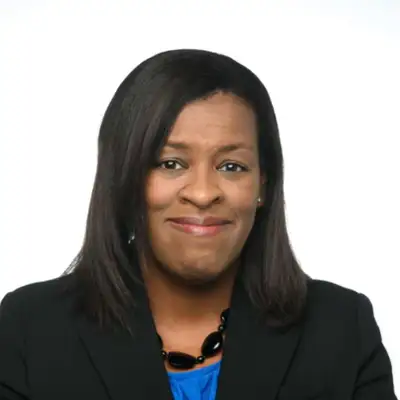
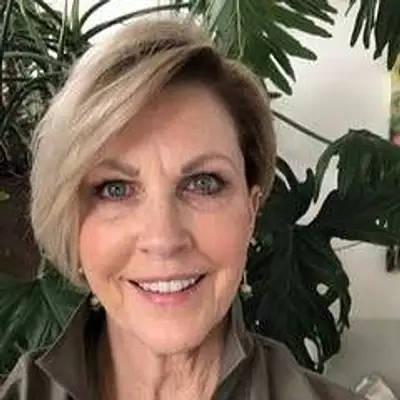
In this episode of The Real Retirement Show, hosts Yasmin and Kathleen are joined by Deanne Gage, a seasoned personal finance reporter for Globe Advisor. The discussion delves into the multifaceted aspects of retirement beyond finances, focusing on topics like evolving workmate relationships, family dynamics, loneliness, and the importance of having a plan before retiring. Deanne shares her insights from over two decades of reporting on personal finance, discussing the importance of understan...
In this episode of The Real Retirement Show, hosts Yasmin and Kathleen are joined by Deanne Gage, a seasoned personal finance reporter for Globe Advisor. The discussion delves into the multifaceted aspects of retirement beyond finances, focusing on topics like evolving workmate relationships, family dynamics, loneliness, and the importance of having a plan before retiring. Deanne shares her insights from over two decades of reporting on personal finance, discussing the importance of understanding life transitions, the varied visions couples might have for retirement, and how advisors can play a crucial role in helping their clients navigate these challenges.
00:00 Navigating Post-Retirement Friendships
01:26 Welcome to The Real Retirement Show
02:10 Introducing Deanne Gage
04:14 Unexpected Early Retirement
05:41 Realities of Retirement: Divorce and Aging Parents
09:58 The Loneliness Epidemic in Retirement
21:57 Advisors' Role Beyond Finances
31:08 Personal Stories and Final Thoughts
Real Retirement Video Podcast: Real Retirement - YouTube
Welcome to "Real Retirement," a groundbreaking podcast where your hosts, Yasmin Nguyen and Kathleen Mundy, delve into the multifaceted world of retirement beyond the numbers. This isn't your typical retirement discussion; it's a vibrant journey into what retirement truly means in today's world.
Each episode of "Real Retirement" brings you compelling conversations with guests who bring a wealth of expertise and authentic retirement life experiences. Our goal? To inspire and educate our listeners to approach retirement with intentionality and a broader perspective.
But "Real Retirement" is more than just a podcast. It's a community for those navigating the uncharted waters of retirement, whether you're just starting to plan or are already on this deeply personal journey. We explore a wide array of topics, including:
What sets "Real Retirement" apart? It's our commitment to authenticity. We bring you real stories from real retirees, discussing real challenges, surprises, joys, heartaches, and the myriad emotions that come with retirement. From addressing family dynamics to confronting identity shifts, we tackle the issues that truly matter to retirees.
Join Yasmin and Kathleen as they journey through the honest and often unspoken aspects of retirement. "Real Retirement" isn't just about ending a career; it's about beginning a new, exciting chapter of life with all its complexities and joys. Tune in and be part of a conversation that redefines retirement in the most real way possible.
In one of the things in my article that I mentioned was about workmates, because there are a number of people who figure well, I'll just get together with.
My workmates, like I did before, only I don't have the stress of the job anymore.
Not realizing that those were the things that binds, the friendship You're not in the trenches anymore, so you don't really necessarily relate to the same scenarios anymore.
So yeah, it's fine to get together with a workmate from time to time, but it's probably not going to be Often anymore.
So as you say, yes, you're going to have to sort of evolve and find other friendships.
Through volunteering, through shared activities, but that can be difficult for people too.
It's just, if you aren't really sure how to proceed with that, which is why it's important to have some sort of a plan before you even retire, if there's a hobby, for example, that you've always been passionate about and wanted to get off the ground, rather than waiting for retirement, not a bad idea to start right before, To make sure, in fact, that this is something that is going to keep you going for the eight hours a day, if you will, because maybe it's not your passion.
Maybe you're like, yeah, it's, it's not something that's going to sustain, right?
But if you start it before, maybe you start a network at the same time, get to know people.
And at least you have something to retire to.
Welcome back to the real retirement show.
My name is Yasmin here with my cohost Kathleen, whether you're retired or thinking about retirement, we delve into the multifaceted world of retirement beyond the finances.
This isn't your typical retirement discussion.
It's a vibrant journey into what retirement truly means in today's world.
We bring you real stories from real retirees and experts discussing real challenges, surprises, joys, heartaches, and the myriad of emotions that come with retirement.
From addressing family dynamics to mental and physical health to finding purpose, we tackle the issues that truly matter to retirees and those thinking about retirement.
today we have a special guest.
Our special guest is Deanne Gage and Deanne is a reporter for the Globe Advisor at Globe and Mail.
She has specialized in personal finance issues for more than two decades.
Her articles have also appeared in the Toronto Star, Morningstar.
ca, Chatelaine.
Is that right, Deanne?
Morning Sense and Today's Parent form and Advisors Edge.
So we're delighted to have you.
Welcome Deanne.
Thank you so much for being here with us.
Well,
here.
Deanne, we would love for you to share a little bit about your personal career journey and what's led to where you are today.
Sure.
thanks again for having me.
I have been reporting on finance, personal finance for the past two decades.
when I started covering the industry, I was pretty young at that time.
And frankly, the advisors were younger.
The clients that they were serving were very much in the accumulation phase of their saving, meaning they were saving up for retirement.
So a lot of the stories that I reported on at that time were about ways to make sure you have enough money to save for retirement.
Now, two decades later, what I'm finding is people have enough money for their retirement.
But they're not really sure of what retirement looks like.
that's such a big topic to these days.
we're so many of us are taking the time working with advisors to prepare.
That financial security piece.
But oftentimes we do overlook the life transitions that happen.
And I remember Deanna in a recent conversation, we had that, you're working on a special project right now where you're exploring what causes people to retire early.
could you share a little bit about that project that you're working on and what sort of insights you've discovered so far,
So back to even 20 years ago when I first started covering, retirement trends, at that time there was a lot of ads like Freedom 55, older couples on the yacht are, going to exotic locales.
Two decades later now, present day, a lot of people are retiring and a lot of people are maintaining that lifestyle, but there's a fair number of people who are not, who have been forced to retire early due to life curveballs that have happened.
By life curveballs, perhaps there was a divorce, which cut into their nest egg.
Perhaps there's, there were some health care challenges either with themselves or their spouse or even a child.
Perhaps there was a job loss of their adult child and they were called to help with, raising their grandchildren.
these are some of the issues that can come up.
And people are glad, obviously, to, to deal with these life curveballs as they come up, but at the same time, it's not the retirement that they envisioned.
Oh, and another big one is caring for aging parents.
And, A lot of people, decide to retire early and they think, okay, I'm going to spend some time caring for my aging parents, but I'll still have some time to do things on my bucket list.
But the aging parents, care is taking a lot more than they would have anticipated when they made the decision to retire early.
Deanne.
Some of what we're talking about are the realities of what the real retirement journey is compared to what they thought And what are the major differences when you have conversations with people, when you're interviewing them, if you could just share with us a couple of stories on what those might be.
Sure.
let's take divorce as an example.
perhaps a couple has been married a really long time and, Both spouses or maybe one spouse thinks that they are working towards the same page as the other spouse.
They assume they're going to retire together.
They have the same vision for travel or what have you, but maybe the other spouse feels the marriage has run its course, has a different vision completely.
I hear clients talking about being blindsided, by the spouse deciding to file for divorce.
I don't necessarily subscribe to that theory, but it may be more that they were working towards.
Different goals all along.
And they assumed that their goals were similar, but that wasn't really the case.
So, they divorce and there's less money to do what they want.
And suddenly maybe you can't afford to live in the city.
That you want in the house that you want, you have to downsize to a condo, perhaps you have to leave the city or a town that you've lived in your whole life completely just to be able to afford to have some semblance of a retirement.
Those seem like really impractical obstacles to overcome, and certainly it would shake your foundation if you found yourself in that position without having any communication.
No one wants to be blindsided at all.
So, can imagine how devastating that would be.
Another example would be, let's go back to the aging parents.
what I hear quite a bit is, just the.
vast underestimating of how much time it requires to be a caregiver to your aging parents.
Perhaps down the road they thought, I'll enroll my parents in a long term care facility.
Perhaps I'll get some help for them to offset the help that I am providing.
Both of those options are very expensive.
And frankly, it can be very hard, even if you can afford it, it can be very hard to find the right fit.
So a lot of people grasping with that as well.
yes, retirement isn't what I thought it would be.
I'm spending all my time being a caregiver.
when is there time for me?
That's something that I can so relate with.
I am part time taking care of my parents who are in their 80s as well.
And my sister, thank goodness, is just down the street and she, is incredibly supportive.
we've got doctor's appointments almost every week and there's also an emotional toll.
That, that happens along the way as, in addition to the time that, impacts our experience.
I know Kathleen, you've, taken on that type of role as well.
Yes, Yasmin, I have.
And I have to be really honest.
Looking at it, my background is business.
So for me, it's always bottom line and I'm always very conscientious of expenses and projections.
And we have been absolutely blessed because my mother in law is 96.
And in the journey that she's had with, a retirement home and consequential, changes, the cost, as you mentioned, is escalating each and every year.
And it's incredibly difficult to find a good fit as well.
So, those stressors, in addition to perhaps subsidizing some of these costs, um, can only add burdens and quite frankly I can see where, being very honest here, how that might accelerate the option of divorce.
because those are the kinds of things that come up unexpectedly, you don't necessarily plan for them.
yet those are things in life that you have to deal with and their responsibilities that I believe as a family, you need to, um, step into
Now, Deanne, I remember you mentioning in one of your articles that another challenge that typically comes up in retirement is the sense of loneliness.
And I was curious to learn a little bit more of why that was an important topic for you to cover.
And also, what were some of the key insights that you gained as you were researching and writing that particular article?
Yes, definitely a very key issue in retirement.
It tends to come about when you don't have a plan for what you want to do in the next chapter of your life.
There's a number of people who look forward to retiring.
They've worked their whole life.
frankly, a lot of them are burnt out and they figure when they retire, they'll figure out what the plan is once they retire.
But what happens is the days become weeks, which become months and years, and there's still no plan.
And meanwhile, years gone by, you've watched all the TV.
Maybe you've got together with friends for lunch from time to time, played the occasional game of golf or tennis or what have you, but you've discovered that the days are pretty long.
you have to fill a whole day and, work used to take up a lot of your time and it's, you have to have a plan to how you're going to fill up those 8 to 10 hours.
I found through my research that it was especially an issue.
For men, because what advisors have found is that women tend to keep up with friendships or family.
They were always the people who organized the social events in their lives.
And if they had a spouse, a husband, for example, the husband would just go along with whatever his wife.
Had planned, but what happens is, especially if the man is now divorced, now widowed, there's no one there to really fill that role anymore.
And they, they just have to have issues with how to plan with that.
Because the other thing is that they may be very, Good at getting together with friends through like minded activities, say, golf, tennis, hockey, sports.
But one thing that advisors found is that's only good for so long because when your body catches up with you as you get older, maybe you can't do those activities with any other people.
Real frequency anymore, and because the friendships in those cases was based around a shared activity.
They didn't really go deeper than that.
So there's no really, there's no real glue to keep it to keep things together.
I can imagine that when we're in our careers and work or work world, that there's this constant flow of new potential relationships that get developed.
There's, ways to meet new people and get introduced to different circles as well.
But once we've stepped out of that particular, phase, it seems unless we're proactive about getting out there and meeting new people, slowly as, like you mentioned, our bodies start to decline and we're withdrawing from some of those activities, we're finding out our circles continue to get smaller And we're not replacing or at least, introducing new relationships in our lives.
In one of the things in my article that I mentioned was about workmates, because there are a number of people who figure well, I'll just get together with.
my workmates, like I did before, only I don't have the stress of the job anymore.
Not realizing that those were the things that tie the binds, like the ties that people, the basis that kept the friendship going, if you will.
You're not in the trenches anymore, so you don't really necessarily relate to the same scenarios anymore.
So yeah, it's fine to get together with a workmate from time to time, but it's probably not going to be Often anymore.
So as you say, yes, you're going to have to sort of evolve and find other friendships.
Through volunteering, through shared activities, but that can be difficult for people too.
It's just, if you aren't really sure how to proceed with that, which is why it's important to have some sort of a plan when, before you even retire, if there's a hobby, for example, that you've always been passionate about and wanted to get off the ground, rather than waiting for retirement, not a bad idea to start right before, To make sure, in fact, that this is something that is going to keep you going for the eight hours a day, if you will, because maybe it's not your passion.
maybe you start a network at the same time, get to know people.
And at least you have something to retire to.
Deanna, one of the things you mentioned a little while ago, fell into what we call and categorize family dynamic when all of a sudden children return home or you're faced with the need to, help With child care, grandparents helping with grandchildren, how do you, or how did you find, the conversation evolved when you were doing research about that particular aspect of the retirement journey?
Yeah, it's funny.
Many advisors mentioned that with their clients, there was a great divide between, mothers and fathers, especially, uh, mothers wanted to financially help their adult children.
They wanted to take a more active role in the grandchildren's lives.
Not to say that the fathers didn't want to do that as well, but it wasn't.
Necessarily a primary focus for the fathers.
They still wanted to take that big trip and they saw that as more of a priority.
whereas if, children needed the assistance, they were willing to do it, but not only to a certain extent.
So that also raises a good point of another article that I did, which looked at couples.
And they're differing views of retirement and what they like, what it looks like.
And that's one of the examples of that.
What were some of the differences that, that you discovered as it relates to the, their visions for retirement?
So okay, grandchildren would be one.
The biggest one would be when to retire.
So you may have a situation where one spouse wants to retire yesterday.
Another spouse perhaps is really still going strong in their career and it's not just not ready.
The one spouse retires, the other still keeps working.
What's that dynamic look like at home?
Who's responsible for household chores during that time?
Issues like that.
Should even if both of them do retire, perhaps one of the spouses was, The one that was responsible for household management for, uh, the duration of their marriage.
So both spouses decide to retire.
There's still that household management piece that has to take place.
Is it a much of a retirement for the person who always managed that if they're still doing it all?
these are real issues that come up with people and they're not discussed or they don't tend to be discussed until you're in it.
And if they're not resolved, then.
It could lead to divorce.
Well, Yasmin, do you recall when we did a focus group, this exact circumstance was highlighted by one of the attendees.
And, brought every point that you've just made to light at that time.
And it's absolutely consistent with what their feeling was precisely.
Yeah, when we're not having these conversations, there's these expectations in each partner's mind that can be conflicting as you shared there Deanna and that causes an You know the con conflict and a lot of times I would imagine sometimes we're not equipped with how to have those types Of conversations with each other
I would concur with that.
we're not equipped with it at all.
And I think for so long, consciously or not, we been bombarded with those ads of that couple on the yacht, on the dock, in that fancy locale.
And we thought, subconsciously, this is what life will be like, but the reality has been, um, a lot of life curveballs and frankly, a lot of, internal conflict among spouses, trying to make things work.
In their next chapter with each other,
And I, it's interesting.
I had a conversation at a social setting last evening and exactly this happened as well, because one partner was able to retire and yet the other partner said, Whoa, I'm not even close to wanting to retire.
So there was a real.
I don't want to say push pull, but it was a stumbling block that, my question to them was, how do you see it resolution happening?
And they just didn't want to talk about it.
They were just going to let it try and work itself out.
Have you ever found with your research that was a successful outcome?
there does come to be a breaking point at some point, because if issues are left to fester, may not be right away, might be a year or five years down the road.
But I feel like they would need to have a discussion with somebody, whether it's not the advisor or counselor to help them work through the issue.
But I feel like it's only now where people are starting to talk more about these types of issues.
My loneliness was something that I feel it's not a new issue, but it's being talked about a lot more, in general, it's been called the silent killer.
For example, it's not just about retirement.
It's about as you get older in general, just people are more isolated and.
That has a direct impact on your health and also it has to do with, demographics.
For example, there are more one person households than any other kind of household in Canada right now.
That's at around twenty nine, thirty percent of one people living alone.
so those networks, those, networks, that sense of community become very important.
That, there's been so much scientific research that where it has even articulated that, loneliness is becoming a prevalent epidemic that we're facing in society.
and sometimes it's not just about.
The number of people that we have around us, but I've even experienced situations where you're surrounded by people, but you still feel lonely because there's a lack of intimacy or a deeper connection and understanding of perhaps what you're going through.
Is that something that you've discovered as well, Deanne?
Absolutely.
Finding that deeper connection with somebody, especially later in life.
It's very difficult.
Both parties have to be willing to put the work in and not everyone is.
And so that definitely can lead to that feeling of isolation.
I'm curious, Deanne, you've spoken with a lot of Advisors and professionals.
And what role do you see that advisors can play in order to support their clients, in this transition or this journey beyond The financial or the planning piece of, their relationship.
Advisors have started asking more deeper questions of their clients.
In the past, I feel it was more about getting them to the retirement phase in terms of the actual having the money in place.
Now that the money is in place, there's a lot more questions, such as what do you, how do you plan on spending your days in retirement?
And if they don't have an answer, trying to drill down.
There are also more advisors that are arming their, their directory with counselors, life coaches, relationship coaches, in addition to the more, tried and true accountants, lawyers, just to make sure that they have people that, their clients can talk to.
I really feel that there's a shift and they understand the importance of these issues because if you don't address them, your retirement is going to be miserable.
And I think everyone wants to have something that is successful.
And yes, you may have to deal with life curveballs in your retirement.
But if you can have at least part of it be enjoyable, seeing your friends, going on the occasional trip, pursuing that hobby you've always wanted to do.
And that's a good thing.
It's not always, it's not always easy, but what
To the point of having, I guess a team behind a financial advisor or money manager, and you suggest that they are looking now for transition coaches or other helpers that might work with their clients.
Do you find it to be an easy process for them to find these solution providers or these coaches?
Yes.
Absolutely.
Absolutely.
Absolutely.
Absolutely.
What is the temperament in that space right now?
a word of mouth type of situation.
So there may be clients who have worked through issues such as about isolation, conflict in the marriage, and the advisor may ask that person for a referral of the professionals who helped them, just somebody to add on the directory.
There's a lot of that kind of thing that may take place.
As well, they may know of them as well, but it's a bit of give and take.
To be honest, I
Deanne, Kathleen and I had spoken with a number of different advisors and, especially in our field of work here, and it's been an interesting observation that, the, there is a curiosity and there, for a select number of advisors, there's adoption around this more holistic, non financial relationship with their clients.
But what we've observed is that it's still an emerging market.
There's still a lot of folks that, are still hesitant to, have these types of conversations with your, their clients.
And I'm curious from your conversations, What are some things that hold advisors back from crossing that threshold and having that deeper life planning conversation with their clients?
think that if you're an advisor who mainly earns your income by selling product, then you're probably going to be focused on the assets directly, the accumulating, and maybe strategies for withdrawing the money in retirement.
However, if you're a comprehensive financial planner, perhaps you're paid by the hour.
Thank you.
Or you're paid a percentage of the assets.
There's room in there for, like advice is, it has, maybe has nothing to do with money at all.
It may have to do with, may have to do with life coaching, may have to do with taxes.
It may have to, that's part of the reason why people pay for professional advice.
It's not just about gathering the assets.
And ensuring you have enough.
It's about, I'm lonely and I have no idea what I want to do in retirement.
Is there somebody I can talk to about this?
Do you have any suggestions for me of seniors groups that I could meet with?
I could talk, you could talk to your advisor about that.
And they would be getting paid by the hour or what have you, but they would be giving you invaluable advice as invaluable as if they were recommending a particular product.
it's still advice.
imagine that there's an opportunity to realign some of the reward and incentive structures for organizations to reinforce, or at least incentivize, these types of conversations.
and I would also imagine that in doing so it impacts businesses in a positive way, whether it be deeper connections, more referral, retention, and other ways that actually also affects the, the bottom line of the business.
I think high end advisors are definitely having these conversations because they get it.
They want to understand their whole clients.
They understand an engaged client is a good thing.
An engaged client is going to be a happy client.
Happy client is going to sing your praises as an advisor.
They are going to refer you to other people and say, look what an advisor did for me.
And it may have nothing to do with money.
It may have to do with a referral to a life coach that changed that person's life and made them have a more successful retirement.
Oh, I have a quick question then about that.
Just exactly the situation.
If I was a client, what questions would I ask if I were interviewing advisors?
What questions might I pose to ensure that I found someone that would fulfill those needs?