Subscribe
Share
Share
Embed
Welcome to the Maffeo Drinks Podcast! In this episode, I'm joined by Andrew Friedman, renowned bartender and ex-bar owner (Liberty, Seattle, WA) and the Founder of Industry Spirits, a Bartender-Owned Brand.
We explore the history and evolution of Seattle's cocktail scene, emphasizing the importance of customer service and the changing landscape of the bar industry.
Andrew shares his journey, insights into bar culture, and the challenges bartenders face as they transition to roles like brand ambassadors.
Whether you're a bar enthusiast or an industry professional, this episode offers a fascinating look into the dynamics of bar life and the dedication required to succeed.
Time Stamps
00:00 Welcome and Introduction
00:27 Guest Introduction: Andrew Friedman
02:50 Andrew's Journey in the Drinks Industry
04:29 The Seattle Cocktail Scene
07:23 The Evolution of Bartending
11:10 Balancing Stardom and Service
16:42 Career Reflections and Industry Insights
26:36 The Future of the Drinks Industry
32:16 Closing Remarks
About The Host: Chris Maffeo
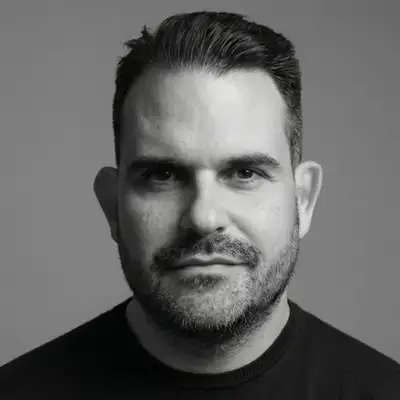
About The Guest: Andrew Friedman
Welcome to the Maffeo Drinks Podcast! In this episode, I'm joined by Andrew Friedman, renowned bartender and ex-bar owner (Liberty, Seattle, WA) and the Founder of Industry Spirits, a Bartender-Owned Brand.
We explore the history and evolution of Seattle's cocktail scene, emphasizing the importance of customer service and the changing landscape of the bar industry.
Andrew shares his journey, insights into bar culture, and the challenges bartenders face as they transition to roles like brand ambassadors.
Whether you're a bar enthusiast or an industry professional, this episode offers a fascinating look into the dynamics of bar life and the dedication required to succeed.
Time Stamps
00:00 Welcome and Introduction
00:27 Guest Introduction: Andrew Friedman
02:50 Andrew's Journey in the Drinks Industry
04:29 The Seattle Cocktail Scene
07:23 The Evolution of Bartending
11:10 Balancing Stardom and Service
16:42 Career Reflections and Industry Insights
26:36 The Future of the Drinks Industry
32:16 Closing Remarks
About The Host: Chris Maffeo
About The Guest: Andrew Friedman
The MAFFEO DRINKS Podcast is a leading drinks business podcast delivering actionable insights for drinks leadership.
For founders, directors, distributor MDs, and hospitality leaders navigating the tension between bottom-up reality and top-down expectations.
20+ years building brands across 30+ markets. Each episode features drinks builders: founders, distributors, commercial directors, sharing how the drinks industry actually works. Not the conference version. Honest conversations.
Insights come from sitting at the bar.
Beyond episodes: advisory for leadership teams, subscription with episode deep dives and principles to navigate your own reality.
Beer, wine, spirits, Low and non-alcoholic.
Bottom-up Insights & Episode Deep Dives at https://maffeodrinks.com
Welcome to the Maffei drinks podcast. I'm Chris Maffeiro, your host and fellow drinks builder. I'm really honored to have you as one of our listeners from 111 countries. A small ask, if you enjoy the show, please leave a review and share it with others in the industry. Visit mafelldrinks.com for free resources, premium content and episode transcripts.
Chris Maffeo:Now let's dive into today's episode. Hi, Andrew. Welcome to the Maffedrix podcast. It would be a very interesting conversation because we'll have a couple of different topics to to discuss. But, you know, what I want to give people, I mean, for those who don't know you, I mean, like, it's quite a global reach of a podcast.
Chris Maffeo:So I'm sure that the the American crowd will be more familiar with you, but the other people probably not as much. So give me an intro about, you know, who you are and your brief history in the
Andrew Friedman:So my name's Andrew Friedman. I'm living in Seattle, but originally from Cleveland. Cleveland for you. Europeans out there is a city that you'll never go to, so don't worry about it. It's got the rock and roll whole thing.
Andrew Friedman:I moved out to Seattle in 9091, and it was just before Nirvana came out. In Seattle, there's this generation of people before and after the the record Nevermind came out. And I was I was here two months before that. So I got in. I worked in the clubs, and I've always worked in restaurants and bars, cooked, and worked, you know, as in Seattle in those years, everyone worked in a club.
Andrew Friedman:So you one way or another, you wanted to be around where all the music was. So I worked a few clubs. I ran some production companies or worked with some production companies. And, eventually, being a person that stays up late, when you do that, you're up till 4AM every night. Seven days a week, pretty much.
Andrew Friedman:You know, there's there's parties or there's shows. And so, eventually, at one point or another, I I started a coffee company and started a second coffee company. And the long and short of it is eventually I opened in 2006, a bar called Liberty, which was supposed to be just a cool neighborhood bar. I didn't drink a lot. I just opened a bar because I thought I the coffee thing wasn't fun enough.
Andrew Friedman:So I I opened a bar, and I very quickly found out I loved everything about spirits and confidence. Who knew? I remember the day that I had my first glass of whiskey. I really liked it. I thought something there's something to this.
Andrew Friedman:This is this is pretty amazing. And so at Liberty, the long decided I don't wanna go through the whole story, but we eventually were at a really good time. This is something we could probably chat about is that Seattle in 2006, 2010 was when the cocktail thing really started. It hadn't started yet. In Seattle, there's a couple great bars.
Andrew Friedman:There's Zig Zag. There's a place called Vassal, which is which is where J. D. Boudreaux, who now owns Canon, got started in Seattle. And we started to figure out that this cocktail thing was pretty fun.
Andrew Friedman:Now in Europe, you guys were doing a lot of fun stuff for a long time. We we caught on. The Japanese were doing ice. We we brought that over here, and we were one of the first places in the country. It's maybe one place in couple places in New York doing it, melting honey and such.
Andrew Friedman:We're, like, making big blocks of ice and cutting it up. But we kind of had our own thing going on. And in Seattle, where the cocktails went crazy, where the spirits became our our religion, really what was the main driver of the Seattle cocktail scene was how we had a unique view of our customers. There was a fellow here named Murray Stenson, and Murray was a famous bartender here in Seattle because he was just the best. Murr the blur.
Andrew Friedman:He would remember stories were that you came in once and you had a cocktail, and three years later, you'd come in to his bar again. You were in town. You're traveling, and he'd say, hey. You want another Negroni? Or he he remembered what she had.
Ben Branson:Wow.
Andrew Friedman:There's something special. Yep. It was amazing. And there's something special about what he did that made all of us say, okay. We might love to get this special whiskey up on our back bar.
Andrew Friedman:But in the end, it was about the customers. Such an incredible natural evolution of how Seattle grew because of Murray, where we go to other cities.
Ben Branson:We go to LA.
Andrew Friedman:We go to New York. We go to Chicago. We go to Toronto, Vancouver, and we get all this amazing information of what they're doing. They do things differently. When we come back here, it always came back to the same thing.
Andrew Friedman:We would absorb all of that, whether it's the ice, whether it's the mixing techniques, whether it's the science that Dave Arnold in New York figured out. But in the end, we came back here. But most important thing was no matter how you took all that fun stuff, in the end, was the person in front of you. Service first. Taking care of the person in front of you became our unrecognized specialty.
Andrew Friedman:We had great bars, world class bars. But in the end, Chris, it was really we developed an unintentional priority of making sure that the customer's happy. It was a great way to subvert our ego. And just, you know, if someone's having a good day, then we have a better day. If someone's having a day that they need to just sit in quietly, we learn to recognize that.
Andrew Friedman:And that was really the secret to Seattle in those days.
Chris Maffeo:Wow. Wow. Well, you see the development. I mean, now it's basically like twenty years on. You know, like how how do you see things that have changed and have developed?
Andrew Friedman:For years and years, we had Tales of the Cocktail, and Murray won best bartender. His bar, Zig Zag, won best bar. It ended up being a detriment to him and to the bar because it got so crazy that just he couldn't keep up. He was, you know, he's an older fella. And over the last years, the the bar star element really came in, where we would develop great bartenders with these great skills of mixing, of creating, of of being great with people.
Andrew Friedman:And one by one, they'd get picked up by the big brands. At Liberty, all of our bartenders, we started a bartender would start doing coffee during the day, and weren't a bartender, obviously, so they'd make coffee around the day, but they'd make all of our own lotions and potions and all the cool stuff that went in our drinks. They learned to do that first. They do that for a year and some. Then they'd move on to do bar back when there's space, and they would learn more about how to mix drinks, how to set up the bar, how to be behind the bar, how to react with your customers, how to recognize what customers want.
Andrew Friedman:And that would be a good year, two years at least before so moved on. But eventually, all our bartenders started getting stolen by other bars. So they'd get stolen by bars in Seattle, all the best bars in Seattle, best bars in Chicago, Emory, New York, Los Angeles. And we realized, well, we're doing something right here, but we're losing all our best people because we we train them really well. And what happened is is people would forget the lessons we learned here in Seattle, which is that the person in front of you is your priority, not my day.
Andrew Friedman:And I think that's been lost quite a bit because people now are trying to become great bartenders, you know, to win the awards and to get the jobs, which I don't blame them, which is something I'd like to talk about is the the progression of a of a bartender's career. The bar start thing, we helped create it, and it's turned into a bit of a golem. It's trying to come after us a little bit. It still exists in Seattle. We still remind ourselves to to be humble a little bit and and enjoy what we're doing.
Chris Maffeo:Oh, that's beautiful. That's beautiful. No. I mean, like, it's it's it's very it's very interesting what you're saying because it's it's something that I'm talking about and and thinking, like, during my analysis and developments that, you know, I I feel that sometimes in some cities as well, there's this kind of, like, rush. I mean, like, you what you were saying, it it looks to me a bit like a football parallel, you know, like, I mean, soccer parallel, you know, like the the youth team.
Chris Maffeo:There are some smaller teams in Italy, for example, you know, that they are known for being the youth. You know? They are harvesting the nice talents, you know, the young players, and then they go to play for Juventus or, you know, Roma or Milan or whatever. No. But some of them kinda, like, get burnt because they move too fast.
Chris Maffeo:They didn't do enough bench and, you know, and
Andrew Friedman:the syringe develop.
Chris Maffeo:They they don't develop. I I I remember in the nineties when I was more of a hardcore support and not a not a hooligan, but, you know, I was really into soccer. And, you know, you could see these players coming in and, you know, spending years on the bench. You know, they would come in for the last twenty minutes, maybe every match, and then they became the regular ones. And then then they were suffering to become a captain or and there's let's say there's no right or wrong, but it's also a matter of like what you're saying, what I like, what you were saying about this customer.
Chris Maffeo:We always talk about customer centricity in building brands, but sometimes it's like, where do you draw the line between being a star and being somebody who's who's serving? I mean, because it's like bartending. That's what the world is about. No. So it's it's that kind of level in which, like, okay.
Chris Maffeo:Did I come to watch a show or did I come to have a good time in your bar and feel at home or or get an experience?
Andrew Friedman:Well, Chris, it should be both. Again, I can only talk about my bar. The fun stories is I handed it off to them. After twelve years, I had done enough. So one day, I sat them down.
Andrew Friedman:We did this thing every Tuesday. Was called training Tuesday. And bartenders from all over the city would always they just knew they could just come by at 11:00, and we'd have lunch for them. Our brand would be there to do something. Every brand that came up in America started at Liberty because Seattle was one of the the markets where they wanted to start.
Andrew Friedman:But a lot of our trainings were about service. And one thing that we always talked about a lot is that you can do both. You could be a bar star. You could in fact, people come to a bar. We were, like, a neighborhood bar that did cocktails and sushi, but, really, we were just a fun bar.
Andrew Friedman:And we always said people don't leave their house to drink to have some grumpy person in front of them barking around them. So people come for a show. They come for the energy. They come to be made happy. And and consciously or subconsciously, you have to figure out every person, what do they want?
Andrew Friedman:There's a famous restaurant in Northern California, Southern Southern Oregon. And when you walk in, the person that meets with you puts a boutonniere on your your jacket of a of a carnation of a different color. And what they do is that the first person talks to you and judges what your mood is like. So if you're in a good mood and they think that you want to be talked to, they give you a red. If you're kind of somber, they give you another color to your and they figure it out.
Andrew Friedman:So that way, every person in the restaurant is able to say, okay. This person wants to be talked to. This person does not. And we kind of developed a way to do that to figure out how to get the word around that who what do people want? And it was it was something how we spoke to them.
Andrew Friedman:So, Chris, if you came in, you're in a good mood, I would talk to you. I would say something. I would have a conversation while I was doing something, and a person the people around me would notice, okay. Andrew is talking to that person. So that means he's signaling to the rest of us.
Andrew Friedman:This person wants this type of interaction. If I see a bartender, someone down the line who's quietly working with someone, that's also another recognition that, okay, that person maybe does not want a lot of conversation. Maybe they wanna watch you. They just wanna drink their whiskey. So, really, the goal when we're creating this avenue, this environment in Seattle is to kind of figure out how to allow ourselves to have fun, allow ourselves to have barstars, but at the same time, we are not.
Andrew Friedman:In the zoos, the lion is not the boss. You wanna look at the lion and, like, oh and ah, but in the end, person watching the lion, they're the boss. They're the ones that are paying the bills. And so we really were worked closely to educate ourselves on how to give that experience and learn how to work together, which is why Liberty worked for twelve years, frankly, and still going. It still has not closed one day since 2006.
Andrew Friedman:Has never been closed through COVID, never closed once. We're the longest running bar in Seattle. Wow.
Chris Maffeo:Christmas and New the secret.
Andrew Friedman:You know, Chris we knew by the third year, we was gonna come in every Christmas. We was gonna come in every Thanksgiving. These are people without families. These are people that needed to be out of their house. We were there for them every single day.
Andrew Friedman:Every single day.
Chris Maffeo:That's beautiful. That's beautiful. Yeah. It it reminds me of my days in Antwerp in Belgium when I did my thesis. I I moved there for a few months to write my thesis on the Port Of Antwerp.
Chris Maffeo:The interesting thing was that it was on the Central Square, the Grote Markt, you know, the the Central Square Of Antwerp. And there were like couple of bars in a row, you know, Irish pubs. And I I didn't have any friends. I didn't know anybody. So I walked into this Irish pub, and then I sat there.
Chris Maffeo:And then there was some live music, like an Irish band playing on a Sunday night. I remember. And the bartender was Hillary, which is Canadian. Like, we're still friends. She started introducing me to people, you know, to regulars.
Chris Maffeo:You know? And then that became my home, basically, in Antwerp. Know? I didn't know anybody.
Andrew Friedman:Ago was that?
Chris Maffeo:That was 2006. 2005.
Andrew Friedman:We're talking about one bartender. Yeah. Just because of who Hillary was. Yeah. She was able to make such a huge mark on your life that still we're talking about it right now.
Chris Maffeo:That's wonderful. Yeah. In a way, she changed my life. No? Because I took a different path, then I met my ex girlfriend, then I moved to Finland, and then the rest is history.
Chris Maffeo:You know? And then I'm here in Prague. It's interesting because, like, it was the way how a bartender could read the room. And the beauty of that was that, I mean, I didn't technically I didn't have phone numbers of anybody in that city. You know, we would just go to that bar and meet people.
Chris Maffeo:You know, I would go there any time of the day, and it was always open. No closing day. And there were like three bars in a row. So you would basically go and meet people. You know, maybe you walk into the other And then if they're not there, they're in the other one, and then we will move to the first one and so on.
Chris Maffeo:So that's the power of this kind of like neighborhood bars despite, I mean, this was in the center of the city, but it doesn't matter. But interesting, like what what the on trade can do and we forget about it, you know, like now we see it as a money making machine or but there is a place in the the society for for this kind of venues that, as you said, I mean, people without a family, people that had an argument at all and want to go out. Right. It's a safe haven for a lot of people.
Andrew Friedman:Absolutely. The people who listening to this right now, they have found their way listen to this because they have that path will sound very familiar to them. For some reason, they have decided that this is an interest of theirs. My interest happened because I had gotten fired from every job. I didn't quit first, so I had to open my own businesses.
Andrew Friedman:And I found I loved this industry. I loved the people I loved. Still to this day, as I go around and I do other things, I've started other businesses. But some of my favorite people are the people that choose to be in this industry. So if people were listening for whatever reason, I was when you got here, we all, for one reason or another, have have our personalities, how our brains are designed.
Andrew Friedman:We found our way here. The drinks industry has figured that out, and that's a whole conversation because the people who listen to this, the people who are out there interested in the bars and spirits industry are the, in many cases, the tools that allow the big corporations to be able to grow brands. That day in 2006, when you're going between those three bars, Campari Group, a, didn't exist as it does today, and, b, they didn't know how the power of those three bars, the power to get those people that that are dedicated to just enjoying themselves from those three bars to then promote their products one way or another. And the bars figured it out, and the the big brands figured it out. And meanwhile, a lot of us just enjoyed our going to three bars, science behind it.
Andrew Friedman:We help create unknowingly.
Chris Maffeo:It's very interesting also that this kind of like sliding doors kind of thing, you that, you know, I I remember I was counting for the beer industry. I had left. I had just opened my business and I didn't know anybody in in the spirits world. I mean, I knew people, but nobody listened to me in the spirits world. You know, I was the beer guy kind of thing.
Chris Maffeo:I still remember when Paul Letko in one of those rooms on Clubhouse, You know, I was just listening, and then he just said, like, hey, Chris. What's your opinion about this? And I was like, who who is he talking about? Is he talking about me? And then I just, you know, I just said something, and I had no idea what you know, because it was very American driven.
Chris Maffeo:It was like, you guys were all Americans and talking about the craft spirit scene.
Andrew Friedman:Paul was the the founder and distiller for Hugh Spirits. Yes. And that he's such a good guy. He's very inclusive. So I can imagine I can that moment, I can just picture.
Chris Maffeo:Yeah. And and I mean, we're still in touch with Paul. Like, you know, like, we are riding every month at least. Like, we we ride next to each other. And and it's very interesting because sometimes it's this kinda, like, opportunities.
Chris Maffeo:You need to see this put in the door kind of opportunities and then how you grow within the industry. Know? And I talk a lot about bartenders wanting to become brand ambassadors or brand managers. Brands wanted to understand better how to work with bars. In the end, and I I remember like in it was in bar BCB Barconvent when two years ago when I was with Alex O'Ziel, my friend from Nove Di Dante, Vermont.
Chris Maffeo:And we entered this after party, And then we looked at each other and we and we saw all this bunch of like different kind of people in this bar. And we said like this is the example of how the drinks industry, like from a brand perspective, and the hospitality industry are actually two sides of the same coin, but it's not the same side of the coin. You know? Yeah. They talk to each other.
Chris Maffeo:They have a counter in common. But in the end, they are two different worlds. You know, the worlds of bartenders and the worlds of brand, kinda like corporate people. How do we manage to do this translation that makes the beauty of our industry?
Andrew Friedman:It is. You said it earlier well when you've talked about how the captain on a football team would be a three year player. Where before, it'd be someone who played for five to seven years and struggled to gain respect and whatever it took. That's a big job. And now someone maybe someone who's got a great personality, they might be great.
Andrew Friedman:They haven't spent the time, like in the court, what you're saying is at those events, you'll see where bartenders have been around for three or four years and done some notoriety, and they're being celebrated. And I love it, in one sense, because it's good to see someone's, you know, hard work. But on the other hand, most of the time, I found that they're not quite ready because it takes a lot of time to figure out how to not just make the drinks and be a great person behind the bar, but it takes it takes that time to learn how to handle it. Our bartenders, a lot of us have big egos. That's that's why in some cases, many cases, we do it.
Andrew Friedman:We like being behind the bar. We like having a stage in front of us. I remember I I did a cocktail contest I won in the the finals where at Death and Co in New York City. It was a packed bar. Was the old packed bar downstairs, big wood bar.
Andrew Friedman:I realized then this is I don't wanna do this anymore because literally, it turned into a stage. I do I do tastings. I do I go to tales on other places. I I do speeches to people, but this is when I turn in some sort of entertainment. As you're saying, when you're at those parties and you're saying, this is very different.
Andrew Friedman:This is an entertainment event. This is no longer bartender.
Chris Maffeo:That's very true. We discussed now, like, and, you know, I had announced that the podcast was was gonna be in video as well. And I took a step back because at some point, I started to realize it's like, it starts to be become like a a video production type of company, and that's not what I wanna do. I'm not an influencer type of guy. You know?
Chris Maffeo:Like, I'm I'm doing a podcast.
Andrew Friedman:Not to be. Choose not I Yeah. I choose not
Chris Maffeo:Yeah. But I choose not to to be. But it's a thin line because you can develop and if you don't have a clear brief in your head, you know, it's very easy to take a step because then I I get a feedback from you as like, you should do videos. And then from another friend, oh, you should do video. And then I was like, yeah, I should do videos.
Chris Maffeo:And then and then all of a sudden it becomes a video making kind of machine. And nothing against videos as such, but it's just like if you start to become that kind of production company, then it's not exactly what I want to do now. It's also about like choosing your path and also getting the guidance from outside. And I remember like myself, I've been dreaming of being a director in a big company. And then I still remember that day, February 2739, I still remember, at the Nasdaq closing bell with Casberg, with the CEO and with all the media and everything, you know, we we did the closing bell.
Chris Maffeo:And I realized I was like, is that it? I'm not that type, you know, wearing this suit. You know, sometimes it feels like you tick the box and it's okay. I've done it. Now I proved it to myself, but this is not what I want to do.
Chris Maffeo:I want to work with different kind of people, smaller brands. Sometimes you have to hit that wall to realize that or get the guidance from people that will spot it. Like, the the example of the person at the door spotting your mood and giving you that tag.
Andrew Friedman:Yeah. Can I give you another example of my moment of that? And so and I'll explain why I'm gonna say it. Is that here in the in the Southern States, United States, they have this saying called lose their religion. What it means is if someone loses their interest in something and I lost my religion.
Andrew Friedman:I remember the day for spirits. You know, for a long time, we all lionized these brands, especially Pappy Van Winkle. Everybody wanted that Pappy Van Winkle burger. We had lots of it because we were a whiskey bar, and the distributor liked us. We started getting a lot less and less of it, but we we craved it.
Andrew Friedman:And bottles were worth more than gold to us. And I remember looking, so I was an errand guy also this is years ago, and I saw that happyvanwinkle.com was available. So I took. I quickly took it, happyvanwinkle.com, and I called up I got in touch with Julian vanwinkle, the nephew of the guy that started, I believe. And I said, Julian, just wanna let you know, have you and winkle.com's available.
Andrew Friedman:And he said, well, do you want it? And we he just was basically disinterested. He said, sure. I'll have I said, I don't even
Ben Branson:he said, don't what to do with this.
Andrew Friedman:He just send your tech guys, give me a call, and I'll transfer. And he said, oh, okay. And I said, I don't want anything for this. I'm just giving it to you. If you wanna happen to throw me some more bottles at me, I'd appreciate it.
Andrew Friedman:So he sent me some peppy rye, which state took most of it anyway. But through this experience and also with talking to other brand people, exactly like your Nasdaq moment, I I figured out that the people who own these brands, this stuff that we lionize, that we put on a pedestal, to them, it was just a widget. Business school, they teach about widgets. Widget is any product and how you sell a product. And to them, it was a widget.
Andrew Friedman:It was some beer that they distilled and they stuck in a bottle and crazy people are paying thousands of dollars. And I realized, why the hell am I this moment you had also. Why the hell have I worked so hard to get here? And it's like Oz behind the curtain. You get there and you realize this isn't it.
Andrew Friedman:This isn't what I wanted. I'm not feeling what I thought I feel. And a lot of people get to there. What I would say to you though is that it's like the people who spend years and years making their bar perfect, and they will spend a decade focusing on every little tiny thing in the bar, you know, realize a decade later that they're still making, you know, fifty, seventy, again, year, a $100 a year because a small bar, twenty, fifty people can only make so much money. And I try to say to people now, please pay attention to the next ten years because what you want today, I guarantee at ten years from now, you're going to want something different.
Andrew Friedman:You wanted to stand in that Nasdaq spot. When you got there, you said, what the hell, man? This is okay. This isn't it. You wanna start a podcast and do video, and you realize, well, I don't wanna do video.
Andrew Friedman:I like what I'm doing now. I don't wanna get involved with the whole production. And what I would say is I like the audio. I love it. The question I have, and I can interview you, is where is the industry going?
Andrew Friedman:Ten years from now, will audio be still the place to allow you to do what you want to do to continue to bring all this amazing information? I'm not suggesting you turn into a video editor, but that is what the bar world is also like is where you spend years and years developing your craft. And at some point, you have to say, okay. These are talks I used to give is please figure out where you wanna be in ten years. Literally, write it on a piece of paper.
Andrew Friedman:I want to be x and figure out how to get that because a lot of young bartenders wanna be bar stars, they wanna be bar owners, and they wanna own brands. But there's a path to doing that. It's pretty specific no matter what it is. But getting to that is the real life stuff. Have to if you're a run old marathon, you know, you have to actually start running every day.
Chris Maffeo:I think this is one of the most overlooked things, I mean, in life, not not even in the in our industry. It's like, you know, like all this kind of like job progression. You want to discuss like career progression and these kind of things that I always say, be careful what you wish for. Because I'm having some interviews on behalf of a company of a client of mine, and the people that are applying for that position might question tomorrow. I mean, it would be released later, so whether we'll not find out until I I post this.
Chris Maffeo:Why
Ben Branson:do
Chris Maffeo:you want this job? Is it like a salary thing? Is it like a an ego thing that should become a a director? What is it? Why do you do it?
Chris Maffeo:Like, do you like because you can take different path and different thing. And this what I always say to people, let's say bartenders, they want to become brand ambassadors or or vice versa, you know, brand ambassadors that want to become brand brand managers.
Andrew Friedman:You know,
Chris Maffeo:I've seen so many people getting burned by not going for what they're good at, but going for what they thought they would like and then they don't like.
Andrew Friedman:Know, 100% they spent years getting there.
Chris Maffeo:Do you know that you're going to spend your days, you know, like on on Excel sheets and PowerPoint presentations? You know, like you are a a super tattooed, you know, like cool dude working behind the bar, living life and, you know, being creative. And then you're gonna be sitting in an office.
Andrew Friedman:You have those 08:00 meetings.
Chris Maffeo:Editing PowerPoint presentation, back to back meetings. Is that what you want? I'm not saying you don't want it, but ask people what what is it gonna be allowed, you know, about. No? And and this is the Well,
Andrew Friedman:that's what's so great about your podcast, Chris, is you have those people talking about there. For the people listening, I hope they listen to a whole bunch because that is such an important thing to talk about how we will succeed and how we'll grow in our lives. And I'm gonna keep saying this but people listening, I hope when they get up, conversations like this is they can think about if I'm working behind the bar, do I I wanna be a brand manager. Wanna be those cool people that come by with their credit cards. But what does it take to do that?
Andrew Friedman:Tails has those and DCB has those those conversations. They say, okay. Get good at Google Sheets or get good at Excel. Get good at PowerPoint. Get good at this.
Andrew Friedman:And all those bartenders are looking and saying, wait. Wait. Wait. What? Because it's the ones that succeed aren't always the ones that are the best barstars.
Andrew Friedman:Often, it's the best people who are good at at planning their days. And if they wanna move on to being a bar owner, well, if you're a bartender, you wanna be a bar owner or you wanna be a then mix to a brand owner. What are your steps to do that? And not everyone is told early on that, oh, you can be a bar star today. Just have a great time.
Andrew Friedman:Be the life of the party, get sent around the world by brands to help market their brands for them. Those steps are so important, so important to be able to figure out that we can't spend ten years working behind the bar and then when they decide you wanna be a brand ambassador because those guys those women often flame out because they've never worked on those skills. They've never thought about, I need to do something best for me. Eventually, maybe I'll have a family or maybe I do have a family. I need to do something great for them.
Andrew Friedman:How do you set up your life? How do have the recognition you need to do that? And what is that future? What does it require? Because for me, I'll just say real fast.
Andrew Friedman:For me, I knew that I wanted to keep growing and do more. I opened a second place in Seattle called Good Citizen, and it was great. Unfortunately, I made the one stupid mistake that I tell everyone else not to make or I didn't get alarmed in a police, and they loved what I did, they took it from me. So you make mistakes, but you have to figure out what does that next what does that next ten years look like? And for you, I love that this is the the the process because not only are you doing something great for yourself and your family, but how many people listen to this?
Ben Branson:How many people get a lot out of there?
Andrew Friedman:That's why I imagine your listeners are growing because you provide a great value.
Chris Maffeo:Yeah. Yeah. The podcast is not a money making machine. It's a money eroding machine. But in a way, like, the biggest gift for me, for example, talking about me is those messages that I get randomly on Instagram or LinkedIn, In, you know, people saying like, hey, dude, you know, I've got so much so much value.
Chris Maffeo:I mean, you you were one of those, you know, like when when you get people that, you know, gain value out of these things and spend the time because it takes time to to write a message. You don't do it. It's not like a two minute thing, even if it's just like, hey, love what you're doing. Keep it up. You know, it's maybe maybe I get that message on one of those down days that I'm like, should I continue doing this podcast kind of thing?
Chris Maffeo:And then maybe I get your message, you know, randomly when I wake up in the morning. And that keeps me going. You know? So it's Well, the good
Andrew Friedman:news is there's 10 people that steal it that don't say it.
Chris Maffeo:That's all for today's My Fair Drinks podcast. If you found value in this episode, please leave a review and share it with others. Don't forget to check maffeirodrinks.com for all our resources, including episode transcripts. This is Chris Maffeiro, and remember that brands are built bottom up.