Subscribe
Share
Share
Embed
Welcome to The Boardroom Path, the essential podcast for aspiring and newly appointed Non-Executive Directors navigating the journey from executive leadership to the boardroom. Hosted by Ralph Grayson, partner at Sainty Hird & Partners, each episode offers insightful conversations with industry leaders, seasoned board directors, and governance experts. Our guests share practical strategies, valuable perspectives, and actionable advice on how to effectively transition into board roles, maximise your impact, and build a rewarding NED career.
Steve Kavanagh: You can't always be successful on a football pitch, but you can be successful in delivering, changing people's lives for the better by utilising what you have. In my time football has developed into this global asset, this phenomenon that is much, much more than what happens on the pitch in the 90 minutes and keeping yourself based and keeping control of all of those areas requires good structure, good communication, good governance.
Ralph Grayson: Welcome to The Boardroom Path by Sainty Hird & Partners. I'm your host, Ralph Grayson, a partner in the board practice. In this series, we'll offer practical steps and useful perspectives for aspiring and newly appointed NEDs. Throughout its 30 year history, Sainty Hird has recruited senior board members across the City, Industry, the Public Sector and NGOs.
Ralph Grayson: We're now also evaluating those boards, as well as coaching and mentoring those seeking to transition from an executive career into the boardroom. So we'll be speaking to some leading figures in the board advisory and NED world. Specifically, we'll seek their counsel about how and where to spend time and energy to make an effective transition into the boardroom. The goal is to equip recent and aspiring NEDs with tips, tactics and strategies to be most effective and build a successful career as a board director. In the process, we aim to help you to think more about who you are, how you operate and how you can make this work in the boardroom.
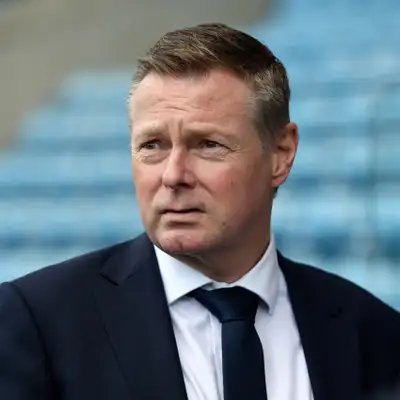
Today on The Boardroom Path, we're exploring governance in elite sport, an area under increasing scrutiny as clubs and governing bodies deal with financial pressures, regulatory change, and growing stakeholder expectations. My guest is Steve Kavanagh, former CEO of Millwall Football Club, and a longstanding figure in the governance of English Football through his roles with the EFL and the FA. Steve has seen the game from inside the boardroom, and today we'll discuss what good governance in elite sport actually looks like and why board oversight matters more than ever.
Steve began his career as a chartered accountant with extensive experience in the business and governance of professional football. Earlier in his career, he trained in both accountancy and business advisory work, which formed the financial and commercial foundation for his later leadership in football clubs. He subsequently transitioned into football administration, becoming director of finance at Charlton Athletic before progressing to broader executive leadership responsibilities within the club.
Steve later became CEO at Southend United, where he oversaw club operations before moving to Millwall in 2016. At Millwall, he served as CEO for eight years guiding the club through a period of operational stability and competitive success. These achievements established him as one of the longest serving executives in the club's modern era and alongside his club responsibilities, Steve played an active role in football governance. His positions have included director on the board of the English Football League, a member of the FA counsel and Professional Game Board, Vice Chairman of the FA Cup Committee. And through these roles, he's contributed to discussions around governance reforms in English football, including the development of the independent regulator for the sport, which we'll come to later.
After leaving Millwall in 2024, Steve moved into advisory and consulting roles within the sports sector. In 2025, he joined the professional services firm, Gunnercooke, to launch and lead its specialist sports division. Supporting clubs, athletes and sports businesses on governance, commercial strategy, compliance, and dispute resolution.
Steve, welcome to the Boardroom Path.
Steve Kavanagh: Ralph, thank you. And thank you for those words. Very kind.
Ralph Grayson: Let's, maybe just start with that career progression, your role out of the executive suite and into the boardroom and the broader regulatory and governance environment and then bring us up to date with your role now at Gunnercooke and the role they play in sports advisory.
Steve Kavanagh: As you said, I trained, with BDO qualified as an accountant there and spent many years advising clients and had a great career and on that pathway I was fortunate or maybe unfortunate, depending on which way you look at it, to become finance director of Charlton Athletic working with the CEO, then a gentleman called Peter Varney, who is still a good friend now. And I worked under Peter and learned an awful lot with Charlton and Peter and the, the community aspect of Charlton and the way they governed the club. And back in those days as a Premier League club, they were seen as the model of how to govern a club, how to run a club properly, and how to achieve.
Sadly, as with everything in sport good days and bad days follow. I left and I joined Southend United, as you said, and then I joined Millwall and worked through that period with John Berylson, the then owner who sadly then passed away, developing that club, establishing that club as a championship club and as a club it has a historical reputation, which is very difficult to manage. Which meant that our governance and our attention to diligence and everything we did off the pitch as well as on the pitch was really important and critical.
That led me onto the EFL Board as a championship club executive representing the championship clubs seeing that the inner workings of the EFL on that board and how that worked with independent directors with a chair who's elected and then the executive of the EFL working alongside not just the championship reps, but also League one and League two reps and how that managed to actually be a functional board representing all 72 clubs in the EFL. Part of that you get on the FA committees, counsel, professional game boards, which are fascinating. A fascinating insight into how the game is governed away from the pitch and how that works.
As I said John sadly died in '23 and after a period of handover that led to me leaving and having worked in football for nearly 25 years on a board perspective, on a governance perspective, and having previously been in an advisory role Darryl Cooke from Gunnercooke and I spoke, and actually the next progression was to move into advising and helping people in that space, utilising all those years of experience from a very broad, deep perspective and ultimately also from a a passion and a belief that football is for the communities. Football is for the masses and making sure that clubs are community assets and are protected and as we've seen the independent regulators come along, I've been trying to help them understand some of the intricacies behind the scenes of what happens in that world. But also advise clients, potential purchasers, players and people in the periphery around the sport to understand why football is a different business even though it is a business and it's got exactly the same metrics and dynamics and governance requirements as any other business in the country.
Ralph Grayson: It's a lot to unravel there. Why I was so keen to record this episode with you is we're seeing so much disruption in elite sport, be that football, be that rugby, be that cricket and the elite side of amateur sports as well and there's so much interest around the governance of those teams and those various sports and so much interest in people thinking about how do I contribute whether that's as part of your local club community or whether that's at the elite top end of the game with the entrance of global media with the entrance of professional investors.
So let's just try and unravel a little bit what's different about governance if somebody's thinking about going on to a sports board. We've got on field success, we've got off field financial stability, we've got to think about marketing, we've got to think about brand, we've got to think about community.
So how do you think about sport from a governance perspective?
Steve Kavanagh: I think it's interesting. Governance is a word that I think in sport can be a bit scary to people, which sounds peculiar, but I see it as having good practice, having good metrics, having good communication, and having the experience and the depth of people around you to make sure you can cover all aspects.
My football career started with Charlton Athletic as a club. At the time Premier League, fantastic, we had some phenomenal players and we're doing really well under Alan Curbishley, but predominantly that club was a community asset. It was a community based club that excelled in what it did in the community.
No matter what happened to the club, that community engagement was critical because that community engagement utilised football to change people's lives. Bringing those two together and having that responsibility on your shoulders of what a community asset is actually weighs quite heavy and it needs good governance.
You can't always be successful on a football pitch, but you can be successful in delivering, changing people's lives for the better by utilising what you have. In my time football has developed into this global asset, this phenomenon that is much, much more than what happens on the pitch in the 90 minutes and keeping yourself based and keeping control of all of those areas requires good structure, good communication, good governance.
Ralph Grayson: So let's just try and unravel that on field, off field balance. What's the role of a board in getting those right? In terms of prioritisation? How do you on field performance leads to more people in through the gate. But, depending on the sport, the majority of the revenues or minority of the revenues may actually come from people coming in and out as opposed to sponsorship names on front of the shirts, et cetera, et cetera.
So how do you think about board composition? What are the skills, experience, knowledge that you see within that and from a governance perspective, often owners are executive chairs rather than independent. So how does that influence how a board member may be able to govern?
Steve Kavanagh: Fascinating in terms of how you break that down. Because the on field performance does intrinsically link to everything that happens off the field, what you try to do is obviously protect yourself from the on field because not everyone can win. You try to put in place good measures and good practises to ensure that off field performance, in terms of development of what you are doing, is critical including the community aspect.
When you come into the football environment the on field versus off field. The owner who, yes, nine times out of 10 is the executive chair is in that place. The owner's predominant interest tends to be football. That's why they're investing substantial sums of money into the football and they take a specific interest in that. That then wanders into sustainability of the club and that's where it becomes tricky because you have the owner, it's my money, I'm spending my money and I want this on the field. But as we've seen in recent history, Reading, Derby, Sheffield Wednesday, the owners have come along, put a lot of money in. And then actually the on-field performance hasn't followed and then they've gone, and that's when those problems exist.
So the off-field side and good corporate governance, I think is like any other business and is really important and is critical. Is where those two, it's the bridging the middle, that financial sustainability piece and actually holding the owners to account for what they're doing and making sure that if they are going to commit to those sorts of spends, that the club is protected. We've just seen Leicester City 10 years after they've won the Premier League be relegated to League One. I saw a headline the other week. Leicester, allegedly, according to the headline, has been run on a credit card. And those financial problems of chasing the on field performance have led to the financial instability. The owners have chased that in a way, that is being deemed as credit card, and that has led to their deterioration and that will lead to massive problems off the field in terms of at tendencies and structure and even what the club does in the community. It really is that gap, that sustainability piece.
It's so hard and there isn't an easy answer and good governance can get you so far and it's critical beause if you don't have good governance, you really are in trouble. But even then the owner is the owner and he is putting the money and he's making that investment. And the challenge for any board is how you run that and making sure that your decisions are clear, consistent, and the owner actually is asked to explain what he's doing and if he's confident and positive about where he is, he should be capable of doing that. And good owners, and I've worked with good owners, they are capable of doing that. So it's about getting that balance right.
Ralph Grayson: So let's think about this in terms of the core themes running through the issues a board member may face and the zeros may be bigger or larger depending on whether that's premiership or a local community team. But where do you see the balance between performance, sustainability, integrity, shareholder trust, and that broader stakeholder, fan community? How should boards prioritise when inevitably these are going to come into conflict?
Steve Kavanagh: They are all important. Charlton Athletic had fallen down to League one in my time as CEO, we were League one and got promoted back. But the community work was protected. It is a separate charitable organisation with good governance and run in a way that it is protected and remains really important to what happens. But it's really important to the underlying future of the club as well. Because if your community supports you as a club, even in hard times, then that gives the club a platform on which to grow from. So when you do fall down the leagues, you have that platform, that underlying belief in the community. They're not just there because you're in the Premier League. They're not just there because you win on Saturday. They're there because they believe in what you are and your badge means to that community.
It was at Millwall that we had, in 2024, we had record attendances. We actually had a really tough season. We were growing off the field, we were growing the fan base by good measures and good practise by ensuring that we looked beyond the on field. Clubs have grown in terms of the commercial operations so that it's not just about the 90 minutes, it's much broader than that. That's really important.
But of course you can do all you want off the field. If they get it wrong on the pitch, it goes wrong. And that's where you can overspend. The spend within a club has always been disproportionate. The players wages disproportionately of what sometimes they're over a hundred percent of turnover. And as a result, anything in that space that isn't quite right can explode and therefore needs careful monitoring. You see a lot of clubs now spending player sales on wages and investing, selling a player, investing it, and everyone wants to play a trading model. But I think someone needs to be careful on how you look at that because it's not a constant income stream. It's not a season ticket line.
You can sell a player then you can have a barren season. So if you then start spending that on player wages, is that sustainable? It could be a strategy and as long as the board are clear on what that strategy is and what the owner's commitment, should that strategy have a problem one year, that's fine. But that's good governance. That's having a plan and a strategy. That strategy and that plan should cover all aspects of the club, not just the on field and they should be integrated because they do all interact with each other.
Ralph Grayson: So you've seen a lot of boards over the years, and inevitably you've seen good ones and bad ones. What are the characteristics of the individual board members and the board as a collective that mark out a good board from a bad board?
Steve Kavanagh: It's inevitable that a board, you'll be a fan. I don't naturally support any of the three clubs that I have been chief executive for. But I supported the club because I supported the business and football's a passionate industry and you support with passion. The board directors are the same and what you need to do at times is to differentiate that support and that passion and make sure that doesn't cloud your judgement in terms of governance. You need clear heads that have experience on the board so that the right moment can step in and say, are we sure? What are we doing? And actually bring forward alternative roots and alternative ideas. It's really hard to get away from the fan in people in sport. But it's really important that experience and knowledge allows you to differentiate between those two factors.
Ralph Grayson: Could we bring that to life? Maybe a little bit where have you seen those emotions overcome good and balanced judgement.
Steve Kavanagh: All too often you see bad decisions made and lots of money wasted on a player because emotion takes over and you think, oh yes, we've done so well. Just one more we could get in the Premier League. But it has to have good vigour in terms of understanding that process, whether it's signing a 15-year-old lad or whether it's signing a 31-year-old who's been around the block. There's nothing wrong with a 31-year-old who's been around the block, but it's about the strategy and what you're doing and being clear on that and making sure the manager is answerable to the board, not just the chairman.
Ralph Grayson: And how does the board member control themselves to stop meddling with on field performance then? Where's that balance between good board oversight and executive responsibility or over emotional involvement on the pitch?
Steve Kavanagh: As I said, football is emotion and football needs emotion and boards should be emotional. I was aware at one club I went to, I was told the CEO before me used to go to the training ground, put his tracksuit on, and go run with the players and watch the players train and I always took the view, why do I need to go to the training ground to go and watch the players train? That's the manager's job. What I need to do is to make sure the business is being run properly.
Boards are the same if they start getting too close as too close to a manager, then their decision making starts to become impaired because inevitably a manager will leave. He will move on. So if you get too close and it's too friendly, then you can have, and not always, you can have a problem. But again, why shouldn't you be friends with a manager? Why shouldn't you have that emotional attachment? Why shouldn't you be there? But it's having people on the board that have enough experience to know when to step in and when to step out and that's a really tricky one.
The players are the same. As a CEO, you go to the training ground, you did have to have a relationship with the players. Invariably, when you signed them, you are sat in front of them signing the contract with them. You are part of that negotiation. You have to have a relationship. You want them to know you. But there becomes this line of respect and not overstepping those lines of respect. And for a board member, it's the same. Why are they there? They're there because they love the club, the emotion, they love the adulation of being on the board. They love doing this role. That's fantastic. But then they have to respect that they have greater responsibilities to the wider community, to the community asset to the long term development of the club.
Chairmen that understand and boards that understand they are merely a moment in time and they guardians of the fans club. Even though that chairman is putting a lot of money into that, if they get that relationship and that understanding right, then normally they get things on the field and off the field and the balance right.
Ralph Grayson: Implicit in that is the role of the board member almost to be oversight of the executive chair and to rein in the chair?
Steve Kavanagh: Not easy at times.
Ralph Grayson: Not necessarily the CEO? Is that a fair reflection?
Steve Kavanagh: Firstly they should be there to support the chair and the CEO and to help them and to support them because it's difficult. I spoke to a CEO of a Championship club, the other day, I said, why are you considering these cost measures? Well our model is to run break even. But when we get in the room, emotion and competition overtakes and it's having a board that actually can help you balance that and help you make sure that you don't get dragged down the emotional competition route too far. It is a competitive sport and it has to be remembered it's a competitive sport.
But at the same time, you need boards that are looking at the chairman and there to befriend and to help the chairman make sure that he makes the right decisions because ultimately if he makes the wrong decisions, as we've seen with Derby, Reading, Sheffield Wednesday, as we've seen, if they start getting too emotional and too far down the road and then end up spending too much money and get no success, then they can walk away.
So for the long term future of that club, then those clubs are in serious jeopardy. What you'd rather is actually have a chairman that's there for the long term that maybe sometimes has a board around him that he respects enough that they can pull him back and say, are you sure? Because then he's there for the longer term. Having an owner that's there and investing, enjoying it and being successful within the boundaries of what success is much easier than going and finding a new owner every few years and someone with deep pockets to fill the void of this person that's just walked away.
So keeping them there is part of the board's job. I always saw part of my role was to make sure the chairman had a long term longevity with the club. Making sure I wasn't looking for a new chairman owner, making sure that actually they were they understood what they were doing, they understood the parameters of where we were working, and they understood the decisions they were making. Because if they're clear on that and they're happy with that, then you have long term.
Ralph Grayson: How's the composition of boards changed over the years? You've been around a while, if I can express it like that, you've seen a number of different boards. But when you've gone in as a CEO, what's good look like and how? How has that changed over your career?
Steve Kavanagh: Yeah I think actually in the three clubs I've been CEO of and this may sound odd to some Southend United fans, but all of the boards have been pretty good. Charlton we had Michael Grade or Lord Grade, I apologise, Michael. And a number of boards, we had a PLC board, we had a football club board. We had big board structures, regular board meetings, regular board packs, good communication. Southend, actually, Ron did run a very good board. The board were allowed to input and to integrate and, actually Ron was someone that needed reigning back. Ron got overly emotional and wanted to support too much and then probably couldn't afford it.
John Berylson, John had run the club for a number of years, had good people around him on the board. He had a fan on the board in Peter Garston that he then brought onto the board. Even then when Peter wasn't the fan on the board. So he had that link to the fans. He had Constantine very knowledgeable individual who had been around football a long time. I don't know if Cons a Millwall fan or not, but compassionately supports Millwall and is a good voice and John would take their counsel. So actually in the boards I've had the chairs took the counsel of their non-execs. They took the counsel of, their executives and generally, I'll say generally, listened.
Ralph Grayson: Is there a difference as to whether those board appointments were nepotism by the owner or the chair, or whether there was a more objective appointment in terms of skill sets and judgement on the board?
Steve Kavanagh: I think in life, invariably nepotism breaks in. When you are running a football club and you want people around you to support you, invariably you are actually going to want people that you understand and you know. But I think it's really important then to mix that nowadays with experience and knowledge and build those relationships with people that actually can bring in different experiences and diversity to that board.
So I get why you say nepotism, but I think it's more about having people around you that actually you trust and can rely on in difficult times. In football, difficult times can come in a flash. Paul Barber said to me, " Your one phone call away from a disaster the trouble is you just don't know when that phone's going to ring and you don't know what the disaster is." And that is a football club. You could be having the best day you like. And we beat Everton in 2017, phenomenal day, the FA Cup, the next morning, Sunday morning, suddenly a social media post and my world has come crashing down around me and that's when you need your board, you need your support, you need the people around you.
In that mix, you need someone that has a cool, calm head that can dispassionately split emotion and business requirements and understanding what you need to do and, to support your chair, but is also the executive. Millwall was a tough gig off field side. It's become phenomenally better and supporting the executive from the board side and knowing they're there for you is really important and when they're not there, you feel it.
Ralph Grayson: So what advice do you give somebody who's thinking about joining a football board or any...
Steve Kavanagh: Other than don't do it?
Ralph Grayson: Well, look, it's clearly not for the faint hearted, right? So is there some sort of playbook that somebody should think about in terms of their personal brand? In terms of success or failure and the risk profile around that?
Steve Kavanagh: So various things I would say one, be clear on why you're doing it and what you want to get out of it. When I used to interview people for roles, I tried to make sure and looked at their skillset beyond if they came in and said, I'm a football fan, and your first reason for doing this is I'm a football fan, is probably the wrong place to be. Because then you can't control that emotion. Then that balance of what you are becomes really difficult.
First and foremost, you need to be a non-exec director that understands business, or you need to be very good at your role. If then you are a football fan on top of that, that's a bonus. But you've got to be able to do the job and that job can be a, whether it's a non-exec director, whether it's a chief executive, whether it's head of ticketing, you have to be able to do your job first and foremost. Football is secondary. So understanding why you're doing it, what you want to achieve from that is really important because it isn't all Saturday afternoons, the team are winning, it's all rosy.
When I used to do fans forums I would always explain the role from my eyes as the best job and the worst job in the world, and there was no in-between. That ride and balancing that ride meant stripping out your emotions as best you could to live in the middle of life, because otherwise you get yourself dragged too far down or you get yourself too high and then you start making mistakes. So having that balance and that clear plan of what you are looking to achieve, I think is really important.
Ralph Grayson: So the complexity, all of that is clearly changing in terms of the new investors coming into the game in terms of the evolution of multi club and multi-sport ownership. Think about Bournemouth, the owners of Bournemouth Football now buying Exeter Chiefs. We've got obviously Bristol is rugby and football and netball, I think basketball maybe. How is that going to require a different type of board member and perhaps people coming from a more senior commercial background rather than necessarily local fans coming out of the local community. How's that dynamic all changing in your mind?
Steve Kavanagh: As you go down the Leagues you do see more owners and board members who are local businessmen that have done well and want to invest in their community and they see their football club as that heart of that community and that's, and I've mentioned that a few times because, that to me that community piece is so important no matter where you go.
As clubs are growing, having those people that understand that side is important, but also people that understand different aspects of business. And it's not just the commercial side. I think there's a lot of focus on commercial, let's drive revenues, let's drive revenues. And, revenues have driven, but the cost space has driven much more. So also having people that have financial understanding and financial acumen, people that understand good corporate governance, because they've sat on boards, that's really important because they can bring different skill sets.
There's a lot of talk of diversity and having diverse boards and it is important your board can represent your community. But equally you need to make sure the people on the board are the best people for the job. Which means then from a diversity perspective, you now need to create pathways in education and training to bring people from different diverse backgrounds. Women are growing in sport, women are growing drastically in sport. It's great. Having pathways for that and educate, because then there'll come a time where they are the best person for the job and should be getting the job. And that's a difficult balance to be had.
So in my view, and I will say this because I've worked in football. Football has led in terms of the growth of the sport, the growth of the revenues, the growth of governance with the regulator, especially now coming along. And I think other sports rightly look at football as the leader and therefore football stepping into other areas, and those boards stepping into those other areas can bring real experience.
But hopefully there are also people within those other sports that can bring a different perspective and a different view and a different way of engaging in certain areas that football can benefit from and can grow as well. So that multi-sport aspect I only see it as a good thing and hopefully can bring some real positives for everybody.
Ralph Grayson: So let's just try and drill into those, those new relevant skills and experiences. It seems to me a lot of that is now being driven by the role of the regulators across those key sports. You've worked closely with the EFL and the FA. What governance lessons do you think that the regulator, the regulators, have been learning over the last decade and how's that going to change the role of boards going forward and therefore the sort of people who should be on boards?
Steve Kavanagh: Okay, careful how I answer this one maybe. My experience on the EFL board has only been a positive one. I think Rick Parry's chair has vast experience came into that role when the EFL board had been through some difficult times and the chairs had experienced different problems. Rick came in and stabilised that and Trevor Birch came in as a CEO and the election of the board reps is an important tool because they're there to represent the boards. However, there's always this debate of as a club rep, can you truly be an EFL board director? Because where do your fiduciary duties lie? Do they lie to your role? Because to be a board, member of the EFL, you have to be a director of your club. You can't just be a CEO in name, you have to be a board director. So you have fiduciary duties to your club. You have fiduciary duties to all of the clubs and when they conflict and you, can see when conflict happens, how do you balance that? So there was a lot of debate about whether they shouldn't exist then it should just be independence. And I believe I'm right in saying in the Premier League it's just independence and the clubs have the vote but they don't have board representation as such. So there's a differential there and if I'm honest, I don't know which one's better.
When I first went onto the EFL board, there was a lot of view and I probably of the view that it should be completely independent and clubs shouldn't be there. But having been there, I also saw the value of that experience and that knowledge of what it is within a club to be on that board. Rick and Trevor have been in clubs, the executive of the EFL haven't necessarily worked in clubs and therefore there is a blind spot. Because when you work within a club, there are a lot of things you experience and see that is unique to football, is unique to that environment, and bringing that to the board and bringing that attention to that board was really important. So a real difficult one.
The FA has FA counsel. I'll be careful. When I went to the first FA counsel, someone said to me, "This is three hours of your life you won't get back." I won't say who that person was, but they were fairly senior in football. FA counsel is really difficult. But the FA have this unbelievable problem to manage because they're responsible for the game from the Premier League right the way down to grassroots and the conflicting requirements of everybody on those FA counsels of every what everyone wants. It's all over the place and managing that and controlling that is virtually impossible, I would say.
So for them, it's really tricky. I think Debbie has come in and done a great job as FA chair picking it up and moving it forward. The England team's developing the England women's team have got to an unbelievable place. But what's the price of that? There have been prices along that journey and not everyone's happy. You keeping everyone happy in football in those governance areas is really tricky and now you've got the regulator coming along who's trying to sit over the top of that and I think they have quickly decided to realise this isn't easy.
It's in motion. It's sport, first and foremost, but it's a big massive international business and that doesn't all sit well together at times. So guiding your way through that takes a lot of good governance.
Ralph Grayson: So the role of the regulator here, let's just stick with football. The minimum governance floor across professional football has just been raised considerably. I've listened to the regulator a couple of times now and he keeps saying how he wants football to get its own house in order so that he doesn't have to step in and prescribe it.
But that is going to need significant governance changes around formal board documentation where boards are now going to have to evidence oversight and liquidity discipline is going to replace discretionary owner funding. You talked about credit cards and weak control environments are going to become regulatorily, gosh that's a big word, expensive. We're seeing this here in terms of assessments, coaching, search and formal board appraisals in professional sport within our client base in a way that we never have done before.
So what do you think the likely board reconstruction requirements are in football? Then we can extrapolate that maybe into other sports.
Steve Kavanagh: So if we step back one step, why is the regulator there? Because these community assets are placed at risk by unsustainable behaviours. That's really why it's there. It's there because of what happened at Bury, and then Reading followed the on closely and behind that and Derby within there as well. It was born out of the fan led review, that Tracey Crouch obviously started, and that understanding that a club is about the fans. It is the fans club first and foremost. It then wanders into well it needs investment and why does it need investment? Because it's become a multinational industry that's come competing across the globe, especially within Europe and the Champions League and that's created disparities in incomes within the Premier League.
So you've got a cliff edge from the Champions League clubs to the rest of the Premier League and then you have this massive cliff edge down to the championship and the cliff edge in the Premier League is as big as to the championship and the clubs in the middle of that, in the Premier League, they want to get higher, but they definitely don't want to go down. So now they're overspending. Now these clubs are at risk.
Then you come into the championship clubs. Traditionally the championship has always been the biggest basket case. When I've had conversations with the regulator when they first came in, I think they honestly thought that League one and League two clubs were run on the back of a fag packet. There were no budgets. There weren't no understanding of what was going on. There wasn't someone producing accounts. But that's not correct. One that the governance and the rules within the EFL mean you have to do a lot more than that. Two in League one and League two. Predominantly you have local businessmen from their local communities invested in their clubs. They've been successful businessmen. They're not successful businessmen by running their businesses in a ridiculous way. But then the emotion piece kicks in and suddenly they lose their minds, which is why they need a bit of control. The regulator now I think hopefully can make sure that the governance standards are raised and attained to. I think we need to be careful that we don't go too far because it is sport and we need to make sure that these local businessmen feel that it is their investment and it is their business. That it's an engaging positive process by having good governance around them rather than, I've just got to listen to those people because they're there because they're damn regulator. It's having that, again, balance is a phrase I've used a few times here.
But then you come into the championship and obviously as you go into the Premier League, you're then starting getting into substantial international owners who are investing substantial amounts of monies. The EFL last year, the 72 EFL clubs lost half a billion pounds. That's unbelievable and I think 350 million, I could be slightly wrong in those numbers, was in the Championship. That's an unbelievable amount of money and when you look at that, is that sustainable in the long term? Maybe it is. But it needs good controls, good processes and clarity on why you are doing that and what you're doing within there.
At the moment, you have this log jam of parachute clubs blocking up the promotion places. And as a result, that's why in my view, you've got to this place where people are spending this money and then they say, actually, I can't get through the log jam. That's it. I'm out. And that's the problem. And the intention of the body's there are all really good and I think they can get a long way. Ultimately, they've got to solve this conundrum of the funding within football and how you make football free flowing when actually intrinsically, if you are a Premier League club, you don't want free flow.
In fact, you'd like rugby, you'd like the door shut so that your investment is secure. But that's not what football's about and actually doing that puts at risk your TV revenues that underpin everything you are doing. So that it's a really complex mix and, as I keep saying to them, don't just think that it's a bunch of country bumpkins in League one and League two. They're not, they're educated business people. Yes, maybe they can need some support and yes, they need some direction, and help in terms of making sure they can take the right steps. But be clear, they are good businessmen, and as you go up there, solving, as one club said to me, "The elephant in the room" is probably as important, if not more important than good governance. Because if you can solve the financial structures, then governance, I think everyone would accept it quite willingly.
Ralph Grayson: That goes a long way to explaining why we are seeing unprecedented interest in upgrading the quality of boards either in terms of the skillset that the people have and changing the people on the boards or upskilling them and developing them. And inevitably the early movers in this are going to proactively restructure their boards before licencing deadlines.
We've touched on some of the themes, diversity of experience, governance, expertise, financial literacy, stakeholder awareness. What we haven't talked about is understanding of media rights, is understanding of that globalisation of investment and inevitably one of these podcasts, AI, so where are those the elephants in the room?
Steve Kavanagh: Yeah, football's been built on the television rights. Back in the early two thousands, the overseas TV rights were seen as a nice little add-on, like on the Premier League budgets that I used to receive as a finance director, overseas TV rights. And then in 2009/10, they suddenly realised that actually there was a massive overseas market for media and TV rights and that has led to the explosion and part of that creation of that gap in revenues within the Premier League. To the extent whereby actually your season ticket monies was so insignificant compared to your media and your overseas rights that you are receiving centrally. You could get to a situation where you didn't care about the fans in the stadium. But the good clubs obviously understood without the fans in the stadium, without the atmospheres, without the positivity of the fans, you didn't get the TV monies and that would quickly diminish.
So the growth of all these other areas and that, that growth of the clubs off the field has become critically important and I've seen that now spreading down the leagues. It was in the Premier League, the Championship now especially, and in League One and League Two, there's a number of overseas owners in there and the American owners I know are pushing for greater growth in America greater belief in where they are and what League One and League two is because it's unbelievable products.
Look at the National League last weekend, the last game of the season. The top two are playing each other and whoever won it got promoted into the EFL unbelievable drama. It was in injury time that it was won that drama and the product that's there requires and needs people who know how to develop that actually. Exploit that and make sure that it's getting to all the markets it can and when they're maximising those off-field revenues. But developing those clubs as international businesses, even when you come down in League one and League two streaming rights in the states, streaming rights around the world vital, important incomes because it may not be the size of the Premier League, but when it's put in comparison to what they're receiving from the UK rights, actually, it's a massive growing market.
Ralph Grayson: So I think we've covered a lot of ground here, which might make some listeners who perhaps hadn't thought about going on a sports board recognise, A, it's interesting and exciting but, B, they have something to contribute that maybe they didn't realise. Let's just, try and pull all of this together with a couple of quickies. One governance mistake. Sports boards commonly make.
Steve Kavanagh: Getting over emotional about the sport, about football too. Emotion.
Ralph Grayson: One governance's practise. Every club should adopt.
Steve Kavanagh: Having emotion. Look having good processes and good communication throughout your organisation, having alignment from your board and your chairman right the way through the heart of the club, including with the fan base, including the person on reception right the way through the middle. If you've got that alignment in a club and you have that togetherness and that desire to achieve, then you've got a good chance.
Ralph Grayson: And finally, one, leadership quality every CEO needs in their board.
Steve Kavanagh: Oh, that's a really tricky question. One leadership quality? The ability to listen.
Ralph Grayson: On field and off field?
Steve Kavanagh: You are merely a conduit for everything that is going on around you and you are trying to pull all of that together. And if you are not listening to what's happening and you just go off in a direction, then you can make mistakes because everyone in your club, through that alignment, has an opinion. It doesn't mean they're right, it doesn't mean they're wrong.
Social media. I hate social media as a CEO, and I didn't use to spend a lot of time on there, but I did have people monitor it and we didn't react. But if they're important things in there and important messages, we picked up on them and we dealt with them. So we were listening to what was going on. We wouldn't let the fans necessarily know that in any great depth, and we didn't react to everything. But that listening and picking up the important messages is really important.
Ralph Grayson: Steve, thanks for sharing your experience. Fantastic perspective. If somebody involved with a club or sitting on a board wants to take more advice from Gunnercooke around some of these issues, how do they follow up with you? Where do they connect with you?
Steve Kavanagh: The best place to LinkedIn. I'm very open and clear on LinkedIn and and there's a lot of people in sport connected with me in LinkedIn that's one way or contact Gunnercooke Sport. We're on the website. Gunnercooke's predominantly a law firm, but actually we are revising on much more than that. It's strategic advice and in this space it's, that 25 years of sports knowledge combined with 30, 40 years of business and growing entrepreneurial business experience that I can bring to the table and just trying to help them maybe unlock some of the pieces where there are challenges that they're not quite sure about, and just sitting in a room, sometimes having a coffee can help you do that.
These sorts of conversations that they're great fun, but actually the more you talk, the more you realise there are areas that you can help and assist people with.
Ralph Grayson: From this side of the table, I think it's inevitable that the composition of boards across elite sport are going to have to change considerably over the next couple of years. It's going to be an exciting journey. Thank you very much for your perspective on it.
Steve Kavanagh: Absolute pleasure. Really enjoyed it. Thank you.
Ralph Grayson: I hope that you've enjoyed listening to this podcast and have found it helpful when thinking about how to approach your own path to the boardroom. If you would like to push this a little bit further, Sainty Hird runs a bespoke one to one programme designed specifically to this end. For more information, please visit our website saintyhird.com, follow us on LinkedIn, and subscribe to the Boardroom Path to receive new episodes. Thank you for listening.