Subscribe
Share
Share
Embed
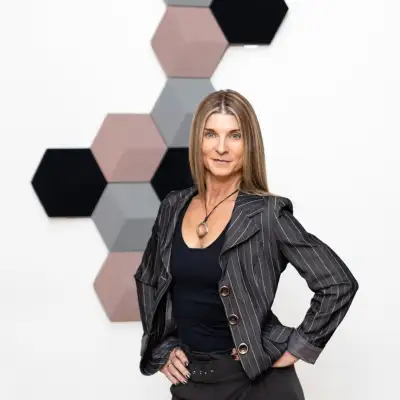
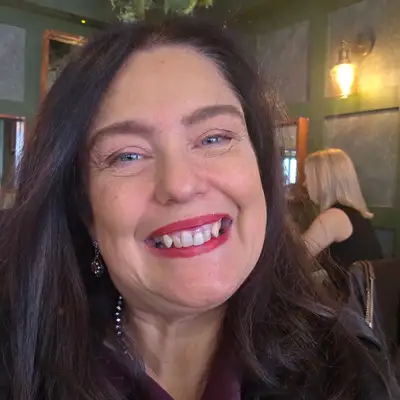

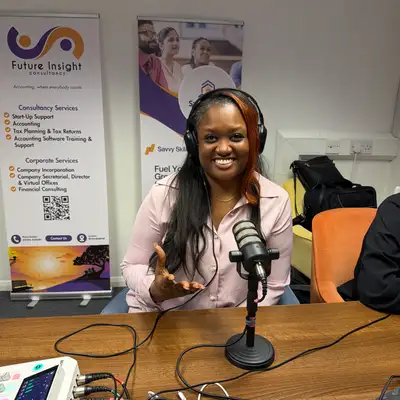
Tune in for fun, inspiration and unfiltered discussions as host Sian Murphy interviews down-to-earth businesswomen sharing ideas, tactics and stories.
Regular features include recommended books, tools, lessons learned and top tips for business.
Right. I have pressed the button and it is time for the Women in Business Radio Show. And if you're thinking, I've heard this before, you're sort of right. Yeah.
Speaker 2:But we have
Speaker 1:So this is a tried and tested formula that we have called before our Business Roundup. And I did come up with some fancy name, didn't I? I can't remember what it was. Anyway You went back to Business Roundup, didn't Yeah, yeah. Business Roundup.
Speaker 1:Okay, let me tell you what this is about. So every month, at the moment, on the second Thursday of every month, that isn't necessarily when you're gonna hear it, but that's when we're doing it. I have in the studio my best business buddies. My they are also my friends. I can do I can do that because it's my show.
Speaker 2:Exactly. Exactly. She's gotta be careful what she
Speaker 1:show. Can
Speaker 2:choose what we
Speaker 1:do on the show because that's the benefit of actually producing the show. So this is the Women in Business Radio Show. It's the roundup show, and on it, I have to get them to introduce themselves because I'm terrible with names. You go, go first.
Speaker 3:I will. So I'm Adelle Martin and I am the executive resilience coach and co founder of Stronger Together Through Cancer. Okay.
Speaker 4:I'm Michele YianniAttard and I am the founder of Future Insight Group and I'm a director of Savi Skills Training Hub.
Speaker 1:And what do you do? I can give you
Speaker 4:What an extra do I do? I'm an international accountant, CFO, FD, accountant
Speaker 1:Training, bookkeepers,
Speaker 4:accountants, teach I don't know.
Speaker 3:Do I do loads of things? Yeah exactly. See if I
Speaker 4:was stronger together which is part of my heart so yeah.
Speaker 1:And teaching business people.
Speaker 4:And teaching business people.
Speaker 1:So don't they to be able to do their own books? Absolutely. I need to be It
Speaker 5:just is like a big long
Speaker 3:list. Could go forever.
Speaker 1:Not only have I got back wings but I'm
Speaker 4:not sure when
Speaker 2:I lost. That's what I mean. Exactly. I've got short ears. Are
Speaker 1:side of the radio show is Kemke.
Speaker 5:Kemke Emereole, founder of Specify and VA. We provide offshore staff to UK and, well, to small businesses. Mhmm. Any small business.
Speaker 1:And new sponsor to the Women in Business Amazing. You see you see what I've done here? I have I I have created the radio show, the Women in Business Big Show, and I've brought together my favorite people in the whole world to be on the radio show with me. Yeah. Because it's actually seriously good fun, and I know that these guys just know lots of stuff.
Speaker 1:So, right then, what we're gonna do on this show now and moving forward is basically, it's a sort of a quick fire show. You know, we're all reading books, we're doing stuff, we use stuff, we learn stuff, we get stuff wrong, we move forwards, we step backwards. And it's quite good fun, and I think it's useful to actually share some of what we've gone through. You know, and what we're learning as businesses without it being too hot and heavy. So I think we'll start off with what books people are reading.
Speaker 1:And you could be list it doesn't you could be listening to it. You it could be a fiction book. It doesn't have necessarily be a business book, but what are you just sort of doing that you're should we say consuming? Is that better than books? Mhmm.
Speaker 1:Consuming. Right then. Who's gonna go first? Do want me to go first?
Speaker 3:So I am currently reading the updated version of Growth Mindset by Carol Dweck. I've studied that book for many years. It builds into the resilience program, but it's interesting listening to the refresh based on what has changed society with Instagram and consuming content. So it's a really interesting one for me. The growth mindset has always been important.
Speaker 3:It's even more important now. So I'm just getting that slight twist to build into that research. So I'm listening to that. It's a book that I listen to, so I listen when I'm walking in the car and at the gym.
Speaker 1:Is there one thing you could take away from it? You thought this was going be easy? No, Do know what?
Speaker 3:Again, I think for me, because obviously the work I do is to help women stay in the room, stay in business. The growth mindset when in within a so I started studying it many years ago. Within the growth mindset, you can flick onto Instagram and immediately think you're not worthy of your business because you're looking at your chapter one to chapter 20. That's what that new book has brought out. And I'm like, first of all, thought, God, I'm old.
Speaker 3:Because all of a sudden, but you're right, oh my God, you can quickly go into fixed mindset just by picking up your phone. And when I started studying leadership all them years ago, it was not a thing. So for me it's like, okay, the social construct has changed. But it took my breath away thinking, God, yes. That is for me, it's put a whole new perspective on it.
Speaker 1:Amazing. I might have to if anybody's wondering if you're watching this on video, wondering why I've actually got cold bottles of ice water stuffed under my armpit.
Speaker 2:It's a very interesting sight, for sure.
Speaker 1:Because it's really, really hot and my temperature isn't regulating very well. So this is preferable, Trust me.
Speaker 2:A real social. Who's gonna go next?
Speaker 4:Okay. So I'm reading book called The Housemaid and everyone knows that there's a film about The Housemaid at the moment. So I'm reading that And really interesting, I'm doing it for my book club. I do it once a month around this book club and yeah, that's what I'm reading. But to be honest with you, going I'm going through YouTube at the moment.
Speaker 4:There's so much content on YouTube. I absolutely love some of the people and some of them are hilarious, there's some about mindset courses. Jay does mindset courses. I absolutely love watching his podcast because he it's interesting. He started off as a monk and then eventually
Speaker 2:Who's this?
Speaker 4:Jay. He he started off
Speaker 5:as a monk.
Speaker 1:Is it j a y? Jay as in
Speaker 2:the j a y.
Speaker 4:J a y.
Speaker 1:Yeah. J a y. Okay.
Speaker 4:I'm not
Speaker 1:it's a bloke, is it? It is. I feel like this I feel like you're talking like I know this
Speaker 2:I thought he was
Speaker 4:really famous and everyone knew him. But anyway, no he started off a monk and he and then he obviously came out of being a monk and he feels he puts things into different perspective and when he's got his guests there and guests that he's known through talking on show, doing TED talks, doing these kind of things, it's actually amazing where people have gone from their life from sometimes they've gone from they call it the gutter because the American phase and work their way back. So they said even if you're at the low, you can always get yourself back because you can't go any lower. So it's really interesting, I really love mindset things and I don't watch normal TV anymore, I'm watching YouTube stuff and it's some really good content there. Even Davina McCourse, she does some really good stuff as
Speaker 1:I quite like looking at those little shorts on YouTube.
Speaker 4:Yeah, well the babies.
Speaker 2:I know that would be your pet Babies? I know that's what it's saying. And I just sort of
Speaker 1:I go on there and I I get caught up and I know that sometimes there are little stories about where somebody has done somebody else wrong and they're just about to get their comeuppance. Yeah. And I was wondering the other day, I mean this must be a big market and they're not real are they? They're clearly No, no,
Speaker 4:that's some AI.
Speaker 1:And I'm just but actually why why do we like to see that? Why do we like to see people getting their comeuppance, getting their karma if you like, what it was. It's just a thought. It's a bit like why do lots of people why are lots of people interested in serial killer films? I mean there was serial killer stuff I
Speaker 2:really like serial killer, interesting criminology and stuff.
Speaker 1:I love
Speaker 3:the way I could study brains so
Speaker 1:please. Is that the way you suggested? A theory about why people sometimes watch serial, the sort of police procedurals because I watched them and I was a bit worried that I was really morbid.
Speaker 4:No not at all.
Speaker 1:What is the matter with me? I'm going to be the next Lizzie Borden or something. I'm gonna be rampaging around who? And then I did a little bit of research, sort of psychology research around it I suppose. And I realized what they said is true, that, and I have it on this background when I'm working.
Speaker 1:Mhmm. Is that number one, it stops me focusing on little things going on. Yeah. Absolutely. But also, it walks you through a process.
Speaker 1:Yes. That's exactly it. That's
Speaker 4:exactly it.
Speaker 1:And Yeah. So I'm working because these things don't disturb me. Mhmm. Whereas everything and everybody else does. And it hooks on to my brain, and my brain is slowly plodding through the process Exactly.
Speaker 1:Of what they're doing. My mind is criminal minds. As long as there's no pain or torture, it's all like in the background. I don't wanna know about it. But it is, it's following a process and it helps my brain follow just keep plodding on.
Speaker 4:That's exactly it.
Speaker 1:It's got nothing I'm not morbid at all.
Speaker 4:No, well my husband thinks I'm watching it because I'm thinking about the future of actually getting rid of him. Well,
Speaker 1:that's a bit obvious isn't it? I can give you some tricks if you want. Yeah,
Speaker 2:anyone know Brian? Please don't tell him.
Speaker 1:No. Wasn't thinking about your Brian.
Speaker 2:No. No. I mean, like,
Speaker 1:you know. No. No. No. I mean, he doesn't affect me enough.
Speaker 2:Kemke. Okay.
Speaker 5:So I'm currently reading a book by Frederick. I've written down his name. Frederick Christ. I had to write it down.
Speaker 1:Hang on a minute. Hang on I'm a not sure that I like this sort of organization.
Speaker 2:She's written it down. You you won't lose.
Speaker 1:I I think I actually okay. There is there's a boundary here. Okay. We were talking about boundaries. The boundary is make me look good.
Speaker 1:It's don't make Sian look or feel bad. And if you come with like written down stuff
Speaker 5:I know.
Speaker 1:Written down stuff is just
Speaker 4:We forgot to give her the memo.
Speaker 1:Yeah. Okay. Right. Well, have a
Speaker 2:not only why have you written
Speaker 1:it it's not even a little scrap of paper.
Speaker 5:No. I have this all the time. This is this is this is an extension of me.
Speaker 1:You've you've written it down, like, in an organized way.
Speaker 5:I it's yeah. This is this is me. Like, I have a I opened a page for the Women in Business show and I've been making notes.
Speaker 2:Out this separately.
Speaker 5:I do that for?
Speaker 2:Just almost everything. Didn't you now? Well, funny for you. Oh well done.
Speaker 1:Right, okay. I'll get over it. What have you written
Speaker 5:down is just the tie it's just the name of the the author because I I always struggle with his surname. Mhmm. Christ, I think. I'm not sure of how to pronounce it or Chris something. Okay.
Speaker 5:But anyway, it's about in service of the shogun. So like there was a series, I think it was last year about shogun. There's a book by James Clabbles called Shogun.
Speaker 1:Oh, yes, yes, yes, yes. Yes.
Speaker 5:So there was a whole dramatization about it. I didn't really, honestly, don't really like the book or the books. I don't really like the story either. But the guy who the main character was based off is an actual person Mhmm. Called William Adams.
Speaker 5:And he grew up he was born in Gyllenham.
Speaker 2:Oh wow.
Speaker 5:Yeah. In like 1564 I think it was.
Speaker 1:I've got a feeling he's on the wall in Witherspoons
Speaker 2:in Notchicsty. It's annoying. He is. There's a scene where I get all my Shall I tell you? Actually, let's give
Speaker 1:him a bit of a shout out here.
Speaker 2:We should give him a bit
Speaker 1:of There are some Weatherspoons, which are a UK pub chain. Shall I tell you what they don't have? Music. Oh, They don't have music.
Speaker 4:Is that
Speaker 5:a good thing or a bad thing?
Speaker 1:It is a good thing.
Speaker 3:Yeah, it is.
Speaker 1:They also have plug sockets. Okay. Good. And lights in booths, if you can work.
Speaker 5:You can sit and work. It's like a Starbucks for?
Speaker 1:Sort of.
Speaker 4:Yeah. Yeah. And coffee refills. Yes.
Speaker 1:And they do the coffee is okay. Okay. It's okay. It's not great, but it's also not vile. And you can have refills and you can sit there all day and the staff are really, really friendly.
Speaker 5:And he's on the wall? He's on the wall in
Speaker 1:that one.
Speaker 3:In that one, yeah.
Speaker 1:So, so yes, toilet walls and pub walls.
Speaker 3:Is he in the toilet?
Speaker 2:No, not in the toilet.
Speaker 1:Lurking behind the door. No.
Speaker 2:He's in the wall at the toilet.
Speaker 1:If you're going up to the loo, watch Bill,
Speaker 2:you might be watching. After everything he accomplished. I think
Speaker 1:he's I think he's on the wall in the Rochester Weatherspoon. In
Speaker 5:the bar area.
Speaker 4:Anyone in Rochester
Speaker 2:can have a look? Let us know.
Speaker 1:I've I've I've taken this off at a track. So there he is.
Speaker 2:Well well, yeah.
Speaker 5:So, you know, he did he did write this letter to anyone. It was literally to anyone because he ended up from being a Dutch ship merchant guy. So he he was born in Ginnam Mhmm. And he he says in this letter, two miles from Rochester. So he is he is probably on the wall.
Speaker 5:Yeah. It's good for weather It's done a local research Mhmm. And stuff. But yeah. And then he was sent at twelve to Limehouse in London to be an apprentice.
Speaker 5:Oh. So a navigator. He did that for, I think, over ten years or something. And then he ended up as a merchant seaman and eventually found himself in Japan. And eventually became in service to a shogun which is like in those days the top you know military.
Speaker 5:And then this whole thing was based off his life. So I haven't finished it but I'm reading it. But it's quite interesting and what really struck me at the beginning is it starts with you know I was born in Gillingham I thought, why locally are we not talking about this?
Speaker 4:Absolutely. This is like
Speaker 5:1564. Yeah. This guy has such a global footprint. Mhmm. And until you told me he was in the loo in
Speaker 1:So he's not actually in the toilet.
Speaker 2:It's on the bowl. No, that's it. In where the
Speaker 1:I space think he's on I think he's there's a picture up on the, like, the bar wall by one of the booths along with somebody else who was born in Gillingham. This famous woman. Never mind. Actress.
Speaker 5:The description of Gillingham and Rochester and Chatham. Yeah. In fifteen hundreds. Is so different. Yeah.
Speaker 5:To what Gillingham and Chatham. Well, Rochester's kind of held its own. Yeah. To a degree. Yeah.
Speaker 5:But Chatham and Gillingham such had had such a proud history Something about the church Saint Mary Magdalene Church, which I don't know is there. Yeah, it Considering that I really
Speaker 4:live in Garden.
Speaker 1:Is the thing.
Speaker 5:There's so much history that I've only just recently found out about and really I could walk there
Speaker 1:from If you'd have spent more time in pubs,
Speaker 2:would have known about it.
Speaker 1:Pubs and Wobbles, you'd have a lot more.
Speaker 5:Hanging out
Speaker 2:in the wrong places.
Speaker 1:You see, you come here, you learn. You see, we're winning, winning, always winning.
Speaker 2:We're always winning. Always winning. Yes.
Speaker 5:Which is why I'm really proud to be here because I've learned so much. Now, I'm gonna walk home when I get to Rochester and walk past the pub Weatherspoon. It's the first time I remember going in there, so this is again another win.
Speaker 4:Mhmm.
Speaker 5:This time for Weatherspoon because I'm
Speaker 2:going there. So, I'll tell
Speaker 1:you what, let's so the book. Yes. Why why why why have you mentioned it? What is it about the book?
Speaker 5:It was just about the fact I didn't like the the dramatization but I understood the underlying culture. Yeah. That makes And I was quite interested in that. And then when I found out that oh actually it's based on an actual person. Yeah.
Speaker 5:I thought alright well you know let me and this book was only written last year. Last year I think yeah. So I thought well alright came out, I'll read it and get a bit more information. And I just liked you know I didn't like history at school but you know I really gotten to like history a lot. Yeah.
Speaker 5:So it's just knowing that this person was from around not far from here where we are but you know from Midway. Yeah. Not very far from where I live. Yeah. All those years ago and there isn't anything about that rich history and the descriptions of
Speaker 2:I get that.
Speaker 5:Chatham where his majesty's ships doth.
Speaker 4:They did.
Speaker 1:So tell us once what's the name of the book?
Speaker 3:What's the title of the book?
Speaker 5:It's called In Service of the Sugar. Right. Okay. What
Speaker 4:I was gonna say, talking about history, Gravesend is known for Pocahontas everyone thinks she's a princess from a Disney
Speaker 2:film. Seriously,
Speaker 4:but she's not. And she's buried in the church here. She went back onto her after her husband died, who was a merchant, the one she saved.
Speaker 5:Yeah.
Speaker 4:You know, when she was a chief and she came over. She went back on her boat and passed away and she's buried under that church.
Speaker 2:Yeah.
Speaker 4:But no one talks about Pocahontas, they go oh no she's a Disney princess, no she's not, she was a real live person, she really saved that merchant and he married her and he was well known in Gravesend but there's not enough information We about
Speaker 1:don't do a lot about our local history, do we? I'm gonna leave it there. Have you done your book? You've done your book?
Speaker 4:I've done my book.
Speaker 1:You've done your book? I've just commented on
Speaker 2:the history. You've
Speaker 4:my book.
Speaker 1:I have a book.
Speaker 4:Do you?
Speaker 1:I do. It is called Tools by Phil Stutz. And it is very different. I don't know another way of describing it. It's quite when I say weird, these are well known.
Speaker 1:He's a he's a psychiatrist, and he's very, very well known. He works with a lot of celebrities. He has a program on Netflix called Stutz. It's it's a one off.
Speaker 2:Okay.
Speaker 1:With a guy, I believe, called Jonah Hill, who's an actor. Yeah.
Speaker 5:That's quite good.
Speaker 1:And it's about their relationship. Now, that got a bit boring, to be honest. It sort of got a bit, I don't know, self indulgent might be the wrong word, I'm not sure. It started, I sort of stopped watching it. But at the start of it, sort of some of the concepts and things, some of the things that they were dealing with, really interesting, very, very different approach.
Speaker 1:One of the things I liked about it, you you may or may not know, I am a real yuck for positive thinking. I just I I don't know. It it just doesn't resonate with me at all. You can't just pretend something's not happening. You actually have to, to my mind, deal with it.
Speaker 1:And, you know, if somebody's having a bad time saying, oh well honey, it'll be alright. Just look on the bright side. There's always silver lining. Sometimes there just isn't and you have to deal with things in a different way. And that's sort of the way that they come at things.
Speaker 1:They also come at things of not looking over everything all the time. Don't, you know, the fact that something's happened and it's affecting you now does not mean you have to go and spend the next year going deeper and deeper and deeper into what happened and how it's affecting you. Actually, you just need to deal with it. It was that and also the other thing, there was another concept. I'm making this seem simpler than it actually is.
Speaker 1:But there was another concept which is that this is a continual work. Yeah. That we will always have pain. Mhmm. That we will always have I can't remember.
Speaker 1:We always have to to do stuff. Yep. And that there always has to be progress. And I think that that that's absolutely true, but it we have to be honest about it. Some of the people that are coming forward in the self help thing are not are putting forward solutions.
Speaker 3:Mhmm.
Speaker 1:And then that's it. And then they hope you don't actually get help. Because if you do get help, you don't move on to the next thing. You don't go buy their next book. Yeah.
Speaker 1:But there's an awful lot of people out there spending a lot of money on self help and they're not actually getting any help. They're just reading lots of books. Yeah. They're reading lots of books and they're getting lots of hope and they're hoping things are gonna be solved, but actually nothing's going to be solved. There will always be pain in our lives and we have to find a way of moving forward.
Speaker 1:But some of the ways that they have of dealing with it are so good. Really real eye openers. So that's
Speaker 4:really good.
Speaker 1:It's and and they have a number of books out. So his name is Phil Stutz. Just interesting.
Speaker 5:Okay. I
Speaker 4:have to look
Speaker 5:at the
Speaker 4:Netflix thing.
Speaker 1:Yeah, it's I I sort of would because it's what hooked me on, but I I wouldn't I don't know, I can't remember what it was in there that made me go, oh, oh. Okay. I'm I'm not sure I'm not sure what it was. It was just one of those things that I thought you need to stop looking, go and find something meaningful.
Speaker 4:Yeah, because self help books
Speaker 1:be helpful. Sometimes when I turn Netflix on, I go and watch something that's just complete crap, and I'm thinking, because I'm tired. Yeah. Yeah. And I can't think I'm too tired to do anything else.
Speaker 1:And I thought this time find a cookery book. Find a something else book. Yeah. Watch a documentary. Yeah.
Speaker 1:And that's how I found that.
Speaker 4:Yeah, definitely.
Speaker 2:So. Okay.
Speaker 1:That's it. Very good. That's my recommended tool. So talking about tools, should we go on to tools? So tools are, it could be a piece of software, it could be an app, it could be pen and paper, it could be something that you've come up with yourself.
Speaker 1:Just something that you think is helping your life or your business, and I don't think we can separate our lives out from our businesses. I don't know about you, I can't.
Speaker 5:I can't.
Speaker 1:So who's gonna go
Speaker 5:I'll go for this one. Software. I'm completely in love and everyone goes on about it. The two favorite letters in the world right now, AI.
Speaker 4:Yeah, AI, definitely. I am an
Speaker 5:AI advocate, I don't care what anyone says. Agree. I think if you're not using AI, good luck to you. It's like those people that said, what's the interweb?
Speaker 2:Yeah, exactly. Exactly.
Speaker 5:Think with everything, there are good applications and there are bad ways of using applications. It's like, you know, someone, some people say, say, you go
Speaker 3:on chat GPT and people, you can tell
Speaker 5:when it's AI that wrote it because it no. It's it's the same as, you know, you give me a textbook, I copy and paste.
Speaker 4:Exactly. What we do in schools,
Speaker 1:isn't it?
Speaker 5:That's what
Speaker 2:you do and you can tell when it's been plagiarized.
Speaker 4:Copy and paste when you're like writing what the book says.
Speaker 5:Exactly. So
Speaker 3:then you you hand
Speaker 5:it in and your teacher says well you know AI wrote that well. It's the same concept. Exactly. And I'm in love with all my AI tools. Specify is AI native.
Speaker 5:Mhmm. I've gotten into it myself. I we have pretty much so that one of the of the projects that we've been working on is moving away from licenses and building our own. Ah. Yeah.
Speaker 5:So I can say now that we don't really I'm thinking whose tool do we still use? I can't even remember now. Well, no. We still use tools, but now we use tools to build our own tools. Yeah.
Speaker 5:And I would recommend Claude Anthropic.
Speaker 4:Oh, 100%. 100%.
Speaker 1:Listen, how annoying is that? How annoying is that? What?
Speaker 2:That's what I'm gonna talk about. We can't this at all. We can't We're at
Speaker 1:using it in different ways.
Speaker 4:Yeah, we are using it in different because
Speaker 2:what's the single?
Speaker 5:Anthropic, Perplexity, what's on my list? Anthropic, Bestie, Co Pilot because it's there, but these are my top three but I live in Claude. I wish I I was a shareholder.
Speaker 4:We go back in the time machine and we all be a shareholder? Yeah. That's what we need
Speaker 1:to do.
Speaker 2:Let's look, we can't I
Speaker 4:know
Speaker 2:we So what we can do now.
Speaker 1:Sorry. What's one thing that you've used it for that you think is general? So I know that you you sort of you do a lot of techie stuff, don't Yes. In licensing and all of that
Speaker 4:Yeah. Sort of
Speaker 1:Is there anything that you can think of? And if I'm just here to tell you now. If you pick what I've got on here So it's a bit like Russian roulette, isn't it?
Speaker 2:It is. I've got
Speaker 4:a minute.
Speaker 5:You've got stuff written down too.
Speaker 1:Yeah. I have.
Speaker 2:But mine's
Speaker 1:written down.
Speaker 5:I know.
Speaker 2:If you ever look over there,
Speaker 1:mine's mine's written down
Speaker 4:in She says put a pot of water under
Speaker 2:her eye
Speaker 1:on it. Mine's written down in five notebooks and about 600 pieces of paper. You've got yours on one little page. Okay?
Speaker 5:Is another tool. This the computer each. This is I air like that. My husband
Speaker 4:just bought me one to go on the plane with tomorrow because my old one I've kept for eight years. It went not even the apps
Speaker 1:were What what is that?
Speaker 5:Just a tablet, it's a Samsung.
Speaker 1:Oh, okay. I've got the Samsung tablet. I've this
Speaker 5:for about five years.
Speaker 1:Amazing. I've a Kindle.
Speaker 2:No, not
Speaker 1:a I've got a Remarkable. Sorry? Well. Remarkable. A Remarkable.
Speaker 1:I got that about six or seven years ago at vast expense because it writes like paper. Oh. That was before I realized that my friction for start for actually getting something out of my head and onto a piece of paper is about 0.1 of a nanosecond. Wow. And so having to wait until I've tapped my finger on the page to wait for the page to light up for me to to write on it, as daft as it sounds, is too long.
Speaker 2:Oh, okay.
Speaker 1:Yeah. And so it took me a while before I realized why I couldn't actually use this. Because I wanted to use it. I felt I had to justify this damn thing. It cost so much money.
Speaker 2:Yeah. Yeah.
Speaker 1:But I finally had to to admit that it doesn't work for me. So that's a Samsung tablet. Yes. The remarkable is by my brand new iPad, which you can also cannot see. It's not
Speaker 2:You cannot see? You cannot see
Speaker 1:my iPad because it's not here.
Speaker 2:I was gonna say, it was why can't we see it? Exactly. Why can't you see it? It's because it's not here. Had a great
Speaker 1:idea that I was going to use it to write on that as well. Same problem. Of course, friction takes a second, doesn't
Speaker 4:it? Anyway.
Speaker 1:So what are you using your software for? What are you using Claude for now that you think we can apply as normal
Speaker 5:people? As normal people.
Speaker 1:You do realize that you've accepted now that you're not a normal person?
Speaker 5:Yeah. Yes.
Speaker 1:Okay.
Speaker 4:Good. Welcome to the club. Yeah.
Speaker 5:Okay. I love it, by the way. Yeah. Yeah.
Speaker 1:So what what what have you what is one thing that you could think of using
Speaker 5:cream Mere mortals. What can they use?
Speaker 1:Mere mere just normal
Speaker 5:Grassroots business. Grassroots business people. Grassroots business women. If you're a business person, you are probably going to be writing anything. Right?
Speaker 5:So you could be writing an email to a prospective client, even a thank you email. You could be writing a template for something very simple like your signature or a standardized way for people to get a response from your business like an automated email. Very simple stuff that you're going to be doing as a grassroot businesswoman woman. And I like that, Adelle, because I can't think like a normal person anymore. I can think like a grassroot businesswoman.
Speaker 5:Yeah. But I think the difference between my life and my business, there is no line.
Speaker 1:No. I don't know that's a good thing.
Speaker 5:Or a bad thing, but I don't care.
Speaker 1:Yeah. I I don't there isn't there is no sign. That's what happens.
Speaker 5:Yeah. Yeah. Yeah. Yeah, I I can relate to that. And I think, you know, as a businesswoman or a business person, right, because men will be listening to this too, you're going to be writing anything, something, right?
Speaker 5:And you're going to want to create a document that you will reuse over and over again and that you cannot edit at will but you will reuse And I think AI is very good for that. Yeah. I get that. Put your idea in and it will give you something and, you know, don't just copy and paste. Copy and paste if it works.
Speaker 5:Right? Fine. But don't just do that. Read it through. Inject a little bit more or a little bit less or remove the hyphenation because it excessively does that.
Speaker 5:Yeah. But yeah. Why not? Another thing, grassroot business people will be writing contracts. Yeah.
Speaker 5:Because they can't afford to get a lawyer at 200 or £300 an hour.
Speaker 1:Absolutely. Yeah.
Speaker 5:To write a very simple contract for their first five clients. Yeah. So again, get your claud or your perplexity to do the research for you, to build your contract template for you. And using Yeah, that's really good. Adelle, can I go last?
Speaker 1:Oh. Just Okay, maybe.
Speaker 4:We'll go with me. We'll go with her. Okay.
Speaker 1:I tell you what, shall I go? Because I've got a Claude one.
Speaker 2:Yeah, you go first.
Speaker 1:I'll go because I've
Speaker 4:got a Claude
Speaker 1:So I needed some I needed two CRMs for people working on professional qualifications with what I do.
Speaker 2:Mhmm.
Speaker 1:And so first of I used Claw to do some research because I I already use Airtable, and there were other things that I could potentially use. And I thought, is is Airtable the right tool? Yes. Now, I needed all of these things to link. Yeah.
Speaker 1:I needed the person to link to forms coming in, qualifications being submitted, like exam assessments being submitted, to being able to record those for tutor sending stuff in, tasks that may relate to this person. Now I know having programmed Airtable before that I love doing that. I love it. I could weeks I can spend down in there. Mhmm.
Speaker 1:Piddling around, testing I it all sort of knew how it all had to hang together, but there was also a level of experimentation that needed to happen with that. I plan as I build, and I think we all know you can't just go here's a CRM, boom. And then go, well that's it. Well, I've done that now. My work here is complete.
Speaker 1:But you need to test it and try it and put people into it and make sure that everything's fitting together. And I also knew that in each if this may mean something to you, but then in each base in Airtable, I would actually need lots of different tables. One for doing tasks, one for doing form sent in, all of this sort of thing. Yeah. Normally, three weeks mucking about.
Speaker 1:I went into Claude, and Claude has an integration with Airtable. Mhmm. Amazing. I told Claude verbally what I wanted and what I needed to be able to record and do with it. Yeah.
Speaker 1:And the information, the data I needed to get out. And it built it. And it built it in about ten, fifteen minutes. I then went into this table where everything was connected, and I went, yeah, okay, but I need to take that out, and I need to have that do that. And it amended it.
Speaker 1:Yeah. It amended it. Remarkable. It it I and I'm still and I built another CRM with it this morning this morning before I came to the radio. It's remarkable.
Speaker 1:I bought and I built another one for some holistic qualifications that I do, which actually had a different set of criteria. Astonishing. It also integrates with Google Drive.
Speaker 5:Mhmm.
Speaker 1:So you can get it to do you can get it to work on documents in Google Drive. It integrates with your computer. Mhmm. Those so for me, looking at Claude, look at the integrations. It integrates with Xero.
Speaker 1:I think these
Speaker 4:are called And Excel.
Speaker 1:Yeah. I think these are called m The MCPs. MCPs.
Speaker 3:Yeah. So look at what
Speaker 1:So you could you use that with Claude co work. Yep. Yep. Yep. Look at the MCPs.
Speaker 1:Look at what it integrates with because it can go build. Yes. It can amend. It can change. It can add it can add things to the databases.
Speaker 1:Yep. It can I can add a record in? It's It's just wow. Yeah, it's remarkable.
Speaker 2:So that
Speaker 4:Okay, so I've got three men in my life called Claude, Sam and Gemini. You
Speaker 2:notice you notice that Brian. Brian. Yeah. You're If I doesn't get a look at in
Speaker 4:my Okay. I should say my business. Business men in
Speaker 2:my mind.
Speaker 1:Oh, well that's much better.
Speaker 4:Let's say that. Okay. So Gemini does Now Gemini I use in my car. So it links with my AI in my car. Fantastic.
Speaker 4:So any new AI Any new cars have AI in them. So Gemini links with my AI, tells me where I need to go to, what I've got to do at what time and gets me there. Brilliant. It's brilliant. So it also tells me because I forget to take my phone out the car, it says Michele, take your phone out the car, it's still connected.
Speaker 4:Brilliant. It's just remarkable and that's Gemini. So Gemini does looks at my diary, all Google stuff in my car. I say, can you call Adelle? Can you call Sian?
Speaker 4:I call your name Sian for some reason.
Speaker 2:But I go S I a n. Oh you mean Sheen This explains a lot of You know, sure perfect.
Speaker 4:It's absolutely brilliant. And then okay so and then Sam is my chat GBT and I do that for my sort of marketing and that sort of side of things really and letters and emails and things like that. Use ChatGBT. Now I don't know if you noticed that Claude and ChatGBT, so ChatGBT is kind of gentle and Claude is like,
Speaker 2:vroom vroom.
Speaker 1:Do you know it sent me to bed? Yep. Claude Claude sent me to bed.
Speaker 2:Well, said
Speaker 5:it's time for you to
Speaker 2:I'd been working on something
Speaker 1:for about two or three hours.
Speaker 2:Yeah.
Speaker 1:And it's and it actually said, I I think it's time you went to bed now.
Speaker 2:And I said and I actually said, no. How dare
Speaker 1:you? A pensioner.
Speaker 2:I'm and I actually I actually wrote a naughty word at me. A pensioner. I
Speaker 1:am old enough to decide when I'm going to go to bed and when I've done enough work. I'm gonna get it. It went so sorry, I overstepped.
Speaker 4:Aw, that's good. Well anyway, I use Claude for the accounting side of my life so it can do spreadsheets, someone gives me a bit of information I'll go that's not quite right. I say Claude can you help me with that, I don't think they're quite right and it finds it. It goes this formula is wrong. You know before you had to search everywhere for a formula
Speaker 1:that wasn't right.
Speaker 4:Claude finds it in like seconds.
Speaker 1:But it's crap stuff isn't it? Do you know what I mean? It's not it's not stuff that needs your brain.
Speaker 4:It's fiction
Speaker 1:isn't it?
Speaker 2:It is.
Speaker 1:It's just you know Nobody needs a brain to spend hours searching and opening and closing sales. Exactly. Try and work out what's wrong.
Speaker 4:You need the brain.
Speaker 1:It's a
Speaker 4:spreadsheet. It any could sheet. And it just goes, oh, this formula is wrong. Would you like me to correct this formula? Yes, please.
Speaker 1:It's just Leaving your brain besides more flat. To with things. To deal with the real stuff. Absolutely. Right.
Speaker 1:Okay.
Speaker 4:So my free men.
Speaker 3:Adelle. So my tool, my favorite tool is called the ruthless reset. Oh. And I'm going to trademark it. Oh.
Speaker 3:Because you ladies have just explained the phenomenon that is now hits us as business people.
Speaker 1:Have we done something that
Speaker 2:needs You have. That's what we have. I call it the speed
Speaker 3:of business because I've been in business a long time and things have really sped up and you get so much at you. Okay? And it's like, oh, I'm going hear that. And people listening, I can see you now, you're going off. What the ruthless reset is, I used to do it once a year, and do it twice a year, now I do it every quarter.
Speaker 3:I start the quarter off and I have a set of objectives. I have a set of rules. These are my meetings. This is my parameter. And then you get Drift.
Speaker 3:Oh. So all of a sudden, you're going to a new networking group or you're having a conversation with somebody or you've five got or six new software tools, what the ruthless reset does is go right, I'm gonna take myself out of the speed of business
Speaker 4:Yeah.
Speaker 3:And go actually, is this is this adding am I solving my problem? Are my objectives still right? Have I gone for this because everybody else is? And I think that is such an important strength that you have to step out and do a ruthless reset. I've just done mine and I've made some decisions to cut things out, to change things, to simplify things.
Speaker 2:That's good.
Speaker 3:Because the business world and the way AI is, if you don't step out of that, you can end up and you'll get to the year when you go, I've had such great time doing all this and this. And I go So what? So what have you actually achieved? Because for all the right reasons, all of this stuff is built to hit the dopamine, right? And you're going to spend money, you're going to get involved and it could be Yeah, well why don't you come and sponsor this event for me?
Speaker 3:And you go, yeah, I'm really flattered about that. Yeah, I'm going do that. And I go, no I can't actually. Because once you've got a clear strategy, it's a hell yes or a hell no. Even I do, and you get to end of the middle and you think, oh I feel a bit tired, I've a bit more brain fog.
Speaker 3:And I can tell you why, because you've drifted from plan. So for me in this massive world, it's the biggest tool I have, is a ruthless reset. I've just taken all my clients through it now, I've taken my team through it and my business through it. And for me, if you don't step out of this speed of business, you will get to the end of the year, you'll be tired and exhausted and yeah, you feel really great, but have you solved the problem? Is your cash flow where it needs to be?
Speaker 3:You have to have the strength to step out.
Speaker 5:Okay. Think that that's quite apt because I've spent my entire adult life from I've had my first job when just before I graduated and I've it was in a small business. And I've seen different types of small businesses. I've had my own small businesses. Small businesses of diff at different scales.
Speaker 4:Yes they
Speaker 5:are. Yeah. But the mindsets have always been the same. And I think what you've just described here really took me back to a particular slice in time for me. I think it really should resonate with a lot of small business owners because you need that ruthless reset in your business or in a part of your business or in your personal life in terms of how your personal life interacts or intersects with your business.
Speaker 5:And you need to do this regularly. Yeah. Once a month. Yeah. Or twice.
Speaker 5:Beginning at the end or beginning in the middle or something like that. Because very often what I've seen is, and this is me just talking from experience, I'm not gonna name anyone or any company but you know stuff that's happened. You have I've I've seen situations where it's not going where it should go Yeah. With all best intentions Mhmm.
Speaker 4:We're running ourselves ragged. Yeah. We're getting burnt out.
Speaker 5:Because we know that the mission is right and we know the intention is right and we can see the end. We know that the outcome will be right. Yeah. But it's not going
Speaker 2:straight. It's
Speaker 4:a roller coaster.
Speaker 5:Journey is a roller coaster.
Speaker 3:Exactly. And I use that not just within business, I use it in everything that's around because like you said, as business women, we rarely carry just our business. So I do the reset in my networking, my friends and even my family because boundaries drift over time.
Speaker 1:They do.
Speaker 3:And so for me it's that ruthless reset and you have that. Then I do it every 90 days and then I start the next one off And then you're back to ground. All the will in the world, you know, a conversation here, a bit of software there and you just have to say, right, it's a ruthless reset time to go right, okay, I'll drop that and I'll move forward. In this world of business and the speed to stay in the room, you have to breathe. And with that ruthless reset.
Speaker 4:Exactly. That's
Speaker 3:That's really probably all aspects of my life.
Speaker 4:I like that idea.
Speaker 5:I think it also ties in with what you said earlier, Sian, about this whole sense of the hyper positivism, which I don't agree with either. Because sometimes, the reality is not positive. We know the outcome, especially when you're a seasoned business person and you know that if I make this investment, if I do this, this, this. Yeah. We know it's going to work out well in the end but it's getting to the end
Speaker 1:and sometimes you
Speaker 5:don't breathe, you don't get there. No, know. With your best intentions.
Speaker 4:Yeah, know.
Speaker 5:And sometimes it's like every day to motivate yourself, you're told to be positive.
Speaker 2:Oh, Right? Yeah. Even though you don't want Even
Speaker 5:though you're
Speaker 1:a no. But it's lie.
Speaker 5:It is a lie. It's a lie. The reality isn't it's not like you're being negative, you're being realistic.
Speaker 1:Yeah.
Speaker 5:Yeah. And sometimes you have to reset to make those tough decisions. Yeah, you circle back and try again or circle back do something else change the dream because yeah we know if you do this it will work out but if it's not aligning
Speaker 3:Then change it.
Speaker 4:It's not mine exactly.
Speaker 1:I call mine CEO week. CEO week? Think it's something that Bill Gates does. He does it once a year. I've not been very good at it actually, so this is probably the first time that I've actually been able to do it.
Speaker 1:I didn't do it with a full week either. But that I've actually stopped and where is this going? And one of the things that I realized Really good idea. That I didn't do. It's actually at the moment it's quite difficult because, you know, I've got the big show coming up, I've got a lot of stuff going on, I can't really afford the time at the moment to just kick back, because that's sort of what it is, kick and actually think what's happening, what's going on.
Speaker 1:I've got team members that need to be helping and directing. Now is not the right time, but I did take a couple of days. And one of the things that I realized from that is that it is critical that I stop doing so much. And that I should be spending three to four hours a day thinking, working, reorganising, who's doing what, checking stuff out. Looking at and and that my time doing do it.
Speaker 1:And I don't clock this isn't doing. This is this is this is stuff that I this is what I do. Not but I don't fill spreadsheets in. That's not what I do. So the amount of time that I spend doing that sort of thing should be at most a couple of hours a day, if that.
Speaker 1:And that the rest of it should be strategy. What's everybody else doing? Where am I? What do I need to get rid of? What's happened?
Speaker 1:What's new? What's old? What needs to go? And that the amount of time that actually needs to be spent on that when you are a CEO is a lot more than I was giving it. A lot more than I was giving it.
Speaker 5:Mhmm. Absolutely. And again, like there's an exercise that I run with clients at the beginning of the relationship. And it's really trying to ask, especially with smaller businesses, what is the value of your time? The CEOs or the founders or the people at the very top of that enterprise.
Speaker 5:Because very often entrepreneurs undervalue their time.
Speaker 1:And tell you when that's a really, really good exercise is to look at, you know, if you've worked, look at what was your last salary, your hourly rate. And then add on, when you're thinking of networking, add on your travelling time there and charge that at that rate as well. And then add your petrol and your car mileage on. And then the time that you're at the networking event Yeah. And then the time to come back and do everything else.
Speaker 1:Before you know where you are, that two hour networking event is actually five hours of your time. Well, let's say you earn a modesty salary, say it's £25 an hour. That networking event has actually cost you a £125 Yeah. Plus your travelling expenses. Yeah.
Speaker 1:And I think that helps to put it into a little bit
Speaker 4:more That's it. Yeah.
Speaker 5:Think it's something that a lot of small businesses really need to think about and again that's part of the motivation like without plugging specify really but that's really what it's all about. Yes, when you started especially when you're at the you know, the the lower end of the scale, when you've just started or you're trying to to to keep going. At what point do you realize that, you know, it is actually of more value for you to get somebody in to do those things that are no longer worth your time. Okay. And that's just the bottom But
Speaker 3:again another example, you know when I work with people I work with the ruthless reset, it also includes, do you know what, you know you started the school term with everybody getting their pique kit ready the night before and then you get halfway through and they go, well mom will do it anyway. And then by the end everyone's like, can't wait for half term. So for me the ruthless reset also tells us, okay we all said we're gonna do these jobs, I was gonna fill the dish for us, was gonna do my PE kit. And then all of a sudden all those boundaries sort of collapsed and then you're running around and you've not eaten properly, you're rushing to a meeting and you're in your WhatsApp group, it's mum I forgot my pee kit. So you know, and again parenting, we could be caring for parents as well.
Speaker 3:And I know now, I was talking to a couple of people the other day, that we were parents, right? And now we're grandmas or mean males or whatever you call. And they're like, Oh yeah, can you just look after the children? Well, you're running your business. I'm like, it's okay to say to your son or your dog
Speaker 4:Yeah, in exactly.
Speaker 3:No, I
Speaker 2:don't want
Speaker 3:to look after your children. I looked after mine. And they're like, I see, so it's all that boundary. So the Ruthless Reset is absolutely who I've got in my team. But actually, when you sit and look at Udranger Time, it's your family.
Speaker 3:It could be your family.
Speaker 1:Is this about?
Speaker 4:It's so true.
Speaker 1:So when you're talking about the Ruthless Reset, what I'm hearing is it's about slippage.
Speaker 2:Yeah, yeah, definitely.
Speaker 1:It's about I've just made, know, this is a boundary, here's a decision, here's some stuff, and then life business starts taking over and drip, drip, drip, drip, drip, little things, little and before you know where you are, you're so busy that you've actually lost track of all of that that was
Speaker 3:going A on before even
Speaker 1:whole lot slip. Absolutely. Right. Yeah. Okay.
Speaker 1:So
Speaker 5:you I like that idea.
Speaker 1:You stop, we call it stopping once a quarter. Yeah. Once a How often do you do it?
Speaker 5:You know what? Before I kick off my day, I learned this from when I was a COO for a founder that I I respect till today. I learned this before I kick off my day. We used to have a meeting which the business paid for, which was like an executive steerage ten minutes every morning about between 06:30 and 7AM. Everyone on the c suite gets a phone call from one of these executive coach people.
Speaker 5:And it was just to get our day going. Okay. To get us in the frame frame of mind. It's ten minutes and they would fire questions at you and it's to reframe, to really get you sharp and ready and to focus right. What do you have to work on today?
Speaker 5:What is a priority? What are your goals? What do you it
Speaker 2:was sounds a very ghastly. Yeah. I mean, at the beginning,
Speaker 1:it was. I I I think it's because to me that would be early in the morning.
Speaker 2:Yes. Couldn't be. Okay.
Speaker 4:It Go to the gym.
Speaker 2:I loved
Speaker 5:it. I loved it for me because that's
Speaker 1:So so you need to do that on yourself?
Speaker 5:I do that on myself. Yeah. So I learned from that. Okay. And it wasn't the person delivering it.
Speaker 5:It was just the idea of doing that. Every morning you get up and you refocus your mind because for me there is so much. And I'll throw in a little bit as well, sorry to to to stretch this a bit. There are entrepreneurs who are women who have families and children I've lived that. I've lived all I've been in the center of all those concentric circles.
Speaker 5:And just to go back to ruthless resets. As a woman, and I hope there are women out there that this resonates with, as a woman with family and married or whatever Yep. And having a business, it's also about prioritizing yourself. Listening. I'm gonna go a bit, you
Speaker 1:know, We're very good at that.
Speaker 4:We're not good at it. We're not good at it. I
Speaker 5:We're lived not. And it's about it's not just about what you do, it's about placing value on yourself. So the value of your time is not just the value of your time in relation to the business. It's the monetary value of your time as a business woman in relation to all your other family commitments. And everybody in the family has got to respect that.
Speaker 5:But you have to instill that. I think it's very important because I lived it and I didn't instill it for a very long time and it's highly detrimental. Women who are business women with families and children and husbands and whatever you have, you want to call it, have got to realize that they are business women. That's equally as important. And their time, whether they're with their kids or they're with cooking because you do all your business business and then you come home and do domestic things, that also has a monetary value as well.
Speaker 1:Yeah. Perhaps we'll have a show on that.
Speaker 4:Yeah, definitely. I'd like to know more about that. No, no. Because I'm, yeah,
Speaker 2:I'm not doing any of this.
Speaker 1:I've totally lost where we are.
Speaker 3:No, again, we were just talking about tools and so for me it's exactly that.
Speaker 1:So your tool is what I
Speaker 4:would Yes. Call a That's really good tool.
Speaker 1:It's really good We've food for done books, we've done tools, we've done I don't know, got lots
Speaker 5:of tools
Speaker 1:haven't we? I think we're coming up to nearly an hour. I don't know about you, I'm boiling hot. Sorry.
Speaker 2:It's very warm here in
Speaker 3:The UK. We're not
Speaker 2:using this.
Speaker 4:Yeah, we're not used to it. There's no air conditioning.
Speaker 1:We're not doing very well. I think we're going to round this up, think. Also my phone, bless it, has been recording all day. Looks like he's gonna have a little bit of a vapour. I don't want it to give up the ghost till we sort of miss the end of it.
Speaker 1:So I think we can focus on how about what we're gonna be doing next week? I don't mean I don't wanna list here. Don't want I don't want you're just so awesome. Let Adelle go No. Know, I do we let her go first
Speaker 4:or last? No, first.
Speaker 2:Do we
Speaker 1:go first and then we've got to follow it? Or we could just copy her.
Speaker 2:Yeah, let's copy her. That's what I was
Speaker 4:thinking, let her go first.
Speaker 3:What am I doing next week? It's my birthday. Yay. It's my birthday next week So on it's my birthday. No.
Speaker 3:What I'm doing well, it's my birthday. And the following day, I'm in a hospital. So it's a hospital sprint review, a ninety day review. So I'm spending some time with my mom and dad for my birthday, and then I'm heading to London for hospital day. So that's what I'm
Speaker 5:doing next week.
Speaker 1:Right. Okay. So in a way, it's sort of a bit personal time. Yeah.
Speaker 3:I'm spending some because I have done the reset and I'm just sitting
Speaker 5:in So
Speaker 1:you've got some personal time?
Speaker 4:Yeah. Good.
Speaker 1:When I say next week, let's extend it a bit next. What are you doing next?
Speaker 4:What are you I'm doing flying.
Speaker 1:No. No.
Speaker 2:Oh, okay. I'm flying. No. I'm going last. Okay.
Speaker 4:My word.
Speaker 2:We'll be
Speaker 4:here another hour.
Speaker 2:No, we won't. No. It'll be quite
Speaker 5:quick because
Speaker 2:I don't actually know.
Speaker 4:Okay. I'm flying tomorrow to Malta to work on the Malta Team and grow the Malta team and I've got some bank stuff to do as well and get the team up to date and talk meet new clients which is always good. So yeah, some exciting stuff going on next week and the week after so taking me up to nearly the
Speaker 5:end of
Speaker 2:the month.
Speaker 1:So in a way it's almost routine stuff for you isn't it?
Speaker 5:Yeah it is. Kemke? Very routine. Proposals, contrasts, work as usual.
Speaker 1:Yeah. And I'm afraid, boringly, so is mine. You know, I've got the Women in Business Big Show. I mean, I know you're there as well, but I sort of have I have more to do.
Speaker 3:Yeah, you sort of
Speaker 1:do it. Yeah, I've got the Women in Business Big Show. I've got things like so I need to focus as I do every year on some of the more boring but essential aspects of the event. Things like risk assessments. Yeah.
Speaker 1:Fire warders, fire marshals, making sure that people can get out of the building. And to me, it's routine. It's quite dull, but I know what I'm doing and it just has to be done. So it's that boring stuff and seeing I think the most important thing is looking outwards. And normally, you know, I would look inwards and go, I need to do all of this.
Speaker 1:Actually, don't. I have a team and really, who can do what? You know, we've got badges to sort out and all the sort of, you know, event posters and stuff. That's it. So it's sort of admin and allocation week.
Speaker 1:Yeah. Brilliant. So that was our business roundup. Thank you so much. It's been really, really good fun.
Speaker 1:I love these shows because they are just we
Speaker 2:could do it. We never know
Speaker 3:where they're gonna go. We don't.
Speaker 1:Who knows?
Speaker 4:Who knows? It's brilliant.
Speaker 1:It's almost that program. Anything could happen in the next it's we are the Captain Scarlet of
Speaker 2:the Women in Business. Yeah. We are. Absolutely. I I can't It
Speaker 1:wasn't it was stingray. Anything can happen in the next half hour.
Speaker 2:Okay. Yeah. Alright.
Speaker 1:That's showing my age, isn't it? It is now. Right. Okay. Thank you very much, folks.
Speaker 1:We will see you next month for the Women in Business Radio Show Roundup. So thank you to Adelle.
Speaker 3:Thank you.
Speaker 1:Thank you to Kemke. Thank you to Michele. Thank you. I'm Sian Murphy. This is a very hot day in The UK.
Speaker 1:We will see you all again soon, and hopefully we're starting to head into late summer, autumn, I guess.
Speaker 2:So thank you very much,
Speaker 1:and goodbye.