Subscribe
Share
Share
Embed
In today’s business world change is the only constant, and mastering transformation is the ultimate key to success. Welcome to Shift & Thrive!
Each week, Host Natalie Nathanson will bring you conversations with CEOs, who delve into how they successfully drove critical change in their organization.
This show is sponsored by Magnetude Consulting, bringing you the thinking power of a Growth Consultancy and the Getting-It-Done Power of a full-service B2B Marketing Agency.
S&T _ Bree Katulak
===
Intro: [00:00:00] In today's business world, change is the only constant, and mastering transformation is the ultimate key to success. Welcome to Shift and Thrive. I'm your host, Natalie Nathanson.
Each week we'll bring you conversations with CEOs who delve into how they successfully drove critical change in their organization. This show is sponsored by Magnitude Consulting, bringing you the thinking power of a growth consult. And the getting it done, power of a full service B2B marketing agency.
Natalie Nathanson: am very
excited to speak with today's guest. She is a transformational business leader who has spent her career helping organizations navigate growth,
operational
change, and cultural transformation. She started her career as a CPA and quickly discovered her passion
for complex transactions in M&A, ultimately building stronger businesses, which led her from corporate
finance
into executive [00:01:00] leadership.
She's led major turnarounds in manufacturing
and industrial organizations, helping transform operations, strengthen company culture, and build high-performing teams through trust, accountability and disciplined execution.
Today, she
is leading the next phase
of growth at Renesis,
while also being
the host of the
Unstoppable You
podcast, where she explores
leadership,
identity, and what success really
means for high achievers.
She is the president
and
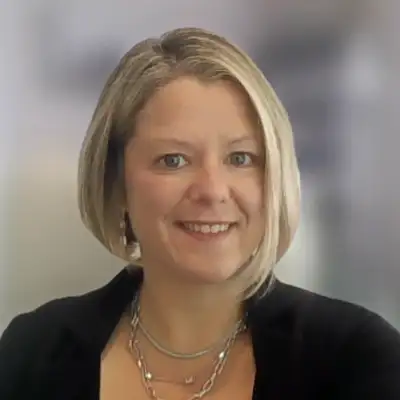
CFO of Renesis. Bree Cadilac, welcome to the show
Bree Katulak: Thank you so much,
Natalie. I'm looking forward to the conversation today.
Natalie Nathanson: Thank you. I
am as well.
And I know
you've spent
much of your
career stepping into organizations and roles at inflection points
when significant change was needed. Uh, so I wanted to talk a bit about, uh, your time at Polygon, which I know included, uh,
some, you know, cultural transformation in the organization- and, and a bit broader. So I'd love to talk about what that experience taught you about what it takes to kind of
lead a [00:02:00] successful transformation, and maybe to start us
off and set
the stage, talk about what was
the dynamic at Polygon and kinda what made it clear that meaningful change was needed.
Bree Katulak: Yes. Um, so when I first started at Polygon, it,
I started as the CFO,
um, and this was my first run
in that position. And when I came in,
I
think, um,
there was a lot of opportunity for cultural advancements. They were owned by a family office and still are today, which is really more patient capital, so not the typical PE firm tur- turn
and burn kind of mentality.
But
first and foremost, what
we realized
when I
stepped in
was
the lack of data that was
meaningful to know which levers to pull to really drive the valuation upward. So
we really started
focusing on what are the most meaningful
KPIs
that really align with the
manufacturing framework
of SQPDC, and starting with safety [00:03:00] and
quality and going
through those.
Um, I think the most
impactful change that we had
on the organization was focusing on that people pillar and really changing the culture. So
when I first started, um, we were taking employee
engagement surveys, which I think are very important
to understand
what's meaningful to your employee base, and we were an actively disengaged
culture.
And, um, that was just something
that didn't sit well with me. And I would say having newly stepped
into an executive
level role, it was
a very big learning opportunity for me to learn
how to communicate
to over 250 people so that they hear you, um, and
that everyone hears and
takes messages very differently.
So
that was important. Starting quarterly town halls and producing transparency in what our priorities are as
an organization and
why we're focusing on these
things. And then helping people understand that,
yes, provide us
the feedback so that we have
the [00:04:00] data, but we can't make changes
at
the flip of a switch.
It's going to take time, and we had to earn that trust. And over the course of my four years there, both as CFO and
transitioning into president and CEO,
we were able to gain that trust and make very meaningful, impactful,
uh, changes that the employees benefited from, and I can go
through
some of those if you'd like to hear it.
But by the time I left, we had improved the employee engagement score
by 800 basis
points, and
we were an
engaged workforce.
Turnover had went from 65% when I had started
down to 15%, and we were ver- very
proud of those statistics. Um,
Another
thing that we
focused on from an operational standpoint was really
looking at
the spaghetti diagram of the flow
of product through the plant
floor.
And
I think this also
helped on culture, but really driving improvements in
capacity and decreasing our costs
as an
organization.
So [00:05:00] we had typically been
a, a company that the
product would be in one portion of the plant floor,
then
have
to move
to the front,
then
have
to go back to the middle of the plant, and
obviously that's inefficient. So what we did was we went to more of a work cell mentality,
rearranged the entire plant floor, and removed two miles
worth of walking for
an individual being an employee, and the product and
wait time.
So cellular manufacturing
is what we set up, and
we went from
four employees having to touch a product throughout the process down to one, which
obviously
allowed for a
lot of cost savings and
capacity gains in the process
Natalie Nathanson: Yeah, yeah. It sounds like a number of changes both
kind of the,
the softer side, so to speak- as well as, uh, operationally.
Uh, I do
wanna talk a
bit more about kind of that trust-building because
I think, you know, any- anytime you're changing the culture,
that's obviously very critical.
And I know, um, uh, [00:06:00] some- sometimes it can be hard to kind of regain trust, uh, when folks don't have it.
So can you talk a little bit about what were some of those things,
uh, that
Bree Katulak: Absolutely.
Absolutely. So I know
this may sound simple, um, and almost like how did this
actually change anything?
but honestly, me
going and
walking the plant floor
multiple times a day, and we
were a, a 24/5
operation, so
making
sure I was present not only
at first shift, but that I was
coming in
regularly, um, to second shift and even third shift.
Um, I wanted
to meet
the employees where
they were. So when we did town halls, we only had two buildings in the
same town,
so
it was beneficial from that standpoint that we weren't multi-site all across either the nation or
the world. But we,
we held
town halls at
third shift, first shift,
and second shift to make sure everyone heard
the same message, but in person from the executive leadership team.
And we always
opened it
up for [00:07:00] Q&A, and
maybe
we didn't have all
the answers right then
and there, but we
committed to following up with them
within the week. Um, I wouldn't say that immediately
gained all of the trust, but I think as we
continued and never gave up on those quarterly
town halls, we never
missed one, that, that was huge.
Then another thing that I implemented was after...
a couple
weeks after
the town hall,
we would do fireside chats. So on each shift,
I would open up a
fireside chat that was limited to 10 employees from both facilities,
and they had more intimate time to... with me directly. N- no one
else was in the room.
Managers were encouraged to not attend these meetings, but
I could
have separate conversations with them so that they could
really ask
me whatever they wanted to ask, and I would give
them the honest answers.
And if
I didn't have
the answer in the moment, I committed
to following up
with them.
But just
continuing down
that path.
And I mean, [00:08:00] again, trust isn't built overnight. I wish it was. It would
be a
lot easier. But seeing the consistency
over the course of those
four years
I think is really what ultimately drove that
trust
Natalie Nathanson: Yeah,
Yeah.
I, I think that's so important,
like the accessibility, the face time, creating that comfortable
environment.
Um, and I know,
you know, not
everyone responds to change
at the same pace, and some folks might be kinda
skeptical.
Uh, others might be more resistant
and in my experience, like not everyone
kinda can, can make the leap or is ultimately kind of the fit
in the culture that,
that you're trying to build.
Um, wondering if there
was any kind
of friction
there, and if there was,
I don't
know, any need
to distinguish
between people that
just needed
more time to kinda trust the change and kinda trust what
was taking place versus those who were
maybe kind of hindering progress.
Bree Katulak: Yeah. I mean, absolutely.
Um,
there are always...
You
can't please everyone, and even though
you're trying to
do the right [00:09:00] thing, it doesn't always land well with everyone. Um, I
think it was really good, even some of the naysayers or the people that weren't embracing the
change as much as we
had hoped, they were--
they trusted us enough that they spoke out in the town halls.
And there was
one instance where an individual said
something that maybe wasn't the most
professional,
but I think we responded in
a way that we didn't punish the individual in
a
public setting.
But we took it offline, had a separate conversation
with them, and said, "What's really at
the root of your comment and
why you're resistant to this change?"
And
ultimately
he,
he gave
a very open and honest answer and complained, and
we were able to get
to the root
of the problem and then
ultimately get
him to go in the direction of like, "Okay, I'll,
I'll
trust you and I'll see how it goes, but please be open to my feedback if the changes aren't going the way you think
they are
sitting in an office."[00:10:00]
And I thought that was good
to at least hear him out. Um, and ultimately, he ended up being a fan, and he
was a longtime employee and he
had seen a lot of
different leaders
throughout the course of his tenure.
So
h- he
was a little bit more resistant to the trust and to the change. There were some individuals that ultimately opted out.
They, they didn't
agree with
the growth that we were seeking as an organization, um, and they wanted
something a little
bit more they could come in and just
kind of
be
the status quo
and leave,
and we were
demanding excellence at that time. And that's okay
too, because honestly,
it needs to be a mutual arrangement and we all need to
be on the same page.
Natalie Nathanson: Right. And to your point, you can't please everyone,
and you need to make
sure it's the right fit,
uh- on both sides.
Bree Katulak: Mm-hmm.
Natalie Nathanson: I'd love
to talk
a bit about your leadership style, and I know
you describe
yourself as very relationship-driven but also that that shifted
for you,
uh, over the years. So
can you
talk
a little bit about how
your leadership style has evolved as your responsibilities [00:11:00] have grown?
Bree Katulak: Absolutely. So I mean, I would say
I'm absolutely
a servant leader, and I think
that has pros and cons, right? Because I've always been the
type of person that am- I'm 100% willing to roll up my sleeves
and help out
or take
over if needed, um, because someone is struggling or we're
butting up against a deadline.
Um, I think that has helped me in
certain areas
because it's helped me gain
trust. Like I w- am- I
was willing
to go out on
the plant floor
and do a
specific task on
the assembly line because I knew we had a big order
that we had to get out. That
was gaining trust. However, it
takes me away
from focusing on the business and what
is the growth strategy and what
are the relationships that are key to building in order
to achieve that.
So it comes
good and bad. Um-
I, I am very relational
in that I
like to make sure
I earn
the trust, make sure the team understands the
vision and how we're going
to get there, and
that we're a team working towards it together. [00:12:00] But
as I've risen through the ranks, I have realized the importance of the data and that you have clean data and metrics that everyone understands how
their work
ultimately
drives the result of those metrics.
So I think that's
probably been the biggest learning. I think
I operated more on
anecdotes earlier on in
my career, and relationships, and being able
to work through others. Um, but
then as
I evolved and grew
in my leadership and in my title as well, going more to,
okay, we need to see the trends in the data.
We need to validate that the data we're getting is not garbage and it's complete and accurate
and reliable every time. And
ultimately, that's
what's driven everything. And then making sure
everyone
shares in the
riches, right? So having a compensation plan that ties to the metrics that are driving
the performance and increase in valuation,
I think
was
also critical, and it also helped build trust because it-- they knew [00:13:00] they were getting some
of the reward from all of the hard work they were doing,
not just the
executive team sitting back at the offices
Natalie Nathanson: Yeah. I think those
incentives and kind of compensation
structures can be so powerful. They can
also be very hard to get just right and not create- unintended consequences. Um, I'm curious if you have any, uh,
examples or stories that come to mind
of kind of the... taking that data-driven approach and kind
of what
that unlocked for you or somebody on, on your team.
Bree Katulak: Yeah. Um, absolutely. I'm, I'm trying to
think of
the most impactful one, but I think
the, the
most eye-opening for me throughout my time at Polygon specifically was looking at the
sales data and KPIs. So
understanding
the velocity in which opportunities were
moving
through the pipeline, what
may be causing them to stall, and identifying how to get to a yes or no as [00:14:00] quickly as possible. Because ultimately, we were
a
highly engineered composite product, so
the sales cycle, depending on the product line,
could be anywhere from six months to three years, depending on which, which segment of the business it was in.
So
getting to that yes or
no as quickly
as possible
was our number one concern,
and then also the sheer volume.
Making sure we had a balance in our pipeline
of the short-term, medium-term,
and long-term wins was critical,
And
then, um, really, really focusing on a no is okay. Not every customer is a
great customer.
We need to make sure it's profitable and driving us in the direction where we ultimately want to go.
Natalie Nathanson: Yeah. And
I'll come back
to a couple of those
themes 'cause you
just shared, uh,
lots of,
lots of great things. Uh, I'm curious to ask, like, how
you know when a, a KPI is telling you
it's time for you to step in personally versus maybe
put more focus
on something by kinda holding [00:15:00] another leader accountable?
And I'll share that, you know,
this is something I've been kind of actively working through for myself.
I, at
the beginning of this year,
expanded my leadership team. Uh, you know, my role shifted a bit in, in doing that. Um,
so I, I see
less, I'm involved in a bit less of kinda some of
the things that I've held onto for,
for many years.
Um, and so it's something I'm constantly kinda asking
myself. Um, so- kinda how do you look at kinda w- when to get involved and when
to kinda just stay kinda on the side but just monitor?
Bree Katulak: I love this question because I'm sure
if
some of my former teammates hear this,
um,
they
will tell you I
have definitely evolved
throughout my time over the last
five years
in this. I would say I always,
um... So first of all, let
me back
up. Polygon had
both weekly and monthly
metrics that
we were monitoring,
and we always monitored, um, monitored them on a rolling 12-month basis. And I would always look at the [00:16:00] trends, but- Historically speaking, I would act too quickly,
And as
soon as I saw a downward
tick, I
would
immediately go to that
member of
the executive
team and say, "What is our plan to make sure that
it continues upward next time?" And
I think I would get involved a little too early. At over time,
and I started seeing the reaction and stress almost that
I was causing on the organization,
I learned that I
needed to trust my team a
little bit, ask questions,
but coming more from a state of genuine curiosity
as opposed
to the,
the roof is on
fire, what are we going to do?
So I think that was
the biggest learning
for me, honestly. Because, um, taking that
curious approach and
just asking questions and finding out
what the team is doing, what hardships are they running into, and then determining, making that
decision of, okay, do I need to step in or no, they have it handled, but there are gonna
be bumps in
the [00:17:00] road, and I as a leader need to understand that
Natalie Nathanson: Well, that makes so
much sense.
And before we move off of kind
of the overall theme
of transformation, I know something
you and I had spoken about, uh, previously
was kind of around changes that required,
like, real courage
to push through
And maybe you know, that
happens when we're
doing things that
are maybe a bit unconventional.
Um, there
was a example
you had shared about kind of breaking down a long-standing organizational silo and what that did. Can you talk about kind of what was going on and kind of what gave you the conviction to make that
Bree Katulak: Mm-hmm.
Two departments, um,
were having constant friction in, in the sales process.
So it was...
again, I said
we're a highly engineered
composite component both in industrial and
medical device, and sales and engineering had typically
been
under separate executive leadership.
And
I saw that this was
a constant problem, and
no matter how much I would
essentially [00:18:00] encourage and guide the two departments to have meetings, they just...
They weren't getting there
on their own.
So through
a lot of
conversations and asking people's opinions in both groups, plus in operations too
because it all ultimately flows to them, the decision was made to do a
complete company reorganization in which
engineering was moved into the sales group. Um, we had
a separate R&D department, but really that application engineering design group moved into sales.
And
I was very nervous
at first because sales personalities
and engineering personalities can be very different.
But
ultimately, at
the end of the day it provided the clarity and alignment that
was
needed, and I'm really happy
that I didn't let the,
the fear of the unknown with personality differences take over
and ultimately pursuing what was right.
It did take
a decent
[00:19:00] amount of time just from
a communication plan
standpoint and making sure everyone bought in before
the change was announced,
but ultimately
it was the right thing for the
organization and it caused a decrease
in stress and
increased optimization on the process flow. So
I was excited that we took that step
Natalie Nathanson: I'm
curious
to hear what was going on for you at the point where
you were
kind of
deciding to do this. Like,
were you
exploring kind of
different ideas and
this was the one you went forward with? Uh, kinda
how quickly did that happen? Talk to
me about- kinda what was going on for you.
Bree Katulak: I
think, um, it...
the whole process from the
inception of the idea
of a reorganization to when I actually
pulled
the trigger was
probably six months.
And, um, so I'm
in a networking group called Young
Presidents Organization,
or YPO, and we have forums,
and our
forum has
eight people, and we meet
monthly and work through business issues.
And I think I
got made fun of a lot for this one,
but I had those huge [00:20:00] Post-it Notes which a, with a bunch
of little Post-it Notes,
and I was
constantly moving positions around and weighing
the pros
and cons of what the changes would mean for the organization. And ultimately, I was like,
"Enough is enough.
I need to get
other perspectives from highly respected business leaders," and I, I took my proposed plan
and I was like, "Act like you're my board of directors. Challenge
me in every angle that you can see, because I wanna make sure this is the right thing to do." And at the end of the day,
we worked through probably the
30th org design that I had come up with,
but I could defend everything to them, and they were coming at me from
leading their own businesses and
organizations as
well.
So I think not being afraid
to get input
from other highly respected leaders is, is a really good thing, but at the same time, taking everyone's opinion, filtering out what is meaningful to you and based on your experience in the [00:21:00] organization is so critical. But I'm, I'm so grateful for the other high im-
impact leaders that I was surrounding myself
with.
Natalie Nathanson: Yeah, I'll echo that. I mean, I'm a member of Entrepreneurs'
Organization- uh, EO, and it's
kind of very similarly minded, and there's nothing
like having kind of a, a group of folks that, uh, are kind of unbiased in, uh, kind of the, in a way that,
like, the leadership team in
the organization or investors
or whatnot can't be.
Um- and I like, uh, you know,
your approach of trying to poke holes and make sure you can defend
it, and I'm sure that gave you, you know, the confidence to, to bring it in the right way.
Bree Katulak: Absolutely.
Natalie Nathanson: I, I know hindsight is 20/20, and we always say- "Oh, I would have done this differently
kinda knowing what
I know now."
Um, are there, other things that, uh, you would have approached differently
just, again, knowing what you
know now?
Bree Katulak: Absolutely. Um, I think in, especially when I first
joined the
[00:22:00] organization, I think I came in,
um, not as open-minded as I
should have been, and thinking,
"Oh,
all this needs
to change, and I know the right way
to make
the change," so
I just wanted to plow through without getting
other people's
input and,
and opinions.
Um, I
learned very quickly that that was not gonna be the right way to influence
the organization, especially
as I wanted
to expand my role outside of just
accounting and finance, and get more into operations and sales and engineering.
So, um, really just kind of eating a little
bit of
humble pie and realizing I may have good ideas, but
working together as a group can make them
way better, and it'll help get the buy-in, and we'll actually move faster.
So those are some things that I've really
taken away
along my career and really
try
to check myself
constantly on if I'm doing the right
thing and getting the right
people in the room to get that [00:23:00] buy-in and to get their opinions on what the best
path forward would
be.
Natalie Nathanson: Hey, this is Natalie, your Shift and Thrive host. After chatting with lots of CEOs, one thing is crystal clear. Leveling up your company means having a killer Go-to-market strategy. That's what my crew at Magnitude Consulting does every day. If you're trying to step up your marketing game, whether it's strategizing, accelerating your pipeline, expanding into new markets, or getting into AI and automation, let's talk.
No pitch, no pressure. Just good conversation. Visit shift and thrive podcast.com/natalie to schedule a time. Can't wait to connect.
I know that transition from kind of CFO to
kind of CEO can be a big
one. I'm curious if there are any areas that surprised you, uh, kind of parts of
the business that you've had kind of more interest than you expected or kind of bigger
learning curve, uh- kind of for better or worse.
Bree Katulak: I
think I was [00:24:00] surprised at how much I love and wanted
to lean into operations. Um, I
had never been on a plant floor
daily. Um, I had from my auditing days at Ernst & Young from, like, doing inventory
counts
and stuff
like that, but how much I loved
the flow
of material throughout the plant floor and
understanding capacity and how that ultimately helps drive costs down, I
think that was, that was the most
exciting part for
me.
I think
the highest learning
curve was the commercial side, understanding
the sales process and
what metrics really mattered and how important it is to the business. Because I can say as a CFO all day long,
we're gonna double in
revenue over the next five
to seven years, but unless we have the right sales and marketing plan and pipeline to
be able to do it, it's a pipe dream.
So I think that was the steepest
learning curve, but the area [00:25:00] that I leaned
into the most because I realized
the importance when you wanna grow
your business.
Natalie Nathanson: Yeah.
Um,
and I know
you talked a bit earlier, uh, about
kind of looking at, you know, the, the margins and profitability of different customers.
So I'm presuming that might have had something kind of some involvement
as you were kind of diving into the, the commercial and
go-to-market side. Uh, what were some of the learnings out
of, out of that, uh, part of the work?
Bree Katulak: Yeah. Um, I think the sheer volume of customers that we had in
the beginning was
eye-opening. So
again, as, as you're beginning and as
you're starting out, and I know
I'm not saying anything new, I've heard
this in a
variety of scaling conferences, you're willing to say yes to
everything, right?
Uh, because you need to bring revenue in the door, you need to be able to pay your bills, pay your vendors, et cetera.
Um, but as you really develop your niche in the market,
it's important
to understand that not all
customers are a good customer. Saying
yes to something [00:26:00] is really saying no to something else,
and making sure you're optimizing
the, the operational side of the business because the number of changeovers that we were going through on the plant floor was
becoming incredibly disruptive to operations. So we identified like a... We drew a
line in
the sa- sand on
the
customer list
and said, "Anything below this volume simply doesn't
make sense
unless we're able to double
the prices." So
it's not like we ever fired customers or anything like that, but just
identifying what didn't make
sense for our operation, especially as we were continuing to grow,
and being okay walking away from
some deals.
So it, it was not an
easy thing for everyone to gravitate towards. Um, but at
the end of the day, we were
able to get there and start to see the uptick from a capacity standpoint and less fire drills or hot jobs out on the plant floor.
Natalie Nathanson: Yeah.
It is
such a hard thing to navigate, but [00:27:00] ultimately it does strengthen organizations, and I think a lot of these
discussions around
kinda
who is
our ideal, uh, client,
like
sometimes that's treated as like where does, where does the sales team have relationships or- a marketing exercise
for, for purely for marketing campaigns rather than
really like this
company-wide resource allocation decision and
all the downstream impact,
uh, that that has.
So, uh, bringing it back
to
some of the
things we were talking about earlier, like
I'm sure that required
a lot
of conviction on
your part, uh,
being data-driven
to help,
uh, make that point.
Um- and, and then the numbers,
uh, you know, patience for the
numbers to, to
show the
benefit of that.
Bree Katulak: Right.
It did. And I mean,
it wasn't that we got that project accomplished in the first
try either. That one actually took four separate tries in order
to execute on. So persistence, consistency, in message is key, and then ultimately coming down to what we've been trying isn't working.
So how are we going to think
differently in order
[00:28:00] to achieve the goal that we're, we're seeking ultimately?
Natalie Nathanson: I wanna bring us, uh, a
bit into present day and talk about your,
uh, role at Renesis, and I,
uh, believe
you were brought in at
a point where
the business is kind of ready for its next stage
of growth.
So- uh, as you've gotten into the role, can you talk
about, you know, what
that's been like
coming in and how you're
thinking about the, any transformations the company needs to go through?
Bree Katulak: Absolutely. Um, I think you're right. They, um, had been at a
period
of stagnant activity.
Um,
so they'd hit a plateau, which is common at
certain levels in an organization.
And, um, the owner was
like, "You know, we're really at a point where
we want
to scale the organization." Um, and I was like, "That is a challenge I would
love
to take on."
So
any time I come in, um, at first, I, I really do want to learn the organization.
I want to learn
the people, and
the processes and the
systems.
So I took
the first 60 days to really absorb as much
as I possibly could throughout the organization.[00:29:00]
and the place I like to start
at first, and what I, I learned from Polygon, is the people pillar of the business is the most important. If your employees are treated well and fairly, the rest comes,
right? The rest will follow.
I firmly believe that. So looking at that, doing market analysis on compensation,
making sure
everyone is being compensated
fairly from a
total compensation, so not just your base wages, but also incentive plans, benefit packages, et cetera,
um, that's first
and
foremost in
my line of sight.
And then employee
engagement surveys, and really hearing from
the employee population what matters most
to them
to develop a roadmap over the next three to five years
on how we can start layering in
the things that matter the most to them, knowing
that not everything is
always possible
but that we're
focusing on the things that are going to make
the biggest
impact on
the employees.
Then, um, [00:30:00] simultaneously I should say, because
it's not like I'm
doing only
one thing at a
time, but understanding that go-to-market strategy is critical.
understanding that we're not just going to be throwing
spaghetti at
the wall and seeing
what st-
sticks, but having a
very targeted approach for our ideal markets, our ideal clients, and, um, how we can give them the highest quality product or
installation at any given point
in time.
Those are my first two areas that I
absolutely want to
focus on.
Then
next, now what we're starting to
plan out is the technology roadmap. And when I
say that, I'm talking about our internal tech stack and what we're looking at so that
we
have
the most reliable data
we can possibly have, and we can access it with ease.
So right now, we have a lot of manual
processes, and that's okay, but as we want
to grow and scale, we're going to need to be able to have that data
at our
fingertips
all the
time without multiple points of data entry.
Natalie Nathanson: I think
find- [00:31:00] figuring out kind of what has to change kind of first, what can wait is- uh, challenging. You seem very
kind of
clear in kind
of what those priorities
are. I'm wondering if there are any areas that you are choosing not
to spend your time on, um, and
kind of how you hold yourself to that.
Bree Katulak: Yes. I think that's a great
question because I don't know if it's coming across
in my personality or not, but
I'm the type
of person that I want to
do everything right now.
So getting the discipline
in place, um, to have that
level of focus is something I
honestly
have to think about consciously every single day and week. Um, so we run EOS, and that's how
I've really,
uh, been able
to level set on that standpoint, knowing that
our go-to-market strategy, compensation philosophy, and new product development are the highest areas
that I
wanna focus on.
Um, something
that I have had to, I know
needs attention, but
have had [00:32:00] to actively put on pause right now is, um, optimizing our project management function and scheduling flow. So making
sure that the crews that
we have
across the country have a schedule
that is
optimized for
their travel so that we're not having crews zigzag across the country, but working across
the country or the
region as it's appropriate and their skill set allows.
So that's something that I've had to
put on hold,
but again, in my mind I'm
like, "Oh, I need to work on that."
But
it's
like, okay, it's on the
parking lot.
I can
see it on the
parking lot on my wall. I
know it's okay. It can wait.
Natalie Nathanson: Yep. Yeah, I think having that deliberate, uh,
place- for it,
like you said, you
can visually see it.
It's not,
You're not gonna
forget it. The team's not- forgetting it.
Uh, but only so many hours in the day and can't spread
efforts too thin, right?
Bree Katulak: exactly. Exactly.
Natalie Nathanson: I wanna hear a
little bit more
about
you,
Bri, um, and maybe go a bit further into your
[00:33:00] history and, uh, hear
a little
bit about kinda
who, who were you as a child and what from
those early years, uh, do you think, like,
has shaped, uh,
who you became as a, as a leader?
Bree Katulak: Yeah, absolutely. I mean, I was always someone that was striving for what's next and what can I achieve, and I'm- I've always
been super competitive. So a funny story from college, I, uh, joined an int-
or an intramural soccer team,
uh, because my roommate asked me to join, and I was actually asked not to come
to the second game because
I was a little
too competitive for an intramural league.
So that's a
little bit about the true Brie. But, um, I
was always very creative, so I created this massive library system in my parents' living room and created like put, little... taped in little cards
back when we had to
stamp at the library. Um, and I think it's interesting. The reason why
I tell that story,
is everyone has said throughout my career that I was a, not the stereotypical accountant, and I always gravitated more towards
[00:34:00] the large transactions like
M&A or debt
recapitalization or something
along those lines and never really felt
fulfilled from the
daily grind of accounting.
Um, and ultimately, I think that's what led me to
more of
the president
CEO role because I do, I do like
that bigger
strategy. I like creating, whether it's
a new process or whether
it's
a new go-to-market strategy, but I like also seeing that increase
in valuation, knowing that we're doing the best
we possibly can for our shareholders or owners. Um,
and
it's kind of funny that I went into
accounting thinking that I didn't like-- I didn't wanna talk
to people and
I didn't like
to write,
and now that's
where my passion
lies. I like getting the message out to our employee group. I
obviously started a podcast, and
I'm hoping to make an impact on other high-achieving individuals
in the workforce. Um,
So it's, it's been a journey, but I, I think it's interesting that I [00:35:00] chose a career that really went against the grain of who
I was as a child with creativity.
Natalie Nathanson: Yeah. It is so interesting, like what we carry forth
from like what's- intrinsic
to us from childhood and what, uh, what shifts. Like, I can share, like I
was painfully shy as
a child.
so- like my, my family now
seeing like
the right podcast and
running a business and all of these things s- similar
to what you
were just saying
for different reasons, um, is
not something they expected. Uh, but I was that child that
used to play office and would set
up kind of like a- ... a fake business. And, uh, it
took a little bit of meandering before I reached that point in my career. My mom said she always
knew I, I always
knew you'd
end up in business and entrepreneurship, uh, but she, uh, somehow wanted me to figure that out on my own.
Bree Katulak: Yeah. I love hearing that story.
Natalie Nathanson: Brie, I love to
end conversations by asking, uh, guests, uh, about advice that they've been given that still shapes them. So
is there kind of a top piece or pieces of advice, uh, [00:36:00] that
y- you've gotten, whether business
or personal,
uh, that still
impacts you today?
Bree Katulak: The one that comes to mind the most is
always
take the call. Um, I've always been someone that was a natural networker and always wanted to build those relationships, but I know I can
get so
busy and bogged down
in what I'm doing in an organization or with my family that I'm like, "Ugh, I don't, I don't
want to take that call.
I can't, I can't spend
the time to do it." But
I think over the
course of
my career, some of the calls that I initially
thought,
"Oh,
this isn't gonna be worth
my time,"
they were some of the best
conversations that have driven
either business value or personal value in my
growth
and development.
So I just highly encourage people
to be more adventurous with reaching out and taking the call, even
if
you don't initially see what the outcome or benefit could
be
Natalie Nathanson: [00:37:00] Yeah.
I love that. And as
you were sharing that, I
kind of, my mind ran
through a few of those of my
own. So I
think that's so true, and
especially in today's
environment where it's so easy to kind of be moving
too fast
or kind of be stuck
in front of our computer,
uh, to remember that,
you know, those relationships and conversations,
uh, can lead us in unexpected places.
Bree Katulak: Yes, absolutely.
Natalie Nathanson: Uh, and as we wrap up today's conversation,
can you let listeners know, uh, where they can reach you if they wanna get in touch?
Bree Katulak: Yes,
absolutely.
Um, so on
LinkedIn,
I'm Bree Katulak, and that's
K-A-T-U-L-A-K. I would love to connect
with you. And then also on,
um, Apple Podcasts, Spotify, and YouTube,
Unstoppable You comes out every other week on Thursday mornings. So I would
love
for you to check out some of the episodes
and give us a rating if you don't mind.
Natalie Nathanson: Wonderful. Thank you. And, uh, I will say
the podcast
very much, uh, aligns
nicely with some of the themes we
talk about on this show. so I would
encourage our listeners [00:38:00] to, to check it out. Um,
thank you so much for this, Bree. I loved
the conversation.
Bree Katulak: Thank
you. I really
appreciate you
having me on.
Natalie Nathanson: Yeah, it was my pleasure.
and there's so much that I could pull out
of
what I love
from what we
talked about. But
I think especially hearing, uh, kind of talking
about transformation as both kind of the operational challenge
and the human one and,
right, putting in better systems
and KPIs and all of that,
but
kind of the people side of
leadership and finding that right balance, which, uh, appreciate all the things that you, uh, shared around that.
So thank you.
Bree Katulak: Absolutely.
You're welcome.
Natalie Nathanson: Uh, and thank you
as well to everybody listening.
If today's conversation
sparked something
for you, and
I'm sure that it did, please pass
this along to another leader
in your network. We know that insights like this
fuel fresh thinking
and help
all of us drive real transformation both in our
businesses and in ourselves.
So thank you again, Bree,
and this has been another wonderful conversation on Shift and Thrive.
I'll see you all next time.
Outro: [00:39:00] That's a wrap for this week's episode. For show notes and more visit Shift and thrive podcast.com. A special thank you to our sponsor, magnitude Consulting, bringing you the thinking power of a growth consultancy and the getting it done Power of a full service marketing agency to help B2B companies fuel their growth.
For more information on magnitude and to get your complimentary transformation readiness assessment, visit magnitude consulting.com/. Get ready. Thank you so much for listening. We'll see you next week.