Subscribe
Share
Share
Embed
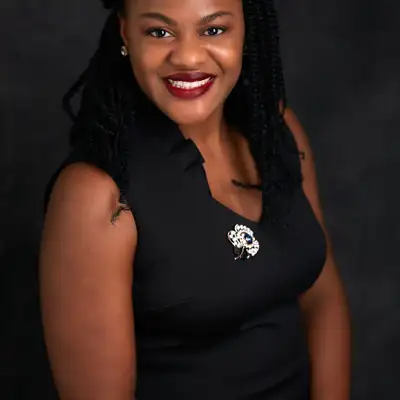
Where bold conversations meet Black excellence. Black Business Live (BBL) Podcast is a live, immersive storytelling podcast spotlighting the journeys of successful Black entrepreneurs, creatives, and business leaders who have scaled their companies and are committed to helping others rise.
Born out of a deep need for community, strategic partnership, and authentic representation, our podcast goes beyond traditional interviews. Each episode features accomplished leaders who exemplify Black business excellence.
BBL Podcast is part of the Black Business Network, a peer-driven platform where entrepreneurs connect, collaborate, and grow, all housed within All Things Black and Beautiful (ATBB), a social enterprise focused on business education, market access, and sustainable growth.
Our podcast bridges the gap between knowledge and transformation, showing that real growth happens through visibility, connection, and proximity to those who’ve done it before.
Tune in to be inspired, informed, and empowered.
I made a promise to myself I was never ever gonna build another pitch deck. What I was gonna do instead was just try to figure out how this is gonna happen. And I think that moment, something clicked in my brain. Investors are not gonna bail you out. You have to figure this out on your own.
Tolu:Mister Wale Mafolasire. This is a man who has scaled his business by bootstrapping. He's got over 300 rejections from VC companies. They have well over $6,000,000,000 of transactions running through the veins of the enterprise, and it's none but the the one and only founder of Givelify.
Wale:One of the things that I I like to emphasize is that if you choose to go the bootstracking path, I recommend you never have a plan b. There's a way you think when your plan b is plan a must work. There's a place that your brain goes to where you know you have a backup plan you can't unlock. And it's a very controversial thing, but if you're gonna bootstrap, I say put all your eggs in the basket.
Tolu:Well, welcome again to the Black Business Live Podcast where we are amplifying black innovation, culture, and excellence. We do this because we believe that representation drives aspiration. So when you see people who have walked the same paths as as you are, those challenges or those paths become more reachable and attainable. And we like to bring in experts, guests, insights, and and stories and journeys of those who have scaled their enterprises, but also are willing to put back into the community. This month, we are just on the heels of National Small Business Day.
Tolu:And it reminds us of how small businesses have been active in the community, scaling and growing, but also navigating several challenges in reaching their desired dreams. And that is why today I am so excited to have a guest with us. This is a man who has scaled his business by bootstrapping.
Wale:Mhmm.
Tolu:He's got over 300 rejections from VC companies. I wanna hear a lot about that. But at the same time, he's managed to reach over 2,000,000 businesses worldwide, I believe.
Wale:Well, 2,000,000 donors.
Tolu:Donors worldwide. Worldwide.
Wale:Through through Through
Tolu:through your platform. They have well over $6,000,000,000 of transactions running through the veins of the of the enterprise, and it's none but the one and only founder of Givelify, mister Wally Mafolasire. Did I get that correct?
Wale:You were amazing with it. You were amazing with it. You were amazing with it. So, it's interesting that how should I refer to you? Like, people might be curious to understand, like, why is that a conundrum for me?
Wale:And Tolu, you're your wife to one of my seniors at the prestigious Nigerian military school. That means that my senior, I get to call him Ogaz, which is like boss.
Tolu:Since
Wale:you are his boss, I get to call you Ogaz Ogaz, which is boss' boss.
Tolu:So
Wale:maybe for the rest of this meeting, I'm just going to be like Ogatulu, you know. Oh my god. Yeah. I I just don't wanna get in trouble with the military.
Tolu:With the military people. Oh, no. No. No. I am non military, So that's absolutely fine.
Tolu:But, you know, I just just totally fine. Totally fine. Okay. But also, it's exciting that you said that because I I'm personally really intrigued to have you on this platform because
Wale:Absolutely.
Tolu:You're my Nigerian brother. Right? And I can connect so well to your story being an immigrant who's coming to The States and studied abroad, did all the things the parents wanted you to do, and then and then you went on your own path. So so that, for me, is is a very intriguing story, and I'd love to to dig into that a lot.
Wale:I'm excited. I'm just really excited to be here, Tolu. The stories you tell on your podcast, they're really amazing and empowering. And I know there's somebody out there that you're touching with the story that's gonna be back in this seat. Uh-huh.
Wale:And they're gonna be referring to what you talked about in some of the sessions, and they're like, I heard that.
Tolu:Yes.
Wale:On your podcast, and I'm sure when that moment comes, it's gonna feel really, really good. I wanna make sure that I hear about those stories when they happen.
Tolu:Of course. Of course. Of course. Well, you it's brands like yourself, and it's people like you that make those happen. Right?
Tolu:Because as you said, we said, you know, we want people to to hear the the real truth, the underlying truth about what it takes to to get to where we need to get to. Right?
Wale:That's right. Now, I'm curious, what was your assigned major? I was telling folks at my office the other day that Nigerian parents assigned you a major.
Tolu:Yes. Yes, indeed. Yeah. Right.
Wale:Before you became this world famous
Tolu:podcast. Podcast.
Wale:Was your assigned major growing up?
Tolu:Medicine. Oh, was sent to medical school.
Wale:Okay. Right.
Tolu:That's it. I was I no. I wasn't even sent. I wanted to be a doctor. I wanted to be a doctor, and and I was gonna be a pediatrician.
Tolu:And then I I think I at the time so now you're interviewing me, but we so we have to turn it back to them. But I will tell you my story because I believe that that's why I you know, this your story really resonates with me. Because, I mean, this was back in before 09/11, was way back, you know, and I that was when digital became a thing.
Wale:Right.
Tolu:Right? So I was intrigued by digital and in fact, I was I was then trying to weigh the balance and say, oh, I like this whole techy thing.
Wale:Right.
Tolu:And I but I also like medicine. So then I was weighing, I was like, maybe biomedical engineering would be where I'll go. Then my my mother was like, who will take you to the class? Study biomedical engineering. No.
Tolu:No. No. No.
Wale:That's not gonna happen.
Tolu:That's not gonna happen. So eventually, had to put did my first degree in microbiology, and then I decided I'm gonna do interactive media. Yeah. So I went to a media school. Yeah.
Tolu:And that took me on a different path, which we'll talk about. But, yes. So that that was what embedded all this, is the fact that I I went to a media school.
Wale:Interesting. Interesting. So like you, my assigned major was to be a doctor also, was medical school. And somewhere along the line, I got fascinated with computer science, obviously, I went to school and studied computer science. And I remember graduating from school.
Wale:Always been kind of entrepreneurial minded, and my my parents were like, hey, Wally, where where are you gonna go work? What are you gonna do next? And so, you know, I have this idea of this company I wanted start. It wasn't Givelify then, it was one of my first companies. I have this idea of this company I wanna start, that's what I wanna do.
Wale:I remember my mom was like, is that what we sent you to school to go and think about? That's really are busy like mine for work. But, yeah, I I you know, grateful for the way they push us. Yeah. Grateful very grateful for that.
Wale:And that sometimes, you know, life takes us the way where it wants to take us, but nevertheless, very grateful that they try to push us to to aspire for the best. And look at you. You're doing amazing.
Tolu:Thank you. Thank you. But, you know, like you like you, like, the computer science degree did eventually become handy, you know. It did work out eventually. So it wasn't like you took it all and you threw it away.
Tolu:Right? You know, it made its way into your life one one way or the other.
Wale:Yeah. Yeah.
Tolu:Yeah. Yeah.
Wale:That that was that that was fun
Tolu:Yeah.
Wale:As well.
Tolu:But but tell me again, so I know we we kinda talked about you some of this a little bit. I remember you also said that you how did you even get into so you had another business, and then you you obviously evolved through business hood or business business ship, whatever we wanna call it. Right. I remember that you were you were building websites at some point. Right?
Tolu:Yeah. When you finished school.
Wale:Yeah.
Tolu:Yeah. So how did it all happen? How did Givelify eventually then become the
Wale:Become a thing? Yeah. Yeah. So, it's funny we have to talk about that story of my mom knocking on my room door, like, what are you gonna do with your life with that? But, yeah, I mean, that was the that was the first company I started.
Wale:We were building websites for small businesses then, and then that kind of morphed into IT security, so we started doing a lot of work with schools and banks helping them think through how to secure their systems. I was having a lot of fun with that and it was a lot of fun, we're doing well. Sunday would come, it's time to go to church, it's time to give, right? Yeah. I'd reach for my wallet, it's maybe $2 or $3 in there, but I knew for a fact I wanted to give way more than the 2 or $3 that was in my wallet.
Wale:Sheepishly, I would just put that in the offering plate and promise myself, next week, I'll make it up. Right? And this would go on week after week, And after about a month, I'm like, you know what, God? If you just forgive my past four weeks, it's the start of a new month. Let's start afresh.
Wale:I'm gonna do better. And, of course, I never did. But I do remember there was a point in time that something really clicked for me. Was sitting in church, it was time for us to give. And shortly before that, our pastor said, hey, let's read a quick Bible verse.
Wale:Went to my phone, tapped the Bible app, and read the scripture, and after that, it's time to give. And I'm reaching for my wallet, it's empty. Wait a minute. I just read the Bible on my phone. Why is it that when I want to give, I can't do the same thing on my phone?
Wale:This was 2011, 2012 maybe, and I'm like, I wonder if there's an app for moments like this. You might have seen the commercials back then, if you remember, there's an app for this.
Tolu:Yes, there's app for
Wale:And I was trying to see if there was an app for that, and there wasn't any. And so I thought, alright, maybe I'd I'd build one. Right? Never built an app, but I have the fundamentals of programming in place that I could quickly pick up the language to build an app. My thinking then was, like, worst case scenario, I'll be the only person who's using this app.
Wale:But at least I'll feel better about myself. Yes. Right? Like, I don't have to keep avoiding eye contact with my pastor because I think he hates me, because I never show up on the list of people who give to the church, sneaking out the back door after service because I don't want him to come and ask how I'm doing. I'm feeling guilty.
Wale:At least it makes all those bad feelings go away. But little did we know that we're building something that was solving the problem for over 2,000,000 people who now use our app to give, and I think our team was just updating our numbers for this year, and collectively they've given over $7,500,000,000.
Tolu:Oh my god. That's Yeah. About gone
Wale:Up to different churches and non profits all over The United States. So, yeah, it's been an amazing, fun journey. I know we're going to be talking a little bit about that, but that was where that started. The one way or the other, the company I had then morphed into this, and a lot of the people that I was working on that team with are now part of Givelify today.
Tolu:Givelify? Yeah. Yeah. So, you know, it's interesting you said that because I remember when the Bible app came out and everyone was like, oh, the Bible app, and everyone would go to church. And I remember I remember going to church, and I'm talking this I'm talking like two thousands.
Tolu:Right? And you would have your app, bible app, and someone would come up to you and say, stop browsing on your phone. Yeah. Literally, like snubbing you, you know, walk up to you and say, oh, no, I'm looking at the bible online. So it wasn't even a thing, like, you know, look at the phone was not associated with anything spiritual.
Tolu:Yeah. Basically Yeah. But now, you've turned that around because you've created an app that makes giving more accessible.
Wale:Yeah.
Tolu:Why giving? I mean, you're from a Nigerian family, you're from a Yoruba tribe, right? You could have gone down the the spring of money app type thing. Seriously, right? Because now people, they have apps for spraying money.
Tolu:But why giving? Why is giving the thing that really struck
Wale:For the audience, you might be wondering, what do you mean by spraying money? So if you've ever been to a Nigerian party, I encourage you to find one and go. And what typically happens there is that, yeah, the celebrant gets sprayed money, like Yeah. They literally spray money at you. So I I find that very funny story on that one.
Wale:At my wedding, we got spread so much money, and and typically the the bills are in $1. Right? Yeah. And when we returned from honeymoon, we had all of these $1 bills and we counted them. It was about $30,000 in $1 bills and we went to the bank to go deposit it and they were asking us like, what do you do for What do you need
Tolu:for it? I'm like, I
Wale:have $30,000. Promise you I just got married. It's just a Nigerian thing. But you're right. I wish there was an app for that.
Wale:Right? It's like Yeah. Instead of spreading the $1 bills, you just get to push a couple buttons
Tolu:Now and you get it.
Wale:And it moves straight. But no, for me, why give? Literally, was the that was the problem I faced. I mean, I faced it at the church. I I remember there was a nonprofit I used to volunteer for at that point in time as well.
Wale:And no. I didn't volunteer for that. One of my friends used to volunteer for that organization, and he had invited me to the annual fundraising gala. I went there, I was really inspired by the mission of the organization, I wanted to support them. As always is the case, I didn't have my checkbook on me.
Wale:And they had, don't know if you've ever been to this nonprofit fundraising event where they have the pledge cards at the dinner table. Yeah. And then you fill out your information, how much you would like to give to them, and your contact information, and somebody reaches out to you after that to try to make you cash in on that pledge. Right? Knowing the kind of person I was, I filled out two of those pledge cards.
Wale:Right? I gave one to the organization
Tolu:Mhmm.
Wale:And I took one home as my personal reminder because I
Tolu:Right. Right.
Wale:Right. By the mission of the organization. And so I took one home as my personal reminder. Like, once I got home, I was gonna write them a check. Mhmm.
Wale:And about four weeks later, maybe a few months later or a few weeks later, I was clearing my desk at my office, and guess what I ran into? The pledge I haven't heard from this organization, even though I gave them all of my information, and I haven't sent them this check either. And it was just one of those moments, like, are these moments where and and perhaps there are people, Tolu, you sound like one of those kind of people to me where it's like, you say you're gonna do something and you get it done. Uh-huh. Me, on the other end, it's like there are these moments if I lose the inspiration in that moment, the likelihood it would get done is, like, drastically dropped.
Tolu:Yes.
Wale:And so I realized, like, there's these moments of inspirations that were fleeting. Like, if I didn't act in the moment, it just I never got around to it. And so the urgency of just dealing with this Sunday after Sunday and these moments where I'm inspired to wanna be something bigger than myself, and I wanna do it with my money. It just it didn't feel good, and I I just felt like, Maybe this is a problem I could try to solve, again, just for myself. And if it so happened that I could help other people with it, so be it.
Wale:I was trying to solve it for myself.
Tolu:For yourself. Yeah. I can see I can see how that's possible. I can see how that that is a challenge because you're talking about a moment, a microsecond, a moment of inspiration where you want to take action, and then, you know, life happens, and then you forget, and then you move on to other things.
Wale:Does it happen to you too?
Tolu:Of course, it does. It happens to everybody. Happens to everybody.
Wale:Right. I thought I was Yes.
Tolu:Yes, indeed. So now, tell us the story. So tell us. So you Okay. So you knew Obviously, we have a problem solution fit.
Tolu:So that's not the issue. Right?
Wale:Right.
Tolu:So and and you you also are able to create a prototype of your solution very quickly because you're a techie guy. Right? So that's fine. Now, how did you get onto that journey of finding the market fit
Wale:Yeah.
Tolu:For Givelify?
Wale:Yeah. It's very interesting. You advanced enough in business and then you start to learn all these other terminologies where, at that point in time, I don't think that's the way I was thinking about. I don't think I was thinking about product market fit that way. All I knew was I wanted to build a product that could really solve the problem.
Tolu:Yeah.
Wale:And and I knew that the people who would be using the product, the app in this case, maybe some would be like me and maybe some would not be like me. So one of the things I wanted to do was just truly understand how do people give.
Tolu:Right.
Wale:And I remember I'll tell you a funny story about that. So I remember the gentleman who's now our chief technology officer, Harry Krishna. Him and I were college roommates. I had called him about what I was trying to do, and he said, hey. You know what, Wally?
Wale:I think I could get behind this. Let's let's do it. But one of the things we wanted to do, even though we could write the code and we could do all of these things, was truly understand the behavior, the human behavior of giving. Yes. And that was the first thing we sought out to do.
Wale:And to try to understand that we didn't have any sophisticated ways of doing this at that point in time, so we gave ourselves a challenge. We said, hey. We're gonna go visit a 100 different churches. That's the challenge. And what we're trying to do is when we excuse me.
Wale:When we visited those churches was to understand what the given time looked like in that. So, we wanted to try churches of different denominations and different approaches. That journey led me to go into my first Catholic church. Don't judge me on what I was going to say. I thought it was okay to show up to a Catholic mass on Nigerian time, so I showed up forty five minutes late.
Wale:As I'm walking in, literally the father is outside shaking people's hands on their way out.
Tolu:Obviously, you miss giving time.
Wale:Oh, yes. I miss giving time. Obviously, I miss giving time. So I was like, okay. Not to myself.
Wale:Next time, show up on time.
Tolu:Talk talk about guerrilla testing. Oh, like, up after.
Wale:Yeah. Yeah. Talk about that. Right? But yeah.
Wale:So him and I, we divvied up we divvied up we divvied up a couple of different denominations that wanted to go, just check out how giving happened there. And what we noticed is I don't think we got to a 100. I think we probably did, like, 70 or 75. I don't remember the exact number. And when we came back and compared notes, we noticed that something was very universal to how giving happened.
Wale:So whether the organization put a receptacle in front of the altar and people walked up to the receptacle to drop off their gifts, Or they passed an offering plate. Mhmm. Or they had a receptacle at the at the back of the auditorium where people just dropped their money on their way out. Something was always universal in what we observed. And the process of giving looked like somebody would reach for their purse or wallet or bag and they'll pull something out, and they'll put them in these things called offering envelopes.
Wale:Mhmm. And they'll put it there, seal it, and then they'll drop it off. But why is this story important? You talked about product market fit. And for us, it's like just that observation influenced the design of what the product experience was gonna look like.
Tolu:Right.
Wale:And so what we wanted to do, the challenge we gave ourselves in which we went through several rounds of just design, what we wanted to do was mimic that experience
Tolu:Mhmm.
Wale:Of you pull money out Mhmm. You put it on an envelope Mhmm. And then you dropped it off. And so the challenge to us was whatever we did, it cannot be more than three taps on the phone. Right.
Wale:Because that was what the normal that was the baseline that we had to compete with.
Tolu:With. That was your competition?
Wale:That was our competition.
Tolu:Yes.
Wale:Yeah. So that three that three step experience, we had to replicate that. And so that led to innovations at that point in time, like, okay. Alright. How do we automatically identify the church that the person is sitting in so that they have to search for it?
Wale:Mhmm. Because searching means you have to introduce more taps.
Tolu:Yes.
Wale:Right? So so just thinking through what is that human behavior Mhmm. And how does technology mimic it helped us build a product that pretty much nailed it once we launched it. Mhmm. Because we spent a lot of time doing the human behavior research
Tolu:Yes.
Wale:Before we programmed anything.
Tolu:Yeah. And that's that's human human first and human centered. And I know that's one of the things that you all talk about really, really well. And to be honest, you know, I'm I'm a Givelify convert. Right?
Tolu:I didn't even know you were the person behind Givelify. I'd seen it elsewhere and then I I was like, oh, nice. But that's what I love the most about Givelify, is you log into the page, you look at it and then you just click a button and then, you know, you're like Yeah. You you don't have to do too much, you know. You know what you're gonna do.
Tolu:But the the truth is, one could automate the process. I could automate it so that I don't have to make that do that action every Sunday. But the reason I do it is because of that mindset of put your hand into your pocket, put it into the envelope, and put it in the offering bag. It's like, it always sets your your your tone.
Wale:Yep.
Tolu:You know, maybe from those of us who come from the traditional background, we just have to do that. Right?
Wale:Yeah. Alright.
Tolu:So it's exciting that you set that and the thought process that put you, you know, into how you designed the product.
Wale:Yeah.
Tolu:So so that's great. Thank you for sharing that with us. Now, you have the product, you tested it, you've worked It works. I'm I'm We're going on this journey with you, and now you are like, okay, I wanna scale this. Right?
Tolu:It's not just me and my CTO and the the team I've got now. I wanna go get investment. I want people to believe in this product, because we believe in this product, and we think that we can scale with this. Talk to us about that journey, because that's where the rejection starts to happen. Right?
Tolu:Tell us about that and how it was like for you.
Wale:Yeah. Yeah. So I I think like most tech entrepreneurs
Tolu:Uh-huh.
Wale:There's a vision you have, and you've probably watched Shark Tank. Uh-huh. And you have this vision in your head like, hey, you have an idea, you pitch it to a bunch of people, and they're like, yes, I'm gonna write you a check. Or you probably read in the news of some company, a y z, who raised x million dollars, and they're they're off to a good start. And, you know, as a tech entrepreneur, you kind of envision that would be your story as well.
Wale:And so yeah. So you start looking at how does this happen? How do I create a pitch deck? And where do I find investors? We have a plan.
Wale:We have a product. People like it. Now we've got to just start building a few more things to to make sure that people really love the product. And very quickly, you start to see, like, well, it doesn't go like it goes on Shark Tank, or Mark Cuban just falls in love with your product and wants And a million dollar so I lived in Indianapolis at that point in time, and we started with some investors there. I'd pitch them, hey, have you ever experienced this problem?
Wale:And they they got the problem. We have a solution there. X, Y, Z company is gonna crush you. And and at first, you're like, maybe the investor just didn't understand it. You go to the next one.
Wale:And before you know what's going on, you're pitching every known person that has investors to their title in India now, please. And after a while, they don't get it. Right? I'm like, you know what? I'm just gonna go to a different city.
Wale:Ah. I'm gonna go to Austin, Texas. I hear the investors there get it. Right? And then you start getting to this pitch competition, startup competition, start pitching different people, the same story, and, you know, you the excuses run the gamut.
Wale:Right? Investors are very polite. They never really tell you the real reason. It's just like, I see it. I get it.
Wale:It's not for me. Or I it's too early. Come back when you're there. So you get all of these things. And then after you run out of talking to people in Austin, you're like, you know what?
Wale:I'm just gonna go to San Francisco. I hear they give money to anything that's called us that's called an idea. Uh-huh. And then you go there, and you're seeing the same results. And, like, you know what?
Wale:I'm gonna go try New York, the money the money capital of the world, and go there and I'm ending up with the same result. And I do remember the last trip I made from New York, and I thought everything was going well. The presentation was going well, and we got to the point of, okay, so how are you gonna monetize? And they they thought that we needed to charge a monthly fee to the churches, and I told them about my small church that I attended in Indianapolis at that point in time, which look, I didn't think the Heath's would make sense for that small church because it was just an unnecessary barrier for them to adopt technology. And we disagreed on that, and they wouldn't make the investment.
Wale:And so I got back to Indianapolis after that trip, and I made a promise to myself I was never ever gonna build another pitch deck again. What I was gonna do instead was just try to figure out how this is gonna happen. Mhmm. And I think that moment, something clicked in my brain. Mhmm.
Wale:Something clicked in my brain like, hey. Investors are not gonna bail you out. You have to figure this out on your own. And so that that mindset just turned things around for us. So instead of spending a lot of time and energy building decks and having meetings and flying all over the country looking for money, I just decided to spend all of that time on improving the product, talking to customers, and do whatever we had to do to to get things going.
Wale:So the the lesson there that I share with entrepreneurs is if if somebody offers you the money, please take it. Because life in the bootstrapping lane
Tolu:It's hard.
Wale:Is really is really is really, really hard. And I often talk also talk about, like, it's not, you know, I I talked about going to Nigeria Military School. Shout out to all the ex boys who might be listening to this as well. That's why I thought, you know, it might be a little bit mentally tough. So the rejections I could I could handle, I think, was the doubt.
Wale:When you have over 300 people who are investing in other companies telling you that you don't have something here. There's a doubt that creeps in, like, maybe they know more than me. Right? And and it's very easy to just succumb to that doubt. But for me, every time I heard that, I went to church and I just experienced the same problem again.
Wale:So it's either I'm not explaining the opportunity well or this is just gonna be the path that we're gonna have to take, as Givelify. And so yeah. But very grateful for the lessons bootstrapping has has taught me. I like to think that we have an amazing culture at Givelify today. I like to think which I have my team who got me prepared for this podcast today.
Wale:Juana and Dion, phenomenal people. Phenomenal. But I like to think we have an amazing culture because I have the freedom and the liberty to make long term decisions for the organization.
Tolu:Right.
Wale:I don't have investors that I have to report to on a quarterly basis. Mhmm. And so the pressure of we need to make headcount cuts here and there because we have a financial number we gotta meet at the end of the quarter, it's not there. Mhmm. And that frees my brain up to think long term.
Wale:Right? How do we make decisions for the long term? And without the pressure of, my god, somebody needs to see our profit and loss statement. Mhmm. And in order for me to show we're heading the right path, I need to go fire a bunch of people.
Wale:Very fortunate that in almost twelve years I've been in business, we've never had a single layoff. Wow. Which is not uncommon. Congratulations. Thank you.
Wale:Thank you. Thank you.
Tolu:Yeah.
Wale:Thank you. So yeah.
Tolu:Wow. Wow. Wow. Wow. Wow.
Tolu:You you said a lot. You've unpacked a lot right there because you've talked about dealing with rejection and the resilience. It takes a lot of resilience to to to to hear people tell you, oh, no. Try this. Try this.
Tolu:PayPal is gonna crush you and all that. But also being able to stand your ground, you see the problem, you it's clear to you and you have the means to fix it. It's just the fact that you think, okay, I need to depend on the chosen path or the regular path to to fix it at scale. Right?
Wale:Right.
Tolu:But what you essentially did was you looked inwards. You looked inwards and you said, you know what, we're gonna solve this. Yeah. We're gonna figure out a way to do it and then you showed how that is a testament to the culture that you're building right now because everyone's hands are in the pot and really molding together. Right?
Wale:So there's a question when I talk to young entrepreneurs about this journal. Obviously, again, I don't know if I can emphasize this enough. Mhmm. If somebody gives you the money, please take it.
Tolu:I'm like, yeah. Course. Of course.
Wale:Please take it. But they're like, hey. You know, what do you do when there's nobody to give you anything? Like like, literally anything. And and some of the things I do tell them is, like, look, it's not like as if I had that kind of money too.
Wale:Right? It was friendships that I built at college that got us going. Right?
Tolu:Right.
Wale:And and and sometimes it's just a matter of, like, just looking in, like, what do I have around me? Right? And being able to just inspire those some of those friendships. Talked about our CTO, who was my college roommate, who worked at a company in Chicago at that point in time. I had to go do three events, this is why I go back to some of the things in the Bible, I had to think about how did Jesus recruit 12 disciples and did not offer them a paycheck.
Wale:Exactly.
Tolu:The gentleman was already working. How did you convert him to become a
Wale:Jesus didn't offer anybody a paycheck. He just offered a vision of what's possible
Tolu:Uh-huh.
Wale:And said, hey, that that thing that you do called fishing, that earns you paycheck, leave that alone, and I'm gonna give you I'm gonna make you a fisher of man. And and for me, I think, in that moment, I started learning the power of being able to communicate a vision. Right. Being able to communicate a vision. And you quickly find out, like, people wanna be part of something bigger than themselves.
Wale:And and if you're able to do that and they know your heart, there's a chance that they'll give you a chance. Right? Like, they they will give you a chance. And so for a lot of our early employees at Givelify, they took a chance on me. They took a chance on me, and many of them are still in the company today holding very senior positions in the company.
Wale:I remember a gentleman, Neeraj, who at some point in time were really running low on money, and he saw how stressed I was, and he was like, hey, Wally, I'm gonna give you $10,000 out of my four zero one k. I don't know where, like, where this is gonna happen, but let's just use this to take care of these bills at this point in time. And it's very funny. $2,000 there, $3,000 there from people who believed in the vision. It got us through some really hard times.
Tolu:Wow.
Wale:But the the story behind that is because I often ask them is, like, why did you do that? And what they will say is, Wally, we've known you for a long time. You're a person of your words. We know you have integrity. And even if the business failed, we know it's not that you're gonna go, like, do stupid things without money, and we're willing to take that chance because we saw you as somebody who has integrity.
Wale:And that word integrity is actually in shrine in what a lot of companies call it core values. At Givelify, we call it the four keys, because we kind of treat it as a decision making framework.
Tolu:And
Wale:integrity for us is non negotiable.
Tolu:Right.
Wale:So we have the thing called the four keys, and it's a decision making framework. It's just basically saying any decision we make at Givelify. There's priorities to how we bring our values to them. So our non negotiable is integrity. So that means any decision we want to make, like if it does not check the box on integrity, it's not happening.
Wale:Yes. No matter how profitable that decision could look like, it's just it's a nonnegotiable. We don't even discuss it. Mhmm. We don't go there.
Wale:And then the next thing for us is heart. So we're saying, hey. Any decision you wanna make has to check the box on integrity. Mhmm. And then the next thing we have to ask ourselves is, does it check the box on heart?
Wale:And heart, why? Because our product serves human beings.
Tolu:Of course.
Wale:And the organizations that come to Givelify and say, hey. I wanna use your product to raise money, they're doing amazing work in their communities. And so for us, everything that we do, we need to think about the heartbeat behind it. Mhmm. Because when you give that money to that church, you know that there's a heartbeat that that church is helping with it.
Wale:Yeah. And that's part of what you do. Right? And so heart for us is like, okay, gotta check the box on integrity, gotta check the box on heart. And if what we're trying to do doesn't have heart to it, if it's unkind, if it's selfish, we don't do it.
Wale:The next layer to that at Givelify is what we call simplicity. Alright. So you've checked the box on integrity, checked the box on heart, and then you gotta find ways to keep things simple. And we all know simple is hard.
Tolu:Simple is hard. Yeah.
Wale:Simple is hard. Right?
Tolu:Yeah. Less is more, but to get that less,
Wale:To get that. Yes. What's that famous quote? They say, like, I didn't have enough time to write you a short letter, so I wrote you a long one.
Tolu:Yeah. I don't know about that. Okay. Imagine that. Yeah.
Wale:And so just be very intentional, like, visiting a 100 different churches to figure out how do we make this thing simple, being intentional about keeping it simple. And we believe that if you could check the box on integrity, you can check the box on the heart behind what you're doing, and you can check the box that I've gone the extra mile to keep things simple. You can get to our last key, which we call wow. And there's an exercise I try to use to illustrate the wow, which is if I asked you to raise up your hand right, right, like, I could get there. Right?
Wale:Yeah. With just a little bit of effort, I could probably Yeah. Get Right. And so what we try to do is just a little if you've checked the box on those three things, just try a little more and you can get to wow. Yeah.
Wale:And when you do those things, you have people like Tolu who enjoy using our products.
Tolu:Yes. Indeed. You can tell me. I am a convert. I I I use Givelify always because I haven't seen, to your point, I haven't seen any product that is just that simple.
Tolu:It's just that simple. You you know, you can get your reports, you can see your track, you can track your giving. I'm I'm becoming a salesperson for Givelify, but you can track your giving, you know where you stand, you know how much you've given this quarter, and you know, how your giving stacks against last year's giving. It's so easy. And for me, who is very analytical and data centric, you you tick the box for me.
Tolu:So so but thank you for for sharing that because what I what I took from what you were saying is that for many organisations, financial stewardship is a very important thing. Using the money that they've received in a way that is integral, so it's with integrity, but at the same time that it's fulfilling what their mission is. But Givelify is helping nonprofits and organisations fulfill their financial stewardship, requirements or mission. And that's so important, right, because you stand there making sure that everything that happens in a very transparent and interactive way, they are able to do what they are supposed to do very easily. So thank you.
Tolu:Thank you for helping us to solve this problem.
Wale:Not a problem at all. I wish I'd like to take a little bit of credit for that, but I think without the generous hearts that exist in this world we talk about this at Givelify all the time. Like, look. Whether Givelify exists or not, kind and generous people will always find a way to be kind and generous. Our responsibility is just to make it easy for them, and so Givelify Success is powered by the kindness and the generosity that's possible in this world today, even though the news might tell us otherwise.
Wale:Yeah. But there's a lot of kindness and generosity there, and we're just very fortunate to have a front row seat to what's happening.
Tolu:I think there's a word, sentence, a phrase that you use, right, for kindness. Is it make great or make kindness simple? Something like that. I read it.
Wale:More Good Together?
Tolu:More Good Together. Yeah. That's the one. But, yeah. Yeah.
Tolu:But that that's that's exciting. So so we've we've heard about the story. We've heard about how you kind of evolved into this this machine, this engine, this infrastructure that is now powering multiple things. And now we're in the age of AI. I mean, when we're when when we when you studied computer science, when I did interactive media or whatever, there was nothing like AI.
Tolu:I mean, I was in I was back in the days, I I I was coding, I was doing trigonometry and all that stuff, trying to do three d animation using Maya and all that stuff when I went to media school.
Wale:Really? That's Maya? Yeah.
Tolu:Is is that software still in existence? Only god knows. Yeah. But that was that was back in the days, right, where we did all that stuff. But now, look at it.
Tolu:We've got AI. Right? AI has changed the dynamics.
Wale:So for
Tolu:some of those of us who now feel like we're very old in a tech world Right. It it it's interesting to see how it's all playing out. So what how has AI helped to power the future of Givelify?
Wale:Yeah. Yeah. So it's it's interesting. I I did take an artificially I think it was a 300 level course, artificial intelligence course, that was so theoretical. I think it was one of my worst classes in college.
Wale:So theoretical, I didn't understand what was going on. I think it was what was the title? Like, just I just got through it.
Tolu:Yeah. Yeah.
Wale:And, obviously, they try to teach you the science and the math behind it. Right? And it's just but, anyways, glad I made it through that class. That's the point I'm trying to take care. But fast forward a few years, it's like the dots are now connecting.
Wale:It's like, oh, this is what we're trying to teach. This is how it applies. Uh-huh. In real life. Right?
Wale:You fast forward there. And the power of AI is just is just a very I mean, I can't talk enough of it. You use it. I'm sure everybody here uses it. So I But I think the opportunity that exists with what AI is capable of today is still rooted in our humanity.
Tolu:Yes. True.
Wale:Right? It's still rooted in our humanity. As much as AI can simplify things, obviously, we use that work to get work done, create content, ideate, and do all of these fun things. But, of course, it still comes back to what is this person trying to accomplish? True.
Wale:What is this person trying to accomplish? And one of the things that we quickly found out at Givelify is that for a lot of people, no matter what their level of giving is, if you ask them, do you think there's more you could do? They'll say, absolutely yes. Yes. Now I've not had the opportunity to interview Jeff Bezos, who's been giving out hundreds of millions of dollars, but what my suspicion is, if you ask him and say, is there more you you could do?
Wale:He would probably say yes. And if I ask Wally in college back then who could maybe afford to give $10 here and there, was there more you could do? Wally would probably that Wally would probably say, absolutely, yes. And so what we quickly found out is no matter what the levels of giving people are, they think there's always more they could do. Mhmm.
Wale:And for us, the mission now becomes, okay, how do we help you become that person, that type of giver Mhmm. That you imagine yourself to be? And so that means we have to learn you in ways that that that make it possible for us to build those products for you. Yeah. And that's where the power of artificial intelligence starts coming into play.
Wale:Like, what makes what makes Tolu tick when it comes to the kind of generous person she wants to be, and what makes Wallet tick for the kind of generous person he wants to be might be different. Mhmm. And how do we understand this for millions of people who use our products? Mhmm. And how do we make sure we can meet them where they are and hold their hands and be the champion for that identity that they have for themselves?
Wale:And so when you when you peel back the layers of that, yes, AI makes that happen for us, but understanding what drives Tolu
Tolu:Yes.
Wale:Is where we start. Mhmm. And so when we're able to just remember that AI is just a tool, the heart is still the thing that matters. I think we're able to unlock a lot of things. And I have to give a plug for this.
Wale:Actually, we have our Giving in Faith report that's gonna be coming out in a few weeks, I believe, where we unpack the psychology of giving. And we share some of the things that the results of some of the experiments that we've been doing to just help people become that person that they want to be, and how we're able to use AI and technology to make that happen for them. So, yeah, be on the lookout for that. We'll be happy to share a copy of that with you. But early on, you talked about a topic about that resilience.
Wale:And
Wale:one of the things that I like to emphasize, which is very controversial in nature, is that if you choose to go the bootstracking path, I recommend you never have a plan b. I
Tolu:know my husband would like to say he will he will echo that. I'll say, yes. Yes. Say it again.
Wale:Yeah. And it's a very comfortable thing to say. And people would ask because I I I think there's a there's a way you think when your plan b is plan a must work. Mhmm. There's a place that your brain goes to that when you know you have a backup plan you can't unlock.
Wale:Mhmm. And it's a very controversial theme. Please listen to anybody who says, please don't put all your eggs in one basket. But if you're gonna bootstrap, say put all your eggs in the basket.
Tolu:Yeah. Well, if you're gonna do it, you're gonna do it. Right? You've gotta do it. You've do it.
Tolu:Yeah.
Wale:And and there's a story I like to share about this as well. So, you know, there are moments where in those early days, it's like we're hiring people and every now and then you just run-in a situation where you don't have enough money in the bank to to get them paid. And I do remember a situation where it's like, okay, like, I don't know how I'm going to meet payroll. And I looked around my apartment at that point in time and it's like, the only thing of value that I had was my car.
Tolu:You sold your car while
Wale:you're like, you know what? I'm I'm really like, cars.com listed listed that car within a week. Somebody gave me about $25,000 for the car. And if you're living in Indianapolis, right, you don't have good public transportation system. So if you don't have a car, like, that's a real thing.
Wale:Like, it's not like I could just get on the train or on the bus. And I just look at her like, look, I don't have a plan b. This car, you gotta go. And you got $25,000. We're able to make payroll for that cycle.
Wale:And I went six years without a car in a million and a half place. So so yeah. But, again, but that's just that mindset, like, this is all I got. Like, whatever I gotta do, like
Tolu:You gotta do it.
Wale:I I I just gotta do it.
Tolu:Wow. Founders stories. Founders stories. Now, I'm just gonna just just, you know, just bring bring it out there to our community because you hear these things. Right?
Tolu:Six years without a car. Like, this is it takes belief. It takes commitment and belief and persistence and resilience to take that kind of decision. You you you would you would you would say, well, how did he survive? He did.
Tolu:He did eventually. I'm sure in that year by year three, his wife was probably telling him he's crazy. Right? But he's gone cuckoo at that point in time. But it's persistent, the belief that it's going to work no matter what.
Tolu:And that's what you're talking to us about today. Wow. That that is very profound. I'm so glad that you shared that with us, Wally. Yeah.
Tolu:Wow. It is interesting. It's interesting. But but thank you for sharing that though, because there is a time You know what you were talking about that? What came to my mind was the widow's mite.
Tolu:You had to give it all. You had to put it down, almost like the offering. Like, okay, God, take this sacrifice now. This is my my Isaac. Take this sacrifice because I have no other place to go.
Tolu:That's what that's exactly what you said. And it takes a lot of faith and belief in oneself. And I can well, that is testament to why the rest of your of your team are like, no, we're gonna give you we're gonna put our four zero one k into this because this man has shown us that it's the way to
Wale:go. Yeah.
Tolu:Absolutely. Thank you so much, Raleigh.
Wale:Yeah. No no worries.
Tolu:So what is the future? What does the future look like for for Givelify?
Wale:Yeah. Well, really excited. I I think with the investments in AI and everything that we're seeing today, I just think there's a whole lot more for us to unlock Mhmm. About the human capacity to be kind and more generous. And I think for those of us who are in the business of propagating more good into the world, we have an active role to play in how we're shaping AI.
Wale:Otherwise, things could go in directions we don't want them to go. Mhmm. And so for us, it's just continuing to innovate in those areas and just helping people realize that person that they they want to be. On a personal note, I think I do find joy in in in talking to people who might feel like their goals are not are outside of their reach.
Tolu:Mhmm.
Wale:And I also find personal joy in dispelling some of the myth that entrepreneurship is the only way.
Tolu:Right.
Wale:You've there's probably sentiments out there that try to communicate that, you know, if you're if you're not your own boss, you're you're not doing it right. I'm like, look, Everybody has a boss. Mhmm. Everybody has a boss. Like, literally, I have customers like, if they call me right now, Tolu, I'm ending this podcast.
Wale:I gotta go take that call. Yeah. Right? Everybody has a boss and everybody's answering to somebody. And I I try to encourage people to think about it like like it's a team sport.
Wale:And in that team sport, there are people who bring special skills to the table. Right? And that not everybody needs to be like me. Right? But whatever talent that you have, just use it to your to your max on that team.
Wale:Like, the things my accountant does, I don't know how to do it. Right? I was talking to one of my friends in the audience earlier, and he was like, hey, I'm in risk and compliance. I was like, I don't know how to do that stuff. Yes.
Wale:But there are people in our company that they help me think through all the quote unquote, foolish mistakes I might make without them, and I appreciate what they bring to the table. And so this whole notion of I see it on social media all the time, and I'm just like, hey. Everybody has a gift and a talent that they're given Mhmm. On this earth to become. And sometimes that gift and talent may not be that you need to be the person who carries the headache of figuring out how to start a company.
Wale:Absolutely. Maybe your gift and talent is to figure out how to take the company to the next level. Mhmm. Or maybe your gift and talent is to help it avoid risk. But whatever your gift and talent is, I pray you're able to find it and be happy with it and knows it matters.
Wale:And despite what they say on social media about entrepreneurship is the only way, like, people could just learn to ignore that Mhmm. And just find genuine fulfillment and happiness in the talents that they're given.
Tolu:Yeah. Absolutely. Bala, you said so much there. You said so much because that's the age that we're in right now. Everybody is like a business owner, a business leader on TikTok.
Tolu:Everyone's, you know, doing we're doing what you know, having their own everybody wants to be their own boss. When I came, and and this is testament to how I started All Things Black and Beautiful. We're a nonprofit too, so we definitely want to be using Givelify at some point. But I came here, and I realized that everybody was starting a business during COVID. And the reason which they were starting a business versus the resources and the support to help them become the business leader was not there.
Tolu:So really, we're here to help to pull that gap. And the podcast is also doing that, the education and awareness. But the the profound thing you said here is that you don't have to be the CEO because it takes a certain level of leadership for you to influence others, convince others, share the vision, make it plain, and then carry everybody along with you. That is a talent, and not everybody has that talent. Your talent might be to just code Exactly.
Tolu:And to be the accountant.
Wale:Right.
Tolu:But and and you it's important to find where you are creating value and stick to that because that's where the blessing is. And you may need to attach yourself to someone like Wally, who's the inspirational leader, or you. You
Wale:Or more like I need to attach myself to somebody who could do that stuff. Because I don't have that talent.
Tolu:You don't have that talent. Exactly. But it's us finding our sweet spot. You don't have to be the CEO. Being a CEO is not as fancy and sex and sexy as everyone thinks it is.
Wale:You definitely what's that that you've heard that Nigerian proverb, right? Uh-huh. The the bigger the head, the more intense the headache.
Tolu:Yes.
Wale:And some people don't need that kind of intense headache.
Tolu:Absolutely. Absolutely. Absolutely. You wanna sleep at night. You wanna you wanna sleep at night.
Tolu:You don't wanna
Wale:that's be okay.
Tolu:Yeah, that's alright. Yeah. Well, thank you so much. We have been truly inspired, I have been, because you're reinforcing a lot of beliefs and I'm so glad that you're here to chat with us today. We're gonna ask a few questions from the audience, and then we'll come back, because we want to definitely know what our community can do for Givelify.
Tolu:But before we do that, we're gonna throw it open to the audience, and see if the audience has any questions for us.
Tolu:Hello, everyone. Hello. Yeah. Thank you so much, mister Wally. There's that there's so much to unpack.
Tolu:And thank you, mister Tolu. Thank you so much for having us in the studio today. So I think I sent in a question about you being a platform where you help a lot of what do you call them? The non companies that they don't it's not for it's for nonprofit companies, right, or churches that are not for profit. Do you also help or work with businesses that are for profit?
Tolu:That is one. I have a bunch of questions, sorry. And I was so inspired by the four keys that you shared, talking about integrity, heart, simplicity, and the wow effect. That is one of the things that I inculcate in my business also. But for one thing, the first thing that is the first thing that the integrity is nonnegotiable.
Tolu:Like, for everything I do, I will tell you that if you come to me, you don't have to spend so much before I tell you the truth. Like, you don't have to do this because I'm a fashion designer. Oh, that's So if you come to me, will tell you, you don't have to do this. This is not necessary. OS wanted me to take your money, but I will do it for you.
Tolu:Right? Mhmm. So that's very, very important. Thank you so much for that. The second question is, how many countries do you serve currently all over the world?
Tolu:Yeah. And can you name a few of those countries? And is Nigeria one of them? And have you ever worked with any US government? Sorry.
Tolu:Have you ever worked with US government with your platform? Then the last one is, does Givelify work with non profit for for profit businesses? Yeah. Those are the questions I have.
Tolu:Wow. People, that's a lot of questions in there.
Wale:That's a lot of questions. I'm sorry. I I didn't catch your name. Do you mind? Sorry.
Tolu:My name is Olu Akindunni.
Tolu:Okay. And your business?
Tolu:My business is House of Hannah Couture and Accessories and, Afrik Lock Sprints.
Wale:I love it. Love it. Love it. That's Mhmm. God
Tolu:has done this.
Wale:God has Yeah. It's just a lot of, first of all, I I think the fact that you're thinking about integrity being a nonnegotiable for you is already a very powerful thing, and I'm sure that's why you're finding success in what you're doing today. I think once you start adding more people to the company, the question then becomes how do you do you create a culture that that everybody buys into? So you might value integrity. True story on this one.
Wale:So I remember there was a gentleman that we had hired a few years ago, and he came from the world where they build software for stock trade for trading stock. And he said the first day he showed up at the job, the CEO comes and meets all the new hires, and they're talking about the culture of the company. And the CEO flat out told him, hey, look. Some people wanna change the world. That's good, and we need them.
Wale:Right? We just wanna make money. And so, you know, that's what we're about here. And I I I respected that CEO because it was very clear on what the culture of our company is. And, honestly, we need them too.
Wale:Mhmm. Right? And so I think when you just start coming to, like, hey, how do you take the things that you care about as the founder to make it something that then becomes the culture of the company. At Givelify, we have almost about a 150 people who work at the company today, and we're constantly hiring. And you just never know where the person you're hiring, what culture they're coming from.
Wale:But it's very important that you're able to articulate the things that really matter to us in this culture, and you'll be amazed how people adjust to that. But it doesn't start with when they're coming in, the way we structure our interview process, the way we advertise our job applications. Speaking to people that probably espouse those same values as well. And through the interview process, we're strained for those things as much as we're strained for competencies. Right?
Wale:And so as your business continues to expand, feel free to take that that four keys framework. Let it be something that maybe can can guide you there. And I'll tell you this, we got it from the good folks at Disney as well, actually. I think their four keys is safety, if I remember very well. It doesn't come to me right now.
Wale:But the it's a framework that we got from the good folks at at Disney, and they had the same way where it's like, hey, look, if you're at a Disney park actually, do remember now. It's safety, courtesy, show, and efficiency. And what they say is, hey, if you're at a Disney theme park, right, the first thing that matters is your safety. And so if something bad is about to happen to you, if they have to cuss you out to get you out of way, they will cuss you out. Right?
Wale:Because safety matters the most. And then courtesy is the next thing, is we wanna make sure you feel courteous. Are you treated with respect? And then the show, is what you came for, is number three. It's number three.
Wale:Right? And then can they do it efficiently? That goes number four. So I still love this to say, hey, we borrowed it from Disney. If you wanna borrow ours, by all means, we'll make it available to you as well.
Wale:So, that's really good. Now, you asked, obviously, a 100% of the organizations we work with are nonprofit organizations. So whether they're churches, secular nonprofits, a 100% are nonprofit organizations. And then you ask the other question also, which is do we work with for profit organizations? And I wanna use it to kind of talk about one of the things that when you're a bootstrapped company, that increases your likelihood of being successful.
Wale:And one of those things is the ability to say no to evil things that you think you could do. And for us, if you look inside of the hood of Givelify, the engine is a fintech company. And so does that mean we could use that engine to support for profit organizations and all this thing? We probably could. But we've chosen to stay in the lane that allows us to truly understand the people that we serve.
Wale:And understanding that understanding your audience and your customers requires a lot of intention and time and effort and resources. We don't wanna be distracted by understanding a different type of audience. So we're very intentional about saying, this is our lane, and this is where we're gonna be. And even though we could do other things, we're not gonna do those things. And when I try to explain this concept to people, one of the examples I try to use is Uber.
Wale:Right? If you think about the millions of people who use Uber to get from point a to point b, Uber could say, you know what? We have all of these people who are using our products. We wanna go become the next Instagram. They could.
Wale:They have the people. Right? But instead, what do they do? Like, nope. We're just gonna stay in our lane and continue to innovate in that area.
Wale:Right? And so for us, that's the way we approach these things, kind of stay in your lane, have the discipline to say no to even things that you think you could do. And it helps when you're I call it sugar daddy money. Givelify doesn't have access to sugar daddy money. So we have to be very, very disciplined about the things that we focus on and not be distracted by shiny things that are possible.
Wale:And then your last question was, do we work in Nigeria? Not currently. We have some experiments that we're running in The Caribbean. And I'll I'll talk about that also as kind of like the mindset of that it takes to be a successful boot bootstrap company. Again, when you don't have access to investor money, which that's that's what I call sugar daddy money, when you don't have access to that, you learn to be very, very calculated with the risks that you're taking.
Wale:And the key to that is small calculated experiments. So before we invest a million dollars into a market, what can what kind of results can we see with $10,000? Right? What kind of results can we see with $10,000? And once we start learning about that, we can say, okay.
Wale:Alright. Let's increase our investment to 50,000 or whatever before we get to a million dollars. And so that's our approach to, like, wherever we go. So, again, we have some experiments that are going on in The Caribbean right now. We're learning a lot about the cultural nuances of how giving happens in those situations, what the technology climate is, and we're learning a lot.
Wale:And so through that learning, we could truly build technology that meets the people where they are versus assuming that what we did in the American markets would automatically translate to a different market. So the lesson there is just have an experimental mindset. Before you do anything, think about before you go all in, think about what is the minimum I could get, like, I could spend to not to be successful, but to get signals of success. Because what we wanna do is, if we're not finding the signals and we pivot and we're still not finding the signals of success, we cut the investment in that thing right away.
Tolu:Wow. Well, thank you so much. In the interest of time, I I know we've got another gentleman who wanted to ask a question. What we'll do is we will we'll get the questions over to you and then we can, we can we can publish that on on our channel. So I know the audience have a couple more questions.
Tolu:We'll take the questions and and do that. But in the interest of time, I wanna just appreciate you for what you've shared. It's almost like well, I it's almost like I'm sitting out with you in the bar and you're just, like, breaking it down, the real the the in the truth sense of it. So thank you, Olga, Wally, because you're you're calling Olga. Right?
Tolu:You're you're the you're the big old guy now, like a big boss. Right? So thank you so much for everything you shared.
Wale:It's a pleasure being here. I'm just proud to be another voice that contributes to the education and knowledge that you're disseminating through your platform. Thank you for all that you're doing for the business community
Tolu:Thank in you. I appreciate that. So, how can our community support Givelify? Like, you know, we are also here. We've got audience, we've got members of our Black Business Network.
Tolu:What can we do? What's your call to action to us?
Wale:You know, I think mentorship is a very important thing. And I did have an opportunity to talk about mentorship earlier. I do remember that I did have when we're going to start with Givelify, I did have people that I reached out to and just say, hey, I I don't I just got to be able to pick your brain. Mhmm. Right?
Wale:And I do remember two gentlemen, I had regular meeting cadences with them. One I would meet every Friday and we'll talk about, okay, here's what I plan on doing next week, and I got a report back to him on how things were going. He was a much older gentleman, very big in the Indianapolis tech ecosystem. Shout out to Wayne Patrick. Black guy too.
Wale:And so we'd meet every Friday at the coffee shop, I'd report back on what I did, my challenges, and he'd give me some advice. And there were some other gentlemen I used to meet on a monthly basis who did the same thing. And what I what my goal was in recruiting those mentors for me was to make sure that I was not a waste of their time. Right? Because they were willing to give up this time, and so being there on time, whatever things that we talked about I would do, and that they wanted to share feedback from me, and I made sure I got it to them.
Wale:And I think a lot of mistakes that new business owners make, you can avoid them by intentional mentorship. Don't have to something I talk about a lot at Givelify is there's plenty of new mistakes to go make. Plenty of new mistakes, but please don't repeat the mistake somebody else has already made. What's the point?
Tolu:Yeah. Exactly.
Wale:Right. What's the point? And so I think through voices like this, if we can start curating mentorship programs that could help new business owners, avoid some of the mistakes that we've made. I've talked about some of the things that we did well. Yes.
Wale:For everything that we've done well, could probably point to a 100 other ones that we didn't do well. Right? And if people could learn from that, and if we can have conversations and ability for people to share what they're trying to do Mhmm. And get some guidance, and people can offer perspectives on what their experience were. And if you can just avoid one costly mistake for another new business owner, I think we'll all feel very good about that.
Tolu:Oh, thank you. Well, you know, I'm gonna be knocking on your door. Right? Absolutely. You know that.
Tolu:Because you said avoid the costly mistakes. Right? And you you you you you you've you've got a whole portfolio, and so we wanna we wanna make sure that we can learn so much. Once again, it's been such a pleasure to just unpack so much. I don't think this will be the last time you'll be on this podcast or on our platforms.
Tolu:And we wanna just give a shout out to the entire Givelify team. Thank you for making this happen for us. And and to the audience, thank you everybody for being here, for the questions, for being participating with us. And and to the NMS team, NMS boys as well, thank you. Ex boys, ex boys, thank you as well for this.
Tolu:It's been great. And there's a lot to unpack, and I know it's the beginning of something bigger and more powerful and more profound.
Wale:Yeah. Thank you Tolu for putting this forum together. I enjoyed it.
Tolu:Appreciate it. So this is the Black Business Live Podcast, where we are amplifying black excellence, innovation, and culture loud, proud, and authentically. And I am your host, Tolu Akindunni, and also the founder of All Things Black and Beautiful, where we are leveling the playing field for black and African business owners. Thank you once again. Until next time, this is the Black Business Live Podcast.